Vol. 166
Latest Volume
All Volumes
PIERC 166 [2026] PIERC 165 [2026] PIERC 164 [2026] PIERC 163 [2026] PIERC 162 [2025] PIERC 161 [2025] PIERC 160 [2025] PIERC 159 [2025] PIERC 158 [2025] PIERC 157 [2025] PIERC 156 [2025] PIERC 155 [2025] PIERC 154 [2025] PIERC 153 [2025] PIERC 152 [2025] PIERC 151 [2025] PIERC 150 [2024] PIERC 149 [2024] PIERC 148 [2024] PIERC 147 [2024] PIERC 146 [2024] PIERC 145 [2024] PIERC 144 [2024] PIERC 143 [2024] PIERC 142 [2024] PIERC 141 [2024] PIERC 140 [2024] PIERC 139 [2024] PIERC 138 [2023] PIERC 137 [2023] PIERC 136 [2023] PIERC 135 [2023] PIERC 134 [2023] PIERC 133 [2023] PIERC 132 [2023] PIERC 131 [2023] PIERC 130 [2023] PIERC 129 [2023] PIERC 128 [2023] PIERC 127 [2022] PIERC 126 [2022] PIERC 125 [2022] PIERC 124 [2022] PIERC 123 [2022] PIERC 122 [2022] PIERC 121 [2022] PIERC 120 [2022] PIERC 119 [2022] PIERC 118 [2022] PIERC 117 [2021] PIERC 116 [2021] PIERC 115 [2021] PIERC 114 [2021] PIERC 113 [2021] PIERC 112 [2021] PIERC 111 [2021] PIERC 110 [2021] PIERC 109 [2021] PIERC 108 [2021] PIERC 107 [2021] PIERC 106 [2020] PIERC 105 [2020] PIERC 104 [2020] PIERC 103 [2020] PIERC 102 [2020] PIERC 101 [2020] PIERC 100 [2020] PIERC 99 [2020] PIERC 98 [2020] PIERC 97 [2019] PIERC 96 [2019] PIERC 95 [2019] PIERC 94 [2019] PIERC 93 [2019] PIERC 92 [2019] PIERC 91 [2019] PIERC 90 [2019] PIERC 89 [2019] PIERC 88 [2018] PIERC 87 [2018] PIERC 86 [2018] PIERC 85 [2018] PIERC 84 [2018] PIERC 83 [2018] PIERC 82 [2018] PIERC 81 [2018] PIERC 80 [2018] PIERC 79 [2017] PIERC 78 [2017] PIERC 77 [2017] PIERC 76 [2017] PIERC 75 [2017] PIERC 74 [2017] PIERC 73 [2017] PIERC 72 [2017] PIERC 71 [2017] PIERC 70 [2016] PIERC 69 [2016] PIERC 68 [2016] PIERC 67 [2016] PIERC 66 [2016] PIERC 65 [2016] PIERC 64 [2016] PIERC 63 [2016] PIERC 62 [2016] PIERC 61 [2016] PIERC 60 [2015] PIERC 59 [2015] PIERC 58 [2015] PIERC 57 [2015] PIERC 56 [2015] PIERC 55 [2014] PIERC 54 [2014] PIERC 53 [2014] PIERC 52 [2014] PIERC 51 [2014] PIERC 50 [2014] PIERC 49 [2014] PIERC 48 [2014] PIERC 47 [2014] PIERC 46 [2014] PIERC 45 [2013] PIERC 44 [2013] PIERC 43 [2013] PIERC 42 [2013] PIERC 41 [2013] PIERC 40 [2013] PIERC 39 [2013] PIERC 38 [2013] PIERC 37 [2013] PIERC 36 [2013] PIERC 35 [2013] PIERC 34 [2013] PIERC 33 [2012] PIERC 32 [2012] PIERC 31 [2012] PIERC 30 [2012] PIERC 29 [2012] PIERC 28 [2012] PIERC 27 [2012] PIERC 26 [2012] PIERC 25 [2012] PIERC 24 [2011] PIERC 23 [2011] PIERC 22 [2011] PIERC 21 [2011] PIERC 20 [2011] PIERC 19 [2011] PIERC 18 [2011] PIERC 17 [2010] PIERC 16 [2010] PIERC 15 [2010] PIERC 14 [2010] PIERC 13 [2010] PIERC 12 [2010] PIERC 11 [2009] PIERC 10 [2009] PIERC 9 [2009] PIERC 8 [2009] PIERC 7 [2009] PIERC 6 [2009] PIERC 5 [2008] PIERC 4 [2008] PIERC 3 [2008] PIERC 2 [2008] PIERC 1 [2008]
2026-02-09 Latest Published
By Zhongan Yu Faneng Wu Zhiwei Huang Zihao Deng Feng Zhang
Progress In Electromagnetics Research C, Vol. 166, 27-40, 2026
Abstract
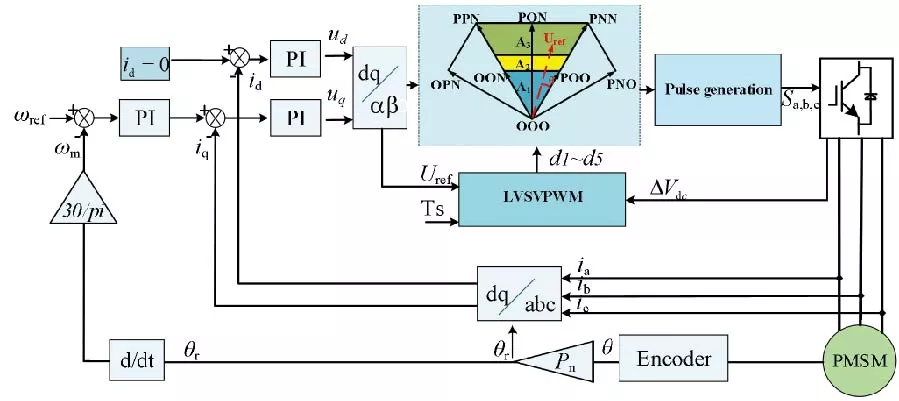
To address the randomness and nonlinearity of photovoltaic (PV) power caused by meteorological factors, this paper proposes an ICEEMDAN-WOA-CNN-BiLSTM prediction model integrated with fuzzy entropy clustering and a self-attention mechanism. First, the original PV power sequence is decomposed into multiple multi-scale intrinsic mode function (IMF) components and residuals via the Improved Complete Ensemble Empirical Mode Decomposition with Adaptive Noise (ICEEMDAN). Subsequently, components with similar complexity are merged using fuzzy entropy clustering to simplify the calculations. Then, the Whale Optimization Algorithm (WOA) is adopted to optimize the hyperparameters of the CNN-BiLSTM model, and the self-attention mechanism is integrated into the model to enhance the weights of key features. Comparative experiments demonstrate that the proposed model significantly outperforms single and traditional hybrid models in terms of Mean Absolute Error (MAE), Root Mean Square Error (RMSE), and Coefficient of Determination (R2). This can effectively improve the accuracy of short-term PV power prediction and provide support for power station dispatching and power grid stability.
2026-02-09
PIER C
Vol. 166, 27-40, 2026
download: 81
Photovoltaic Power Prediction Model Based on Fuzzy Entropy Clustering and Self-Attention Mechanism Combined with ICEEMDAN-WOA-CNN-BiLSTM
Zhongan Yu, Faneng Wu, Zhiwei Huang, Zihao Deng and Feng Zhang
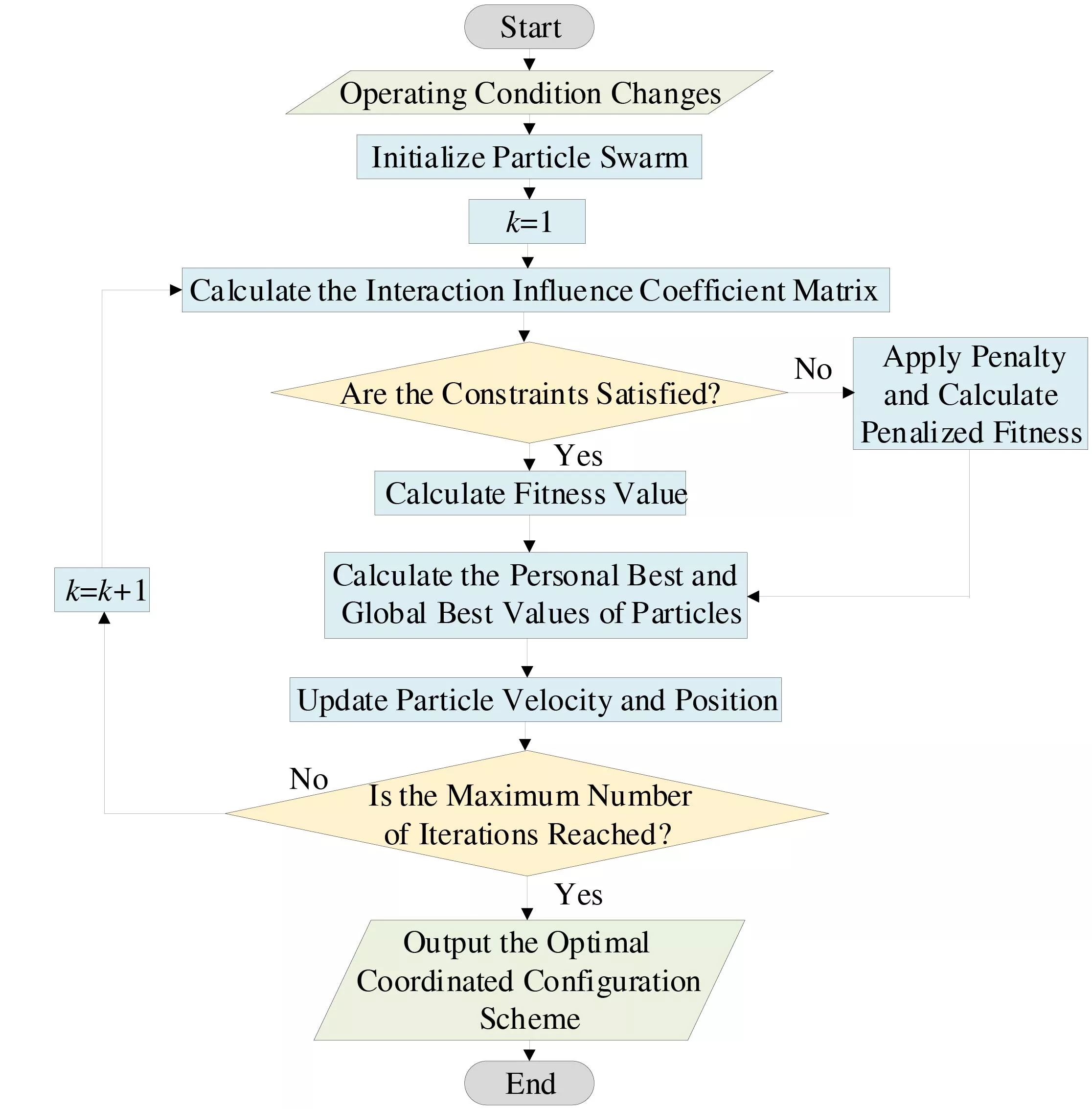
To address the randomness and nonlinearity of photovoltaic (PV) power caused by meteorological factors, this paper proposes an ICEEMDAN-WOA-CNN-BiLSTM prediction model integrated with fuzzy entropy clustering and a self-attention mechanism. First, the original PV power sequence is decomposed into multiple multi-scale intrinsic mode function (IMF) components and residuals via the Improved Complete Ensemble Empirical Mode Decomposition with Adaptive Noise (ICEEMDAN). Subsequently, components with similar complexity are merged using fuzzy entropy clustering to simplify the calculations. Then, the Whale Optimization Algorithm (WOA) is adopted to optimize the hyperparameters of the CNN-BiLSTM model, and the self-attention mechanism is integrated into the model to enhance the weights of key features. Comparative experiments demonstrate that the proposed model significantly outperforms single and traditional hybrid models in terms of Mean Absolute Error (MAE), Root Mean Square Error (RMSE), and Coefficient of Determination (R2). This can effectively improve the accuracy of short-term PV power prediction and provide support for power station dispatching and power grid stability.
Photovoltaic Power Prediction Model Based on Fuzzy Entropy Clustering and Self-Attention Mechanism Combined with ICEEMDAN-WOA-CNN-BiLSTM
2026-02-09
PIER C
Vol. 166, 19-26, 2026
download: 18
A Miniaturized Highly Isolated Quad-Port Penta-Band-Notched UWB MIMO Antenna Based on EBG Structures
Koritala Nagavardhani, Pullagura Rajesh Kumar and Veera Malleswara Rao
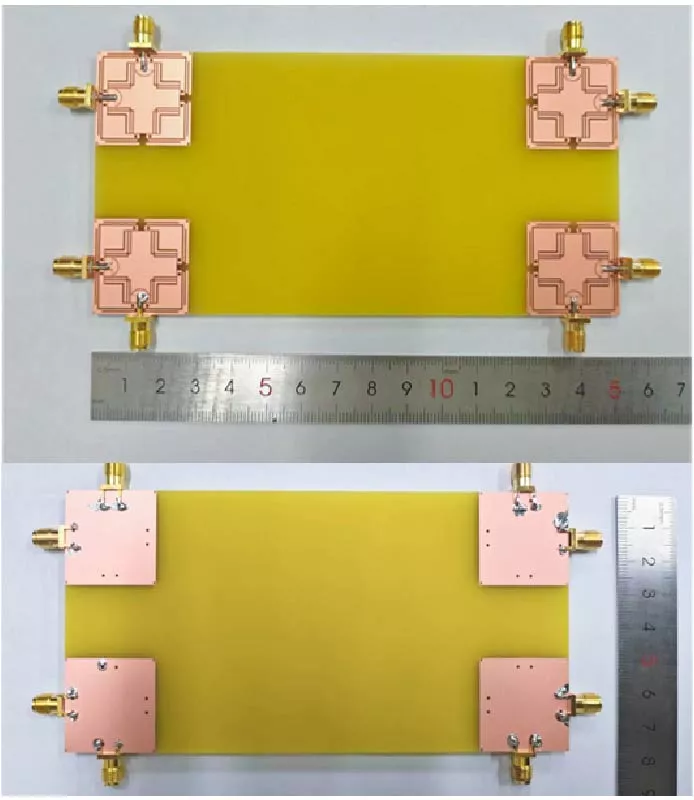
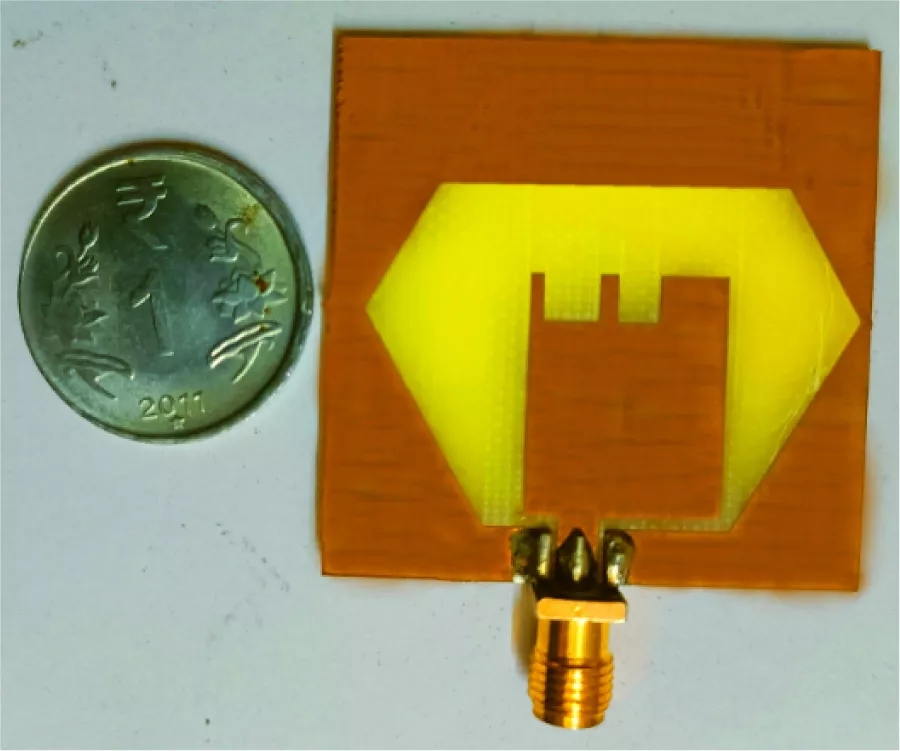
This paper presents a miniaturized quad-port ultrawideband (UWB) MIMO antenna that integrates band-notch functionality and exhibits high isolation. The design employed four circular monopole radiators positioned on a modified defected ground structure (DGS), and periodic electromagnetic bandgap (EBG). These EBG components are an advanced variation of traditional mushroom-type structures that incorporate grid-shaped top patches, a metallic ground plane, and multiple vias connecting both layers. Located at the center of the substrate, the EBG network effectively reduces the electromagnetic coupling between adjacent radiating elements. To achieve multi-band rejection, five inverted U-shaped slots are etched into each monopole, enabling selective suppression of unwanted frequencies at 3.36-3.56 GHz, 3.72-3.92 GHz, 4.11-4.32 GHz, 4.59-4.83 GHz, and 5.22-5.50 GHz, corresponding to WiMAX, C-band, Wi-Fi, INSAT, and WLAN systems. Experimental validation confirms that the antenna attains -10 dB impedance bandwidth extending from 3.0 to 14.0 GHz, with inter-element isolation above -22.5 dB, gain of 6.2 dB, and radiation efficiency reaching 79.2%.
A Miniaturized Highly Isolated Quad-Port Penta-Band-Notched UWB MIMO Antenna Based on EBG Structures
2026-02-09
PIER C
Vol. 166, 9-18, 2026
download: 18
Broadband Array Aperture Fill Time Correction Algorithm Based on Low-Complexity Variable Fractional Delay Filter
Yufan Wang, Mingwei Shen, Zixuan Wang and Guodong Han
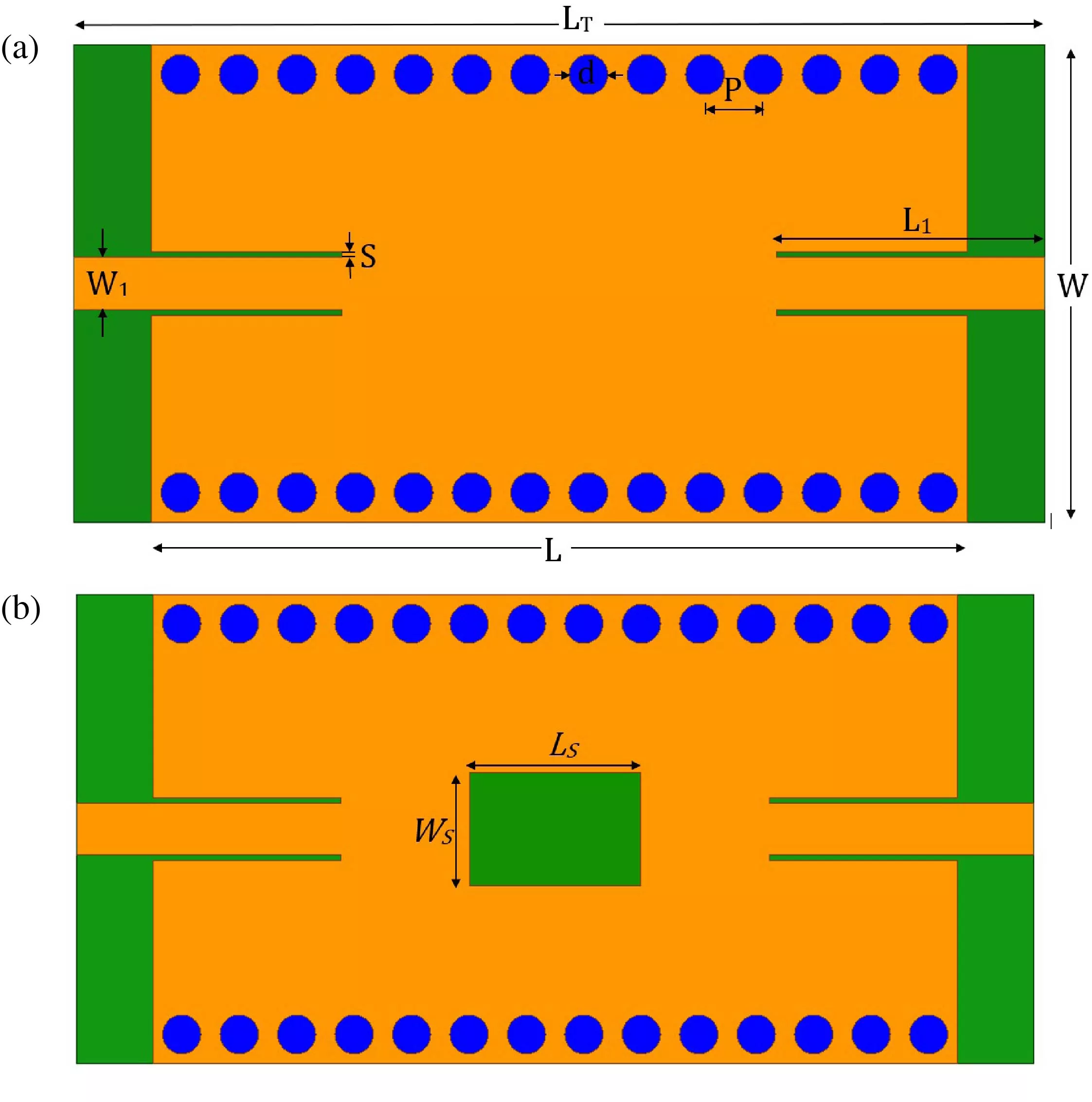
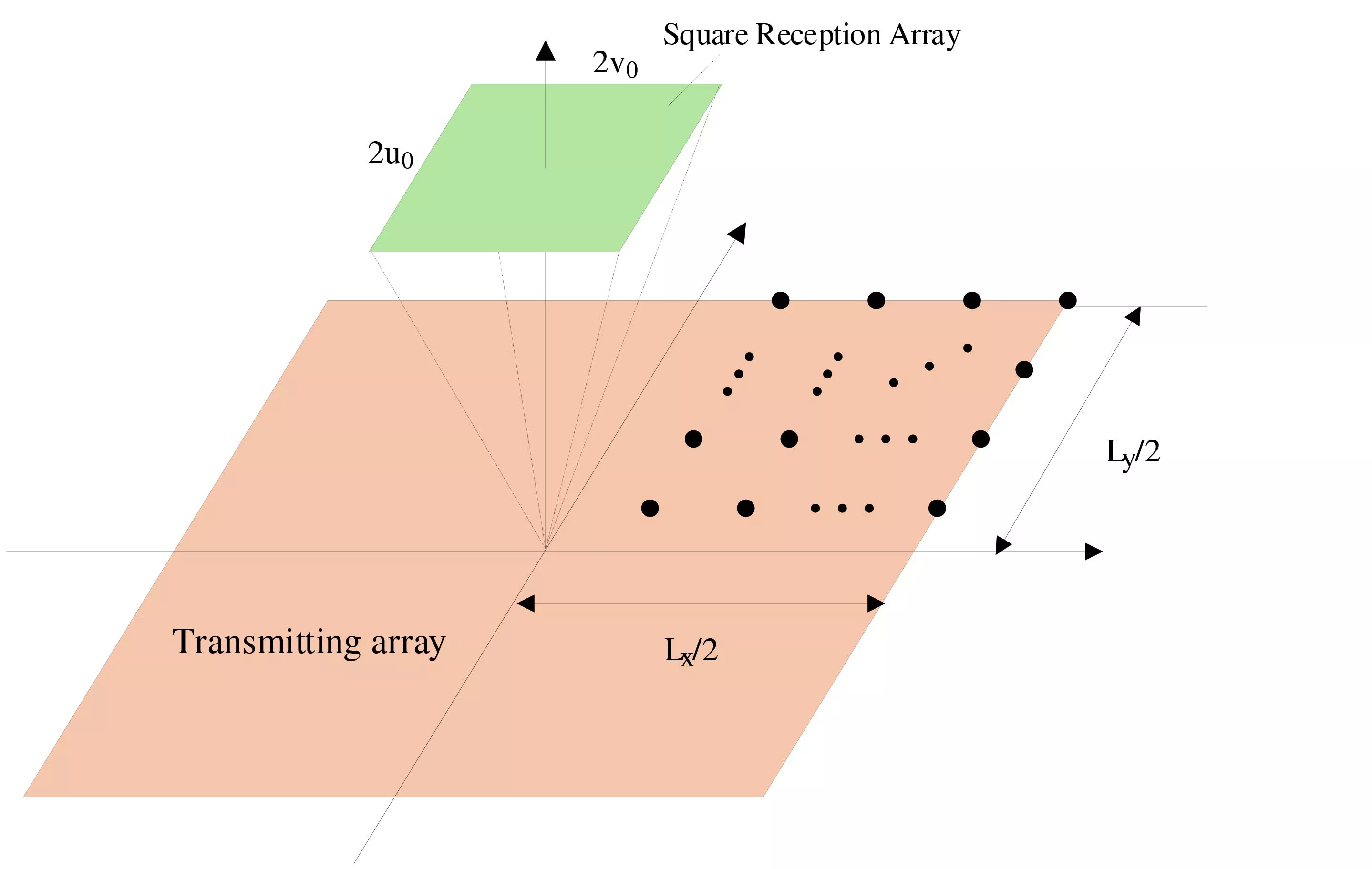
To address the aperture fill time problem in broadband arrays, this paper proposes an efficient delay compensation algorithm based on a variable fractional delay (VFD) filter with high numerical stability. A low-complexity Newton structure is introduced into the VFD Lagrange interpolation algorithm; in addition, the numerical stability is significantly enhanced by centrally offsetting the element delay parameters and avoiding the explicit inversion of the transformation matrix. Subsequently, the robust Newton-VFD is applied to the implementation of the broadband array aperture fill time correction algorithm. The algorithm utilizes a cascaded architecture consisting of coarse integer-delay compensation and fine fractional-delay correction via the Newton-VFD. Simulation results demonstrate that the proposed low-complexity Newton-VFD significantly reduces hardware complexity while maintaining excellent magnitude-frequency characteristics, which enables efficient and high-precision correction of broadband array aperture fill time.
Broadband Array Aperture Fill Time Correction Algorithm Based on Low-Complexity Variable Fractional Delay Filter
2026-02-09
PIER C
Vol. 166, 1-8, 2026
download: 27
A Design Approach of High-Efficiency Filtering Power Amplifiers Using Harmonic-Tuned Network and Terminated Coupled-Line Structures
Lang Ran, Bin Wang, Yongxin Wang and Shihao Chen
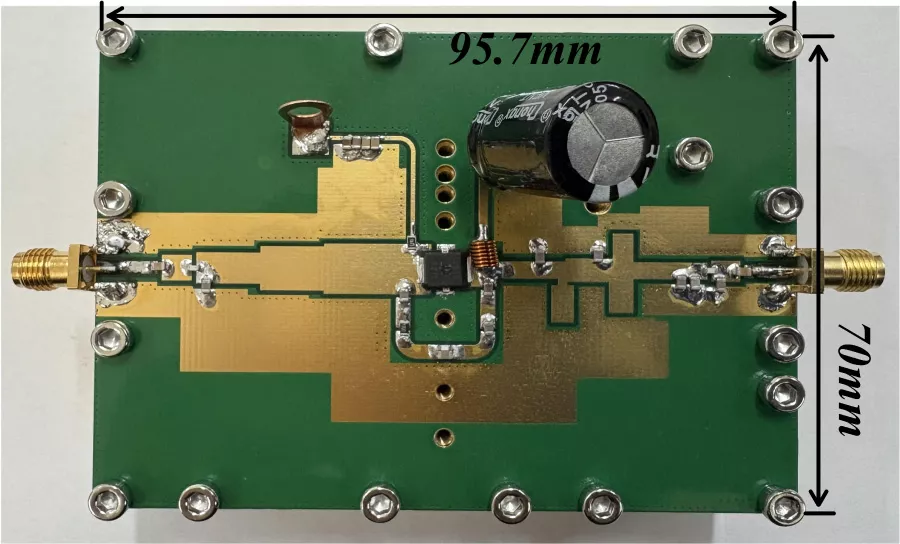
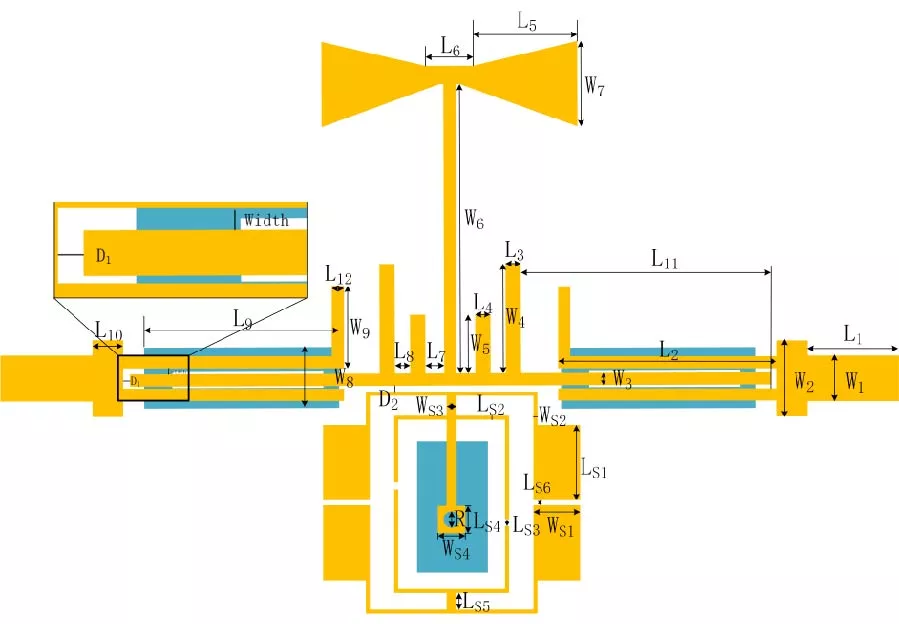
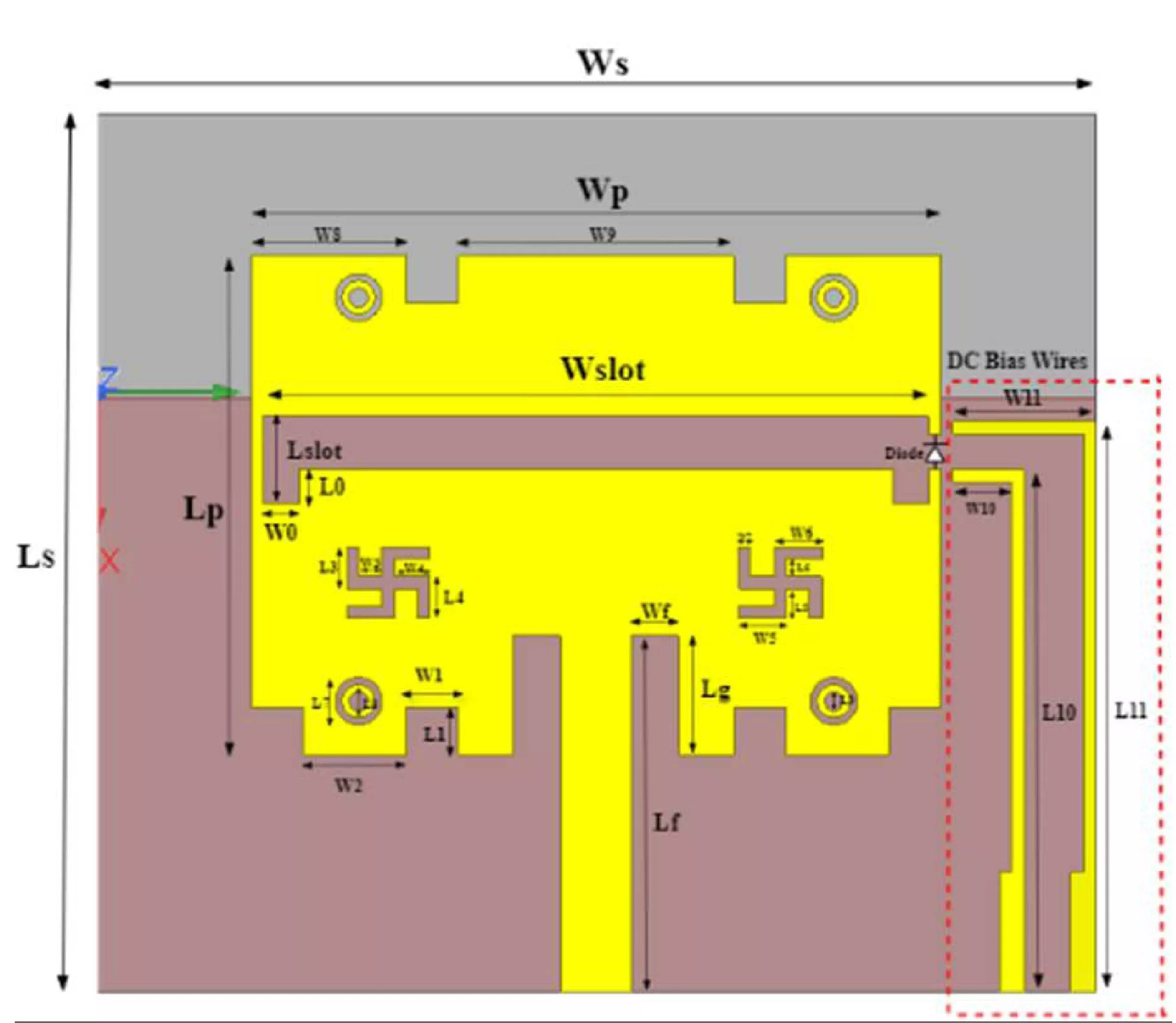
A design approach using a harmonic-tuned network (HTN) and terminated coupled-line structures (TCLSs) for high-efficiency filtering power amplifiers (FPA) is proposed in this paper, effectively addressing the efficiency degradation caused by the integration of filtering structures in conventional FPA designs. The proposed approach enables compact circuitry while providing bandpass filtering characteristics. Bandpass filtering is realized through the cascaded TCLSs, while the incorporation of open-circuit and short-circuit branches introduces additional transmission zeros and poles, significantly improving frequency selectivity. In addition, HTN enables precise control of the harmonic impedance, effectively improving the efficiency of the power amplifier (PA). Based on this approach, an FPA operating in the 2.3-2.6 GHz band is designed and implemented. Experimental results show that the FPA achieves a output power (Pout) of 40.8-41.3 dBm, a drain efficiency (DE) of 67.2-72.2%, a gain of 12.8-13.3 dB, and stopband suppression greater than 39 dB on both sides of the passband. These results verify the effectiveness of the proposed design in enhancing PA efficiency and enabling circuit miniaturization, while also providing a feasible design approach for FPA development.
A Design Approach of High-Efficiency Filtering Power Amplifiers Using Harmonic-Tuned Network and Terminated Coupled-Line Structures