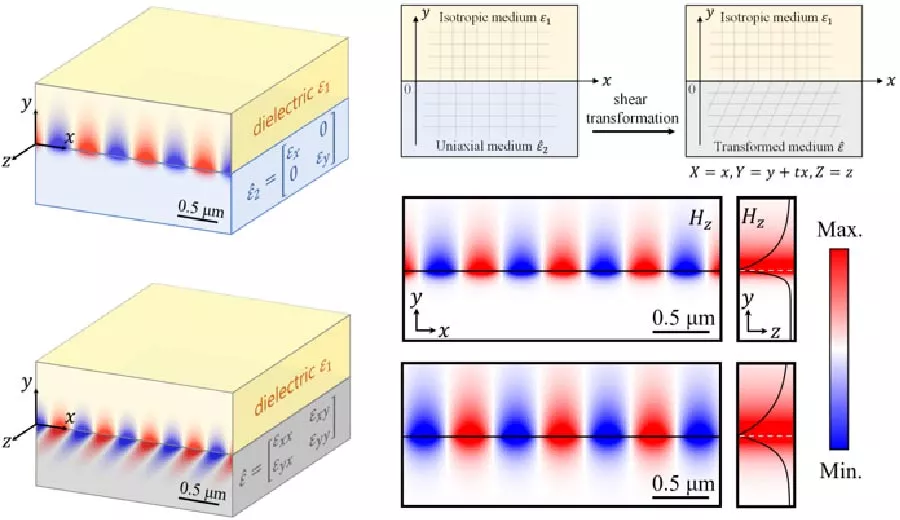
Two decades ago, the seminal papers on Transformation Optics unveiled a radical design principle: the geometry of space itself could be engineered to control the path of light. What began with the visionary concept of an invisibility cloak has matured into a universal paradigm, revolutionizing how we manipulate electromagnetic waves, sound, heat, and even matter waves.
To mark the 20th anniversary of this transformative field, PIER is proud to launch a special issue reflecting on its profound impact. This collection will celebrate the journey from theoretical elegance to practical application, showcasing how transformation optics has reshaped photonics, materials science, and analog gravity. More importantly, it will look forward, identifying the grand challenges and emerging opportunities that will define the next two decades.
We will feature a combination of retrospective commentaries from the field's pioneers, cutting-edge primary research, and forward-looking reviews.
Key topics to be explored include:



Manuscripts should be submitted online. This special issue title should be selected during the online submission process. All papers will be peer-reviewed. Accepted papers will be published online continuously (as soon as accepted) and will be listed together on the special issue website. Research articles, review articles as well as short communications are invited. Submitted manuscripts should not have been published previously, nor be under consideration for publication elsewhere (except conference proceedings papers).