Search Results(13786)

2024-04-22
PIER C
Vol. 143, 23-33
Reconfigurable Designs of Sectoral Microstrip Antennas for Wideband and Circularly Polarized Response
Venkata A. P. Chavali , Amit A. Deshmukh , Aarti G. Ambekar , Hari Vasudevan and Tushar V. Sawant
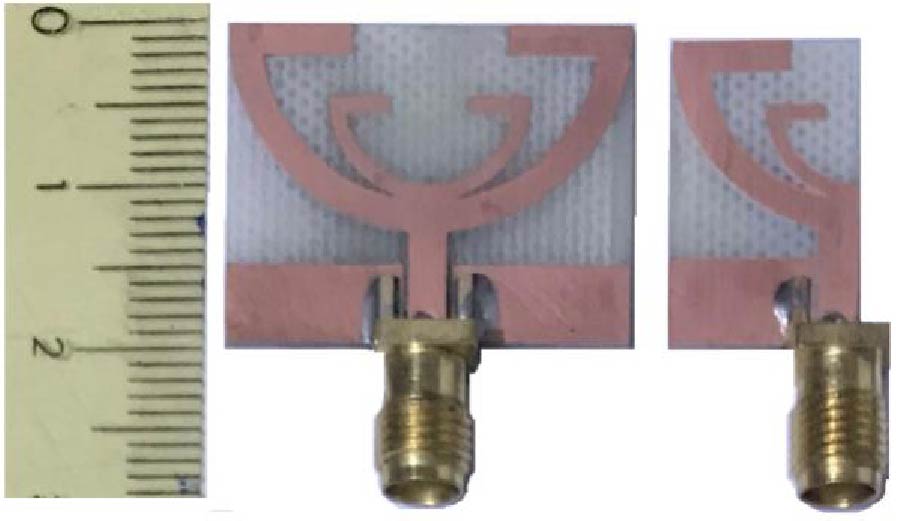
Gap-coupled designs of Sectoral microstrip antenna for 90˚ and 45˚ sectoral angle are proposed for wideband and circularly polarized response. On total substrate thickness of ~0.1 g, proximity fed design of 90˚ Sectoral patch yields simulated bandwidth of 827 MHz (50.41%) with a peak gain of 8.1 dBi, whereas its gap-coupled configuration with parasitic 45˚ Sectoral patches yields simulated bandwidth of 1336 MHz (69.11%) with a peak gain of 8.0 dBi. A gap-coupled design of two 90˚ Sectoral patches is presented in which orthogonal directions of the fundamental mode currents over the aperture are maintained. This yields circularly polarized response with axial ratio bandwidth of 709 MHz (34.88%), which lies inside the impedance bandwidth of 1103 MHz (60.09%). It offers a peak gain of larger than 7 dBi across the axial ratio bandwidth. To achieve all these operational features using a single patch, a reconfigurable design of Sectoral patches is proposed that yields similar wideband and circularly polarized characteristics. Thus, present study provides a wideband and circularly polarized design that offers either impedance bandwidth of more than 65% or axial ratio bandwidth of nearly 35%. For achieved antenna response, the proposed designs fulfill the requirements of LTE (band 65, 66, and 70) and various aeronautical service mobile satellite bands (1610-2300 MHz). Experimental validation for the obtained results is carried out that shows close matching.
Reconfigurable Designs of Sectoral Microstrip Antennas for Wideband and Circularly Polarized Response
2024-04-22
PIER C
Vol. 143, 11-21
Human Motion Recognition Based on Feature Fusion and Transfer Learning
Xiaoyu Luo and Qiusheng Li
In order to solve the problem that the recognition accuracy of human motion is not high when a single feature is used, a feature fusion human motion recognition method based on Frequency Modulated Continuous Wave (FMCW) radar is proposed. By preprocessing the FMCW radar echo data, the range and Doppler parameters of human motions are obtained, and the range-time feature map and Doppler-time feature map datasets are constructed. In order to fully extract and accurately identify the human motion features, the two features are fused, and then the two features maps and feature fusion spectrograms are put into the VGG16 network model based on transfer learning for identification and classification. Experimental results show that this method can effectively solve the problem of lack of information and recognition rate of single feature motion recognition, and the recognition accuracy is more than 1{\%} higher than that of the single feature recognition method.
Human Motion Recognition Based on Feature Fusion and Transfer Learning
2024-04-21
PIER
Vol. 179, 37-47
Theoretical Analysis on Generating Composite-Orbital Angular Momentum Beam
Zhixia Wang , Zelin Zhu , Shilie Zheng , Xiaonan Hui and Xianmin Zhang
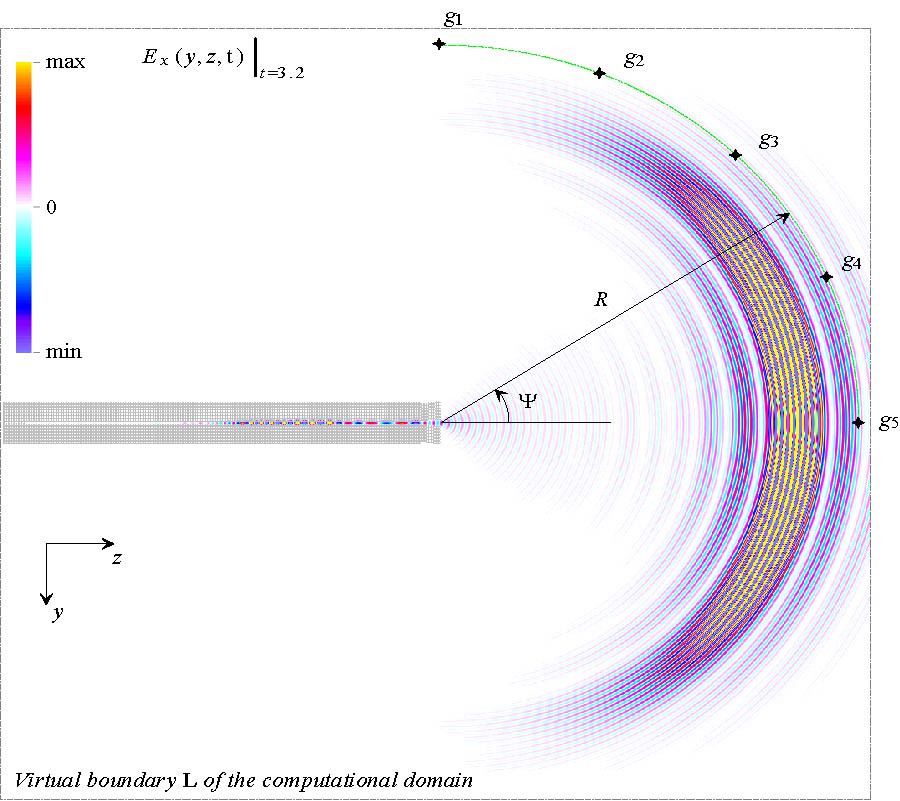
For orbital angular momentum (OAM) based practical applications in radio frequency, inherent puzzles of traditional OAM carrying waves will be encountered inevitably, such as the inherent dark zone in the beam center and severe beam divergence. To solve the problem, some specific beams which are directional beams with high gain, and retain the vorticity and orthogonality of conventional OAM carrying beams have been put forward. They are termed as composite-orbital angular momentum (c-OAM) beam for the first time in this paper. Continuous arc source model (CASM) and discrete arc source model (DASM) are proposed to generate c-OAM beams which are composed of several OAM waves with different weights. Mathematical models of CASM and DASM are demonstrated, and the field expressions are derived. Numerical simulations are conducted to analyze the characteristics of the c-OAM beams, including directivity, vorticity, orthogonality, etc., and certify validity of the proposed model. In all, CASM and DASM are capable of generating c-OAM beams which are more suitable for OAM property based practical applications. Since beamforming is one of the key technologies in 5G systems, c-OAM beams are beneficial to be applied in current communication systems.
Theoretical Analysis on Generating Composite-Orbital Angular Momentum Beam
2024-04-21
PIER C
Vol. 143, 1-10
Harmonic Closed-Loop Model Combined Predictive Fault-Tolerant Control of Double Parallel Rotor Permanent Magnet Synchronous Motor
Hai Pu
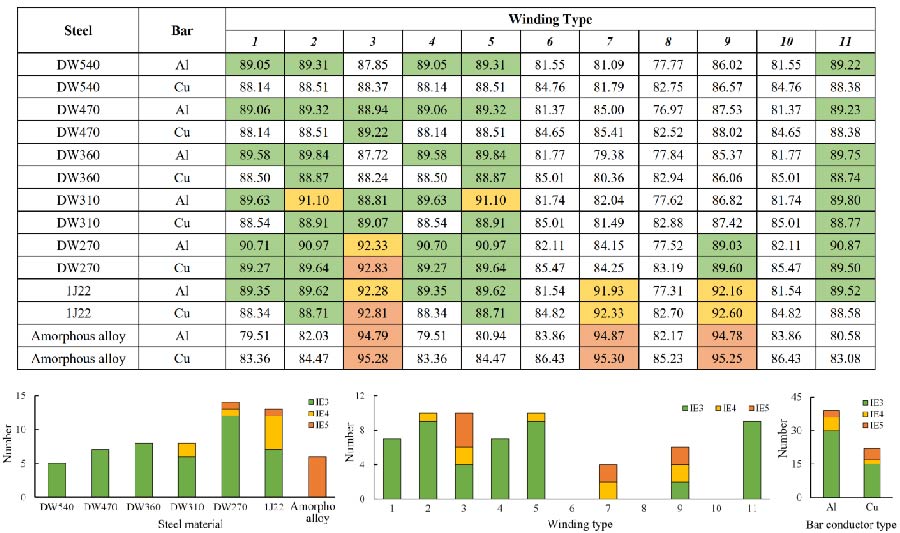
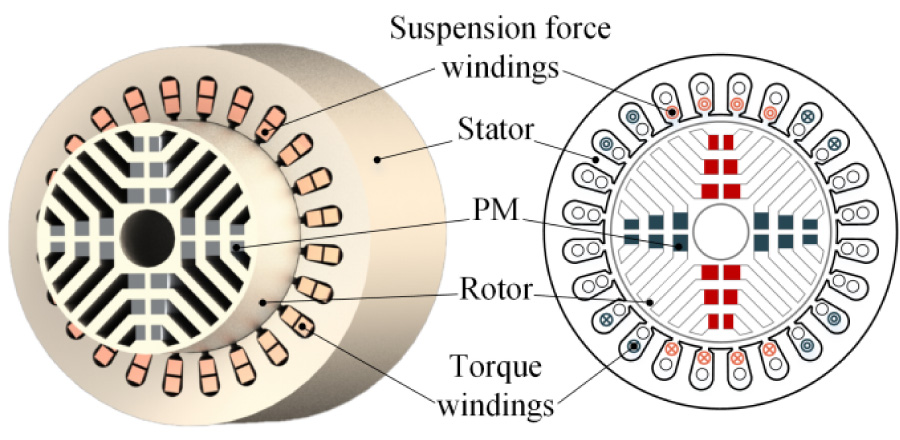
Double Parallel Rotor Permanent Magnet Synchronous Motors exhibit superior performance and compact size, but the growing trend of electrification imposes higher demands on them. This study proposes a predictive fault-tolerant control integrating a closed-loop identification model and conducts experiments on Double Parallel Rotor Permanent Magnet Synchronous Motors. Results indicated that the proposed closed-loop identification model, along with its fractional-order lead-lag compensator module, effectively optimized motor performance, reducing average tracking error by 78.36%. Additionally, with demagnetization faults, the predictive fault-tolerant control outperformed traditional fault-tolerant control in speed, current, and torque fault-tolerant control, demonstrating superior performance. Through 10 weeks of practical application records, Double Parallel Rotor Permanent Magnet Synchronous Motors achieved a working accuracy of 95%-99% under the closed-loop identification model, with recall rates reaching 92%-96% in fault-tolerant scenarios. In both natural and simulated demagnetization fault situations, 97.69% of Double Parallel Rotor Permanent Magnet Synchronous Motors could continue normal operation. This research holds positive significance for the development of motor systems and enhancing their adaptability in the trend of electrification.
Harmonic Closed-loop Model Combined Predictive Fault-tolerant Control of Double Parallel Rotor Permanent Magnet Synchronous Motor
2024-04-21
PIER M
Vol. 127, 23-30
SAR Flexible Antenna Advancements: Highly Conductive Polymer-Graphene Oxide-Silver Nanocomposites
Ahmed Jamal Abdullah Al-Gburi , Mohd Muzafar Ismail , Naba Jasim Mohammed and Thamer A. H. Alghamdi
In the past, copper served as the material for conductive patches in antennas, but its use was limited due to high costs, susceptibility to fading, bulkiness, environmental sensitivity, and manufacturing challenges. The emergence of graphene nanotechnology has positioned graphene as a viable alternative, offering outstanding electrical conductivity, strength, and adaptability. In this investigation, graphene is employed to fabricate conductive silver nanocomposites. The silver-graphene (Ag/GO) sample exhibits an electrical conductivity of approximately 21.386 S/cm as determined by the four-point probe method. The proposed flexible antenna, characterized by four carefully selected cylindrical shapes were used to construct the antenna patch. for enhanced bandwidth, resonates at 2.45 GHz. It achieves amazing performance characteristics, with a high gain of 11.78 dBi and a return loss greater than -20 dB. Safety considerations are addressed by evaluating the Specific Absorption Rate (SAR). For an input power of 0.5 W, the SAR is calculated to be 1.2 W/kg per 10 g of tissue, affirming the safety of integrating the suggested graphene flexible antenna into flexible devices. In this study, the bending of the antenna was assessed by subjecting the structure to bending at various radii and angles along both the X and Y axes. These findings underscore the promising utility of Ag/GO nanocomposites in the development of flexible antennas for wireless systems.
SAR Flexible Antenna Advancements: Highly Conductive Polymer-graphene Oxide-silver Nanocomposites
2024-04-21
PIER Letters
Vol. 119, 59-65
A Compact Wideband Waveguide Filtering Antenna with Transmission Zero
Iqram Haider , Ananjan Basu and Shiban Kishen Koul
This letter describes the design of a third-order, compact, wideband waveguide filtering antenna with a transmission zero (TZ) in the upper stopband. A novel frequency-variant coupling (FVC) network that provides a TZ in addition to the pole is used to achieve compactness and higher selectivity. The position of the TZ can be changed in the upper stopband by altering the physical parameters of the proposed FVC. The radiating waveguide aperture is matched to the real admittance of the generator over a wide bandwidth by utilizing coupled-resonator theory. This leads to a wide fractional bandwidth of 23%, along with a TZ at the upper stopband. The filtering antenna has been manufactured using metal 3-D printing to achieve low manufacturing costs and light weight. The measured results are in good agreement with the simulated ones, which shows the feasibility of the proposed FVC structure for the design of the waveguide filtering antenna with a TZ.
A Compact Wideband Waveguide Filtering Antenna with Transmission Zero
2024-04-20
PIER C
Vol. 142, 219-229
Optical DC Transformers Incorporating Improved Sensing Cell Materials and Signal Processing
Jinfeng Luo
Optical direct current (DC) transformer has become a hot spot of research with its high accuracy, wide bandwidth, and high voltage isolation characteristics, but has the technical difficulties of low signal-to-noise ratio of ODCT signal and poor temperature stability. For this reason, the study proposes a new type of optical DC transformer integrating material science and signal processing. The study introduces an improved terbium gallium garnet crystal sensing unit material and a signal processing algorithm with a plus-window dual correlation detection algorithm, and constructs an optical DC transformer model. Simulation results show that the temperature compensation method can effectively weaken the influence of temperature change on the measurement accuracy under both warming and cooling conditions, and higher accuracy can be obtained by using the whole period window for measurement. The system applying terbium gallium garnet crystals helps to enhance the measuring system's output signal-to-noise ratio and sensitivity. Terbium gallium garnet crystals as a sensing material can further decrease the measuring error compared with other magneto-optical glasses. Taken together, DC measurement system using terbium gallium garnet crystals and dual correlation detecting algorithm can control the error to about 0.3 s. Simulation experiments verify the validity and feasibility of the research methodology, which can guide the research and application of optical DC transformers in the future.
Optical DC Transformers Incorporating Improved Sensing Cell Materials and Signal Processing
2024-04-20
PIER M
Vol. 127, 11-22
Supervised Manifold Learning-Based Polarimetric-Spatial Feature Extraction for PolSAR Image Classification
Hui Fan , Wei Wang , Sinong Quan , Xi He and Jie Deng
In order to improve the classification performance of Polarimetric Synthetic Aperture Radar (PolSAR) image by synthesizing various polarimetric features, a supervised manifold learning method is proposed in this paper for PolSAR feature extraction and classification. Under the umbrella of tensor algebra, the proposed method characterizes each pixel with a feature tensor by combining the high-dimensional feature information of all the pixels within its local neighborhood. The tensor representation mode integrates the polarimetric information and spatial information, which is beneficial for alleviating the influence of speckle noise. Then, the tensor discriminative locality alignment (TDLA) method is introduced to seek the multilinear transformation from the original polarimetric-spatial feature tensor to the low-dimensional feature. The label information of training samples is utilized during feature transformation and feature mapping; therefore, the discriminability of different classes can be well preserved. Based on the extracted features in the low-dimensional space, the SVM classifier is applied to achieve the final classification result. The experiments implemented on two real PolSAR data sets verify that the proposed method can extract the features with better stability and separability, and obtain superior classification results compared to several state-of-the-art methods.
Supervised Manifold Learning-based Polarimetric-spatial Feature Extraction for PolSAR Image Classification
2024-04-20
PIER M
Vol. 127, 1-10
Flexible Wearable Antenna Based on AMC with Different Materials for Bio-Telemetry Applications
Yara Ashraf Kamel , Hesham Abd Elhady Mohamed , Hala Elsadek and Hadia El-Hennawy
In this work, a low-profile and flexible antenna operating in the ISM (2.4-2.4835) GHz band for bio-telemetry applications is presented. This antenna is designed on two flexible substrate materials: Roger RO3003 with a thickness of 0.254 mm and jeans fabric material with a thickness of 0.7 mm, of an overall foot print of 20 × 30 mm2. The deformation bending of the designed antenna in two different cases is studied. The designed antenna is backed by a 3 × 3 artificial magnetic conductor (AMC) array structure, which resulted in the final design configuration. The antenna is backed by an AMC array structure to achieve a lower specific absorption rate (SAR) as well as high gain when it is mounted on biological tissue. For validation, the antenna is fabricated on two flexible substrate materials and then measured in free space as well as on four different parts of the realistic human (chest, back, arm, and leg) body with and without AMC structure. Furthermore, the SAR is measured on cSAR3D flat. Finally, for reliable communication, the link margin is calculated.
Flexible Wearable Antenna Based on AMC with Different Materials for Bio-telemetry Applications
2024-04-16
PIER C
Vol. 142, 207-218
Optimizable KNN and ANFIS Algorithms Development for Accurate Antenna Parameter Estimation
Rajendran Ramasamy and Maria Anto Bennet
The process of smart antenna synthesis involves the automatic selection of the optimal antenna type and geometry in order to enhance antenna performance. A model for intelligent antenna selection employs an optimizable K-nearest neighbors (KNN) classifier to determine the optimal antenna choice. To optimize the utilization of different learner types, the geometric parameters of the antenna are presented as the final step prior to the construction of the ANFIS model, which involves the integration of five distinct primary learners. The classification of three distinct types of antennas, namely helical antenna, pyramidal horn antenna, and rectangular patch antenna, is performed using an optimizable K-nearest neighbors (KNN) classifier. Additionally, an ANFIS approach is employed to determine the optimal size parameters for each antenna. The accuracy is used to evaluate the performance of an Optimizable KNN classifier, whereas Mean Squared Error and Mean Absolute Percentage Error are used to evaluate the performance of an ANFIS. The proposed technique demonstrates high performance in parameter prediction and antenna categorization, achieving a Mean Absolute Percentage Error of less than 3% and an accuracy exceeding 99.16%. The recommended methodology holds significant potential for widespread application in the development of practical smart antennas.
Optimizable KNN and ANFIS Algorithms Development for Accurate Antenna Parameter Estimation
2024-04-16
PIER M
Vol. 126, 137-146
Multi-Functional Metamaterial with Polarization and Wide Oblique Angle Insensitivity for X-Band
Punyatoya Routray and Debalina Ghosh
An optimal blend of relatively high frequency and effective atmospheric penetration renders the X-band a versatile selection for a wide range of applications. Hence, metamaterial absorber and frequency selective surface (FSS) as a band-stop filter and shielding element play a significant role in X-band. This article proposes a cost-effective, wide oblique and polarization-insensitive metamaterial, whose applications as an absorber and FSS having band-stop characteristics for X-band are explained. The isotropic unit cell of the proposed metamaterial is designed by an array of two subunit cells, where one is the 90˚ rotated version of the other with diagonal symmetry. Equivalent circuits of both subunit cells and array structure are systematically designed and analyzed, which provides scope for future modification according to the required frequencies. The proposed absorber provides three absorption peaks and absorptivity of more than 90% up to 60˚ oblique incidence angle. A good agreement between experimentally measured and simulated results is observed. For the use of the structure as FSS, it has been optimized to provide band-stop characteristics precisely for the X-band up to a wide oblique incidence angle. The proposed design can be used as an absorber, band-stop filter, reflector, and shielding element for the X-band.
Multi-functional Metamaterial with Polarization and Wide Oblique Angle Insensitivity for X-band
2024-04-14
PIER M
Vol. 126, 127-136
A 1-Bit Metasurface with Adjustable Focus Achieved by Rotating Array
Bo Yin , Shubin Wang , Yun Li and Hao Zhang
The application scenarios of near-field focusing metasurfaces usually require scanning the target area. Passive metasurface requires a turntable to complete scanning due to its limited functionality. The active metasurface typically has a high cost because it needs to load PIN diodes. To address this issue, the article introduces a 1-bit reconfigurable metasurface that can achieve multi-focus tunability under fixed polarization through a rotating array. The 1-bit polarization-independent metasurface unit consists of three layers of metal. The top layer of the unit consists of three rectangular patches in the X-direction, the middle layer is a cross-shaped patch structure, and the bottom layer is a metal ground. The cross-shaped structure in the middle layer can easily provide the 1-bit reflection phase required for two orthogonal polarizations independently. Using a vertically polarized horn to illuminate the metasurface, the top layer's X-direction rectangular patches do not provide phase for vertical polarization. By rotating the array where the cross-shaped patches are located by 90°, the phase shift provided can achieve two focal points. On this basis, rotate the upper array by 90°, making the rectangular patches change from the X-direction to the Y-direction. Meanwhile, the current of the cross-shaped patches is blocked under vertical polarization illumination. By changing the upper rectangular patches, a third independent phase can be provided. After size optimization, a third focus can be formed. The proposed 1-bit focusing-adjustable metasurface array has a simple structure, low cost, and enhanced utilization rate of the metasurface array. It has a high application prospect in projects such as microwave imaging.
A 1-bit Metasurface with Adjustable Focus Achieved by Rotating Array
2024-04-13
PIER Letters
Vol. 119, 51-57
Application of Improved SROM Based on RBF Neural Network Model in EMC Worst Case Estimation
Bing Hu , Yingxin Wang , Shenghang Huo and Jinjun Bai
The Stochastic Reduced-Order Models (SROM) is a non-embedded uncertainty analysis method that has the advantages of high computational efficiency, easy implementation, and no dimensional disasters. Recently, it has been widely used in the field of EMC simulation. In the process of optimizing electromagnetic protection design, the worst-case estimation value is an extremely important uncertainty quantification simulation result. However, the SROM has a large error in providing this result, which limits its application in the field of EMC simulation prediction. An improved SROM based on the Radial Basis Function (RBF) neural network algorithm is proposed in this paper, which improves the fitness function in the genetic algorithm center clustering process and constructs an RBF neural network model to obtain accurate worst-case estimation results. The accuracy improvement effect of the algorithm proposed in this paper in worst-case estimation is quantitatively verified by using a parallel cable crosstalk prediction example from published literature.
Application of Improved SROM Based on RBF Neural Network Model in EMC Worst Case Estimation
2024-04-12
PIER M
Vol. 126, 117-126
Design of a Simple Four-Port UWB-MIMO Antenna Based on a Fan-Shaped Isolator
Wanying Ren , Zhonggen Wang , Ming Yang , Jinzhi Zhou and Wenyan Nie
In this paper, a novel, highly isolated ultra-wideband multiple-input, multiple-output antenna design for indoor communication is proposed. The overall size of the antenna is only 36 × 36 mm2, and it contains four monopole antenna units and a fan-shaped isolated structure. Each antenna cell is composed of a U-shaped patch element and a defected rectangular ground structure. The fan-shaped decoupling structure effectively absorbs coupling currents, significantly improving isolation. As a result, the proposed antenna system can cover the entire ultra-wideband and receive a resonant frequency of 2-11.08 GHz. The results demonstrate that the antenna's isolation is greater than 15 dB in the operating band. Furthermore, the antenna exhibits good radiation characteristics and reasonable envelope correlation coefficients.
Design of a Simple Four-port UWB-MIMO Antenna Based on a Fan-shaped Isolator
2024-04-12
PIER Letters
Vol. 119, 43-50
Frequency Reconfigurable Antenna Design and Analysis with White LED Lamp, Red and Infrared LEDs
Valsalam Reji and Chellappan Thangappan Manimegalai
This research presents a frequency reconfigurable antenna analysis for wireless applications using multiple light sources. The antenna is constructed on a Roger substrate with (44x28) mm2 dimensions. The antenna comprises two parallel tuner arrangements in addition to a V-shaped radiating section. Two optical PIN photodiodes are connected to the two parallel monopole tuners, which serve as the antenna's switching component and are utilized to adjust the resonant frequency. These two PIN photodiode switches work in the 600-1050 nm wavelength range. To analyze the antenna performance, four different optical sources are used. They are white colour LED lamp, 650 nm optical fiber, red LEDs, and IR LEDs. In every case, the antenna performance analysis are carried out for all the four logic state of the switches (00, 01, 10, 11). Under white lamp test conditions, the antenna's maximum gain is 6 dBi, and when red LEDs are employed as the optical source, its maximum bandwidth is 21%. The antenna reconfigurable frequencies are 3.5 GHz and 5-5.8 GHz (5, 5.2, 5.5, 5.8 GHz).
Frequency Reconfigurable Antenna Design and Analysis with White LED Lamp, Red and Infrared LEDs
2024-04-11
PIER C
Vol. 142, 195-206
A Novel Multi-Objective Synchronous Optimal Subarray Partition Method for Transmitting Array in Microwave Wireless Power Transmission
Jianxiong Li and Chen Wang
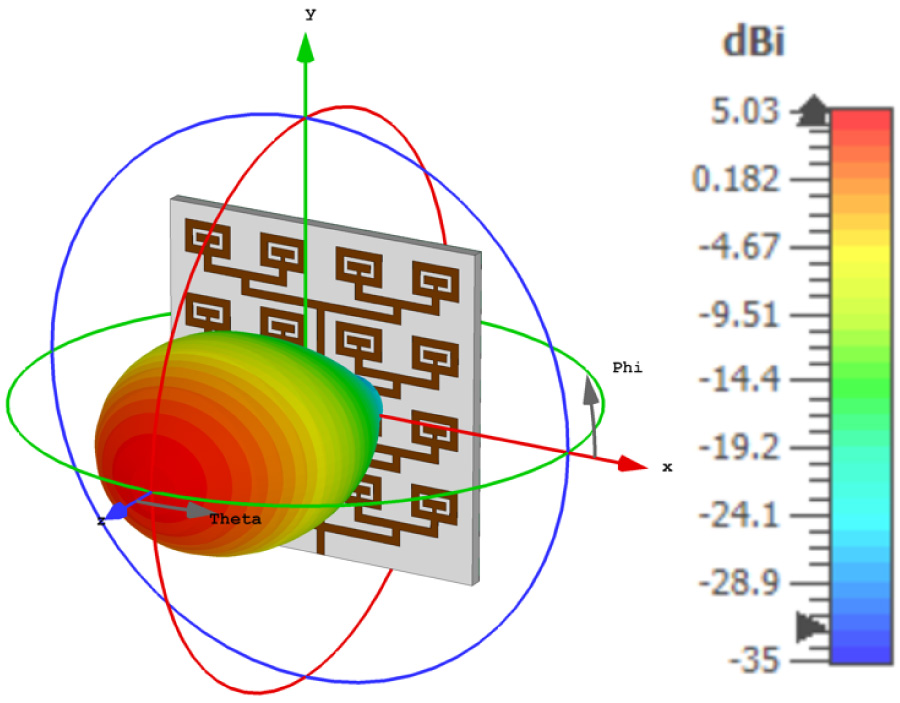
To improve the beam collection efficiency (BCE) of the microwave wireless power transmission (MWPT) system while reducing the peak sidelobe level outside the receiving area (CSL) and system cost, this paper proposes a new subarray partition technique and a nonuniform sparsely distributed quadrant symmetric planar array (NSDQSPA) model. A particle swarm optimization algorithm based on multiple-objective with nonlinear time-variant inertia and learning factor improved particle swarm optimization (MO-NTVILF-IPSO) is also proposed. The one-step multi-objective subarray partition algorithm adopts dynamic weight and dynamic learning factor to carry out one-step optimization on the array element arrangement of the transmitting array. The optimization algorithm simultaneously optimizes two performance indicators: the ΔBCE, which represents the optimization accuracy for the BCE, and the αref, which represents the mean square error of the excitation amplitude before and after the subarray partition. Many simulation results show that the BCE is 94.91%, and the CSL is -13.41 dB when the transmitting array with an aperture of 4.5λ×4.5λ is divided into six subarrays. The simulation results further demonstrate that the proposed subarray division method is appropriate for the MWPT system and that the algorithm in this paper, when the array elements with the same excitation amplitude are divided for the planar transmitting array on the array model, and can guarantee relatively high BCE and relatively low complexity of the system feed network.
A Novel Multi-objective Synchronous Optimal Subarray Partition Method for Transmitting Array in Microwave Wireless Power Transmission
2024-04-11
PIER Letters
Vol. 119, 35-41
SIW Filter Based on a CPW Resonator and a Hybrid Electromagnetic Coupling Structure
Xiaohei Yan , Minjie Guo , Wenjing Mu , Xiumei Huang and Haiyan Zeng
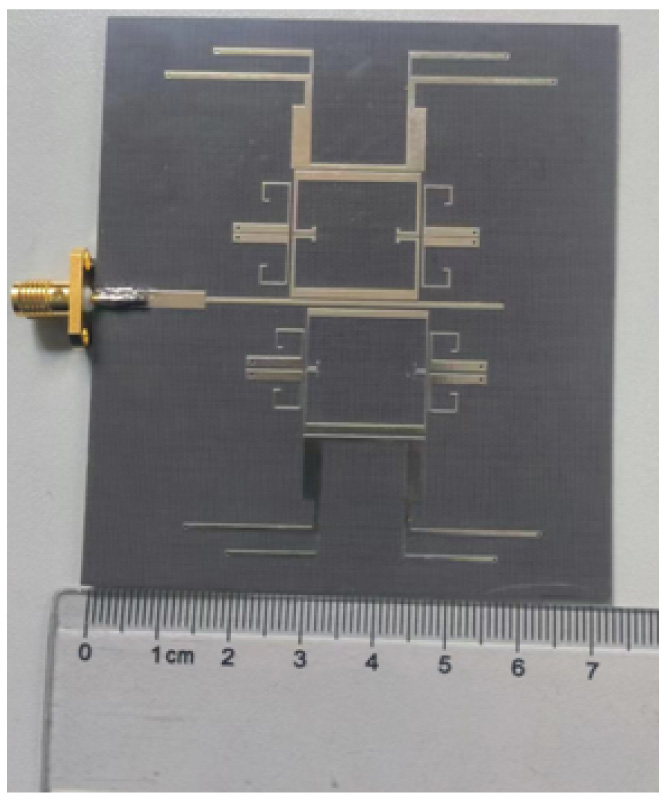
This paper proposes a hybrid cross-coupled filter that utilizes a coplanar waveguide (CPW) resonator and a hybrid electromagnetic coupling structure. The filter features a flexible and controllable position of the transmission zeros and a quasi-elliptical response. It is composed of two CPW structures etched within the upper metal surface of a second-order substrate-integrated waveguide (SIW) resonant cavity. By adjusting the dimensions of the two CPW structures between the SIW resonant cavities and the width of the inductive coupling window, the strengths of the electric and magnetic couplings can be easily controlled to achieve a controllable hybrid cross-coupling effect in order to adjust the position of the transmission zeros and ultimately to realize the third-order filter with quasi-elliptical response characteristics. Simulation and test results indicate that the filter has a center frequency of 4.55 GHz, a -3 dB bandwidth of 180 MHz, a relative bandwidth of 4%, an insertion loss of -0.9 dB in the passband, a return loss of over 15 dB, and two transmission zeros located at 4.4 GHz and 4.7 GHz, respectively. The filter has several advantages, including a simple structure, low insertion loss, small circuit size, good frequency selectivity, and flexible and controllable transmission zeros. These features make it suitable for use in 5G (sub-6 GHz) wireless communication systems.
SIW Filter Based on a CPW Resonator and a Hybrid Electromagnetic Coupling Structure
2024-04-10
PIER M
Vol. 126, 107-115
Design of a Three-Channel Frequency Multiplexing Metasurface in Full Space
Qinxuan Ling , Jinfeng He , Honggang Hao , Zhonglyu Cai and Min Wang
The multifunctional metasurface offers a high degree of flexibility in manipulating electromagnetic waves. However, the majority of its functions are limited to the reflection or transmission space in a single band, restricting the utilization of electromagnetic information. This paper proposes a three-channel multifunctional frequency multiplexing coding metasurface based on the Fabry-Perot cavity principle. It consists of two layers of orthogonal metal gratings and a cross-shaped, oblique open loop structure in the intermediate layer. Simulation results reveal that at an incidence of 22 GHz, the polarization conversion and focusing functions of the transmitted wave are accomplished. Similarly, at an incidence of 31 GHz, the beam deflection function of the reflected wave is observed. Furthermore, at an incidence of 32 GHz, the radar scattering cross-section reduction function of the reflected wave is achieved. In addition to achieving high efficiency, miniaturization, and compactness, the proposed metasurface effectively enhances the spatial utilization of electromagnetic information. As a result, potential applications in multifunctional integrated systems, including wireless communication, sensing technologies, and radar systems, are vast.
Design of a Three-channel Frequency Multiplexing Metasurface in Full Space
2024-04-09
PIER C
Vol. 142, 183-193
Plug-and-Play ADMM Based Radar Range Profile Reconstruction Using Deep Priors
Kudret Akçapınar , Naime Özben Önhon , Özgür Gürbüz and Müjdat Çetin
Reconstructing a range profile from radar returns, which are both noisy and band-limited, presents a challenging and ill-posed inverse problem. Conventional reconstruction methods often involve employing matched filters in pulsed radars or performing a Fourier transform of the received signal in continuous wave radars. However, both of these approaches rely on specific models and model-based inversion techniques that may not fully leverage prior knowledge of the range profiles being reconstructed when such information is accessible. To incorporate prior distribution information of the range profile data into the reconstruction process, regularizers can be employed to encourage specific spatial patterns within the range profiles. Nevertheless, these regularizers often fall short in effectively capturing the intricate spatial correlations within the range profile data, or they may not readily allow for analytical minimization of the cost function. Recently, the Alternating Direction Method of Multipliers (ADMM) framework has emerged as a means to provide a way of decoupling the model inversion from the regularization of the priors, enabling the incorporation of any desired regularizer into the inversion process in a plug-and-play (PnP) fashion. In this paper, we implement the ADMM framework to address the radar range profile reconstruction problem where we propose to employ a Convolutional Neural Network (CNN) as a regularization method for enhancing the quality of the inversion process which usually suffers from the ill-posed nature of the problem. We demonstrate the efficacy of deep learning networks as a regularization method within the ADMM framework through our simulation results. We assess the performance of the ADMM framework employing CNN as a regularizer and conduct a comparative analysis against alternative methods under different measurement scenarios. Notably, among the methods under investigation, ADMM with CNN as a regularizer stands out as the most successful method for radar range profile reconstruction.
Plug-and-Play ADMM Based Radar Range Profile Reconstruction Using Deep Priors
2024-04-09
PIER M
Vol. 126, 99-106
Accurate on Wafer Calibration and S-Parameter Measurement Setup for InP-Based HEMT Devices to 220 GHz
Haiyan Lu , Jixin Chen , Zhongfei Chen , Yuan Sun , Luwei Qi , Siyuan Tang , Hongqi Tao , Tangsheng Chen and Wei Hong
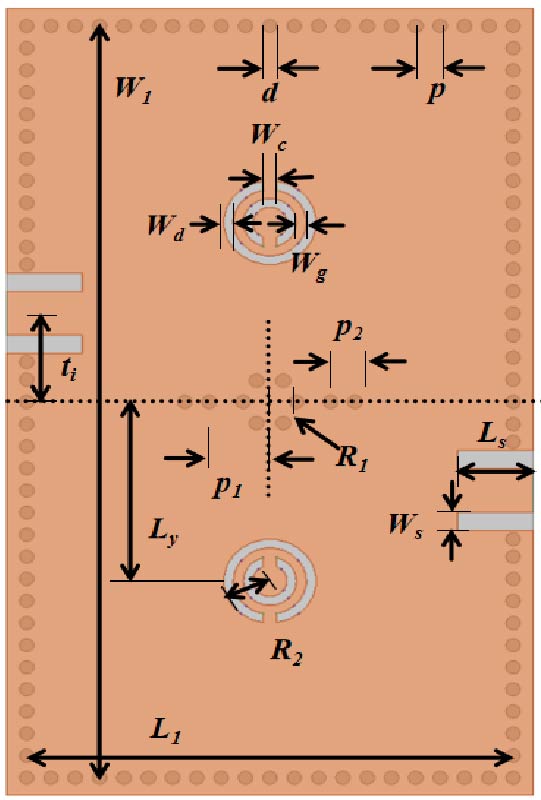
In this paper, the on-wafer S-parameter measurement of InP-Based HEMT devices up to 220\,GHz is presented. The calibration kits utilizing a CPWG structure are meticulously designed on an InP substrate. The corresponding structure for calibrating the reflection mechanism is designed in order to reduce the influence between the two ports during the calibration process and improve isolation. The TSVs process is employed to attain broadband load. The design concept of the calibration structure is discussed, and the simulation results up to 220\,GHz are provided for demonstration. The measurement results encompass frequency ranges of 0.2-66 GHz, 75-110 GHz, 110-170 GHz, and 170-220 GHz. Moreover, the test results obtained from different calibration methods for InP HEMT devices are compared and analyzed. By employing interpolation techniques, comprehensive S-parameter data for actual DUTs ranging from 0.2 to 220 GHz is successfully obtained. Furthermore, the intrinsic parameters Cgs is extracted from device test results, and various calibration methods are utilized for comparison. The extrapolated maximum current gain cut-off frequency fT based on a -20 dB/decade slope in H21 is determined as 252 GHz while the extrapolated device maximum oscillation frequency fmax calculated through the maximum stable gain (MSG)/the maximum available gain (MAG) and Umason approaches reaches up to 435 GHz.
Accurate on Wafer Calibration and S-parameter Measurement Setup for InP-based HEMT Devices to 220 GHz