Search Results(13786)

2024-03-14
PIER Letters
Vol. 118, 63-69
Design of an Octave-Multimode Hybrid Broadband High-Efficiency Power Amplifier
Zuqiang Zhang , Shiwei Zhao , Linsong Li , Longfei Zhou , Fei Zhao and Jialin Li
This paper discusses the challenges faced by existing power amplifier configurations in meeting the bandwidth requirements of modern communication technology while maintaining high efficiency due to the overlap of fundamental and harmonic frequencies. To address this issue, the paper proposes a matching method based on mode combination theory that utilizes the overlap of harmonic and fundamental impedance to simplify the design of broadband amplifiers. In this paper, a Chebyshev low-pass filter is used to control the higher harmonics instead of the conventional quarter-wavelength harmonic control network with a combination of harmonic impedances. The proposed method combines three modes of Resistive-Reactive class F-1, class J, and class F power amplifiers, which can achieve high efficiency and octave frequency at the same time. The paper verifies the proposed method by designing and fabricating a multi-multiplier power amplifier with a drain efficiency of 61.8-73.9%, an operating bandwidth of 1.4-2.9 GHz, and a saturation output of 41.1-42.3 dBm. The amplifier also has a gain greater than 11.1-12.3 dBm, and at an output power of 36 dBm, the ACPR value is -32 to -33.1 dBc across the band.
2024-03-14
PIER B
Vol. 105, 93-105
Exact Expressions for the Near Field of a Thin Uniform Circular Loop Current with Application to Loops Lying on a Half Space
David G. Miljak
Exact analytic solutions for the electromagnetic field due to a thin, uniform circular loop current are presented. The solutions are provided in the form of a power series with respect to wavenumber. The coefficients of the series are real functions of the spatial coordinates and loop radius and involve recursions of complete elliptic integrals or finite sums of elementary functions. Explicit expressions for the magnetic vector potential and electric and magnetic fields are provided for both cylindrical and spherical coordinate systems. The expressions are adapted for computing the electric field and axial magnetic field on the interface of two half spaces generated by a current loop lying on the half-space interface. Expressions for the self and mutual loop impedances are provided for both the free-space and interface case. Computed examples are given for specific frequency and half-space parameters and are compared to known solutions based on spherical Hankel functions or direct integration. The solutions are shown to be particularly efficient in the near field. Their derivation is motivated by recent developments of large sensors used in magnetic resonance sensing of minerals.
Exact Expressions for the Near Field of a Thin Uniform Circular Loop Current with Application to Loops Lying on a Half Space
2024-03-12
PIER C
Vol. 142, 51-60
Multi-Objective Optimization of a Multi-Tooth Flux-Switching Permanent Magnet Machine with HTS Bulks
Huajun Ran , Yunpan Liu , Linfeng Wu and Junye Zhao
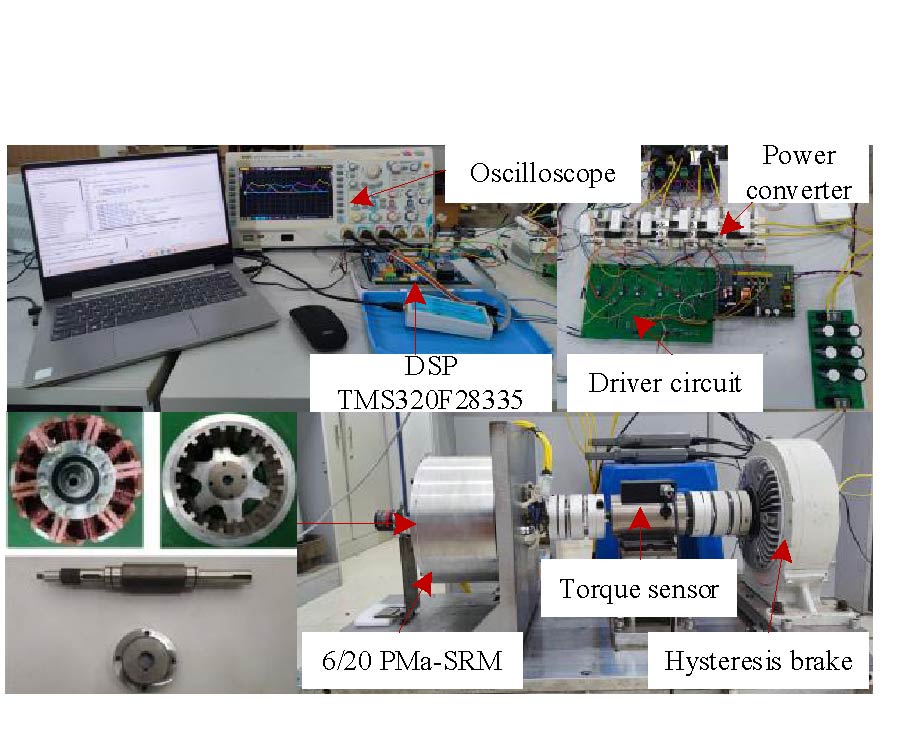
Flux-switching permanent magnet (FSPM) machine has wide application prospects in aerospace and automotive fields. To enhance the machine's electromagnetic performance, a novel multi-tooth flux-switching permanent magnet (MT-FSPM) machine with high-temperature superconducting (HTS) bulks is proposed. The HTS bulks are arranged in the middle of the stator teeth, aimed at diminishing flux leakage and amplifying torque output. The method of stator tooth chamfering and rotor flange is adopted to effectively suppress the torque ripple. Then based on the comprehensive sensitivity analysis, the key design parameters of the machine are layered, and the high sensitivity parameters are optimized by response surface method (RSM) and multi-objective genetic algorithm (MOGA) to obtain the optimal value. Finally, a 6/19 MT-FSPM machine model is established in 2D finite element method (FEM). Comparative analysis with the conventional model indicates a 16.4% increase in output torque and an impressive 79.6% reduction in torque ripple for the proposed model.
Multi-objective Optimization of a Multi-tooth Flux-switching Permanent Magnet Machine with HTS Bulks
2024-03-12
PIER M
Vol. 125, 51-61
An Adaptive Mesh Global Modeling Method for Solving Non-Ideal Sliding Electrical Contact Problems
Jian Sun , Junsheng Cheng , Ling Xiong , Yuantao Cong and Heyang Wang
The armature and rail sizes of electromagnetic rail launcher vary greatly, and the refined 3D finite element computation occupies a large amount of physical memory. In order to enhance the economy of dynamic computation, this paper proposes an adaptive hexahedral mesh method based on mesh expansion, compression and translation. In addition, split nodes are used on both sides of the contact surface, and interface conditions and frictional heat sources are constrained through point penalty function method to solve non-ideal sliding electrical contact problems. Comparative calculations with the same type of software and the same model are carried out, and the results calculated in this paper are consistent with the relevant results of MEAP3D. This paper also compares the EMRL calculation results of adaptive mesh model and constant mesh model to verify the reliability of the method. In addition, the C-type EMRLs are compared and analyzed. The results show that due to the influence of velocity skin effect, the dynamic inductance gradient of the rail gradually increases over time and is greater than the static value. The maximum difference between the two is 5.65% of the dynamic inductance gradient. The steel shell generates eddy currents, causing a decrease in armature velocity of 4.7 m/s under the small caliber launcher. The maximum eddy current density waveform of the shell exhibits two peaks. In the frictionless heat, the temperature of the armature is underestimated, and under the action of frictional heat, the trailing edge of the armature is ablated and melted.
An Adaptive Mesh Global Modeling Method for Solving Non-ideal Sliding Electrical Contact Problems
2024-03-11
PIER M
Vol. 125, 41-49
Analysis and Design of a Directive Antenna Array for C-Band Communication Applications
Ayman Elboushi , Anwer S. Abd El-Hameed , Sulaiman Alsuwailem and Eman Gamal Ouf
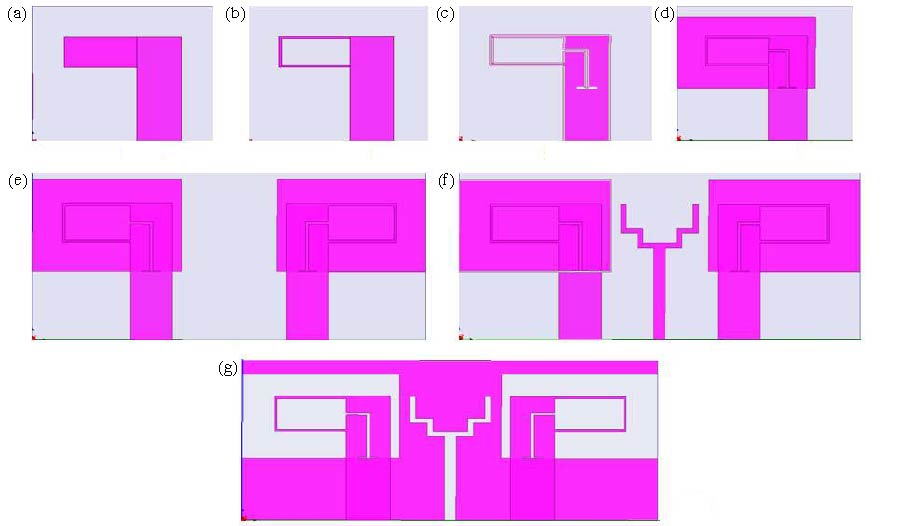
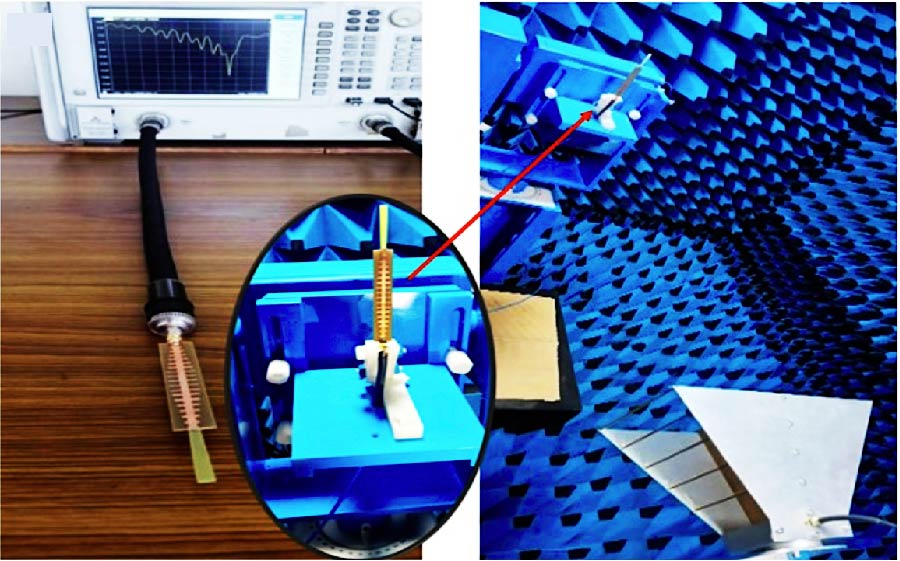
Three scenarios of high gain bow-tie based antenna array systems are introduced and investigated in this paper. The proposed designs are intended for integration as Tx/Rx antennas in C-band communication systems. Wide operating bandwidth and consistent radiation characteristics over the frequency range from 4 GHz to 5 GHz are defined for the three configurations. A two-stage Wilkinson power divider provides the feed mechanism for the proposed array. The initial structure has four radiating elements, each incorporating seven bow-tie dipoles arranged in a printed Log-Periodic Directional Array (PLPDA) configuration. The gain of the second and third designs is improved by adding resonators in front of the array elements. Furthermore, the second design features triangular-shaped resonators, while the third design employs H-shaped resonators. The designs are simulated and optimized using HFSS and CSTMWS software, and subsequently, they are fabricated using the photolithography technique. The initial design demonstrates an experimental bandwidth from 3.7 GHz to 5.1 GHz and achieves a measured gain of 13.8 dBi at 4.7 GHz. The second and third configurations operate in the frequency bands of 4.3 GHz to 5.3 GHz and 3.7 GHz to 5 GHz, respectively, exhibiting measured gains of 14.1 dBi and 15 dBi. The overall dimensions of the proposed arrays are kept within reasonable limits, with the first array being 2.51λ × 2.74λ, the second being 2.09λ × 2.82λ, and the third being 2.51λ × 2.97λ. The three array designs can be considered as good candidates for C-band communication applications.
Analysis and Design of a Directive Antenna Array for C-band Communication Applications
2024-03-11
PIER M
Vol. 125, 31-40
Electromagnetic-Thermal Modeling of Multi-Turn Electromagnetic Rail Launcher with Phase Transition
Jian Sun , Ling Xiong , Yuantao Cong and Junsheng Cheng
Electromagnetic thermal performance is critical during electromagnetic launch. However, due to the harsh in-bore environment, it is difficult to obtain multi-parameter information by means of experimental measurement, which further limits our understanding of the field distribution of electromagnetic launcher. In this paper, considering the temperature dependence of material conductivity and armature solid-liquid isothermal phase transition, a bidirectional coupling model of electro-magnetic-thermal field of multi-turn electromagnetic rail launcher is established. The reliability of this model is verified by comparing the calculation results of the same model and input conditions with the numerical tool EMAP3D, as well as the related experimental comparison. In addition, the multi-turn and traditional EMRLs are compared and analyzed. The results show that compared to single-turn EMRL, the armatures have greater driving force in two multi-turn configurations, and the impulse lifting rates are about 1/2. In the multi-turn configurations, the lateral resultant forces of the two armatures are not zero, while the lateral force difference in the integrated negative rail configuration is relatively small. The ablation of the armature in the integrated negative rail configuration is less severe.
Electromagnetic-Thermal Modeling of Multi-Turn Electromagnetic Rail Launcher with Phase Transition
2024-03-09
PIER M
Vol. 125, 21-29
Analytical Model of Six-Pole Axial-Radial Active Magnetic Bearing Based on Flux Density and Segmentation of Magnetic Field
Huangqiu Zhu , Zhen Wang and Gai Liu
To reduce the coupling resulting from structural asymmetry and enhance the load-bearing capacity per unit area, a six-pole axial-radial active magnetic bearing (AR-AMB) has been suggested. To refine the precision of the mathematical model derived from the conventional equivalent magnetic circuit model, a modeling technique that employs the flux density and magnetic field segmentation has been proposed. Firstly, the structure and operational principle of the six-pole AR-AMB are introduced. Subsequently, an improved model based on the flux density is established by considering the internal relationship between the iron core and air gap magnetic field in a magnetic bearing with pole shoes. The model addresses issues related to the accurate calculation of fringing magnetic flux and magnetic saturation of core materials while accounting for eddy current effects on suspension force. Finally, the accuracy of the theoretical analysis results has been validated through finite element simulation and experiment, and demonstrated that the rotor based on this model exhibits robust anti-interference capabilities.
Analytical Model of Six-pole Axial-radial Active Magnetic Bearing Based on Flux Density and Segmentation of Magnetic Field
2024-03-09
PIER Letters
Vol. 118, 55-61
Broadband Bowtie-Based Log-Periodic Array Antenna via GIPD Process for 5G mm-Wave Applications
Jixuan Li , Zenghui Xiang , Xuan Chen , Mi Xu and Jinhui Li
In this paper, a broadband bowtie-based log-periodic array antenna is proposed and investigated for 5G millimeter wave (mm-wave) applications. Using a Glass Integrated Passive Device (GIPD) process, the proposed antenna is implemented on a high dielectric constant glass substrate. To address the directional radiation issues associated with the traditional straight connection, the proposed antenna uses a crisscross connection effect with carefully spaced three dipole elements. Furthermore, the use of bowtie-based dipole offers a wide bandwidth advantage. The study also examines the effects of changes in key parameters on critical antenna features. The feeding structure uses a combination of coplanar waveguide (CPW) and microstrip line to strip line. For demonstration, a prototype antenna is optimized, fabricated and measured. The measurement results show that the 10 dB impedance bandwidth of the proposed antenna is from 21.5 to 36.1 GHz, and the gain is higher than 5.63 dBi.
Broadband Bowtie-based Log-periodic Array Antenna via GIPD Process for 5G mm-Wave Applications
2024-03-09
PIER B
Vol. 105, 79-91
Innovative Methodology to Improve Flexible Antenna Percentage V-Folding Performance
Kishore Ajay Kumar Ayyala , Atul Thakur , Shabi Baccar , Hugerles S. Silva , Preeti Thakur , Glauco Fontgalland , Yong Zhou and Blaise Ravelo
The folding antennas are anticipated to become mandatory because of integration necesity according to communication object shapes. The effect of folded antennas on the electromagnetic (EM) radiation is an open question for RF and microwave wireless engineers. An innovative approach to explore the flexible patch antenna (FPA) parameters through V-folding analysis is addressed for this problem. This paper is focused on the methodological approach of FPA study by considering an innovative V-folding behaviour compared to the classical flat condition. As proof-of-concept, FPA prototypes are designed on Kapton substrate, simulated, fabricated, and tested. A non-shifting operating frequency is achieved at 3.4 GHz for all percentage-wise folding with a flat (unfold) bandwidth of about 360.8 MHz with good acceptable performance. The FPA performance prediction as reflection coefficient, efficiency, gain, and directivity versus forward and back V-folding percentage and angle is examined. The obtained result can be exploited to predict the V-folding effect on the communication performances of transceiver systems like radar, satellite and multimedia applications.
Innovative Methodology to Improve Flexible Antenna Percentage V-folding Performance
2024-03-08
PIER C
Vol. 142, 37-49
Current Sensor Fault Detection and Fault-Tolerant Control of Bearingless Induction Motor Based on VCS
Shihan Zhan , Zebin Yang , Xiaodong Sun and Qifeng Ding
To ensure normal operation of a control system for a bearingless induction motor (BIM) after current sensor failure, a virtual current sensor (VCS) fault-tolerant control strategy was proposed. First, on the basis of the coordinate transformation of the stator current of the torque winding, the fault detection marks were set to realize current sensor fault detection. Second, according to the mathematical models of BIM, the stator current differential equations included in the VCS were derived, and the solutions of the equations were used as the reconstruction current of the fault current sensor, achieving fault-tolerant operation control after the sensor fault. The simulated and experimental results show that the set fault detection marks can realize the quick and accurate identification of sensor faults, and the estimated current from the VCS output can replace the faulty current after the current sensor fails, and the stator current can be reconstructed effectively under no-load, load change, and speed change conditions, and also ensure a good suspension of the motor rotor under sudden addition of disturbance condition.
Current Sensor Fault Detection and Fault-tolerant Control of Bearingless Induction Motor Based on VCS
2024-03-08
PIER M
Vol. 125, 11-19
Customizable Substrate Integrated Waveguide Based Dual Pole Band Pass Filter for X Band Application
Ruchi Paliwal , Shweta Srivastava and Reema Budhiraja
This manuscript introduces an innovative customizable dual pole bandpass filter using a substrate-integrated waveguide technology on a conventional Rogers RT/Duroid 5880 high-frequency laminate. This structure is bifurcated into two identical cavity resonators to get the band stop-band pass-band stop behavior. The structure comprises lumped capacitors to indicate each resonator's operating frequency. Additionally, altering the capacitors in the proposed design facilitates the generation of the tunable dual pole in passband frequency, adding to its versatility. Further, measured and simulated results indicate that the design attains large tuning bandwidth, excellent insertion loss (better than 0.4 dB) and return loss (>22 dB), high Q-factor (11.8 to 16.87) with fractional bandwidth of 4.8% to 8.9% throughout the tuning range, affirming its practicality and functionality in X-band. A total of 12.3% of tunability is achieved from the structure.
Customizable Substrate Integrated Waveguide Based Dual Pole Band Pass Filter for X Band Application
2024-03-08
PIER M
Vol. 125, 1-9
A Compact Loop-Shaped Dual-Band Omnidirectional Rectenna for RF Energy Harvesting
Lei Li , Ruifeng Xu , Jingxu Cao , Xue Li and Jingchang Nan
This paper presents a compact loop-shaped omnidirectional rectenna for RF energy harvesting at 2.45 GHz and 5.8 GHz. Firstly, a loop-shaped antenna with iterated circular concave and convex structures is proposed to operate at both frequencies. Then, a rectifier circuit uses a complex impedance correlation matching technique to achieve high conversion efficiency. By connecting a piece of microstrip, two uncorrelated input impedances are transformed into a pair of conjugate impedances. In addition, by using a π-shaped structure with the same equivalent characteristic impedance and complementary equivalent electrical lengths at both frequencies, the pair of conjugate impedances are simultaneously matched to 50 Ω. The rectifier circuit is integrated in the loop-shaped antenna to form a compact dual-band rectenna. The overall size of the rectenna is 67.5 mm x 71.5 mm x 1.016 mm. The test results show that the S11 of the antenna is -13.5 dB and -18.7 dB, and the peak conversion efficiencies of the rectenna are 65.1% and 38.4% at 2.45 GHz and 5.8 GHz, respectively. The simulated and tested results are quite similar.
A Compact Loop-shaped Dual-band Omnidirectional Rectenna for RF Energy Harvesting
2024-03-07
PIER Letters
Vol. 118, 47-53
A Dual-Port Pattern Diversity Antenna Based on FHMSIW Technology for Omnidirectional Coverage
Chu Zhang and Yangjun Ou
A dual-port pattern diversity antenna is proposed in this letter for omnidirectional coverage. Two end-fire radiating beams are realized based on a two-element magnetic currents array. A folded half-mode substrate integrated waveguide (FHMSIW) is introduced to ensure that the distance between the two equivalent magnetic current radiation sources is about λ0/4 (λ0 is the wavelength in free space). When the two elements are driven by signals with a 90˚ or -90˚ phase difference, two end-fire radiation patterns with opposite directions can be realized. A prototype working at 2.425 GHz is fabricated and tested, achieving two independent end-fire radiation beams with a maximum gain of 4.3 dBi. Compared with conventional omnidirectional antennas, this work can effectively improve the gain of omnidirectional coverage based on a very compact structure.
A Dual-port Pattern Diversity Antenna Based on FHMSIW Technology for Omnidirectional Coverage
2024-03-06
PIER C
Vol. 142, 27-35
Harnessing Polarization Diversity for Enhanced Reliability in Free Space Optical Communications
Amar Tou , Samia Driz , Benattou Fassi and Ikram Sabrine Khelifa Mahadjoubi
This article delves into the strategic application of polarization diversity in Free-Space Optical (FSO) communication systems. With the overarching aim of optimizing data transmission and bolstering reliability, the paper explores the utilization of diverse polarization orientations to navigate the challenges posed by varying atmospheric conditions. By transmitting identical data streams through different polarization states, the impact of atmospheric turbulence is effectively mitigated, leading to enhanced signal quality and system dependability. This article sheds light on the theoretical underpinnings and simulation modeling of harnessing polarization diversity in FSO communication. The simulations conducted in this study using OptiSystem software ver. 17 demonstrate the effectiveness of this approach in mitigating the adverse impacts of atmospheric turbulence. Notably, the results consistently indicate that the integration of polarization diversity leads to lower Bit Error Rates (BER) across a spectrum of turbulence conditions. Furthermore, the proposed FSO system exhibits a remarkable ability to sustain robust communication capabilities over extended distances, outperforming the conventional system. Significantly, the proposed FSO system under weak, moderate and strong turbulence conditions achieves operational distances of approximately 4250, 3750 and 3200 meters, respectively compared to conventional system, which achieves distances of 3750, 3250 and 2250 meters, respectively. This significant performance disparity underscores the potency of the proposed FSO system in overcoming the challenges of atmospheric turbulence and extending the reach of optical communication.
Harnessing Polarization Diversity for Enhanced Reliability in Free Space Optical Communications
2024-03-06
PIER M
Vol. 124, 125-133
Analysis of a Compact Dual/Single Band Tunable BPF for 5G/X-Band Applications
Surendra Babu Velgaleti and Siddaiah Nalluri
Currently, various microwave filter designs contend for the use in wireless communications. Among several microstrip filter designs, the tunable filter presents more advantages and better prospects for wireless communication applications, being compact in size, cost effective, and light in weight. These reconfigurable microwave filters can reduce the number of switches between the electronic components. The number of switches among the electronic devices can be decreased using tunable BPF The tunable BPF is designed for X-band satellite communication applications as well as n77, n78, and n79 5G applications, and HSCH 3486 PIN diode is used to achieve the filter's tunability. An impedance bandwidth of 2.4 GHz and 2 GHz (fractional bandwidth of 25%) has been achieved with an S21 less than -1.5 dB, -2 dB and S11 of -22 dB and -31 dB at both the resonating frequencies. Semicircular cavity bandpass filter has been designed with the center frequency of 3.7 GHz. Switching between the two passbands has been obtained by attaching a PIN diode between the input and output feed lines.
Analysis of a Compact Dual/Single Band Tunable BPF for 5G/X-band Applications
2024-03-05
PIER M
Vol. 124, 115-123
Power Mapping Studies on the Coil Connection of an Interior and Embedded Permanent Magnet Double Stator Generator
Nur Amira Ibrahim , Norhisam Misron , Hairul Faizi Hairulnizam , Aravind Vaithilingam Chockalingam , Farzilah Mailah Nashiren and Ishak Aris
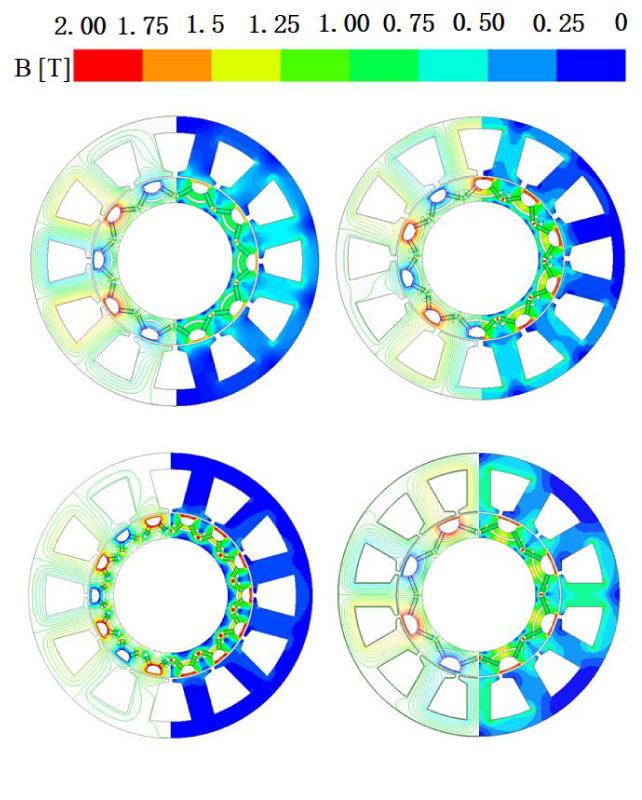
The increased electrical demand in electrical machines promotes the improvement in power density in double stator systems. The power mapping performance and density of a novel type of interior embedded permanent magnet for a double-stator generator (IEDSG) is investigated in this work. This study investigates the basic attributes of the proposed IEDSG by analyzing various load resistances and changing rotor speeds. The Finite Element Method (FEM) is used to model the generation capabilities that consider electromagnetic properties such as flux density and flux lines. The proposed IEDSG is then manufactured and tested in a laboratory environment to assess how effectively it will perform when being paired with a load circuit. The efficiencies of two unique coil connections - series coil and independent coil - are evaluated and compared. According to the experimental results, when operating at an 800-rpm rotating speed, the independent-coil connection delivers a peak power output of 1688 W, a 16% improvement over the series-coil connection.
Power Mapping Studies on the Coil Connection of an Interior and Embedded Permanent Magnet Double Stator Generator
2024-03-05
PIER M
Vol. 124, 107-114
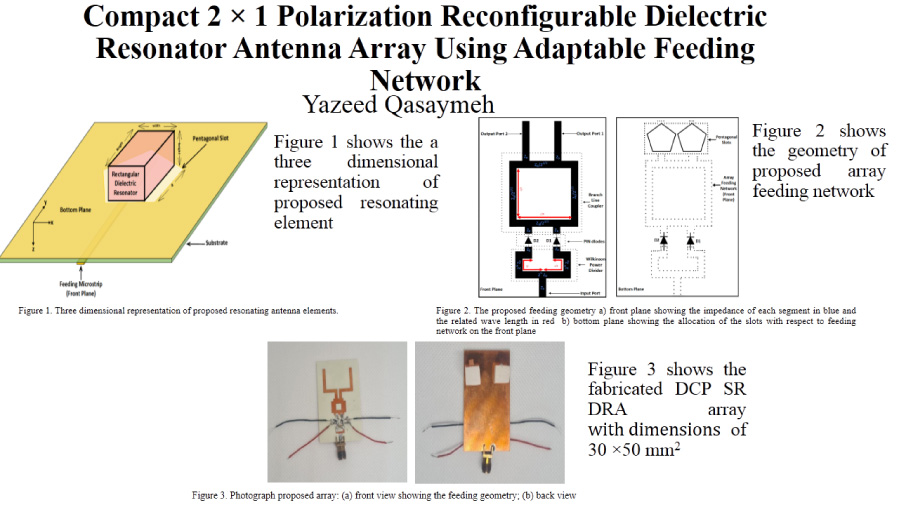
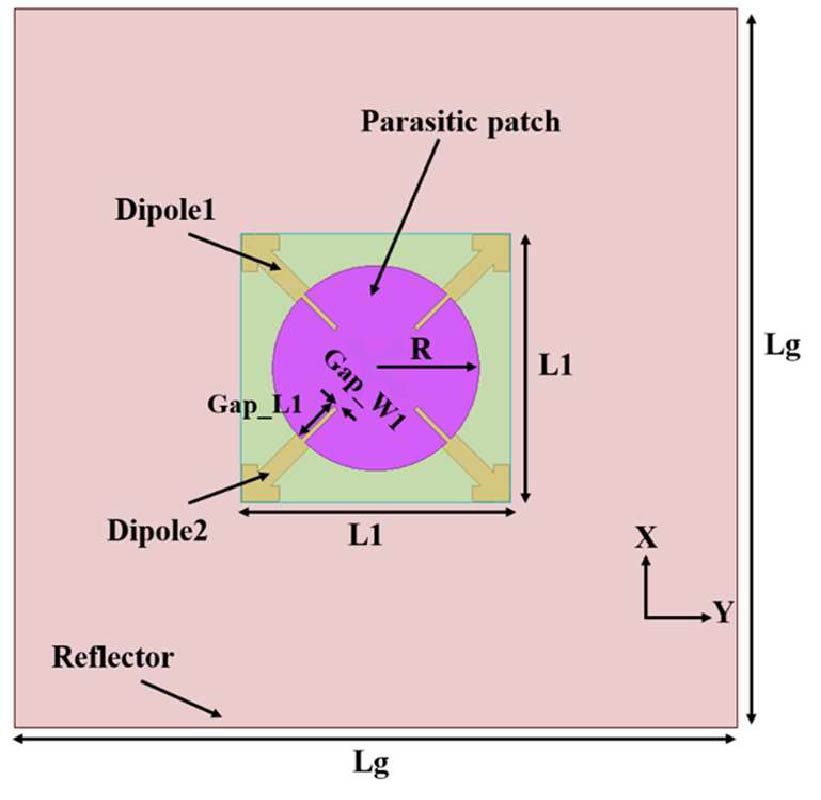
A Wideband Circularly Polarized Dielectric Resonator Antenna with Filtering Response
Chuanyun Wang , Xiaofeng Jiang , Weikang Hu , Qilei Fan and Jianjun Huang
In this paper, a wideband circularly polarized (CP) filtering dielectric resonator antenna (FDRA) is proposed. The proposed antenna consists of a microstrip-Y-shaped slot line coupled feeding structure and a grooved DRA. The Y-shaped slot line not only serves as an energy coupling structure to excite the orthogonal modes (TEx111 mode and TEy111 mode) of DRA, forming the CP radiation effect, but also generates two resonant modes, thereby broadening the antenna impedance bandwidth. In addition, due to the groove engraved on the diagonal of the DRA top wall, the antenna CP performance within the passband is enhanced. Finally, by loading a shorting stub and a spur line on the microstrip feedline, radiation nulls are generated on both sides of the antenna passband, resulting in a quasi-elliptical filter response in the antenna gain curve. To further verify the performance of the antenna design, a prototype CP FDRA is fabricated and measured. The measurement results indicate that the antenna achieves a -10 dB impedance bandwidth of 46.1% (2.67-4.27 GHz) and an axial ratio (AR) bandwidth of 23% (3.08-3.88 GHz), with an average measured gain of approximately 4.9 dBi. This antenna exhibits high-frequency selectivity and an out-of-band suppression level exceeding 10 dB.
2024-03-05
PIER M
Vol. 124, 99-106
A Compact, High Gain Ring Metamaterial Unit Cell Loaded Triple Band Antenna for 5G Application
KM Neeshu and Anjini Kumar Tiwary
A novel planer, compact and quarter-wave transformer-coupled fed multi-band antenna is proposed and designed. The antenna uses a split-ring resonator (SRR) inspired ring metamaterial unit cell. The proposed ring metamaterial unit cell gives single negative (Epsilon negative) behaviour, which improves antenna performance. A partial ground and a quarter-wave transformer-coupled feed line are used to improve the impedance matching of the antenna. The antenna gives multi-band operation at resonating frequencies, 3.5, 8.5, and 13.7 GHz, with 2.9-4.5 GHz, 8.0-10.34 GHz, and 12.3-14.3 GHz, respectively. The maximum gains at resonating frequencies are 1.5 dBi, 4.1 dBi, and 6.5 dBi, with good impedance matching. The novelty of the antenna design is that the loading of the ring unit cell gives resonance at a much smaller wavelength than the resonant wavelength. The proposed antenna provides a miniaturized and multiband response compared to a conventional patch antenna.
A Compact, High Gain Ring Metamaterial Unit Cell Loaded Triple Band Antenna for 5G Application
2024-03-05
PIER B
Vol. 105, 59-78
An Energy Distribution Correlation Judgment Method for Interrupted Sampling Repeater Jamming Suppression
Ji Li , Fan Su , Wei Wang , Rui Yan and Jialiang Li
Interrupted Sampling Repeater Jamming (ISRJ) can produce several false targets through intermittent sampling and forwarding of the intercepted signals. The paper proposes an interference identification and suppression method based on Short-Time Fourier Transform-Energy Distribution Correlation Judgment (STFT-EDCJ) to lessen the impact of the false targets mixed in echo pulses. Firstly, the method obtains the energy distribution of echoes in the time-frequency domain employing the short-time Fourier transform, extracts the time slice of higher energy targets through energy peak detection, and then calculates the Pearson correlation coefficient (PCC) of the energy distribution in the frequency domain of each target time slice to construct the Target PCC Datasets (TPCCD). Secondly, it distinguishes between the real target and false targets after echo pulse pressure by the range and specificity of TPCCD. Finally, it uses mapping the time domain position of the false targets to suppress interference. The abundant simulation results verify the proposed method's effectiveness, and the Monte Carlo simulation demonstrates the method's usefulness under ISRJ models.
An Energy Distribution Correlation Judgment Method for Interrupted Sampling Repeater Jamming Suppression
2024-03-04
PIER Letters
Vol. 118, 41-46
Design of Dual-Band FPD with High Selectivity
Tiantian Zhang , Lei Chen , Meng Liu , Jinyi Liu and Min Wang
In this brief, a dual-band filtering power divider (FPD) with high selectivity and independently controllable passbands is designed. The proposed FPD consists of asymmetric folded F-type resonators (AFFRs) and quarter-wavelength three parallel-coupled lines (TPCLs). The center frequencies of the dual bands can be determined by adjusting the physical lengths of AFFRs. Meanwhile, TPCLs can increase the transmission paths and introduce multiple transmission zeros (TZs) to achieve high selectivity. For demonstration, the proposed FPD is designed, fabricated, and measured. The center frequencies are 2.59/3.63 GHz with the 3-dB fractional bandwidths (FBWs) of 12.95% and 7.88%, and the isolation between port 2 and port 3 is better than 12.56/21.03 dB. The minimum insertion losses are better than 0.54/0.32 dB in each passband. The simulated results are compared with measured ones, and good agreement is realized.
Design of Dual-band FPD with High Selectivity