Search Results(13902)

2008-04-08
PIER B
Vol. 6, 169-181
Neural Models for the Elliptic- and Circular-Shaped Microshield Lines
Sabri Kaya , Mustafa Turkmen , Kerim Guney and Celal Yildiz
This article presents a new approach based on artificial neural networks (ANNs) to calculate the characteristic parameters of elliptic and circular-shaped microshield lines. Six learning algorithms, bayesian regularization (BR), Levenberg-Marquardt (LM), quasi-Newton (QN), scaled conjugate gradient (SCG), resilient propagation (RP), and conjugate gradient of Fletcher-Reeves (CGF), are used to train the ANNs. The neural results are in very good agreement with the results reported elsewhere. When the performances of neural models are compared with each other, the best and worst results are obtained from the ANNs trained by the BR and CGF algorithms, respectively.
NEURAL MODELS FOR THE ELLIPTIC- AND CIRCULAR-SHAPED MICROSHIELD LINES
2008-04-08
PIER M
Vol. 2, 47-56
Application of the Energy Balance Method for Strongly Nonlinear Oscillators
Mohammad Pashaei , Davoodi Ganji and Mehdi Akbarzade
In this paper, He's energy balance method is applied to nonlinear oscillators. We illustrate that the energy balance is very effective and convenient and does not require linearization or small perturbation. Contrary to the conventional methods, in energy balance, only one iteration leads to high accuracy of the solutions. It is predicted that the energy balance method can be found wide application in engineering problems.
APPLICATION OF THE  ENERGY BALANCE METHOD FOR STRONGLY NONLINEAR OSCILLATORS
2008-04-08
PIER M
Vol. 2, 37-46
A Beveled and Slot-Loaded Planar Bow-Tie Antenna for UWB Application
Jing Liu , Deshuang Zhao and Bing-Zhong Wang
A novel planar bow-tie aperture antenna is proposed for ultra-wide band (UWB) application in this paper. Beveling technique is employed to increase the impedance bandwidth, and slot loading is introduced to improve the impedance matching. The measured impedance bandwidth is from 2.7 to 12 GHz for S11 < -10 dB, proving the effectiveness of these two techniques. The measured radiation patterns are relatively stable almost over the entire ultra-wide band of 3.1 to 10.6 GHz with low cross-polarization levels of at least -10 dB. Moreover, the proposed antenna maintains the advantages of ease of fabrication and relatively small electrical size.
A BEVELED AND SLOT-LOADED PLANAR BOW-TIE ANTENNA FOR UWB APPLICATION
2008-04-08
PIER M
Vol. 2, 15-36
Band Structures and Abnormal Behavior of One Dimensional Photonic Crystal Containing Negative Index Materials
Girijesh Narayan Pande , Khem Thapa , Sanjeev Srivastava and Sant Ojha
We have studied the optical properties, band structures and group velocities, of one dimensional photonic crystal (1-D PC) containing negative index materials using translational matrix method (TMM). The 1-D PC containing negative index materials is a periodic arrangement of positive index material (PIM) and negative index material (NIM). The observed group velocity of such structure is larger than the speed of light in certain range of normalized frequency which shown abnormal behaviors. The group velocity of the PC containing negative index materials have found larger than the speed of light. The values of the group velocity become zero, negative and positive for normalized frequencies. The structure containing negative index materials can be used to trap the photons inside the PC i.e., light localization occurs without introducing the defects.
BAND STRUCTURES AND ABNORMAL BEHAVIOR OF ONE DIMENSIONAL PHOTONIC CRYSTAL CONTAINING NEGATIVE INDEX MATERIALS
2008-04-08
PIER M
Vol. 2, 1-14
On Enhancing the Accuracy of Evaluating Green's Functions for Multilayered Media in the Near-Field Region
Alaa Abdelmageed and Mourad Ibrahim
The discrete complex image method stands as one of the most efficient techniques that is able to represent the Green's functions of multilayered structures accurately in the near- and intermediate-field regions. In order to extend the validity of the method to the far region, the surface waves are extracted. Although the extraction process yields accurate results in the intermediate and far-field regions, erroneous results are observed in the near-field region. In this paper, this problem is treated by extracting the contribution of an additional number of artificial poles. Using this scheme, the discrete complex image method can provide accurate representation of Green's functions in both the near- and far-field regions.
ON ENHANCING THE ACCURACY OF EVALUATING  GREEN'S FUNCTIONS FOR MULTILAYERED MEDIA IN THE NEAR-FIELD REGION
2008-04-08
PIER M
Vol. 1, 207-217
The Electromagnetic Ion-Cyclotron Instability in the Presence of a.C. Electric Field for Lorentzian Kappa
Rama Pandey , R. Pandey , Ajay K. Srivastava , S. Karim and Anonymous Hariom
Electromagnetic ion cyclotron (EMIC) waves have been studied in the presence of AC electric field perpendicular to ambient magnetic field in the ionosphere with observed superthermal electrons. The presence of 4 eV-50 eV superthermal electrons have been recently seen by Indian SROSS-C2 satellite, Lorentzian Kappa distribution has been used to derive dispersion relation and growth rate using method of characteristics and kinetic approach. The free energy source like anisotropy in temperature, AC electric field and presence of superthermal electrons affect the growth rate. Lorentzian kappa distribution plays important role in giving the wide spectrum range of emitted frequencies.
THE ELECTROMAGNETIC ION-CYCLOTRON INSTABILITY IN THE PRESENCE OF A.C. ELECTRIC FIELD FOR LORENTZIAN KAPPA
2008-04-04
PIER
Vol. 82, 287-298
The Effect of Microwave Emmision from Mobile Phones on Neuron Survival in Rat Central Nervous System
Yongjian Zhu , Feng Gao , Xiaofeng Yang , Hong Shen , Weiguo Liu , Hongsheng Chen and Xiuyi Jiang
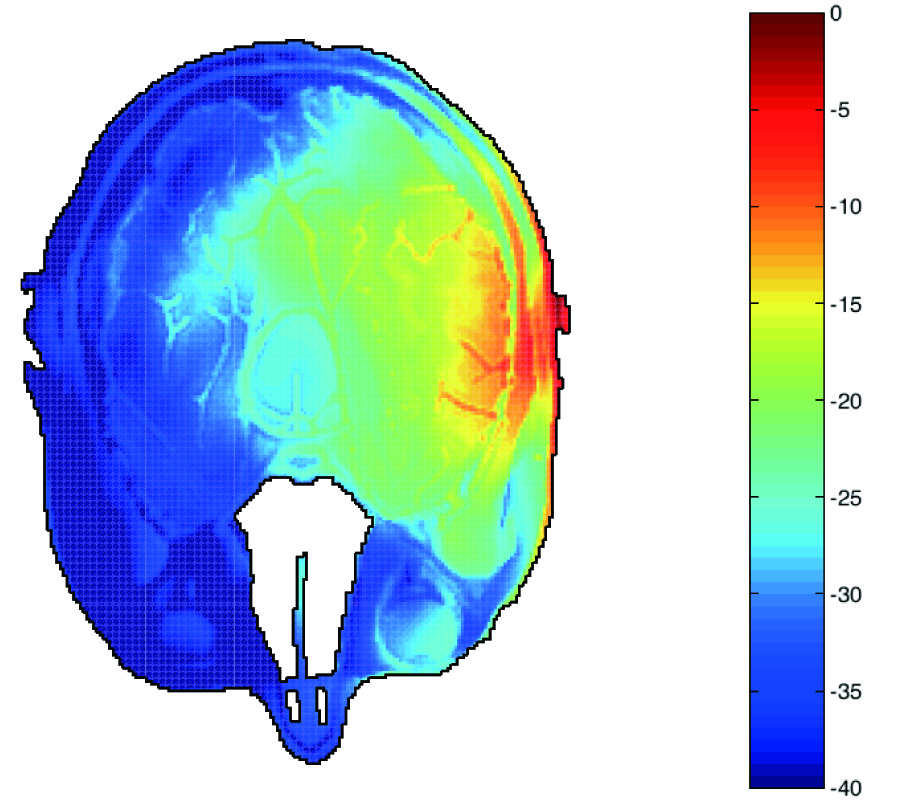
To investigate the effect of microwave emitted by mobile phones on the rat central nervous system (CNS), in vitro cultured cortical neuronal cells and in vivo rat's brain were exposed to the electromagnetic waves emitted by a microwave transmitter that mimics the working frequency of mobile phones. Trypan blue staining and terminal deoxynucleotidy transferase-mediated dUTP nick-end labeling (TUNEL) were used to determine the survival state of neuronal cells while immunohistochemistry method was used to determine the expression level of Bcl-2 and Bax. Our results show that microwave lead to significant cell death in culture and more in vivo brain neuronal cells were stained positive for TUNEL, Bax and Bcl-2 in rats with cranial defect after exposure than that for control groups (with intact cranium, or had no microwave exposure) (P < 0.01). However, no significant differences were observed in the ratio of Bax/Bcl-2 among the groups studied. Therefore, microwave emitted from mobile phones is harmful to both in vitro cultured cortical cells and in vivo brain neuronal cells from rat with cranial defect. The integrity of cranium is important in protecting the CNS against apoptotic injuries inflicted by the microwaves from mobile phones.
THE EFFECT OF MICROWAVE EMMISION FROM MOBILE PHONES ON NEURON SURVIVAL IN RAT CENTRAL NERVOUS SYSTEM
2008-04-04
PIER B
Vol. 7, 117-131
Eddy Currents in Solid Rectangular Cores
Saurabh Kumar Mukerji , Moleykutty George , M. Ramamurthy and Khandaker Asaduzzaman
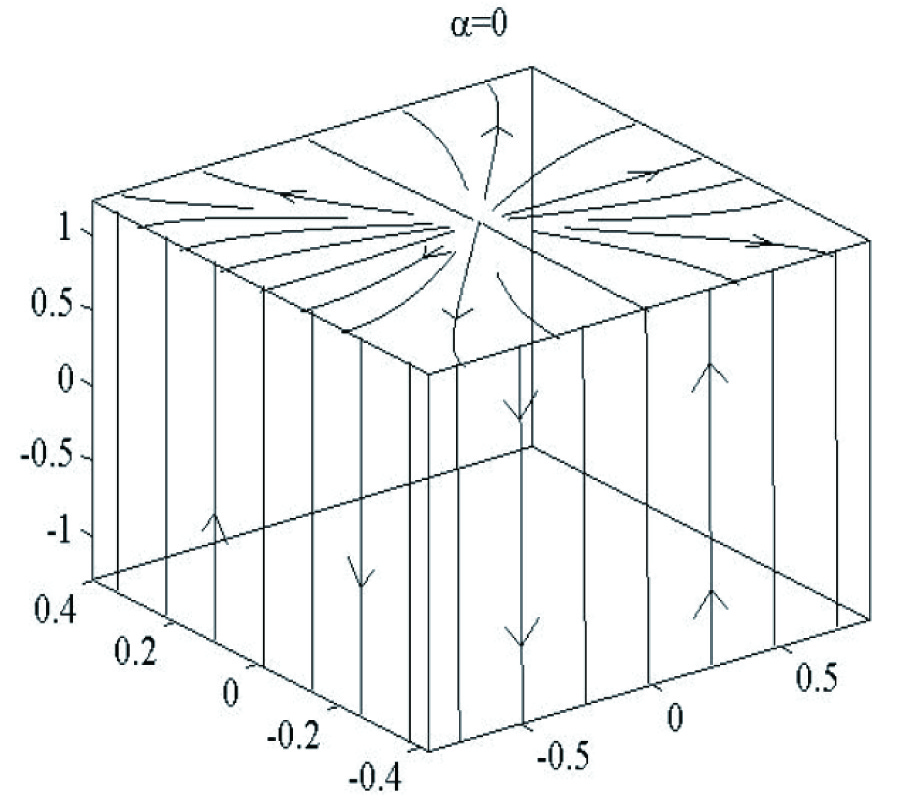
An expression for the eddy current loss in solid rectangular cores is obtained using linear electromagnetic field analysis. Wherefrom text book formula for eddy current loss is derived highlighting various assumptions involved. To get an insight into the current interruption phenomena, electromagnetic fields in a composite rectangular core are analyzed. It is concluded that the reduction in eddy current loss in a laminated cores is basically due to the insertion of distributed capacitors in eddy current paths. Presence of these capacitors increases the impedance of the eddy current path, reducing eddy currents and eddy current loss.
EDDY CURRENTS IN SOLID RECTANGULAR CORES
2008-04-04
PIER B
Vol. 7, 105-115
Compact Bandpass Filters Utilizing Dielectric Filled Waveguides
H. Ghorbaninejad and Mohammad Khalaj-Amirhosseini
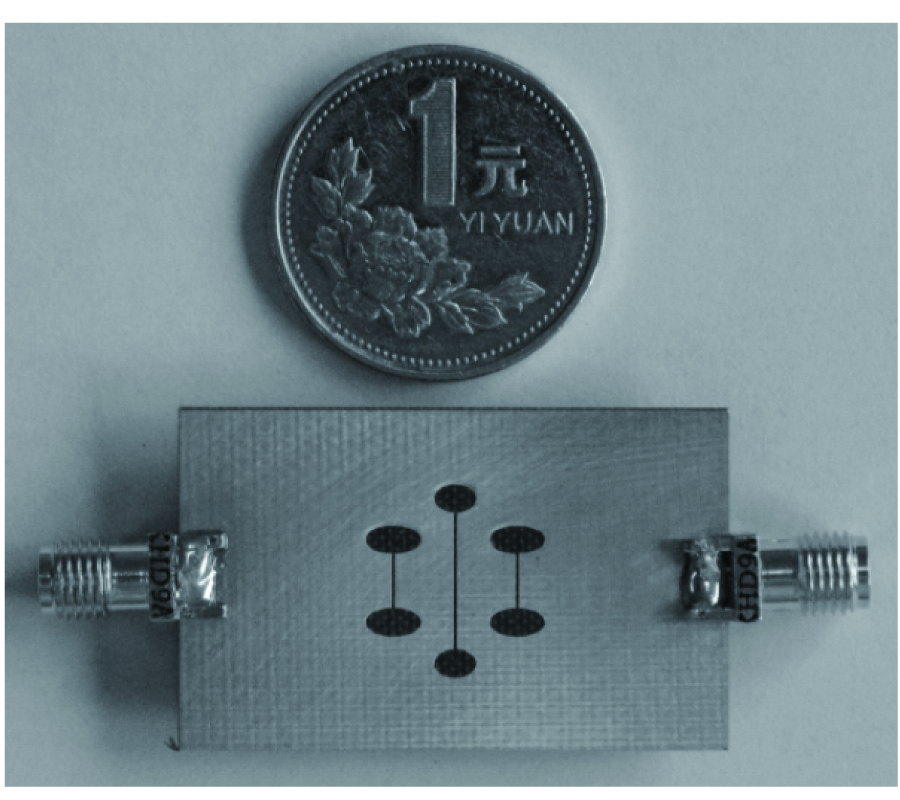
In this paper, a compact waveguide bandpass filter is proposed. The proposed structure consists of some inductive diaphragms in a rectangular waveguide and the regions between them have been filled fully by dielectrics. The relations between the physical and electrical parameters of the existed asymmetrical impedance invertors are obtained. The usefulness of the proposed structure and its performance are verified by designing and simulating an equal-ripple X-band bandpass filter.
COMPACT BANDPASS FILTERS UTILIZING DIELECTRIC FILLED WAVEGUIDES
2008-04-04
PIER B
Vol. 7, 89-103
The Effect of Channel Coding Rate on the Resistance of Direct-Sequence Spread-Spectrum Communication Systems to Narrow-Band Interference
Paeiz Azmi
In this paper, optimum code rates for a number of channel codes which are used in the coded direct-sequence spread-spectrum (DS-SS) and coded code-division multiple-access (CDMA) communication systems operating in the presence of narrow-band interference (NBI) are investigated. The criteria in obtaining the optimum code rates is based on maximum tolerable NBI power to signal power ratio. First, we consider Optimum Codes, Super Orthogonal Codes (SOC), and Repetition Codes for a single-user DS-SS system and then, the optimum rates for the Optimum Codes in CDMA system using single-user and multi-user detection methods are obtained. In the latter case, we will consider evaluating the optimum code rate for two different multi-user detection schemes, namely, a detection method using joint coding/decoding and a detection method using successive interference cancellation.
THE EFFECT OF CHANNEL CODING RATE ON THE RESISTANCE OF DIRECT-SEQUENCE SPREAD-SPECTRUM COMMUNICATION SYSTEMS TO NARROW-BAND INTERFERENCE
2008-04-04
PIER B
Vol. 7, 75-87
Capacitive Interdigital Sensor with Inhomogeneous Nematic Liquid Crystal Film
Alaeddin Abu-Abed and Robert Lindquist
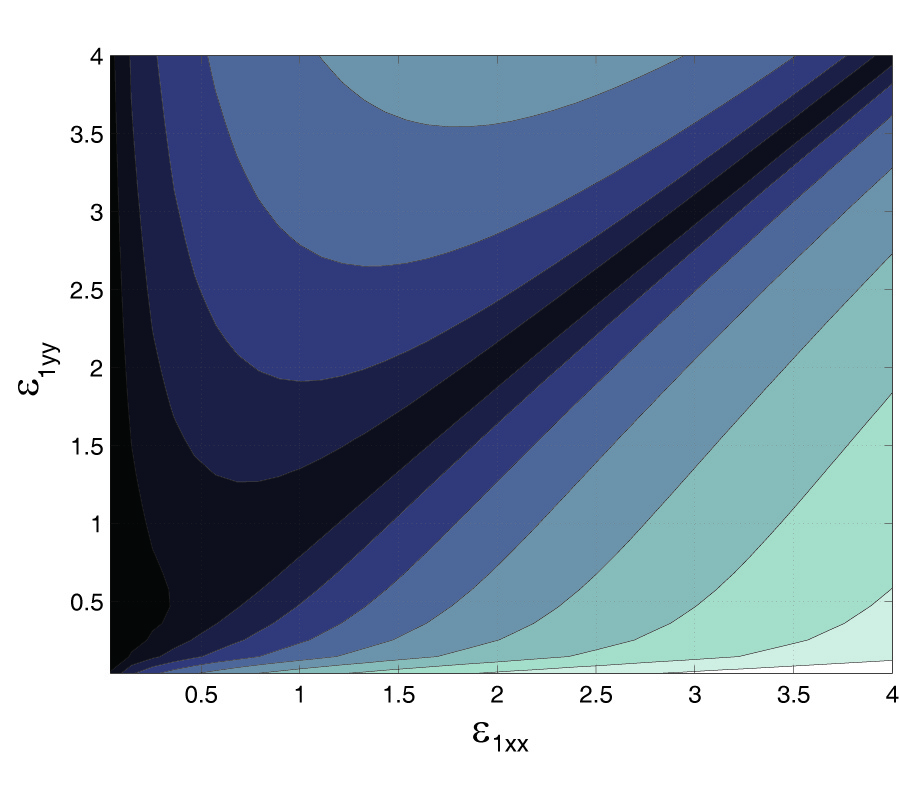
The performance of capacitive interdigital sensors involved with anisotropic and inhomogeneous nematic liquid crystal (LC) film is investigated. These sensors have potential applications in chemical and biological systems. The theory for modeling the permittivity tensor of the LC film as a function of the molecular orientation is presented. The LC film is handled as inhomogeneous material where molecules are assumed to have different orientations with respect to the frame axes. Under these conditions, fringing field capacitances as functions of the molecular deformations are calculated. Examples of modeled capacitive interdigital sensors in the present of different inhomogeneous distributions of LC films will be studied and discussed.
CAPACITIVE INTERDIGITAL SENSOR WITH INHOMOGENEOUS NEMATIC LIQUID CRYSTAL FILM
2008-04-04
PIER B
Vol. 7, 53-73
Three-Dimensional Gaussian Beam Scattering from a Periodic Sequence of BI-Isotropic and Material Layers
Vladimir Tuz
The three-dimensional Gaussian beam scattering from the bounded periodic sequence of one-to-one composed isotropic magnetodielectric and bi-isotropic layers are investigated. The beam field is represented by an angular continuous spectrum of plane wave. The problem of the partial plane wave diffraction on the structure is solved using the circuit theory and the transfer matrix methods. It is found that after reflection from the structure, the circular Gaussian beam becomes, in general, an elliptical Gaussian beam, in addition to a displacement of the beam axis from the position predicted by ray optics.
THREE-DIMENSIONAL GAUSSIAN BEAM SCATTERING FROM A PERIODIC SEQUENCE OF BI-ISOTROPIC AND MATERIAL LAYERS
2008-04-04
PIER B
Vol. 7, 13-51
New Techniques to Conquer the Image Resolution Enhancement Problem
Said El-Khamy , Mohiy Hadhoud , Moawad Ibrahim Dessouky , Bassiouny Salam and Fathi Abd El-Samie
This paper presents some new techniques for high resolution (HR) image processing and compares between them. The paper focuses on two main topics, image interpolation and image superresolution. By image interpolation, we mean extracting an HR image from a single Degraded low resolution (LR) image. Polynomial based image interpolation is reviewed. Some new techniques for adaptive image interpolation and inverse image interpolation are presented. The other topic treated in this paper is image super-resolution. By image super resolution, we mean extracting a single HR image either from multiple observations or multiple frames. The paper focuses on the problem of image super resolution using wavelet fusion and presents several super resolution reconstruction algorithms based on the idea of wavelet fusion.
NEW TECHNIQUES TO CONQUER THE IMAGE RESOLUTION ENHANCEMENT PROBLEM
2008-04-04
PIER B
Vol. 6, 153-168
Influence of Motion on the Edge-Diffraction
Mithat Idemen and Ali Alkumru
The aim of the present paper is to reveal the effect of motion on the scattering by an edge. To this end one considers a canonical structure formed by a perfectly conducting half-plane illuminated by a time-harmonic and uniformly moving infinitely long line source. The relevant line source is located parallel to the edge and moves with a constant velocity which is also parallel to the half-plane. This is the dual of a previously studied problem in which the halfplane was moving uniformly. The present problem is first reduced into a Wiener-Hopf problem in the sense of distribution and then solved by an ad-hoc method. The edge-diffracted field is discussed in detail.
INFLUENCE OF MOTION ON THE EDGE-DIFFRACTION
2008-04-04
PIER C
Vol. 2, 127-158
Performance Analysis of Os Structure of CFAR Detectors in Fluctuating Target Environments
Mohamed El Mashade
This paper is intended to the analysis of adaptive radar detectors for partially correlated χ2 targets. This important class of targets is represented by the so-called moderately fluctuating Rayleigh targets, which, when illuminated by a coherent pulse train, return a train of correlated pulses with a correlation coefficient in the range 0 < ρ < 1 (intermediate between SWII and SWI models). The detection of this type of fluctuating targets is practically of great importance. Since the CFAR detectors represent an attractive class of schemes that can be used to overcome the problem of clutter by adaptively setting their threshold based on local information of total noise power, they are commonly used to decide the presence or absence of the radar target of interest, which is of partially correlated χ2 type. In addition, the OS based algorithms are chosen to carry out this task owing to their immunity to outlying targets which may be present amongst the contents of the reference window. Moreover, since the large processing time of the single-window OS detector limits its practical applications, our scope here is to analyze the performance of OS modified versions for moderately fluctuating Rayleigh targets in nonideal situations. This analysis includes the single-window as well as the double-window OS detection schemes for the case where the radar receiver postdetection integrates M square-law detected pulses and the signal fluctuation obeys χ2 statistics with two degrees of freedom. These detectors include the mean-level (ML-), the maximum (MX-) and the minimum (MN-) OS algorithms. Exact formulas for their detection probabilities are derived, in the absence as well as in the presence of spurious targets. The primary and the secondary interfering targets are assumed to be of the moderately fluctuating Rayleigh targets. Swerling's well known cases I and II represent the cases where the signal is completely correlated and completely decorrelated, respectively, from pulse to pulse. Under the multiple-target operations, the ML-OS detector has the best homogeneous performance, the MN processor has the best multitarget performance when a cluster of radar targets appears in the reference window, while the MX scheme doesn't offer any excessive merits, neither in the absence nor in the presence of outlying targets, as expected.
PERFORMANCE ANALYSIS OF OS STRUCTURE OF CFAR DETECTORS IN FLUCTUATING TARGET ENVIRONMENTS
2008-04-03
PIER B
Vol. 7, 1-12
Parameter Estimation and Error Reduction in Multicarrier Systems by Time-Domain Spreading
Eu-Suk Shim and Young-Hwan You
This paper suggests parameter estimation and error reduction scheme in a multicarrier transmission system. A multicarrier orthogonal frequency division multiplexing (OFDM) signal by using a time-domain spreading (TDS) coupled with a cyclic time shift enables a pilot-less synchronization. Exploiting the modified OFDM signal endowed with the TDS, the proposed synchronization receiver can accurately estimate the carrier-frequency offset as well as the timing offset of OFDM signals without the use of training symbol.
PARAMETER ESTIMATION AND ERROR REDUCTION IN MULTICARRIER SYSTEMS BY TIME-DOMAIN SPREADING
2008-04-03
PIER B
Vol. 6, 135-151
Plane Wave Diffraction by a Strongly Elongated Object Illuminated in the Paraxial Diretion
Frederic Molinet
After a short presentation of the boundary layer method extended to strongly elongated objects by Andronov and Bouche [1], the author develops some techniques for deriving explicit formulas for the asymptotic currents on a strongly elongated object of revolution excited by an electromagnetic plane wave propagating in the paraxial direction. The performance of the different techniques are demonstrated by comparing numerical results obtained for the asymptotic currents on an elongated prolate ellipsoid with those obtained by solving the EFIE.
PLANE WAVE DIFFRACTION BY A STRONGLY ELONGATED OBJECT ILLUMINATED IN THE PARAXIAL DIRETION
2008-04-03
PIER B
Vol. 6, 123-134
Modelling of Shadowing Loss Due to Huge Non-Polygonal Structures in Urban Radio Propagation
Ali Kara and Erdem Yazgan
Ray tracing algorithms rely on two dimensional or three dimensional database. They use ray optical techniques referred to as the uniform theory of diffraction (UTD) using building database given as polygons. Building geometries can also be modelled as having non-planar geometries, and this would be important in modeling of shadowing loss due to curved structures in urban radio propagation. To demonstrate modelling of buildings as non-polygonal geometries, a particular building composition involving 3D cruved geometries is chosen, and shadowing loss for this building composition is studied via UTD ray tracing. Building structure considered in this study involves main canonical shapes of non-planar geometries including cone, cylinder and sphere. Single and multiple interaction of surface diffractions, effect of creeping waves are taken into consideration in the analysis.
MODELLING OF SHADOWING LOSS DUE TO HUGE NON-POLYGONAL STRUCTURES IN URBAN RADIO PROPAGATION
2008-04-03
PIER B
Vol. 6, 109-122
Practical Algorithms to Focus b-Scan GPR Images: Theory and Application to Real Data
Caner Özdemir , Sevket Demirci and Enes Yigit
It is well known in B-scan ground penetrating radar (GPR) imagery that the underground scatterers generally exhibit defocused, hyperbolic characteristics. This is mainly due to the data collection scheme and the finite beam width of the main lobe of the GPR antenna. To invert this undesirable effect and obtain focused images, various migration or focusing algorithms have been developed. In this paper, we survey the performance of our recent focusing algorithms, namely; hyperbolic summation (HS) and frequency-wavenumber (w-k) based synthetic aperture radar (SAR) focusing. The practical usage of these focusing methods were tested and examined on both simulated and measured GPR data of various buried targets. The simulation data set is obtained by a physical optics shooting and bouncing ray (PO-SBR) technique code. Measurements were taken by a stepped frequency continuous wave (SFCW) radar set-up. Scattered C-band field data were measured from a laboratory sand box and from outdoor soil environment. The proposed focusing methods were then applied to the B-scan GPR images to enhance the resolution quality within these images. The resultant GPR images obtained with the proposed algorithms demonstrate enhanced lateral resolutions.
PRACTICAL ALGORITHMS TO FOCUS B-SCAN GPR IMAGES: THEORY AND APPLICATION TO REAL DATA
2008-04-03
PIER B
Vol. 6, 93-107
Adaptive Neuro-Fuzzy Models for Conventional Coplanar Waveguides
Mustafa Turkmen , Sabri Kaya , Celal Yildiz and Kerim Guney
In this work a new method based on the adaptive neuro-fuzzy inference system (ANFIS) was successfully introduced to determine the characteristic parameters, effective permittivities and characteristic impedances, of conventional coplanar waveguides. The ANFIS has the advantages of expert knowledge of fuzzy inference system and learning capability of neural networks. A hybrid-learning algorithm, which combines least-square method and backpropagation algorithm, is used to identify the parameters of ANFIS. There are very good agreement between the results of ANFIS models, experimental works, conformal mapping technique, spectral domain approach and a commercial electromagnetic simulator, MMICTL.
ADAPTIVE NEURO-FUZZY MODELS FOR CONVENTIONAL COPLANAR WAVEGUIDES