Search Results(13786)

2024-01-18
PIER C
Vol. 140, 93-104
UWB Resonator-Based Supervised Learning for Breast Tumor Diagnosis
Sonal Amit Patil and Ashwini Naik
This paper proposes an application of ultra-wideband antenna in conjunction with supervised machine learning to detect the existence of breast tumor. The microstrip line fed octagonal shaped UWB antenna is designed by using Ansys high-frequency structure simulator 2022 R2. It is fabricated on double sided copper FR4 epoxy glass substrate of size 40 mm × 40 mm and tested by using vector network analyzer N9916A. The antenna structure is optimized over the frequency spectrum of 3.1 GHz to 10.6 GHz to obtain minimum value of return loss. The optimized structure provides bandwidth spectrum of 8.38 GHz covering the frequency range of 2.76 to 11.15 GHz with maximum gain of 5.3 dB at 8 GHz. The homogenous artificial breast phantoms with and without tumor are fabricated using different chemical compositions. The dielectric traits of skin, fatty, glandular and tumor layers are analyzed. Microwave sensing for detecting the presence of breast cancer uses the disparity between tumor and breast tissues, requiring consideration of dispersiveness to accurately assess the dielectric characteristics of the breast model due to its lossy dispersive nature. The three sets of reflection characteristics of the entire system comprised of antenna with phantoms are recorded by using VNA with a gap of week to constitute the dataset. The ultrasonic gel serves as a medium for matching between the breast model and antenna. Further, the supervised machine learning approach is used to improve the detection accuracy. Supervised learning, a key category of machine learning, uses labeled data to predict unseen data. The Logistic Regression, Support Vector Machine, K-Nearest Neighbors, Random Forest and Multilayer Perceptron algorithms are applied on the measured data to classify the healthy and tumorous tissues. The random forest proven to be best fit on the data with auc score of 98.05%.
UWB Resonator-based Supervised Learning for Breast Tumor Diagnosis
2024-01-18
PIER Letters
Vol. 116, 105-111
Dual-Feed Orthogonally Polarized Compact 8-Element MIMO Antenna Using Metallic Stub and Decoupling Unit for Isolation Enhancement of Sub-6 GHz 5G Application
Munusami Cholavendan and Venkatesan Rajeshkumar
A compact dual-feed multiple-input multiple-output (MIMO) antenna is designed for sub-6 GHz 5G applications with isolation enhancement. The proposed dual-polarized MIMO antenna formed by each patch uses two inset-feed lines placed orthogonal to each other with symmetric conditions, which excite each port to resonate at the same frequency (3.65 GHz). The stub is identified diagonally based on plated through-hole technology between orthogonal ports. The structure employs a half mode and maintains minimum inter-port isolation (≤-12 dB) of each patch, followed by another patch to form an 8-element miniaturized MIMO antenna. High isolation (≤-15 dB) is achieved with the help of a decoupling structure placed between the antennas in the ground plane. Measurements of a fabricated prototype validate the simulation results. The diversity performances of MIMO antenna parameters like envelope correlatio coefficient (ECC), diversity gain (DG), and Mean Effective Gain (MEG) are also found within acceptable ranges.
Dual-feed Orthogonally Polarized Compact 8-element MIMO Antenna Using Metallic Stub and Decoupling Unit for Isolation Enhancement of Sub-6 GHz 5G Application
2024-01-18
PIER Letters
Vol. 116, 101-104
A High Performance Duplexer Based on Dual-Mode E-Type Resonator
Mingxin Liu , Mingfu Li , Hui Li and Yan Chen
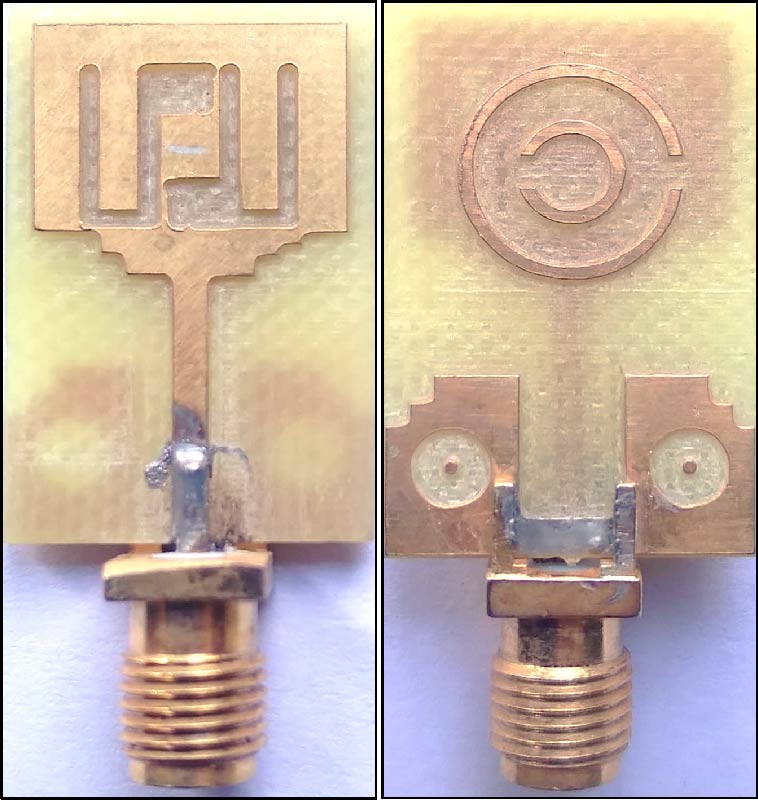
A novel compact planar duplexer is proposed. It consists of three dual-mode E-shaped microstrip resonators and works well on the WCDMA system with uplink band of 1940 MHz-1955 MHz and downlink band of 2130 MHz-2145 MHz. The high rectangular coefficient of the duplexer makes its frequency selectivity high, and its small size is convenient for further miniaturization. In the product test, the duplexer is found to meet the band requirements very well with high isolation levels of -44 dB and -48 dB at the first and second frequency centers, respectively, which are better than those with similar frequency bands in the references.
A High Performance Duplexer Based on Dual-mode E-type Resonator
2024-01-18
PIER Letters
Vol. 116, 95-100
A Novel Microwave Equalizer Based on SIR Loading with Internal Coupled-Lines
Xiaolei Yang , Honglin Zhang , Wencheng Ren , Chunlei Yuan , Lijie Xu and Dong Chen
This paper proposes the design of a microwave equalizer based on SIR loading with internal coupled-line. By loading a ring-type stepped impedance resonator (SIR) with internal coupled-lines, a microwave equalizer with positive slope transmission characteristics is presented. The frequency response is synthesized using a second-order SIR, and a detailed theoretical derivation of the equalizer is presented. A prototype of the equalizer is fabricated and measured to validate its expected performance, with the measurements showing good agreement with the predictions. The microwave amplitude equalizer demonstrates the necessary gain slope across its entire operational frequency range. Finally, a potential design scheme for a microwave amplitude equalizer is proposed.
A Novel Microwave Equalizer Based on SIR Loading with Internal Coupled-lines
2024-01-18
PIER B
Vol. 104, 131-146
Enhancing Performance of Photovoltaic Pump Systems in Remote Areas Using a Sliding Mode Technique for Maximum Power Point Tracking
Alaa Shakir Mahmood
Photovoltaic (PV) systems represent an extremely intriguing alternative in order to provide dry and semi-arid regions in remote locations with water. In this case, a maximum power point tracking (MPPT) unit that aims to regulate the (PV) panel connected converter duty cycle is necessary to ensure that it operates as efficiently as possible under various operating situations. This study introduces a sliding mode technique-based MPPT control unit with the goal of enhancing photovoltaic pump (PVP) system performance. It discusses this for a number of scenarios, including the presence or absence of batteries, operation under various radiation conditions, and operation in consideration of constant speed and variable load torque. The outcomes of the MATLAB simulation demonstrated that the proposed methodology is preferable compared to the incremental conductance method for the various scenarios, and it achieves better efficiency and lower voltage ripples.
Enhancing Performance of Photovoltaic Pump Systems in Remote Areas Using a Sliding Mode Technique for Maximum Power Point Tracking
2024-01-17
PIER C
Vol. 140, 85-91
Modeling and Simulation of Photonic Crystal Sensor for Drinking Water Quality Monitoring
Farida Kebaili , Ahlam Harhouz and Abdesselam Hocini
Photonics crystal sensors, sensitive to light, play a crucial role in discerning minute alterations in a material's refractive index, finding widespread application, such as in monitoring drinking water quality. Our objective is to fashion a sensor based on a 2D photonics crystal structure and scrutinize optical transformations induced by variations in the bacteria's refractive index as light traverses the sensor structure. Leveraging Rsoft's simulation capabilities, we assessed transmission spectra, observing shifts in the bacteria's refractive index and their consequential impact on the light signal's frequency and wavelength within the sensor structure. The simulations unequivocally demonstrate that fluctuations in the bacteria's refractive index significantly affect the light signal's frequency and wavelength. Consequently, the study underscores the efficacy of the Rsoft-designed optical sensor in discerning bacterial presence in contaminated water, achieving an average sensitivity of 834 nm/RIU. In conclusion, the study establishes the success of the optical sensor crafted with Rsoft software in detecting bacteria in polluted water. By monitoring optical alterations during light traversal, variations in the bacteria's refractive index are translated into discernible shifts in the light signal's frequency and wavelength, facilitating effective bacteria detection.
Modeling and Simulation of Photonic Crystal Sensor for Drinking Water Quality Monitoring
2024-01-17
PIER B
Vol. 104, 109-129
Metamaterial-Based Octagonal Ring Penta-Band Antenna for Sub-6 GHz 5G, WLAN, and WiMAX Wireless Applications
Rishi Parasher , Dinesh Yadav and Ankur Saharia
In this article, a metamaterial SRR and CSRR based octagonal ring-shaped multiband antenna is presented. The proposed antenna structure is designed with the implementation of slotted radiating patch with metamaterial cells for resonating at penta-bands to cover the 5G Sub-6 GHz NR frequency bands n48/n78/n79/n96, 3.5 GHz worldwide interoperability for microwave access, 5 GHz wireless local area network, 10.03-14.29 GHz upper X band and 15.74-19.98 GHz upper Ku band wireless applications. The proposed antenna with a compact dimension of 33×22×1.6 mm3 is fabricated to validate the simulated results with measured ones. The radiation characteristics is identified in stable and uniform manner for all the penta resonant bands.
Metamaterial-based Octagonal Ring Penta-band Antenna for Sub-6 GHz 5G, WLAN, and WiMAX Wireless Applications
2024-01-16
PIER M
Vol. 123, 63-71
Design of a Sensor Based on CSRR-Derived Structures for Characterizing Permittivity and Permeability Simultaneously
Honggang Hao , Yun-Rui Wang , Bing Wang , Ye Zhang and Xing-Rui Ni
A dual-port microstrip sensor based on a complementary split ring resonator (CSRR)-derived structure is proposed to measure the permittivity and permeability simultaneously in this paper. The coupling among meandered conductive ring, interdigital capacitor, and microstrip line is used to obtain the relatively independent distribution area of the highest intensity of the electric field and magnetic field. It can be utilized to distinguish the influence of permittivity and permeability on the resonant frequency point. A numerical model was established for extracting the magnetic and dielectric properties, and the sensor was processed and tested. The findings demonstrate that the sensor can measure permittivity and permeability in a single operation by taking advantage of the resonant properties of low and high frequencies. The relative errors of the measured permittivity and permeability are controlled within 4.43% and 3.41%, as well as the sensitivity values Sfm and Sfe of 7.24 and 3.06, indicating excellent overall performance.
Design of a Sensor Based on CSRR-derived Structures for Characterizing Permittivity and Permeability Simultaneously
2024-01-15
PIER C
Vol. 140, 75-84
Broadband and Compact Design Variations of Z-Shaped Printed Slot Microstrip Antenna
Mandar Padmakar Joshi , Jayant Gajanan Joshi and Santosh P. Agnihotri
In this research work, a Z-shaped printed slot microstrip antenna with variations in feed location has been presented to realize broadband and compact antenna. The Z-shaped slot has been realized by placing two right angle triangle shaped patches in opposite directions inside rectangular shaped slot. Further by aligning the microstrip line as feed along the length and width of Z-shaped slot, the broadband and compact antenna respectively has been realized. The antenna is fabricated using an FR4 substrate having electrical dimension of 0.48λ0 × 0.4λ0. The antenna offers 407 MHz (27%) measured impedance bandwidth for broadband and 22% of reduction in size for compact configurations. The parametric analysis, equivalent circuit analysis and temperature as an environmental testing parameter of proposed designs are presented and validated in this paper.
Broadband and Compact Design Variations of Z-shaped Printed Slot Microstrip Antenna
2024-01-15
PIER M
Vol. 123, 53-61
An Antipodal Vivaldi Antenna for a Drone-Mounted Ground Probing Radar
Stefano Pisa , Federico Pastori , Renato Cicchetti , Emanuele Piuzzi , Orlandino Testa , Erika Pittella , Andrea Cicchetti , Paolo D'Atanasio and Alessandro Zambotti
An antenna operating between 300\,MHz and 700\,MHz, designed to be used on a ground penetrating radar installed on an Unmanned Aerial Vehicle (UAV) for the exploration and characterization of the buried ice deposits on Mars, is presented. To this end, a lightweight, high-gain Vivaldi antenna having compact dimensions and high operating bandwidth has been taken into consideration. This antenna, equipped with circular-loaded rectangular slots etched on its radiating arms, exhibits improved performance in terms of size, return loss, gain, and fidelity factor with respect to a conventional antipodal Vivaldi antenna. Experimental measurements performed on a prototype of the Vivaldi antenna with slots showed a return loss lower than -12 dB with realized gains between 4 dBi and 6.5 dBi in the 300-700 MHz frequency band.
An Antipodal Vivaldi Antenna for a Drone-mounted Ground Probing Radar
2024-01-15
PIER M
Vol. 123, 45-52
A Quad Port MIMO Antenna Using Rectangular Dielectric Resonator Antenna Array for Intelligent Transportation System Applications
Goffar Ali Sarkar , Khan Masood Parvez , Arunachalam Ambika , Tanvir Islam , Sudipta Das , Utpal Mandal and Susanta Kumar Parui
This article presents a quad port multi-input multi-output (MIMO) antenna based on arrays of rectangular dielectric resonators for intelligent automotive applications. The proposed MIMO antenna configuration is formulated by integrating four rectangular dielectric resonator antenna (RDRA) arrays. Two RDRAs are configured as E-plane arrays and the other two as H-plane arrays. Each array consists of two radiating elements, evenly spaced apart. Direct microstrip line (DML) feeding, a novel kind of feeding technique to cope up with back radiation issue which occurs owing to discrete grooves on ground plane is employed to feed RDRA. The orthogonal mode in individual arrays (H-plane and E-plane) results in increased isolation. The overall dimension of the suggested quad port MIMO antenna is (2.21λ0×1.32λ0). The prescribed RDRA array operates at 5.9 GHz with an impedance bandwidth of 6.9% for Port1 and 8.1% for Port2, respectively. The measured isolation is more than -24 dB. For this MIMO antenna measured peak gain of 9.6 dBi is noticed. Various MIMO performance metrics such as the total active reflection coefficient (TARC), diversity gain (DG), channel capacity loss (CCL), and envelope correlation coefficient (ECC) have been studied in detail and discussed in this article. It is noteworthy that these measurements continue to fall within allowable threshold ranges, indicating the appropriateness of the prescribed MIMO antenna for the intended applications in intelligent automotive system.
A Quad Port MIMO Antenna Using Rectangular Dielectric Resonator Antenna Array for Intelligent Transportation System Applications
2024-01-15
PIER Letters
Vol. 116, 87-94
Realization of a Second-Order Wide-Stopband Substrate-Integrated Waveguide Filter Using the Weakest Electric Field Method and DGS Structure
Yuxin Fang , Xiaohei Yan , Yixian Wang and Shengbing Zhang
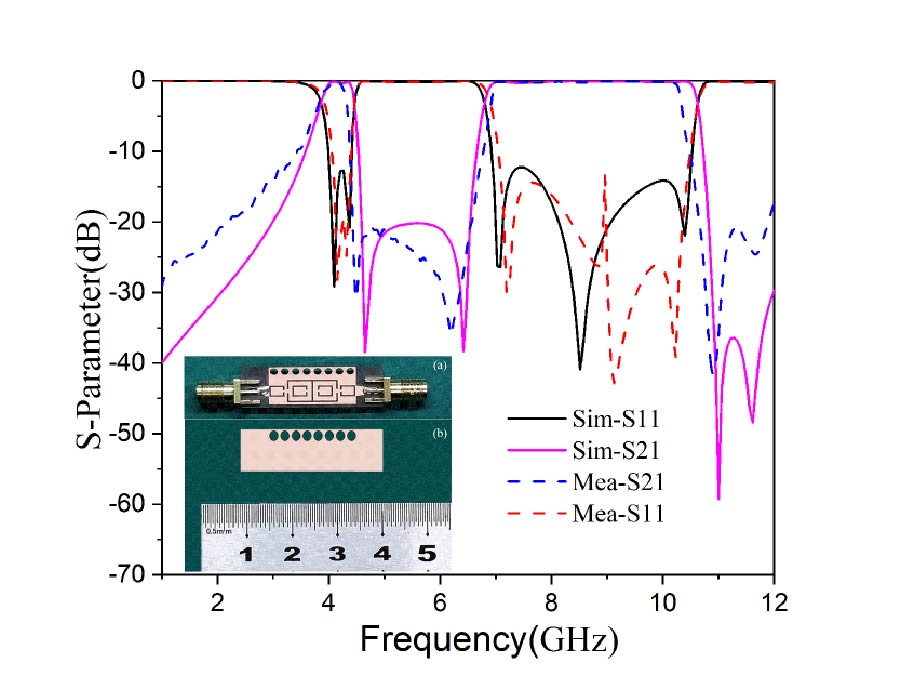
To increase the stopband width of the filter, a second-order wide-stopband substrate-integrated waveguide filter is suggested. This filter is designed by utilizing a DGS structure and the weakest electric field approach. To suppress the modes, the filter sets the inner and outer coupling windows at the modes' weakest electric fields (TE120/TE210, TE220). Additionally, a new nested U-shaped DGS structure is implemented to suppress the TE130 mode, hence expanding the stopband width of the filter. The filter has been processed and measured, and the findings indicate a 4.5 GHz center frequency, a -3 dB bandwidth of 240 MHz, a relative bandwidth of 5.3%, an insertion loss of -1.2 dB in the passband, and a -22 dB stopband, which can be extended up to 9.4 GHz (i.e., 2.1 times the center frequency). The simulated and measured results demonstrate good alignment. Compared to other SIW filters, the current filter achieves a wider stopband while using fewer orders and implementing a straightforward design method, providing potential value for applications.
Realization of a Second-order Wide-stopband Substrate-integrated Waveguide Filter Using the Weakest Electric Field Method and DGS Structure
2024-01-13
PIER Letters
Vol. 116, 79-85
Bandpass Filter for 5G Sub-6 GHz Bands
Jiajia Wang , Shuo Yu , Xiaofan Yang and Xiaoming Liu
The performance requirements for filters in the microwave frequency band are particularly stringent, particularly in terms of high bandwidth and out-of-band rejection. However, meeting these requirements within the constraints of a compact size presents a significant challenge. A coupled step-impedance resonator bandpass filter is proposed. The filter combines U-shaped branches and L-shaped branches to create multiple resonance points while expanding the bandwidth, and the in-band ripple is also improved by this folded structure that greatly reduces the filter size. The microstrip filter measures only 9.6 mm × 8.8 mm × 1.1 mm, has a center frequency of 4.65 GHz, and achieves a relative bandwidth of 60.2%. The filter can be used in 5G n77 (3300~4200 MHz), n78 (3300~3800 MHz), n79 (4800~4960 MHz), and WLAN (5150~5850 MHz) bands. In addition, the filter has a left-side rectangular coefficient of 1.12, insertion loss <0.4 dB, and return loss better than 17 dB.
Bandpass Filter for 5G Sub-6 GHz Bands
2024-01-13
PIER B
Vol. 104, 91-108
A Review of the Advancement of Metasurfaces in Wearable Antenna Design for off-Body Communications
Nibash Kumar Sahu , Naresh Chandra Naik , Madhab Chandra Tripathy and Sanjeev Kumar Mishra
This review article explores the advancement of metasurfaces in wearable antenna design for off-body communications. The wearable antenna needs to be compact, flexible, and, most importantly, should have less back radiation. In this context, wearable antennas that are inspired by metasurfaces are a good choice. Metasurface can make the antenna compact and reduce the back-radiated waves, which lowers the specific absorption rate (SAR) and improves the antenna's performance. In addition, the metasurface can also generate circular polarization (CP) by carefully rotating the electromagnetic (EM) waves incident on it and multi-band by simultaneously exciting its multiple modes. Using the aforementioned features provided by the metasurface, the surveys are segregated as single-band with linear polarizations (LP), single-band with CP, dual-band with LP, dual-band with dual polarization, and dual-band with dual CP. Prior to the survey, the challenges and considerations for wearable antenna design as well as the theoretical perspective behind performance improvements are discussed. Also, a conventional unit-cell of the metasurface is theoretically designed using the discussed theories and validated using CST Microwave Studio, which shows good agreement with each other.
2024-01-12
PIER C
Vol. 140, 65-73
Antenna Sensor Based on an Inter-Digital Capacitor Shape EBG Structure for Liquid Dielectric Measurement
Bo Yin and Juntao Yin
In this paper, an antenna sensor based on an electromagnetic bandgap (EBG) structure is proposed to measure the complex permittivity of liquid under test (LUT). The sensor consists of two parts: a detection antenna and an EBG structure. The detection antenna uses a semicircular arc defective ground structure to improve the quality factor (Q-factor). Simultaneously, the EBG structure can be equivalent to a narrow-band bandpass filter, so that the electromagnetic wave can only propagate in a very narrow frequency band. It can further improve the Q-factor of the antenna and realize the precise positioning of the resonance frequency point. The complex permittivity of the LUT can be extracted by measuring the resonant frequency shift and the amount of variation in the Q-factor of the antenna. The test results show that the sensor can detect dielectric values covering the range of 1-25, and the average sensitivity is 2.342%. It combines the advantages of high sensitivity and wide detection range.
Antenna Sensor Based on an Inter-Digital Capacitor Shape EBG Structure for Liquid Dielectric Measurement
2024-01-12
PIER C
Vol. 140, 53-64
An Enhanced Robustness Dual-Vector Model Predictive Torque Control for Permanent Magnet Synchronous Motors
Hao Xie , Cheng Zhang , Yang Zhang and Sicheng Li
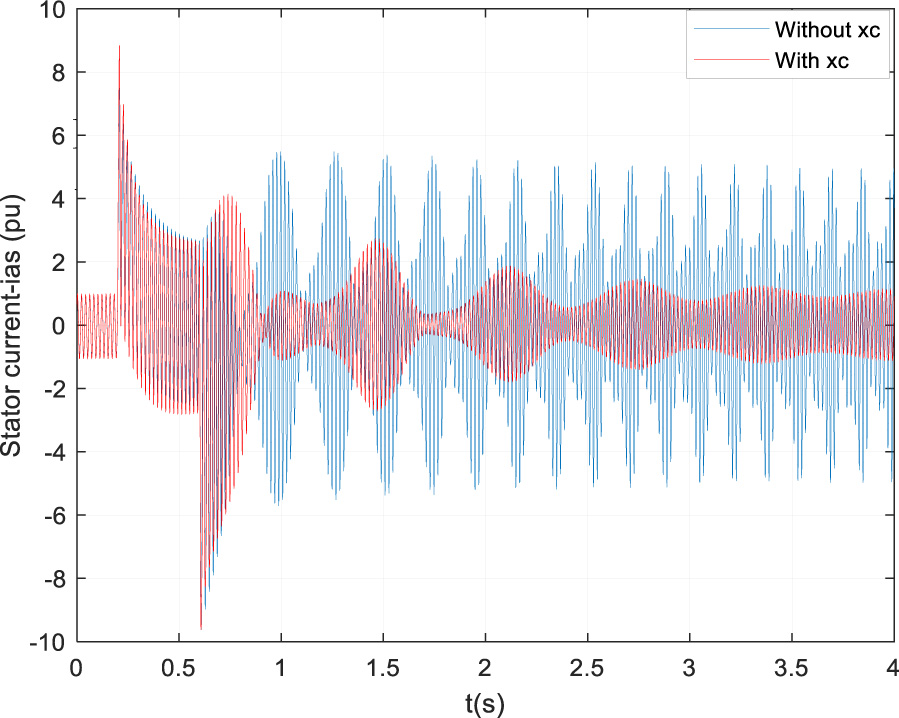
The traditional dual-vector model predictive torque control (MPTC) of permanent magnet synchronous motor suffers from the problems of large control computation, large torque ripple, and prediction deviation due to parameter mismatch. To address these issues, an enhanced robustness dual-vector MPTC (ERD-MPTC) control strategy is proposed in this paper. First, in order to reduce the control computation, a fast voltage vector selection table based on a 12-sector voltage vector map is proposed, which reduces the number of prediction iterations from 14 to only 3. Secondly, to reduce the ripple of torque and flux in one cycle, the cost function without weight factor is proposed. This cost function includes the fluctuations at the moment of the switching point. Then, for the bad effects of parameter mismatch, the inductance parameter is estimated by using the amount of error variation between the predicted value and the actual measured value at adjacent moments. So, an ERD-MPTC strategy to enhance the robustness of the prediction model in the presence of parameter mismatch is proposed by integrating the inductance updating mechanism and expanded state observer. Finally, through the experiment, it is shown that the proposed strategy can reduce the torque fluctuation, effectively reduce the adverse effects of parameter changes, and greatly improve the stability of the system.
An Enhanced Robustness Dual-vector Model Predictive Torque Control for Permanent Magnet Synchronous Motors
2024-01-10
PIER M
Vol. 123, 35-43
Triband Dual Port h-SRR MIMO Antenna for WLAN/WiMAX/Wi-Fi 6 Applications
Puneet Sehgal and Kamlesh Patel
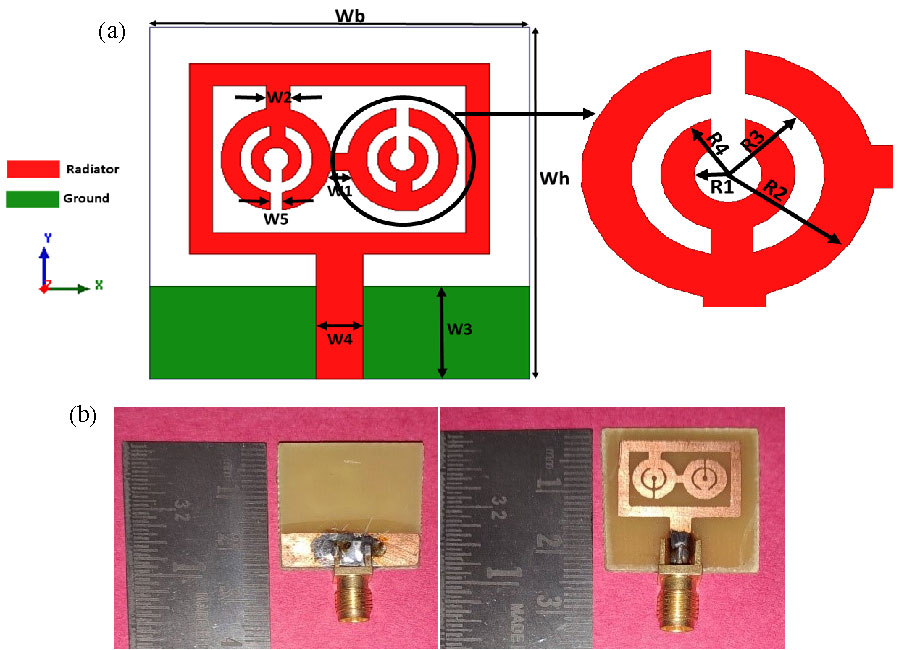
A CPW-fed hexagon-shaped split ring resonator (H-SRR) antenna consisting of three concentric SRR rings is proposed for triband WLAN/WiMAX and Wi-Fi6 applications. A single port optimized antenna has a size of 43×22×1.6 mm3 with two ports, and a multiple-in-multiple-out (MIMO) antenna based on the same H-SRR design is of size 95×52×1.6 mm3. The use of metallic loadings between the rings led to an impedance bandwidth of 21%/65% for the single-port H-SRR antenna and 33%/66.5% for the dual-port H-SRR antenna in the 2.4 GHz band and 5.2/6 GHz bands. The antennas exhibit a gain in the range of 2-2.7 dB and good radiation characteristics. Also, the proposed antenna design achieves isolation of more than 30 dB without using any de-coupling network making the structure simple and compact. For tri-band applications of the proposed dual port antenna, the MIMO parameters ECC, TARC, DG, and MEG are found about < 0.005, < -10 dB, ≤ 10 dB, and < -6 dB, respectively in the 2.4/5.2/6 GHz bands without any decoupling structure. Measurements with a commercial transmitter at 5.8 GHz confirmed that these antennas offer better Wi-Fi 6 connectivity. Thus, the results confirm that the novel features of the proposed antennas are simple structure, wideband operation, and moderate gain with a compact size in the 2.4/5.2/6 GHz bands, and therefore, these presented antennas are useful in the current WLAN/WiMAX systems as well as upcoming Wi-Fi 6 applications like routers.
Triband Dual Port H-SRR MIMO Antenna for WLAN/WiMAX/Wi-Fi 6 Applications
2024-01-09
PIER C
Vol. 140, 41-51
Low-Cost High Gain Sea Pimp-Shaped Dual Band Monopole Antenna for Mobile 4G/5G/LTE41/WLAN Application
Suwat Sakulchat , Amnoiy Ruengwaree , Watcharaphon Naktong , Pramuk Unahalekhaka and Sommart Promput
This research aimed to design a sea pimp-shaped monopole antenna by using etching and cutting techniques, combined with the addition of reflector, to modify the antenna structure to support the bandwidth standard according to GSM-850 (0.82-0.90 GHz), GSM-900 (0.88-0.96 GHz), DCS (1.72-1.88 GHz), PCS (1.85-1.99 GHz), UMTS (1.92-2.17 GHz), 5G Band40 (2.30-2.40 GHz), LTE41 (2.496-2.690 GHz), and WLAN IEEE 802.11b/g/n (2.4-2.48 GHz). This antenna used a galvanized metal sheet with a conductivity of 3.56 x 10⁷ s/m to fabricate the structure of the radiator, ground plane, and reflector. The reflector modifies radiation patterns and increases the gain of the antenna. The antenna structure used the CST program for simulation to determine the optimal parameters and property values. As a result of replication, the antenna had a dual-band with a reflection coefficient S11 at 915 MHz (736-1040 MHz) of -26.70 dB and a frequency at 2.28 GHz (1.68-2.94 GHz) of -20.15 dB. The antenna gains are 6.70 and 8.47 dBi, an increase of 83.56% and 44.04% over the antenna without a reflector, respectively. The antenna had a unidirectional pattern in all the frequency ranges which can be utilized for the purpose of RF energy-harvesting (RF-EH) systems to provide power to low-power electronic systems.
Low-cost High Gain Sea Pimp-shaped Dual Band Monopole Antenna for Mobile 4G/5G/LTE41/WLAN Application
2024-01-09
PIER M
Vol. 123, 23-33
Uncertainty Analysis Method for Electromagnetic Compatibility Simulation Based on Random Variable Black Box Model
Jinjun Bai , Bing Hu , Shenghang Huo and Ming Li
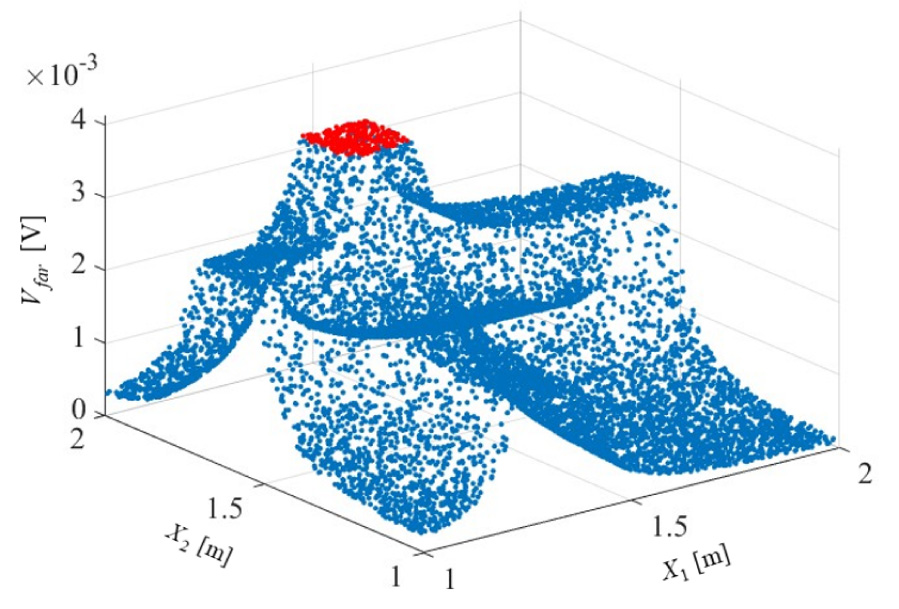
In recent years, uncertainty analysis is a hot topic in the field of electromagnetic compatibility simulation. The actual electromagnetic environment is simulated by considering the randomness of the model input parameters. However, there are currently two key issues that have not been resolved. One is the curse of dimensionality problem that occurs when there are many random variables. The other is how to establish a random input model with generality and portability. In order to address these issues, this paper proposes a new random input modeling method called random variable black box model. When applying to the Stochastic Collocation Method with dimensionality reduction sparse grid strategy, the applicability of this uncertainty analysis method can be extended to any probability density function, then enabling efficient electromagnetic compatibility simulation uncertainty analysis of high-dimensional random variable models and fundamentally solving the curse of dimensionality problem. Finally, this paper implements a joint simulation technology of the MATLAB software and the COMSOL software to verify the strong portability of the random variable black box model, ensuring that advanced uncertainty analysis methods can be smoothly introduced into commercial electromagnetic simulation software and expanding the application scope of uncertainty analysis.
Uncertainty Analysis Method for Electromagnetic Compatibility Simulation Based on Random Variable Black Box Model
2024-01-09
PIER Letters
Vol. 116, 71-78
Compact and Broadband CPW-to-RWG Transition Using Resonator with Impedance-Matching Element
Ir-Ving Tseng , Ming-Feng Zheng , Ting-Tzu Cho and Chun-Long Wang
This paper proposes a compact and broadband coplanar waveguide (CPW)-to-rectangular waveguide (RWG) transition using a resonator with an impedance-matching element. The transition size is as small as 7.66 mm, and the frequency range for which the reflection coefficient is smaller than -15 dB covers from 8.05 GHz to 12.18 GHz (FBW = 40.83%), almost encompassing the full X-band (8.2-12.4 GHz). To reduce the size of the transition, a short-circuited stub phase shifter is used to replace the half-wavelength phase shifter, resulting in a miniaturized CPW-to-RWG transition using the resonator with the impedance-matching element. The transition size is further reduced from 7.7 mm to 5.9 mm. Besides, the frequency range for which the reflection coefficient is smaller than -15 dB covers from 8.05 GHz to 12.38 GHz (FBW = 42.38%), nearly encompassing the full X-band (8.2-12.4 GHz) as usual. To verify the simulation results, both CPW-to-RWG transitions using the resonator with the impedance-matching element are fabricated and measured. The simulation and measurement results are in reasonable agreement.
Compact and Broadband CPW-to-RWG Transition Using Resonator with Impedance-matching Element