Search Results(13786)

2024-01-09
PIER Letters
Vol. 116, 63-70
A High Efficiency and Low Mutual Coupling Four-Element Antenna Array for GNSS Applications
Abdullah Madni and Wasif Tanveer Khan
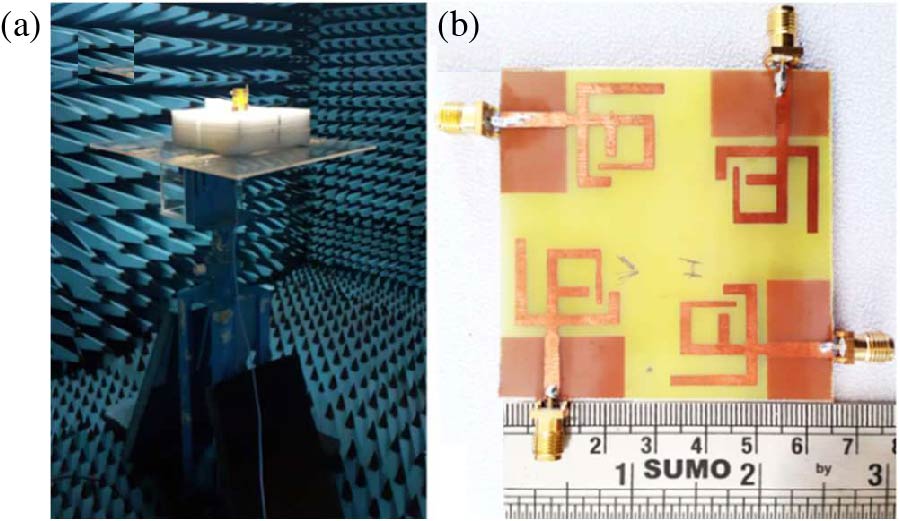
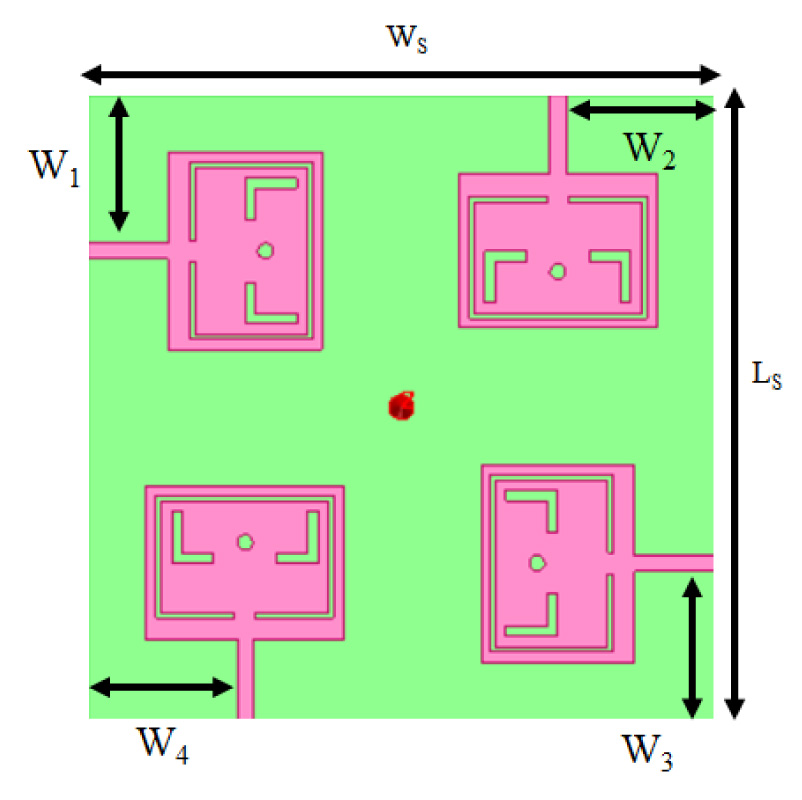
In this manuscript, a compact four-element antenna array is introduced for global navigation satellite system (GNSS) upper L-band applications. The proposed design is modelled using a higher epsilon substrate to obtain a smaller patch footprint. The array consists of four rectangular right hand circularly polarized (RHCP) patches etched on a circular substrate having a compact diameter of only 125 mm. The patch elements cover the BeiDou B1 (1561.098 MHz), GPS L1 (1575.42 MHz), Galileo E1 (1575.42 MHz) and GLONASS G1 (1602 MHz) bands with an axial ratio below 3 dB. A defected ground structure (DGS) has been integrated in the ground plane of the proposed array along with a novel meta-isolator on the top side between the antennas to achieve a high isolation level of more than 24 dB in the complete band of interest. The proposed antenna array has a high gain of more than 6.9 dBi and a radiation efficiency greater than 93%. A prototype of the proposed array is fabricated, and measured results are presented to validate the design.
A High Efficiency and Low Mutual Coupling Four-element Antenna Array for GNSS Applications
2024-01-08
PIER C
Vol. 140, 31-40
Q-Learning Empowered Cavity Filter Tuning with Epsilon Decay Strategy
Amina Aghanim , Hamid Chekenbah , Otman Oulhaj and Rafik Lasri
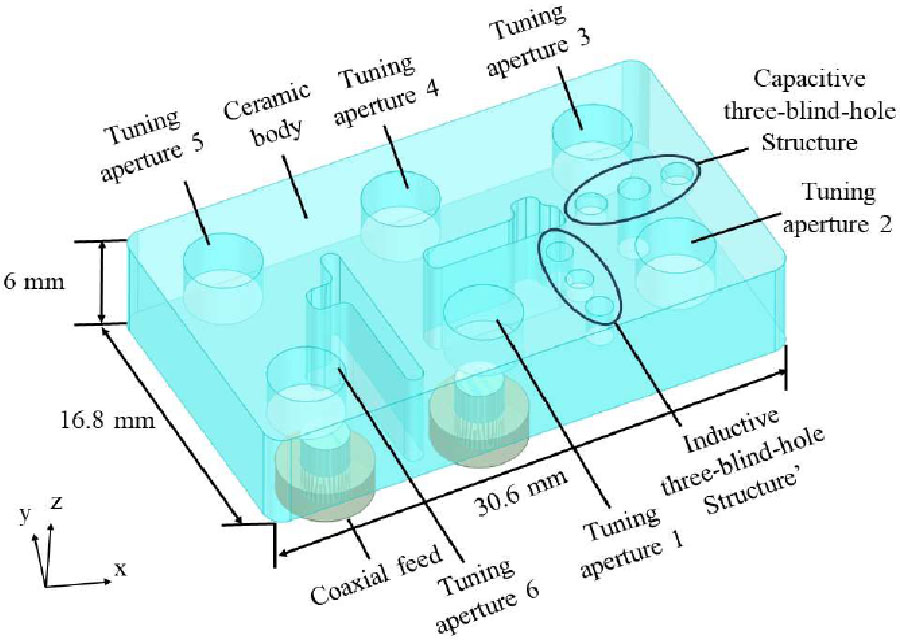
In the ever-evolving landscape of engineering and technology, the optimization of complex systems is a perennial challenge. Cavity filters, pivotal in Radio Frequency (RF) systems, demand precise tuning for optimal performance. This article introduces an innovative approach to automate cavity filter tuning using Q-learning, enhanced with epsilon decay. While reinforcement learning algorithms like Q-learning have shown effectiveness in complex decision-making, the exploration-exploitation trade-off remains a crucial challenge. The study conducts a thorough investigation into the application of epsilon decay in conjunction with Q-learning, employing the well-established epsilon-greedy strategy. This research focuses on systematically decaying the exploration rateε over time, aiming to strike a balance between exploring new actions and exploiting acquired knowledge. This strategic shift serves to not only refine the convergence of the Q-learning model but also remarkably elevate the overall tuning performances. Impressively, this optimization is achieved with a notable reduction in the number of tuning steps, demonstrating an efficiency boost of up to 45 steps.
Q-Learning Empowered Cavity Filter Tuning with Epsilon Decay Strategy
2024-01-08
PIER C
Vol. 140, 21-30
NGD Bandpass Type Characterization of Circular Curved Coupled-Line
Xirui Wang , Fayu Wan , Vladimir Mordachev , Eugene Sinkevich , Samuel Ngoho , Nour Mohammad Murad and Blaise Ravelo
The present study examines the negative group delay (NGD) behavior of a circular curved (CC) coupled-line (CL) microstrip circuit with a bandpass (BP) characteristic. The novel CC CL-based circuit is derived from the curved li-topology which demonstrates BP-NGD functionality. The basic theoretical approach enabling the BP-NGD analysis is introduced. The BP-NGD function main properties related to NGD center frequency, NGD value, and NGD bandwidth are defined. Despite the progressive NGD research work, it was wondered how the RF printed circuit board trace geometrical parameters such as curvature radius and angle change the microwave communication parameters. To verify the BP-NGD concept feasibility, different microstrip prototypes are designed, simulated, fabricated, and tested as the proof of concept (POC). Thus, a developed empirical study of CC microstrip structures corroborating well-correlated simulations and experimental results is examined. Moreover, deep sensitivity analyses for geometrical design parameters were performed using commercial tool full-wave simulations. The obtained results provide insights into the effects of CC-structure inter-space and curvature angles on the inherent BP-NGD parameters. The proposed NGD circuit is potentially useful in the future in RF and microwave engineering for signal delay correction. Additionally, it helps in understanding the characteristics of microstrip PCB traces that are important for optimizing signal integrity (SI), power integrity (PI), and electromagnetic compatibility (EMC).
NGD Bandpass Type Characterization of Circular Curved Coupled-line
2024-01-08
PIER M
Vol. 123, 13-21
Two Approaches for Designing Circularly Polarized OAM Reflectarrays
Yuxuan Ding , Yunhua Zhang and Xiaowen Zhao
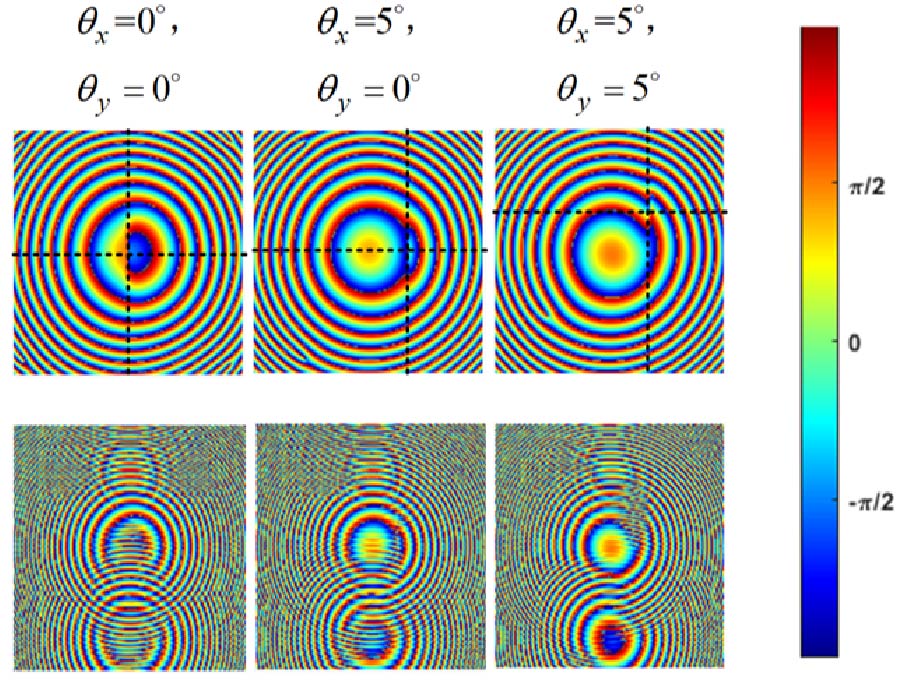
By calculating the compensation phase distribution from the radiation fields of the feed, two approaches are proposed for reflectarrays (RAs) generating circularly polarized orbital angular momentum (CP-OAM) beams with higher mode purity. Particularly, if the radiation fields are extracted in spherical coordinates rather than Cartesian coordinates, the required phase distribution for generating a CP-OAM beam of +1/-1 mode can be directly obtained according to our mathematical derivation which shows that the spherical components of left-/right-hand circularly polarized (LHCP/RHCP) fields naturally involve the OAM phase term of +1/-1 mode. To better demonstrate our work, the CP-OAM RAs with both smooth and corrugated horns of RHCP as feeds are designed by three approaches: the conventional approach (CA) based on approximation of phase center, and the two approaches based on simulated radiation fields in Cartesian coordinates (CCA) and spherical coordinates (SCA), respectively. Full-wave simulation results show that the OAM mode purity can be enhanced by either CCA or SCA, and the SCA can produce even higher mode purities than CCA when an offset feed is employed.
Two Approaches for Designing Circularly Polarized OAM Reflectarrays
2024-01-08
PIER Letters
Vol. 116, 55-62
Low Loss Anisotropic Circular Near-Zero Flexible Metasurface for Gain Enhancement
Arun Shaji B K , Muhammed Hunize C V , Anju Pradeep and Murali K P
This paper proposes a new low loss high dielectric substrate made of CaTiO3 incorporated butyl rubber (CBR). The synthesized material has a dielectric loss of 0.0048 and dielectric constant of 11.7. A novel circular anisotropic structure is used in the design of metamaterial unit cell. This metamaterial structure exhibits near-zero refractive index at 2.4 GHz. The extraction of refractive index is done from the scattering parameters using generalised sheet transition condition. An array of 3 × 3 unit cell is the metasurface superstrate, which is proposed for the gain enhancement. It is kept above the microstrip patch antenna working at 2.4 GHz. The proposed superstrate provides a gain enhancement of 4.6 dB. The height between the antenna and the superstrate is optimized to 0.088λ. The enhancement of gain on metasurface substrate with different loss tangents is analyzed. The simulation and measurement results of antenna with superstrate show good agreement with a peak gain of 7.6 dBi. The radiation efficiency of the antenna is increased by 42%.
Low Loss Anisotropic Circular Near-zero Flexible Metasurface for Gain Enhancement
2024-01-06
PIER Letters
Vol. 116, 47-53
Wideband Multifunctional Bessel Beams by High Efficiency Spin-Decoupled Metasurface for Near Field Applications
Hui-Fen Huang and Chu-Xin Zheng
This paper develops a wideband spin-decoupled unit cell to form high efficiency wideband spin-decoupled metasurface (MTS), which can achieve more versatile Bessel beams with independent control of the beam direction, polarization and Orbital angular momentum (OAM) mode for near field applications. The MTS is designed for wideband dual Bessel beams: Beam-I (RHCP, θ1=30˚, φ1=180˚, l=1), Beam-II (LHCP, θ2=30˚, φ2=0˚, l=0), where φ and θ are the azimuth and elevation angles, respectively; l is the OAM mode; and RHCP(LHCP) represents the right (left) hand circular polarization. Compared with conventional phase gradient MTSs, the proposed MTS achieves more versatile functionalities and better performance: wideband (35.3%), dual Bessel beams, circular polarization (CP), high aperture efficiency (AE) 40%, carrying OAM modes, high ratio of non-diffraction distance/aperture size (6.41), high conversion efficiency for Bessel beams (33%), and high OAM purity (78%-99%). Simulated and measured results agree well, and validate the design method. The proposed unit cell can be used to design other high performance multifunctional Bessel beams. The designed Bessel beams have potential applications in dense channel high capacity communication, efficient wireless power transfer, high-resolution imaging, medical treatment.
Wideband Multifunctional Bessel Beams by High Efficiency Spin-decoupled Metasurface for Near Field Applications
2024-01-05
PIER C
Vol. 140, 11-19
A Compact Dual-Band Dual-Polarized Antenna Based on Modified Minkowski Fractal
Mahmood T. Yassen , Ali Jabbar Salim , Mohammed R. Hussan and Jawad K. Ali
The polarization of the received signals can be effectively matched regardless of the orientation of the receiving antenna using circularly polarized antennas. A compact printed monopole antenna with a circular ring patch is presented in this paper. The proposed antenna will be able to provide two polarization states: linear and circular. The employment of a modified Minkowski fractal with 1st iteration construction on an open circular ring supports a circularly polarized band having a center frequency of 1.812 GHz and fractional bandwidth (FBW) of 20.033%. The upper band is achieved with a linearly polarized wave having a center frequency of 3.386 GHz and a fractional bandwidth of 11.399%. The proposed antenna is fed by an ungrounded co-planar waveguide (UCPW), enhanced with an impedance transformer to match at 50 ohms with the characteristic impedance. The ground planes around the feed line are defected by ground structures to improve the antenna gain. The fabrication and measurement of the proposed antenna prototype are presented to validate the theoretical results. Measured results support the theoretical findings well.
A Compact Dual-band Dual-polarized Antenna Based on Modified Minkowski Fractal
2024-01-05
PIER Letters
Vol. 116, 39-45
An Active Flux Model-Based Sensorless Flux Weakening Control Algorithm for Permanent Magnet Synchronous Motors
Kun Li , Lin Wang and Yilin Zhu
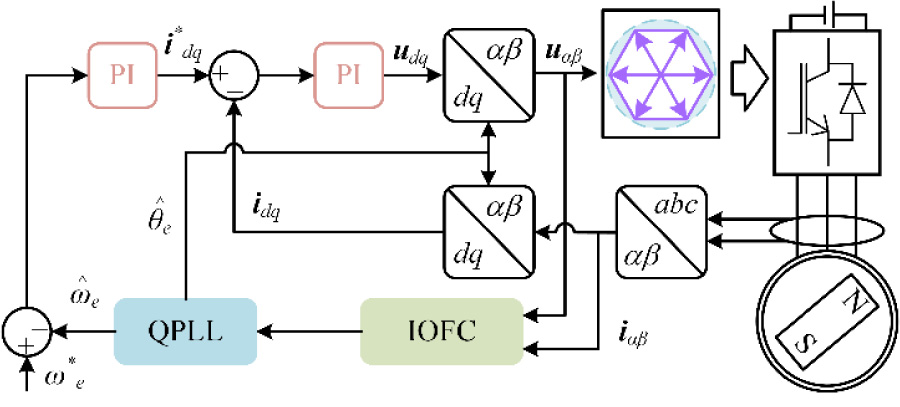
In order to improve the stability of sensorless high-speed operation of permanent magnet synchronous motors and effectively expand the speed range, a voltage closed-loop flux weakening sensorless algorithm based on the active flux model is proposed. Firstly, the mathematical model of sensorless control of the PMSM is designed based on the active flux model, and the state of the PMSM flux weakening operation is analyzed. Then, based on the voltage closed-loop flux weakening control method, the corresponding flux weakening control algorithm is analyzed and designed. Meanwhile, based on the active flux model, the speed and rotor position of the motor are observed by sliding mode observer and phase-locked loop method. After that, the flux weakening control method and the sensorless control method are combined to realize the sensorless flux weakening control method to improve the stability of the control system. Finally, the proposed algorithm is validated on the experimental platform. The experimental results show that the proposed method can prevent the system from losing control during flux weakening processes, effectively improve system stability, and have smaller angle errors. The speed convergence time is shortened by 80% compared to the non flux weakening control.
An Active Flux Model-based Sensorless Flux Weakening Control Algorithm for Permanent Magnet Synchronous Motors
2024-01-02
PIER C
Vol. 140, 1-9
Flux Weakening Control and Experimental Verification of Hybrid Excitation Field Modulation Synchronous Machine for Direct Drive Propulsion
Jiming Luo , Yang Zhang , Enzhao Lu , Quanzhen Huang , Mingming Huang and Duane Decker
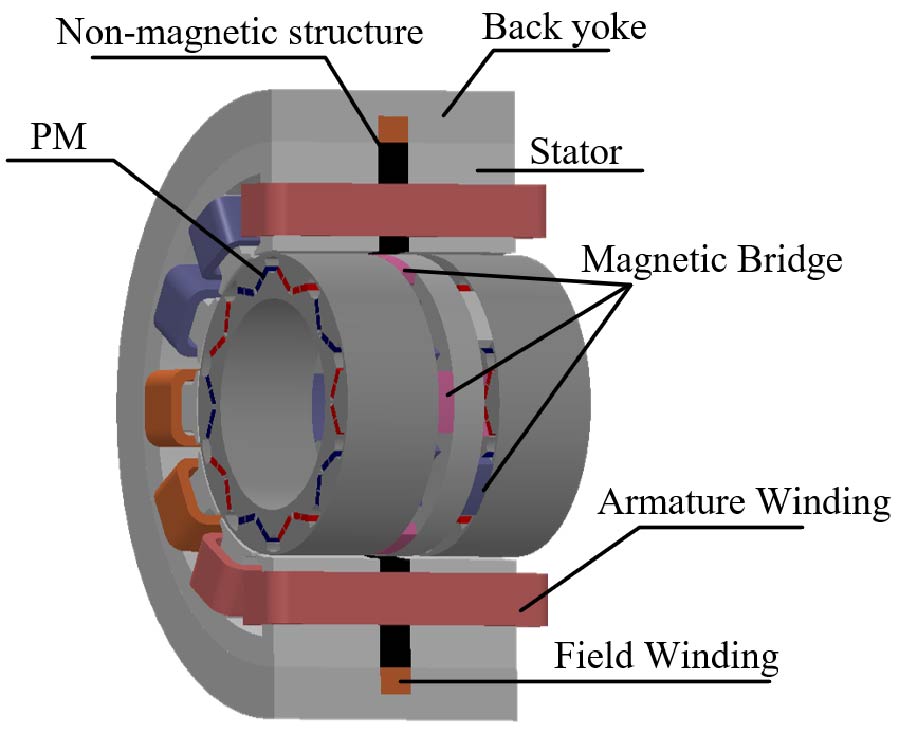
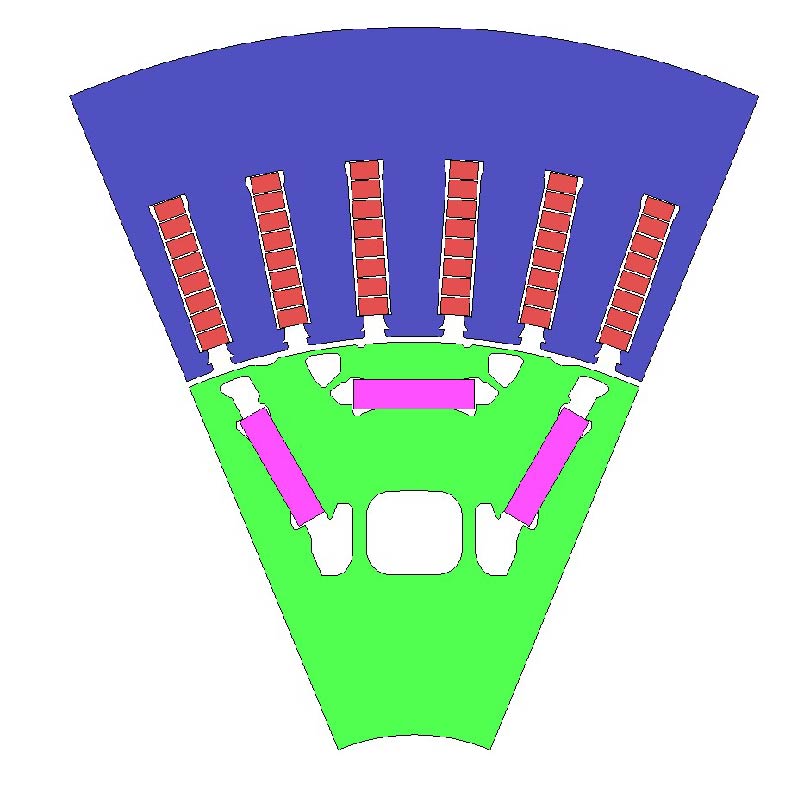
With combining the advantages of the hybrid excited machine and field modulation machine, hybrid excitation field modulation machine (HEFMM) exhibits obvious merits of controllable flux operation and independent flux distributon paths. A total copper loss minimization model is established to determine the optimal ratios of field current, d-axis and q-axis currents in low speed region. In high speed operating region, one flux weakening fuzzy control strategy combining with particle swarm optimization (PSO) algorithm for HEFMM was proposed, which improves the dynamic characteristic and decrease the harmful influence of parameters variation during the operation region of HEFMM. The correctness and effectiveness of the proposed flux weakening fuzzy control strategy were verified by the simulation data and experimental results, which demonstrated that the this current optimization method based on PSO algorithm can effectively reduce the total copper loss of the machine by 22%, the range of speed regulation with higher efficiency are ontained.
Flux Weakening Control and Experimental Verification of Hybrid Excitation Field Modulation Synchronous Machine for Direct Drive Propulsion
2024-01-01
PIER Letters
Vol. 116, 31-38
Hexa-Slot Wheel Shaped Fractal Orthogonal MIMO Antenna with Polarization Diversity for UWB Applications
Deshpande Ramesh and Usha Devi Yalavarthi
In this paper, a hexa-slot wheel shaped fractal antenna is proposed for UWB applications. Fractal structure (wheel shaped hexa slots) is developed by inscribing hexagons and circles inside a circular patch monopole antenna. Then orthogonal MIMO antenna with polarization diversity is proposed that operates from 1.39-15.18 GHz with an impedance bandwidth of 13.79 GHz. Its performance is analyzed at three resonant frequencies 5.8 GHz, 8.3 GHz and 10 GHz. It exhibits good diversity performance with ECC < 0.035, DG very close to 10, isolation > 35 dB, CCL < 0.35 bits/s/Hz values. The proposed MIMO fractal antenna achieved an average radiation efficiency of 83.11% with 3.26 dB maximum peak gain. TARC characteristics and time domain behavior using group delay are also examined. Simulated and measured results are in good agreement and hence the proposed MIMO antenna with polarization diversity is well suitable for UWB applications.
Hexa-slot Wheel Shaped Fractal Orthogonal MIMO Antenna with Polarization Diversity for UWB Applications
2023-12-31
PIER
Vol. 178, 129-147
SWE Retrieval Algorithms Based on the Parameterized BI-Continuous DMRT Model Without Priors on Grain Size or Scattering Albedo
Firoz Kanti Borah , Leung Tsang and Edward J. Kim
In this paper, we develop two new algorithms for snow water equivalent (SWE) retrieval based on the volume scattering snow at X (9.6 GHz) and Ku (17.2 GHz). Significantly, neither algorithm requires a prior on grain size or on scattering albedo. The two algorithms are based on modifications of the previous algorithm published in our previous two papers (Zhu et al. 2018, 2021). The physical model is the bi-continuous DMRT model, and a parametrization is carried out over a look-up table of DMRT results. The parameterized model gives the X and Ku band co-polarization backscatter as a pair of equations in terms of two parameters SWE and scattering albedo at X band (ωX). By directly inverting the pair of equations for, σX (SWE, ωX) and σKu (SWE, ωX), we show that there are at most a pair of solutions which have SWE values that are far apart in most cases, facilitating identification of the correct solution. The first algorithm described in this paper, labelled an algebraic algorithm, uses inversion alone and does not employ a cost function. The proposed algebraic algorithm is validated with multiple airborne data sets and three years of tower-based snow observations. The robustness of the no-prior approach was validated with the airborne observations, by using a prior SWE value that is intentionally far (75% different) from the true SWE. For the validation using tower-based data, three years of observations from the NoSREx experiment in Sodankyla, Finland were used in which the previous SWE result helps to correctly choose between the two solutions. The second cost function-based algorithm finds the SWE and ωX pair which minimizes the difference between the observed volume scattering σX,obs and σKu,obs and the model-predicted volume scattering σX,mod and σKu,mod. The cost function uses prior information on SWE, also based on a time series starting with zero/low SWE. NoSREx data is used to show results from this approach. The new algorithm combined with time series eliminates needs of ancillary information of SWE and grain sizes, making the algorithm useful for level-2 products of a satellite mission.
SWE Retrieval Algorithms Based on the Parameterized Bi-continuous DMRT Model without Priors on Grain Size or Scattering Albedo
2023-12-30
PIER Letters
Vol. 116, 23-30
Novel Sparse Linear Array Based on a New Suboptimal Number Sequence with a Hole-Free Difference Co-Array
Ashish Patwari and Pradyumna Kunchala
In this paper, we propose a new sparse linear array (SLA) that enjoys a hole-free difference co-array (DCA) and closed-form expressions for its sensor positions. The proposed configuration is valid for arrays containing seven or more sensors (N≥7). Exact expressions for the array aperture and achievable degrees of freedom (DOFs) have been derived. Numerical simulations were performed using MATLAB to reinforce the theoretical understanding. The main aim of this study is not to claim superiority over any existing SLA design, but to report that we have found a new number sequence that can act as an SLA. Except for being highly susceptible to mutual coupling, the proposed array has all the desirable features of a good SLA. We observed that the proposed array is on par with other SLAs for N<20. However, for 20 or more sensors, the array aperture does not scale rapidly in proportion to the added sensors and fails to match the resolution and/or DOFs offered by other sparse arrays. Nevertheless, the proposed sparse array is based on a unique and previously unknown number sequence.
Novel Sparse Linear Array Based on a New Suboptimal Number Sequence with a Hole-free Difference Co-array
2023-12-29
PIER
Vol. 178, 111-127
Full-Wave Electromagnetic Simulations of Forests at L-Band by Using Fast Hybrid Method
Jongwoo Jeong , Leung Tsang , Andreas Colliander and Simon Yueh
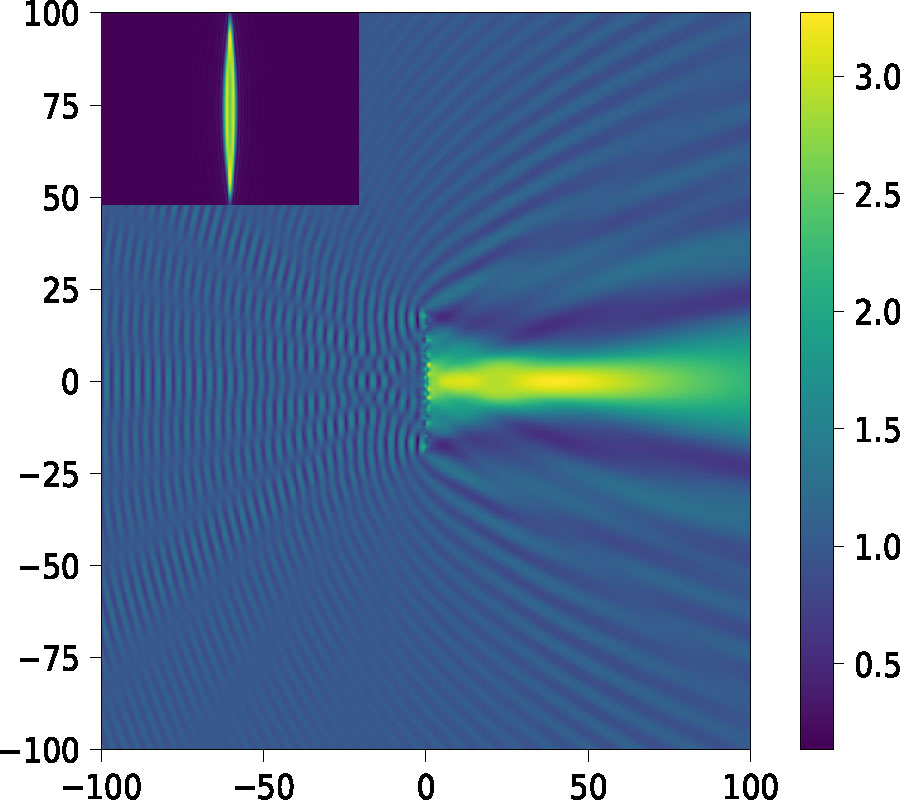
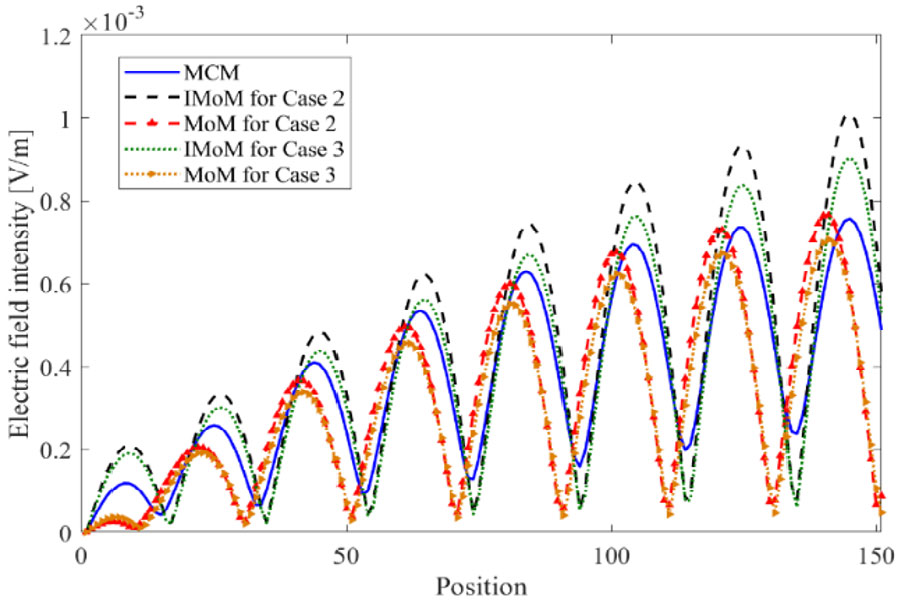
Wave propagation in forests at L-band has essential applications in satellite communication system design, foliage penetration (FOPEN), and remote sensing of forest canopy and soil using passive, active, and reflectometry techniques. In this work, we propose applying the fast hybrid method (FHM) for full wave simulations of forests. The FHM significantly improves CPU time and memory efficiency for full-wave electromagnetic solutions. In this paper, we present simulations of forests of up to 72 trees with heights up to 13 m with FHM. Spatial distributions of electric fields at the bottom plane of the trees are illustrated, showing constructive and destructive interferences. The electric field distributions show that the amplitudes of the electric fields can be as large as twice that of incident waves. The transmissivities are computed and averaged over realizations based on the electric fields underneath the forest. The simulations were performed on a desktop and required a CPU time of only 1346 seconds and the memory of 16.5 GB for the case of 72 13-m tall trees, demonstrating that the FHM method is substantially more efficient than the available commercial software. The results show that the L-band signals can penetrate forests to sense the soil moisture and detect targets hidden within forests, as evidenced by significant electric field intensities under forest canopies. Also, we illustrate that GPS signals can penetrate forests and be successfully received by GPS receivers. In the study on clustering effects, we present two distinct solutions for transmissivities, each corresponding to different spatial distributions of trees while maintaining the same average tree density.
Full-wave Electromagnetic Simulations of Forests at L-band by Using Fast Hybrid Method
2023-12-29
PIER C
Vol. 139, 197-209
Simulation Research on Breast Tumor Model Based on Magnetoacoustic Concentration Tomography of Magnetic Nanoparticles with Magnetic Induction
Xiaoheng Yan , Fangtian Liu , Waldemar Tomasz Smolik , Xinxian Dan and Xiaohan Hou
Magnetic nanoparticles (MNPs) have been widely investigated as effective drug carriers for targeted tumor therapy. However, the successful application of this technology in the human body requires reliable imaging support. Magnetoacoustic Concentration Tomography of Magnetic Nanoparticles with Magnetic Induction (MACT-MI) is an electromagnetic-ultrasonic coupling imaging technique that holds great promise in improving imaging resolution and providing unique advantages for tumor monitoring and treatment. To evaluate the imaging feasibility of MACT-MI technology for targeted therapy of breast tumors, this study establishes a realistic breast model and takes into account the distribution of magnetic particles within the actual breast tissue environment. A concentration gradient model is introduced, and the finite element method is employed to solve the electromagnetic and sound fields. In addressing the research objective, the forward problem is investigated by analyzing the magnetic force and sound pressure distribution for various tumor sizes and locations, different breast tissues, and both benign and malignant tumors. The results obtained indicate that the magnetoacoustic signal emitted by magnetic particles facilitates accurate mapping of the size and location information of magnetic particles enveloping breast tumors, as well as distinguishing between benign and malignant tumors.
Simulation Research on Breast Tumor Model Based on Magnetoacoustic Concentration Tomography of Magnetic Nanoparticles with Magnetic Induction
2023-12-29
PIER C
Vol. 139, 187-195
Gain Enhanced 26 GHz Antenna for 5G Communication Technology
Eko Setijadi , Prasetiyono Hari Mukti and Wolfgang Bosch
Wireless technology, a longstanding focus for researchers, has evolved into an exciting telecommunications topic over several decades. The most recent iteration, Fifth Generation (5G), has been introduced at high frequencies, commonly called millimeter waves. An integral component supporting wireless communication is the antenna. This report details the design of a microstrip antenna operating at a frequency of 26 GHz. The antenna is configured as a rectangular patch microstrip, utilizing coupled slot feeding, organized as an array, and implementing a ring as the gain enhancement technique. The designed antenna undergoes observation for both single-element and 1x2 arrays, both with and without rings. A thorough analysis encompasses gain, bandwidth, return loss, and radiation pattern. The antenna design, developed at a frequency of 26 GHz, demonstrates a substantial gain increase of up to 10 dB and 14 dB in the single-element and 1×2 array configurations achieved by adding a ring. The designed antenna surpasses the previous works' gain of about 3 dB more.
Gain Enhanced 26 GHz Antenna for 5G Communication Technology
2023-12-28
PIER M
Vol. 123, 1-11
Wearable Antenna with Reduced SAR Using Novel FSS Reflector for IoT Assisted Wireless Healthcare Applications
Shivani Sharma and Malay Ranjan Tripathy
In this research work, a flexible polymer-based compact wearable antenna has been designed, fabricated, and analysed for Wireless Body Area Network (WBAN) IoT enabled applications. The antenna is fabricated on a Polyethylene Terephthalate (PET) with λL as the lowest operating free-space wavelength resonating for sub-6-GHz band at 2.4 GHz, 3.3 GHz, 4.1 GHz and 5.8 GHz. Periodic Frequency Selective Surface (FSS) reflector is used which reduces Electromagnetic Interference (EMI) antenna and enhances the gain of the antenna. The simulation results prove that this flexible wearable antenna radiates an increased gain of approximately 10 dB and returns loss of -36 dB at lowest frequency with FSS as a reflector. The simulation results are validated by experimental results which offer a good agreement. An average SAR value of l.5 watts/gm is measured within the specific safety limit which makes it feasible for practical implementation. This antenna provides better isolation against on-body losses and reduces SAR value with improved radiation efficiency for WBAN IoT enabled applications.
Wearable Antenna with Reduced SAR Using Novel FSS Reflector for IoT Assisted Wireless Healthcare Applications
2023-12-27
PIER Letters
Vol. 116, 17-22
Mechanism of Microwave Effect on the Extraction Process of Tea Polyphenols
Dan Li , Tao He , Boyu Li , Ziqin Wang and Zhengming Tang
Microwave-assisted extraction (MAE) is an effective method for extracting tea polyphenols. However, research on MAE mainly focuses on experimental methods, which not only leads to a large amount of experimental work but also generates a lot of material waste. In addition, due to the lack of mechanism research, it is difficult to find a more effective method. In this study, based on electromagnetic field theory, the heat and mass transfer model of tea polyphenol extraction is established based on measuring the dielectric properties of the extract. The distribution of temperature, diffusion coefficient, and flow rate of microwave-assisted extraction of tea polyphenols are all analyzed in detail. The results show that the temperature distribution in the extraction system is uneven. The middle temperature of the extraction solution is high and the edge is low. Moreover, with the increase of microwave power and extraction temperature, the diffusion coefficient is gradually increased, and the flow rate increases, which is more conducive to the extraction process as time goes by. This study provides a theoretical basis for the microwave-assisted extraction of tea polyphenols, reducing experimental workload and material waste.
Mechanism of Microwave Effect on the Extraction Process of Tea Polyphenols
2023-12-26
PIER Letters
Vol. 116, 9-16
Circularly Polarized Antenna Array Using Filtering Phase Shifting Theory
Xin Guo , Meiyu Du , Wen Wu , Zhihong Feng and Zhiping Wan
A new circularly polarized (CP) array using the filtering phase shifting theory is designed. First, it is displayed that a phase designable filter can be obtained by controlling the position of the transmission zero (TZ) of the doublet topology. Next, by mapping the topology into a stub-loaded resonator (SLR) and using the patch as the last resonating mode, a phase designable 3rd-order filtering antenna element is designed. Then, two filtering antenna elements with 90° phase difference are obtained. Finally, by using the slot-coupled feed structure, four elements with phases of 0°, 90°, 180°, 270° are rotated sequentially to form a circularly polarized array. The measured results show that the impedance bandwidth is 8.1% (5.07-5.5 GHz); the axial ratio (AR) bandwidth is 6.7% (5.05-5.4 GHz); the maximum CP realized gain is 10.5 dBic; and the good filtering function is implanted.
Circularly Polarized Antenna Array Using Filtering Phase Shifting Theory
2023-12-26
PIER Letters
Vol. 116, 1-7
Design of a Microstrip Filtering Antenna Without Extra Circuits and Its Application in Orbital Angular Momentum (OAM) Filtering Antenna
Jia Liang , Dan Wang , Zisen Qi , Yun Gao and Qingmei Wei
In this paper, a microstrip filtering antenna is proposed with gain-filtering response. The antenna consists of an E-shaped radiator and a slotted U-shaped coupling structure. Three radiation nulls are obtained by the radiator, the U-shaped coupling structure and the two slots. The filtering antenna has no extra circuits, which indicates that it is easy to design. A 4-element filtering OAM antenna array is also designed to validate its applicability in OAM antennas. Measured results show excellent performance of the array, which also make it a potential candidate for 5G wireless communication devices.
Design of a Microstrip Filtering Antenna without Extra Circuits and Its Application in Orbital Angular Momentum (OAM) Filtering Antenna
2023-12-25
PIER M
Vol. 122, 155-165
An on-Chip Integrated Current Sensing Technology for Real-Time Detection of Phase Current in BLDC Motors
Jiayu Wen and Liangkun Wang
This paper presents an on-chip integrated sensing circuit for real-time detection of phase currents in three-phase brushless direct current (BLDC) motors. The three-phase sinusoidal currents generated in the motor winding are detected by an innovative Sense FET technology, which can accurately measure the currents of high-side P-type power transistors and low-side N-type power transistors simultaneously. A dynamic matching elimination method is proposed for the detection current mismatch problem due to the large difference in aspect ratio. Using a 90 nm dual-polarized cmos-DMOS (BCD) process for design and verification, the detection circuit of the high and low sides can well follow the change of sine wave phase current of the three-phase motor, and the accuracy is above 96%. The best accuracy can reach 99.219%. The elimination effect of circuit current mismatch is obvious, and the error of the sense current can be reduced by 38.9%.
An On-chip Integrated Current Sensing Technology for Real-time Detection of Phase Current in BLDC Motors