Search Results(13786)

2023-11-27
PIER Letters
Vol. 114, 69-74
An Arduino-Controlled Reconfigurable Intelligent Surface with Angular Stability for 5G mmWave Applications
Badisa Anil Babu , Pulletikurthi Ram Kalyan , Varanasi Venkata Lakshmi , Rana Reharika and Nakka Varun Raj
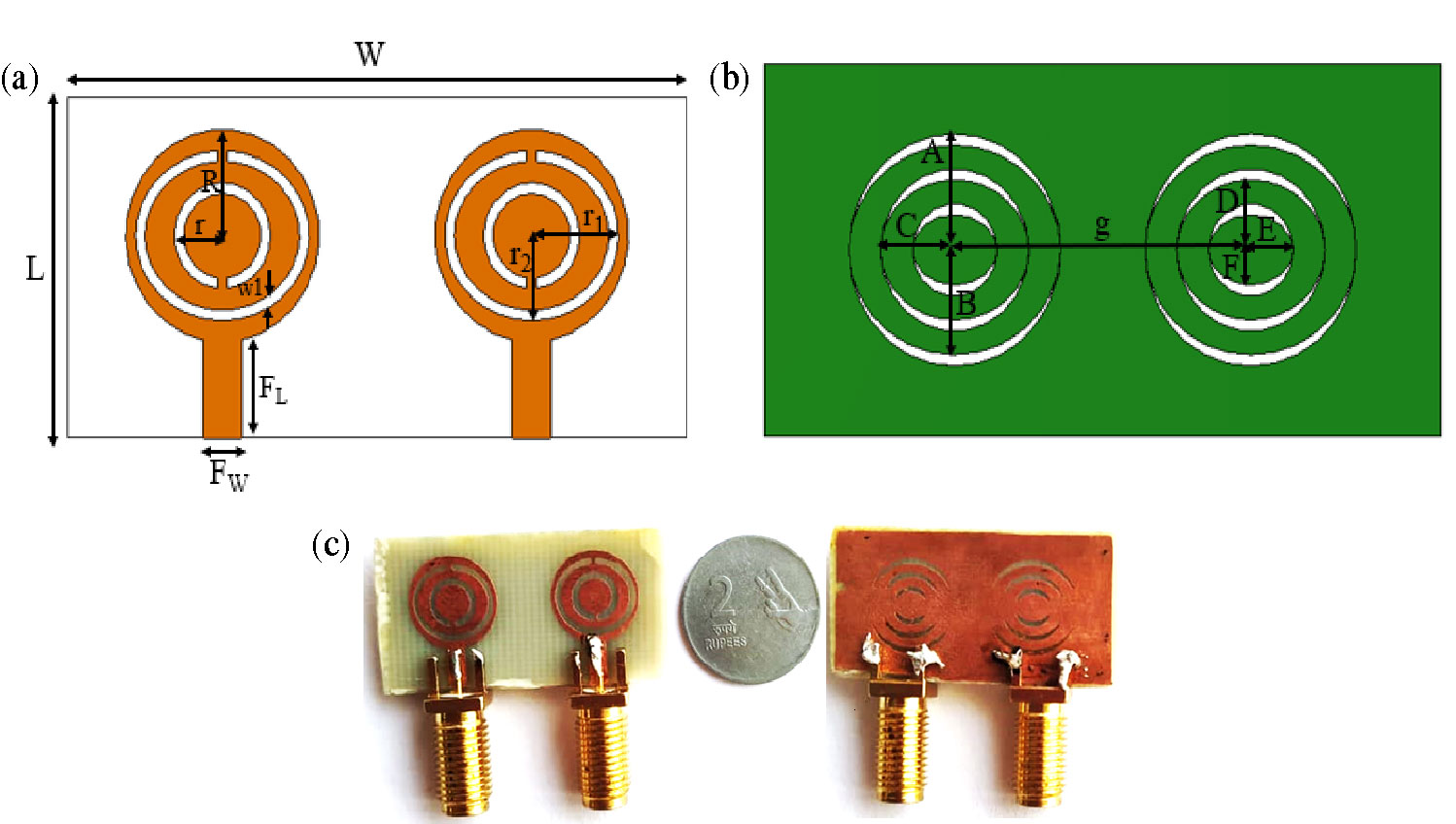
The role and applications of millimeter wave (mmWave) Reconfigurable Intelligent Surfaces (RIS) have been rapidly increasing by extending the signal coverage with energy and spectrum efficiency. However, the current RIS designs pose challenges like size and angular insensitivity with efficient beamforming functionalities. In this article, we propose a compact and angularly stable RIS unitcell with incident and polarization angle insensitivity in reflection mode. The footprint of the FR4 substrate is 10x10x1.6 mm3 in size. The unitcell structure consists of circular patch inner cuts as a top layer with a full ground. An AlGaAs pin diode is inserted in the middle of the top layer to get the beamforming. The switchable states provide peak resonance at 32.5 GHz (Bandwidth-444 MHz) and 33.6 GHz (Bandwidth-498 MHz) frequencies. Significant gain values of 11.5 and 13.7 dBi are achieved at the operating frequencies. The designed unitcell provides angular stability up to 90˚ oblique incidences and polarization angles. The AlGaAs pin diode is controlled by applying suitable bias levels using Arduino Uno. The numerical simulation results and experimental validation are performed with incident and polarization angles, which are suitable for adapting to the challenges in mmWave applications.
An Arduino-controlled Reconfigurable Intelligent Surface with Angular Stability for 5G mmWave Applications
2023-11-27
PIER Letters
Vol. 114, 59-67
Time Domain Hybrid Method for the Coupling Analysis of Parallel Traces on PCB Excited by Ambient Wave
Zhiwei Gao , Sicong Gao and Zhihong Ye
Currently, numerical methods used for the coupling analysis of printed circuit board (PCB) traces excited by ambient wave are still rare. In this work, a time domain hybrid method is presented for the coupling simulation of parallel traces of PCB efficiently, which is consisted of the finite-difference time-domain (FDTD) method, transmission line (TL) equations, and subgridding technique. Within this method, the coupling model of parallel traces on PCB is constructed by using TL equations firstly. Then, the p.u.l (per-unit-length) inductance and capacitance parameters of the traces are calculated by the empirical formulas obtained by the fitting of measurement data in the literature. And the FDTD method combined with the subgridding technique is applied to model the structures of PCB substrate and ground plane to obtain the excitation fields of the traces, which are introduced into TL equations as equivalent source terms. Finally, the central difference scheme of FDTD is utilized to discretize the TL equations to obtain the transient responses on the terminal loads of the traces. The significant features of this presented method are that it can realize the synchronous calculations of electromagnetic field radiation and transient responses on the traces, and avoid modeling the fine structures of the traces directly. The accuracy and efficiency of this presented method have been verified via the numerical simulations of multiple parallel traces on PCB in free space and inside a shielded cavity by comparing with the Baum-Liu-Tesche (BLT) equation and electromagnetic software CST.
Time Domain Hybrid Method for the Coupling Analysis of Parallel Traces on PCB Excited by Ambient Wave
2023-11-27
PIER Letters
Vol. 114, 51-57
Performance Analysis of Relay-Assisted Millimeter-Wave Network in SWIPT-Enabled Massive MIMO-NOMA Systems
Yulin Zhou , Hua Yan , Chao Wang , Xianmin Zhang and Qifei Zhang
This paper addresses the challenge of improving the digitalisation of 5G communications, with multiple-input-multiple-output (MIMO) non-orthogonal multiple access (NOMA) systems employing relaying, by using simultaneous wireless information and power transfer (SWIPT). In the case of a massive number of users, the connections demand a more efficient network. Therefore, we design a novel framework for a relay-assisted SWIPT NOMA system, to analyze the improvement of SWIPT transmission with NOMA. We derive a closed-form expression for a lower range of spectral efficiencies, assess the performance of the designed system through sum rate analysis, and discuss the power splitting ratio dependence of the performance. Finally, the sum rate is calculated to present the capability of this novel scheme.
Performance Analysis of Relay-assisted Millimeter-wave Network in SWIPT-enabled Massive MIMO-NOMA Systems
2023-11-26
PIER Letters
Vol. 114, 45-50
Design of Choke Loaded Horn Antenna Offering Stable Phase Center for Fresnel Field Based Holography Measurement
Yogesh Tyagi , Pratik Mevada , Dinesh Kumar Jangid , Vijay Kumar Singh , Sanjeev Kulshrestha and Milind Mahajan
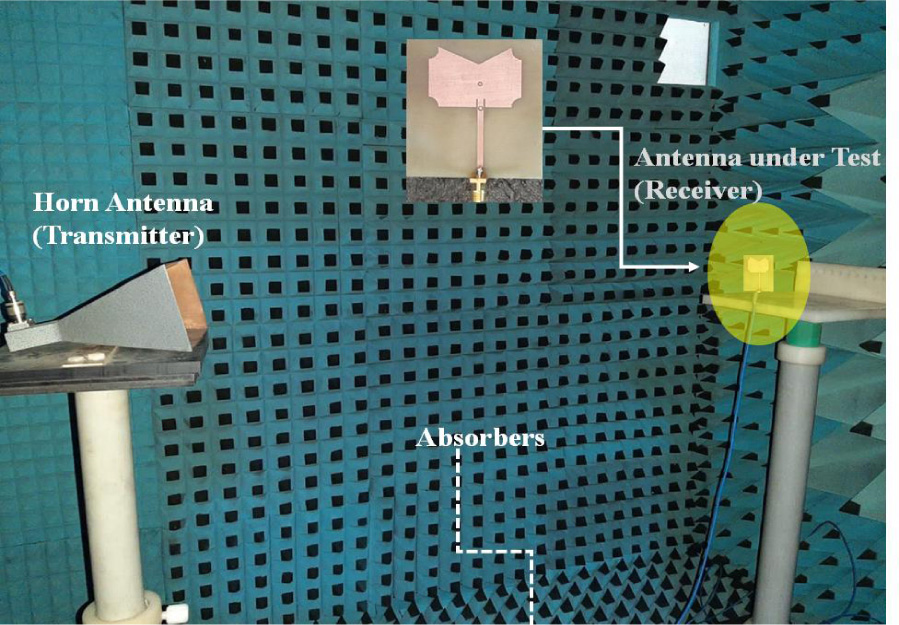
This paper introduces the new design of a choke loaded horn antenna, at 89.75 GHz for metrology of the large paneled reflector antenna using the Fresnel field based radio holography technique. The proposed choke loaded horn antenna offers the φ cut wise extremely stable phase center (< 2 µm) which is required to obtain < 5 µm surface accuracy during holographic measurement. The design of choke loaded horn antenna has been presented along with its simulation performance and tolerance analysis. The antenna has been developed using a simple computer numerical control (CNC) milling process and characterized in the anechoic chamber. The measured and simulated results are also compared, and a good match has been achieved between the measured and simulated performances of the horn antenna.
Design of Choke Loaded Horn Antenna Offering Stable Phase Center for Fresnel Field Based Holography Measurement
2023-11-26
PIER Letters
Vol. 114, 37-44
Antenna Notch Structure Optimization Using Deep Neural Networks
Wenjin Liu , Chen Yang , Jingchang Nan , Mingming Gao and Hongliang Niu
To address the stressful and time-consuming problem with the current notched antenna modelling optimization tools, an improved deep multilayer perceptron (DMLP) neural network framework is designed. The method introduces an attention mechanism (Attn) layer to improve the interpretability of the model, uses the leaky ReLU activation function to prevent the gradient from vanishing, and optimizes the structure of the DMLP model using an improved particle swarm algorithm (PSO) to improve the model prediction accuracy. Then, the notch structure geometric parameters of the designed double-notch ultra-wideband (UWB) antenna serve as input to predict the return loss S11 of the antenna. The experimental results show that the method reduces the root mean square error of prediction for S11 by 73.01% compared to the traditional MLP and 64.14% compared to the unimproved DMLP, which provides a solution for modelling notched UWB antennas and helps to optimize the design of this type of antenna.
Antenna Notch Structure Optimization Using Deep Neural Networks
2023-11-26
PIER Letters
Vol. 114, 31-36
Compact Tunable Bandpass Filter with Continuous Control of Center Frequency and Bandwidth Independently
Liangzu Cao and Lixia Yin
This paper presents a compact electrically tunable bandpass filter with continuous control of center frequency and bandwidth independently. The filter consists of two coaxial dielectric resonators loaded with two varactors for center frequency tuning. A symmetrical Y-type capacitor network used for tuning bandwidth is proposed. A prototype made of dielectric ceramics with dielectric constant of 88 has been designed, fabricated and measured. The center frequency varies from 0.562 GHz to 0.845 GHz and 3 dB bandwidth is tuned from 117 MHz to 194 MHz at the center frequency of 845 MHz. A constant absolute bandwidth of 141 MHz is realized by varying simultaneously bias voltages. The volume of fabricated filter containing bias networks is 24×22×6.5 mm3 (0.045λ0×0.041λ0×0.012λ0). The measured results agree with the simulation outcome.
Compact Tunable Bandpass Filter with Continuous Control of Center Frequency and Bandwidth Independently
2023-11-26
PIER Letters
Vol. 114, 21-29
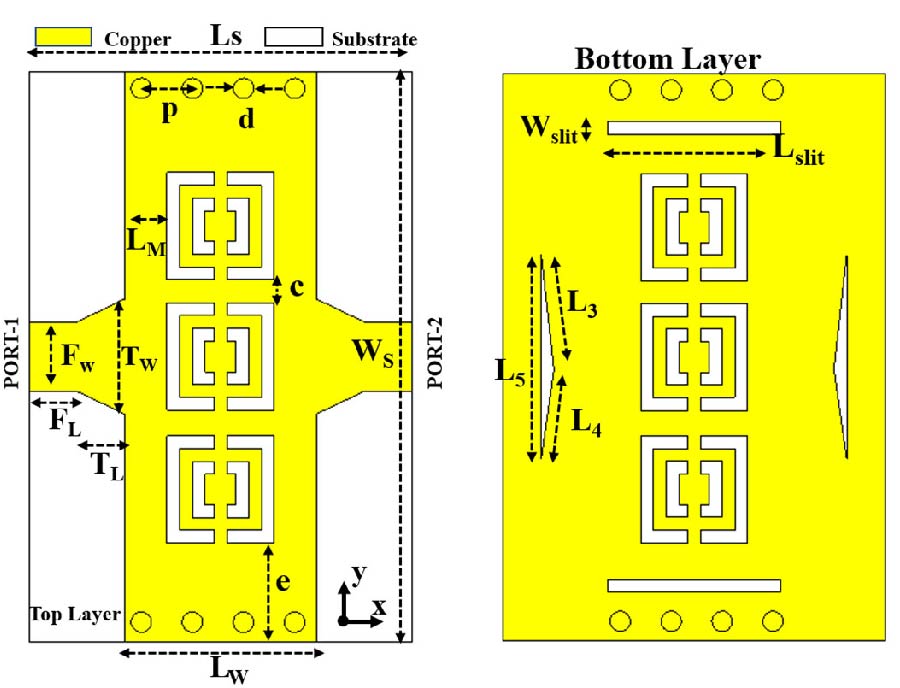
A Freely Extendable Closely Packed Dual-Band MIMO Antenna for 5G Wireless Communication
Jinrong Su , Beijin Lin , Haipeng Dou and Xinwei Chen
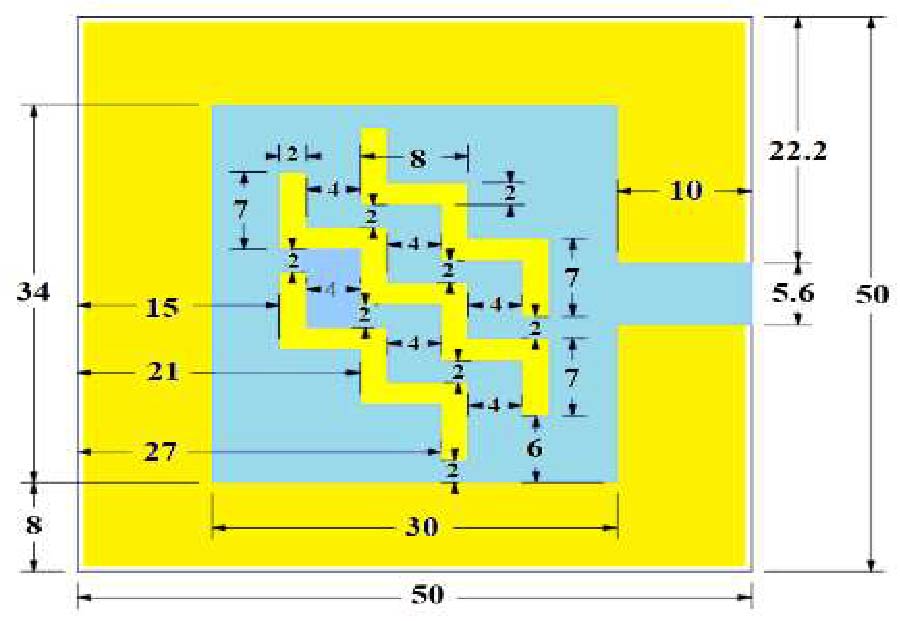
In this paper, a freely extendable dual-band multiple-input multiple-output (MIMO) antenna for 5G wireless communication is proposed. The highlight of the antenna is that the 2-port array can be freely extended by repeating the radiating elements and decoupling structure periodically. A 2-port MIMO antenna is proposed firstly. It consists of two dual-band radiating elements placed side by side with edge-to-edge spacing of 0.08λ0. Then, a novel multiple bent split ring (MBSR) metamaterial (MTM) unit is designed. By adjusting the size, two kinds of units with single negative characteristics at two resonance points are obtained. By arranging the MBSR-MTM units cleverly between the two elements, dual-frequency decoupling is realized. Simulated and experimental results indicate that the antenna can operate at frequencies of 2.57~2.62 GHz and 3.5~3.6 GHz with the highest isolation of 30.2 dB and 44.5 dB, respectively. Additionally, the envelope correlation coefficient (ECC) is much smaller than 0.05, implying good diversity performance. Furthermore, simulated and experimental results show that the 2-port antenna can be freely extended to multiple-port MIMO antenna without any modification, and the isolation between different ports remains high. The antenna has a compact structure, low profile, and high isolation, providing an excellent choice for 5G wireless communication.
A Freely Extendable Closely Packed Dual-band MIMO Antenna for 5G Wireless Communication
2023-11-25
PIER Letters
Vol. 114, 13-19
Analysis of Long-Distance Propagation Characteristics of LF Multi-Hop Sky Waves
Lili Zhou , Xinyue Zhu , Zhonglin Mu , Yue Zheng and Xinyue Hu
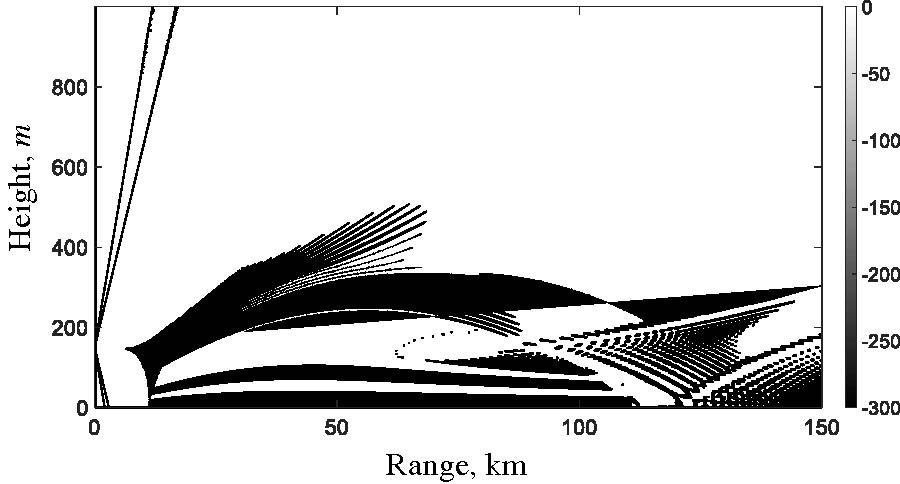
This paper focuses on the decomposition of different modes of Loran-C resultant waves, including ground waves and one-hop/two-hop sky waves, propagating in the Earth-ionosphere waveguide obtained from direct finite-difference time-domain (FDTD) modeling in the presence of the natural magnetic field. After providing the FDTD iterative formulas for the ionosphere affected by the natural magnetic field, the Loran-C resultant waves propagating in the anisotropic Earth-ionosphere waveguide are estimated using the FDTD algorithm. In both the daytime and nighttime ionosphere models, different orientations of the natural magnetic field are taken into account. The arrival times of the different propagation modes for the resultant waves were then determined using a multipath time-delay estimation method. With the above delays, the amplitudes of the different modes are acquired by solving overdetermined equations. Finally, the decomposition results are compared with those obtained in the absence of the natural magnetic field. The numerical experimental results indicate that, with a radiation power of 1 kW and a natural magnetic field of 0.5 Gs, the influence of the direction of the natural magnetic field on the field strength of one-hop sky waves is significant when the propagation distance of LF radio waves is less than 1000 km. Radio waves have multipath effects such as convergence, divergence, and diffraction due to the curvature of the Earth and the ionosphere. This results in significant interference phenomena when the propagation distance of two-hop sky waves is greater than 500 km.
Analysis of Long-distance Propagation Characteristics of LF Multi-hop Sky Waves
2023-11-25
PIER Letters
Vol. 114, 7-12
A Model Prediction-Based Leading Angle Flux Weakening Control Method for Permanent Magnet Synchronous Motor
Xing Zhang , Lin Wang , Yanyan Ye , Lihui Guo and Yilin Zhu
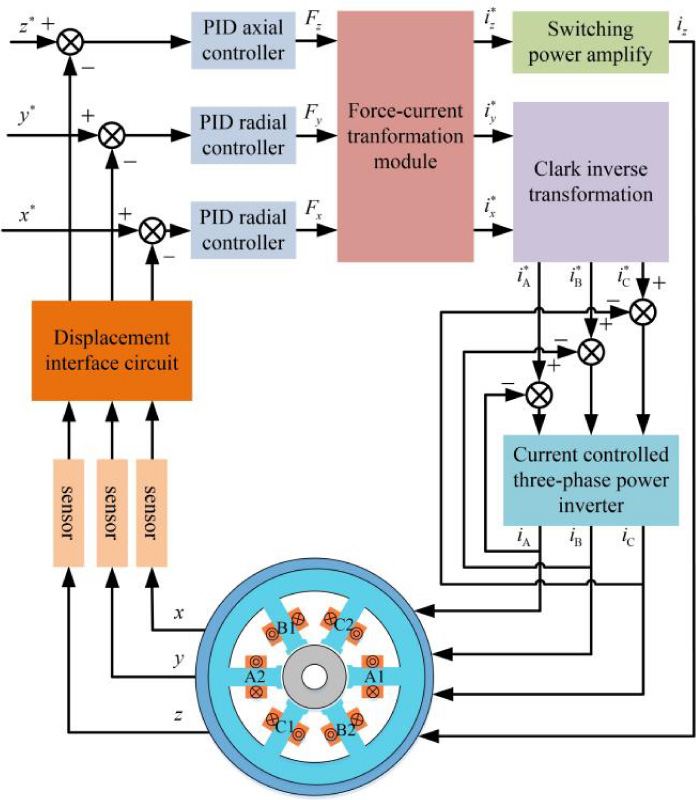
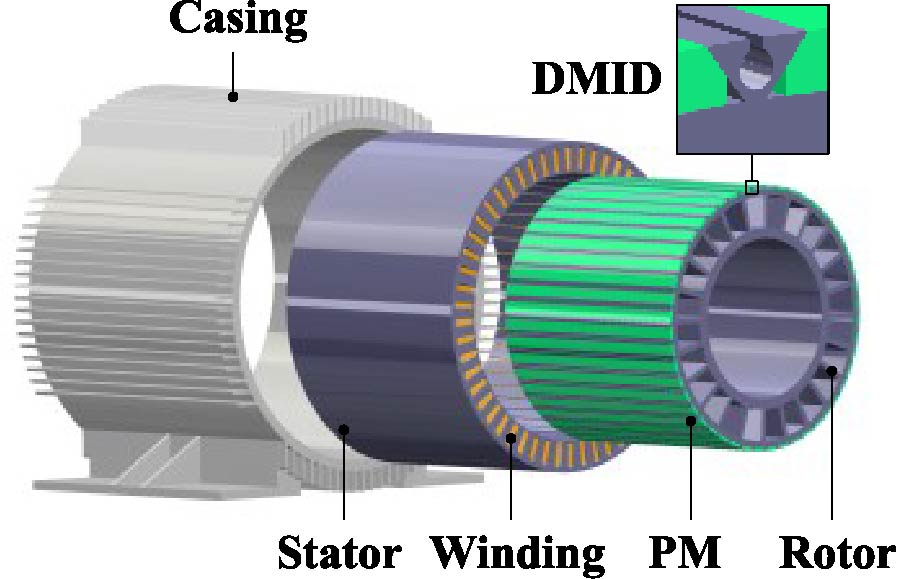
A model prediction based leading angle flux weakening control method is proposed to improve the dynamic and steady-state performance of permanent magnet synchronous motors during the flux weakening process. First, the mathematical model of a permanent magnet synchronous motor is used to construct the prediction model in this method, and then a thorough analysis of the permanent magnet synchronous motor's flux weakening control procedure is carried out. Secondly, based on the principle of model predictive control and the existing delay problems, the corresponding delay compensation method is proposed, and the leading angle flux weakening control method is applied to the proposed model predictive control algorithm, so as to achieve flux weakening speed-up control. Finally, the prototype is used to confirm the effectiveness and precision of the proposed technique. The experimental results show that the leading angle flux weakening control method based on model prediction has faster dynamic response to speed and current than the traditional vector flux weakening control method. At the same time, the steady-state current amplitude is smaller, which has superior current control.
A Model Prediction-based Leading Angle Flux Weakening Control Method for Permanent Magnet Synchronous Motor
2023-11-24
PIER C
Vol. 139, 21-29
The Direct Torque Control of Brushless DC Motor Based on Sliding Mode Variable Structure
Gai Liu , Yiran Wu and Qingbo Shao
Aiming at the problem of slow response speed and poor anti-interference ability using the traditional PI control in the direct torque control strategy of brushless DC motor (BLDCM), the direct torque control (DTC) of the BLDCM based on the sliding mode change (SMC) structure is proposed. In the BLDCM DTC system under the new flux linkage set mode, the traditional PI control is replaced by the improved SMC control to realize the new torque given mode and realize the DTC of the BLDCM. Firstly, the integral sliding mode surface is used instead of the traditional linear sliding mode surface to optimize the continuity of the SMC structure and reduce the high-frequency perturbation caused by the differential phase, thus reducing the smooth torque and system steady-state error. Secondly, the system is simulated by MATLAB/SIMULINK; the given torque of the improved SMC is the most stable; and the speed response curve is smoother. Finally, the construction of the BLDCM test platform is completed. The experimental results show that in the BLDCM DTC control system of the new flux linkage set mode, based on the improved SMC, the system has faster response speed and stronger anti-interference, and shows stronger dynamic and static performance.
The Direct Torque Control of Brushless DC Motor Based on Sliding Mode Variable Structure
2023-11-24
PIER M
Vol. 121, 95-105
Leaky Mode Analysis of Solid Dielectric Horn Antenna
Shreya Sudhakaran Menon , Shubham Kalra , Surya Kumar Pathak , Nalesh Sivanandan and Supriya M. Hariharan
Solid dielectric horn antennas have a directional radiation pattern and high gain. However, even when a solid dielectric horn antenna is excited with the fundamental mode metallic waveguide, there is a possibility that higher order modes in the guided region will be generated. Also, the energy can leak from the normal direction to the dielectric horn generating a leaky mode. It is one of the reasons that higher-order guided modes and leaky modes analysis of horn becomes important. In this paper, propagation characteristics for solid dielectric horns are derived and computed for fundamental and higher-order guided and also leaky modes in a solid dielectric horn antenna. We have also analyzed the radiation characteristics of the leaky mode and guided mode of a solid dielectric horn. Finally, radiation equations for a solid dielectric horn antenna that were deduced earlier by some of the authors, but omitted for brevity are given and compared with numerical and measured results. These results have been further verified by comparing them with the already reported literature on guided mode radiation characteristics of the solid dielectric horn. From the plotted graphs given in the paper, we can infer that the proposed propagation constant equations and radiation equations predict dispersion characteristics and the radiation pattern of guided and leaky modes well, respectively.
Leaky Mode Analysis of Solid Dielectric Horn Antenna
2023-11-24
PIER Letters
Vol. 114, 1-6
EM Pulse Scattering Front Echo Reduction for the Dielectric Elliptical Cylinder Located Inside Dielectric Media
Emre İşcan and Vasil Tabatadze
This article presents a novel numerical approach to reduce scattering echoes in the front region of dielectric objects with the method of auxiliary sources. The method involves using a Gaussian radio pulse covering the 6-12 GHz frequency range. The approach involves optimizing the dimensions and dielectric permittivity of an elliptical cylinder in order to make it invisible, thus eliminating the need for metamaterial cloaking. The proposed approach has been validated by comparing the results of numerical experiments obtained during pulse echo observations with the FDTD and MoM numerical methods. The proposed method is a highly efficient and practical approach for scattering problems, such as scattering echo reduction, offering comparable results to FDTD and MoM methods with significantly reduced computational requirements.
EM Pulse Scattering Front Echo Reduction for the Dielectric Elliptical Cylinder Located inside Dielectric Media
2023-11-24
PIER B
Vol. 104, 1-19
BI-CMOS Design of a*exp(-j*φ0) Phase Shifter as Miniature Microwave Passive Circuit Using Bandpass NGD Resonant Circuit
Mathieu Guerin , Fayrouz Haddad , Wenceslas Rahajandraibe , Samuel Ngoho , Glauco Fontgalland , Fayu Wan and Blaise Ravelo
The purpose of this paper is to study the RF/microwave constant phase shift (CPS) designed as an integrated circuit (IC) in 130-nm Bi-CMOS technology. The CPS understudy is constituted by a bandpass (BP) negative group delay (NGD) passive cell combined in cascade with a positive group delay (PGD) circuit. The CPS real circuit is represented by a CLC-network associated in cascade with a BP-NGD passive cell. The CPS characterization is based on the S-parameter modelling. The CPS is analytically modeled by the frequency independent transmission phase modelling by the mathematical relation φ(f)=a*exp(-j0) = constant around working frequency [fnf/2, fnf/2] by denoting center frequency fn and frequency band Δf. The analytical principle of the constant PS is explored by means of the RLC-network based NGD cell. The design formula of the NGD and CLC passive circuit parameters in function of desired operation frequency is established. The validity of the developed theory is verified with a proof-of-concept (POC). A CPS miniature IC having physical size 1.15 mm × 0.7 mm is designed and implemented as POC in 130-nm Bi-CMOS technology. The ADS® and layout versus schematic of Cadence® simulation results from 130-nm Bi-CMOS CPS POC confirms the theoretical investigation feasibility. The simulated results of the obtained CPS IC POC layout show φ0=-67°+/-1° phase shift around fn=0.85 GHz within the frequency band delimited by f1=0.73 GHz to f2=0.984 GHz or Δf=f2-f1=254 GHz. The CPS robustness designed in 130-nm Bi-CMOS IC technology is stated by Monte Carlo statistical analysis from 1000 trials with respect to the component geometrical parameters. It was reported that the phase shift and insertion loss flatness's of the CPS IC is guaranteed lower than 5% in Δf/fn=30% relative frequency band around fn.
Bi-CMOS Design of a*exp(-j*φ0) Phase Shifter as Miniature Microwave Passive Circuit Using Bandpass NGD Resonant Circuit
2023-11-23
PIER C
Vol. 139, 11-20
Design of Permanent Magnet Synchronous Wind Power Control System
Huajun Ran , Wenjin Wei and Yue Gao
To tackle the slow response and insufficient interference resistance exhibited by permanent magnet synchronous motors (PMSMs) under traditional field-oriented control (FOC). This paper proposes an integral sliding mode controller (SMC) to improve the speed loop, and adaptive law is also developed using a nonlinear smooth function to eliminate the chattering phenomenon of the sliding mode control. Meanwhile, an extended state observer is designed to estimate and compensate for the disturbances caused by wind speed uncertainty and the system's internal disturbances. Then, model predictive control (MPC) is employed for the current loop to eliminate the overshoot and achieve fast tracking. Finally, a step-by-step model reference adaptive scheme (MRAS) is proposed to identify the parameters and eliminate the internal disturbances in addressing parameter perturbation in the motor during operation. The simulation results demonstrate that the enhanced system exhibits almost no overshoot, superior steady-state performance, quick dynamic response, and resistance to both internal and external disturbances, ultimately validating the efficacy of the approach.
Design of Permanent Magnet Synchronous Wind Power Control System
2023-11-22
PIER
Vol. 178, 93-101
Dynamic Wireless Power Transfer System with Twin Perpendicular Receiver Coils (Invited Paper)
Heng-Ming Hsu , Bo Yang , Tai-Lai Yang , Hsin-Lin Cho and Naoki Shinohara
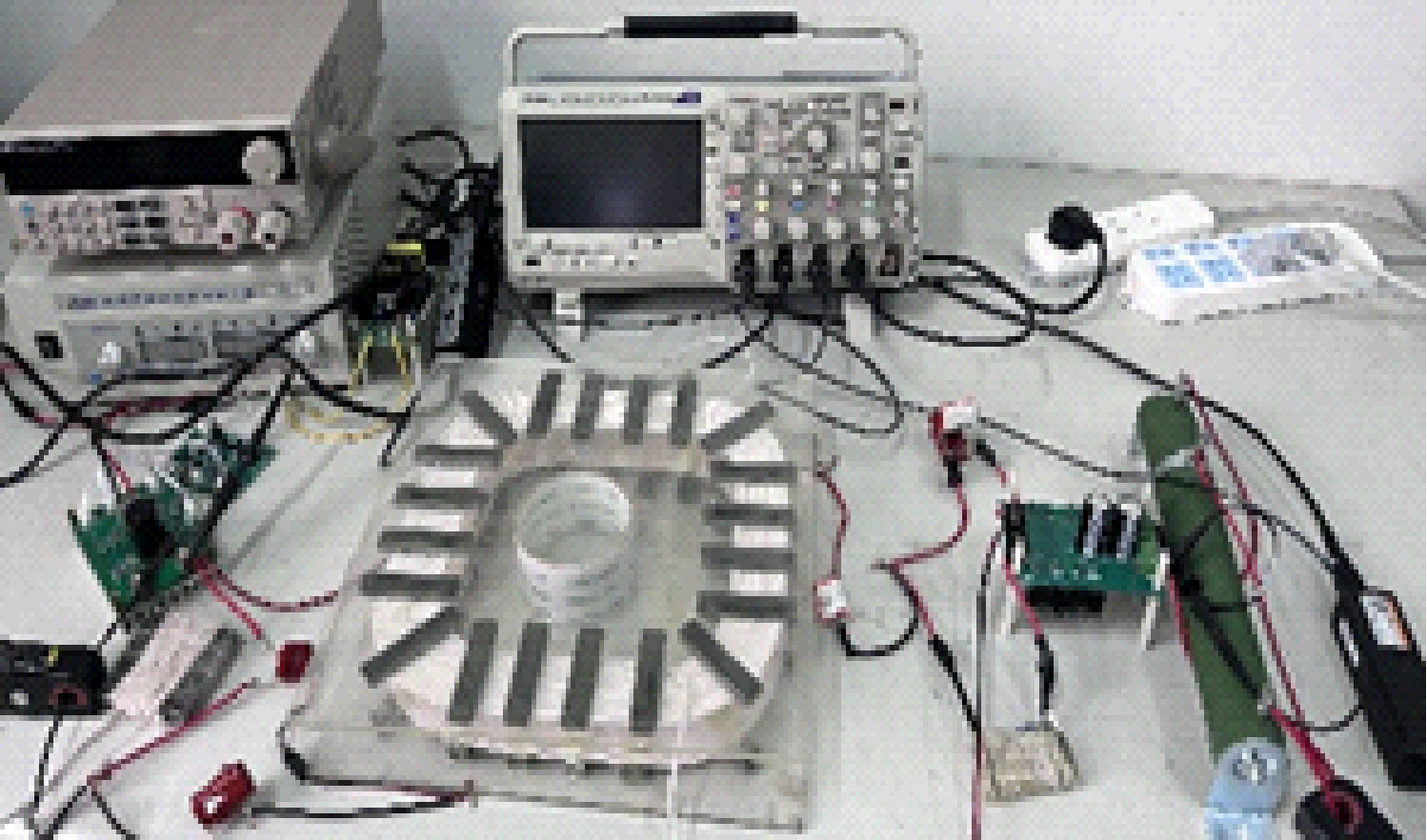
Wireless power transfer (WPT) with dynamic charging capabilities is a promising technology that can charge moving objects in real-time. However, maintaining high-efficiency power transfer during vehicle movement continues to be a significant challenge. To address this challenge, this study proposes a dynamic WPT system that utilizes orthogonal transmitter and receiver coils, offering the advantages of stable output power and efficiency, even when the vehicle is in motion. Unlike other systems, the proposed topology eliminates the need for a complicated feedback control system, thereby reducing hardware costs. To verify the effectiveness of the proposed topology, a dynamic WPT system was implemented in this study. Measurement results demonstrate that even when the vehicle moves a distance of 400 mm (four times the length of the receiving coil), the output voltage and power variations are only 4.9% and 9.6%, respectively.
Dynamic Wireless Power Transfer System with Twin Perpendicular Receiver Coils (Invited Paper)
2023-11-22
PIER B
Vol. 103, 177-194
Characteristic Basic Function Method Accelerated by a New Physical Optics Approximation for the Scattering from a Dielectric Object
Christophe Bourlier
This paper presents an efficient algorithm to calculate the primary basis functions (PBFs) of the characteristic basis function method (CBFM) for the scattering from a dielectric object. The use of the Poggio-Miller-Chang-Harrington-Wu (PMCHW) integral equation discretized by the Galerkin method of moments (MoM) with Rao-Wilton-Glisson basis functions leads to solving a linear system. For a collection of incident waves and for a given block, the CBFM needs to invert the whole PMCHW self-impedance matrix to calculate the PBFs. By decomposing the PMCHW impedance matrix into four sub-matrices of halved sizes, related to the electric and magnetic surface currents and their coupling, the computation of the PBFs is accelerated by using the impedance matrix derived from the electric field integral equation (EFIE) combined with the physical optics (named POZ) approximation. In addition, the PO developed by Jakobus and Landstorfer [35], named POJ and valid for a perfectly-conducting scatterer, is extended to a dielectric surface. Recently, the MECA (modified equivalent current approximation, Li and Mittra [29]) based on the tangent plane or Kirchhoff approximation, has also been applied to expedite the PBF calculation. The presented method, HCBFM-POZ (H means halved), accelerated by the adaptive cross approximation (ACA), is tested and compared with CBFM-MECA and HCBFM-POJ on a cube and on a sphere. The numerical results show that HCBFM-POZ is valid for both the shapes, whereas the CBFM-MECA and HCBFM-POJ are not valid on a sphere.
Characteristic Basic Function Method Accelerated by a New Physical Optics Approximation for the Scattering from a Dielectric Object
2023-11-20
PIER
Vol. 178, 83-91
Enabling Intelligent Metasurfaces for Semi-Known Input
Pujing Lin , Chao Qian , Jie Zhang , Jieting Chen , Xiaoyue Zhu , Zhedong Wang , Jiangtao Huangfu and Hongsheng Chen
Compelling evidence suggests that the interaction between electromagnetic metasurfaces and deep learning gives rise to the proliferation of intelligent metasurfaces in the past decade. In general, deep learning offers a transformative force to reform the design and working style of metasurfaces. A majority of the inverse-design literature announce that, given a user-defined input, the pre-trained deep learning models can quickly output the metasurface candidates with high fidelity. However, they largely ignore an important fact, that is, the practical input is always semi-known. In this work, we introduce a generation-elimination network that is robust to semi-known input and information pollution. The network is composed of a generative network to generate a number of possible answers and then a discriminative network to eliminate suboptimal answers. We benchmark the feasibility via two scenes, the on-demand metasurface design of the reflection spectra and the far-field pattern. In the microwave experiment, we fabricated and measured the reconfigurable metasurfaces to automatically meet the semi-known beam steering requirement that widely exist in wireless communication. Our work for the first time answers the question of how to cope with semi-known input, which is ubiquitous in a panoply of real-world applications, such as imaging, sensing, and communication across noisy environment.
Enabling Intelligent Metasurfaces for Semi-known Input
2023-11-20
PIER M
Vol. 121, 83-93
A Hierarchical PHM Framework for Phased Array Radar Systems
Delanyo Kwame Bensah Kulevome , Hong Wang , Zian Zhao and Xuegang Wang
Phased array radar (PAR) systems are critical for modern defense and surveillance applications, but their reliability and availability are affected by various factors, including physical and performance degradation. Furthermore, implementing prognostics and health management (PHM) framework for the whole radar system is challenging. To address these issues, this paper proposes an efficient solution by hierarchically implementing PHM frameworks in an active PAR (APAR) system. The proposed framework subsumes device-level, subsystem-level, and system-level health prediction models to enable comprehensive health monitoring and maintenance decision-making. This approach addresses the unique challenges involved in implementing PHM for the APAR system and facilitates the transition from traditional reactive maintenance practices to a predictive maintenance approach, thereby improving the overall system. Mathematical models that relate the radar's physical degradation to its performance deterioration are formulated, analyzed and presented. Subsequently, a Bayesian long short-term memory (BayesLSTM) architecture is developed and integrated into the proposed framework for estimating the remaining useful life (RUL) of critical devices/subsystems. The effectiveness of the proposed deep learning-based prognostic framework is evaluated through simulations and experimental studies. The proposed hierarchical framework has the potential to be applied to other radar systems that require effective health monitoring strategy.
A Hierarchical PHM Framework for Phased Array Radar Systems
2023-11-20
PIER Letters
Vol. 113, 125-129
Reconfigurable Intelligent Surface Assisted Full-Duplex Relay Hybrid FSO/RF Systems Over Atmospheric Turbulence with Foggy Impairments
Kehinde Oluwasesan Odeyemi , Pius Adewale Owolawi and Oladayo O. Olakanmi
The outage probability performance of a hybrid free space optical (FSO)/radio frequency (RF) system with a reconfigurable intelligent surface (RIS) assisted full-duplex relay is presented in this paper. The FSO link follows the Gamma-Gamma distribution over pointing error and atmospheric turbulence with random foggy impairments. The RF link between the relay and the destination is subject to Nakagami-m distributions, while the RIS links and the relay self-interference (SI) link follow Rayleigh fading. As a result, the RIS-to-relay link's cumulative distribution function (CDF) of the signal to interference plus noise ratio (SINR) is obtained. On the basis of this, the system's outage probability is determined according to the decode and forward relay protocol. Thus, Monte-Carlo simulations are utilized to verify the obtained expression's accuracy. Our findings show how atmospheric turbulence, pointing errors, fog conditions, and the number of RIS reflecting elements affect the system performance. Furthermore, it is concluded that, under the identical channel conditions, heterodyne detection performs better than intensity modulation/direct detection (IM/DD).
Reconfigurable Intelligent Surface Assisted Full-duplex Relay Hybrid FSO/RF Systems over Atmospheric Turbulence with Foggy Impairments
2023-11-19
PIER C
Vol. 139, 1-10
Design of True Time Delay Line Based Octal Transmit Receive Module for Wideband Phased Arrays
Kilari Sreenivasulu , Kamla Prasan Ray , Alagarswami Vengadarajan and Dharmavarapu Srinivasa Rao
Wideband phased arrays for Electronic Warfare (EW) applications utilize narrowband phase shifters in a switched configuration to cover a multi-octave bandwidth in split bands. Wideband True Time Delay (TTD) line circuits are the best candidates to replace narrowband phase shifters in such systems, covering the complete operating bandwidth in a single step. The Transmit Receive Module (TRM) is a critical component of any phased array system. A novel design of a TTD line-based Octal Transmit Receive Module (OTRM) for a 32-element EW phased array over a frequency range of 1-6 GHz is presented in this paper. The OTRM is designed on a single multi-layer PCB by integrating eight transmit-receive (TR) channels, associated controllers, and power conditioning circuitry in a compact size and weight of 800 grams. The paper addresses challenges associated in design of TR channels to fit within the inter-element spacing of 14 mm and to achieve isolation of ≥40 dB between channels. The designed OTRM tunes time delay up to 508 ps maximum with a step of 2 ps by using a single TTD line circuit for ±45° scan coverage. The OTRM has demonstrated its potential capability for use in wideband Radar, EW, and Communication system applications. Efficient thermal management of the OTRM is achieved by introducing Copper coins below the final power amplifiers and a liquid cold plate to dissipate a heat load of 32 watts per TR channel. The proposed OTRM delivers transmit power of 8 watts (CW), receive gain of 25 dB, and a noise figure of 6 dB per TR channel with an overall efficiency of 19% (min) over a 5 GHz bandwidth. RF path analysis of the TR channel in transmit and receive paths is carried out using the Systemvue software tool. To verify the design of the OTRM over different time delay and attenuator states, measurements are conducted using a Vector Network Analyzer (VNA).
Design of True Time Delay Line Based Octal Transmit Receive Module for Wideband Phased Arrays