Search Results(14083)

2024-05-06
PIER C
Vol. 143, 99-107
Research on Induced Electrical Characteristics of Agricultural Machinery Operating under Ultra High Voltage ac Transmission Lines in Agricultural Area
Bin Hu , Meng Zhang , Xiaohe Zhao , Bingchen Hou and Zhongqing He
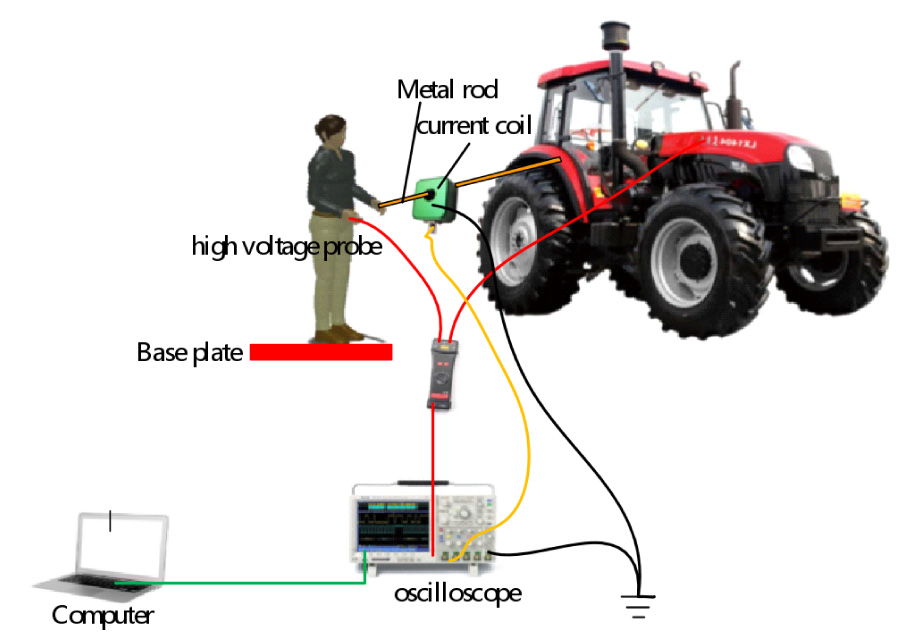
In plain areas, the majority of the ultra-high voltage(UHV) transmission corridors are located in farmland. The induced voltage is generated on the metal casing of the machinery when agricultural machines are working on the ground near the transmission line. If the human body touches, transient electric shock(TES) may occur, causing displeasure and alarm to workers. Therefore, it is crucial to study the induced electrical characteristics in such scenarios. In this article, the finite element method (FEM) was employed to establish a model integrating a 1000 kV transmission line, tractor, and human body, and the induced voltage of the tractor and human body under the transmission line was calculated. Subsequently, a TES model was developed to calculate the current when an electric shock occurs. Finally, an experimental system was constructed in the area beneath the 1000 kV UHV AC line to measure the current characteristics of the human body during the TES. The results demonstrate that the induced voltage is contingent upon the position of research object and whether it is insulated from the ground. Additionally, ground conditions significantly influence the TES current induced by the voltage. Due to the electromagnetic shielding effect of the tractor's metal casing, the TES current experienced by the driver inside the machine is minimized. For ground staff, when the human body is insulated from the ground, the transient electric shock current they bear is smaller than that of the human body grounded.
Research on Induced Electrical Characteristics of Agricultural Machinery Operating under Ultra High Voltage AC Transmission Lines in Agricultural Area
2024-05-06
PIER B
Vol. 106, 1-16
Research on the Grounding Grid Electrical Impedance Imaging Algorithm Based on Improved Tikhonov and Lp Regularization
Lele He , Lei Yang , Xiaoheng Yan , Weihua Chen and Shangfei Huang
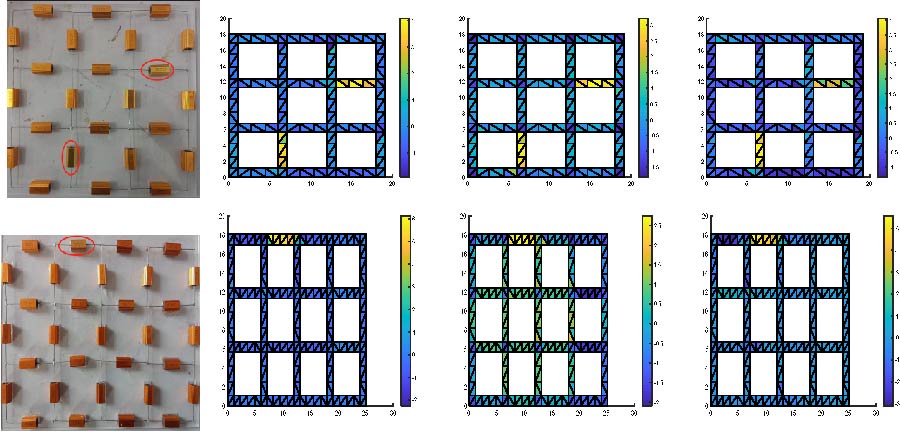
In this paper, an improved hybrid regularized grounded network imaging algorithm (ITR-Lp) combining Tikhonov regularization and Lp regularization is proposed; through the improvement of the filtering function, the correction of small magnitude for large singular values and increasing magnitude of correction with decreasing singular values for small singular values is implemented for the improvement of the convergence of the solution. The proposed algorithm constructs a regularization matrix to achieve selective correction of singular values and improve the convergence of the solution, while Lp regularization is used to enhance the sparsity of the solution and improve the boundary contrast. the effect of node distribution on convergence is investigated, and finally the ITR-Lp algorithm is validated by simulation and experiment. The results show that the ITR-Lp algorithm proposed in this paper achieves the lowest resistivity relative errors of 0.1695 and 0.1089 for resistive networks with 1 corrosion and 2 corrosions, respectively. The method has good convergence and boundary contrast, which effectively improves the pathology of the inverse problem of imaging the electrical impedance tomography of grounding grid.
Research on the Grounding Grid Electrical Impedance Imaging Algorithm Based on Improved Tikhonov and Lp Regularization
2024-05-05
PIER C
Vol. 143, 87-98
Wireless Power Transfer System for Cardiac Pacemakers Based on Multi-Coil Series Magnetic Integration
Xiaoheng Yan , Jinshu Yao , Weihua Chen and Yuhang Song
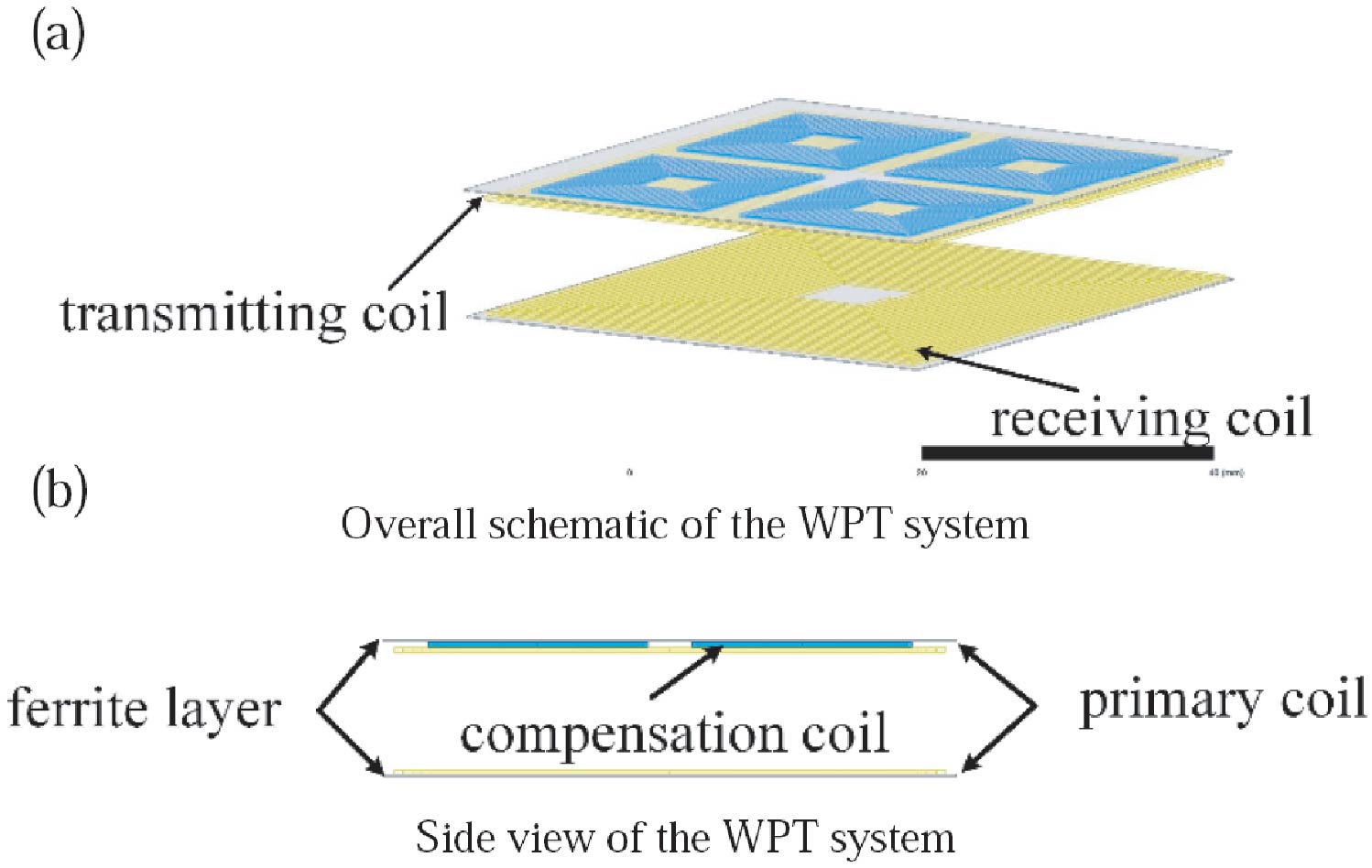
We proposed a wireless power transfer system for cardiac pacemakers utilizing a multi-coil series magnetic integrated inductor-capacitor-capacitor/none (LCC-N) circuit topology operating at 50 kHz to reduce the volume of wireless power transfer systems for implanted pacemakers. Firstly, we established a mathematical model of LCC-N compensation topology and analyzed the relationship between the mutual inductance of the compensation and receiving coil and the system's transmission efficiency. The conclusion that the anti-offset performance of the system can be improved by using the change of the mutual inductance value was obtained. Secondly, the optimal coil structure was obtained via parameterized scanning, and a wireless power transfer system model for LCC-N was established for finite element simulation. The comparison of magnetic field strength was made between integrated and traditional non-integrated structures under aligned and offset conditions. Finally, the finite element simulation software ANSYS was adopted to establish a human body model, analyze the electromagnetic interference of the system to the human body, and evaluate the system's safety. Experimental results validated that the transmission efficiency of the system can reach 68.37%, and the output power was 1.47 W under multi-coil series magnetic integrated structure when the transmission distance was 8 mm. The transmission efficiency remained 57.87% even with a horizontal offset of 8 mm, which is 13% higher than the traditional non-integrated structure.
Wireless Power Transfer System for Cardiac Pacemakers Based on Multi-coil Series Magnetic Integration
2024-05-05
PIER Letters
Vol. 119, 85-90
Suppression of Peak Sidelobe Level in Linear Symmetric Antenna Arrays Using Hybrid Grey Wolf and Improved Bat Algorithm
Jiao Zhang , Jiajun Chu , Yufeng Liu and Wenmei Zhang
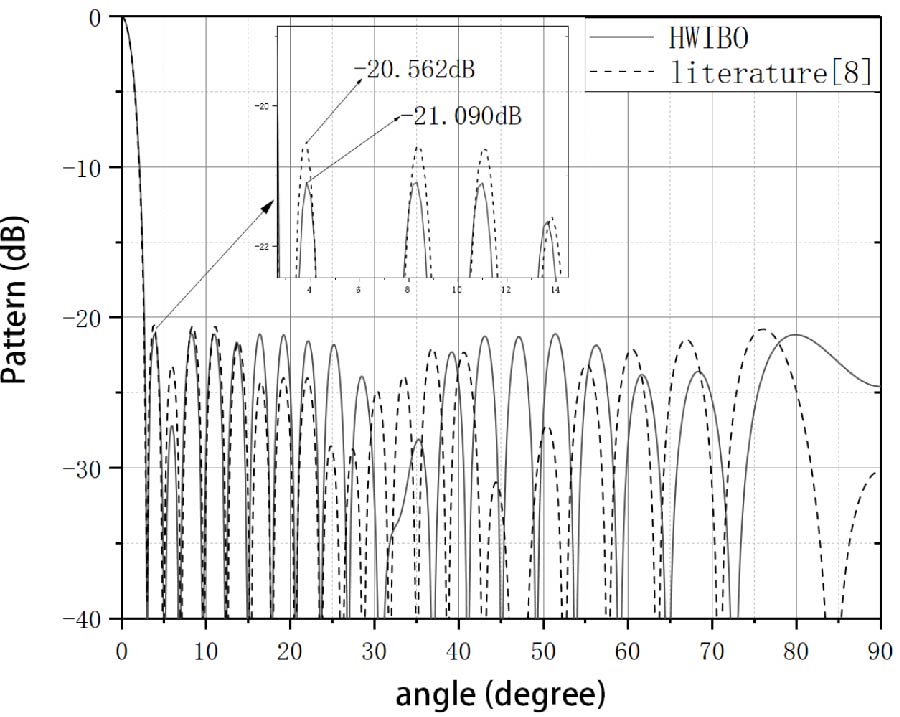
In this paper, the Hybrid Grey Wolf and Improved Bat Optimization Algorithm (HWIBO) is proposed to reduce the peak sidelobe level (PSLL) of linear symmetric array synthesis with aperture and element spacing constraints. The HWIBO utilizes both the Grey Wolf Optimization (GWO) and Improved Bat algorithms (IBA) simultaneously to optimize PSLL. Each iteration generates two sets of results, and the optimal result is chosen for the next loop. Compared to other algorithms used in simulation of antenna sidelobe suppression, the HWIBO not only inherits the fast convergence advantage of the IBA which enhances population diversity but also possesses the strong global search capability of the GWO. This helps the IBA escape local optima and strengthens the global search capability during the later stages of algorithm iterations. Finally, the simulation results demonstrate the successful reduction of PSLL under various constraints, confirming the effectiveness of the hybrid algorithm.
Suppression of Peak Sidelobe Level in Linear Symmetric Antenna Arrays Using Hybrid Grey Wolf and Improved Bat Algorithm
2024-05-04
PIER
Vol. 179, 49-59
Multi-Characteristic Integrated Ultra-Wideband Frequency Selective Rasorber
Dengpan Wang , Xingshuo Cui , Dan Liu , Xiaojun Zou , Guang-Ming Wang , Bin Zheng and Tong Cai
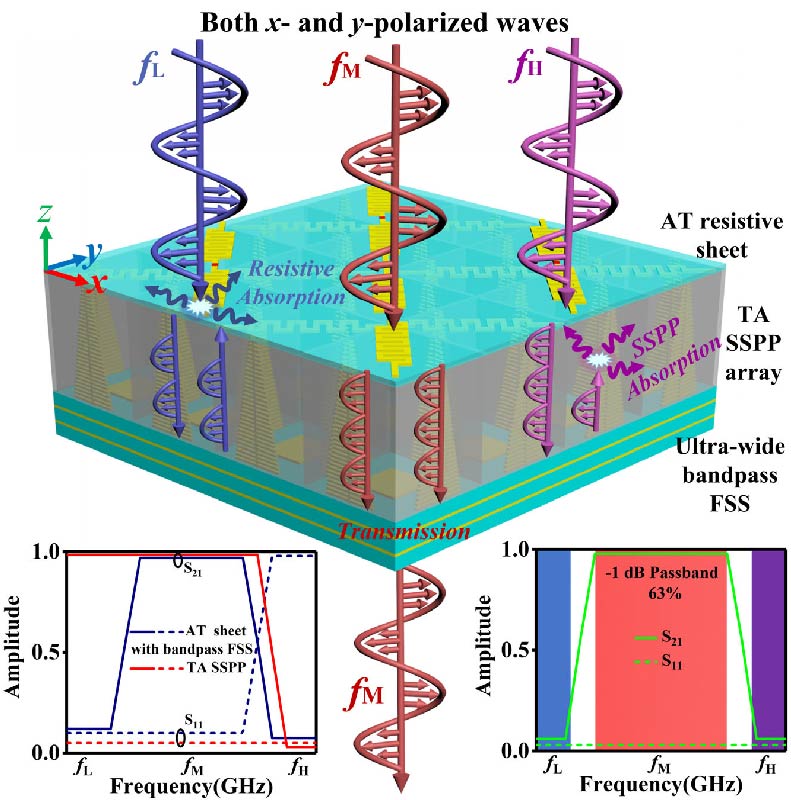
Frequency selective rasorbers (FSRs), especially those with ultra-wideband and hybrid characteristics, are of great significance in modern stealth technology and applications. However, currently available FSRs have issues with limited transmission bandwidth and single operating characteristics. Here, a novel strategy is proposed to design multi-characteristic integrated FSRs with ultra-wide and high-efficiency passband via spoof surface plasmon polariton (SSPP). The designed FSR exhibits the characteristics of absorption-transmission (AT), transmission-absorption (TA), and absorption-transmission-absorption (ATA), which consists of AT resistive sheets, TA SSPP slow-wave structures, and ultra-wideband bandpass frequency selective surface (FSS). The top lumped-resistor-loaded resistive sheet and the bottom multi-layer cascaded FSS form an AT FSR which is demonstrated by equivalent circuit model (ECM). Middle dispersion gradient SSPP structure that generates SSPP on the periodic array is an independent TA FSR while the working principle is based on k-dispersion control and energy distribution. Thus, the transition band between the transmissive and absorptive bands is narrowed while the crosstalk between absorber and transmission is avoided. For verification, a prototype is fabricated and experimentally demonstrated. Measured results manifest the validity and feasibility of the FSR with an ultra-wide -1 dB transmission band from 8.9 to 16.4 GHz (59.3%) and two 85% absorption bands covering 2.2-6.4 GHz (97.7%) and 17.6-26 GHz (38.5%). Our work provides a novel method for the design of ultra-wideband multi-characteristic FSR and stimulates its application in broadband electromagnetic stealth, shielding and compatible devices.
Multi-characteristic Integrated Ultra-wideband Frequency Selective Rasorber
2024-05-01
PIER C
Vol. 143, 75-86
Mutual Inductance Calculation Method of Rectangular Coils with Bilateral Bounded Single-Hole Type Magnetic Medium in Wireless Power Transfer Systems
Lingjun Kong , Zhongbang Chen , Changxuan Hu , Chenxi Zhang , Jianbin Wang , Xin Zhou , Lin Jia and Zhongqi Li
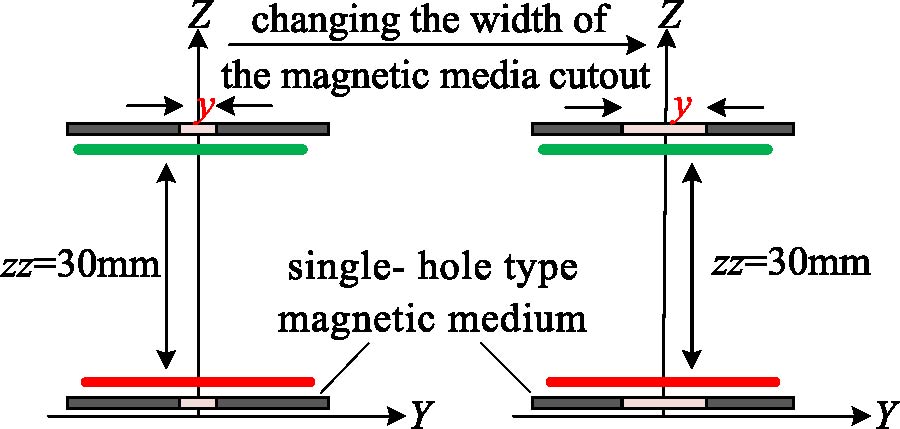
The mutual inductance between the transmitting and receiving coils is one of the critical parameters of the wireless power transfer system, and an accurate mutual inductance calculation method can provide a reliable theoretical basis for the optimization of the coil structure of the wireless power transfer system. The addition of magnetic medium materials on both sides of the rectangular coil can effectively increase the mutual inductance, but there is no study on the mutual inductance calculation method for a rectangular coil with a bilateral bounded single-hole type magnetic medium. In this paper, the space vector domain synthesis method is proposed to solve the analytical value of mutual inductance, which solves Poisson's and Laplace's equations by separating the variables to obtain the magnetic vector potential in each region, and combines with the magnetic field boundary conditions to obtain the mutual inductance calculation formula by utilizing different dimensional vector syntheses. An experimental set of wireless power transfer systems with bilateral bounded single-hole type magnetic medium rectangular coils is also constructed, and the maximum error of the mutual inductance calculation value, experimental value, and simulation value is 5.82%, which verifies the effectiveness of the method proposed in this paper. The model proposed in this paper saves 5.86% of the material compared with the rectangular magnetic medium structure under the same parameters, and the mutual inductance is up to 99% of the rectangular magnetic medium structure.
Mutual Inductance Calculation Method of Rectangular Coils with Bilateral Bounded Single-hole Type Magnetic Medium in Wireless Power Transfer Systems
2024-04-30
PIER Letters
Vol. 119, 79-84
Underdetermined Equation Model Combined with Improved Krylov Subspace Basis for Solving Electromagnetic Scattering Problems
Cunjie Shen , Xin-Yuan Cao , Qi Qi , Yunuo Fan , Xiangxiang Liu , Xiaojing Kuang , Cheng-Hua Fan and Zhongxiang Zhang
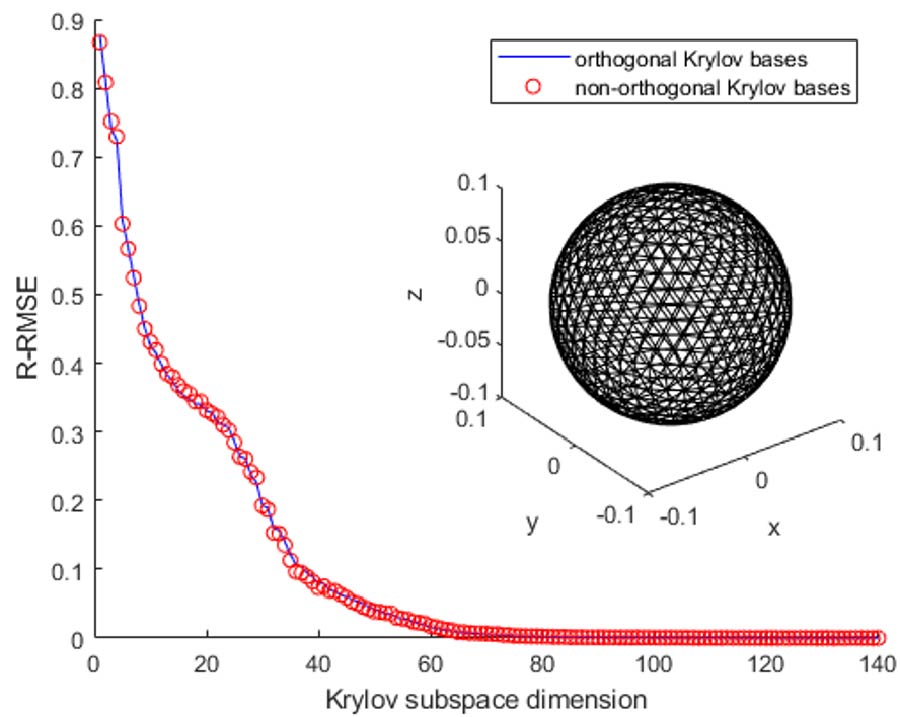
To accelerate the solution of electromagnetic scattering problems, compressive sensing (CS) has been introduced into the method of moments (MoM), Consequently, a computational model based on underdetermined equations has been proposed, which effectively reduces the computational complexity compared with the traditional MoM. However, while solving surface-integral formulations for three-dimensional targets by MoM, due to the severe oscillation of current signals, commonly used sparse bases become inapplicable, which renders the application of the underdetermined equation model quite challenging. To address this issue, this paper puts forward a scheme that employs Krylov subspace, which is constructed with low complexity by meticulously designing a group of non-orthogonal basis vectors, to replace the sparse transforms in the algorithmic framework. The principle of the method is elaborated in detail, and its effectiveness is validated through numerical experiments.
Underdetermined Equation Model Combined with Improved Krylov Subspace Basis for Solving Electromagnetic Scattering Problems
2024-04-29
PIER C
Vol. 143, 67-74
High Isolated Defected Ground Structure Based Elliptical Shape Dual Element MIMO Antenna for S-Band Applications
Praveen Kumar , Ajit Kumar Singh , Ranjeet Kumar , Rashmi Sinha , Santosh Kumar Mahto , Arvind Choubey and Ahmed Jamal Abdullah Al-Gburi
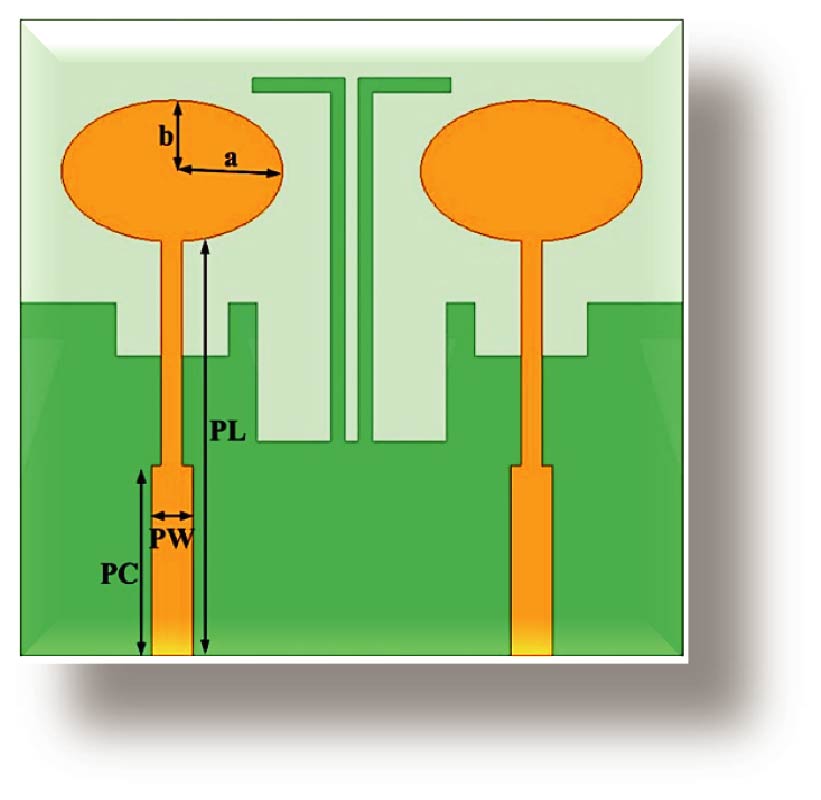
This research suggests a compact, wideband Multiple Input Multiple Output (MIMO) antenna designed for S-band applications, emphasizing high isolation between closely positioned antenna elements. Achieving this isolation is accomplished through the implementation of a Defected Ground Structure (DGS) technique. The DGS is realized by etching two elliptical patterns on an economical FR-4 substrate with inherent loss properties. Three rectangular slots and two L-shaped stubs are introduced to improve isolation and minimize the size of antenna increment by lowering surface wave propagation. To validate the proposed layout, a physical prototype was constructed for a direct comparison of its performance with the simulated parameters. The results demonstrated highly favorable outcomes, including Diversity Gain (DG) exceeding 9.97 dB, Envelope Correlation Coefficient (ECC) registering below 0.05, Mean Effective Gain (MEG) lower than -3 dB, Total Active Reflection Coefficient (TARC) below 0.4, and Channel Capacity Loss (CCL) less than 0.3. Furthermore, the current distribution and radiation pattern were found to be highly suitable for applications in the S-band and the lower part of the C-band, encompassing technologies like Bluetooth, WiFi, WiMAX, 4G, and 5G.
High Isolated Defected Ground Structure Based Elliptical Shape Dual Element MIMO Antenna for S-band Applications
2024-04-29
PIER C
Vol. 143, 57-66
A Compact Four Port High-Isolation SIW-Backed Self-Quadruplexing Antenna with a Swastik Shaped Slot for C Band Applications
Anil Kumar Katta and Praveen Babu Choppala
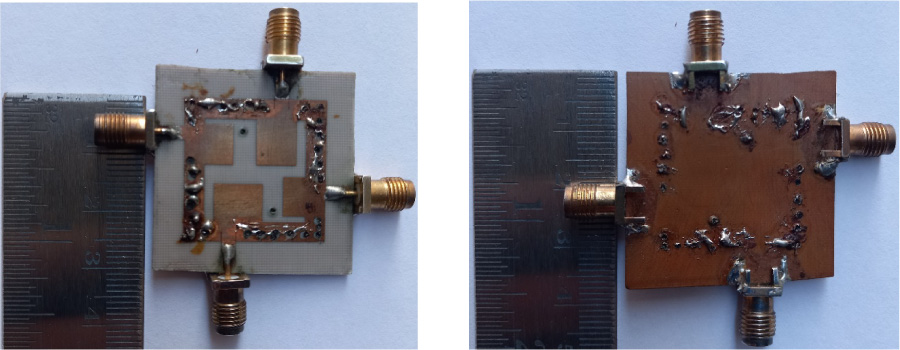
A compact planar self-quadruplexing antenna backed with the SIW technology with high isolation between the input ports is designed and demonstrated for the simultaneous quad-band operation of the antenna. The SIW cavity is integrated with a Swastik shaped slot and two metallic vias to generate four distinct frequency bands with high gain and low cross polarization. Utilizing four distinct orthogonal patches with different lengths, each independently connected to a 50-Ω microstrip feed line, makes the antenna operate at four frequency bands of 4.8, 5.5, 6.6, and 7.6 GHz. The minimum value of Front-To-Back-Ratio (FTBR) is 18 dB, and the minimum isolation between the input ports is 28.4 dB. The measured values of peak gains in the frequency bands 4.8, 5.5, 6.6 and 7.6 GHz are 5.05, 6.20, 6.45 and 6.32 dBi, respectively. Hence, a single antenna consists of four signals transmitting or receiving simultaneously from four individual input ports without interfering with each other and with high isolation between the input ports confirms the self-quadruplexing property of the antenna. This antenna configuration enables the independent tuning of each resonant frequency according to specific application needs by manipulating a single parameter, that is the length of the patch and without disturbing other performance parameters of the antenna. To validate the simulation results, the antenna is fabricated and tested. The measurement findings match the simulation results closely, which confirms the quad-band operation of the antenna design. Simple configuration, compact size, high gain, and low cross polarization of the antenna make the proposed planar antenna suitable for practical multiband applications and for handheld transceivers with high isolation between the input ports.
A Compact Four Port High-isolation SIW-backed Self-quadruplexing Antenna with a Swastik Shaped Slot for C Band Applications
2024-04-27
PIER B
Vol. 105, 123-136
Role of Power Density, Frequency, Direction of Arrival and Polarization of Incident Field on Specific Absorption Rate Distribution Inside a Multilayer Fruits Model
Ardhendu Kundu , Bhaskar Gupta and Amirul Islam Mallick
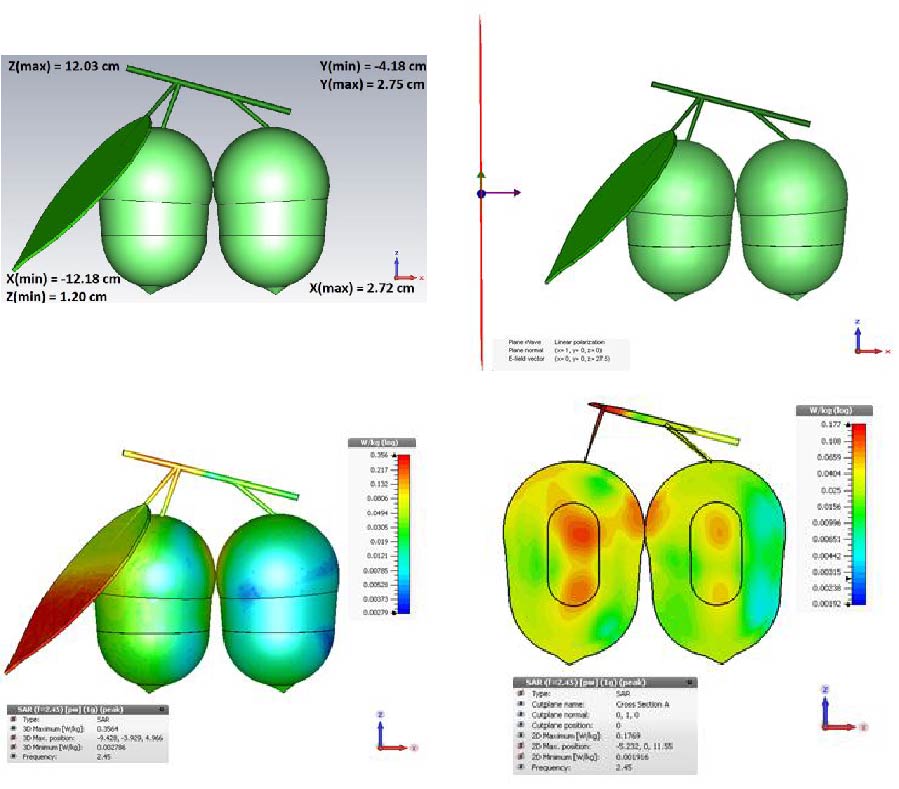
Electromagnetic energy is being utilized over multiple frequency bands to sustain high speed wireless communication systems around the globe. As a consequence, living bodies such as humans, animals, plants, and fruits continuously get exposed to electromagnetic radiation. To safeguard human health, a number of diversified international and national electromagnetic regulatory standards have been prescribed across geographical boundaries for limiting electromagnetic radiation - specific absorption rate and reference power density limits have been prescribed by the international organizations to protect humans from immediate thermal effects. However, reference power density limits differ by ten to hundred times across geographical boundaries depending upon the electromagnetic standards in effect. Moreover, prescribed reference power density limit also varies with frequency of irradiation. On the other hand, plants and fruits possess reasonably high permittivity and electrical conductivity that contribute to considerable electromagnetic energy absorption rates inside typical plant and fruit models. In addition, plants and fruits are primarily asymmetric in nature, and therefore direction of arrival and polarization of incident electromagnetic field are two additional factors that significantly influence the amplitude and spatial distribution of specific absorption rate. Therefore, prescribing only the maximum permissible power density limit in far field seems inadequate. To address these issues, specific absorption rates inside a typical multilayer mango fruits model have been estimated at five different frequencies in accordance with four different international and national electromagnetic regulatory standards (with contrasting reference power density limits) - the magnitudes and spatial distributions of specific absorption rates have been quantified and reported at different frequencies as well as for distinct averaging techniques. Moreover, the impact of direction of arrival and polarization of incident electromagnetic field on the magnitude and spatial distribution of specific absorption rate has also been investigated. A total of one hundred and twenty rigorous simulations has been performed, and as a consequence, four hundred and eighty specific absorption rate data points have been analyzed. Wide disagreement in specific absorption rate data is observed due to variations in four factors mentioned above, i.e. reference power density, frequency, direction of arrival, and polarization of incident electromagnetic field. Moreover keeping all the other factors unaltered, specific absorption rate cannot be directly correlated with the reference power density limit primarily due to non-identical and asymmetric structures of bunch of fruits and plants in most practical scenarios. Thus, observations indicate the necessity of adopting globally harmonized electromagnetic regulatory standards and direct adoption of specific absorption rate limit for plants and fruits instead of only the reference power density limits in far field exposure scenario.
Role of Power Density, Frequency, Direction of Arrival and Polarization of Incident Field on Specific Absorption Rate Distribution inside a Multilayer Fruits Model
2024-04-26
PIER C
Vol. 143, 45-56
Design and Evaluation of 5-DOF Magnetic Bearing System for Saucer-Shaped Flywheel Battery
Weiyu Zhang , An Li and Jingwen Wang
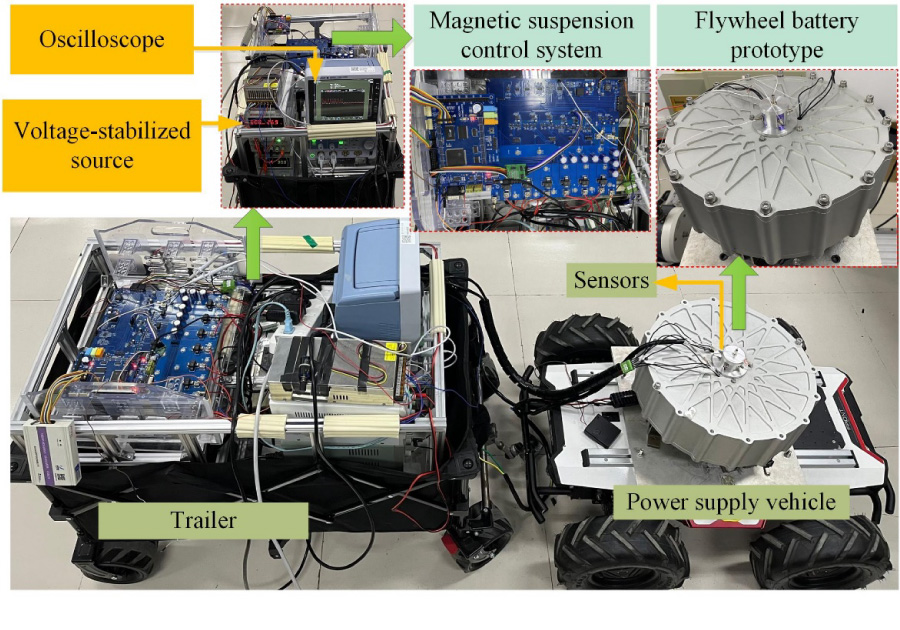
In this study, a novel vehicle-mounted flywheel battery system is proposed, which can effectively balance the load capacity with margin, strong anti-interference, uncoupled magnetic circuit and low energy consumption. The proposed new flywheel battery adopts multiple magnetic circuits, reducing the number of permanent magnets and the complexity of the magnetic circuit. It is worth mentioning that the proposed ``side branch'' radial/tilting shared magnetic circuit can realize the main bearing function of the flywheel weight, and the axial biased magnetic field is used to suspend the near ``zero weight'' flywheel, so that the flywheel can withstand a certain interference margin in the axial direction, and then improve the active disturbance rejection and effectively reduce the control loss. After optimization, the unique overall structure of the flywheel battery can significantly improve the overall performance of the flywheel battery. Finally, the stiffness, decoupling, and anti-interference experiments are carried out, and the experimental results show that the proposed flywheel battery has good performance.
Design and Evaluation of 5-DOF Magnetic Bearing System for Saucer-shaped Flywheel Battery
2024-04-25
PIER Letters
Vol. 119, 73-78
Broadband AMC Metasurface and Its Application for Radar Cross Section Reduction of a Microstrip Antenna
Xutong Wang , Liping Han , Guorui Han , Yufeng Liu and Yanfeng Geng
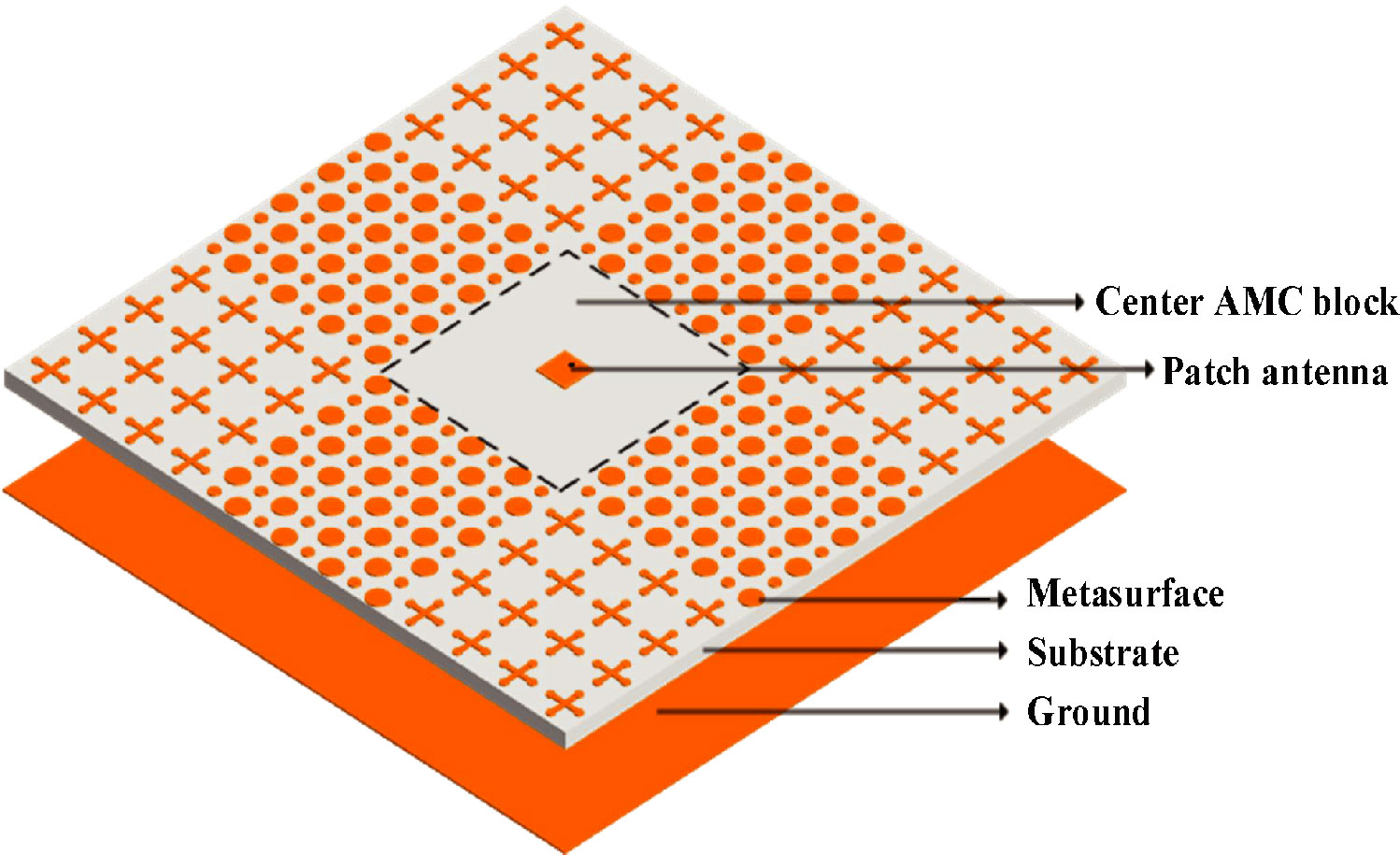
A broadband artificial magnetic conductor (AMC) metasurface for radar cross section reduction is proposed. Modified Jerusalem cross unit and quasi-circular unit can achieve effective reflection phase difference of 180˚ (±37˚) within a wide frequency range from 8.95-17.3 GHz. The broadband metasurface consists of chessboard-arranged 3 × 3 block arrays, and each block arrays is composed of 4 × 4 AMC units. The proposed AMC metasurface is applied to a microstrip antenna for reducing RCS. The measurement results show that the low RCS antenna can obtain 10 dB RCS reduction from 7.93-17.5 GHz. The relative bandwidth is 75.2%, and the maximum reduction value is 30.2 dB. Also, radiation performance of the antenna is well maintained.
Broadband AMC Metasurface and Its Application for Radar Cross Section Reduction of a Microstrip Antenna
2024-04-24
PIER C
Vol. 143, 35-43
Research on Electromagnetic Vibration and Noise Suppression of PMaSynRM with Slotted Stator and Rotor
Zhentian Zhu , Aiyuan Wang and Ming Tang
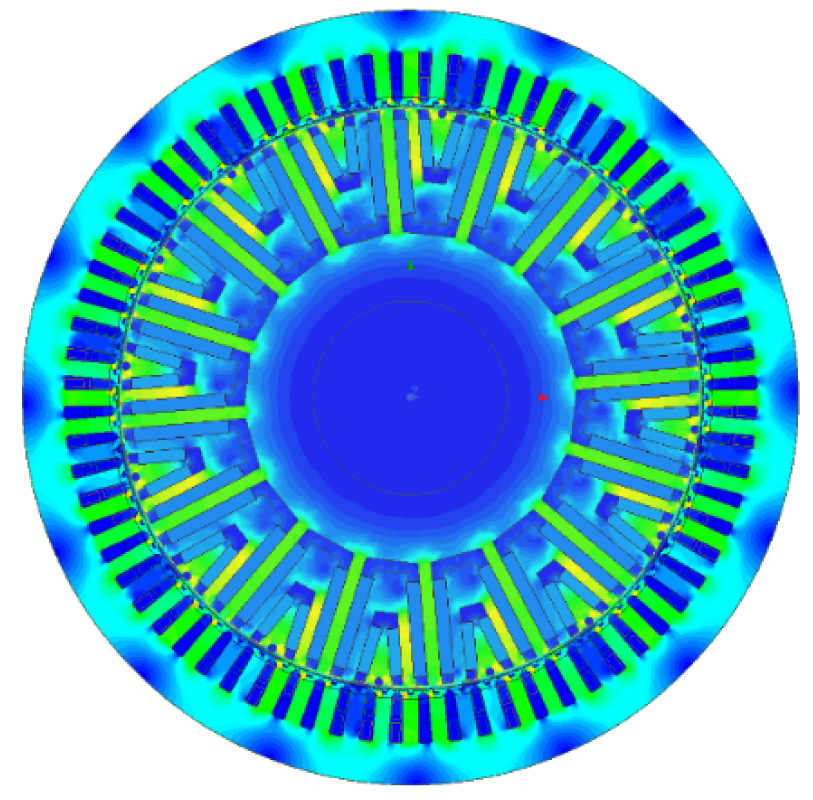
Permanent magnet assisted synchronous reluctance motor (PMaSynRM) has been widely concerned, but the research on the vibration and noise of this kind of motor is relatively limited. In addressing the problem of significant vibration noise caused by radial electromagnetic force waves in PMaSynRM. The research explores a motor vibration and noise suppression solution involving stator slotting and rotor magnetic isolation hole opening. The study analyzed the impact of different slotting parameters on the radial electromagnetic force and air gap magnetic flux density of the motor and compared it with the solution involving slotting of the stator teeth only and magnetic isolation hole opening of the rotor only. Finally, the modal, vibration response and noise response of the motor after slotting are analyzed and verified. The results show that the amplitude of radial electromagnetic force and the total harmonic distortion rate of the air gap magnetic flux density of the motor are significantly reduced by opening the stator auxiliary slot and the rotor magnetic isolation hole. The maximum vibration acceleration of the motor is reduced by 33.44 mm/s2, and the peak A-weighted sound pressure level of the motor decreases by 5.49 dBA.
Research on Electromagnetic Vibration and Noise Suppression of PMaSynRM with Slotted Stator and Rotor
2024-04-24
PIER M
Vol. 127, 31-39
Research on a Current Reconstruction Method of Multi-Core Cable Based on Surface Magnetic Field Measurements
Ruixi Luo , Yuyi Qin , Yifei Zhou , Fuchao Li and Ruihan Wang
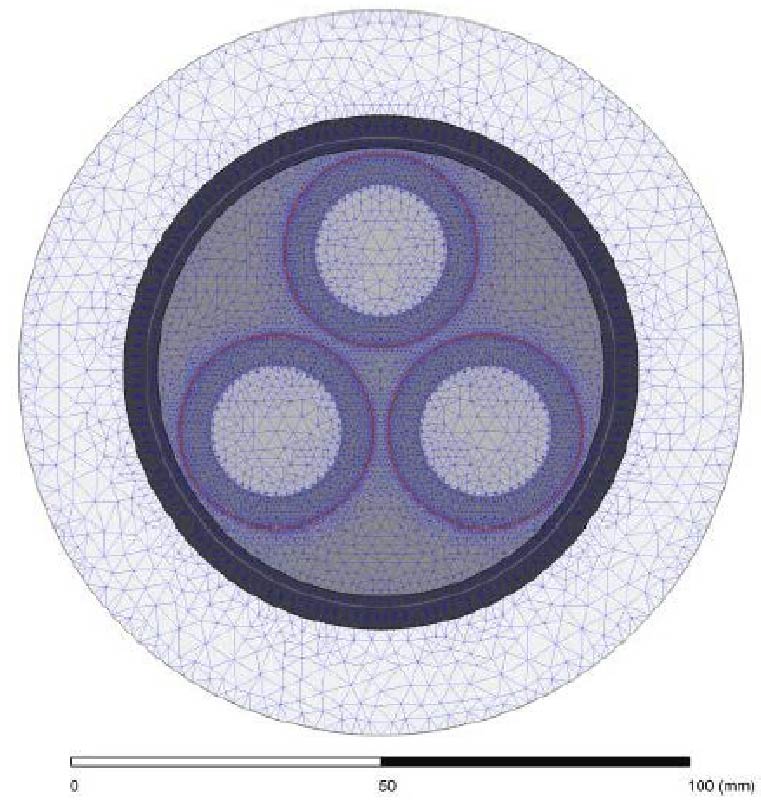
The measurement and decoupling of currents in multi-core power cables is a significant concern for power operators and holds immense potential for optimizing the monitoring and control of urban distribution networks. This paper aims to provide a widely applicable method for reconstructing current measurements. The YJLV22-3 * 300 power cable is taken as an example, specifically focusing on the effect of steel armor on the measurement of the magnetic field generated by the current. Sample tests and field experiments are conducted to verify the spatial distribution of the magnetic flux density. Then the inverse problem of calculating current from the magnetic field is discussed. The defects of the existing methods are shown, and a new method for the inverse problem with the measured waveform of the tangential component of the magnetic flux density is proposed. The feasibility of the new method has been verified. The least-squares method is introduced to obtain the generalized inverse of the position coefficient matrix by maximum rank decomposition to extrapolate the conductor current matrix. A query method is proven to efficiently generate this matrix. Finally, the inverse problem is modeled as a stochastic search problem to compare the efficiency and stability of different algorithms, and CAM-ES performs best. The future research direction is oward developing and testing hardware measurement systems.
Research on a Current Reconstruction Method of Multi-core Cable Based on Surface Magnetic Field Measurements
2024-04-23
PIER M
Vol. 126, 147-155
Dispersion and Eigenvector Error Analysis of Simplicial Cubic Hermite Elements for 1-d and 2-d Wave Propagation Problems
William Alexander Mulder and Ranjani Shamasundar
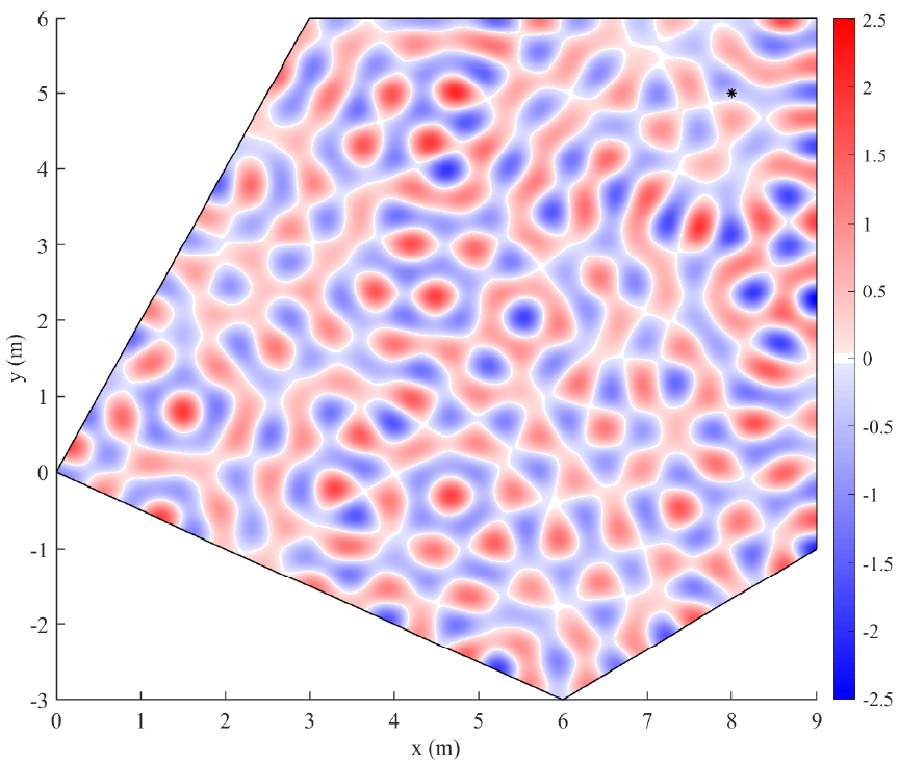
Dispersion error analysis can help to assess the performance of finite-element discretizations of the wave equation. Although less general than the convergence estimates offered by standard finite-element error analysis, it can provide more detailed insight as well as practical guidelines in terms of the number of elements per wavelength needed for acceptable results. We present eigenvalue and eigenvector error estimates for cubic Hermite elements on an equidistant 1-D mesh and on a regular structured 2-D triangular mesh consisting of squares cut in half. The results show that in 1D, the spectrum consists of 2 modes. If these are unwrapped, the spectrum is effectively doubled. The eigenvalue or dispersion error stays below 7% across the entire spectrum. The error in the corresponding eigenvectors, however, increases rapidly once the number of elements per wavelength decreases to one. In terms of element size, the dispersion error is of order 6 and the eigenvector error of order 4. The latter is consistent with the classic finite-element error estimate. In 2D, we provide eigenvalue and eigenvector errors as a series expansion in the element size and obtain the same orders. 2-D numerical tests in the timeand frequency-domain are included.
Dispersion and Eigenvector Error Analysis of Simplicial Cubic Hermite Elements for 1-D and 2-D Wave Propagation Problems
2024-04-23
PIER Letters
Vol. 119, 67-72
Design of 1.4 GHz WMTS Band Implantable Antenna and Performance Measurement for Bio-Telemetric Applications
Vijayanandam Nithiyanandam and Vidhya Sampath
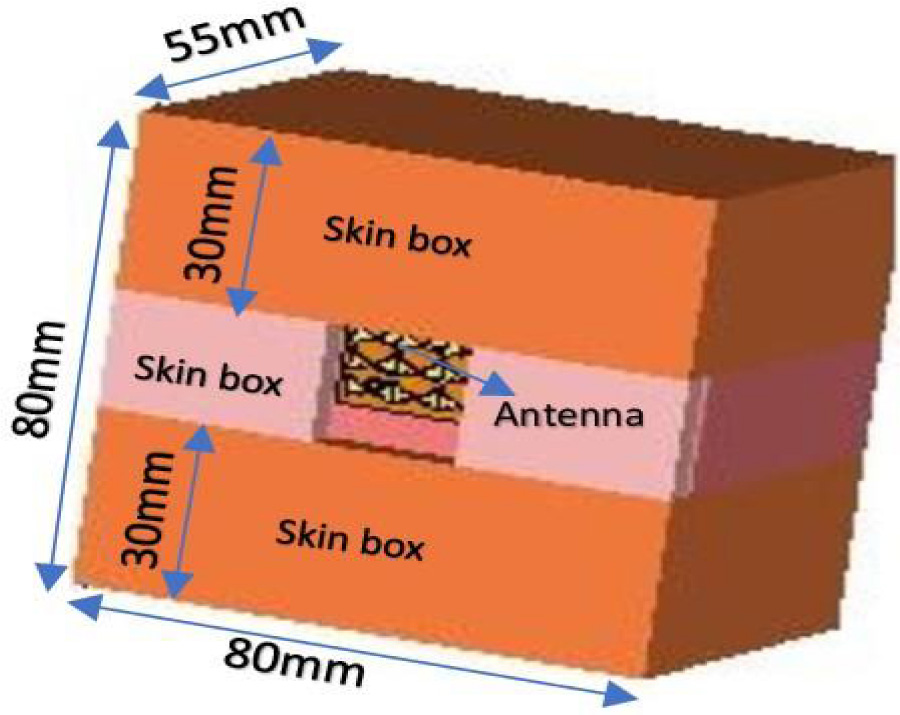
In this paper, the design and validation of an implantable antenna which is applicable to biotelemetry services is presented. This proposed antenna operates in the wireless medical telemetry service (WMTS) frequency band of 1.39-1.4 GHz. As compared to other contemporary antennas, this design provides better gain of -31 dB and reflection coefficient of -20.2 dB with better safe limit of specific absorption rate (SAR). At the resonating frequency of 1.4 GHz, the intended antenna provides good radiation and gain characteristics. The VSWR parameter for this designed antenna has been obtained as 1.25 which promises for proper impedance match. The designed antenna has been fabricated and validated with tissue mimic liquid-phantom to make sure the suitability for implantation. The simulated measurements have a close agreement with the experimentally measured results.
Design of 1.4 GHz WMTS Band Implantable Antenna and Performance Measurement for Bio-telemetric Applications
2024-04-22
PIER C
Vol. 143, 23-33
Reconfigurable Designs of Sectoral Microstrip Antennas for Wideband and Circularly Polarized Response
Venkata A. P. Chavali , Amit A. Deshmukh , Aarti G. Ambekar , Hari Vasudevan and Tushar V. Sawant
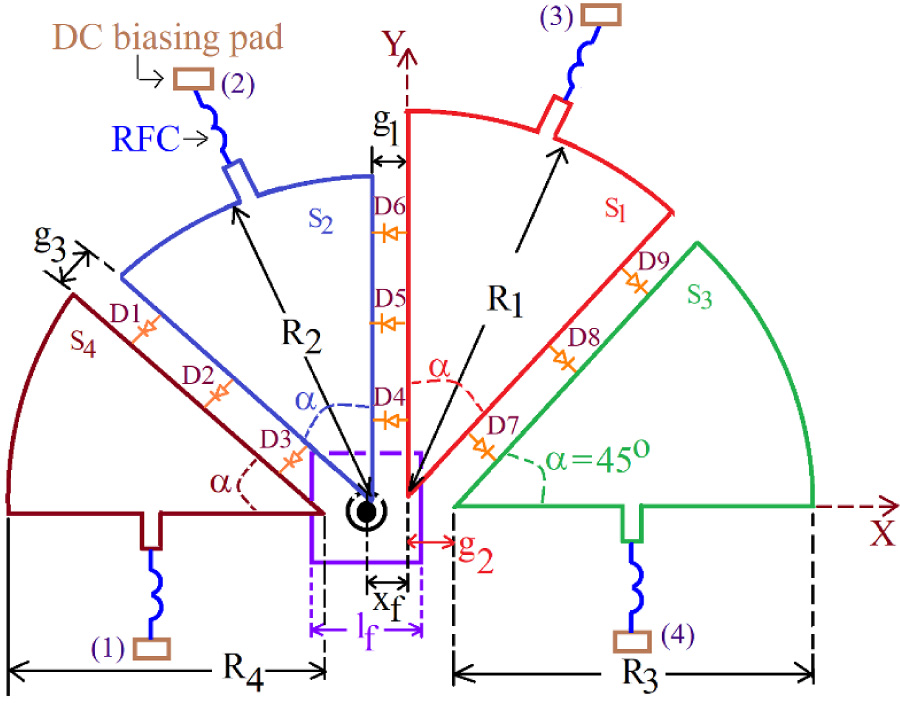
Gap-coupled designs of Sectoral microstrip antenna for 90˚ and 45˚ sectoral angle are proposed for wideband and circularly polarized response. On total substrate thickness of ~0.1 g, proximity fed design of 90˚ Sectoral patch yields simulated bandwidth of 827 MHz (50.41%) with a peak gain of 8.1 dBi, whereas its gap-coupled configuration with parasitic 45˚ Sectoral patches yields simulated bandwidth of 1336 MHz (69.11%) with a peak gain of 8.0 dBi. A gap-coupled design of two 90˚ Sectoral patches is presented in which orthogonal directions of the fundamental mode currents over the aperture are maintained. This yields circularly polarized response with axial ratio bandwidth of 709 MHz (34.88%), which lies inside the impedance bandwidth of 1103 MHz (60.09%). It offers a peak gain of larger than 7 dBi across the axial ratio bandwidth. To achieve all these operational features using a single patch, a reconfigurable design of Sectoral patches is proposed that yields similar wideband and circularly polarized characteristics. Thus, present study provides a wideband and circularly polarized design that offers either impedance bandwidth of more than 65% or axial ratio bandwidth of nearly 35%. For achieved antenna response, the proposed designs fulfill the requirements of LTE (band 65, 66, and 70) and various aeronautical service mobile satellite bands (1610-2300 MHz). Experimental validation for the obtained results is carried out that shows close matching.
Reconfigurable Designs of Sectoral Microstrip Antennas for Wideband and Circularly Polarized Response
2024-04-22
PIER C
Vol. 143, 11-21
Human Motion Recognition Based on Feature Fusion and Transfer Learning
Xiaoyu Luo and Qiusheng Li
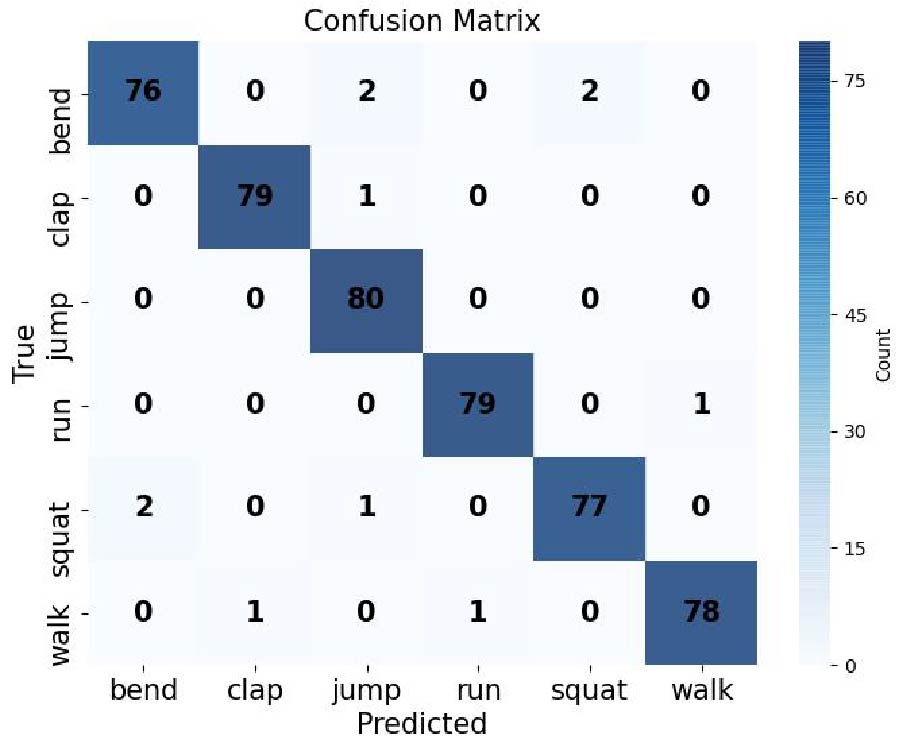
In order to solve the problem that the recognition accuracy of human motion is not high when a single feature is used, a feature fusion human motion recognition method based on Frequency Modulated Continuous Wave (FMCW) radar is proposed. By preprocessing the FMCW radar echo data, the range and Doppler parameters of human motions are obtained, and the range-time feature map and Doppler-time feature map datasets are constructed. In order to fully extract and accurately identify the human motion features, the two features are fused, and then the two features maps and feature fusion spectrograms are put into the VGG16 network model based on transfer learning for identification and classification. Experimental results show that this method can effectively solve the problem of lack of information and recognition rate of single feature motion recognition, and the recognition accuracy is more than 1{\%} higher than that of the single feature recognition method.
Human Motion Recognition Based on Feature Fusion and Transfer Learning
2024-04-21
PIER
Vol. 179, 37-47
Theoretical Analysis on Generating Composite-Orbital Angular Momentum Beam
Zhixia Wang , Zelin Zhu , Shilie Zheng , Xiaonan Hui and Xianmin Zhang
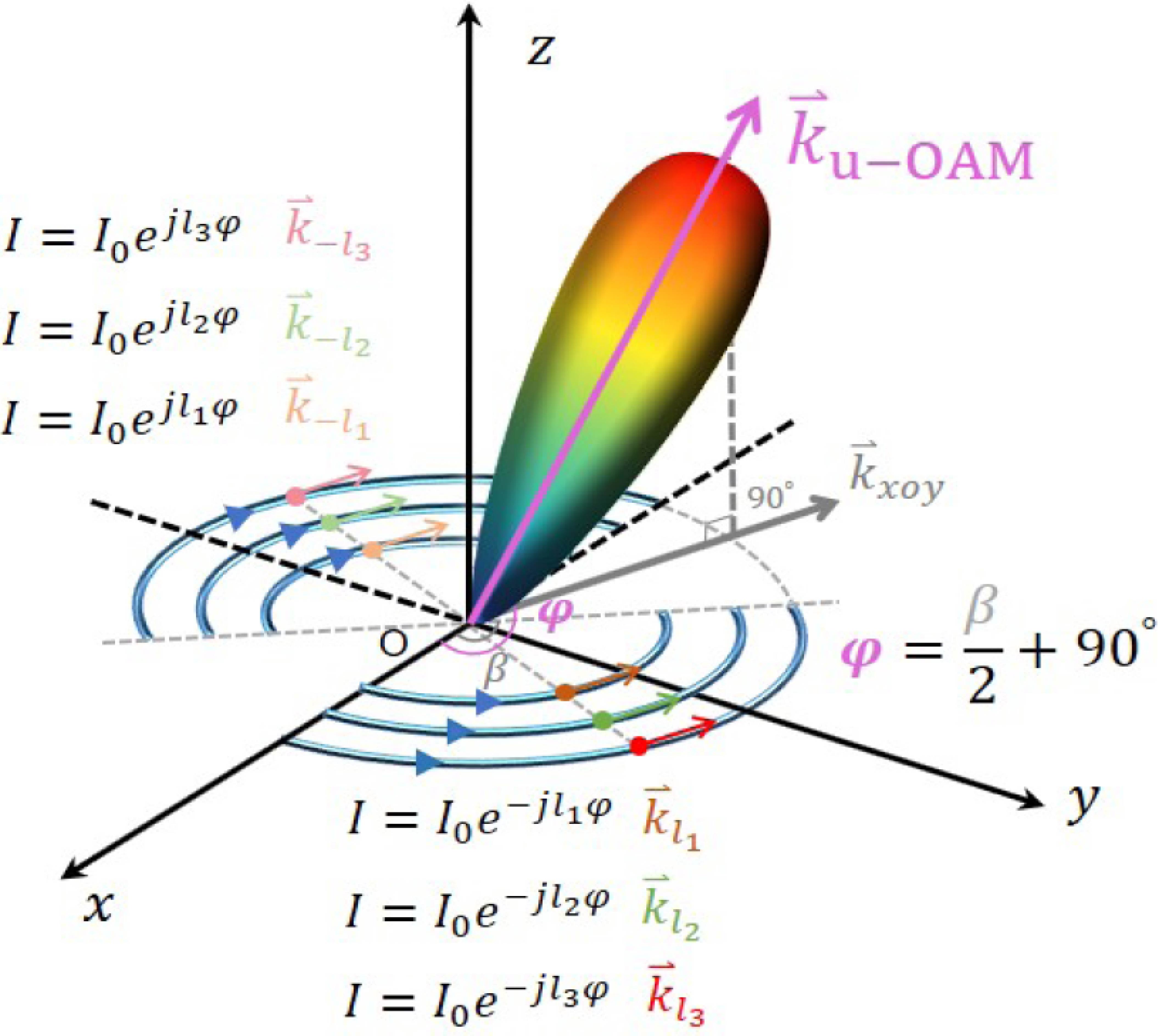
For orbital angular momentum (OAM) based practical applications in radio frequency, inherent puzzles of traditional OAM carrying waves will be encountered inevitably, such as the inherent dark zone in the beam center and severe beam divergence. To solve the problem, some specific beams which are directional beams with high gain, and retain the vorticity and orthogonality of conventional OAM carrying beams have been put forward. They are termed as composite-orbital angular momentum (c-OAM) beam for the first time in this paper. Continuous arc source model (CASM) and discrete arc source model (DASM) are proposed to generate c-OAM beams which are composed of several OAM waves with different weights. Mathematical models of CASM and DASM are demonstrated, and the field expressions are derived. Numerical simulations are conducted to analyze the characteristics of the c-OAM beams, including directivity, vorticity, orthogonality, etc., and certify validity of the proposed model. In all, CASM and DASM are capable of generating c-OAM beams which are more suitable for OAM property based practical applications. Since beamforming is one of the key technologies in 5G systems, c-OAM beams are beneficial to be applied in current communication systems.
Theoretical Analysis on Generating Composite-Orbital Angular Momentum Beam
2024-04-21
PIER C
Vol. 143, 1-10
Harmonic Closed-Loop Model Combined Predictive Fault-Tolerant Control of Double Parallel Rotor Permanent Magnet Synchronous Motor
Hai Pu
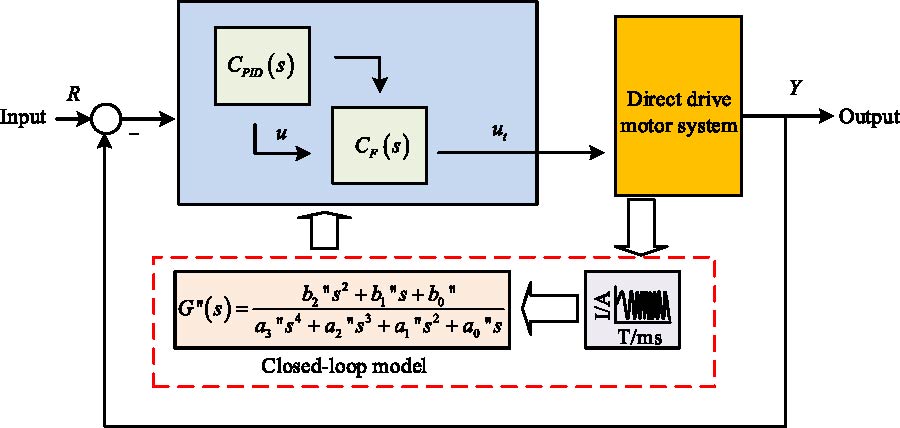
Double Parallel Rotor Permanent Magnet Synchronous Motors exhibit superior performance and compact size, but the growing trend of electrification imposes higher demands on them. This study proposes a predictive fault-tolerant control integrating a closed-loop identification model and conducts experiments on Double Parallel Rotor Permanent Magnet Synchronous Motors. Results indicated that the proposed closed-loop identification model, along with its fractional-order lead-lag compensator module, effectively optimized motor performance, reducing average tracking error by 78.36%. Additionally, with demagnetization faults, the predictive fault-tolerant control outperformed traditional fault-tolerant control in speed, current, and torque fault-tolerant control, demonstrating superior performance. Through 10 weeks of practical application records, Double Parallel Rotor Permanent Magnet Synchronous Motors achieved a working accuracy of 95%-99% under the closed-loop identification model, with recall rates reaching 92%-96% in fault-tolerant scenarios. In both natural and simulated demagnetization fault situations, 97.69% of Double Parallel Rotor Permanent Magnet Synchronous Motors could continue normal operation. This research holds positive significance for the development of motor systems and enhancing their adaptability in the trend of electrification.
Harmonic Closed-loop Model Combined Predictive Fault-tolerant Control of Double Parallel Rotor Permanent Magnet Synchronous Motor