Search Results(13800)

2013-01-23
PIER
Vol. 136, 523-542
Range Alignment and Motion Compensation for Missile-Borne Frequency Stepped Chirp Radar
Bo Liu and Wenge Chang
One of the difficulties for frequency stepped chirp radar (FSCR) is to resolve the range-Doppler coupling due to relative motion between the radar and the target. Motion compensation is usually adopted to solve the problem in realizing synthetic high range resolution profile (HRRP) for a moving target. For missile-borne FSCR, the range migration of target echo during a coherent processing interval, which is resulted from the high speed motion of missile, is serious and will affect target detection and synthetic high range resolution profile. Therefore, range migration correction and motion compensation are very important for missile-borne FSCR signal processing. In the paper, with the background of terminal guidance anti-ship FSCR seeker, the range alignment is accomplished in frequency domain during the process of real-time digital pulse compression. Then an effective velocity estimation algorithm based on the waveform entropy of the Doppler amplitude spectrum of target echoes is addressed and the velocity estimation accuracy is derived. Finally, the simulation indicates that the new method can estimate the radial velocity accurately and reconstruct the distorted HRRP successfully. In addition, the method has good anti-noise performance and works in the scenario of multi-target with different velocities as well.
RANGE ALIGNMENT AND MOTION COMPENSATION FOR MISSILE-BORNE FREQUENCY STEPPED CHIRP RADAR
2013-01-22
PIER B
Vol. 48, 77-98
Dispersion Diagram Analysis of Arrays of Multishell Multimaterial Nanospheres
Masoud Rostami , Davood Ansari Oghol Beig and Hossein Mosallaei
In this paper, the characteristics of electromagnetic waves supported by three dimensional (3-D) periodic arrays of multilayer multimaterial spheres are theoretically investigated. The spherical particles have the potential to offer electric and magnetic dipole modes, where their novel arrangements engineer the desired metamaterial performance. Multilayer spheres are designed for controlling both electric and magnetic Mie scattering resonances around the same spectrum. A full wave spherical modal formulation is applied to express the electromagnetic fields in terms of the electric and magnetic multipole modes. Imposing boundary conditions will determine the required equations for obtaining dispersion characteristics ωa/2πc-ka/2π. A metamaterial constructed from unit-cells of multilayer multimaterial sphere is created. It is demonstrated such compositions can exhibit negative-slope dispersion diagram metamaterial properties in frequency spectrums of interest, where both electric and magnetic Mie scattering resonances occur. Different coatings such as silver, gold, indium-tin-oxide (ITO), Al:ZnO, (AZO) and Ga:ZnO (GZO) are used and the operating range and the losses of the resulting metamaterials are compared. It is presented that by adding the third layer to the core-shell structure, due to increased degrees of freedom, the metamaterials operation range will be tunable to the desired frequency.
DISPERSION DIAGRAM ANALYSIS OF ARRAYS OF MULTISHELL MULTIMATERIAL NANOSPHERES
2013-01-22
PIER M
Vol. 28, 185-199
Semiconductor Quantum Dot Lasers as Pulse Sources for High Bit Rate Data Transmission
Mohamed Nady Abdul Aleem , Khalid Fawzy Ahmed Hussein and Abd-El-Hadi Ammar
Multi Populations Rate Equations (MPREs) model is used to analyze the dynamic characteristics of the InAs/InP (113) B self assembled quantum dot laser. The resulting system of differentaial equations is solved using fourth-order Runge-Kutta method taking into consideration homogeneous and inhomogeneous broadening of optical gain. The effects of the injected current, Full Width at Half Maximum (FWHM) of the homogenous broadening, and initial relaxation time (phonon bottleneck) on the rise time, fall time, and hence the maximum allowable bit rate of the optical signal are investigated.
SEMICONDUCTOR QUANTUM DOT LASERS AS PULSE SOURCES FOR HIGH BIT RATE DATA TRANSMISSION
2013-01-22
PIER
Vol. 136, 509-521
Second-Order Formulation for the Quasi-Static Field from a Vertical Electric Dipole on a Lossy Half-Space
Mauro Parise
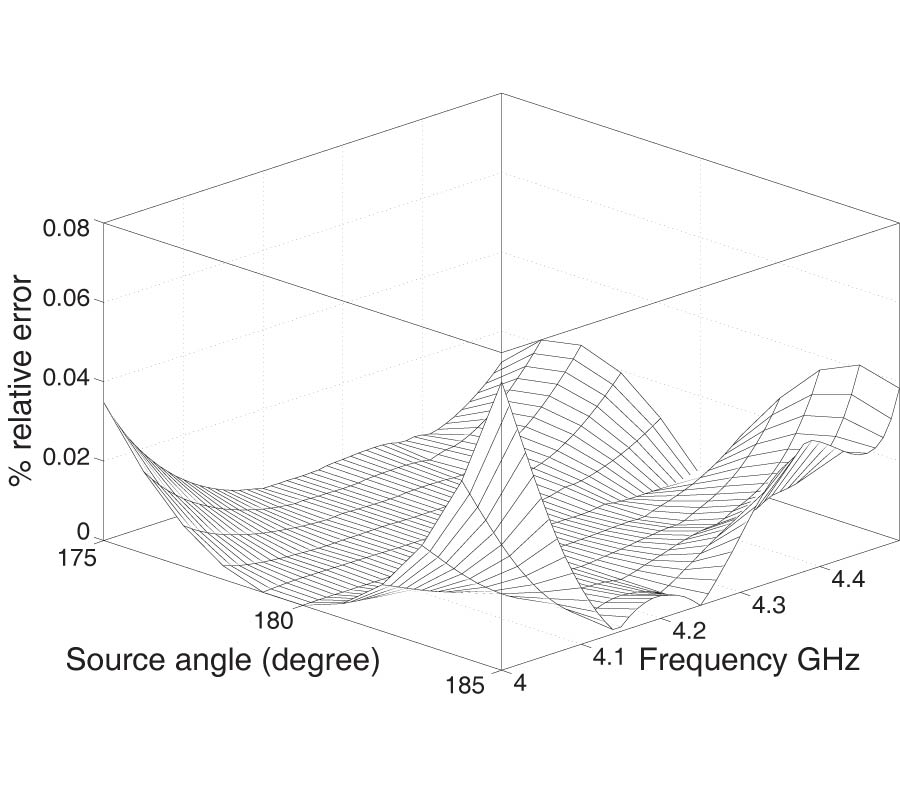
Improved quasi-static expressions are derived for the time-harmonic electromagnetic (EM) field components excited by a vertical electric dipole (VED) lying on the surface of a flat and homogeneous lossy half-space. An analytical procedure is developed that allows to evaluate the complete integral representations for the fields, once the non-oscillating part of the integrand in the expression of the magnetic vector potential is replaced with its quadratic approximation for small values of the free-space wavenumber. The advantage of the proposed second-order quasi-static approximations resides in the possibility of relaxing the assumption of highly conducting half-space. This makes it possible to overcome the limitations implied by the previously published zeroth-order formulation, whose validity is restricted to extremely low frequencies for poorly conducting media. Numerical results are presented to illustrate the reduction of relative percent error arising from using the improved quasi-static field expressions.
SECOND-ORDER FORMULATION FOR THE QUASI-STATIC FIELD FROM A VERTICAL ELECTRIC DIPOLE ON A LOSSY HALF-SPACE
2013-01-22
PIER
Vol. 136, 495-508
Two Dimension Digital Beamforming Preprocessing in Multibeam Scansar
Pingping Huang , Wei Xu and Weikong Qi
The novel multibeam ScanSAR takes advantage of the displaced phase center multiple azimuth beam (DPCMAB) imaging scheme and intra-pulse beam steering in elevation in ScanSAR to achieve the high-resolution ultra-wide-swath imaging capacity. This letter proposes an innovative two-dimensional (2D) digital beamforming (DBF) space-time preprocessing approach for multibeam ScanSAR. According to echo proprieties of such imaging scheme, both azimuth ambiguity and range ambiguity problems should be resolve before a conventional ScanSAR imaging processor. After range compressing in each receive channel, a 2D DBF processor is carried out in the range-Doppler domain. The azimuth DBF operation is adopted to resolve the azimuth nonuniform sampling problem in multichannel SAR systems, while the DBF preprocessing in elevation is carried out to separate echoes from different subswaths corresponding to different sub-pulses. Imaging results on simulated distributed targets validate the proposed 2D DBF preprocessing approach.
TWO DIMENSION DIGITAL BEAMFORMING PREPROCESSING IN MULTIBEAM SCANSAR
2013-01-21
PIER M
Vol. 28, 169-183
Model Selection for Investigation of the Field Distribution in a Reverberation Chamber
Xiaoming Chen
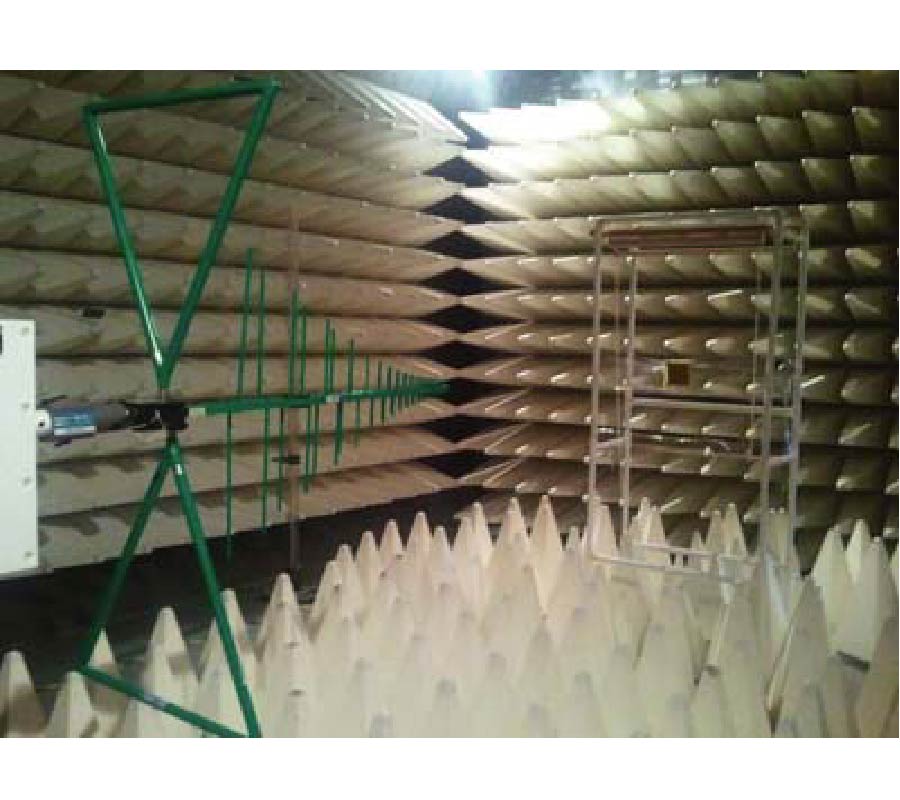
In this work two model selection criteria, i.e., Akaike's information criterion (AIC) and minimum description length (MDL), are applied to measurements in a RC with Rayleigh, Rician, Nakagami, Bessel K, and Weibull distributions as the distribution candidate set. In spite of small differences of the AIC and MDL tests (due to their different penalty terms on distribution parameters), both criteria result in similar conclusions. Results show that the Rayleigh distribution provides the overall good fit to the Cartesian field amplitude, especially for an overmoded RC, and that the Weibull distribution provides good fit to the Cartesian field amplitude in an undermoded or loaded RC. In addition, it is found that both the Rician and Weibull distributions provide improved approximations of the Cartesian field amplitude in a loaded RC with non-negligible unstirred components and that the transition from undermoded RC to overmoded RC depends not only on the operating frequency and mode-stirrer efficiency (as it is commonly believed) but also on source stirring and RC loading.
MODEL SELECTION FOR INVESTIGATION OF THE FIELD DISTRIBUTION IN A REVERBERATION CHAMBER
2013-01-21
PIER
Vol. 136, 479-494
On the Efficiency and Gain of Antennas
Anders Karlsson
The fundamental limits of the gain and efficiency of an antenna are explored. These are very important quantities for e.g., superdirective arrays. The antenna is in this paper confined in a sphere and all of the currents are assumed to run in a material with a given conductivity. It is shown that one can find the current distribution in the sphere that optimizes the gain, given the frequency and the radius of the sphere. The results indicate the distribution of antenna elements in an antenna array in order to maximize gain, or efficiency. The analysis is based on the expansion of the electromagnetic fields in terms of vector spherical harmonics. Explicit expressions for the limits of gain and efficiency, and the corresponding current densities, are derived for different types of antennas.
ON THE EFFICIENCY AND GAIN OF ANTENNAS
2013-01-21
PIER
Vol. 136, 457-478
Reconstruction of Faulty Cable Network Using Time-Domain Reflectometry
Xiaolong Zhang , Minming Zhang and Deming Liu
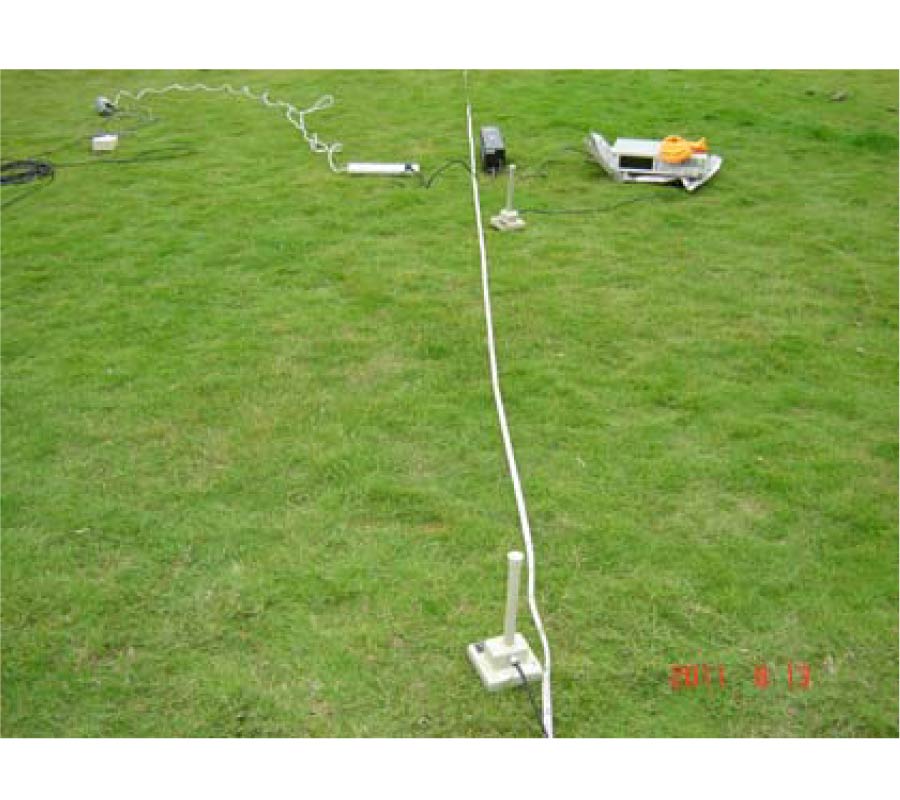
Based on Time-Domain Reflectometry (TDR) technique, a novel method which could locate faults on the coaxial cable distribution network by using Support Vector Machine (SVM) is proposed in this paper. This approach allows the faulty network to be reconstructed by estimating the lengths of branches. A State-transition Matrix model is employed to simulate the TDR response at any port and evaluate the transfer function between two points. SVM is used to solve the inversion problem through training datasets created by the State-transition matrix model. Compared to the existing reflectometry methods, our proposed method can tackle multiple faults in the complex cable networks. Numerical and experimental results pointing out the performance of the SVM model in locating faults are reported.
RECONSTRUCTION OF FAULTY CABLE NETWORK USING TIME-DOMAIN REFLECTOMETRY
2013-01-21
PIER
Vol. 136, 435-456
Three-Dimensional Localization Algorithm for Mixed Near-Field and Far-Field Sources Based on ESPRIT and MUSIC Method
Jia-Jia Jiang , Fa-Jie Duan and Jin Chen
A three-dimensional (3-D) source localization algorithm of joint elevation, azimuth angles and range estimation for the mixed near-field (NF) and far-field (FF) sources is presented in this paper. We first estimate the elevation angles of all mixed sources by using the generalized ESPRIT method. With the elevation angle estimates, the range parameters of all mixed sources are obtained, and then both the NF and FF sources are distinguished. Finally, with the elevation angle and range estimates, the azimuth angles of all mixed sources are acquired based on the conventional high-resolution MUSIC method. The proposed algorithm avoids parameter match operation, and requires neither a multidimensional search nor high-order statistics (HOS). Simulation and experiment results show the performance of the proposed algorithm in this paper.
THREE-DIMENSIONAL LOCALIZATION ALGORITHM FOR MIXED NEAR-FIELD AND FAR-FIELD SOURCES BASED ON ESPRIT AND MUSIC METHOD
2013-01-21
PIER
Vol. 136, 421-433
Measurement Uncertainty of Complex-Valued Microwave Quantities
Yu Song Meng and Yueyan Shan
This paper presents an evaluation of measurement uncertainty for complex-valued quantities in microwave applications, mainly focusing on the non-linear transformation of measurement uncertainty from rectangular coordinate to polar coordinate. Based on the law of propagation of uncertainty in matrix form, general expressions of the covariance matrix for the magnitude and phase uncertainties in polar coordinate have been derived, and several different application scenarios have been analyzed and evaluated with numerical simulations. This is followed by some recommendations on the coordinate transformations in practical microwave measurements.
MEASUREMENT UNCERTAINTY OF COMPLEX-VALUED MICROWAVE QUANTITIES
2013-01-20
PIER B
Vol. 48, 61-76
Simulating GNSS-R Delay-Doppler Map of Oil Slicked Sea Surfaces Under General Scenarios
Chen Li and Weimin Huang
Presently, the simulated Delay Doppler Maps (DDMs) of oil slicked sea are limited to simplified scenarios which have the elevation angle of 90° (nadir reflection). In this paper, the detailed simulation process to generate GNSS-R DDMs of oil slicked sea surfaces under general scenarios is presented. The DDM of oil slicked sea surface under general scenarios are generated by combining the mean-square slope model for oil slicked/clean surfaces and the GNSSR Zavorotny-Voronovich (Z-V) scattering model. The coordinate system transformation appropriate for general-elevation-angle scenarios are also incorporated. To validate the proposed approach, a comparison is made between the DDMs of a simplified scenario and a general scenario, which are generated based on the oil slick distribution of the Deepwater Horizon oil spill accident. Theoretical analysis reveals that oil slick may be detected within a 100 km radius coverage area around the specular point for a GNSS-R receiver under the general scenario with elevation angles of 72°.
SIMULATING GNSS-R DELAY-DOPPLER MAP OF OIL SLICKED SEA SURFACES UNDER GENERAL SCENARIOS
2013-01-20
PIER
Vol. 136, 409-419
Design of a Compact UWB Antenna Integrated with GSM/Wcdma/WLAN Bands
Guihong Li , Huiqing Zhai , Tong Li , Xiao Yan Ma and Chang-Hong Liang
In this research, a compact printed antenna design operating on ultra-wideband (UWB) and three extra wireless communication bands is proposed. An ellipse-shaped monopole is utilized to realize UWB application (3.1-10.6 GHz). The modified ground employs three folded Capacitive Loaded Line Resonators (CLLRs) to obtain triple relatively lower communication bands, including parts of global System for Mobile Communications (GSM) band at the centre frequency of 1.78 GHz, Wideband Code Division Multiple Access (WCDMA) band at the centre frequency of 2.15 GHz, and Wireless Local Area Networks (WLAN) band at the centre frequency of 2.4 GHz. The CLLRs are designed with quarter-wavelength to control the corresponding frequencies independently. Good agreement is achieved between the simulation and measurement to verify our presented design. The basic, dual-, triple-band UWB antennas are also simulated and good results are obtained. Small group delay variations across UWB frequencies are obtained for the presented antenna and reference antennas, with some level of distortion observed.
DESIGN OF A COMPACT UWB ANTENNA INTEGRATED WITH GSM/WCDMA/WLAN BANDS
2013-01-20
PIER
Vol. 136, 385-407
SAR Target Classification Using Bayesian Compressive Sensing with Scattering Centers Features
Xinzheng Zhang , Jianhong Qin and Guojun Li
The emerging field of compressed sensing provides sparse reconstruction, which has demonstrated promising results in the areas of signal processing and pattern recognition. In this paper, a new approach for synthetic aperture radar (SAR) target classification is proposed based on Bayesian compressive sensing (BCS) with scattering centers features. Scattering centers features are extracted as a l1-norm sparse problem on the basis of the SAR observation physical model, which can improve discrimination ability compared with original SAR image. Using an overcomplete dictionary constructed of training samples, BCS is utilized to design targets classifier. For target classification performance evaluation, the proposed method is compared with several state-of-art methods through experiments on Moving and Stationary Target Acquisition and Recognition (MSTAR) public release database. Experimental results illustrate the effectiveness and robustness of the proposed approach.
SAR TARGET CLASSIFICATION USING BAYESIAN COMPRESSIVE SENSING WITH SCATTERING CENTERS FEATURES
2013-01-20
PIER
Vol. 136, 369-383
Threshold-Based Resampling for High-Speed Particle PHD Filter
Zhi-Guo Shi , Yunmei Zheng , Xiaomeng Bian and Zhengde Yu
In recent years, particle probability hypothesis density (PHD) filtering has become an active research topic for multiple targets tracking in dense clutter scenarios. However, it is highly required to improve the real-time performance of particle PHD filtering because it is a kind of Monte Carlo approach and the computational complexity is very high. One of major difficulties to improve the real-time performance of particle PHD filtering lies in that, resampling, which is usually a sequential process, is crucial to the fully-parallel implementation of particle PHD filter. To overcome this difficulty, this paper presents a novel threshold-based resampling scheme for the particle PHD filter, in which the particle weights are all set below a proper threshold. This specific threshold is determined using a distinguishing feature of the particle PHD filters: The weight sum of all particles in weight update is equal to the total target number in the current iteration. This proposed resampling scheme allows the use of fully-pipelined architecture in the hardware design of particle PHD filter. Theoretical analysis indicates that the particle PHD filter employing the proposed resampling technique can reduce the time complexity by 33% around in a typical multi-target tracking (MTT) scenario compared with that employing the traditional systematic resampling technique, while simulation results show that it can maintain the almost same performance of estimation accuracy.
THRESHOLD-BASED RESAMPLING FOR HIGH-SPEED PARTICLE PHD FILTER
2013-01-20
PIER
Vol. 136, 327-367
Design Optimization and Analysis of AFPM Synchronous Machine Incorporating Power Density, Thermal Analysis, and Back-EMF THD
Solmaz Kahourzade , Amin Mahmoudi , Ali Gandomkar , Nasrudin Abd Rahim , Hew Wooi Ping and Mohammad Nasir Uddin
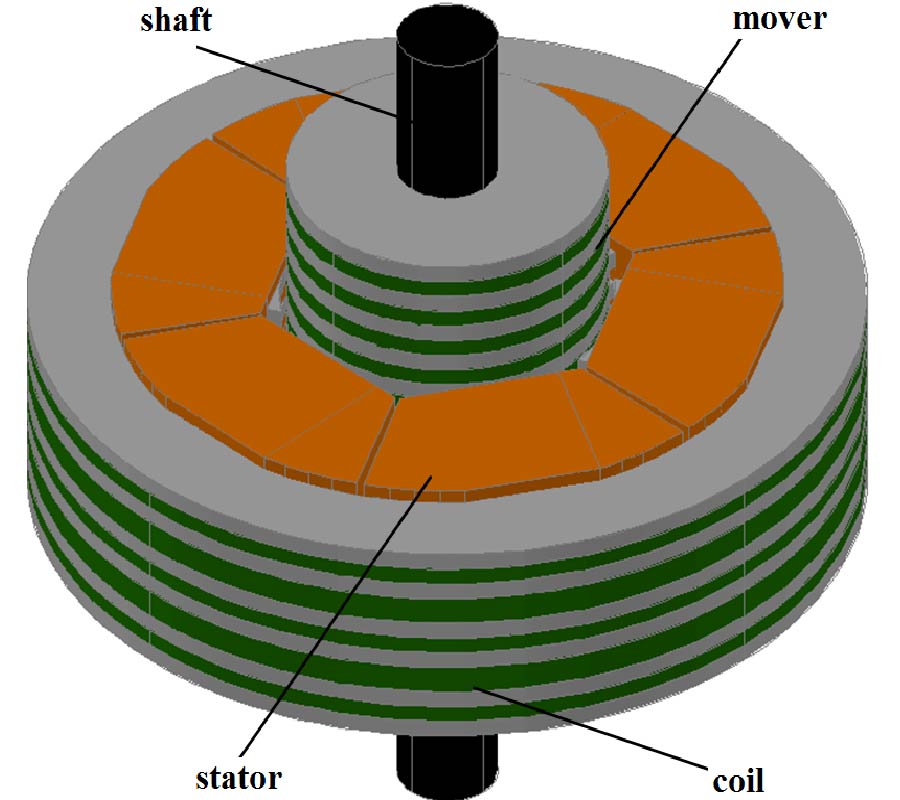
This paper presents the design and analysis of an inside-out axial-flux permanent-magnet (AFPM) synchronous machine optimized by genetic algorithm (GA) based sizing equation, finite element analysis (FEA) and finite volume analysis (FVA). The preliminary design is a 2-pole-pair slotted TORUS AFPM machine. The designed motor comprises sinusoidal back-EMF waveforms, maximum power density and the best heat removal. The GA is used to optimize the dimensions of the machine in order to achieve the highest power density. Electromagnetic field analysis of the candidate machines from GA with various dimensions is then put through FEA in order to obtain various motor characteristics. Based on the results from GA and FEA, new candidates are introduced and then put through FVA for thermal behavior evaluation of the designed motors. Techniques like modifying the winding configuration and skewing the permanent magnets are also investigated to attain the most sinusoidal back-EMF waveform and reduced cogging torque. The performance of the designed 1 kW, 3-phase, 50 Hz, 4-pole AFPM synchronous machine is tested in simulation using FEA software. It is found that the simulation results fully agree with the designed technical specifications. It is also found from FVA results that the motor temperature reaches at highest temperature to 90°C at the rated speed and full load under steady state condition.
DESIGN OPTIMIZATION AND ANALYSIS OF AFPM SYNCHRONOUS MACHINE INCORPORATING POWER DENSITY, THERMAL ANALYSIS, AND BACK-EMF THD
2013-01-19
PIER B
Vol. 48, 43-59
Microwave-Induced Thermo-Acoustic Tomography System Using TRM-Pstd Technique
Guoping Chen , Xin Wang and Qing Huo Liu
Time reversal imaging method based on full wave numerical technique for likely breast tumors biological tissue in the Microwave-Induced Thermo-Acoustic Tomography (MITAT) system is discussed. In this paper, the mechanism of microwave-induced thermo-acoustic is strictly described based on thermodynamics and thermo-diffusion principles; the equivalent relationship between the absorbed microwave energy distribution of the biological tissue and the induced thermo-acoustic source distribution is used as the basis of the imaging algorithm. Due to its unique noise suppression feature and the stability of the algorithm, the Time Reversal Method (TRM) based on the Pseudospectral Time-Domain (PSTD) technique is applied to image heterogeneous phantom tissues from low Signal-to-Noise-Ratio (SNR) thermo-acoustic signals. Thereafter, an integrated MITAT prototype system is presented to obtain the thermo-acoustic signals from some biologic tissue with millimeter scale. The proposed TRM method is based on PSTD technique produced two-dimensional images, presented to study the performances of the MITAT in terms of contrast and resolution. These images prove predominant advantages in both contrast and resolution compared with conventional microwave and ultrasound imaging systems for malignant tumor detection. Based on the current results, our TRM-PSTD MITAT system provides evidence to predict breast tumor in an early stage and millimeter scale.
MICROWAVE-INDUCED THERMO-ACOUSTIC TOMOGRAPHY SYSTEM USING TRM-PSTD TECHNIQUE
2013-01-19
PIER Letters
Vol. 37, 101-111
Automatic Recognition of Metal Fiber Per Unit Area for Electromagnetic Shielding Fabric Based on Computer Image Analysis
Zhe Liu , Xiuchen Wang and Zhong Zhou
Metal fiber content is often a measured parameter for electromagnetic shielding fabric (ESF). A commonly used method is combustion measuring, but measuring speed was slow and measured fabric damaged. This study proposes a new method based on computer image analysis for recognition of metal fiber content per unit area (MFCPUA) of the ESF, which aims at analyzing the MFCPUA without damage and providing a basis for the shielding performance evaluation of the ESF. Local region images of garment or fabric are obtained using high definition shooting system to build a gray matrix model which can describe the image. A recognition algorithm for fabric density based on gray extreme judgment is then given to construct a computation for the MFCPUA. The recognition results obtained with the proposed method is compared with the experimental results from manual combustion measuring, and the error reason and the application are also analyzed. Results of experiments and analyses show that the proposed method can identify the local fabric density with lossless and accurately calculate the MFCPUA, which provide a new method for electromagnetic shielding performance evaluation of the fabric and garment by computer technique.
AUTOMATIC RECOGNITION OF METAL FIBER PER UNIT AREA FOR ELECTROMAGNETIC SHIELDING FABRIC BASED ON COMPUTER IMAGE ANALYSIS
2013-01-19
PIER Letters
Vol. 37, 91-99
Dual-Band Coupling Element Based Antennas with High Port Isolation
Wen Jiang , Tao Hong and Chao Li
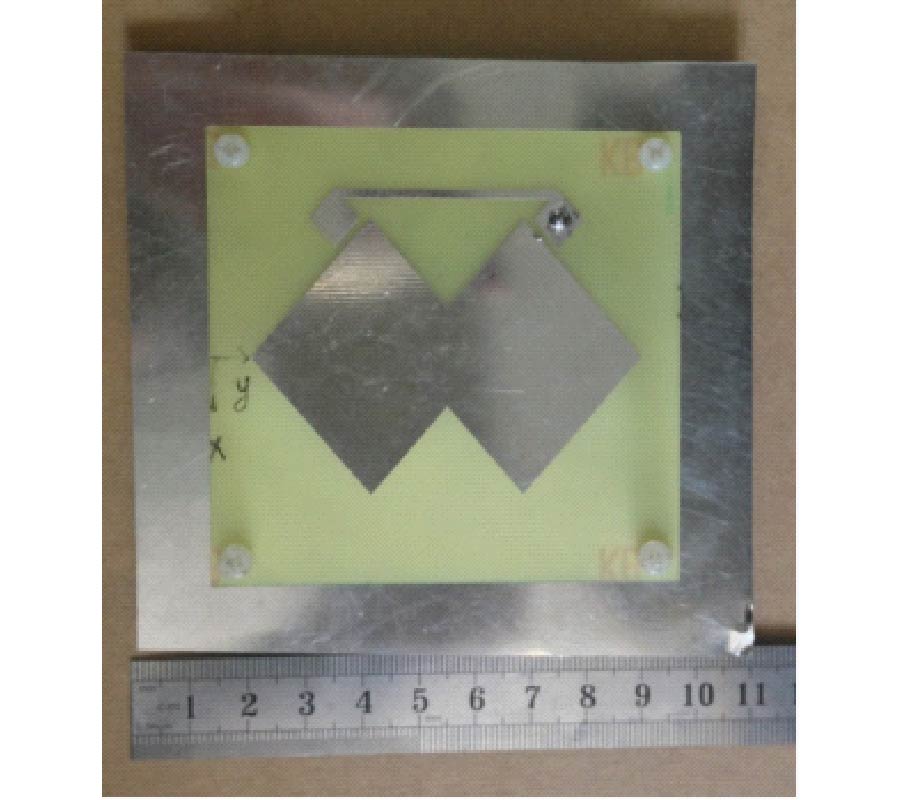
A compact dual-band MIMO coupling element based antenna with high port isolation is proposed for the first time. The proposed antenna comprises four nonresonant coupling elements, the matching circuit, chassis of the mobile terminal, and de-coupling structures. The proposed antenna can cover two working bands of E-GSM900 and PCS1900. The measured results show that the isolation between the coupling elements operating at the same frequency is higher than 20 dB. The proposed structure can be applied to the MIMO system.
DUAL-BAND COUPLING ELEMENT BASED ANTENNAS WITH HIGH PORT ISOLATION
2013-01-19
PIER C
Vol. 36, 181-193
Wideband Planar Wilkinson Power Divider Using Double-Sided Parallel-Strip Line Technique
Muhammad Zairil Bin Muhammad Nor , Sharul Kamal Abdul Rahim , Mursyidul Idzam bin Sabran and Mohd Subri Bin Abdul Rani
A new design of a wideband Wilkinson power divider using double-sided parallel strip line technique is presented in this paper. To obtain a good isolation value, the proposed design was integrated with three isolation resistors. The proposed power divider is designed for a wide range of frequencies between 2 GHz to 6 GHz with all the ports matched to 50 Ω. The conventional quarter wavelength arms are divided to three different widths to ensure wideband capabilities. Moreover, the novelty of the proposed design come from the double-sided parallel-strip line technique where proposed design is using similar structure at both the top and bottom layers to ensure balance of transmission. All dimensions for the transmission line section were optimized to achieve wideband operation and were integrated with a lumped element. This design can be used as a double-sided feeder for a microstrip antenna.
WIDEBAND PLANAR WILKINSON POWER DIVIDER USING DOUBLE-SIDED PARALLEL-STRIP LINE TECHNIQUE
2013-01-19
PIER C
Vol. 36, 169-180
Experimental Characterization of Wireless MIMO Channel at 5.8 GHz in Underground Gold Mine
Bilel Mnasri , Mourad Nedil , Nahi Kandil , Larbi Talbi and Ismail Ben Mabrouk
This paper presents analysis results relative to an underground MIMO channel. Measurement campaigns were conducted in a former gold mine at a center frequency of 5.8 GHz under Line-Of-Sight (LOS) scenario. Extracted data have been processed to obtain the relevant statistical parameters of the channel. The resulting propagation behavior differs from frequently encountered in more typical indoor environments, such as offices and corridors. Indeed, the path loss exponent is less than 2 in MIMO configuration due to the large number of scatters that increase the received power when compared to the free-space case. Moreover, there has been a significant increase in spectral efficiency, when using MIMO technique. Hence, according to calculated statistical parameters, wireless link performance is improved through the use of the MIMO scheme. All in all, multi antenna systems present an ideal alternative for future underground communication systems.
EXPERIMENTAL CHARACTERIZATION OF WIRELESS MIMO CHANNEL AT 5.8 GHZ IN UNDERGROUND GOLD MINE