Search Results(13786)

2024-07-05
PIER C
Vol. 145, 27-34
Study on ac Loss Suppression in Rectangular Winding Motors for Electric Vehicles
Shengyang Xu and Quanfeng Li
Currently, excessive AC loss in the rectangular winding motor used for electric vehicles poses a significant challenge, necessitating effective measures to suppress the losses. This paper focuses on the Prius IV motor, employing a finite element two-dimensional model established using JMAG software. The influence of conductor material and the number of rectangular winding layers on motor AC loss under various operating conditions is thoroughly analyzed. Maintaining a constant number of rectangular winding layers, aluminum (Al) conductors replace copper (Cu) conductors in 2-layer, 4-layer, 6-layer, and 8-layer configurations, respectively. AC losses are compared among motors with 4-layer, 6-layer, 8-layer, and 10-layer Cu rectangular windings, all having identical slot dimensions. Subsequently, the 10-layer Al conductor scheme is chosen to optimize motor design. The results demonstrate an average reduction in AC loss up to 59.24% after motor optimization, further reducing motor manufacturing costs.
Study on AC Loss Suppression in Rectangular Winding Motors for Electric Vehicles
2024-07-05
PIER B
Vol. 107, 47-62
Analysis of a Triple Band MIMO Antenna for Sub-6 GHz Applications
Govardhani Immadi , Madhavareddy Venkata Narayana , Ambati Navya , Aovuthu Sree Madhuri , Burra Vamsi Krishna and Marri Venkata Siva Gopi
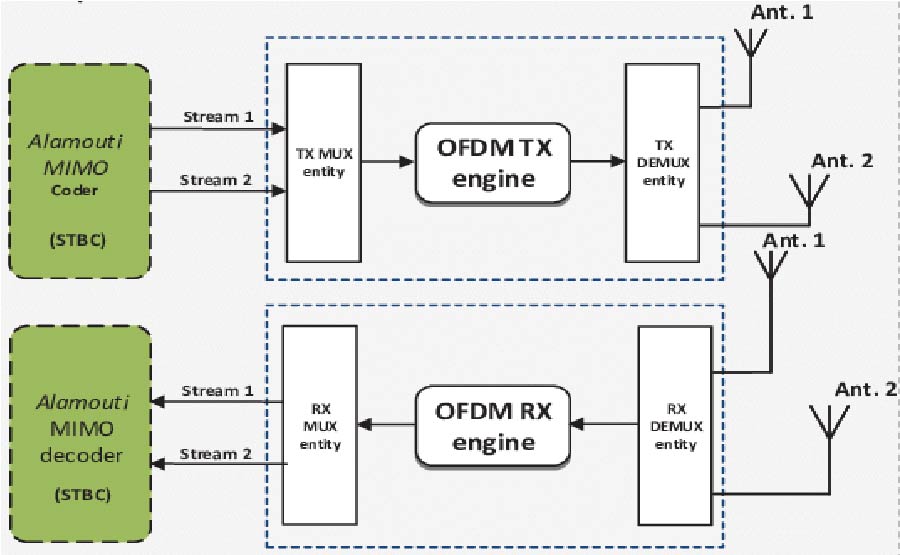
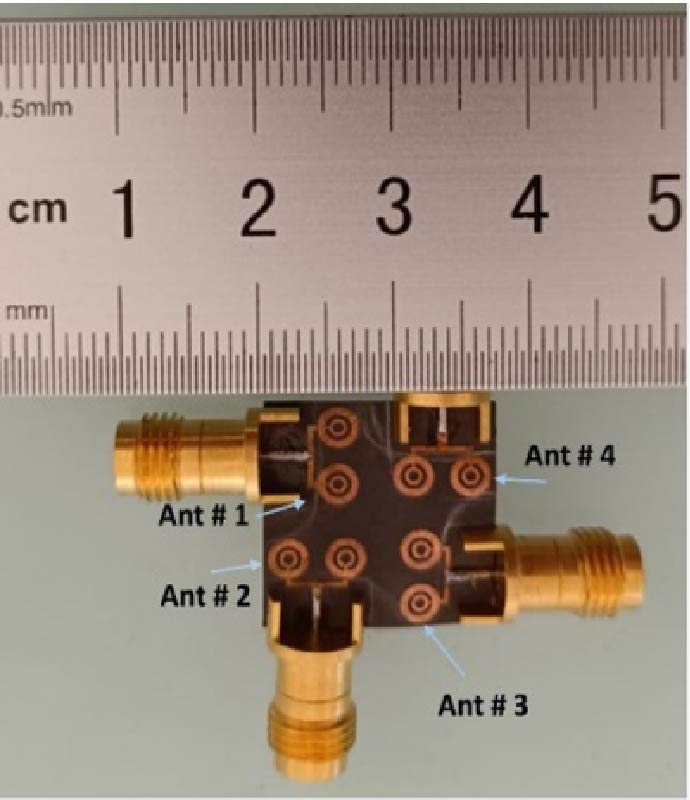
A triple band MIMO antenna is designed and analysed at sub-6GHz for 5G applications on an FR-4 substrate. This paper contains the transition of an antenna from a simple microstrip antenna to the proposed defected L-shaped microstrip patch antenna, which comprises single, 2-element MIMO, and 4-element MIMO antennas with permittivity of 4.3, and the dimensions of those antennas are 60 × 60 mm2, 60 × 120 mm2, and 120 × 120 mm2 correspondingly. These antennas resonate at three resonant frequencies which are 3 GHz, 4.1 GHz and 5.2 GHz under sub-6 GHz. HFSS has been used to design these antennas and to obtain the parameters like S-parameters, gain, VSWR and MIMO parameters like ECC, DG, TARC, and MEG. At those resonant frequencies, single element antenna has S11 of -26.83 dB, -20.06 dB, and -19.16 dB; two element MIMO antennas have S11 of -22.7 dB, -40.09, and -20.54 dB; and quad element MIMO antennas have S11 of -15 dB, -24.8 dB, and -22.7 dB. The overall antenna gains are 2.5061 dBi, 3.1903 dBi, and 4.2989 dBi for single, 2-port, and 4-port MIMO antennas. This antenna is well suited for a range of applications including FWA systems that utilize 3 GHz frequency, Smart Cities and connected vehicles that rely on 4.1 GHz, and high-bandwidth activities such as video streaming, cloud computing, and mission-critical communications that require 5.2 GHz. Additionally, it can support future developments in both 5G and Wi-Fi technologies.
Analysis of a Triple Band MIMO Antenna for Sub-6 GHz Applications
2024-07-04
PIER C
Vol. 145, 21-26
Key Practical Issues of the MoM Using in EMC Uncertainty Simulation
Jinjun Bai , Shaoran Gao , Shenghang Huo and Bing Hu
The Method of Moments (MoM) is widely used in Electromagnetic Compatibility (EMC) uncertain simulation due to its advantages, such as non-embedded simulation, high computational efficiency, and immunity from dimensional disasters. The theoretical research of the MoM has been relatively complete, but many of its key practical issues have not been fully discussed, which will result in the calculation accuracy in practical engineering applications falling short of theoretical expectations. With the help of the Feature Selective Validation (FSV) method, this paper analyzes and discusses two aspects. One is how to reasonably select the perturbation, and the other is the relationship between the uncertainty input size and the accuracy. By solving key practical issues of the MoM, the aim is to further promote it in the EMC field.
Key Practical Issues of the MoM Using in EMC Uncertainty Simulation
2024-07-02
PIER C
Vol. 145, 9-20
A Spatial Electromagnetic Field Analysis Method for Estimating the Dynamic Positions of Multiple Mobile High-Frequency Power Supplies
Rui Zhang , Yanfeng Gao and Jixuan Wang
A spatial electromagnetic field analysis method is proposed by adding variable speed nodes to the circuit topology to estimate the optimal location of multiple mobile high-frequency power supplies at multiple nodes in this paper. In the process of continuous motion, the speed and position of motion affect the accumulated power and loss at the circuit node. At the same time, the transmission efficiency and delay characteristics of the high-frequency mobile power supply will also change with the precise positioning of the mobile power supply and the change of the spatially coupled electromagnetic field. The spatial electromagnetic field analysis method with variable speed nodes is used to divide the circuit topology of mobile high frequency power supply system according to the number of nodes. The continuous motion of variable speed nodes is used to simulate the real-time positioning of multiple mobile high-frequency power sources. By analyzing the real-time variation of the high-frequency electromagnetic field at variable speed nodes, the quantitative relationship between the electromagnetic characteristics of the node space and the speed and positioning of the mobile power supply is established. Finally, the fast optimal positioning of each mobile high-frequency power supply in the continuous moving process is obtained. Compared with the position estimation results obtained by the traditional relation calculation method, when the size is greater than 100, the proposed method can locate the position of multi-mobile high-frequency power supply faster and more accurately, and the circuit efficiency reaches 90%. The simulation results verify the correctness of the theoretical analysis.
A Spatial Electromagnetic Field Analysis Method for Estimating the Dynamic Positions of Multiple Mobile High-frequency Power Supplies
2024-07-02
PIER Letters
Vol. 121, 33-40
Non-Conformal Design and Fabrications of Single Arm Conical Log Spiral Antenna
Purno Ghosh , Frances Harackiewicz , Liton Chandra Paul and Ashish Mahanta
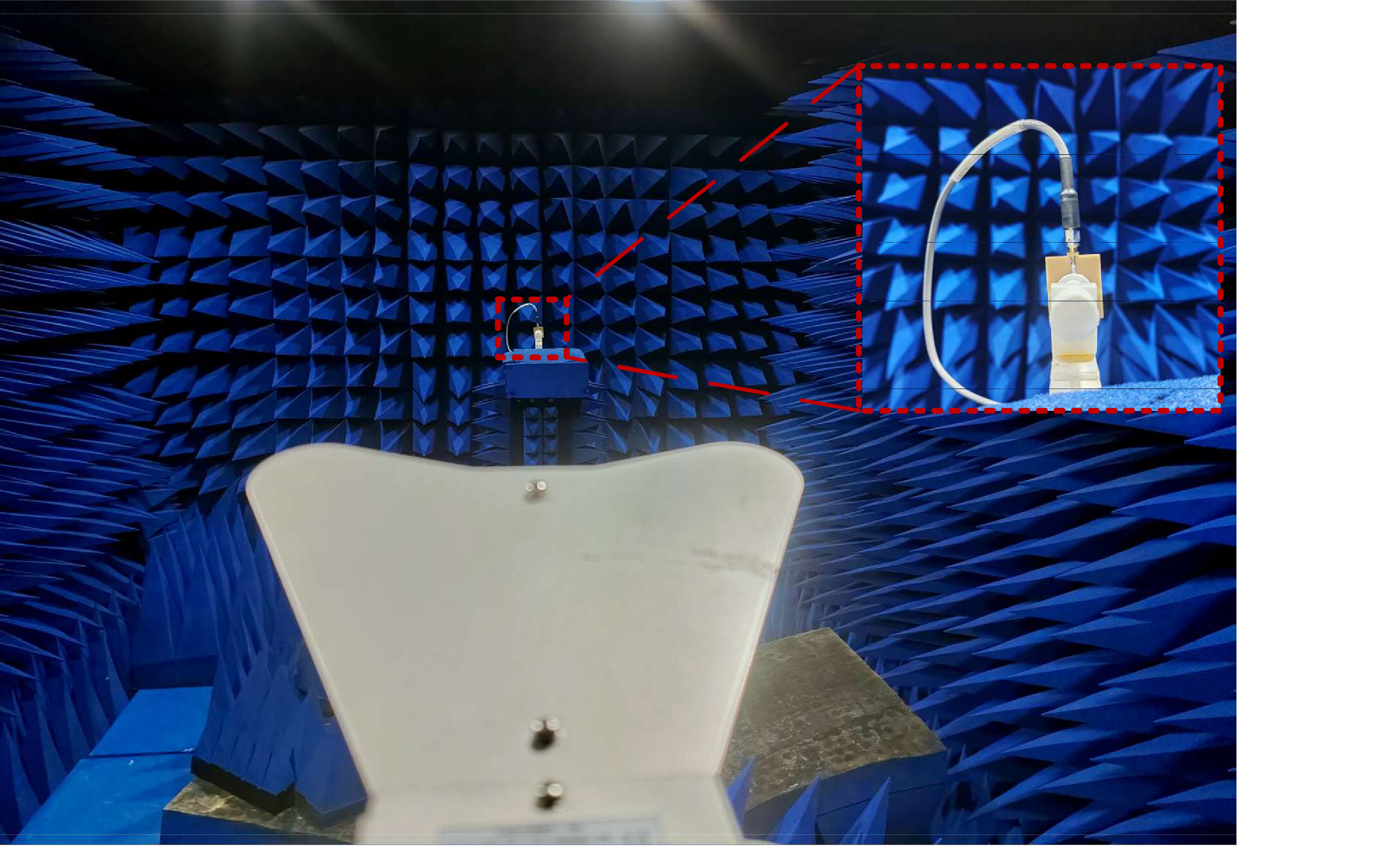
For a conical log spiral antenna (CLSA), it is quite common to place the strip conductor conformally to the conical surface, and the antenna requires an extra impedance matching network. On the other hand, non-conformal orientation can solve the impedance matching issue, but fabrication is not as straightforward as conformal placement. This work considers the non-conformal placement of a strip conductor which facilitates self-matching while using smart additive manufacturing techniques for prototyping to ease the fabrication complexity. The impact of the additional dielectric support on the performance parameters of CLSA is investigated. Finally, the CLSA was prototyped using two different conductive elements (copper strip and conductive paint) on the 3D-printed support. Experimental and numerical results are shown to agree well for both copper strip and paint-based approaches. The self-matched CLSA provided a maximum impedance bandwidth of 128%, 3-dB axial ratio bandwidth (AR BW) of 63.56%, and gains of 10.32±1.94 dBi. The additive manufacturing techniques are shown to allow design flexibility and mitigate fabrication difficulties.
Non-conformal Design and Fabrications of Single Arm Conical Log Spiral Antenna
2024-07-01
PIER C
Vol. 145, 1-8
Theoretical Analysis of Bandwidth Requirements for Damped Sinusoid Measurement
Jing Yang , Wei Wu , Zhizhen Zhu , Zhitong Cui , Yayun Dong , Xin Nie , Fei Cao and Chuan He
High altitude electromagnetic pulse (HEMP) couples to cables and introduces interference into the connected electronic equipment. Responses arising from the transient electromagnetic field typically follow an exponentially damped sinusoid behavior. Thus, damped sinusoids with different parameters are recommended in the International Electrotechnical Commission (IEC) standards as typical injected waveform for HEMP conducted immunity test. To guarantee the compliance of the injected pulse, accurate measurement of the injected pulse is needed. Wideband proportional current sensors are often applied to measure the injected damped sinusoid. However, bandwidth requirements of wideband proportional current sensor for damped sinusoid measurement are not specified. In this paper, two formulae are deduced to establish the relationships between the bandwidth requirements and the fundamental resonance frequency of the damped sinusoid to be measured. It is convenient and simple for the on-site engineers to check whether the bandwidth of the proportional current sensor is suitable by the formulae. Monte-Carlo simulation is conducted in support of the recommended formulae.
Theoretical Analysis of Bandwidth Requirements for Damped Sinusoid Measurement
2024-07-01
PIER B
Vol. 107, 33-45
Outage Prediction and Improvement in 6G for UAV Swarm Relays Using Machine Learning
Hisham Khalil , Gauhar Ali , Saeed Ur Rahman , Muhammad Asim and Mohammed El Affendi
The issue of signal outages in sub-THz frequency communication for future 6G networks is addressed by this research. A machine learning method is proposed, employing Random Forest and K-Means algorithms to predict the optimal frequency band and outage probabilities for UAV relays. Both space and frequency diversity are explored to enhance signal strength, and metasurface-carrying UAVs are introduced with a 16 × 16 mm2 design. This design significantly reduces the predicted outage probability from 0.1% to 0.0178%. Finally, triangular and hexagonal UAV swarm formations with metasurfaces are investigated, demonstrating improved performance through heatmap results.
Outage Prediction and Improvement in 6G for UAV Swarm Relays Using Machine Learning
2024-06-30
PIER C
Vol. 144, 189-198
A Novel Four-State Switchable Dual-Band Bandpass Filter with High off-State Suppression Based on Multi-Mode Resonators
Bingjie Yang , Zhongbao Wang , Hongmei Liu , Mingming Gao and Shao-Jun Fang
A novel switchable dual-band bandpass filter (BPF) is proposed, where each passband can be independently controlled. The filter is composed of a tri-mode resonator, a dual-mode resonator, and feed lines coupling with the resonators. By controlling the PIN diodes loaded on the open end of the resonators, four operating states (i.e., dual bands, lower passband, upper passband, and all-stop band) are realized. A switchable dual-band BPF prototype is designed, fabricated, and measured with the center frequencies of 1.575 and 2.45 GHz having the bandwidths of 300 and 220 MHz, respectively. The prototype occupies an area of 0.128λg2, where λg is the guided wavelength at the center frequency of the lower band (1.575 GHz). The measurement results indicate that the proposed switchable dual-band BPF has low insertion loss and high OFF-state suppression.
A Novel Four-state Switchable Dual-band Bandpass Filter with High OFF-state Suppression Based on Multi-mode Resonators
2024-06-29
PIER C
Vol. 144, 181-188
Design of Miniaturized Dual Band-Pass Filter for ISM and Sub-6 GHz Spectrum by Employing Square Complementary Split Ring Resonator
Thupalli Shaik Mahammed Basha , Arun Raaza , Vishakha Bhujbal and Mathivanan Meena
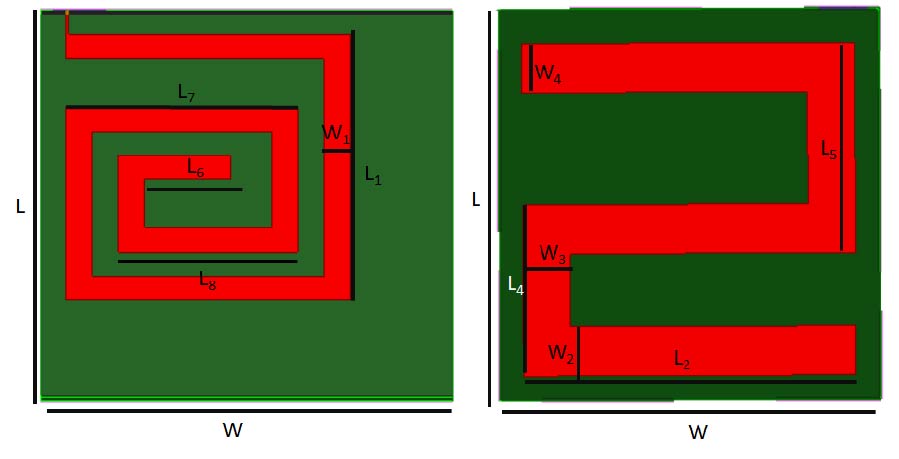
In this proposed work, a miniaturized dual band-pass filter with enhanced selectivity and tunable transmission zero is proposed for an ISM and sub-6 GHz application. The conventional open and short circuited stubs are employed to operate dual band resonance. This prototype consists of a Square Complementary Split Ring Resonator (SCSRR), a unit cell interdigital circuit, and short and open circuited stubs. Further, the selectivity of the filter is enhanced by employing the SCSSR on the ground plane of the filter. The D-CRL resonator consists of a set of interdigital lines that act as main section of the filter which provides dual band-pass filter at ISM and sub-6 GHz bands with the bandwidths of 0.3 GHz and 0.75 GHz, respectively. The experimentally validated filter has 39 and 59% 3-dB fraction bandwidths, maximum insertion losses on both the bands below 0.31 dB, passband impedance matching more than 31 dB, group delay in the range of 0.25 to 0.61 ns, stopband to passband selectivity 89 dB/GHz, and passband to stopband selectivity 93 dB/GHz. The presented dual-band prototype is a better candidate to use in ISM and sub-6 GHz spectrum based high speed digital communication.
Design of Miniaturized Dual Band-Pass Filter for ISM and Sub-6 GHz Spectrum by Employing Square Complementary Split Ring Resonator
2024-06-29
PIER C
Vol. 144, 169-180
Design of Double-Layer Circular Polarization Multiplex Focusing Metasurface Lens
Honggang Hao , Zhonglyu Cai , Bao Li and Pan Tang
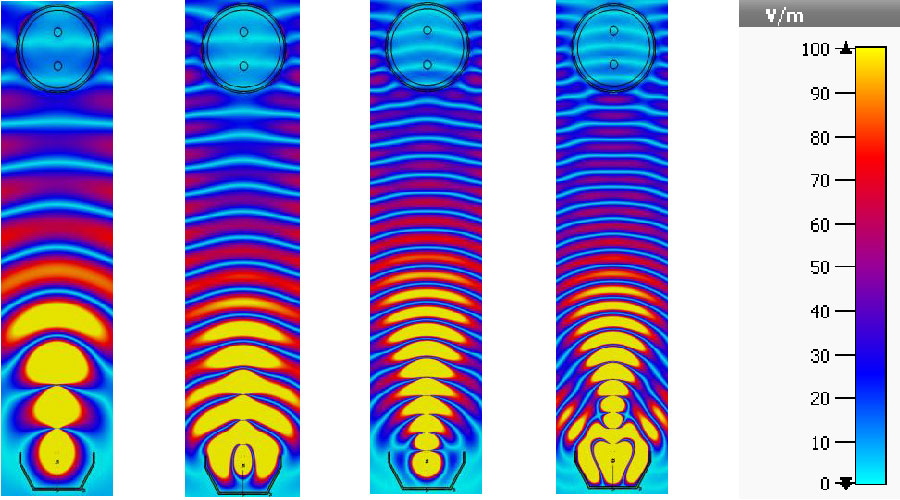
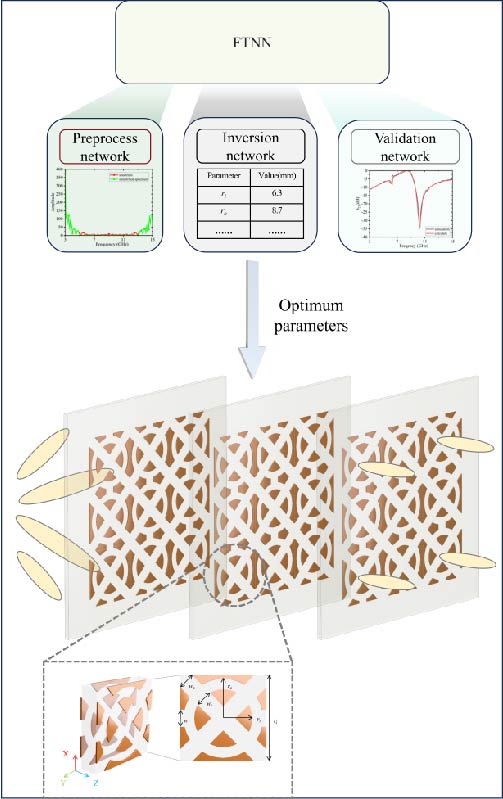
Addressing the problem of Pancharatnam-Berry (PB) phase metasurface mutual coupling and single functionality under orthogonal circularly polarized wave incidence, a circularly polarized multiplexing focusing metasurface lens with polarization conversion functionality operating at 24 GHz is proposed using the method of jointly modulating PB phase and resonance phase. The metasurface unit is composed of two layers of dielectric plates covered with metal patterns on both sides separated by air. By varying the parameter sizes of each joint of the windmill-shaped metal pattern, the resonance phase of the unit can be independently controlled in the x-polarization and y-polarization directions, achieving a phase coverage close to 320° while maintaining a transmission magnitude greater than 0.8. By rotating the metal pattern, the size of the PB phase can be freely controlled. Adjusting the parameters of the metal pattern, the unit has a phase difference of 180° in the x- and y-polarization directions, achieving polarization conversion of circularly polarized waves, with its polarization conversion rate (PCR) approaching 100% near the operating frequency band. Simulation and test results show that under left-handed and right-handed circularly polarized wave incidence, the metasurface lens achieves single-point focusing effects at different positions, with focusing efficiencies of 45.6% and 45.9%, and focal spot sizes of -3 dB of 8.8 mm and 8.4 mm, respectively. This work is expected to be applied in fields such as K-band satellite communication, wireless power transmission, and 24 GHz automotive millimeter-wave radar.
Design of Double-layer Circular Polarization Multiplex Focusing Metasurface Lens
2024-06-29
PIER B
Vol. 107, 19-31
Bandwidth Enhancement Methods Analysis for High-Gain Stacked Microstrip Antenna
Mikhail S. Shishkin
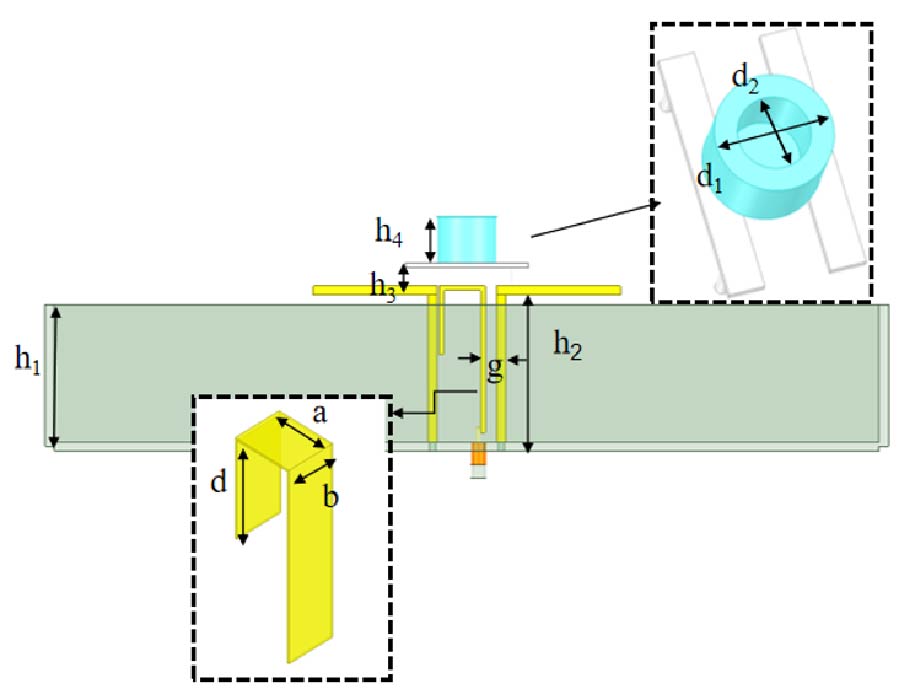
This article presents the results of the bandwidth enhancement method analysis for a stacked microstrip antenna. Based on the analysis results, a new design of a wideband, compact, high-strength antenna is proposed. Antenna operates in a wide frequency band of 4660 to 6048 MHz (~26%) with an impedance bandwidth matching of 15 dB; throughout its whole operating frequency range, the antenna gain is from 11 to 13.4 dBi. The antenna allows it to form a specific shape of radiation pattern with coverage predominantly in the upper (lower) hemisphere and a fixed main lobe deflection angle of about 4 degrees in the elevation plane. The antenna consists of a wideband E-shaped active exciter and four passive rectangular exciters placed above the conductive plane (screen). All elements are made of sheet metal (e.g., stainless steel). The antenna size is 1.4λmax×1.4λmax (1.6λ0×1.6λ0). The analysis of the characteristics of the designed antenna was per-formed using simulation in the ANSYS EM Suite. A prototype was made, and its properties were measured. The proposed antenna may be designed with a different frequency band with a matching band of about 25% and can be used as a wireless communication system repeater or small cell antenna, as a ground station antenna in unmanned aircraft systems, or for other wideband applications with high gain.
Bandwidth Enhancement Methods Analysis for High-gain Stacked Microstrip Antenna
2024-06-28
PIER B
Vol. 107, 1-18
Synthesis of Shaped, Reconfigurable, and Envelope Beam for Linear Array Using a Hybrid Whale Optimization Algorithm
Pengliang Yuan
Whale optimization algorithm (WOA) has been demonstrated to be a powerful strategy for various kinds of optimized problems. However, the direct use of WOA to tackle the shaped pattern synthesis can not reach the satisfactory result. To overcome this problem, a hybrid whale optimization algorithm(HWOA) is proposed in this paper, through integrating the invasive weed optimization (IWO) and hyper chaotic system into the standard WOA to improve the population diversity and convergence speed. To demonstrate the performance of HWOA, various runs of tests are conducted for the most widely used benchmark functions. The statistical result shows that the proposed HWOA can attain a superior performance, in comparison with other state-of-the-art algorithms. To investigate the effectiveness and feasibility of the proposed HWOA in the linear array synthesis, the simulation experiments for synthesis of shaped, reconfigurable and envelope pattern in the main and side lobe are done, and the corresponding numerical results are provided. In the shaped beams synthesis, the specified PSLL and maximal ripple are respectively -25 dB and 1 dB, and HWOA has a PSLL improvement of 0.2 dB and a ripple improvement of 0.27 dB. For the reconfigurable beams synthesis, the technique specification is the same as the shaped beams synthesis. The optimal PSLL reaches -25.57 dB, and the optimal ripple is 0.3873 dB. For the envelope synthesis, the main lobe region of line envelop lies in θ ∈ [85°, 95°], and the side lobe levels are decreased from -30 dB to -40 dB along a line. The maximal error of the optimal result is only 0.2dB. In particular, a new form of fitness function to facilitate the envelope synthesis is also presented.
Synthesis of Shaped, Reconfigurable, and Envelope Beam for Linear Array Using a Hybrid Whale Optimization Algorithm
2024-06-26
PIER C
Vol. 144, 159-168
A Racket-Like UWB MIMO Antenna with High Isolation
Zhonggen Wang , Guoxiang Song , Wenyan Nie , Ming Yang , Chenlu Li and Mingqing Wang
In this paper, a dual-port ultra-wideband (UWB) MIMO antenna is proposed, featuring a highly compact structure with dimensions of only 25×36×1.6 mm3. The designed antenna comprises two racket-shaped monopole antennas and a defective floor. Cross slots on the original T-shaped floor impede coupling current flow, significantly enhancing antenna isolation to achieve over 20 dB isolation across most frequency bands. The antenna operates at frequencies from 2.74~14.8 GHz, meeting the stringent design criteria for UWB antennas. Furthermore, the diversity performance of the antenna is rigorously analyzed by simulating the envelope correlation coefficient (ECC), diversity gain (DG), total active reflection coefficient (TARC), and channel capacity losses (CCL). The designed antenna demonstrates excellent performance through comprehensive simulation and testing, showcasing its potential for applications in UWB MIMO systems.
A Racket-like UWB MIMO Antenna with High Isolation
2024-06-25
PIER C
Vol. 144, 147-158
Research on RCS Data Validation Based on SPWVD
Jiaxin Shi , Jun Hu , Zhiwei Gao , Lizhong Song , Huapeng Zhao , Ran Zhao , Wei Chen and Min Zhang
At present, Feature Selective Validation(FSV) is the most common data verification method of computational electromagnetics, and its effectiveness has been verified since its release in 2006, but since the main research object of this method is electromagnetic compatibility data, the 8 sets of data used for algorithm training also come from the field of electromagnetic compatibility, and its data curve has the characteristics of gentle waveform and small fluctuations. However, Radar Cross Section(RCS) data, especially high-frequency RCS data, usually have complex waveforms and drastic fluctuations, and the results obtained by the FSV method are often quite different from those obtained by experts. This paper proposes a new data verification method based on Smoothed Pseudo Wigner-Ville Distribution(SPWVD) algorithm for RCS data, which integrates the characteristics of RCS data and expert evaluation experience, and verifies its effectiveness in RCS data verification.
Research on RCS Data Validation Based on SPWVD
2024-06-24
PIER
Vol. 179, 95-100
Dispersion Compensation for Spoof Plasmonic Circuits
Wenyao Zou , Wen Xuan Tang , Jingjing Zhang , Shanwen Luo , Facheng Liu , Haochi Zhang , Yu Luo and Tie-Jun Cui
Spoof surface plasmon polariton (SSPP) transmission lines (TLs) provide a possible way to confining transmitted signals in deep subwavelength scale. SSPP TLs can suppress the mutual coupling between adjacent channels and improve the signal integrity, providing a promising alternative to conventional transmission lines. However, SSPP structures generally possess strong chromatic dispersion (i.e. signals at different frequencies propagate with different velocities), resulting in significant pulse distortion. Such drawback greatly hampers the practical application of SSPP TLs, especially in the long range transmission. To tackle this bottleneck problem, we propose a dispersion-compensation mechanism, where a section of judiciously designed TL with an opposite-dispersion characteristic is added to the SSPP circuit to achieve minimized total dispersion of the link within a broad frequency range. The experimental results indicate an impressive improvement of 72.46% for the SSPP transmission line in the stability of the circuit group delay after applying the dispersion compensation approach. This hybrid transmission line has high transmission efficiency without inducing group delay dispersion of the signals. Our design scheme can be easily extended to other frequency band, offering a possible solution to high-performance signal transmission in future integrated circuits.
Dispersion Compensation for Spoof Plasmonic Circuits
2024-06-23
PIER
Vol. 179, 83-94
Wave Manipulation with mmWave Wide Bandwidth and Extensive Spatial Coverage Using 1-Bit Reconfigurable Intelligent Surface
Saiful Islam , Van Linh Pham , Tae Hwan Jang and Hyoungsuk Yoo
We present an advanced approach to wave manipulation utilizing mmWave wide bandwidth, enhanced gain, and extensive spatial coverage through a 1-bit stacked patch reconfigurable intelligent surface (RIS). The RIS was designed on a four-layer board based on RO4350B, featuring a stacked patch on the front and phase-shifter components with a biasing line on the back of board. This sophisticated RIS comprises 400 elements, with a total array size of 100 × 100 mm2, providing a remarkable bandwidth of 7.02 GHz to cover the n257 band. Through a meticulous blend of simulations and real-world implementation, we emphasize the adaptability of the RIS in steering beams, maintaining a minimum gain variation and ensuring the gain of 21.03 to 15.17 dBi up to ±80˚ beam steering on normal incidence. Our study explores various beam manipulation scenarios, including near-to-far-field, far-to-far-field, and far-to-near-field transformations. The successful fabrication of the proposed RIS, combined with communication performance tests across the n257 band, underscores the practical applicability and robust performance of the system in real-world scenarios, thereby ensuring link throughput. The comprehensive investigation provides valuable insights into the design, simulation, fabrication, and performance evaluation of mmWave RIS. The successful integration of theoretical insights with empirical validations positions the present study at the forefront of mmWave innovation, with significant implications for the future of various research and wireless communication technologies.
Wave Manipulation with mmWave Wide Bandwidth and Extensive Spatial Coverage Using 1-bit Reconfigurable Intelligent Surface
2024-06-23
PIER B
Vol. 106, 151-165
Equivalent Circuit Model of Antenna Array Utilizing an Archimedean Spiral Sequential Feed Network for C-Band Applications
Khalid Subhi Ahmad , Fauziahanim Che Seman , Shipun Anuar Hamzah , Khaled Alhassoon , Tale Saeidi , Zahriladha Zakaria and Ahmed Jamal Abdullah Al-Gburi
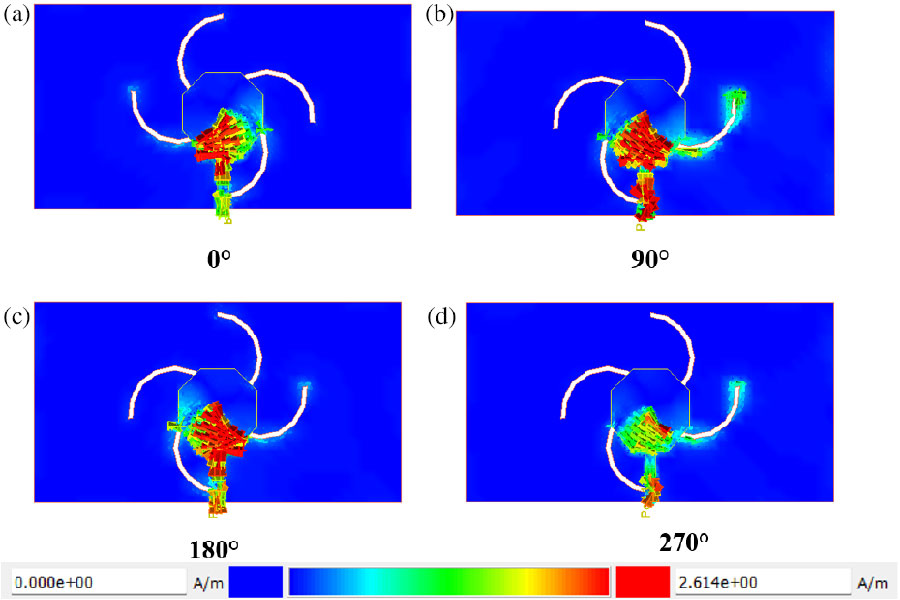
This paper introduces the configuration of a microstrip antenna array with a new Archimedean spiral sequential feed network (SSFN) for the upper half of the C-band application. The Archimedean SSFN mechanism uses four circular patch elements to structure the proposed antenna array. The optimized reflection loss (S11) of the proposed SSFN mechanism was obtained by tuning the dimensions of each transformer and then connected with an antenna array. Aiming to make the suggested antenna array compact in size, bending feed lines were utilized. The antenna array is designed with overall physical dimensions of 75 mm × 75 mm × 1.575 mm, with an electrical size of 1.85λo mm, 1.85λo mm, 0.038λo at a frequency of 7.43 GHz. An equivalent circuit model (ECM) is designed and analyzed to verify the proposed Archimedean SSFN and the designed antenna array. Reflection losses of SSFN and microstrip spiral antenna array (SAA) were confirmed with the suggested circuit model utilizing Computer Simulation Technology (CST) Microwave Studio and Applied Wave Research (AWR) Microwave Office software. According to the empirical results, the SAA has a reflection loss bandwidth of 2.08 GHz (6.15-8.23 GHz) and a maximum gain of 10.2 dBi at 7.43 GHz. The axial ratio (AR) of the proposed antenna covers a bandwidth of 1.6 GHz (6.2-7.8 GHz), which is approximately 22.85% of the entire bandwidth. These results demonstrate a perfect agreement between the simulated and measured outcomes, making the suggested SAA suitable for the C-band wireless application.
Equivalent Circuit Model of Antenna Array Utilizing an Archimedean Spiral Sequential Feed Network for C-band Applications
2024-06-22
PIER
Vol. 179, 71-81
Design of High-Performance Antenna System for High-Speed Railways
Wenrui Zheng and Hui Li
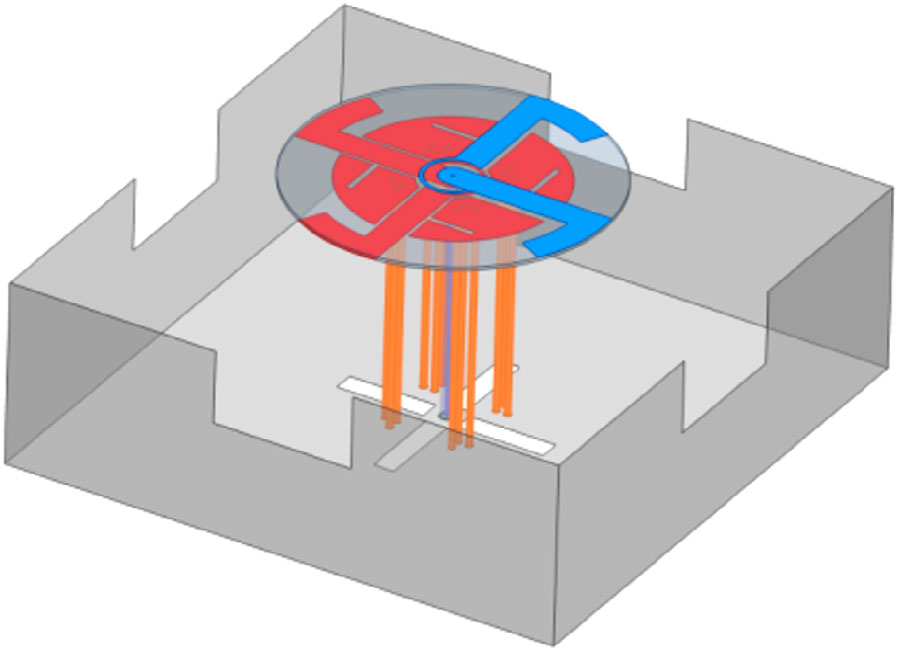
In this paper, a systematic and efficient method is proposed to collectively synthesize the pattern for multiple antennas on high-speed railways (HSRs) based on pixel structures and N-port network, achieving an overall omnidirectional circularly polarized (OCP) pattern over a broad elevation angle. The integration of flush-mounted antennas not only enhances communication quality but also eliminates the undesired aerodynamic drag. Network parameters and radiating features of the N-port network based on the pixel structures are firstly retained through full-wave simulations. Subsequently, without resorting to extra simulations, the configurations of multiple antennas are precisely synthesized through numerical calculations. The beam direction and beam width of each element can be automatically adjusted, promoting a seamless omnidirectional radiation feature. Following the approach, the proposed antenna thoroughly cover the 5G N41 band (2.515-2.675 GHz), delivering omnidirectional, high-gain, right-hand CP radiation throughout the entire 160 MHz band from θ = 50˚ to 100˚. The averaged CP gains and ARs reach 6.09 dBi and 2.36 dB, respectively, within the target region. The antenna system was validated experimentally, with the measured results agreeing well with the simulated ones. Such radiating characteristics perfectly match the established base stations antennas.
Design of High-performance Antenna System for High-speed Railways
2024-06-21
PIER C
Vol. 144, 137-145
Integrated Prediction of Condensation-Corrosion-Shielding Effectiveness of Metal Box with Gaps by Simulations
Jinjun Bai , Xiaolong Li , Jianshu Zhou and Ming Li
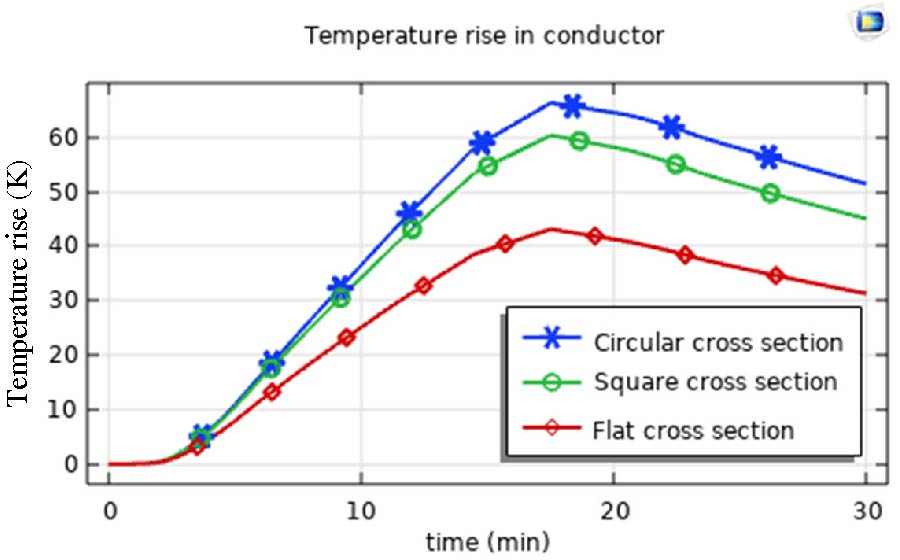
With the advancement of the intelligent process, all kinds of electrical equipment are highly dense in space, and the impact of electromagnetic interference on high-precision electronic equipment cannot be ignored. Metal shielding shell is one of the effective means to reduce electromagnetic interference. The heat dissipation holes on the surface of the shielded box are often used to maintain the normal operating temperature of the internal equipment, which will reduce the electromagnetic shielding effectiveness of the box. At the same time, due to the existence of capillary effect, condensation is very easy to occur at the hole gap, and the corrosion caused by it will further reduce the overall shielding effectiveness of the metal box. At present, there are few studies on the integrated prediction of ``condensation-corrosion-shielding effectiveness'' of metal boxes. Based on the commercial multi-physics simulation software COMSOL, this paper first simulates the condensation of a metal box in a high-humidity environment by constructing temperature, humidity, and moisture transport fields. Then, the current field and deformation field are constructed to predict the corrosion phenomenon at the gap of the metal box, and finally the electromagnetic field is constructed to predict the electromagnetic shielding efficiency of metal boxes at different frequencies. The joint multi-physics coupling simulation of condensation, corrosion and electromagnetic shielding effectiveness phenomena is realized.
Integrated Prediction of Condensation-corrosion-shielding Effectiveness of Metal Box with Gaps by Simulations
2024-06-21
PIER C
Vol. 144, 127-135
Frequency Reconfigurable Circular Monopole Antenna with Key Shaped Ground Stub
Sweta Agarwal , Akanksha Singh and Manoj Kumar Meshram
In this paper, a unique low profile double stubbed ground plane frequency reconfigurable circular monopole antenna is introduced. The ground plane contains two RF-PIN diodes that enable the antenna to be reconfigured in ultra-wideband (3.2-10.8 GHz) and dual frequency (2.8-4.01 GHz and 7.56-8.2 GHz) modes. The proposed antenna is designed using an FR-4 substrate with the dimension about 33 × 28 × 1.6 mm3. The impedance matching of the antenna at ultra-wideband operation is improved by a defected ground structure. The measured and simulated results of the antenna are in close agreement. This antenna is useful for cognitive radio application.
Frequency Reconfigurable Circular Monopole Antenna with Key Shaped Ground Stub