Search Results(13786)

2024-07-19
PIER Letters
Vol. 121, 93-99
Wearable Metamaterial Inspired Antenna for ISM, WiMAX, WLAN, Wi-Fi 6E(6 GHz), Aeronautical Radio Navigation and Radio-Location Applications
Navneet Sharma , Himani and Shilpa Srivastava
A compact, spectacle shaped, tri-band, metamaterial inspired antenna is designed for ISM, WiMax, WLAN, Wi-Fi 6E 6 GHz, Aeronautical Radio navigation and Radio-Location Applications. The radiating electrical length is modified by two successive CSRR structures to mitigate the current and create a band notch at 3.9 GHz as well as 5.5 GHz. The proposed prototype is designed on low cost FR-4 material. Antenna performance parameters are investigated on a four-layered phantom model. The results obtained reveal that the antenna works well on free space as well as at the close proximity to human tissues.
Wearable Metamaterial Inspired Antenna for ISM, WiMax, WLAN, Wi-Fi 6E(6 GHz), Aeronautical Radio Navigation and Radio-location Applications
2024-07-18
PIER C
Vol. 145, 83-90
Sampling Strategy Selection for EMC Simulation Surrogate Model in Uncertainty Analysis and Electromagnetic Optimization Design
Shenghang Huo , Jinjun Bai , Shaoran Gao and Yule Liu
Surrogate models have been gradually promoted in electromagnetic compatibility (EMC) simulation in recent years, and two typical application scenarios are uncertainty analysis and electromagnetic optimization design. The surrogate model can simulate the forward EMC simulation process as accurately as possible with relatively few sampling points. The choice and number of sampling points will directly determine the accuracy of the surrogate model. The purpose investigated by uncertainty analysis and electromagnetic optimization design is different. How to choose appropriate sampling strategies is worth discussing, but there are fewer studies in the field at this stage. This paper applies a cascaded cable crosstalk example to explore the accuracy of the surrogate model under different sampling strategies, which provides a theoretical level of guidance for the application of the surrogate model in EMC simulation. The study enables the surrogate model to be better suited for two application scenarios: uncertainty analysis and electromagnetic optimization design.
Sampling Strategy Selection for EMC Simulation Surrogate Model in Uncertainty Analysis and Electromagnetic Optimization Design
2024-07-18
PIER C
Vol. 145, 75-82
Miniaturized Novel Multi Resonance Monopole Planar Antenna with Slots, Slits, Split Ring Resonator
Prasanna L. Zade and Sachin S. Khade
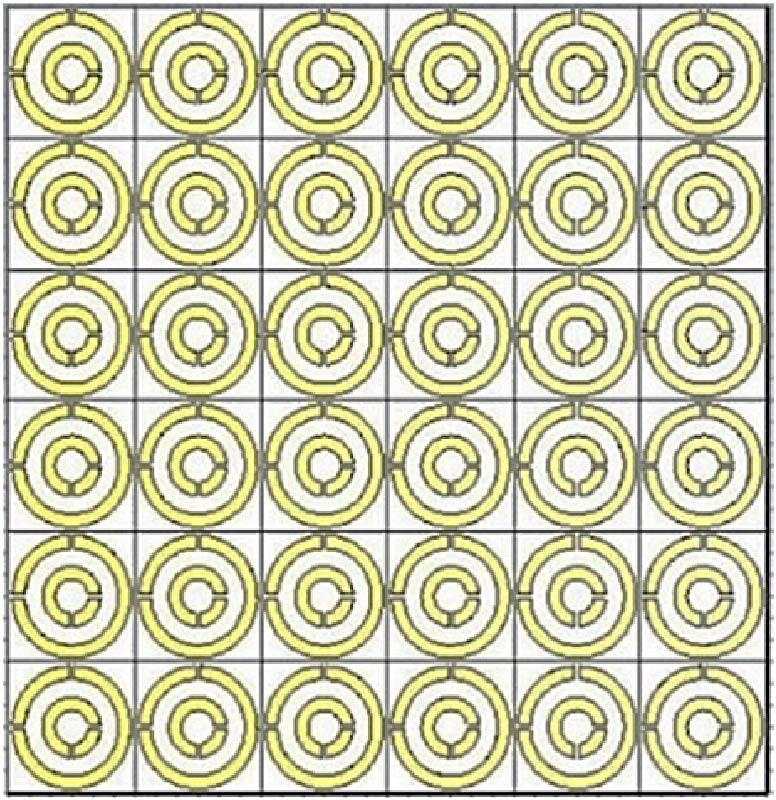
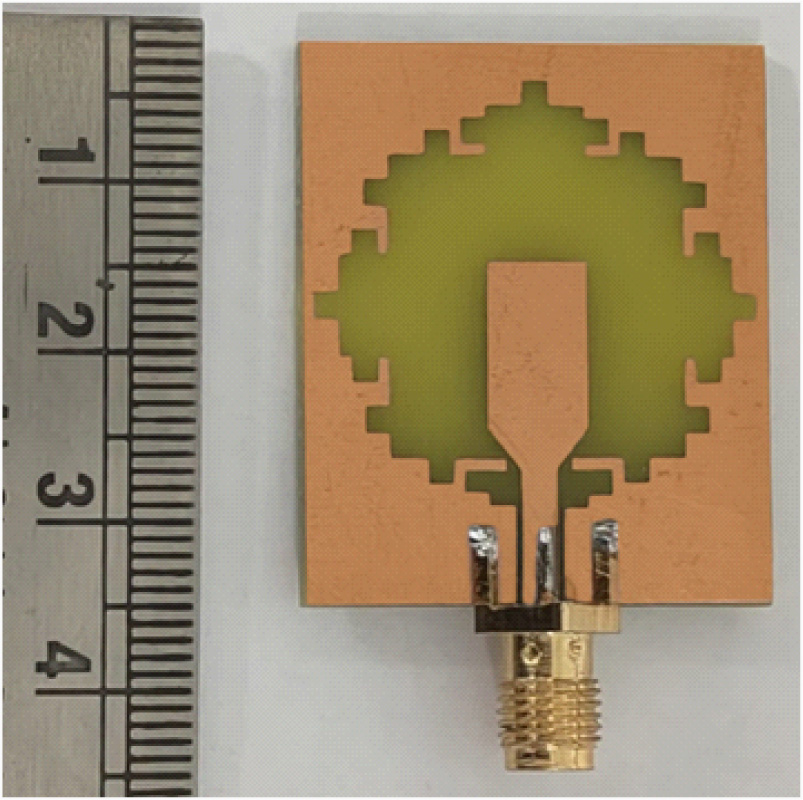
The proposed multi-resonant monopole antenna has a compact design and operates between 2.9 and 6 GHz, effectively covering the full 5G sub-6 GHz spectrum (N77/N78/N79) as well as WLAN frequency ranges. This Miniaturized Multi-resonance Monopole Planar Antenna (MMMPA), having dimensions 25 × 16 × 1.6 mm3 (L x W x h), is ideally suited for wireless communication devices and systems. The antenna achieves triple resonances, encompassing the frequency bands from 2.9 to 6 GHz, through an inventive construction consisting of rectangular patch, U slots, key-shaped slots, split ring resonators, and annular rings forming an electromagnetic band-gap (EBG) structure. A strong degree of agreement and correlation amongst the simulation and measurement findings attests to the antenna's dependable operation. Even though the patch size was reduced by around 65%.
Miniaturized Novel Multi Resonance Monopole Planar Antenna with Slots, Slits, Split Ring Resonator
2024-07-18
PIER B
Vol. 107, 91-103
Canay Inductance Impact Characterization on Dynamic Behaviour of Synchronous Machines
Farid Leguebedj , Djamel Boukhetala and Madjid Teguar
The conventional synchronous generator model accurately represents only the stator circuit. However, when considering transient effects on rotor quantities such as rotor voltage and current, accurate predictions can be achieved by properly incorporating the field and damper considerations with the stator circuits in an equivalent model. Besides, it has been observed that simulated responses obtained using the conventional model with calculated machine parameters frequently do not align well with the actual measured responses, especially for the rotor winding. This paper analyzes the effect of the d and q axis parameters of synchronous machines, focusing on accurately determining these parameters, particularly the Canay inductance. It investigates the impact of precise determination of these parameters from the time constants of the direct axis operational inductance on transient response and stability. Through simulation studies on a high order model synchronous generator system, the paper compares transient performances with and without considering Canay inductance, shedding light on its effects.
Canay Inductance Impact Characterization on Dynamic Behaviour of Synchronous Machines
2024-07-17
PIER M
Vol. 128, 1-9
A 3-Band Iteration Method to Transfer Knowledge Learned in RGB Pretrained Models to Hyperspectral Domain
Lei Wang and Sailing He
We propose a 3-band iteration method to transfer knowledge learned from RGB (red, green and blue) data pretrained models to the hyperspectral domain. We demonstrate classification of a Multi-spectral Choledoch database for cholangiocarcinoma diagnosis. The results show quicker and more stable training progress: 92%+ top-1 accuracy in the initial 3 epochs. Some advanced training techniques in the RGB computer vision field can be easily utilized and transferred to the hyperspectral domain without adding more parameters to the original architecture. The computational cost and hardware requirements remain the same. After voting, the highest top-1 accuracy on the validation set reached 95.4%, and the highest top-1 accuracy on the test set reached 94.3%. We can directly use our models trained on high-dimensional spectral images to test and infer on RGB color images. We visualized some results by Grad-CAM (Gradient-weighted Class Activation Mapping) on RGB test data, and it shows the transferability of knowledge. We trained the models solely on classification task on spectral data, and these models showed their ability to predict on RGB images with different fields of views. The results indicate good segmentation even when the model has never been trained on any segmentation task.
A 3-band Iteration Method to Transfer Knowledge Learned in RGB Pretrained Models to Hyperspectral Domain
2024-07-17
PIER Letters
Vol. 121, 87-91
A Novel Three-Coil WPT System with Automatic CC-CV Transition Function
Xuebin Zhou , Yilin Wang , Yuhang Jiang and Lin Yang
In order to prolong the service life of lithium batteries, the charging process is usually divided into two stages: first constant current (CC) charging, and then constant voltage (CV) charging. This letter proposes a three-coil structure wireless power transfer (WPT) system to realize inherent CC and CV characteristics and automatic CC-CV transition function. During charging, the proposed system can operate in S-S-LCC tank for CC charging and in S-S-S tank for CV charging, respectively. Different from the previous closed-loop control, hybrid topology switching and dual-frequency switching methods, the proposed method has automatic CC-CV transition function due to the special circuit structure. Therefore, the communication links, state-of-charge detection circuits and open-circuit protection circuits are omitted, which ensures the high reliability and low cost of the system. Finally, a verification experimental prototype with a rated power of 480 W is built to verify the feasibility of the proposed system.
A Novel Three-coil WPT System with Automatic CC-CV Transition Function
2024-07-17
PIER Letters
Vol. 121, 79-85
A Dual-Band Four-Port Printed MIMO Antenna with Enhanced Isolation and Polarization Diversity for Midband 5G Applications
Vishnupriya Rajagopalan , Sanish Vaipel Sanu and Stephen Rodrigues
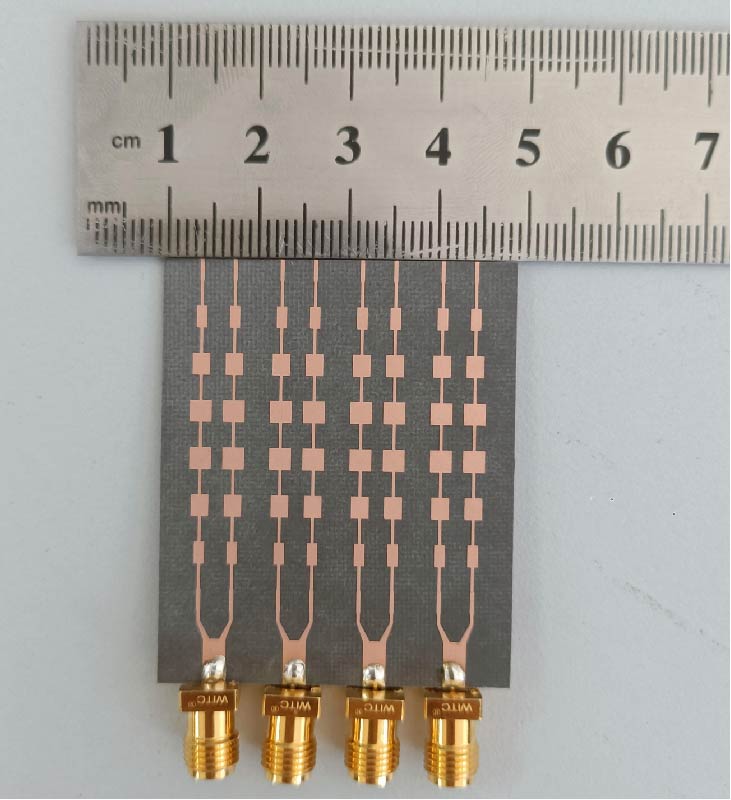
A compact four-port dual-band compact multiple-input multiple-output (MIMO) antenna system with reduced mutual coupling is proposed in this paper. The dual-band antenna operates in the frequency range covering 3.1-3.6 GHz (5G NR, n78) and in the newly introduced 5G midband spectrum of 5.925-7.125 GHz (5G NR, n96). The proposed MIMO antenna system is compact with dimensions 65 × 65 × 0.8 mm3 and has isolation ≤ -20 dB among all ports. The single monopole antenna is loaded with multiple resonant branches designed and optimized with impedance bandwidths of 14.92% at 3.35 GHz and 18.46% at 6.5 GHz. Impedance bandwidth, polarization diversity, and mutual coupling between elements for the designed four-port MIMO antenna system are measured. The proposed design is fabricated using an FR4 epoxy substrate, and the measured gain values are 3.9 dB and 4.8 dB for 3.3 GHz and 6.5 GHz, respectively, with nearly omnidirectional radiation pattern.
A Dual-Band Four-Port Printed MIMO Antenna with Enhanced Isolation and Polarization Diversity for Midband 5G Applications
2024-07-16
PIER C
Vol. 145, 63-74
Dual-Band Circularly Polarized Antenna with Wide Axial-Ratio and Gain Beamwidths for High-Precision BDS Applications
Junhao Ren , Hongmei Liu , Youjie Zeng , Zhongbao Wang and Shao-Jun Fang
In the paper, a dual-band circularly polarized (CP) antenna with wide axial-ratio and gain beamwidths is proposed for high-precision BDS applications. The radiator is consisted of four groups of dipoles, eight metal columns, and a reflector. The half-power beam width (HPBW) can be effectively increased by bending a portion of the dipole into an arc and loading a series of metal columns on the ground. Besides, a reactive impedance structure (RIS) is inserted serves as a reflector to improve the axial ratio beamwidth (ARBW) and obtain unidirectional radiation. At the same layer of the dipoles, a four-feed network is presented to provide stable quadrature-phase excitation. For validation, the designed antenna is manufactured, where the overall size is 0.48λ0 × 0.48λ0 × 0.12λ0. Measurement results suggest that the proposed antenna is capable of operating efficiently within the frequency range of 1.17-1.22 GHz (4.2%) and 1.5-1.65 GHz (9.5%), which covers BDS B1 and B2 band. Moreover, at four main planes, the measured 3-dB ARBW/HPBW are more than 121°/121° and 150°/198° at 1.207 GHz and 1.561 GHz, separately. Consider that the proposed CP antenna exhibits wide overlapped beamwidth and small size, it is conducive to high-precision positioning in BDS applications.
Dual-band Circularly Polarized Antenna with Wide Axial-ratio and Gain Beamwidths for High-precision BDS Applications
2024-07-16
PIER C
Vol. 145, 53-61
Design of 5G Multi-Frequency Antenna Based on Multi-Objective Sequential Domain Patching
Wenjian Zhu , Jiayi Chen , Panshi Hu , Zhi Song and Yanbing Xue
This paper introduces a 5G multi-frequency antenna design method based on multi-objective sequential domain patching. By etching helical metamaterials on radiation patches and loading asymmetric electric-inductive-capacitive metamaterials on the transmission line side, the antenna structure is designed and optimized using electromagnetic simulation software, HFSS, and MATLAB. The resulting multi-frequency antenna operates across multiple frequency bands: n1, n41, 3.5G, and 4.9G. To ensure antenna performance and radiation efficiency, the antenna multi-frequency bands are precisely controlled. The experimental results show that the error between each operating frequency band and target frequency bands of the antenna is within 7.2%. Compared with conventional antenna design methods, the use of metamaterials and intelligent algorithms to optimize the structural parameters and loading positions of metamaterials can improve antenna performance while shortening the design cycle. Overall, this research offers novel insights into the design of 5G high-performance antennas.
Design of 5G Multi-frequency Antenna Based on Multi-objective Sequential Domain Patching
2024-07-16
PIER Letters
Vol. 121, 71-77
Inclination Detection of Multi-Mode Orbital Angular Momentum Based on Multi-Label Class-Specific Lightweight Neural Network
Hui Yang , Yifei Cheng , Zhong Yu , Zhe Wang and Yi Lu
Orbital angular momentum (OAM) becomes a new resource for wireless communication due to the different modes being orthogonal. In OAM-based wireless communications, factors such as tilt and multipath distort the phase of the OAM beam, making the mode difficult to detect. We propose a multi-label class-specific lightweight neural network (MCSLNN) to measure tilt and detect mode from a single image. MCSLNN utilizes the MobileNetV2 network as the backbone feature extraction network, considering the terminal devices with limited computing resources. To improve the performance of multi-label classification, MCSLNN employs residual class-specific attention (CSRA) as the classification layer. Furthermore, MCSLNN employs the beam steering method to verify the correctness of the measured tilt. The network measures the tilt angle with an accuracy of 76% and an estimation error of ±1° in a validation experiment. Finally, we analyze the network's generalization from varying heights above the ground for reflection paths. The results indicate that MCSLNN is adaptable to diverse circumstances, thus making it suitable for 6G communication and radar applications.
Inclination Detection of Multi-mode Orbital Angular Momentum Based on Multi-label Class-specific Lightweight Neural Network
2024-07-15
PIER B
Vol. 107, 77-90
Flexible Discretization of Singular Green Functions Using a Composite Spectral Integration Path
Daan van den Hof , Martijn Constant van Beurden and Roeland Johannes Dilz
Scattering of electromagnetic waves by a dielectric object can be described as an integral equation involving a Green function. These types of problems can be solved using a spatial spectral formulation, which requires sampling of the spectral Green function. To avoid sampling around the singularities on or near the real axis, the spectral Green function is represented on three separate complex paths. Using appropriate selection functions, these paths are recombined such that the original Fourier integrals are retrieved. This composite path method provides a general way to solve domain integral equations involving Green functions with simple singularities with minimal computational overhead.
Flexible Discretization of Singular Green Functions Using a Composite Spectral Integration Path
2024-07-14
PIER C
Vol. 145, 45-51
High-Performance Ceramic Filter Design Based on Six-Blind-Hole Coupling Structure
Yang Gao , Yun Xiu Wang , Xiao Tao Yao , Guangyong Wei and Jie Liu
An innovative ceramic filter is presented in this paper. The filter is composed of six tuning apertures, coupling channels, and a six-blind-hole coupling structure. The six blind holes are divided into two groups: one situated between the first and second cavities to induce inductive coupling, and the other positioned between the second and third cavities to facilitate capacitive coupling. Employing this structure facilitates the formation of a cascade quadruple (CQ) coupling unit among the 1, 2, 3, and 4 resonant cavities, thereby introducing two transmission zeros. Subsequently, an analysis of the influences of the depth and spacing of each blind hole on the coupling coefficients is presented. Finally, to further validate the theory, the filter tailored for base station applications was designed and implemented. The measurement results demonstrate a center frequency of 3.5 GHz with a bandwidth of 200 MHz. In the passband, the insertion loss was below 1.2 dB, and the return loss surpassed 19 dB. The test outcomes align closely with the simulation, confirming the reliability of the design.
High-Performance Ceramic Filter Design Based on  Six-Blind-Hole Coupling Structure
2024-07-11
PIER C
Vol. 145, 35-43
A Hybrid Excitation Variable-Leakage-Flux Machine with Magnetic-Bridge for Electric Vehicle
Ruipan Lu , Xinlong Huang , Zhangqi Liu and Xiping Liu
A hybrid excitation variable-leakage-flux machine (HE-VLFM) for electric vehicles is presented in this paper, which places the field windings on the outer side of the stator and provides an axial magnetic field through the magnetic ring and the magnetic bridge. The HE-VLFM proposed in this paper has a rotor permanent magnet to provide the main magnetic field and an excitation winding to provide a variable auxiliary magnetic field, which can fulfill the requirements of the electric vehicle drive system with large torque at low-speed and wide speed regulation range. The electromagnetic performance of the proposed HE-VLFM is evaluated using the equivalent magnetic circuit method and three-dimensional finite element analysis and the results show that the HE-VLFM has a well-developed regulating flux capability.
A Hybrid Excitation Variable-leakage-flux Machine with Magnetic-bridge for Electric Vehicle
2024-07-10
PIER C
Vol. 144, 199-205
Separating the Bulk and Surface Second Harmonic Quadrupolar Contribution in Inversion Symmetric Crystals
Damián Zúiga-Avelar , Omar Palillero-Sandoval , Rosibel Carrada-Legaria , Muhammad Ahyad , Hendradi Hardhienata and Adalberto Alejo-Molina
We apply the third-order susceptibility tensor generated by the Simplified Bond Hyperpolarizability Model (SBHM) to address the long standing challenges in distinguishing the bulk and surface quadrupolar second-harmonic-generation (SHG) contributions in diamond lattices, such as silicon, which exhibit bulk inversion symmetry. Assuming that the quadrupolar contribution originates from the interface gradient of the excited electric field, we demonstrate through symmetry considerations and numerical calculations for Si(001) and Si(111) facet orientations that it is not possible to separate the different quadrupolar contributions when the incoming light is incident normally. However, we show that such separation is achievable with oblique incidence. Furthermore, we propose a novel experimental design to measure the bulk and surface quadrupolar SHG contributions separately by introducing a semi-vicinal surface. Using numerical SBHM simulations, we show for the first time that this semi-vicinal setup can prove the existence of spatial dispersion, a nonlinear dipolar bulk effect recently proposed. This approach may lead to a better understanding of various nonlinear contributions in silicon and enable precise nonlinear surface monitoring.
Separating the Bulk and Surface Second Harmonic Quadrupolar Contribution in Inversion Symmetric Crystals
2024-07-09
PIER Letters
Vol. 121, 65-69
Robustness of an All-Optical Limiter to Manufacturing Errors
Frederique Gadot and Geraldine Guida
In this paper, we present a numerical study to assess the robustness of an all-optical photonic limiter based on a two-dimensional (2D PC) TiO2 photonic crystal with a single ZnO nonlinear two-photon absorption (TPA) defect to manufacturing disturbances. These disturbances studied here concern diameters and positions. It is revealed that our limiter configuration is very robust to manufacturing errors.
Robustness of an All-optical Limiter to Manufacturing Errors
2024-07-09
PIER Letters
Vol. 121, 57-63
Improved Orthogonal Flux Corrector-Based Rotor Flux Estimation in PMSM Sensorless Control
Siyuan Cheng , Haoze Wang and Yajie Jiang
In a permanent magnet synchronous machine (PMSM) system, the voltage mode-based rotor flux observer suffers from DC drift, primarily due to measurement errors, parameter variations, and non-zero initial states. To address this issue, the second-order flux observer (SOFO) is utilized, equipped with filtering capability aimed at reducing harmonic components. However, the DC offset induced by external disturbances cannot be completely eliminated by the second-order transfer function alone. Traditional magnetic flux correctors typically update correction values only at zero-crossing points of the magnetic flux. In this study, we propose an improved orthogonal flux corrector (IOFC) that combines a generalized integrator to effectively filter out the DC offset. In comparison with traditional OFC methods, our approach involves reconstructing two magnetic linkage functions, thereby doubling the correction frequency within a single cycle. Consequently, the frequency of correction term updates is threefold compared to conventional OFC methods. Finally, IOFC is implemented and tested on a PMSM platform for experimental verification.
Improved Orthogonal Flux Corrector-based Rotor Flux Estimation in PMSM Sensorless Control
2024-07-09
PIER Letters
Vol. 121, 51-56
New THz Notch Filter Based on Cylindrical Periodic Structure
Tarik Touiss , Mohammed Rida Qasem , Siham Machichi , Farid Falyouni and Driss Bria
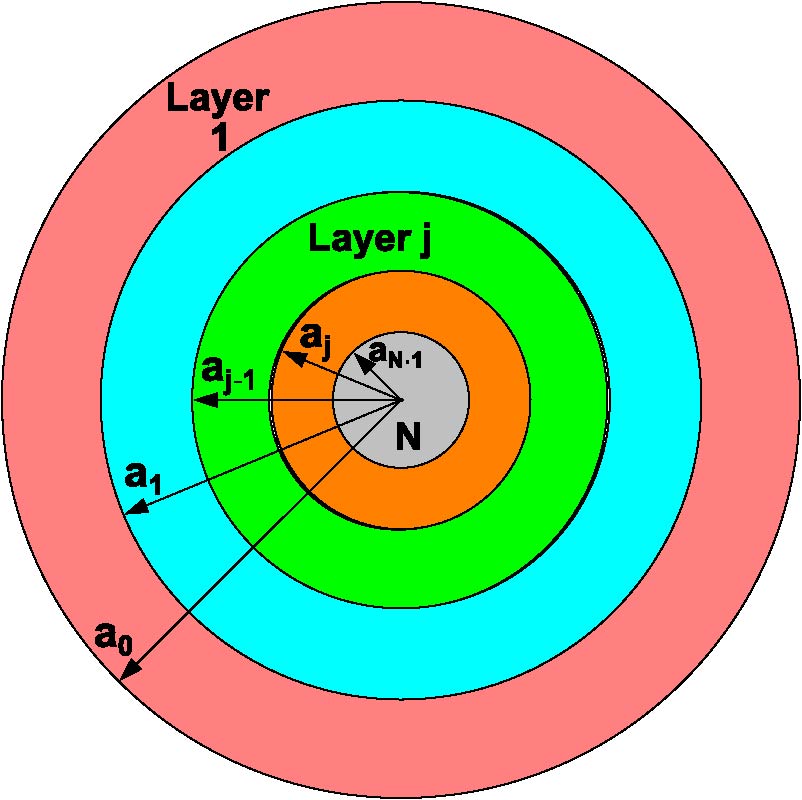
We propose and numerically analyze a new type of notch filter oper-ating at terahertz frequencies, using a cylindrical periodic structure. This study takes place in the context of increasing demand for precise filtering devices in the terahertz frequency range, crucial for various applications in telecommuni-cations, sensing, and the medical field. This research focuses on the numerical analysis of the proposed structure, using the transfer matrix method to examine how changes in geometric parameters influence wave transmission. Particular attention is given to the effects introduced by the radii of the cylinders making up the structure. The principal results show that perfect symmetry (radii R1 = R2) produces no significant transmission dip, indicating the absence of reso-nance in the frequency band studied. This configuration allows the device to function as a passive filter. The introduction of asymmetry (R1 = R2) leads to the appearance of transmission dips, meaning that the device functions as a notch filter, capable of blocking specific frequencies. This phenomenon offers a method of selective filtering, by ``activating'' or ``deactivating'' the filter's behav-ior. Our research demonstrates the potential of the proposed cylindrical periodic structure as an innovative solution for the design of notch filters in the THz range. The ability to precisely control wave transmission through geometrical adjustments opens up new ways to develop highly selective filter devices adapt-able to various technological applications.
New THz Notch Filter Based on Cylindrical Periodic Structure
2024-07-09
PIER B
Vol. 107, 63-75
Research on Single-Hole Compensated Passive Magnetic Shielding Structure for Electric Vehicle Wireless Power Transfer Systems
Zhongqi Li , Ziyue Gan , Liquan Ren , Bin Li , Pengsheng Kong , Hui Li and Junjun Li
In the wireless power transfer (WPT) system of electric vehicles, reducing the magnetic leakage and minimizing the use of magnetic shielding materials while maintaining transmission efficiency are difficult problems. To this end, a single-hole compensated passive magnetic shielding structure is proposed in this paper, with the system's magnetic leakage reduced and transmission efficiency improved through metal shielding and passive shielding. First, the magnetic shielding principles and design concepts of the magnetic core, aluminum plate, and passive shielding coils are analyzed. The single-hole compensated passive magnetic shielding structure is proposed, and then a mathematical model of the structure is derived. Second, an optimization method is proposed, using Matlab and Ansys Maxwell software to reduce the volume of metallic materials while keeping magnetic leakage within a safe range. Finally, a WPT device based on the proposed structure is constructed according to the optimized magnetic shielding and coil parameters, and the effectiveness of the structure is validated through simulation and experimentation. The results demonstrate that, when the system output power is 4 kW, leakage is reduced by 62.7% compared to the single-hole unshielded coil structure using the same materials with the proposed structure. Compared to the all-aluminum plate and all-magnetic core structure, not only is leakage reduced by 1.2%, but there is also a reduction of 40.4% in magnetic core usage and 30.1% in aluminum plate usage. Moreover, the transmission efficiency reaches 93.49%.
Research on Single-hole Compensated Passive Magnetic Shielding Structure for Electric Vehicle Wireless Power Transfer Systems
2024-07-08
PIER M
Vol. 127, 141-149
Gradient Indexed Porous Core Photonic Crystal Fiber for Sub-Wavelength Confinement in Terahertz Regime
Kandaswamy Renuka Rani , Natesan Yogesh and Krishnan Chitra
A gradient-indexed core photonic crystal fiber (PCF) is proposed to realize sub-wavelength field confinement in the terahertz (THz) regime. It is verified that the gradient index (GRIN) profile PCF confirms superior field localization compared to the standard PCF. The in-plane quality factor of the GRIN PCF is evaluated as 2.2849 × 10⁹ which is 10 times greater than the conventional case. Moreover, the power fraction is found to be 84.04% and 99.69% along with the confinement loss of 0.31 dB/cm and 0.341 × 10⁻⁷ dB/cm for the standard and GRIN type PCF at 0.2 THz. It is significant that the designed PCF also produces radial and azimuthal polarizations with enhanced field propagation due to the implicated triangular GRIN profile. The proposed GRIN PCF is useful for sub-THz communication, sensing and imaging applications.
Gradient Indexed Porous Core Photonic Crystal Fiber for Sub-wavelength Confinement in Terahertz Regime
2024-07-06
PIER Letters
Vol. 121, 41-49
Design and Performance of a Fully-Polarized Tightly-Coupled Patch Antenna for Advanced Phased Array Radar Systems
Jianjun Wu , Zhao Li and Hongbing Sun
A tightly-coupled patch array antenna, capable of broadband operation and low profile, is proposed in this study. The antenna subarray comprises four closely-coupled square patches that rotate in sequence. An impedance matching strip is utilized to achieve broadband matching of the antenna. By configuring the subarray with various feeding phases, it is possible to achieve the switching of six polarization states. The simulated and measured results suggest that the proposed antenna demonstrates a broad impedance matching band ranging from 4.2 GHz to 5.25 GHz (22.2%) over a scanning angle span of ±45˚, while maintaining a low profile of 0.033λ0. The antenna's inherent simple structure, low profile, wide bandwidth, and favorable radiation characteristics position it as a promising option for multifunction phased array radar systems.