Search Results(13790)

2018-06-03
PIER Letters
Vol. 76, 85-90
Small Size Dielectric Image Line Based Leaky Wave Antenna with 3 h-Shaped Patches
Du-Juan Wei , Jian-Ying Li , Bao Cao and Wen-Xin Yan
A small size dielectric image line (DIL)-based leaky wave antenna (LWA) is proposed in this paper. Three H-shaped patches as radiation elements are periodically printed on top surface of DIL, which generates infinite higher order space harmonics, and the proposed antenna works at the first order mode. The H-shaped unit cell has high attenuation constant, which leads to power leaking quickly. So high radiation efficiency can be realized with only 3 unit cells. Simultaneously, the open stopband (OSB) is suppressed using H-shaped unit cells to get high efficiency at broadside. The working principle of the proposed antenna is analyzed, and the numerical results validate the theory analysis. Over the operating band (11.5~14.6 GHz), the proposed antenna covers 71° from -41° to 30° (including the broadside) with stable gain (8.7 dBi~10.6 dBi) varying less than 2 dBi. A prototype is fabricated and measured, which have good agreement with simulation results.
SMALL SIZE DIELECTRIC IMAGE LINE BASED LEAKY WAVE ANTENNA WITH 3 H-SHAPED PATCHES
2018-06-02
PIER C
Vol. 84, 161-174
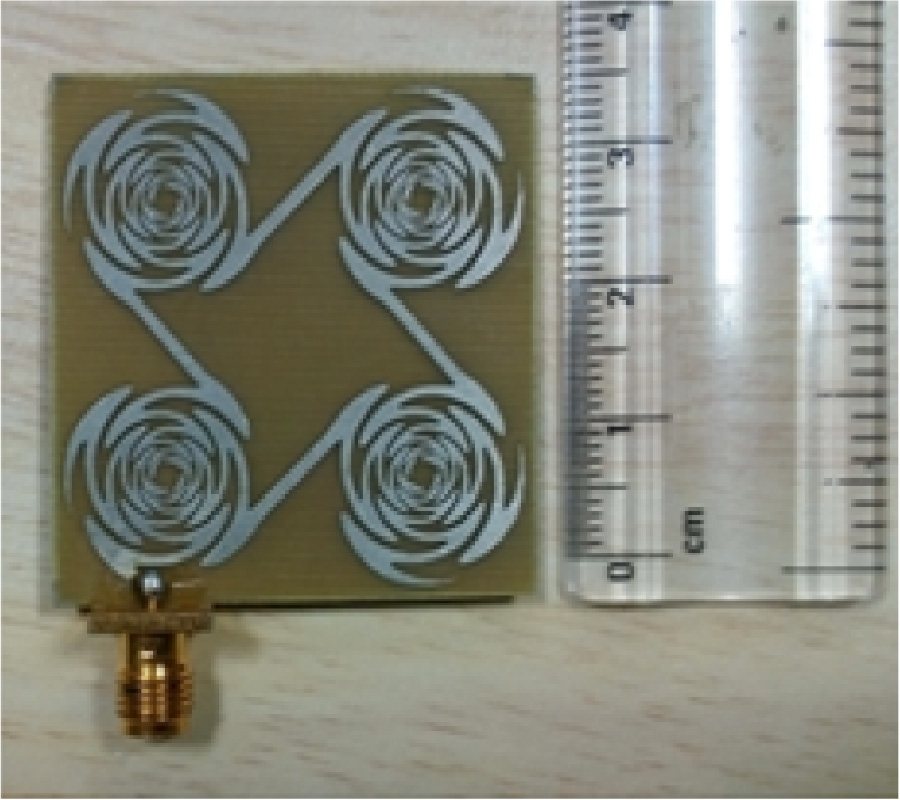
A Miniaturized Decagonal Sierpinski UWB Fractal Antenna
Tanweer Ali , Bodaguru Kempanna Subhash and Rajashekhar Chandrashekhar Biradar
A miniaturized ultra-wideband (UWB) antenna based on Sierpinski square slots is reported. The antenna has a compact dimension of only 0.32λl×0.32λl (28×28 mm2), at a lower frequency of 3.4 GHz. Antenna miniaturization is achieved by etching Sierpinski square slots in the radiating decagonal shaped monopole, and UWB operations are accomplished by utilizing double truncations in the ground plane. The designed antenna has a fractional bandwidth of about 127.3% (3.41-15.37 GHz) in simulation and about 124.7% (3.50-15.1 GHz) in measurement. The time domain characteristics of the designed antenna are discussed in detail. Good radiation characteristics and impedance matching are exhibited by the designed fractal antenna in the entire UWB range.
A MINIATURIZED DECAGONAL SIERPINSKI UWB FRACTAL ANTENNA
2018-06-02
PIER Letters
Vol. 76, 77-83
Compact Printed MIMO Antenna with 6.1 GHz Notched Band for Ultra-Wideband Applications
Changye Liang , Rong Su , Peng Gao and Peng Wang
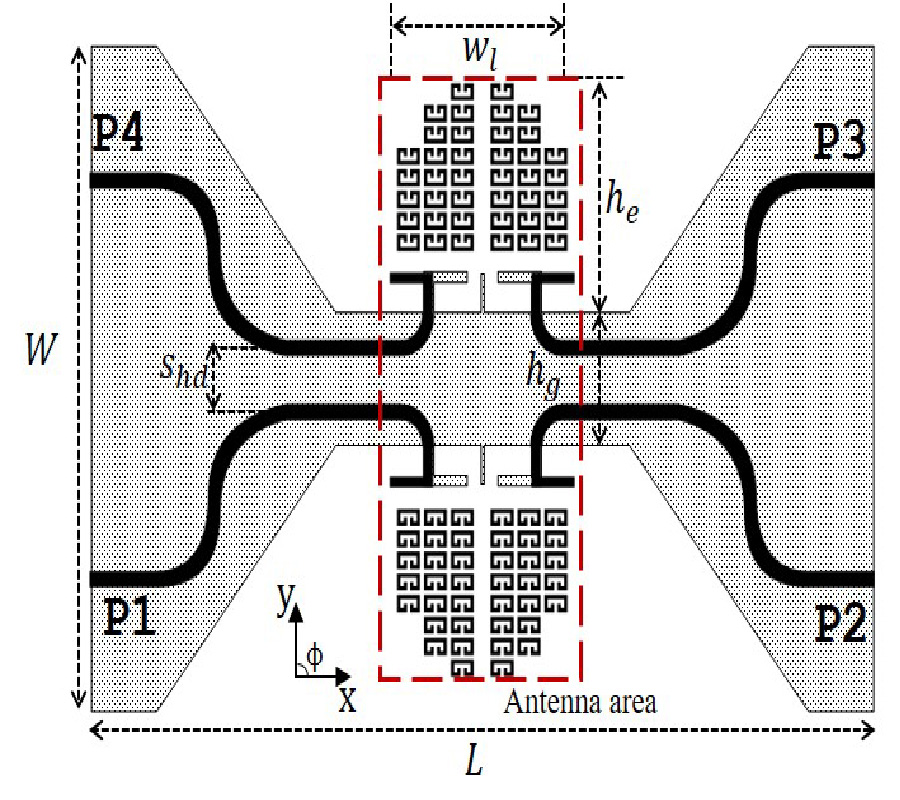
In this paper, a very compact 6.1GHz band notched printed multiple-input multiple output (MIMO) antenna with the size of only 25×25 mm2 is presented for Ultra-wideband (UWB) applications. Two symmetrical antenna elements are placed in vertical direction which make it easy to realize good diversity performance. The antenna elements are made up of a microstrip feed line and rounded patch. One slit is in the diagonal position, and one slot line is designed to improve the isolation between two orthogonal antenna elements. The 6.1 GHz band notch weakens the probable interference between C band satellite uplink communications and UWB system. Simulated and measured results show that it covers from 3.1 to 12 GHz with S11<-10 dB except rejected band, and the isolation is better than 15 dB in full UWB spectrum.
COMPACT PRINTED MIMO ANTENNA WITH 6.1 GHZ NOTCHED BAND FOR ULTRA-WIDEBAND APPLICATIONS
2018-05-31
PIER C
Vol. 84, 147-160
The Properties of the Electromagnetic Scattering from a Sinusoidal Water Wave
Yunhua Wang , Yue Yu , Yanmin Zhang and Honglei Zheng
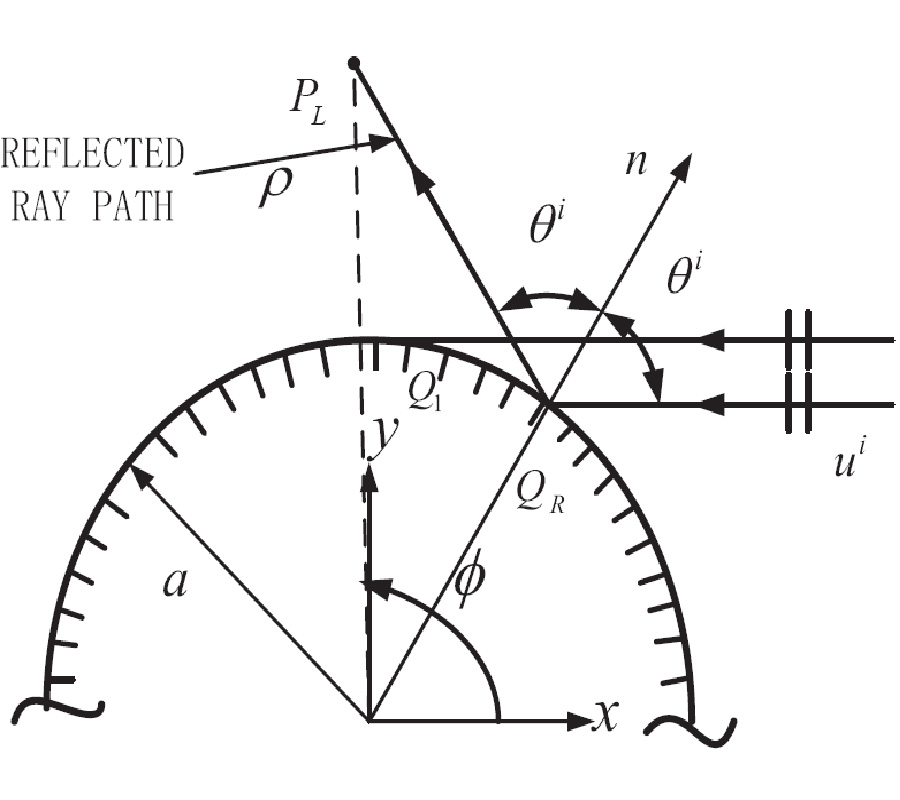
Within the framework of the higher-order Kirchhoff approximation, the properties of the electromagnetic scattering from sinusoidal water waves are presented, and the theoretical formulas up to third-order for describing the scattering field and its spectrum are derived. It shows that not only the spectral peaks which correspond to phase velocity of the water wave but also other discrete harmonic peaks can be found from the theoretical spectrum model. And the Doppler shifts of the spectral peaks are all integral multiple of the sinusoidal wave's frequency. For the backscattering field from a sinusoidal wave, the higher-order resonant peaks would also be found at different scattering angles, and the values of these peaks decrease with the scattering angle. On the other hand, the comparisons with the MoM demonstrate that the contributions of the slope-dependent terms can be generally neglected if the amplitude of the sinusoidal wave is small. However, if the waves slope is larger, the impact of the second order scattering becomes obvious and cannot be omitted.
THE PROPERTIES OF THE ELECTROMAGNETIC SCATTERING FROM A SINUSOIDAL WATER WAVE
2018-05-31
PIER M
Vol. 69, 61-68
A Virtual Space-Frequency Matrix Method for Joint DOA-Frequency Estimation
Ruiyan Du , Fulai Liu and Qingping Zhou
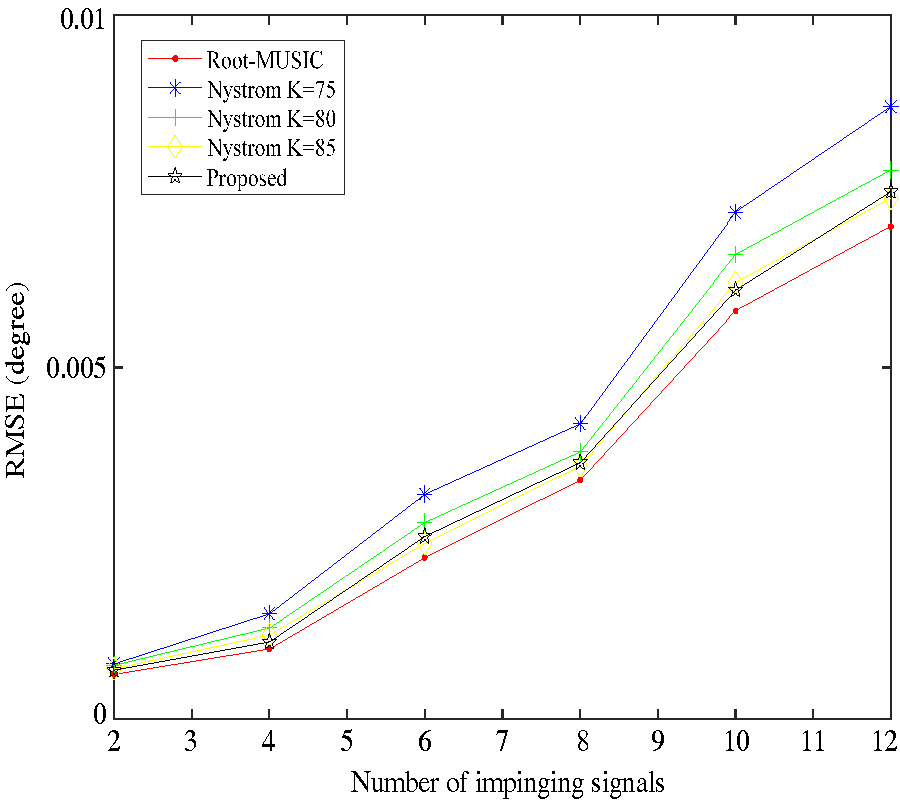
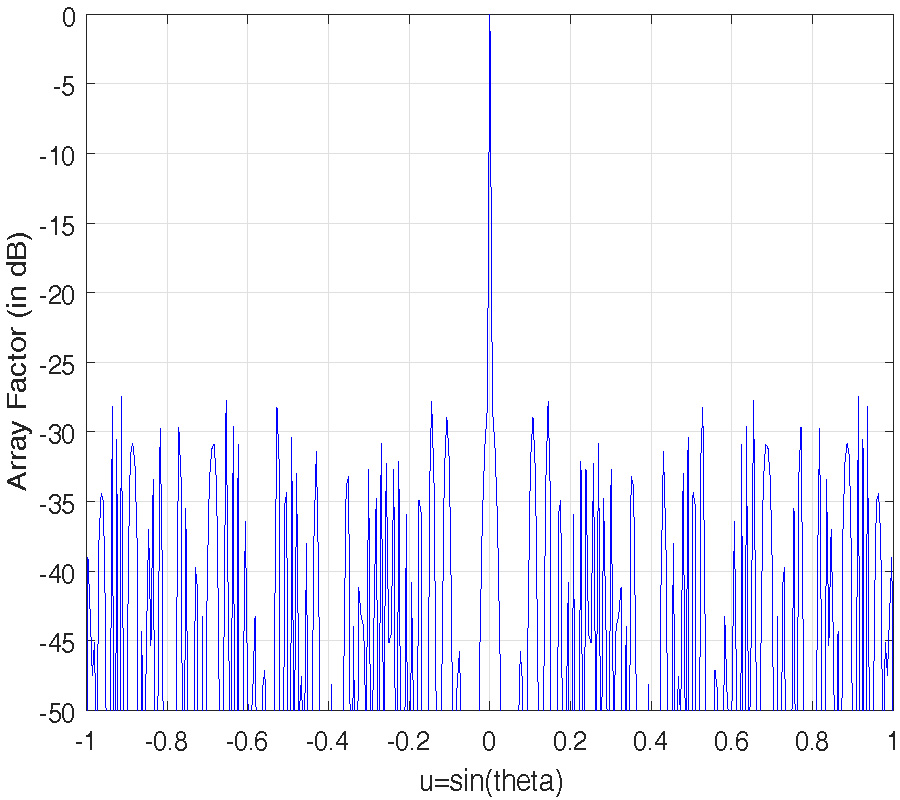
The joint direction-of-arrival (DOA) and frequency estimation problem has received significant attention recently in some applications, including pulsed Doppler radar, multipath parameter estimation, etc. This paper presents a novel virtual space-frequency matrix method to estimate the DOA and frequency jointly. Via the temporal smoothing technique, a virtual space-frequency matrix is defined, which includes the information of the incident DOAs and the frequencies. Making using of the proposed method, both the frequencies and DOAs can be estimated by eigenvalues and the corresponding eigenvectors of the new defined virtual space-frequency matrix, respectively. Therefore, the pairing of the estimated DOAs and frequencies is automatically determined. Compared with related works, the proposed method can provide superior performance, such as higher estimation accuracy, without the procedure of parameter search or parameter matching. Simulation results are presented to demonstrate the efficacy of the proposed approach.
A VIRTUAL SPACE-FREQUENCY MATRIX METHOD FOR JOINT DOA-FREQUENCY ESTIMATION
2018-05-30
PIER C
Vol. 84, 135-145
Single-Fed Low-Profile Circularly Polarized Antenna Using Quarter-Mode Substrate Integrated Waveguide with Enhanced Bandwidth
Ni Wang , Xiao-Wen Xu and Murilo Seko
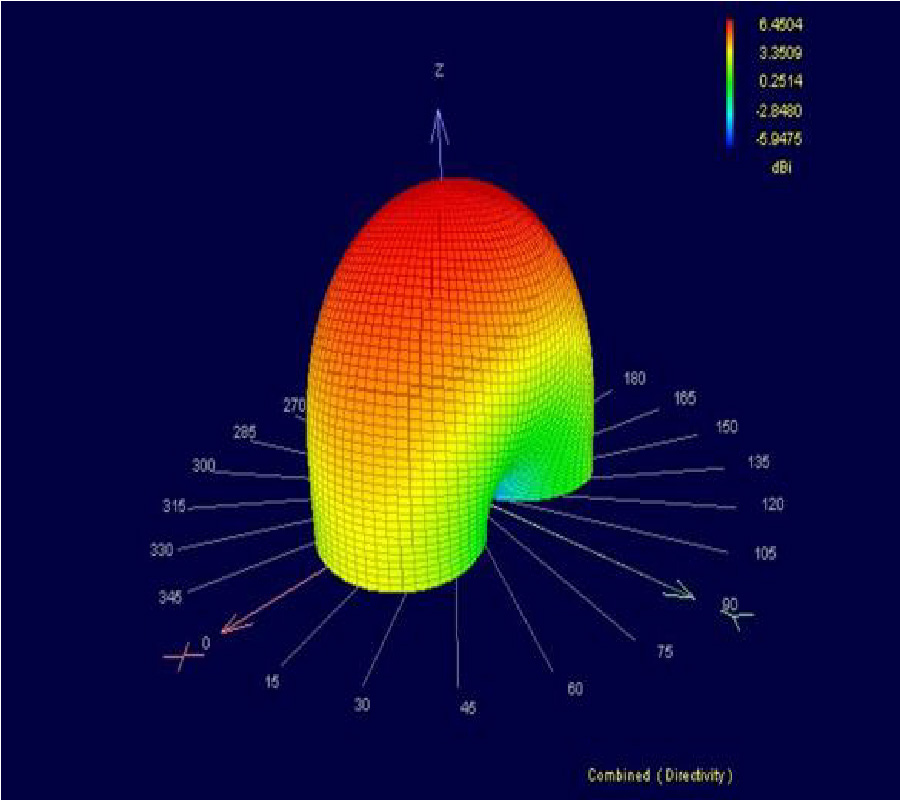
A single-fed compact circularly polarized quarter-mode substrate integrated waveguide (QMSIW) antenna with improved bandwidth is designed based on a single-layer structure. The antenna consists of four QMSIW elements. Instead of using a complex power divider to excite each element, an inset microstrip line is employed to excite the driven QMSIW element, while the parasitic QMSIW elements are excited by means of gap and direct couplings. Moreover, the phase and magnitude of the electromagnetic fields in each QMSIW element are controlled by gaps and short sections of microstrip line to obtain a circularly polarized radiation. A prototype of the proposed antenna is fabricated and measured, and the measured results are in good agreement with the simulated ones. The measured 10-dB impedance bandwidth is 6.23%, from 5.13 GHz to 5.46 GHz, and the 3-dB axial-ratio bandwidth is 3.62%, from 5.15 GHz to 5.34 GHz. The measured maximum gain of the antenna is 6.46 dBic.
SINGLE-FED LOW-PROFILE CIRCULARLY POLARIZED ANTENNA USING QUARTER-MODE SUBSTRATE INTEGRATED WAVEGUIDE WITH ENHANCED BANDWIDTH
2018-05-30
PIER B
Vol. 81, 25-44
Analytical Model of the Magnetic Field Distribution of a Generator Combined with Magnetic Bearing in Wind Turbines
Yanjun Yu , Qianwen Xiang , Xinhua Zhang and Weiyu Zhang
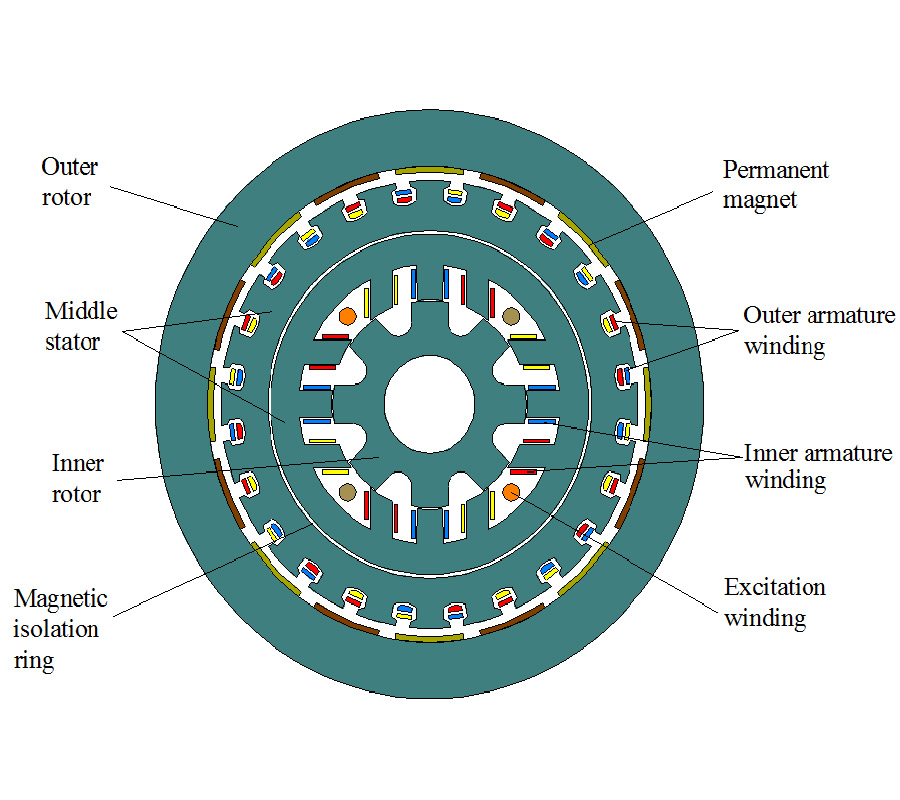
To achieve radial suspension and eliminate the effect of rotor gravity in wind turbines, a novel structure of a generator combined with a magnetic bearing (GCWMB) is proposed in this paper. The GCWMB not only has the characteristics of the traditional permanent magnet (PM) generator but also has the advantages of reducing friction and starting wind speed, eliminating rotor gravity. The structure and principle of the GCWMB are analyzed in this paper. To improve the calculation accuracy of flux density, an analytical model based on the Fourier series decomposition is proposed to establish the model of flux density in the outer air gap. Taking into account the edge effects and the eccentricity of the rotor, an improved equivalent magnetic circuit method is adopted to model and analyze the flux density in the inner air gap. The effectiveness and correctness of the proposed analytical model in the outer and inner air gaps are verified by finite element analysis (FEA) and experiments.
ANALYTICAL MODEL OF THE MAGNETIC FIELD DISTRIBUTION OF A GENERATOR COMBINED WITH MAGNETIC BEARING IN WIND TURBINES
2018-05-30
PIER M
Vol. 69, 51-60
Particle-in-Cell Simulation of a 5 kW Hall Thruster
Le Yang , Lianjun Jia , Tianping Zhang and Juanjuan Chen
This paper aims to study the plasma discharge process of a 5 kW hall thruster developed by Lanzhou Institute of Physics and to provide the knowledge for implementing an improved thruster design. A 2D Particle-In-Cell (PIC) model is built, in which the electron-electron and electron-ion Coulomb collisions are included, in addition to the elastic, excitation, and ionization collisions between electrons and neutral atoms, and the elastic and charge-collisions between ions and neutral atoms. Different Bohm diffusion coefficients are applied in different regions to simulate the Bohm diffusion. The deviation between the simulated and experimental results of the thruster performance is within 15%, validating the accuracy of the model indirectly. The discharge process including the transient and steady-state oscillations is well reproduced. The character of the plasma during different phase of the discharge process including the plasma density and ionization rate is simulated and analyzed. Finally, the probable factor causing the anode erosion is determined.
PARTICLE-IN-CELL SIMULATION OF A 5 KW HALL THRUSTER
2018-05-29
PIER C
Vol. 84, 119-134
Design and Fabrication of Antennas Using 3D Printing
Jason Bjorgaard , Michael Hoyack , Eric Huber , Milad Mirzaee , Yi-Hsiang Chang and Sima Noghanian
Due to a recent growth in three-dimension (3D) printing technology, engineers can fabricate affordable and versatile antennas; however, lossy conductive materials, inadequate antenna terminations, and simplistic designs which do not adequately utilize the available volume continue to limit the capabilities of 3D printed antennas. In this work, the dielectric constants of three polylactic acid (PLA) materials, dielectric PLA, magnetic PLA and conductive PLA, were measured using the coaxial transmission line method, and the results were compared with measurements using the commercially available coaxial probe method. Based on published dielectric constants for solid non-printed PLA, a variety of antenna designs were simulated and fabricated. Each of these antenna designs addressed a certain shortcoming faced by 3D printed antennas. The antennas were designed with a target resonant frequency of 2.45 GHz, an impedance bandwidth of at least 500 MHz, and a gain greater than 1.5 dBi. The three antennas presented here are a fractal bow-tie antenna (FBTA), a spiral antenna, and a Yagi-Uda antenna.
DESIGN AND FABRICATION OF ANTENNAS USING 3D PRINTING
2018-05-29
PIER Letters
Vol. 76, 71-76
Design of a Ku-Band Filter Based on Groove Gap Waveguide Technology
Davoud Zarifi and Marziye Nasri
This paper presents a Ku-band filter based on groove gap waveguide (GGW) technology which is composed of a filter with two transitions GGW and WR-62. The filter is operated from 13.8 GHz to 14.2 GHz. Actually, a fractional bandwidth of about 2.85% is obtained for maximum return loss of 20 dB and the maximum insertion loss of 0.05 dB over the bandwidth. The validity of the design results is confirmed both numerically and experimentally. Measurement results show that the performance of filter agrees well with simulation. This filter could be used as part of a gap waveguide based structure.
DESIGN OF A KU-BAND FILTER BASED ON GROOVE GAP WAVEGUIDE TECHNOLOGY
2018-05-29
PIER Letters
Vol. 76, 63-70
A Flexible Frequency and Pattern Reconfigurable Antenna for Wireless Systems
Ziqiang Zhu , Peng Wang , Sicen You and Peng Gao
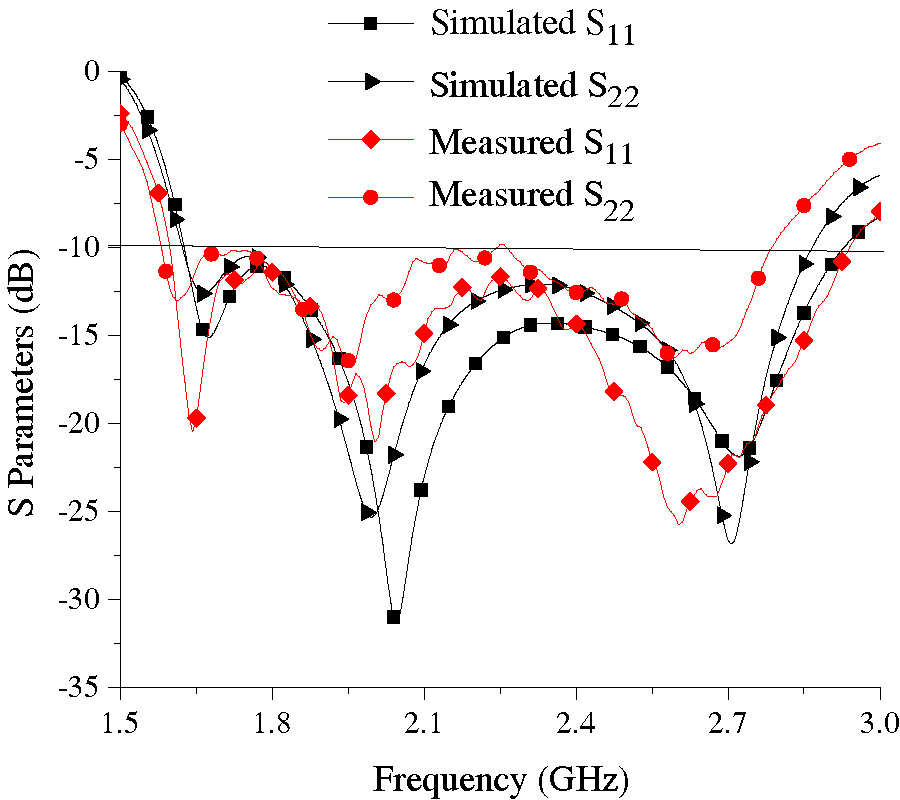
A novel flexible frequency and pattern reconfigurable antenna for wireless system is proposed. The antenna is composed of two completely symmetrical radiating elements, a feedline and ground. By controlling the on and off of 8 PIN diodes loaded on the symmetric hexagonal split ring and monopole branches to select the radiation element, the antenna achieves frequency reconfiguration in 1.9G band and 2.4G band, and is capable of steering the beam in two directions in each band. Meanwhile, the antenna works at four states with omnidirectional radiation patterns. Finally, the bending characteristics of the antenna at different bending degrees are analyzed. Measured results are in good agreement with simulations, which denotes that it is suitable for wireless systems.
A FLEXIBLE FREQUENCY AND PATTERN RECONFIGURABLE ANTENNA FOR WIRELESS SYSTEMS
2018-05-29
PIER M
Vol. 69, 37-49
A Novel Hybrid Excitation Double-Stator Bearingless Switched Reluctance Motor
Qianwen Xiang , MengJiao Fang , Ye Yuan and Yanjun Yu
In view of lower power density and being unable to produce big radial force, this paper presents a new design of the hybrid excitation double-stator bearingless switched reluctance motor, which combines conventional double-stator bearingless switched reluctance motor (DSBSRM) with rare-earth permanent magnetic materials of high performance. Firstly, the basic structure and principle of the hybrid excitation DSBSRM are introduced. Secondly, the electromagnetic analysis is performed on the motor by two-dimensional finite element analysis (2D FEA), and the comparison is made between the proposed motor and traditional DSBSRM. Thirdly, the magnetic equivalent circuit (MEC) is established to deduce the mathematical models of the radial suspension force, torque and inductance. The current stiffness coefficient and displacement stiffness coefficient are derived by linearizing the mathematical models. Finally, the mathematical models are proved to be correct by 2D FEA.
A NOVEL HYBRID EXCITATION DOUBLE-STATOR BEARINGLESS SWITCHED RELUCTANCE MOTOR
2018-05-29
PIER M
Vol. 69, 23-36
Would the Human Brain Be Able to Erect Specific Effects Due to the Magnetic Field Component of an UHF Field via Magnetite Nanoparticles?
Simona Miclaus , Cora Iftode and Antoniu Miclaus
In 2016 a study reported observing a concentration of magnetite nanocrystals in human brains, with four orders of magnitude larger than previously thought. In the context of magnetite's role and function inside the human brain not being properly understood, this development prompts a question concerning the impact that a significant magnetic near-field component, in the hundreds of MHz range, might have on power loss in tissues having ferrimagnetic properties. This article highlights the importance of thorough research on possible thermal and non-thermal effects that could be caused by the magnetic field component to which one could be exposed while using certain communication devices near or in front of the head. Furthermore, this article provides preliminary estimations of magnetic contribution to the specific absorption rate (SAR) of energy deposition in tissues, using two approaches - one based on existing research concerning magnetic hyperthermia, and the other one based on a simulation model that takes into account the magnetic properties of tissues. By simulating the propagation of a 440 MHz wave in a ``magnetic'' (as opposed to pure dielectric) brain, we observed changes of the SAR values, and, more importantly, superficial hot spots appeared at the surface of small magnetite particles, distributed in the homogenous brain.
WOULD THE HUMAN BRAIN BE ABLE TO ERECT SPECIFIC EFFECTS DUE TO THE MAGNETIC FIELD COMPONENT OF AN UHF FIELD VIA MAGNETITE NANOPARTICLES?
2018-05-29
PIER M
Vol. 68, 193-201
EMF Exposure Analysis for a Compact Multi-Band 5G Antenna
Kamya Yekeh Yazdandoost and Ilkka Laakso
The fifth generation (5G) wireless communication systems are projected to work at millimeter wave (mm-wave) frequency bands that would bring new challenges with the implementation of antennas and safety level of electromagnetic field exposures. In this paper, a new design of 5G mmwave antenna for multi-frequency bands has been introduced. The antenna is small enough and has a form factor that can be easily fit into the current available mobile handset devices. The proposed antenna covers all the nominated frequency bands by the FCC for 5G communications and has good radiation performances at 28 GHz, 37 GHz, 39 GHz, and 64-71 GHz. The electromagnetic field exposure to the human head model has been studied by means of numerical simulation for all above frequency bands. The feature of our proposed antenna is that all the frequency bands for the 5th generation mobile handset will be available in a single and simple antenna structure; hence, analysis of EMF exposure in a wide range of frequency can be done on a single antenna design.
EMF EXPOSURE ANALYSIS FOR A COMPACT MULTI-BAND 5G ANTENNA
2018-05-28
PIER
Vol. 162, 39-50
Exploiting the Topological Robustness of Composite Vortices in Radiation Systems
Mirko Barbuto , Mohammad-Ali Miri , Andrea Alu , Filiberto Bilotti and Alessandro Toscano
Recent years have witnessed an increasing interest in topological states of condensed matter systems, whose concepts have been also extended to wave phenomena. Especially at optical frequencies, several studies have reported applications of structured light exploiting topological transitions and exceptional points or lines, over which a field property of choice is undefined. Interesting properties of light beams with phase singularities (such as the creation, annihilation or motion of these topological points) have been observed in composite vortices
EXPLOITING THE TOPOLOGICAL ROBUSTNESS OF COMPOSITE VORTICES IN RADIATION SYSTEMS
2018-05-27
PIER B
Vol. 80, 173-198
An Overview of UWB Antennas for Microwave Imaging Systems for Cancer Detection Purposes
Berenice Borja , José Alfredo Tirado-Méndez and Hildeberto Jardon-Aguilar
In the last decades, microwave imaging has been a new area of research due to its many advantages over current imaging systems. Microwave imaging system is used for in-depth inspection of biological tissues. The test provides the identification of morphological changes in these biological tissues, as well as their locations. The emerging Ultra-Wideband (UWB) microwave imaging gives better result with the main advantage of using non-ionizing radiation. In these systems, antennas play a very important role, and as such, their optimization has become a very important topic because of the device is placed close to the human body. Thus, many aspects are of great importance in the design of the antennas starting from the material with which it is constructed, its dimensions, operation bandwidth, human body influence on the antenna parameters, short-pulse propagation, etc. Recent research has shown several efforts in improving the electromagnetic sensors used in these systems, either as individual or array elements. In this paper, we provide an overview of the most relevant developments in the field of UWB high directivity sensors used in microwave imaging systems.
2018-05-27
PIER Letters
Vol. 76, 55-61
An Efficient Method for Computing the Interaction of Open Ended Circular Waveguide with a Layered Media
Parul Mathur , Dhanesh G. Kurup , Mauricio D. Perez , Syaiful Redzwan Mohd Shah , Jacob Velander and Robin Augustine
This article presents a new method for studying the near-field electromagnetic interaction between a dielectric filled open ended circular waveguide (OECW) and a layered dielectric structure. The proposed model is based on plane wave spectrum theory using a novel and computationally efficient two step integration method. The first integral, involving multiple singularities in the integration path, is efficiently solved using a deformed elliptical integration path which encircles the singularities of the integral. The infinite domain tail integral involving the slowly converging integrand is further solved using an efficient trigonometric transformation. The proposed OECW based method is capable of determining the unknown material properties of any layered dielectric medium, and hence finds application in nondestructive evaluation of materials.
AN EFFICIENT METHOD FOR COMPUTING THE INTERACTION OF OPEN ENDED CIRCULAR WAVEGUIDE WITH A LAYERED MEDIA
2018-05-27
PIER Letters
Vol. 76, 47-53
A Novel Compact Microstrip Balun Bandpass Filter Design Using Interdigital Capacitor Loaded Open Loop Resonators
Ali Kursad Gorur
A novel microstrip balun bandpass filter (BPF) is designed by using open loop resonators having interdigital capacitors. The interdigital capacitors are employed to control the center frequency easily. Opposite phase difference between the balanced outputs can be provided according to the suitable coupling topologies based on parallel and anti-parallel coupled lines. By this way, minimized magnitude imbalances between the balanced ports can also be obtained. In order to obtain two poles inside the passband, two identical resonators are coupled to each other. The designed balun BPF was fabricated and measured to validate the proposed methodology. Phase and magnitude imbalances inside the passband were measured within 180±5˚ and 0.5 dB, respectively. The simulated and measured results are in good agreement.
A NOVEL COMPACT MICROSTRIP BALUN BANDPASS FILTER DESIGN USING INTERDIGITAL CAPACITOR LOADED OPEN LOOP RESONATORS
2018-05-26
PIER Letters
Vol. 76, 39-46
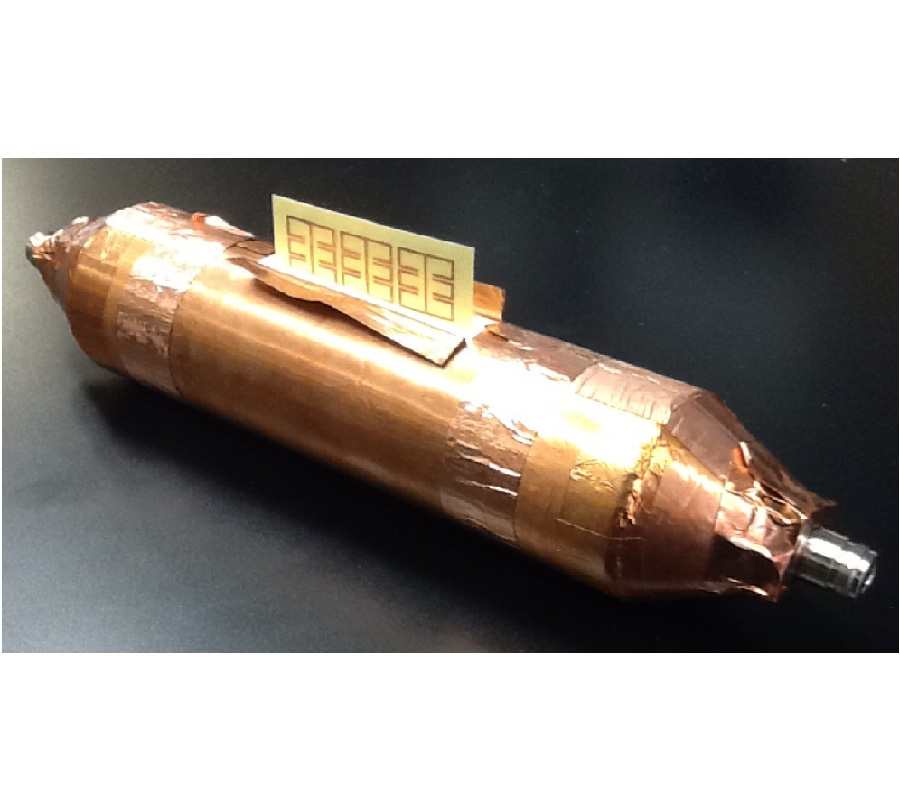
A Study of Designing Circular Polarization for Leaky Coaxial Cable at 900 MHz
Qiao Guan , Chongchong Chen and Bingxin Song
Widely applied in confined areas communication, leaky coaxial cable (LCX) is used as an antenna to provide communication services for mobile devices. In order to improve the quality of mobile communication in narrow and long spaces such as subway or tunnel, the method of designing LCX with circular polarization radiation property is proposed, which consists of aperture's design, circular polarization simulation verification and coupling loss test. Firstly, the regular circumferential asymmetry apertures are designed and slotted in the outer conductor of the LCX to achieve radiating φ component of the electric field, and the optimized size of the aperture for achieving circular polarization is obtained by the simulation results from Ansoft HFSS. Then, the circular polarization characteristics in the maximum radiation direction are obtained. Further, the relation between it and the gain of the optimized aperture is analyzed. Finally, the coupling loss is calculated for evaluating the performance of the LCX. The simulation results show that the two designed LCXs have the circumferential circular polarization range of 30~70 deg in the maximum radiation direction at 900MHz, and the range is twice of the conventional LCX. The coupling loss indicator also meets the requirements.
A STUDY OF DESIGNING CIRCULAR POLARIZATION FOR LEAKY COAXIAL CABLE AT 900 MHZ
2018-05-26
PIER M
Vol. 69, 15-22
Spatial Structure of Electromagnetic Field Diffracted by a Sub-Wavelength Slot in a Thick Conducting Screen
Vladimir Serdyuk , Joseph Titovitsky , Svetlana V. Von Gratowski and Victor V. Koledov
The eigen-mode technique of rigorous diffraction theory is employed for computation of spatial structure of electromagnetic field, arising under diffraction of a plane wave by a narrow slot of the width of the order of the wavelength or smaller in a perfectly conducting screen of finite thickness. The effects of little step change and of strong enhancement for relative averaged energy density are investigated in dependence of the slot width and depth. It is shown that the field in a space behind the slot represents the sum of a field, slowly and monotonically decreasing in the directions away from a slot, and a harmonic field with sinusoidal spatial inhomogeneities of the order of the wavelength. It is established that the comparative contributions of these two field constituents are unequal for various spatial components of the electric and magnetic fields, and also that the contribution of the first constituent decreases with increase of the slot width.
SPATIAL STRUCTURE OF ELECTROMAGNETIC FIELD DIFFRACTED BY A SUB-WAVELENGTH SLOT IN A THICK CONDUCTING SCREEN