Search Results(13983)

2013-11-20
PIER C
Vol. 45, 191-201
Triode Magnetron Injection Gun for 132 GHz Gyrotron for 200 MHz Dnp-NMR Application
Nitin Kumar , Udaybir Singh and Ashok Kumar Sinha
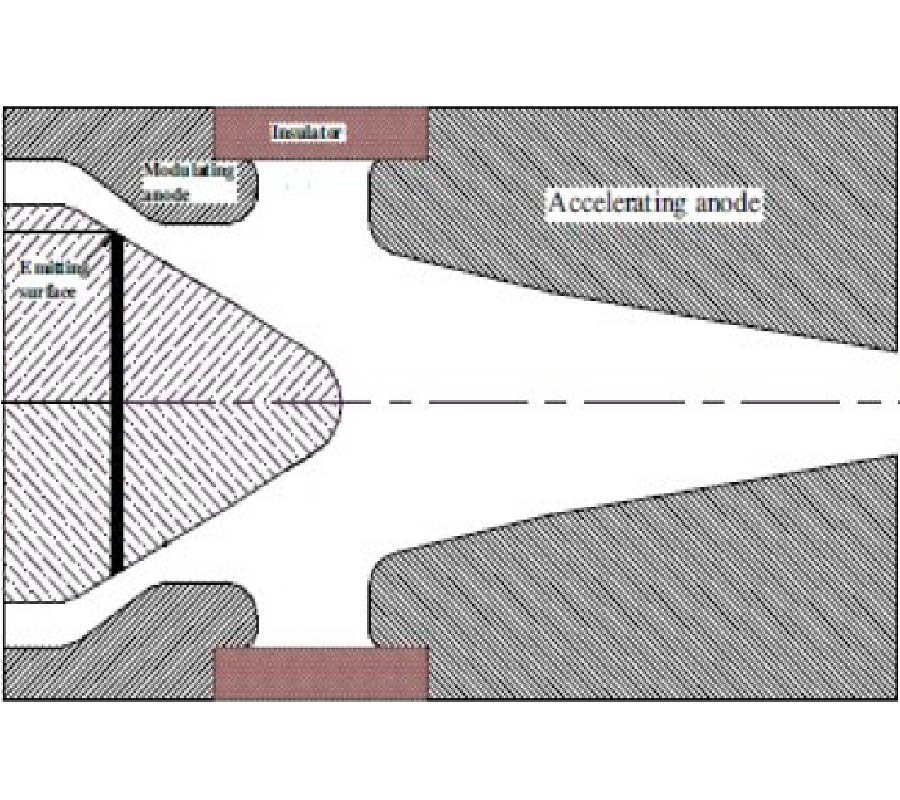
A 132 GHz gyrotron, operating at fundamental harmonic, is designed for the 200 MHz DNP-NMR experiment. In this article, the design of high quality electron beam source is presented. 2.5 dimensional code EGUN and 3 dimensional code CST-Particle Studio are used in the design and optimization of electron gun. The design of electron beam source is performed for a band of magnetic field values at the emitter surface and cavity center which is necessary for the frequency tunabilty of 2-3 GHz needed in DNP/NMR experiments. The results confirm the axial and transverse velocity spreads around 1% and 2.2% and a pitch factor of 1.5. The parametric analyses are also performed for the various electrical parameters such as emitter voltage, anode voltage, emitter magnetic field, etc.
TRIODE MAGNETRON INJECTION GUN FOR 132 GHZ GYROTRON FOR 200 MHZ DNP-NMR APPLICATION
2013-11-20
PIER C
Vol. 45, 179-190
A Novel Loop-Like Monopole Antenna with Dual-Band Circular Polarization
Kang Ding , Tongbin Yu , De-Xin Qu and Cheng Peng
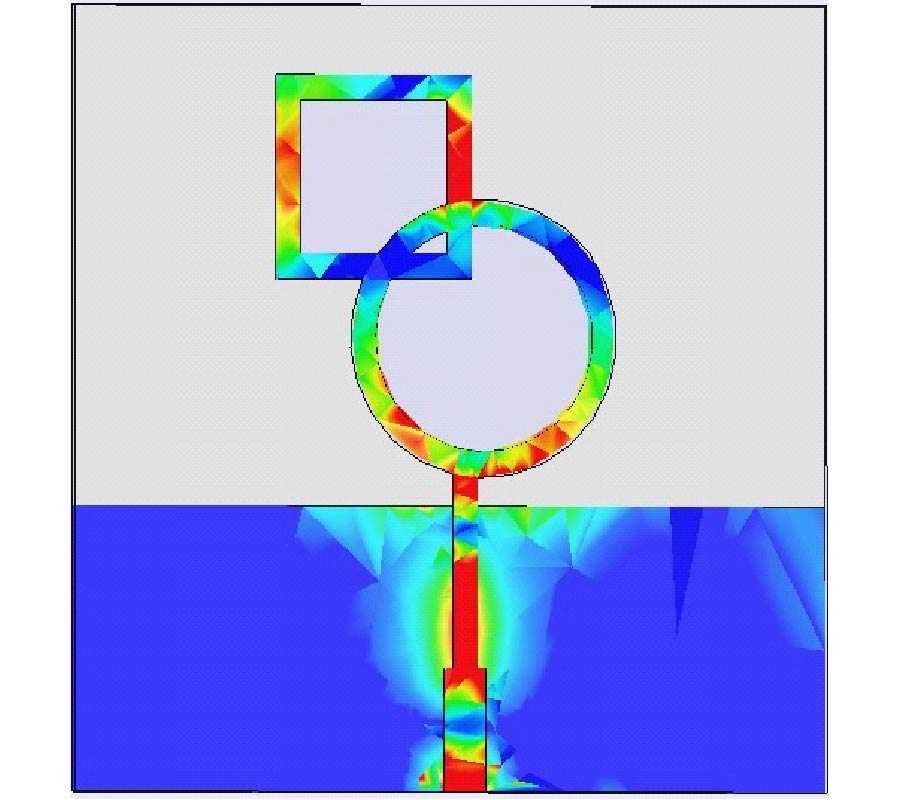
A novel loop-like monopole antenna with dual-band circular polarization (CP) for the reception of WiMAX and WLAN is designed and implemented in this paper. The antenna consists of a radiating patch which is composed of an annular-ring linked by a square ring over the corner and a ground plane with embedded rectangular slit. The broad impedance bandwidth is achieved based on a novel monopole structure which is the combination of two perturbed loops and the perturbation causes the generation of right-hand circular polarization (RHCP) at 3.52 GHz and left-hand circular polarization (LHCP) at 5.75 GHz. In addition, by embedding a rectangular slit on the ground, the impedance bandwidth can be greatly enhanced. The measured results show that the proposed monopole antenna has an impedance bandwidth of 3.65 GHz from 2.65 to 6.3 GHz, reaching the particularly broad bandwidth of 81.6%. Furthermore, the measured 3-dB axial ratio (AR) bandwidths are about 440 MHz at the lower band (3.52 GHz) and 220 MHz at the upper band (5.75 GHz). The radiation characteristics of the implemented antenna are also presented.
A NOVEL LOOP-LIKE MONOPOLE ANTENNA WITH DUAL-BAND CIRCULAR POLARIZATION
2013-11-20
PIER
Vol. 143, 421-445
A Wideband Frequency-Shift Keying Modulation Technique Using Transient State of a Small Antenna (Invited Paper)
Mohsen Salehi , Majid Manteghi , Seong-Youp Suh , Soji Sajuyigbe and Harry G. Skinner
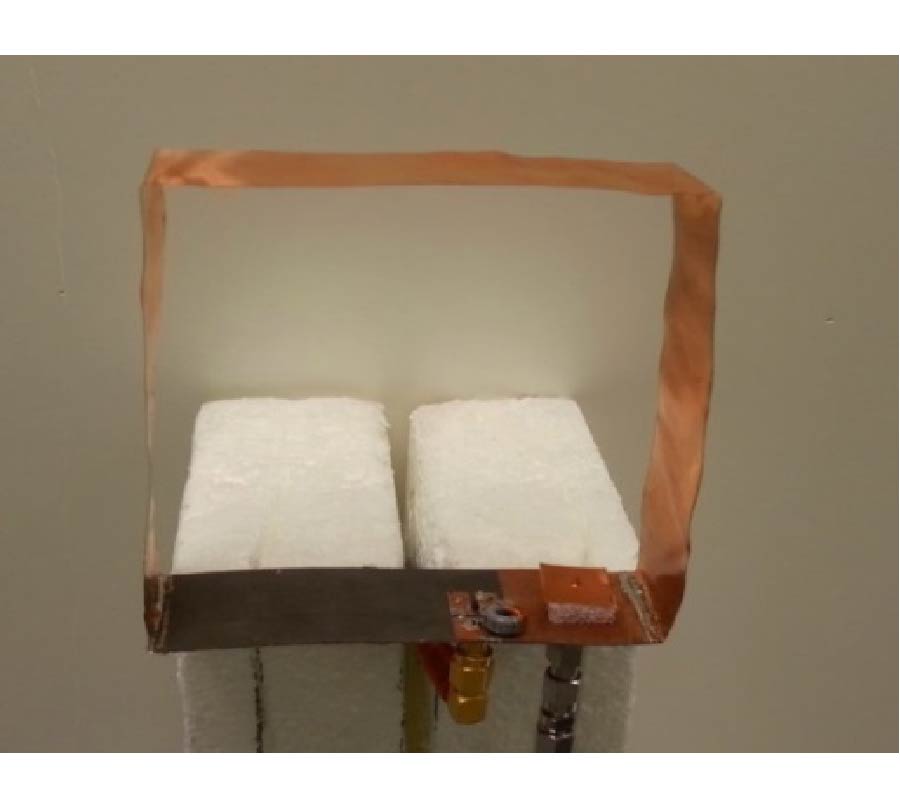
The rate of wireless data transmission is limited by the antenna bandwidth. We present an efficient technique to realize a high-rate direct binary FSK modulation by using the transient properties of high-Q antennas. We show that if the natural resonance of a narrowband resonant-type antenna is switched at a high rate, the radiating signal follows the variation of resonant frequency and provides a high-rate data-transmission regardless of the narrowband characteristics of the antenna. The bit-rate in this method is dictated by the switching speed rather than the impedance bandwidth. Since the proposed technique employs the antenna in a time-varying arrangement, carrier frequencies are not required to be simultaneously within the antenna bandwidth. When demanded, the antenna is tuned to required carrier frequency according to a sequence of digital data. Moreover, if the switching frequency is properly chosen such that the stored energy in the near-zone is not dramatically disturbed, any variation in the antenna resonance will instantaneously appear in the far-field radiation due to the previously accumulated energy in the near field. Therefore, depending on the Q factor and switching speed, radiation bandwidth of the antenna can be improved independently from the impedance bandwidth. Furthermore, we show that a single RF source is sufficient to excite both carrier frequencies and the need for a VCO is obviated. Experimental results are presented to validate the feasibility of the proposed technique.
A WIDEBAND FREQUENCY-SHIFT KEYING MODULATION TECHNIQUE USING TRANSIENT STATE OF A SMALL ANTENNA (Invited Paper)
2013-11-19
PIER Letters
Vol. 44, 23-28
Broadband and Small-Size 3-DB Ring Coupler
Stefan Simion and Giancarlo Bartolucci
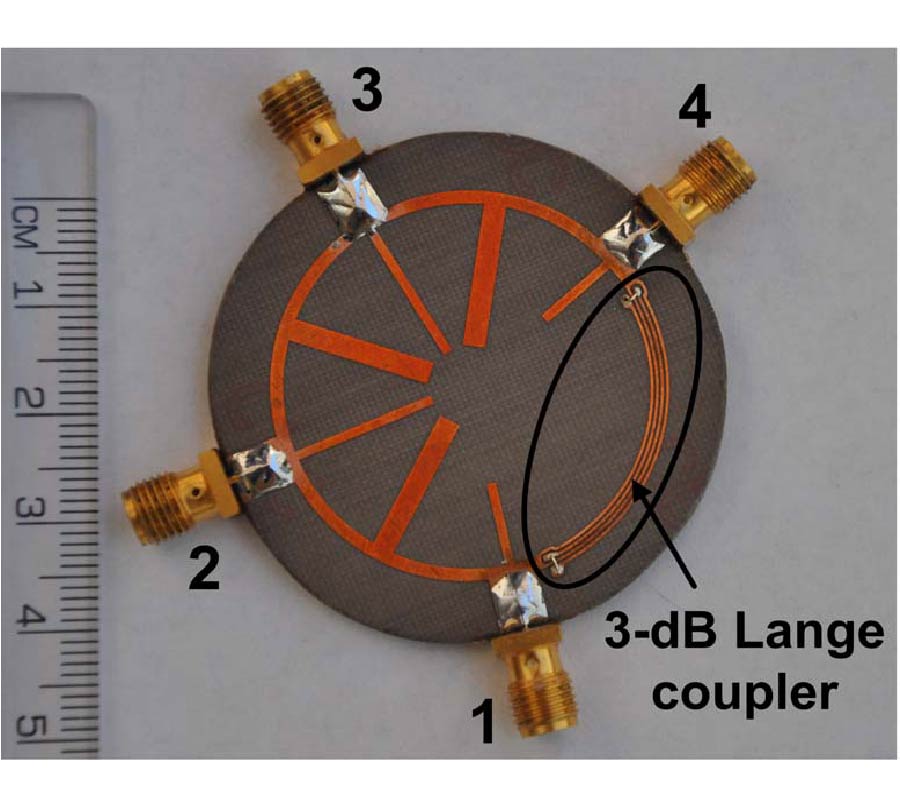
A topology for a 3-dB broadband and small-size ring coupler is proposed. It consists of fullydistributed Composite Right-/Left-Handed phase shifters and a Lange coupler. For the fabricated coupler, the frequency bandwidth is one octave, centered on 1.5 GHz, while the footprint area is 25% compared to the conventional ring coupler topology. The experimental results are in good agreement with the expected ones, obtained by electromagnetic simulation.
BROADBAND AND SMALL-SIZE 3-DB RING COUPLER
2013-11-19
PIER Letters
Vol. 44, 15-21
Phase Shifting Holography for THz Near-Field/Far-Field Prediction
Gary Junkin
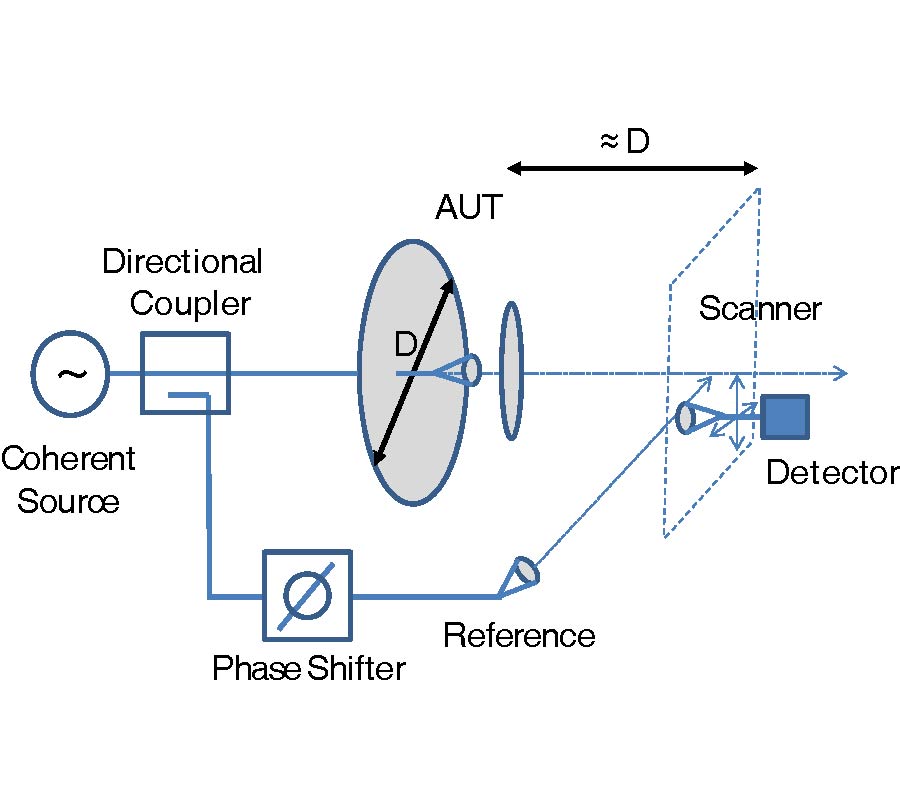
With a view to extending techniques for THz antenna near-field/far-field prediction, this communication derives general analytic expressions for calibrated phase shifting holography (PSH) and introduces a new 120º three-step PSH method that avoids switching off the reference field and has symmetrical performance over the entire complex plane, providing spurious free far-field prediction. Numerical tests with simulated near-field patterns at 372GHz confirm the convenience of the method and give an indication of the precision required for the phase shifts.
PHASE SHIFTING HOLOGRAPHY FOR THZ NEAR-FIELD/FAR-FIELD PREDICTION
2013-11-19
PIER Letters
Vol. 44, 9-13
Optimized Design of Helical Antenna with Parasitic Patch for L-Band Satellite Communications
Shiqiang Fu , Qinggong Kong , Shao-Jun Fang and Zhongbao Wang
A new small, low-profile and light-weight helical antenna element was designed for L-band satellite communications. The novelty of the antenna is that its input impedance matching has been improved by adjusting the copper strip matching stub, while its circular polarization performance has been enhanced by changing the parasitic radiation patch loaded in the front of the antenna. The optimal antenna structure for INMARSAT application has been fabricated and measured. The proposed antenna can produce a gain of higher than 9 dB, a 3-dB axial ratio bandwidth of nearly 15%, and a |S11|<-15 dB impedance bandwidth of nearly 19%. A good agreement between measurements and simulations is obtained. The proposed antenna is compact in size and easy to tune. It provides a promising antenna element for antenna array applications.
OPTIMIZED DESIGN OF HELICAL ANTENNA WITH PARASITIC PATCH FOR L-BAND SATELLITE COMMUNICATIONS
2013-11-19
PIER Letters
Vol. 44, 1-7
Foam Based Luneburg Lens Antenna at 60 GHz
Jonathan Bor , Olivier Lafond , Herve Merlet , Philippe Le Bars and Mohamed Himdi
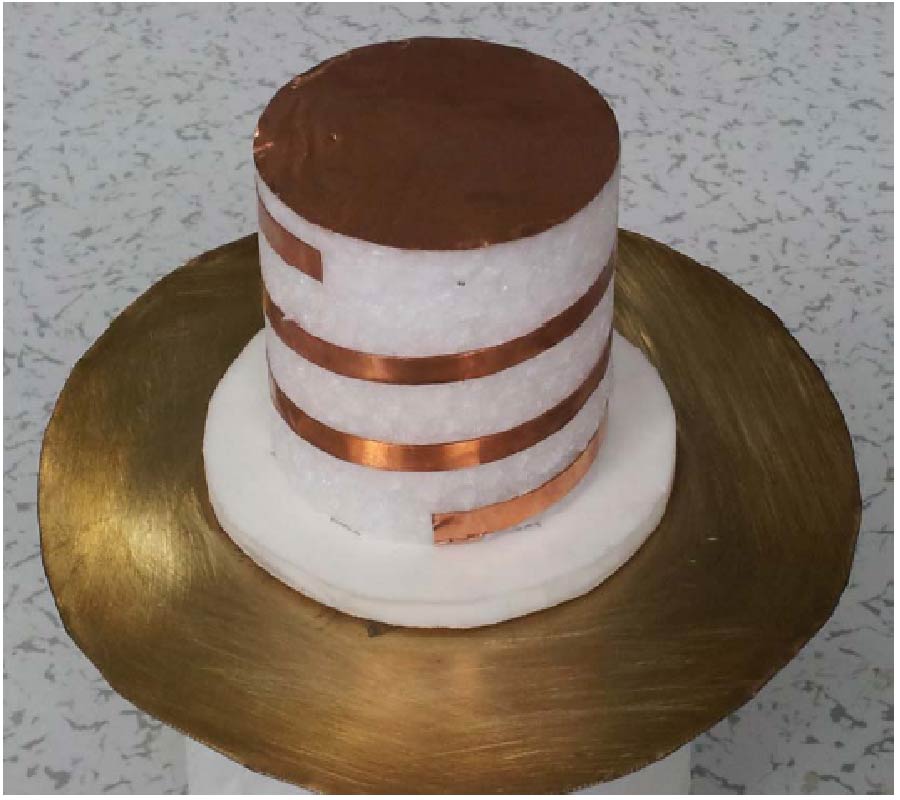
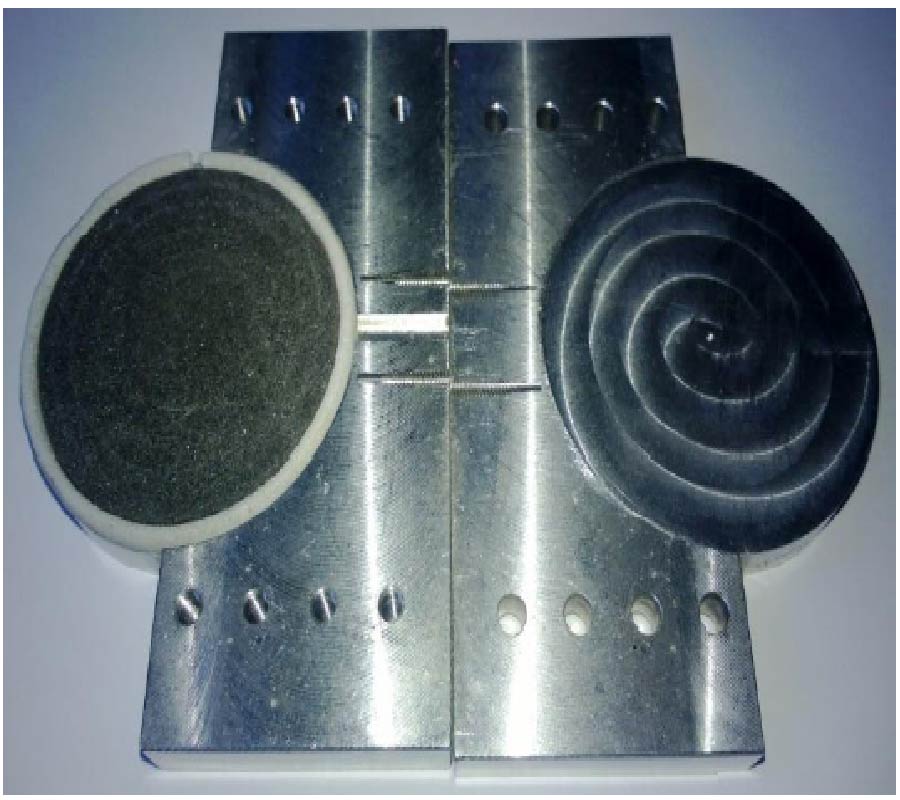
An innovative technological process is investigated to easily manufacture inhomogeneous Luneburg lenses. A unique foam material is drilled and pressed to achieve the different dielectric constant needed to follow the index law inside the lens. The performance of such 60 GHz antenna is described and the antenna prototype is measured in terms of gain and radiation patterns. The results show a good efficiency (60% with a directivity of 18-19 dBi) and demonstrate the feasibility of this kind of Luneburg lens, through the use of a simple technological process. The lens with a diameter of 56 mm and a thickness of 3 mm operates in the 57-66 GHz bandwidth. The magnitude of S11 parameter is under -10 dB in the whole bandwidth and an half-power beamwidth of 5° and 50° in H-plane and E-plane respectively is reached.
FOAM BASED LUNEBURG LENS ANTENNA AT 60 GHZ
2013-11-19
PIER M
Vol. 34, 19-27
Accurate Method to Estimate EM Radiation from a GSM Base Station
Qing Qing He , Wan Chun Yang and Yan Xia Hu
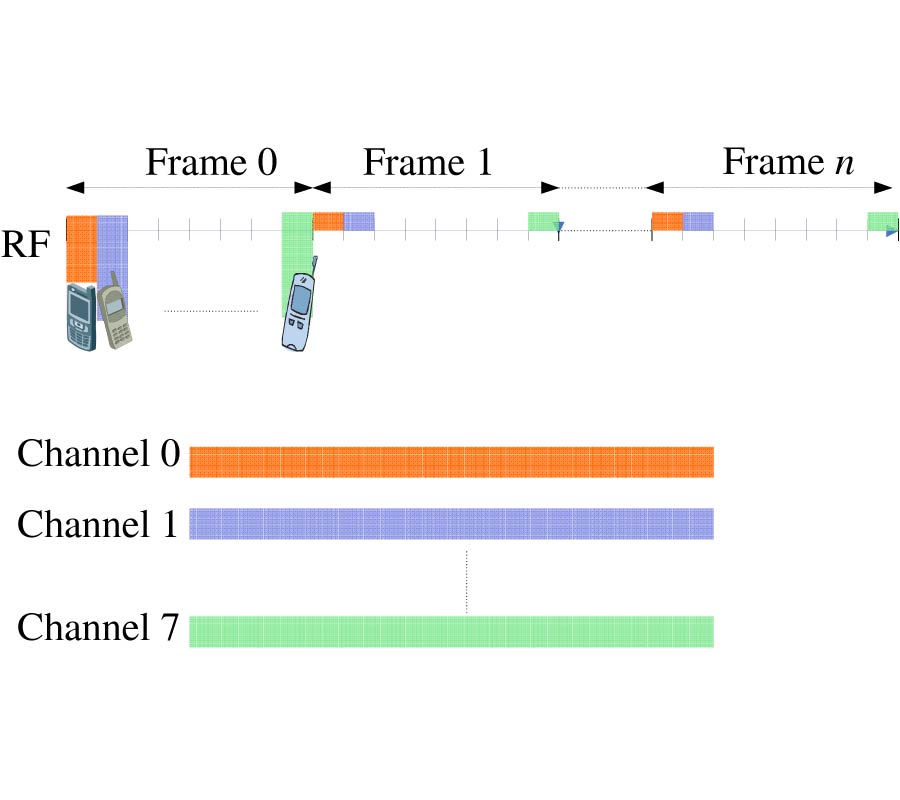
Global System for Mobile Communications (GSM) is currently one of the most widely and most demanding telecommunication applications in the world. Researchers have reported that radiation from base stations may be dangerous to public health and that some human diseases are related to RF field exposure. Considering that in the past almost all the EM radiation assessments were focused on the Maximum transmission power of base station, and no statistical analyses have been performed on transmitted power's variation with the traffic. An accurate method for predicting electromagnetic (EM) radiation from GSM base stations is proposed in this paper. It is based on the Poisson distribution of GSM-transmitted signals to calculate GSM transmitted power at different time periods. The theoretical calculation data fits well with the measurement data. Measurement results confirm that electromagnetic radiation varies with changing traffic and power density at different times with varying traffic strength is more accurate than implementing only maximum power (20 W) calculation. In some occasion, maximal power density is about 61 μW/cm2 for 15 m in rush hours, but minimum power density is only 0.031 μW/cm2 for 15 m in idle hours.
ACCURATE METHOD TO ESTIMATE EM RADIATION FROM A GSM BASE STATION
2013-11-19
PIER M
Vol. 34, 9-17
Numerical Method of Computing the Impedance of a Twin High Current Busduct of Rectangular Hollow Conductors
Joanna Kolanska-Pluska , Pawel Jablonski and Zygmunt Piatek
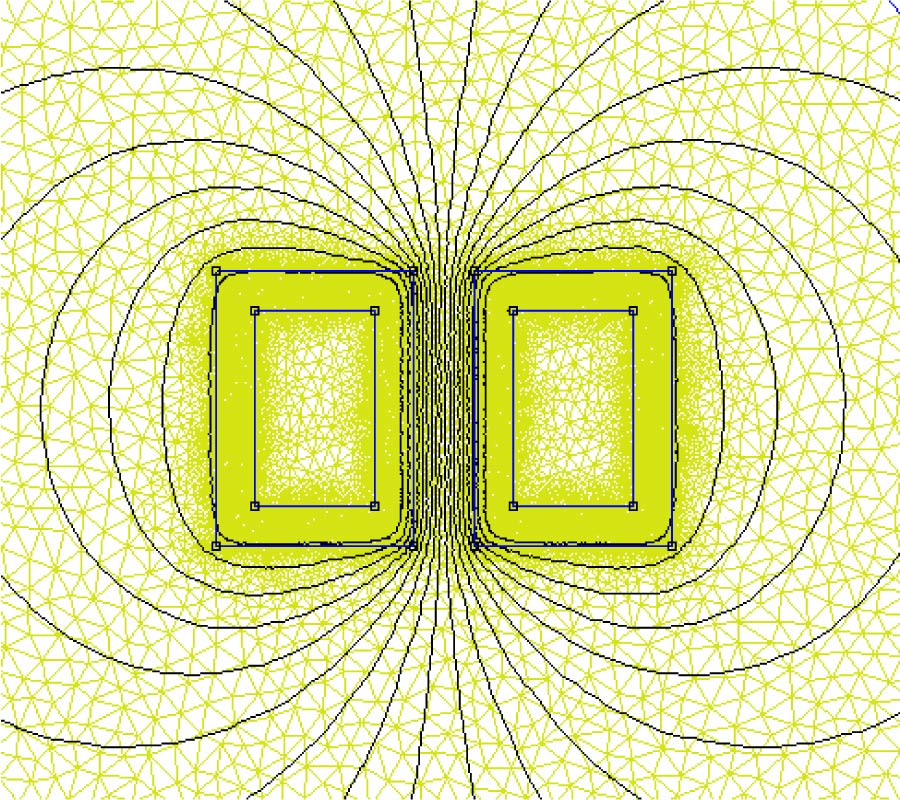
In this paper, a new numerical method of calculating the total impedance of a twin high current busduct consisting of rectangular hollow busbar is proposed. The method is based on the integral equation method and partial inductance theory. Results for impedance of this twin high current busduct have been obtained, and the skin and proximity effects have also been taken into consideration. The validation of the proposed method is carried out through Finite Element Method (FEM) and laboratory measurements, and a reasonable level of accuracy is demonstrated.
NUMERICAL METHOD OF COMPUTING THE IMPEDANCE OF A TWIN HIGH CURRENT BUSDUCT OF RECTANGULAR HOLLOW CONDUCTORS
2013-11-19
PIER M
Vol. 34, 1-8
Terminal Response of Twisted-Wire Pairs Excited by Nonuniform Electromagnetic Fields
Panagiotis Papakanellos and George P. Veropoulos
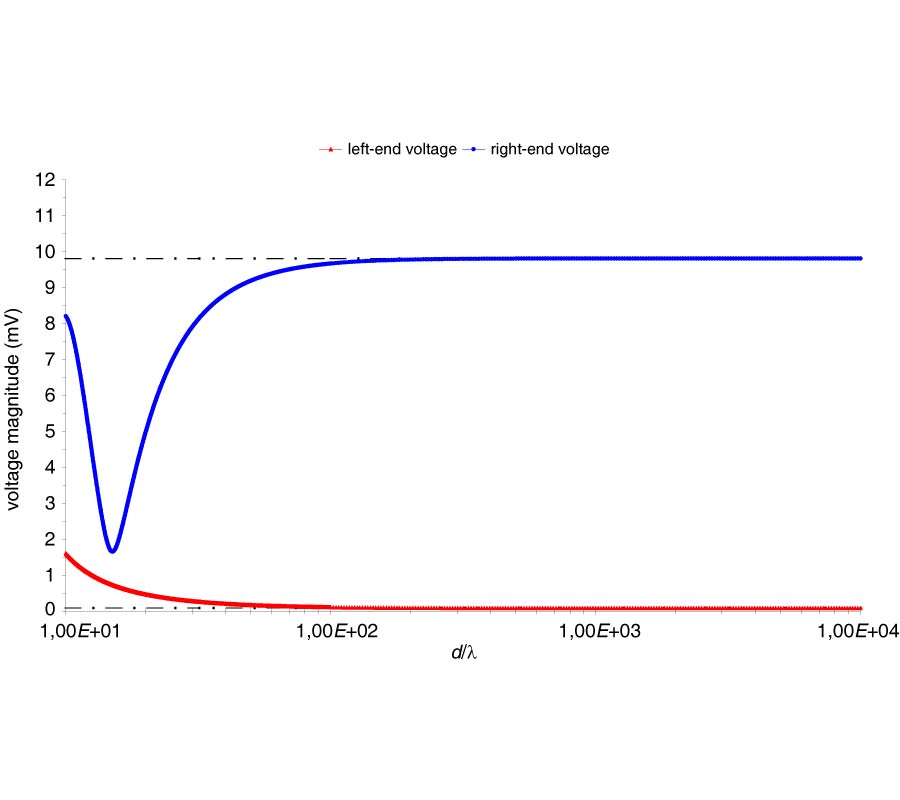
Plane-wave excitation fields are not always sufficient for the immunity characterization of wire-type structures operating in the contemporary manmade environment. Following a previous work dealing with straight-wire transmission lines in the presence of nonuniform fields, the present paper examines twisted-wire pairs. Numerical results for the induced load voltages reveal the importance of field nonuniformity for assessing the immunity behavior of twisted-wire transmission lines on a firmer basis.
TERMINAL RESPONSE OF TWISTED-WIRE PAIRS EXCITED BY NONUNIFORM ELECTROMAGNETIC FIELDS
2013-11-18
PIER B
Vol. 56, 409-427
A Combined FDTD/TLM Time Domain Method to Solve Efficiently Electromagnetic Problems
Nathanael Muot , Christophe Girard , Xavier Ferrieres and Elodie Bachelier
Modeling complex networks of cables inside structures and modeling disjoint objects connected by cables inside large computational domains with respect to the wavelength are two problems that currently present many difficulties. In this paper, we propose a 1D/3D hybrid method in time domain to solve efficiently these two kinds of problems. The method, based upon finite difference schemes, couples Maxwell's equations to evaluate electromagnetic fields in 3D domains and the transmission line equations to evaluate currents and voltages on cables. Some examples are presented to show the interest of this approach.
A COMBINED FDTD/TLM TIME DOMAIN METHOD TO SOLVE EFFICIENTLY ELECTROMAGNETIC PROBLEMS
2013-11-18
PIER C
Vol. 45, 163-178
Numerical and Experimental Analysis of Wideband E-Shape Patch Textile Antenna
Hai-Sheng Zhang , Shun-Lian Chai , Ke Xiao and Liang Feng Ye
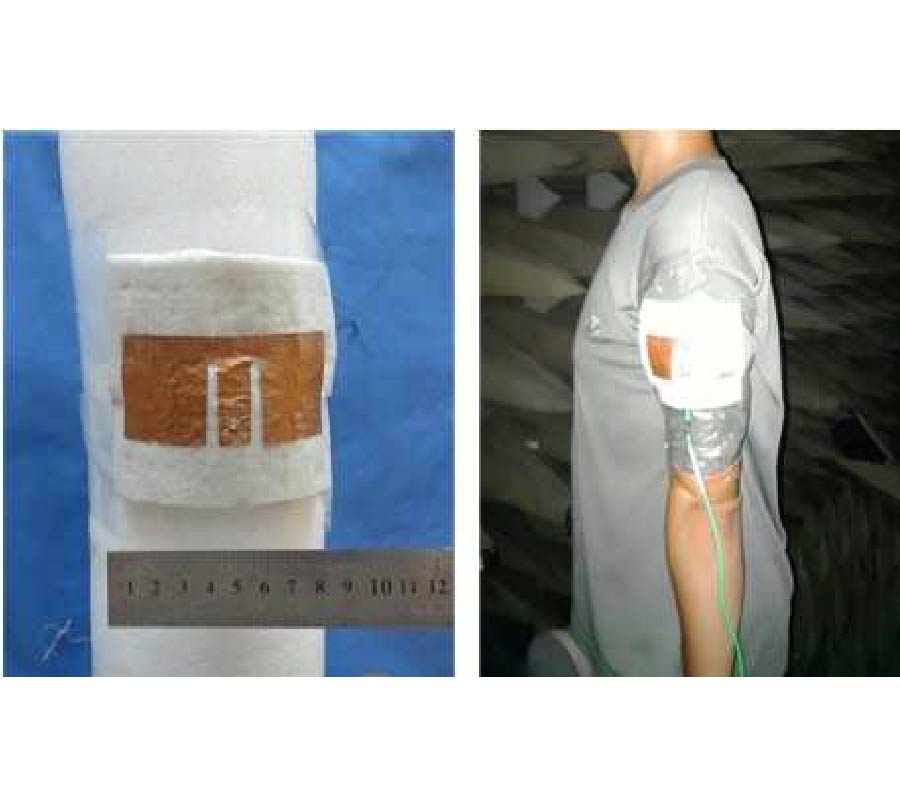
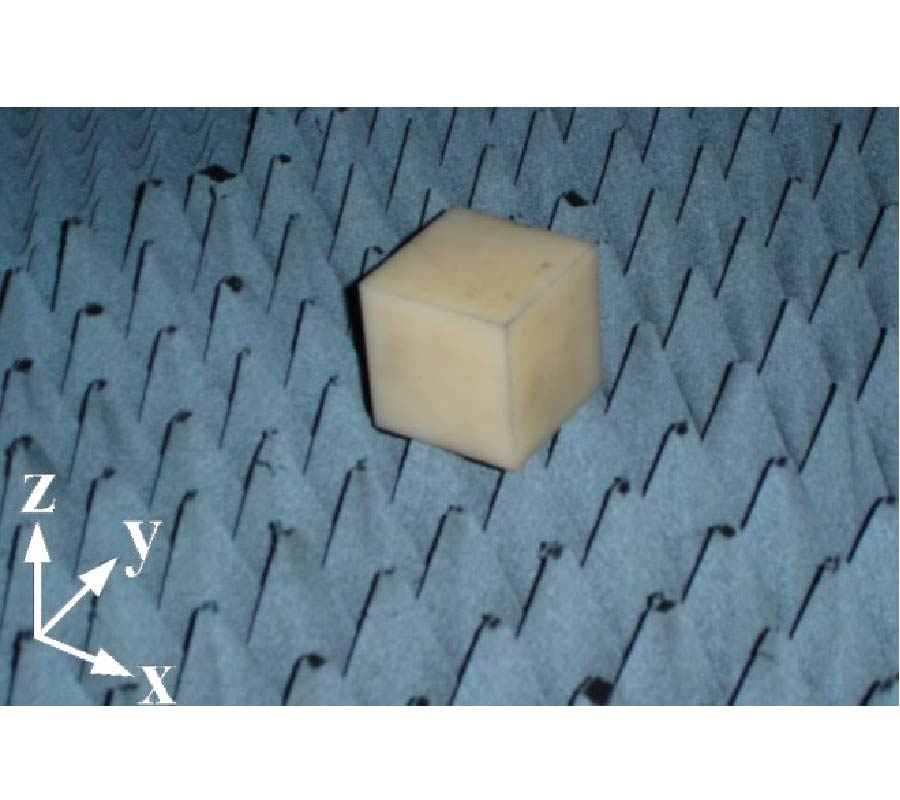
In this paper, we present a wideband planar Eshape textile antenna and study its performance numerically and experimentally. The textile material and radiation patch shape provide the antenna a wide working band (2.25 GHz-2.75 GHz). A digital human model is established to numerically analyze the affect of human body on antenna. Experiments are carried out to study the performance changes of antenna at different states which may be experienced in the potential applications. These states are antenna on human body, antenna getting bent, and antenna after getting wet. The simulated and measured results in free space and on human chest show good agreement with each other. From the study, it is also found that the textile antenna's performance does not get deteriorated at these states. Therefore, the wideband planar E-shaped textile antenna is suitable for body-centric wireless communications with high quality.
NUMERICAL AND EXPERIMENTAL ANALYSIS OF WIDEBAND E-SHAPE PATCH TEXTILE ANTENNA
2013-11-18
PIER
Vol. 143, 405-419
Early Stage Breast Cancer Detection Using Indirect Microwave Holography
Michael Elsdon , Okan Yurduseven and David Smith
A novel microwave imaging approach for early stage breast cancer detection is described. The proposed technique involves the use of an Indirect Microwave Holographic technique employing a patented synthetic reference wave. This approach offers benefits in terms of simplicity, expense, comfort and safety when compared to current mammography techniques. Experimental results using a simulated breast phantom are included to demonstrate the validity of this technique to obtain 2D images. The technique is then extended to demonstrate the possibility of obtaining 3D images by using indirect stereoscopic holographic imaging.
EARLY STAGE BREAST CANCER DETECTION USING INDIRECT MICROWAVE HOLOGRAPHY
2013-11-18
PIER
Vol. 143, 385-404
A New 2D Non-Spurious Discontinuous Galerkin Finite Element Time Domain (DG-FETD) Method for Maxwell's Equations
Qiang Ren , Luis E. Tobon and Qing Huo Liu
A new discontinuous Galerkin Finite Element Time Domain (DG-FETD) method for Maxwell's equations is developed. It can suppress spurious modes using basis functions based on polynomials with the same order of interpolation for electric field intensity and magnetic flux density (EB scheme). Compared to FETD based on EH scheme, which reqires different orders of interpolation polynomials for electric and magnetic field intensities, this method uses fewer unknowns and reduces the computation load. The discontinuous Galerkin method is employed to implement domain decomposition for the EB scheme based FETD. In addition, a well-posed time-domain perfectly matched layer (PLM) is extended to the EB scheme to simulate the unbounded problem. Leap frog method is utilized for explicit time stepping. Numerical results demonstrate that the above proposed methods are effective and efficient for 2D time domain TMz multi-domain problems.
A NEW 2D NON-SPURIOUS DISCONTINUOUS GALERKIN FINITE ELEMENT TIME DOMAIN (DG-FETD) METHOD FOR MAXWELL'S EQUATIONS
2013-11-15
PIER C
Vol. 45, 151-162
A Harmonic-Suppressed Microstrip Antenna Using a Metamaterial-Inspired Compact Shunt-Capacitor Loaded Feedline
Omar Farooq Siddiqui and Ashraf Shouki Seliem Mohra
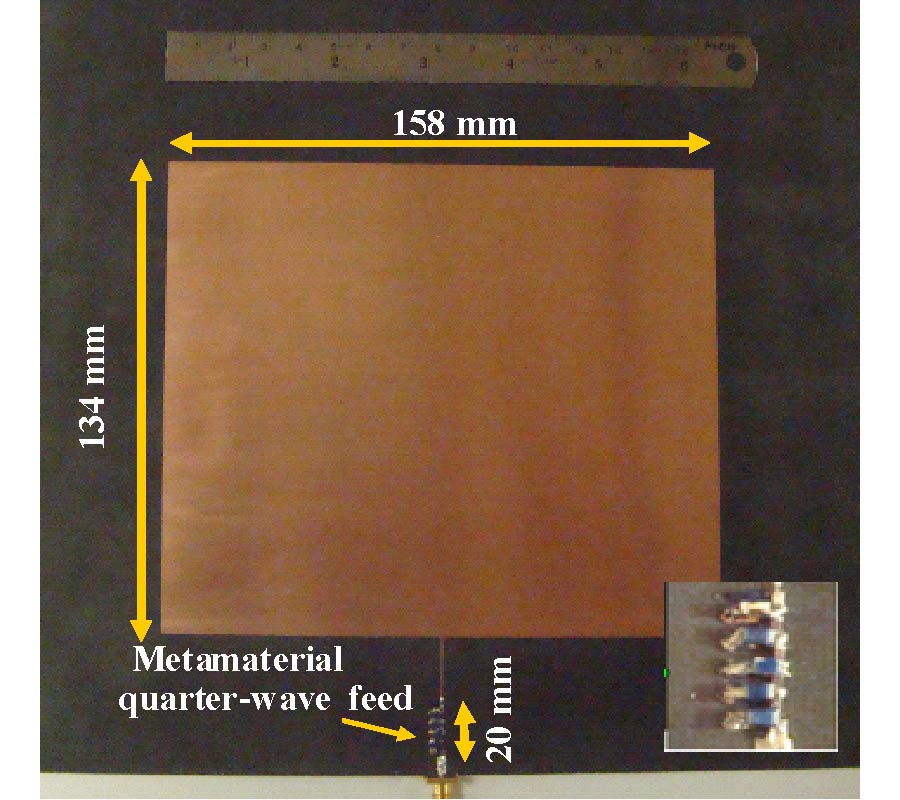
This paper presents a novel method to suppress the higher order harmonics in the microstrip patch antennas. A practical 0.75 GHz microstrip patch antenna is fed with a quarter-wave feedline designed by exploiting the dispersion properties of shunt-capacitor-loaded transmission-line metamaterials. It is shown that two higher order harmonic modes at 1.25 and 1.5 GHz are completely eliminated. In addition, there is about a one-fourth reduction in the length of the impedance matching quarter-wave feedline.
A HARMONIC-SUPPRESSED MICROSTRIP ANTENNA USING A METAMATERIAL-INSPIRED COMPACT SHUNT-CAPACITOR LOADED FEEDLINE
2013-11-14
PIER B
Vol. 56, 387-407
Focusing Properties of Ultra Wideband Transient Arrays
Shaya Karimkashi , Ahmed A. Kishk , Darko Kajfez and Guifu Zhang
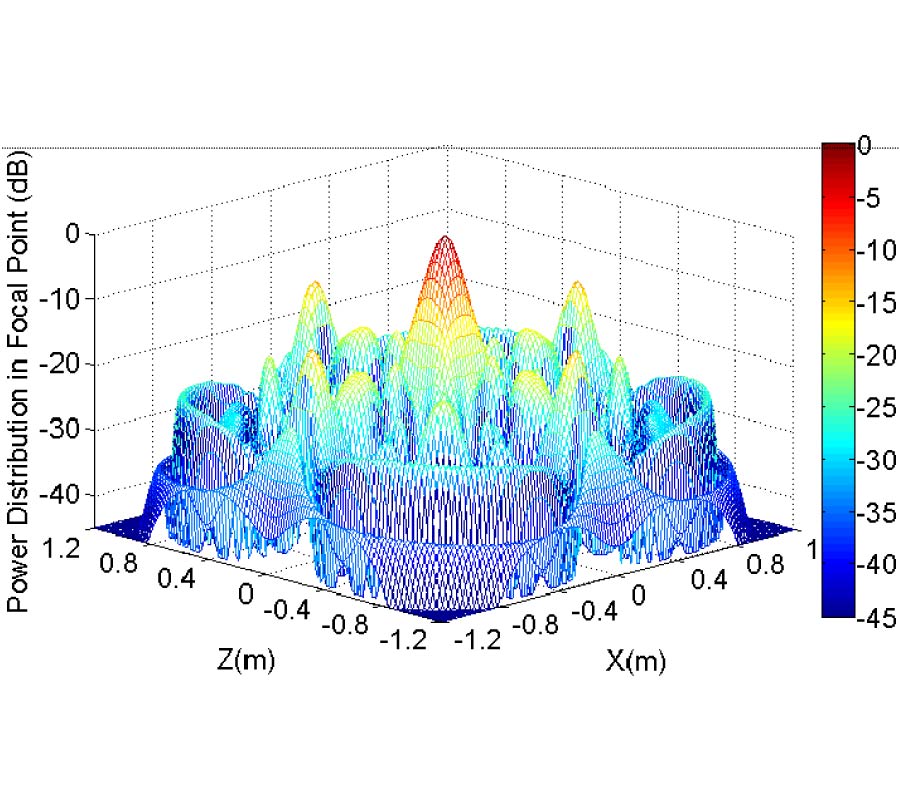
Some new focusing properties of time-domain ultra wide band (UWB) focusing array antennas are presented. The large current radiator (LCR) is considered as the UWB antenna element. Each LCR is replaced by a set of infinitesimal dipoles modeling both the near field and the far field patterns of the antenna element and the coupling between the elements. Several antenna arrays with different sizes and number of elements are modeled. It is shown that similar to narrow band antennas, the actual maximum field region shifts from the intended focus region towards the antenna aperture.
FOCUSING PROPERTIES OF ULTRA WIDEBAND TRANSIENT ARRAYS
2013-11-14
PIER Letters
Vol. 43, 191-199
Realization of Microstrip Bandpass Filter Balun Using Double-Sided Parallel-Strip Line with Novel Coupling Scheme
Cui-Hua Li and Minquan Li
In this paper, we propose a microstrip filter balun adopting double-sided parallel-strip line (DSPSL) with a conductor plane inserted in the middle of the substrate. Fed by the DSPSL at input port, two microstrip filters on top and bottom layers are excited simultaneously, with the frequency-independent out-of-phase feature obtained between two output ports. The proposed filter balun exhibits excellent performance with good frequency selectivity because of multiple transmission zeros generated by a new coupling scheme. Finally, a filter balun sample is designed and fabricated, and good agreement is obtained between its measured and simulated S-parameters.
REALIZATION OF MICROSTRIP BANDPASS FILTER BALUN USING DOUBLE-SIDED PARALLEL-STRIP LINE WITH NOVEL COUPLING SCHEME
2013-11-13
PIER B
Vol. 56, 365-385
Application of Negative Selection Algorithm in Smart Antenna System for LTE Communication
Abdul Kadir Evizal , Tharek Bin Abdul Rahman , Sharul Kamal Bin Abd Rahim , Sri Listia Rosa and Alireza Moradi
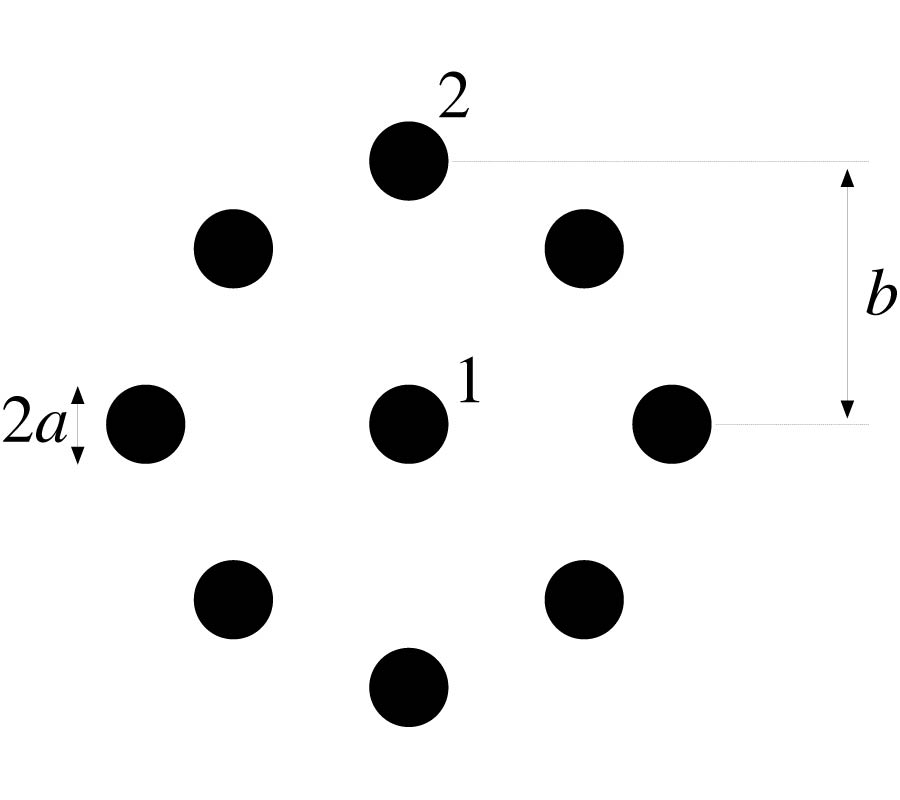
Interference and multipath is one of the current issues in a wireless communication system, with complicated scenarios of environment especially in urban areas with a high number of users. Introducing smart antenna systems at the base station can contribute to reducing interference and improve quality of service. This paper proposes and explores the application of artificial immune system and negative selection algorithm to the prototype of smart antenna, where the proposed smart antenna is a hexagonal structure with 6-elements of the antenna array and working in LTE band at 2.6 GHz. Initial testing was done to define the RSSI value by calculating the average of the signal then comparing RSSI value defined by implementing artificial immune algorithm. To proof and determine actual RSSI signal received, a test in an anechoic chamber is conducted as reference that assumes free interference and multipath then compared to both of results. X-Bee module was used for transmitter and receiver in system at 2.4\,GHz band, and the proposed system prototype with hexagonal structure also used dual ARM microprocessor. Negative selection algorithm is applied in smart antenna programming to define actual values of receiving signal and angle of arrival. Every beam of the antenna were installed with an X-Bee module then connected to microprocessors, with an LED installed at each of the antenna as an indicator of beam switching or angle of arrival signal.
APPLICATION OF NEGATIVE SELECTION ALGORITHM IN SMART ANTENNA SYSTEM FOR LTE COMMUNICATION
2013-11-13
PIER
Vol. 143, 369-384
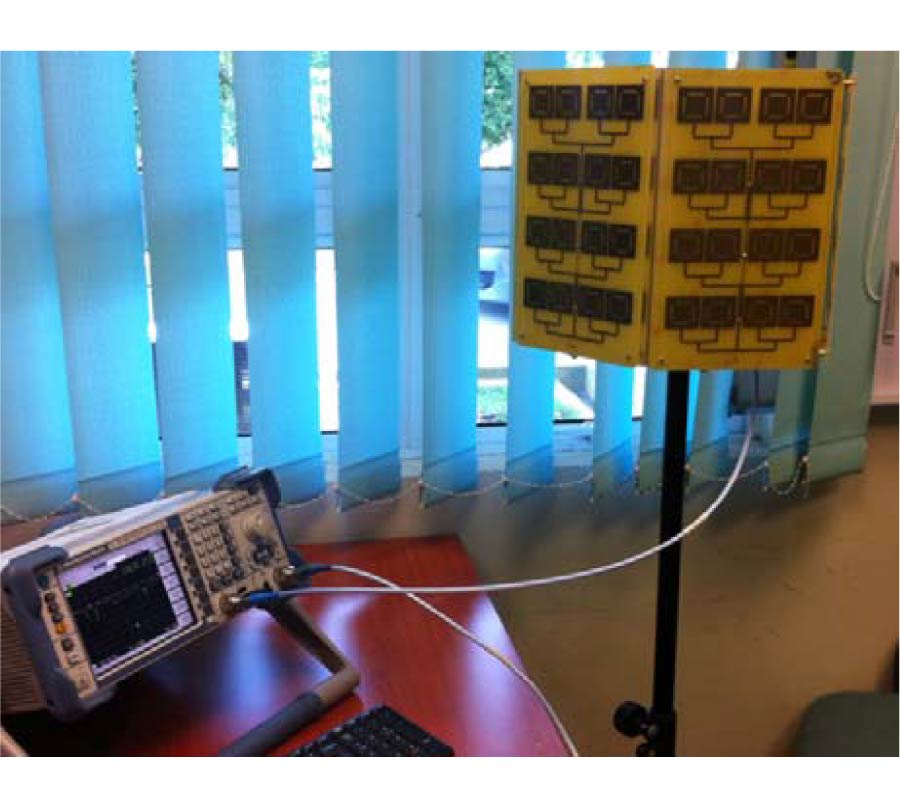
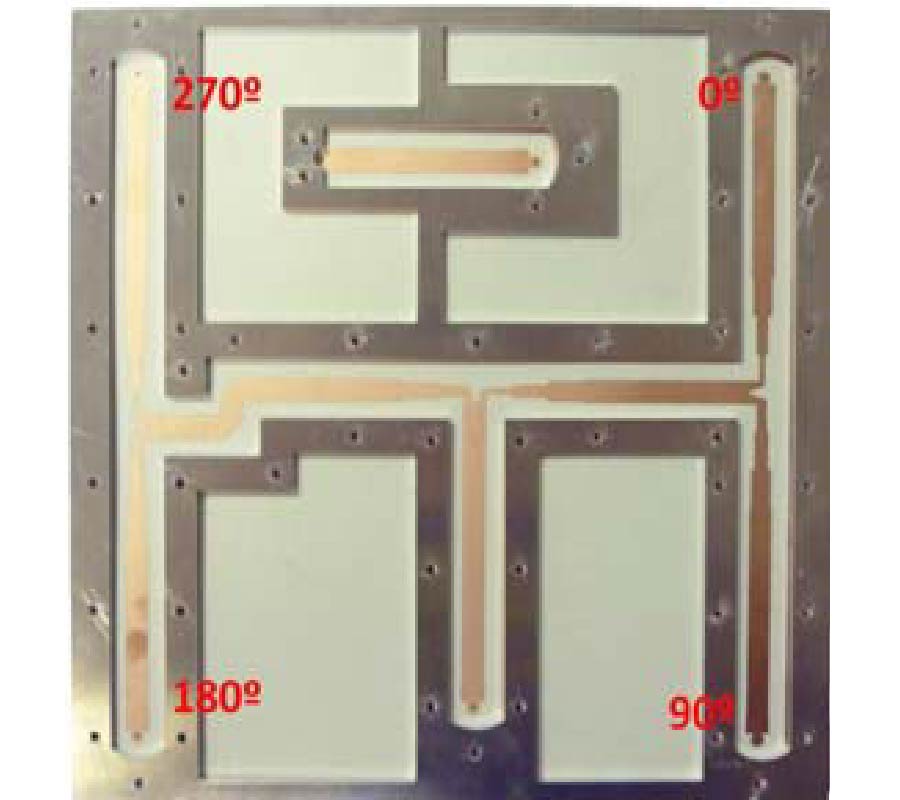
Low Losses Power Distribution Networks in Stripline Technology for Planar Array Antennas
Jose Manuel Inclan-Alonso , Jose-Manuel Fernandez Gonzalez and Manuel Sierra-Perez
Nowadays low profile passive array planar antennas are being more and more used substituting traditional parabolic antennas in satellite communications. To achieve a good efficiency in printed arrays it is necessary to use a low losses network. A shielded suspended stripline is proposed in this paper. The main aim of this network is to distribute the power among subarrays in an array antenna with minimum losses. Several vertical transitions to subarrays are shown besides some network designs for square arrays at X band.
LOW LOSSES POWER DISTRIBUTION NETWORKS IN STRIPLINE TECHNOLOGY FOR PLANAR ARRAY ANTENNAS
2013-11-12
PIER B
Vol. 56, 347-363
Design and Analysis of Tapered Slot Antenna with 3.5/5.5 GHz Band-Notched Characteristics
Dae-Heon Lee , Hae-Yong Yang and Young-Ki Cho
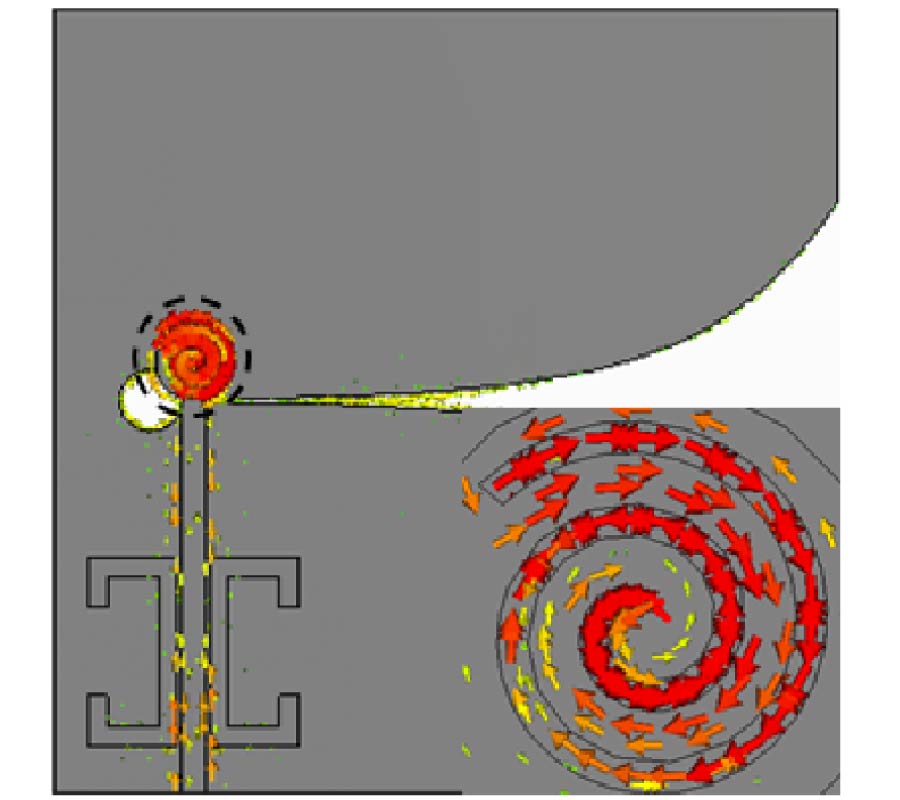
novel tapered slot antenna (TSA) with 3.5/5.5 GHz dual band-notched characteristics for ultra-wideband (UWB) radios is proposed in this paper. To realize dual band-notched characteristics at the TSA, we employ (a) a pair of nested C-shaped stubs beside the feed line and (b) a broadband microstrip-to-slot-line transition with an Archimedean spiral-shaped slot. The proposed antenna has been successfully simulated, implemented, and measured. An equivalent circuit model of the proposed antenna is also presented to discuss the mechanism of the dual band-notched TSA. The measured data for the optimized case show the bandwidth for the VSWR < 2 to be 9.2 GHz (from 2.4 to 11.6 GHz) with two notched bands of 3.1-4.0 GHz (WiMAX band) and 5.1-6.2 GHz (WLAN band), respectively. The measured electrical parameters of the proposed antenna and its radiation patterns show excellent performance with good pulse handling capabilities. Also, the 3.5/5.5 GHz dual band-notched characteristics are achieved without increasing the size of the single band-notched TSA reported previously.
DESIGN AND ANALYSIS OF TAPERED SLOT ANTENNA WITH 3.5/5.5 GHZ BAND-NOTCHED CHARACTERISTICS