Search Results(13802)

2011-03-23
PIER
Vol. 115, 113-129
Inverse Modeling in Application for Sequential Filter Tuning
Jerzy Julian Michalski
This paper presents a new method of sequential microwave filter tuning. For filters with R tuning elements (including cavities, couplings and cross-couplings), based on physically measured scattering characteristics in the frequency domain, the Artificial Neural Network (ANN) is used to build inverse models of R sub-filters. Each sub-filter is associated to one tuning element. The sub-filters are obtained by successive opening or shorting of resonators and by removing coupling screws. For each sub-filter, the ANN training vectors are defined as physical reflection characteristics (input vectors) and the corresponding positions of the tuning element, which is detuned, in both directions, from its proper setting (output vectors). In the tuning process, such inverse models are used for calculating the tuning element increments needed for setting the tuning element in the proper position. The tuning experiment, conducted on 8- and 11- cavity filters, has shown the performance of the presented method.
INVERSE MODELING IN APPLICATION FOR SEQUENTIAL FILTER TUNING
2011-03-23
PIER
Vol. 115, 95-112
Effects of Antennas and Propagation Channels on Synchronization Performance of a Pulse-Based Ultra-Wideband Radio System
Zhiming Chen and Yue-Ping Zhang
Synchronization performance of a pulse-based ultra-wideband (UWB) system is investigated by taking into account of distortions caused by transmitter and receiver antennas and wireless propagation channels in different environments. The synchronization scheme under consideration can be achieved in two steps: a slide correlator and a phase-locked loop (PLL)-like fine tuning loop. Effects of the non-idealities are evaluated by analyzing the distortion of the received UWB pulse and subsequently the synchronization performance of the pulse-based UWB system. It is found that generally a smaller step is required for the sliding correlator due to distortions introduced by the antennas and channels. However, the fine tuning loop can always be stabilized by adjusting the loop parameters. Therefore, synchronization can always be achieved.
EFFECTS OF ANTENNAS AND PROPAGATION CHANNELS ON SYNCHRONIZATION PERFORMANCE OF A PULSE-BASED ULTRA-WIDEBAND RADIO SYSTEM
2011-03-22
PIER C
Vol. 20, 215-225
Modified Multilook Cross Correlation (Mlcc) Algorithm for Doppler Centroid Estimation in Synthetic Aperture Radar Signal Processing
Bee Cheng Sew , Yee Kit Chan , Chee Siong Lim , Tien Sze Lim and Voon Koo
The Multilook Cross Correlation (MLCC) is one of the most reliable algorithms used for Doppler ambiguity number estimation of the Doppler centroid parameter. However, the existing MLCC algorithm is only suitable for low contrast scenes. In high contrast scenes, the estimated result is not reliable, and the error is unacceptable. Besides, the Doppler centroid estimation processing time is long and can only be used in offline processing. In this paper, we introduce a modified MLCC algorithm that has better sensitivity which is suitable not only for low contrast scenes, but also for high contrast scenes. In addition, the modified MLCC algorithm can be implemented on parallel signal processing units for better time efficiency. Experiments with RADARSAT-1 data show that the modified algorithm works well in both high and low contrast scenes.
MODIFIED MULTILOOK CROSS CORRELATION (MLCC) ALGORITHM FOR DOPPLER CENTROID ESTIMATION IN SYNTHETIC APERTURE RADAR SIGNAL PROCESSING
2011-03-22
PIER M
Vol. 17, 183-196
Analysis of Conical Diffraction by Curved Strip Gratings by Means of the C-Method and the Combined Boundary Conditions Method
Gerard Granet , Faly Tinasoa and Karyl Raniriharinosy
A rigorous modal theory of conical diffraction from curved strip gratings is presented. In this approach, the C-method with adaptive spatial resolution is used in conjunction with the combined boundary conditions. The method is successfully validated by comparison with a case where the solution can also be obtained in the Cartesian coordinate system.
ANALYSIS OF CONICAL DIFFRACTION BY CURVED STRIP GRATINGS BY MEANS OF THE C-METHOD AND THE COMBINED BOUNDARY CONDITIONS METHOD
2011-03-22
PIER
Vol. 115, 79-94
Coaxial Narrowband Filters Using a Versatile Suspended Resonator
Aline Jaimes-Vera , Ignacio Llamas-Garro and Alonso Corona-Chavez
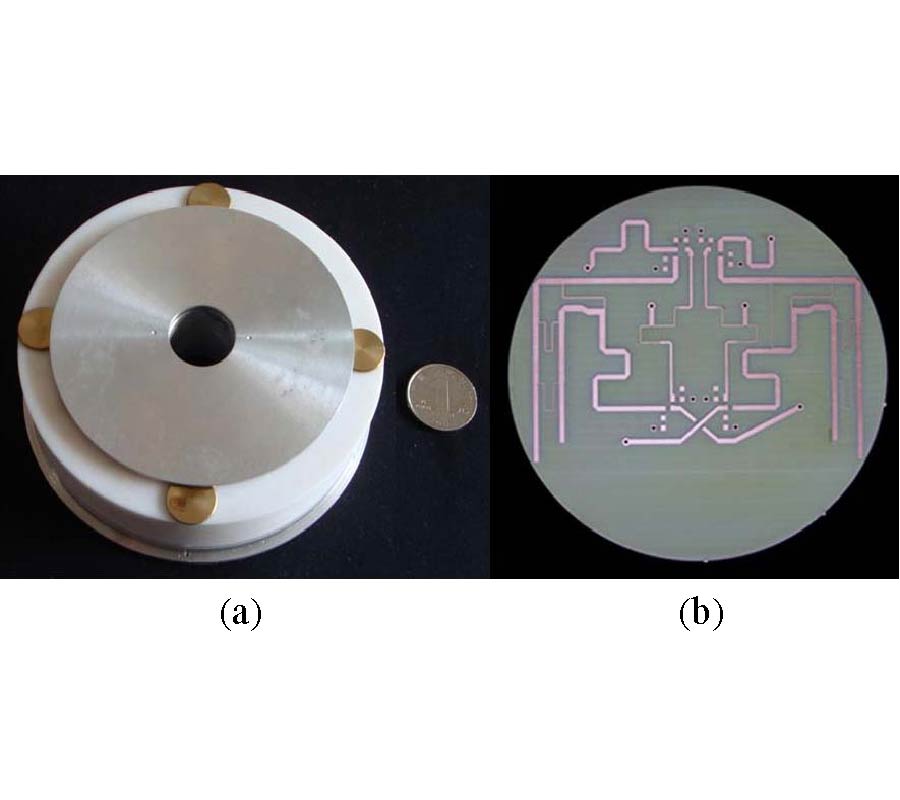
In this paper two four-pole filters at X-band are presented, both designs use a coaxial quarter wavelength resonator suspended in air by short circuits between the coaxial center and outer conductor. Different couplings between suspended resonators have been used to obtain a Chebyshev and a quasi-elliptic response. The Chebyshev filter was designed to have a 9.2 GHz centre frequency with a 4% fractional bandwidth. The second design is a quasi-elliptic filter composed of two vertically stacked rectangular coaxial lines, where one pair of resonators is placed on the lower coaxial line and another pair is located on the upper line. Coupling between coaxial lines is achieved through an iris in the common coaxial ground plane. The quasi-elliptic filter has been designed to have a centre frequency of 9.1 GHz with a 4% fractional bandwidth. Two transmission zeros located at the sides of the passband have been successfully achieved with the proposed filter topology. Experimental results for both designs are presented, where a good agreement with simulations has been obtained.
COAXIAL NARROWBAND FILTERS USING A VERSATILE SUSPENDED RESONATOR
2011-03-21
PIER B
Vol. 29, 63-82
Synthesis of Thinned Planar Concentric Circular Antenna Arrays --- a Differential Evolutionary Approach
Pradipta Ghosh and Swagatam Das
Circular antenna array design is one of the most important electromagnetic optimization problems of current interest. The problem of designing a large multiple concentric planar thinned circular ring arrays of uniformly excited isotropic antennas is considered in this paper. This antenna must generate a pencil beam pattern in the vertical plane along with minimized side lobe level (SLL). In this paper, we present an optimization method based on an improved variant of one of the most powerful real parameter optimizers of current interest, called Differential Evolution (DE). Two sets of different cases have been studied here. First set deals with thinned array design with the goal to achieve number of switched off elements equal to 220 or more. The other set contains design of array while maintaining side lobe level (SLL) below a fixed value. Both set contains two types of design, one with uniform inter-element spacing fixed at 0.5λ and the other with optimum uniform inter-element spacing. The half-power beam width of the synthesized pattern is attempted to maintain fixed at the value equal to that of a fully populated array with uniform spacing of 0.5λ. Simulation results of the designed thinned arrays are compared with a fully populated array for all the cases to illustrate the effectiveness of our proposed method.
SYNTHESIS OF THINNED PLANAR CONCENTRIC CIRCULAR ANTENNA ARRAYS --- A DIFFERENTIAL EVOLUTIONARY APPROACH
2011-03-21
PIER Letters
Vol. 22, 9-17
Pulse Signals in Open Circular Dielectric Waveguide
Maxim N. Legenkiy and Alexander Butrym
Excitation and propagation of a pulse electromagnetic wave in an open circular dielectric waveguide is considered. Partition of the pulse field into radiated wave, surface wave, and guided wave has been revealed and the corresponding physical effects are interpreted directly in the time domain. Namely it was shown that there is a precursor at the rod axis that propagates with speed of light in free space, it originates from the pulse surface wave that propagates along the rod surface and radiates into the rod in a Cherenkov like manner.
PULSE SIGNALS IN OPEN CIRCULAR DIELECTRIC WAVEGUIDE
2011-03-21
PIER Letters
Vol. 22, 1-8
A Novel Self-Similar Antenna for UWB Applications with Band-Notched Characteristics
Shou-Tao Fan , Ying-Zeng Yin , Hui Li and Le Kang
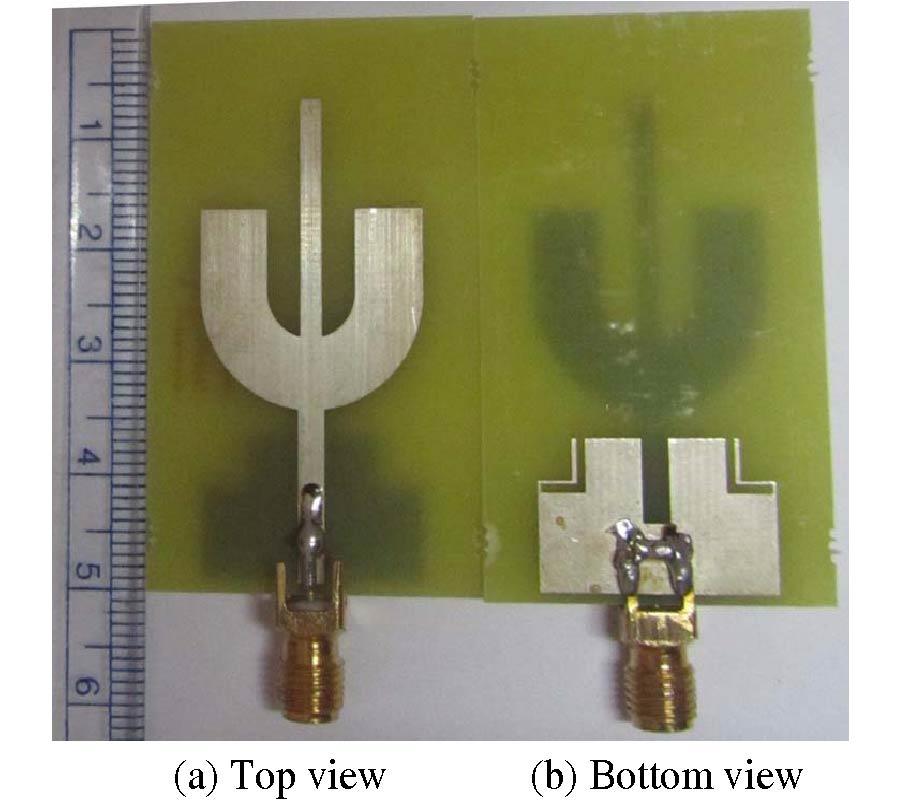
A novel self-similar antenna for band-notched ultra-wideband (UWB) applications is proposed. The UWB performance is obtained by introducing a quasi-trapezoidal radiating patch and a self-similar ground plane. By etching two similar slots on the radiating patch, band-notched characteristic can be obtained. The measured results show that the antenna covers the band of UWB from 2.6 to 12.8 GHz excluding the rejected bands from 3.3 to 3.6 GHz and from 4.8 to 6.0 GHz. In addition, the antenna exhibits nearly omni-directional radiation patterns and stable gains over the operating bands.
A NOVEL SELF-SIMILAR ANTENNA FOR UWB APPLICATIONS WITH BAND-NOTCHED CHARACTERISTICS
2011-03-21
PIER M
Vol. 17, 167-181
Directional Sensitive Modulation Signal Transmitted by Monopulse Cassegrain Antenna for Physical Layer Secure Communication
Tao Hong , Maozhong Song and Yu Liu
The broadcast nature of the wireless medium makes the communication over this medium vulnerable to eavesdropping. In this paper, we propose a directional sensitive modulation signal transmitted by Monopulse Cassegrain antenna for physical (PHY) layer security transmission. The main idea is that the sum beam transmit communication signal, simultaneously, and two difference beams transmit artificial noise to guarantee secure transmission of the sum beam. The eavesdropper's channel is degraded by artificial noise, but the desired receiver's channel does not affect because of the spatial orthogonality between the sum beam and two difference beams. In this way, the desired receiver can demodulate the communication signal while the eavesdroppers learn almost nothing about the information from its observations. A closed-form expression of the secrecy capacity is also derived for this practical transmit scheme from the viewpoint of information theoretic. Finally, simulation results show that the proposed signal can significantly improve the performance of secure wireless communications.
DIRECTIONAL SENSITIVE MODULATION SIGNAL TRANSMITTED BY MONOPULSE CASSEGRAIN ANTENNA FOR PHYSICAL LAYER SECURE COMMUNICATION
2011-03-20
PIER B
Vol. 28, 351-367
A Matrix Approach for the Evaluation of the Internal Impedance of Multilayered Cylindrical Structures
Jose Antonio Marinho Brandao Faria
A matrix technique for the computation of the per-unit-length internal impedance of radially inhomogeneous cylindrical structures is presented. The cylindrical structure is conceptually divided into a number of layers, each layer being characterized by its constitutive parameters, conductivity, permeability, and permittivity. Within this general framework, compound conductors, compound capacitors, compound magnetic cores, or any other compound structures resulting from a mix of the above, can be analyzed by using the very same tool. The developed software program, MLCS, which implements the mentioned matrix technique, also permits the evaluation of the electric and magnetic fields intensity at the layers' interfaces. The MLCS program is validated by using several application examples.
A MATRIX APPROACH FOR THE EVALUATION OF THE INTERNAL IMPEDANCE OF MULTILAYERED CYLINDRICAL STRUCTURES
2011-03-20
PIER C
Vol. 20, 203-214
Ionosphere Probing with a High Frequency Surface Wave Radar
Hao Zhou , Biyang Wen and Shicai Wu
This paper describes how the ionosphere reflected echoes observed by a high frequency surface wave radar (HFSWR) can be processed to extract information regarding the ionosphere sporadic E (Es) and F2 layers. It is shown that the range/time spectrum contains the data to estimate the occurring time and virtual heights of both the still and drifting Es layer clouds. In addition, for the drifting Es the data can be processed to extract the time-varying ranges and estimate virtual heights, horizontal drifting speeds. Information regarding the F2 layer such as the time-varying virtual heights can also be extracted. The time-frequency distributions (TFD) of the Es and F2 layer echoes calculated after the range migration compensation can be used to extract the intrinsic Doppler patterns. This is further used to obtain information on the internal nonuniform structures and disturbances such as the travelling ionospheric disturbances (TID) that are due to the acoustic gravity waves (AGW). Processing results of echo data collected by the portable HFSWR system named OSMAR-S demonstrate the validness of the above methods.
IONOSPHERE PROBING WITH A HIGH FREQUENCY SURFACE WAVE RADAR
2011-03-19
PIER M
Vol. 17, 151-166
Propagation Factor and Path Loss Simulation Results for Two Rough Surface Reflection Coefficients Applied to the Microwave Ducting Propagation Over the Sea
Irina Sirkova
The performance assessment of maritime microwave communications and radar systems requires accounting simultaneously for the non-homogeneous propagation medium over the sea and the rough sea surface scattering. The tropospheric ducting, specific for over water propagation, is one of the most difficult to treat propagation mechanisms. The proposed work combines a recently published in the literature phase correction, responsible for the shadowing effects, to the Ament rough surface reflection coefficient and the Parabolic Equation method (as implemented in the Advanced Propagation Model) to simulate the microwave propagation over the sea under evaporation duct conditions. Propagation factor and path loss results calculated for phase-corrected Ament, non-phase-corrected Ament and the other widely used, Miller-Brown, rough surface reflection coefficient are compared and discussed. The main effects from the accounting of the shadowing result in the shift of the interference minima and maxima of the propagation factor, changes in the path loss pattern and destruction of the trapping property of the duct.
PROPAGATION FACTOR AND PATH LOSS SIMULATION RESULTS FOR TWO ROUGH SURFACE REFLECTION COEFFICIENTS APPLIED TO THE MICROWAVE DUCTING PROPAGATION OVER THE SEA
2011-03-19
PIER
Vol. 115, 55-77
Comparative Study on Different HIS as Ground Planes and Its Application to Low Profile Wire Antennas Design
Inmaculada Tomeo-Reyes and Eva Rajo-Iglesias
In this paper, the characteristics of three different types of high impedance surfaces (HIS) to be used as ground planes for low profile wire antennas are investigated and compared: a mushroom-like surface, which is the classical example of HIS with connecting vias, and two surfaces with no vias, one of which is anisotropic. Both the simulation results and the measurements verify that the high impedance behaviour is successfully accomplished around the resonant frequency. In order to complete the study, return loss and radiation pattern of a horizontal dipole placed above the surfaces are analyzed.
COMPARATIVE STUDY ON DIFFERENT HIS AS GROUND PLANES AND ITS APPLICATION TO LOW PROFILE WIRE ANTENNAS DESIGN
2011-03-18
PIER
Vol. 115, 35-53
Metrics for Performance Evaluation of Preprocessing Algorithms in Infrared Small Target Images
Wei-He Diao , Xia Mao and Vasile Gui
Image preprocessing is commonly used in infrared (IR) small target detection to suppress background clutter and enhance target signature. To evaluate the performance of preprocessing algorithms, two performance metrics, namely PFTN (potential false targets number) decline ratio and BRI (background relative intensity) decline ratio are developed in this paper. The proposed metrics evaluate the performance of given preprocessing algorithm by comparing the qualities of input and output images. The new performance metrics are based on the theories of PFTN and BRI, which describe the quality of IR small target image, by representing the difficulty degree of target detection. Theoretical analysis and experimental results show that the proposed performance metrics can accurately reflect the effect of the image preprocessing stage on reducing false alarms and target shielding. Compared to the traditional metrics, such as signal-to-noise ratio gain and background suppression factor, the new ones are more intuitive and valid.
METRICS FOR PERFORMANCE EVALUATION OF PREPROCESSING ALGORITHMS IN INFRARED SMALL TARGET IMAGES
2011-03-17
PIER C
Vol. 20, 187-201
Design and Analysis of High-Voltage High-Efficiency Ultra-Wideband Pulse Synthesizer
Chao Fang , Choi Look Law , James C. M. Hwang and Jingjing Xia
A novel ultra-wideband (UWB) pulse synthesizer is proposed, which uses a distributed amplifier to combine Gaussian pulses of different polarities, amplitudes and delays. The center frequency and bandwidth of the synthesized pulse can be adjusted by varying the number of the Gaussian pulses and the delays between them. Compared to other UWB pulse generators, the present synthesizer is capable of higher voltages and higher efficiencies. Using 0.25-μm pHEMTs, a prototype synthesizer has been designed and fabricated with a center frequency of 4.0 GHz and a bandwidth of 1.9 GHz. Under a Gaussian input pulse of 1.5 V and 100 ps, the synthesizer outputs into 50 Ω a pulse of 4.5 V and 1 ns. At a pulse-repetition frequency of 10 MHz, the synthesizer consumes 1 mA at 3 V with 17% efficiency. Approaches to maintain high efficiency by scaling the supply voltage for different input amplitudes and pulse-repetition frequencies have also been verified experimentally.
DESIGN AND ANALYSIS OF HIGH-VOLTAGE HIGH-EFFICIENCY ULTRA-WIDEBAND PULSE SYNTHESIZER
2011-03-17
PIER C
Vol. 20, 173-186
Novel CRLH TL Metamaterial and Compact Microstrip Branch-Line Coupler Application
He-Xiu Xu , Guang-Ming Wang and Jian-Gang Liang
A novel resonate-type composite right/left handed transmission line (CRLH TL) is presented based on a high-low impedance section and a capacitive gap on the conductor strip, and a Minkowski-loop-shaped complementary split ring resonators (ML-CSRRs) etched on the ground plane. Influence of different iteration orders on the performance of novel CRLH TL and miniaturization mechanism are investigated in depth by electrical simulation (an analysis of circuit model) together with planar electromagnetic (EM) simulation. The close-form results of negative refractive index and complex propagation constant are provided by constitutive parameters retrieval method. For application, a compact branch-line coupler (BLC) centered at 0.88GHz (GSM band) is designed, fabricated and measured. The upper signal line of CRLH impedance transformer is constructed as Koch curves of first order to facilitate further integration of the BLC. Exact design method for fractal implementation is involved. Measurement results indicate that the proposed coupler achieves a comparable 81% size reduction and good in-band performance with regard to already covered ones. The concept, validated by consistent measurement data, is of practical value for other components design.
NOVEL CRLH TL METAMATERIAL AND COMPACT MICROSTRIP BRANCH-LINE COUPLER APPLICATION
2011-03-17
PIER
Vol. 115, 11-33
Kinematic Properties of Short-Pulsed Sparse Transmitting Arrays
Amir Shlivinski
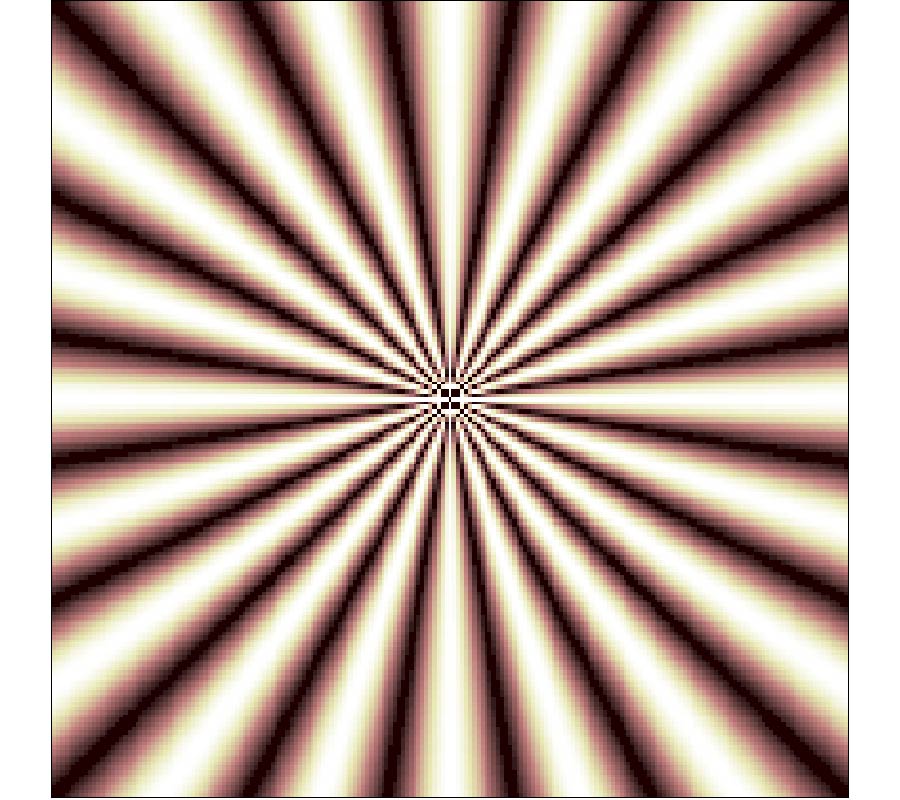
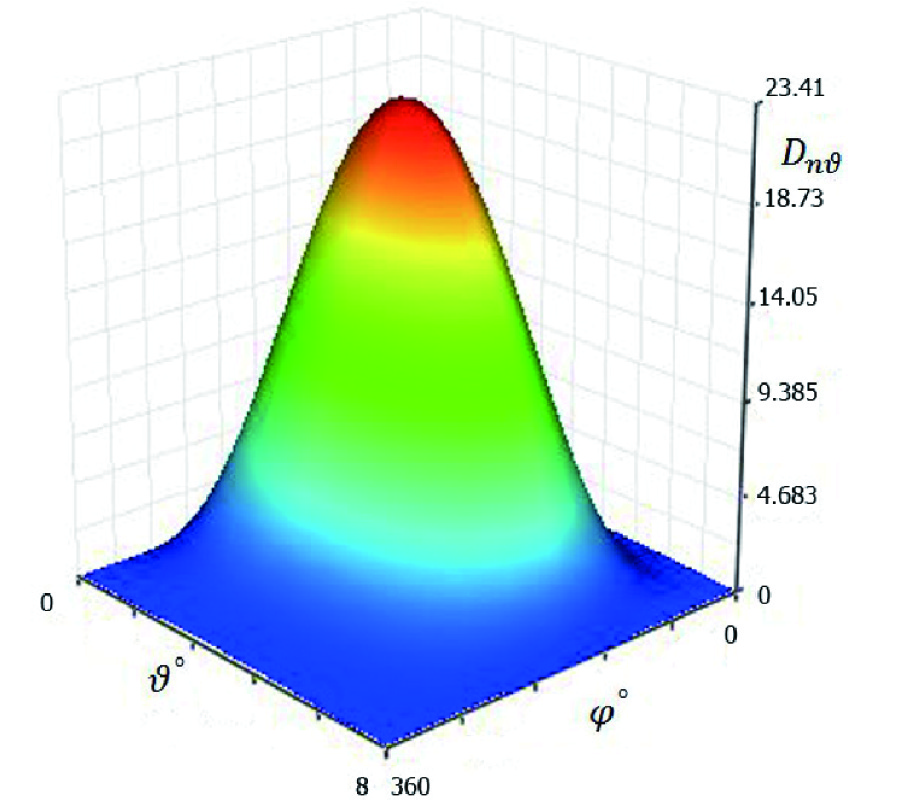
The kinematic properties of an array of transmitting antennas that are transiently excited by a sequence of modulated pulses, with high repetition rate, are explored. The array's parameterization is carried out via the energy radiation pattern. It is shown that the energy radiation pattern can be decomposed into a set of different types of beam contributions, defined over a beamskeleton, which is determined by the array's physical and excitation parameters. The different types of beams are main beams, gratinglobe beams and cross-pulsed lobe beams, each corresponding to a different pulsed interference mechanism. While grating lobes are timeharmonic phenomena, cross-pulsed lobes are unique for excitation with a pulsed sequence. The different beam types set limits for array sparsity in terms of the array's physical and excitation parameters. The array's directivity is introduced as a figure of merit of its performance and to demonstrate the resulting effect of the time-domain excitation characteristics. The array's parameterization can be used with any type of excitation --- from extreme narrow band (time-harmonic) to extreme ultra-wideband (transient/short pulsed) excitation. For timeharmonic excitation, the resulting characterization matches that of the classical frequency domain antenna theory.
KINEMATIC PROPERTIES OF SHORT-PULSED SPARSE TRANSMITTING ARRAYS
2011-03-16
PIER C
Vol. 20, 155-171
Investigation on the Microwave Pulse Signal Compression with NGD Circuit
Blaise Ravelo
This paper demonstrates the exhibition of pulse compression from an electronic circuit with negative group delay (NGD). This circuit consists of a field effect transistor (FET) cascaded with shunt RLC network. Theoretic and experimental investigations have proved that, at its resonance frequency, the group delay of this circuit is always negative. The present study shows that around this resonance, it presents a gain form enabling to generate pulse compression. To validate this concept, as proof-of-principle, devices with one- and two-stages FET were implemented and tested. Measurements of the one-stage test device evidenced an NGD of about -2.5 ns and simultaneously with 2 dB amplification operating at 622 MHz resonance frequency. In the frequency domain, in the case of a Gaussian input pulse with 40\,MHz frequency standard deviation, this resulted in 125% expansion of pulse width compared to the input one. In time domain, simulations showed that the compression was about 80% in the case of an input Gaussian pulse with 4 ns standard deviation. With the other prototype comprised of two-stage NGD cell, the use of a sine carrier of about 1.03 GHz allowed to achieve 87% pulse width compression.
INVESTIGATION ON THE MICROWAVE PULSE SIGNAL COMPRESSION WITH NGD CIRCUIT
2011-03-15
PIER B
Vol. 29, 43-62
The Renormalization Group Theory Combined to the MS-GEC Method to Study Active Fractal Structures with Incorporated PIN Diodes
Sonia Mili , Chiraz Larbi Aguili and Taoufik Aguili
The renormalization group theory (RGT) is used in this paper to develop an extension of the multi-scale approach (MS-GEC), previously developed by the authors, in order to enable the study of fractal structures at infinite iterations. In this work, we focused on active fractal structures with incorporated PIN diodes but the developed concept can be applied to a wide variety of fractals. The MS-GEC method deals with fractal-shaped objects as a set of scale levels. The processing is done gradually, one scale at each step, from the lowest scale till the highest one. To compute the input impedance of fractal-shaped structures using the MS-GEC method, we demonstrated that the input impedance of any scale level is generated from the input impedance of the previous scale level. When the iteration of fractal tends toward infinity, the structure contains an unknown number of levels. Since the atomic level cannot be defined, a critical point is reached limiting then the scope of the MS-GEC and of the existing classical methods. Based on RGT concepts, if the relation between the input impedances of two consecutive levels can be rewritten independently of the critical parameter (which is in our case the scale level), a transformation called "renormalization group" is generated. Consequently, the input impedance of the infinite active fractal structure approaches the fixed point of the defined transformation independently of the system details at the atomic level. The MS-GEC method combined to the RGT is a very powerful technique since it profits from the advantages (rapidity and reduced memory requirements) of the MS-GEC method and from the ability of the RGT to solve problems at their critical point.
THE RENORMALIZATION GROUP THEORY COMBINED TO THE MS-GEC METHOD TO STUDY ACTIVE FRACTAL STRUCTURES WITH INCORPORATED PIN DIODES
2011-03-15
PIER B
Vol. 29, 23-42
2.45 GHz (CW) Microwave Irradiation Alters Circadian Organization, Spatial Memory, Dna Structure in the Brain Cells and Blood Cell Counts of Male Mice, Mus Musculus
Chandra Mohini Chaturvedi , Vineet Prakash Singh , Priyanka Singh , Priyoneel Basu , Muniyandi Singaravel , Ritesh K. Shukla , Alok Dhawan , Atanu Kumar Pati , Ravi Kumar Gangwar and Surya Singh
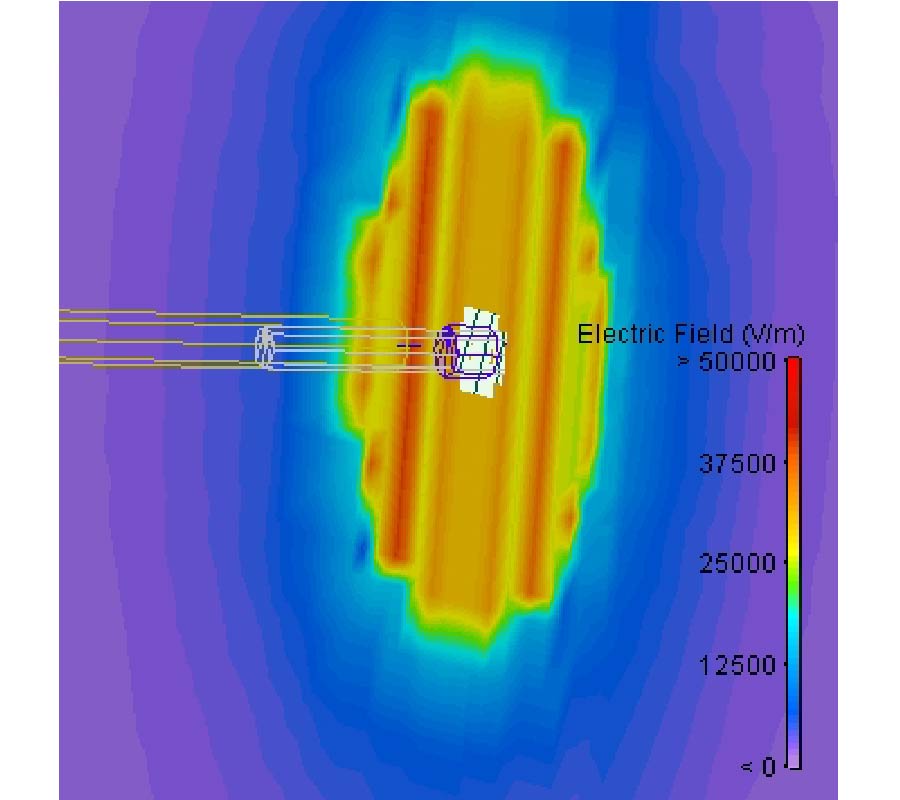
Present study examines biological effects of 2.45 GHz microwave radiation in Parkes strain mice. Forty-day-old mice were exposed to CW (continuous wave) microwave radiation (2 h/day for 30 days). Locomotor activity was recorded on running wheel for 12 days prior to microwave exposure (pre-exposure), 7 days during the first week of exposure (short-term exposure) and another 7-day spell during the last week of the 30-day exposure period (long-term exposure). Morris water maze test was performed from 17th to 22nd day of exposure. At the termination of the exposure, blood was processed for hematological parameters, brain for comet assay, epididymis for sperm count and motility and serum for SGOT (serum glutamate oxaloacetate transaminase) and SGPT (serum glutamate pyruvate transaminase). The results show that long-term radiation-exposed group exhibited a positive y (phase angle difference) for the onset of activity with reference to lights-off timing and most of the activity occurred within the light fraction of the LD (light: dark) cycle. Microwave radiation caused an increase in erythrocyte and leukocyte counts, a significant DNA single strand break in brain cells and the loss of spatial memory in mice. This report for the first time provides experimental evidence that continuous exposure to low intensity microwave radiation may have an adverse effect on the brain function by altering circadian system and rate of DNA damage.
2.45 GHz (CW) MICROWAVE IRRADIATION ALTERS CIRCADIAN ORGANIZATION, SPATIAL MEMORY, DNA STRUCTURE IN THE BRAIN CELLS AND BLOOD CELL COUNTS OF MALE MICE, MUS MUSCULUS