Search Results(14087)

2010-05-25
PIER
Vol. 104, 201-219
Multiple Order Dual-Band Active Ring Filters with Composite Right/Left-Handed Cells
Oscar Garcia-Perez , Luis Enrique Garcia-Munoz , Daniel Segovia-Vargas and Vicente Gonzalez-Posadas
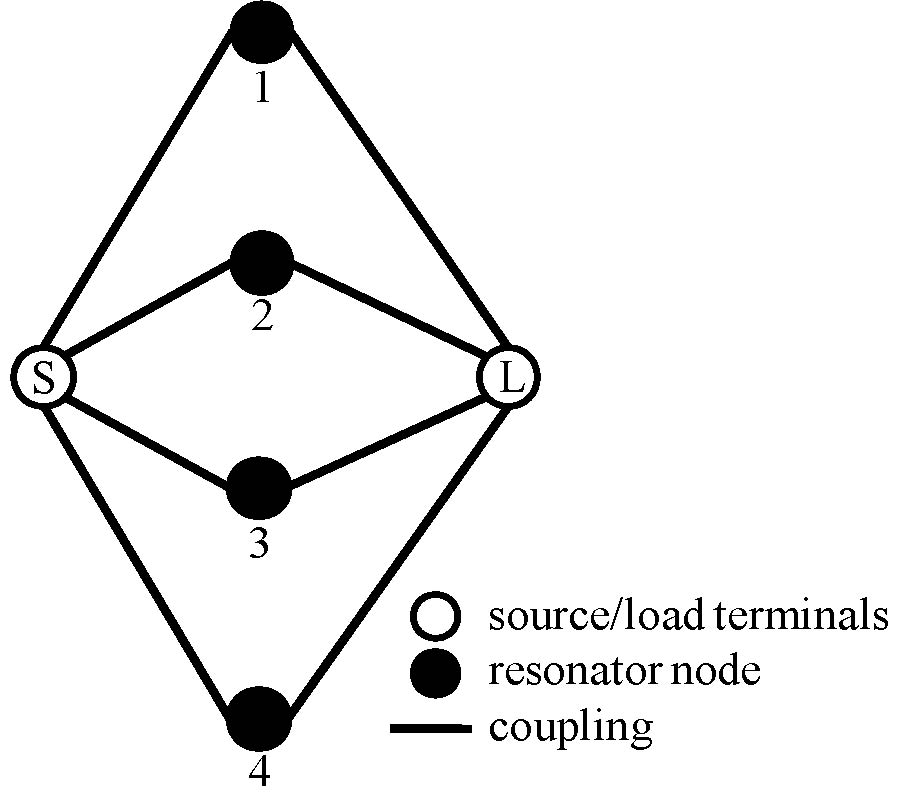
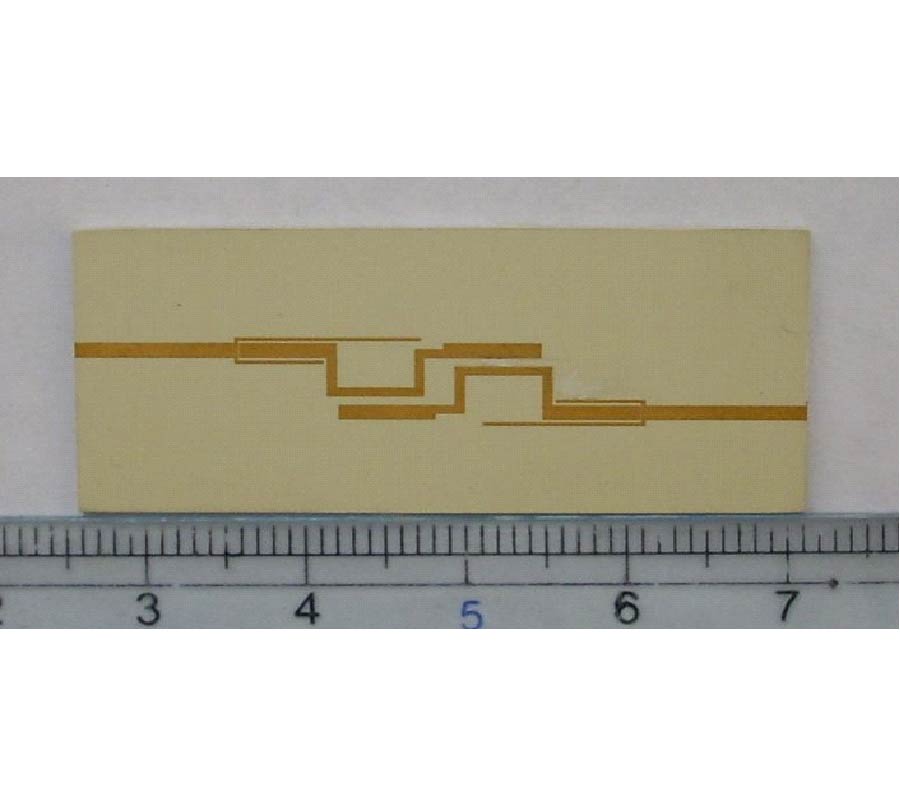
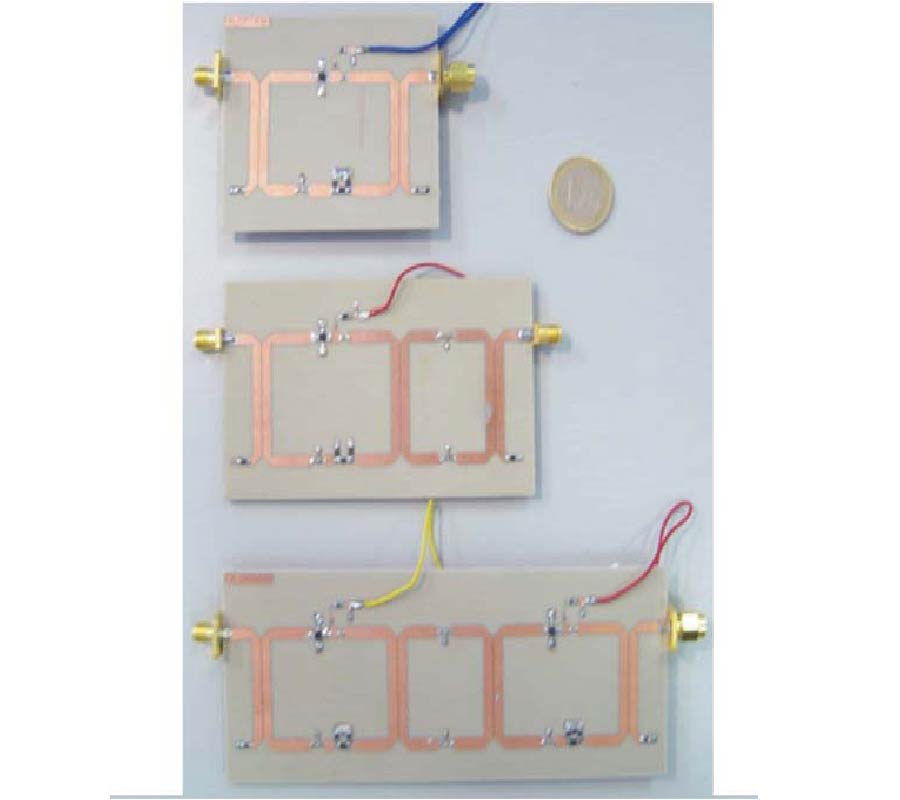
In this paper, a novel dual-band active filter topology is presented. The non-linear phase response of a composite right/left-handed cell is used to achieve the desired dual-band performance. Additionally, the proposed structure based on coupled ring resonators yields a very compact solution in which high-order implementations can be easily obtained by cascading multiple rings. The theoretical principles of this type of filters are analyzed in detail. Finally, three prototypes based on first-, second- and third-order structures validate the feasibility of this type of filters. Good agreement between simulations and measurements has been achieved.
MULTIPLE ORDER DUAL-BAND ACTIVE RING FILTERS WITH COMPOSITE RIGHT/LEFT-HANDED CELLS
2010-05-24
PIER B
Vol. 21, 347-383
Flexible Hollow Waveguide with Two Bendings for Small Values of Step Angles, and Applications
Zion Menachem
This paper presents an improved approach for the propagation of electromagnetic (EM) fields in the case of the exible hollow waveguide that consists of two bendings in the same direction. In this case, the objective is to develop a mode model for infrared (IR) wave propagation along the exible hollow waveguide, in order to provide a numerical tool for the calculation of the output fields, output power density and output power transmission. The main steps of the method for the two bendings will introduced in the derivation, in detail, for small values of step angles. The derivation for the first section and the second section of the waveguide with the two bendings is based on Maxwell's equations. The separation of variables is obtained by using the orthogonal-relations. The longitudinal components of the fields are developed into the Fourier-Bessel series. The transverse components of the fields are expressed as functions of the longitudinal components in the Laplace plane and are obtained by using the inverse Laplace transform by the residue method. This model can be a useful tool in all the cases of the hollow toroidal waveguides, e.g., in medical and industrial regimes.
FLEXIBLE HOLLOW WAVEGUIDE WITH TWO BENDINGS FOR SMALL VALUES OF STEP ANGLES, AND APPLICATIONS
2010-05-24
PIER
Vol. 104, 183-199
Co-Frequency Interference Suppression Algorithm via Maximum Signal Minus Interference Level
Lingjiang Kong and Meifang Luo
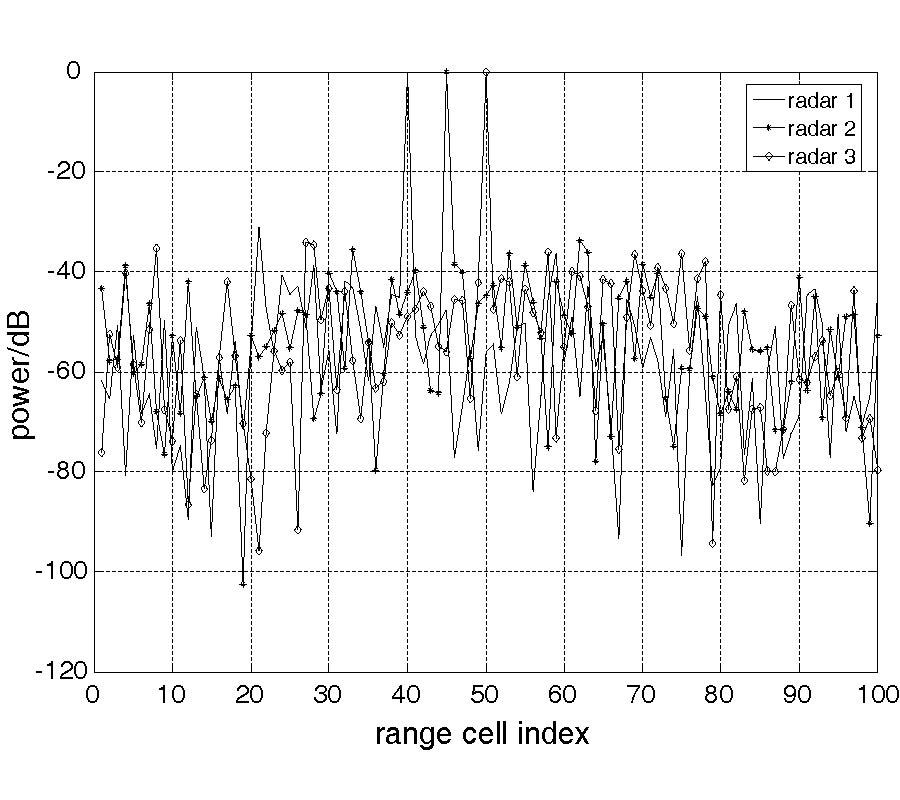
Co-frequency interference problem is severe in shared-spectrum multistatic radar system, leading to detection problems in applications. In order to mitigate the co-frequency interferences, an adaptive pulse compression algorithm based on Maximum Signal Minus Interference Level criterion(MSMIL) is proposed in this paper, the main idea of which is to adaptively design an appropriate filter at each range cell, maximizing the result of signal power minus interference power, so that both range sidelobes and cross-correlation interference can be suppressed. Simulation results show that the algorithm outperforms the traditional multistatic adaptive pulse compression (MAPC) method in interference suppression. Compared with MAPC method, after one iteration step, the output SIR of the proposed algorithm is increased by about 10 dB. And after two iteration steps, it is increased by more than 40 dB. Moreover, it also outperforms the MAPC in convergence speed.
CO-FREQUENCY INTERFERENCE SUPPRESSION ALGORITHM VIA MAXIMUM SIGNAL MINUS INTERFERENCE LEVEL
2010-05-22
PIER B
Vol. 21, 329-346
Focal Region Fields of Cassegrain System Placed in Homogeneous Chiral Medium
Muhammad Qasim Mehmood , Muhammad Junaid Mughal and Tariq Rahim
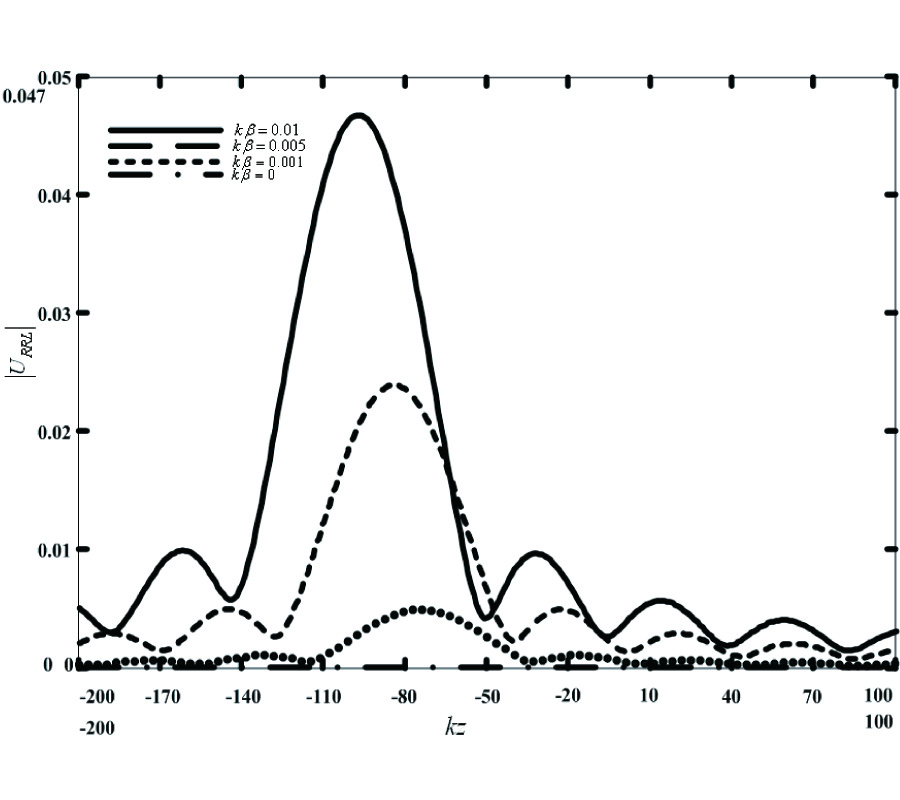
In this paper the high frequency electromagnetic field expressions for two dimensional Cassegrain system embedded in a chiral medium are presented. Due to failure of Geometrical Optics (GO) at the caustic region, Maslov's method is used to find the field expressions. Two different cases have been analyzed. Firstly, the chirality parameter () is adjusted to support positive phase velocity (PPV) for both left circularly polarized (LCP) and right circularly polarized (RCP) modes traveling in the medium. Secondly, is adjusted such that one mode travels with PPV, and the other mode travels with negative phase velocity (NPV). The results for both cases are presented in the paper.
FOCAL REGION FIELDS OF CASSEGRAIN SYSTEM PLACED IN HOMOGENEOUS CHIRAL MEDIUM
2010-05-22
PIER B
Vol. 21, 299-328
Analytical Methods in the Theory of Thin Impedance Vibrators
Mikhail Nesterenko
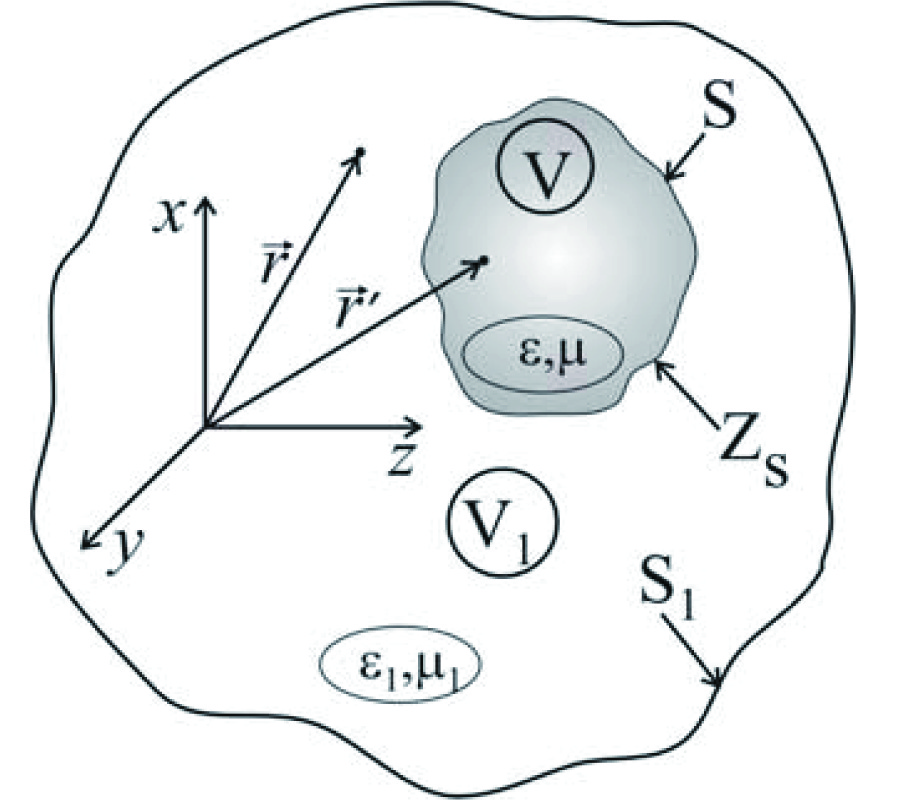
The advantages and disadvantages of more extended approximated analytical methods of the integral equations solution for the current in thin perfectly conducting and impedance vibrators have been investigated in details in this paper. The solutions of the problem about the electromagnetic waves scattering by the thin vibrators with the distributed surface impedance, obtained with the help of the method of expansion of the searched function for the current in a series on small parameter. The method of consistent iterations and asymptotic averaging method are given. The comparison of the calculated results with the experimental data in the case of excitation of the vi-brator in the centre by the point source of voltage is represented.
ANALYTICAL METHODS IN THE THEORY OF THIN IMPEDANCE VIBRATORS
2010-05-22
PIER B
Vol. 21, 281-298
Microstrip Patch Antenna Optimization Using Modified Central Force Optimization
Gubran M. Qubati and Nihad I. Dib
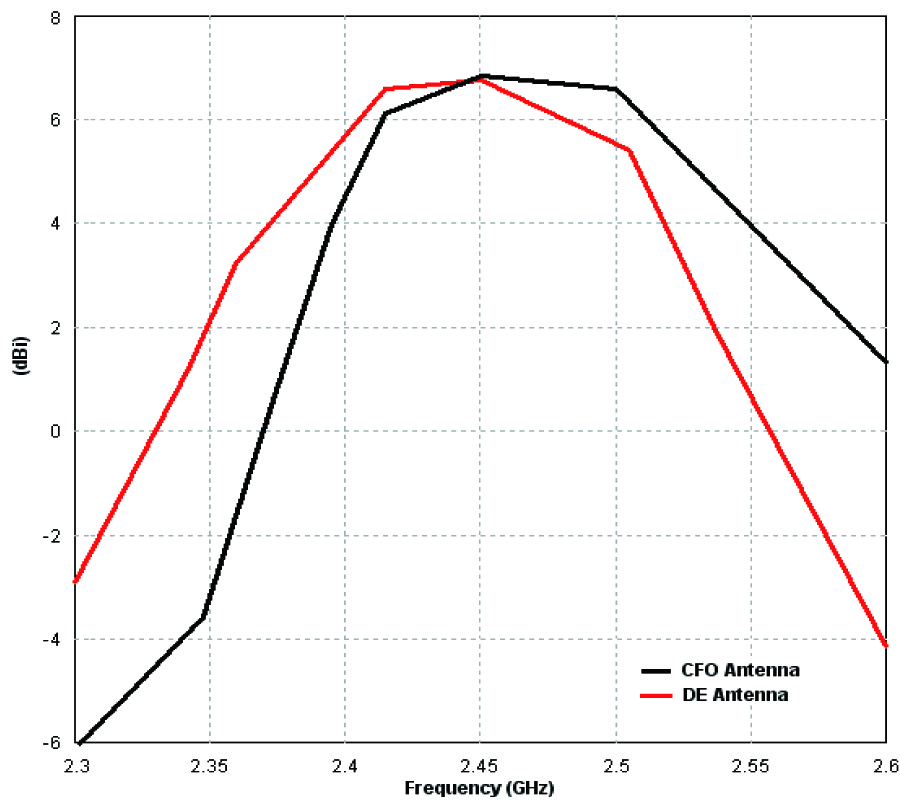
Central force optimization (CFO) is a new simple deterministic multi-dimensional search evolutionary algorithm (EA) inspired by gravitational kinematics. This paper evaluates CFO's performance and provides further examples on its effectiveness. A new scheme, the acceleration clipping, is introduced, which enhances CFO's global search ability while maintaining its simplicity. The improved CFO algorithm is applied to the optimal design of two different wideband microstrip patch antennas. Specifically, a microstrip line fed E-shaped patch antenna and a coaxial line fed double-E-shaped patch antenna are designed and optimized using the CFO method. CFO's performance on these antennas is compared to that of the differential evolution (DE) optimization. Both the CFO and DE methods are interfaced with the full-wave IE3D software. It is found that the CFO results are very close to those obtained using the DE technique.
MICROSTRIP PATCH ANTENNA OPTIMIZATION USING MODIFIED CENTRAL FORCE OPTIMIZATION
2010-05-20
PIER B
Vol. 21, 257-280
Synthesis of Difference Patterns for Monopulse Antennas with Optimal Combination of Array-Size and Number of Subarrays --- a Multi-Objective Optimization Approach
Siddharth Pal , Swagatam Das , Aniruddha Basak and P. N. Suganthan
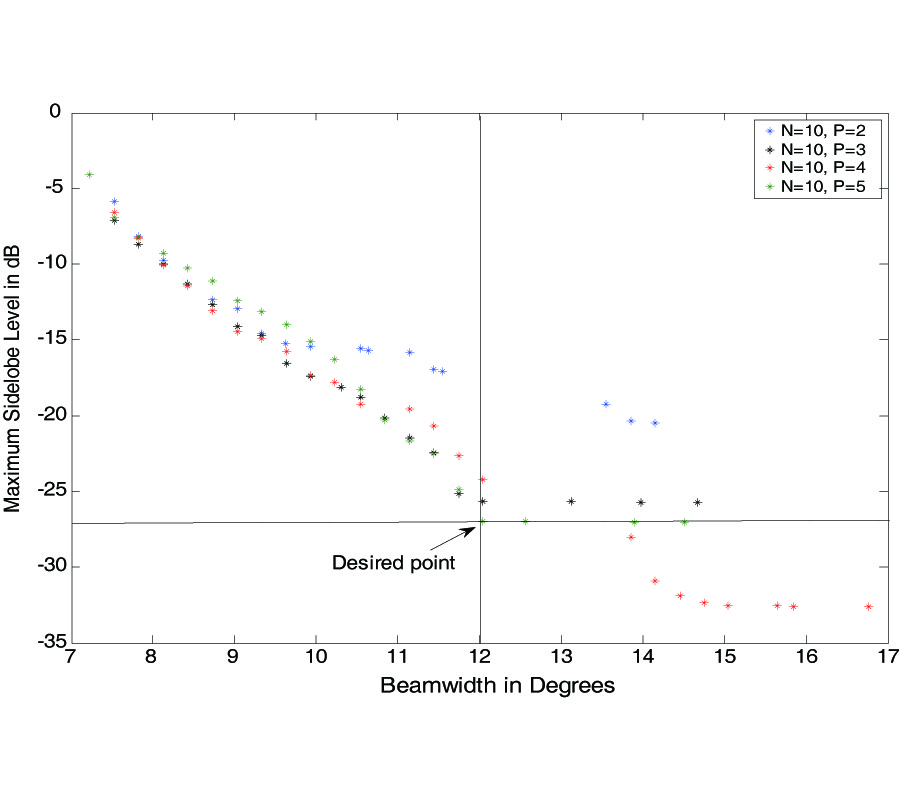
Monopulse antennas form an important methodology of realizing tracking radar. They are based on the simultaneous comparison of sum and difference signals to compute the angle-error and to steer the antenna patterns in the direction of the target (i.e., the boresight direction). In this study, we consider the synthesis problem of difference patterns of monopulse antennas in the framework of Multi-objective Optimization (MO). The synthesis problem is recast as an MO problem (for the first time, to the best of our knowledge), where the Maximum Side-Lobe Level (MSLL) and Beam Width (BW) of principal lobe are taken as the two objectives to be minimized simultaneously. The approximated Pareto Fronts (PFs) are obtained for different number of elements and sub-arrays using a recently developed and very competitive Multi-Objective Evolutionary Algorithm (MOEA) called MOEA/D-DE that uses a decomposition approach for converting the problem of approximation of the PF into a number of single objective optimization problems. This algorithm employs Differential Evolution (DE), one of the most powerful real parameter optimizers in current use, as the search method. The quality of solutions obtained is compared with the help of the trade-off graphs (plots of the approximated PF) generated by MOEA/D-DE on the basis of the two objectives to investigate the dependence of the number of array-elements and the number of sub-arrays on the final solution. Then we find the best compromise solutions for 20 element arrays and compare the results with standard single-objective algorithms such as the Differential Evolution (DE) and Particle Swarm Optimization (PSO) and hybrid techniques like Hybrid Contiguous Partition Method (HCPM) that has been reported in literature so far for the synthesis problem. Our experimental results indicate the MOEA/D-DE yields much better final results as compared to the standard single-objective and hybrid approaches over all the test cases covered here.
SYNTHESIS OF DIFFERENCE PATTERNS FOR MONOPULSE ANTENNAS WITH OPTIMAL COMBINATION OF ARRAY-SIZE AND NUMBER OF SUBARRAYS --- A MULTI-OBJECTIVE OPTIMIZATION APPROACH
2010-05-20
PIER B
Vol. 21, 235-255
Optical Effects on the Characteristics of a Nanoscale Finfet
R. Ramesh , M. Madheswaran and K. Kannan
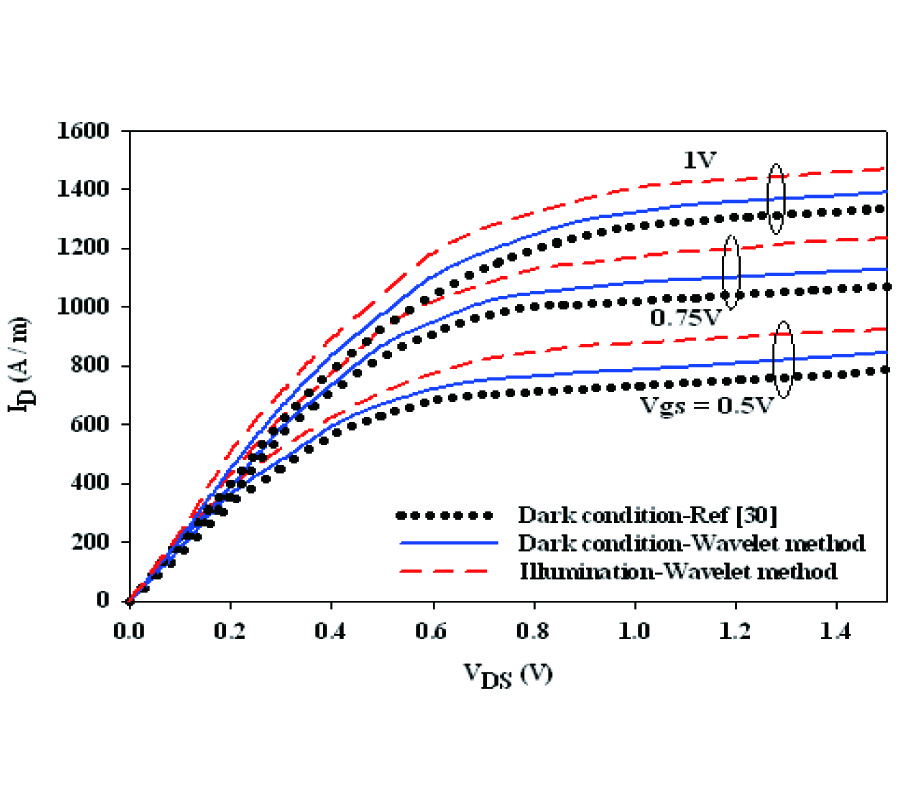
The effect of optical radiation on a uniformly doped nanoscale FinFET considering quantum mechanical effects has been theoretically examined and analyzed. The device characteristics are obtained from the self-consistent solution of 3D Poisson-Schrödinger equation using interpolating wavelet method. To our best knowledge this is the first approach for the self-consistent solution to surface potential computations of nanoscale FinFET photodetector using interpolating wavelets. This method provides more accurate results by dynamically adjusting the computational mesh and scales the CPU time linearly with the number of mesh points using polynomial interpolation, hence reducing the numerical cost. A fine mesh can be used in domains where the unknown quantities are varying rapidly and a coarse mesh can be used where the unknowns are varying slowly. The results obtained for dark and illuminated conditions are used to examine the performance of the device for its suitable use as a photodetector.
OPTICAL EFFECTS ON THE CHARACTERISTICS OF A NANOSCALE FinFET
2010-05-20
PIER Letters
Vol. 14, 171-179
W-CDMA RF Filter with 60 MHz Bandwidth Based on Parallel Connected Baw Stacked Crystal Filters
Eden Corrales , Pedro de Paco and Oscar Menendez
This paper presents a novel bulk acoustic wave stacked crystal filter (SCF) configuration that improves the inherent narrow bandwidth of this kind of devices and increases their selectivity by means of the allocating of transmission zeros. A set of parallel connected SCFs with their resonant frequencies split along the passband achieves the bandwidth improvement. The SCF detuning is carried out by the thickness of its middle metallic electrode. The filter response covers the 60 MHz bandwidth of a W-CDMA RF application working at 2.14 GHz. The use of SCFs considerably simplifies the layer stack configuration in contrast to other acoustically coupled structures as coupled resonator filters.
W-CDMA RF FILTER WITH 60 MHz BANDWIDTH BASED ON PARALLEL CONNECTED BAW STACKED CRYSTAL FILTERS
2010-05-20
PIER C
Vol. 13, 231-243
Utilizing Nonuniform Coupled Transmission Lines to Compact Microstrip Circuits Such as Edge-Coupled Bandpass Filters
Mohammad Khalaj-Amirhosseini and Ali H.Tehrani
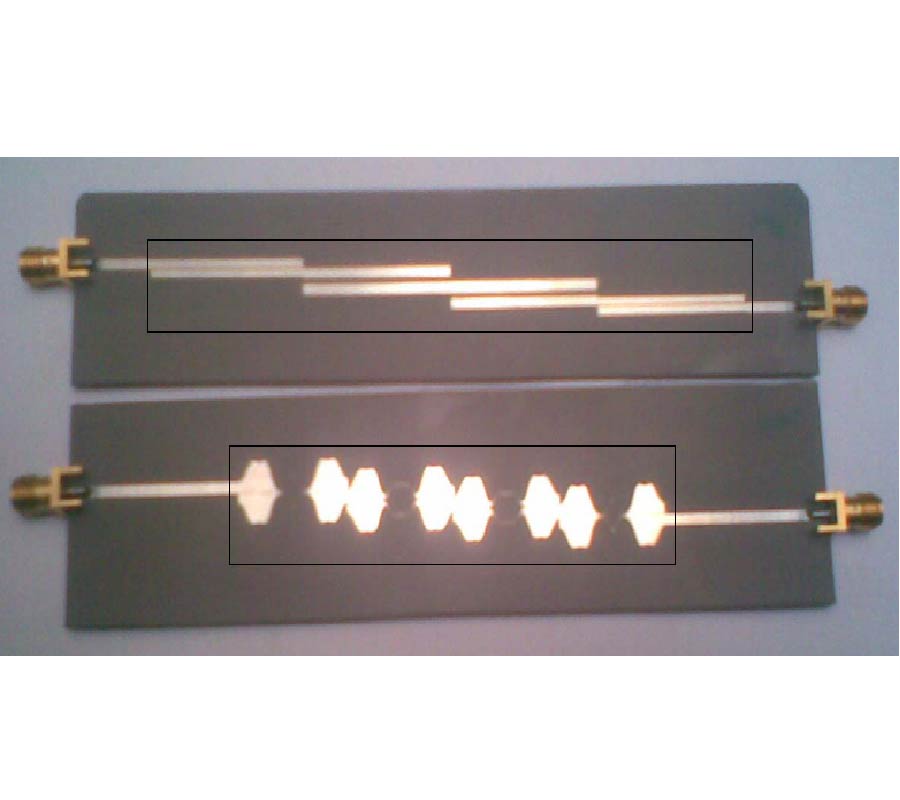
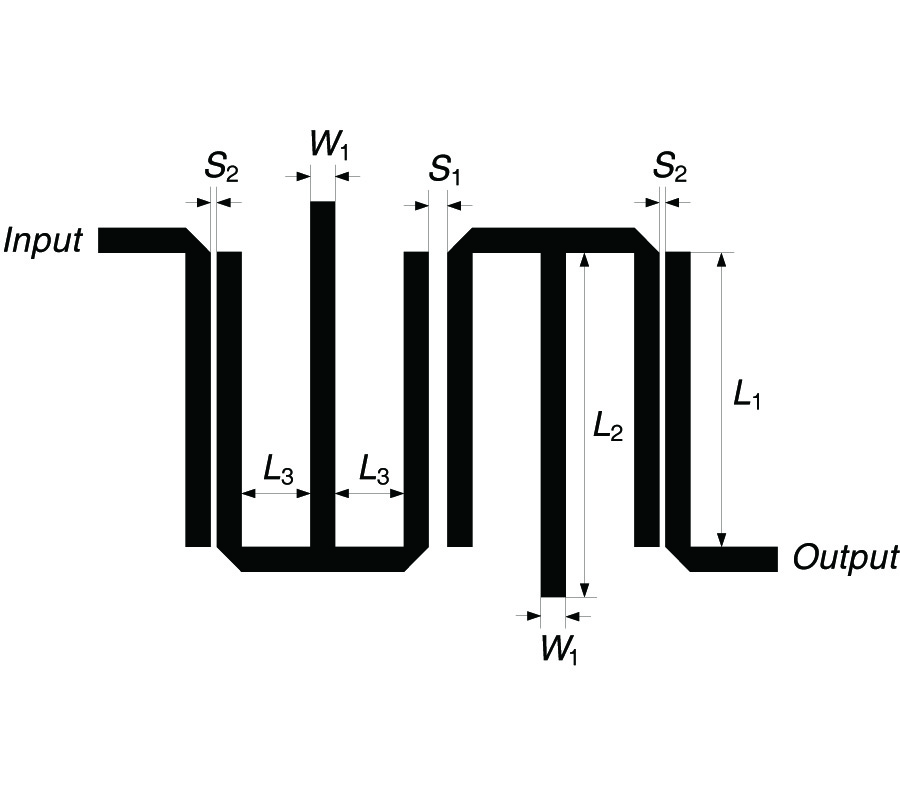
In this paper, we propose a method to reduce the length of the narrowband microstrip Uniform Coupled Transmission Lines (UCTLs), which has a general application to compact microstrip circuits. In this method, we use Nonuniform Coupled Transmission Lines (NCTLs) instead of UCTLs. To synthesize the desired NCTLs, their normalized width and gap are expanded as two truncated Fourier series. Then, the optimal values of the coefficients of the series are obtained through an optimization approach. The usefulness of the proposed method is verified using some examples. Also, an edged-coupled bandpass filter is compacted using the proposed method and then is fabricated and measured.
UTILIZING NONUNIFORM COUPLED TRANSMISSION LINES TO COMPACT MICROSTRIP CIRCUITS SUCH AS EDGE-COUPLED BANDPASS FILTERS
2010-05-20
PIER M
Vol. 12, 181-192
Investigation of Electromagnetic Shielding Rooms with Metal Cabinet and Aperture
Sayed Razavi and Mohammad Khalaj-Amirhosseini
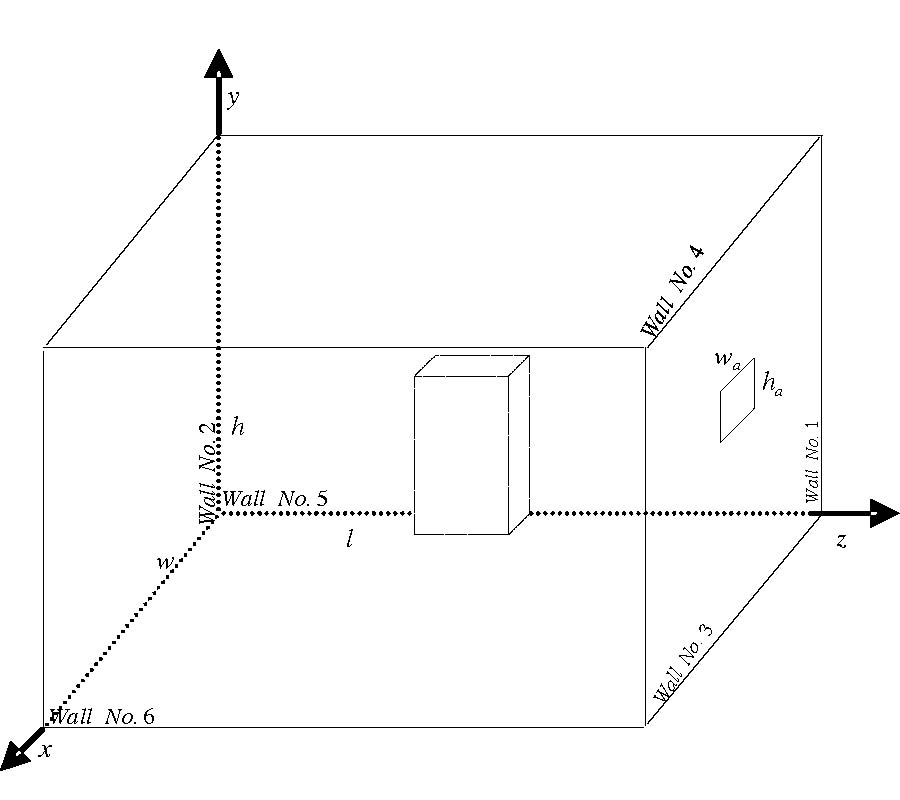
In this paper, a fast and efficient method has been proposed to analyze the electromagnetic shielding rooms with electrical large sizes and arbitrary shapes. The ray-tracing method is used to predict the Shielding Effectiveness (SE) of the electromagnetic shielding rooms. The proposed method is based on speeding up the ray tracing algorithm. The performance of the proposed method is verified by a comprehensive example. The effect of additional metal cabinet in the shielding effectiveness of shielding room has been investigated. Also the position of it has been found optimally to produce a ``best" performance for the shielding room.
INVESTIGATION OF ELECTROMAGNETIC SHIELDING ROOMS WITH METAL CABINET AND APERTURE
2010-05-19
PIER B
Vol. 21, 219-234
Adaptively Adjusted Design Specifications for Efficient Optimization of Microwave Structures
Slawomir Koziel
Novel and computationally e±cient method for optimization of microwave structures is presented. The technique is based on the adjustments of the design specifications and exploits the coarse model --- computationally cheap representation of the structure being optimized, e.g., equivalent circuit. It is demonstrated that the proposed approach allows rapid design improvement while being simple to implement. Limitations and modifications of the technique are also discussed.
ADAPTIVELY ADJUSTED DESIGN SPECIFICATIONS FOR EFFICIENT OPTIMIZATION OF MICROWAVE STRUCTURES
2010-05-19
PIER B
Vol. 21, 203-218
Integral Method for a Capacitance Microscope That Is Based on Cylindric Metallic Surfaces
Alberto Mendoza-Suarez and Francisco Villa-Villa
In this work we consider the problem of obtaining a capacitive image by scanning a "one-dimensional" surface of a closed conductor of arbitrary geometry. To solve our problem we propose a novel integral numerical method. The method is applied to different geometries by considering deterministic surfaces as complex as those with a fractal structure and random rough surfaces with Gaussian statistics. We find that the images obtained by simulating a prototype of a capacitive microscope, strongly depend on the interaction between the object and the probe. Despite this interaction, important information can be obtained regarding the statistical properties of the random roughness of the object surface.
INTEGRAL METHOD FOR A CAPACITANCE MICROSCOPE THAT IS BASED ON CYLINDRIC METALLIC SURFACES
2010-05-19
PIER Letters
Vol. 14, 165-170
A Novel Compact UWB Notch-Filter Antenna with a Dual-Y-Shaped Slot
Jun-Bo Jiang , Ze-Hong Yan and Chen Wang
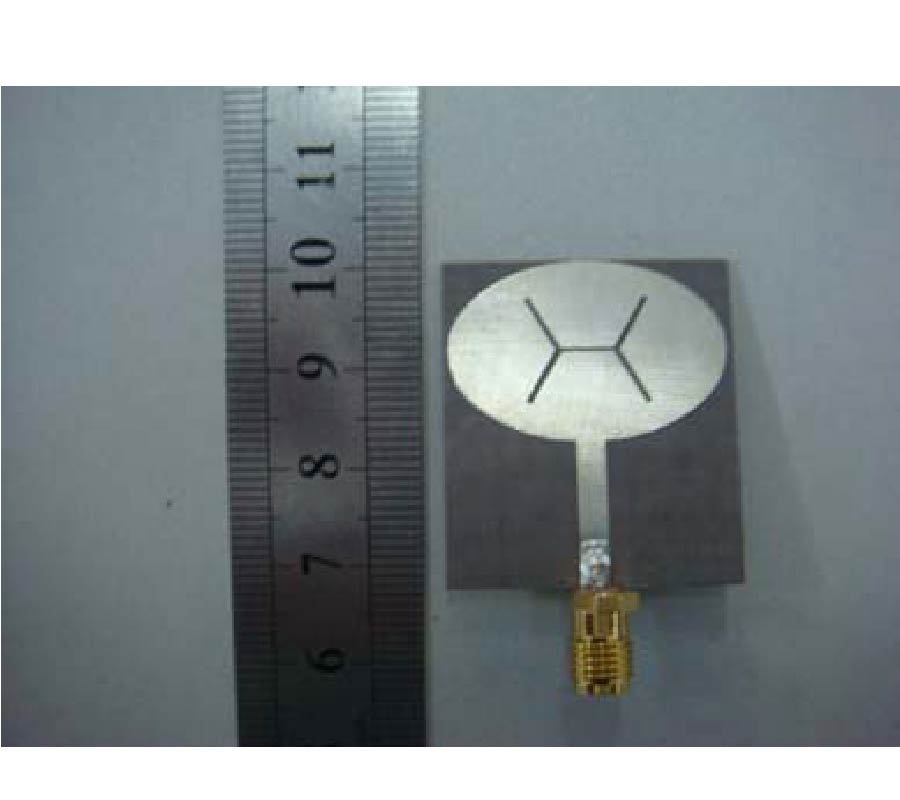
A novel compact planar antenna with a frequency band-filter characteristic for UWB applications is proposed and investigated. Having a dual-Y-shaped slot on the patch, a frequency-notched characteristic at 5.2 GHz is obtained. The band-notched mechanism of the designed antenna is implemented and experimentally studied.The designed antenna satisfies the voltage standing wave ratio (VSWR) requirement of less than 2.0 in the frequency band between 2.8 and 18.6 GHz while showing the band rejection performance in the frequency band from 5.0 to 5.6 GHz. This technique is suitable for creating ultra-wideband (UWB) antenna with narrow frequency-notched characteristics.
A NOVEL COMPACT UWB NOTCH-FILTER ANTENNA WITH A DUAL-Y-SHAPED SLOT
2010-05-19
PIER Letters
Vol. 14, 155-163
Novel Impedance Matching Scheme for Patch Antennas
Xiao-Dong Huang , Xiu-Hua Jin and Chong-Hu Cheng
Aiming at the bandwidth enhancement for patch antennas, a new impedance matching scheme is presented. In this design, open-ended microstrip-lines are used as the matching resonators; the gaps between the lines are used as the J inverters. Numerical and experimental studies are executed to demonstrate this new structure. The measured and predicted results are in good agreement. The measured data show that the bandwidth of a sample antenna is increased by a factor of 3.3 after adding two matching resonators. The proposed matching structure is good in performance, and smaller in size than traditional matching structures.
NOVEL IMPEDANCE MATCHING SCHEME FOR PATCH ANTENNAS
2010-05-19
PIER
Vol. 104, 167-182
Electromagnetic Field Intensity Generated by Partial Discharge in High Voltage Insulating Materials
Alexe Bojovschi , Wayne Rowe and Alan Khoi Loon Wong
Partial dischagre is the precursor of insulators breakdown. In this work the propagation of electromagnetic radiation emitted from partial discharge in high voltage insulating materials is investigated. Three common dielectric materials used in power industry: polymer, epoxy resin and ceramics are studied. The results obtained are envisaged to support the development of appropriate sensors for partial discharge detection. The radiation pattern is dependent on a multitude of parameters. Among these, the intensity distribution of the source as well as the dielectric material and its geometry are the main parameters. Significant differences in the radiation spectra are obtained for insulators made of ceramic material compare to non-ceramic insulators.
ELECTROMAGNETIC FIELD INTENSITY GENERATED BY PARTIAL DISCHARGE IN HIGH VOLTAGE INSULATING MATERIALS
2010-05-17
PIER Letters
Vol. 14, 147-154
Design of a Dual-Mode Dual-Band Filter Using Stepped Impedance Resonators
Long Guo , Zhi-Yuan Yu and Long Zhang
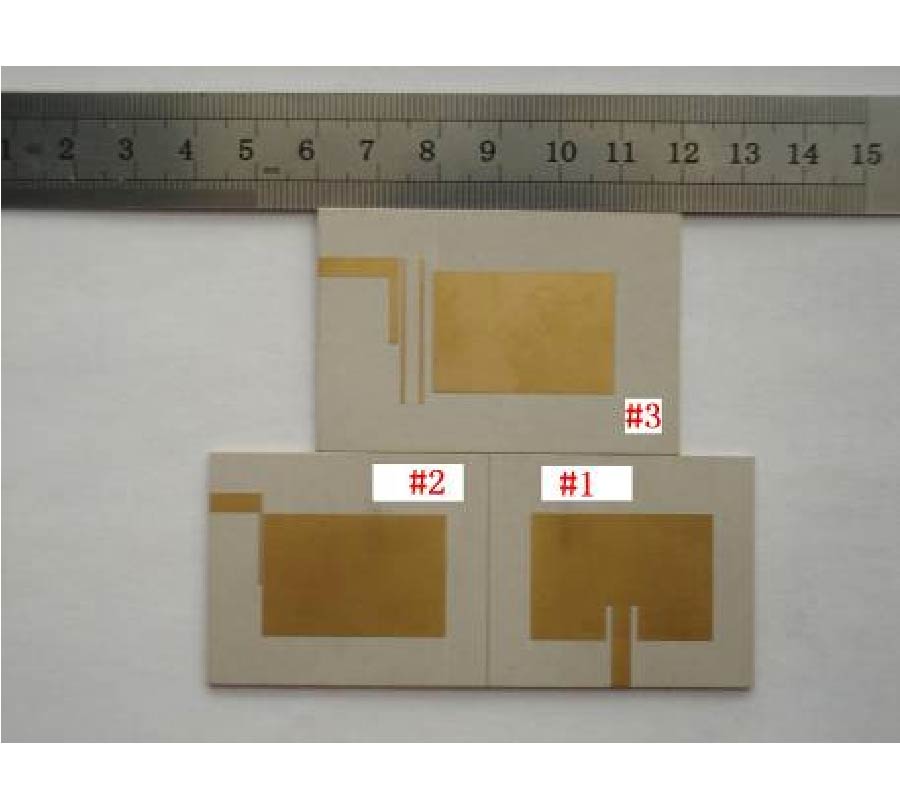
A microstrip dual-mode dual-band bandpass filter using stepped impedance resonators (SIRs) is designed for dual-band wireless local area network (WLAN) applications at 2.4 and 5.2 GHz. By appropriately selecting the impedance ratio (Rz) and length ratio (α) of the SIRs, the harmonic frequencies can be tuned for generating the dual-bandpass response. Based on SIRs, a dual-mode dual-band bandpass filter is designed with one transmission zero. To improve the selectivity, another three transmission zeros in stopbands be created by introducing two stubs in input/output (I/O) lines. Two experimental filters are fabricated. Both simulated resulted and measured resulted are presented.
DESIGN OF A DUAL-MODE DUAL-BAND FILTER USING STEPPED IMPEDANCE RESONATORS
2010-05-17
PIER
Vol. 104, 145-166
Parametric Study of Pyramidal Microwave Absorber Using Rice Husk
Hassan Nornikman , Mohd Fareq Bin Abd Malek , Ping Jack Soh , Azremi Abdullah Al-Hadi , Fwen Hoon Wee and A. Hasnain
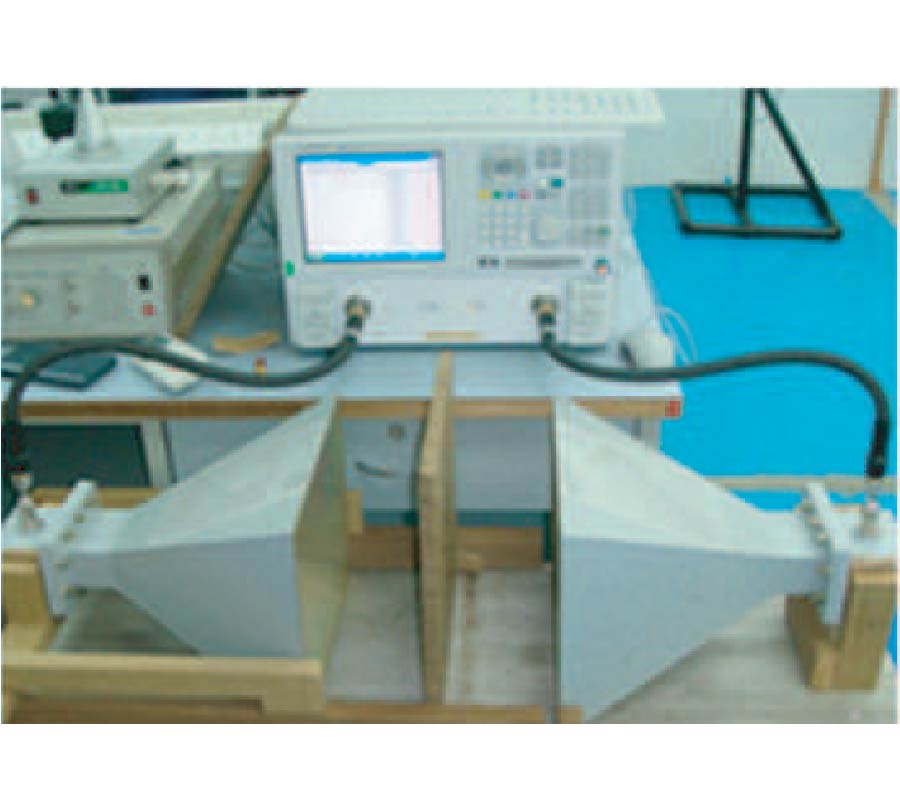
Agriculture waste has potential to be used as an alternative material for the microwave absorber used in the anechoic chamber. Compared to the current materials used, such as polystyrene and polyurethane, agricultural waste has low cost and is environmental friendly. In this paper, rice husks from paddy are used as the material in the pyramidal microwave absorber design, to operate effectively in the frequency range from 1 GHz to 20 GHz. Urea Formaldehyde (UF) and Phenol Formaldehyde (PF) are the resins investigated, and are used to make the rice husk particle board. There are four main stages in designing the rice husk pyramidal microwave absorber. They are fabricating the rice husk particle board, deriving the dielectric constant value of the resin-rice husk mixture particle board, simulating the rice husk pyramidal microwave absorber using CST Microwave Studio software, and analyzing the performance of the rice husk pyramidal microwave absorber. Various parameters that affect the performance of the pyramidal microwave absorber are investigated, such as the dielectric constant of the material used, mixed resin percentages, source-port distance and angles between the signal source and the surface of the pyramidal microwave absorber. The excellent reflection loss results show that the rice husks can be potentially used as the material in a microwave pyramidal absorber.
PARAMETRIC STUDY OF PYRAMIDAL MICROWAVE ABSORBER USING RICE HUSK
2010-05-17
PIER
Vol. 104, 125-143
Discussion on Validity of Hadamard Speckle Contrast Reduction in Coherent Imaging Systems
Feng Qi , Vahid Tavakol , Dominique Schreurs and Bart K. J. C. Nauwelaers
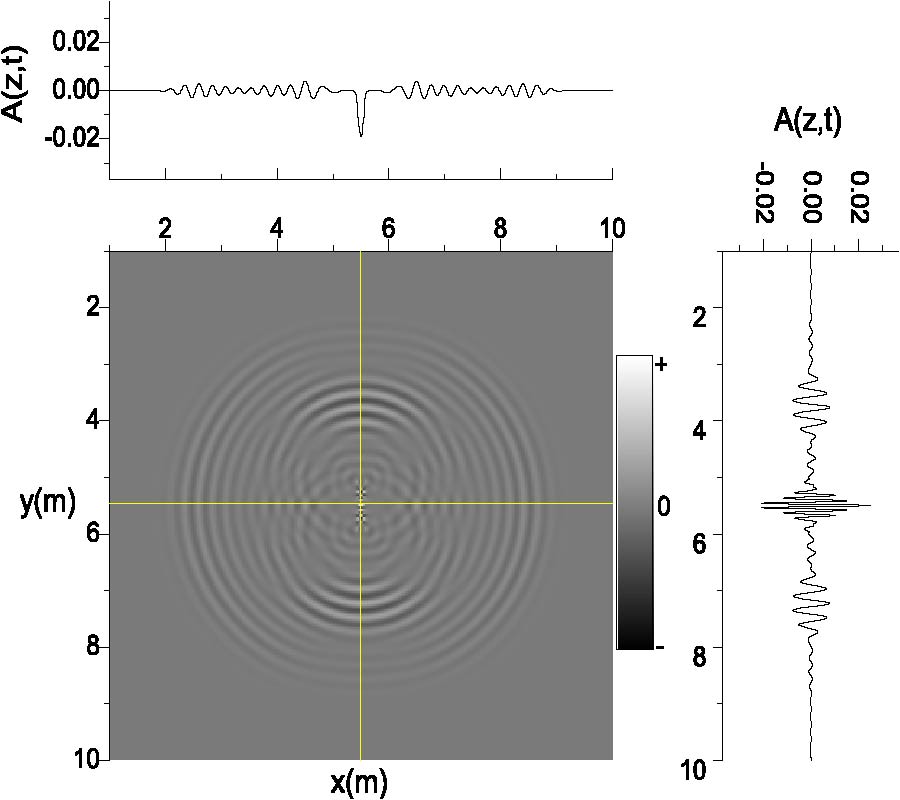
Hadamard speckle contrast reduction (SCR) is considered to be an effective approach to deal with speckle problems in coherent imaging systems. A Hadamard SCR system is divided into two sub-systems, which implement phase patterns projection and reflected waves imaging respectively. The performances of both sub-systems are discussed with numerical simulations and linked to certain parameters so as to give more insights of this approach. For generality, both optical and millimeter wave imaging systems are discussed. To distinguish from former literature based on Fourier optics, the simulation is implemented via wave optics, which is more physical and more accurate. Moreover, considering the fact that the Hadamard method originates from statistics, the effectiveness of Hadamard SCR is in the first place linked to the texture of the object's surface. Statistical optics is also adopted during qualitative analysis of the results. It is shown that the ratio between the dimension of a resolution cell and the granular size of the object's randomly rough surface is closely linked to the performance of Hadamard SCR. Differences in the roughness model in imaging cases of optical and millimeter waves are discussed, which would help to evaluate the validity of the Hadamard SCR approach in practice. The purpose of this paper is to clarify the misunderstandings of Hadamard SCR in previous literature and to give a guideline to apply this approach.
DISCUSSION ON VALIDITY OF HADAMARD SPECKLE CONTRAST REDUCTION IN COHERENT IMAGING SYSTEMS
2010-05-14
PIER C
Vol. 13, 217-229
High Impedance Surfaces Based Antennas for High Data Rate Communications at 40 GHz
Cuong-Manh Tran , Habiba Hafdallah-Ouslimani , Luyang Zhou , Alain C. Priou , Herve Teillet , Jean-Yves Daden and Abdelwaheb Ourir
Millimeter wave High Impedance Surfaces (HIS) based antennas are designed, fabricated, and characterized for high data rate communications at frequencies around 40 GHz. HIS with different finite surface area sizes are used as a ground plane for the microstrip patch antennas to suppress the surface waves. The antenna measurements and full wave electromagnetic simulations demonstrate a wide bandwidth of 12-15% in the frequency range of 38-44 GHz with a high gain of ~6 dB and a very low cross polar contribution better than -20 dB.
HIGH IMPEDANCE SURFACES BASED ANTENNAS FOR HIGH DATA RATE COMMUNICATIONS AT 40 GHz