Search Results(13786)

2023-09-04
PIER C
Vol. 137, 139-153
Based on Fast Non-Singular Terminal Sliding of PMSM Model-Free Control
Yuxin Yang , Musheng Deng , Sicheng Li and Yang Zhang
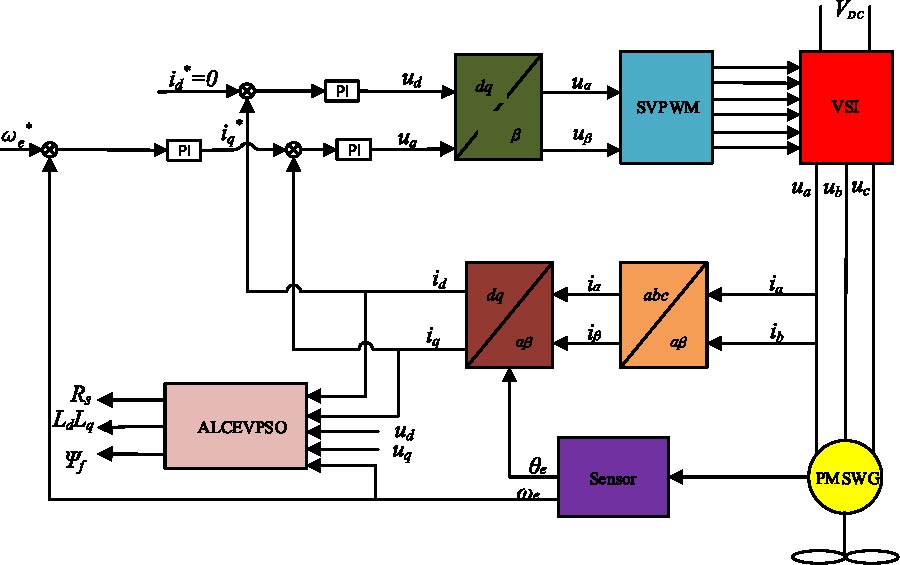
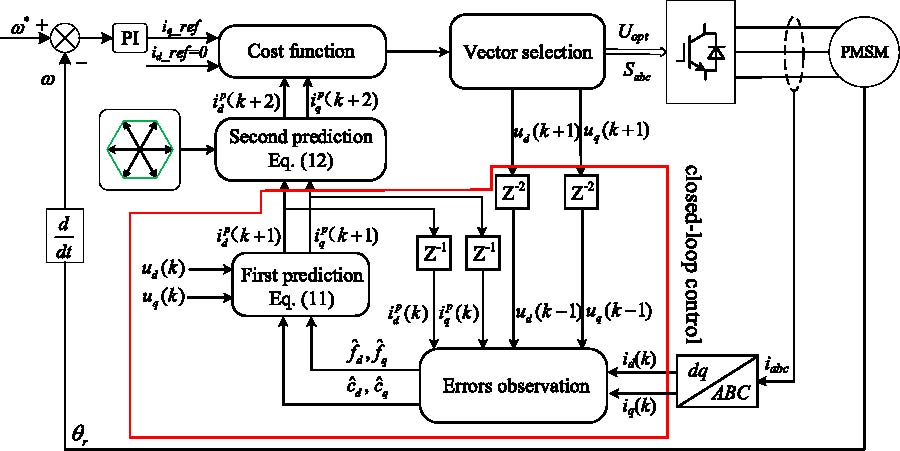
In model-free sliding mode control (MFSMC) of permanent magnet synchronous motor (PMSM), the first-order sliding mode surface convergence state is asymptotic convergence, and the dithering of the first-order sliding mode surface causes the motor control performance to degrade when the motor parameters change. To save the problem, a model-free fast non-singular terminal sliding mode control (MFFNTSMC) strategy is proposed. Firstly, considering the perturbation of motor parameters, a mathematical model of embedded permanent magnet synchronous motor is established, and the ultra-local model of the speed link is summarized. Then, according to the defined fast non-singular terminal sliding mode surface and the new reaching law, a new mode-free sliding mode controller based on the speed link is designed, which weakens the jitter by eliminating the high-gain switching by the high-order sliding surface, and at the same time makes the system state converge to zero in a limited time. In order to more accurately track the speed tracking effect, an extended sliding mode observer (ESMO) is used to observe the unknown disturbance of the system in real time. Finally, simulation and experiment comparisons with PI control as well as MFSMC control confirm that the method proposed in this paper has better steady state and transient performance for PMSM.
Based on Fast Non-singular Terminal Sliding of PMSM Model-free Control
2023-09-03
PIER Letters
Vol. 112, 67-75
Design of a Miniaturized Microstrip Diplexer Based on Hairpin and Short Stub for 5G and Wi-Fi Communications
Soufiane Achraou , Alia Zakriti , Souhaila Ben Haddi and Mohssine El Ouahabi
This paper focuses on designing and manufacturing a compact microstrip diplexer, which operates at 3.5 GHz and 5 GHz for 5G and Wi-Fi applications, respectively. Indeed, two bandpass filters are combined to create the proposed diplexer. For making bandpass filters compact, a hairpin resonator is suggested and developed into an E-shaped resonator. To attain the central frequencies, a short microstrip stub loading the E-shaped resonator is proposed. The filters were combined by a coupling junction to form the final diplexer. The proposed diplexer exhibits good isolation that is better than 40 dB in the whole operational frequency band. Additionally, the passband insertion losses are about 1 dB, and the return losses are about 20 dB and 26 dB at the two channels, respectively. Moreover, the final size of the manufactured diplexer is 30 × 25 mm2 (0.6λg x 0.52λg). These results confirm that the suggested diplexer is suitable for the demanded applications.
Design of a Miniaturized Microstrip Diplexer Based on Hairpin and Short Stub for 5G and Wi-Fi Communications
2023-09-02
PIER C
Vol. 137, 123-138
A Compact Dual-Band CPW-Fed Slotted-Ring Monopole Antenna with Circular Fractal Elements for WiMAX and C Bands Applications
Dhirgham Kamal Naji
This paper presents a new compact dual-band slotted-ring monopole antenna (SRMA) with circular fractal elements (CFEs) design for WiMAX and C bands applications. Good improvements are obtained in widening the upper-frequency band of the proposed antenna and in miniaturizing its overall size. Antenna miniaturization is accomplished by employing a coplanar waveguide (CPW)-fed fractal-based SRMA loaded at its inside and outside of the ring's peripherals by two types of CFEs, namely, CFE1 and CFE2. The dual-band capability of antenna is realized by introducing in its ring's center a circular slit to act as a key parameter for band rejection characteristic. The design procedure starts from conventional circular monopole antenna (CMA), and evolution steps of antenna are performed until achieving the proposed antenna with aforementioned features. The simulated results in terms of reflection coefficient, gain, efficiency and radiation patterns are obtained by using CST MWS and HFSS programs. Due to the agreement between the CST and HFSS simulated results, the prototype of the antenna is fabricated on one side of an FR4 substrate with a volume of 20×22×0.8 mm3. Then the measured reflection coefficient is conducted, and it agrees well with the simulated counterpart. As observed from measurement, the antenna operates at two distinct bands of 3.15-3.75 GHz and 5.02-7.58 GHz that exhibits the proposed antenna to cover WiMAX, WLAN, C-, 4G LTE, 5G, and Sub-6 GHz bands. Also, the proposed antenna exhibits an acceptable gain and efficiency across the operating bands along with omnidirectional radiation pattern.
A Compact Dual-band CPW-fed Slotted-ring Monopole Antenna with Circular Fractal Elements for WiMAX and C Bands Applications
2023-09-01
PIER C
Vol. 137, 111-121
A Miniaturized 3-Way Power Divider Based on Bagley Polygon
Stefano Maddio , Giuseppe Pelosi , Monica Righini and Stefano Selleri
A three-way power divider based on Bagley polygon is here reduced in dimension by applying the concept of reducing delay line length by applying open circuit stubs. Whereas this technique is known in literature, the delay line reduction is done symmetrically by placing the stub mid-line, which would imply packing issues leading to a reduced size reduction. In this contribution a theoretical development on non-symmetric reduced length delay line is carried out, allowing for a more effective size reduction of the Bagley-based power divider. Measurements on a prototype designed at 2.45 GHz occupying less than half of the area of a canonical Bagley divider with comparable performances over a slightly reduced operational bandwidth prove the validity of the approach.
A Miniaturized 3-way Power Divider Based on Bagley Polygon
2023-08-30
PIER C
Vol. 137, 93-109
Miniaturized Hexagonal Antenna with Defected Ground Plane for 5G mm Wave Applications
Ramya Shetty , Ashish Singh , Anil Kumar Bhat , Satheesh Rao and Harshitha Bhat
The paper presents a very compact hexagonal mm-wave antenna of dimension 9 x 5 x 0.25 mm3 with defected ground plane for mm wave applications. The parametric design analysis is done for circular patch and hexagonal antenna on the same defected ground plane, and performance parameters of the antenna are analyzed. The designed hexagonal antenna with defected ground plane is compared with existing planar mm antennas in literature and works in ultra wide band frequency at 40 GHz to 52 GHz with a minimum gain of 5.3 dBi and maximum gain of 6.5 dBi over the band and has total efficiency of 80-95.9%. Antenna characteristic behavior is analyzed by varying the length of notches of the ground plane and other parameters such as thickness of the substrate, dielectric constant, and width of the strip of antenna. The antenna equivalent model is presented and is also simulated using Linear Technology (LT Spice). The radiation patterns are analyzed, and S11 impedance of the antenna is studied using Smith chart. The antenna is simulated using CST Microwave Studio simulation tool and fabricated, and the results are validated using VNA (Vector Network Analyzer). This antenna's low profile enables easy integration with micro circuits and can be used in applications such as fixed and mobile satellite, earth explorations satellite, space research services, broadcasting satellite services, international mobile telecommunication services, and High-Altitude Platform Systems (HAPS) services in mm-wave domain.
Miniaturized Hexagonal Antenna with Defected Ground Plane for 5G MM Wave Applications
2023-08-29
PIER C
Vol. 137, 81-92
Low Complexity Irregular Clusters Tiling through Quarter Region Rotational Symmetry
Ahmed Jameel Abdulqader
In order to reduce the complexity and cost of an N×M large planar array from a practical point of view, firstly, the array matrix is divided into four equal N/4×M/4 quarter regions, and then only one quarter is selected to be optimized. After that, this selected quarter region is tiled with a few irregular polyomino clusters (IPC) and then rotating it to the other three-quarter regions. This method is called Quarter Region Rotational Symmetry (QRRS). The copy from the selected region is rotated by three angles 90,180 and 270 degrees respectively until the main planar array is filled. Two methods of feeding clusters based on amplitude only and phase only were used to reduce the complexity further. In addition, the complexity can bereduced more by applying the thinning technique with clusters or building clusters for a part of the planar array. A genetic algorithm (GA) is used to implement these ideas until a radiation pattern (RP) useful for modern applications. An additional constraint is included in the optimization process represented by a mask to cover the pattern according to the desired shape. The simulation results showed that the RP can be fully controlled by applying the QRRS technique successfully while reducing the complexity of the feeding network to only 2.25% in the amplitude-only and phase-only cases, and 1.75% and 1.5% in the thinning and partially tiling cases, respectively. Moreover, a detailed design of the feeding network circuit of the main planar array based on IPCis given for practical implementation.
Low Complexity Irregular Clusters Tiling through Quarter Region Rotational Symmetry
2023-08-29
PIER C
Vol. 137, 65-79
Study of a Double-Layer Passive Magnetic Shielding System for Electric Vehicle WPT
Xueyi Zhang , Liquan Ren , Pengsheng Kong , Xinbo Xiong and Zhongqi Li
In the wireless power transfer(WPT) system of electric vehicles, the magnetic shielding performance often comes at the expense of the transmission efficiency. How to maintain high transmission efficiency while reducing magnetic leakage is a challenge. For this reason, this paper proposes a double-layer passive magnetic shielding coil structure for an electric vehicle WPT system. First, a leakage optimization method is given, and the optimal parameters for each shielding coil are obtained with this method. Second, according to the obtained coil parameters, a WPT system with magnetic shielding for electric vehicles is developed. The correctness of the proposed structure and method is verified by simulation and experiment. Finally, when the system output is 4 kW, the proposed shielding structure not only reduces the maximum leakage field in the target area by 54.64%, but also has a transmission efficiency of 94.8%.
Study of a Double-layer Passive Magnetic Shielding System for Electric Vehicle WPT
2023-08-29
PIER C
Vol. 137, 53-64
Radiation Performance Improvement of a Staircase Shaped Dual Band Printed Antenna with a Frequency Selective Surface (FSS) for Wireless Communication Applications
Nagandla Prasad , Pokkunuri Pardhasaradhi , Boddapati Taraka Phani Madhav , Tanvir Islam , Sudipta Das and Mohammed El Ghzaoui
A staircase-shaped printed monopole antenna (SPMA) with a partial ground structure for wireless applications is proposed. The performance parameters of the designed antenna have been evaluated by integrating a novel structure of frequency selective surface (FSS) with the antenna. A Polyimide dielectric material has been utilized for designing both the antenna and the FSS reflector. The proposed SPMA integrated with designed FSS reflector operates at dual bands from 2.18 to 2.83 GHz and 4.42 to 5.58 GHz with fractional impedance bandwidth of 25.94% and 23.2%, respectively. A single-layered FSS reflector with a 5 × 5 array size is employed to obtain optimum performance. The suggested combined structure of the FSS reflector integrated staircase antenna achieves an attractive peak gain of 7.87 dBi and radiation efficiency of 98.8%. The design methodology for the antenna and unit cell design of the required FSS, analysis of field and current distributions, fabricated prototyped models of antenna and FSS along with measured results are included and discussed in this article. The proposed antenna is suitable for modern wireless communication (WLAN/Wi-Fi etc.) applications at 2.4/5.2 GHz.
Radiation Performance Improvement of a Staircase Shaped Dual Band Printed Antenna with a Frequency Selective Surface (FSS) for Wireless Communication Applications
2023-08-28
PIER C
Vol. 137, 39-51
Low Profile Wideband Polarization Rotation Reflective Metasurface
Karamkulambel Kunjappan Indhu , Abhilash Achariparambil , Paulbert Thomas , Ramakrishnan Anil Kumar , Deepti Das Krishna and Chandroth K. Aanandan
A low profile metasurface, which rotates the polarisation of incident electromagnetic wave upon reflection, is presented in this study. The design, which works over a large bandwidth of 67%, is achieved by combining the effect of a circle and a triangle forming a unit cell. By proper modification, the array is found to be useful in RCS reduction over a broad frequency range. Unlike many earlier designs, this structure is of single layer and can be fabricated using standard process on a thin substrate which is inexpensive and easily available. The results are presented with simulation and experiment.
Low Profile Wideband Polarization Rotation Reflective Metasurface
2023-08-28
PIER M
Vol. 118, 137-149
Simultaneous Detection of Co2 and n2O Based on Quartz-Enhanced Photothermal Spectroscopy by Using NIR and MIR Lasers
Fangmei Li , Tie Zhang , Gaoxuan Wang and Sailing He
Quartz-enhanced photothermal spectroscopy (QEPTS) technique is suitable for simultaneous measurement of multi-gas in near-infrared (NIR) and mid-infrared (MIR) bands with advantages of wide spectral response and high sensitivity. Here, we report a multi-gas sensing system based on QEPTS using NIR and MIR Lasers. A quartz tuning fork (QTF) with a resonant frequency f0 of 32.742 kHz was employed as a photothermal detector. A continuous wave distributed feedback (CW-DFB) fiber-coupled diode laser with a center wavelength of 1.58 µm and an interband cascade laser (ICL) with a center wavelength of 4.47 μm were used as the light sources to simultaneously irradiate on different surfaces of QTF for scanning the absorption lines of carbon dioxide (CO2) and nitrous oxide (N2O). A multi-pass cell with an effective optical path of 40 m and a 40 cm absorption cell were selected for the measurements of CO2 and NO2, respectively. The developed sensor was validated by the detection of mixtures containing 3000 ppm CO2 and 20 ppm N2O. The relationships between the second harmonic (2f) amplitude of the QEPTS signal and the CO2 and N2O concentrations were investigated. Allan deviation analysis shows that this sensor had excellent stability and high sensitivity with a minimum detection limit (MDL) of 2.729 ppm for CO2 in an integration time of 195 s and 0.038 ppb for N2O in an integration time of 90 s, respectively.
Simultaneous Detection of CO<sub>2</sub> and N<sub>2</sub>O Based on Quartz-enhanced Photothermal Spectroscopy by Using NIR and MIR Lasers
2023-08-28
PIER Letters
Vol. 112, 59-65
On the Propagation through Annular Core Optical Fiber Under dB Boundary Conditions
Muhammad Saqlain , Lway Faisal Abdulrazak , Muhammad Kashif , Talib A. Al-Sharify , Laith S. Ismail and Muhammad Abuzar Baqir
In this paper, we investigate the propagation behavior of electromagnetic waves through coaxial optical fiber bounded with DB-boundaries. For this purpose, an eigenvalue equation is derived by using suitable DB-boundary conditions to determine the allowed values of propagation constant β for each propagating mode. Moreover, we have analyzed the electric field and power distribution patterns through coaxial optical fiber for different propagating modes and dimensions, respectively. Our results show that small dimensional guide confinement remains maximum close to the lower interface of the guide, whereas, for larger dimensions, it shifts toward the upper interface. Investigations show that high power is confined by H12 mode compared to H11 mode, and, therefore, shows contrary behavior compared to commonly used fibers.
On the Propagation through Annular Core Optical Fiber under DB Boundary Conditions
2023-08-27
PIER C
Vol. 137, 29-38
High-Sensitivity Refractive Index Sensor of Arc-Shape Photonic Crystal Fiber Based on Surface Plasmon Resonance
Hai Ping Li , Juan Ruan , Xin Li , Qian Qian Zhang , Jian Jun Chen , Tao He and Guangyong Wei
A surface plasmon resonance-based arc-shaped photonic crystal fiber high-sensitivity refractive index (RI) sensor is proposed. An open arc-shaped analyte channel is produced at the top of the fiber to facilitate RI detection of the analyte, and a gold film is coated inside the arc-shaped structure to stimulate mode coupling. The performance of the sensor is analyzed by using the finite element method (FEM). The results have demonstrated that the sensor can detect a sensing range of 1.35-1.42 with maximum RI sensitivity of 24900 nm/RIU and resolution of 4.01×10⁻⁶ RIU. Furthermore, the highest figure of merit (FOM) of 661.71 RIU-1 is obtained. Additionally, the effects of air hole size and air hole distance on sensitivity are investigated. Finally, the proposed sensor characterizes great potential in biomedical, chemical, and other fields due to its excellent performance.
High-sensitivity Refractive Index Sensor of Arc-shape Photonic Crystal Fiber Based on Surface Plasmon Resonance
2023-08-25
PIER C
Vol. 137, 17-27
Phase Difference Detection Method for Frequency Tracking in the WPT Systems Using ICST
Jiliang Yi , Shunli Xie and Zhongqi Li
Wireless Power Transfer (WPT) technology can achieve non-contact transmission of electrical energy from the power grid or batteries to electrical equipment. To solve the problem of a significant decrease in output power caused by frequency detuning in a magnetic coupled resonant WPT system, it is necessary to dynamically adjust the operating frequency of the system. The frequency tracking control tuning using phase locked loop technology is currently the most commonly used method. A new method using incomplete cross S transform (ICST) for phase difference detection is proposed in this paper. Firstly, the low-pass filter is used to eliminate the noise of the original signals, and the waveform of the original voltage signal is changed from pulsed square wave to sinusoidal wave. Then the signals output by the filter are sampled synchronously to obtain a series of discrete signal sequences, and the sampling frequency varies with the operating frequency and is determined by the PI controller. Finally, the phase vector is obtained by performing ICST on two channel discrete signal sequences, and the phase difference, which is provided for subsequent frequency tracking controller, between the primary voltage and the primary current, is extracted from the phase vector. The computational complexity of S transformation is greatly reduced by utilizing incomplete S transformation. The effectiveness of the proposed method is verified by MATLAB simulation experiments. Several experiments were conducted separately. The accuracy, noise immunity, and real-time performance of this method are verified under different working conditions.
Phase Difference Detection Method for Frequency Tracking in the WPT Systems Using ICST
2023-08-25
PIER Letters
Vol. 112, 49-58
Dual-UWB Dielectric Resonator Antenna for OAM Communication
Zhe Wang , Haitao Nie , Shunshun Yue , Tailin Zhao and Li Shi
We designed a dielectric resonator antenna (DRA) that carries orbital angular momentum and has dual-band ultra-wideband characteristics based on the advantage of minor rain decay in L-band and C-band of microwave bands. The cavity of the antenna adopts an inner and outer nested spiral structure, and the material of resonant cavity shell is photosensitive resin. The internal medium is distilled water with a dielectric constant of 81, and the outer filling is saline with a concentration of 0.035 g/ml at room temperature for the dielectric constant. At the bottom of the cavity, we applied 2 feeds with phase difference of 90° to produce a circularly polarized beam in the DRA. Adjusting the size of the DRA and the height of the helical step surface to excite the OAM waves in higher order modes. The designed DRA generates resonance in 0.82-1.63 GHz and 3.35-7.27 GHz, and achieves ultra-wideband in both operating bands, furthermore, the antenna can generate OAM waves in l=±1 and l=±3 modes when operating at 1.51 GHz and 5.28 GHz, respectively. The simulation results match the measured results. The results show that the vortex wave generated by our designed antenna also has advantages such as high mode purity. Therefore, it can be effective in near-field communication and also provides a new solution for OAM near-field communication in 6G which is of great importance, and also for satellite communication and downlink signal transmission of communication satellites.
Dual-UWB Dielectric Resonator Antenna for OAM Communication
2023-08-25
PIER Letters
Vol. 112, 41-47
Design of a Wideband Wide Scanning Phased Antenna Array with FSS Superstrates
Daqun Yu , Zhang-Cheng Hao , Lei Sun , Kai Yan , Wenbo Zhang and Yuan Jiang
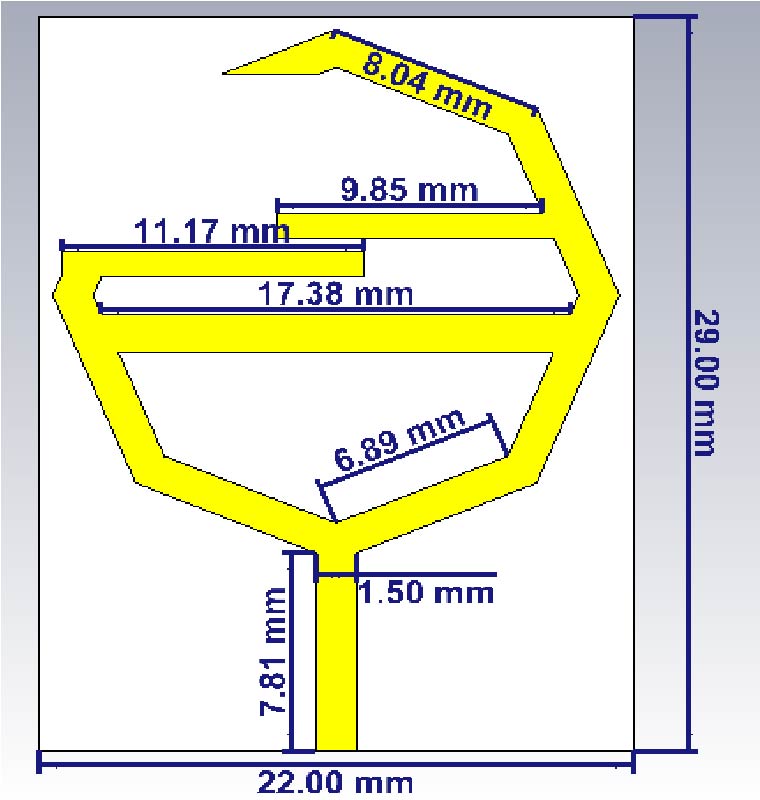
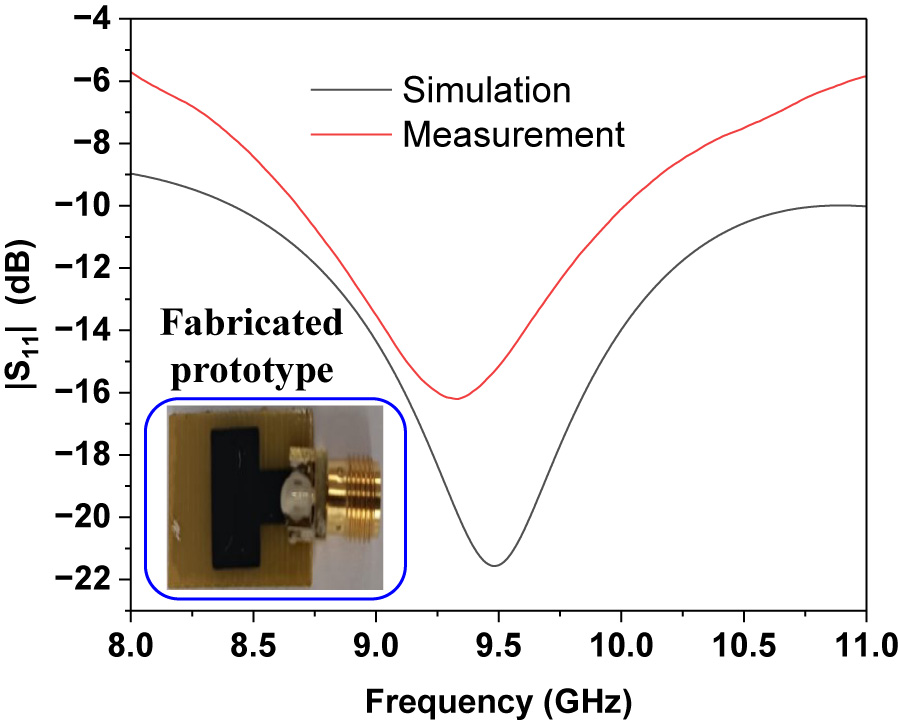
In this paper, a planar wideband antenna array with wide scanning angle in both E- and H-planes is proposed. The dipole antenna is used as an essential element of the array. To enlarge the scanning angle of the array, two layers of frequency selective surface (FSS) superstrates are loaded on the top of the antenna elements. A conducting-patch with shorting pins is loaded under the unit patch to enlarge the bandwidth of the array. Both simulated and measured results have confirmed that the proposed antenna array can scan up to 85° and 70° in the E- and H-planes from 8 GHz to 11 GHz, respectively.
Design of a Wideband Wide Scanning Phased Antenna Array with FSS Superstrates
2023-08-23
PIER C
Vol. 137, 1-16
Systematic Performance Evaluation for the Detection of Breast Tumors with Sinusoidal Corrugated Antipodal Vivaldi Antennas Utilizing DAS and It-DAS Methodologies
Athul O. Asok , Ayush Tripathi and Sukomal Dey
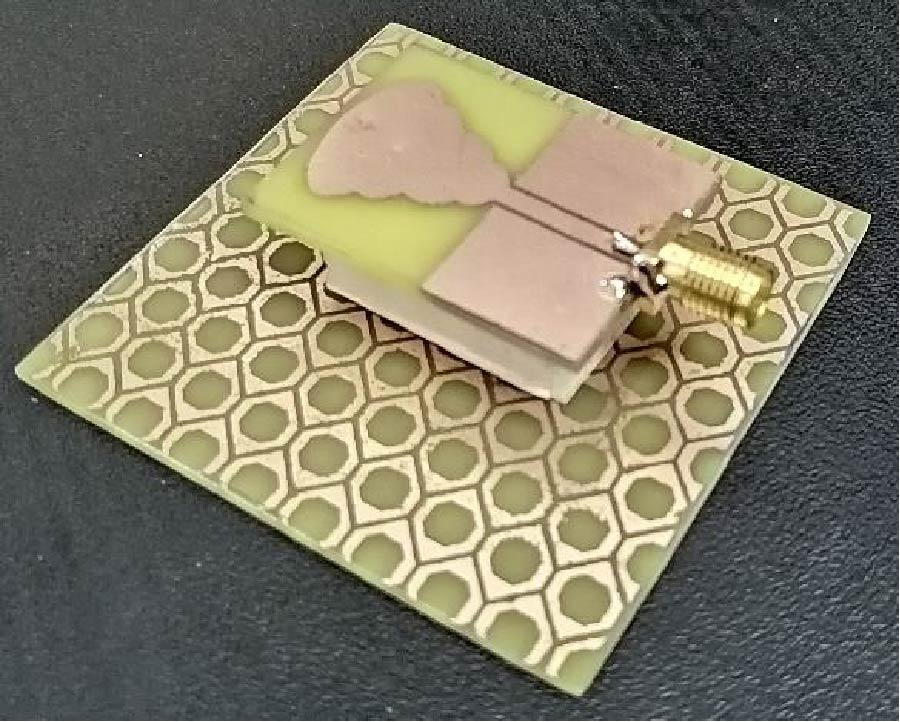
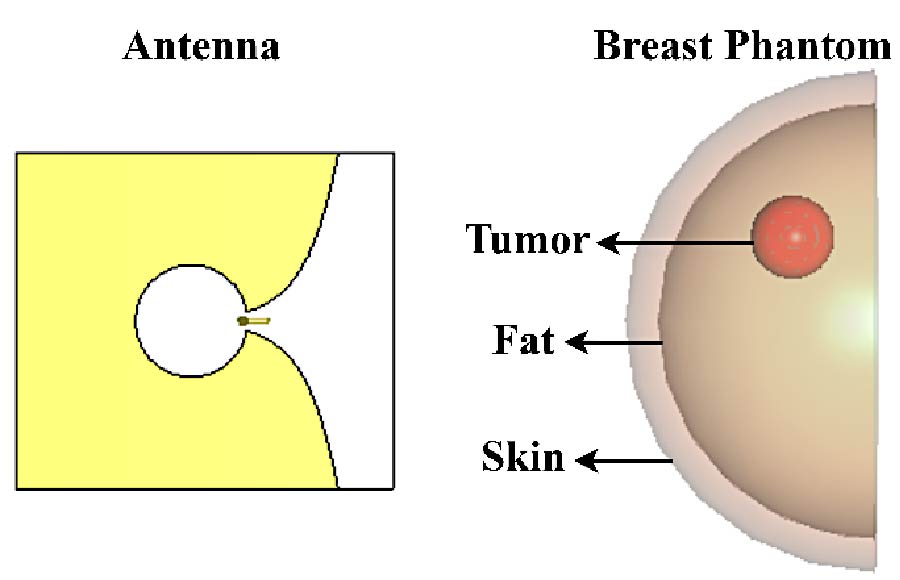
This work presents a study where a Sinusoidal Corrugated Antipodal Vivaldi Antenna (SC-AVA) operating in the Ultra-Wideband (UWB) region is employed as a transducer for microwave imaging of a cancerous breast. The functionality of the antenna within the Ultra-Wideband (UWB) range is initially confirmed through thorough testing of performance parameters, including return loss, gain, radiation pattern, and group delay. Subsequently, its practical application in biomedical imaging is evaluated by measuring Specific Absorption Rate (SAR) readings at multiple frequencies within the operational range. The SAR readings are obtained from an EM simulator by modelling both homogeneous and heterogeneous breast phantoms and placing them in close proximity to the transducer. The SAR values are recorded at various frequencies, and it is determined that these readings comply with the Federal Communication Commission (FCC) regulations. The modelled SC-AVA is further utilized in the detection of a single tumor in a homogeneous breast phantom and multiple tumors in a realistic heterogeneous breast phantom. These phantoms are developed in a laboratory environment and imaged using an in-house developed monostatic microwave imaging setup. To gather preliminary information about the target, a homogeneous phantom with one tumor is imaged initially. Subsequently the heterogeneous phantom with two embedded tumorsis imaged in this study. The imaging results demonstrate that tumors of different sizes can be clearly visualized in both breast phantoms using the SC-AVA, employing image reconstruction algorithms such as Delay and Sum (DAS) and iterative Delay and Sum (it-DAS). Furthermore, a comparison of the reconstructed images reveals that the it-DAS reconstruction algorithm produces images with improved clarity compared to the DAS algorithm.
Systematic Performance Evaluation for the Detection of Breast Tumors with Sinusoidal Corrugated Antipodal Vivaldi Antennas Utilizing DAS and It-DAS Methodologies
2023-08-23
PIER C
Vol. 136, 245-259
Study on Sensorless Control of Six Phase Fault-Tolerant Permanent Magnet Rim Driven Motor with Improved Second-Order SOGI HF Voltage Injection
Yonghan Liu , Jingwei Zhu , Ping Ren , Jiang Wu and Si Chen
From the perspective of motor control and manufacturing process, the application of fault-tolerant permanent magnet rim driven motor (FTPM-RDM) in shaftless rim driven thruster (RDT) can avoid the complicated shafting structure in traditional propulsion system effectively, and realize the sensorless control while reducing volume. Referring to the fault-tolerant structure features, this paper introduces an improved sensorless control algorithm based on two-stage second-order generalized integral (SOGI) pulsating high-frequency (HF) voltage injection which is applied to the FTPM-RDM in zero and low speed. This algorithm can realize the rotor position estimation under fault and healthy condition. Based on pulsating HF injection method, HF square-wave voltages are injected in the virtual dq axis, and the initial rotor position can be extracted from the response currents of stationary reference frame (SRF). The sinusoidal voltage is injected into the virtual $dq$ axis, and use two-stage SOGI instead of the traditional filter is used to realize the current modulation without delay in low speed rotor position estimation. Combining the simulation and experiments, the proposed sensorless control strategy can estimate the rotor position accurately whether in failure or not and has good dynamic and static performance.
Study on Sensorless Control of Six Phase Fault-tolerant Permanent Magnet Rim Driven Motor with Improved Second-order SOGI HF Voltage Injection
2023-08-23
PIER M
Vol. 118, 127-136
Numerical Analysis of 1 X 4 Photonic Crystal Fiber Multiplexer
Assia Ahlem Harrat , Mohammed Debbal and Mohammed Chamse Eddine Ouadah
A brand-new four-channel mux system built entirely out of multicore photonic crystal fiber (PCF) structures, which permit wavelength multiplexing at 0.85, 1.19, 1.1, and 1.35 µm, has been confirmed. The multiplexer is a device that sends multiple messages or signals simultaneously via one communication channel. PCF is a category of optical fiber primarily according to the characteristics of photonic crystals, and it is an effective waveguide based on the interaction of microstructured materials with various refractive indices. Silica substance was used to fill up a few air-hole places to optimize the PCF mux structure along with coupling light between more nearby ports (cores) over the PCF axis. The low-index portions are air holes that may be found anywhere along the length of the fiber, and the background material is often natural silica.
Numerical Analysis of 1 x 4 Photonic Crystal Fiber Multiplexer
2023-08-23
PIER B
Vol. 102, 151-169
Generalized Approach to Antenna Reconfigurability by Switching Load Admittances
Serafin B. Fischer-Kennedy and Jan Hesselbarth
A general theory of a passive multi-port system is presented, incorporating an arbitrary number of feed and load ports. The result is a nonlinear equation system, in which the solution variables are the load admittances, connected to the load ports. The solution ensures impedance match at all feed ports at one particular frequency. It is also shown how this theory can be applied to adaptive and reconfigurable antennas, by using switches to include or exclude some of the load admittances. If, by open state of a switch, the corresponding load admittance is excluded, then the nonlinear equation system is simplified. In general, one load admittance per feed port is required to obtain complex conjugate impedance match. Then, the admittance has a real and an imaginary part, where the real part relates to a resistor, adding loss to the system. It is shown how loss-less matching can be obtained by using two, purely reactive admittances per feed port.
Generalized Approach to Antenna Reconfigurability by Switching Load Admittances
2023-08-22
PIER C
Vol. 136, 229-244
A Multi-Layer Metasurface-Enabled Design of Bandpass Filter Screens with Reconfigurable Transmission Bandwidth
Amartya Banerjee , Soumya Chakravarty , Tapas Chakravarty and Rowdra Ghatak
In this paper, a novel design concept that uses multi-layer metasurface structures to design and develop bandpass filter screens is proposed. The unique proposition of the work lies in the control of transmission bandwidth of such metasurface screens, which has been obtained by sequential arrangement of unit cell layers, that comprise of Minkowski fractal-shaped unit cells and its complement. This reconfigurability of the structure is achieved without changing the geometry of the unit cell design, rather by stacking the layers in different configurations, or even by changing the substrate thickness, leading to the capability to obtain either narrowband or broadband filtering screens as per the requirement. An equivalent circuit model is proposed to explain such behaviour. Two configurations of stacked complementary surfaces, namely the Patch-Slot-Patch (PSP) and the Slot-Patch-Slot (SPS) designs have been investigated. The PSP structure on a thinner dielectric substrate offered dual band resonance with distinguishable transmission peaks, whereas the same configuration on substrate of increased thickness offered wider transmission bandwidth (45.5% to 50.5% percentage bandwidth). In comparison, the SPS structure offered much narrower transmission bandwidth (varies between 4.7% to 8.16%). The effect of changing the periodicity of the unit cell elements, without altering the fractal unit cell dimensions, has been described, through which one can control the band of operation and roll-off performance of the screens. The simulation results are found to be in good agreement with the measured results of the fabricated prototypes.
A Multi-layer Metasurface-enabled Design of Bandpass Filter Screens with Reconfigurable Transmission Bandwidth