Search Results(13789)

2021-12-13
PIER C
Vol. 117, 31-40
A Miniaturized MIMO Antenna for C, X, and Ku Band Applications
Ajit Kumar Singh , Santosh Kumar Mahto and Rashmi Sinha
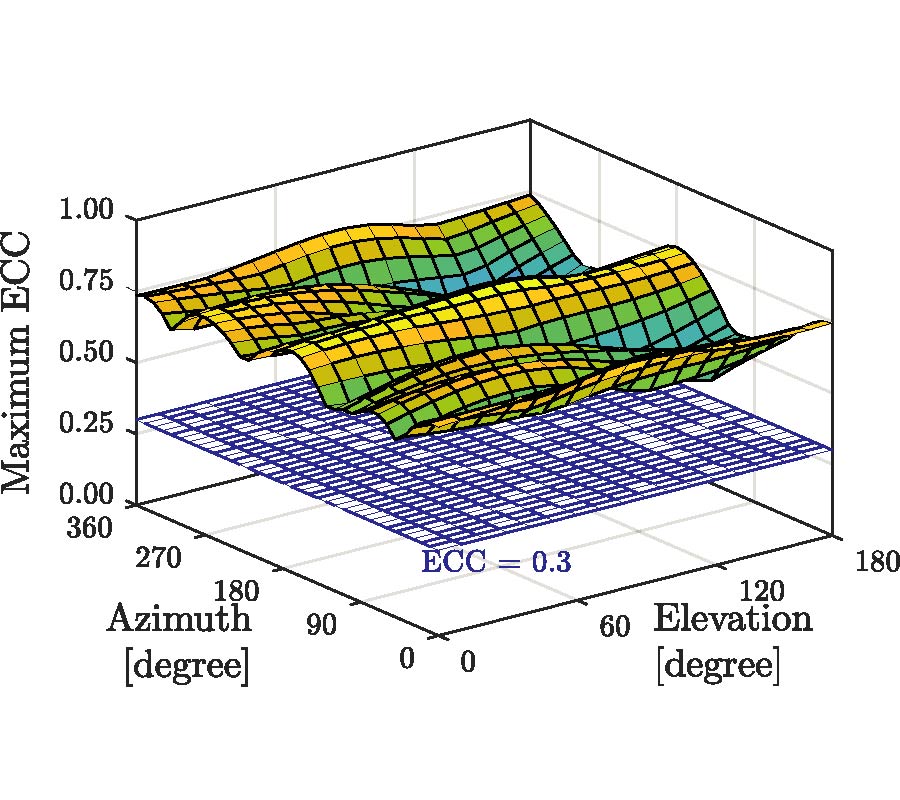
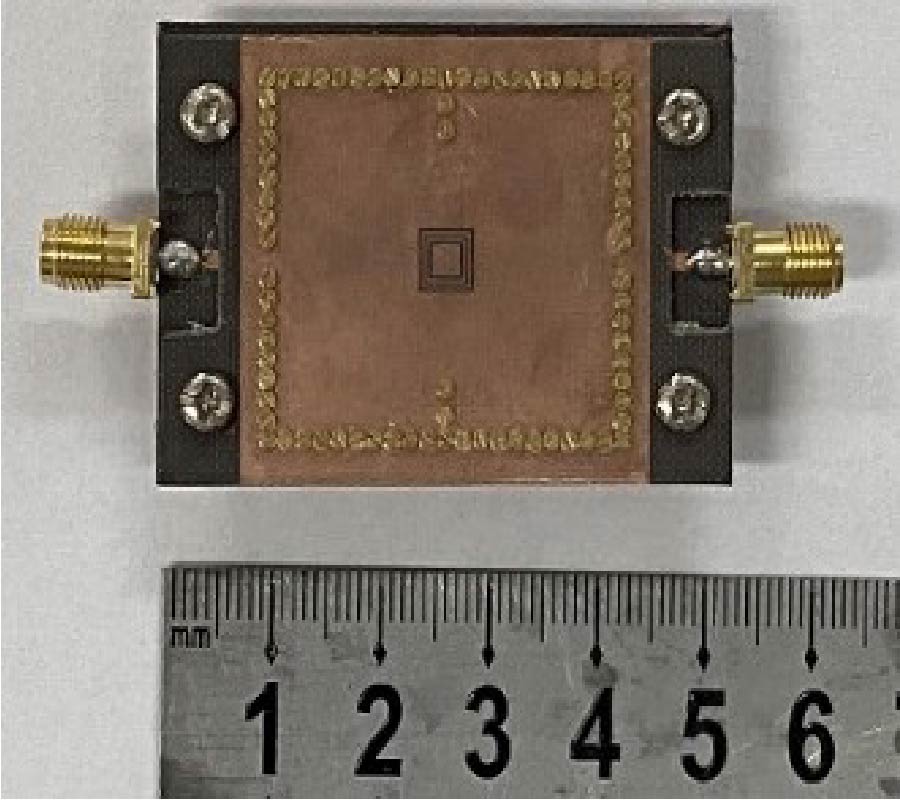
A dual-element miniaturized multiple-input-multiple-output (MIMO) antenna with a defected ground plane and a tapered microstrip feed line is introduced in this article. It achieves a bandwidth (BW) of 10.8 GHz (7.2-18 GHz), frequency ratio (FR) of 2.5, and average isolation of 15 dB over the entire operating band. The proposed antenna is right hand circularly polarized (RHCP) and achieves an axial ratio of < 3 dB in the frequency band ranging from 7.2 to 8.9 GHz. The performance characteristics of the proposed antenna are analyzed in terms of the envelope correlation coefficient (ECC), mean effective gain (MEG), total active reflection coefficient (TARC), isolation between the ports, and channel capacity loss (CCL), and the values obtained are 0.1607, 9.99 dB, ±3 dB, -11 dB, -7 dB, 0.20 bits/sec/Hz respectively. The proposed MIMO antenna is fabricated on an FR-4 dielectric substrate of dimension 10.6×10.3×1.6 mm3 and has good agreement between simulated and experimental results. The proposed antenna can be used for C, X, and Ku band applications.
A MINIATURIZED MIMO ANTENNA FOR C, X, AND KU BAND APPLICATIONS
2021-12-13
PIER Letters
Vol. 101, 107-115
Millimeter-Wave Reconfigurable Antenna for 5G Wireless Communications
Bandi Alekhya , Neelaveni Ammal Murugan , Boddapati Taraka Phani Madhav and Naladimmu Kartheek Ram Reddy
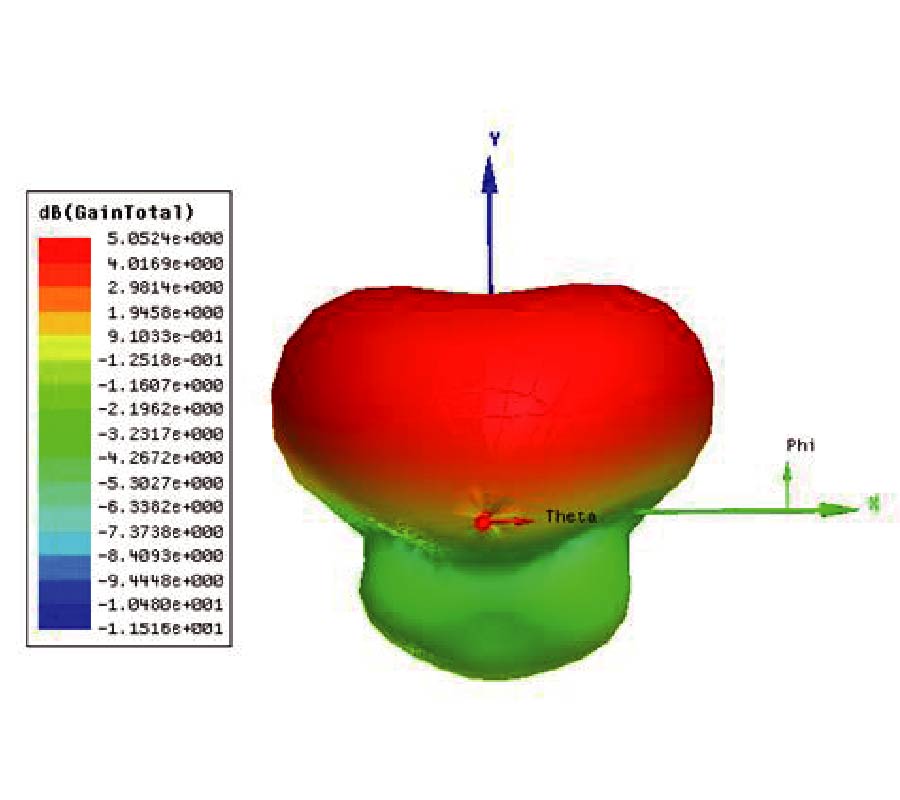
In the present day scenario, the need for 5G technology is increasing daily, so we design a reconfigurable antenna working in the millimeter-wave range (25 GHz-30 GHz). The antenna is designed using HFSS software, and the antenna is loaded with compact planar metamaterial. This design includes 9 unit cells arranged in a 3 x 3 array, and each unit cell is made up of a hexagonal patch surrounded by a split ring resonator. Apart from this two-unit cells are connected using pin diodes. By operating these two pin diodes in different modes we get four different characteristics. The designed antenna radiates at 27 GHz with a gain of 3.75 dB to 4 dB. The designed antenna is compact and easy to fabricate with dimensions of 30 mm x 23 mm.
MILLIMETER-WAVE RECONFIGURABLE ANTENNA FOR 5G WIRELESS COMMUNICATIONS
2021-12-11
PIER Letters
Vol. 101, 99-105
Dielectric and Plasmonic Hybrid Dimer Pair: Broadband Reversal of Optical Binding Force
Md. Saadman Zia , Md. Mahadul Islam , Masudur Rahim , Tapesh Bhowmick , Md. Mizanur Rahman and M. R. C. Mahdy
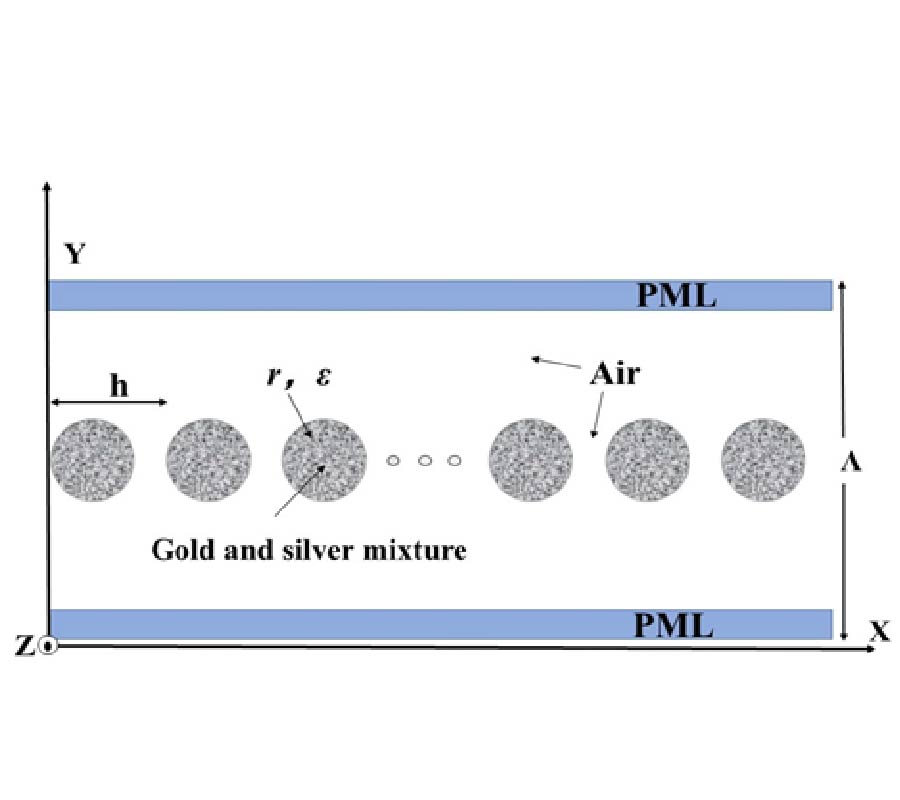
Controlled mutual attraction or repulsion, by the aid of light beam, between two or more particles, is regarded as the reversal of optical binding force. It has emerged as an important tool in the area of optical manipulation, facilitating clustering or aggregating between homodimer and heterodimer arrangements of particles. Despite a vast array of works being done in this area, dielectric-plasmonic hybrid dimer pair has not received any attention yet. To the best of our knowledge, in this letter, we have provided the very first proposal of a generic way to attain the controlled broadband reversal of optical binding force between dielectric and plasmonic hybrid dimer pair. A simple optical setup consisting of a plasmonic substrate placed underneath the hybrid dimer pair has been proposed, where the reversal of optical binding force can be attained by the incidence of a non-structured laser beam in both near- and far-field regions. Furthermore, we have demonstrated that the magnitude of this binding force can be enhanced, simply by altering the angle of incidence of the source of illumination. The force reversal has been attained based on two physical phenomena - mutual attraction and repulsion between the charges formed within the hybrid pair and the reversal of current density in the plasmonic object.
DIELECTRIC AND PLASMONIC HYBRID DIMER PAIR: BROADBAND REVERSAL OF OPTICAL BINDING FORCE
2021-12-09
PIER Letters
Vol. 101, 89-97
Sensorless Control of Permanent Magnet Synchronous Linear Motor Based on Sliding Mode Variable Structure MRAS Flux Observation
Mingwei Li , Kailin Lv , Cheng Wen , Qiankai Zhao , Xingqiao Zhao and Xin Wang
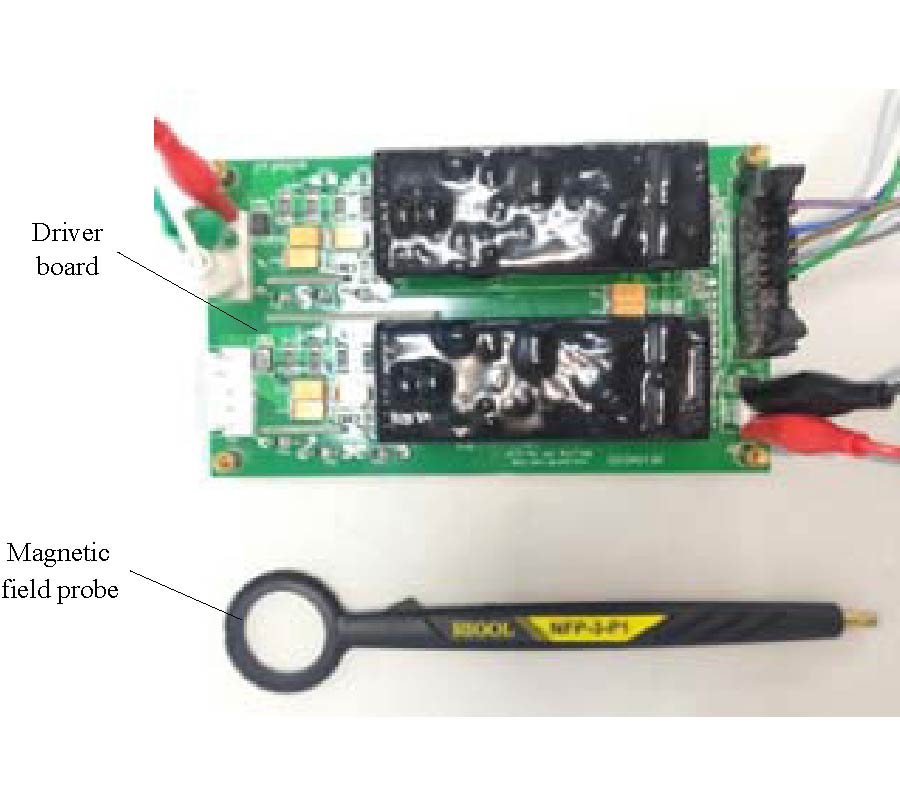
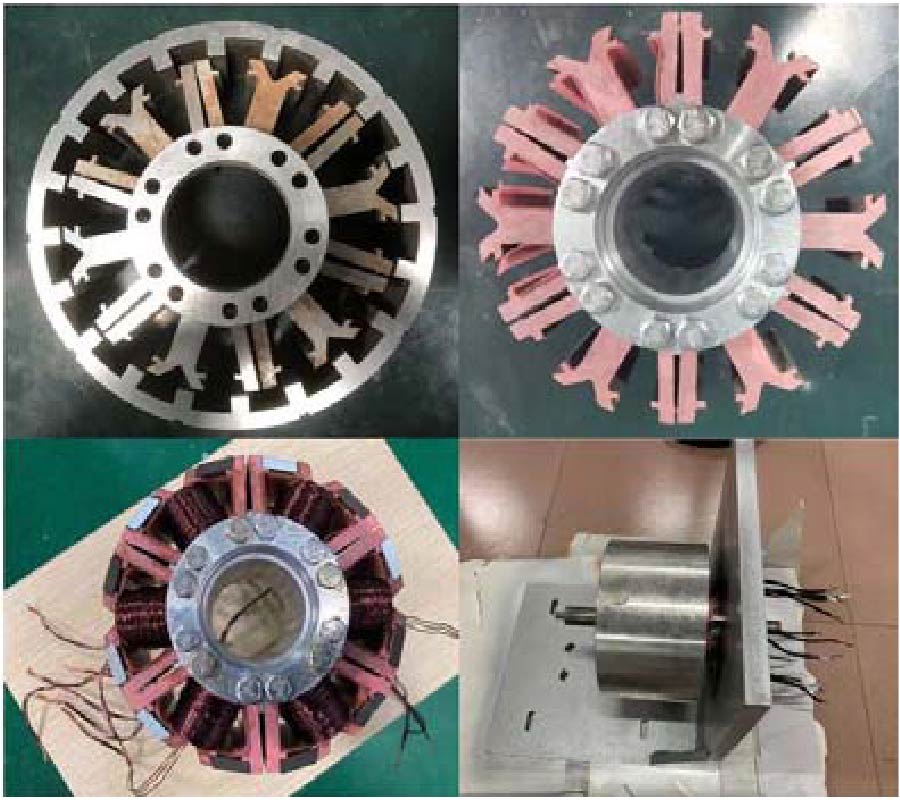
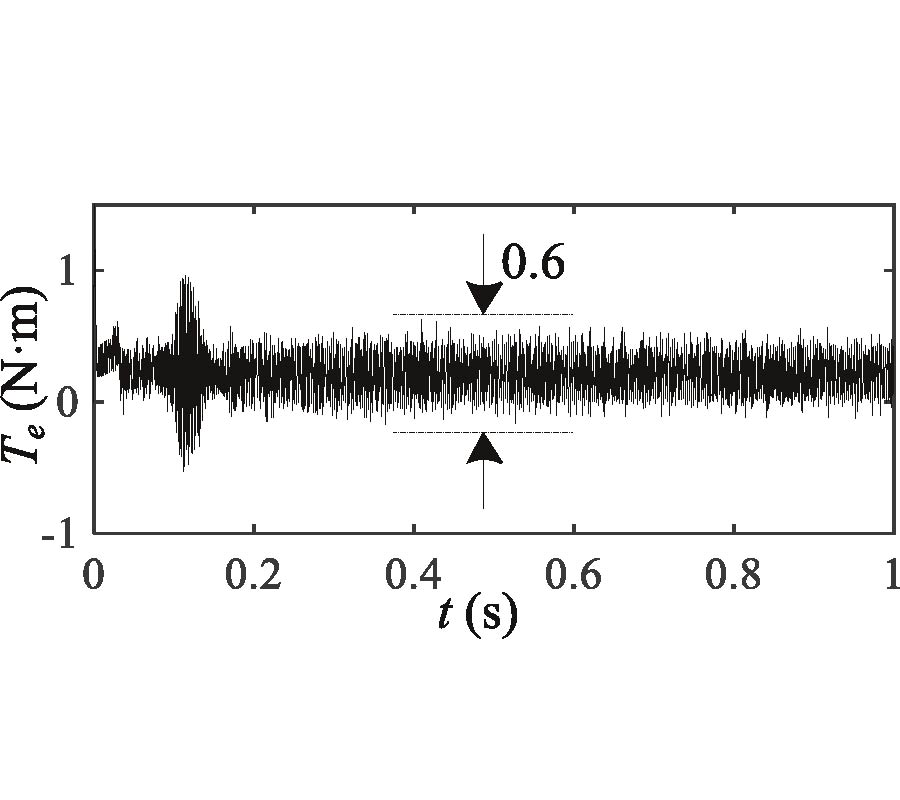
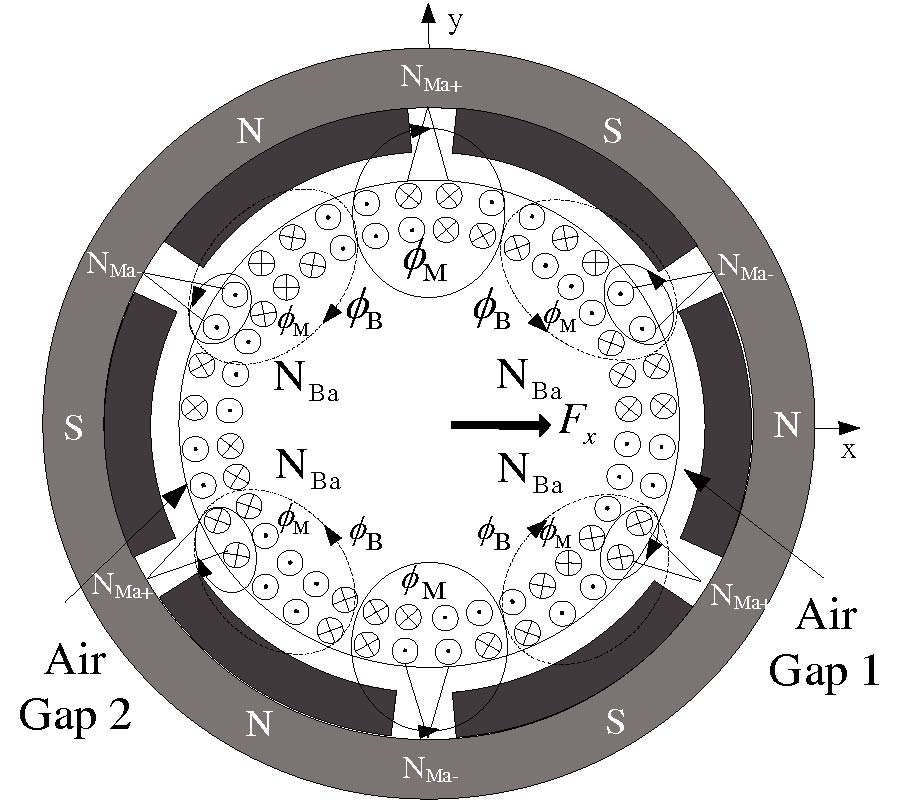
The object of this paper is a permanent magnet synchronous linear motor (PMLSM), whose control method is based on a model-referenced adaptive system (MRAS), and it analyses the speed identification of a permanent magnet synchronous linear motor without position sensors. The article proposes a new model-referenced adaptive method, which utilises a sliding-mode variable structure control method (SMC), to replace the PI control algorithm utilised in conventional model-referenced adaptive algorithm. The control system of the PMLSM is therefore designed and studied based on the change of the adaptive law in model-referenced adaption. the mathematical model of the PMLSM itself is chosen as the reference model, and the feedback magnetic chain model of the motor output is chosen as the adjustable model, replacing the conventional current model and simplifying the control algorithm. The sliding mode surface of the sliding mode variable structure control algorithm is constructed using the reference model and the output error of the adjustable model. Through theoretical analysis and simulation models built by MATLAB/Simulink simulation software, the simulation results show that the designed PMLSM speed induction-free control system MRAS speed observer based on the sliding mode variable structure has strong robustness and excellent dynamic static performance. The advantages verified by the new algorithm achieve the experimental purpose of the expected assumptions.
SENSORLESS CONTROL OF PERMANENT MAGNET SYNCHRONOUS LINEAR MOTOR BASED ON SLIDING MODE VARIABLE STRUCTURE MRAS FLUX OBSERVATION
2021-12-08
PIER M
Vol. 106, 83-92
Bandwidth Improvement of Bowtie Antenna for GPR Applications Using Antipodal Technique, Corner Bending, and Triangular Slot Modifications
Osama Alali , Abdelrazak Badawieh and Mohamad Alhariri
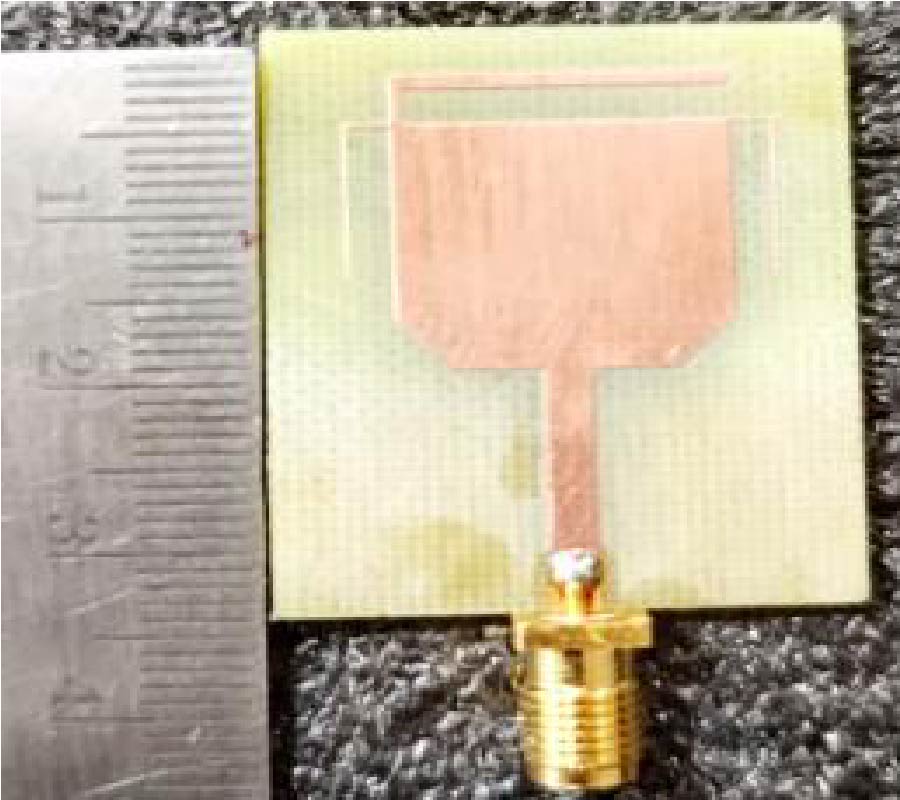
In this paper, the bandwidth of a bowtie antenna is improved to meet the requirements of Ground Penetrating Radar (GPR) applications that need a fractional bandwidth greater than 100% and are able to operate at low frequencies. This was done using several modification steps, which were the use of Antipodal technique for its advantages in reducing the complexity of the feeder network to achieve good matching with a standard 50-Ω SMA connector, bending the four corners of the arms and adding a triangular slot in each arm. The simulation was carried out using CST Microwave Studio to study the effect of each modification step on improving the bandwidth. The simulation results of the new antenna achieved a fractional bandwidth of 138% within the frequency range (1-5.45) GHz at the values of return loss (S11≤-10 dB). The new antenna was also fabricated, and the return loss was measured and showed a good agreement with the simulation results.
BANDWIDTH IMPROVEMENT OF BOWTIE ANTENNA FOR GPR APPLICATIONS USING ANTIPODAL TECHNIQUE, CORNER BENDING, AND TRIANGULAR SLOT MODIFICATIONS
2021-12-07
PIER B
Vol. 94, 105-126
Spread Spectrum Time Domain Reflectometry (SSTDR) Digital Twin Simulation of Photovoltaic Systems for Fault Detection and Location
Samuel R. Kingston , Cody La Flamme , Mashad Uddin Saleh , Hunter Ellis , Evan Benoit , Ayobami Edun , Michael A. Scarpulla , Cynthia Furse and Joel B. Harley
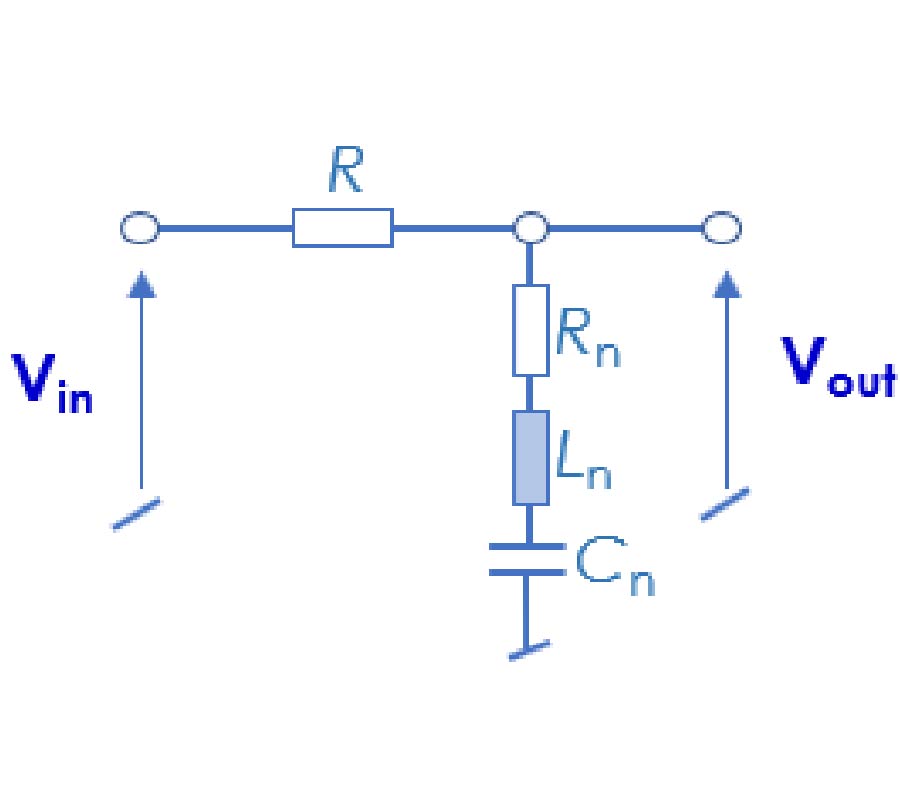
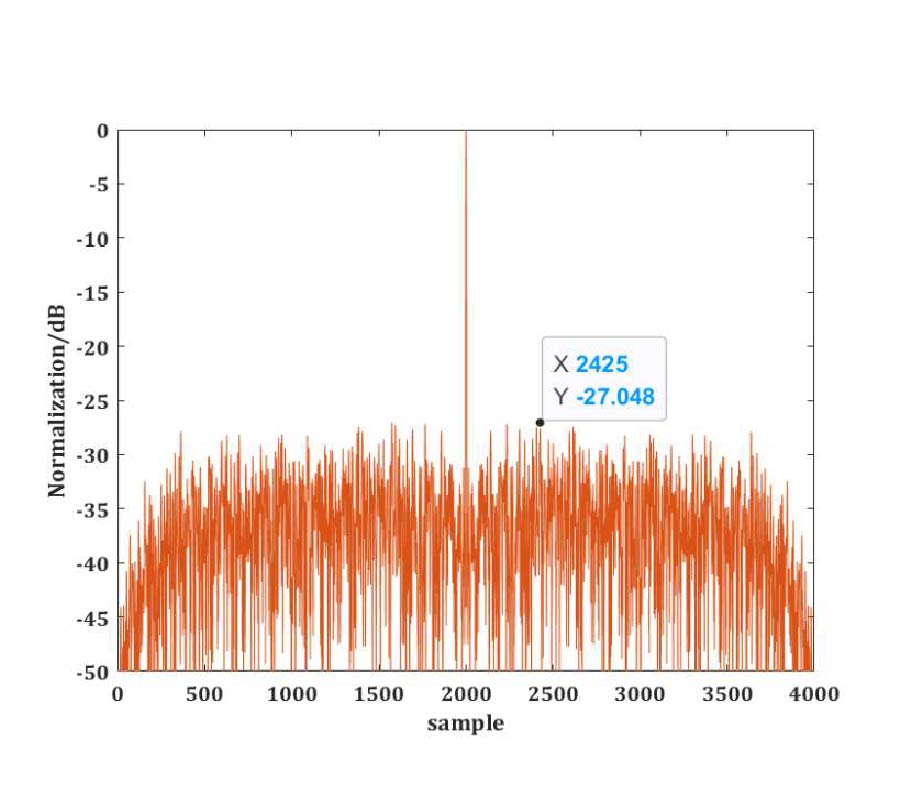
Utilizing spread spectrum time domain reflectometry (SSTDR) to detect, locate, and characterize faults in photovoltaic (PV) systems is examined in this paper. We present a method to obtain the model parameters that are needed to produce digital twin SSTDR responses for PV systems. The digital twin SSTDR responses could be used to predict faults within the PV systems. The model parameters are the reflection and transmission coefficients at each impedance discontinuity in the PV system along with the propagation coefficients across each PV cable segment. We obtain model parameter by applying inverse modeling techniques to experimental SSTDR data associated with PV systems. Our model parameters can be used in any digital twin simulation method for modeling reflectometry in frequency-dependent and complex loads. For validation, we used the model parameters in a graph network simulation engine and adapted it to be used for SSTDR digital twin simulations in PV systems. We produced simulations for 0 to 10 PV modules connected in series. We also simulated SSTDR responses for open circuit disconnections in a PV setup containing 10 PV modules in series. Results show that all but one simulated disconnect locations match experimental disconnection locations of the same setup with an error of less than 5%.
SPREAD SPECTRUM TIME DOMAIN REFLECTOMETRY (SSTDR) DIGITAL TWIN SIMULATION OF PHOTOVOLTAIC SYSTEMS FOR FAULT DETECTION AND LOCATION
2021-12-07
PIER C
Vol. 116, 249-264
Reconfigurable Antenna Design for Internet of Medical Things
Farha Usman , Mohd Gulman Siddiqui , Prakhar Yadav , Sweta Singh and Ram Suchit Yadav
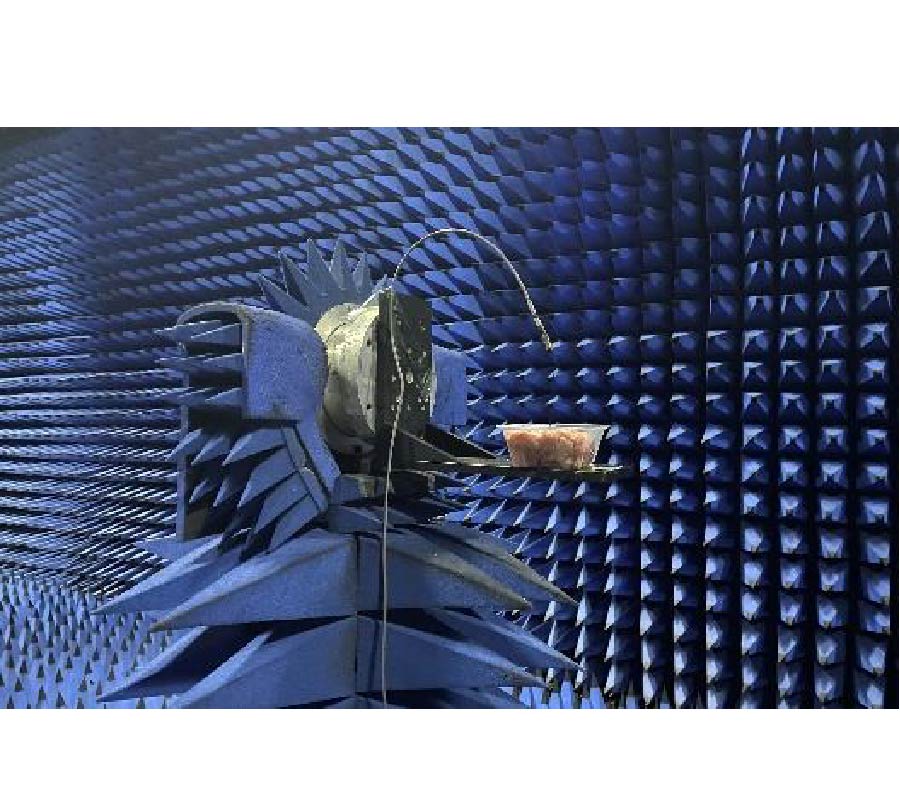
This proposal presents a novel design of a reconfigurable antenna with frequency, polarization, and pattern diversities for wireless body area networks. The design makes use of a 3.2 mm thick FR4 substrate of 39X36 mm2 dimensions with a square patch and partial ground structure. The antenna operates in sixteen different modes and resonates at various frequencies ranging from 2.456 to 14.384 GHz. The proposed model has the capability to exhibit elliptical as well as linear polarization with different radiation patterns. For suitability of the proposed design in healthcare applications its SAR analysis has been performed along with other antenna characteristics like reflection coefficient, gain, radiation pattern, and axial ratio. Four PIN diodes have been used to switch the antenna operational modes.
RECONFIGURABLE ANTENNA DESIGN FOR INTERNET OF MEDICAL THINGS
2021-12-07
PIER M
Vol. 106, 71-82
Research on Pneumothorax Detection Based on Magneto-Acousto-Electrical Tomography
Cailian Li , Yuanyuan Li and Guo-Qiang Liu
Pneumothorax can cause chest tightness, chest pain, and respiratory failure, which can be life-threatening in severe cases. Therefore, early diagnosis and treatment of pneumothorax are crucial. Magneto-Acousto-Electrical Tomography (MAET)is an imaging technique in which ultrasound and electromagnetism are mutually coupled. It has the advantages of high spatial resolution and high image contrast. In this paper, we use MAET to study porous and air-containing lung tissue. We first simulate the characteristics of the MAET signal as the degree of pneumothorax increases. The relationship between the size of the ultrasonic probe and the size of the pneumothorax was discussed. The simulation results show that the reflection and attenuation values of the MAET voltage signals increase as the pneumothorax size gradually increases, regardless of whether the ultrasound transducer size is larger or smaller than the pneumothorax size. Finally, the MAET experimental platform was built to validate the simulation results of MAET signals. The results of the experiment and simulation are consistent with each other. The research of this paper has a certain reference value for the detection of pneumothorax using MAET.
RESEARCH ON PNEUMOTHORAX DETECTION BASED ON MAGNETO-ACOUSTO-ELECTRICAL TOMOGRAPHY
2021-12-07
PIER Letters
Vol. 101, 79-87
Compact Dual-Band SIW Bandpass Filter Using CSRR and DGS Structure Resonators
Soundarya Gopalakrishnan and Nagarajan Gunavathi
In this paper, a Substrate Integrated Waveguide (SIW) band pass filter loaded with a square Complementary Split Ring Resonator (CSRR) etched with Defected Ground Structure (DGS) is proposed. SIW is a promising candidate for the design and development of various microwave and millimeter wave components useful in communication systems. Due to the evanescent mode propagation and TE10 mode of the cavity, dual band (5.57/7.84 GHz) filtering is achieved with a 3-dB fractional bandwidth (FBW) of 6.8% and 4.1% respectively. The dual bands achieve a low insertion loss of 1.8 dB and 2 dB respectively. Cursor head DGS improves the out of band rejection to a greater level. The configuration is investigated with its corresponding circuit and simulated using Computer Simulation Technology (CST) software. The prototype is fabricated using a Rogers substrate with εr of 3.5 and tested. This prototype finds its application in C band satellite communication systems. The measured results are consistent with the simulated ones.
COMPACT DUAL-BAND SIW BANDPASS FILTER USING CSRR AND DGS STRUCTURE RESONATORS
2021-12-06
PIER Letters
Vol. 101, 71-78
Design of Polarization Insensitive Frequency Selective Surface for Electromagnetic Shielding Application
Surya Durga Padmaja Bikkuri and Bhavan S. Naga Kishore
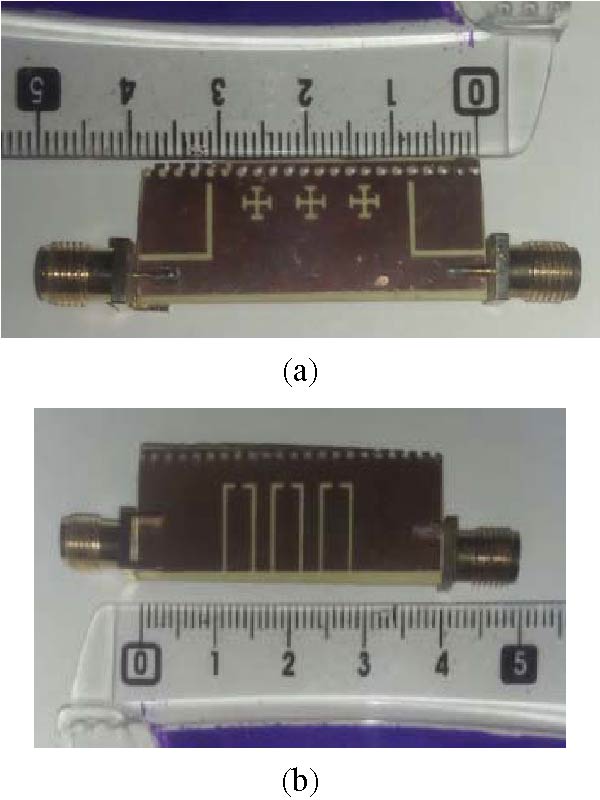
In this paper, a low profile Frequency Selective Surface is presented, for obtaining electromagnetic shielding in four distinct frequency regions. The designed structure consists of three rectangular strips Resonators, Jerusalem cross in the top side and diagonal metallic strips on bottom side of the dielectric. The proposed structure provides electromagnetic shielding at 9.9 GHz, 12.3 GHz, 13.5 GHz, and 16.4 GHz frequency regions. Besides these frequency regions, we also obtain five transparent windows suitable for telemetry application. The prototype of the proposed structure is fabricated. It is observed that the measured results are nearly similar to simulated results because of minor fabrication errors. Furthermore the proposed low profile structure can be deployed for applications like radoms, spatial filters, antenna reflectors and RCS reductions.
DESIGN OF POLARIZATION INSENSITIVE FREQUENCY SELECTIVE SURFACE FOR ELECTROMAGNETIC SHIELDING APPLICATION
2021-12-06
PIER Letters
Vol. 101, 63-70
Design of Full-360° Reflection-Type Phase Shifter Using Trans-Directional Coupler with Multi-Resonance Loads
Hongmei Liu , Xuejiao Wang , Tielin Zhang , Shao-Jun Fang and Zhongbao Wang
In this paper, a full-360° reflection-type phase shifter (RTPS) using a trans-directional (TRD) coupler with multi-resonance loads is presented. It features the characteristics of wide bandwidth, small size, and wide phase shifts with a compact structure and inherent DC blocking. Influences of the multi-resonance loads on the phase shifts and insertion losses of the RTPS are analyzed, and design procedures are given for guidance. For validation, a prototype is designed at 2 GHz. The overall size is 0.56λg × 0.17λg. Measured results show a bandwidth of 20% under the criterion of more than 10-dB return loss. Meanwhile, a relative phase variation of 425° with a maximum insertion loss of 3.6 dB is achieved when the varactor capacitance is varied among 0.35 pF~3.2 pF.
DESIGN OF FULL-360° REFLECTION-TYPE PHASE SHIFTER USING TRANS-DIRECTIONAL COUPLER WITH MULTI-RESONANCE LOADS
2021-12-03
PIER M
Vol. 106, 59-69
Sierpinski-Carpet Fractal Frequency Reconfigurable Microstrip Patch Antenna Design for Ku/k/Ka Band Application
Iqra Masroor , Jamshed Ansari , Shadman Aslam and Abhishek Kumar Saroj
This work discusses the effect of reconfigurability on a Sierpinski-carpet fractal microstrip patch antenna. The implementation of reconfigurability is achieved by modeling a PIN diode as a lumped RC element on HFSS (High Frequency Structure Simulator) simulation tool. The proposed antenna design is also fabricated and tested. It is highly miniaturized having a dimension of 9.5 mm × 7.4 mm and a significantly high impedance bandwidth which is desirable for most wireless communication applications. The resultant Fractal Reconfigurable Antenna (FRA) exhibits good performance parameters having frequency reconfigurability rendering it useful for Ku/K/Ka band applications.
SIERPINSKI-CARPET FRACTAL FREQUENCY RECONFIGURABLE MICROSTRIP PATCH ANTENNA DESIGN FOR KU/K/KA BAND APPLICATION
2021-12-03
PIER Letters
Vol. 101, 55-62
A Miniaturised Negative Group Delay Triple Pass Band Filter Using Half Wavelength Meander Step Impedance Resonator
Anirban Neogi and Jyoti Ranjan Panda
A Negative Group delay (NGD) triple passband filter with a lossy Meander Step Impedance Resonator (MSIR) is introduced in this article. The size miniaturization technique by increasing the number of meander turns is presented. In the process of filter design, the calculation of the total inductance value of the meander section is discussed in a simplified way. At the same time, the electrical and physical lengths of each section of meander resonator are calculated. The proposed filter has three passbands at 2.4, 5.0, and 7.4 GHz. The Group Delay (GD) in the three pass bands is -2.5 ns, -2.1 ns, and -2.0 ns, respectively. The more the number of meander turns is, the more the NGD will be. The proposed design is well equipped to be used in feed-forward and feed-back power amplifier applications. The frequency response exhibits satisfactory Return Losses (RLs) of -24, -25, and -22 dB at these three passbands. Four Transmission Zeros are generated at 3.35, 3.98, 6.2, and 8.31 GHz using an absorptive Folded SIR (FSIR) structure which improve the stopband performance. The overall dimension of the filter is (20.7 x 12) mm = (0.16 x 0.09)λg.
A MINIATURISED NEGATIVE GROUP DELAY TRIPLE PASS BAND FILTER USING HALF WAVELENGTH MEANDER STEP IMPEDANCE RESONATOR
2021-12-02
PIER Letters
Vol. 101, 49-54
Spur-Less Interdigital Metal-Insulator-Metal Capacitor
Na Xie , Huanyan Tie , Qiang Ma and Bo Zhou
A wideband interdigital Metal-insulator-metal (MIM) capacitor is created and built in a two-layer low temperature co-fired ceramic (LTCC) substrate. To reduce the amount of stopbands and eliminate unexpected spurs which restrict the bandwidth, short-interconnection that interconnects the open ends of interval fingers is proposed. The increment of bandwidth and capacitance of the proposed interdigital MIM capacitor is 206% and 25%, respectively. The proposed interdigital capacitor has a wider frequency applicational range and a compact size of only 8.2×6.2 mm. Performance discussion and comparisons are also carried out.
SPUR-LESS INTERDIGITAL METAL-INSULATOR-METAL CAPACITOR
2021-12-01
PIER M
Vol. 106, 47-57
Single-Feed Cylindrical Dielectric Resonator Antenna with Wide Angular Circular Polarization
Hongmei Liu , Tuanyuan Yan , Shao-Jun Fang and Zhongbao Wang
In this paper, a single-feed cylindrical dielectric resonator antenna (DRA) with wide angular circular polarization is proposed. It is composed of a cylindrical cavity loaded cylindrical dielectric resonator (DR), an orthogonal slot with curved arms, and an off-centered L-shaped microstrip line. By inserting the slot with curved arms and a cylindrical cavity, the 3-dB axial ratio beamwidth (ARBW) can be increased, and symmetric radiation can be obtained. For validation, a prototype is designed at 1.7 GHz and fabricated. The overall size is 0.39λ0 × 0.39λ0 × 0.13λ0. The measured results show that it exhibits a 10-dB impedance bandwidth of 33.3% (1.45~2.03 GHz) with a circularly polarized (CP) bandwidth of 16.1% (1.54~1.81 GHz). Symmetric radiations are obtained, and the 3-dB ARBWs in the xoz and yoz planes are more than 150° over the CP bandwidth.
SINGLE-FEED CYLINDRICAL DIELECTRIC RESONATOR ANTENNA WITH WIDE ANGULAR CIRCULAR POLARIZATION
2021-11-30
PIER Letters
Vol. 101, 43-48
Dipole Antenna Design for Portable Devices Operating in the 5G NR Frequency Bands
Yongwei Li , Quanyuan Feng and Liguo Zhou
In this paper, a dipole antenna is investigated for 5G New Radio portable devices. This antenna adopts the characteristics of multiple mode resonance. Then, by adjusting the spacing between dipole pairs, the antenna has a good impedance match in a wide frequency band. The -10 dB impedance bandwidth of the antenna is 2.31-5.34 GHz (79.2%). In the operation frequency band, the maximum gain and average gain of the antenna are 8.68 dBi and 4.67 dBi, respectively. It can be used in the 5G Sub-6 GHz NR frequency bands n7/n38/n41/n77/n78/n79 and also compatible with WLAN/WiMAX band.
DIPOLE ANTENNA DESIGN FOR PORTABLE DEVICES OPERATING IN THE 5G NR FREQUENCY BANDS
2021-11-26
PIER M
Vol. 106, 35-46
A Novel Circular Polarized Rectenna with Wide Ranges of Loads for Wireless Harvesting Energy
Mustapha Bajtaoui , Otman El Mrabet , Mohammed Ali Ennasar and Mohsine Khalladi
In this paper, a novel circularly polarized rectenna, with a harmonic suppression, capable of harvesting low-power RF energy with wide operating output loads is presented. The proposed rectenna is composed of a circularly polarized CPW-fed antenna based on a split ring resonator (SRR) and a wideband rectifying circuit. The circular polarization characteristic is achieved by breaking the symmetry of the SRR. The designed topology is fabricated and measured. Simulated and measured results show that the rectenna's efficiency is more than 45% at 2.45 GHz with an input power of -15 dBm under different polarizations. Importantly, the measured results show that the proposed configuration can maintain the same efficiency over wide ranges of loads (from 1 to 5 kΩ). The measured output dc voltage of the rectifier with a load resistance of 3-kΩ is 0.21 V and 1.22 V at -15 dBm and 0 dBm, respectively. The proposed design concept is very suitable for the 2.45 GHz ISM band (Wi-Fi, Bluetooth, RFID, etc.).
A NOVEL CIRCULAR POLARIZED RECTENNA WITH WIDE RANGES OF LOADS FOR WIRELESS HARVESTING ENERGY
2021-11-26
PIER M
Vol. 106, 25-34
Optimal Magnetic Wake Detection in Finite Depth Water
Mohammad-Amir Fallah and Mehdi Monemi
Seawater is generally considered as an electrical conductor with rather weak electrical conductivity. As a moving electrical conductor in an electromagnetic field, seawater motions induce weak electromagnetic field in surrounding environment. The movement of vessels in seawater leads to the variations of electromagnetic field pattern, called as magnetic wake. In order to detect a moving object through the induced magnetic wake, a magnetometer can be placed under the seawater surface. In this paper, we present a mathematical model through which we can study the magnetic wake in water of finite depth and, explore its behavior with respect to environmental parameters and geometric characteristics of the moving object. More specifically, we show through mathematical expressions and numerical results that there always exists an optimal depth under the sea surface wherein if amagnetometer isplaced, maximum amplitude of magnetic wake can be captured. Several key properties are verified for the optimal magnetic wake detection through numerical results. Firstly, the optimal depth is increased by increasing the speed of the moving vessel. Secondly, the optimal depth is not influenced considerably by the variation of sea depth, and thirdly, in the case wherethe Froude number of the vessel is lower than 0.5, the optimal depth is below 15 m.
OPTIMAL MAGNETIC WAKE DETECTION IN FINITE DEPTH WATER
2021-11-26
PIER M
Vol. 105, 205-217
Design of Compact Hexagonal Shaped Multiband Antenna for Wearable and Tumor Detection Applications
Navneet Sharma , Anubhav Kumar , Asok De and Rakesh Kumar Jain
A compact multiband antenna for frequency bands of 2.45 GHz (ISM), 3.3 GHz (5G), and 5.8 GHz (ISM) is proposed. Modified Complimentary Split Ring Resonator (CSRR) and the cross-shaped stub is introduced in the hexagonal radiator to achieve triple-band operation including both ISM bands applications of 2.45 GHz, 5.8 GHz and WiFi/WLAN. The stubs in the radiator also improve the bandwidth and impedance matching of the antenna. The 10 dB impedance of the proposed antenna varies from 2.43 GHz to 2.64 GHz, 3.02 GHz to 3.85 GHz, and 4.88 GHz to 6.82 GHz. The antenna is analyzed on a human phantom model for wearable applications, where simulated SAR and theoretically calculated SAR are 0.3251 W/Kg and 0.3299 W/Kg, respectively. The antenna is used on a human breast model for cancer detection applications, where the SAR value is used to analyze and validate the performance of the antenna; therefore, the antenna has effectively worked for biomedical and wearable applications.
DESIGN OF COMPACT HEXAGONAL SHAPED MULTIBAND ANTENNA FOR WEARABLE AND TUMOR DETECTION APPLICATIONS
2021-11-24
PIER C
Vol. 116, 235-248
Design and Analysis a Frequency Reconfigurable Octagonal Ring-Shaped Quad-Port Dual-Band Antenna Based on a Varactor Diode
Qasim Hadi Kareem , Malik Jassim Farhan and Ali Khalid Jasim
Due to recent developments in wireless communications, frequency reconfigurable antennas have increased in popularity. This paper presents an integrated design for MIMO antennas that uses octagonal ring-shaped with a frequency-tunable dual-band reconfigurable for wireless communication applications. On the ground plane, the designed antenna has four octagonal ring-shaped radiators with a total size 50 x 50 x 1.6 mm3. In the center of each radiator, a varactor diode is employed to control the capacitive reactance of the slot to provide frequency reconfigurability. Between orthogonally positioned antennas, rectangular defective ground gaps are used for isolation purposes as well. Dual-band operation is achieved by linking the varactor to a slot line of radiating rings. The antenna's lower-frequency band resonates at 4.2 GHz, and its upper-frequency band can be tuned from 4.55 to 5.56 GHz (with isolation > 25 dB in the operating bands). The simulated results are found to be highly consistent with the experimental data. As a result, frequency agility, large tuning range, compactness, and planar structure make it appropriate for a wide range of existing and future wireless communication applications.
DESIGN AND ANALYSIS A FREQUENCY RECONFIGURABLE OCTAGONAL RING-SHAPED QUAD-PORT DUAL-BAND ANTENNA BASED ON A VARACTOR DIODE