Search Results(13983)

2014-04-08
PIER C
Vol. 49, 39-45
Compact CPW-Fed Tri-Band Antenna for WLAN/WiMAX Applications
Shan Shan Huang , Jun Li and Jian Zhong Zhao
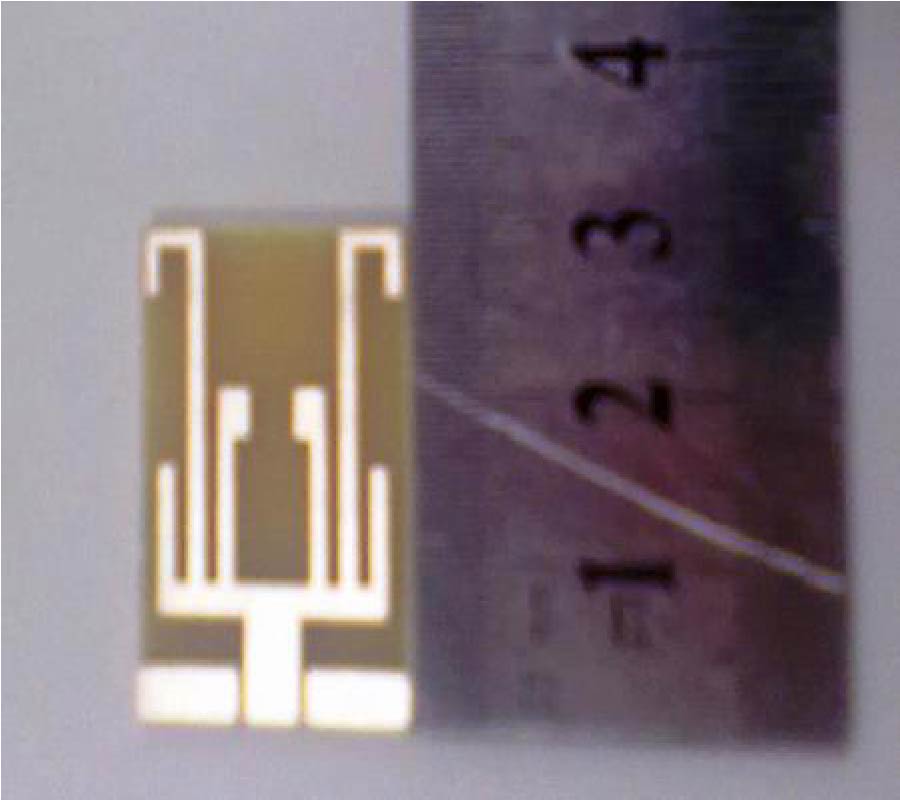
A novel CPW-fed antenna capable of triple-band operation for WLAN/WiMAX applications is presented and investigated in this paper. The proposed antenna simply consists of three elements viz. folded open stub, L-shaped open stub, and Y-shaped resonator. By using the three elements, triple-band antenna operating at 2.5/3.5/5.5 GHz can be achieved. The antenna impedance bandwidths for |S11| ≤ -10 dB are 2.39-2.69, 3.38-3.73 and 5.0-5.99 GHz, covering all the WLAN/WiMAX operation bands. The tri-band antenna has good omnidirectional radiation patterns in H-plane and moderate gains across all the operation bands with compact size of 30 × 18 mm2. Experimental results show that the antenna is successfully simulated and measured, and the tri-band antenna can be achieved by adjusting the lengths of the three elements and gives good gains across all the operation bands.
COMPACT CPW-FED TRI-BAND ANTENNA FOR WLAN/WIMAX APPLICATIONS
2014-04-06
PIER M
Vol. 35, 173-182
Three-Dimensional Analytical Model for an Axial-Field Magnetic Coupling
Bastien Dolisy , Thierry Lubin , Smail Mezani and Jean Lévêque
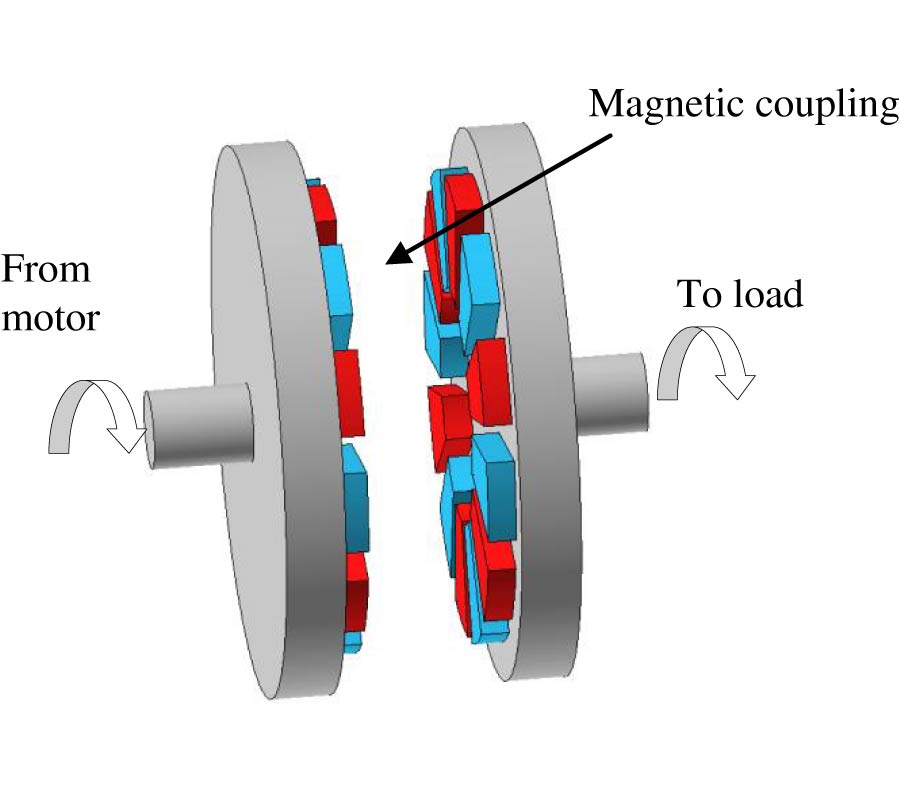
In this paper, we propose an analytical method for modeling a permanent magnets axial field magnetic coupling. The three-dimensional model takes into account the radial fringing effects of the coupler. The analytical solution requires resolving the Laplace equation in low permeability subdomains. The magnetic field calculation allows the determination of global quantities like axial force and torque. 3D finite element computations as well as measurements validate the proposed model.
THREE-DIMENSIONAL ANALYTICAL MODEL FOR AN AXIAL-FIELD MAGNETIC COUPLING
2014-04-04
PIER B
Vol. 59, 123-133
Microwave Model of Radiation from the Multilayer ``Ocean-Atmosphere'' System for Remote Sensing Studies of the Polar Regions
Vasiliy V. Tikhonov , Dmitriy A. Boyarskii , Evgene Sharkov , Mikhael Raev , Irina A. Repina , Vladimir Ivanov , Tatyana A. Alexeeva and Natalia Y. Komarova
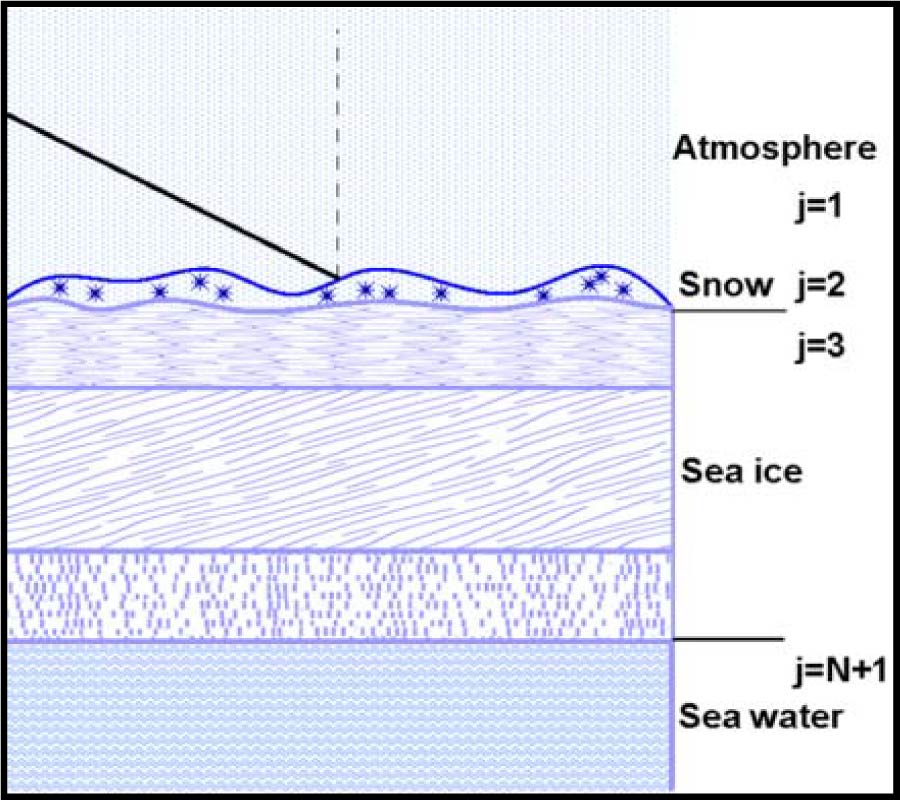
Microwave model for simulation of radiation from the multilayer system ``sea surface - sea ice - snow cover - atmosphere'' is introduced. In the general case, ice and snow cover is modelled by multilayer medium, where every layer is characterized by its specific physical parameters. Electrodynamical properties of each layer are determined from the original authors' model of the effective permittivity of heterogeneous medium. This model takes into account effects of radiation scattering on irregularities of environment. Measurable physical characteristics of sea ice and snow are used as the model input data. This advantage allows using this model for interpretation of remote sensing images of the ice cover in the Polar Regions. Major attention is drawn to comparison of model calculations with satellite data and visual observations from ships. The collection of SSM/I and SSMIS images from GLOBAL-RT data base, and processed visual observations from ships in Arctic cruises were used. Observations data served as the input parameters for electrodynamical model. Comparison of model results with SSM/I images demonstrated good coincidence at various frequencies.
MICROWAVE MODEL OF RADIATION FROM THE MULTILAYER ``OCEAN-ATMOSPHERE'' SYSTEM FOR REMOTE SENSING STUDIES OF THE POLAR REGIONS
2014-04-04
PIER B
Vol. 59, 103-121
Real Time Implemenation for DOA Estimation Methods on Ni-Pxi Platform
Nizar Tayem
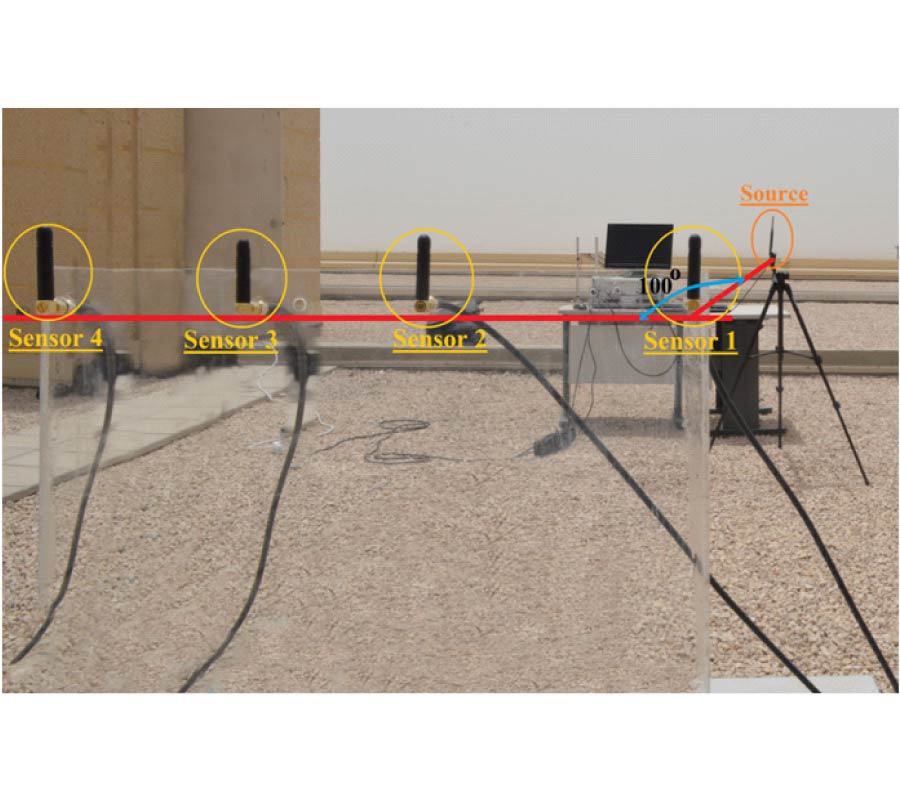
In this paper, we present five different approaches to estimate direction of arrival (DOA) of multiple incident RF sources. The proposed methods are based on extracting the signal and noise subspaces from the Q matrix, R matrix, or both Q and R matrices of the QR decomposed received data matrix. The angle of the signal arrival is extracted from the signal subspace by using similar techniques as employed by MUSIC and ESPRIT methods. The simulation results are shown which verify accurate DOA estimates for both single and two sources. In addition, an experimental verification of the proposed methods is also presented. The methods are implemented in LabVIEW software and a prototype is built using National Instruments (NI) hardware. Furthermore, the details of experimental procedures are presented which includes interfacing the uniform linear array (ULA) of antennas with the NI-PXI platform, phase difference calibration between the RF receivers, and selection of transmitter and receiver parameters. The experimental results are shown for a single and two RF sources lying at arbitrary angles from the array reference, which verify the successful real-time implement-ability of the proposed DOA estimation methods.
REAL TIME IMPLEMENATION FOR DOA ESTIMATION METHODS ON NI-PXI PLATFORM
2014-04-03
PIER C
Vol. 49, 31-37
Ultra-Wideband Four-Way in-Phase Multilayer Power Divider with High Isolation
Long Xiao , Hao Peng and Tao Yang
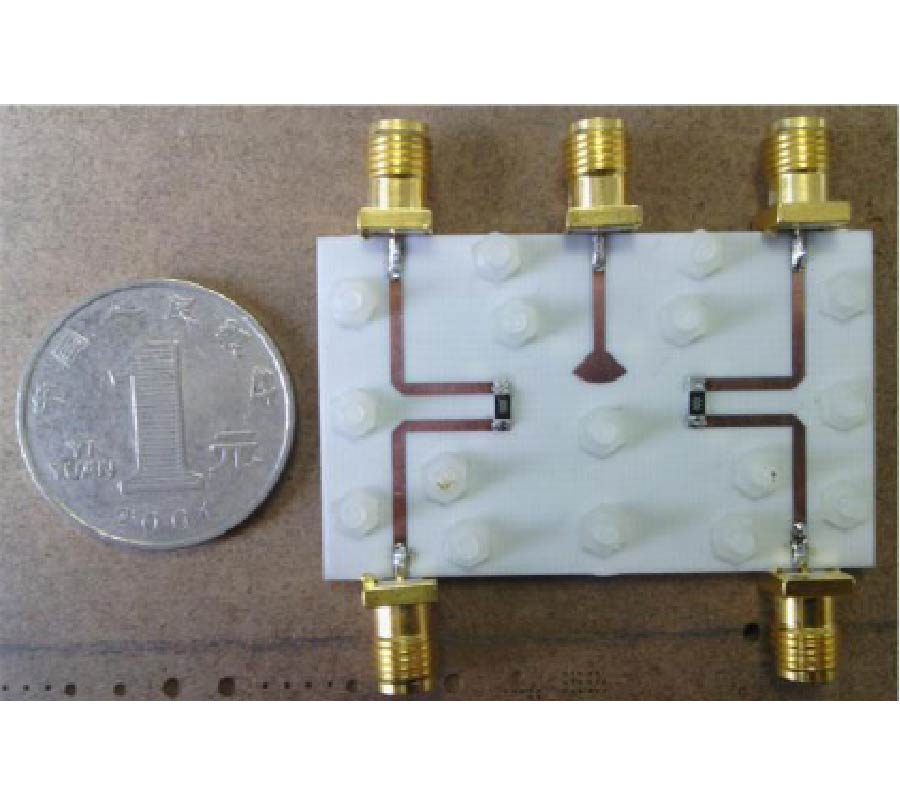
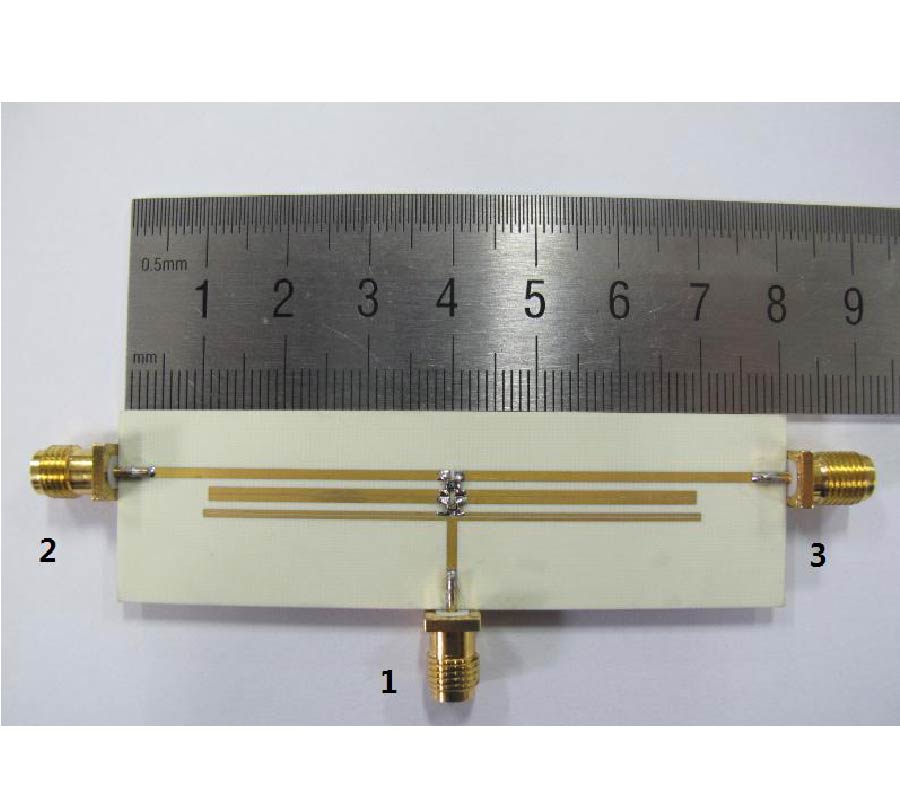
A novel ultra-wideband four-way in-phase multilayer power divider based on the microstrip-to-slotline transition is proposed in this paper as a complemental slotline power divider with high isolation. Due to the introduction of three lumped isolation resistors, the isolations between output ports in the new structure have been improved. The design expressions have been derived by making use of odd-mode and even-mode method. Both simulated and measured results have proved that the proposed power divider has good impedance matching at all ports, high isolations between output ports, excellent amplitude and phase balance, as well as flat group delay over the wide frequency range from 3.8 GHz to 11 GHz.
ULTRA-WIDEBAND FOUR-WAY IN-PHASE MULTILAYER POWER DIVIDER WITH HIGH ISOLATION
2014-04-03
PIER Letters
Vol. 45, 81-87
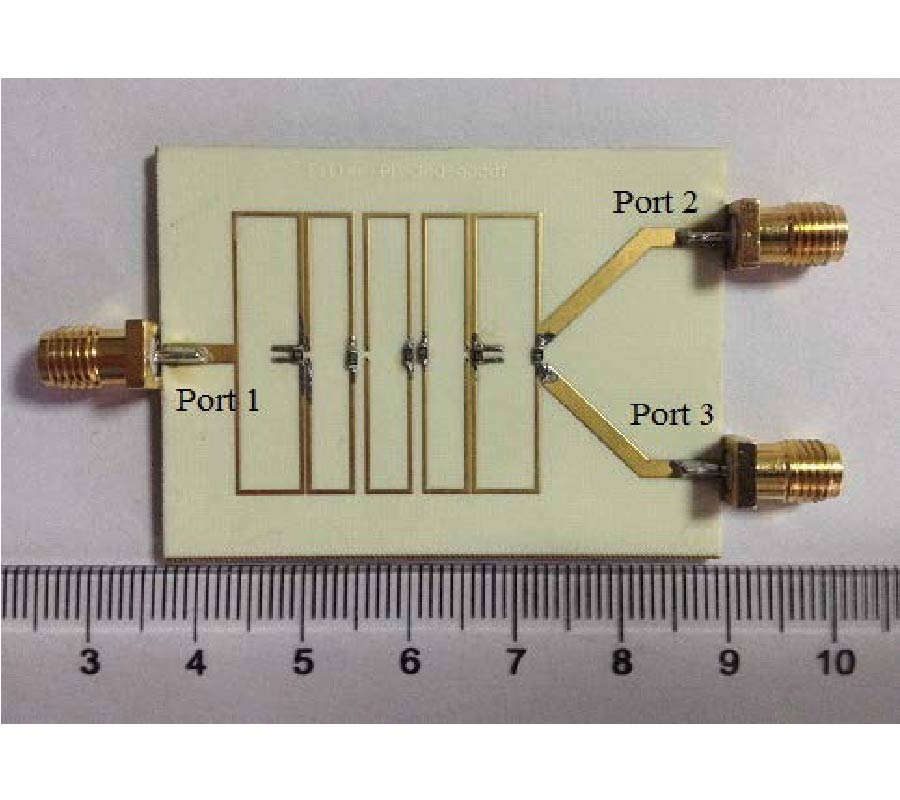
A Design Approach for Dual-Band Wilkinson Power Divider with Two Pairs of Coupled-Line Sections
Xin Xu and Xiaohong Tang
This paper presents a design approach for dual-band Wilkinson power dividers. Two pairs of parallel coupled-lines are used to replace the quarter-wavelength transformers in the conventional Wilkinson power divider to obtain dual-band operation. Using even- and odd-mode analysis, the closed-form design equations are derived for design parameters and design procedures of the proposed dual-band power divider are given. For verification purpose, a practical power divider, which operates at 1 GHz and 2.1 GHz with 3 dB power dividing ratio, is designed, fabricated and tested. The simulated and measured results are in good agreement.
A DESIGN APPROACH FOR DUAL-BAND WILKINSON POWER DIVIDER WITH TWO PAIRS OF COUPLED-LINE SECTIONS
2014-04-03
PIER
Vol. 145, 299-308
Channel Characterization and Finite-State Markov Channel Modeling for Time-Varying Plasma Sheath Surrounding Hypersonic Vehicles
Guolong He , Yafeng Zhan , Ning Ge , Yukui Pei , Bin Wu and Yuan Zhao
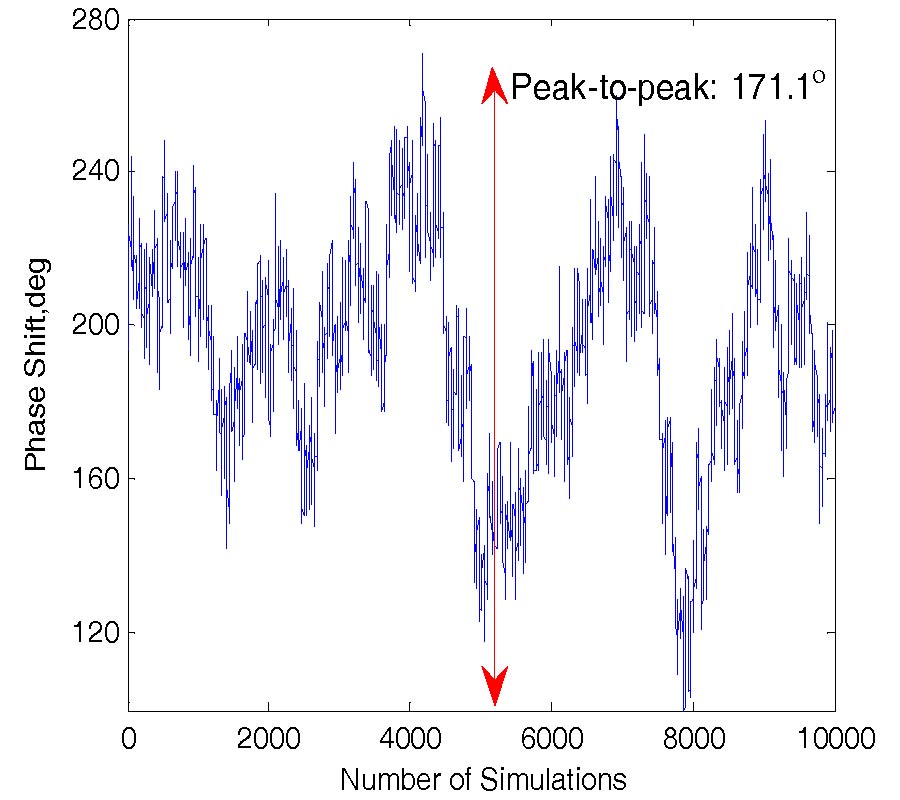
Effects on the communication signals caused by the time-varying plasma sheath surrounding hypersonic vehicles are investigated. Using computational fluid dynamics (CFD) technique, Demetriades's plasma turbulence model and finite-difference time-domain (FDTD) algorithm, amplitude variation and phase fluctuation induced by plasma electron density turbulence are obtained, and their statistical properties are analyzed and characterized. Furthermore, a finite-state Markov channel (FSMC) model is proposed, to represent the dynamical effects on electromagnetic wave propagation through plasma sheath. With high accuracy and greatly reduced complexity, the FMSC model could be very useful to develop novel communication techniques for alleviating the radio blackout problem.
CHANNEL CHARACTERIZATION AND FINITE-STATE MARKOV CHANNEL MODELING FOR TIME-VARYING PLASMA SHEATH SURROUNDING HYPERSONIC VEHICLES
2014-04-03
PIER
Vol. 145, 287-298
Travelling Wave Mechanism and Novel Analysis of the Planar Archimedean Spiral Antenna in Free Space
Teng-Kai Chen and Gregory H. Huff
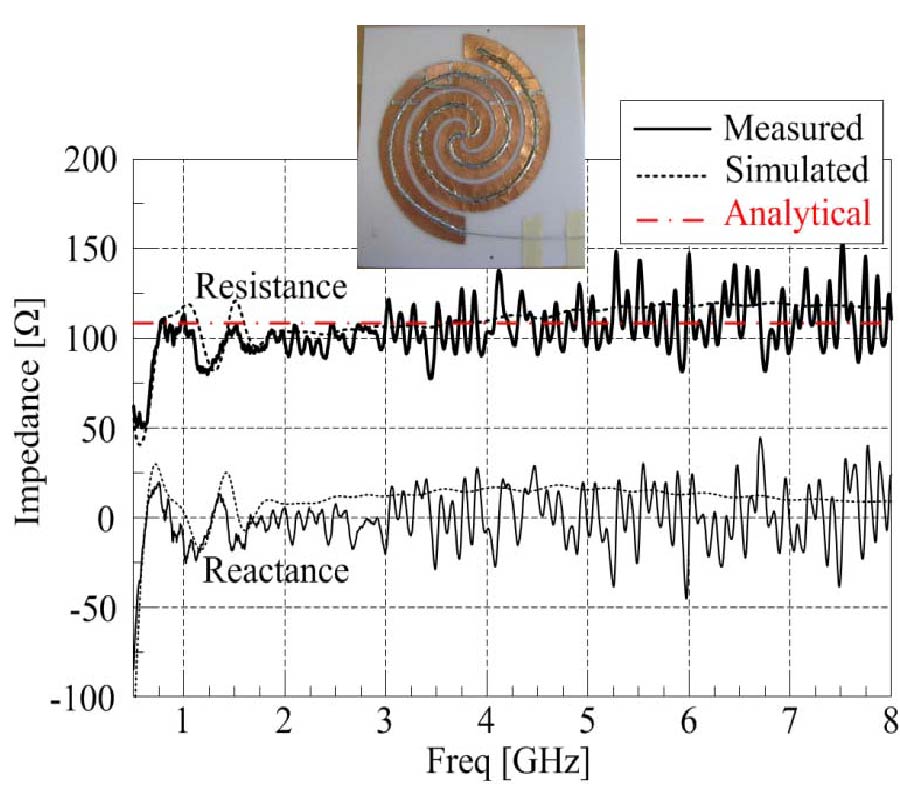
While Archimedean spiral antennas were invented a half-century ago, only self-complementary impedance can be evaluated directly from the Babinet's principle. This paper examines the effects of metal width and arm spacing on printed spiral's input impedance. A model is proposed based on examination by decomposition of planar spiral. A closed-form expression for the input impedance of Archimedean spiral antenna is obtained by evaluating the proposed model with conformal mapping techniques. Full-wave numerical simulations, Babinet's principle, and a fabricated antenna demonstrate the accuracy of the proposed model. The expression in this work can be used to find the impedance of a variety of spiral complementary structures analytically. The examination and discussion on the effects of other parameters and features in addition to the spiral itself are also provided through numerical simulation.
TRAVELLING WAVE MECHANISM AND NOVEL ANALYSIS OF THE PLANAR ARCHIMEDEAN SPIRAL ANTENNA IN FREE SPACE
2014-04-02
PIER C
Vol. 49, 19-29
Auto Reconfigurable Patch Antenna for Biomedical Single Channel Multi-Frequency Microwave Radiometry Applications
Christos D. Nikolopoulos , Anargyros T. Baklezos and Christos N. Capsalis
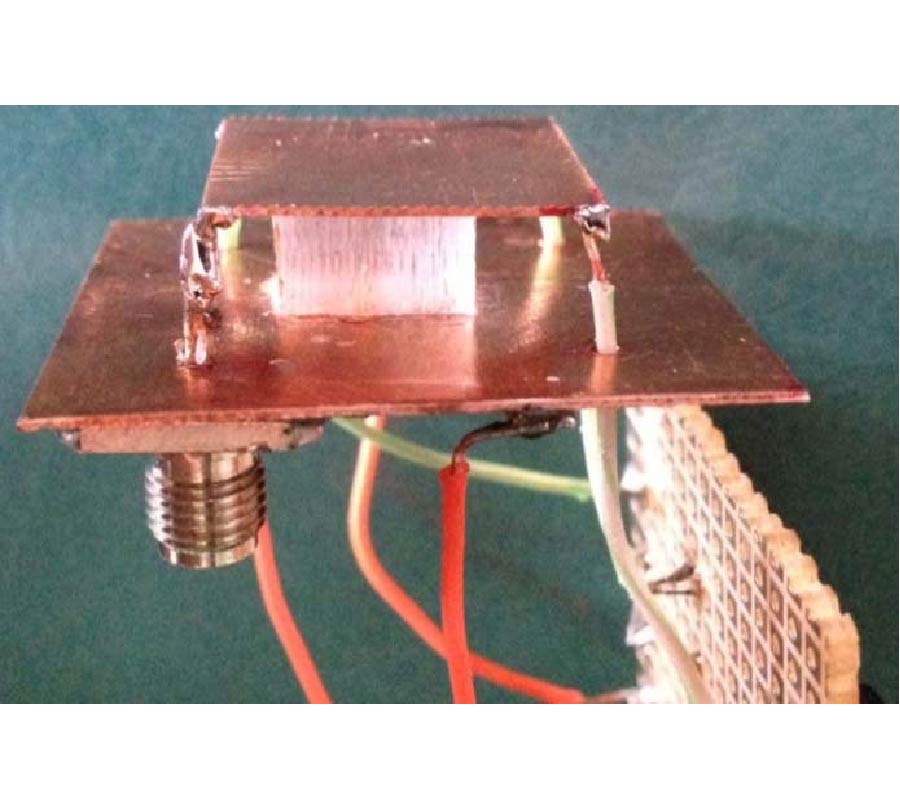
A small patch antenna is associated with passive (reactively loaded) elements (varactors) in order to auto adjust the resonant frequency in a single-channel multi-frequency configuration appropriate for biomedical applications. As a supplementary study of the authors in the field of detection of temperature abnormalities in human tissue phantom using microwave radiometry, this paper adds a contribution to frequency readjustment when a shift occur due to the fact that the human body is a complex and stratified dielectric object. The optimization of the array is performed using a Genetic Algorithm (GA) tool as a method of choice. The adjustment in the measurement frequency is performed by altering the values of the passive elements according to the shift needed.
AUTO RECONFIGURABLE PATCH ANTENNA FOR BIOMEDICAL SINGLE CHANNEL MULTI-FREQUENCY MICROWAVE RADIOMETRY APPLICATIONS
2014-04-02
PIER Letters
Vol. 45, 75-80
Novel Filtering Power Divider Using Multiple Internal Resistors
Yun Long Lu and Gao-Le Dai
In this paper, we present a novel 3rd filtering power divider with high in-band isolation. The proposed device employs six quarter-wavelength resonators and six internal isolation resistors symmetrically arranged to require the power division and filtering function. Based on the circuit topology, the multiple resistors can be integrated to obtain a good isolation and port impedance matching. Compared to the conventional power divider with bandpass response, the new device is easy to realize a high-order design with a good isolation. For demonstration, a prototype operating at 1.5 GHz with more than 20 dB in-band isolation is implemented. Simulated and experimental results agree well, validating the proposed methodologies.
NOVEL FILTERING POWER DIVIDER USING MULTIPLE INTERNAL RESISTORS
2014-04-02
PIER M
Vol. 35, 163-171
A New High-Resolution and Stable Mv-SVD Algorithm for Coherent Signals Detection
Basma El Dosouky , Amr H. Hussein and Salah Khamis
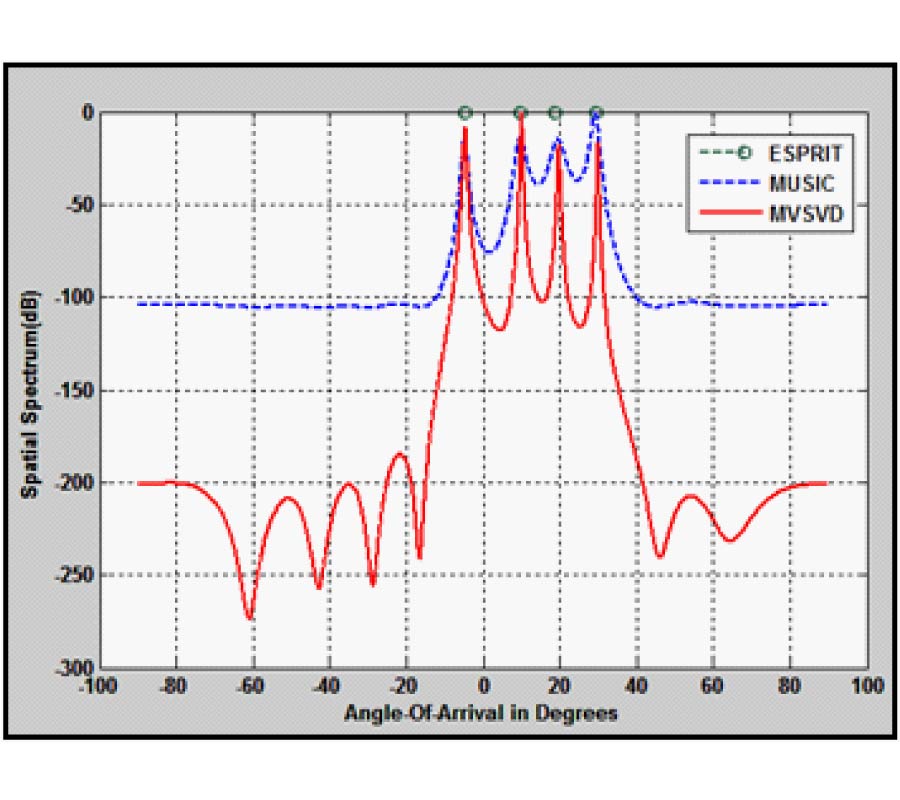
The performance of smart antenna greatly relies on the efficient use of direction-of-arrival (DOA) estimation techniques for both coherent and non-coherent signals. In practice, DOA estimation problems and difficulties increase when the signals in multipath propagation environments are highly correlated or coherent. Therefore, exploring an algorithm which is capable of estimating coherent signals is of great importance. To overcome this problem, a new high-resolution modified virtual singular value decomposition (MV-SVD) algorithm for DOA estimation of coherent signals is proposed. It is based on the hybrid combination of the virtual array extension, singular value decomposition (SVD), and modified MUSIC algorithms. The proposed algorithm provides many features such as: decorrelation of the coherence between the signals without reducing the rank of the covariance matrix or losing the array aperture size; high-resolution and more stability especially at low SNR values; and an increase in the maximal number of detectable signals to M-1, where M is the number of antenna elements.
A NEW HIGH-RESOLUTION AND STABLE MV-SVD ALGORITHM FOR COHERENT SIGNALS DETECTION
2014-04-02
PIER
Vol. 145, 273-286
An Improved Quality Guided Phase Unwrapping Method and Its Applications to MRI
Yudong Zhang , Shuihua Wang , Genlin Ji and Zhengchao Dong
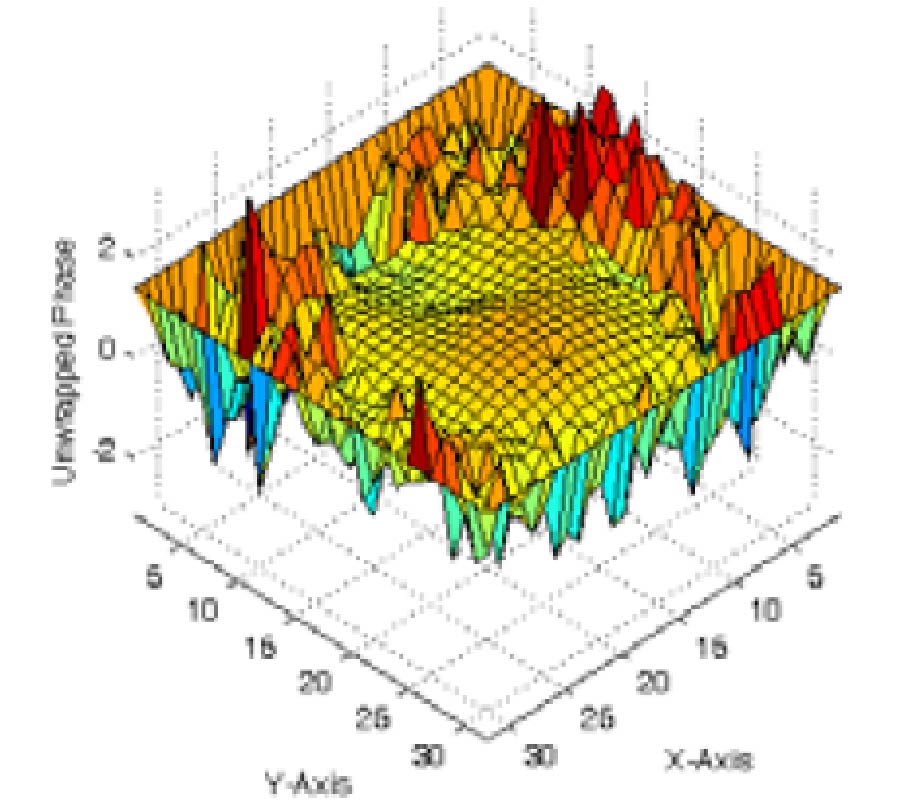
An improved method of quality guided phase unwrapping (QGPU) is proposed in this work. It extracts the quality map via a median filtered phase derivative variance (MFPDV) that applies a twodimensional median filter on the phase derivative variance (PDV) map, in order to reduce the effect of noise in the background area. In addition, we employed the Indexed Interwoven Linked List (I2L2) structure to store the orderly adjoin list more efficiently and the Two Section Guided Strategy (TSGS) to reduce comparison frequency. The experiments demonstrate that the normalized L1 norm of MFPDV of a brain MR image is only 0.0827, less than that of PDV method at 0.0923. Besides, the computation time of QGPU with I2L2 technique is only 30% of that with sequence structure, and the computation time of QGPU with TSGS is only 65% of that without TSGS. In total, the proposed MFPDV upwrap phase images better than conventional PDV map, and I2L2 and TSGS are efficient strategies to reduce computation time.
AN IMPROVED QUALITY GUIDED PHASE UNWRAPPING METHOD AND ITS APPLICATIONS TO MRI
2014-04-01
PIER B
Vol. 59, 89-102
Patch and Ground Plane Design of Microstrip Antennas by Material Distribution Topology Optimization
Emadeldeen Hassan , Eddie Wadbro and Martin Berggren
We use a gradient-based material distribution approach to design conductive parts of microstrip antennas in an efficient way. The approach is based on solutions of the 3D Maxwell's equation computed by the finite-difference time-domain (FDTD) method. Given a set of incoming waves, our objective is to maximize the received energy by determining the conductivity on each Yee-edge in the design domain. The objective function gradient is computed by the adjoint-field method. A microstrip antenna is designed to operate at 1.5 GHz with 0.3 GHz bandwidth. We present two design cases. In the first case, the radiating patch and the finite ground plane are designed in two separate phases, whereas in the second case, the radiating patch and the ground plane are simultaneously designed. We use more than 58,000 design variables and the algorithm converges in less than 150 iterations. The optimized designs have impedance bandwidths of 13% and 36% for the first and second design case, respectively.
PATCH AND GROUND PLANE DESIGN OF MICROSTRIP ANTENNAS BY MATERIAL DISTRIBUTION TOPOLOGY OPTIMIZATION
2014-04-01
PIER C
Vol. 49, 11-17
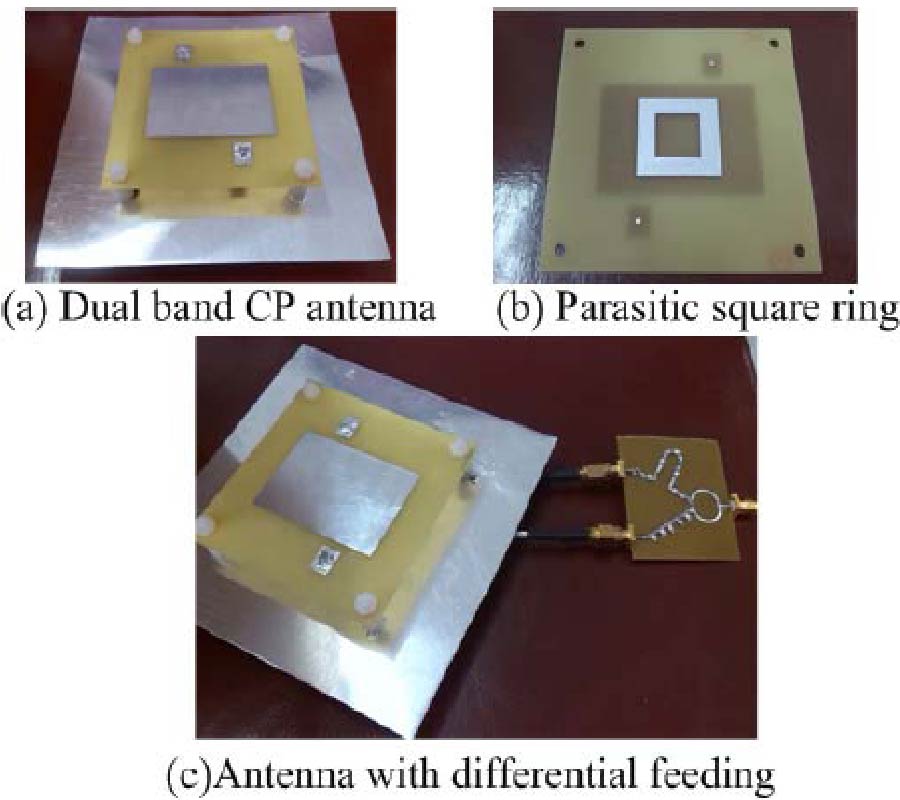
Dual-Band Circularly Polarized Antenna with Differential Feeding
Jianjun Wu , Ying-Zeng Yin , Zedong Wang and Ruina Lian
A dual-band circularly polarized antenna is presented in this paper. A rectangular patch antenna with gap-feeding structure is firstly designed, and 3-dB axial-ratio bandwidth from 2.35 to 2.48 GHz is obtained. A parasitic square ring is placed on the rear of the rectangular patch as a band-notch unit operating around 2.4 GHz. Then an original wide circularly polarized band is split into two bands from 2.25 to 2.31 GHz and from 2.46 to 2.53 GHz. By adopting differential feeding, symmetrical patterns are achieved. Measurement results show that two 3-dB axial-ratio bands of 2.6% (2.25-2.31 GHz) and 2.0% (2.51-2.56 GHz) are obtained with a small frequency ratio of 1.11.
DUAL-BAND CIRCULARLY POLARIZED ANTENNA WITH DIFFERENTIAL FEEDING
2014-04-01
PIER
Vol. 145, 263-272
Dual-Band Circular Polarizer and Linear Polarization Transformer Based on Twisted Split-Ring Structure Asymmetric Chiral Metamaterial
Yongzhi Cheng , Yan Nie , Zhengze Cheng and Rong Zhou Gong
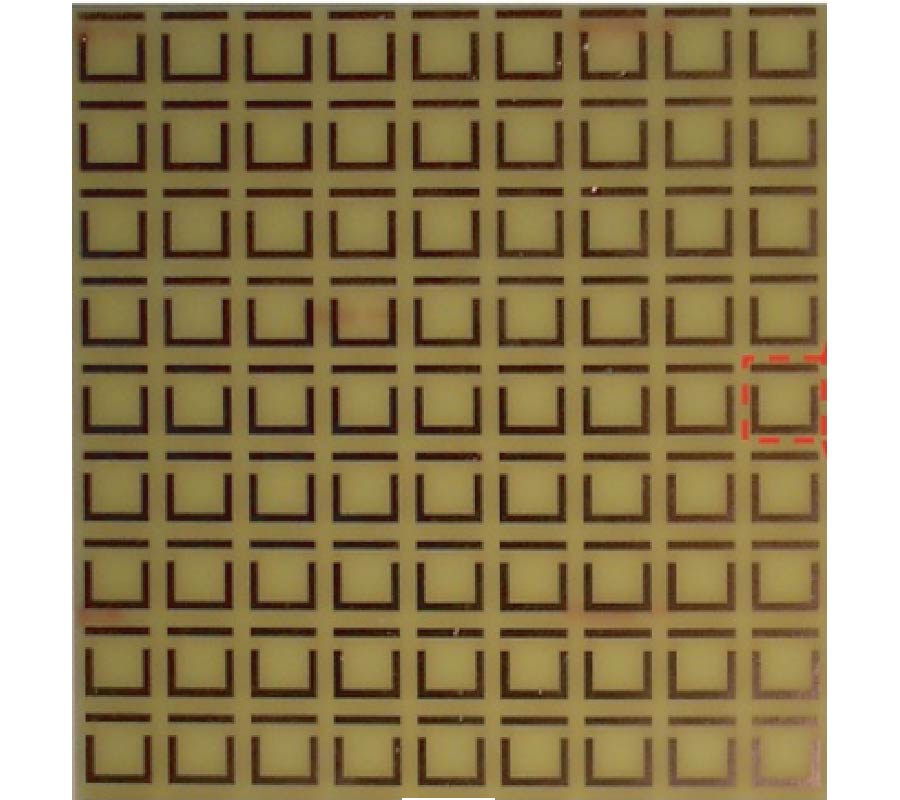
In this paper, a bi-layer twisted split-ring structure asymmetric chiral metamaterial was proposed, which could achieve circularly polarized (giant circular dichroism effect) wave with dual bands and linear polarization transformation (giant optical activity)with asymmetric transmission wave emissions simultaneously from linearly polarized incident wave at microwave frequencies. Experiment and simulation calculations are in good agreement, indicating that the dual-band circular polarizer features high conversion efficiency around 5.32 GHz and 6.6 GHz in addition to large polarization extinction ratio of more than 16 dB, while cross linear polarization transformation with asymmetric transmission is observed around 10.52GHz. The transformation behavior for both circular and linear polarizations could be further illustrated by simulated surface current and electric field distributions. The proposed asymmetric chiral metamaterial structure could be useful in designing novel EM or optical devices, as well as polarization control devices.
DUAL-BAND CIRCULAR POLARIZER AND LINEAR POLARIZATION TRANSFORMER BASED ON TWISTED SPLIT-RING STRUCTURE ASYMMETRIC CHIRAL METAMATERIAL
2014-04-01
PIER
Vol. 145, 251-261
Investigation on Microwave Polarimetric Scattering from Two-Dimensional Wind Fetch- and Water Depth-Limited Nearshore Sea Surfaces
Ding Nie , Min Zhang and Ning Li
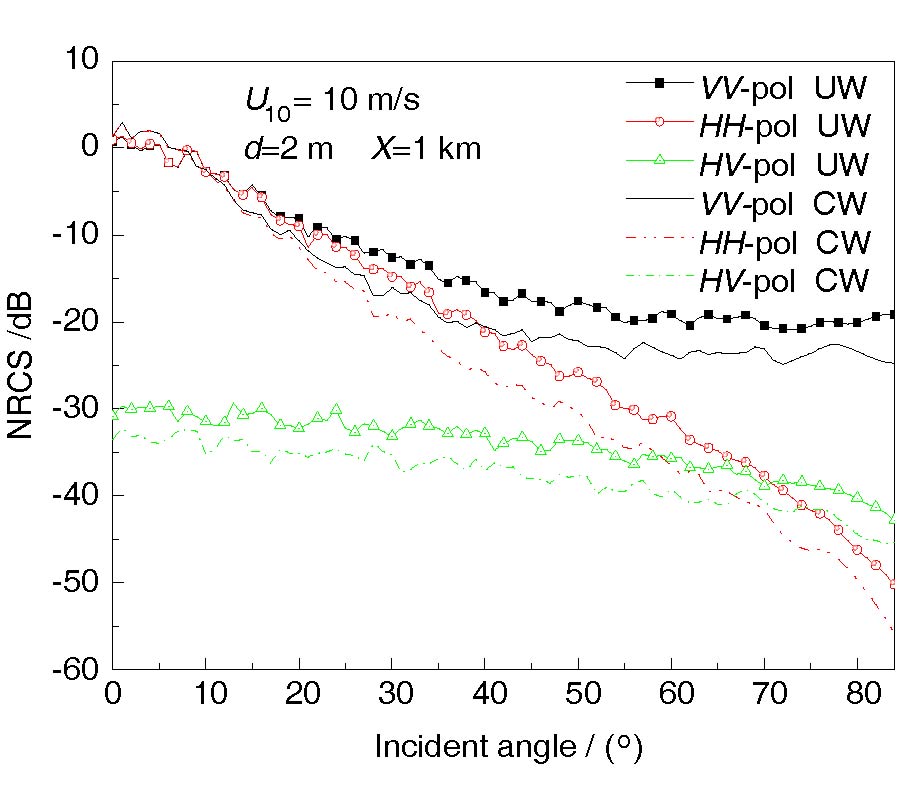
The microwave polarimetric scattering from two-dimensional (2-D) wind fetch- and water depth-limited nearshore sea surface is investigated by using the second-order small-slope approximation (SSA-II). The sea waves are simulated by taking into account the influences of fetch and depth. Based on this, the joint influence of fetch and depth on the normalized radar cross section (NRCS) of sea surfaces for both co-polarizations and cross-polarization in different wind directions is mainly studied. Monostatic and bistatic numerical results both indicate that in the marine environment of small depth and large fetch, the nonlinear interactions among waves become more intense, which has a greater impact on NRCSs for co-polarizations than their cross-polarized counterparts. Comparison of the results for different wind directions also reflects that the backscattered echoes along wind direction have much greater strength, regardless of the magnitude of wind fetch and water depth.
INVESTIGATION ON MICROWAVE POLARIMETRIC SCATTERING FROM TWO-DIMENSIONAL WIND FETCH- AND WATER DEPTH-LIMITED NEARSHORE SEA SURFACES
2014-03-31
PIER M
Vol. 35, 151-161
The Research on Flux Linkage Characteristic Based on BP and RBF Neural Network for Switched Reluctance Motor
Yan Cai , Siyuan Sun , Chenhui Wang and Chao Gao
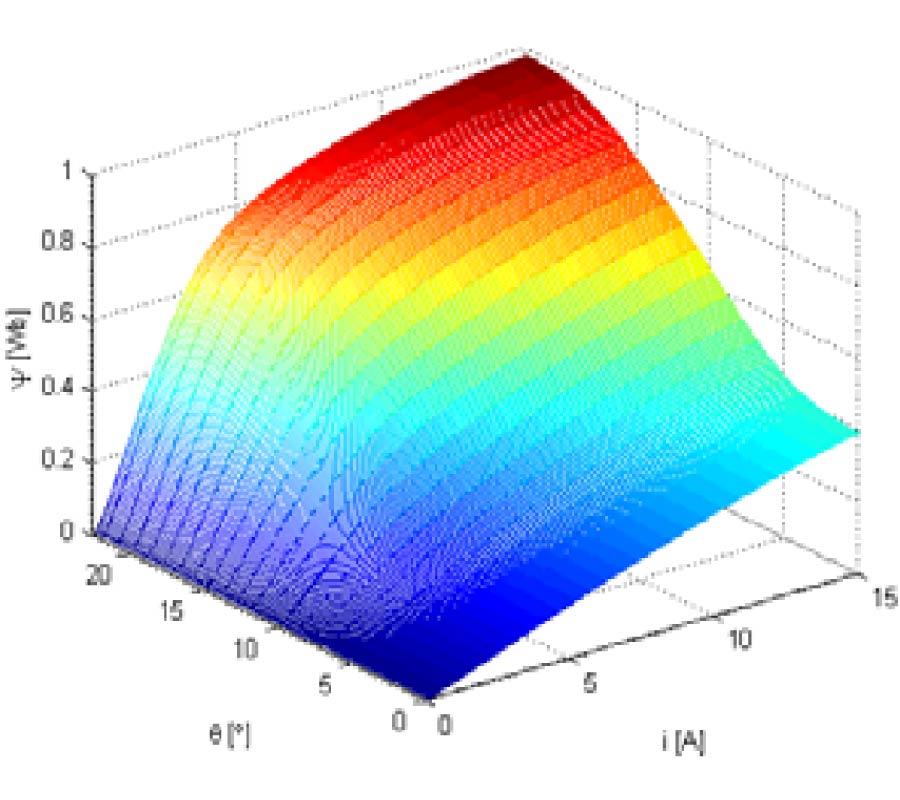
The flux and torque of switched reluctance motor (SRM) have a highly nonlinear functional relationship with rotor position and phase current, as a consequence of the double-salient structure of the stator and rotor pole and highly magnetic saturation, which is difficult to build an accurate analytic model. In order to achieve the SRM high-performance control, it is necessary to build an accurate nonlinear model for SRM. On the basis of the adequate and precise sample data, by taking advantage of neural network that has outstanding nonlinear mapping capability, this paper adopts the Back Propagation (BP) based on Levenberg-Marquardt (LM) algorithm and Radial Basis Function (RBF) neural networkto build offline models for SRM respectively. Under different requirements of model accuracy, two kinds of network are studied and compared with each other on accuracy, scale and other aspects. The research results indicate that the network scale built as SRM nonlinear model by BP neural network based on LM algorithm is smaller than the one built by RBF. Additionally, the model accuracy is higher. In terms of the Switched Reluctance Drive (SRD) which requires real-time controller, reducing the network scale will be beneficial to the online real-time control of the system.
THE RESEARCH ON FLUX LINKAGE CHARACTERISTIC BASED ON BP AND RBF NEURAL NETWORK FOR SWITCHED RELUCTANCE MOTOR
2014-03-31
PIER
Vol. 145, 241-250
Radar Automatic Target Recognition Based on Sequential Vanishing Component Analysis
Shengqi Liu , Ronghui Zhan , Jun Zhang and Zhaowen Zhuang
To reduce the complexity of classifier design in radar automatic target recognition (RATR), a novel RATR method for high range resolution profile(HRRP) is proposed. Linearly separable features are extracted with sequential vanishing component analysis (SVCA) which is implemented by finding the generators of each approximately vanishing polynomial set, and target classification is implemented with linear classifiers. Experiments are carried out on simulated vehicle target data and MSTAR database, and the results demonstrate the efficiency of the proposed method.
RADAR AUTOMATIC TARGET RECOGNITION BASED ON SEQUENTIAL VANISHING COMPONENT ANALYSIS
2014-03-28
PIER
Vol. 145, 229-240
Setup for Simultaneous Microwave Heating and Real-Time Spectrofluorometric Measurements in Biological Systems
Sophie Kohler , Nicolas Ticaud , Maria-Minodora Iordache , Mihaela G. Moisescu , Tudor Savopol , Philippe Leveque and Delia Arnaud-Cormos
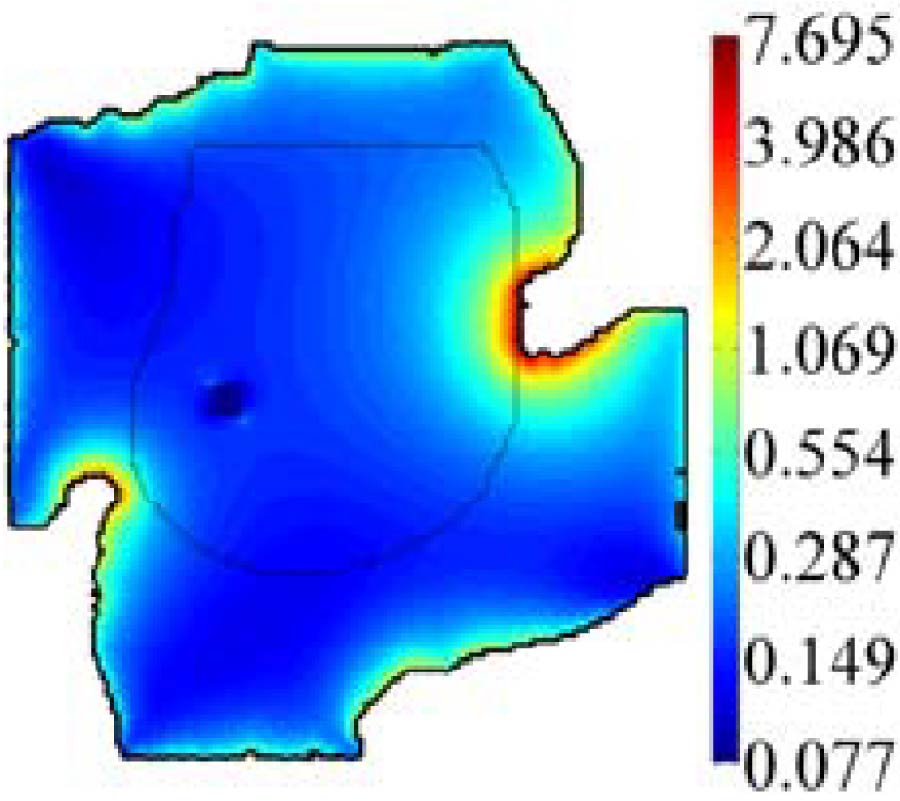
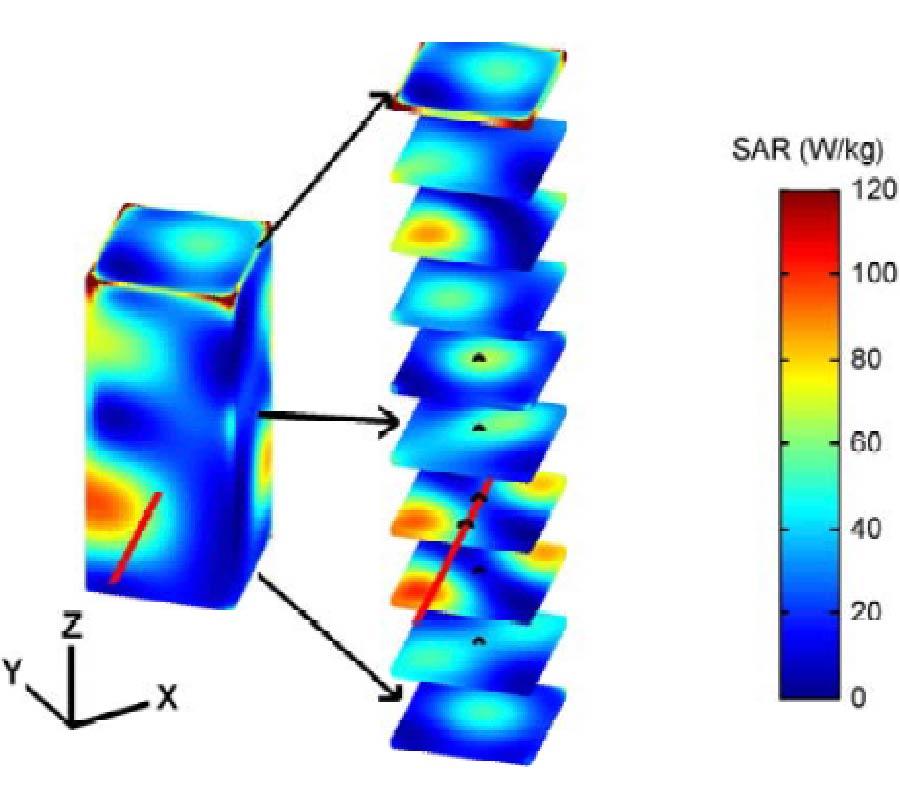
In this paper, a delivery system allowing simultaneous microwave heating and real-time spectrofluorometric measurements in biological systems is proposed and characterized. This system is used to investigate the phase behavior of lipid bilayers from about 15°C to 45°C. The delivery system is based on an open transverse electromagnetic (TEM) cell combined with a spectrofluorometer via an optical cable system. A numerical and experimental dosimetry of the delivery system is conducted. The Specific Absorption Rate (SAR) efficiency of the system is 26.1±2.1 W/kg/W. Spectrofluorometric measurements on Laurdan labeled small unilamellar vesicles (SUVs) are carried out. Generalized polarization (GP) of the SUV' membrane is obtained from the fluorescence intensities measured at two emission wavelengths.
SETUP FOR SIMULTANEOUS MICROWAVE HEATING AND REAL-TIME SPECTROFLUOROMETRIC MEASUREMENTS IN BIOLOGICAL SYSTEMS
2014-03-28
PIER
Vol. 145, 213-227
A General Approach for Brushed DC Machines Simulation Using a Dedicated Field/Circuit Coupled Method
Raphael Andreux , Julien Fontchastagner , Noureddine Takorabet , Nicolas Labbe and Jean-Sebastien Metral
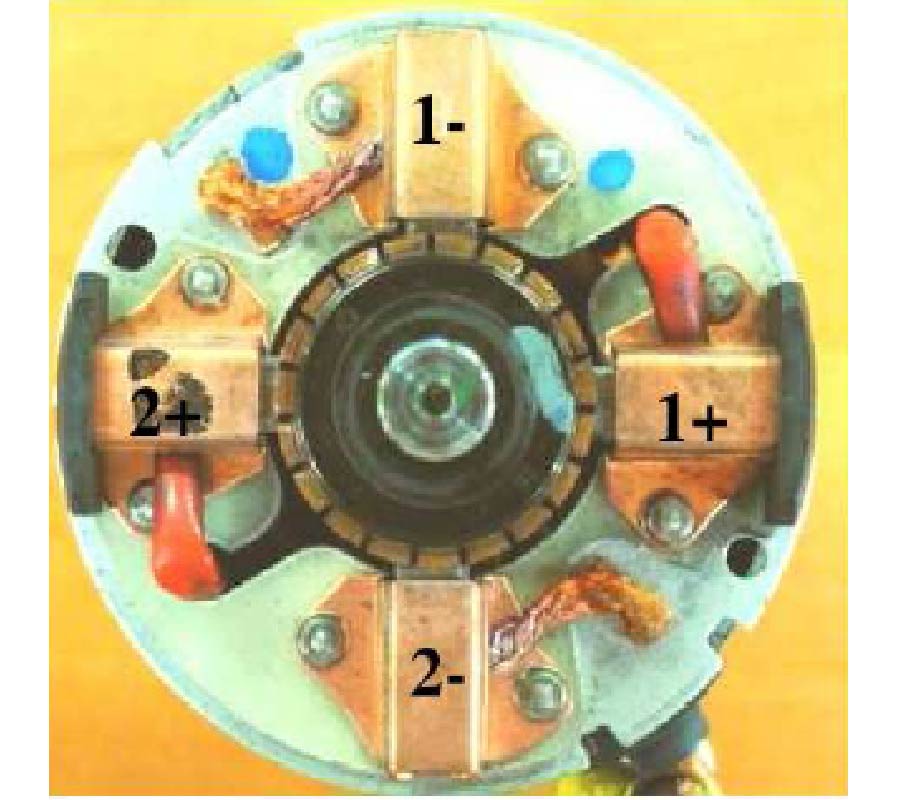
This paper deals with the modeling of the brushed DC motor used as a reinforced starter for a micro-hybrid automotive application. The aim of such a system, also called ``stop-start'', is to stop a combustion engine when the vehicle pulls to a stop, and to restart it when the driver accelerates. A reinforced starter is able to ensure this new function in addition to the classical cold start. Then, its life time has to be widely increased in comparison with a classical starter. They have to be optimized, and more especially their process of commutation in order to minimize commutator and brush wears, and thereby increase the lifetime of the device up to the whole life of the vehicle. The main contribution of the paper is the development of a coupled FE-circuit model taking into account local saturation and arc phenomena. Brush-segment contact resistance introduced in the circuit model has been computed efficiently and compared to measures. The whole model has been validated by experimental measurements which are carried out with specific experimental test benches.
A GENERAL APPROACH FOR BRUSHED DC MACHINES SIMULATION USING A DEDICATED FIELD/CIRCUIT COUPLED METHOD