Search Results(13983)

2014-03-27
PIER B
Vol. 59, 71-87
Analysis on Strongly Coupled Oscillator Arrays Using Modified Y-Parameters Approach
Yu-Tsung Lo and Jean-Fu Kiang
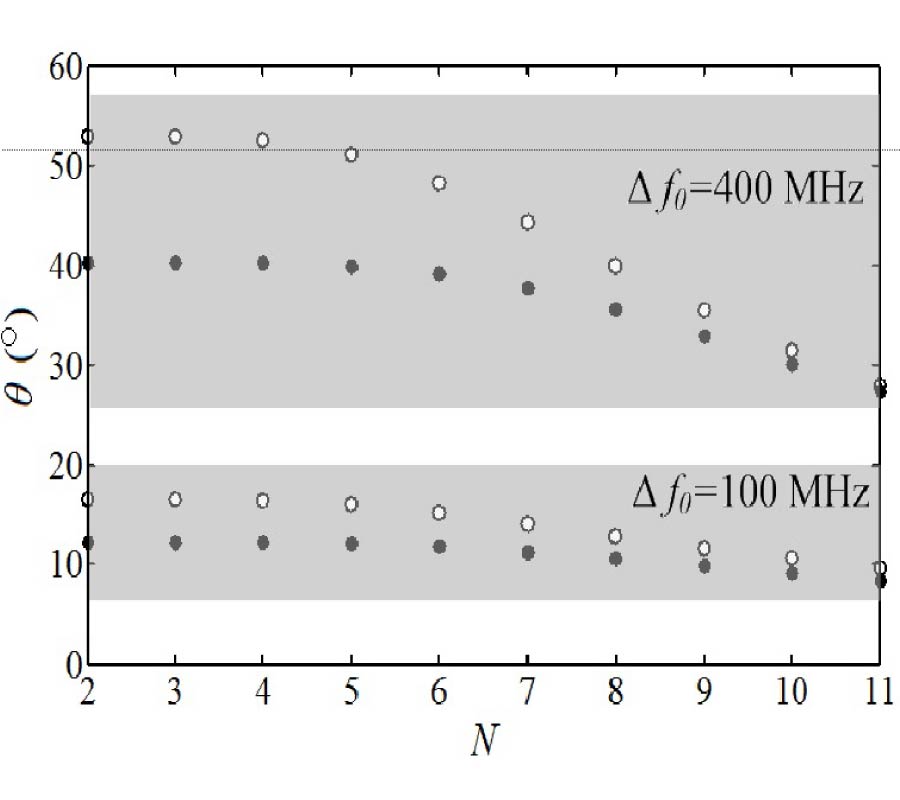
A modified Y-parameters approach is proposed to model the behavior of coupled oscillator arrays (COA's). A coupling network with tunable coupling strength is proposed, which has a near-constant input conductance, to ensure the oscillation condition under different attenuation levels. The parameters of oscillators and the coupling network are derived on the TSMC 0.18 μm technology, and their Y parameters are extracted around 10 GHz for illustration. After being verified with full-circuit simulations and other behavior models, including the Adler's equation and the conventional Y-parameters approach, this method is applied to estimate the maximum allowable number of oscillators that can be coupled together. The inter-element phase shift of a COA is controlled by tuning the free-running frequencies of oscillators at both ends. Injection signals with proper phases are proposed to synchronize multiple COA's into a bigger COA.
ANALYSIS ON STRONGLY COUPLED OSCILLATOR ARRAYS USING MODIFIED Y-PARAMETERS APPROACH
2014-03-27
PIER C
Vol. 49, 1-10
UWB Monopole Antenna with Triple Band-Notched Characteristic Based on a Pair of Novel Resonators
Jun Hui Wang , Zedong Wang , Ying-Zeng Yin and Xianglong Liu
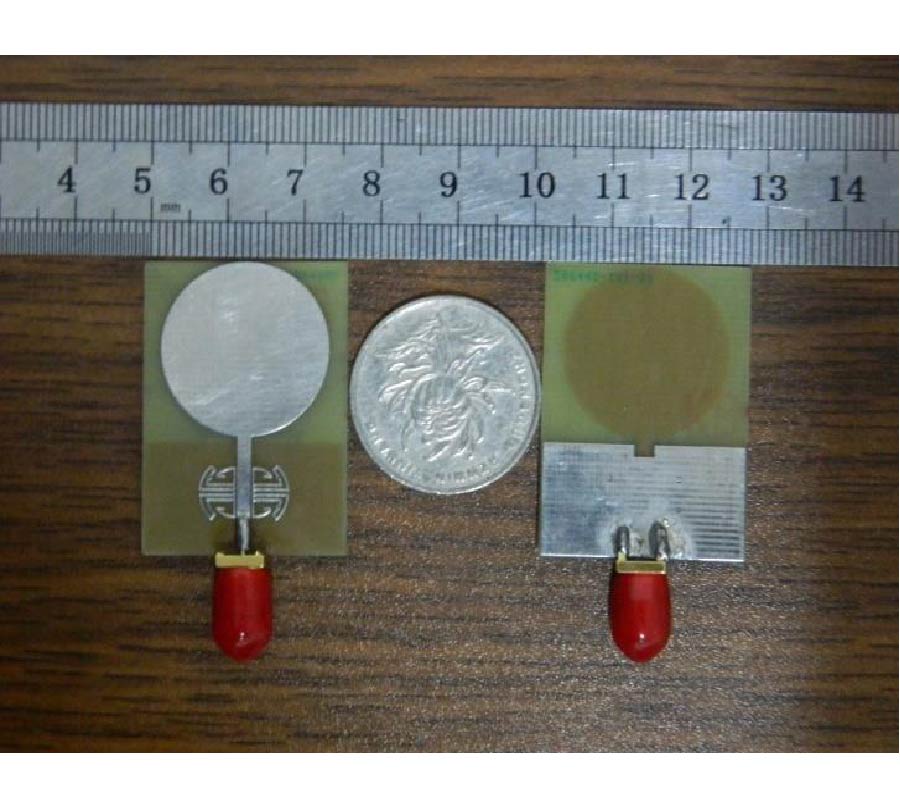
In this paper, a novel microstrip-fed compact antenna with triple band-notched characteristics is presented for ultrawideband (UWB) applications. The antenna consists of a circular radiating patch, a 50 Ω microstrip feed line, a partially slotted ground plane, and a pair of modified capacitance loaded loop (MCLL) resonators. The novel resonators are symmetrically located in the vicinity of the feed line to achieve triple band-notched characteristics, such as 3.4-3.7 GHz for WiMAX, 5.15-5.825 GHz for WLAN, 7.25-8.395 GHz for X-band satellite communication. The good performance of triple notched bands, stable gain and omnidirectional radiation patterns in the operating bands make the proposed antenna a good candidate for UWB utilization.
UWB MONOPOLE ANTENNA WITH TRIPLE BAND-NOTCHED CHARACTERISTIC BASED ON A PAIR OF NOVEL RESONATORS
2014-03-27
PIER Letters
Vol. 45, 69-73
Novel Band-Notched UWB Bandpass Filter Using Microstrip/Slotline Ring Resonators
Can Cui , Zhi Hou , Hui Wang and Wen Wu
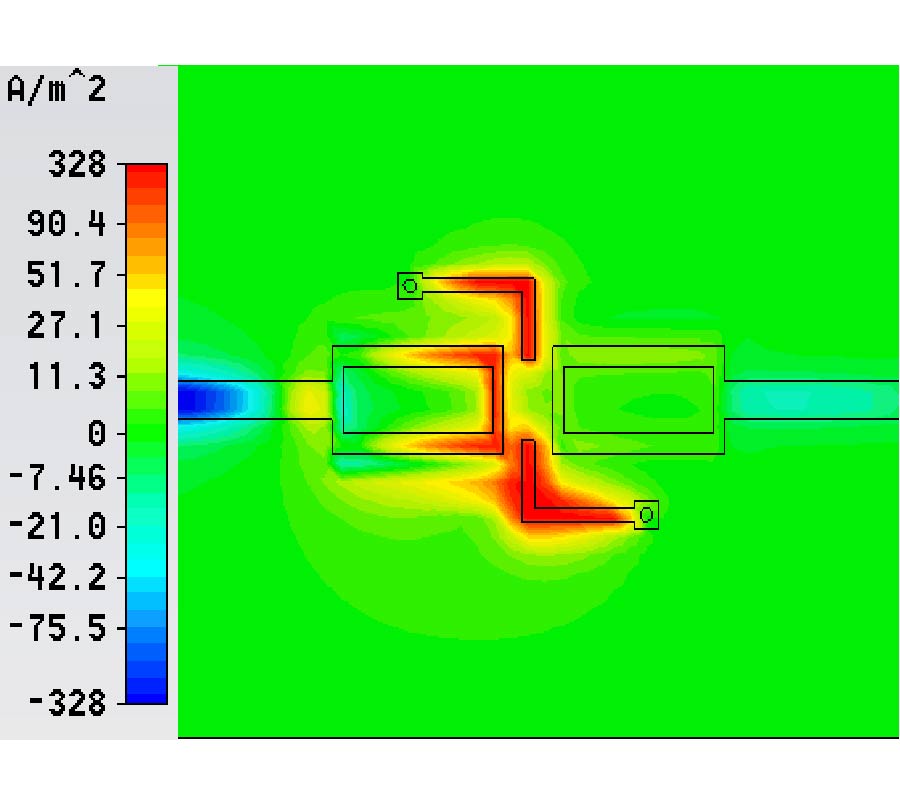
A novel ultra-wideband (UWB) bandpass filter (BPF) with notched band based on microstrip/slotline ring resonators is presented in this paper. The UWB BPF is fabricated with two microstrip ring resonators on the top copper layer and a slotline ring resonator on the bottom ground layer. Thus, an ultra-wide passband can be achieved owing to the coupling effects and microstrip/slotline transitions of these three ring resonators. Then, a notched band which is created at 8.0 GHz for satellite communication system is designed based on loaded short-circuited stubs. Both the simulated and measured results show that this compact UWB BPF has good performances of wide passband and notched band.
NOVEL BAND-NOTCHED UWB BANDPASS FILTER USING MICROSTRIP/SLOTLINE RING RESONATORS
2014-03-27
PIER Letters
Vol. 45, 63-67
Compact Tri-Band Meandered Ring Monopole Antenna with Two Embedded Strips for WLAN/WiMAX Applications
Hong Chen , Ying-Zeng Yin and Jianjun Wu
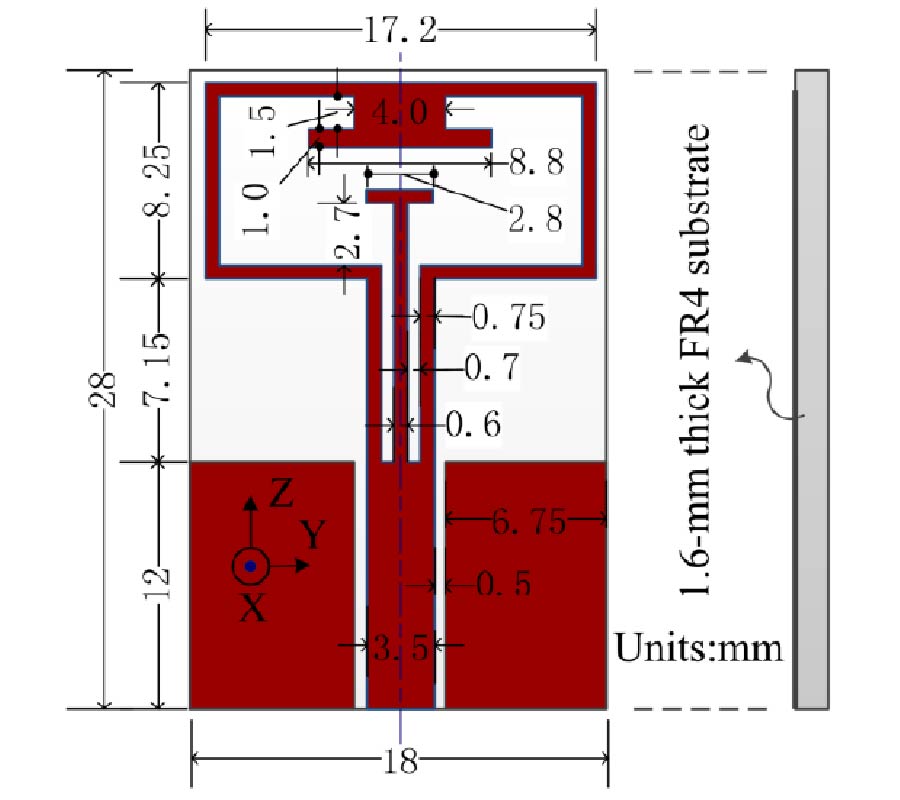
A novel coplanar waveguide (CPW)-fed tri-band monopole antenna for WLAN/WiMAX applications is presented. To get a compact antenna size, meandering and coupling technologies are used here. Meanwhile, with the loading method, the higher mode is used to cover the required band. The antenna has a very small size of only 18×28 mm2. The measured and simulated results show that the proposed antenna has three separate 10-dB impedance bandwidths of 220 MHz (2.36-2.58 GHz), 470 MHz (3.36-3.83 GHz) and 1460 MHz (4.83-6.29 GHz), which can cover all the 2.4/5.2/5.8 GHz WLAN and 3.5/5.5 GHz WiMAX bands. Good dipole-like radiation characteristics are obtained over the operating bands.
COMPACT TRI-BAND MEANDERED RING MONOPOLE ANTENNA WITH TWO EMBEDDED STRIPS FOR WLAN/WIMAX APPLICATIONS
2014-03-26
PIER C
Vol. 48, 167-175
Design and Study of Uniplanar Coupled Inverted-L Antenna for Single-/Dual-Band Operation
Chao-Shun Yang and Christina F. Jou
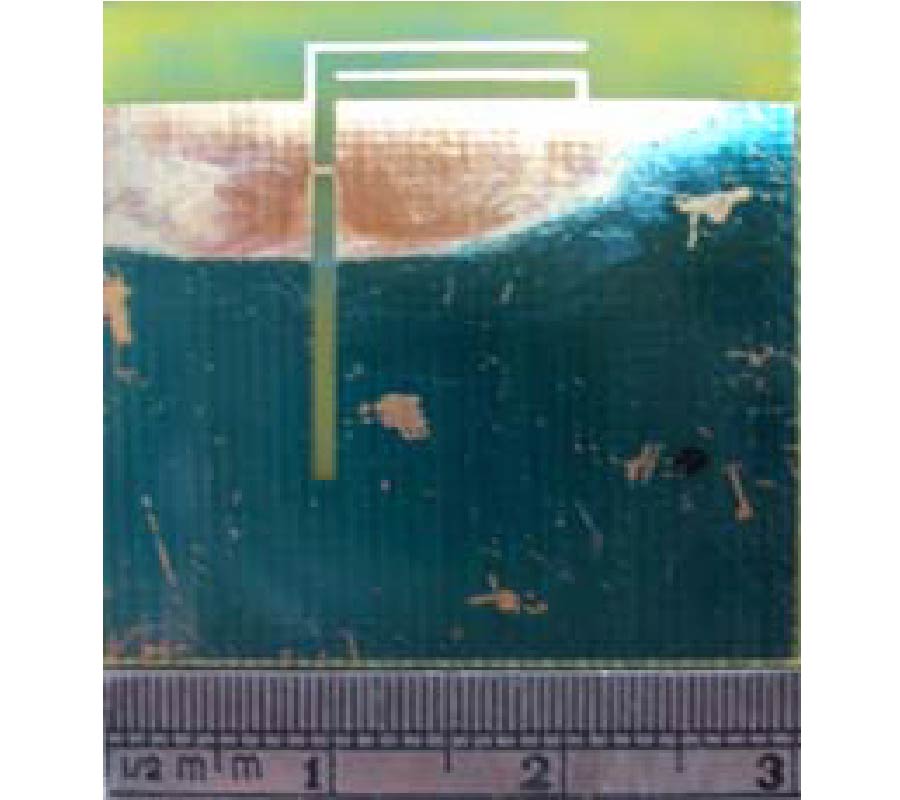
A coupled-line-based planar antenna for single-band and dual-band operation is presented. The well-known uniplanar coupled inverted-L antenna (UCILA) has a simple and specific mechanism to achieve the dual-band ratio that was not described in the past. The UCILA which shunted a short stub in the slotline portion can provide switchable modes among single-low band (3.4% for WLAN 2.44 GHz), single-high band (15% for WLAN 5.2-5.8 GHz band) and dual-band (WLAN 2.44/5-6 GHz) operations.
DESIGN AND STUDY OF UNIPLANAR COUPLED INVERTED-L ANTENNA FOR SINGLE-/DUAL-BAND OPERATION
2014-03-24
PIER C
Vol. 48, 159-166
Wideband Dual-Polarized Crossed-Dipole Antenna with Parasitical Crossed-Strip for Base Station Applications
Shaoli Zuo , Qiong-Qiong Liu and Zhi-Ya Zhang
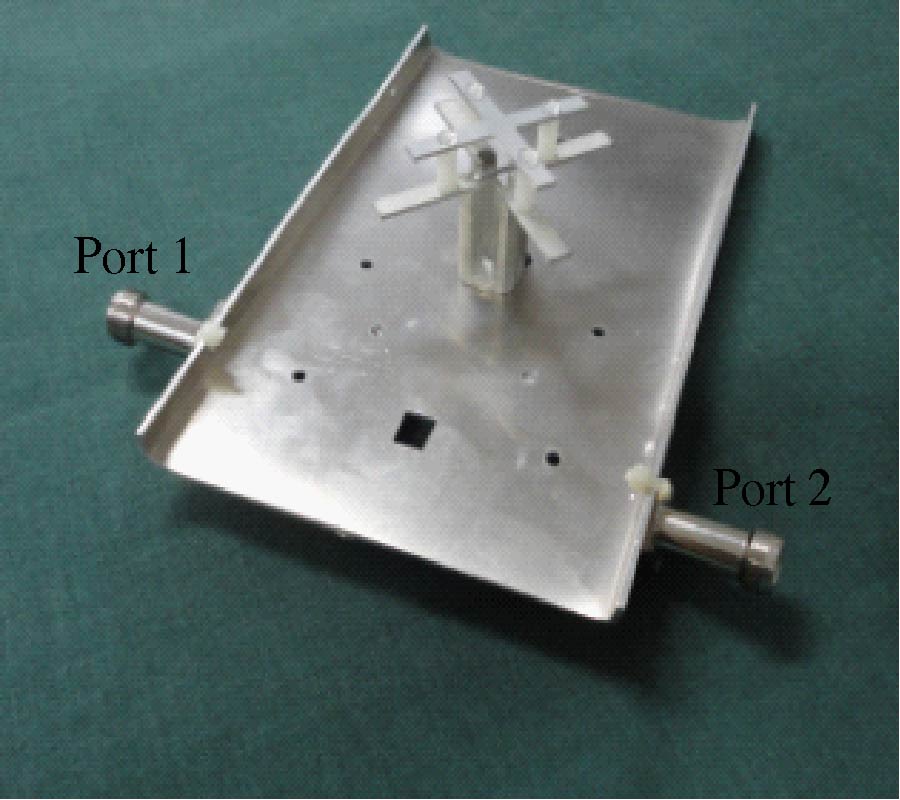
A wideband dual-polarized crossed-dipole antenna with parasitical crossed-strip for base-station applications is presented. By using a pair of orthogonal crossed-dipoles, two linear polarizations (+45°) are obtained. A parasitical crossed-strip is introduced to improve the impendence bandwidth and enhance the isolation (S12) between the two orthogonal polarizations of the upper band. The antenna shows a wideband impedance characteristic about 34.9% for S11≤-10 dB (+45° polarization) and S22≤-10 dB (-45° polarization). High isolation (S12≤-32 dB) between the two polarizations in the required band are obtained. The stable peak gain, unidirectional radiation patterns and low cross-polarization over the whole operating band are also achieved. Due to its good performance, simple fabrication technique and low cost, the antenna is very suitable for potential base station applications in mobile communication such as DCS, PCS and UMTS.
WIDEBAND DUAL-POLARIZED CROSSED-DIPOLE ANTENNA WITH PARASITICAL CROSSED-STRIP FOR BASE STATION APPLICATIONS
2014-03-24
PIER C
Vol. 48, 151-157
Prediction Model of Shielding Effectiveness of Electromagnetic Shielding Fabric with Rectangular Hole
Zhe Liu , Yalan Yang , Xiuchen Wang and Zhong Zhou
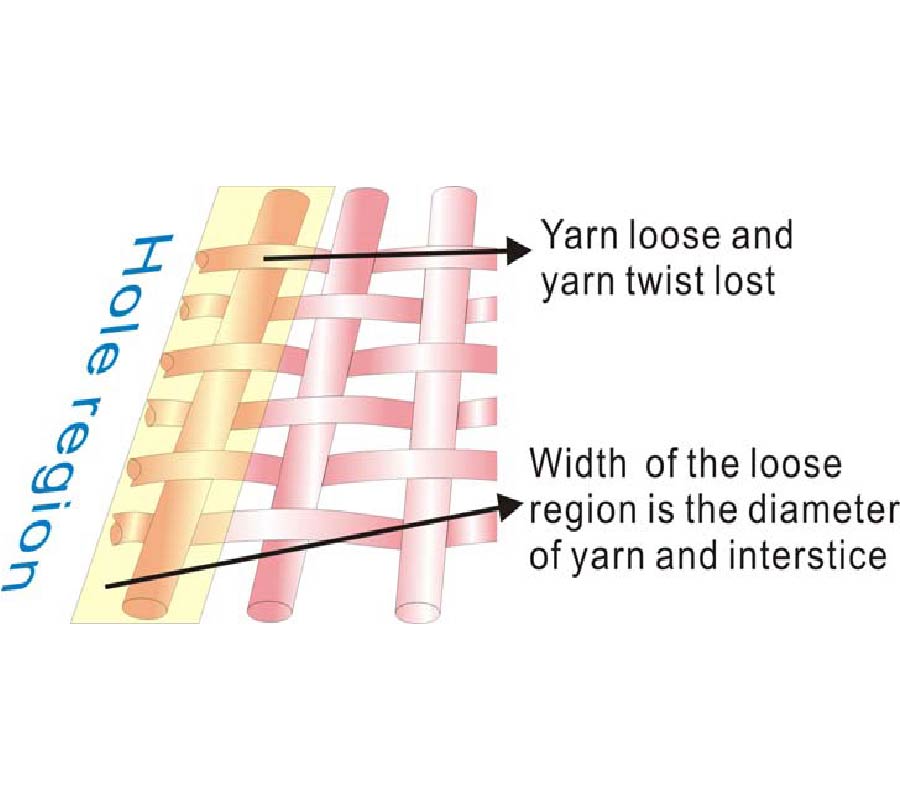
Electromagnetic shielding (EMS) fabrics often need to design rectangular holes for application. However, there is not a mature approach to predict the shielding effectiveness (SE) of the EMS fabric with rectangular hole. This paper proposes that there are a number of loose regions of conductive fibers on the hole edge of the EMS fabric, and establishes a SE prediction model of the EMS fabric with rectangular hole. Firstly, the loose region of conductive fiber is analyzed to build a model of the rectangular hole. Secondly, the SE prediction model of the EMS fabric with rectangular hole is deduced according to the transmission coefficient of the normal region, hole region and loose region, and the determining method of the loose region is given. Finally, the prediction model is verified by experiments. The results show that the model can successfully predict the SE of the EMS fabric with the plain, twill and satin weaves, and the factors such as frequency, fabric density and metal fiber content have little influence on the model. The proposed model can provide a valuable reference for the rational design of the rectangular hole of the EMS fabric.
PREDICTION MODEL OF SHIELDING EFFECTIVENESS OF ELECTROMAGNETIC SHIELDING FABRIC WITH RECTANGULAR HOLE
2014-03-24
PIER
Vol. 145, 203-212
A General Method for Designing a Radome to Enhance the Scanning Angle of a Phased Array Antenna
Fei Sun , Shuai Zhang and Sailing He
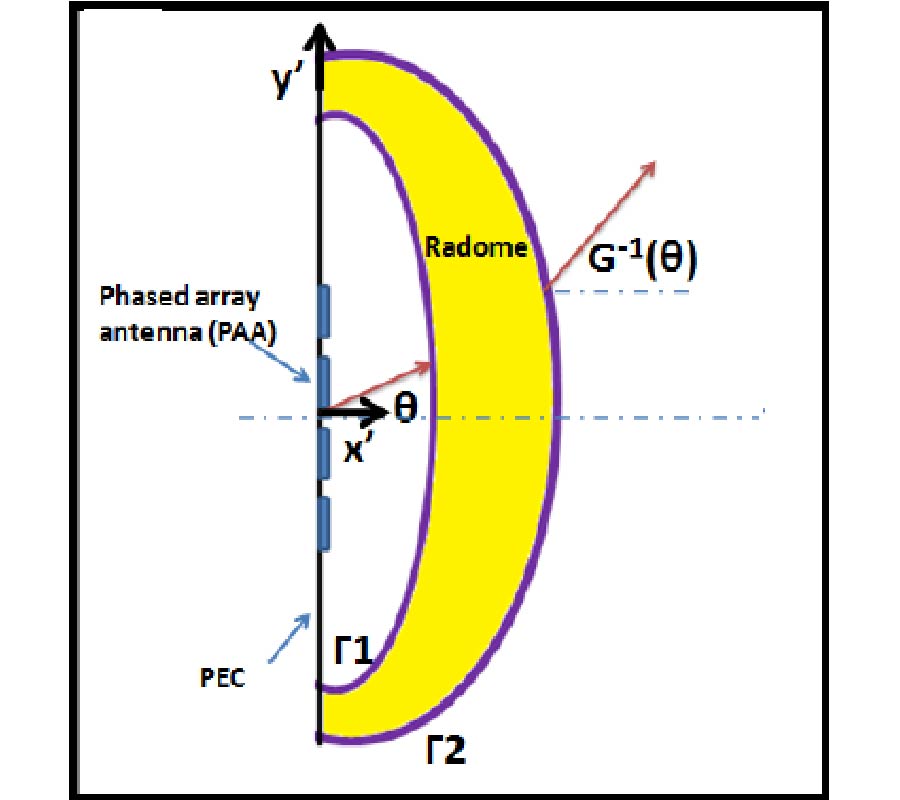
We propose a general method to design an arbitrarily shaped radome which can extend the scanning angle of a phased array antenna through finite embedded transformation (FET). The main advantage of our method is that the relationship between the incident angle and steered output angle of the radome can be designed in advance (e.g., a linear relation can be achieved). Unlike a traditional FET, which is often applied onto a slab region, we first apply FET onto an arbitrarily shaped region to bestow the desired radome with an arbitrary shape. Two specific examples have been given to demonstrate our method. Numerical simulations show good performance of our radome.
A GENERAL METHOD FOR DESIGNING A RADOME TO ENHANCE THE SCANNING ANGLE OF A PHASED ARRAY ANTENNA
2014-03-24
PIER
Vol. 145, 195-202
Performance of an Implanted Electrically Coupled Loop Antenna Inside Human Body
Ali Ibraheem and Majid Manteghi
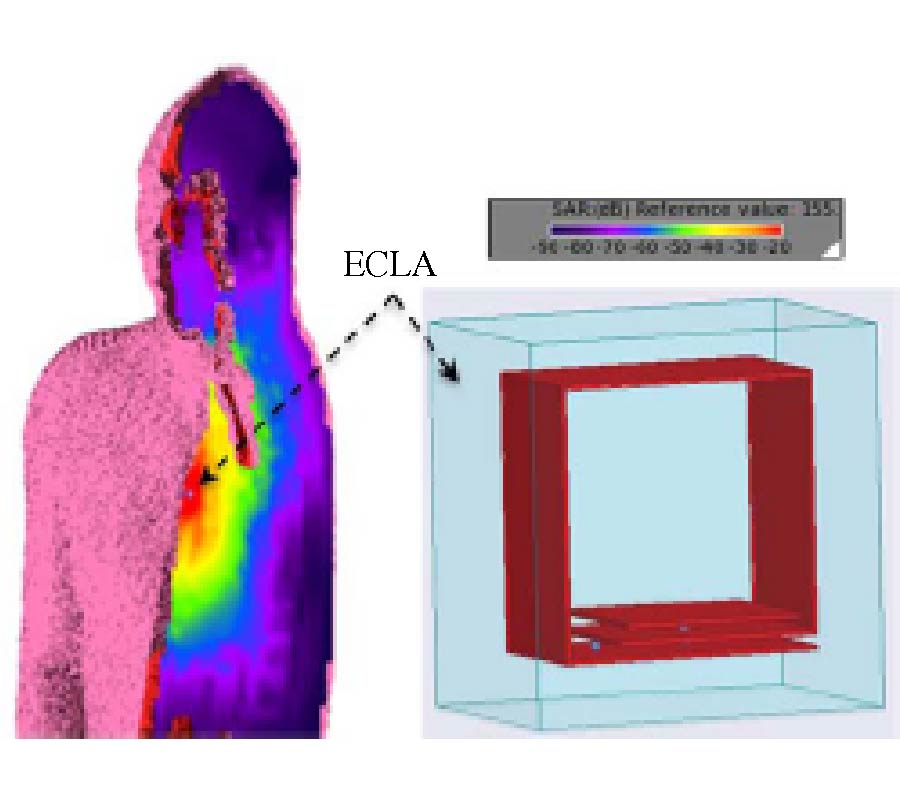
Implanted antennas are widely used in hyperthermia and biomedical applications. The antenna needs to be extremely small while maintaining a permissible Specific Absorption Rate (SAR) and being able to cope with the detuning effects due to the dielectric properties of human body tissues. Most of the proposed antennas for implanted applications are electric field antennas such as Planner Inverted-F Antennas (PIFA) and micro-strip patch antennas. By minimizing the size of an electric field antenna, the near zone electric field will increase, resulting in higher SAR. This work is devoted to design a miniaturized magnetic field antenna to overcome the above limitations. The proposed electrically coupled loop antenna (ECLA) has high magnetic field and low electric field in the near zone and therefore, has a small SAR and is less sensitive to detuning effects. ECLA is designed at the Medical Implanted Communication Service (MICS) band with dimensions of (5×5×3 mm3). ECLA has been simulated inside one-layer human body model, three-layer spherical human head model, human head and human body. From the simulation results, ECLA inside the human body has a 5 MHz -3 dB bandwidth, -14 dB gain, and radiation efficiency of 0.525%. The 1 g average SAR inside the human body for 10 mW input power is about 1 W/kg which is 7 times lower than the SAR for a patch antenna of the same size with the same accepted power.
PERFORMANCE OF AN IMPLANTED ELECTRICALLY COUPLED LOOP ANTENNA INSIDE HUMAN BODY
2014-03-24
PIER
Vol. 145, 185-193
Thick Metal EBG Cells with Narrow Gaps and Application to the Design of Miniaturized Antennas
Mehdi Hosseini , David M. Klymyshyn , Garth Wells and Xun Liu
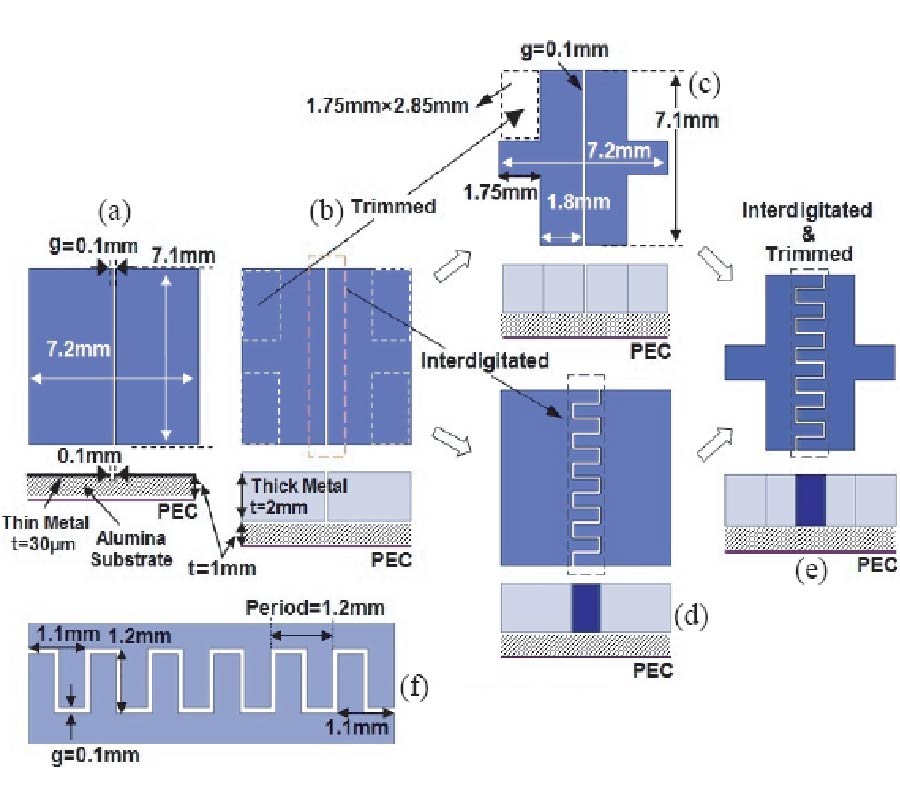
The paper presents a methodology to achieve efficient low-profile electromagnetic bandgap (EBG) antennas based on thick EBG unit cells. The EBG cells are composed of thick metal patches separated by narrow high aspect ratio (HAR) gaps, and positioned on a PEC-backed substrate. This approach yields new miniaturized EBG cells with considerably reduced electrical size. The miniaturized cells are employed to demonstrate new compact self-excited EBG resonator antennas with considerably reduced operating frequencies. Full-wave simulations and experimental results demonstrate the design approach.
THICK METAL EBG CELLS WITH NARROW GAPS AND APPLICATION TO THE DESIGN OF MINIATURIZED ANTENNAS
2014-03-21
PIER C
Vol. 48, 141-150
Design of h -Plane Inductance Diaphragm Waveguide Band-Pass Filter for Millimeter Imaging Frontend
Baohua Yang , Zhi-Ping Li , Jin Zhang , Xianxun Yao , Cheng Zheng , Xiaozhou Shang and Jungang Miao
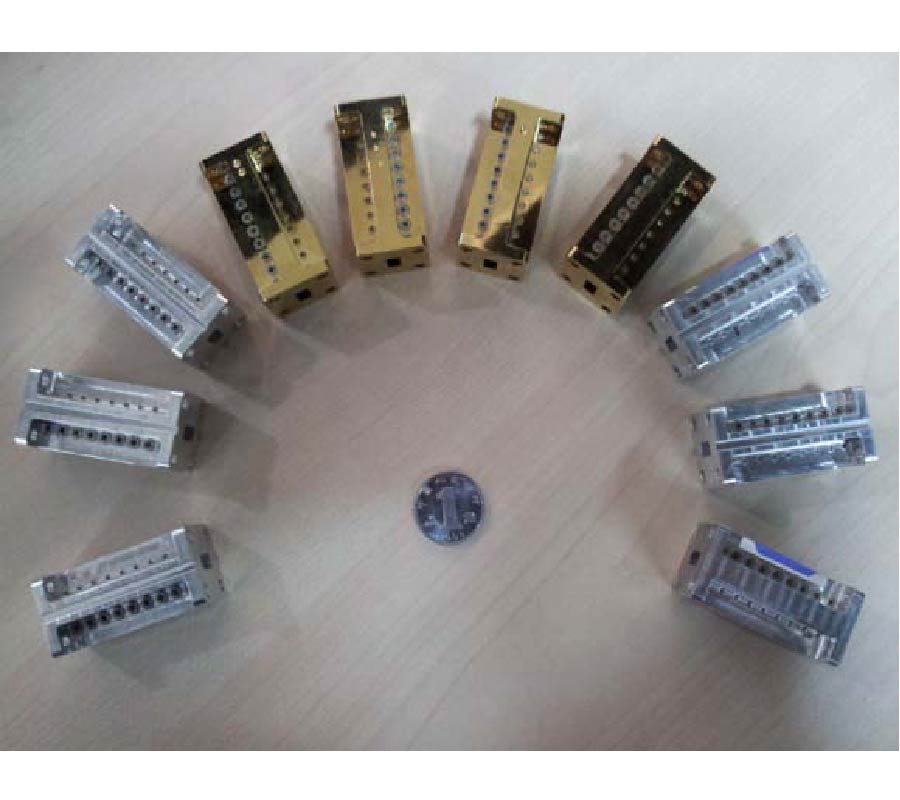
This study presents an equivalent circuit and a design of an H-plane waveguide bandpass filter (BPF) with chamfer. Traditionally, only thin inductive diaphragm with no chamfers considered in the direct-coupled cavity theory, but this will lead to difficulties in the BPF manufacturing. During manufacturing process the chamfer cannot be avoided, and its equivalent circuit and effects on frequency shifting are investigated in this paper. A new design method is proposed in order to compensate the effect of chamfer in the half-wavelength resonator connection between the inductance diaphragm and the waveguide. A modified empirical formula and corresponding procedure are provided for designing such filters. The working center frequency and 3 dB bandwidths (BW) are simulated considering different chamfer radius. The simulated center frequencies are 18 GHz, 26 GHz, 34 GHz and 42 GHz, and BWs are 2.265%, 2.5%, 10%, 15% and 20%. Results show that the modified formula, which conforms better with the simulated results, is superior to the traditional formula. Two H-plane waveguide BPFs are manufactured with center frequency 26 GHz with 2.5% BW and 34 GHz with 2.265% BW. The results of the modified formula are in good agreement with measured ones.
DESIGN OF H-PLANE INDUCTANCE DIAPHRAGM WAVEGUIDE BAND-PASS FILTER FOR MILLIMETER IMAGING FRONTEND
2014-03-20
PIER C
Vol. 48, 133-139
An Efficient Fixed Rate Transmission Scheme Over Delay-Constrained Wireless Fading Channels
Xiangyu Gao and Yuesheng Zhu
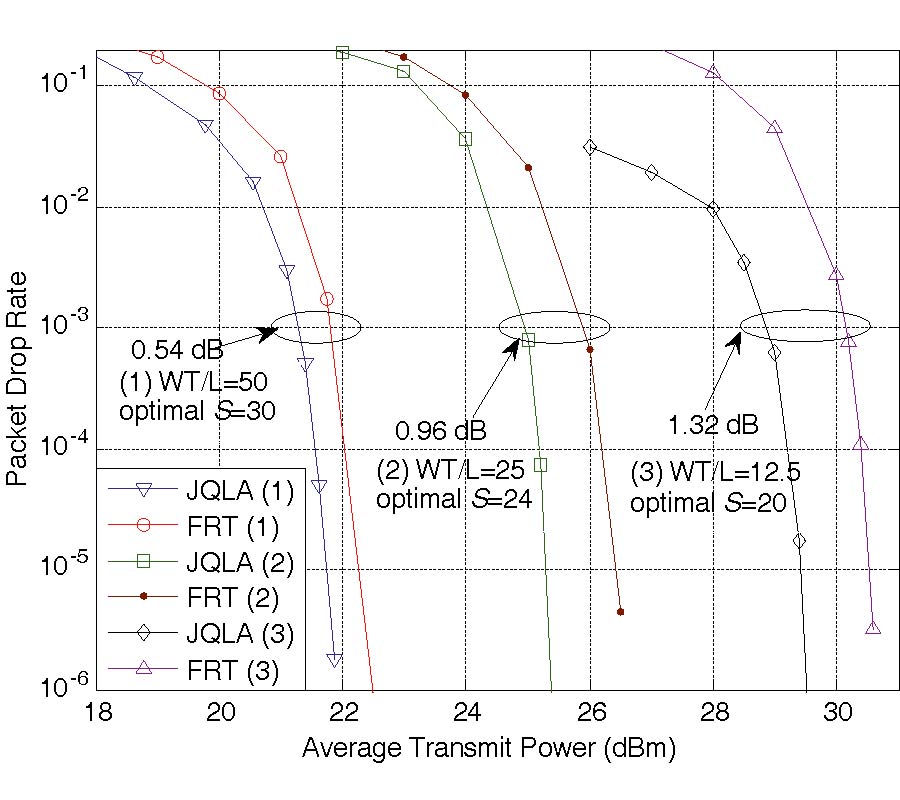
In this paper, we study the scheduler design problems over delay-constrained wireless communication links. Following a crosslayer design approach, the wireless system is modeled as a joint link-PHY layer architecture with a finite-length buffer and continuousstate fading links. A heuristic and efficient fixed rate transmission scheduler scheme (FRT) is proposed. We formulate and analyze the performance of the FRT scheme in terms of power efficiency and packet drop rate. Compared with variable rate schemes, the FRT scheme can considerably simplify the hardware implementation of transmitter. In addition, we show that the optimization of FRT scheme can be conducted with significantly reduced computational cost by utilizing the sparse feature of the transition probability matrix. Moreover, the simulation results show that at the packet drop rate of 10-3, the optimized average transmit power of FRT scheme is only 0.5 dB higher than the known optimal variable rate scheme, indicating that the FRT scheme is quite power efficient as well. Therefore, we conclude that the FRT scheme is more feasible than variable rate schemes in practical delayconstrained wireless systems with regard to both hardware cost and power efficiency.
AN EFFICIENT FIXED RATE TRANSMISSION SCHEME OVER DELAY-CONSTRAINED WIRELESS FADING CHANNELS
2014-03-20
PIER M
Vol. 35, 141-149
Design of Dual- and Quad-Band E-CRLH-Tls with Arbitrary Phase Characteristics
Mahdi Fozi , Saeid Nikmehr , Mehrdad Valizadeh Ghurt-Tappeh and Mohammad Bemani
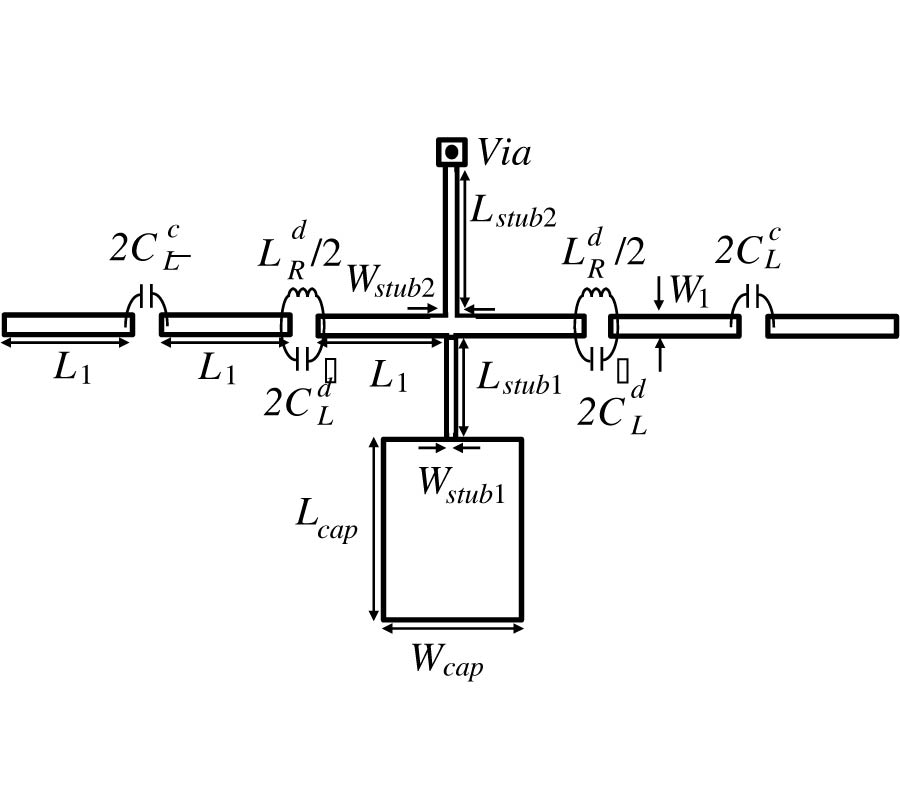
In this paper, extended composite right/left-handed (E-CRLH) transmission line (TL) metamaterial structures, with two left-handed (backward) and two right-handed (forward) pass bands, are investigated. Also, design procedures in order to design dual- and quad-band E-CRLH-TLs are presented in detail and the parameters of these structures are extracted by clean formulas, while satisfying arbitrary phase shifts at the operating frequencies. Finally, the dispersion and characteristic impedances of these transmission lines are derived and plotted. The results of this paper can be applied to any type of TL-based dual- and quad-band microwave component.
DESIGN OF DUAL- AND QUAD-BAND E-CRLH-TLS WITH ARBITRARY PHASE CHARACTERISTICS
2014-03-20
PIER M
Vol. 35, 133-139
Optical Bistability in a Grating with Slits Filled Nonlinear Media
Lyudmila A. Kochetova , Segiy L. Prosvirnin and Vladimir R. Tuz
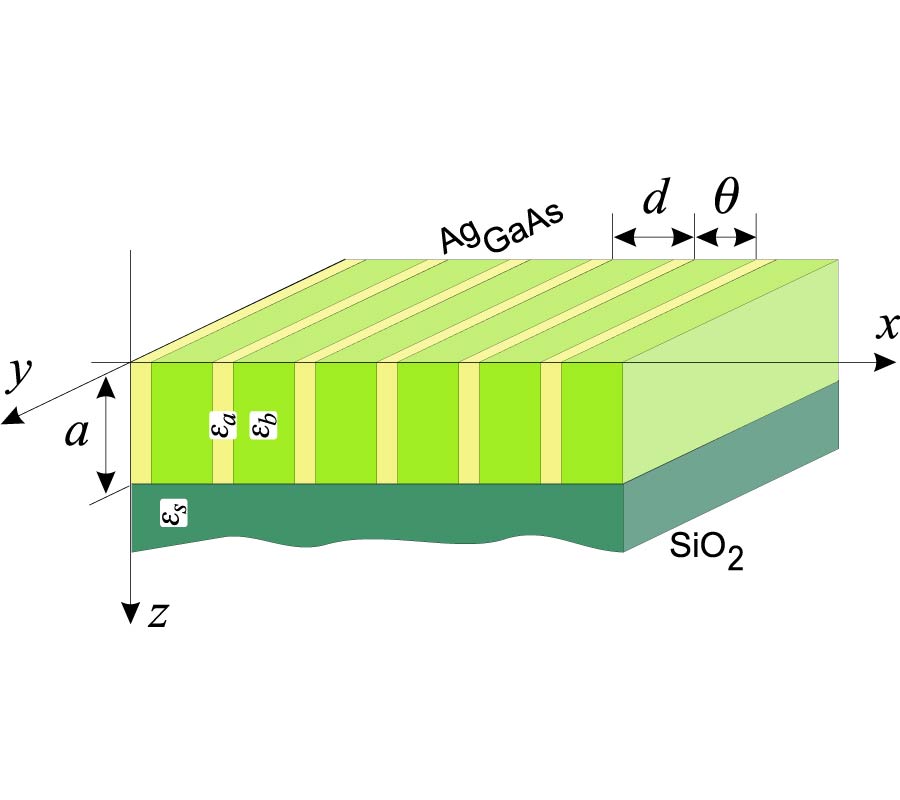
An approximate self-consistent solution of the problem of plane electromagnetic wave diffraction on a thick grating of metallic bars with slits between the bars filled a Kerr-type nonlinear dielectric is solved. The bistable operating regime of wave transmission through the grating is studied.
OPTICAL BISTABILITY IN A GRATING WITH SLITS FILLED NONLINEAR MEDIA
2014-03-20
PIER M
Vol. 35, 121-131
Survey of Temporal Basis Functions for Transient Scattering by Conducting Cylinders Using TD-EFIE Formulation-TE Case
Athar Azari , Zaker Hossein Firouzeh and Abolghasem Zeidaabadi-Nezhad
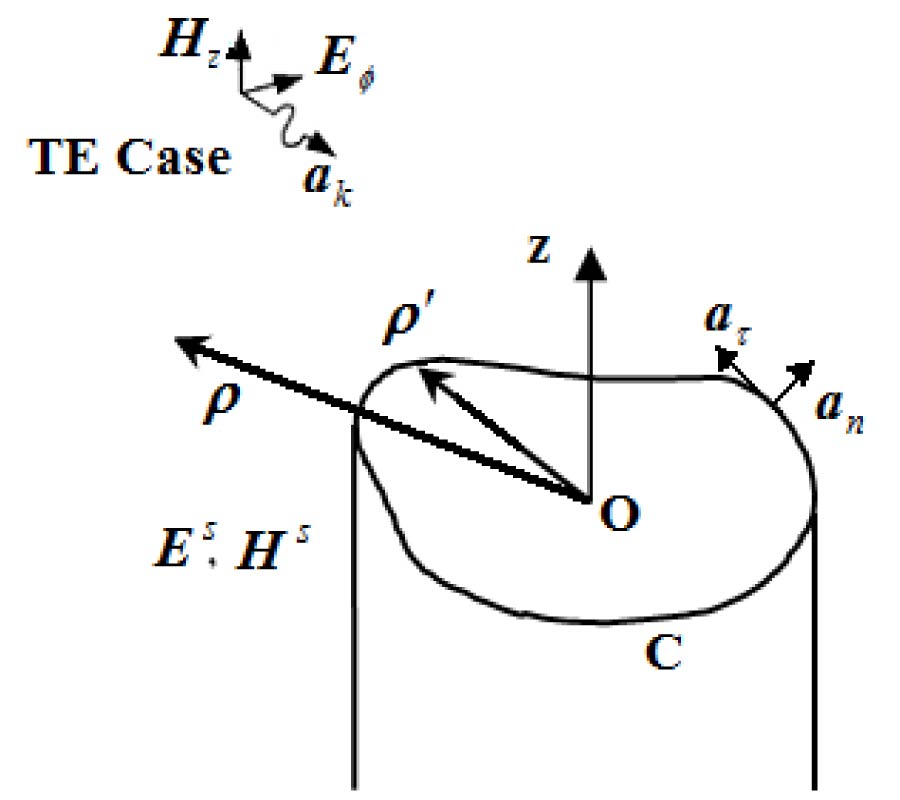
In this paper, different causal sub-domain temporal basis functions are investigated to make the explicit marching-on-in time schemes converge and stable for solving two dimensional time domain EFIE. PEC cylinders with arbitrary cross section are illuminated by a TE-polarized Gaussian plane wave. Two different approximations are used for calculation of the singular elements of the impedance matrix analytically. In the Time Domain Method of Moment (TD-MoM) formulation of the Electric Field Integral Equation (EFIE) of the problem, the free-space two-dimensional Green's function and triangular spatial basis function are used. By employing Galerkin's method in spatial domain and point matching in time domain, all time convolution integrals and self-terms are evaluated analytically to increase the accuracy and stability of the proposed technique. The stability and efficiency of the new technique are confirmed by comparison with literature.
SURVEY OF TEMPORAL BASIS FUNCTIONS FOR TRANSIENT SCATTERING BY CONDUCTING CYLINDERS USING TD-EFIE FORMULATION-TE CASE
2014-03-19
PIER B
Vol. 59, 59-70
Electromagnetic Scattering by Approximately Cloaked Dielectric Cylinder
Hany Mahmoud Zamel , Essam Eldiwany and Hadia El-Hennawy
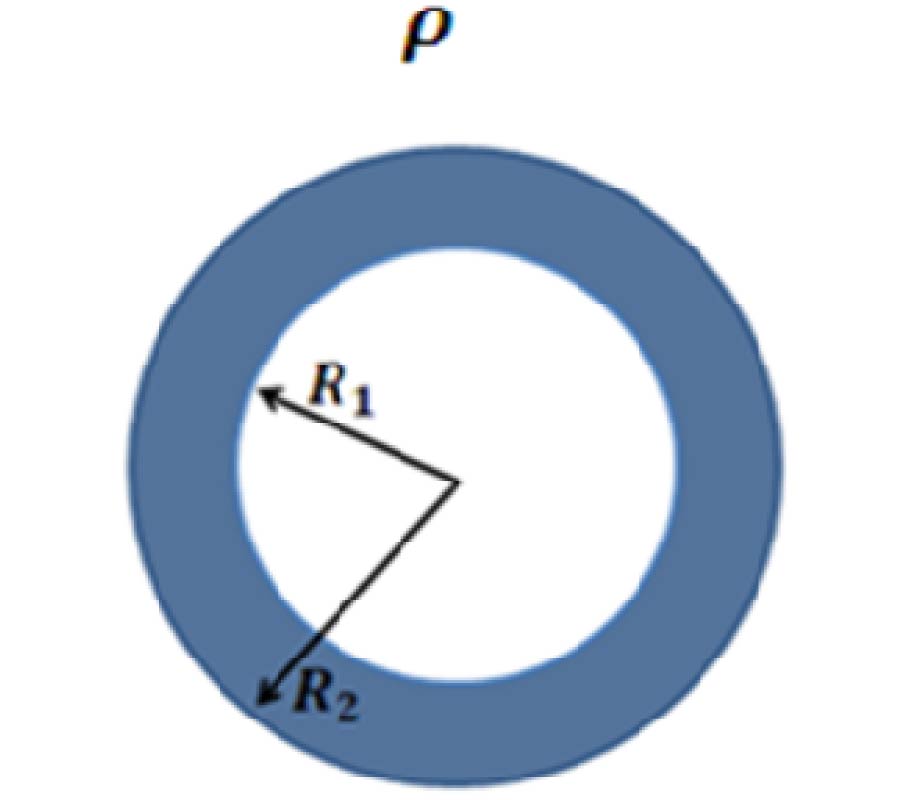
In cloaking, a body is hidden from detection by surrounding it by a coating consisting of an unusual anisotropic nonhomogeneous material. The permittivity and permeability of such a cloak are determined by the coordinate transformation of compressing a hidden 2D or cylindrical body into a line. Some components of the electrical parameters of the cloaking material (ε, μ) are required to have infinite or zero value at the boundary of the hidden object. In order to eliminate the zero or infinite values of the electrical parameters, approximate cloaking can be used by transforming the cylindrical body virtually into a small cylinder rather than a line, but this produces some scattering. The solution is obtained by rigorously solving Maxwell equations using angular harmonics expansion. In this work, the scattering pattern, and the backscattering cross section against the frequency for cloaked conducting and dielectric cylinders are studied for both transverse magnetic (TMz) and transverse electric (TEz) polarizations of the incident plane wave for different transformed body radii.
ELECTROMAGNETIC SCATTERING BY APPROXIMATELY CLOAKED DIELECTRIC CYLINDER
2014-03-19
PIER M
Vol. 35, 113-120
Translational Motion Compensation Techniques in ISAR Imaging for Target with Micro-Motion Parts
Bin Yuan , Shi You Xu and Zeng Ping Chen
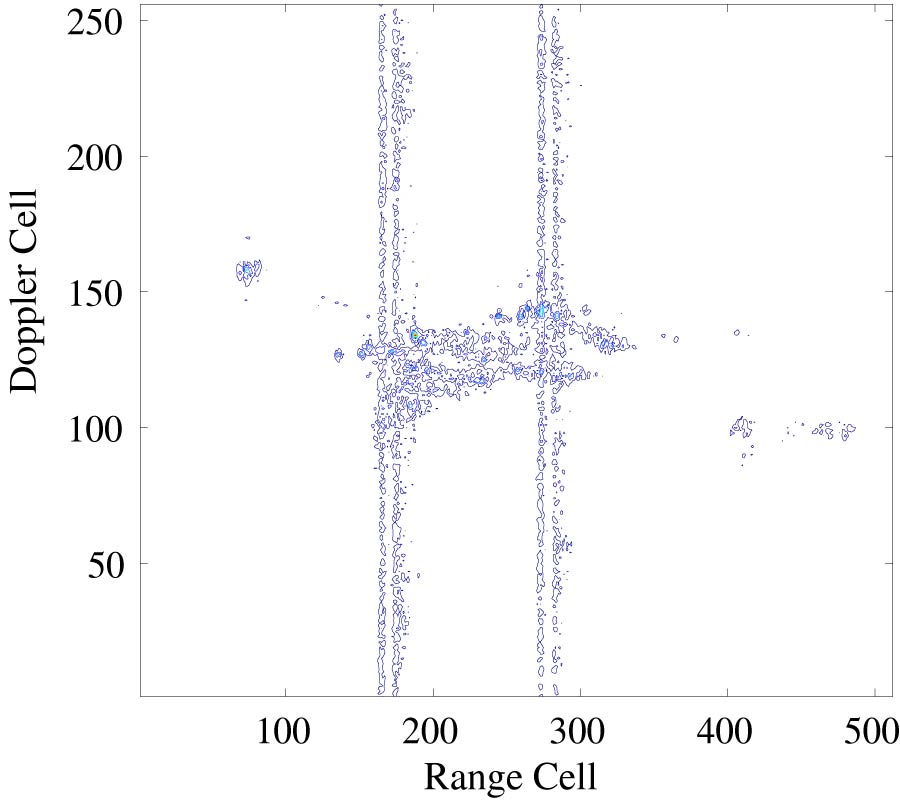
In inverse synthetic aperture radar (ISAR) imaging, micro-motion structures on the target will induce additional time-varying frequency modulations to the radar echoes. Due to the disturbance of these mechanical vibration or rotation parts in the ISAR imaging, it will be difficult to obtain a well-focused ISAR image of the target using conventional translational motion compensation methods. To solve this problem, two improved translational motion compensation techniques have been proposed in this paper. Firstly, the power transform is used in the range bin aligment processing to depress the disturbance of the micro-motion parts. Then, a impreoved autofocusing methods based on range bins selection is presented, which only use the range bins of the radar returns of the main body scatterers for the phase adjustment. The results from the measured data are given to verify the validity of the improved translational motion compensation techniques proposed in this paper.
TRANSLATIONAL MOTION COMPENSATION TECHNIQUES IN ISAR IMAGING FOR TARGET WITH MICRO-MOTION PARTS
2014-03-18
PIER B
Vol. 59, 45-58
Rainfall Microstructural Analysis for Microwave Link Networks: Comparison at Equatorial and Subtropical Africa
Akintunde Ayodeji Alonge and Thomas Joachim Odhiambo Afullo
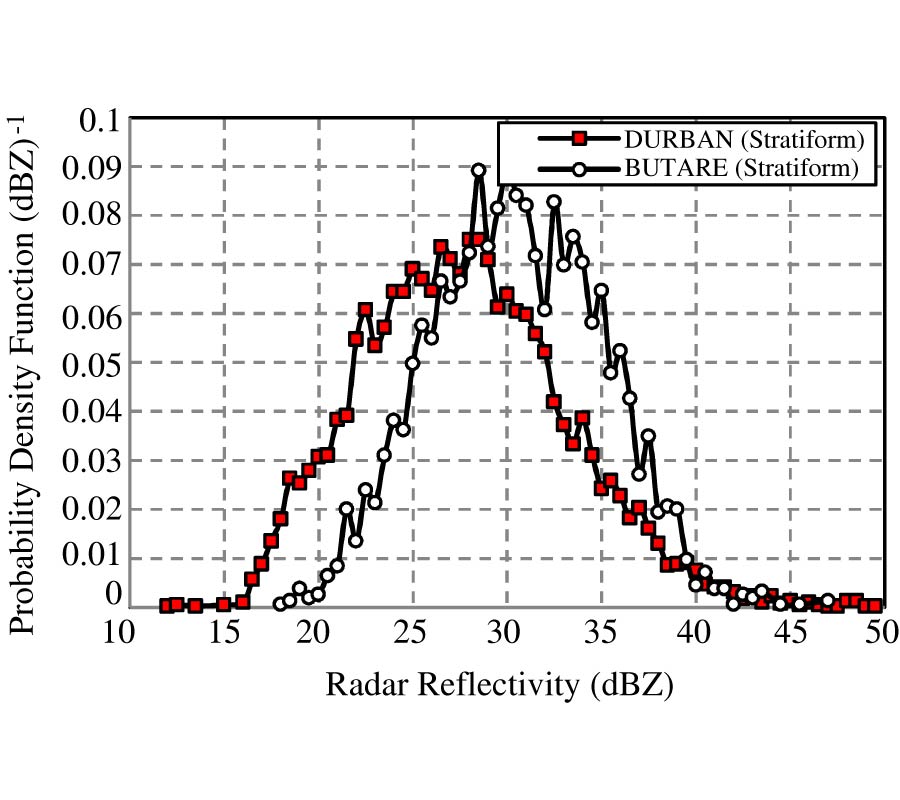
The quest to understand the variation of rainfall microstructures at subtropical and equatorial regions is vital to rain attenuation studies. In this study, point rainfall datasets obtained at Butare (2°36'S, 29°44'E) and Durban (29°52'S, 30°58'E), are compared at the reflectivity threshold of 38 dBz. Joss- Walvogel (JW) distrometer measurements collected from these two locations represent physical rainfall data from equatorial and subtropical climates respectively. The reflectivity threshold enables the classification of rainfall datasets into stratiform and convective (S-C) precipitation regimes. These thresholds, Rth, at Durban and Butare are analysed based on three known rainfall microphysical parameters: rain rate, rainfall Drop Size Distribution (DSD) and radar reflectivity. The results from rain rate distributions at the both regions are similar for both stratiform and convective classes. However, the sampled DSDs indicate the dominance of larger rain droplets at Butare compared to observations at Durban, irrespective of the rain classes. In addition, it is found that the reflectivity distributions at both regions, under stratiform and convective conditions, are distinct in their probability profiles. The overall S-C analysis implied that the structures of the reflectivity and DSD profiles at both regions - result in significant variation of predicted specific attenuation - at microwave and millimeter band. In comparison with other global locations, it is affirmed that the S-C transition occurs globally at rain rates between 6 mm/h and 13 mm/h.
RAINFALL MICROSTRUCTURAL ANALYSIS FOR MICROWAVE LINK NETWORKS: COMPARISON AT EQUATORIAL AND SUBTROPICAL AFRICA
2014-03-18
PIER C
Vol. 48, 125-132
Doppler Spread Spectrum of a Circularly Moving Receiver in an Anechoic and a Reverberation Chamber
Myunghun Jeong , Byoung-Yong Park , Junghwan Choi and Seong-Ook Park
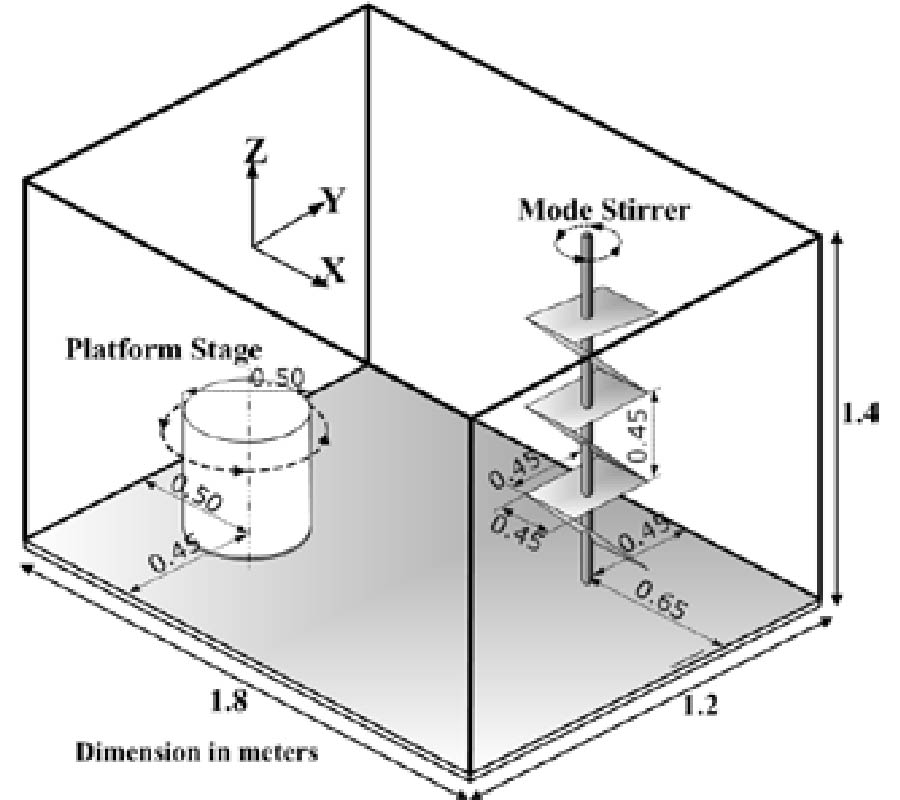
The Doppler phenomena caused by a moving receiver or environmental scatters around a receiver are emulated in an AC(Anechoic Chamber) and a RC(Reverberation Chamber) using platform and mode stirring. In order to verify the emulated Doppler spread spectrum, the measured results in the AC and the RC have been investigated to incorporate Jakes's and 802.11 TGn Doppler models, respectively.
DOPPLER SPREAD SPECTRUM OF A CIRCULARLY MOVING RECEIVER IN AN ANECHOIC AND A REVERBERATION CHAMBER
2014-03-18
PIER C
Vol. 48, 111-123
A Novel Planar Structure for Implementing Power Divider or Balun with Variable Power Division
Weiwei Zhang , Yuan'an Liu , Yongle Wu , Junyu Shen , Shulan Li , Cuiping Yu and Jinchun Gao
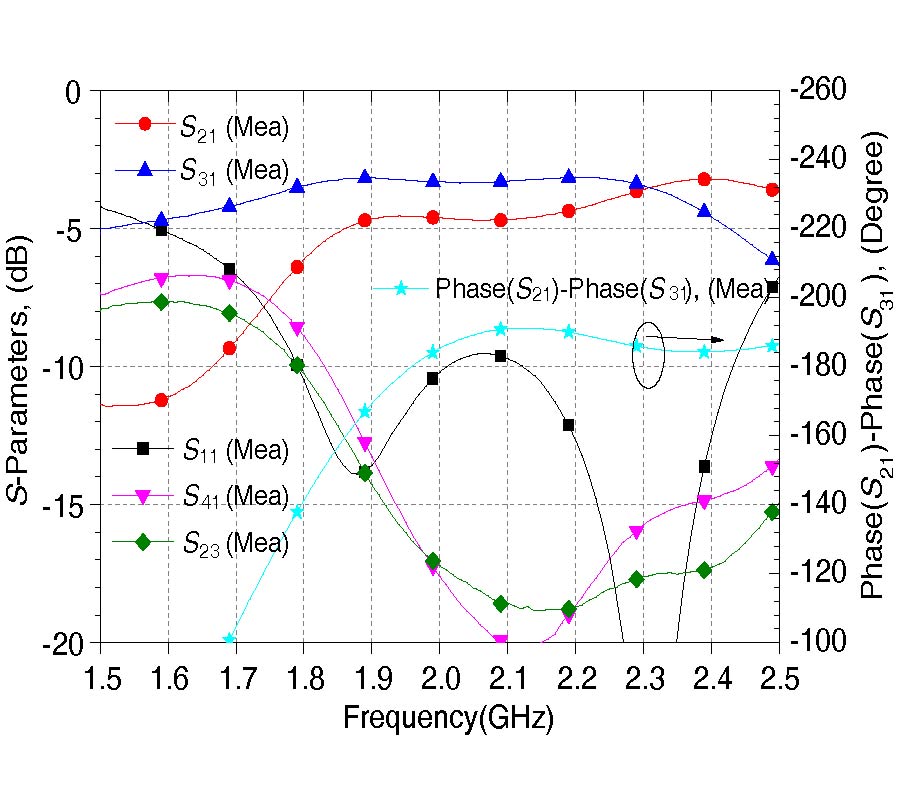
A simple and analytical design methodology for a novel planar four-port structure to implement power divider (PD) or balun with variable power division is proposed in this paper. It consists of two different 3 dB branch-line couplers and one coupled-line phase shifter whose length can be changed to implement variable power division. Different from the previous designs, the power divider and balun with variable power division can be realized in only one circuit by changing the electrical length θ0 of the coupled line when the impedance ratio g is selected. According to the ABCD parameters and linear algebra calculation, closed-form mathematical equations for the circuit electrical values and scattering parameters can be obtained. A prototype with this proposed circuit, operating at 2 GHz, has been designed and fabricated using microstrip technology. Good agreements between the calculated and measured results verify our design.
A NOVEL PLANAR STRUCTURE FOR IMPLEMENTING POWER DIVIDER OR BALUN WITH VARIABLE POWER DIVISION