Search Results(13798)

2013-12-09
PIER B
Vol. 57, 191-205
Investigation of the Effect of Ionospheric Gradients on GPS Signals in the Context of Laas
Satya Srinivas Vemuri , Achanta Dattatreya Sarma , Ammana Supraja Reddy and Desireddy Krishna Reddy
Local Area Augmentation System (LAAS) is expected to enable the pilots to guide the aircraft more precisely and safely into busy airports even in poor visibility conditions. The anomalous low and equatorial latitude Ionosphere is severe threat to the LAAS system. To characterize the anomalous ionospheric gradients, the performance of an ionospheric threat model is evaluated. In our investigation, in contrast to the reported work available in the open literature, smoothed code phase measurements are used in the threat model to obtain precise ionospheric time delay. The three key parameters of the threat model gradient slope (mm/km), width (km) and front speed (m/s) are used in the analysis. Further, geometry screening using Maximum Ionosphere Induced Error in Vertical (MIEV) as a key parameter is carried out to identify the stationary gradients and its impact on system performance for CAT-I operations. A maximum ionospheric gradient of 355.74 mm/km over a distance of approximately 75 km is reported at mid latitudes. Whereas, in our findings at low/equatorial latitudes even within a distance of approximately 4 km a maximum gradient of 460 mm/km is observed, which is comparatively very high. Our results show that, there is necessity to enhance upper bound for the ionospheric gradients threat space over low latitudes.
INVESTIGATION OF THE EFFECT OF IONOSPHERIC GRADIENTS ON GPS SIGNALS IN THE CONTEXT OF LAAS
2013-12-09
PIER M
Vol. 34, 63-71
Designing Plane Wave Modulators Using 1dpc Nanostructure with R-Grin Defect Layer
Kazem Jamshidi-Ghaleh and Farzaneh Bayat
In this paper, we introduce plane wave modulators that are designed using one-dimensional photonic crystals (1DPC) containing radial gradient refractive index (r-GRIN) defect layers. Three kinds of r-GRIN materials with different refractive index distribution functions are applied in numerical analysis. The properties of the phase and intensity of the transmitted plane wave beam through propoesed structures are studied using the transfer matrix method. Radially-dependent defect modes, modulated phase and intensity are obtained according to the refractive index distribution functions. The results are predictable by regarding the Bragg condition and destructive interference, which are the origins of the photonic band gap. Due to the radial-dependency of the defect layer's refractive index, the rays passing through different transverse positions experience different optical pathways. Therefore, the defect modes and transmitted spectrum (phase and amplitude) vary transversely. This study demonstrates another ability of the artificial PC structures to design plane wave modulators and manipulate its phase and intensity.
DESIGNING  PLANE WAVE MODULATORS USING 1DPC NANOSTRUCTURE WITH R-GRIN DEFECT LAYER
2013-12-06
PIER B
Vol. 57, 177-190
Electromagnetic Wave Scattering from Rough Layered Interfaces: Analysis with the Small Perturbation Method and the Small Slope Approximation
Abla Berrouk , Richard Dusséaux and Saddek Afifi
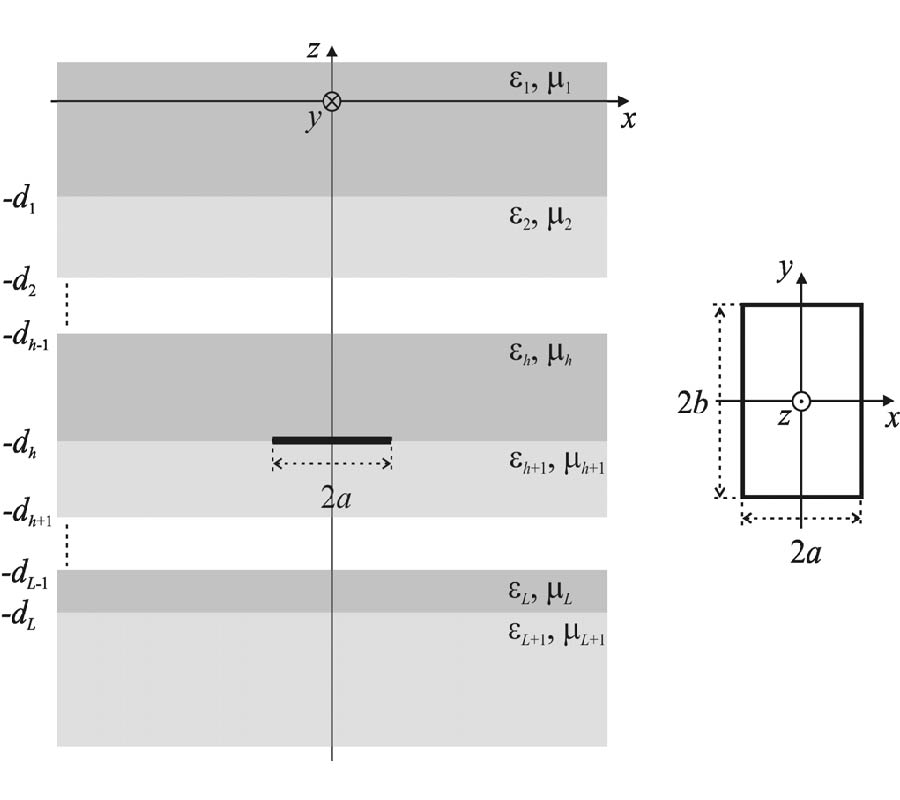
We propose a theoretical study on the electromagnetic wave scattering from layered structures with an arbitrary number of rough interfaces by using the small perturbation method and the small slope approximation. The interfaces are characterized by Gaussian height distributions with zero mean values and Gaussian correlation functions. They can be correlated or not. The electromagnetic field in each medium is represented by a Rayleigh expansion and a perturbation method is used for solving the boundary value problem and determining the first-order scattering amplitudes by recurrence relations. The scattering amplitude under the first-order small slope approximation are deduced from results derived from the first-order small perturbation method. Comparison between these two analytical models and a numerical method based on the combination of scattering matrices is presented.
ELECTROMAGNETIC WAVE SCATTERING FROM ROUGH LAYERED INTERFACES: ANALYSIS WITH THE SMALL PERTURBATION METHOD AND THE SMALL SLOPE APPROXIMATION
2013-12-06
PIER B
Vol. 57, 157-175
Microwave Dielectric Properties of Ni0.2CuXZn0.8-XFE2O4 for Application in Antenna
Kumar Mohit , Vibha Rani Gupta and Sanjeeb Kumar Rout
Structural, vibrational and microwave dielectric properties of Nickel-Copper-Zinc ferrite (Ni0.2CuxZn0.8-xFe2O4) ceramics have been presented in this paper. Samples have been prepared using conventional auto-combustion method. The X-ray diffraction (XRD) results confirmed the ferrite samples to be of cubic spinel structure, which further was validated by Fourier transform infrared (FT-IR) and Raman spectroscopy. The relative permittivity (εr) increased from 7.474 to 8.132 with successive increase in Cu content. The observed and calculated permittivity using Clausius-Mossoitti relation have been in good agreement. The temperature coefficient of resonant frequency (τf) decreased from -75.85 ppm/°C to -32.12 ppm/°C with increase in successive Cu content. The relative permeability (μr) have been calculated by using the Nicholson-Ross-Weir conversion technique. Using Ni0.2Cu0.2Zn0.6Fe2O4 sample the ferrite resonator antennas have been designed in three different shapes. The experimental and theoretical characteristics of the antennas have been compared and a good agreement has been achieved.
MICROWAVE DIELECTRIC PROPERTIES OF NI<sub>0.2</sub>CU<sub>X</sub>ZN<sub>0.8-X</sub>FE<sub>2</sub>O<sub>4</sub> FOR APPLICATION IN ANTENNA
2013-12-06
PIER
Vol. 143, 623-639
Numerical Modelling of Human Body for Bluetooth Body-Worn Applications
Masood Ur-Rehman , Qammer Hussain Abbasi , Xiaodong Chen and Zhinong Ying
The human body has got a pivotal role in portable devices operating in Body-centric Wireless Networks (BCWNs). Electromagnetic interaction between lossy human body tissues and wearable antennas degrades the system performance. Efficient deployment of such systems necessitates thorough understanding of these effects. Numerical analysis is a powerful tool that provides useful information of such scenarios fairly quicker than the actual measurements giving the user full control of the design environment. This paper investigates usefulness of numerical analysis based on the comparison of three different homogeneous models of the human body. Effectiveness of a numerical model is evaluated in terms of its resolution, computational efficiency, time consumption and accuracy of the results in software followed by experimental verifications.
NUMERICAL MODELLING OF HUMAN BODY FOR BLUETOOTH BODY-WORN APPLICATIONS
2013-12-06
PIER
Vol. 143, 605-621
A Study of Radar Features of Wind Turbines in the HF Band
Aale Naqvi and Hao Ling
Radar features of wind turbines are simulated and studied in the HF band. The features are presented in the range-Doppler plane for single as well as arrays of turbines. Doppler aliasing due to the limited pulse repetition frequency of HF radars is examined. Shadowing characteristics of arrays of turbines are simulated and analyzed. Electromagnetic modeling details including effects of thin-wire modeling, non-conducting turbine components, and the presence of a conducting ground surface are discussed.
A STUDY OF RADAR FEATURES OF WIND TURBINES IN THE HF BAND
2013-12-06
PIER
Vol. 143, 575-604
Forward-Looking Imaging of Scanning Phased Array Radar Based on the Compressed Sensing
Xiaoyang Wen , Gangyao Kuang , Jiemin Hu , Ronghui Zhan and Jun Zhang
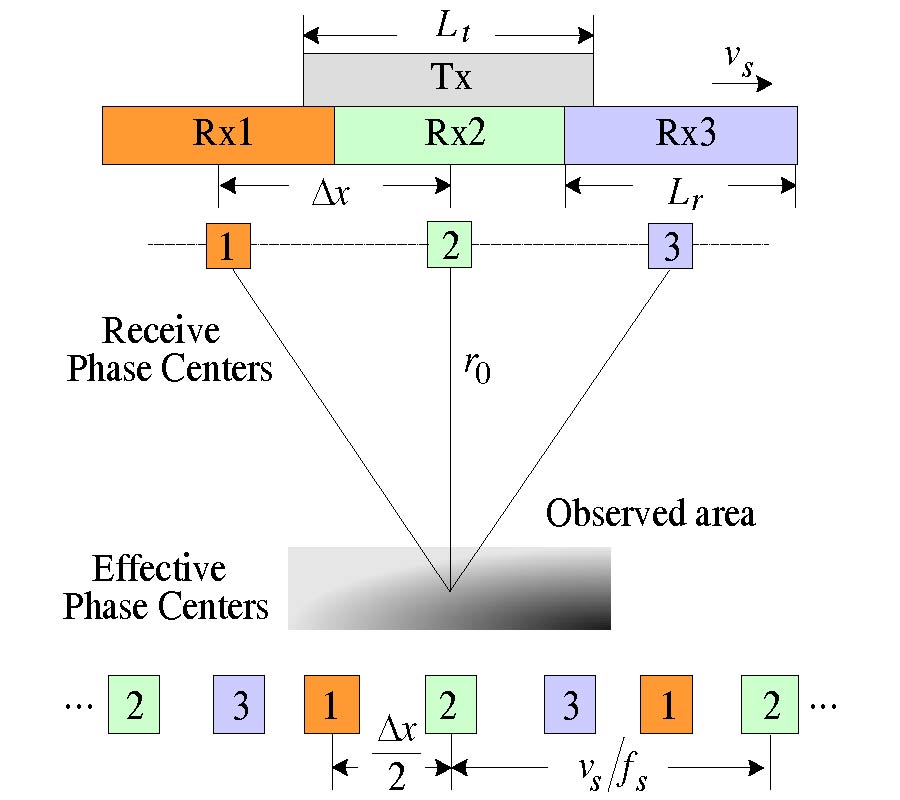
In this paper, a novel forward-looking imaging method based on the compressed sensing is proposed for scanning phased array radar (PAR) in order to improve the azimuth resolution,. Firstly, the echo of targets is modeled according to the principle of PAR. Then, it is analyzed why some of the former methods as multi-channel deconvolution are ineffective based on the signal model. Using a widely accepted assumption that dominant scatterers in an interesting area are sparse or compressible, an imaging algorithm based on the compressed sensing is proposed and investigated. This method obtains its high range resolution by transmitting and compressing chirp pulse signal, and improves its azimuth resolution by utilizing the compressed sensing technique. The effectiveness of the proposed method is illustrated and analyzed with simulations data.
FORWARD-LOOKING IMAGING OF SCANNING PHASED ARRAY RADAR BASED ON THE COMPRESSED SENSING
2013-12-06
PIER
Vol. 143, 559-574
Comparative Modeling of Single-Ended through-Silicon Vias in GS and GSG Configurations Up to V-Band Frequencies
Kuan-Chung Lu and Tzyy-Sheng Horng
This work presents a novel comparative modeling scheme for single-ended (SE) through-silicon vias (TSVs) in GSG and GS configurations. Physical scalable models based on the equations developed herein indicate that the use of two symmetric ground TSVs in GSG configuration relatively increases the parasitic capacitance and conductance in the silicon substrate. However, this increase in the parasitic capacitance requires that the parasitic inductance of SE TSV is reduced to maintain the same phase velocity in silicon. According to the modeling results, the GSG configuration has a larger insertion loss than that of the GS configuration because the former has a higher substrate conductance. Nevertheless, when measured using RF coaxial probes, the GSG configuration exhibits a larger measurement bandwidth than the GS configuration. Finally, with the assistance of a double-sided probing system, wideband S-parameter measurement can validate the established equivalent-circuit model of SE TSV in GSG configuration up to V-band frequencies.
COMPARATIVE MODELING OF SINGLE-ENDED THROUGH-SILICON VIAS IN GS AND GSG CONFIGURATIONS UP TO V-BAND FREQUENCIES
2013-12-06
PIER
Vol. 143, 545-558
Tunable Metamaterials Made of Graphene-Liquid Crystal Multilayers
Amir Madani , Shuomin Zhong , Habib Tajalli , Samad Roshan Entezar , Abdolrahman Namdar and Yungui Ma
The dispersion properties of an anisotropic metamaterial composed of periodic stacking of graphene-liquid crystal layers are investigated in the far-infrared region. It is represented that this structure is able to show both the elliptic and hyperbolic dispersions using the tunable properties of the graphene and liquid crystal. The switching between two dispersion phases via control of the temperature, voltage and external electric field is studied. It is shown that this switching can be used to control of the transmission and reflection at the interface of the metamaterial and air.
TUNABLE METAMATERIALS MADE OF GRAPHENE-LIQUID CRYSTAL MULTILAYERS
2013-12-05
PIER C
Vol. 45, 265-279
Subwavelength Spiral Slotted Waveguide Antenna
Ali Daliri , Amir Galehdar , Wayne Rowe , Kamran Ghorbani , Chun H. Wang and Sabu John
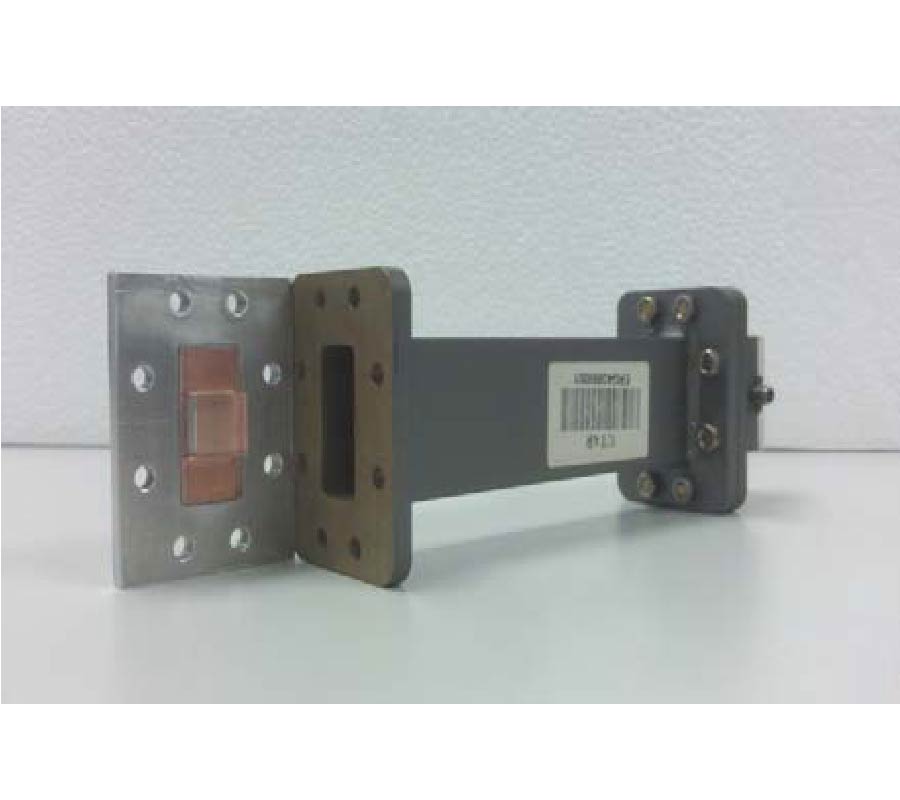
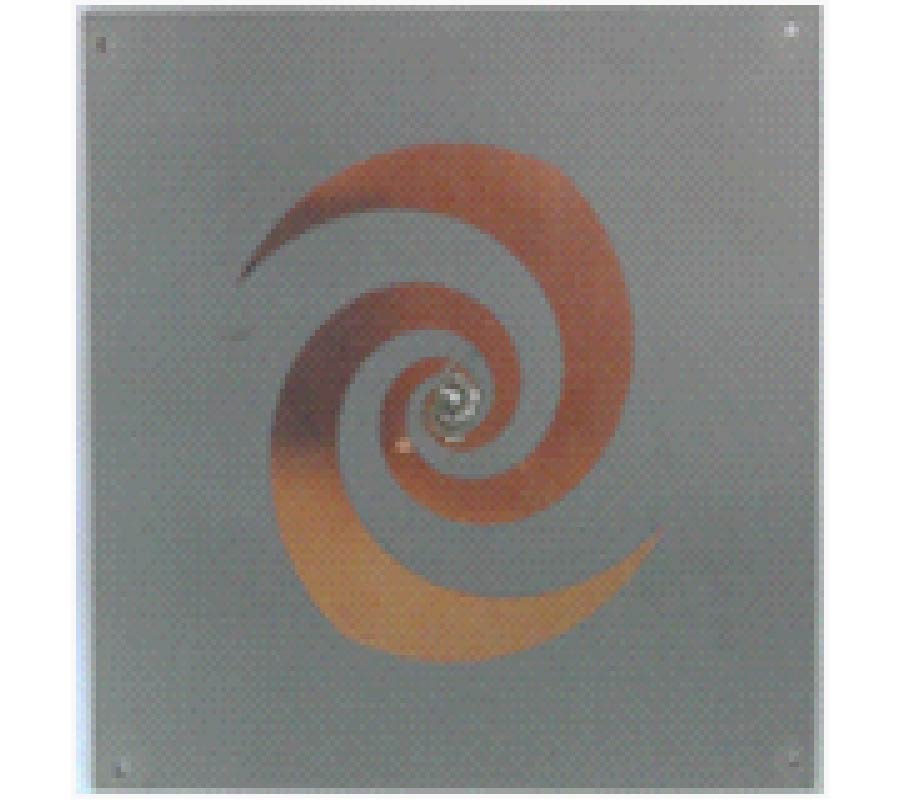
Integrating antennas into a load-bearing airframe structure has the potential for profound improvements in the capability of military and commercial airplanes, by allowing for substantially increased radiator and array size with reduced weight or drag penalties. Reducing the size of array elements can significantly improve the mechanical performance of the loadbearing antenna. The novel single element spiral slot cut in the broad-wall of a WR-90 rectangular waveguide proposed in this paper is smaller than a quarter of the operating wavelength (half of the size of a conventional rectangular slot). The small antenna element enables a slotted waveguide array to be realized without significantly degrading the mechanical performance in load bearing applications. The proposed spiral slot is compared with conventional rectangular slots and exhibits comparable performance in terms of total efficiency (representing coupling from waveguide mode to the slot) and peak realized gain. Total efficiency and peak realized gain of the spiral slot in travelling wave mode are significantly higher than those of a quarter wavelength rectangular slot element which has near zero radiation. The simulated results were validated by manufacturing the spiral slot placed on the broad-wall of a rectangular waveguide. Realized gain patterns of the spiral slot measured at the design frequency corroborate reasonably with the simulations.
SUBWAVELENGTH SPIRAL SLOTTED WAVEGUIDE ANTENNA
2013-12-05
PIER C
Vol. 45, 251-264
The Design of a Dual-Polarized Small Base Station Antenna with High Isolation Having Dielectric Feeding Structure
Jung Lee , Kwang Chun Lee and Pyeong-Jung Song
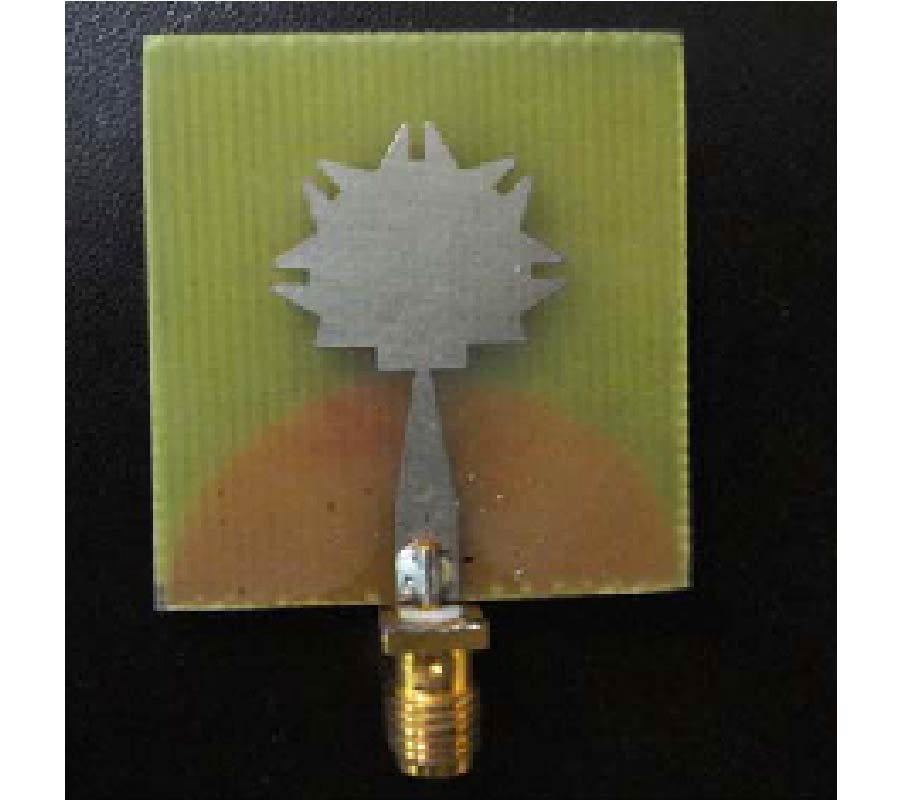
A dual-polarized small base station antenna with a dielectric feeding structure is presented. The proposed antenna is composed of a micro-strip feed line board, eight metallic shorting plates, four dielectric feed substrates, four metallic radiators, a metallic cube, and a radome. A wide impedance bandwidth of 20% (2.45 to 3.0 GHz) is achieved. The proposed antenna has an isolation of greater than 50 dB over the operating bandwidth. Details of the proposed antenna design, and the simulated and measured results are presented and discussed.
THE DESIGN OF A DUAL-POLARIZED SMALL BASE STATION ANTENNA WITH HIGH ISOLATION HAVING DIELECTRIC FEEDING STRUCTURE
2013-12-04
PIER B
Vol. 57, 139-155
PN Code Acquisition Using Smart Antenna and Adaptive Thresholding CFAR Based on Ordered Data Variability for CDMA Communications
Kamel Berbra , Mourad Barkat and Abderrahmane Anou
Recently, a novel approach for PN code acquisition of direct sequence code division multiple-access (DS-CDMA) systems in Rayleigh fading multipath channel was proposed in [1]. The authors considered a combination of adaptive thresholding constant false alarm rate (CFAR) and smart antennas to increase the system capacity and consequently enhance the detection performance. This paper considers still the problem of PN code acquisition for DS-CDMA communication systems over Rayleigh fading channels under the presence of multipath and multiple-access interference (MAI) signals. We propose and analyze an adaptive array acquisition system, which integrates an adaptive thresholding technique based on ordered data variability (ODV) index constant false alarm rate (ODVCFAR) and digital beamforming where a low complexity least mean square (LMS) algorithm is used to calculate the optimal weighting coefficients. This approach is expected to mitigate interferences caused by the presence of multiple access interference and multipath. Unlike other approaches based on a fixed censoring point when the number of interferences is assumed known, ODV-CFAR processing does not require prior knowledge about the number of interferences. The simulation results show a robust performance of the proposed system in varying mobile communication channels.
PN CODE ACQUISITION USING SMART ANTENNA AND ADAPTIVE THRESHOLDING CFAR BASED ON ORDERED DATA VARIABILITY FOR CDMA COMMUNICATIONS
2013-12-04
PIER C
Vol. 45, 237-249
Numerical Investigations of Ultra Wideband Stacked Rectangular DRA Excited by Rectangular Patch
Idris Messaoudene , Abdelmadjid Benghalia , Mohamed A. Boughendjour and Bilal Adjaoud
In this paper, a numerical study of a new ultra wideband (UWB) dielectric resonator antenna (DRA) is presented. The proposed structure consists of two stacked dielectric resonators excited by rectangular patch and operated from 3 GHz to 11 GHz (an impedance bandwidth of 115%), covering the full UWB spectrum. The analysis is carried out using the Finite Difference Time Domain (FDTD) method and two commercial electromagnetic simulators. The numerical results are given and compared in terms of reflection coefficients, radiation pattern and gain. The computed FDTD results are in good agreement with those of simulations.
NUMERICAL INVESTIGATIONS OF ULTRA WIDEBAND STACKED RECTANGULAR DRA EXCITED BY RECTANGULAR PATCH
2013-12-04
PIER Letters
Vol. 44, 43-46
The Design of a Novel Compact Ultra-Wideband (UWB) Power Divider
Long Xiao , Hao Peng and Tao Yang
The design of a compact coplanar power divider with novel structure is presented by making a full use of the theories of microstrip-to-slotline transition. To obtain two in-phase signals over a wide frequency range, the two output branches are placed in the same layer. Moreover, a half-wavelength slotline is employed to expand the working frequency range. The presented compact power divider shows a low insertion and good return loss performance at input port. The simulated and measured results have shown a good agreement over the frequency range 2.2 GHz-11 GHz.
THE DESIGN OF A NOVEL COMPACT ULTRA-WIDEBAND (UWB) POWER DIVIDER
2013-12-03
PIER B
Vol. 57, 127-138
Embedded Antenna for Metallic Handheld Communication Devices
Sangjin Eom , Hosaeng Kim , Maifuz Ali and Seong-Ook Park
In this study, a quad-band folded slot antenna with a monopole feed line embedded in a conductive housing structure (the LCD bracket of a mobile phone) is proposed. The performance of the proposed antenna is evaluated through simulation and measurement, demonstrating that it can provide total radiation efficiencies of more than 40% in the EGSM900, DCS, PCS, and WCDMA1 bands. Over these four bands, the total radiated power (TRP) of a prototype mobile phone using the antenna is 28.5, 27.1, 27.5, and 21 dBm, respectively, while the total isotropic sensitivity (TIS) is 102.7, 104.3, 103.8, and 107.3 dBm, respectively; all of these values satisfy Cellular Telecommunication and Internet Association (CTIA) requirements for over-the-area-(OTA) testing standards. The radiation performance of the proposed antenna in the calling mode is tested and shown to be within satisfactory limits; similarly, the specific absorption rates (SARs) of the prototype mobile phone are also found to be within standard SAR limits.
EMBEDDED ANTENNA FOR METALLIC HANDHELD COMMUNICATION DEVICES
2013-12-02
PIER
Vol. 143, 519-544
Coupling of Thresholding and Region Growing Algorithm for Change Detection in SAR Images
Bhogendra Mishra and Junichi Susaki
In this research paper, we propose supervised and unsupervised change detection methodologies focused on the analysis of multitemporal Synthetic Aperture Radar (SAR) images. These approaches are based on three main steps: (1) a comparison of multitemporal image was carried out by normalized difference ratio (NDR) operator; (2) implementing a novel supervised or unsupervised thresholding and (3) generating the change map by coupling of thresholding along with a region growing algorithm. In the first step, the two filtered multitemporal images were used to generate NDR image that was subjected to analysis. In the second step, by assuming a Gaussian distribution in the nochange area, we identified the pixel range that fits the Gaussian distribution better than any other range iteratively to detect the no-change area that eventually separates the change areas. In the supervised method, several sample no-change pixels were selected and the mean (μ) and the standard deviation (σ) were obtained. Then, μ±3σ was applied to select the best threshold values. Finally, a traditional thresholding algorithm was modified and implemented with the coupling of the region growing algorithm to consider the spatial information to generate the change map. The Gaussian distribution was assumed because it better fits the conditional densities of the no-change class in the NDR image. The effectiveness of the proposed methods was verified with the simulated images and the real images associated to geographical locations. The results were compared with the manual trial and error procedure (MTEP) and traditional unsupervised expectation-maximization (EM) method. Both proposed methods gave similar results with MTEP and significant improvement in Kappa coefficient in comparison to the traditional EM method was found in both cities. The coupling of the modified thresholding with the region growing algorithm is very effective with all methods.
COUPLING OF THRESHOLDING AND REGION GROWING ALGORITHM FOR CHANGE DETECTION IN SAR IMAGES
2013-12-01
PIER B
Vol. 57, 115-126
A Preprocessing Filter for Multistatic Microwave Breast Imaging for Enhanced Tumour Detection
Atif Shahzad , Martin O'Halloran , Edward Jones and Martin Glavin
Ultra Wideband Radar imaging has shown promising results in the detection of small tumours within low to medium density human breasts. A wide range of beamforming algorithms has been presented in several recent studies with good tumour localization capabilities, but most of these suffer a deterioration in performance with an increase in breast tissue density. In this paper, a preprocessing filter is used to compensate for path-dependent attenuation and phase effects, in conjunction with a range of existing data-dependent and data-independent confocal microwave imaging algorithms. Results indicate that this data preprocessing improves the performance of all beamformers, enabling detection and accurate localization of multiple tumours in mild to moderately dense human breasts. The proposed framework is tested on 3D anatomically accurate numerical breast models and the performance is evaluated across a range of appropriate metrics.
A PREPROCESSING FILTER FOR MULTISTATIC MICROWAVE BREAST IMAGING FOR ENHANCED TUMOUR DETECTION
2013-12-01
PIER B
Vol. 57, 105-114
Large Signal Field Analysis of a Linear Beam Traveling Wave Amplifier for a Sheath-Helix Model of the Slow-Wave Structure Supported by Dielectric Rods. Part 2: Neumerical Results
Natarajan Kalyanasundaram and Amita Agnihotri
Numerical computation of induced surface current density, power gain, conversion efficiency, optimum interaction length and harmonic generation etc. pertaining to large-signal operation of a linear beam travelling wave tube amplifier (TWTA) employing a dielectric-loaded sheath helix model for the slow-wave structure based on the large-signal theory developed in Part 1 of this paper is presented, and comparison with the results of other large-signal theories and available experimental evidence is made.
LARGE  SIGNAL  FIELD  ANALYSIS  OF  A  LINEAR  BEAM TRAVELING  WAVE  AMPLIFIER  FOR  A  SHEATH-HELIX MODEL OF  THE  SLOW-WAVE  STRUCTURE  SUPPORTED  BY  DIELECTRIC  RODS. PART 2: NEUMERICAL RESULTS
2013-12-01
PIER C
Vol. 45, 223-235
A Long-Range Computational RFID Tag for Temperature and Acceleration Sensing Applications
Danilo De Donno , Luca Catarinucci , Adolfo Di Serio and Luciano Tarricone
In this paper, the design, realization, and experimental validation of a battery-assisted radio frequency identification (RFID) tag featuring sensing and computation capabilities are presented. The sensor-augmented RFID tag comprises an ultra-low-power microcon-troller, temperature sensors, 3-axis accelerometer, non-volatile storage, and a new-generation I2C-RFID chip for communication with standard UHF EPCglobal Class-1 Generation-2 readers. A preliminary printed-circuit-board prototype, connected to a 3-V/225-mAh lithium battery, provides a lifetime up to approximately 3 years when sensing and RFID-based communication tasks are performed every 10 seconds. Moreover, the device exhibits indoor transmission ranges up to 22 m, 6 m, and 5 m when attached to foam, concrete, and wood respectively. The encouraging results achieved for an emulated application scenario demonstrate the suitability of the device to be adopted in contexts where temperature and acceleration sensing are required.
A LONG-RANGE COMPUTATIONAL RFID TAG FOR TEMPERATURE AND ACCELERATION SENSING APPLICATIONS
2013-12-01
PIER M
Vol. 34, 55-62
A Quantitative Evaluation Method of Ground Control Points for Remote Sensing Image Registration
Wenting Ma , Jian Yang , Xia Ning and Wei Gao
Ground control point (GCP) extraction is an essential step in automatic registration of remote sensing images. However the lack of quantitative and objective methods for analyzing GCP quality becomes the bottleneck that prevents the broad development of automatic image registration. Although several measurements for evaluating the number, accuracy and distribution of GCPs have been proposed in recent years, some of them are redundant and the evaluation of dispersion is not effective enough. In this paper, a method for an objective and quantitative evaluation of GCP quality is proposed. The proposed method consists of three parts: measurement calculation, cost function calculation and final validation. In the first part, two new measurements are proposed to evaluate the number, dispersion and isotropy of GCPs, and the root mean square of GCP residuals using leave-one-out method (RMSloo) is used to evaluate the accuracy. In the second part, seed cost functions are utilized to transform the measurements into a limited value range as well as to be desired on the ascending direction. Subsequently, all the seed cost functions are combined by a total cost function to provide an integrated evaluation. In the third part, the GCP scenario is validated by the accepted threshold depending on the value of the total cost function. To evaluate the performance of the proposed method, experiments using four typical emulated scenarios of GCP distribution and two sets of real GCPs in SAR images are considered. The results demonstrate that the proposed GCP evaluation method performs more effectively than the existing methods, especially in the evaluation of dispersion quality.
A QUANTITATIVE EVALUATION METHOD OF GROUND CONTROL POINTS FOR REMOTE SENSING IMAGE REGISTRATION