Search Results(13783)

2026-02-01
PIER C
Vol. 165, 228-238
A Compact Comb Shaped Wearable Antenna for Biomedical Applications
Prathipati Rakesh Kumar , Challa Ramakrishna , Kavuri Vijayachandra , Pamarthi Sunitha and Chaitanya Kumar Marpu
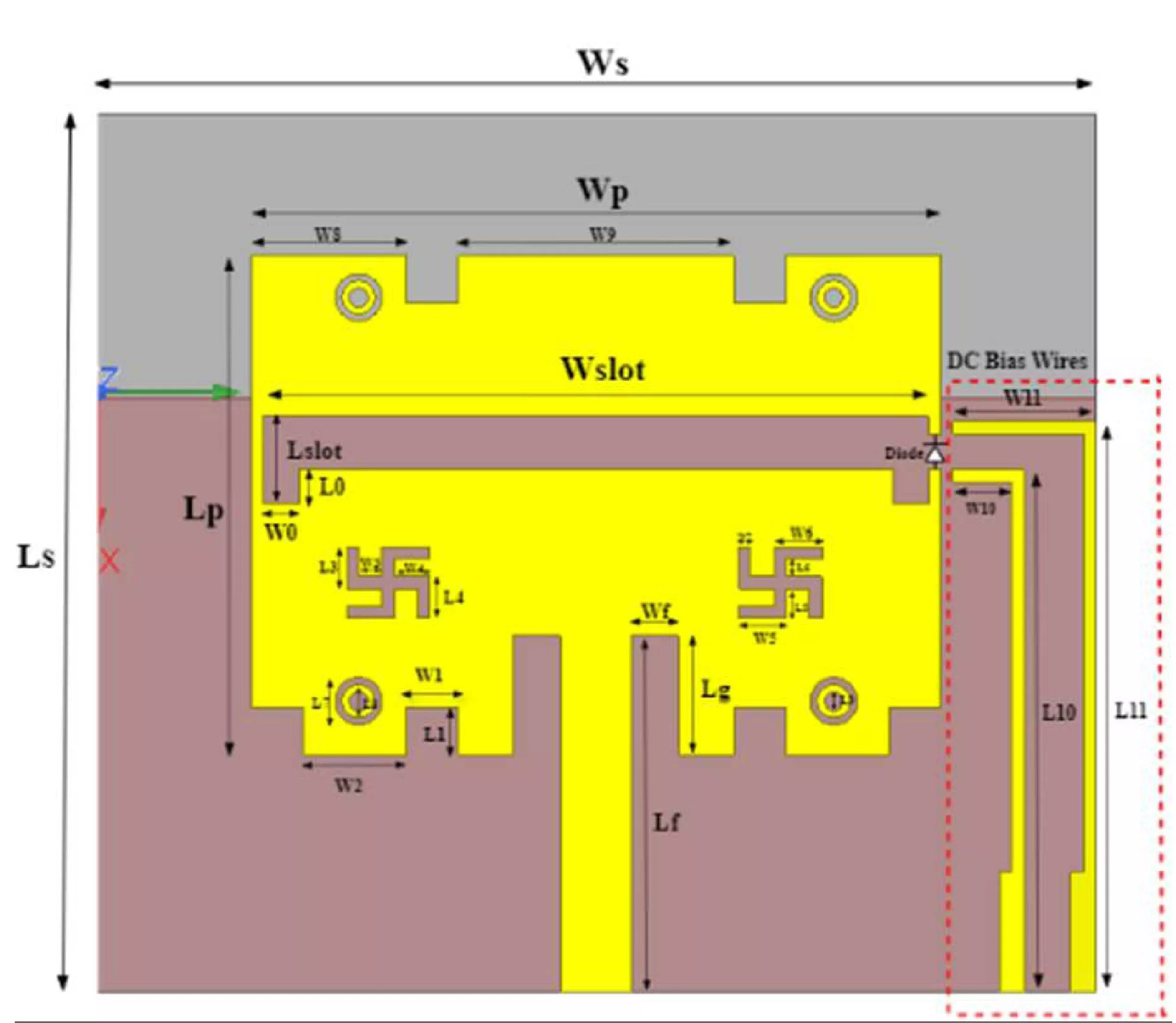
A comb-shaped antenna was designed, optimized and analyzed for an operational frequency of 2.4 GHz. The proposed design was modelled on an RT/Duroid 2880 substrate with dimensions 32 × 28 mm2 and 0.8 substrate thickness. The antenna is designed to resonate at 2.4 GHz frequency band on substrate material. The body placement analysis of the proposed antenna was performed using human hand and leg phantom models, and the Specific Absorption Ratio (SAR) was less than 1.6 W/kg (ranging from 0-0.361 W/kg on hand and 0-0.267 W/kg on leg phantoms, respectively). The 3D radiation gains for both hand and leg are 4.95 and 4.81, respectively. Additionally, the vertical and horizontal bending losses were taken at 0˚, 30˚, 45˚, 60˚, respectively and their graphs were analyzed. Owing to its efficient and effective results, this antenna can be utilized for various biomedical applications.
A Compact Comb Shaped Wearable Antenna for Biomedical Applications
2026-02-01
PIER C
Vol. 165, 221-227
Propagation of Electromagnetic Wave in 1D Perfect Periodic Parallel Waveguides and Resonators Using Transfer Matrix Method
Moulay Said Khattab , Tarik Touiss and Driss Bria
The results of the propagation of electromagnetic waves in 1D periodic photonic waveguides and resonators are presented in this study. This structure consists of periodically arranged cells, with each cell containing parallel and series segments, grafted by two resonators at two different sites. This system creates passbands separated by photonic bandgaps, in which electromagnetic waves cannot propagate. The analytical calculation is based on the transfer matrix method (TMM), which aims to calculate the dispersion relation and transmission rate. Our results indicate the importance of the resonator length in applications such as guiding and filtering electromagnetic waves. This study also demonstrates how the addition of cells and the adjustment of resonator lengths influence the frequency selectivity, which is essential for filtering in communication technologies.
Propagation of Electromagnetic Wave in 1D Perfect Periodic Parallel Waveguides and Resonators Using Transfer Matrix Method
2026-01-31
PIER C
Vol. 165, 206-220
Sensorless Composite Control of Permanent Magnet Synchronous Motor Based on Fuzzy Adaptive EDS-PLL
Zhuang Qiu , Zhonggen Wang and Wenyan Nie
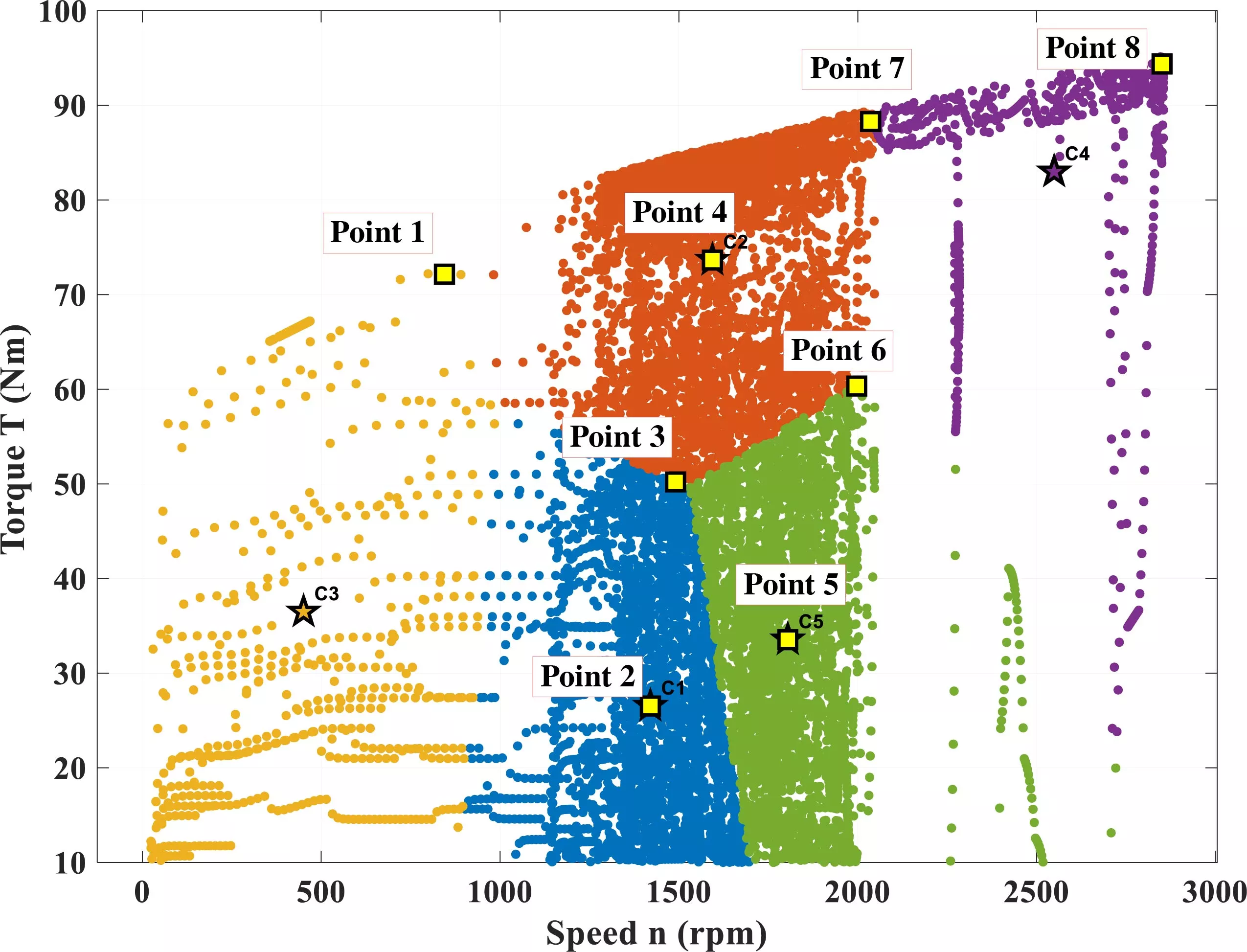
To address the inherent chattering issue in traditional sliding mode observers for the sensorless control of permanent magnet synchronous motors, an improved strategy combining a Fuzzy Adaptive Higher-order Sliding Mode Observer (HAFSMO) and a composite logarithmic sliding mode locked loop (EDS-PLL) is proposed. First, a higher-order adaptive sliding mode observer is designed, in which an exponential saturation smoothing function (ESSF) replaces the traditional sign function, and fuzzy control is employed to dynamically adjust the boundary layer parameters, enabling a smooth estimation and convergence of the back electromotive force within a finite time. Second, in the phase-locked loop stage, the exponential saturation smoothing function is integrated with the composite logarithmic sliding mode control to construct a composite logarithmic sliding mode phase-locked loop, further enhancing the accuracy of the rotor position observation. Finally, a simulation model was built on the MATLAB/Simulink platform for verification. Both the simulation and experimental results demonstrate that this method effectively suppresses system chattering and improves the accuracy of rotor position observation and overall system performance, thereby validating the effectiveness of the proposed sensorless control strategy.
Sensorless Composite Control of Permanent Magnet Synchronous Motor Based on Fuzzy Adaptive EDS-PLL
2026-01-30
PIER C
Vol. 165, 199-205
Compact Dual-Polarized Endfire Dielectric Resonator Antenna for 5G Millimeter-Wave Terminal Application
Xiao-Mei Ni and Xin-Hao Ding
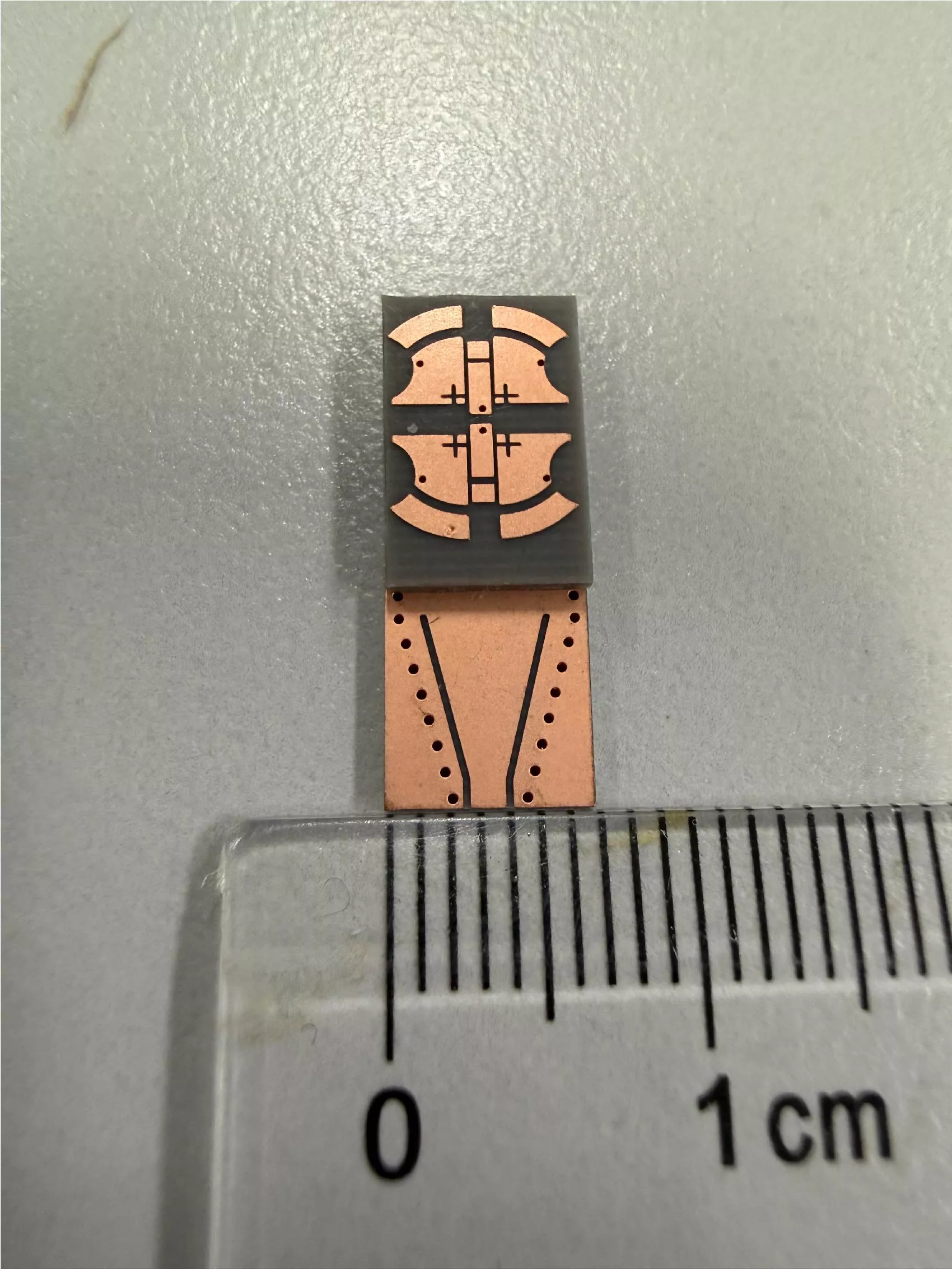
This work presents a miniaturized dual-polarized endfire dielectric resonator antenna (DRA) array tailored for millimeter-wave (mmWave) 5G terminal systems. The proposed antenna element integrates a dielectric resonator with a cavity structure, both realized using standard printed circuit board (PCB) fabrication. Two orthogonal resonant modes of the DRA are excited to generate vertical (VP) and horizontal (HP) polarizations. To achieve broadband characteristics, two orthogonal cavity modes are further introduced and coupled with the DRA modes, enabling dual-mode operation. The VP and HP elements utilize an identical physical configuration, ensuring a highly compact architecture. Based on this unit, a four-element array was designed, fabricated, and experimentally verified. Measurements confirm an operational bandwidth of 26.1-29.8 GHz for both polarization states, with peak gains of 10.0 dBi and 10.1 dBi for VP and HP, respectively. Furthermore, both polarizations demonstrate beam-steering capability, indicating that the proposed dual-polarized endfire DRA array is a promising solution for next-generation 5G mmWave terminal applications.
Compact Dual-Polarized Endfire Dielectric Resonator Antenna for 5G Millimeter-Wave Terminal Application
2026-01-30
PIER C
Vol. 165, 186-198
Denoising EMAT Signals and Determining the Thickness of the Sample with a Deep Learning Algorithm
Pan Guo , Zhuorui Zhang and Qiuyan Zhong
Electromagnetic acoustic transducers (EMATs) have shown broad application prospects in industrial non-destructive testing due to their non-contact and couplant-free operation. However, their low energy conversion efficiency leads to a poor signal-to-noise ratio (SNR), especially under low-power excitation in safety-critical fields such as the petrochemical and nuclear power industries, thereby severely affecting thickness measurement accuracy. To address this challenge, this paper proposes an Adaptive Dual-Attention Fusion Autoencoder (ADFAE) for EMAT echo signal denoising. The ADFAE adopts a dual-path parallel architecture that integrates a multi-scale convolutional autoencoder with channel attention (MCACA) to capture local temporal features and a spatial attention-guided denoising autoencoder (SAGDA) to model global dependencies. Based on the denoised signals, a CNN-BiLSTM network is further employed to directly estimate material thickness. Experimental results demonstrate that the proposed method achieves effective denoising under low SNR conditions, with an average SNR improvement exceeding 23 dB and a mean Peak SNR above 43 dB. Compared with traditional time-of-flight (TOF)-based methods, the proposed ADFAE-CNN-BiLSTM framework significantly improves thickness measurement accuracy, reducing the average relative error to below 0.25%.
Denoising EMAT Signals and Determining the Thickness of the Sample with a Deep Learning Algorithm
2026-01-30
PIER C
Vol. 165, 172-185
Design, Fabrication, and Evaluation of a Dual-Band Linearly Polarized Lamp-Shaped Wearable Antenna for ISM and Public Safety Bands
Shiv Kumar Singh , Atul Varshney , Tanuj Garg , Zahriladha Zakaria and Ahmed Jamal Abdullah Al-Gburi
This article describe a linearly polarized lamp-shaped dual-wideband monopole wearable antenna for use in Industrial, Scientific and Medical (ISM), and public safety bands. To compress the antenna, the low current corners of the rectangular patch and the two regular octagons were eliminated. The lamp-shaped antenna of size 0.438λ0 × 0.449λ0 (53.9 × 55 × 1.0 mm3) was engraved on a jeans substrate at a frequency of 2.45 GHz. The antenna is 37.15% smaller (miniaturized) than a traditional rectangular patch antenna (59.7 mm × 78.68 mm) at the same design frequency. The antenna achieves dual widebands (2.17-2.86 GHz) and (4.42-5.06 GHz) with resonance frequencies of 2.45 and 4.70 GHz. At these resonant frequencies, the proposed wearable antenna has gain values of 3.86 dBi and 6.63 dBi and radiation efficiencies of 96.34% and 92.27%. Both the E- and H-planes exhibit bidirectional radiation characteristics. Thus, the proposed wearable antenna is the best for ISM, Wi-Fi, WLAN, Bluetooth, Wi-MAX (2.3 GHz), commercial, governmental, and military applications (4.40-4.99 GHz), hilly and watery rescue operations, radio astronomy services (4.80-4.94 GHz), public safety applications (4.94-4.99 GHz), Internet of Things (IoT), military fixed and mobile communications (4.40 to 4.50 GHz), and telemetry applications such as unmanned vehicles and drones. Finally the detailed electrical equivalent circuit modelling and ON-body and OFF-body Specific absorption Rate (SAR) investigations of the antenna are presented. The SAR values are found within the acceptable limits below 1.6 W/kg for 1g of tissue.
Design, Fabrication, and Evaluation of a Dual-Band Linearly Polarized Lamp-Shaped Wearable Antenna for ISM and Public Safety Bands
2026-01-30
PIER C
Vol. 165, 161-171
A Double Crescent Slots Circular Ultra-Wideband Monopole Antenna for 5G, MBAN/WBAN and Future Internet of Things Applications
Djamel Sayad , Rami Zegadi , Nor-Elhouda Mehenni , Issa Tamer Elfergani , Sarra Khacha , Mohamed Lamine Bouknia , Almudena Rivadeneyra , Atul Varshney , Jonathan Rodriguez and Chemseddine Zebiri
This paper presents the design, optimization, and experimental validation of a compact ultra-wideband (UWB) circular monopole antenna achieving a 3.05-23.04 GHz impedance bandwidth on a low-cost FR4 substrate (εr = 4.4, 0.8 mm thick, 30 × 20 mm2). The structure incorporates dual crescent-shaped slots and a defected ground structure (DGS) to enhance bandwidth and gain. The antenna was designed and optimized using ANSYS HFSS. Parametric optimization through four design steps demonstrated the impact of feed offset, slot incorporation, and ground-plane modification on impedance matching. The measured S11 < -10 dB covered a UWB, spanning the sub-6 GHz, C, X, Ku, and K bands, with radiation efficiency of about 86% across the band. The antenna exhibited a peak gain of up to 6.6 dBi with nearly omnidirectional radiation at lower frequencies and more directive patterns at higher bands. Simulated and measured results validated the wideband performance and high radiation efficiency, and they agree within ±2 dB in gain in the band up to 18 GHz. The design enables cost-effective deployment in high-speed wireless data transmission, 5G, IoT, radar, and biomedical imaging applications.
A Double Crescent Slots Circular Ultra-Wideband Monopole Antenna for 5G, MBAN/WBAN and Future Internet of Things Applications
2026-01-29
PIER C
Vol. 165, 150-160
Development of Two Port Koch Geometry Inspired Pentagonal MIMO Antenna for n79 NR 5G Sub-6 GHz Band
Ashish Phalswal , Ved Prakash , Sweta Tripathi and Manish Verma
A two-port coplanar waveguide (CPW) multi input multi output antenna (MIMOA) based on Koch Geometry (KG) with a wide bandwidth and high isolation is proposed in this work. A high frequency structure simulator (HFSS) is used for performance analysis and parametric optimization. Initially, a CPW-fed circular patch was designed, which was further modified using KG, and a single antenna element (SAE) was designed. A two port MIMO layout was further designed using the SAE. The proposed MIMOA is designed with Cross Slot on FR4 substrate, which offers a wide bandwidth of 1110 MHz (3.91-5.02 GHz) and works at 4.16 and 4.69 GHz. It exhibits excellent diversity performance with a Channel Capacity Loss (CCL) < 0.4 bits/s/Hz, Envelope Correlation Coefficient (ECC) < 0.25, Diversity Gain (DG) > 9.7, MEG (1,2) < 1 dB, Total Active Refection Coefficient (TARC) ≈ -20 dB from port 1 to port 2, and isolation of ≈ 20 dB across the band. The proposed MIMOA offers a high radiation efficiency (η) of ≥ 80% across the entire band. The designed MIMOA was fabricated and tested to validate the simulation results. Proposed MIMOA is useful for 5G communication and covers frequency ranging from 3.91 GHz to 5 GHz.
Development of Two Port Koch Geometry Inspired Pentagonal MIMO Antenna for n79 NR 5G Sub-6 GHz Band
2026-01-28
PIER C
Vol. 165, 140-149
Novel Ovate Antenna for Wireless Communication: Characteristic Mode and Time Domain Analyses
Elisha Chand and Sellakkutti Suganthi
In this article, a novel ovate-shaped microstrip antenna (OMSA) is presented for application in wireless communication. It covers the evolution of a new shape and delves deeper into the resonance mechanism of the proposed design using characteristic mode analysis (CMA). The OMSA resonates at 2.45 GHz and 2.69 GHz with return loss of -18.82 dB and -31.84 dB, respectively. It offers a ultra-wideband performance with 91.46% measured bandwidth. The characteristic impedance and VSWR at 2.4 GHz are 49 Ω and 1.3, respectively. By introducing performance enhancement techniques such as ground truncation and a notch in the patch, the antenna resonance characteristics have been enhanced. A prototype of the proposed OMSA has been fabricated and validated experimentally. The time domain characteristics of the proposed OMSA have been simulated for both face-to-face (FtF) and side-by-side (SbS) configurations. The FtF configuration offers better performance, showcasing group delay of the OMSA < 2 ns and minimal variation along the operating band. The phase linearity is also maintained minimizing any distortions. The time domain results demonstrate a maximum fidelity factor of 90.62%, reaffirming the suitability of the antenna for wireless communication. The suitability of the proposed OMSA for wireless applications is also validated experimentally by analyzing group delay and S21 phase linearity of the received signal.
Novel Ovate Antenna for Wireless Communication: Characteristic Mode and Time Domain Analyses
2026-01-27
PIER C
Vol. 165, 131-139
Comparative Study of Jeans and FR4 Patch Antennas for Noninvasive Blood Glucose Sensing
Monika Budania , Bharati Singh and Vandana Jitendra Satam
This paper presents a comparison between jeans and FR4 based patch antenna sensors for blood glucose sensing using a non-invasive approach. The dual-feed square-patch antenna sensor with partial ground has a compact structure operating at 2.8 GHz frequency. The performance of the antenna sensor was evaluated by measuring the shifts in resonant frequency with varying blood glucose concentration in the simulation. Both antenna sensors were experimentally tested and validated by placing a human volunteer's fingertip on the patch. The jeans-based antenna sensor exhibited higher sensitivity to glucose variation than the FR4 based antenna. This study demonstrates the crucial role of substrates in sensing applications involving interactions with human tissues.
Comparative Study of Jeans and FR4 Patch Antennas for Noninvasive Blood Glucose Sensing
2026-01-27
PIER M
Vol. 137, 1-12
A Hybrid Quantum Transport Simulator for MOSFETs Using Non-Equilibrium Green's Function and FDTD
Kai Ren
Based on the time-dependent Schrӧdinger equation, a finite-difference time-domain (FDTD) method is proposed to investigate electron propagation with the presence of tunneling potential distributions in metal-oxide-semiconductor field-effect transistors (MOSFETs). The channel current equation in the drift-diffusion model for classical transport is derived from the probability current formula with a plane wave assumption of the electron's state function. In both classical and quantum regimes, channel currents are numerically simulated based on quantum transport in MOSFETs using transmission functions and Fermi-Dirac distributions. The transmission function is obtained from the non-equilibrium Green's function (NEGF), indicating the probability of electrons through a channel. To determine the number of electrons at both source and drain terminals of a MOSFET, the Fermi-Dirac distributions are calculated. Numerical simulations of channel currents with various external gate-source and drain-source voltages are investigated, showing that a similar peak channel current can be generated with lower external voltages in a smaller MOSFET with a shorter gate length. Electron forward and backward propagations are obtained through FDTD simulations to demonstrate the difference of cutoff modes in classical and quantum MOSFETs.
A Hybrid Quantum Transport Simulator for MOSFETs Using Non-equilibrium Green's Function and FDTD
2026-01-25
PIER C
Vol. 165, 108-117
High-Efficiency Broadband GaN Power Amplifier with Algorithmic Gate-Bias Optimization
Ahmed Elrefaey , Fathi A. Faragb , Azhar A. Hamdi and Amir Almslmany
Achieving simultaneous wideband operation and high output power efficiency remains a major challenge in modern GaN HEMT power amplifier (PA) design, particularly for broadband communications and radar systems. This paper presents a systematic design methodology for a broadband PA that integrates radial-stub (RS)-based bias/matching networks with an algorithmic gate-bias (VGS) optimization, alongside load-pull-derived device termination and compact layout. Starting with theWolfspeed CMPA0530002S GaN HEMT, which features intrinsic broadband stability and an integrated input match, we replace conventional narrowband bias lines with a radial-stub network that ensures broadband bias isolation and low-loss matching. A thorough load-pull study identifies the optimum load impedance for concurrent maximization of power-added efficiency (PAE), gain, and output power. Subsequently, an automated VGS sweep across the full 1.16-1.6 GHz band determines the optimal bias point for broadband and efficiency trade-off. The PA achieves a simulated result of output power of 34.28 dBm , flat gain of approximately 13.28 dB, and a peak PAE of 58.69% in a fractional bandwidth of 37% (1.16-1.6 GHz). A key novelty of this work lies in the proposed algorithmic VGS sweep technique, which enables optimization of broadband efficiency throughout the entire 1.16-1.6 GHz operating band and can be easily extended to other frequency ranges. Unlike conventional bias optimization methods that are limited to a single frequency, the proposed algorithm systematically identifies the optimal gate bias across multiple frequencies to maintain high efficiency and consistent output power over a wide bandwidth. The simulated results confirm that this algorithmic bias optimization approach achieves superior broadband efficiency and stable output performance, providing a scalable and adaptable design methodology for next-generation wireless communication and electronic warfare systems.
High-Efficiency Broadband GaN Power Amplifier with Algorithmic Gate-Bias Optimization
2026-01-25
PIER C
Vol. 165, 97-107
Compact Four-Port Conformal MIMO Antenna with Asymmetric Ground for Wideband X-Band Applications
Velraju Prithivirajan , Kannan Vishnulakshmi , Palaniselvan Sundaravadivel , Muthu Manickam Anbarasu , Dhanushkodi Siva Sundhara Raja and Rajeshkumar Dhandapani
This paper presents a compact four-port conformal multiple-input multiple-output (MIMO) antenna designed on a 0.1-mm-thick transparent flexible polyimide substrate for wideband X-band wireless applications. Each antenna element is composed of an annular ring radiator and an asymmetric coplanar ground to achieve low mutual coupling and high diversity performance. The proposed MIMO antenna covers an impedance bandwidth of 7.9-14 GHz, with isolation greater than 20 dB and a maximum reflection coefficient of 32.5 dB at 10.5 GHz. The experimental results are in good agreement with the simulated results in terms of reflection, transmission, and radiation characteristics. The measured gain ranges from 4.5 to 6 dBi, with stable radiation patterns across the operating band. The MIMO performance metrics, including the envelope correlation coefficient (ECC = 0.002), diversity gain (≈10 dB), channel capacity loss (<0.3 bits/s/Hz), and total active reflection coefficient (TARC), confirm the suitability of the design for robust high-data-rate communication. Furthermore, the antenna maintains stable operation under various bending configurations, ensuring its potential for X-band conformal and wearable applications.
Compact Four-Port Conformal MIMO Antenna with Asymmetric Ground for Wideband X-Band Applications
2026-01-25
PIER Letters
Vol. 129, 15-20
Methods for Evaluating PN Sequences in Spread Spectrum TDR
Phat Nguyen , Mouad Addad , Samuel Makin , Joel B. Harley , Cynthia Furse and Paul K. Kuhn
This paper describes a Pseudo-Noise (PN) sequence evaluation tool that analyzes potentially corrupted PN sequences and assigns a metric score indicating the quality of the received sequence. The PN tester is designed to support Spread Spectrum Time Domain Reflectometry (SSTDR) by evaluating reflected PN sequences and determining whether the received signal is valid or too corrupted for use. Signal degradation is influenced by noise levels and channel filters encountered by the sequence. To simulate real-world conditions, various types of noise and filtering effects - representing capacitive or inductive coupling - were applied to a maximum-length PN sequence. The evaluation model demonstrated a consistent decline in correlation as signal distortion increased, confirming its effectiveness in assessing signal quality.
Methods for Evaluating PN Sequences in Spread Spectrum TDR
2026-01-25
PIER Letters
Vol. 129, 9-14
Characterization of Complex Permittivity Using Microwave Diffraction of Spheres
Elio Samara , Jean-Michel Geffrin and Amelie Litman
The determination of the complex permittivity of materials is a fundamental aspect of experimental electromagnetics. This study introduces a method that estimates the complex permittivity by comparing the measured bistatic field diffracted by spherical samples in an anechoic chamber with fields computed using Mie theory. The approach is applied to a molded PMMA sphere and two 3D-printed materials (Clear Resin V4.1 and Rigid 10K) over the 2-18 GHz band. The retrieved permittivity values show excellent agreement with reference data for PMMA and enable reliable characterization of low-loss 3D-printed materials, with uncertainties quantified from both experimental and numerical contributions. These results confirm the effectiveness of microwave-diffraction-based characterization and highlight promising perspectives for future investigations on an even larger frequency band.
Characterization of Complex Permittivity Using Microwave Diffraction of Spheres
2026-01-24
PIER C
Vol. 165, 89-96
CSRR-Loaded Reconfigurable SIW Bandpass Filter Using PIN Diodes for S-Band and 5G n79/C-Band Applications
Amjad A. Al-Rahmah and Bashar J. Hamza
Modern wireless systems require filters that can tune multiple bands independently, but conventional designs cannot achieve this and suffer from limited flexibility and higher loss. The proposed filter solves this problem by providing compact, low-loss, and independently reconfigurable dual-band operation for multi-standard applications. Therefore, in this paper, a reconfigurable substrate-integrated waveguide bandpass filter is proposed. The filter is suitable for a broad range of wireless applications. The first band has a centre frequency of 2.7 GHz and attains a tuning percentage of 13.4%. The second band achieves 26.35% at a centre frequency of 4.7 GHz. The lower band targets S-band applications, whereas the upper band is appropriate for 5G band n79 applications and can be reconfigured to cover the C-band. The proposed design has complementary split-ring resonator slots on the top layer with four p-i-n diodes. It has compact dimensions of 0.21λg × 0.48λg, a minimal insertion loss of less than 1 dB, and a substantial return loss of 14 dB. Advanced design methods, including eigenmode analysis, are used to attain precise selectivity and computation of the coupling matrix. The filter demonstrates superior performance and guarantees low interference, with suppression up to 9 GHz. A prototype filter was fabricated and measured, with the results closely agreeing with the simulations.
CSRR-Loaded Reconfigurable SIW Bandpass Filter Using PIN Diodes for S-Band and 5G n79/C-Band Applications
2026-01-23
PIER C
Vol. 165, 79-88
An Improved Equivalent-Input-Disturbance Method Based on Enhanced Estimators for Wideband Disturbance Suppression in PMSM
Jiacheng Tong , Kaihui Zhao , Yunzhen Chen , Jinnan Cao , Youzhuo Duan and Jie Xiong
This paper presents an improved equivalent-input-disturbance (IEID) method based on enhanced estimators. This method addresses the degradation performance in a permanent magnet synchronous motor (PMSM) drive system caused by multi-source disturbances in different frequency bands. First, a PMSM model is established that considers these disturbances and categorizes them as control inputs for both current and speed-loops. Next, the estimated compensation structures of the dual-loop equivalent-input-disturbance (EID) are designed. To address the differing sensitivities of the dual-loop anti-disturbance frequency bands, enhanced estimators are designed to expand their respective bandwidths. This reduces the sensitivity of the system to uncertainty, and parameter-adjusting conditions are derived to ensure stability. Finally, the simulation results demonstrate that, when PMSM operates under the nominal condition, the IEID method suppresses steady-state speed fluctuation by approximately 63% compared to the method without EID compensation, by approximately 35% compared to the conventional EID method, and by approximately 25% compared to improved sliding mode observer-based EID (ISMO-EID) method; when PMSM parameters are perturbed, the suppression rates can further reach to 65%, 44%, and 32%, respectively. The findings indicate that the proposed method exhibits superior steady-state tracking accuracy and disturbance suppression performance, while also exhibiting enhanced robustness in transient scenarios.
An Improved Equivalent-Input-Disturbance Method Based on Enhanced Estimators for Wideband Disturbance Suppression in PMSM
2026-01-21
PIER C
Vol. 165, 68-78
High-Resolution Brain Source Localization for BCI Applications Using a Deep Learning-Based Direct Inversion Approach on EEG Data
Babak Ojaroudi Parchin , Mehdi Nooshyar and Mohammad Ojaroudi
This paper presents a novel high-resolution brain source reconstruction method for Brain-Computer Interface (BCI) applications using a deep learning-based direct inversion approach. The proposed framework integrates electroencephalography (EEG) data simulated via the FieldTrip toolbox and leverages a modified U-Net architecture trained to directly estimate the active and inactive cortical source regions. Unlike traditional inverse methods such as Minimum Norm Estimation (MNE), LORETA, and Lasso the proposed method bypasses the computational complexity of analytical solutions and offers faster inference times once trained. Experimental results using a database of 50,000 synthetic models demonstrate a reconstruction accuracy of up to 61.66% under optimized conditions, with a validation loss of 0.6372 and an F1 score of 61.12%. The method shows improved detection of active brain regions in central cortical areas and delivers robust spatial reconstructions compared to conventional numerical techniques. Although performance on certain edge cases remains limited, the proposed framework offers a promising direction for scalable, real-time source localization in diagnostic and neurorehabilitation applications.
High-resolution Brain Source Localization for BCI Applications Using a Deep Learning-based Direct Inversion Approach on EEG Data
2026-01-21
PIER C
Vol. 165, 61-67
GPR-SAR Imaging of Underground Pipelines Using Adaptive Threshold-Enhanced CBP Algorithm
Qiang Guo , Peng-Ju Yang , Rui Wu and Yuqiang Zhang
An adaptive threshold enhanced-Cross-correlation Back Projection (CBP) imaging algorithm is presented for artifacts suppression and accuracy improvement of Synthetic Aperture Radar (SAR) imaging in Ground Penetrating Radar (GPR) applications. B-Scan profiles of underground pipelines are obtained by using the open-source GprMax simulator, and they are then preprocessed with the method of background subtraction to remove direct waves. Adaptive threshold scheme using Hilbert transform is adopted to obtain the envelopes of B-Scan profiles after removing direct waves. GPR-SAR imaging of underground pipelines is simulated and discussed in detail for different pipe parameters and soil environment. The simulated results demonstrate that the adaptive threshold enhanced-CBP algorithm achieves focused pipeline images with sub-wavelength localization accuracy, enabling geometric contour reconstruction for non-metallic pipelines with strong robustness in Peplinski's soil and multiple target scenarios.
GPR-SAR Imaging of Underground Pipelines Using Adaptive Threshold-Enhanced CBP Algorithm
2026-01-21
PIER B
Vol. 117, 29-42
Adapting Operational Volume Scanning to Low-Power FMCW: System Development and Physically-Informed ML Calibration
Asif Awaludin , Dwiyanto , Rahmat Triyono , Yunus Subagyo Swarinoto , Erwin Makmur , Beno Kunto Pradekso , Oktanto Dedi Winarko , Muhammad Farras Archi Maggaukang , Liarto , Donaldi Sukma Permana , Roni Kurniawan , Rezky Yunita , Mohamad Husein Nurrahmat , Thahir Daniel Foreigner Hutapea , Agung Majid , Muhamad Rifki Taufik , Warjono , Ferdinandus Edwin Penalun , Bobby Harnawan , Dodi Dian Patriadi , Muhammad Rendi Anggara , Hastuadi Harsa , Alfan Sukmana Praja , Fatkhuroyan , Wido Hanggoro , Muhammad Najib Habibie , Welly Fitria , Rahayu Sapta Sri Sudewi , Asteria Satyaning Handayani , Sri Noviati and Vestiana Aza
This study presents the development and evaluation of a transportable X-band frequency-modulated continuous-wave (FMCW) weather radar (WR) that successfully adapts operational volumetric scanning strategies typically reserved for high-power to low-power pulsed systems. The radar integrates a complete radio-frequency chain, a carbon graphite antenna, and a dedicated real-time processing unit designed for operational volumetric scanning. It performs rapid 4-minute volume scans across seven elevation angles (0.00˚-15.88˚) with non-uniform spacing optimized for low-level atmospheric sampling, while a 2 RPM rotation provides full azimuthal coverage every 30 s. The resulting Column Maximum (CMAX) product synthesizes reflectivity from all elevation angles to depict three-dimensional precipitation structure, demonstrating a spatial observational capability distinct from traditional profiling FMCW radars. A three-stage hierarchical physically-informed architecture calibration framework was implemented to ensure quantitative accuracy in the FMCW WRs measurements, using collocated C-band Doppler Weather Radar (CDWR) observations as reference data. Validation through internal five-fold Group K-Fold cross-validation, Leave-One-Pair-Out (LOPO) testing, and external evaluation using independent radar pairs demonstrated the frameworks robustness. The case study of localized urban convection observed by the FMCW WR shows that the developed low-cost radar offers much finer range resolution and can reveal detailed structures within convective cells.
Adapting Operational Volume Scanning to Low-Power FMCW: System Development and Physically-Informed ML Calibration