Search Results(13786)

2024-10-08
PIER Letters
Vol. 123, 15-20
Quantitative Microwave Imaging of High-Contrast Targets with the Incidence of Orbital Angular Momentum Wave
Shasha Hou , Kuiwen Xu , Xiaotong Li , Feixiang Luo , Xiling Luo , Sheng Sun , Wen-Jun Li and Lingling Sun
The inherent nonlinearity and ill-posedness of inverse scattering problems (ISPs) make high-quality target reconstruction challenging. To mitigate some of the difficulties and achieve more accurate and stable reconstructions, a super-resolution imaging method by use of the orbital angular momentum (OAM) wave for solving high-contrast targets is proposed. By the interaction of OAM wave and the material of target, the multiple scattering could be enhanced, and more incoherent wave could be activated. Under the frame of the contraction integral equation for inversion (CIE-I) method, the OAM-inspired CIE-I inversion method (OAM-CIE-I) is introduced to achieve super-resolution imaging of high-contrast targets. OAM electromagnetic waves, generated from a two-dimensional uniform circular array (UCA), are used as the incident field into the imaging model. Orbital angular momentum diffraction tomography (OAM-DT) is used to obtain the initial value of the contrast function containing the super-resolution information, which serves as the initial contrast value for the CIE-I model. Despite the initial contrast value differing significantly from the actual target, it contains incoherent wave information, enabling super-resolution imaging through three optimization iterations. In virtue of the inversion solver of the CIE-I, the inversion ability of the OAM-CIE-I is significantly enhanced. In the comparisons from numerical simulation results with CSI, OAM-CSI, CIE, and OAM-CIE methods, the superiority of OAM-CIE-I is demonstrated.
Quantitative Microwave Imaging of High-contrast Targets with the Incidence of Orbital Angular Momentum Wave
2024-10-07
PIER C
Vol. 148, 145-156
Wearable Wideband Textile Coplanar Vivaldi Antenna for Medical and IoT Application
Nurhayati Nurhayati , Agam Nizar Dwi Nur Fahmi , Pradini Puspitaningayu , Oce Wiriawan , Brian Raafi'u , Fitri Adi Iskandarianto , Ahmed Jamal Abdullah Al-Gburi , Atul Kumar Varshney and Safpbri Johari
Wearable technologies will be extremely useful in the future life. This research proposes a textile wideband coplanar Vivaldi antenna constructed from felt substrate and two distinct types of patches, shieldit and copper tape integrated with a wearable device. This study also altered the slope of the tapered slot on the antenna's front and side to see how it affected the bandwidth and directivity antenna performance. An IoT wearable device that was connected to a microcontroller via a DS18B20 body temperature sensor and a MAX30100 sensor for heart rate and oxygen level monitoring was paired with the textile antenna. Based on the simulation findings, it was discovered that a 1 mm thick felt substrate material combined with a copper tape patch produces a workable frequency range of 2.6 GHz to 8.7 GHz, a minimum S11 of -44.93 dB at 3 GHz, and a fractional bandwidth up to 107%. According to the simulation results, the antenna's side and front tapered slots have an impact on directivity and return loss. Directivity at 3 GHz can be raised by 2.63 dBi, from 1.94 dBi to 4.57 dBi, by varying the Vivaldi antenna form on both sides of the patch. The data from the sensor was successfully conveyed by combining an IoT wearable device with a textile antenna. Thus, we deduce that the textile coplanar Vivaldi antenna is appropriate for Internet of Things applications.
Wearable Wideband Textile Coplanar Vivaldi Antenna for Medical and IoT Application
2024-10-07
PIER C
Vol. 148, 137-143
A W-Band Waveguide-to-Suspended Stripline in-Line Transition with Single-Side Fin-Line
Baochen Du , Yang Chen and Hongfu Meng
A novel full W-band in-line waveguide-to-suspended stripline transition based on reversed single-sided fin-line structure is proposed. To achieve wideband mode conversion and impedance matching, a combination of an asymmetric antipodal fin-line and a reversed single-sided fin-line structure is employed. The electromagnetic (EM) wave undergoes a mode transition from TE10 mode to quasi-parallel plate waveguide(Q-PPW) mode through the asymmetric antipodal fin-line. Subsequently, the mode transforms into suspended stripline mode due to the reversed single-side fin-line structure. The proposed in-line transition achieves a wide bandwidth through a simplified structural design. To assess the performance of the proposed design, a back-to-back in-line transition operating at the W-band is fabricated and measured. The measured results of the back-to-back structure demonstrate that the reflection coefficient is better than -13 dB, and the insertion loss is less than 0.54 dB across the entire W-band (75-110 GHz). The advantages of the proposed transition, such as wide bandwidth and simple structure, render it highly promising for advanced millimeter-wave circuits and systems.
A W-band Waveguide-to-suspended Stripline In-line Transition with Single-side Fin-line
2024-10-05
PIER M
Vol. 129, 65-73
Human Identification Using Near-Field BI-Static Radar at Low Frequencies
Nicole Tan Xin Hui , Ng Oon-Ee , Gobi Vetharatnam , Teoh Chin Soon and Grant Ellis
Near-field scattering of human targets in the view of a bi-static, radar-like sensor operating in the lower radiofrequencies is used as an alternative to traditional biometric identification systems. These radiofrequency-based human sensor systems have emerged as a promising solution to address privacy concerns, particularly those associated with audio and visual data that extract sensitive personally identifiable information. In this paper, we propose a novel method for privacy-preserving human identification using bi-static radar-like sensors. Unlike conventional radar systems that rely on echoes and reflections in the far field, our approach is based on the transmission of signals through and around users as they pass through a transmitter and receiver. Instead of the more commonly used linear or segmented swept frequencies, this work utilizes discrete swept frequencies to transmit and receive radiofrequency signals. We have examined the performance of seven machine learning models in terms of accuracy and processing time and found that the Extra Trees ensemble model produced the best results, with an accuracy rate of 94.25\% for a sample size of 31 individuals using an Intel(R) Core(TM) i5-10300H CPU @ 2.50 GHz processor.
Human Identification Using Near-field Bi-static Radar at Low Frequencies
2024-10-03
PIER C
Vol. 148, 127-135
Compact 2 × 1 Polarization Reconfigurable Dielectric Resonator Antenna Array Using Adaptable Feeding Network
Yazeed Mohammad A. Qasaymeh
In this paper, a compact 2 × 1 dielectric resonator antenna (DRA) array with circular polarization (CP) agility array is presented. The array is formed of two novel resonating elements, and each is composed of a pentagonal slot (PS) coupling a rectangular dielectric resonator (RDR). The proposed resonating element emits two degenerate orthogonal modes TEδ11x and TEδ21y, confirming the CP radiation performance. The proposed resonator is utilized to portray a 2 × 1 sequentially rotated (SR) array with the ability to alter the CP polarization orientation. The signal at the feeding network input splits into two paths with equal magnitudes and phase progression phase by means of Wilkinson power divider (WPD). To obtain the 90˚ phase shifting between the WPD output signals, a single branch-line coupler (BLC) is utilized. Considering the fact that the shifting orientation of the BLC output depends on which of the two BLCs is used as in input, the signal phase at the BLC can be controlled to yield a right hand circular polarization (RHCP) or left hand circular polarization (LHCP). To control the switching between the BLC output ports phase state, two PIN diodes are used at the BLC input ports. The 50 × 50 mm2 archetype achieves a bandwidth of 5.17% with a maximum realized gain of 7 dBic and a polarization purity of 4.4%. The findings of the proposed array make it a decent candidate for application using a 5.8 GHz band.
Compact 2 × 1 Polarization Reconfigurable Dielectric Resonator Antenna Array Using Adaptable Feeding Network
2024-10-03
PIER C
Vol. 148, 117-125
A Cross-Layer Resource Allocation Algorithm for Broadband Power Line Communication OFDM Systems
Mengxu Fang , Mingxin Liu , Leitao Wang and Xiaoxia Zheng
Adaptive orthogonal frequency division multiplexing (OFDM) technology is used in OFDM systems for broadband power line communications to effectively increase the communication rate. Existing research is mostly based on the single-layer network state for the resource allocation, and the required rate is often a static preset value. When there are significant differences in the signal-to-noise ratios of the sub-carriers, the system cannot adaptively adjust the required resources according to the quality-of-service (QoS) demand and the actual network, resulting in the waste of communication resources or the inability to meet some user communication needs. In this paper, a cross-layer resource allocation model is established for the system's cross-layer resource allocation problem through the data mapping among the application layer, data link layer, and physical layer. In the MAC layer, according to the quality of service (QoS) requirements of electric power multi-service, the data packet waiting delay and the packet loss are mapped to transmission rate proportionality constraints of real-time/non-real-time users through the utility function. A physical layer resource allocation model based on proportional constraints is constructed, and then an improved genetic algorithm is used for the resource allocation. Finally, through the simulation experiments in a typical power line channel environment, it is found that the proposed algorithm improves the total throughput by 4%~6% over the existing two power line carrier resource allocation algorithms under the multi-service cross-layer resource allocation, and its proportional fairness is better. The proposed algorithm is able to maximize the system capacity while ensuring the QoS requirements, effectively improving communication quality.
A Cross-layer Resource Allocation Algorithm for Broadband Power Line Communication OFDM Systems
2024-10-03
PIER C
Vol. 148, 109-115
Two-Dimensional Array Coverage Pattern Recalculating Under Faulty Elements
Ahmed Jameel Abdulqader
Faulty elements (FEs) in a two-dimensional array (TDA) directly impact the performance and configuration of the coverage pattern due to the long operation of the antenna system. Therefore, the process of dealing with these failed elements, knowing their locations, and reducing their negative impact in practice is the main goal of designing a large TDA. In this article, three types of FE locations (faulty random elements, faulty clustered elements, and faulty subarray elements) are studied. Based on the genetic algorithm (GA), the damaged coverage pattern due to the presence of these failed elements is recalculated. The method relies on re-optimizing the amplitude-only weights of non-FE optimally while neglecting the the defective elements. Therefore, the entire TDA elements do not need to be redesigned again but rather rely on the working elements only. This gives great simplification for recalculating the coverage pattern. To further control the coverage pattern in terms of the main beam width in terms of the directivity (D), the first null to null beam width (FNBW) and the sidelobe level (SLL), a fitness function is added to the optimization process under specific constraints. Simulation results for different scenarios are presented to demonstrate the validity and effectiveness of the proposed approach for dealing with FE.
Two-dimensional Array Coverage Pattern Recalculating under Faulty Elements
2024-10-03
PIER Letters
Vol. 123, 7-13
The Development of Multibeam Quarter-Cut Radial Line Slot Array (RLSA) Antennas
Teddy Purnamirza , Junisbekov Mukhtar Shardarbekovich , Muhammad Renaldy Yusma , Imran Mohd Ibrahim , Kabanbayev Aibek Batyrbekovich and Depriwana Rahmi
This research aimed to introduce multibeam quarter-cut Radial Line Slot Array (RLSA) antennas for the first time. These antennas are distinct from the multibeam full-circle RLSA due to the use of quarter RLSA, making it suitable for small devices. To achieve beams directed to the backside, an unconventional approach was taken by placing slots on the antenna's background. A technique comprising the deletion of specific slot pairs in the radiating element was introduced to balance the gain and beam shape. Furthermore, thirty-six multibeam quarter RLSA models were designed and simulated. The best model was then fabricated and measured to validate the simulation results. Consequently, the results showed the possibility of designing multibeam antennas with symmetrical beams in terms of gain, direction, and beamwidth, which were 6.23 dBi, 37˚, 145˚, and 34˚, respectively. The gain of 6.23 dBi was 3 dB less than the single-beam antennas, consistent with the theory of beam splitting. Additionally, antennas exhibited low reflection and a broad bandwidth suitable for Wi-Fi needs. Finally, the agreement between measurement and simulation validated the design of antennas.
The Development of Multibeam Quarter-cut Radial Line Slot Array (RLSA) Antennas
2024-09-30
PIER M
Vol. 129, 53-64
Study of an Electric Vehicle WPT System with Ring-Series Passive Magnetic Shielding Based on Dual Transmitting Coils
Xueyi Zhang , Zhibang Luo , Sai Zhang , Bin Li , Ziyue Gan and Zhongqi Li
In the design of wireless power transfer (WPT) systems for electric vehicles, minimizing magnetic leakage while maintaining high transmission efficiency is a challenging problem. To this end, a novel structure featuring dual transmitting coils and a ring-series magnetic shielding coil (RMSDT) is proposed to reduce magnetic leakage during system charging, thereby enhancing system safety performance. Additionally, the Particle Swarm Optimization (PSO) algorithm is employed to optimize system parameters, aiming to achieve high transmission efficiency while maintaining low magnetic leakage. To validate the effectiveness of the proposed design, a shielded WPT system for electric vehicles has been developed. Its performance is verified through a combination of experiments and simulations. The results demonstrate that the PSO algorithm significantly enhances transmission efficiency compared to traditional optimization methods. At an output power of 3.7 kW, the peak transmission efficiency exceeds 95%, representing an improvement of 4.63% compared to the conventional for-loop algorithm. Furthermore, the leakage magnetic field of the RMSDT structure in the target region is only 16.08 μT, which is effectively reduced by 41.8% compared to the conventional WPT structure and sacrifices only 0.21% transmission efficiency. In summary, this paper can provide some references to the safety and efficiency of electric vehicle WPT.
Study of an Electric Vehicle WPT System with Ring-series Passive Magnetic Shielding Based on Dual Transmitting Coils
2024-09-30
PIER Letters
Vol. 123, 1-6
Near-Field Shaping with Arbitrary Patterns and Poarization by Conformal Tensor Impedance Modulated Holographic Metasurfaces
Hui-Fen Huang and Zi-Yi Xiang
Arbitrarily shaped near field with arbitrary polarization is practical application requirements. Our previous work proposed combining the phase conjugation (PC) and planar tensor impedance modulated holographic metasurface (TIMHMS) for arbitrarily shaped near field with arbitrary polarization. This paper proposes to generate arbitrarily shaped near field with arbitrary polarization by cylindrical conformal TIMHMS based on PC and Blackman window function. For the first time to the knowledge of the authors, arbitrarily shaped near field with arbitrary polarization is generated by conformal TIMHMSs. As example, two cylindrical conformal TIMHMSs are constructed at 30GHz for rectangle-shaped near field: (LHCP, z = 100 mm) and (LP, z = 200 mm), where LHCP and LP are left hand circular and linear polarizations, respectively. Blackman window function is used to optimize the cylindrical conformal TIMHMS design for optimized field pattern efficiency and low sidelobe. The calculated, simulated, and measured results agree well, and validate the proposed design method for conformal TIMHMS. The designed conformal TIMHMSs have the advantages of high pattern efficiency 42.1%, flexibly shaped field patterns and polarizations, and low sidelobe (-15 dB). The design method does not need complicated calculations and can be used in the upcoming sixth-generation wireless networks with required shaped nearfield for Radio Frequency Identification, holographic imaging, biomedical applications, etc.
Near-field Shaping with Arbitrary Patterns and Poarization by Conformal Tensor Impedance Modulated Holographic Metasurfaces
2024-09-29
PIER Letters
Vol. 122, 101-105
On-Demand Single-Photon Extraction for Underwater Quantum Communication
Min Chen , Lian Shen , Yifei Hua , Zijian Qin and Huaping Wang
Single-photon sources with high repetition rates have been a focal point of modern research for decades. However, their application in underwater environments is significantly limited due to the absorption properties of water, which hinder the propagation of most optical wavelengths. This study addresses the challenge by reporting on-demand single-photon extraction suitable for underwater quantum communication. The use of plasmonic nanoantennas can significantly enhance the spontaneous emission of single-photon sources. Nonetheless, a primary challenge is the nanoscale guiding of emitted photons in underwater environments. To overcome this, a more sophisticated design is required to enhance photon emission and achieve momentum matching with water. Here, we present a topology-optimized design of underwater plasmonic nanoantennas to mitigate these limitations. The nanoantenna consists of an optimized gold pattern and a silicon nitride substrate. Consequently, the normalized extraction decay rate (γe⁄γ0) can reach 4.02 at a wavelength of 517 nm, which is within the blue-green spectral range, when using an objective lens with a numerical aperture of 0.6 (cross-section angle of 26.7°). The proposed design approach for plasmonic nanoantennas is versatile and holds promising potential for various applications, particularly in advancing single-photon technologies for quantum communication.
On-demand Single-photon Extraction for Underwater Quantum Communication
2024-09-26
PIER M
Vol. 129, 43-52
YOLOv8-DEC: Enhancing Brain Tumor Object Detection Accuracy in Magnetic Resonance Imaging
Zekun Lin , Weiming Lin and Fuchun Jiang
Brain tumors are characterized by the fast growth of aberrant brain cells, which poses a considerable risk to an adult's health since it can result in severe organ malfunction or even death. Magnetic resonance imaging (MRI) provides vital information for comprehending the nature of brain tumors, directing treatment approaches, and enhancing diagnostic precision. It displays the diversity and heterogeneity of brain tumors in terms of size, texture, and location. However, manually identifying brain tumors is a difficult and time-consuming process that could result in errors. It is proposed that an enhanced You Only Look Once version 8 (YOLOv8) model aids in mitigating the drawbacks associated with manual tumor detection, with the objective of enhancing the accuracy of brain tumor detection. The model employs the C2f_DySnakeConv module to improve the perception and discrimination of tumors. Additionally, it integrates Content-Aware ReAssembly of FEatures (CARAFE) to efficiently expand the network's receptive area to integrate more global contextual information, and Efficient Multi-Scale Attention (EMA) to improve the network's sensitivity and resolution for lesion features. According to the experimental results, the improved model performs better for brain tumor detection than both the open-source model and the original YOLOv8 model. It also achieves higher detection accuracy on the brain tumor image dataset than the original YOLOv8 model in terms of precision, recall, mAP@0.5, and mAP@0.5~0.95 above, respectively, of 2.71%, 2.34%, 2.24%, and 3.73%.
YOLOv8-DEC: Enhancing Brain Tumor Object Detection Accuracy in Magnetic Resonance Imaging
2024-09-25
PIER C
Vol. 148, 97-107
Impact of Rainfall on 5G Millimeter Wave Channels
Lee Loo Chuan , Mardeni Roslee , Chilakala Sudhamani , Sufian Mousa Ibrahim Mitani , Athar Waseem , Anwar Faizd Osman , Fatimah Zaharah Ali and Yasir Ullah
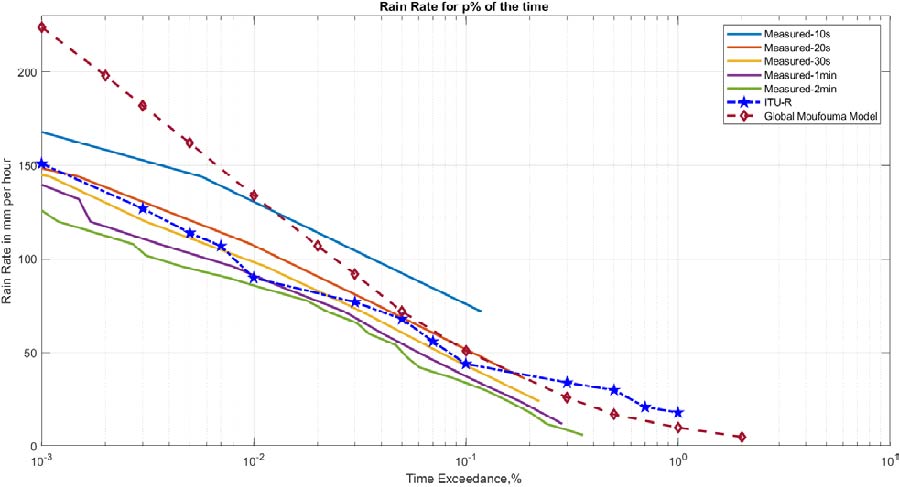
Wireless connections in 5G technology are driving the rapid growth of intelligent transport systems and vehicle communications. Wireless channels are impacted by weather, which is most noticeable in millimeter wave bands. This includes rain, fog, snow, sand, and dust. 5G networks now support diverse applications with speed and quality. In an effort to enable the use of millimeter wave frequencies, a recent study examined the impact of dust and sand on 5G channels. This paper examines the impact of heavy and frequent rainfall, along with horizontal polarization, on the propagation of millimeter waves in urban and highway settings. Using theoretical and optimization techniques, the effects of rainfall attenuation, path loss, and connection margin are evaluated at various millimeter wave frequencies. Dependencies on rainfall rate, path variation, and operating frequency are shown by the simulation results. In urban and highway situations, mean path loss and error statistics are examined with and without rainy attenuation. It is observed that the particle swarm optimization approach achieves 94% accuracy in signal propagation, which will enhance the path loss, received power and overall system performance.
Impact of Rainfall on 5G Millimeter Wave Channels
2024-09-24
PIER C
Vol. 148, 83-95
Isolation and Bandwidth Enhancement of Compact Wideband MIMO for Sub-6 GHz, Ku-Band and Millimeter-Wave with UWB Applications
Kudumu Vara Prasad , Narala Venkateswari , Miryala Sandhyarani , Padarti Vijaya Kumar and Kesana Mohana Lakshmi
A compact UWB-MIMO antenna designed for sub-6 GHz, Ku-band, and millimeter-wave applications with UWB capabilities is proposed. The antenna design consists of two inverted L-shaped MIMO elements with slot etching, deliberately positioned on an FR-4 material substrate, measuring 36 × 18 × 1.6 mm3. Utilizing inverted L-shaped elements and prudently arranged slots on the substrate, the design achieves wideband characteristics. For enhanced isolation, interconnected rectangular slots with a fork shape are etched in the bottom layer, ensuring isolation of less than -25 dB between ports. The proposed design exhibits an impedance bandwidth of approximately 54% within the frequency range of 3 GHz to 40 GHz, making it suitable for sub-6 GHz 5G bands, Ku-band, and millimeter-wave applications. The advantages of compactness and low profile of the proposed design are best suitable for 5G, Ku-band, and millimeter applications with UWB capabilities. The proposed design is successfully fabricated and tested.
Isolation and Bandwidth Enhancement of Compact Wideband MIMO for Sub-6 GHz, Ku-band and Millimeter-wave with UWB Applications
2024-09-24
PIER M
Vol. 129, 33-41
A Compact Four Port MIMO Antenna for n261 Millimeter Wave Band Applications
Reena Aggarwal , Ajay Roy and Rajeev Kumar
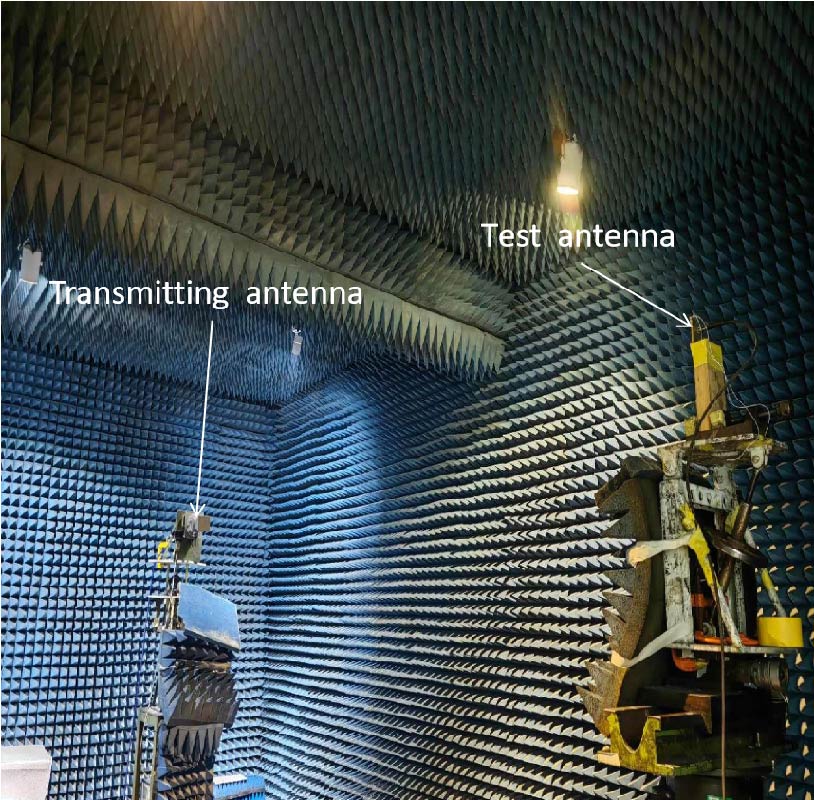
This article introduces a compact design for a four-element MIMO antenna for millimeter-wave (mmWave) communications for specifically n261 band having range from 27.5 GHz to 28.35 GHz with a bandwidth of 850 MHz. The single antenna structure uses a rectangular patch having four diamond-shaped slots in the feed-plane. On the ground plane, a dumbbell-shaped slot is positioned below the rectangular patch. A Rogers RT/Duroid 5880 substrate with ultra-thin thickness is used in this design. The optimized design for four-port MIMO antenna has small size with dimensions of 20 mm × 19 mm × 0.254 mm. The MIMO parameters such ECC is less than 0.011, and DG is greater than 9.90 dB in the mentioned band, which are within tolerance limits. The isolation between neighbouring MIMO elements is also less than -19.5 dB.
A Compact Four Port MIMO Antenna for n261 Millimeter Wave Band Applications
2024-09-24
PIER B
Vol. 108, 75-88
Dual Band Rectenna for Electromagnetic Energy Harvesting at 2.4 GHz and 5 GHz Frequencies
Lalbabu Prasad , Harish Chandra Mohanta and Ahmed Jamal Abdullah Al-Gburi
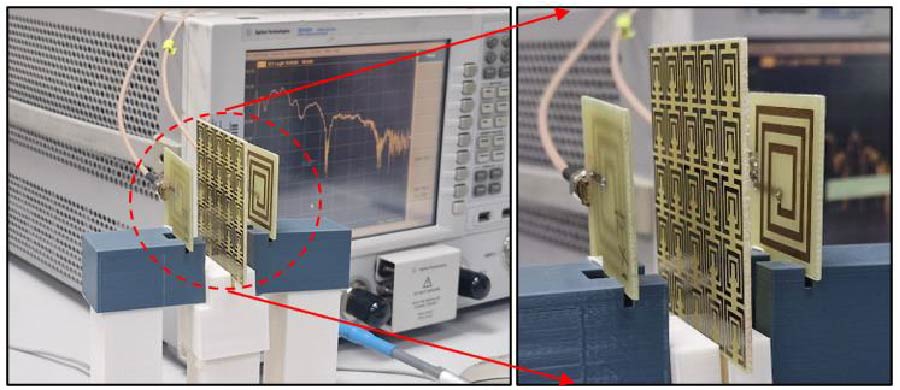
This work investigates low-power electromagnetic energy harvesting at 2.4 GHz and 5 GHz using an elementary rectangular patch rectenna along with a step-up DC-DC boost converter. The receiving antenna is optimized to 50 Ω impedance by tuning parasitic ground plane stubs in the resonating frequencies. The return loss and gain of the proposed antenna are -30.19 dB, -31.02 dB and 2.45 dBi, 4.84 dBi at 2.4 GHz and 5 GHz respectively. A single-stage Greinacher voltage multiplier with a compact dual-band pi-model matching circuit is proposed as a rectifier. The rectenna is manufactured on an FR4 substrate, and the measured performance is in good agreement with the simulated results. The transformation efficiency of more than 40% is noticed in the wide input-power range from -12 dBm to 5 dBm. The maximum efficiency of 50% and DC output voltage of 1.57 V at 0 dBm input power with 5.1 KΩ optimized load resistance is noticed when the RF source and rectenna are 46 cm apart. The proposed rectenna with a DC-DC boost converter can drive the LED indicator and wall clock simultaneously. The prototype rectenna is suitable for energizing low-power sensor nodes in IOT and WSN applications.
Dual Band Rectenna for Electromagnetic Energy Harvesting at 2.4 GHz and 5 GHz Frequencies
2024-09-23
PIER
Vol. 180, 55-60
Topology-Optimized Plasmonic Nanoantenna for Efficient Single-Photon Extraction
Min Chen , Lian Shen , Yifei Hua , Zijian Qin and Huaping Wang
Quantum emitters coupled to plasmonic nanostructures can act as extremely bright single-photon sources. Interestingly, the mode volumes supported by the plasmonic nanostructures can be several orders of magnitude smaller than the cubic wavelength, which leads to dramatically enhanced light-matter interactions and drastically increased photon emission. However, the requirements of a small mode volume for emission speed-up are always contradictory with a sufficiently large mode volume for efficient extraction, especially in a single architecture. Here, we report the design of a topology-optimized plasmonic nanoantenna to alleviate the above limitation which could greatly enhance far-field photon extraction. The plasmonic nanoantenna is composed of an optimized gold pattern and a silicon nitride substrate, with a nanohole in the center of the gold pattern. Our design is based on density-based topology optimization and is inherently robust to dimensions and fabrication errors. As a result, the normalized extraction decay rate (γe⁄γ0) can reach 5.48 at a wavelength of 517 nm if an objective lens with a numerical aperture of 0.45 is utilized. Plasmonic nanostructures can be obtained with a small mode volume of about 5 × 10-21 m3, while emission speed-up could still be achieved. The proposed method to alleviate the contradiction of plasmonic mode volume could brighten the prospects for future integration of single-photon sources into photonic quantum networks and applications in quantum information science.
Topology-optimized Plasmonic Nanoantenna for Efficient Single-photon Extraction
2024-09-23
PIER C
Vol. 148, 71-82
A Novel Direct Instantaneous Torque Control Strategy of Permanent Magnet-Assisted Switched Reluctance Motor with Zero Voltage Modulation
Chaozhi Huang , Renquan Xiao , Chengyi Gong and Yong Xiao
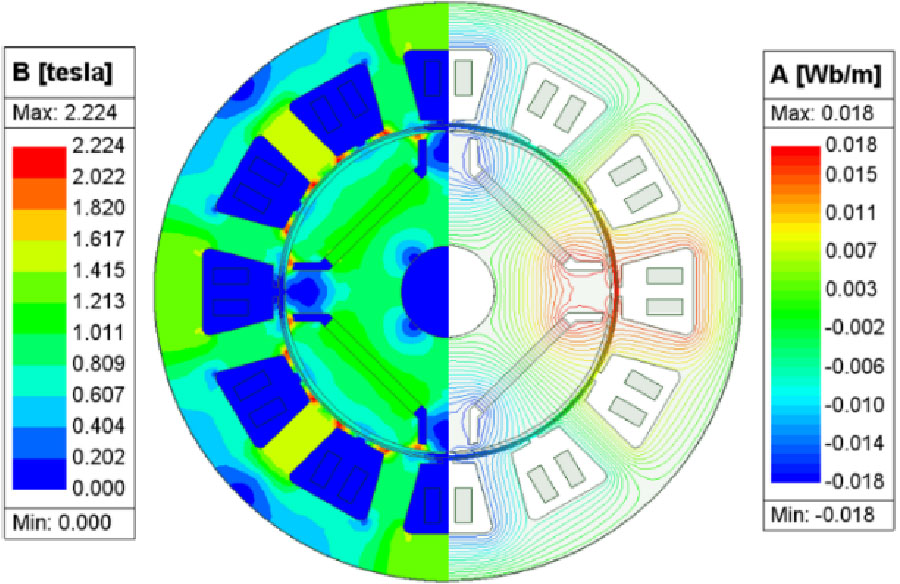
To reduce large torque ripple in permanent magnet-assisted switched reluctance motors (PMa-SRMs), a novel direct instantaneous torque control (DITC) strategy with zero-voltage modulation is proposed in this paper, where a fixed-frequency pulse width modulation (PWM) is replaced by the conventional DITC hysteresis controller to optimize zero-voltage insertion time through zero-voltage decentralized modulation to minimize switching losses. Control intervals are then divided based on inductance and torque-to-current ratio (TCR) characteristics, with adaptive duty cycle adjustments to enhance torque tracking and reduce ripple. Additionally, the optimal turn-on and turn-off angles are determined by the dung-beetle-optimized back propagation (BP) neural network (DBO-BP) algorithm, which suppresses the torque ripple, lowers phase current peaks, and improves motor efficiency. The feasibility and effectiveness of the proposed method are validated by simulations and experiments with a three-phase 6/20 PMa-SRM.
A Novel Direct Instantaneous Torque Control Strategy of Permanent Magnet-assisted Switched Reluctance Motor with Zero Voltage Modulation
2024-09-23
PIER C
Vol. 147, 167-173
Obtaining Low Sidelobe Level and Reduced Complexity in Linear and Planar Antenna Arrays Using Thinned Subarrays
Ahmed Jameel Abdulqader , Jafar Ramadhan Mohammed and Yessar Ezzaldeen Mohammed Ali
Conventionally, the thinning process in antenna arrays was performed at the element level with random selection after examining all the possible combinations. Thus, the computational time of such thinned methods was relatively high. Reducing the undesirable high computational time is of great interest. In this paper, the thinning process is performed at subarray level rather than element level, thus, the computational time and array complexity were significantly reduced while minimizing the peak side lobe level (PSLL). The optimization process consists of two steps where in the first step the array elements are portioned into a number of nonuniform ascending subarrays, while in the second step some of the least significant subarrays were turned off. Moreover, two schemes were used to portion the array elements. The first one is based on portioning all the array elements into ascending subarrays. This is known as fully nonuniform ascending subarray configuration since the entire array elements were portioned into smaller unequal groups. The second one is based on portioning only part of the elements located at the sides of the array, while leaving the central elements individually without any partition. This is known as partially nonuniform ascending subarray configuration. The genetic optimization algorithm is used to find out optimally which subarrays need to be thinned (or turned off) by setting their excitation amplitudes to zero. The simulation results for a total of 100 elements linear array illustrate that the PSLL, in the full subarray configuration, can be minimized to more than -33 dB by thinning 5 subarrays and the complexity reduction percentage was 72% before thinning and it becomes 82% after thinning. On the other hand, the PSLL in the partial subarray configuration was reduced down to more than -30 dB by thinning 4 subarrays at each side of the array. In this case. The complexity reduction percentage was 52% before thinning, and it becomes 60% after thinning. The number of individual central-elements on both sides of the array was 26, and the number of subarrays on both sides of the array was 22. Furthermore, the idea of the thinned subarrays was successfully extended and applied to the two-dimensional planar arrays of 100 × 100 elements.
Obtaining Low Sidelobe Level and Reduced Complexity in Linear and Planar Antenna Arrays Using Thinned Subarrays
2024-09-22
PIER M
Vol. 129, 23-32
Spoof Surface Plasmon Polaritons-Based Feeder for a Dielectric Rod Antenna at Microwave Frequencies
Rishitej Chaparla , Shaik Imamvali , Sreenivasulu Tupakula , Krishna Prakash , Shonak Bansal , Mohd Muzafar Ismail and Ahmed Jamal Abdullah Al-Gburi
This work explores the potential of spoof surface plasmon polaritons (SSPPs) for effectively feeding high-frequency antennas operating in the extremely high-frequency (EHF) range. An innovative approach is introduced in this study to utilize SSPP to feed a dielectric rod antenna. The design incorporates a straightforward dielectric rod antenna fabricated using FR-4 material with a relative permittivity of 4.3. Compared to conventional tapered dielectric rod antennas and their corresponding feeding configurations, this design presents the potential benefit of achieving an improved gain of up to 16.85 dBi using a specific antenna length of 7.6λ0. Through careful design optimization, we achieved impedance matching and directional radiation characteristics at a frequency of 7.3 GHz. To validate our design and assess its performance, we conducted simulations using the CST Microwave Studio. This study aims to demonstrate the effectiveness and practicality of the proposed dielectric rod antenna with an SSPP feed.
Spoof Surface Plasmon Polaritons-based Feeder for a Dielectric Rod Antenna at Microwave Frequencies