Search Results(13800)

2012-09-16
PIER B
Vol. 44, 31-52
Investigation of Different Basis and Testing Functions in Method of Moments for Electrostatic Problems
Rizwan Habibbhai Alad and Soumyabrata B. Chakrabarty
This paper presents comparative studies on different types of basis and testing functions used in Method of Moments (MoM) in terms of analytical complexity, convergence and condition number of the co-efficient matrix when applied to electrostatic problem of evaluating capacitance and charge distribution of conducting bodies. A thin conducting cylinder of finite length has been taken as a representative case study to evaluate the capacitance and charge distribution. The basis and testing functions which have been studied for this problem are pulse-delta, pulse-pulse, triangular-delta, triangular-pulse and triangular-triangular functions respectively. Numerical data on capacitance and charge distribution has been presented for each set of basis and testing functions in terms of condition number and convergence.
INVESTIGATION OF DIFFERENT BASIS AND TESTING FUNCTIONS IN METHOD OF MOMENTS FOR ELECTROSTATIC PROBLEMS
2012-09-16
PIER C
Vol. 32, 197-206
Design of Lattice Form Optical Delay Line Structure for Microwave Band Pass Filter Applications
Poornachari Prakash and Muthu Ganesh Madhan
The design of a multi-channel (M = 5) lattice form band pass optical delay line filter is reported. The filter synthesis is based on the division of total transfer function into unit blocks and the circuit parameters are obtained by constrained least square method. This band pass filter has better performance compared with the results obtained in the conventional design techniques. For a filter of order 35, a stop band attenuation greater than 50dB is achieved. Further, the band pass filter is introduced in a optical fiber link and simulated in Optisystem software, to verify its characteristics.
DESIGN OF LATTICE FORM OPTICAL DELAY LINE STRUCTURE FOR MICROWAVE BAND PASS FILTER APPLICATIONS
2012-09-16
PIER
Vol. 131, 357-373
Electromagnetic Fields of a Short Electric Dipole in Free Space – Revisited
Gerald Cooray and Vernon Cooray
Maxwell's equations specify that electromagnetic fields are generated by accelerating charges. However, the electromagnetic fields of an accelerating charge are seldom used to derive the electromagnetic fields of radiating systems. In this paper, the equations pertinent to the electromagnetic fields generated by accelerating charges are utilized to evaluate the electromagnetic fields of a current path of length l for the case when a pulse of current propagates with constant velocity. According to these equations, radiation is generated only at the end points of the channel where charges are being accelerated or decelerated. The electromagnetic fields of a short dipole are extracted from these equations when r>>l, where r is the distance to the point of observation. The speed of propagation of the pulse enters into the electromagnetic fields only in the terms that are second order in l and they can be neglected in the dipole approximation. The results illustrate how the radiation fields emanating from the two ends of the dipole give rise to field terms varying as 1/r and 1/r2, while the time-variant stationary charges at the ends of the dipole contribute to field terms varying as 1/r2 and 1/r3.
ELECTROMAGNETIC FIELDS OF A SHORT ELECTRIC DIPOLE IN FREE SPACE – REVISITED
2012-09-16
PIER
Vol. 131, 331-355
Slot-Less Torus Solid-Rotor-Ringed Line-Start Axial-Flux Permanent-Magnet Motor
Amin Mahmoudi , Solmaz Kahourzade , Nasrudin Abd Rahim , Hew Wooi Ping and Nima Farrokhzad Ershad
This paper presents the design, analysis, and prototyping of a novel axial-flux permanent-magnet (AFPM) motor capable of auto-starting. The preliminary design is a slot-less double-sided solid-rotor line-start AFPM motor with 4 poles for high torque density and stable rotation. One spaced raised ring was added to the inner radii of the rotor disc for smooth line-start motor. The design allows the motor to operate at both starting and synchronous speeds. The basic equations for the solid ring of the rotor of the proposed axial-flux permanent-magnet motor are presented. Non-symmetry of the designed motor led to its 3D time-stepping finite element analysis (FEA) via ANSYS 13.0, which evaluated the design parameters and predicted the transient performance. The designed motor was fabricated and tested, the experimental results showing good agreement with FEA simulation results. The prototype motor showed high starting torque and good synchronization.
SLOT-LESS TORUS SOLID-ROTOR-RINGED LINE-START AXIAL-FLUX PERMANENT-MAGNET MOTOR
2012-09-15
PIER
Vol. 131, 311-329
Signal Model and Moving Target Detection Based on MIMO Synthetic Aperture Radar
Wei Zhou , Jian-Tao Wang , Hao Wen Chen and Xiang Li
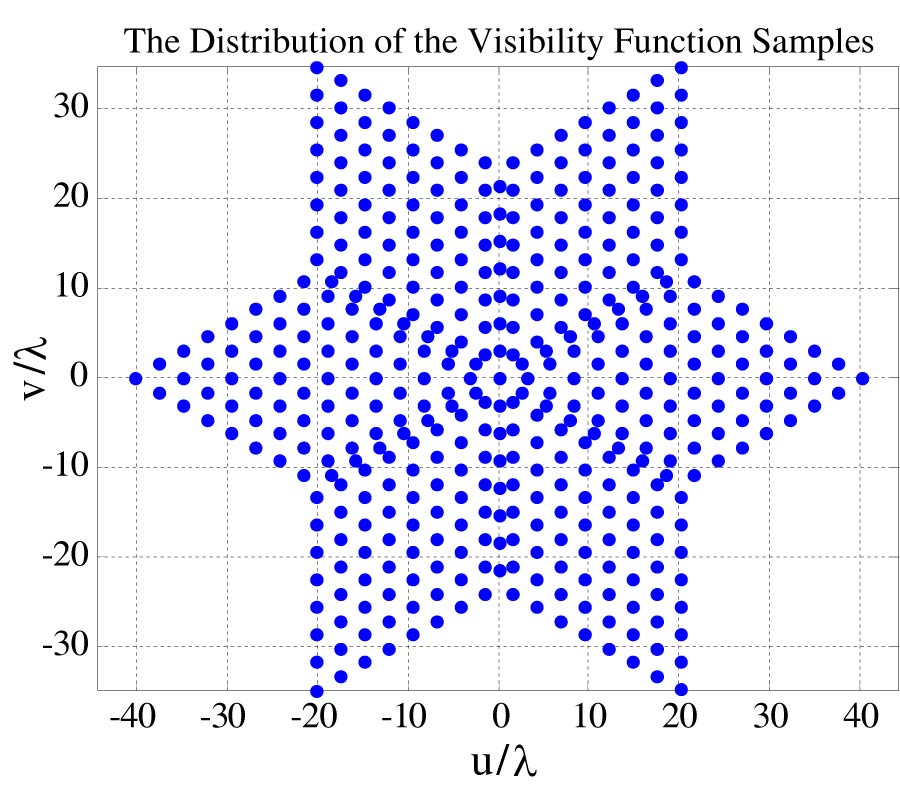
Recent years, a new SAR concept based on Multi-Input Multi-Output (MIMO) configuration has demonstrated the potential advantages to simultaneously improve the performance of Synthetic Aperture Radar (SAR) imaging and ground moving target detection by utilizing multiple antennas both at transmission and reception. However, the precise signal model, as well as the effect of ground moving target in image domain and the approaches for moving target indication based on MIMO SAR system are rarely investigated. Our paper has three main contributions. Firstly, we present a detailed signal model for stationary scene and moving target based on a colocated MIMO SAR system, and analyze the motion effect of the moving target. Secondly, we provide an algorithm of phase compensation to combine the multiple virtual channel data in order to enhance the image quality. Thirdly, an adaptive optimal approach is applied for clutter suppression, then the velocity of the moving target is estimated via Delay-and-Sum (DAS) beamforming approach. Finally, several numerical experiments are provided to illustrate the derivation and analysis in this paper.
SIGNAL MODEL AND MOVING TARGET DETECTION BASED ON MIMO SYNTHETIC APERTURE RADAR
2012-09-14
PIER M
Vol. 26, 23-37
Propagation Characteristics of a Variant of Disc-Loaded Circular Waveguide
Vishal Kesari and Jaishanker Prasad Keshari
The shaping of dispersion characteristics in a variant of discloaded circular waveguide was studied through electromagnetic analysis for assessing the structure for wideband coalescence of the beam- and waveguide-mode dispersion characteristics that entails the wideband gyrotravelling-wave tube (gyro-TWT) performance. In this variant of disc-loaded circular waveguide, the alternate disc-hole radii were varying, however, the structure was periodic. The structure periodicity coupled with Floquet's theorem and field-matching technique resulted into the dispersion relation of the infinitely long structure. A numerical code was developed to solve the dispersion relation, and the dispersion characteristics of the structure were analyzed for the azimuthally symmetric TE-modes. The effects of structure parameters were studied for getting a straight-line portion of the dispersion characteristics over a wide frequency range. The dispersion shaping was projected for typically chosen TE01-mode. The results were validated against those obtained for the conventional and un-conventional known structures and those obtained using commercially available simulation tool. The variation of azimuthal electric field intensity over the radial coordinate was also studied to examine the control of structure parameter for maximaposition, where the gyrating electron beam would be positioned for optimum beam-wave interaction in a gyro-TWT.
PROPAGATION CHARACTERISTICS OF A VARIANT OF DISC-LOADED CIRCULAR WAVEGUIDE
2012-09-14
PIER
Vol. 131, 293-310
Design and Implementation of an Ultra-Wideband Six-Port Network
Hao Peng , Ziqiang Yang and Tao Yang
This paper presents a six-port network over an ultra-wideband (UWB) of 2-8 GHz. Its key component is the six-port junction, which consists of a Wilkinson power divider and three 3-dB quadrature couplers, This six-port junction is accomplished in a low dielectric constant substrate (Rogers RT/duroid 5880). Multi-section impedance transformation is applied in the power divider, and the quadrature coupler is realized by using two 8.34 dB couplers in tandem. An ultra-wideband operation of the six-port junction is verified by full electromagnetic simulations and measurements. The results show that the designed devices exhibit good performance across 2-8 GHz band: the return losses at input ports are higher than 15 dB, the insertion losses from input ports to the remaining ports are 7.2 dB ± 1.7 dB, the isolation between two input ports is greater than 20.5 dB, and the maximum phase difference compared with the theoretical behavior between two test ports is 10°. For the manufactured six-port junction, a six-port phase measurement system and a calibration technique based on support vector regression (SVR) are introduced. Results show that the SVR model can achieve a mean phase error of 1.5274°.
DESIGN AND IMPLEMENTATION OF AN ULTRA-WIDEBAND SIX-PORT NETWORK
2012-09-13
PIER B
Vol. 43, 373-391
Efficient Impedance Computation for Multiconductor Transmission Lines of Rectangular Cross Section
Makoto Matsuki and Akira Matsushima
An efficient numerical solution is presented for computing per-unit-length impedance of metallic rectangular transmission lines backed by semi-infinite lossy substrate. We formulate the problem into the set of integral equations, the kernel of which is analytically expressed in terms of special functions in the quasi-static regime. The method of moments is applied to find the current density distributions in the metal regions, where the discretization of cross sections is performed by using non-uniform grid arranged according to the skin effect. The practical numerical computations concern the influence of the substrate loss on the per-unit-length impedance for some types of parallel lines. We thereby show that the substrate loss cannot be neglected at high frequencies. The effectiveness of the proposed method is confirmed by showing that the computed values of resistance satisfy the law of energy conservation with acceptable accuracy.
EFFICIENT IMPEDANCE COMPUTATION FOR MULTICONDUCTOR TRANSMISSION LINES OF RECTANGULAR CROSS SECTION
2012-09-13
PIER B
Vol. 43, 355-372
Characterization of Compact V-Band GaAs CMRC Filter Using Slow Wave CPW Transmission Lines Technology
Po-Yu Ke , Hsien-Chin Chiu , Fan-Hsiu Huang , Hsuan-Ling Kao and Quan Xue
This work presents a compact, high performance GaAs V-band bandpass filter (BPF) using a slow-wave coplanar waveguide transmission line (S-CPW TLine) and a CMRC (compact microstrip resonant cell). The slow-wave CPW Tlines have potential for the use in miniaturized low loss compact passive devices in the millimeter-wave frequency band. Owing to strong slow-wave effect, the longitudinal length of the S-CPW is shorter than that of a classical microstrip based on the same technology. The S-CPW TLines in the designed filter were realized with a reconfigurable defected ground structure (DGS). Adding the conventional inductively coupled resonator CMRC BPF allows the resonator to be miniaturized by the exploitation of the transversal dimensions of the CPW, while maintaining its performance as measured by insertion and return losses. However, the DGS cell allows reconfiguration of the structure from a low-band to a high-band BPF. The design of the filters with the DGS using filters that are designed for V-band applications is explained.
CHARACTERIZATION OF COMPACT V-BAND GAAS CMRC FILTER USING SLOW WAVE CPW TRANSMISSION LINES TECHNOLOGY
2012-09-13
PIER Letters
Vol. 35, 1-10
Doppler Features from Wind Turbine Scattering in the Presence of Ground
Aale Naqvi , Nick Whitelonis and Hao Ling
We study the Doppler features of electromagnetic scattering from a wind turbine with rotating blades in the presence of ground. Image theory in conjunction with a shooting-and-bouncing ray code, Ahilo, is used to carry out the dynamic signature simulation. The observed features in the simulation are corroborated with laboratory measurements. In addition, the Doppler features from a wind turbine in the presence of a moving ground is simulated and analyzed.
DOPPLER FEATURES FROM WIND TURBINE SCATTERING IN THE PRESENCE OF GROUND
2012-09-13
PIER Letters
Vol. 34, 197-205
Compact Dual-Band Dual-Sense Circularly-Polarized CPW-Fed Slot Antenna
Xin Qian Zhang , Yong-Chang Jiao and Wei Hua Wang
A CPW-fed slot antenna for achieving dual-band dual-sense circular polarization is introduced. The dual-band circularly polarized operations are generated by the slots loaded in the two opposite corners and the halberd-shaped strip connected at the end of the signal line of the CPW. The left-hand and right-hand circularly polarized performances can be achieved simultaneously for the lower and the upper band, respectively. The measured impedance bandwidth for 10-dB return loss at 2.5 and 3.5 GHz operating bands can be up to 1100 MHz and 260 MHz, respectively. The measured 3-dB axial ratio bandwidths are 30.8% for lower band (LHCP) and 3.1% for upper band (RHCP), which are completely inside their respective impedance bands. The designed antenna has a simple uniplanar structure and occupies a compact size of 40×40 mm2, including the finite ground CPW feeding mechanism. Moreover, the antenna gain variations across the two operating bands are less than 1 dB.
COMPACT DUAL-BAND DUAL-SENSE CIRCULARLY-POLARIZED CPW-FED SLOT ANTENNA
2012-09-13
PIER Letters
Vol. 34, 187-195
Compact Dual-Passband Filter Using Spiral Resonators
Kaijun Song , Yuxia Mo , Yunqiang Xia , Shunyong Hu and Yong Fan
A novel compact dual-band bandpass filter using spiral resonators and input/output (source-load) direct coupling structure has been presented. Two different transmission paths are utilized to realize independently controllable central frequencies and bandwidths for each passband. In addition, three transmission zeros has been introduced to improve the frequency selectivity. A dual-passband filter centered at 2.41 GHz and 4.22 GHz is designed, simulated, and fabricated to demonstrate the performance of the proposed filter structure. The measured results show good agreement with the simulated ones.
COMPACT DUAL-PASSBAND FILTER USING SPIRAL RESONATORS
2012-09-13
PIER C
Vol. 32, 181-196
First Experimental Solution for Channel Noise Sensibility in Digital Chaotic Communications
Said Sadoudi , Camel Tanougast and Mohamed Salah Azzaz
An interesting and original solution to the high channel noise sensibility problem of digital chaotic communications is proposed. The solution idea consist of avoiding disruption of the slave/receiver dynamics by injecting the driving signal. To realize experimentally this pertinent idea, an FPGA-based hardware architecture is developed, firstly to trigger the generation of the slave/receiver chaotic dynamics at each received data detection, and secondly to synchronize the driving signal with the slave generated chaotic signal for the demodulation operation. We have tested and validated the proposed solution through experimental realization of a wireless hyperchaotic communication system based on ZigBee communication protocol. Real-time results of experimental wireless communication tests are presented. The obtained results show the effectiveness and the robustness of the proposed solution against real channel noise in digital chaotic communications.
FIRST EXPERIMENTAL SOLUTION FOR CHANNEL NOISE SENSIBILITY IN DIGITAL CHAOTIC COMMUNICATIONS
2012-09-12
PIER B
Vol. 44, 1-29
Perturbation Theory in the Design of Degenerate Rectangular Dielectric Resonators
Larry Kevin Warne , Lorena I. Basilio , William L. Langston , William A. Johnson and Michael B. Sinclair
The design of resonators with degenerate magnetic and electric modes usually requires the ability to perturb one or both types of modes in order to induce alignment of magnetic and electric properties. In this paper perturbation theory is used to identify different types of inclusions that can be used to realize fundamental-mode degeneracy in a rectangular dielectric resonator and thus, can ultimately be used in the design of negative-index metamaterials. For reasons associated with fabrication in the infrared-frequency regime, rectangular resonator designs are of particular interest.
PERTURBATION THEORY IN THE DESIGN OF DEGENERATE RECTANGULAR DIELECTRIC RESONATORS
2012-09-12
PIER B
Vol. 43, 333-354
Design of Non-Uniform Circular Antenna Arrays --- an Evolutionary Algorithm Based Approach
Pradipta Ghosh , Joydeep Banerjee , Swagatam Das and Sheli Sinha Chaudhuri
Our main objective in this article is to achieve minimum side lobe levels for a specific first null beam-width and also a minimum size of the circumference by an optimization-based design method for non-uniform, planar, and circular antenna arrays. Our approach is based on a new variant of Particle swarm Optimization technique. This new technique is a hybrid of Local Neighborhood based PSO with Hierarchical PSO Algorithms termed as Hierarchical Dynamic Local Neighborhood Based PSO (HDLPSO) Algorithm. Three difficult instances of the circular array design problem have been presented to illustrate the effectiveness of the proposed HDLPSO algorithm. The design results obtained with HDLPSO have been shown to comfortably beat the results obtained with other state-of-the-art meta-heuristics like Genetic Algorithm (GA), Particle Swarm Optimization (PSO), Invasive Weed Optimization (IWO) and Differential Evolution (DE) in a statistically significant manner.
DESIGN OF NON-UNIFORM CIRCULAR ANTENNA ARRAYS --- AN EVOLUTIONARY ALGORITHM BASED APPROACH
2012-09-12
PIER Letters
Vol. 34, 177-186
Compact Triple-Band Monopole Antenna for 2.4/5.2/5.8 GHz WLAN Operations
Yu-Chen Luan , Fu-Shun Zhang and Yun Xu
A novel compact monopole antenna with triple-band operation is proposed in this paper. The proposed antenna, fed by a 50-Ω microstrip line, consists of an inverted-L-shaped microstrip feed line loaded with a parasitic strip and a protrudent mirrored quasi-F-shaped strip on the ground plane, with a compact overall size of 20×25 mm². The protrudent mirrored quasi-F-shaped strip is aimed to excite a resonant mode at 2.4 GHz. Meanwhile, with the introduction of the parasitic strip to the inverted-L shaped strip, two adjacent resonant frequencies at 5.2/5.8 GHz are obtained. The numerical and experimental results exhibit the designed antenna operates over triple frequency ranges, satisfying the standards of wireless local area networks (WLAN) both in IEEE 802.11 b/a/g at 2.4-GHz, 5.2-GHz, and 5.8-GHz. Besides, the antenna is fabricated and measured, and the simulation and measurement results of the return loss, radiation patterns and peak antenna gains are studied showing that the presented antenna is in good performance.
COMPACT TRIPLE-BAND MONOPOLE ANTENNA FOR 2.4/5.2/5.8 GHz WLAN OPERATIONS
2012-09-12
PIER C
Vol. 32, 167-179
Dual-Band Circularly Polarized Antenna with Low Wide-Angle Axial-Ratio for Tri-Band GPS Applications
Yunqi Zhang , Xi Li , Lin Yang and Shu-Xi Gong
This paper presents the design of a dual-band microstrip antenna with low wide-angle axial-ratio. The antenna is designed for global positioning satellite operations at 1227 MHz(L2), 1575 MHz(L1) and 1176 MHz(L5, available after 2007). This antenna has another advantage of a much wider band in both VSWR and 3 dB axial-ratio compared with single-fed GPS antennas. Details of the design, simulated and experimental results of this GPS antenna are presented and discussed. The measured results confirm the validity of this design, which meet the requirement of GPS applications.
DUAL-BAND CIRCULARLY POLARIZED ANTENNA WITH LOW WIDE-ANGLE AXIAL-RATIO FOR TRI-BAND GPS APPLICATIONS
2012-09-12
PIER
Vol. 131, 275-292
A Novel Range-Spread Target Detection Approach for Frequency Stepped Chirp Radar
Bo Liu and Wenge Chang
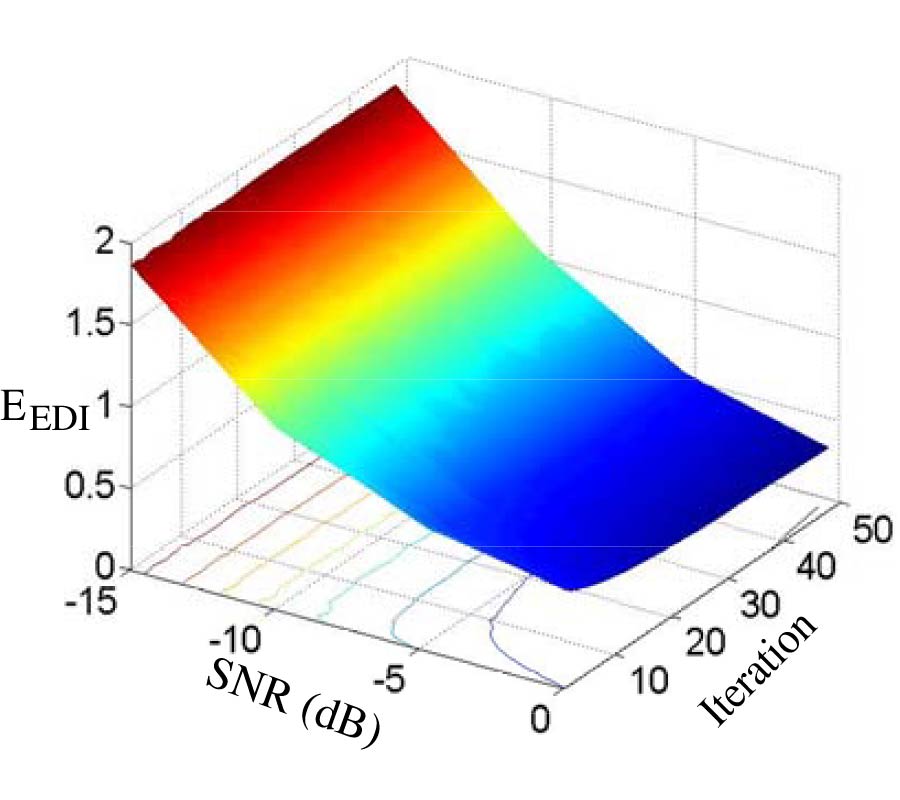
This paper presents a novel range-spread target detection algorithm for frequency stepped chirp radar (FSCR) which transmits a chirp-pulse train with frequency stepped carriers. FSCR achieves high range resolution by synthetic wide-band technique, and its process includes intra-pulse matched filtering and pulse-to-pulse inverse discrete Fourier transform (IDFT) or wavelet transform. For FSCR, the high resolution range profile (HRRP) of a target is obtained by target extraction from overlapping HRRPs which is caused by oversampling. During the target extraction (sometimes called de-correlation), some strong scattering points of target echo are discarded, as the result, the signal-to-clutter ratio (SCR) might be reduced and the target detection capability is degraded. To solve this problem for FSCR, a novel detection algorithm without target extraction is addressed. The new algorithm based on the power spectrum of radar echo uses not only the amplitude information, but also the phase information of overlapping HRRPs of a target to improve the SCR, therefore, has significant performance. Moreover, the test statistic and the false alarm probability of the detector are derived, and the implementation procedure and the flow chart of the detection algorithm are designed. Finally, the detection performance is assessed by Monte-Carlo simulation, and the results indicate that the proposed algorithm has about 3 dB detection improvement in SCR compared with the spatial scattering density generalized likelihood ratio test (SSD-GRLT) detector, and at the same condition, is superior to the integrator detector. In addition, the proposed algorithm is robust and easy to implement.
A NOVEL RANGE-SPREAD TARGET DETECTION APPROACH FOR FREQUENCY STEPPED CHIRP RADAR
2012-09-12
PIER
Vol. 131, 259-274
Design of Planar Dual and Triple Narrow-Band Bandstop Filters with Independently Controlled Stopbands and Improved Spurious Response
Huansheng Ning , Jun Wang , Qingxu Xiong and Ling-Feng Mao
A novel design of planar dual and triple narrow-band bandstop filter is presented by adopting the proposed meandered slot defected microstrip structure (MS-DMS) and the simplified spiral microstrip resonator (SSMR). Through this design, the stopbands of the dual- and triple-band bandstop filters can be individually controlled and the improved spurious responses are achieved. First, the fundamental and the first spurious resonances of the MS-DMS and SSMR are analyzed to provide the design rules. Then, by utilizing the prominent stopband of the MS-DMS and the stopband produced by the SSMR coupled to main microstrip line, a dual narrow-band bandstop filter is constructed before its design procedure is outlined. Based on above investigations, a triple narrow-band bandstop filter is implemented by inserting extra SSMRs to another side of the main microstrip line of the dual-band filter to generate a new stopband. To verify the aforementioned design concepts, a dual and triple narrow-band bandstop filter are designed, simulated and tested. Both the simulation and measurement indicate that the fabricated filters exhibit good stopband/passband performance and improved first spurious resonance. Moreover, these filters are simple to design and quite compatible with planar fabrication technique, making them very attractive for practical applications.
DESIGN OF PLANAR DUAL AND TRIPLE NARROW-BAND BANDSTOP FILTERS WITH INDEPENDENTLY CONTROLLED STOPBANDS AND IMPROVED SPURIOUS RESPONSE
2012-09-11
PIER B
Vol. 43, 313-331
Compact Dual-Band Dual-Ring Printed Monopole Antennas for WLAN Applications
Khalil Hassan Sayidmarie and Tariq A. Nagem
Three dual band planar monopole antennas for wireless local area network (WLAN) application are proposed. The antennas have common configuration in the form of rectangular, rhombic and annular double rings. All the antennas use the self similarity property to exhibit dual band characteristics. The proposed antennas covers the frequency bands of the IEEE 802.11a/b/g (2.4-2.48 GHz, 5.15-5.35 GHz and 5.725-5.825 GHz), and have radiation patterns that are; almost omnidirectional in the H-plane, and like monopole pattern in the E-plane. The simulation results are analyzed and compared with measured results for verification.
COMPACT DUAL-BAND DUAL-RING PRINTED MONOPOLE ANTENNAS FOR WLAN APPLICATIONS