Search Results(13800)

2012-03-12
PIER M
Vol. 24, 15-27
Scattering of an Arbitrarily Oriented Electric Dipole Field from an Infinitely Long dB Circular Cylinder
Abid Mahmood , Ahsan Illahi , Aqeel Abbas Syed and Qaisar Abbas Naqvi
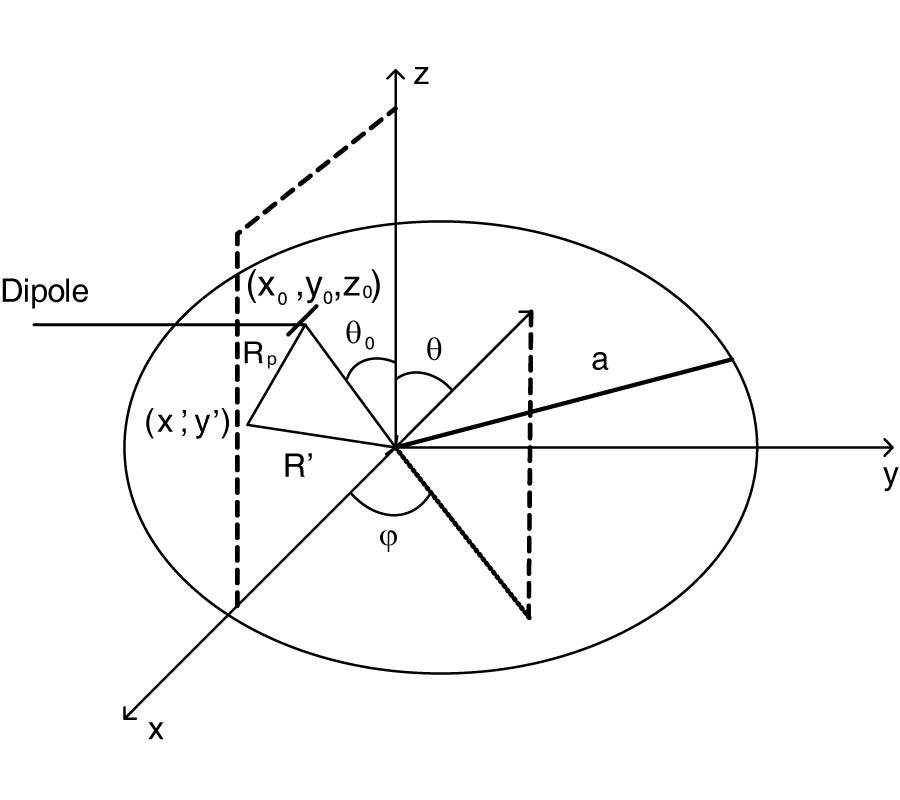
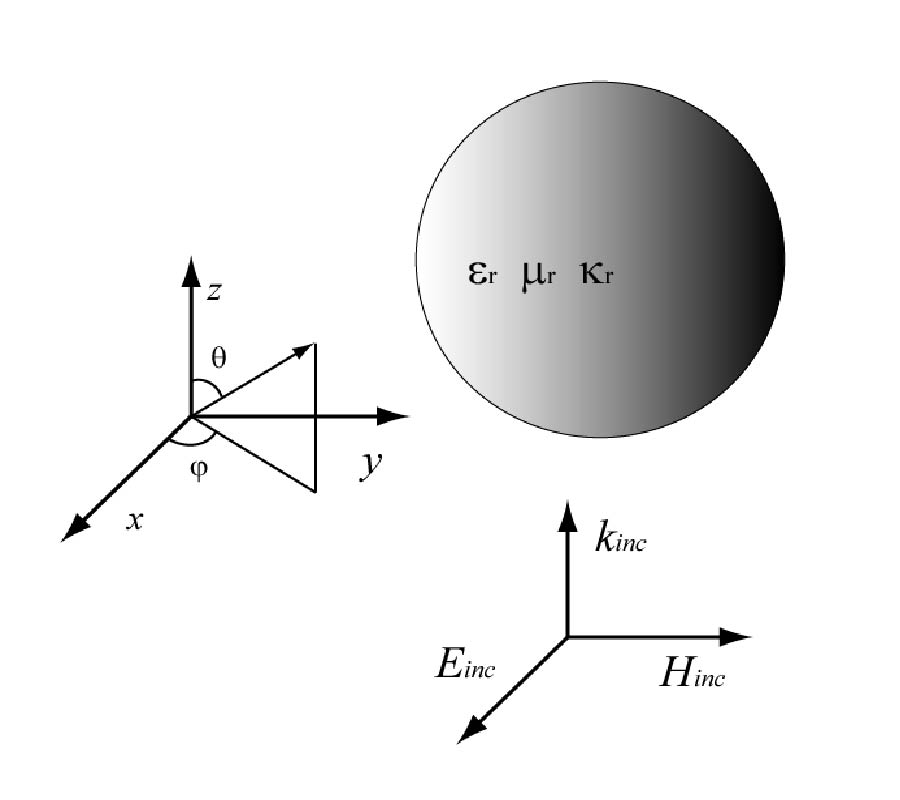
Analytic expressions for the scattered magnetic vector potential from an infinitely long DB circular cylinder are presented. An arbitrarily oriented electric dipole is considered as a source of excitation that induces surface currents on the DB circular cylinder. Approximate far field expressions for magnetic vector potential are also derived in this setting. Numerical results of the scattering from the DB cylinder are also presented and compared with those of the PEC cylinder.
SCATTERING OF AN ARBITRARILY ORIENTED ELECTRIC DIPOLE FIELD FROM AN INFINITELY LONG DB CIRCULAR CYLINDER
2012-03-12
PIER M
Vol. 24, 1-13
Transmitarray Using Perforated Dielectric Material for Wideband Applications
Saber Zainud-Deen , Shaymaa Gaber and Kamal Awadalla
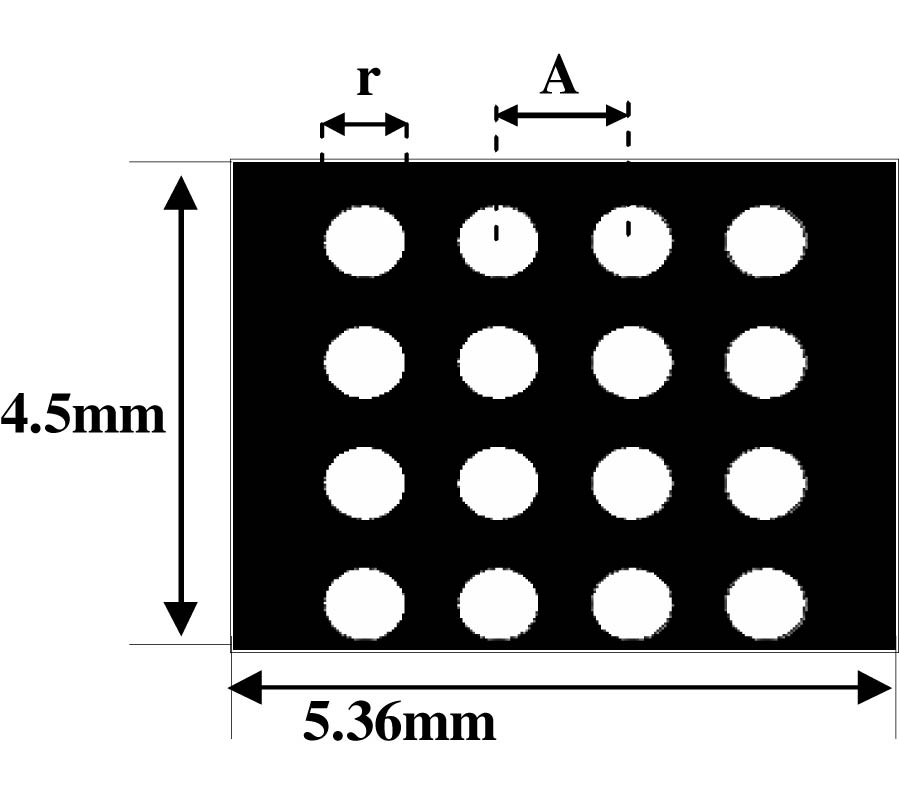
In this paper, linearly polarized transmitarray is investigated as to avoid the usage of multilayers for improving the bandwidth of transmitarray. The transmitarray is formed from a single dielectric sheet by perforating selected areas of the material. A perforated dielectric layer is divided into square cell elements. Each cell has four holes with the same diameters. Holes with different diameters in the cell elements are used to allow continuous tuning of the transmitted signal's phase over 360o range with a maximum loss of 3.6 dB at 10 GHz. The transmission coefficient versus the diameter of the holes is calculated by using the finite integration technique. The results are compared with those calculated with transmission line method for verification. The focal-to-diameter ratio of the transmitarray is optimized for lower side lobe level and highest transmitarray gain. A comparison between the transmitarray and the reflectarray with the same aperture area is illustrated.
TRANSMITARRAY USING PERFORATED DIELECTRIC MATERIAL FOR WIDEBAND APPLICATIONS
2012-03-12
PIER
Vol. 125, 559-581
Experimental Investigation of GSM 900 MHz Results Over Northern India with Awas Electromagnetic Code and Other Prediction Models
M. V. S. N. Prasad , P. K. Dalela and Chandrashekhar Misra
Recent trends in propagation modeling indicate the study of mobile radio propagation modeling with the help of electromagnetic formulations which traditionally has been explained with empirical methods. These empirical methods were preferred by the cellular operators in their radio planning tools due to their ease of implementation and less time consumption. In the present study, AWAS electromagnetic code and conventional prediction methods have been employed to explain the observed results of ten base stations mainly in the near field zones of GSM 900 MHz band situated in the urban and suburban regions around Delhi in India. The suitability of the above models in terms of prediction errors and standard deviations are presented. Path loss exponents deduced from the observed data have been explained by Sommerfeld's formulations. Recent trends indicate the study of mobile radio propagation modeling with the help of electromagnetic formulations which traditionally has been explained with empirical methods. These empirical methods were preferred by the cellular operators in their radio planning tools due to their ease of implementation and less time consumption. In the present study AWAS electromagnetic code and conventional prediction methods have been employed to explain the observed results of ten base stations mainly in the near field zones of GSM 900 MHz band situated in the urban and suburban regions around Delhi in India. The suitability of the above models in terms of prediction errors and standard deviations are presented. Path loss exponents deduced from the observed data have been explained by Sommerfeld's formulations.
EXPERIMENTAL INVESTIGATION OF GSM 900 MHz RESULTS OVER NORTHERN INDIA WITH AWAS ELECTROMAGNETIC CODE AND OTHER PREDICTION MODELS
2012-03-11
PIER
Vol. 126, 149-168
New Non-Linear Approach for the Evaluation of the Linearity of High Gain Harmonic Self Oscillating Mixers
Miguel Fernandez-Garcia , Samuel Ver-Hoeye , Carlos Vazquez-Antuna , George Roberto Hotopan , Rene Camblor-Diaz and Fernando Las Heras Andres
In this work, the linearity of a high gain Harmonic Self Oscillating Mixer (HSOM) is analyzed. In order to obtain high conversion gain, the working point of the HSOM is established close to a Hopf bifurcation point. The traditional figures of merit used to characterize the linearity of conventional mixers cannot be directly applied to characterize the behavior of autonomous circuits, because of the influence of the input RF signal power on the autonomous signal parameters. The 1\,dB compression point and the third order distortion will be analyzed as a function of the harmonic content and maximum gain of the circuit. From the collected data, the optimum harmonic content and the maximum conversion gain of the HSOM can be selected, for a particular application, in order to minimize the output IF signal distortion.
NEW NON-LINEAR APPROACH FOR THE EVALUATION OF THE LINEARITY OF HIGH GAIN HARMONIC SELF OSCILLATING MIXERS
2012-03-10
PIER M
Vol. 23, 299-311
Linear Diffusion into a Faraday Cage
Kenneth Chien-Ying Chen , Yau Tang Lin , Larry Kevin Warne and Kimball O. Merewether
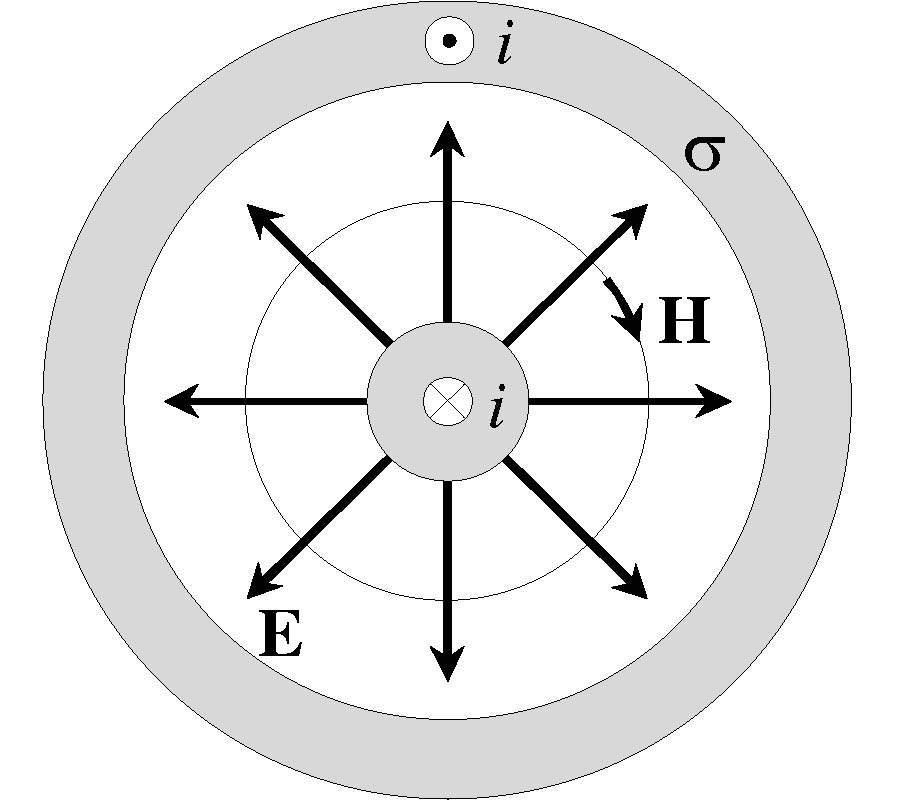
In this paper, linear lightning diffusion into a Faraday cage is studied. The high-altitude Electromagnetic Pulse (HEMP) and nearby lightning are used as examples for a uniform field drive and the direct-strike lightning adjacent to the enclosure is used as a worst-case configuration of a line source excitation. The time-derivative of the magnetic field (HDOT) inside the enclosure for a uniform field drive with a decaying exponential waveform is analyzed and numerically determined. The physically relevant time-derivative of the magnetic field and voltage characterizations of an optimum coupling loop inside the enclosure for a decaying exponential waveform in a worst-case line source coupling configuration are numerically determined. First, the impulse and the unit step response peaks are shown to bound the decaying exponential peaks. Next, a simple fit function for a decaying exponential peak HDOT or a voltage bound for a single-turn loop inside the Faraday cage is constructed from peak responses of the unit step and impulse limiting cases. Excitations used are from (1) a uniform field drive of HEMP or nearby lightning and (2) a line source of direct-strike lightning. Comparisons of HDOT and voltage bounds of the fit function and actual numerical evaluations are given in Table 3.
LINEAR DIFFUSION INTO A FARADAY CAGE
2012-03-10
PIER
Vol. 126, 139-148
A Novel Architecture for Peer-to-Peer Interconnect in Millimeter-Wave Radio-Over-Fiber Access Networks
Jie Liu , Liang Zhang , Shu-Hao Fan , Changjian Guo , Sailing He and Gee-Kung Chang
A novel peer-to-peer (P2P) interconnection architecture in a 60-GHz millimeter-wave (mm-wave) radio-over-fiber (RoF) access network is proposed for the first time. In this scheme, the beating of the lightwaves for downlink and P2P transmissions at the photodiode (PD) can provide signal up-conversion for both signals. Phase noise and frequency instability between the two independent lightwaves can be eliminated by a self-heterodyned radio frequency (RF) receiver (envelope detector) located on the user terminal, which can also down-convert simultaneously the two mm-wave signals to their associated intermediate frequencies. No high-frequency clock sources or other high bandwidth devices are required for signal up/down-conversions. A proof-of-concept experimental demonstration has also been carried out. Error-free transmission of the 1-Gb/ signals is achieved over 50-km fiber (downlink) or 25-km fiber (P2P) plus 4-m air link.
A NOVEL ARCHITECTURE FOR PEER-TO-PEER INTERCONNECT IN MILLIMETER-WAVE RADIO-OVER-FIBER ACCESS NETWORKS
2012-03-10
PIER
Vol. 126, 121-138
Lumped Dual-Frequency Impedance Transformers for Frequency-Dependent Complex Loads
Yun Liu , Yong-Jiu Zhao and Yonggang Zhou
This paper presents lumped dual-frequency impedance transformers for frequency-dependent complex loads. According to different dual-frequency allocations of a complex load in Smith chart, three types of impedance matching networks are presented respectively. Several kinds of lumped circuit blocks are used as basic element for constructing these transformers with design formula deduced. Various examples are given for describing the design procedures.~Good features such as big frequency ratio and big matching bandwidths are demonstrated. These lumped dual-frequency impedance transformers have advantage of much compacter dimensions compared to distributive solutions.
LUMPED DUAL-FREQUENCY IMPEDANCE TRANSFORMERS FOR FREQUENCY-DEPENDENT COMPLEX LOADS
2012-03-09
PIER C
Vol. 27, 253-263
Ka-Band Klopfenstein Tapered Impedance Transformer for Radar Applications
Liza Resley and Heather Song
The design, fabrication, and characterization of an amulti-section impedance transformer using Klopfenstein tapering method is presented. The transformer is employed in a Ka-band traveling-wave tube (TWT)for radar applications. The Klopfenstein tapering provides the shortest length between the two different impedance levels with continuous tapering sections.
KA-BAND KLOPFENSTEIN TAPERED IMPEDANCE TRANSFORMER FOR RADAR APPLICATIONS
2012-03-09
PIER
Vol. 126, 101-120
Design of a Dualband Omnidirectional Planar Microstrip Antenna Array
Kunpeng Wei , Zhijun Zhang and Zhenghe Feng
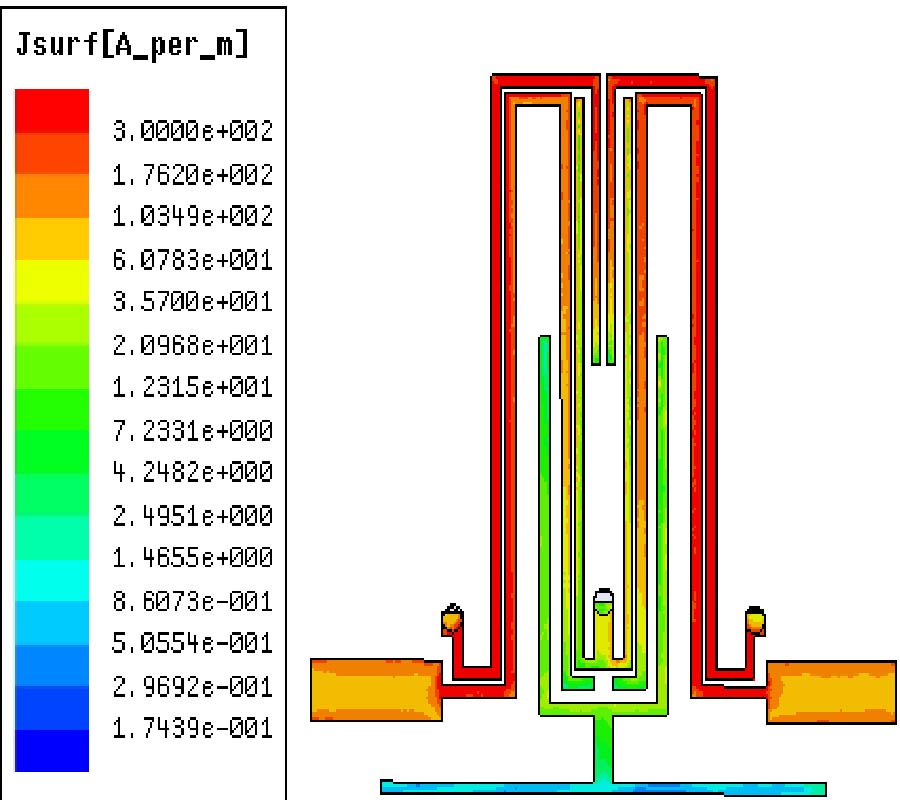
This paper proposes and designs a new method of dualband omnidirectional planar microstrip antenna array. A cascade of transposed microstrip lines have been adapted to produce effective antenna structures that radiate omnidirectionally, with high efficiency, low reflection, and useful radiation patterns. In this paper, the antenna structure has been found to have low-pass characteristics due to the periodic discontinuities at the transposed junctions. The analysis and design of the low-pass characteristic are performed according to the filter theory of periodic structures and full-wave simulation. Therefore, a relatively higher frequency radiating array is appropriately designed with a low-pass filtering attribute, which prevents the lower frequency radiators from resonating at the relatively higher frequency. An air gap between adjacent transposed sections is proposed in order to enhance impedance matching, and a fork shape stub at the end is used as a virtual short point to enhance radiation at the higher frequency. Finally a single port dualband omnidirectional antenna array is obtained by locating the higher frequency radiating array with low-pass filtering attribute near the antenna feed and a relatively lower frequency radiating array at the end. An example of a dualband omnidirectional planar array is demonstrated experimentally, which operates at 2.32~2.56 GHz and 5.65~6.10 GHz with S11<-10 dB and a stable radiation pattern, and corresponding gains of 7.0~7.6 dBi and 6.9~7.9 dBi respectively.
DESIGN OF A DUALBAND OMNIDIRECTIONAL PLANAR MICROSTRIP ANTENNA ARRAY
2012-03-08
PIER
Vol. 126, 85-100
An Efficient High Order Multilevel Fast Multipole Algorithm for Electromagnetic Scattering Analysis
Xiao-Min Pan , Lu Cai and Xin-Qing Sheng
An efficient higher order MLFMA is developed by using an ``extended-tree''. With this extended-tree, the size of the box at the finest level is reduced, and the cost associated with the aggregation and disaggregation operations is significantly decreased. The sparse approximate inverse (SAI) preconditioner is utilized to accelerate the convergence of iterative solutions. The Cholesky factorization, instead of the often used QR factorization, is employed to construct the SAI preconditioner for cavity scattering analysis, by taking advantage of the symmetry of the matrix arising from electric field integral equation. Numerical experiments show that the higher order MLFMA is more efficient than its low-order counterpart.
AN EFFICIENT HIGH ORDER MULTILEVEL FAST MULTIPOLE ALGORITHM FOR ELECTROMAGNETIC SCATTERING ANALYSIS
2012-03-08
PIER
Vol. 126, 65-84
Solving Periodic Eigenproblems by Solving Corresponding Excitation Problems in the Domain of the Eigenvalue
Thomas F. Eibert , Yvonne Weitsch , Huanlei Chen and M. E. Gruber
Periodic eigenproblems describing the dispersion behavior of periodically loaded waveguiding structures are considered as resonating systems. In analogy to resonators, their eigenvalues and eigensolutions are determined by solving corresponding excitation problems directly in the domain of the eigenvalue. Arbitrary excitations can be chosen in order to excite the desired modal solutions, where in particular lumped ports and volumetric current distributions are considered. The method is employed together with a doubly periodic hybrid finite element boundary integral technique, which is able to consider complex propagation constants in the periodic boundary conditions and the Green's functions. Other numerical solvers such as commercial simulation packages can also be employed with the proposed procedure, where complex propagation constants are typically not directly supported. However, for propagating waves with relatively small attenuation, it is shown that the attenuation constant can be determined by perturbation methods. Numerical results for composite right/left-handed waveguides and for the leaky modes of a grounded dielectric slab are presented.
SOLVING PERIODIC EIGENPROBLEMS BY SOLVING CORRESPONDING EXCITATION PROBLEMS IN THE DOMAIN OF THE EIGENVALUE
2012-03-08
PIER
Vol. 126, 49-64
Performance-Optimized Quadrate Bowtie RFID Antennas for Cost-Effective and Eco-Friendly Industrial Applications
Yasar Amin , Qiang Chen , Hannu Tenhunen and Li-Rong Zheng
Fully integrated printed RFID antennas show potential solution for item level labeling applications. In order to accommodate the antenna during the package printing process, it is vastly preferred that antenna structures are printed on paper substrates. However, the electromagnetic properties and thickness of paper substrates are susceptible to change due to various environmental effects. Thus, adequately consistent in performance and material insensitive printed Quadrate Bowtie RFID antennas are proposed. This paper presents an in-depth efficient optimization for high performance tag antenna designs for operability in frequencies 866-868 MHz & 902-928 MHz. It is demonstrated that the proposed antennas can tolerate a considerable variation in the permittivity on thin paper substrates, and present benchmarking results when n across metal and water containing objects.
PERFORMANCE-OPTIMIZED QUADRATE BOWTIE RFID ANTENNAS FOR COST-EFFECTIVE AND ECO-FRIENDLY INDUSTRIAL APPLICATIONS
2012-03-08
PIER
Vol. 126, 17-48
Provisos for Classic Linear Oscillator Design Methods. New Linear Oscillator Design Based on the Ndf/RRT
Jose Luis Jiménez-Martín , Vicente Gonzalez-Posadas , Ángel Parra-Cerrada , Daniel Segovia-Vargas and Luis Enrique Garcia-Munoz
In this paper, the classic oscillator design methods are reviewed, and their strengths and weaknesses are shown. Provisos for avoiding the misuse of classic methods are also proposed. If the required provisos are satisfied, the solutions provided by the classic methods (oscillator start-up linear approximation) will be correct. The provisos verification needs to use the NDF (Network Determinant Function). The use of the NDF or the most suitable RRT (Return Relation Transponse), which is directly related to the NDF, as a tool to analyze oscillators leads to a new oscillator design method. The RRT is the "true" loop-gain of oscillators. The use of the new method is demonstrated with examples. Finally, a comparison of NDF/RRT results with the HB (Harmonic Balance) simulation and practical implementation measurements prove the universal use of the new methods.
PROVISOS FOR CLASSIC LINEAR OSCILLATOR DESIGN METHODS. NEW LINEAR OSCILLATOR DESIGN BASED ON THE NDF/RRT
2012-03-08
PIER
Vol. 126, 1-16
Effect of Realistic Modeling of Deep Brain Stimulation on the Prediction of Volume of Activated Tissue
Laleh Golestanirad , Alberto Pradas Izquierdo , Simon J. Graham , Juan Mosig and Claudio Pollo
Deep brain stimulation (DBS) is a well-established treatment for Parkinson's disease, essential tremor and dystonia. It has also been successfully applied to treat various other neurological and psychiatric conditions including depression and obsessive-compulsive disorder. Numerous computational models, mostly based on the Finite Element Method (FEM) approach have been suggested to investigate the biophysical mechanisms of electromagnetic wave-tissue interaction during DBS. These models, although emphasizing the importance of various electrical and geometrical parameters, mostly have used simplified geometries over a tightly restricted tissue volume in the case of monopolar stimulation. In the present work we show that topological arrangements and geometrical properties of the model have a significant effect on the distribution of voltages in the concerned tissues. The results support reconsidering the current approach for modeling monopolar DBS which uses a restricted cubic area extended a few centimeters around the active electrode to predict the volume of activated tissue. We propose a new technique called multi-resolution FEM modeling, which may improve the accuracy of the prediction of volume of activated tissue and yet be computationally tractable on personal computers.
EFFECT OF REALISTIC MODELING OF DEEP BRAIN STIMULATION ON THE PREDICTION OF VOLUME OF ACTIVATED TISSUE
2012-03-07
PIER B
Vol. 39, 163-178
A Simple Pattern Recognition Approach for Monitoring Incipient Stator Faults in Salient-Pole Synchronous Generators
J. A. Dente and Paulo José da Costa Branco
This paper studies the effect of incipient stator faults in salient-pole synchronous generators and its detection using a simple pattern recognition methodology. A theoretical linear model for the synchronous generator is first developed to provide the relationships between stator and rotor harmonic currents and possible incipient faults on stator electric circuits. All theoretical findings were verified by experimental results. The stator currents and its αβ and dq representations have been used to detect incipient faults on salient-pole synchronous generators using a similar pattern recognition technique which have been proposed for induction machines. From our test results, it became clear that the proposed methodology is capable of correctly monitoring incipient stator faults in salient-pole synchronous generators.
A SIMPLE PATTERN RECOGNITION APPROACH FOR MONITORING INCIPIENT STATOR FAULTS IN SALIENT-POLE SYNCHRONOUS GENERATORS
2012-03-07
PIER Letters
Vol. 30, 133-143
Compressive Sensing Based Parameter Estimation for Monostatic MIMO Noise Radar
Meng Yang and Gong Zhang
The novelty of this letter is that it capitalizes on noise waveform to construct measurement operator at the transmitter and presents a new method of how the analogue to digital converter (ADC) sampling rate in the monostatic multiple-input multiple-output (MIMO) noise radar can be reduced --- without reduction in waveform bandwidth --- through the use of compressive sensing (CS). The proposed method equivalently converts the measurement operator problems into radar waveform design problems. The architecture is particularly apropos for signals that are sparse in the target scene. In this letter, Estimates of both target directions and target amplitudes using CS for monostatic MIMO noise radar are presented. Sparse bases are constructed using array steering vectors. Orthogonal least squares (OLS) algorithm for reconstruction of both target directions and target amplitudes is implemented. Finally, the conclusions are all demonstrated by simulation experiments.
COMPRESSIVE SENSING BASED PARAMETER ESTIMATION FOR MONOSTATIC MIMO NOISE RADAR
2012-03-07
PIER
Vol. 125, 543-558
Reflection and Transmission at Dielectric-Fractal Interface
Hira Asad , Muhammad Zubair and Muhammad Junaid Mughal
The transmission and reflection of electromagnetic waves at dielectric-fractal interface is studied, the fractal exhibits quasi fractional space properties.~The closed form expressions for transmission and reflection coefficients are formulated for such an interface. The classical results are obtained when integer dimensions, instead of fractional dimension are inserted in the said expressions. This work can be used to study behavior of electromagnetic waves in slabs and waveguides filled with fractal media.
REFLECTION AND TRANSMISSION AT DIELECTRIC-FRACTAL INTERFACE
2012-03-07
PIER
Vol. 125, 527-543
A Novel Image Formation Algorithm for High-Resolution Wide-Swath Spaceborne SAR Using Compressed Sensing on Azimuth Displacement Phase Center Antenna
Jie Chen , Jianhu Gao , Yanqing Zhu , Wei Yang and Pengbo Wang
High-resolution wide-swath (HRWS) imaging with spaceborne synthetic aperture radar (SAR) can be achieved by using azimuth displacement phase center antenna (DPCA) technique. However, it will consequently leads to extremely high data rate on satellite downlink system. A novel sparse sampling scheme based on compressed sensing (CS) theory for azimuth DPCA SAR was proposed, by which only a small proportion of radar echoes are utilized for imaging to reduce data rate. The corresponding image formation algorithm for the proposed scheme was presented in the paper. The SAR echo signal of each channel can be reconstructed with high probability by using orthogonal matching pursuit (OMP) algorithm in Doppler frequency domain. The reconstructed echo signals of each channel are jointly processed by means of spectrum reconstructing filter for compensating Doppler spectrum aliasing resulting from non-uniform sampling in azimuth direction. The high quality SAR image can be obtained by using chirp scaling algorithm. The effectiveness of the proposed approach was validated by computer simulations using both point targets and distributed targets.
A NOVEL IMAGE FORMATION ALGORITHM FOR HIGH-RESOLUTION WIDE-SWATH SPACEBORNE SAR USING COMPRESSED SENSING ON AZIMUTH DISPLACEMENT PHASE CENTER ANTENNA
2012-03-07
PIER
Vol. 125, 503-526
Electromagnetic and Thermal Analyses of Improved Gtem Cells for Bioelectromagnetic Experiments
Giovanna Calo and Vincenzo Petruzzelli
A GHz Transverse Electromagnetic (GTEM) cell is proposed to investigate the arising of biological effects due to electromagnetic signals at the typical frequencies of mobile phone communications. The proposed GTEM cell, placed within a commercial incubator, has been ad hoc designed and fabricated to expose in vitro samples. The electromagnetic and the thermal analyses of the GTEM cell are reported. In particular, the inner electromagnetic field and the Specific Absorption Rate of the exposed sample (saline solution having 9 g/l concentration) have been evaluated by a home-made computer code based on the transmission line matrix method. Furthermore, the thermal analysis of the exposure arrangement has been carried out by the finite difference time domain algorithm.
ELECTROMAGNETIC AND THERMAL ANALYSES OF IMPROVED GTEM CELLS FOR BIOELECTROMAGNETIC EXPERIMENTS
2012-03-07
PIER
Vol. 125, 483-501
A Novel Narrow Bandpass Filter for Image Rejection and Channel Selection in a Wireless Sleep Apnoea Monitoring System
Yang Yang , Sushim M. Roy , Nemai C. Karmakar and Xi Zhu
A highly compact bandpass filter (BPF) is designed with a capacitively-coupled compact ring resonator. The ground plane is perturbed with a combination of two inter-digital and two spiral defected ground structures (DGSs), which enhance the selectivity and suppress the higher order harmonics of the BPF respectively. The filter has a selectivity of 0.22 dB/MHz, passband insertion loss (IL) of 1.55 dB and bandwidth of 61 MHz at 2.53 GHz. The proposed compact ring resonator yields a size reduction of 70.5% compared to a conventional ring resonator. This BPF is significant for wireless telemetry monitoring systems for physiological parameters including electrocardiogram (ECG), electroencephalography (EEG) and electromyography (EMG) using portable devices.
A NOVEL NARROW BANDPASS FILTER FOR IMAGE REJECTION AND CHANNEL SELECTION IN A WIRELESS SLEEP APNOEA MONITORING SYSTEM