Search Results(13797)

2014-11-12
PIER Letters
Vol. 50, 13-18
Desktop Shaped Broadband Microstrip Patch Antennas for Wireless Communications
Kamakshi , Jamshed Ansari , Ashish Singh and Mohammad Aneesh
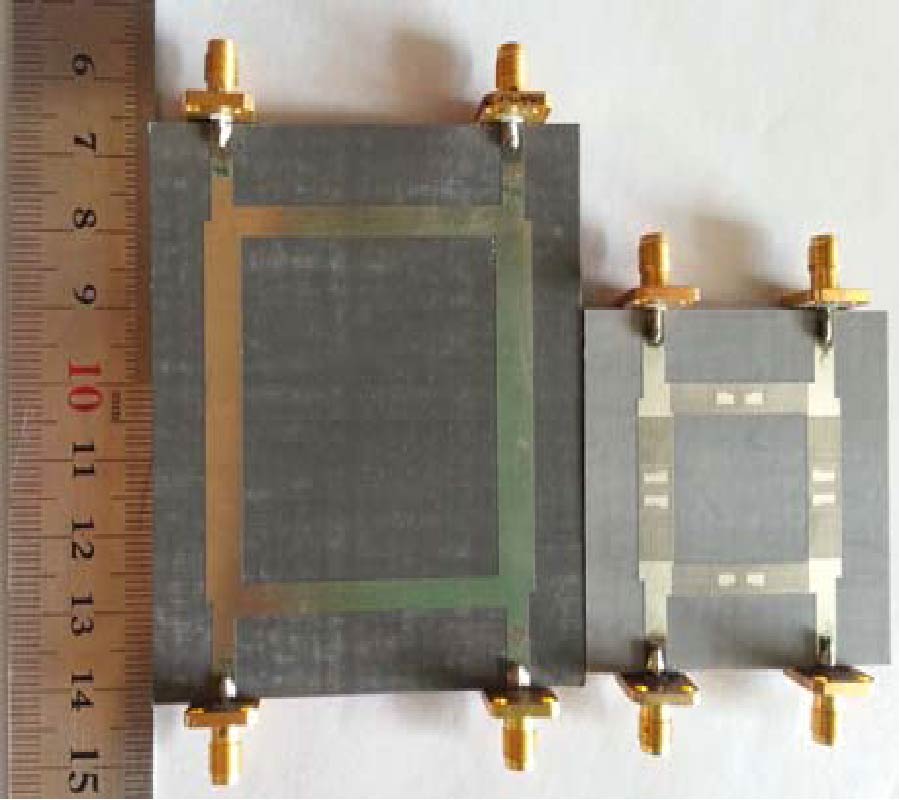
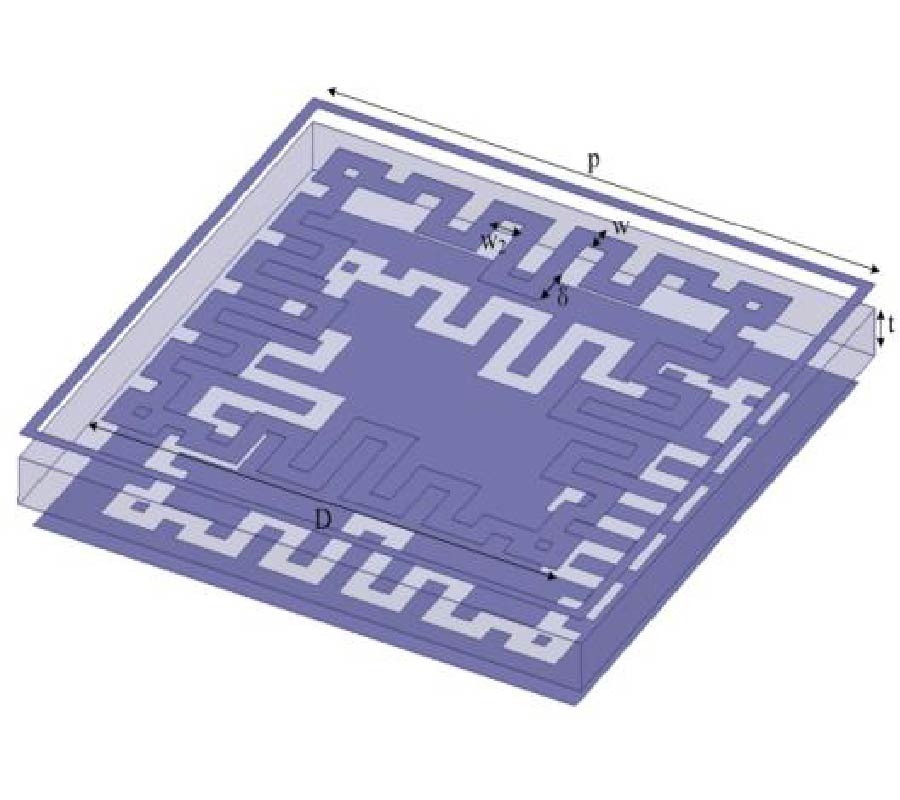
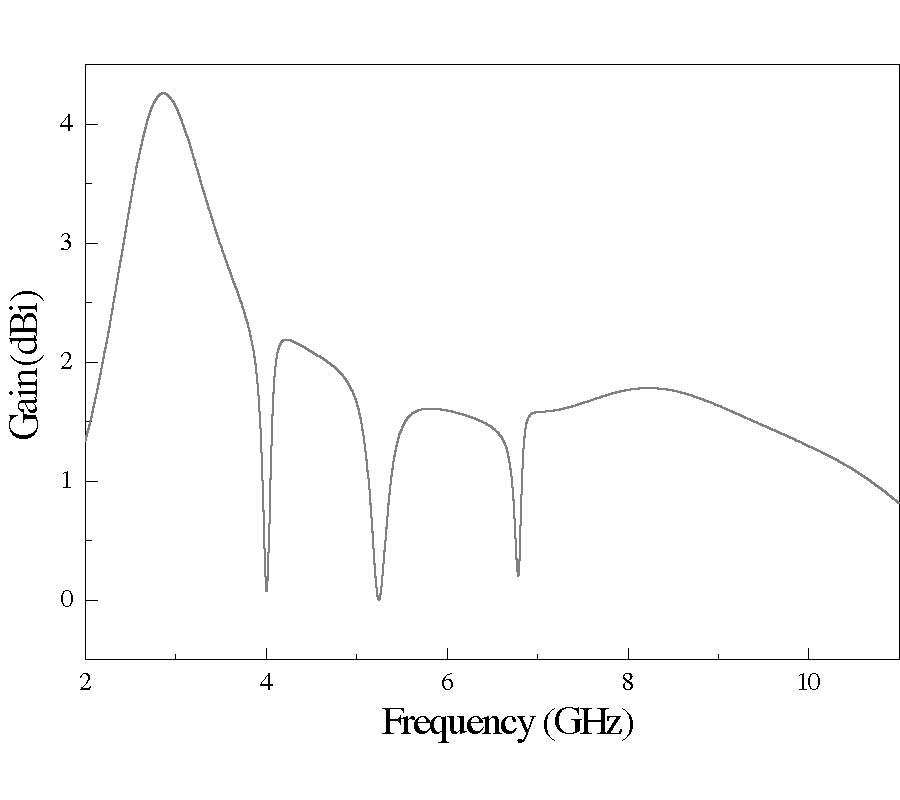
This paper presents a comparative study of rectangular base desktop shaped broadband patch antenna (Antenna1) and triangular base desktop shaped broadband patch antenna (Antenna2). Apart from base dimensions all parameters of both antennas are constant. The broadband characteristics are achieved by introducing two parasitic ground planes and notches are etched on the radiating patch. Both antennas are simulated, fabricated and tested for obtaining the desired performance. The designed Antenna1 shows bandwidth of 39.97% (4.95 GHz to 7.42 GHz) whereas an improved bandwidth of 49.0% (4.53 GHz to 7.47 GHz) is achieved through Antenna2. Further, gain and radiation pattern of the two antennas are compared and discussed. The effect of inclination angle `α' on Antenna2 characteristics in obtaining the improved bandwidth is also studied. The proposed antennas are simulated, and results are verified experimentally.
DESKTOP SHAPED BROADBAND MICROSTRIP PATCH ANTENNAS FOR WIRELESS COMMUNICATIONS
2014-11-12
PIER M
Vol. 39, 161-170
A Method of Predicting Composite Magnetic Sources Employing Particle Swarm Optimization
Sotirios T. Spantideas , Nikolaos C. Kapsalis , Sarantis-Dimitrios J. Kakarakis and Christos N. Capsalis
In this paper, the problem of predicting the parameters (positions and magnetic moments) of an Equipment Under Test (EUT) composed of a magnetic dipole and quadrupole is studied. Firstly, a multiple magnetic dipole and quadrupole model (MDQM) is developed to simulate the magnetic behavior of the EUT. The parameters of the model are calculated using the values of the near field measurements applying the Particle Swarm Optimization (PSO) algorithm. For the evaluation of the method, extended simulations were conducted, producing theoretical values and distorting them with noise, and then the developed algorithm was used to create the proper MDQM. As an evaluation criterion, the relative difference between the theoretical and the MDQM's magnetic field is considered.
A METHOD OF PREDICTING COMPOSITE MAGNETIC SOURCES EMPLOYING PARTICLE SWARM OPTIMIZATION
2014-11-10
PIER C
Vol. 55, 9-16
Dual Circularly Polarized Antenna with Suspended Strip Line Feeding
Jianjun Wu , Hao Yang and Ying-Zeng Yin
A dual circularly polarized (CP) antenna is proposed in this paper. By employing suspended strip line to feed the patch at the two diagonal positions with 90º phase difference, single circular polarization is firstly obtained. Then dual circular polarization is excited by an L-shaped strip. The two feeding ports near the edges of the L-shaped strip arms provide the conversion between left-hand circular polarization (LHCP) and right-hand circular polarization (RHCP). Measured results show that the proposed antenna has 10-dB return loss bandwidth of 30.5% (2.08-2.83 GHz), 10-dB isolation bandwidth of 15.7% (2.29-2.68 GHz), 3-dB axial ratio (AR) bandwidth of 25.1% (2.16-2.78 GHz).
DUAL CIRCULARLY POLARIZED ANTENNA WITH SUSPENDED STRIP LINE FEEDING
2014-11-10
PIER
Vol. 149, 251-273
Transformation Optics and Applications in Microwave Frequencies (Invited Paper)
Wei Xiang Jiang , Wen Xuan Tang and Tie-Jun Cui
Modern electrical and communication technologies benefit from classical electrodynamics and electric circuits, both of which are based on the Maxwell's equations. Using the property of metric invariance in Maxwell's Equations, transformation optics has been proposed and achieves a rapid progress in the past decade. Transformation optics is a method for the conceptual design of complex electromagnetic media, offering opportunities for the control of electromagnetic waves. In this paper, we introduce the general theory of transformation optics and discuss the recent development on the transformation devices in the microwave band, such as non-singular invisibility cloak and its realization in dc circuit, three-dimensional ground-plane cloaks, flattened Luneburg lens, high-performance antennas, and high-resolution imaging lens. Some of the transformation-optics-based devices are expected to have further impact on the microwave engineering applications.
TRANSFORMATION OPTICS AND APPLICATIONS IN MICROWAVE FREQUENCIES (Invited Paper)
2014-11-10
PIER
Vol. 147, 141-151
Super Resolution Laser Radar with Blinking Atmospheric Particles ---- Application to Interacting Flying Insects (Invited Paper)
Mikkel Brydegaard , Alem Gebru and Sune Svanberg
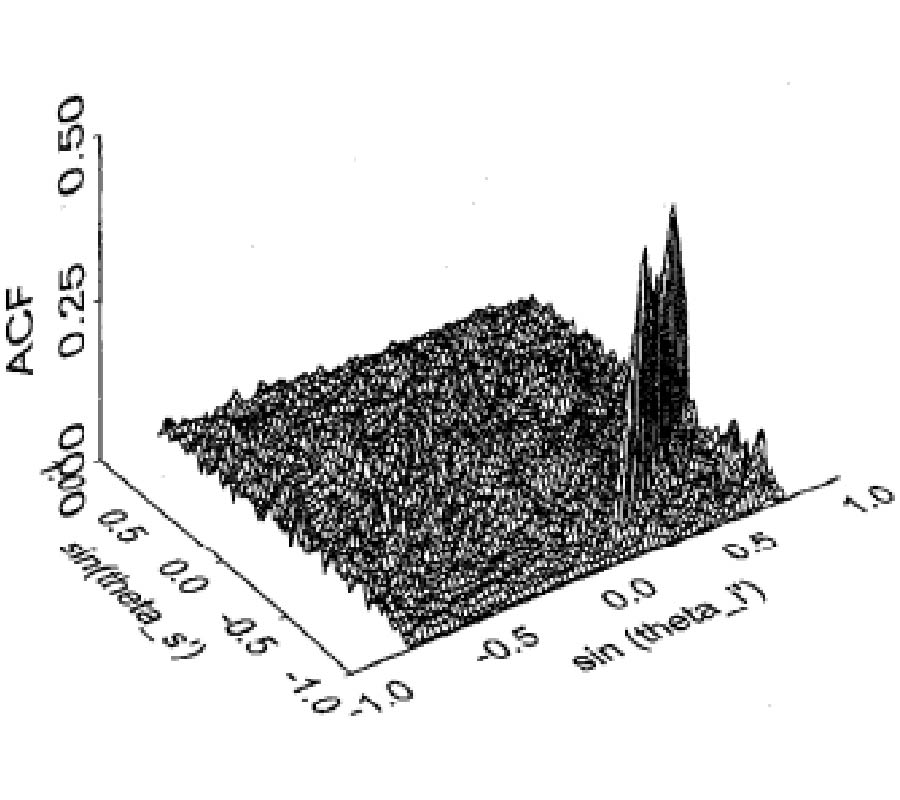
Assessment of biodiversity of pollinators on the landscape scale or estimation of fluxes of disease-transmitting biting midges constitutes a major technical challenge today. We have developed a laser-radar system for field entomology based on the so called Scheimpflug principle and a continuous-wave laser. The sample-rate of this method is unconstrained by the round-trip time of the light, and the method allows assessment of the fast oscillatory insect wing-beats and harmonics over kilometers range, e.g., for species identification and relating abundances to the topography. Whereas range resolution in conventional lidars is limited by the pulse duration, systems of the Scheimpflug type are limited by the diffraction of the telescopes. However, in the case of sparse occurrence of the atmospheric insects, where the optical cross-section oscillates, estimation of the range and spacing between individuals with a precision beyond the diffraction limit is now demonstrated. This enables studies of insect interaction processes in-situ.
SUPER RESOLUTION LASER RADAR WITH BLINKING ATMOSPHERIC PARTICLES ---- APPLICATION TO INTERACTING FLYING INSECTS (Invited Paper)
2014-11-09
PIER
Vol. 149, 217-249
Reflections on Maxwell's Treatise (Invited Paper)
Arthur D. Yaghjian
Over a period of about twenty years, Maxwell's determination and unification of the equations of electricity and magnetism evolved from his first paper on the subject in 1855-56, ``Faraday's Lines of Force,'' to the publication of his Treatise on Electricity and Magnetism in 1873. Notwithstanding the many historical accounts and textbooks devoted to Maxwell's work, I have not been able to find a reasonably concise, yet definitive summary of the fundamentals of exactly what Maxwell did in his Treatise and how he did it. This paper represents my own attempt to provide such a summary.
2014-11-08
PIER Letters
Vol. 50, 7-12
3D Millimeter Wave Image by Combined Active and Passive System
Xuan Lu , Zelong Xiao , Jianzhong Xu and Haiqiang Huo
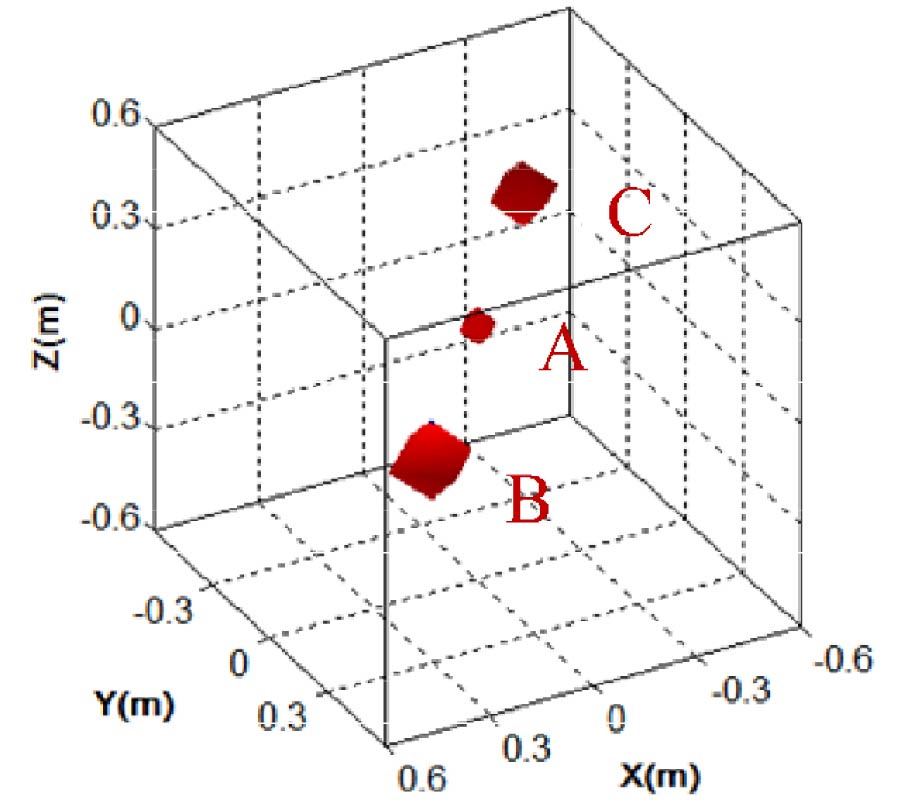
This paper presents a data fusion algorithm combining a 24 GHZ radar and a 94.5 GHz radiometer for 3D image. Three trihedral reflectors are tested as multiple targets. Based on a conical scanner, the radar azimuth-range image and radiometric azimuth-elevation image are firstly obtained and preprocessed respectively. Then the common dimension of azimuth is made use of to align two images and synthesize a 3D image, where the positions, ranges and combined intensities of the targets are illustrated. Outdoor tests and experiment results demonstrate the effectiveness of the idea.
3D MILLIMETER WAVE IMAGE BY COMBINED ACTIVE AND PASSIVE SYSTEM
2014-11-07
PIER C
Vol. 55, 1-7
A Mini NMR Sensor for Monitoring the Degradation of Fire-Resistant Turbine Oils in Thermal Power Plant in Vivo
Pan Guo , Wei He and Zheng Xu
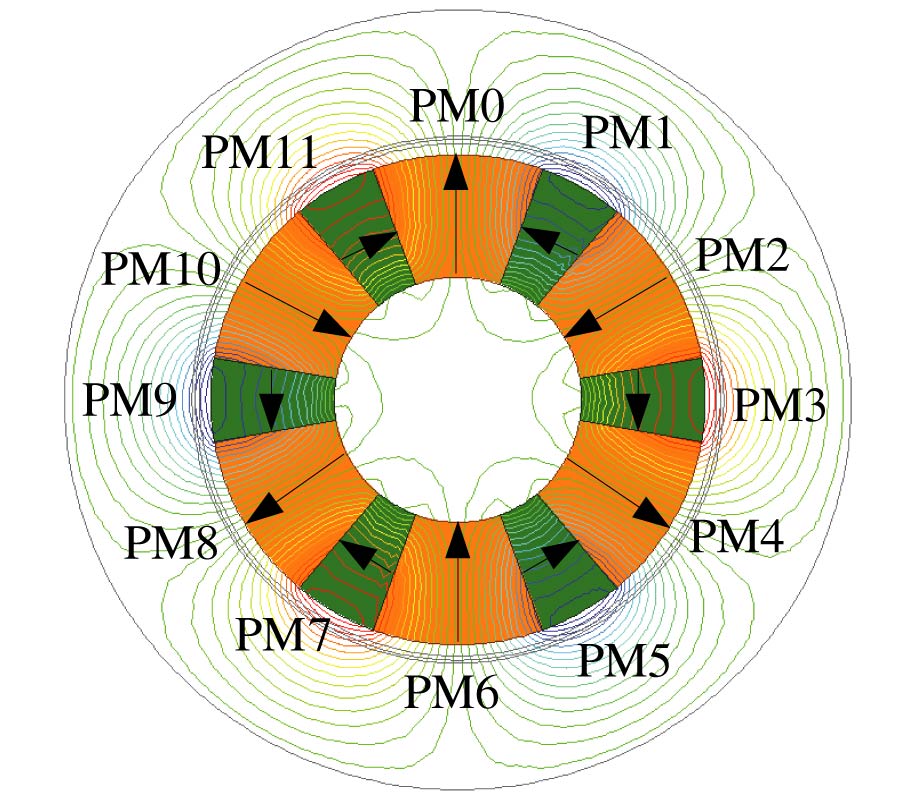
Fire-resistant turbine oil is widely used in thermal power plant. As the service time increases, its lubrication and electrical characteristic degrade. This work proposes a mini NMR (nuclear magnetic resonance) sensor for assessing the degradation of the turbine oils used in real time and in vivo. Two magnetic discs with poles opposed were separated in a distance to generate a relative homogeneous static magnetic field between them. A solenoid coil was placed between the magnets as the RF coil. The dimensions of the sensor are 30 mm×30 mm×36 mm and the mass is 107 g. The T1 and T2eff of the turbine oils from two different power plants were measured. The results demonstrated that an increase of the service time of turbine oils clearly results in a decrease of T1 and T2eff. This method of monitoring degradation of turbine oils could lead to the use of NMR to assess the degradation level of turbine oils in service.
A MINI NMR SENSOR FOR MONITORING THE DEGRADATION OF FIRE-RESISTANT TURBINE OILS IN THERMAL POWER PLANT IN VIVO
2014-11-07
PIER C
Vol. 54, 179-185
A Generalized Concept for Band Notch Generation in Ultra-Wide Band Antennas
Falih Mahdi Alnahwi and Naz E. Islam
In this paper a generalized concept to generate two band notches by adding parasitic elements having predictable positions to a wide slot ultra-wide band (UWB) antenna is proposed. The elimination of the wireless local area network (5.15-5.825 GHz) is achieved by a pair of radiating parasitic elements. Each element operates as a quarter wavelength resonator. A pair of half wavelength resonators in a form of a pair of parasitic strips is engraved in the ground plane side of the substrate directly behind the antenna tuning stub to break the coupling between the feed line and the slot, which represents the basic operation concept of the wide slot antenna, at the X-band satellite communications down link (7.25-7.745 GHz). Analysis shows that the proposed mechanisms are suitable for all wide slot antennas. The simulation and measured parameters are in good agreement, and results also show that the antenna has high voltage standing wave ratio and low gain inside the eliminated bands, while outside the notched bands it has a bandwidth that covers the entire UWB band and has very stable radiation characteristics.
A GENERALIZED CONCEPT FOR BAND NOTCH GENERATION IN ULTRA-WIDE BAND ANTENNAS
2014-11-07
PIER C
Vol. 54, 171-178
A Novel Smiley Fractal Antenna (Sfa) Design and Development for UWB Wireless Applications
Mohandoss Susila , Thipparaju Rama Rao and Aman Gupta
Ultra Wideband (UWB) has been deliberated as a promising technology for short-range wireless communication with large unlicensed frequency band for commercial, enterprise private and public uses. Designing an antenna of compact size for portable wireless devices is one of the challenges especially for UWB based wireless communication technologies. In this paper, a novel smiley fractal antenna, employed with N-notch feed and modified ground plane, is designed and developed to achieve the desired characteristics. The proposed antenna is of compact size with dimensions of 34×32×1.6 mm3, fabricated on an FR-4 substrate with εr=4.4. The radiation pattern of the proposed antenna is omni-directional with a maximum gain of 4.83 dB and efficiency of 93.55% obtained through 3D electromagnetic simulation software tools. The simulated results are compared with measured ones using RF equipment. The results obtained show that the proposed Smiley Fractal Antenna (SFA) is a suitable candidate for UWB wireless communication application.
A NOVEL SMILEY FRACTAL ANTENNA (SFA) DESIGN AND DEVELOPMENT FOR UWB WIRELESS APPLICATIONS
2014-11-07
PIER Letters
Vol. 50, 1-6
Multiple Fano Resonances Structure for Terahertz Applications
Hadi Amarloo , Daniel M. Hailu and Safieddin Safavi-Naeini
A new planar engineered material structure, which has multiple Fano resonances at the terahertz range of frequency, is presented. Starting with a double Fano resonance structure, it is shown that by considering several unit cells as a larger unit cell and creating new asymmetries in the super-cell, we can have five Fano resonances in one structure. Analysis of current distributions at resonance frequencies clarifies the origin of different resonances. We show that all of these resonances come from different arrangement of magnetic dipoles.
MULTIPLE FANO RESONANCES STRUCTURE FOR TERAHERTZ APPLICATIONS
2014-11-07
PIER Letters
Vol. 49, 131-135
Multiband Probe-Fed Stacked Patch Antenna for GNSS Applications
Zeheng Lai , Jiade Yuan , Xiaojie Yang , Zhangfan Ye and Weiqiang Chen
A novel design of multiband probe-fed stacked patch antenna for Beidou Satellite Navigation System (BDS) and Global Position System (GPS) applications is proposed. The presented antenna covers BDS-1 L (1616±5 MHz), BDS-1 S (2492±5 MHz), BDS-2 B1 (1561±5 MHz), and GPS L1 (1575±5 MHz) frequency bands. Excellent high port isolation and Circular Polarized (CP) performance are achieved by introducing four metallized holes which are strictly symmetrical about the centre of the patch antenna. The proposed antenna is fabricated, and its performance is verified in measurement.
MULTIBAND PROBE-FED STACKED PATCH ANTENNA FOR GNSS APPLICATIONS
2014-11-06
PIER M
Vol. 39, 151-159
Automatic Target Recognition Using Jet Engine Modulation and Time-Frequency Transform
Sang-Hong Park
We propose a method to recognize targets by using the signature of jet engine modulation (JEM) generated by the rotating blades in jet engines. The method combines time-frequency transform, 2-dimensional (2D) principal component analysis, and a nearest-neighbor classifier. In simulationsusing five propellers composed of isotropic point scatterers,the proposed method was insensitive to signal-to-noise SNR variation; this insensitivity wasa result of the effective 2D time-frequency feature and the noise suppression by the matchedfilter. In simulations using a reduced training database, the result was most sensitive to variation in the rotation velocity of the blades.
AUTOMATIC TARGET RECOGNITION USING JET ENGINE MODULATION AND TIME-FREQUENCY TRANSFORM
2014-11-05
PIER B
Vol. 61, 135-147
Imaging of 3-D Dielectric Objects Using Far-Field Holographic Microwave Imaging Technique
Lulu Wang , Ahmed M. Al-Jumaily and Ray Simpkin
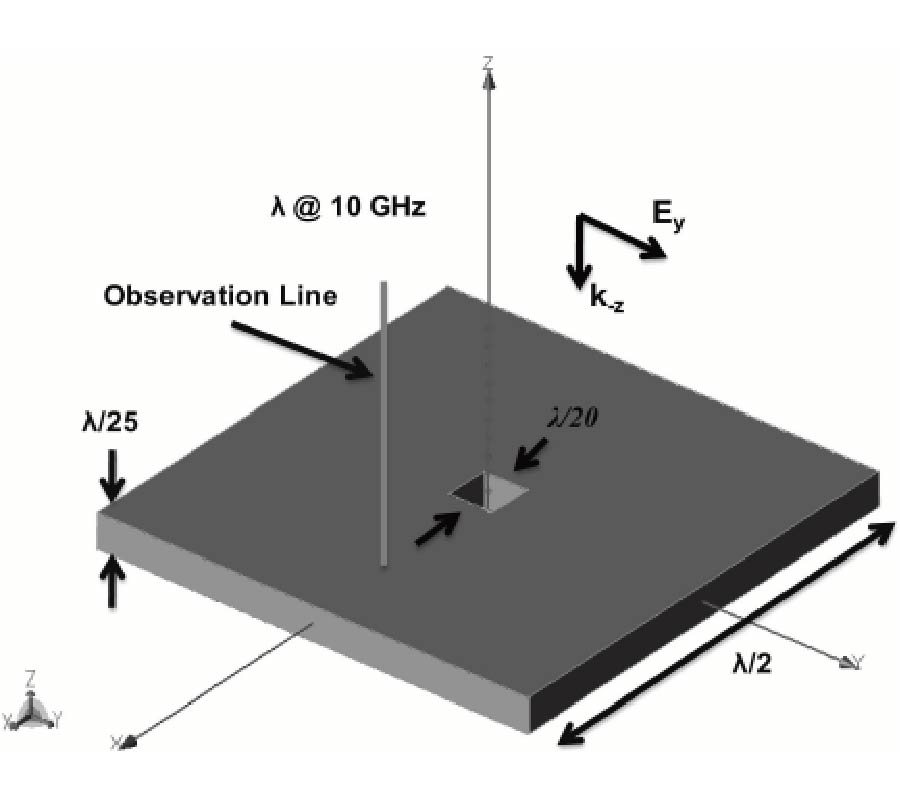
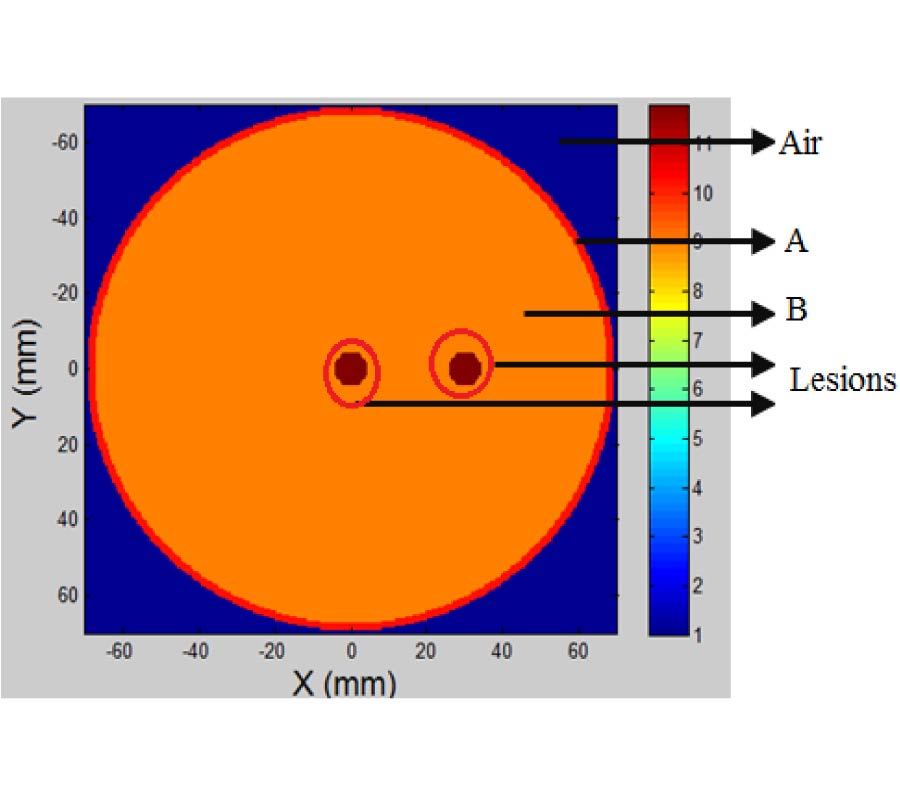
This paper describes the working principle of a three-dimensional (3-D) holographic microwave imaging (HMI) method for imaging small inclusion embedded in a dielectric object. Using published dielectric properties of various materials, a 3-D mathematical model is developed under the MATLAB environment to validate the HMI on various dielectric objects. Results indicate that the 3-D HMI has an ability to produce a 3-D image and detect small inclusions embedded within a dielectric object. Several potential applications of the 3-D HMI method includes biological tissues imaging, security screening and packaged food evaluation.
IMAGING OF 3-D DIELECTRIC OBJECTS USING FAR-FIELD HOLOGRAPHIC MICROWAVE IMAGING TECHNIQUE
2014-11-05
PIER B
Vol. 61, 121-133
Optimization of the Method of Auxiliary Sources for 3D Scattering Problems by Using Generalized Impedance Boundary Conditions and Level Set Technique
Afif Bouzidi and Taoufik Aguili
The method of auxiliary sources MAS, presents a promising alternative to methods based on discretization, currently used for solving scattering problems. The optimal choice of the auxiliary surface and the proper allocation of radiation centers play a crucial role in ensuring accuracy and stability of the MAS. This approach is considered an open issue and can be investigated numerically. In this paper, we propose a systematic and fully automated technique leading to determine the optimal parameters of the MAS for arbitrary shaped obstacles (partially or fully penetrable) for scattering problems.
OPTIMIZATION OF THE METHOD OF AUXILIARY SOURCES FOR 3D SCATTERING PROBLEMS BY USING GENERALIZED IMPEDANCE BOUNDARY CONDITIONS AND LEVEL SET TECHNIQUE
2014-11-05
PIER C
Vol. 54, 163-169
A Fully Planar Near-Field Resonant Parasitic Antenna
Sen Yan and Guy Vandenbosch
A near-field resonant parasitic (NFRP) antenna is presented. Unlike the conventional NFRP antenna, which is fed by coaxial cables, the topology is driven by a planar ``monopole''. In this way, the antenna and the front end circuit can be designed in a single plane, which is crucial for system integration. The radiator is electrically small (λ0/19.3 × λ0/10.47 × λ0/76.4) while reaching a high efficiency (94%) and a good bandwidth (85 MHz). The operating frequency and input impedance are easily tailored. Measured results verify the working mechanism.
A FULLY PLANAR NEAR-FIELD RESONANT PARASITIC ANTENNA
2014-11-05
PIER C
Vol. 54, 155-162
Substrate Integrated Waveguide Filter with Improved Stopband Performance Using LTCC Technology
Pingjuan Zhang and Min-Quan Li
A novel multi-layer third-order substrate integrated waveguide (SIW) bandpass filter with improved lower stopband performance is proposed. TE201-mode in folded-SIW cavity is utilized to implement negative cross coupling, and the TE101-mode is taken as a non-resonating node (NRN) for implementing bypass coupling. A circular aperture etched on the middle metal layer is used to realize coupling between source and the second SIW cavity. Then, three transmission zeros located below the passband can be obtained to improve stopband attenuation. Meanwhile, better spurious suppression performance above passband is achieved. A filter sample is designed and fabricated with multi-layer low-temperature co-fired ceramic (LTCC) technology. The measured S-parameters agree well with the simulated ones, with its predicted good performance.
SUBSTRATE INTEGRATED WAVEGUIDE FILTER WITH IMPROVED STOPBAND PERFORMANCE USING LTCC TECHNOLOGY
2014-11-04
PIER C
Vol. 54, 143-154
Remote Detection and Recognition of Electrostatic Discharge from HVDC Transmission Lines
Yue Zhang , Shanghe Liu and Xiaofeng Liu
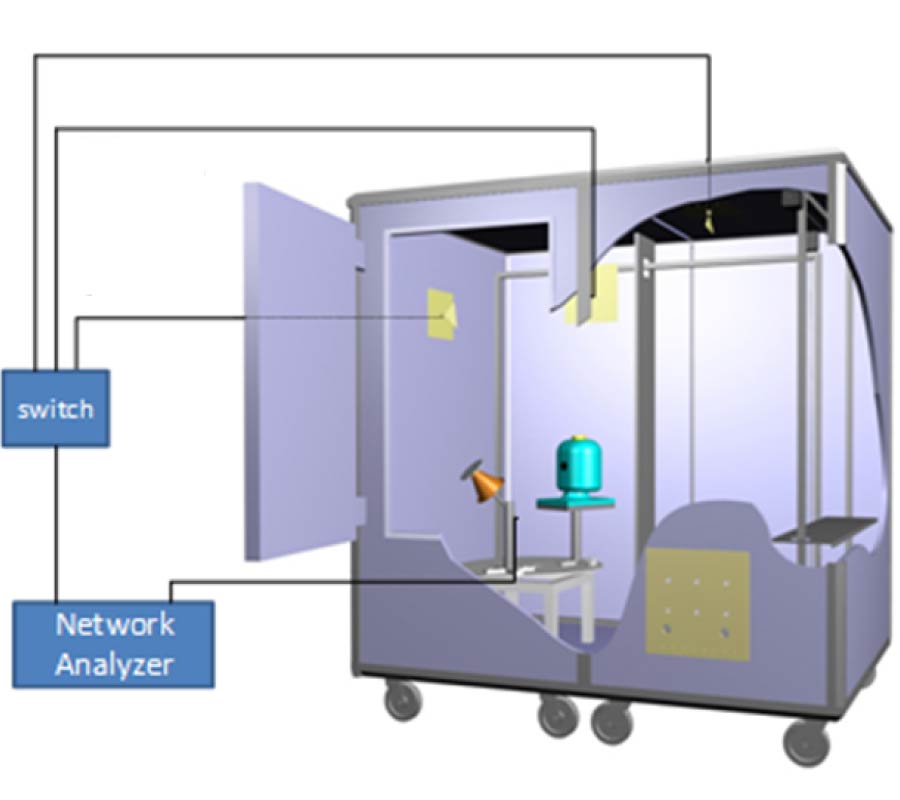
To remotely detect corona discharge from High-Voltage Direct Current (HVDC) transmission lines, a detecting system combining detecting platform and data progressing system is designed. Detecting platform is developed resorting to the principle of differential noise reduction, which can fulfill narrow-band detection breaking away interference from broadcasting and easily catch the electrostatic discharge signal. To get rid of interference from spark discharge, a data progressing system containing feature extractions, clustering and recognition technologies is developed. Clustering is realized by extracting five discharge features, including peak factor, form factor, skewness, kurtosis and mean square error. The unsupervised clustering Fuzzy C-Means (FCM) method is used to achieve fast separation for electrostatic discharges and provide training set for pattern recognition. Pattern recognition resorts to Support Vector Machine (SVM) method. For comparison, Back Propagation (BP) and Learning Vector Quantization (LVQ) approaches are taken to test the recognition ability. The results show that SVM recognizer with a recognition rate of 97.5% achieves higher performance than BP and LVQ methods. It can be concluded that the detecting system can be an interesting alternative for electrostatic discharge detection.
REMOTE DETECTION AND RECOGNITION OF ELECTROSTATIC DISCHARGE FROM HVDC TRANSMISSION LINES
2014-11-04
PIER
Vol. 149, 205-216
Metasurface Synthesis for Time-Harmonic Waves: Exact Spectral and Spatial Methods (Invited Paper)
Mohamed A. Salem , Karim Achouri and Christophe Caloz
Two exact approaches to synthesize metasurfaces for time-harmonic waves are discussed. The first approach is a spectral approach based on wave momentum conservation. Here, the spectral approach is applied to scalar and paraxial wave transformations. This approach effectively allows the arbitrary translation of the transformation plane parallel to the metasurface. The second approach is a direct-space approach based on the extraction of the susceptibility tensors of the metasurface elements. This approach is applied to vectorial field transformation and can be used for single or multiple transformations. An example of wave transformation by a metasurface is illustrated for each of the two approaches.
METASURFACE SYNTHESIS FOR TIME-HARMONIC WAVES: EXACT SPECTRAL AND SPATIAL METHODS (Invited Paper)
2014-11-03
PIER C
Vol. 54, 133-141
An Efficient Coplanar Retransmission Type Chipless RFID Tag Based on Dual-Band McSrr
Md. Shakil Bhuiyan and Nemai C. Karmakar
In this paper, an efficient spectral signature based chipless RFID tag is presented, where 4N number of words can be coded using only N number of resonators. As data bit encoding element, the proposed tag utilizes a number of modified complementary split ring resonators (MCSRR). A novel resonance detuning mechanism proposed here allows the use of an MCSRR to independently encode two data bits instead of one bit. Compared with two separate rings based CSRR, the proposed MCSRR occupies 56% less area and also reduces the resonance bandwidth requirement by more than 60%. The multiresonator circuit and the UWB antennas are implemented on a thin (0.127 mm) substrate with only single sided metallization. The proposed tag has great prospect to yield an ultra-low cost chipless RFID tag that may replace barcode in the long run.
AN EFFICIENT COPLANAR RETRANSMISSION TYPE CHIPLESS RFID TAG BASED ON DUAL-BAND MCSRR