Search Results(13789)

2020-11-22
PIER M
Vol. 99, 1-12
Self-Calibration Algorithm with Gain-Phase Errors Array for Robust DOA Estimation
Zhenyu Wei , Wei Wang , Fuwang Dong and Ping Liu
The performance of direction-of-arrival (DOA) estimation algorithms degrades when a partly calibrated array is adopted due to the existing unknown gain-phase uncertainties. In addition, the spatial discretized searching grid also limits the performance improvement and effectiveness of subspace-based DOA estimation algorithms, especially when the true angles do not lie on the grid points which is referred to the off-grid problem alike. In this paper, a self-calibration DOA estimation algorithm is proposed which solves the array calibration and off-grid problems simultaneously. Firstly, the signal model for a partly calibrated array with gain-phase uncertainties is established. To suppress the off-grid errors, an optimization problem for joint parameters estimation is constructed by substituting the approximation of the steering vector into a newly constructed objective function. The alternative minimization (AM) algorithm is employed to calculate the joint DOA and gain-phase uncertainty estimations. Within each iteration step of the optimization problem, a closed-form solution is derived that guarantees the convergence of the proposed algorithm. Furthermore, the Cramer-Rao bound (CRB) for the partly calibrated arrays with unknown gain-phase uncertainties is also derived and analyzed in the paper. Simulation results demonstrate the effectiveness of the proposed algorithm.
SELF-CALIBRATION ALGORITHM WITH GAIN-PHASE ERRORS ARRAY FOR ROBUST DOA ESTIMATION
2020-11-21
PIER M
Vol. 98, 213-221
Hybrid Method for the EMI Analysis of Penetrated Wire of Electronic Device Excited by Space Electromagnetic Fields
Zhihong Ye , Jianjian Zhou and Dan Gou
An efficient field-to-circuit hybrid method is presented for the electromagnetic interference (EMI) analysis of penetrated wire of an electronic device excited by ambient wave, which consists of finite-difference time-domain (FDTD) method, transmission line (TL) equations, Thevenin's theorem, and circuit analysis method. The significant feature of this method is that it can avoid modelling the structures of penetrated wire and terminal circuit directly on the premise of guaranteeing sufficient accuracy. At first, the whole model of penetrated wire of an electronic device is decomposed into external and internal regions according to the shielded enclosure of the device. Then, the FDTD method combined with TL equations is applied to build the coupling model of external transmission line with the shielded enclosure and extract the equivalent circuit model of an external region based on Thevenin's theorem, which is further imported into the internal region as excitation source. Finally, the EMI analysis of internal region is executed by constructing the transmission parameter matrices of the two-port cascade network, which is contributed by the penetration node, internal transmission line and terminal circuit. Then the interference response on terminal circuit can be obtained. Numerical simulations have been taken into account to verify the the accuracy and efficiency of this field-to-circuit hybrid method by comparing with the traditional FDTD method.
HYBRID METHOD FOR THE EMI ANALYSIS OF PENETRATED WIRE OF ELECTRONIC DEVICE EXCITED BY SPACE ELECTROMAGNETIC FIELDS
2020-11-21
PIER M
Vol. 98, 205-212
Optically-Switched Antenna with Parallel Photodiodes
Peiying Lin and Jiangtao Huangfu
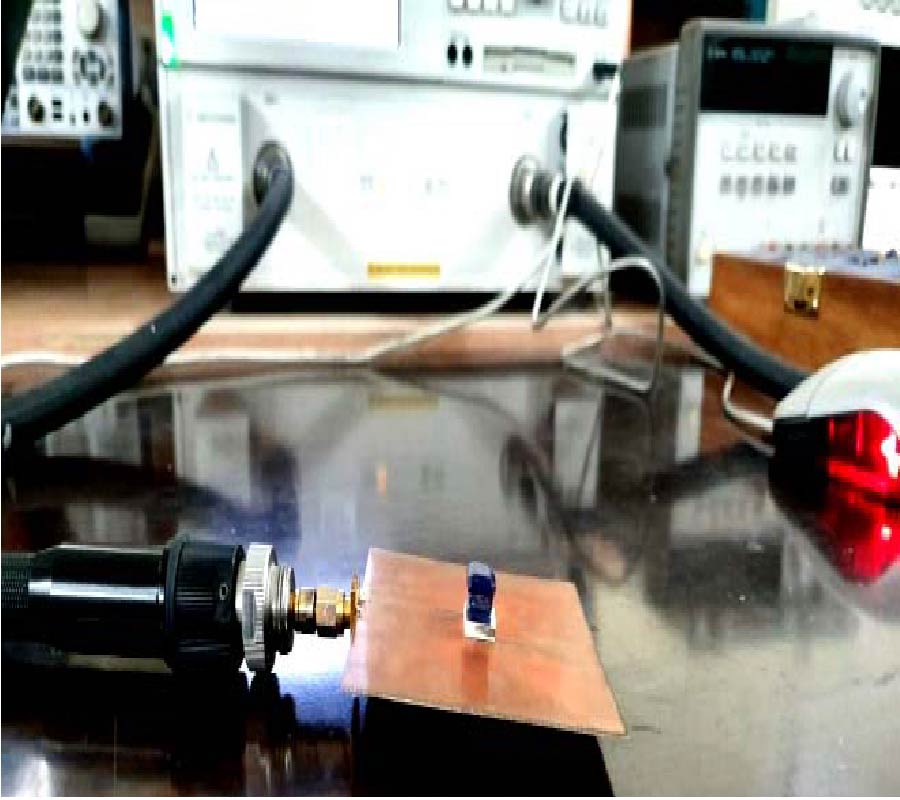
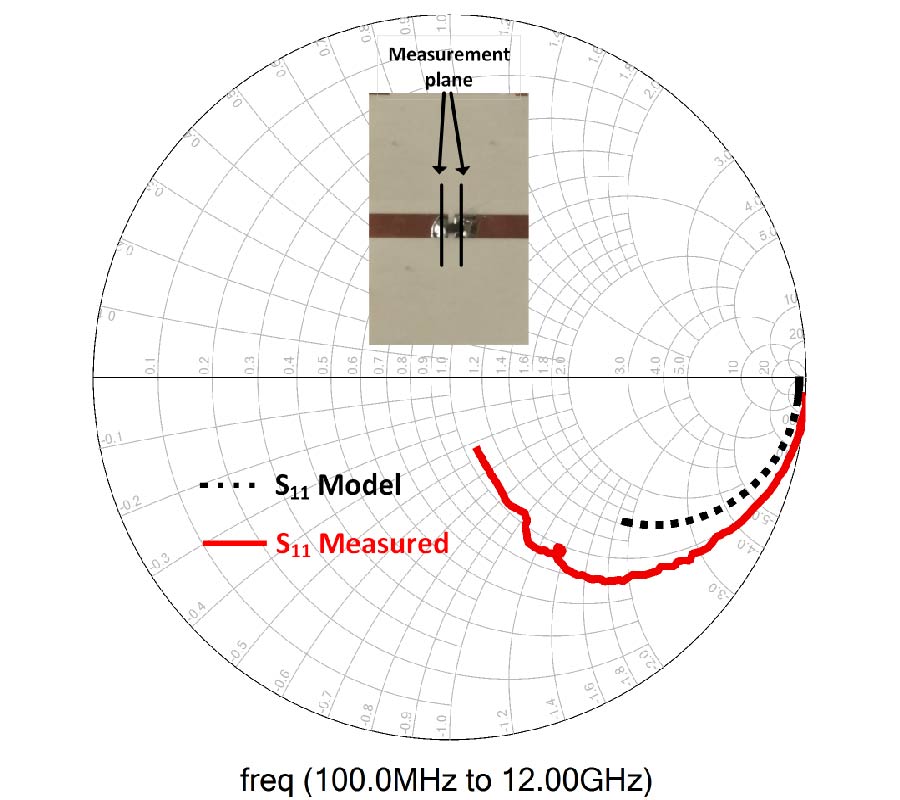
A novel optically-switched antenna is proposed, in which a photodiode is embedded into an antenna radiator. In order to avoid the high loss problem in series structures for the integration of photodiodes and patch antenna, a photodiode parallel structure with sensitive radio frequency response is selected for the design. The status of the antenna while at work can be effectively adjusted by illumination. Its reflection coefficient and radiation gain vary with the exposure of photodiode to light illumination and non-illumination state. The simulation and experiment of this design at 1.52 GHz produce an obvious effect on light control with a maximum 6.6 dB gain variation on omnidirectional pattern. It is thus deemed suitable for speed measurement and occlusion detection in remote wireless sensor networks and other applications.
OPTICALLY-SWITCHED ANTENNA WITH PARALLEL PHOTODIODES
2020-11-21
PIER
Vol. 168, 133-143
Dual-Mode Hyperspectral Bio-Imager with a Conjugated Camera for Quick Object-Selection and Focusing
Xinli Yao , Shuo Li and Sailing He
A dual-mode hyperspectral imager using field of view scanning needs no moving macro parts. It could work in dual-mode (macro imaging and micro imaging) and is equipped with a conjugated camera for quick object-selection and focusing. By adjusting the imaging lens and achieving the image clarity on the conjugated camera, we could find the correct location and focusing of the ROIs simultaneously instead of inefficiently checking the hyperspectral image after the whole scanning process. The whole system was applied to the study of spectral characteristics of blood oxygen in human hands and the microscopic identification of algae, showing a great potential of clinical and marine applications of our system.
2020-11-20
PIER M
Vol. 98, 193-203
Interior Permanent Magnet Synchronous Motor Dead-Time Compensation Combined with Extended Kalman and Neural Network Bandpass Filter
Lidong Zhu , Ben Xu and Huangqiu Zhu
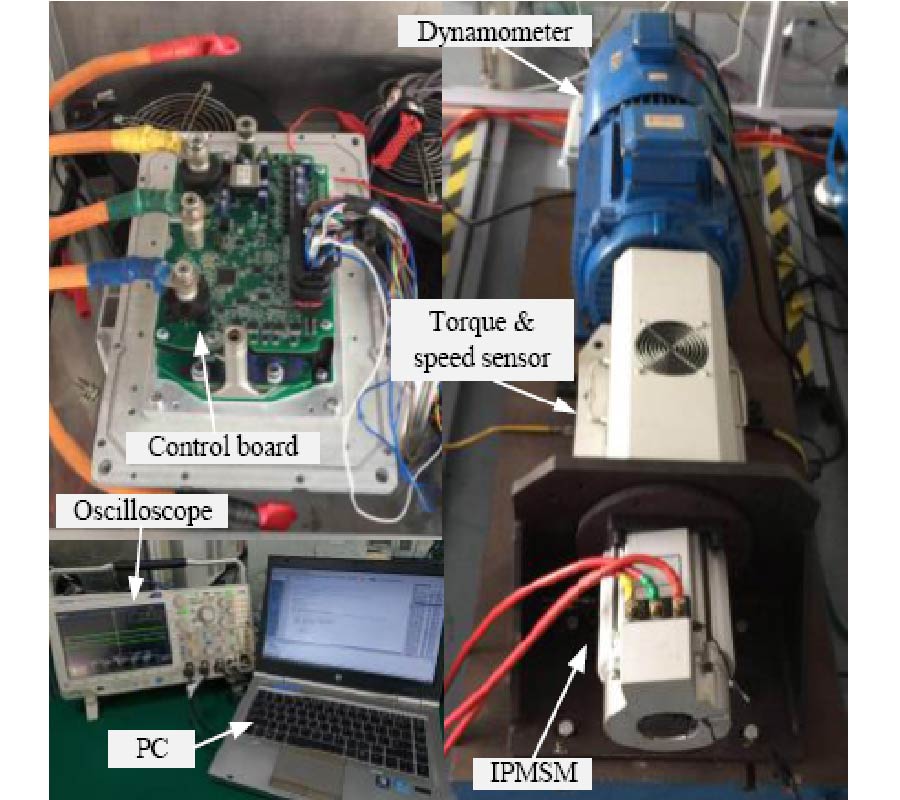
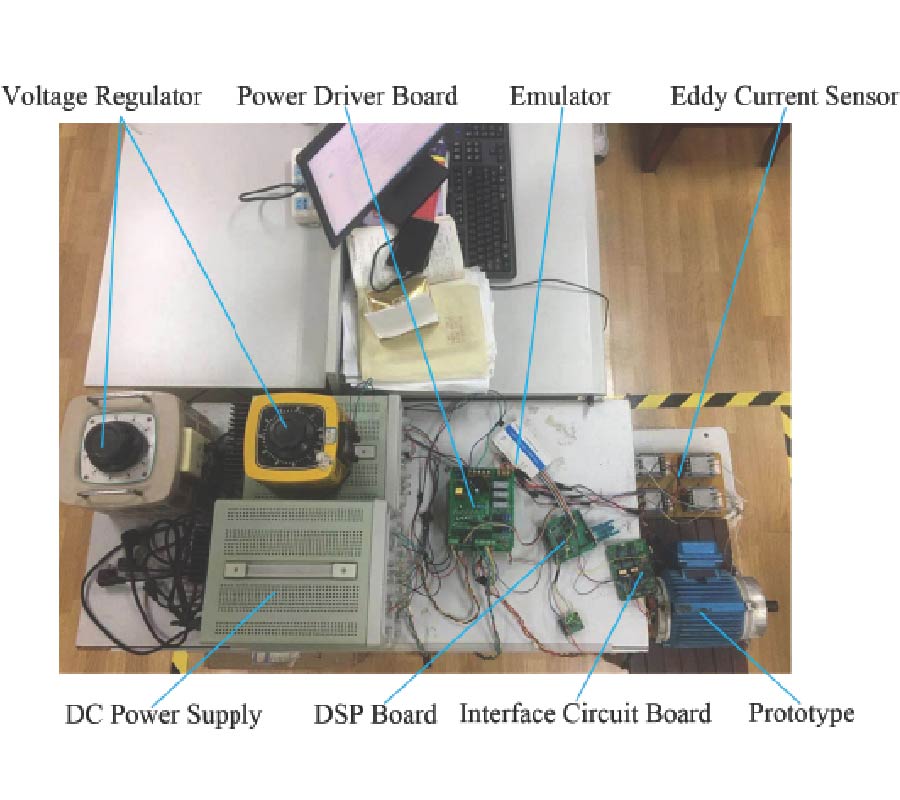
In order to overcome the problem of high voltage loss rate caused by the increase of current harmonics due to dead-time effect and the decrease of average potential output of inverter in the control process of the interior permanent magnet synchronous motor (IPMSM) for electric vehicles, a dead-time compensation control method based on an extended Kalman filter (EKF) and a neural network bandpass filter (NNBPF) is proposed. Firstly, from the mechanism of dead-time effect, the problems and causes of dead-time effect are analyzed. Secondly, the extended Kalman filter combining feedback and prediction function is used to filter the d- and q-axis currents of the motor, so as to solve the problem that zero current polarity is difficult to judge in the traditional dead-time compensation process. Thirdly, the high-order harmonics due to dead-time effect in the d- and q-axis currents are extracted by using the neural network band-pass filter, and the dead-zone compensation is carried out after the amplitude phase adjustment. Finally, the effectiveness of the proposed dead zone compensation method is proved by comparing no dead-time compensation with the dead-time compensation strategy proposed in this paper. The experimental results show that the proposed dead-time compensation method can effectively suppress the current harmonics, reduce the current distortion, reduce the voltage loss rate to 0.04%, improve the voltage utilization ratio, and effectively improve the operating performance and endurance of electric vehicles.
INTERIOR PERMANENT MAGNET SYNCHRONOUS MOTOR DEAD-TIME COMPENSATION COMBINED WITH EXTENDED KALMAN AND NEURAL NETWORK BANDPASS FILTER
2020-11-20
PIER M
Vol. 98, 183-192
Array Pattern Recovery Under Amplitude Excitation Errors Using Clustered Elements
Jafar Ramadhan Mohammed , Ahmed Jameel Abdulqader and Raad H. Thaher
In practice, the amplitude and phase excitations of array elements undergo random errors that lead to unexpected variations in the array radiation patterns. In this paper, the technique of the clustered array elements with discretized amplitude excitations is used to minimize the effect of random amplitude excitation errors and restore the desired array patterns. The most important feature of the proposed technique is its implementation in the design stage which may instantly count for any errors in the amplitude excitations. The cost function of the used optimizer is constrained to prevent any undesirable increase in the sidelobe levels due to unexpected excitation errors. Moreover, the error occurrences on the element amplitude excitations are considered to be either randomly over the whole array aperture or regionally (i.e., error affecting only a part of the array elements that located in a particular quadrant of the array aperture). Simulation results fully verify the effectiveness of the proposed technique.
ARRAY PATTERN RECOVERY UNDER AMPLITUDE EXCITATION ERRORS USING CLUSTERED ELEMENTS
2020-11-20
PIER M
Vol. 98, 171-181
DSC-FLL Based Sensorless Control for Permanent Magnet Synchronous Motor
Yonghong Huang , Tianyue Tao , Yihang Liu , Kunhua Chen and Fan Yang
The (6k±1)th harmonics exist in the extended electromotive force estimates due to the influence of the inverter nonlinearities and the flux spatial harmonics in the process of sensorless control of permanent magnet synchronous motor (PMSM), which give rise to the (6k)th harmonic in the rotor position estimate. A method of rotor position observation based on the time delay signal cancellation-frequency locked loop (DSC-FLL) is proposed to improve the sensorless control system of PMSM. The equivalent back EMF information is obtained by using the sliding mode observer, and the harmonic component in the specified back EMF observation value is filtered by using the delay signal elimination operator in the two-phase static coordinate system. The frequency locking loop is designed to track the rotor position information online, so as to improve the observation accuracy of the rotor position information. The model of sensorless control system of PMSM based on DSC-FLL is established, and compared with the model of sensorless control system of PMSM based on arctangent function. The results show that after adopting the method of rotor position observation based on DSC-FLL, the high harmonic in back EMF is suppressed, the error of rotor position fluctuation observation reduced, and the error of rotation speed observation reduced. The observation accuracy of rotor position information is significantly improved.
DSC-FLL BASED SENSORLESS CONTROL FOR PERMANENT MAGNET SYNCHRONOUS MOTOR
2020-11-20
PIER Letters
Vol. 94, 151-156
The Maxwell Stress Tensor and Electromagnetic Momentum
Artice Davis and Vladimir Onoochin
In this paper, we discuss two well known definitions of electromagnetic momentum, ρA and \epsilon0[E x B]. We show that the former is preferable to the latter for several reasons which we will discuss. Primarily, we show in detail|and by example|that the usual manipulations used in deriving the expression \epsilon0[E x B] have a serious mathematical flaw. We follow this by presenting a succinct derivation for the former expression. We feel that the fundamental definition of electromagnetic momentum should rely upon the interaction of a single particle with the electromagnetic field. Thus, it contrasts with the definition of momentum as \epsilon0[E x B] which depends upon a (defective) integral over an entire region, usually all space.
2020-11-18
PIER M
Vol. 98, 159-169
Applicability of Transient Electromagnetic Fast Forward Modeling Algorithm with Small Loop
Jian Chen , Fuxue Yan , Yishu Sun and Yang Zhang
In the forward modeling of the transient electromagnetic (TEM) method, a frequency-domain solution is usually obtained first, and the solution in the time domain is then calculated by a frequency-time transformation. At present, the three main fast frequency-time transformation methods are the Guptasarma algorithm, the sine and cosine numerical filtering algorithms, and the Gaver-Stehfest (G-S) algorithm. In recent years, with the increasing demand for fine detection at shallow depths, the small-loop TEM method has undergone rapid development. It is therefore important to evaluate whether the traditional forward modeling approaches can be directly applied to the small-loop method. In this paper, the principles of the three forward modeling methods and their limitations when being applied to the small-loop TEM method are discussed. Through a comparison with the analytical solution for a uniform half-space, we demonstrate that the accuracy of forward numerical calculation is affected by loop size and earth resistivity. When the Guptasarma, G-S, and cosine numerical filtering algorithms are used for small-loop TEM forward calculation, the overall calculation error becomes non-negligible, whereas the sine numerical filtering algorithm retains a high calculation accuracy. By studying the response of the frequency-domain solution, we analyze the cause of the error in the forward calculation. Generally, the sine numerical filtering algorithm is the most suitable method for fast and high-precision small-loop TEM forward modeling. The results obtained here should provide a foundation for high-precision forward modeling and inversion of the small-loop TEM method.
APPLICABILITY OF TRANSIENT ELECTROMAGNETIC FAST FORWARD MODELING ALGORITHM WITH SMALL LOOP
2020-11-18
PIER Letters
Vol. 94, 157-163
Design and Construction of a Nonuniform Wiggly Lines Bidirectional Coupler in Combination with the Reflected Power Canceller Method
Pouya Mehrjouseresht , Mahshad Rezvani , Majid Mohamadi Demneh and Reza Motahari
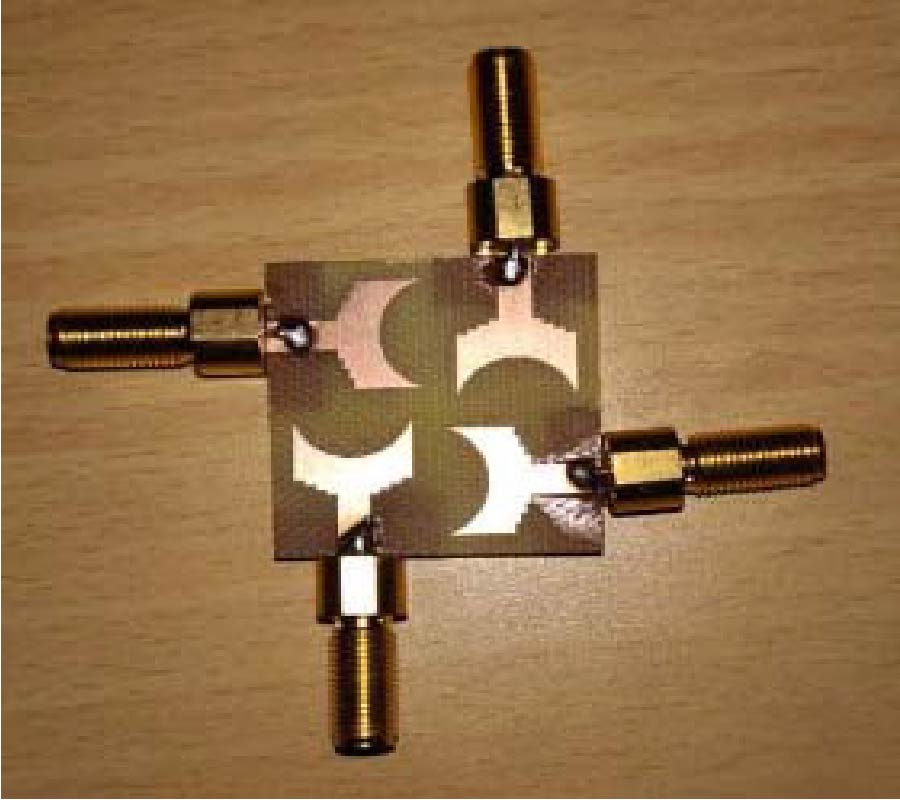
This paper presents a bidirectional coupler which is designed by combining nonuniform wiggly lines and the reflected power canceller (RPC) method. The combination not only brings about a high directivity but also makes a wideband structure with a compact size. Although, in the RPC method, an idle port is used to produce a reflected signal in order to achieve a high directivity, there are not any idle ports in the proposed coupler. The coupler was built on an FR4 substrate. The measurement results show that this structure is suitable to monitor forward and reflected signals in high power applications. The fabricated coupler has the directivity of more than 22 dB and the coupling flatness of ±0.12 dB in the forward and backward signals in a wide frequency range of 140 MHz-190 MHz.
DESIGN AND CONSTRUCTION OF A NONUNIFORM WIGGLY LINES BIDIRECTIONAL COUPLER IN COMBINATION WITH THE REFLECTED POWER CANCELLER METHOD
2020-11-17
PIER M
Vol. 98, 147-158
Pattern Reconfigurable Patch Antenna with Dual Band Characteristic for WLAN & 5G Applications
Jinzhi Zhou , Ming Yang and Junnan Yu
A pattern reconfigurable patch antenna with dual band characteristic is investigated in this paper. Two substrates with an air layer of 2 mm is used to design the antenna. Two radiators are respectively printed on the top surfaces of the two substrates. The first radiator, which is the circular patch, is printed on the top surface of the upper substrate. Eight rectangular slots are also introduced to obtain directional radiation pattern with reconfigurable characteristic in low band by changing the current distribution, and no metal layer is printed on the bottom surface of the upper substrate. The second radiator, which is composed of a cross branch and four arc-shaped branches, is printed on the top surface of the lower substrate to provide weak coupling effect with the circular patch. A round ground plane and four symmetrical rectangular slots are printed on the bottom surface of the lower substrate to generate additional resonance point in high band with the characteristic of pattern reconfiguration. A total of 12 PIN diodes are installed in the rectangular slots to verify the accuracy of dual-band and pattern reconfigurable features. The measured result exhibits that the designed antenna has dual band characteristic, in which the low band f1 is from 2.43 to 2.50 GHz with an average gain of 3.2 dBi and an average radiation efficiency of 73.5%, and the high band f2 is from 4.83 to 5.03 GHz with an average gain of 5.24 dBi and an average radiation efficiency of 73.9%. Moreover, the measured radiation patterns show that the patterns can be reconfigured at 90-degree intervals simultaneously in two bands.
PATTERN RECONFIGURABLE PATCH ANTENNA WITH DUAL BAND CHARACTERISTIC FOR WLAN & 5G APPLICATIONS
2020-11-17
PIER Letters
Vol. 94, 141-149
Design of a Transmitarray Antenna Using 4 Layers of Double Square Ring Elements
Xian Wei Chua , Tse-Tong Chia and Kerrell Boon Khim Chia
Conventional dielectric lenses rely on the accumulation of phase delay during wave propagation to produce a desired wavefront. By considering the required phase delay at each lens position, an `equivalent' transmitarray antenna can be obtained. Despite a lack of curvature as in conventional lenses, the phase delay in the transmitarray antenna is achieved via a periodic arrangement of unit cell elements to bend the incident waves in the desired directions. This paper presents the design and characterization of a 4-layer transmitarray antenna consisting of double square ring elements. The gap between the double square rings is varied as a fixed proportion of their dimensions, while keeping the widths constant. The transmitarray element can achieve a transmission phase range of 2350 with a loss of less than 3 dB. The performance of the transmitarray antenna is explicitly compared to that of a convex dielectric lens, both of which are operating at 8 GHz.
DESIGN OF A TRANSMITARRAY ANTENNA USING 4 LAYERS OF DOUBLE SQUARE RING ELEMENTS
2020-11-16
PIER M
Vol. 98, 137-146
Thermal Modeling and Analysis of Hybrid Excitation Double Stator Bearingless Switched Reluctance Motor
Qianwen Xiang , Jianrong Li , Ye Yuan and Kunhua Chen
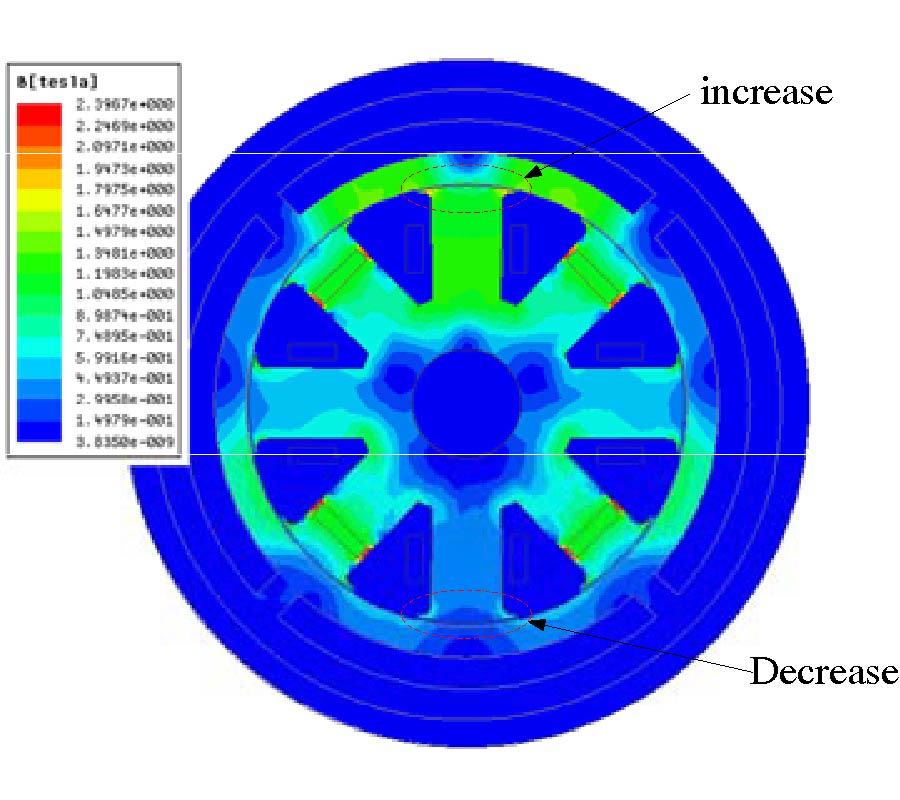
Bearingless switched reluctance motor can be used in aerospace and flywheel energy storage industry. Taking a 6/4/4 hybrid excitation double stator bearingless switched reluctance motor as an example, the motor adopts an E-block structure on the outer stator and is excited by permanent magnet and current. The loss calculation and thermal analysis of the motor is carried out by using finite element method. The result shows temperature distributions of the motor under natural air-cooling condition. The temperature change under different operating status is analyzed. Finally, the temperature change and transient temperature curve of each part of the motor are obtained through simulation, and the motor can run stably.
THERMAL MODELING AND ANALYSIS OF HYBRID EXCITATION DOUBLE STATOR BEARINGLESS SWITCHED RELUCTANCE MOTOR
2020-11-15
PIER M
Vol. 98, 123-135
Low Observable Conformal Patch Array with Hybrid HIS-Based Ground Plane
Avinash Singh and Hema Singh
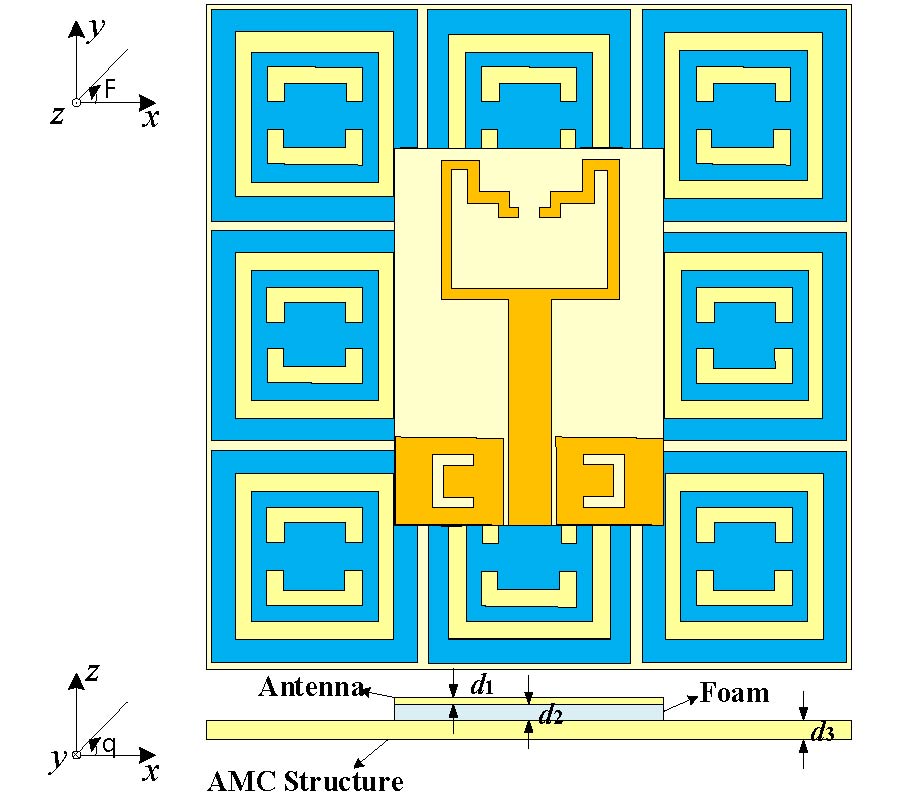
Conformal low profile antenna array has been widely used towards reduced radar cross section and good radiation characteristics. Being conformal, it has a number of advantages over planar antenna structure. This paper presents the radiation and scattering characteristics of a planar and conformal patch array with conventional and hybrid HIS-based ground plane on a low loss dielectric substrate. The use of a hybrid HIS layer instead of conventional metallic ground plane contributes to achieving wideband RCS reduction over 8 GHz-50 GHz, without degrading the radiation performance in terms of antenna gain, return loss and VSWR. The measurement results of the fabricated antennas are found in good agreement with the simulated ones. The radiation mode RCS of the conformal patch array has been analytically estimated and shown to be controlled in the operating frequency range. Such a low profile low RCS antenna array can be used as a subarray of phased arrays in fire control radars.
LOW OBSERVABLE CONFORMAL PATCH ARRAY WITH HYBRID HIS-BASED GROUND PLANE
2020-11-14
PIER C
Vol. 106, 255-270
Capability of NavIC, an Indian GNSS Constellation, for Retrieval of Surface Soil Moisture
Vivek Chamoli , Rishi Prakash , Anurag Vidyarthi and Ananya Ray
Study of Global Navigation Satellite System (GNSS) for various non-navigational applications is gaining importance day by day. Very recently, India's Navigation with Indian Constellation (NavIC) is a new entry in GNSS systems available worldwide such as GPS, GLONASS, Galileo and Beidou. One of the important non-navigational applications is the study of soil moisture with GNSS. NavIC is very much different from widely used and globally available GPS system. Therefore, in this paper we have analyzed and developed an algorithm for soil moisture retrieval with NavIC Carrier to Noise (C/No) ratio. Information of soil moisture is very beneficial for various applications such as groundwater estimation, management of agricultural, drought monitoring and prediction, weather forecasting and flood forecasting. Amplitude of multipath Carrier to Noise (C/No) ratio from the NavIC receiver at L−band has been utilized to determine the soil moisture from the smooth bare soil surface. The analyses of sensitivity of soil moisture have been carried out by observing the NavIC multipath data and measurement of in situ soil moisture content. The algorithm development focuses on the retrieval of multipath amplitude from the interference pattern created at the receiver due to direct signal and reflected/multipath signal. The 1st, 2nd, and 3rd order polynomials have been analyzed to detrend the signal before fitting it with sinusoidal variation. It was observed that the multipath amplitude retrieved after detrending the C/No data with the 1st order polynomial provides better correlation with observed soil moisture than the 2nd and 3rd order polynomials. An empirical relationship between multipath amplitude and soil moisture has been developed. This developed empirical relationship is capable of providing soil moisture with known multipath amplitude. The retrieved soil moisture with developed algorithm is in good agreement with observed soil moisture with RMSE of 1.43%. Obtained results indicate the promising potential for the estimation of soil moisture with NavIC C/No ratio.
CAPABILITY OF NAVIC, AN INDIAN GNSS CONSTELLATION, FOR RETRIEVAL OF SURFACE SOIL MOISTURE
2020-11-13
PIER B
Vol. 89, 133-156
Topological Circuit Theory: A Lie Group Perspective
Said Mikki
We present a general theory of linear continuous circuits (microwave networks, waveguides, transmission lines, etc.) based on Lie theory. It is shown that the fundamental relationship between the low- and high-frequency circuits can be fully understood via the machinery of Lie groups. By identifying classes of distributed-parameter circuits with matrix (Lie) groups, we manage to derive the most general differential equation of the n-port network, in which its low-frequency (infinitesimal) circuit turns out to be the associated Lie algebra. This equation is based on identifying a circuit Hamiltonian derived by heavily exploiting the Lie-group-theoretic structure of continuous circuits. The solution of the equation yields the circuit propagator and is formally expressed in terms of ordered exponential operators similar to the quantum field theory's formula of perturbation theory (Dyson expansion). Moreover, the infinitesimal operators generating the per-unit-length lumped element local circuit approximation appear to correspond to operators (such as observables) in quantum theory. This analogy between quantum theory and circuit theory through a shared Hamiltonian and propagator structure is expected to be beneficial for the two separate disciplines both conceptually and computationally. Several applications are presented in the field of microwave network analysis where we introduce and study the Lie algebras of important generic classes of circuits, such as lossless, reciprocal, and nonreciprocal networks. Applications to the problems of generalized matching and representation theorems in terms of uniform transmission lines are also outlined using topological methods derived from our Lie-theoretic formulation and exact theorems on continuous matching are obtained to illustrate the potential practical use of the theory.
TOPOLOGICAL CIRCUIT THEORY: A LIE GROUP PERSPECTIVE
2020-11-12
PIER M
Vol. 98, 113-122
Investigations on the Resonant Properties of a New Compact Asymmetric Single Split Resonator for Metamaterial Applications
Parackattu Viswanathan Anila , Manoj Mani , Remsha Moolat , Raghavan Dinesh , Anju Pradeep , Karavilavadakkethil Chellappan Prakash and Pezholil Mohanan
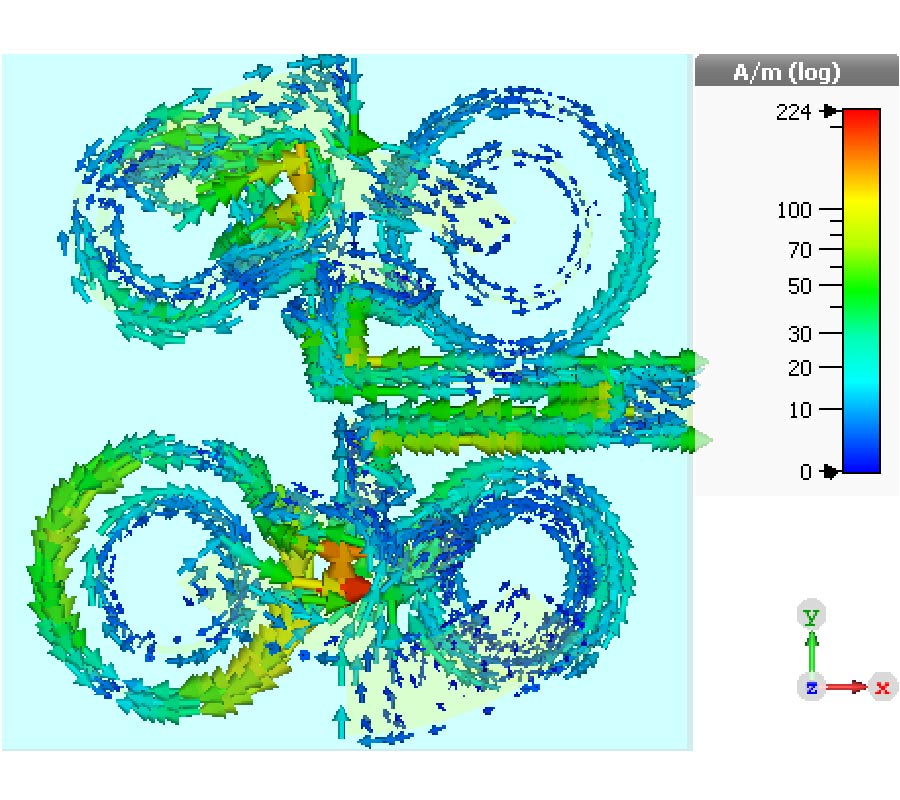
This paper presents the resonant properties of a new Asymmetric Single Split Resonator (ASSR) structure for metamaterial applications. The compact uniplanar structure is an asymmetric single split ring resonator with two non-concentric rings. The prototype is fabricated on a substrate of dielectric constant 4.4, loss tangent 0.025, and thickness 1.6 mm and analyzed based on reflection and transmission coefficients and unit cell simulations. The fabricated unit cell of miniaturized ASSR has a footprint area of 0.163ƛ0 x 0.163ƛ0 where ƛ0 is the measured free-space wavelength corresponding to 1.63 GHz. The negative permeability meta-particle is best suited for high-performance multiband bandstop filters, sensors, and RFID applications in advanced communication systems. The paper presents the electric and magnetic responses of ASSR with its constitutive parameters for different field orientations in normal incidence.
INVESTIGATIONS ON THE RESONANT PROPERTIES OF A NEW COMPACT ASYMMETRIC SINGLE SPLIT RESONATOR FOR METAMATERIAL APPLICATIONS
2020-11-12
PIER Letters
Vol. 94, 133-139
All-in-One UHF RFID Tag Antenna for Retail Garments Using Nonuniform Meandered Lines
Manoj Kumar , Ashwani Sharma and Ignacio J. Garcia Zuazola
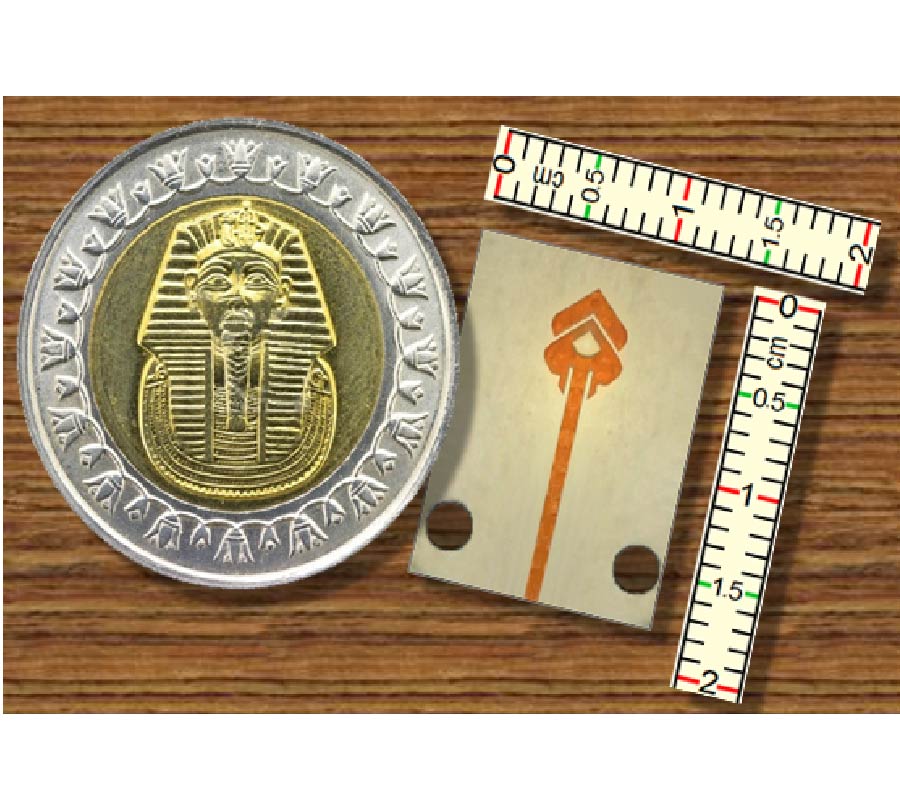
An all-in-one UHF RFID tag antenna using nonuniform meandered lines for retail garments in the textile industry is presented. The all-in-one antenna offers relatively low cost, wide band, compactness, and good conjugate matching in the presence of its robust housing with good dipole-like read range. Results show an antenna with a wide bandwidth of 900MHz and a long read range of 10.2 m making the UHF RFID tag antenna using nonuniform meandered lines a potential candidate for retail garments in the textile industry. Simulations are corroborated by measurements and are in fair agreement.
ALL-IN-ONE UHF RFID TAG ANTENNA FOR RETAIL GARMENTS USING NONUNIFORM MEANDERED LINES
2020-11-11
PIER M
Vol. 98, 101-111
Performance Analysis of Reconfigurable Intelligent Surface Assisted Underwater Optical Communication System
Kehinde Oluwasesan Odeyemi , Pius Adewale Owolawi and Oladayo O. Olakanmi
In this paper, the performance analysis of a reconfigurable intelligent surface (RIS) assisted underwater optical communication (UWOC) system with a decode-and-forward (DF) relaying protocol is presented. The radio frequency (RF)-RIS link is subjected to Rayleigh fading while the optical UWOC link experiences mixture Exponential-Gamma distributions subject to heterodyne detection and intensity modulation with direct detection (IMDD). In order to obtain a traceable closed-form expression, the statistical distribution of the RF-RIS link is derived in terms of Meijer-G function. Thus, the exact closed-form expressions for system end-to-end outage probability and average bit error rate (ABER) for different modulation schemes are then derived. To gain further insight about the derived analytical expressions, asymptotic expressions for the system are derived at high signal-to-noise ratio (SNR) through which the diversity gain is obtained. The findings show the significant impact of the number of RIS elements, detection technique, and the UWOC optical turbulence on the system performance. Finally, Monte-Carlo simulation is used to justify the accuracy of the derived analytical results.
PERFORMANCE ANALYSIS OF RECONFIGURABLE INTELLIGENT SURFACE ASSISTED UNDERWATER OPTICAL COMMUNICATION SYSTEM
2020-11-11
PIER C
Vol. 107, 1-15
A Novel Synthesis Method of Sparse Nonuniform-Amplitude Concentric Ring Arrays for Microwave Power Transmission
Jianxiong Li , Junwen Pan and Xianguo Li
A novel two-step synthesis method of sparse nonuniform-amplitude concentric ring arrays (SNACRAs) to maximize the beam collection efficiency (BCE) for microwave power transmission (MPT) is proposed in this paper. In the first step, beetle antennae search (BAS) algorithm is used to optimize the radius of each ring of the SNACRA, to obtain the maximum BCE and the equivalent continuous excitation of each ring. In the second step, we find the least array element on each ring to discretize the continuous excitation on each ring by using the binary search (BS) algorithm directly under the restriction conditions and then find the excitation of each element. Through the above two steps of optimization, the optimal synthesized parameters of the SNACRA, including the maximum BCE, layout, excitation and power pattern, can be obtained highly efficiently. Many representative numerical results under different ring numbers, apertures, and receiving areas are presented. Comparing these numerical results with those of other three arrays for MPT, it is proved that the SNACRA synthesized by the two-step method can get higher BCE with less elements and have a relatively simple feed network.
A NOVEL SYNTHESIS METHOD OF SPARSE NONUNIFORM-AMPLITUDE CONCENTRIC RING ARRAYS FOR MICROWAVE POWER TRANSMISSION