Search Results(13790)

2019-03-10
PIER Letters
Vol. 82, 59-64
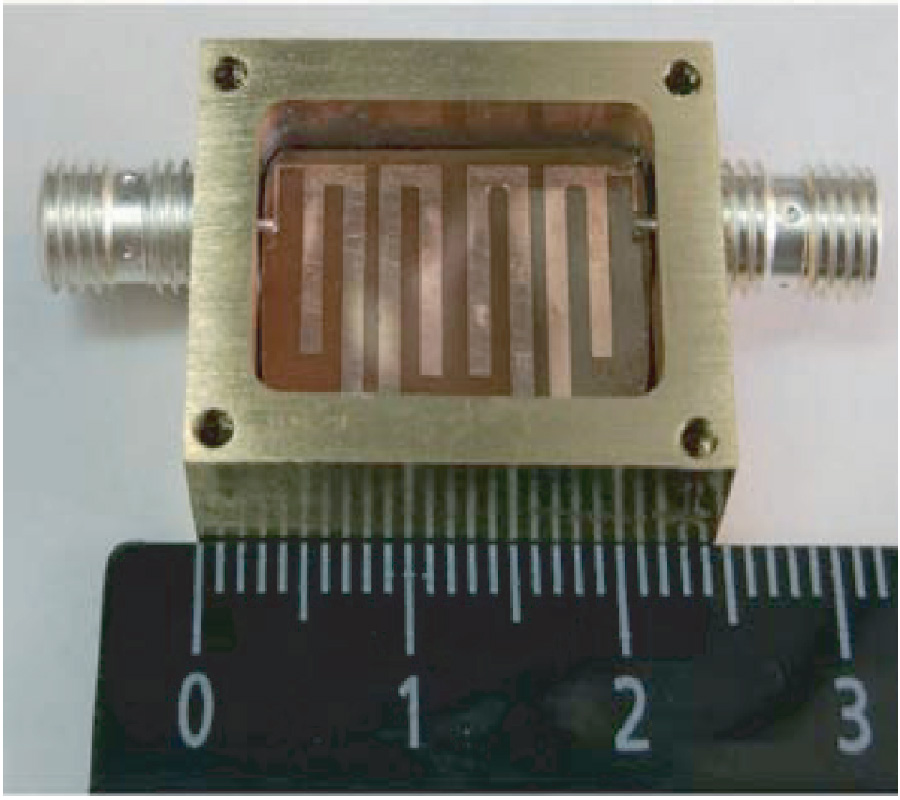
Miniaturized Microstrip Dual-Band Branch-Line Crossover with Two Inner Open Stubs
Yang Cui and Hitoshi Hayashi
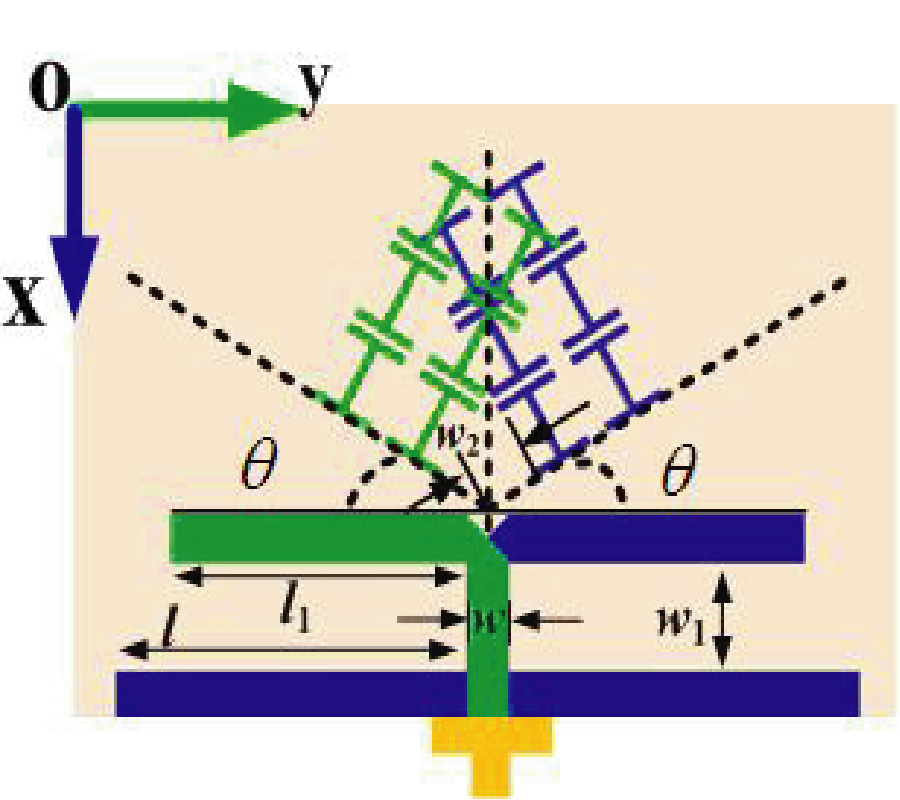
In this letter, a microstrip dual-band band-pass crossover is proposed. By reducing the number of inner open stubs, miniaturization of a window-shaped crossover without reducing bandwidth can be achieved. An electromagnetic simulation and measurements are used to validate the compact (0.35λ × 0.35λ) crossover with a wide bandwidth.
MINIATURIZED MICROSTRIP DUAL-BAND BRANCH-LINE CROSSOVER WITH TWO INNER OPEN STUBS
2019-03-10
PIER M
Vol. 79, 127-136
Using Two Receiving Coils to Achieve Constant Output Power for Wireless Power Transfer
Suqi Liu and Yuping Liu
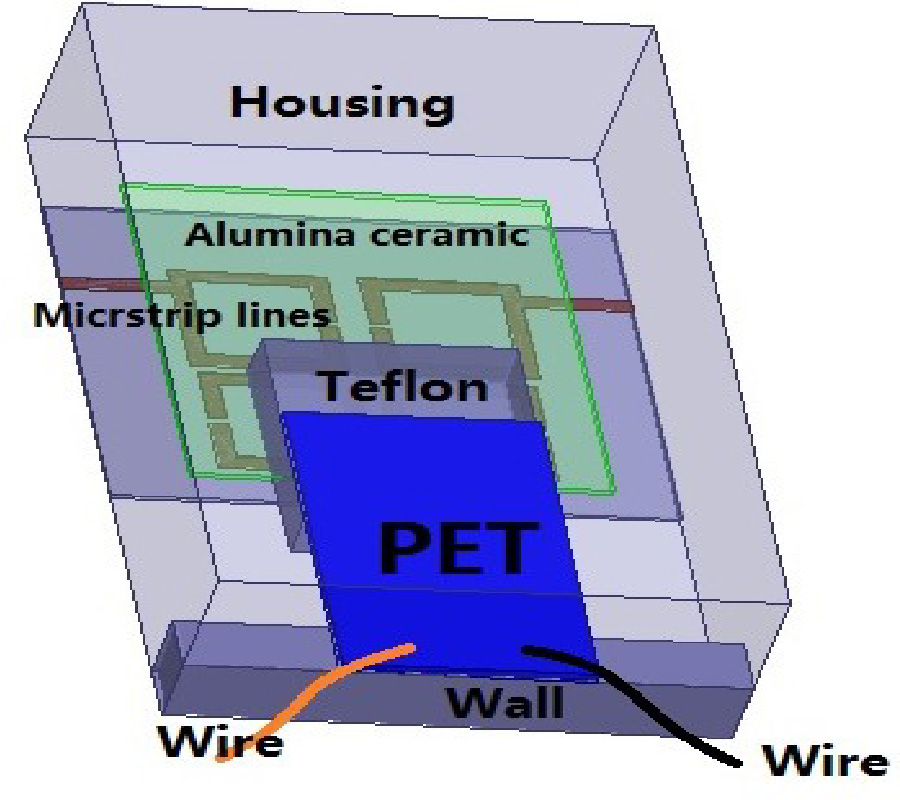
Magnetic coupling resonance wireless power transfer (MCR-WPT) technology has been in development for over a decade. The output power of the MCR-WPT system achieves the maximum value at two splitting frequencies and not at the natural resonant frequency because frequency splitting occurs in the over-coupled region. In order to achieve excellent transfer characteristics, optimization approaches have been used in many MCR-WPT projects. However, it remains a challenge to obtain a constant output power in a fixed-frequency mode. In this research, two receiving coils are used in the MCR-WPT system to achieve a uniform magnetic field. First, a circuit model of the MCR-WPT system is established, and transfer characteristics of the system are investigated by applying the circuit theory. Second, the use of two receiving coils to achieve a uniform magnetic field is investigated. Constant output power is then achieved in a fixed-frequency mode. Lastly, the experimental circuit of the MCR-WPT system is designed. The experimental results are consistent with the theoretical ones. The topology of using two receiving coils results in optimum transmission performance. Constant output power and high transfer efficiency are achieved in the higher frequency mode. If the distance between the two receiving coils is appropriate and the transmitting coil moves between the two receiving coils, the fluctuation of the output power of the MCR-WPT system is less than 10%.
USING TWO RECEIVING COILS TO ACHIEVE CONSTANT OUTPUT POWER FOR WIRELESS POWER TRANSFER
2019-03-08
PIER C
Vol. 91, 27-37
Research on Moving Target Imaging Method of Ship Based on Velocity Synthetic Aperture Radar
Lin Zhang and Yicheng Jiang
Surface ship imaging technology is widely used in military and civilian applications. To resolve the problem of imaging moving target positioning blur on sea surface, this paper proposes a method for estimating the velocity of moving target using velocity synthetic aperture radar (VSAR). Firstly, the paper analyzes the imaging mechanism and constraints of VSAR method and establishes an imaging model based on phased array radar for surface ships. Then, the rate-frequency estimation method of the multi-antenna image domain is used to correct the azimuth offset, and the image moisture algorithm is used to estimate Doppler frequency modulation. Therefore, the adaptive focusing of the target image is completed. Finally, this method is used to simulate and calculate the surface motion ship to realize continuous dynamic imaging of the moving ship. Compared with the traditional single-channel SAR radar and track-interfering radar (ATI) algorithm, the rate-frequency estimation algorithm solves the shortcomings of the azimuth positioning accuracy and improves the positioning performance of the moving target ship under large-area sea conditions.
RESEARCH ON MOVING TARGET IMAGING METHOD OF SHIP BASED ON VELOCITY SYNTHETIC APERTURE RADAR
2019-03-07
PIER C
Vol. 91, 15-26
Effect of Limb Movements on Compact UWB Wearable Antenna Radiation Performance for Healthcare Monitoring
Richa Bharadwaj , Clive Parini , Shiban Kishen Koul and Akram Alomainy
This paper presents a detailed analysis of the human body limb movement influence on the radiation pattern of a wearable antenna during different activities. The analysis is carried out at 3, 6, 9 GHz of the 3-10 GHz UWB range of frequencies. Simulations are carried out on a human body model in CST microwave studio with a compact wearable antenna to obtain the body-worn antenna radiation patterns for lower and higher frequencies. This study gives an insight into the variation of the radiation patterns of a compact UWB antenna depending upon the position of the wearable antenna on the body. Results conclude that the radiation pattern of the wearable antenna changes significantly in terms of shape, size, level of distortion and direction of maximum radiation with different limb movement activities and also depends upon the placement of the antenna on the limbs. The coverage area of the wearable antenna radiation pattern becomes highly directive and shrinks in coverage area for the shoulder/thigh node in comparison to the wrist/ankle wearable node by 10-15%. The bending of the limbs leads to deformation and reduction in area of the radiation pattern with values as high as 30-40% compared to free space scenario as the bending angle between the upper and lower arm/leg reduces. The analysis presented gives directional information regarding maximum radiation and the field strength of the radiation pattern for various activities performed. The present study reports results on the influence of the wearable antenna position, on detection and tracking performance of RF and microwave biomedical devices/sensors suitable for various healthcare applications such as tracking of human subject, patient monitoring, gait analysis, physical exercises, yoga, physiotherapy, and rehabilitation.
EFFECT OF LIMB MOVEMENTS ON COMPACT UWB WEARABLE ANTENNA RADIATION PERFORMANCE FOR HEALTHCARE MONITORING
2019-03-07
PIER C
Vol. 91, 1-13
Electromagnetic Wave Scattering from an Infinite Periodic Array of Hollow Conducting Circular Cylinders of Finite Length
Hongchang An and Akira Matsushima
An effective numerical technique is demonstrated for the plane wave scattering from an infinite periodic array of hollow circular cylinders of finite length. The cylinders are made of infinitely thin perfect conductor and allocated in the axial direction. We formulate the boundary value problem into a set of integral equations for the unknown electric current densities flowing in the circumferential and longitudinal directions. Employment of the Galerkin method allows us to solve simultaneous linear equations for the expansion coefficients of the unknown current, from which we can find the field distributions in both far and near regions. The procedure of analytical regularization makes the linear system into the Fredholm second kind that is contributory to stable and rapidly convergent results. Resonance is detected as abrupt changes in the total scattering cross sections for each grating mode, and it is accompanied by the formation of circular cavity mode pattern in the cylinder.
ELECTROMAGNETIC WAVE SCATTERING FROM AN INFINITE PERIODIC ARRAY OF HOLLOW CONDUCTING CIRCULAR CYLINDERS OF FINITE LENGTH
2019-03-07
PIER M
Vol. 79, 113-126
CSAR Imaging of Electromagnetically Coupled Conducting Scatterers
Nicolas A. Guido , Evan T. Hiatt and Enson Chang
Chipless RFID with small, printed metal tags have been proposed as a cost-effective alternative to chip-based technologies. A potentially viable configuration is to image the patches of different shapes, sizes, and orientations within a tag with a tabletop-scale synthetic aperture radar (SAR), operating in the V or W band. Information is encoded into, e.g. polarization, resonance characteristics, and phase of the scattered signal. The effect of electromagnetic coupling and sidelobe interference between closely spaced metal patches on SAR image has not been addressed in prior studies. To be specific, we analyze 60 GHz circular SAR (CSAR) imagery of subwavelength patches separated by distances on the order of wavelength. The scattered field is calculated with the method of moments (MoM) to account for EM interaction. The field is then used to form CSAR image with the polar formatting algorithm (PFA). Significant distortion of the CSAR image is found at this scale. Sidelobe interference causes image distortion and up to 7 dB of intensity modulation with patch separation. EM coupling produces an ``interaction image,'' an artifact that extends between the patches. The source of this effect is traced to induced currents and charges residing on the patches' inner edges. Increasing system bandwidth or changing the incidence angle has minimal effect on both classes of image artifacts, highlighting the importance of accounting for them in practical system design and subsequent information processing.
CSAR IMAGING OF ELECTROMAGNETICALLY COUPLED CONDUCTING SCATTERERS
2019-03-06
PIER C
Vol. 90, 265-279
DC Transformer Compensation for Efficiency Improvement of Electric Vehicles Wireless Charging Systems
Yao He , Mei Liu , Xintian Liu , Xinxin Zheng , Guojian Zeng and Jiangfeng Zhang
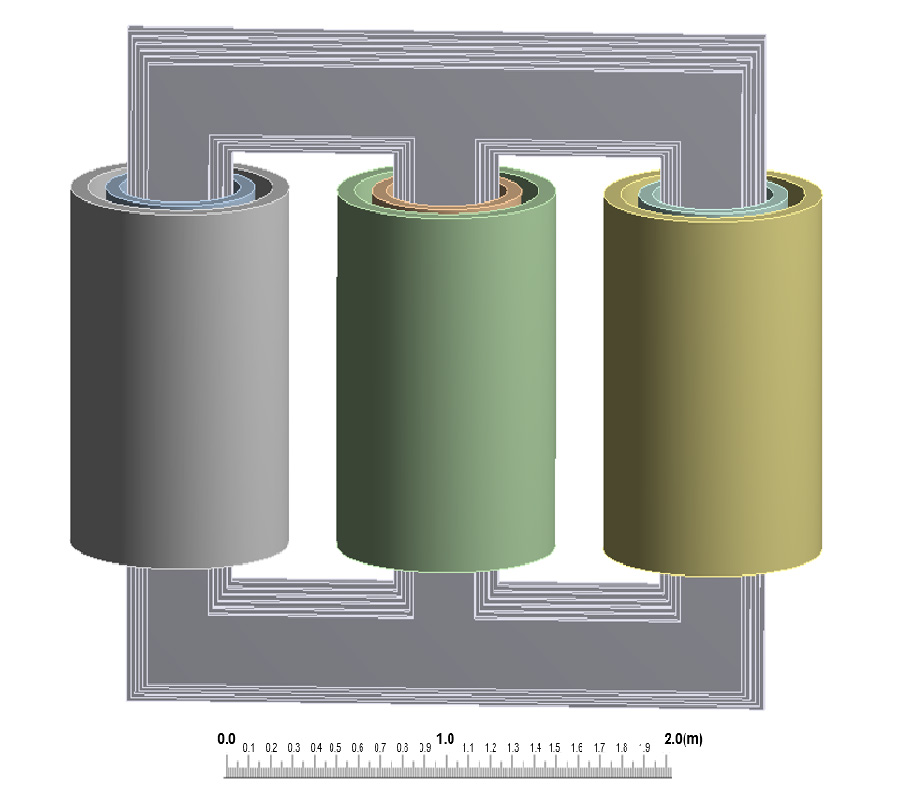
A wireless charging system for electric vehicles has two parts which are located inside and outside the vehicle respectively, and energy is transmitted from the outside part to inside part through a loosely coupled transformer. The energy transmission efficiency is directly related to the power conversion efficiency of the entire wireless charging system. This paper aims to improve the transmission efficiency of the DC transformer of the wireless charging system through studying compensation design method of DC transformer. A dual-tap rectifier is applied at the secondary side of the transformer, and a capacitor is connected in series on the primary side. Two capacitors are connected in series on the secondary side. By quantitative analysis on DC transformer efficiency, the relationship among efficiency, switching frequency and compensation parameter is obtained. The compensated DC transformer realizes soft switch and further improves transformer efficiency. Finally, simulation and experiment on the wireless charging system with magnetic induction are conducted to verify the improved transformer design. The simulated and experimental results show that the average compensated DC transformer efficiency has been improved by 1.248%. Thus the designed DC transformer can effectively improve the energy transmission efficiency, and reduce voltage stress of the power device.
DC TRANSFORMER COMPENSATION FOR EFFICIENCY IMPROVEMENT OF ELECTRIC VEHICLES WIRELESS CHARGING SYSTEMS
2019-03-06
PIER Letters
Vol. 82, 51-57
Very-Low-Profile, Small-Sized, Printed Monopole Antenna for WLAN Notebook Computer Applications
Saou-Wen Su
A simple, small-sized, printed monopole antenna loaded with a chip inductor for achieving dual-band operation in notebook computers is introduced. The design consisted of a simple 5 GHz monopole, a chip inductor, and a tuning end portion. With the inductor inserted at the end of the 5 GHz monopole and connected to the tuning portion, the lower band resonance in the 2.4 GHz band can be attained, together with a reduced design footprint for 2.4 GHz operation. The frequency ratio of the upper and lower bands were also controllable by inductance values. The results showed that the antenna was capable of operating in 2.4 GHz (2400-2484 MHz) and 5 GHz (5150-5825 MHz) wireless local area network (WLAN) bands and yet occupied a small size of 5 mm × 12 mm (about 0.04l × 0.09l at 2.4 GHz) only.
VERY-LOW-PROFILE, SMALL-SIZED, PRINTED MONOPOLE ANTENNA FOR WLAN NOTEBOOK COMPUTER APPLICATIONS
2019-03-06
PIER Letters
Vol. 82, 41-49
Higher-Order Moving Target Detection for Rotating Scanning Synthetic Aperture Interferometric Radiometer
Jianfei Chen , Sheng Zhang and Xiaowei Zhu
Since passive millimeter wave synthetic aperture interferometric radiometer (SAIR) has the advantages of high spatial-resolution and large field of view, it is an attractive tool for wide area surveillance. Among the SAIRs, the Rotating Scanning SAIR (RS-SAIR) with linear sparse array is a popular system with low redundancy and high reliability. According to the detection mechanism of RS-SAIR, we extend RS-SAIR to deal with higher-order moving target detection (HMTD) for the first time in this paper. In the proposed HMTD method, the 2D time-projection image is constituted by the 1D projection images measured by RS-SAIR firstly. Then, the projection trajectory of moving target can be extracted from the time-projection image. Finally, the positions and motion parameters are estimated by fitting the moving target's trajectory. Simulation results indicate that the position and motion parameters of higher-order moving target can be well estimated with high real time and accuracy by the proposed HMTD method.
HIGHER-ORDER MOVING TARGET DETECTION FOR ROTATING SCANNING SYNTHETIC APERTURE INTERFEROMETRIC RADIOMETER
2019-03-06
PIER M
Vol. 79, 101-111
Numerical Analysis of Electromagnetic Coupling Effects in Measurements of Frequency Dependent Soil Electrical Properties
Dmitry Kuklin
Recent studies show that the frequency dependent soil properties can significantly influence transient grounding resistance and, subsequently, lightning protection and reliability of the electrical grid. However, these properties require further research: for example, it is not clear what factors (apart from the low-frequency resistivity) should be taken into consideration to determine accurately the properties for a particular soil (without conducting laborious measurements). Additional experimental data are needed. When measurements are conducted, the electromagnetic coupling between circuits can cause significant measurement error at frequencies about several MHz. In order to estimate this error, it is convenient to use a calculation method, as in this case, it is possible to set particular frequency dependent properties for the ground and compare those with the calculated ones (using an electrode array). In the article, the electromagnetic coupling error is examined for several commonly used electrode arrays using the finite difference time domain method. This method allows simulating wires with in nite length, which is important for modeling pole-dipole and pole-pole arrays. Its drawback for this type of calculations, however, that it is relatively time-consuming. It was found that among the considered array configurations the error is smallest for the dipole-dipole arrays with the perpendicular allocation of the measurement wires and the pole-dipole array. By increasing the distance between particular parts of measurement wires, one can significantly reduce the error for some other arrays.
NUMERICAL ANALYSIS OF ELECTROMAGNETIC COUPLING EFFECTS IN MEASUREMENTS OF FREQUENCY DEPENDENT SOIL ELECTRICAL PROPERTIES
2019-03-06
PIER
Vol. 164, 97-107
Internal Magnetic Induction Tomography Using a Single Coil
Joe R. Feldkamp and Stephen Quirk
Most imaging modalities image an object's interior while all instrumentation, including sources and receivers, is externally located. One notable exception is ultra-sound (US), which can be miniaturized sufficiently to locate a US transducer within an object and gather data for image reconstruction. Another is cross-borehole geophysical imaging. The goal of any internal imaging modality is to provide images of greater fldelity while avoiding interfering structures. Due to the bulkiness of multi-coil magnetic induction tomography (MIT), transmitting and receiving coils are never placed within small targets (e.g., a human body). Here, we demonstrate a novel implementation of single-coil MIT that performs a scan all while the coil is located within the interior of a small, lab-created phantom consisting of salt-doped agarose. Phantom geometry is annular, consisting of a 6.0 cm diameter channel of depth 5.5 cm surrounded by a 3.0 cm thick cylindrical wall. A centrally located agarose gel annulus, 2.0 cm thick, is doped with sucient NaCl to elevate its conductivity above that of surrounding agarose. The resulting nearly axisymmetric phantoms consist of material having conductivity ranging from 0.11 to 10.55 S/m. A scan is accomplished robotically, with the coil stub-mounted on the positioning head of a 3-axis controller that positions the planar circular loop coil into 360 or 720 pre-programmed internal positions. Image reconstruction from gathered data is shown to correctly reveal the location, size and conductivity of the approximately axisymmetric inclusion.
INTERNAL MAGNETIC INDUCTION TOMOGRAPHY USING A SINGLE COIL
2019-03-06
PIER
Vol. 164, 75-95
Broadband Green’S Function with Higher Order Low Wavenumber Extractions for an Inhomogeneous Waveguide with Irregular Shape
Tien-Hao Liao , Kung-Hau Ding and Leung Tsang
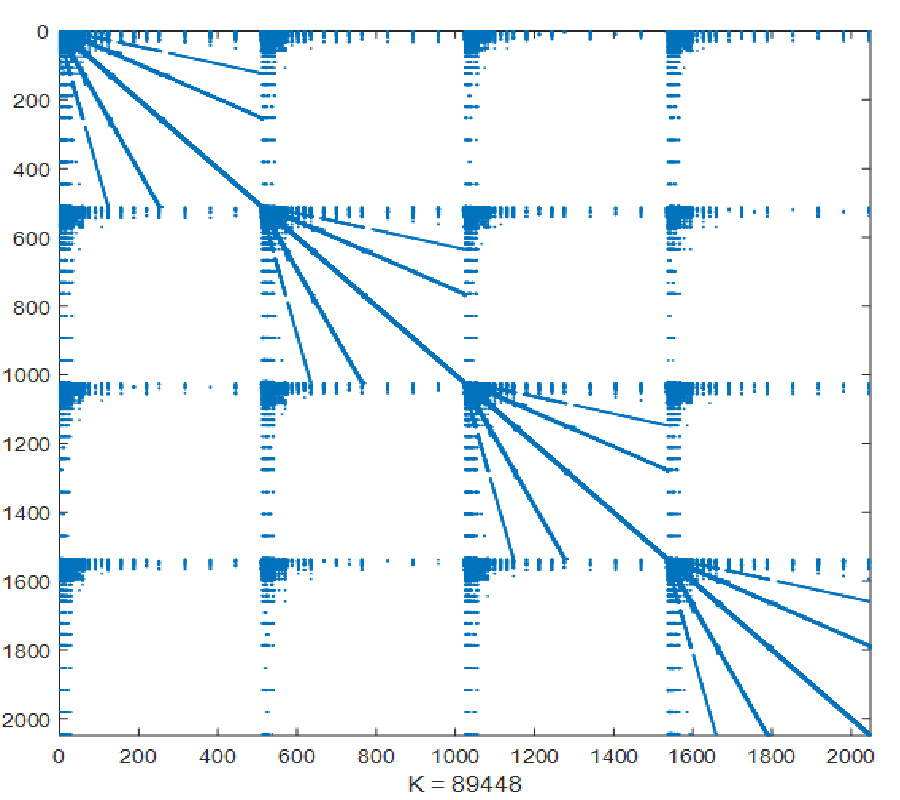
The method of broadband Green's functions with low wavenumber extractions (BBGFL) is used to calculate Green's function for inhomogeneous waveguides filled with different dielectrics and with irregular boundaries. To construct the BBGFL modal solutions, we derive governing equations of the linear eigen-matrix problem and orthonormalization condition. In BBGFL, the Green's function is represented in modal expansions with convergence accelerated by higher order low wavenumber extractions. To obtain a linear eigenvalue problem for the modes, we use two BBGFLs of rectangular waveguides with two dielectric wavenumbers. The orthonormalized mode functions are used to construct the Green's function. Current wavenumber derivatives and Green's function wavenumber derivatives are computed by a single low wavenumber MoM impedance matrix. The wavenumber derivatives are used to accelerate the convergence of modal summations to 6th order. Numerical results are illustrated and compared with the direct MoM method of using free space Green's function. Results show accuracies and computation efficiencies for broadband simulations of Green's functions.
BROADBAND GREEN’S FUNCTION WITH HIGHER ORDER LOW WAVENUMBER EXTRACTIONS FOR AN INHOMOGENEOUS WAVEGUIDE WITH IRREGULAR SHAPE
2019-03-05
PIER C
Vol. 90, 253-263
Unsymmetrical Finger-Shape DGSs for Developing a Compact, High-Order, Harmonic-Suppressed Bandpass Filter
Yih-Dar Chen and Chien-Hao Liu
Defected ground structures (DGSs) are often utilized in planar filters and antennas for compactness and spurious frequency suppressions by creating defects or slots on the ground planes. One disadvantage of conventional DGS filters is that the overall dimension increases as the order of the filter increases. In this research, we proposed an asymmetric finger-shape DGS which created multiple equivalent LC resonators when combining with a capacitive microstrip gap on the top. In contrast to the conventional high-order DGS filter by generating many DGSs on the ground plane, the finger-shape DGS provided a high-order bandpass response with one single DGS due to the capacitances between the top metallic strip and the ground plane. Therefore, we developed a wide-band, high-order, and spurious frequency suppressed microstrip bandpass filter with a compact size. To achieve these features, different filter design techniques were exploited including stepped impedance resonator (SIR), series-coupled resonator, and nger-shape DGSs. The main advantage of our DGS filter was that it had a higher-order and wider bandpass responses than other harmonic-suppressed work. A prototype was designed, fabricated, and measured with a calibrated vector network analyzer (VNA) where the simulations matched with the measurements. The finger-shape DGS filter demonstrated a passband centered at 2.35 GHz with a fractional bandwidth of 72.3%, the spurious frequency suppression up to 8.5f0 where f0 was the center frequency of the passband, and a compact size of 0.034λ02 where λ0 was the wavelength corresponding to f0.
UNSYMMETRICAL FINGER-SHAPE DGSS FOR DEVELOPING A COMPACT, HIGH-ORDER, HARMONIC-SUPPRESSED BANDPASS FILTER
2019-03-05
PIER C
Vol. 90, 237-252
Path Loss Measurement and Prediction in Outdoor Fruit Orchard for Wireless Sensor Network at 2.4 GHz Band
Tossaporn Srisooksai , Kamol Kaemarungsi , Junichi Takada and Kentaro Saito
This work describes the path loss of radio propagation for wireless sensor network in the outdoor fruit orchard which is one of the common agriculture environments. The measurement was conducted in the jackfruit orchard in the 2.45 GHz band. Unlike other studies conducted in the fruit orchard environments, the variation of path loss over the relative angles between the plant rows and the line-of-sight direction from the transmitter to the receiver is identified. The equivalent vegetation obstruction model is proposed as the function of the equivalent number of trees along the line-of-sight to better represent the angular path loss variation. This leads to the proposal of the path loss prediction approach at any point in the fruit orchard by using a few measurement efforts. This work also introduces the Monte Carlo simulation using the numerical electromagnetic scattering computation called hybrid T-matrix method to evaluate the relative angular vegetation loss of a single tree that is used as the input to determine the equivalent number of trees. The evaluation results suggest that it can further reduce the measurement workload required for the proposed path loss prediction approach.
PATH LOSS MEASUREMENT AND PREDICTION IN OUTDOOR FRUIT ORCHARD FOR WIRELESS SENSOR NETWORK AT 2.4 GHZ BAND
2019-03-05
PIER C
Vol. 90, 225-236
A Circularly Polarized Circularly-Slotted-Patch Antenna with Two Asymmetrical Rectangular Truncations for Nanosatellite Antenna
Peberlin Parulian Sitompul , Josaphat Tetuko Sri Sumantyo , Farohaji Kurniawan , Cahya Edi Santosa , Timbul Manik , Katsumi Hattori , Steven Gao and Jann-Yenq Liu
In this paper, a circularly polarized slot-patch antenna for nanosatellite is presented. The novel design of the circularly polarized wave conducted by two asymmetrical rectangular-truncation techniques implemented on a circularly-slotted-patch on the front side and a deformed-shifted-feedline on the back side of the substrate. The antenna is printed on substrates with the dielectric constant of 2.17 and thickness of 1.6 mm. The resonant frequency of the proposed antenna is set at 2.2 GHz with the minimum requirement of the axial ratio bandwidth (ARBW) of 300 MHz. The proposed antenna produces under -10 dB impedance bandwidth (IBW) 1.2765 GHz or equal to 58% (1.7235-3 GHz) with Left-Handed Circular Polarization (LHCP). The average antenna gain reaches 4.5 dBic at 2.2 GHz and the ARBW 327.5 MHz or about 14.88% (2.0275-2.355 GHz). This paper includes the description and presentation of the completed discussion.
A CIRCULARLY POLARIZED CIRCULARLY-SLOTTED-PATCH ANTENNA WITH TWO ASYMMETRICAL RECTANGULAR TRUNCATIONS FOR NANOSATELLITE ANTENNA
2019-03-05
PIER C
Vol. 90, 209-224
Virtual Synchronous Motor Dynamic Power Decoupling Strategy
Xintian Liu , Yucai Li , Yao He , Xinxin Zheng and Guojian Zeng
Due to the existence of power coupling the virtual synchronous motor (VSG) will lead to overshoot fluctuations in the power adjustment process, thus affecting the control performance. Compared to the traditional direct current control inverter based on coordinate transformation, VSG model is more complex and difficult to achieve decoupling. This paper presents a dynamic power decoupling method by studying the coupling relationship between active power and reactive power of VSG. Firstly, the inverter grid-connected model is established, and the power expression is analyzed when the inverter output impedance is negligible. Then the virtual active power and reactive power expressions are obtained through coordinate transformation. Several key state equations and virtual states of the VSG are obtained. The power expression performs small signal perturbation to obtain the dynamic model of the VSG. From this, the dynamic model of the VSG can be analyzed to obtain the coupling relationship between the dynamic powers, and the series power compensation is used to decouple the dynamic power coupling. Finally, the correctness of the theoretical analysis and the effectiveness of the decoupling method are verified by simulation and experiments.
VIRTUAL SYNCHRONOUS MOTOR DYNAMIC POWER DECOUPLING STRATEGY
2019-03-05
PIER Letters
Vol. 82, 33-39
A Wideband Dual-Polarized Dipole Antenna for Base Station Applications
Zhaoyang Tang , Zhipeng Zhao , Yapeng Li and Ying-Zeng Yin
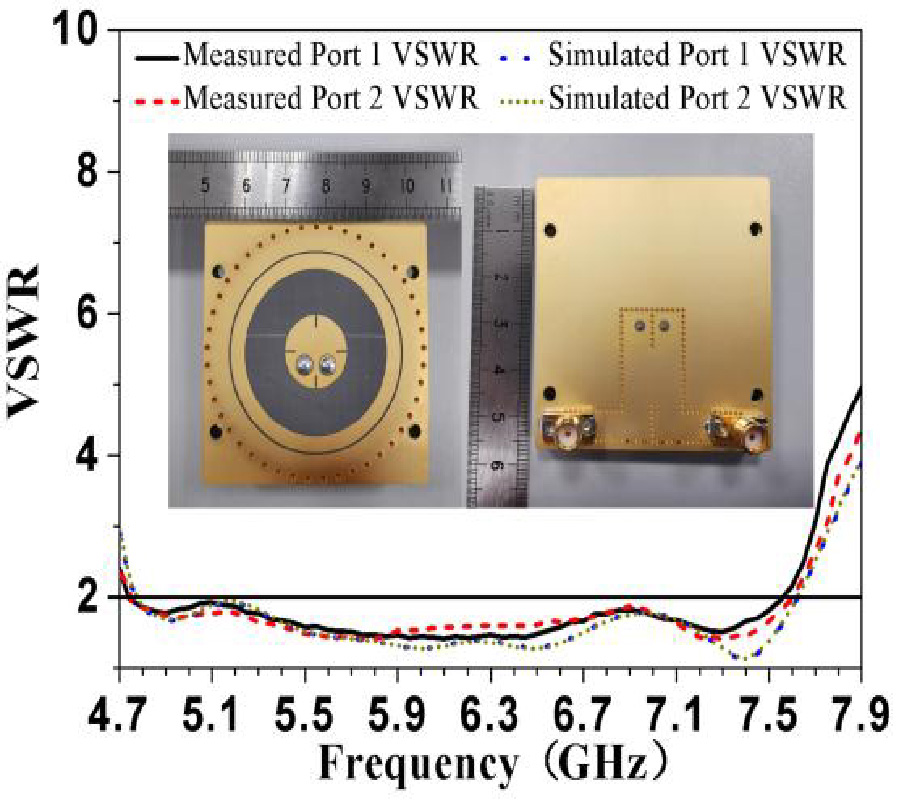
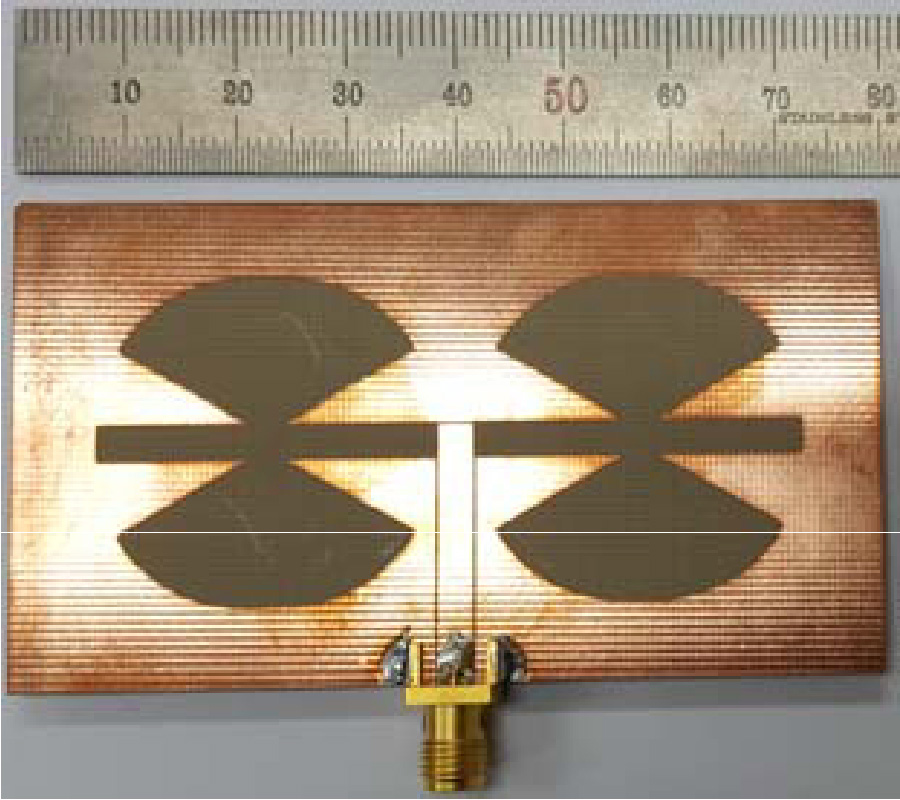
In this letter, a wideband dual-polarized dipole antenna is proposed for base station applications. By bending the arms of the dipole, the radiator size is reduced. Meanwhile, a new resonant mode occurs at high frequency. Besides, four shorting stubs are employed to improve the impedance matching. Finally, a wide operating bandwidth is realized by combining all resonant modes. A prototype of the proposed antenna is fabricated and tested. Experimental results show that the antenna has a wide impedance bandwidth of 53% (1.65-2.84 GHz) for VSWR<1.5 at two ports and a high port isolation of 26 dB. Also, a stable antenna gain around 7.9±0.5 dBi and a stable radiation pattern with 3-dB beamwidth of 67.5°±3.5° are obtained within the entire band of operation.
A WIDEBAND DUAL-POLARIZED DIPOLE ANTENNA FOR BASE STATION APPLICATIONS
2019-03-04
PIER C
Vol. 90, 195-208
Theoretical and Experimental Investigation of Ferrite-Loaded Waveguide for Ferrimagnetism Characterization
Hsin-Yu Yao , Wei-Chen Chang , Li-Wen Chang and Tsun-Hun Chang
This work proposes an approach to retrieve the ferrite's electromagnetic properties in a single compact configuration, simpler than the traditional measurement systems. The ferrite under test is fully inserted into a rectangular waveguide with a magnetic bias. The complex scattering parameters are theoretically analyzed under the consideration of modal effect at isotropy-anisotropy interfaces. Extraordinarily sharp Fano resonances are observed in the scattering spectra, originating from the multimode interference inside the magnetized ferrite. There is good agreement among theoretical, experimental, and full-wave simulation results. This model can be further utilized to simultaneously retrieve all ferrite properties, including permittivity (ε), saturation magnetization (4πMs), and magnetic linewidth (ΔH) from the measured scattering parameters, facilitating the designs and applications of ferrite devices.
THEORETICAL AND EXPERIMENTAL INVESTIGATION OF FERRITE-LOADED WAVEGUIDE FOR FERRIMAGNETISM CHARACTERIZATION
2019-03-04
PIER C
Vol. 90, 183-193
A Small Aperture Direction Finding System with Beamforming and Null Steering Capability
Sek-Meng Sow and Tan-Huat Chio
A Direction Finding (DF) algorithm for small aperture DF systems is proposed. Traditionally, small aperture DF systems lack of beamforming capabilities and therefore require manual rotation, which may affect the Angle of Arrival (AOA) estimation accuracy. Based on Characteristic Mode (CM) Analysis, a Multi-Feed Structural Antenna (MFSA) is developed that utilizes an electrically small platform as a radiator. This paper chooses a Small Unmanned Aerial Vehicle (SUAV) as a design platform. The overlap of all Individual Element Radiation Patterns (IERPs) of the proposed MFSA covers the entire azimuth plane. In this way, beamforming and null steering of the MFSA on the azimuth plane can be achievedby linearly combining all weighted IERPs. A new method based on Vector Singular Value Decomposition (SVD) is proposed to determine the weight vector of beamforming (``Sum'' pattern) and null steering (``Difference'' pattern) in a specific direction. Based on the ``Sum-Difference'' delta method, the AOA of the Radio Frequency (RF) signal source can be estimated. A small aperture VHF DF system with a multi-channel digital-IF receiver is developed to experimentally verify the proposed concept. The evaluation results show that the AOA estimation RMS error is 1.55°, and the false detection rate is significantly improved.
A SMALL APERTURE DIRECTION FINDING SYSTEM WITH BEAMFORMING AND NULL STEERING CAPABILITY
2019-03-04
PIER B
Vol. 83, 153-175
Analysis of Propagation for Wireless Sensor Networks in Outdoors
Giselle M. Galvan-Tejada and Jorge Aguilar-Torrentera
A revision of main propagation mechanisms of radio waves for wireless sensor networks is presented in this paper. In order to address this topic, the free space model is firstly taken as a reference. Classical concepts like ground reflection, diffraction, and surface waves are included from a theoretical point of view, and some aspects related to wireless sensor networks are analyzed for each subject. A key parameter is the height of antennas which plays an important role on distinct formulations like reflection coefficient of the ground surface. From there, when antennas are very close to ground surface, the far field conditions could be different from that typical expression. Hence, some of propagation models involve a characterization of far field conditions, and practical settings of antennas for wireless sensor networks are analyzed by electromagnetic simulation. Attenuation due to vegetation is also reviewed, and models suitable for these networks are exposed.
ANALYSIS OF PROPAGATION FOR WIRELESS SENSOR NETWORKS IN OUTDOORS