Search Results(13790)

2018-12-04
PIER M
Vol. 76, 133-141
Simulation-Driven Design for a Hybrid Lumped and Distributed Dual-Band Stub Using Input and Output Space Mapping
Jianqiang Gong , Yuhao Wang and Chaoqun Zhang
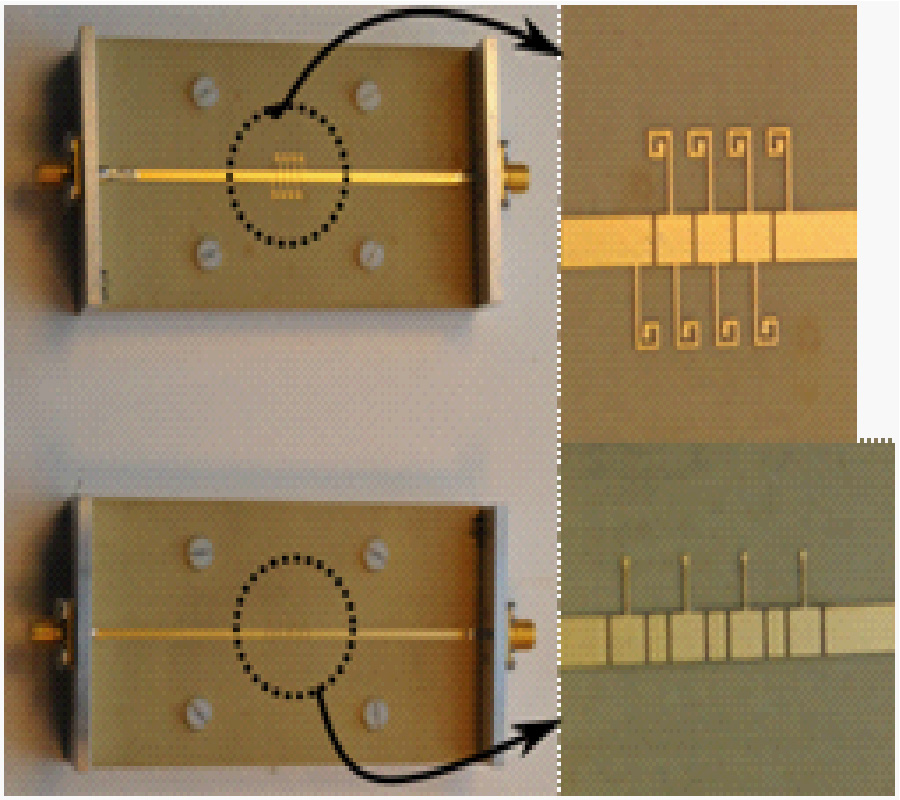
In this paper, a dual-band stub (DBS) comprising one lumped kernel circuit unit cell (KCUC) and two distributed uniform transmission lines is presented. An odd-even mode resonant frequency ratio (OEMRFR) is introduced, which can determine all the element values in the DBS circuit model. Its phase and impedance bandwidth properties are extracted based on the image parameter theory. By adjusting the OEMRFR value, the second working bandwidth and structural size can be controlled simultaneously. On the other hand, the input and output space mapping (IOSM) is exploited to realize a planar microstrip DBS by transferring the lumped KCUC into a quasi-lumped formation. The established ISOM design process is fully automated and can generate the finalized DBS layout with just a few full-wave simulations. A DBS operative at WLAN dual frequencies of 2.4/5.8 GHz with extended bandwidth is designed as an example. Good agreement between the measured and simulated results justifies both the extracted dual-band performance of the proposed DBS and its customized IOSM design process.
SIMULATION-DRIVEN DESIGN FOR A HYBRID LUMPED AND DISTRIBUTED DUAL-BAND STUB USING INPUT AND OUTPUT SPACE MAPPING
2018-12-03
PIER C
Vol. 88, 219-234
Coordination of Frequency and Load Resistor to Improve Efficiency of Wireless Power Transfer System Under Frequency Drift
Zhongqi Li , Wangyang Cheng , Jiliang Yi and Junjun Li
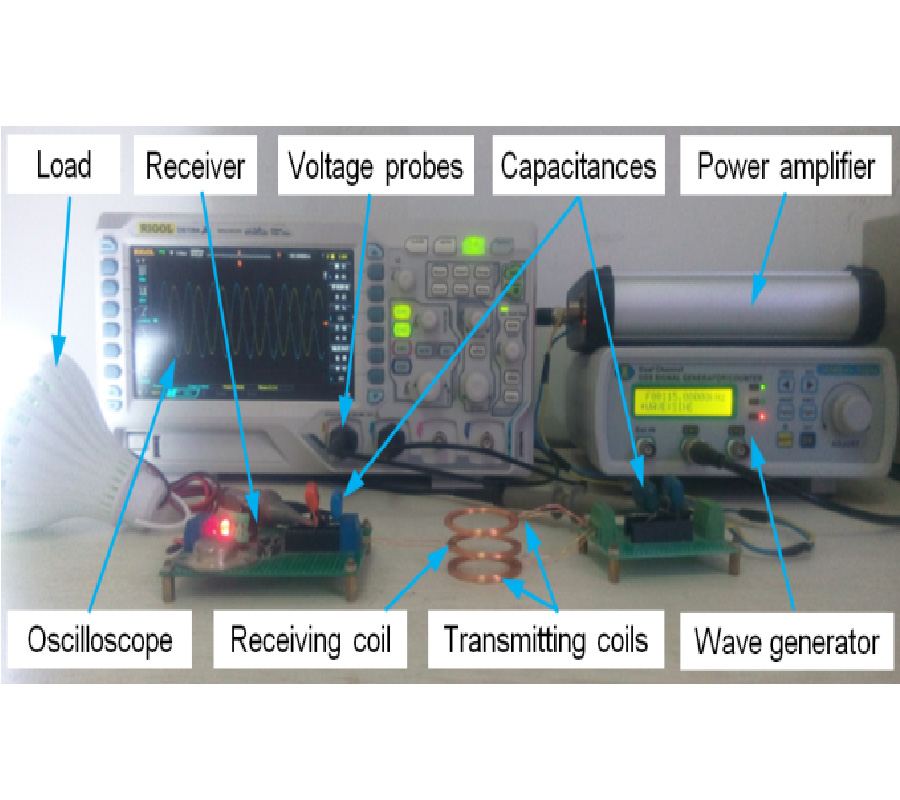
Magnetic resonant wireless power transfer (WPT) is an emerging technology that may create new applications for wireless power charging. However, low efficiency resulting from resonant frequency drift is a main obstructing factor for promoting this technology. In this paper, a novel method of coordinating the operating frequency and load resistor is proposed to prevent frequency drift. The system efficiency and input impedance are obtained by solving the system equivalent equations. In addition, the new resonant frequencies can be obtained by solving the input impedance equations. Moreover, the process of the coordination method is illustrated. When resonant frequency drift occurs, the system can now operate at the resonant state, and the efficiency can be improved by using the proposed method. The WPT system via magnetic resonance coupling is designed. Simulated and experimental results validating the proposed method are given.
COORDINATION OF FREQUENCY AND LOAD RESISTOR TO IMPROVE EFFICIENCY OF WIRELESS POWER TRANSFER SYSTEM UNDER FREQUENCY DRIFT
2018-12-03
PIER M
Vol. 76, 123-132
HIS-EBG Unit Cells for Pattern and Frequency Reconfigurable Dual Band Array Antenna
Raimi Dewan , Mohamad Kamal Abd Rahim , Mohamad Rijal Hamid , Mohamed Himdi , Huda Bin Abdul Majid and Noor Asmawati Binti Samsuri
The incorporation of Electromagnetic Band Gap (EBG) unit cells, a type of metamaterials, with a dual band array antenna is proposed. By configuring the band gap of EBG cells accordingly, the pattern of the array antenna is successfully reconfigured at lower band of 2.4 GHz while maintaining the pattern at higher band of 5.8 GHz. Three pattern directions have been achieved: initial radiation pattern, 349-degree shift and 11-degree shift of the H-field. The array antenna is also frequency reconfigurable by suppressing the radiation pattern of the antenna in four different EBG cells configurations. In pattern shifting mode, the realized gain of the antenna is satisfactorily maintained and is comparable with the standalone of dual band array antenna with the range of gains from 5.08 dBi to 6.14 dBi and 7.83 dBi at 5.8 GHz.
HIS-EBG UNIT CELLS FOR PATTERN AND FREQUENCY RECONFIGURABLE DUAL BAND ARRAY ANTENNA
2018-12-01
PIER Letters
Vol. 80, 67-74
Joint DOD and DOA Estimation for Bistatic MIMO Radar Without Eigenvalue Decomposition
Hao Chen , Lu Gan , Zhaohui Wu , Xiaoming Liu and Jinji Ma
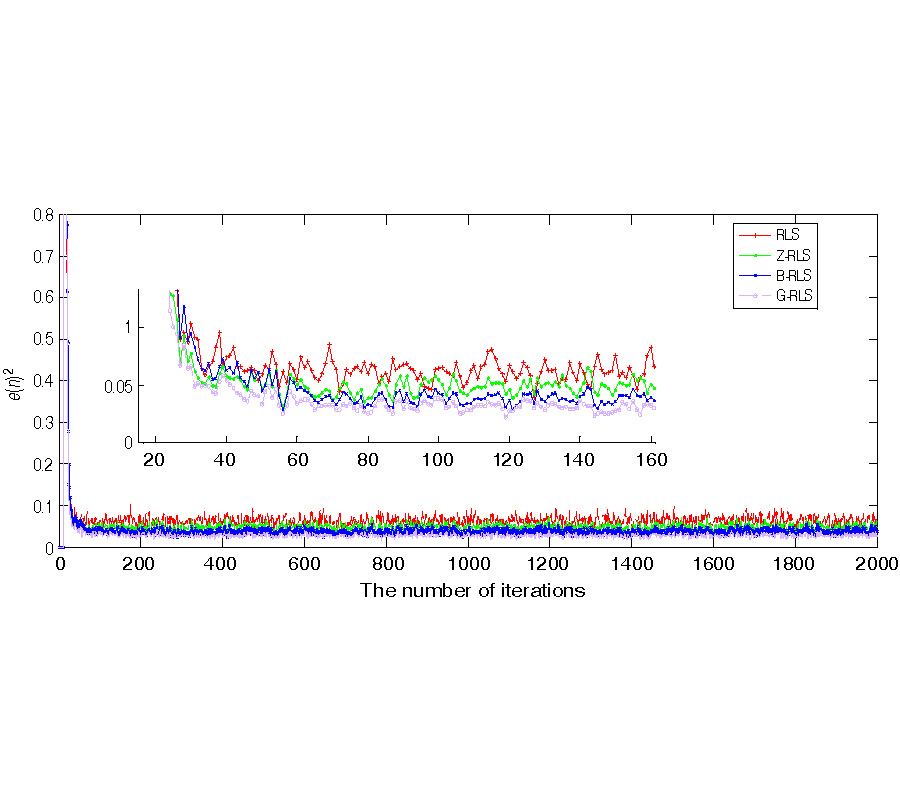
A low computational complexity direction of departure (DOD) and direction of arrival (DOA) estimation method is derived for bistatic multiple-input multiple-output (MIMO) radar. In this method, we propose a novel bistatic MIMO radar geometry with one transmit array and two subarrays at the receive array, based on which the cross-correlation matrix is constructed. The DODs and DOAs can be estimated without eigendecomposition, thereby signi cantly reduce computational burden. Moreover, the DODs and DOAs can be paired automatically. Simulation results verify that the proposed method holds better performance than the unitary estimation of signal parameters via rotational invariance technique and joint diagonalization direction matrix method.
JOINT DOD AND DOA ESTIMATION FOR BISTATIC MIMO RADAR WITHOUT EIGENVALUE DECOMPOSITION
2018-11-30
PIER C
Vol. 88, 207-218
Sodium Salt of Polyethylene-Co-Methacrylic Acid Ionomer/Polyaniline Binary Blends for EMI Shielding Applications
Kingsley Kema Ajekwene , Jelmy Elavathingal Johny and Thomas Kurian
Improvement of properties of polymeric materials through blending is a way to obtain products with highly adapted performance for specific applications. The present work reports the design and preparation of binary blend films of poly (ethylene-co-methacrylic acid) neutralized using sodium salt (EMAANa) and nano polyaniline doped with hydrochloric acid (nano PANI-HCl) or toluene sulfonic acid (nano PANI-TSA) with the aim of achieving improved thermal stability, DC conductivity and electromagnetic interference (EMI) shielding effectiveness (SE) of EMAANa. The binary blends were prepared by solution blending using a solvent mixture of toluene/1-butanol (90:10) at 65 °C. The hybrid materials were characterized and evaluated by FTIR, UV-Vis spectroscopy, XRD spectroscopy and thermogravimetric analysis (TGA). The electrical conductivity of the PANI and PANI/EMAANa blends was measured by four-probe method. The EMI shielding effectiveness was studied using a wave-guide coupled to an Agilent Synthesized Sweeper 8375A and a Hewlett-Packard spectrum analyzer 7000 in the X band frequency range (8-12 GHz). FTIR indicates a π-π and hydrogen bonding interaction between PANI and EMAANa, enabling the PANI to be adsorbed in the ionomer. The TGA of the blends show similar weight loss pattern with nano PANI-TSA-EMAANa exhibiting slightly lower weight loss below the decomposition temperature. The TGA results show that thermal stability of the blends is better compared to pure EMAANa. The results of measurements of electrical conductivity and EMI SE demonstrates that PANI was successfully blended into the EMAANa substrate.
SODIUM SALT OF POLYETHYLENE-CO-METHACRYLIC ACID IONOMER/POLYANILINE BINARY BLENDS FOR EMI SHIELDING APPLICATIONS
2018-11-28
PIER C
Vol. 88, 195-205
Design and Experimental Verification of Adaptive Speed Region Control for Hybrid Excitation Claw-Pole Synchronous Machine
Yang Zhang , Quanzhen Huang , Mingming Huang , Duane Decker and Yuhao Qing
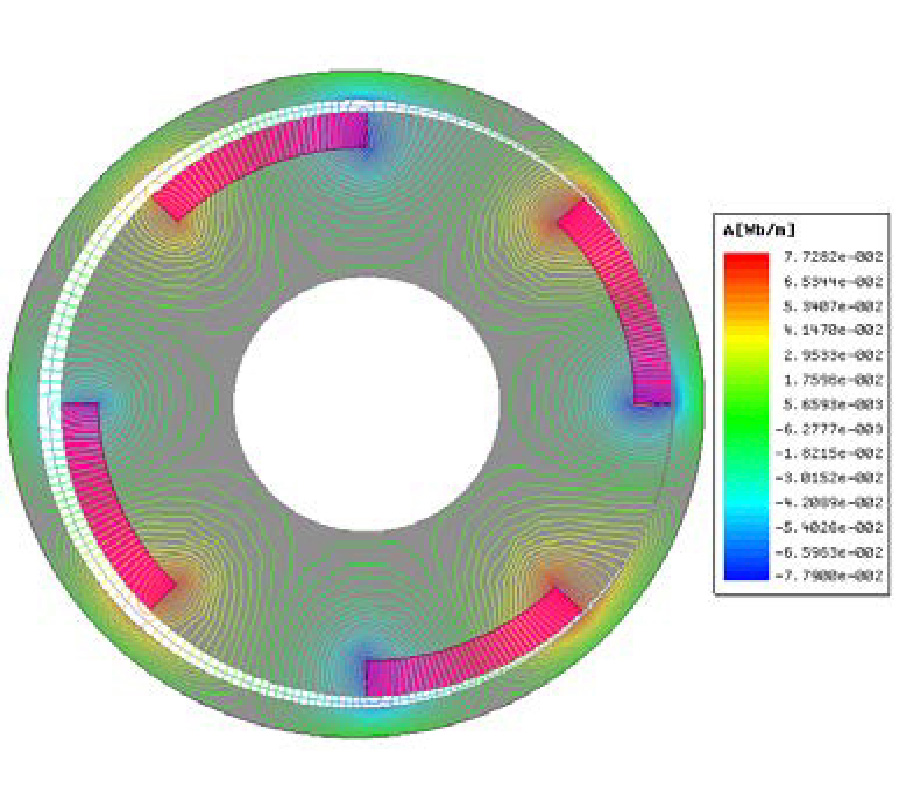
With combining the advantages of the hybrid excited synchronous machine and claw pole machine, hybrid excitation claw-pole synchronous machine (HECPSM) exhibits merits of controllable flux operation and independent flux paths. One novel wide range adaptive speed region control strategy is proposed in this paper, based on the analysis of the field control capability of HECPSM and the space vector control. Independent control methods of maximum torque per ampere (MTPA), space vector and minimum copper loss (MCL) control were employed for the proposed machine during three different speed regions in order to obtain satisfied performance in the whole speed range. The correctness and effectiveness of the proposed adaptive speed region control strategy and drive system design were verified by simulation and experimental results, which demonstrated that the proposed control strategy maximized the range of speed regulation while exhibiting the high efficiency.
DESIGN AND EXPERIMENTAL VERIFICATION OF ADAPTIVE SPEED REGION CONTROL FOR HYBRID EXCITATION CLAW-POLE SYNCHRONOUS MACHINE
2018-11-28
PIER M
Vol. 76, 113-122
Decoupler Design for MIMO Antennas of USB Dongle Applications Using Ground Mode Coupling Analysis
Muhammad Zeeshan Zahid , Longyue Qu , Hyung Hoon Kim and Hyeongdong Kim
In this paper, the impact of decoupler type has been analysed on the performance of planar inverted-F antenna (PIFA)-based multiple-input multiple-output (MIMO) antenna. A T-type and a loop-type decoupler have been employed for the isolation of the MIMO antennas, and the performances of the two cases have been compared. The decouplers have been selected based on their different coupling mechanisms with the dominant ground mode. The antennas have been designed for the ground configuration of a USB dongle operating at 2.45 GHz band. Characteristic mode analysis of the ground plane has been carried out, and the MIMO systems have been analysed based on the coupling among the antenna, decoupler and the dominant characteristic mode of the ground plane. It has been observed that the coupling between the decoupler and the ground mode significantly affects the radiation efficiency as well as the diversity performance of the MIMO antenna.
DECOUPLER DESIGN FOR MIMO ANTENNAS OF USB DONGLE APPLICATIONS USING GROUND MODE COUPLING ANALYSIS
2018-11-27
PIER C
Vol. 88, 179-194
Analysis of Electromagnetic Waves Spatio-Temporal Variability in the Context of Exposure to Mobile Telephony Base Station
Mame Diarra Bousso-Lo N'Diaye , Nicolas Noé , Pierre Combeau , François Gaudaire and Yannis Pousset
With the increasing number of mobile phone users, new services and mobile applications, the proliferation of radio antennas has raised concerns about human exposure to electromagnetic waves. This is now a challenging topic to many stakeholders such as local authorities, mobile phone operators, citizen and consumer groups. The study of the spatial and temporal variability of the actual downlink exposure is a very important requirement to find an accurate exposure assessment. In this paper, a concept of exposure areas linked to specific variations of the electric field is introduced. Then a measurement campaign of the temporal variability of the electric field in urban environment is presented, considering different technologies and mobile operators in the previously defined exposure areas. This study allowed to determine updated daytime and nighttime exposure profiles. A second result yielded the averaging duration needed to reach a stable evaluation of the electric field exposure levels, inside each exposure area and according to each technology.
ANALYSIS OF ELECTROMAGNETIC WAVES SPATIO-TEMPORAL VARIABILITY IN THE CONTEXT OF EXPOSURE TO MOBILE TELEPHONY BASE STATION
2018-11-27
PIER Letters
Vol. 80, 61-66
Dual-Band Bandpass Filter Incorporating Dual-Mode and Single-Mode Resonators
Shou Jia Sun , Pan Yin , Yu-Ning Feng and Xinshe Yin
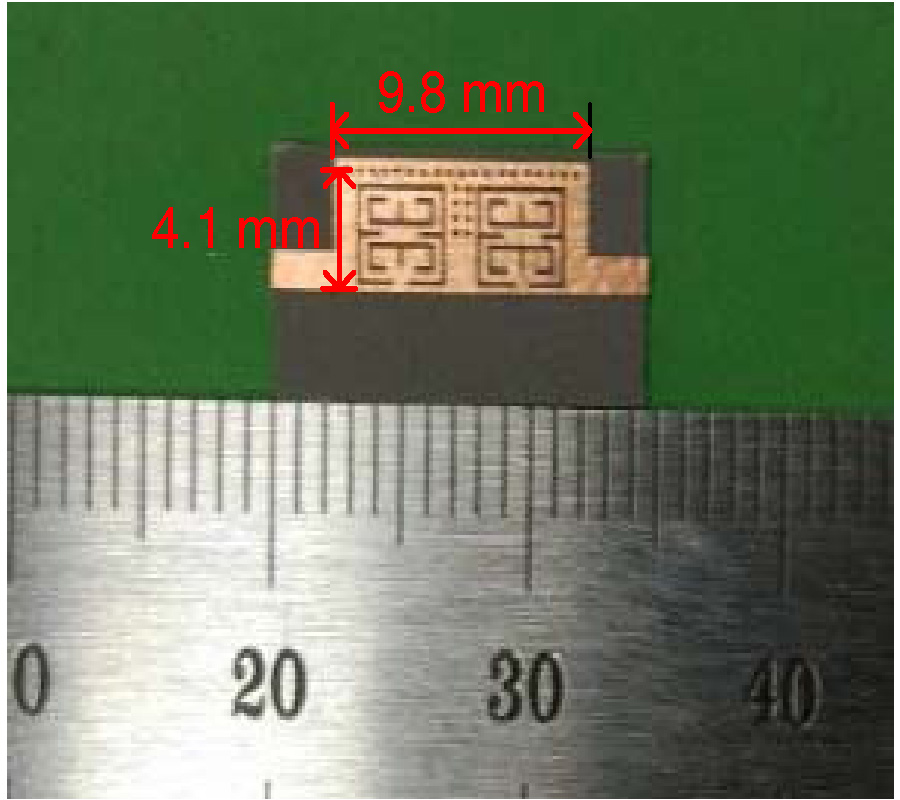
This paper presents a novel dual-band bandpass filter by utilizing a new dual-mode resonator and a pair of single-mode split-ring resonators. The center frequencies and bandwidths of both passbands can be independently adjusted without affecting each other. Meanwhile, a capacitive source-load coupling is introduced to create transmission zeros near the passband edges, and the filter can obtain high skirt-selectivity. Such a dual-band bandpass filter operating at 3.5 GHz and 5.85 GHz with compact size is designed and fabricated.
DUAL-BAND BANDPASS FILTER INCORPORATING DUAL-MODE AND SINGLE-MODE RESONATORS
2018-11-27
PIER M
Vol. 76, 101-111
Polarization Diversity UWB Antennas with and Without Notched Bands
Bazil Taha-Ahmed and Eva Morodo Lasa
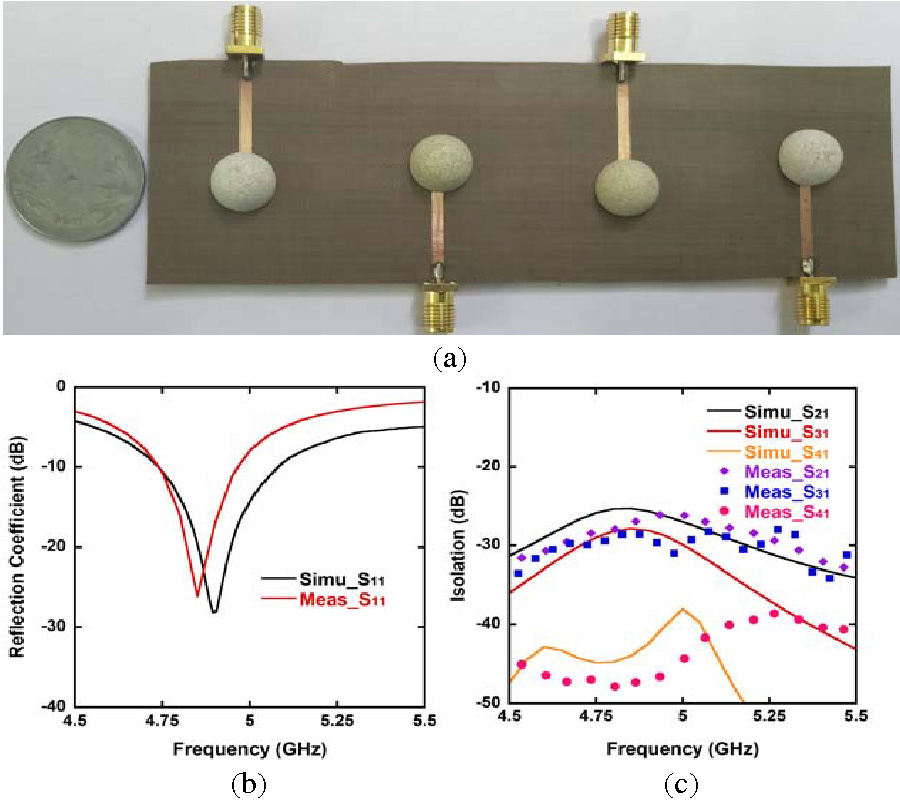
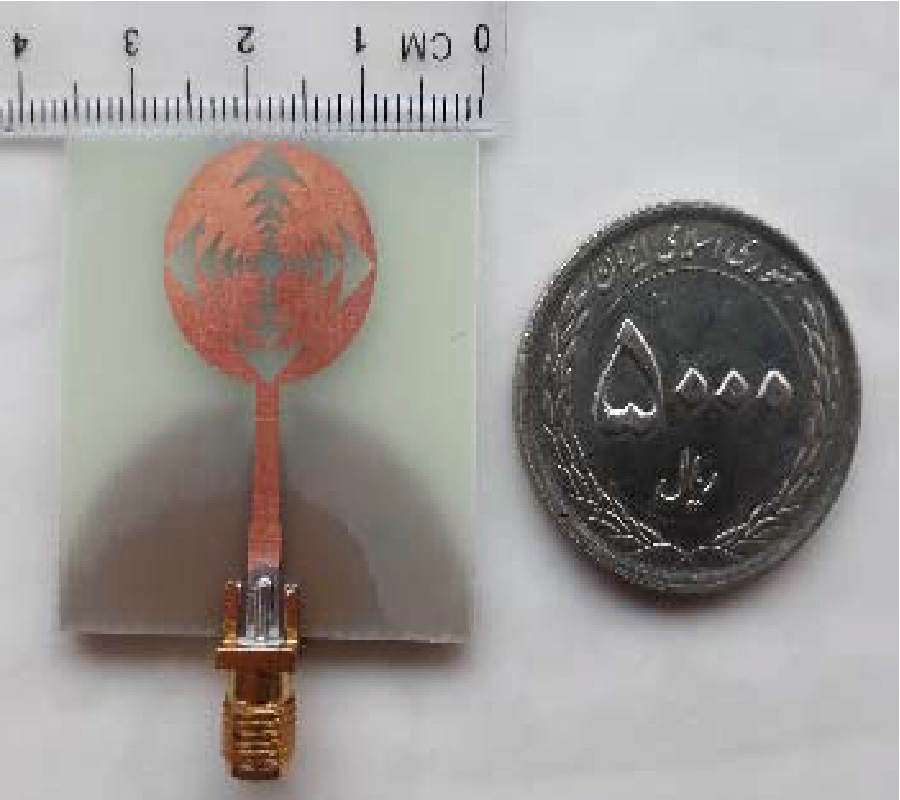
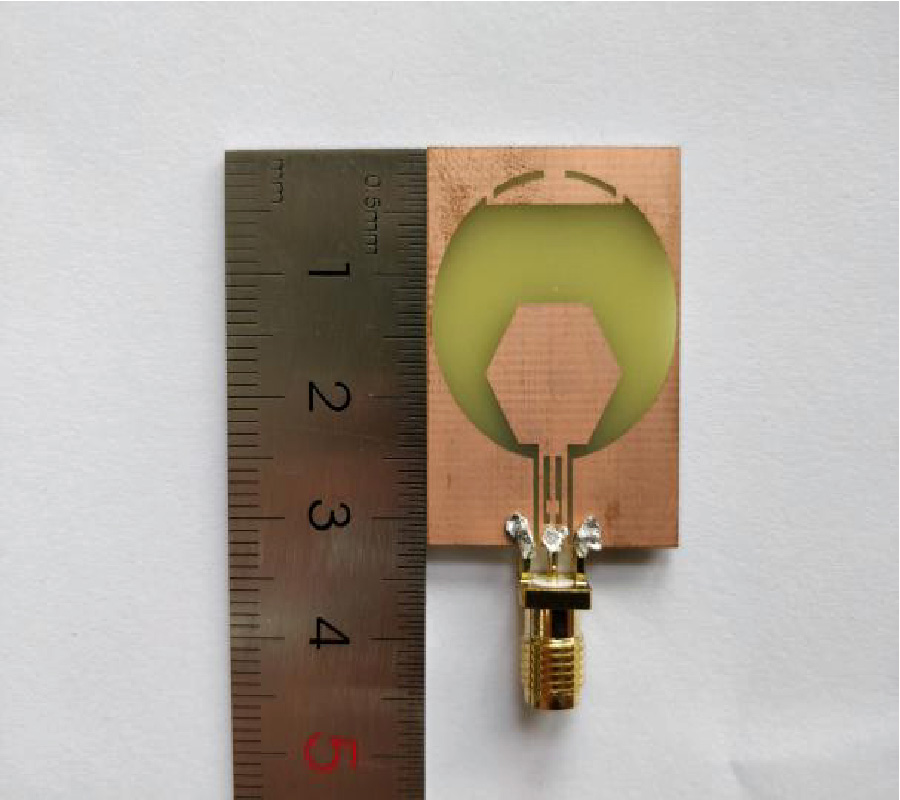
In this article, a couple of UWB antennas are presented. These antennas have the shape of two overlapped circles. The presented antennas are polarization diversity antennas with and without dual band reject filters. Measurements show that the antennas work well within the whole UWB. Antennas have practical reflection parameters S11 and S22 lower than -10 dB, practical coupling parameters S12 and S21 lower than -15 dB, an Envelope Correlation Coefficient lower than 0.015 and a diversity gain between 9.97 to 9.99 dB. Simulations of the antennas are done using the CST software.
POLARIZATION DIVERSITY UWB ANTENNAS WITH AND WITHOUT NOTCHED BANDS
2018-11-27
PIER M
Vol. 76, 91-99
Applying Convolutional Neural Networks for the Source Reconstruction
He Ming Yao , Wei E. I. Sha and Li Jun Jiang
This paper proposes a novel source reconstruction method (SRM) based on the convolutional neural network algorithm. The conventional SRM method usually requires the scattered field data oversampled compared to that of target object grids. To achieve higher accuracy, the conventional SRM numerical system is highly singular. To overcome these difficulties, we model the equivalent source reconstruction process using the machine learning. The equivalent sources of the target are constructed by a convolutional neural networks (ConvNets). It allows us to employless scattered field samples or radar cross section (RCS) data. And the ill-conditioned numerical system is effectively avoided. Numerical examples are provided to demonstrate the validity and accuracy of the proposed approach. Comparison with the traditional NN is also benchmarked. We further expand the proposed method into the direction of arrival (DOA) estimation to demonstrate the generality of the proposed procedure.
APPLYING CONVOLUTIONAL NEURAL NETWORKS FOR THE SOURCE RECONSTRUCTION
2018-11-27
PIER M
Vol. 76, 75-89
Rapidly Adaptive CFAR Detection in Antenna Arrays
Anatolii A. Kononov
This paper addresses the problem of target detection in adaptive arrays in situations where only a small number of training samples is available. Within the framework of two-stage adaptive detection paradigm, the paper proposes a class of rapidly adaptive CFAR (Constant False Alarm Rate) detection algorithms, which are referred to as joint loaded persymmetric-Toeplitz adaptive matched filter (JLPT-AMF) detectors. A JLPT-AMF detector combines, using a joint detection rule, individual scalar CFAR decisions from two rapidly adaptive two-stage (TS) detectors: a TS TAMF detector and a TS LPAMF detector. The former is based on a TMI filter, which is an adaptive array filter employing a Toeplitz covariance matrix (CM) estimate inversion. The latter is based on an adaptive LPMI filter that uses diagonally loaded persymmetric CM estimate inversion. The proposed class of adaptive detectors may incorporate any rapidly adaptive TS TAMF and TS LPAMF detectors, which, in turn, may employ any scalar CFAR detection algorithms that satisfy an earlier derived linearity condition. The two-stage adaptive processing structure of the JLPT-AMF detectors ensures the CFAR property independently of the antenna array dimension M, the interference CM, and the number of training samples NCME to be used for estimating this CM. Moreover, the rapidly adaptive JLPT-AMF detectors exhibit highly reliable detection performances, which are robust to the angular separation between the sources, even when NCME is about m/2 ~ m, m is the number of interference sources. The robustness is analytically proven and verified with statistical simulations. For several representative scenarios when the interference CM has m dominant eigenvalues, comparative performance analysis for the proposed rapidly adaptive detectors is provided using Monte-Carlo simulations.
RAPIDLY ADAPTIVE CFAR DETECTION IN ANTENNA ARRAYS
2018-11-23
PIER Letters
Vol. 80, 53-59
A Novel Dual-Band Scheme for Magnetic Resonant Wireless Power Transfer
Keke Ding , Ying Yu and Hong Lin
In this paper, a novel dual-band scheme is proposed and analyzed for dual-band magnetic resonant wireless power transfer. The scheme consists of a novel resonant coil structure for dual-band resonance and a coupling loop for dual-band impedance matching. Circuit-based analysis and experiments verify that our scheme can achieve dual-band power transfer easily and effectively, with its dual-band reflection coefficient lower than -18 dB and transmission efficiency over 37.21% at a distance of 20 cm at 6.78 MHz and 13.56 MHz.
A NOVEL DUAL-BAND SCHEME FOR MAGNETIC RESONANT WIRELESS POWER TRANSFER
2018-11-23
PIER Letters
Vol. 80, 47-52
A Tuning Fork Shaped Differential Dipole Antenna with Floating Reflectors
Rida Gadhafi , Dan Cracan , Ademola Akeem Mustapha and Mihai Sanduleanu
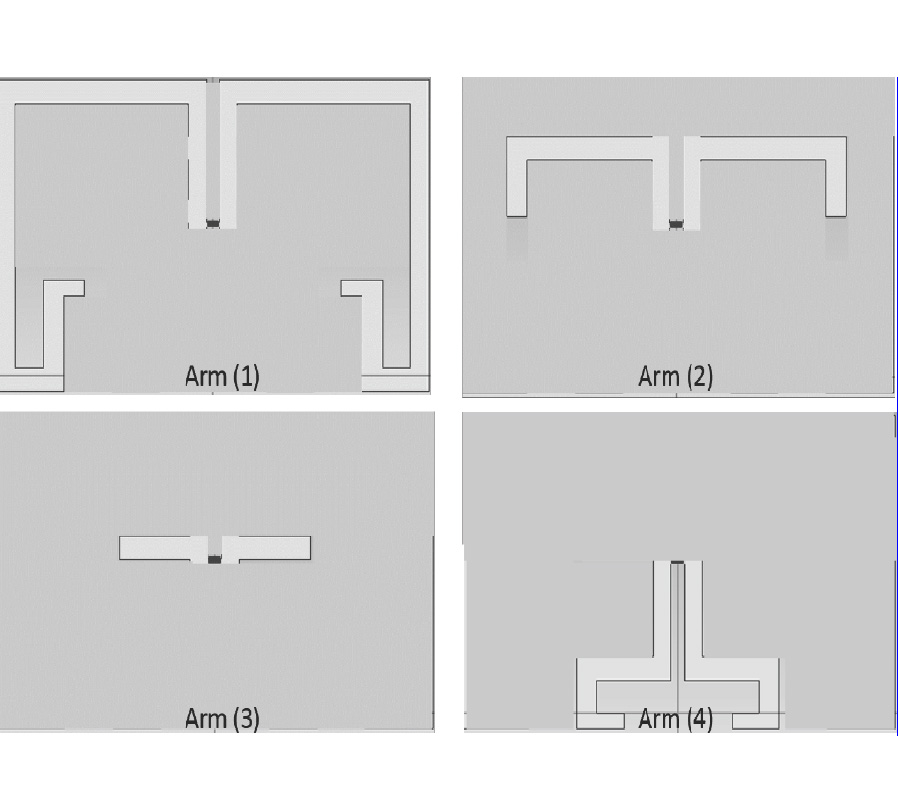
In this letter, a tuning fork shaped, differential dipole antenna, with two floating reflectors, is presented. The dipole antenna resonates at 1.22 GHz and has a fractional bandwidth (FBW) of 16.39% and a differential impedance of 100 Ω. The proposed antenna is composed of quarter wavelength tuning fork shaped dipole arms in the top layer. To improve robustness, while connecting to the differential circuits, two floating reflectors are used on the bottom layer, beneath the dipole arm. This method helps improving the gain by 7%. A microstrip-to-coplanar strip line (CPS) transition is designed to measure the stand-alone differential antenna. The measured gain and efficiency of the antenna are 2.14 dBi and 84%, respectively, at the resonant frequency. The possible targeted applications are circuits with differential inputs/outputs, like energy harvesting circuits, radio frequency tags, wireless communications and any other wireless sensor network nodes. Details of the design along with simulated and experimental results are presented and discussed.
A TUNING FORK SHAPED DIFFERENTIAL DIPOLE ANTENNA WITH FLOATING REFLECTORS
2018-11-23
PIER M
Vol. 76, 55-63
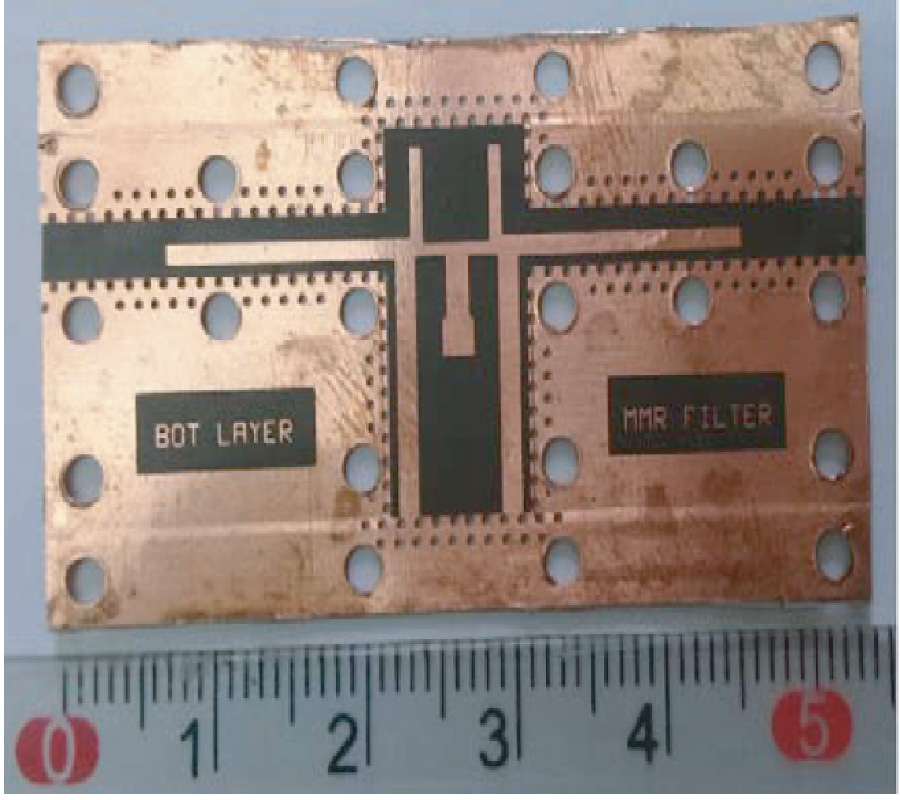
An SIW Quasi-Elliptic Filter with a Controllable Bandwidth Based on Cross Coupling and Dual-Mode Resonance Cavity
Xiang An , Qi Zhou and Zhi-Qing Lv
In this paper a substrate integrated waveguide (SIW) quasi-elliptic filter with a controllable bandwidth is proposed. The quasi-elliptic filter response is caused by the cross coupling technique and a dual-mode resonance cavity. The dual-mode resonance cavity with TE101 and TE102 modes is used to generate the passband, and the cross coupling provides two signal transmission paths to produce transmission zeros (TZs). The bandwidth of the filter can be controlled by a pair of disturbing metallic via-holes. A quasi-elliptic filter with the center frequency of 11.03 GHz is designed, fabricated and measured. The experiment data agree well with the simulated ones.
AN SIW QUASI-ELLIPTIC FILTER WITH A CONTROLLABLE BANDWIDTH BASED ON CROSS COUPLING AND DUAL-MODE RESONANCE CAVITY
2018-11-23
PIER M
Vol. 76, 43-54
Simulating Underwater Electric Field Signal of Ship Using the Boundary Element Method
Xiangjun Wang , Qinglin Xu and Jianchun Zhang
Seawater conductivity is an important factor that affects the corrosion electric field of ship.Athree-dimensional boundary element method (3D-BEM) combined with nonlinear polarization curve was employed to investigate the influence of seawater conductivity on the corrosion electrostatic field. Numerical simulation results show that the electric field distribution is only slightly influenced by the conductivity.However, the intensity decreases with the increases of conductivity. The simulation results of the BEM model were compared with the results of the equivalent electric dipole model, and the results obtained by the two methods had high similarity, which demonstrated that the BEM model was effective. The former is a more convenient and concise modeling method that can better reflect the distribution characteristics of ship's corrosion electric field than the electric dipole model.
SIMULATING UNDERWATER ELECTRIC FIELD SIGNAL OF SHIP USING THE BOUNDARY ELEMENT METHOD
2018-11-20
PIER Letters
Vol. 80, 39-46
Compact Microstrip BPF with High Selectivity Using Extended Tapped Lines
Yi-Qiang Gao , Wei Shen , Liang Wu and Xiao-Wei Sun
This paper proposes a compact microstrip bandpass filter (BPF) with high selectivity. A folded stepped-impedance resonator (SIR) of which the high impedance part is realized by a coplanar waveguide on the ground layer is introduced to the filter design for miniaturization. Furthermore, source-load coupling is implemented by extended tapped lines (ETLs). High selectivity with four transmission zeros (TZs) can be achieved. The analysis of the filter is presented based on atransmission line circuit model and even- and odd-mode analysis method. An experimental filter with the size of 0.15λg*0.13λg (where λg is the guide wave-length at the center frequency) is designed to validate our methods.
COMPACT MICROSTRIP BPF WITH HIGH SELECTIVITY USING EXTENDED TAPPED LINES
2018-11-20
PIER M
Vol. 76, 31-42
Performance Enhancement of Ag-Au Bimetallic Surface Plasmon Resonance Biosensor Using InP
Hasan Khaled Rouf and Tauhidul Haque
Performance improvement of couple silver (Ag) - gold (Au) based bimetallic surface plasmon resonance (SPR) sensor using a thin indium phosphide (InP) layer and an air gap layer is presented. Through detailed investigations quantitative insight into the dependence of different performance parameters including sensitivity factor (SF), sensor merit (SM), full width at half maximum (FWHM) and combined sensitivity factor (CSF) on stack structure, thickness and material parameters has been observed. Integration of thin InP layer on the metallic layer and inclusion of the air gap between glass prism and adsorption layer enhance both the sensitivity (70.90˚/RIU) and the CSF (372.8 RIU-1). Without InP layer the sensitivity is 65.66˚/RIU, and CSF is 178.5 RIU-1 whereas without the air gap the sensitivity is 66.29˚/RIU, and the CSF is 285.0 RIU-1. Compared to similar bimetallic SPR sensors that have been reported in recent literatures, sensitivity and overall figure of merit of the proposed sensor are far better. The presented biosensor's capability to detect the variation of 1/1000 of RIU of the sensing medium (corresponding to subtle concentration change of the analyte) has been demonstrated.
PERFORMANCE ENHANCEMENT OF AG-AU BIMETALLIC SURFACE PLASMON RESONANCE BIOSENSOR USING INP
2018-11-20
PIER
Vol. 164, 1-15
A Method for Effective Permittivity and Conductivity Mapping of Biological Scenarios via Segmented Contrast Source Inversion
Martina Bevacqua , Gennaro G. Bellizzi , Tommaso Isernia and Lorenzo Crocco
Quantitative estimation of both conductivity and permittivity of biological tissues is essential in many biomedical applications, ranging from therapeutic treatments to safety assessment of medical devices and dosimetry. Typically, the electromagnetic field distribution inside the body is predicted based on available ex-vivo measured electrical properties. Unfortunately, these values may be quite different from the ones measured in-vivo and cannot account for the differences among individuals. As a result, their use can introduce significant errors affecting therapeutic treatments and dose estimation. To cope with this problem, in this paper a new approach for estimation of effective electrical properties of human tissues is introduced. The proposed strategy is based on the solution of an inverse scattering problem (by means of a contrast source inversion scheme) and the use of an effective representation of the unknowns based on spatial priors derived by magnetic resonance imaging or computed tomography. The approach is tested in controlled conditions against simulated single frequency data and realistic and anthropomorphic head and neck phantoms. Moreover, the inherent advantages have been assessed in the framework of hyperthermia treatment planning.
A METHOD FOR EFFECTIVE PERMITTIVITY AND CONDUCTIVITY MAPPING OF BIOLOGICAL SCENARIOS VIA SEGMENTED CONTRAST SOURCE INVERSION
2018-11-19
PIER C
Vol. 88, 163-178
The Dispersion Characteristics of the Three-Dimensional Function Photonic Crystals with Woodpile Lattices Composed of Plasma and Magnetized Plasma Elements
Hai Feng Zhang and Hao Zhang
The dispersion characteristics of woodpile three-dimensional (3D) function photonic crystals (PCs) composed of plasma and function dielectric elements are theoretically investigated by a modified plane wave expansion method, respectively, and the formulas to obtain the dispersion diagrams are given. Only two cases are considered, which are the presence and absence of the external magnetic field. The external magnetic field is vertical to the wave vector, which means that only the magneto-optic Voiget effect is considered. For the proposed PCs, the function dielectric square columns are inserted into the plasma background with face-centered-tetragonal symmetry according to the woodpile lattices. The relationships between the parameters of such PCs and the features of the photonic band gaps (PBGs) for the extraordinary mode and electromagnetic wave are studied under two different cases. The calculated results show that the dispersion characteristics of the proposed PCs can be tailored by adjusting those parameters. If the extrinsic magnetic field does not exist, larger PBG can be found in the present PCs than 3D dielectric-air PCs, 3D function dielectric PCs and 3D plasma-dielectric PCs with the same lattices. If there is an external magnetic field, the narrower PBG for the extraordinary mode can be obtained than the 3D function dielectric PCs and 3D plasma-dielectric PCs with the same lattices. The computed results also show us a approach to realize the reconfigurable devices based on the PCs.
THE DISPERSION CHARACTERISTICS OF THE THREE-DIMENSIONAL FUNCTION PHOTONIC CRYSTALS WITH WOODPILE LATTICES COMPOSED OF PLASMA AND MAGNETIZED PLASMA ELEMENTS