Search Results(13787)

2022-11-30
PIER M
Vol. 114, 191-203
Investigation on Vibration of Amorphous Alloy Transformer Core
Daosheng Liu , Peng Li and Zeshuai Li
Amorphous alloy transformers (AMDT) have become the mainstream of energy-saving and environmentally friendly distribution transformers, but the problem of environmental pollution caused by their noise has become more prominent. The high magnetostriction of amorphous alloy strip and its sensitivity to stress are the main reasons for the vibration of AMDT core. Accurate calculation of the overall core vibration of transformers is the key issues in transformer noise research. This paper studies the vibration of amorphous alloy transformers under operating conditions, and establishes a three-dimensional magnetic-mechanical coupling model considering the magnetostrictive effect of the power transformer core, and the magnetic field distribution and core vibration displacement of the dry-type transformer under no-load conditions are calculated by finite element method. Combined with experiments, the mechanism of vibration generation of amorphous alloy transformer core is studied, and an iron core vibration prediction calculation based on electromagnetic field coupling analysis is proposed. The research results not only have important academic value for exploring the vibration mechanism and noise suppression mechanism of amorphous alloy transformers, but also have important significance for ensuring their efficient operation.
Investigation on Vibration of Amorphous Alloy Transformer Core
2022-11-29
PIER C
Vol. 127, 83-99
Hybrid Feature Selection Approach for Power Transformer Fault Diagnosis Based on Whale Optimization Algorithm and Extreme Learning Machine
Zhiyang He , Tusongjiang Kari , Yilihamu Yaermaimaiti , Lin Du , Yannan Zhou and Zhichao Liu
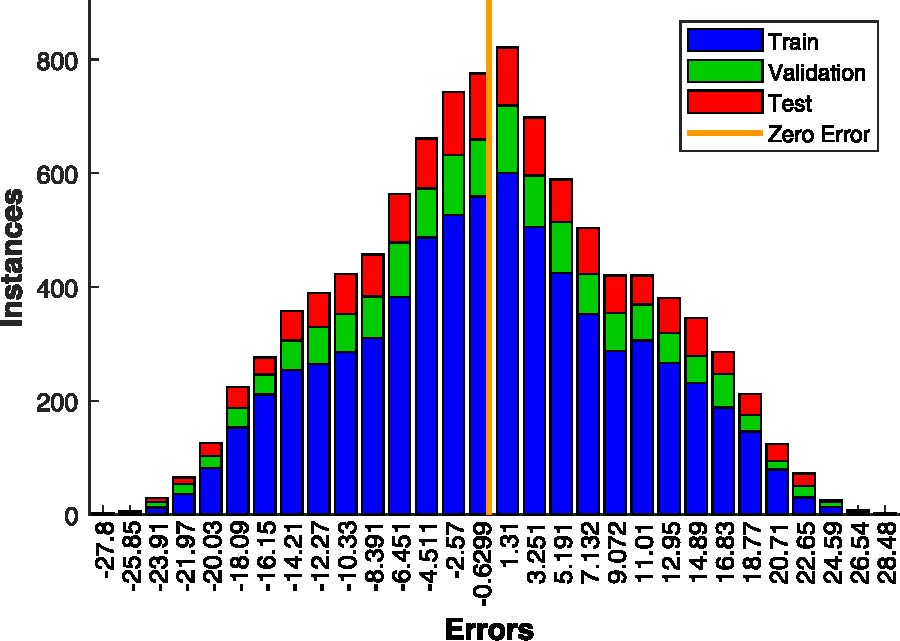
To further improve fault diagnosis performance, a new hybrid feature selection approach combined with whale optimization algorithm and extreme learning machine is presented in this study. Firstly, three filter methods based on different evaluation metrics are employed to select and rank 25 input features derived from gases concentration values, gases ratio and energy-weighted dissolved gas analysis. Then, feature fusion approaches are applied to aggregate feature ranks and form a lower-dimension candidate feature subset. Afterwards, the whale optimization-based extreme learning machine model is implemented to optimize parameters and select optimal feature subsets. The accuracy of the model is used to evaluate the fault diagnosis capability of the concerned feature subsets. Finally, novel subsets are determined as the optimal feature subset to establish a fault diagnosis model. According to the experimental results, the average accuracy of the proposed approach is better than that of other conventional methods, which indicates that the optimal feature subset obtained by the proposed method can significantly promote the fault diagnosis accuracy of the power transformer.
Hybrid Feature Selection Approach for Power Transformer Fault Diagnosis Based on Whale Optimization Algorithm and Extreme Learning Machine
2022-11-28
PIER
Vol. 176, 45-53
Commercial-Printed-Circuitry-Compatible Self-Superhydrophobic Antennas Based on Laser Direct Writing
Xiao-Liang Ge , Jun-Hao Yang , Hang Ren , Zhi-Jun Qin , Qi-Dai Chen , Dong-Dong Han , Yong-Lai Zhang , Su Xu and Hong-Bo Sun
Antennas are essential devices to build everything connected in the era of information. However, the quality of communications would be degraded with the presence of raindrops on the antenna surface. Additional antiwater radomes may generate radiation loss and dispersive impedance mismatch over a broad frequency range, which is not acceptable for next-generation communication systems integrating multiple bands. Here, we report the first experimental demonstration of self-hydrophobic antennas that cover the bands of 1.7 GHz, 3.5 GHz, and 8.5 GHz through a laser-direct-writing treatment. Experimental results show that the return loss, radiation pattern, and efficiency of self-superhydrophobic antennas can be maintained in the mimicked rainy weather. Furthermore, writing hydrophobic nanostructures on both dielectrics and metals is compatible with commercial printed circuitry techniques widely used in industries. Our technique will augment the laser fabrication technology for specialized electromagnetic devices and serve as a powerful and generalized solution for all-weather wireless communication systems.
Commercial-printed-circuitry-compatible Self-superhydrophobic Antennas Based on Laser Direct Writing
2022-11-28
PIER C
Vol. 127, 71-82
A Dual Adaptive Inertia and Damping Control Strategy of ANFIS-VSG for Direct-Drive Permanent Magnet Synchronous Wind Generator Systems
Yang Zhang , Anping Chen , Jiangwei Deng , Yihan Liu , Sicheng Li and Zhun Cheng
In the conventional virtual synchronous generator (VSG) dual adaptive inertia and damping control schemes, the inertia J and damping D exhibit different variation patterns in different time intervals and are mutually constrained. To address this problem, an adaptive neural-fuzzy network inference system (ANFIS)-based dual adaptive inertia and damping VSG control technique applied to the direct-drive permanent magnet synchronous wind generator (D-PMSWG) system is proposed in this paper. In ANFIS-VSG, the controller is designed on the basis of the ANFIS control principle, and the input and output data are collected by PID control. The Sugeno-type ANFIS controller model is adopted to train the fuzzy inference system (FIS) online. Moreover, the virtual inertia and damping coefficients can be dynamically adjusted in real time according to the frequency variation without taking the different variations and mutual constraints of inertia J and damping D in different intervals into consideration, so the design difficulty and calculation process can be simplified, and the accuracy of the proposed control algorithm is enhanced through training. Furthermore, when the system is subject to load changes, integrating into the grid from an islanded state, and when the output power sets value steps, the power-frequency characteristics and the anti-interference capability of the three-phase output current of VSG can be improved. Finally, the proposed control strategy is simulated and analyzed based on Matlab/Simulink simulation software, which proves the correctness and effectiveness of the proposed control algorithm.
A Dual Adaptive Inertia and Damping Control Strategy of ANFIS-VSG for Direct-drive Permanent Magnet Synchronous Wind Generator Systems
2022-11-28
PIER C
Vol. 127, 61-70
A Novel Balanced-to-Balanced Differential-Mode Negative Group Delay Microwave Circuit with Excellent Common-Mode Suppression
Zhongbao Wang , Peng Han , Qi Chen , Hongmei Liu and Shao-Jun Fang
A novel balanced-to-balanced differential-mode negative group delay (NGD) microwave circuit with excellent common-mode suppression is proposed. The proposed circuit consists of two sections of coupled lines, six transmission lines, and four open-circuited stubs. The coupled lines combined with the open-circuited stubs produce the NGD characteristic, which is connected by the λ/2 transmission lines to form a balanced structure for excellent common-mode suppression. To verify the proposed balanced circuit, a microstrip circuit prototype with a center frequency of f0 = 1.0 GHz is designed, fabricated, and measured. When the prototype is excited in differential mode, the measured NGD time at f0 is -3.45 ns with an NGD bandwidth of 16.6 MHz (991.7-1008.3 MHz), insertion loss of less than 2.88 dB, and return loss of more than 11.7 dB. Furthermore, the measured common-mode suppression is greater than 41 dB in the NGD band.
A Novel Balanced-to-balanced Differential-mode Negative Group Delay Microwave Circuit with Excellent Common-mode Suppression
2022-11-27
PIER B
Vol. 97, 131-147
Performance Investigation of Flexible UWB Antenna Near Human Body for Wearable Appliances
Mamta Devi Sharma , Ajay Yadav , Sarthak Singhal and Ritu Sharma
A very economical and compact size wearable antenna operating over Ultra-Wide Band (UWB) spectrum is investigated in the proposed work. The antenna is modelled on a thin FR-4 (0.2 mm) material that makes it flexible and well-suited for wearable appliances. The radiating patch structure is the combination of one square and two elliptical patches rotated at 45˚ and fed with a Coplanar Waveguide (CPW) to achieve a wide impedance bandwidth. The complete radiating structure looks like a flower shape, and it has a partial ground to support the radiation from the antenna over the complete UWB. The flexibility of the proposed structure is investigated by bending it along xz and yz planes using cylindrical shape foam. The peak Specific Absorption Rate (SAR) is demonstrated for 1 g and 10 g of tissues at different chosen frequencies like 3.7, 8.4, and 11.2 GHz using a three-layer phantom model. The presented antenna performance analysis and compact size confirm that it is a good candidate for wearable applications.
Performance Investigation of Flexible UWB Antenna near Human Body for Wearable Appliances
2022-11-27
PIER
Vol. 176, 35-44
Highly Transparent Tunable Microwave Perfect Absorption for Broadband Microwave Shielding
Dongdong Li , Xiaojun Hu , Bingtao Gao , Wen-Yan Yin , Hongsheng Chen and Haoliang Qian
To shield undesirable microwave radiation to protect electronic systems and human health, microwave perfect absorbers have attracted increasing interests in recent years. However, the opaque or semitransparent nature of most implemented microwave absorbers limit their applications in optics. Here, we demonstrate a high-performance microwave absorber based on an impedance-assisted Fabry-Pérot resonant cavity with an ITO-dielectric-ITO structure without complex nanofabrication. The device features near-unity absorption (99.5% at 14.4 GHz with a 4.5 GHz effective bandwidth), excellent electromagnetic interference shielding performance (24 dB) in the Ku-band, and high optical transparency (89.0% from 400 nm to 800 nm). The peak absorption frequency of the device can be tuned by changing the thickness of glass slab and sheet resistance of ITO films. Our work provides a low-cost and feasible solution for highperformance optically transparent microwave shielding and stealth, paving the way towards applications in areas of microwave and optics.
Highly Transparent Tunable Microwave Perfect Absorption for Broadband Microwave Shielding
2022-11-27
PIER C
Vol. 127, 49-59
Polarization Reversal of Oblique Electromagnetic Wave in Collisional Beam-Hydrogen Plasma
Rajesh Gupta , Ruby Gupta and Suresh C. Sharma
Energetic ion or electron beams cause plasma instabilities. Depending on plasma and the beam parameters, an ion beam leads to change in the dispersion relation of Alfven waves on interacting with magnetoplasmas as it can efficiently transfer its energy to the plasma. We have derived dispersion relation and the growth rates for oblique shear Alfven wave in hydrogen plasma. The particles of the beam interact with the Shear Alfven waves only when they counter-propagate each other and destabilize left-hand polarized mode for parallel waves and left-hand as well as right-hand polarized modes for oblique waves, via fast cyclotron interaction. The collisions between beam ions and plasma components affect the growth rate and the frequency of generated Alfven waves, differently for right-hand (RH) and left-hand (LH) polarized oblique Alfven modes. For (ω + kzvbo > ωbc), the most unstable mode is the LH polarized oblique Alfven mode, and it is the RH polarized oblique Alfven mode for (ω + kzvbo < ωbc), which shows a polarization reversal after resonance condition. Numerical results indicate that the growth rates increase with increase in angle of propagation. The maximum growth rate values in the presence or absence of beam increase due to obliquity of wave.
Polarization Reversal of Oblique Electromagnetic Wave in Collisional Beam-Hydrogen Plasma
2022-11-26
PIER
Vol. 176, 25-33
Optical Neural Networks for Holographic Image Recognition (Invited Paper)
Yiming Feng , Junru Niu , Yiyun Zhang , Yixuan Li , Hongsheng Chen and Haoliang Qian
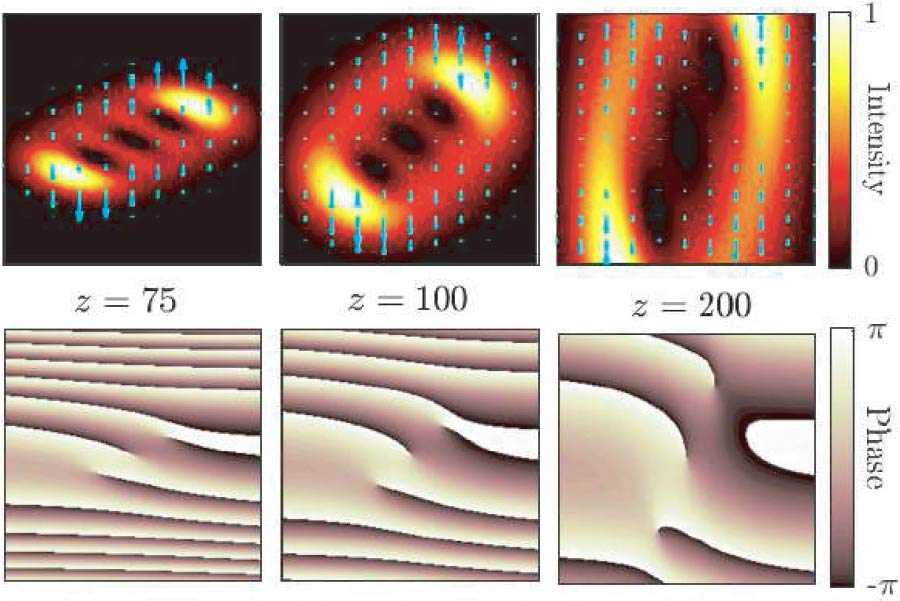
Inspired by neural networks based on traditional electronic circuits, optical neural networks (ONNs) show great potential in terms of computing speed and power consumption. Though some progress has been made in devices and schemes, ONNs are still a long way from replacing electronic neural networks in terms of generalizability. Here, we present a complex optical neural network (cONN) for holographic image recognition, within which a high-speed parallel operating unit for complex matrices is proposed, targeting the real-imaginary-splitting and column splitting. Based on the proposed cONN, we have numerically demonstrated the training-recognition process on our cONN for holographic images converted from handwritten digit datasets, achieving an accuracy of 90% based on the back-propagation algorithm. Our training verification integrated architecture will enrich the further development and applications of on-chip photonic matrix computing.
Optical Neural Networks for Holographic Image Recognition (Invited Paper)
2022-11-25
PIER C
Vol. 127, 31-48
Preamble-Based Synchronization for Communication-Assisted Chirp Sequence Radar
Mohamad Basim Alabd , Benjamin Nuss , Lucas Giroto de Oliveira , Yueheng Li , Axel Diewald and Thomas Zwick
Chirp sequence has been adopted in automotive applications for its simple generation and flexible integration within radar-centric systems. Besides, recent studies have shown its ability to carry data between communicating vehicles in the surroundings. Since the parameters adopted from current automotive radar sensors can differ at the transmitter side dependent on the automotive supplier, the carrier alignment of the communication receiver of one of the communicated nodes might not concur with the one in the transmitter. This paper presents a novel two-stage synchronization method for communication-assisted chirp sequence (CaCS) signals. The proposed synchronization method applies a sequence of up- and down-chirp as a preamble to estimate frequency and time offsets during the transmission. The suggested synchronization scheme supports partial chirp modulation systems and can be adapted for similar radar-centric systems that employ chirp modulation. The former stage performs a coarse synchronization, reallocates the receive carrier frequency, and corrects eventual time offsets between the communication receiver from one CaCS-node and the transmitter of another node. The carrier allocation at the communication receiver side is based on a combination of spectrum sensing via short-time Fourier transforms and image processing to estimate the transmitting signal pattern (slope, frequency offset, and delay). The latter stage, in its turn, relies on range-Doppler estimation to perform a fine correction of time and frequency offsets and compensates residual offsets of the coarse synchronization stage. Furthermore, the paper analyzes the case of a multi-user scenario with mutual interference between the signals that affects the synchronization and communication data detection. Besides, measurements are provided based on two completely unsynchronized software-defined radios to validate the proposed method. The study also illustrates the influence of the signal-to-noise ratio on the proposed method and verifies it with simulations in MATLAB. As a result, the offsets at the investigated CaCS-node are returned to recover the transmitted data correctly.
Preamble-based Synchronization for Communication-assisted Chirp Sequence Radar
2022-11-25
PIER Letters
Vol. 108, 9-13
Design of Three-Mode Filtering Power Divider for Ship Anti-Signal Interference
Mingxin Liu , Zongjie Chen , Wei Xu , Fang Yang and Jie Lin
This paper presents a novel microstrip three-mode filtering power divider (FPD) with high frequency selectivity and high isolation, which integrates only a single resonator and a resistor to realize the dual functions of the power division and filtering. In order to further improve its frequency selectivity and obtain wide upper stop band, three open stubs are loaded into the input and output ports of the filter power divider. The measured and simulated results show that the range of S11 < -10 dB is 1.86~2.1 GHz; the relative bandwidth of 3 dB is 17.9%; the in-band isolation is higher than 26 dB; and it has a relatively simple topology.
Design of Three-mode Filtering Power Divider for Ship Anti-signal Interference
2022-11-24
PIER B
Vol. 97, 115-130
An Optimization Analytical Method for Synchronous Machine Model Design from Operational Inductance Ld(S )
Farid Leguebedj , Djamel Boukhetala and Mohamed Tadjine
This paper presents an analytical method for the optimal estimation of time constants of synchronous machine from Standstill Frequency Response Testing (SSFR). We show that the analytical method is advantageous over the conventional one since the latter is based on curve fitting representing the variation of the operational inductance as a function of the frequency and provides in accurate and non-unique solutions. In fact, the analytical method applies the standard theory of linear systems to locate the values of poles and zeros in the frequency response and determines the optimal order of the equivalent circuit that can model the machine accurately. The proposed method is simple, practicable and effective. However, it needs an optimisation process based on parameter differentiation, to improve the values of time constants. Based on the measured data, realistic tests are given to show the advantages of the method.
AN OPTIMIZATION ANALYTICAL METHOD FOR SYNCHRONOUS MACHINE MODEL DESIGN FROM OPERATIONAL INDUCTANCE <I>LD</I>(<I>S</I> )
2022-11-24
PIER M
Vol. 114, 177-190
A High-Gain and Beam-Scanning Variable Inclination Continuous Transverse Stub Array Antenna Based on Linear-Gradient Stub at Ku Band
Jie Liu , Shufu Dong , Qiu-Rong Zheng , Jiayu Yu and Fei Xu
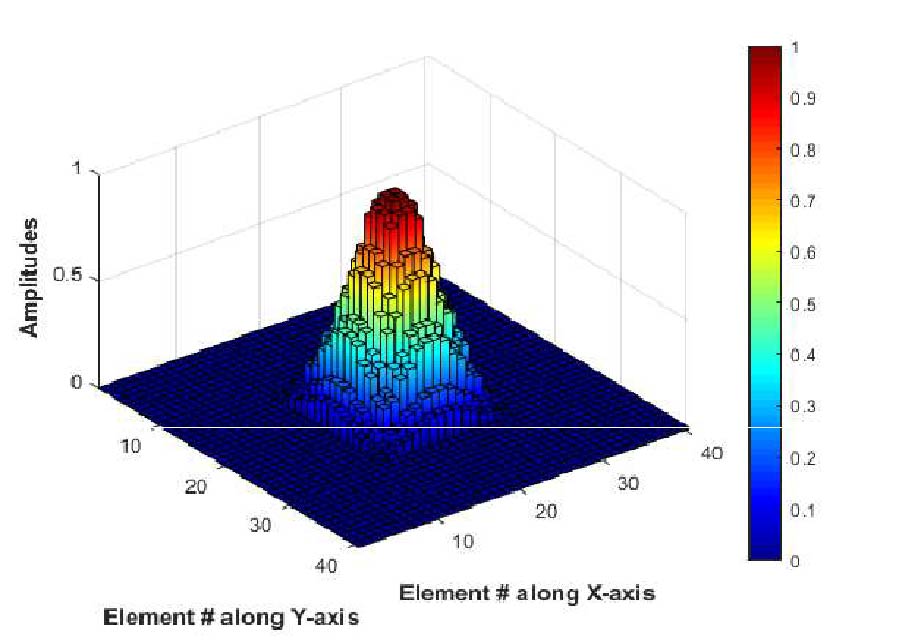
A novel Variable Inclination Continuous Transverse Stub (VICTS) antenna element and array model is proposed in this paper. The bandwidth and gain of the element are increased by adopting a linear-gradient stub, matching structure and rectangular grating slow-wave structure (SWS). A circular array can be obtained by arranging antenna units of different lengths linearly. The array antenna uses a bow-parabolic box antenna as the line source generator (LSG) and utilizes a double-layer transition waveguide structure to realize the propagation of planar wave. Finally, a wide range of beam scanning in the elevation plane was achieved. The results of the simulation and antenna prototype test are in good agreement. Showing the impedance matching characteristics of the antenna unit and array meets the engineering requirements in the range of 12~16 GHz. The maximum gain of the antenna array is 34.3 dBi, and the maximum 3 dB beamwidth is less than 10°. It is confirmed that the designed antenna has the characteristics of high gain, narrow beam, and low profile, and realizes two-dimensional beam scanning in the range of 6~79° in the elevation plane, which meets the requirements of the Satellite Communications On-the-Move system (SOTM).
A High-gain and Beam-scanning Variable Inclination Continuous Transverse Stub Array Antenna Based on Linear-gradient Stub at Ku Band
2022-11-24
PIER M
Vol. 114, 165-176
Concentric Magnetic Gear Without Separate Modulator Structure - a Theoretical Study Based on Harmonics Interaction
Md Abul Masrur
This paper theoretically describes a new concept of passive contactless concentric magnetic gear, which, unlike the existing ones, does not use any separate modulator structure, and instead, a set of strength modulated permanent magnet pole pieces are introduced on the outer permanent magnet rotor structure. Mathematical analysis shows that stable operation in this proposed system is possible with any specific gear ratio, dependent on the number of pole pieces and on the choice of modulation constant of the pole strength variation. The system described is simpler because of the absence of separate modulator structure. The concept is new, leads to less parts count, and hence deserves consideration due to its simplicity. A simple simulation study result is also included at the end, which confirms the presented theory. The main contribution of the paper is the introduction of a new concept for designing magnetic gears using fewer physical components and showing that it is a viable design and able to produce a tangible toque at a particular gear ratio. In addition, the mathematical theory in the paper leads to interesting new results indicated in the design section of the paper, which have not been seen in the literature known to the author.
Concentric Magnetic Gear without Separate Modulator Structure - A Theoretical Study Based on Harmonics Interaction
2022-11-24
PIER M
Vol. 114, 153-163
SBD Synthesis of Dual-Band Perturbed Minkowski Monopole Fractal Antennas
Lorenzo Poli and Arianna Benoni
An innovative methodology for the design of dual-band microstrip monopole antennas is presented in this work. It leverages on the unconventional modeling of the radiator shape based on the perturbed Minkowski fractal in order to fit arbitrarily-defined resonances. A System-by-Design (SbD) technique is exploited to solve the arising global optimization problem with high computational efficiency. Representative benchmarks are reported to assess the effectiveness, reliability, and efficiency of the proposed synthesis approach.
SBD SYNTHESIS OF DUAL-BAND PERTURBED MINKOWSKI MONOPOLE FRACTAL ANTENNAS
2022-11-23
PIER M
Vol. 114, 139-152
Electromagnetic Equivalence Principle Formulation for Optical Forces on Particles in Arbitrary Fields
Justinas Lialys , Laurynas Lialys , Shima Fardad and Alessandro Salandrino
The computation of the fields scattered by a dielectric sphere illuminated by a plane wave and the evaluation of the resultant optical forces is a classical problem that can be analytically solved using Mie theory. Whereas extending said formulation to arbitrary incident fields does not pose any conceptual difficulty, the actual computation of the scattering coefficients and force components substantially grows in complexity as soon as interactions beyond the electric dipole arise. By formulating an equivalent electromagnetic problem, we derive a set of computationally efficient formulas for the evaluation of scattering and optical forces exerted by arbitrary incident fields upon dielectric spheres in the Mie regime. As opposed to force calculations by direct integration of the Maxwell’s Stress Tensor, the present formulation relies on a set of universal interaction coefficients that do not require any problem-specific integration and can therefore be all precomputed and tabulated. The proposed methods can be easily integrated with the T-Matrix method to calculate forces on non-spherical dielectric objects.
Electromagnetic Equivalence Principle Formulation for Optical Forces on Particles in Arbitrary Fields
2022-11-23
PIER M
Vol. 114, 127-137
A Multifunctional Patch Antenna Loaded with Near Zero Index Refraction Metamaterial
Fatima Zohra Khoutar , Oumaima Nayat-Ali , Mariem Aznabet and Otman El Mrabet
In this paper a multifunctional patch antenna loaded with near zero index refraction metamaterial (NZIM) is presented. This multifunctional antenna operates at 5.8 GHz and provides high gain and beam steering capability. The proposed configuration comprises a patch antenna placed below an NZIM superstrate. The rectangular microstrip antenna is used as a radiation source to demonstrate the performance of this design. The NZIM superstrate, which behaves as an NZIM, based on 9×9 resonating unit cells of split ring resonators (SRRs), allows gathering radiated waves from the antenna and collimating them toward the superstrate's normal direction, which results in gain enhancement. The beam-steering in the E-plane is obtained by slowly tilting the NZIM over the patch antenna. The main characteristics of the antenna placed near the NZIM superstrate are studied numerically and experimentally to successfully demonstrate this dual function feature. It is found experimentally that the gain enhancement of 8 dB with improved directivity and radiation efficiency are obtained in comparison with the antenna without the NZIM metasurface. In addition, we were also able to steer the direction of the main beam just by tilting the NZIM superstrate from -20° to 20° with a gain variation of 5 dB and without changing the whole dimension of the structure.
A Multifunctional Patch Antenna Loaded with Near Zero Index Refraction Metamaterial
2022-11-23
PIER M
Vol. 114, 117-125
Electromagnetic Scattering from 2-d Conducting Objects with Arbitrary Smooth Shape: Complete Mathematical Formulation of the Method of Auxiliary Sources for E-Polarized Case
Vasil Tabatadze , Kamil Karaçuha and Revaz Zaridze
The study investigates the mathematical background of the method of auxiliary sources (MAS) employed in electromagnetic diffraction. Here, the mathematical formulation is developed for E-polarized plane wave diffraction by perfectly conducting two-dimensional objects of arbitrary smooth shape, and the comparison with an analytical and a numerical approach is provided in the numerical part. The results reveal a quite high accuracy among all methods. The importance of the study is to develop the complete mathematical background of MAS for two-dimensional TM-polarized electromagnetic scattering problems by conducting objects. Different from the method of moments (MoM) and other integral equation approaches in electromagnetic scattering problems, here the integral equation resulting from the boundary condition on the scatterer is solved by expanding the current density as orthonormalized Hankel's function with the argument of the distance between the scatterer actual and auxiliary surfaces. The approach can be summarized by that first the sources are shifted inside the scatterer and second, the boundary condition is employed as the total tangential electric field is zero on the surface and inside the object. Then, such expansion leads to eliminating the singularity problems by shifting the sources from the actual surface.
Electromagnetic Scattering from 2-D Conducting Objects with Arbitrary Smooth Shape: Complete Mathematical Formulation of the Method of Auxiliary Sources for E-polarized Case
2022-11-22
PIER Letters
Vol. 107, 159-167
Gain and Bandwidth Enhancement of a CPW-Fed Bidirectional Dumbbell Shaped Slot Antenna Using PRS
Ameet Mukund Mehta , Shankar B. Deosarkar and Anil Bapusa Nandgaonkar
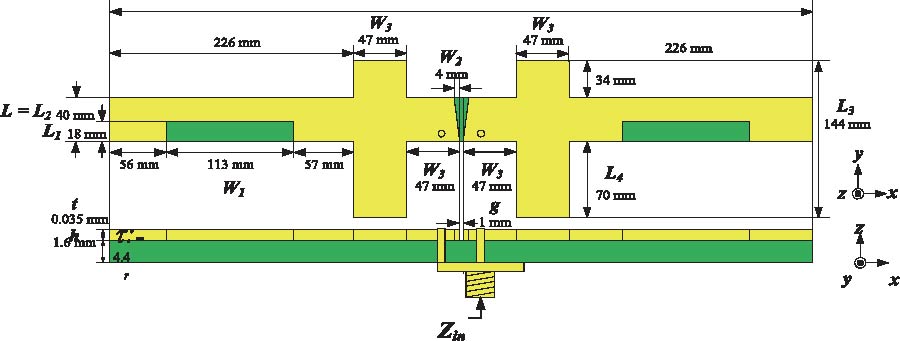
A bidirectional, coplanar waveguide (CPW) fed dumbbell-shaped slot antenna with partially reflecting surface (PRS) with parasitic patches for gain, bandwidth, and radiation pattern improvement is investigated. A dumbbell-shaped CPW-fed slot antenna has a dimension of 0.71λg x 0.71λg x 0.0571λg. The proposed antenna is simple in design and has low profile structure. To achieve improvement in bandwidth, gain, and bidirectional radiation pattern, PRS with parasitic patches are placed on top and bottom of antenna at a distance of 0.25λg. The proposed design yields wide bandwidth of 4.11 GHz (4.48-8.59 GHz) with percentage bandwidth of 62.89%, S11 ≤ -10 dB, and peak gain of 5.61 dBi. The variation in the gain over desired bandwidth is less than 3 dB. The antenna is fabricated using an FR4 substrate with relative permittivity of 4.4. The measured results corroborate the design and stipulate the proposed structure to be suitable for applications in C Band.
Gain and Bandwidth Enhancement of a CPW-fed Bidirectional Dumbbell Shaped Slot Antenna Using PRS
2022-11-21
PIER C
Vol. 127, 17-29
Speed Sensorless Control of Bearingless Synchronous Reluctance Slice Motor Considering the Effect of Suspension Force Windings
Ruichen Li and Huangqiu Zhu
In this paper, the effect caused by the suspension force windings on the torque windings in a bearingless synchronous reluctance slice motor (BsynRSM) is analyzed, and a new slide model observer is proposed to reduce the speed estimation vibration caused by this effect. Firstly, the effect of suspension force windings is analyzed in a Maxwell model. The suspension force windings will generate an asynchronous torque and current, which are similar to superimposing an asynchronous motor on the original motor. And a special Matlab/Simulink model is built. Secondly, the effect of current and torque generated by suspension force windings on speed sensorless is analyzed. The sliding mode observer (SMO) is studied considering the effect of suspension force windings. Simulation result shows that the current generated by suspension force windings of the BsynRSM will cause the estimate speed vibrating with the rotor vibration, and the frequency of speed estimation vibration is much higher than the additional current and torque generated by the suspension force windings. Thirdly, an improved SMO is proposed. By using the improved SMO, the amplitude and frequency of the speed estimation are obviously reduced. Finally, the improved SMO is verified on the experimental platform, which proves the feasibility of the method.
Speed Sensorless Control of Bearingless Synchronous Reluctance Slice Motor Considering the Effect of Suspension Force Windings