Search Results(13787)

2023-01-17
PIER C
Vol. 128, 247-261
Compact Metamaterial Loaded Wideband Monopole Antenna for Wireless Applications
Shaik Abdul Khadar and Sudhakar Sahu
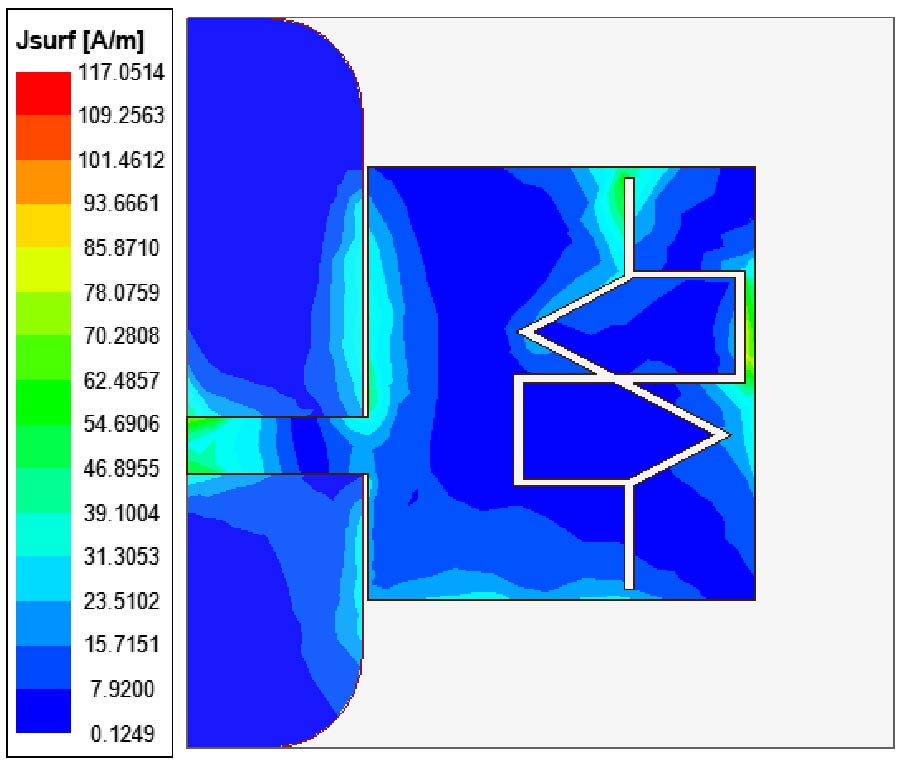
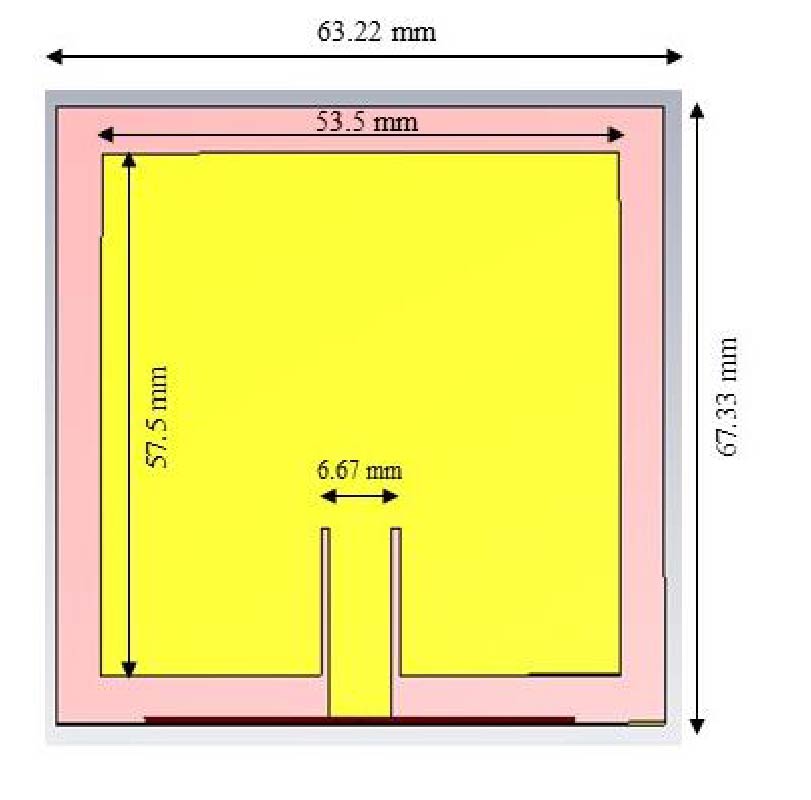
A compact metamaterial-loaded wideband monopole antenna is reported in this paper for wireless applications. Initially, a monopole antenna with a single stub was designed to resonate at 4 GHz. Still, it suffers from low gain, so to enhance the antenna parameters, a metamaterial unit cell was considered along the feed line and ground plane. Double split ring resonator (DSRR) is a modified unit cell of a typical split ring resonator (SRR) designed to achieve a good coupling effect. The dimensions of the proposed DSRR unit cell are 0.17λ0 × 0.17λ0, where λ0 is the free space wavelength at 4 GHz. It achieved an impedance bandwidth (-10 dB) in the frequency range of 3.38 GHz to 4.08 GHz & 4.64 GHz to 5.2 GHz, having a 19.49% bandwidth in the 1st band and 11.7% bandwidth in the 2nd band. A wideband was achieved in the frequency range of 3.39 GHz to 5.13 GHz with 47.9% bandwidth when the number of stubs was increased to four. A maximum gain of 3.3 dBi was attained with bidirectional radiation in the E-plane, and it was omnidirectional in the H-plane. By increasing the number of stubs, two resonant modes were merged, making it wideband and suitable for WLAN applications like Wi-Fi & WiMAX & Satellite Communications.
Compact Metamaterial Loaded Wideband Monopole Antenna for Wireless Applications
2023-01-16
PIER C
Vol. 128, 231-246
Design and Development of Sextuple Band Reject UWB-MIMO Antenna for Wireless Applications
Sadineni Ramesh Babu and Puttaraje Dinesha
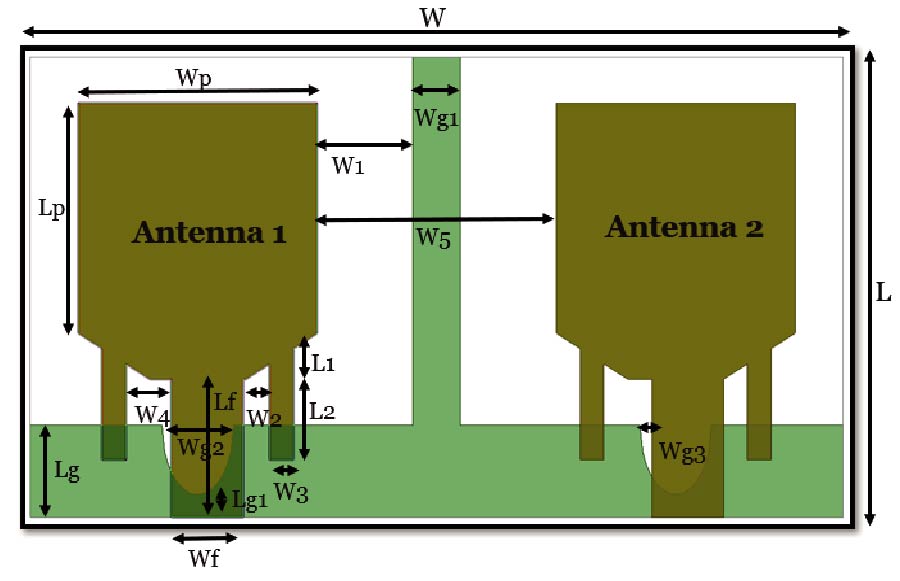
In this manuscript, quad port highly isolated sextuple-band notched ultra-wideband (UWB) multiple input multiple output (MIMO) antenna is designed and experimentally investigated. The suggested design employs four antenna elements fabricated over a Rogers RT Duroid 5880 substrate and placed orthogonal to each other by deploying polarization diversity technique for good isolation. By combining polarization diversity technique with a fan shaped de-coupler isolation could be improved even more. Ameliorated frequency selectivity of notch bands can be accomplished by loading each antenna element with four U-shaped slots and C-shaped stubs adjacent to the feed line to exhibit band rejection of 3.18-3.51 GHz (9.86%), 3.71-3.99 GHz (7.27%), 4.59-4.76 GHz (3.63%), 5.18-5.34 GHz (3.04%), 7.47-7.74 GHz (3.55%), and 9.29-9.55 GHz (2.76%) to surmount the possible intrusion from WiMAX, C-band, INSAT, WLAN, X-band, and radio navigation (RN) band. Besides, an RLC equivalent circuit has been examined by correlating with the outcome of the reported notch band UWB-MIMO antenna that evinces highly selective notch bands. The suggested antenna works in the frequency range of 2.1-11.2 GHz which is suitable for UWB applications. Simulation and experimental validation is done to analyze the response of the suggested antenna with respect to notch frequencies, current distributions, peak gain, radiation patterns, envelope correlation coefficient, diversity gain, mean effective gain, total active reflection coefficient, channel capacity loss, and multiplexing efficiency.
DESIGN AND DEVELOPMENT OF SEXTUPLE BAND REJECT UWB-MIMO ANTENNA FOR WIRELESS APPLICATIONS
2023-01-16
PIER C
Vol. 128, 219-229
Reactively Loaded Stripline Fed Rectangular Patch Antenna for Wireless and Biomedical Applications
Satheesh Rao , Ashish Singh , Anil Kumar Bhat , Durga Prasad and Krishnananda Shet
In this article, two antennas having partial ground plane, slot loading with microstrip line feeding are proposed for wireless and biomedical applications. Antennas resonate at 2.4 GHz with two different bandwidths. The first antenna having 20% bandwidth, i.e., the Ultra Wide Band (UWB) of 2.10 GHz-2.61 GHz that can be utilized for wireless application and the Federal Communication Commission (FCC) allotted band of 2.36 to 2.39 GHz for medical applications falls in this range. The UWB antenna has undergone additional tuning to make it appropriate for biomedical application. Additionally a parametric analysis of antenna's slot length, width and dielectric constant is performed to optimize the performance characteristics. The antenna is fabricated and tested using Vector Network Analyzer. The acquired results from simulation and measurement are in close match.
Reactively Loaded Stripline Fed Rectangular Patch Antenna for Wireless and Biomedical Applications
2023-01-13
PIER Letters
Vol. 108, 123-130
A Novel Dual-Band Unequal Filtering Power Divider
Yong Xia , Feng Wei and Xiao-Wei Shi
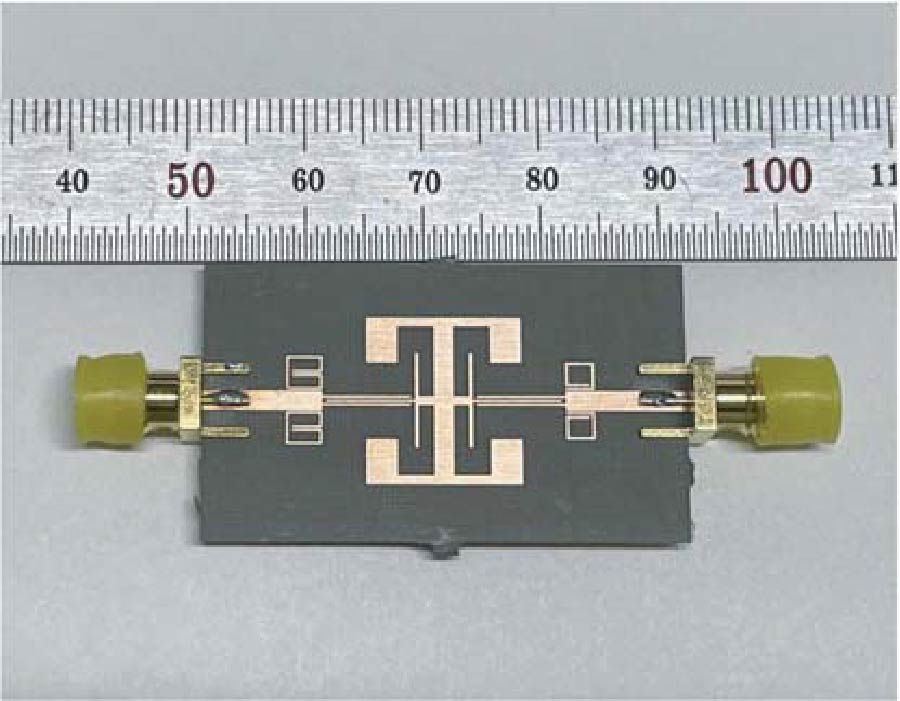
In this paper, an unequal Filtering Power Divider (FPD) adopting a novel dual-band resonator and inter-digital feeding lines structure is presented. By integrating the resonator and modifying coupling mode, filtering and unequal power distribution are all achieved on the base of the deformed Wilkinson power divider. Two sets of cascading resonators operating at 2.45/4.44G with the same structure are proposed for WIFI and other application. Keeping with the unchanged coupling mode, the unequal ratio of 2:1 is arrived by adjusting the strength of coupling. The two resonant frequencies can be adjusted independently to ensure the flexibility of the design. For verifying the theoretical designs and simulated results, a fabricated FPD is exhibited, analyzed and measured. The simulated results are in good agreement with the measured ones with slight variations.
A Novel Dual-band Unequal Filtering Power Divider
2023-01-12
PIER C
Vol. 128, 207-218
Anisotropy Analysis of the 3D-Radial Point Interpolation Method in Lossy Media
Hichem Naamen , Ajmi Ben Hadj Hamouda and Taoufik Aguili
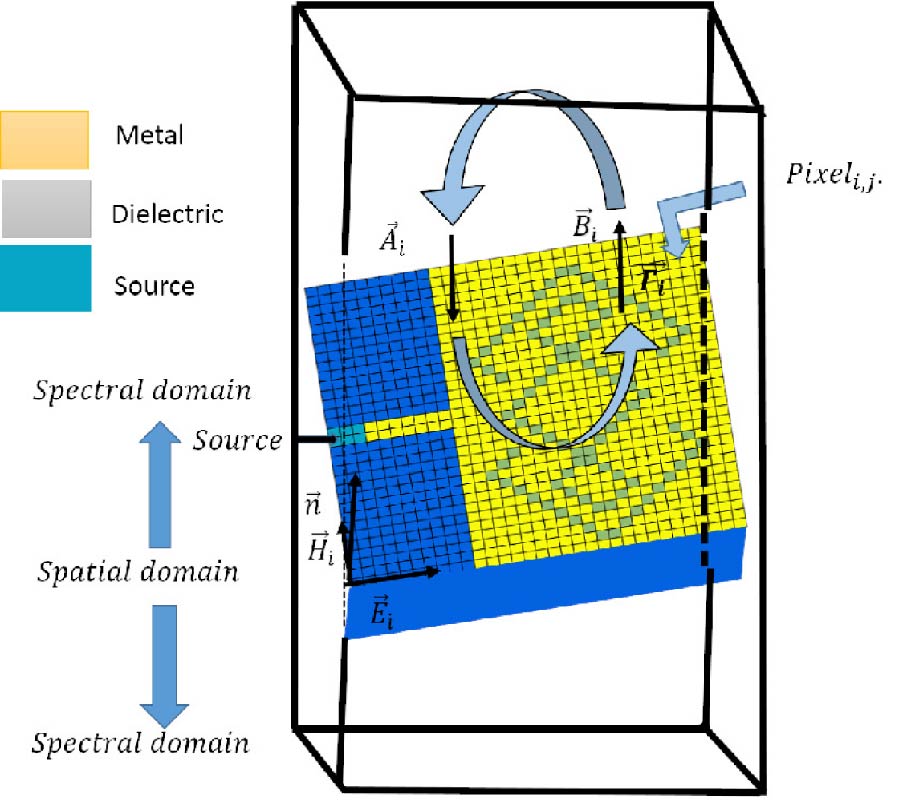
This paper presents the general numerical dispersion relationship for the three-dimensional (3-D) Radial Point Interpolation (RPIM) method in lossy media. A similar analysis has also been carried out and compared with the traditional Finite-Difference Time-Domain (FDTD) method. Both methods investigate dispersion, numerical loss, and anisotropy versus electric conductivity. The RPIM reveals lower numerical loss errors (NLE) in a wide conductivity range at the considered frequency. Furthermore, the numerical experiments show that a slight increase in the conductivity, for the lossless case, has almost removed the numerical anisotropy dispersion, which improves the numerical resonance frequency precision. Therefore, this effect can be used as an anisotropy optimization technique for lossless media. Based on a close examination of the experimental results around the resonant frequency, the numerical error for the lossless case was divided by ten. As a result, the experimental and theoretical resonance frequencies are found to be in good agreement.
Anisotropy Analysis of the 3D-radial Point Interpolation Method in Lossy Media
2023-01-11
PIER
Vol. 176, 109-128
Intelligent Microwave Staring Correlated Imaging
Kui Ying , Xinyu Yu , Jiana Shen , Shilu Zhang and Yuanyue Guo
Microwave staring correlated imaging (MSCI) is a super-resolution imaging technique based on temporal-spatial stochastic radiation fields (TSSRFs), which requires an accurate calculation of the electromagnetic field at the imaging plane. However, systematic errors always exist in practice, such as the time synchronization and frequency synchronization errors of radar systems, which make it difficult to calculate the required TSSRFs accurately, and this deteriorates the imaging results. Meanwhile, some imaging algorithms have problems such as high computational complexity. In this paper, an intelligent MSCI method based on the deep neural network (DNN) is proposed, which can accomplish imaging directly from the echoes, avoiding the computation of TSSRFs. A multi-level residual convolutional neural network (MRCNN) is developed for the DNN, and simulations and experiments are carried out to obtain the dataset for training and testing the MRCNN. Compared with the conventional MSCI methods, the imaging results verify the effectiveness of intelligent MSCI in terms of imaging quality and computational efficiency.
Intelligent Microwave Staring Correlated Imaging
2023-01-11
PIER C
Vol. 128, 195-205
Sixteen-Element Broadband Circularly Polarized Microstrip Antenna Array for S-Band
Mingming Gao , Pengju Yang and Jingchang Nan
In this paper, a broadband circularly polarized (CP) microstrip antenna array for S-band is proposed. The antenna consists of a parallel rotating feed network, sixteen units with cut corners, adding rectangular perturbations, and the guided patches with 45˚ oblique rectangular slots. The guided patches increase the impedance bandwidth of the antenna, and the feed network with a 90˚ phase difference increases the axial ratio bandwidth. The simulation and measurement results show that the S11 curve is 2.45~4.15 GHz; the impedance bandwidth is 51.5%; the frequency with the axial ratio less than 3 dB is 2.54~3.74 GHz; the working bandwidth is 1.2 GHz; the CP bandwidth is 38.2%; the gain is 18.72 dB at the S-band center frequency. The advantages of the designed antenna are high gain, wide bandwidth, and a good radiation pattern. It can be applied to early warning radar in S-band. It also completely covers China Mobile's 2.6 GHz spectrum and can be used as a base station antenna if taking no account of the polarization method. The antenna has a simple structure, which is suitable for applications.
Sixteen-element Broadband Circularly Polarized Microstrip Antenna Array for S-band
2023-01-11
PIER C
Vol. 128, 183-193
A Low Profile Wearable Slot Antenna with Partial Ground for 5 GHz WLAN/WBAN Applications
Nageswara Rao Regulagadda and Uppalapati Venkata Ratna Kumari
This paper presents a low-profile, flexible and wearable slot antenna for on-body communication. The proposed antenna is designed on a thin polyamide substrate of 0.25 mm height, which is flexible, elastic, and robust in nature. A rectangular patch with different slots acts as the main radiator, and partial ground acts as the bottom conducting plane for the proposed antenna. The designed antenna was able to resonate in the desired frequency band with a good return loss (S11) by modifying the size of the ground plane along its width and placing a small cut on the ground. The designed antenna achieved a good -10 dB impedance bandwidth of 710 MHz and a peak gain of 7.2 dBi at 5 GHz. The designed antenna was checked for detuning in a bending scenario. The specific absorption rate (SAR) was evaluated, and the values were found to be within standard limits. The designed antenna was fabricated and tested in this study. The results showed good agreement between the simulated and measured values of the antenna parameters. The small size, low weight, and flexibility of the proposed antenna make it a good candidate for wearable devices in the WLAN/WBAN environment.
A Low Profile Wearable Slot Antenna with Partial Ground for 5 GHz WLAN/WBAN Applications
2023-01-10
PIER C
Vol. 128, 169-182
A Systematic Study of Low SLL Two-Way Pattern in Shared Aperture Radar Arrays
Theodoros Samaras and John Sahalos
A systematic study of a low SLL (sidelobe level) two-way pattern in shared aperture arrays is presented. Three or two-weight excitations are used for the elements of the transmit and receive arrays depending on the requirements. The receive array has a smaller number of elements by not receiving from some of the edge elements of the transmit array. The condition of appearance of certain minor lobes of the transmit array pattern at certain nulls of the receive one helps to find the ratio between the number of elements of the receive and transmit arrays. In the case of more than one possible ratio, the optimum ratio is the one that gives the lowest SLL. In the three-weight array the total number of the transmit elements is equal to the that of the two higher excitations plus the number of elements of the highest one. In the two-weight excitation the higher weight elements of the transmit array are chosen to be approximately one half of the total elements. The excitations of both arrays are found by equating the level of the higher two unequal sidelobes of the two-way array factor. The three-weight array design is presented for the first time while the two-weight case gives lower peak SLL than those of the literature. Our work contains the important steps of the design and the main aspects of the implementation. The resulting peak SLL of the two-way array pattern reaches up to less than -51.2 dB and less than -56.5 dB, for the two- and three-weight cases, correspondingly.
A Systematic Study of Low SLL Two-way Pattern in Shared Aperture Radar Arrays
2023-01-09
PIER C
Vol. 128, 155-168
A Flexible CPW 2-Port Dual Notched-Band UWB-MIMO Antenna for Wearable IoT Applications
Xin You , Chengzhu Du and Zhi-Peng Yang
In this paper, a flexible 2-port MIMO antenna with dual band-notched properties is designed and built for wireless body area network applications. The antenna's performance in its flat and bent states is measured using liquid crystal polymer as a substrate. Two UWB slot antenna components are arranged parallelly with linked ground. Furthermore, to achieve high port isolation, a decoupling device in the form of a fence is positioned between two antenna units. The measured operating bandwidth can reach 3.0-15.7 GHz, with blocking bands of 5.0-6.5 and 7.0-7.9 GHz. Port isolation (S21) is better than 20 dB. This antenna has fine radiation properties, high isolation, and flexibility, according to the bending and flat antenna tests. It has a promising future for wearable Internet of Things applications.
A Flexible CPW 2-port Dual Notched-band UWB-MIMO Antenna for Wearable IoT Applications
2023-01-09
PIER Letters
Vol. 108, 113-121
Quaternion MIMO Millimeter Wave Antenna for 5G Applications
Ming-Ming Gao , Jun Wang , Jing Chang Nan and Niu-Hong Liang
In order to reduce the multipath fading caused by the reflection of various obstacles in short-distance communication, this paper designs a quaternion MIMO millimeter wave antenna working at 28 GHz. The antenna design adopts an inverted trapezoidal radiation patch and a slotted trapezoidal ground plate structure, so that the S11 of the antenna is lower than -10 dB in the frequency band of 24~32 GHz. By using a 1×2 array structure as the unit of MIMO antenna, the gain of the antenna at 28 GHz is 7.5 dBi. The isolation degree of each port is lower than -25 dB by orthogonal placement of each unit. The performance of the antenna is tested by the physical production test. The actual test results show that the operating bandwidth of the antenna is consistent with the simulation results. The gain at 28 GHz is slightly lower than the simulation results by 0.1 dBi, and the isolation of each port is lower than -18 dB, which is 7 dB away from the simulation results but still meets the requirement of -15 dB for MIMO communication. The measured results show that the antenna can be used in MIMO short-distance communication system.
Quaternion MIMO Millimeter Wave Antenna for 5G Applications
2023-01-08
PIER
Vol. 176, 95-108
A Novel Optical Proximity Correction (OPC) System Based on Deep Learning Method for the Extreme Ultraviolet (EUV) Lithography
Li-Ye Xiao , Jun-Nan Yi , Yiqian Mao , Xin-Yue Qi , Ronghan Hong and Qing Huo Liu
As one of the most important technologies for the next generation very-large scale integrated circuit fabrication, extreme ultraviolet (EUV) lithography has attracted more and more attention in recent years. However, in EUV lithography, the optical distortion of the printed image on wafer always has negative impacts on the imaging performance. Thus, to enhance the imaging performance of EUV system, especially for small critical dimensions, in this work, a novel optical proximity correction (OPC) system based on the deep learning technique is proposed. It includes a forward module and an inverse module, where the forward module is employed to fast and accurately map the mask to the corresponding near field of the plane above the stack to help the construction of training dataset for the inverse module operation, and the inverse module is employed to fast and accurately map the target printed image to the corrected mask. Numerical examples demonstrate that compared with traditional full-wave simulation, the forward module can greatly improve the computational efficiency including the required running time and memory. Meanwhile, different from time consuming iterative OPC methods, the corrected mask can be immediately obtained as the target printed image is input using the trained inverse module.
A Novel Optical Proximity Correction (OPC) System Based on Deep Learning Method for the Extreme Ultraviolet (EUV) Lithography
2023-01-07
PIER M
Vol. 115, 21-34
A Gain Enhanced Dual-Band Low SAR AMC-Based MIMO Antenna for WBAN and WLAN Applications
Chengzhu Du , Ling-Ru Pei , Jie Zhang and Cheng-Xin Shi
On the basis of artificial magnetic conductors (AMCs), a dual-band MIMO antenna is suggested. For WBAN and WLAN applications, the frequency ranges supported by this antenna system are 2.36-2.51 GHz and 5.03-6.12 GHz. The proposed dual-band MIMO antenna is made up of two vertically positioned dipole antenna elements. A simple double circle-based AMC array is suggested to decrease radiation exposure to people while increasing forward gain. The antenna and the 3×3 AMC array are both printed on an FR4 substrate. The presented antenna with the AMC structure is manufactured and measured in order to confirm the simulated results in terms of S-parameters, radiation patterns, gain, and diversity parameters. According to the measurements, the suggested antenna exhibits peak gains of 3.34 dBi and 7.48 dBi at 2.45 GHz and 5.8 GHz, respectively. The SAR value of body tissue can be reduced by around 99% while the front-to-back ratio (FBR) is noticeably enhanced. The proposed AMC-supported MIMO antenna is applicable for WBAN and WLAN applications based on the above good performances.
A Gain Enhanced Dual-band Low SAR AMC-based MIMO Antenna for WBAN and WLAN Applications
2023-01-07
PIER M
Vol. 115, 11-20
Statistics of Two Indicators for Multilook Scattering Signals from Multilayered Structures with Slightly Rough Interfaces
Richard Dusséaux and Saddek Afifi
Within the framework of the first-order small perturbation method, we derive the statistics of the layered rough surface index and the normalized difference polarization index for three-dimensional layered structure with slightly rough interfaces illuminated by a monochromatic plane wave and for multilook returns. We establish closed-form expressions for the probability density function and the cumulative distribution function. The first- and second-order moments are given by relation recurrences. We validate from Monte Carlo simulations the obtained theoretical formulas.
Statistics of Two Indicators for Multilook Scattering Signals from Multilayered Structures with Slightly Rough Interfaces
2023-01-06
PIER Letters
Vol. 108, 103-112
SAR Reduction in Human Head Phantom Using Nanomaterial MIMO Antenna
Jemima Priyadarshini Stephen and Duraisamy Jude Hemanth
This work aims for nonionizing radiation assessment to reduce Specific Absorption Rate (SAR) in the IEEE SAM phantom using MIMO antenna. The traditional copper material MIMO is designed with mode characteristics and validated for 2.4 GHz in this experiment. The MIMO antenna, when placed near SAM phantom and SAR, is estimated. Copper-based antennas are replaced by nanomaterial-based antennas, such as graphene, multi-walled carbon nanotube (MWCNT), and single walled carbon nanotube (SWCNT), to study SAR behavior. SAR is reduced using Nanomaterial based antenna in which SWCNT significantly reduces SAR up to 66 percent using Altair's Feldberechnung für Körper mit beliebiger Oberfläche (FEKO).
SAR Reduction in Human Head Phantom Using Nanomaterial MIMO Antenna
2023-01-06
PIER Letters
Vol. 108, 93-102
Beam Scanning 10×10 Phased Array Antenna Using Liquid Crystal Phase Shifters
Wei Hu , Di Jiang , Weiyi Yang , Pengbo Pan , Tianming Bai , Weiyi Zhang , Zhiyong Guo and Guofu Wang
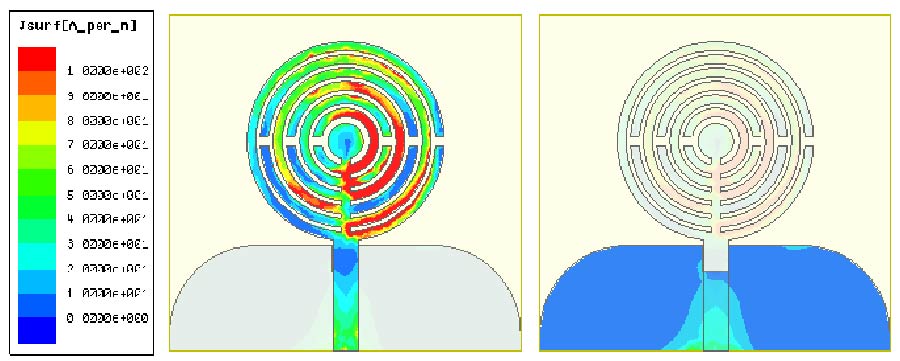
In this paper, we devise a phased array antenna with liquid crystal material, employing a 10×10 uniform rectangular array. The phase of the phased array antenna is controlled by loading bias voltage on the liquid crystal layer, and the FoM (figure-of-merit) of the phase shifter can attain 70.6°/dB. The phased array antenna works at 16 GHz and employs a microstrip circular patch as the radiation unit. The proposed phased array can achieve a gain of 23.1 dBi, and its beam scanning range reaches ±45° in simulation experiment. The preliminary measurement results demonstrate that the performance of the proposed antenna is basically consistent with simulation results.
Beam Scanning 10×10 Phased Array Antenna Using Liquid Crystal Phase Shifters
2023-01-05
PIER C
Vol. 128, 143-154
Microstrip Feed Line Characterization for Parabolic Reflector Antenna System Using Open-Loop Characterization Approach
Oluwole John Famoriji and Thokozani Shongwe
Aperture efficiency determines the percentage of radiation power incident upon the antenna available at the feed-point. Because the geometry of reflector is fixed, the behavior is primarily a function of the feed. The feed line that connects (transmit/receive) RF to the feed becomes an integral part of the system, so achieving maximum aperture efficiency depends on the capacity of feed line. This paper proposes a microstrip feed line behavioral model for parabolic reflector antenna systems, using an open loop characterization approach. Dielectric material loss intensity varies from material to material. This is consequently used for the effective design of feed line, because characteristic impedance of transmission line varies with material type and the material properties. This causes the reflection loss due to mismatched impedance at the source and load. Loss tangential factor of each material has significant effect on the loss profile. The developed model is analyzed with losses of the feed pattern, and the distance between the edge and the vertex. The proposed attenuation factor can be used to predict loss intensity per feed line length, at different terrestrial and satellite communications frequency bands.
Microstrip Feed Line Characterization for Parabolic Reflector Antenna System using Open-Loop Characterization Approach
2023-01-04
PIER B
Vol. 98, 39-57
Coupling Coefficient Calculation of Arbitrarily Positioned Rectangular Coils with Double Magnetic Shielding in Wireless Power Transfer Systems
Zhongqi Li , Zhongbang Chen , Jing Li , Huadong Liu and Qing Huang
Coupling coefficient is a key parameter for the coil design of wireless power transfer (WPT) systems. The accurate calculation of coupling coefficient is an important theoretical basis for optimizing the coil structure and improving the transmission efficiency in WPT systems. In this paper, the magnetic flux density distribution of rectangular spiral coils with double magnetic shielding is studied, and an analytical model of coupling coefficient between arbitrarily positioned rectangular spiral coils is established. First, the incident magnetic flux density is obtained based on the dual Fourier transformation and the relationship between the magnetic flux density and magnetic vector potential. Second, the reflected magnetic flux density in the region of the receiving coil is solved by using Poisson's equation, Laplace's equation and boundary conditions. Finally, the formula for the coupling coefficient between rectangular spiral coils is derived by the spatial frame transformation method and the integral method. The calculation results agree well with the finite element simulation value and experimental measurements, which verifies the correctness of the calculation formula of the coupling coefficient.
Coupling Coefficient Calculation of Arbitrarily Positioned Rectangular Coils with Double Magnetic Shielding in Wireless Power Transfer Systems
2023-01-04
PIER C
Vol. 128, 129-142
Design and Validation of Reflector Elements to Increase the Radar Cross-Section of Small Drones
Alex Ganau , Joaquin Vico Navarro , Pablo Morcillo-Pallarés and Juan Vicente Balbastre Tejedor
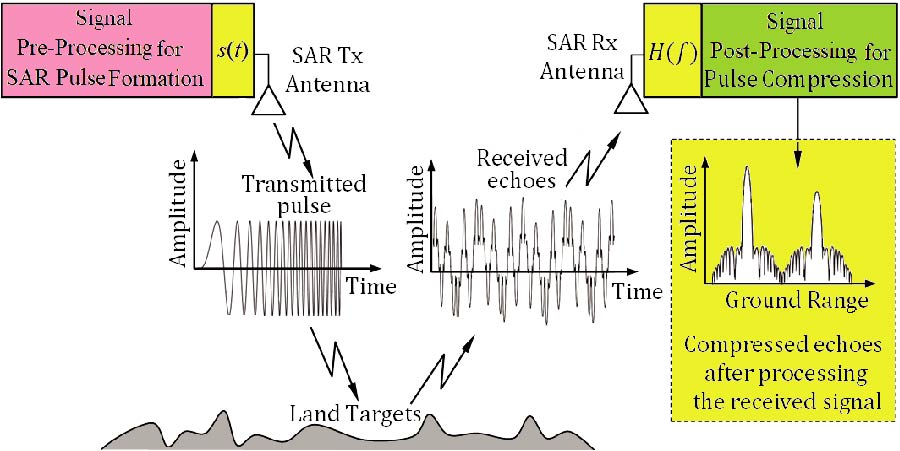
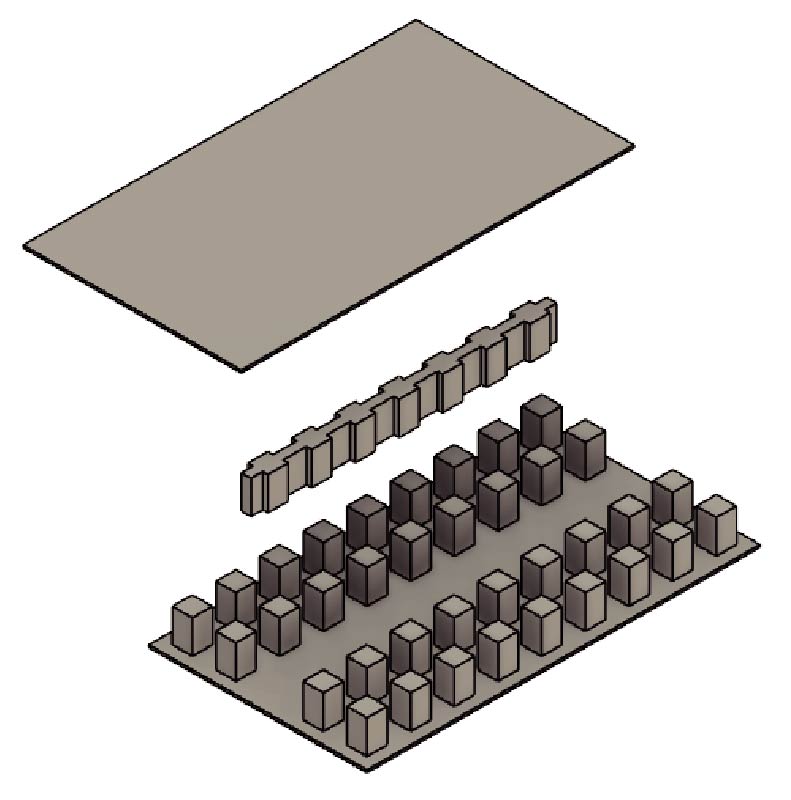
In the next few years, the use of drones for civilian applications is expected to skyrocket, leading to a multitude of new use cases. However, the possible improper use of drones generates doubts in the population due to the risks it poses to the safety and security of airspace operations. Having absolute surveillance of unmanned aircraft is quite difficult for several reasons, e.g., problems arise when monitoring small drones due to their reduced radar signature, around -10 dBm2, which makes them practically imperceptible to Air Traffic Control (ATC) radars, which can rarely detect targets with radar cross-sections (RCSs) below 0 dBm2. For instance, a possible solution to mitigate the lack of identification and thus avoid problems specially in Control Traffic Region (CTR) zones is to increase the RCSs of the drones by incorporating a reflector element that could produce much more intense radar echoes than the drone itself. The aim of this paper is to design and evaluate a Luneburg lens through electromagnetic (EM) simulation and validate its performance experimentally by conducting flight tests in open space with a commercial drone carrying the manufactured reflector making use of a 24 GHz radar.
Design and Validation of Reflector Elements to Increase the Radar Cross-section of Small Drones
2023-01-04
PIER Letters
Vol. 108, 85-92
Circularly Polarized Conformal Antenna with Dual V-Shaped Coupling Feed Lines
Zhengkun Yang , Na Kou , Shixing Yu and Jubo Guo
A wideband, compact and flexible conformal circularly polarized antenna (CCPA) with ground plane is proposed in this letter. It consists of a polygonal patch, two V-shaped coupling feed lines, a phase-shift transmission line and two layers of metallic ground planes. Two resonant modes are generated by cutting one vertex of the octagonal patch to broaden the operational bandwidth. An L-shaped ground plane is designed on the back of the top substrate. This configuration can obtain a relatively compact phase shifter on the one hand and make the coupling branches and octagonal patch share one ground plane on the bottom, improving the thickness of the antenna which yields wide bandwidth on the other hand. The CCPA can own good performances both in the planar and cylindrical carriers. Under the cylindrical conformal circumstance, the measured |S11| and axial ratio (AR) bandwidth reach 12.05% (5.5 GHz-6.205 GHz) and 8.93% (5.67 GHz-6.2 GHz), respectively. The measured gain is 8.5 dBic with 3 dB gain bandwidth covering the whole operational band.
Circularly Polarized Conformal Antenna with Dual V-shaped Coupling Feed Lines