Search Results(13789)

2021-01-03
PIER C
Vol. 108, 63-78
High Gain Dielectric Resonance Antenna Array for Millimeter Wave Vehicular Wireless Communication
Wei Luo , Linsong Shi , Wenwen Xu , Wuquan Chen , Yuqi Yang and Yi Ren
This paper presents a high gain dielectric resonance antenna (DRA) array for vehicular wireless communication and 5G system in millimeter wave band, which takes the advantage of low side lobe level (SLL). The planar antenna array is composed of 8×8 rectangular DRA elements, whose operation mode is the fundamental mode TE111. The beamforming weights of the array are designed based on the principle of Dolph-Chebyshev distribution to suppress the antenna SLL. The planar array consists of 8 linear sub-arrays, which are fed with standing-wave series resonance method respectively. The excitations of sub-array elements are precisely adjusted based on the aperture coupling model. Furthermore, the series-parallel hybrid feed network and parallel-cascaded feed network are applied to unequally feed the sub-arrays in accordance with Chebyshev polynomials. The measurement results of prototype validate the design solution of antenna array. The impedance bandwidth is 570 MHz (25.77 GHz-26.34 GHz) for reflection coefficients less than -10 dB, and the antenna gain and SLL are 20.5±1 dBi and 20 dB, respectively. Due to the advantages of miniaturization and narrow beam, the proposed DRA antenna array is adequate for vehicle communication equipment.
HIGH GAIN DIELECTRIC RESONANCE ANTENNA ARRAY FOR MILLIMETER WAVE VEHICULAR WIRELESS COMMUNICATION
2021-01-03
PIER C
Vol. 108, 49-61
A Novel Compact Substrate Integrated Waveguide Filter Using Miniaturized Stepped Impedance Metamaterial Unit Cell
Zied Troudi , Jan Machac and Lotfi Osman
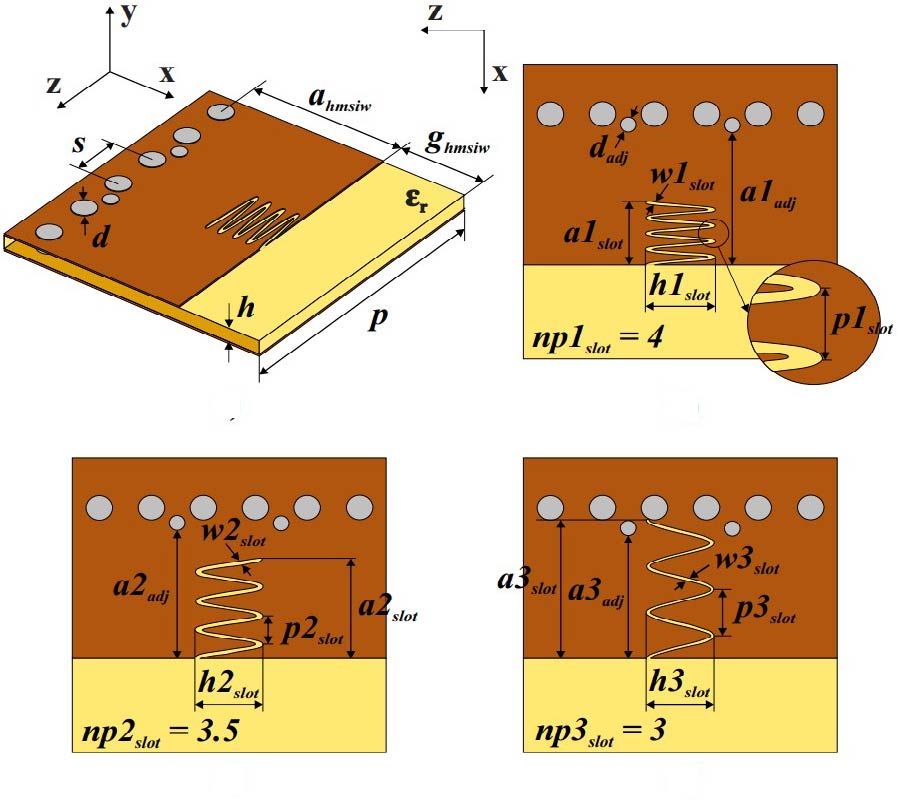
Novel substrate integrated waveguide bandpass filters are presented by using a complementary split-ring resonator. The proposed stepped impedance octagonal octagonal complementary split-ring resonator (SI-OCSRR) presents high miniaturization compared to the classical octagonal complementary split-ring resonator (O-CSRR). Additionally, two different filter configurations consisting of two cascaded cells with different coupling between the CSRR are proposed. A comparison between the proposed filters and the other ones reported in the literature has proven the advantages of the proposed filters, namely compact size, high in-band return loss, and ease of integration. A good agreement between the simulated and measured results has been reached, which verifies the validity of the design methodology.
A NOVEL COMPACT SUBSTRATE INTEGRATED WAVEGUIDE FILTER USING MINIATURIZED STEPPED IMPEDANCE METAMATERIAL UNIT CELL
2021-01-02
PIER C
Vol. 108, 37-48
Quasi-Optic Based HE11 Miter Bend at 42 GHz for ECRH Application
Amit Patel , Pujita Bhatt , Keyur Mahant , Alpesh D. Vala , Jitendra P. Chaudhari , Hiren Mewada and Krishnamachari Sathyanarayan
This paper presents the design and fabrication of HE11 miter bend along with a TM11 to HE11 mode converter and corrugated up-taper, which are the integral parts of a transmission line system (TLS) that carries 200 kW microwave power at 42 GHz from Gyrotron to plasma or calorimetric dummy load. It has a hybrid (HE11) mode. The HE11 mode transmission loss in miter bend is derived using mode-matching techniques and gap loss theory. The gap length (L) in a waveguide of diameter (D = 2a) at a wavelength (λ) for the predicted loss (D ≥ λ) is approximately 1.7[Lλ/2a2]3/2 dB. The HE11 miter bend design incorporates a demountable cooling assembly with a flat mirror. The design and optimization of the proposed miter bend were carried out using CST-microwave studio software. Finally, HE11 miter bend was fabricated along with integrated assembly. The proposed HE11 miter bend with mode converter and corrugated up-taper gives the transmission efficiency of 95.64%.
QUASI-OPTIC BASED HE<sub>11</sub> MITER BEND AT 42 GHZ FOR ECRH APPLICATION
2021-01-02
PIER M
Vol. 100, 69-79
Effect of the Nonlinearity on Optical Properties of One-Dimensional Photonic Crystal
Oumayma Habli , Jihene Zaghdoudi and Mounir Kanzari
Nonlinear effect on optical properties of one-dimensional photonic crystal (1D-PC) of the type (HL)n (LH)m (LLHH)k was investigated. It is an asymmetric hybrid Fabry-Perot resonator type of 1D-PC structure which is composed of linear (H layers) and nonlinear (L layers) materials. The linear and nonlinear transmission spectra are graphically illustrated using a numerical approach based on the Transfer Matrix Method (TMM). Results show the appearance of a Perfect Transmission Peak (PTP) in the photonic band gap which makes the structure constitute a monochromatic filter. By analyzing this PTP it is shown that the Full-Width at Half-Maximum (FWHM) depends not only on the number of symmetry layers of the studied 1D-PC but also on the refractive index of the nonlinear layers. The change of the refractive index (Kerr effect) causes a dynamically shift in the band gap including the resonance peak. As a result, such a structure has the potential to be used for designing optical filters and nonlinear optical devices.
EFFECT OF THE NONLINEARITY ON OPTICAL PROPERTIES OF ONE-DIMENSIONAL PHOTONIC CRYSTAL
2020-12-31
PIER
Vol. 169, 117-127
A Parameter-Free Calibration Process for a Scheimpflug LIDAR for Volumetric Profiling
Longqiang Luo , Xiang Chen , Zhanpeng Xu , Shuo Li , Yaoran Sun and Sailing He
Scheimpflug LIDAR has attracted considerable attention in the recent years, and has been widely applied in many fields due to its infinite depth of field. In this study, we reconstruct a series of formulas to demonstrate the Scheimpflug principles, with reference at the hinge point. These formulas based on directly measurable parameters are simple in form. Base on this, we report a new calibration for the Scheimpflug system, without measuring the instrument parameters. We also confirm that the result of calibration is accordance with the actual setting of the system. To take full advantage of the infinite depth of field of the Scheimpflug system, we have designed and carried out the system, combining with a rotary stage, to obtain the entire volumetric profile for a target of interest in a cycle rotation. To the best of our knowledge, this is the first time Scheimpflug system is utilized to perform a three-dimensional volumetric profile measurement.
A PARAMETER-FREE CALIBRATION PROCESS FOR A SCHEIMPFLUG LIDAR FOR VOLUMETRIC PROFILING
2020-12-31
PIER
Vol. 169, 103-115
Wideband RCS Reduction of High Gain Fabry-Perot Antenna Employing a Receiver-Transmitter Metasurface
Peng Xie , Guang-Ming Wang , Hai-Peng Li , Ya-Wei Wang and Binfeng Zong
This paper presents a high gain Fabry-Perot antenna with radar cross section (RCS) reduction property. A receiver-transmitter metasurface is designed and used as the partially reflective surface (PRS) of the antenna to realize high gain and wideband RCS reduction. Firstly, the working principle of the unit cell is similar to the reception and radiation of two patch antennas. The unit cell is designed to present high reflectivity through tuning the impedance matching between two patches. This can ensure that the antenna obtains high gain. Then, the ground plane in the middle makes the reflection phase from different sides of the unit cell be tuned independently. Two unit cells with same reflection phase from the bottom side and 180° reflection phase difference from the top side are obtained through tuning the size of the transmitter patch. With the improved chessboard arrangement of these two unit cells, the incident wave can be scattered into many directions. So the metasurface presents a good RCS reduction property. More importantly, thanks to the high reflectivity of the metasurface, almost all the electromagnetic waves from the outside are reflected and rarely enter the cavity. Therefore, the antenna achieves good in band RCS reduction. The measured results of the fabricated antenna agree well with the simulated ones, which verify the correctness of the design. The antennas reaches the maximum gain of 18.2 dBi at 10 GHz. Wideband RCS reduction and good in band RCS reduction are also obtained by the antenna.
WIDEBAND RCS REDUCTION OF HIGH GAIN FABRY-PEROT ANTENNA EMPLOYING A RECEIVER-TRANSMITTER METASURFACE
2020-12-31
PIER
Vol. 169, 87-101
Electromagnetic-Circuital-Thermal Multiphysics Simulation Method: A Review (Invited)
Huan Huan Zhang , Pan Pan Wang , Shuai Zhang , Long Li , Ping Li , Wei E. I. Sha and Li Jun Jiang
Electromagnetic-circuital-thermal multiphysics simulation is a very important topic in the field of integrated circuit (IC), microwave circuits, antennas, etc. This paper gives a comprehensive review of the state of the art of electromagnetic-circuital-thermal multiphysics simulation method. Most efforts were focused on electromagnetic-circuital co-simulation and electromagnetic-thermal co-simulation. A brief introduction of related theory like governing equations, numerical methods, and coupling mechanisms is also included.
ELECTROMAGNETIC-CIRCUITAL-THERMAL MULTIPHYSICS SIMULATION METHOD: A REVIEW (INVITED)
2020-12-31
PIER
Vol. 169, 73-86
Distinguishing Bipolar Depression from Major Depressive Disorder Using fNIRS and Deep Neural Network
Tengfei Ma , Hailong Lyu , Jingjing Liu , Yuting Xia , Chao Qian , Julian Evans , Weijuan Xu , Jianbo Hu , Shaohua Hu and Sailing He
A variety of psychological scales are utilized at present as the most important basis for clinical diagnosis of mood disorders. An experienced psychiatrist assesses and diagnoses mood disorders based on clinical symptoms and relevant assessment scores. This symptom based clinical criterion is limited by the psychiatrist's experience. In practice, it is difficult to distinguish the patients with bipolar disorder with depression episode (bipolar depression, BD) from those with major depressive disorder (MDD). The functional near-infrared spectroscopy (fNIRS) technology is commonly used to perceive the emotions of a human. It measures the hemodynamic parameters of the brain, which correlate with cerebral activation. Here, we propose a machine learning classification method based on deep neural network for the brain activations of mood disorders. Large time scale connectivity is determined using an attention long short term memory neural network and short-time feature information are considered using the InceptionTime neural network in this method. Our combined method is referred to as AttentionLSTM-InceptionTime (ALSTMIT). We collected fNIRS data of 36 MDD patients and 48 BD patients who were in the depressed state. All the patients were monitored by fNIRS during conducting the verbal fluency task (VFT). We trained the model with the ALSTMIT network. The algorithm can distinguish the two types of patients effectively: the average accuracy of classification on the test set can reach 96.2% stably. The classification can provide an objective diagnosis tool for clinicians, and this algorithm may be critical for the early detection and precise treatment for the patients with mood disorders.
DISTINGUISHING BIPOLAR DEPRESSION FROM MAJOR DEPRESSIVE DISORDER USING FNIRS AND DEEP NEURAL NETWORK
2020-12-31
PIER C
Vol. 108, 23-36
Data-Driven Identification of Governing Partial Differential Equations for the Transmission Line Systems
Yanming Zhang and Li Jun Jiang
Discovering governing equations for transmission line is essential for the study on its properties, especially when the nonlinearity is introduced in a transmission line system. In this paper, we propose a novel data-driven approach for deriving the governing partial differential equations based on the spatial-temporal samples of current and voltage in the transmission line system. The proposed method is based on the ridge regression algorithm to determine the active spatial differential terms from the candidate library that includes nonlinear functions, in which the time and spatial derivatives are estimated by using polynomial interpolation. Three examples, including uniform and nonuniform transmission lines and a specific type of nonlinear transmission line for soliton generation, are provided to benchmark the performance of the proposed approach. The results demonstrate that the newly proposed approach can inverse the distributed circuit parameters and also discover the governing partial differential equations in the linear and nonlinear transmission line systems. Our proposed data-driven method for deriving governing equations could provide a practical tool in transmission line modeling.
DATA-DRIVEN IDENTIFICATION OF GOVERNING PARTIAL DIFFERENTIAL EQUATIONS FOR THE TRANSMISSION LINE SYSTEMS
2020-12-31
PIER C
Vol. 108, 13-22
Design of the Segmented-Type Switched Reluctance Linear Synchronous Motor (SSRLSM) for Domestic Lift Application
Nur Ashikin Mohd Nasir , Fairul Azhar bin Abdul Shukor , Nor Aishah Md Zuki and Raja Nor Firdaus
This paper proposes an SRLSM with segmental stator pole. The segmented SRLSM which is known as SSRLSM was designed for domestic lift application. The SSRLSM was designed to fulfill the design target requirement where the lift must be able to transport a maximum 200 kg payload. This payload requires a motor with more than 2000 N thrust force at rated power of 1.5 kW. The rated current is 2.5 A. However, for the excitation current, the maximum current is taken twice of the rated current which is 5.0 A. The design of the SSRLSM was completed in two stages. The first stage is to design the stator pole length, lst, while the second stage is to design the stator pole thickness, tst. The designed models were simulated with FEM software. The simulation results show that the highest thrust produced in first stage is 6773 N. The thrust is produced by the model with stator pole length, lst, of 120 mm. Meanwhile, in the second stage, the model with the stator pole thickness, tst, of 20 mm produced the highest thrust. The thrust obtained from the model is 6903 N. Based on the analysis, the final model was selected. The model has the stator pole length, lst, and stator pole thickness, tst, of 120 mm and 20 mm, respectively.
DESIGN OF THE SEGMENTED-TYPE SWITCHED RELUCTANCE LINEAR SYNCHRONOUS MOTOR (SSRLSM) FOR DOMESTIC LIFT APPLICATION
2020-12-31
PIER M
Vol. 100, 51-68
A Circularly Polarized Quad-Band Annular Ring Antenna with Asymmetric Ground Plane Using Theory of Characteristic Modes
Reshmi Dhara , Sanjeev Yadav , Mahendra Mohan Sharma , Sanjay Kumar Jana and Mahesh Chandra Govil
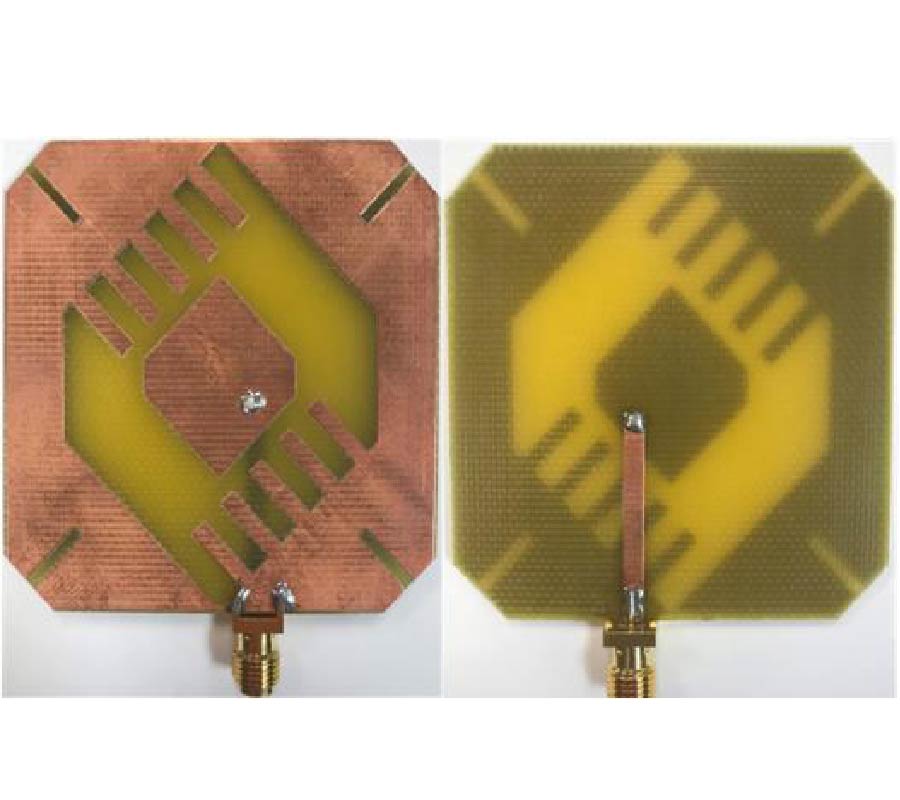
Herein a circularly-polarized (CP) quad-band compact microstrip antenna is proposed. Its design involves one annular ring radiator having eight symmetrical slots along its boundary and three circular closed ring resonators (CRRs) on the bottom side of the substrate. Resonance frequencies of this antenna have been analyzed first and then tuned to excite desired modes via specially designed feed configuration by applying theory of characteristic modes (TCMs). Evolution process of the antenna geometry shows that the eight symmetrical slots in tandem with the CRRs generate wide impedance bandwidth (IBW), while measured quad CP bands are obtained through uses of an asymmetric ground plane resonating at 5.63 GHz (120 MHz), a cross-shaped slit at 7.69 GHz (650 MHz), a rectangular open loop at 9.91 GHz (1200 MHz), and a tuning stub in the feeding structure at 12.09 GHz (160 MHz). Series of parasitic strips augmented CP radiation and eliminate ripples in the radiation pattern. A low cost FR-4 substrate is used to fabricate the antenna with an optimized dimension of 35×30×1.6 mm3. The measured IBW ranges from 4.36-4.82 GHz, 5.50-5.78 GHz and 5.95 - beyond 14 GHz. The proposed antenna may find suitable applications in C band, X band, and 5 GHz WLAN devices.
A CIRCULARLY POLARIZED QUAD-BAND ANNULAR RING ANTENNA WITH ASYMMETRIC GROUND PLANE USING THEORY OF CHARACTERISTIC MODES
2020-12-30
PIER
Vol. 169, 59-71
A Review of Algorithms and Hardware Implementations in Electrical Impedance Tomography (Invited)
Zheng Zong , Yusong Wang and Zhun Wei
In recent years, electrical impedance tomography (EIT) has attracted intensive interests due to its noninvasive, ionizing radiation-free, and low-cost advantages, which is promising for both biomedical imaging and industry nondestructive tests. The purpose of this paper is to review state-of-the-art methods including both algorithms and hardwares in EIT. More specifically, for the advanced reconstruction algorithms in mainstream, we offer some insights on classification and comparison. As for the measurement equipment, the structure, configuration modes, and typical systems are reviewed. Furthermore, we discuss the limitations and challenges in EIT technique, such as low-spatial resolution and nonlinear-inversion problems, where future directions, such as solving EIT problems with deep learning, have also been addressed.
A REVIEW OF ALGORITHMS AND HARDWARE IMPLEMENTATIONS IN ELECTRICAL IMPEDANCE TOMOGRAPHY (INVITED)
2020-12-30
PIER C
Vol. 107, 287-297
Experimental Investigation and Design of UWB MIMO Antenna with Enhanced Isolation
Muhammad Kabir Khan , Quanyuan Feng and Zongliang Zheng
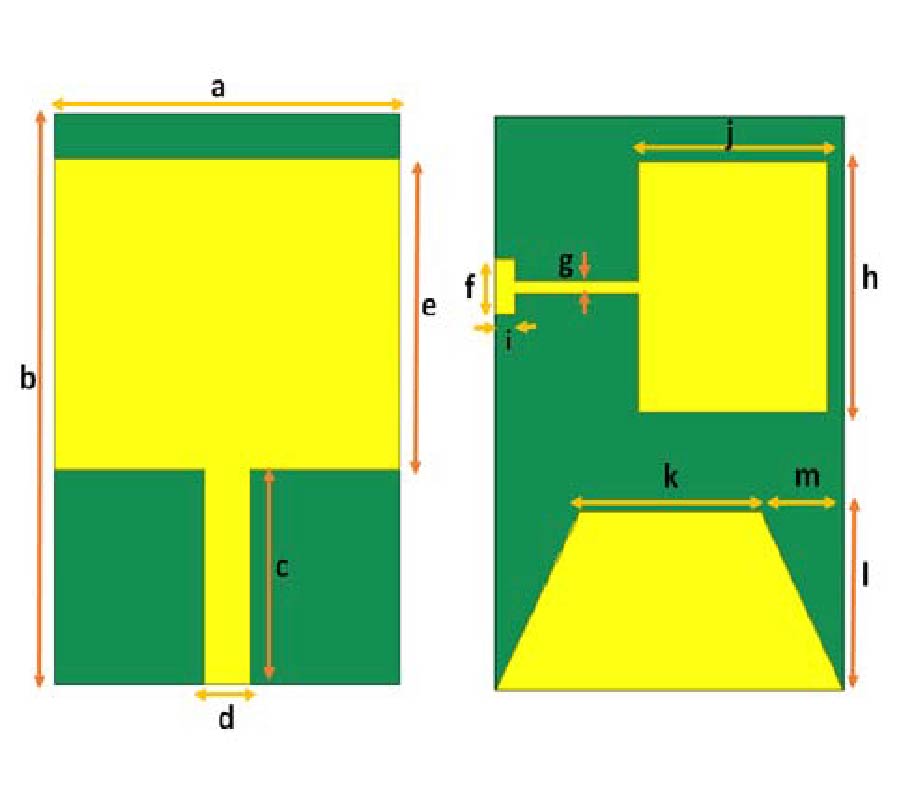
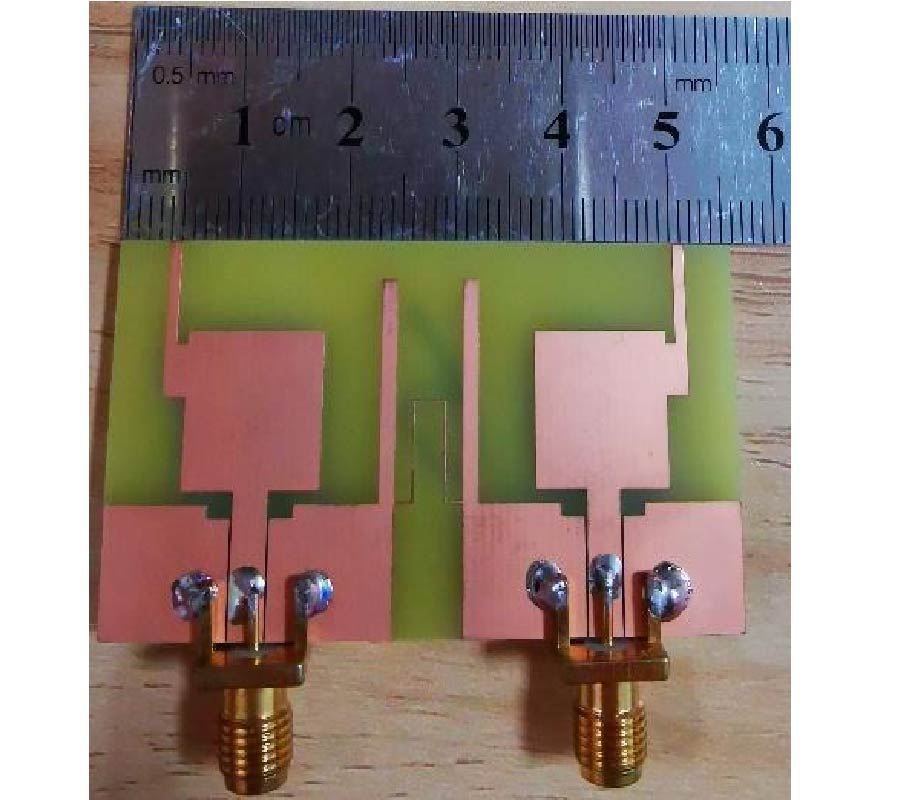
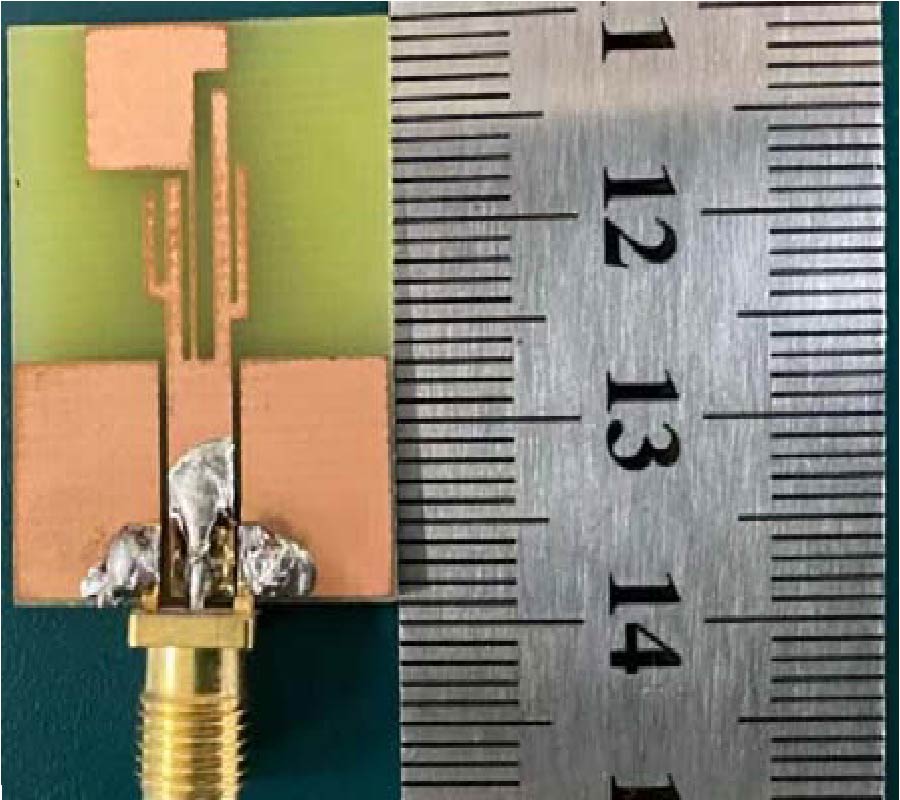
In this paper, a compact two ports Multiple Input Multiple Output (MIMO) antenna for Ultra Wide Band (UWB) application has been proposed. The presented antenna consists of two symmetrical radiators, developed on an FR4 substrate with overall size of 34 × 18 × 1.6 mm3. The proposed antenna is fed with a 50 Ω microstrip line. The antenna has good impedance matching in the range of UWB band. The isolation is lower than -15 dB from 3.1 to 5 GHz and < -18 dB from 5 GHz to 11 GHz. Envelope Correlation Coefficient (ECC) < 0.01 and Diversity Gain (DG) > 9.96 dB. The performance of the proposed antenna is analyzed and examined in term of return loss, gain, radiation efficiency, ECC, DG, and isolation between two ports.
EXPERIMENTAL INVESTIGATION AND DESIGN OF UWB MIMO ANTENNA WITH ENHANCED ISOLATION
2020-12-29
PIER B
Vol. 90, 43-62
Design of a Controllable Antenna Based on Embedded Differential PSK Modulation
Yahiea Alnaiemy and Lajos Nagy
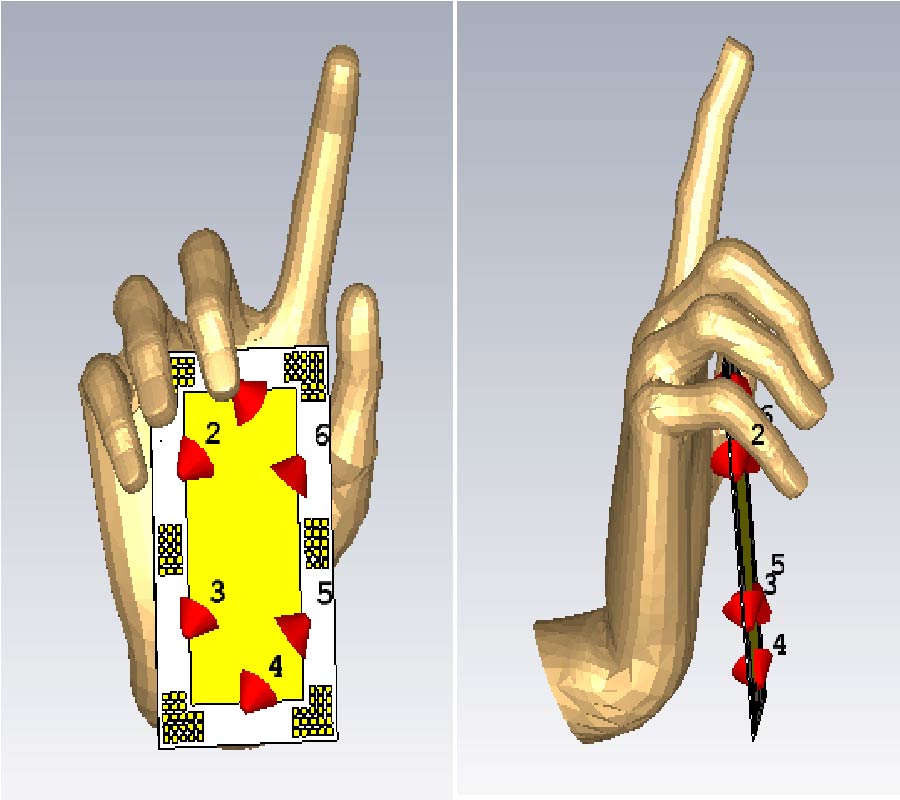
Direct Antenna Modulation (DAM) is explored recently in many wireless communication systems. In this paper, we explore the modulation process of electromagnetic signals in the antenna circuit design directly. The proposed antenna consists of two non-concentric elliptical patches for broadband applications to suit the spread spectrum applications. To perform a Differential Phase Shift Keying (DPSK) modulation, two identical antennas are fed by a two-branch microstrip line with a phase shift. Utilizing Computer Simulation Technology of Microwave Studio (CSTMWS) based on Finite Integral Technique (FIT), an optimization based-on numerical analysis is adopted for designing the transmission line configuration at the desired frequency bands. The other significant aspect that has been achieved in this research is reducing the patch size to be suitable for wearable devices. Therefore, a cylindrical substrate is utilized for bending the proposed antenna structure. The proposed antenna design shows a gain of 4.73 dBi and 2.5 dBi for the planar and folded antenna profile respectively. Two high-speed Positive Intrinsic Negative (PIN) diodes as switching elements of the RF signal are inserted between the identical antenna elements through a transmission line. Switch 1 (SW1) and switch 2 (SW2) are used to control the phase shift between the antenna elements by changing the switching state from (OFF-ON) and vice versa. The designed antenna is further investigated to realize the effects of radiation leakage from the antenna elements on the human body in the context of wearable applications. This study is conducted to the antenna performance when it is bent on a cylinder and compared to the flat case on four human body regions: arm, head, thigh, and chest. The proposed antenna based on PIN diodes is fabricated, measured, and tested. Using a 3D axis field strength meter, the proposed antenna system field strength is measured for different conditions at various locations of the human body. Finally, an excellent agreement is found between the obtained numerical results and measurements.
DESIGN OF A CONTROLLABLE ANTENNA BASED ON EMBEDDED DIFFERENTIAL PSK MODULATION
2020-12-29
PIER C
Vol. 107, 273-286
Inhomogeneous Performance Evaluation of a New Methodology for Fluctuating Target Adaptive Detection
Mohamed Bakry El Mashade
The ideality of operating environment of radar systems is extremely scarce while the demand for these systems is growing at a rapid pace. Technology of adaptation is therefore of primary concern in the design of their future strategies. The difficulty in finding a solution based on a single adaptive algorithm to deal with diverse noise environments has led to the development of composite adaptive procedure. Therefore, fusion of particular decisions of the single adaptive variants through appropriate rules provides a better final detection. This paper is intended to analyze the fusion strategy of cell-averaging (CA), order statistics (OS) and trimmed-mean (TM) schemes in heterogeneous environments. The tested target and the spurious ones are assumed to follow χ2-distribution with two- and four-degrees of freedom in their fluctuations. A closed form processor performance is derived. The results show that for the heterogeneous operation, this approach is more realistic. Particularly in multi-target situations, it exhibits higher robustness than CA, OS, or TM architecture. Additionally, our results reveal that it exhibits a homogeneous performance outperforming that of the Neyman-Pearson (N-P) detector which is the yardstick in the world of adaptive detection.
INHOMOGENEOUS PERFORMANCE EVALUATION OF A NEW METHODOLOGY FOR FLUCTUATING TARGET ADAPTIVE DETECTION
2020-12-28
PIER Letters
Vol. 95, 125-134
A Simple Matrix Approach for Computing the Equivalent Resistance and Unknown Components in Resistor Networks
Aris Alexopoulos
A method is presented for computing the equivalent resistance and the unknown components of simple series and parallel resistor networks. The approach consists in taking the product of a simple 2×2 matrix (N-1) times, where N is the total number of components in the network. The matrix approach originates from the study of continued fractions. Numerical computations only require an algorithm that handles matrix multiplication.
A SIMPLE MATRIX APPROACH FOR COMPUTING THE EQUIVALENT RESISTANCE AND UNKNOWN COMPONENTS IN RESISTOR NETWORKS
2020-12-28
PIER Letters
Vol. 95, 115-123
Design and Simulation of CMOS Circuit Structure for CTL-CTM Crosstalk Cancellation Method in High-Speed Interconnects
Huifang Sun , Yafei Wang , Yanxiao Zhao and Xuehua Li
A circuit module for coupled transmission line channel transmission matrix (CTL-CTM) crosstalk cancellation is designed and simulated by using CMOS technology in a high-speed interconnection system. The module consists of an adder and a subtractor to realize analog addition and subtraction of digital signals. The adder is composed of CMOS transistor pair connected to an inverter at the next stage. The subtractor is composed of a current mirror as the load of CMOS differential pair. The crosstalk cancellation circuit module is simulated and verified by advanced design system (ADS) software. The designed adder and subtractor work well and have no significant difference with the ideal output, and the signal eye diagram recovered by the crosstalk cancellation circuit is of good quality, which solves the circuit implementation problem in the CTL-CTM crosstalk cancellation method.
DESIGN AND SIMULATION OF CMOS CIRCUIT STRUCTURE FOR CTL-CTM CROSSTALK CANCELLATION METHOD IN HIGH-SPEED INTERCONNECTS
2020-12-27
PIER Letters
Vol. 95, 107-114
Design of Independently Tunable Dual-Band Filter with High Selectivity and Compact Size Using Multipath Propagation Concept
Yue-Peng Zhong , Yang Xiong and Jian Huang
A novel tunable dual-band bandpass filter (DBPF) with high selectivity and independently tunable passbands is proposed in this paper. Electric and magnetic coupling is employed in this design to create transmission zeros. The proposed tunable DBPF has the advantage of fully independent and controllable passbands due to the multipath propagation mechanism. The measured results of tunable DBPF show that the center frequency of the first passband can be shifted from 2.34 to 2.45 GHz when the bias voltage VL increases from 3 V to 15 V, and the second passband can be tuned from 4.73 to 5.04 GHz when the bias voltage VH varies from 6 V to 15 V. Moreover, the core circuit-size of the tunable DBPF is about 0.293 λg x 0.067 λg, where λg is the guided wavelength at 2.4 GHz. The proposed filter exhibits the merits of fully independent and tunable passbands, high selectivity, and compact size.
DESIGN OF INDEPENDENTLY TUNABLE DUAL-BAND FILTER WITH HIGH SELECTIVITY AND COMPACT SIZE USING MULTIPATH PROPAGATION CONCEPT
2020-12-27
PIER B
Vol. 90, 21-41
Wearable Button-Like Dual-Band Central Antenna for Wireless Bodyarea Networks
Asmaa Elsayed Farahat and Khalid Fawzy Ahmed Hussein
A novel dual-band conical-helix/monopole antenna is proposed to operate as an on-body central antenna for Wireless Body Area Network (WBAN). The proposed antenna communicates in three ways: (i) off-body communication through its end-fire radiation with the ceil-mounted WiMax antenna at 5.8 GHz, (ii) on-body communication through its broadside radiation with the on-skin biosensor antennasat 3.0 GHz, and (iii) in-body communication with the in-body (implanted) biosensor antennas at 3.0 GHz. The characteristics of the proposed antenna are investigated through electromagnetic simulation and experimental measurements where a prototype of this antenna is fabricated for this purpose. The antenna is matched with 50 Ω coaxial feeder over the dual frequency bands, mounted on a copper circular disc, and covered with a very thin dielectric radom for mechanical protection. Such an antenna covered by the radom is shaped like a hemispherical button that can be attached to patient clothes and, hence, it can be considered as a wearable antenna. The radiation patterns obtained by experimental measurements show good agreement with those obtained by the CST® simulator and are shown to be appropriate for communication with the ceil-mounted WiMAX antenna and the biosensor antennas at 5.8 GHz and 3.0 GHz, respectively. The distribution of the microwave power density near the body surface is evaluated by simulation and experimental measurements to ensure the realization of the electromagnetic exposure safety limits. The Specific Absorption Rate (SAR) distribution inside the human tissues of concern is evaluated showing a safe level of electromagnetic exposure. Quantitative assessment of the WBAN communication system performance is achieved when the proposed antenna is employed as an on-body central antenna for the WBAN. Thanks to the optimized design of the proposed antenna the Bit-Error-Rate (BER) is shown to be very low even when the input power fed to the antenna is only 1 mW.
WEARABLE BUTTON-LIKE DUAL-BAND CENTRAL ANTENNA FOR WIRELESS BODYAREA NETWORKS
2020-12-27
PIER M
Vol. 100, 35-50
A Novel Analytical Method Suitable for Coupled Electromagnetic Field of Circuit
Rui Zhang , Yibo Wang and Honghua Xu
A novel analytical method suitable for coupled electromagnetic field of a circuit is proposed in this paper. In a high frequency circuit and high-frequency converter, skin effects are obvious, and the variations in resistance and inductance values depend on frequency. In addition, the voltage and current distribution changes of a high frequency circuit generated with a high-frequency converter during dynamic switching process are complicated and depend on time. A novel analytical method suitable for coupled electromagnetic field of circuit in parameter optimization design of high-frequency circuit and high-frequency converter is proposed in this paper. The proposed method considers the influence of skin effect and coupled electromagnetic field on parameter variation simultaneously. According to the law between parameter variation and line length, the calculation process of parameter optimization will be simpler and more effective.
A NOVEL ANALYTICAL METHOD SUITABLE FOR COUPLED ELECTROMAGNETIC FIELD OF CIRCUIT