Search Results(13784)

2025-06-02
PIER C
Vol. 156, 113-120
Subwavelength Resonator for the Design of a Waveguide-Fed Metasurface Antenna
Ivan Eduardo Diaz Pardo , Carlos Arturo Suarez Fajardo , Juan Domingo Baena Doello and Hector Guarnizo
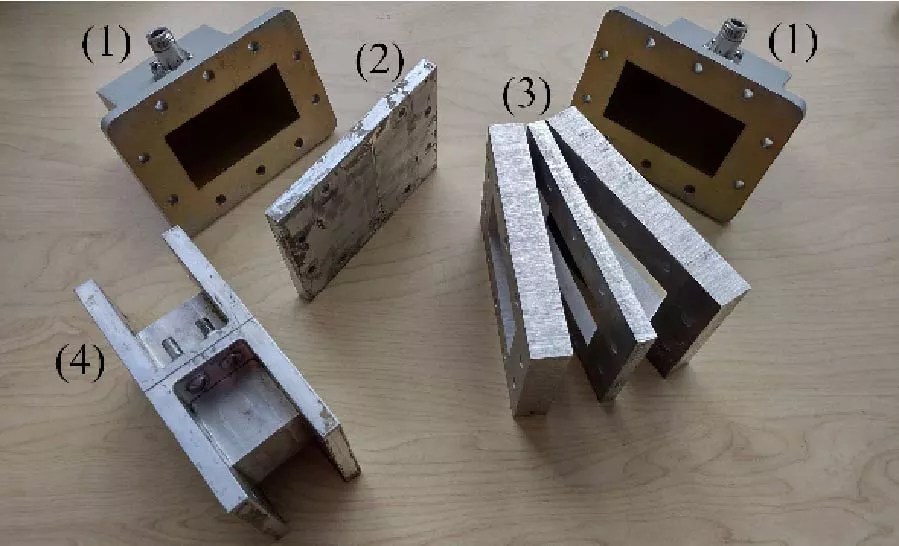
Antennas are one of the most important elements in modern communication systems. Recently, significant progress has been made in developing metasurface antennas as an alternative for beam steering, commonly used in radar and communication applications. Metasurface antennas consist of an array of metamaterial elements, uniformly distributed and with subwavelength dimensions, which can be excited by a progressive wave. This work focuses on the application of the Incremental Difference Method for estimating the magnetic polarizability of metamaterial arrays embedded in a waveguide-fed linear configuration. The method is validated through full-wave simulations and further assessed using a weighting function introduced in prior studies. The design is demonstrated using a WR340 waveguide-based metasurface antenna model.
Subwavelength Resonator for the Design of a Waveguide-fed Metasurface Antenna
2025-06-01
PIER
Vol. 183, 59-66
Machine Learning Assisted Long-Range Wireless Power Transfer
Likai Wang , Yuqian Wang , Shengyu Hu , Yunhui Li , Hong Chen , Ce Wang and Zhiwei Guo
Long-range near-field magnetic resonance wireless power transfer (WPT) technology holds broad application prospects in fields such as medical implants and industrial manufacturing robots. However, it faces challenges of low efficiency and poor robustness in long-distance transmission. This study proposes an innovative collaborative optimization approach that integrates the machine learning gradient descent optimization algorithm (GDOA) with non-Hermitian topological physics to precisely regulate the coupling strength distribution, thereby realizing a highly flexible, efficient, and robust WPT system capable of anchoring transmission frequencies and accommodating an arbitrary number of resonators. Experimental results demonstrate that the GDOA-optimized Su-Schrieffer-Heeger (SSH)-like topological chain achieves a transmission efficiency of 65% at the target frequency and maintains 57.9% efficiency under 30% structural perturbations, significantly outperforming the SSH chain (45.6%) and uniform chain (24.1%) in control groups. This research provides theoretical and experimental support for the design of machine learning-based topological long-range WPT systems, offering substantial practical value, particularly in medical electronic power supply and wireless industrial equipment applications.
Machine Learning Assisted Long-range Wireless Power Transfer
2025-05-31
PIER C
Vol. 156, 101-112
A Novel Coaxial Magnetic Gearbox with a Single Input Shaft and Dual Identical Output Shafts
Ali Hosseini-Fard , Seyed Hamid Shahalami and Esmaeil Fallah Choolabi
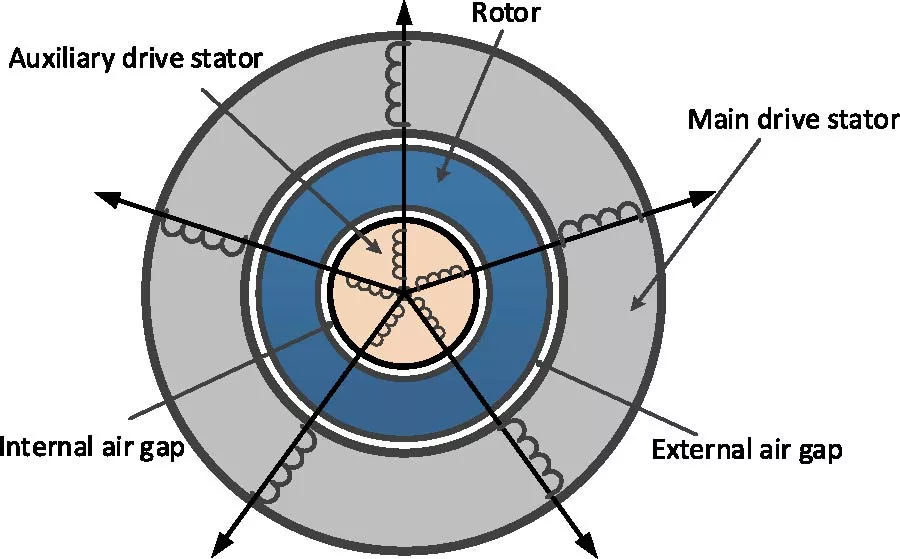
This paper presents an innovative magnetic gearbox with a three-rotor coaxial structure capable of providing a single input and dual identical outputs. The low-speed rotor magnets of this gear are flux-focusing, while the high-speed rotors magnets are surface-mounted. The performance of this gear was analyzed using finite element analysis. Initially, the gear with initial dimensions was modeled and simulated in ANSYS/Maxwell software, and the results of static and time-dependent analyses were examined. Subsequently, a parametric study of the gear was conducted to investigate the impact of geometric dimension variations on rotor torques and volumetric torque density. The optimal dimensions for achieving the highest volumetric torque density were then selected. The gear was then simulated with the final dimensions, demonstrating that this multi-rotor design is capable of achieving high torque densities (291.61 Nm/L in this gear). Following this, the proposed magnetic gear was compared with another gear of similar dimensions but with three flux-focusing rotors. Additionally, the slicing method was employed for the high-speed rotors magnets to reduce cogging torque, and it was shown that this method successfully reduces the cogging torque of the gear's rotors.
A Novel Coaxial Magnetic Gearbox with a Single Input Shaft and Dual Identical Output Shafts
2025-05-31
PIER C
Vol. 156, 93-100
Analysis of Absorbed Power Density and Power Loss Density in Human Skin Model from 5G mmWave Exposure
Ibrahim Tahir , Aduwati Sali , Sangin Qahtan Wali , Alyani Ismail , Darko Suka and Muhammad Zamir Mohyedin
This study investigates the Absorbed Power Density (APD) and Power Loss Density (PLD) of 5G downlink signals in Frequency Range 2 (FR2), in particular at millimetre-wave (mmWave) frequencies, in an outdoor scenario in Malaysia. The electric field (E-field) was measured, and the data were collected from a base station (BS) located in Cyberjaya, Malaysia, operating at 29.5 GHz, as documented in the previous work of authors. The APD and PLD were simulated using Computer Simulation Technology (CST) software. The radiation source was modelled using a patch antenna, while a four-layer human skin model represented the sample. This work simulated three different types of applications: voice calls, video calls, and video streaming. It was found that the maximum APD is 0.0364 W/m2 for voice calls, 0.0498 W/m2 for video calls, and 0.0584 W/m2 for video streaming. All the investigated applications produced APD within the safe limit of 20 W/m2 set by the International Commission on Non-Ionizing Radiation Protection (ICNIRP). PLD was analysed to investigate the depth of radiation penetration into the skin. The results show that the PLD decreased from 18.1 W/m3 to 3.1 W/m3, 24.8 W/m3 to 4.1 W/m3, and 29.1 W/m3 to 4.8 W/m3 from the skin surface to the skin at 1 mm depth for voice call, video call and video streaming, respectively. It shows a significant drop in PLD due to the short wavelength of the mmWave frequencies.
Analysis of Absorbed Power Density and Power Loss Density in Human Skin Model from 5G mmWave Exposure
2025-05-31
PIER B
Vol. 112, 43-59
Multi-Physics Coupling Analysis of Vibration and Noise Abnormalities in Transformer Under Geomagnetically Induced Current
Chao Pan , Chuanhui Wang , Tongrui Fu and Shoukun Zou
Focusing on the instability problems of power grid transformer caused by geomagnetically induced current (GIC), this paper investigates the multi-physics coupling characteristics of transformer under GIC. First, the propagation path of GIC is analyzed, and the variation characteristics are further studied based on measurement data. The variational signatures can be characterized by two key parameters: the GIC distortion rate (Δk) and the distortion time (tτ). A multi-physics coupling model considering GIC distortion is proposed, which includes mechanical domain coupling between electromagnetic and acoustic domains. Simulations are conducted on a three phase transformer under varying conditions of distortion rate (Δk), distortion time (tτ), and load factor (ƞ). Then the spatial-temporal variations of winding current, magnetic leakage, core vibration acceleration, and noise can be analyzed. Results reveal that vibration and noise exhibit abnormal intensification under GIC interference. Meanwhile, dynamic experimental platform is established. And the result is verified through consistency of virtual model and physical entity. On this basis, a nonlinear mapping relationship between distortion rate (Δk) and sound pressure level (Lp) is established. Finally, a stability criterion is developed, providing a foundation for situational awareness and full lifecycle management of grid equipment under GIC interference.
Multi-physics Coupling Analysis of Vibration and Noise Abnormalities in Transformer under Geomagnetically Induced Current
2025-05-29
PIER Letters
Vol. 126, 37-48
Low-Profile Reconfigurable UWB Fractal Antenna Enhanced by Parasitic Elements for Wireless Applications
Mohamed Marzouk , Ibrahime Hassan Nejdi , Youssef Rhazi , Mohamed Saih , Jamal Abdul Nasir , Abdulrahman Daher , Mousa Hussein , Zahriladha Zakaria and Ahmed Jamal Abdullah Al-Gburi
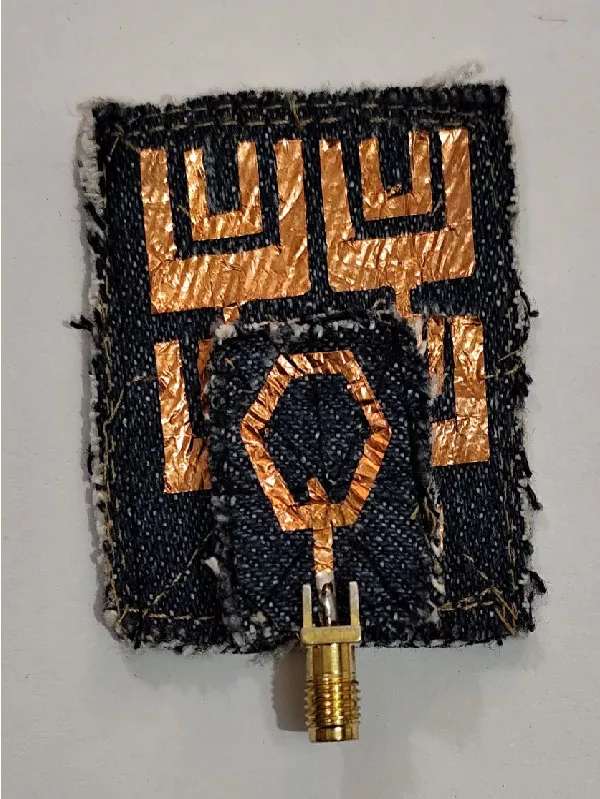
This paper presents an enhanced design of a reconfigurable fractal ultra-wideband (UWB) antenna, improved through the inclusion of parasitic elements. The antenna incorporates two plus-shaped parasitic elements and a hexagonal radiating patch, while maintaining compact dimensions of 30 mm × 22 mm × 1.6 mm on an FR4 substrate. A partial ground plane with an integrated rectangular slot is etched on the backside of the resonator. The antenna was designed using HFSS, fabricated, and experimentally validated. The measured results show good agreement with the simulations. It operates over a frequency range of 4 to 10.57 GHz, with resonant frequencies at 4.7, 7.92, and 10 GHz. The design achieves a gain between 2.76 and 5.83 dB and maintains high radiation efficiency ranging from 82% to 95%. To further enhance performance, two strategically placed HPND-4005 PIN diodes are incorporated, allowing tunable resonance characteristics by altering current distribution under various switch configurations. As a result, the reconfigurable antenna extends its operational bandwidth from 3 to 14 GHz, making it suitable for a variety of wireless applications such as Wi-Fi, WiMAX, WLAN, and C-, X-, and Ku-band communications. Notably, the design achieves this wideband reconfigurability using only two PIN diodes while maintaining a compact footprint - offering an advantage over previous designs. Its features support seamless integration into compact electronic devices, enabling manufacturers to incorporate multiple antennas with minimal complexity.
Low-profile Reconfigurable UWB Fractal Antenna Enhanced by Parasitic Elements for Wireless Applications
2025-05-29
PIER B
Vol. 112, 29-41
FDTD Modeling of Lightning Electromagnetic Fields Over Mixed and Sloped Domains Using Staircase Approximation
Mohamed Omari , Abdenbi Mimouni and Imane Ghlib
This paper investigates the modeling of lightning electromagnetic (EM) fields over mixed propagation paths, including land-ocean and land-lake interfaces with slope angles, using Finite-Difference Time-Domain (FDTD) method combined with staircase approximation. Two scenarios are considered: a land strike involving a soil-ocean domain and a real-world lightning strike to the CN Tower with a land-Lake Ontario interface. The return stroke currents are modeled using established MTLE model, and electromagnetic fields are computed above and below ground. Simulation results demonstrate strong agreement with previously published Finite Element Method (FEM) results, confirming the accuracy of the proposed approach. The study highlights the significant impact of slope angles on electromagnetic field components, particularly underground fields near mixed interfaces, and confirms the effectiveness of the staircase approximation for modeling sloped geometries in FDTD. These findings contribute to improving the assessment of lightning effects in complex environments, including urban areas and mixed land-water regions.
FDTD Modeling of Lightning Electromagnetic Fields over Mixed and Sloped Domains Using Staircase Approximation
2025-05-27
PIER C
Vol. 156, 79-91
Sensorless Control Strategy for PMSM Based on Model Reference Adaptive Control Combined with Fast Super-Twisting Algorithm
Feng Yu , Xiping Liu , Zhangqi Liu , Qiang Ge and Yuxin Liu
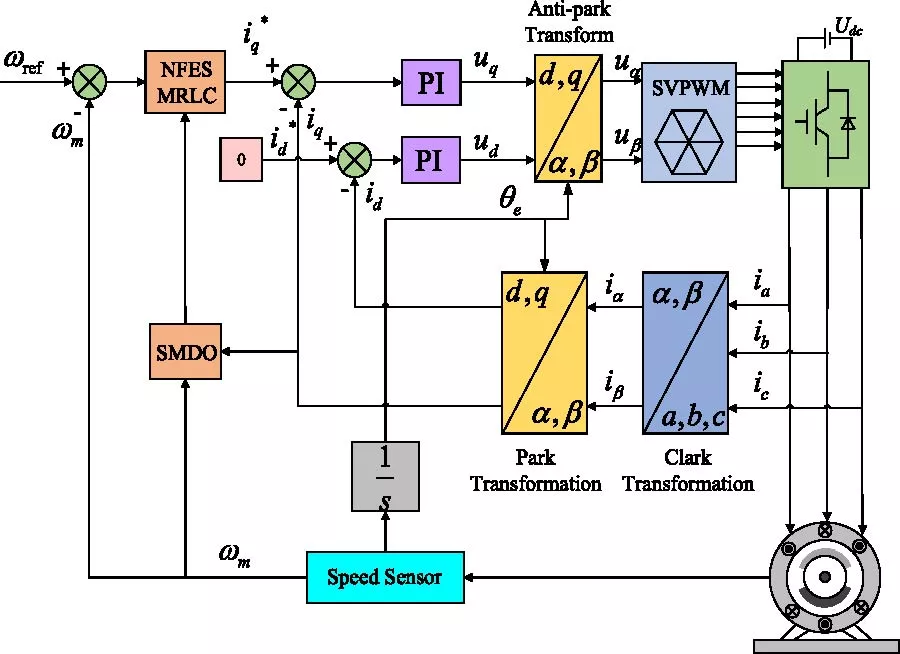
To address the issues of large speed fluctuations and slow current convergence in traditional model reference adaptive system (MRAS) algorithms, this paper proposes an improved model reference adaptive algorithm based on the fast super-twisting algorithm (FASTA). First, a feedforward compensation term is introduced into the traditional MRAS framework. Additionally, an adaptive feedback gain coefficient is designed, which can be dynamically adjusted in real-time to track speed variations and adapt to different external operating conditions, thereby effectively reducing speed fluctuation amplitude. Furthermore, a fast super-twisting algorithm with a dynamic adjustment exponential gain term is designed and integrated with the model reference adaptive system, replacing the traditional PI controller used in MRAS, significantly improving convergence speed of the system. Finally, experimental results verify the effectiveness and feasibility of the proposed strategy.
Sensorless Control Strategy for PMSM Based on Model Reference Adaptive Control Combined with Fast Super-twisting Algorithm
2025-05-27
PIER Letters
Vol. 126, 31-36
Conception and Fabrication of a New Steerable Microstrip Antenna for ISM Band Applications
Abdelaaziz El Ansari , Shobhit Kisan Khandare , Kaoutar Allabouche , Najiba El Amrani El Idrissi , Zahriladha Zakaria and Ahmed Jamal Abdullah Al-Gburi
This paper presents the conception and fabrication of a new steerable microstrip antenna for ISM band applications. At first, the fundamental antenna element is designed, optimized, and miniaturized to operate at 2.45 GHz, exhibiting a narrow impedance bandwidth and a good gain. However, the standalone element lacks beam steering capability. To enable directional control of its radiation pattern, a novel 3 dB hybrid coupler is used to feed two identical optimized elements, forming a switched array antenna. The resulting configuration achieves a wide impedance bandwidth and improved gain with beam steering capability. The proposed steerable antenna is designed and fabricated on a Rogers RT/duroid 5880 substrate. The simulated results are validated with measured data, showing good agreement and confirming the design's performance.
Conception and Fabrication of a New Steerable Microstrip Antenna for ISM Band Applications
2025-05-26
PIER C
Vol. 156, 67-77
Half-Mode Substrate Integrated Waveguide Cavity Slot Antenna with Half-Octagonal Ring Slot at S-Band Frequency
Andri Setyawan , Dian Widi Astuti , Mudrik Alaydrus , Yuyu Wahyu and Norbahiah Misran
This paper presents a design of a half-mode substrate integrated waveguide (HMSIW) antenna for S-band frequencies using half-octagonal ring slots to achieve significant bandwidth enhancement. The proposed structure integrates a half-octagonal ring slot within the HMSIW cavity to enhance impedance bandwidth by exciting dual resonant modes - TE101 and TE102. The antenna achieves a measured fractional bandwidth (FBW) of 5.6%, corresponding to an operational range of 3.15 to 3.33 GHz, and a simulated FBW of 5.2% from 3.17 to 3.40 GHz. Compared to conventional cavity-backed SIW antennas, this configuration offers a 50% size reduction while maintaining stable gain between 3.1 dBi and 5.6 dBi and exhibiting a directional linear radiation pattern in the horizontal plane. The integration of dual-resonance excitation within a single compact HMSIW cavity represents a significant advancement in bandwidth enhancement for planar antennas. This design offers a feasible and efficient solution for modern wireless applications requiring miniaturized and compact size in S-band frequencies.
Half-mode Substrate Integrated Waveguide Cavity Slot Antenna with Half-octagonal Ring Slot at S-band Frequency
2025-05-26
PIER C
Vol. 156, 59-65
A Defect Scanning Sensor Based on a Reconfigurable Spiral-Shaped DGS
Zhi Chen
Microwave non-destructive testing (NDT), with its high sensitivity and non-contact advantages, is widely applied in the defect detection of non-metallic composite materials. However, conventional microwave NDT requires frequent mechanical repositioning to modify the detection area, significantly reducing the detection efficiency. To address this limitation,this paper proposes a reconfigurable spiral defect-ground structure (DGS)-based defect scanning sensor. The sensor incorporates multiple spiral DGS units and connects them in parallel with PIN diodes. By electronically switching the state of the diodes, the location of the electric field concentration is altered, thereby controlling the sensitive detection area without mechanical movement. Compared to the existing complementary split-ring resonator (CSRR) sensors, which have a unit detection area of 3 mm × 3 mm, the proposed sensor achieves an enhanced unit detection area of 15.5 mm × 11 mm. Additionally, relying on the unique structural characteristics of the spiral shape, the field distribution is more uniform, effectively reducing blind spots in detection. Experimental results demonstrate that the proposed reconfigurable spiral DGS-based defect scanning sensor can effectively detect defects in non-metallic composite materials.
A Defect Scanning Sensor Based on a Reconfigurable Spiral-shaped DGS
2025-05-26
PIER B
Vol. 112, 15-27
Design and Development of Four Port Wideband High Isolation Koch Curve Fractal MIMO Antenna
Ashwini Kumar , Basudha Dewan , Amit Kumar Jain , Pratish Rawat , Zahriladha Zakaria and Ahmed Jamal Abdullah Al-Gburi
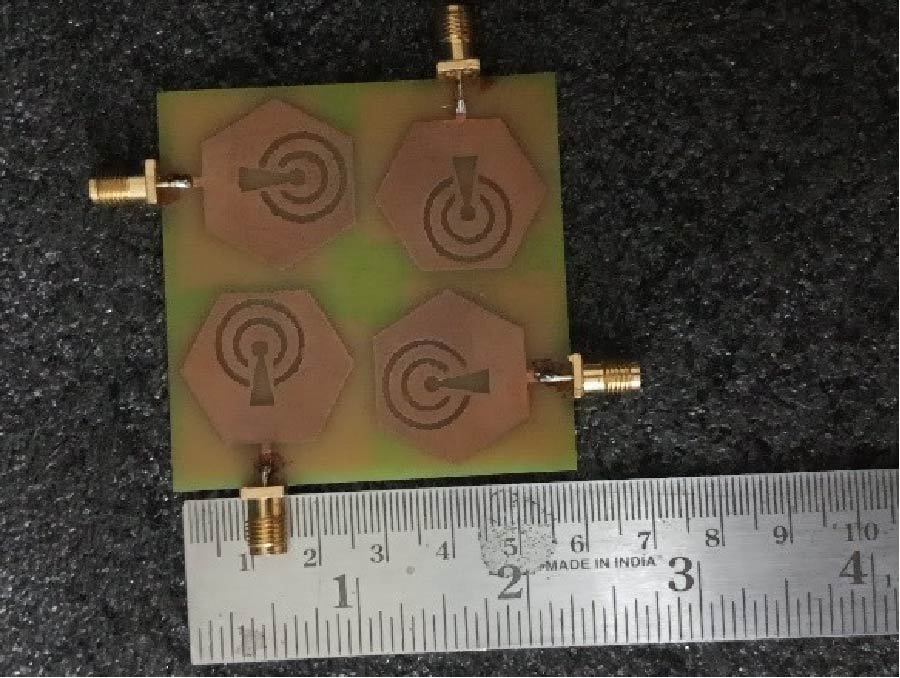
An innovative four-port Coplanar Waveguide (CPW) Multi-Input Multi-Output Antenna (MIMOA) based on a Koch Curve Fractal (KCF) with high isolation is proposed in this article. The High Frequency Structure Simulator (HFSS) is used for performance analysis and parametric optimization. Initially, a KCF-based CPW-fed single-element patch antenna is designed, which is later transformed into a four-port MIMOA (FPMIMOA). The proposed MIMOA is fabricated on an FR4 substrate and offers a wide impedance bandwidth of 1.23 GHz (4.46-5.69 GHz), centered at 4.92 GHz. It exhibits excellent diversity performance, including a Channel Capacity Loss (CCL) of less than 0.4 bits/s/Hz, an Envelope Correlation Coefficient (ECC) below 0.004, a Diversity Gain (DG) greater than 9.8, a Mean Effective Gain (MEG) below 3 dB, and a Total Active Reflection Coefficient (TARC) less than -20 dB from port 1 to the other ports. It also demonstrates an isolation level of 28 dB across the operating band. Furthermore, the proposed MIMOA achieves a high radiation efficiency (η) of 94% and a gain of 3.14 dBi. The antenna has been fabricated and experimentally tested to validate the simulated results. This MIMOA is suitable for applications such as public safety, the 5G sub-6 GHz band (4.8-5.0 GHz), and the 5.2 GHz Wireless LAN (5.15-5.35 GHz).
Design and Development of Four Port Wideband High Isolation Koch Curve Fractal MIMO Antenna
2025-05-25
PIER C
Vol. 156, 49-57
Numerical Analysis of Electric Field Distribution in Segmented Lightning Diverter Strip
Rudra Narayan Barik and Hrishikesh Sonalikar
This paper investigates the distribution of the electric field around a circular segmented diverter strip designed for lightning protection. This is accomplished by performing parametric analysis on various geometry parameters of the circular-shaped segmented lightning diverter strip and numerically calculating the electric field and crossover voltage using full-wave simulation. The results demonstrate that as the spacing between the segments decreases, there is a significant increase in electric field strength, reaching a maximum value of 438.22 MV m-1, while the crossover voltage decreases from 2990.59 V to 744.35 V. An increase in the diameter of the segments is associated with a stronger electric field, with the maximum field strength reaching 300.36 MV m-1, while in this case, the crossover voltage decreases from 1493.36 V to 1462.36 V. In contrast, the electric field increases as the segment height decreases, with no significant change in the crossover voltage. The study also analyzes the impact of curvature and different substrate materials on the electric field distribution and crossover voltage. Additionally, simulation results on the electric field distribution and capacitance calculations for various segments of the diverter are utilized to predict the probable location of the lightning attachment.
Numerical Analysis of Electric Field Distribution in Segmented Lightning Diverter Strip
2025-05-24
PIER C
Vol. 156, 39-47
A Compact 4 × 4 UWB MIMO Antenna with 5G and WLAN Band Rejected Operation
Lei He , Youming Miao and Gui Liu
An ultra-compact four-port ultra-wideband (UWB) antenna with dual notches, which can reject the 5G (3.3-4.2 GHz, 4.8-5 GHz) and the WLAN (5.15-5.825 GHz), is designed. Four orthogonal antenna elements and some defected ground planes constitute the proposed antenna. A double T-shaped filter structure is employed on the radiation unit, which can generate a notch frequency band of 3.3-4.2 GHz. The complementary split resonant ring (CSRR) structure is created on the ground plane. It is intended to suppress the frequency band from 4.8 GHz to 6 GHz by adjusting the size and position of the slots. Finally, the measured -10 dB impedance bands are 4.2-4.8 GHz and 6.0-11.0 GHz. The isolation performance exceeds 17 dB across the operational bandwidth. Additionally, the ECC remains consistently below 0.06 (and below 0.01 within the 4.2-4.8 GHz and 6.0-11.0 GHz range). Furthermore, within the operational band, the efficiency exceeds 85%. The proposed antenna is applicable in civil communication, military, and medical fields.
A Compact 4 × 4 UWB MIMO Antenna with 5G and WLAN Band Rejected Operation
2025-05-24
PIER C
Vol. 156, 31-38
Distributed Uplink Power Control in User-Centric Cell-Free Massive MIMO with Grey Wolf Optimization
Nguyen Van Cuong , Bo Quoc Bao , Hoang Manh Kha and Tong Van Luyen
User-centric cell-free massive multiple-input multiple-output (UC-CFmMIMO) networks require efficient uplink power control to ensure both fairness and spectral efficiency (SE). However, existing schemes such as fractional power control (FPC) struggle to balance minimum SE and total SE, especially in large-scale deployments. To address this, we propose a grey wolf optimization (GWO)-based power control scheme, optimizing power allocation to maximize minimum SE while also improving total SE. Simulation results in a 1 km × 1 km UC-CFmMIMO network with 50 access points (APs) and 10 user equipments (UEs) show that our method outperforms FPC and fixed-point algorithm in both fairness and SE. Specifically, it achieves a minimum SE of 1.37 bit/s/Hz (vs. FPC: 0.13 bit/s/Hz) and a total SE of 39.17 bit/s/Hz at 100 APs (vs. FPC: 36.77 bit/s/Hz). The proposed approach scales effectively with AP and UE densities, making it a practical solution for future UC-CFmMIMO deployments.
Distributed Uplink Power Control in User-centric Cell-free Massive MIMO with Grey Wolf Optimization
2025-05-23
PIER C
Vol. 156, 23-29
Optimization of MIMO Radar Sparse Array Based on Improved Adaptive Genetic Algorithm
Shun He , Junting Wang and Zhiwei Yang
In order to solve the problem of transceiver array optimization for multiple input multiple output (MIMO) radar under the conditions of fixed number of array elements and aperture length, an improved adaptive genetic algorithm is proposed in this paper. The algorithm takes the joint transceiver beam of MIMO radar as the optimization target, and optimizes the positions of the array elements of the transmitting and receiving arrays by introducing new crossover and mutation operators and elite protection strategie, which effectively reduces the number of array elements, while maintaining the main flap gain and reducing the side flap level. The effectiveness and superior optimization performance of the proposed algorithm is verified through experiments, which has certain theoretical reference significance in MIMO radar design.
Optimization of MIMO Radar Sparse Array Based on Improved Adaptive Genetic Algorithm
2025-05-22
PIER C
Vol. 156, 13-22
High-Gain Dual-Band Metasurface MIMO Antenna for Enhanced 5G and Satellite Applications
Hanbo Feng , Zhonggen Wang , Wenyan Nie and Ming Yang
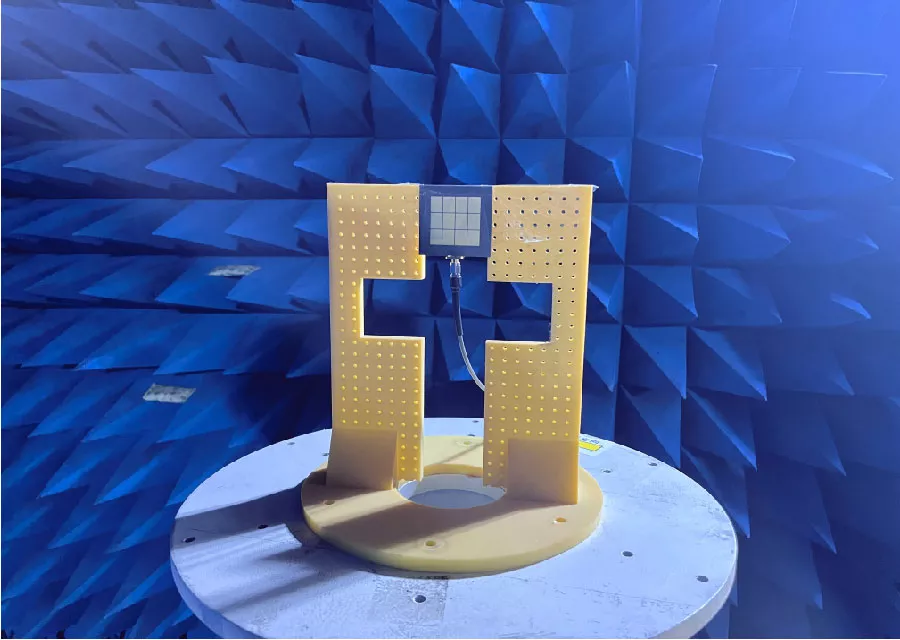
In this paper, a novel single-layer dual-band metasurface MIMO antenna suitable for high-density 5G base stations, satellite terminals and IoT devices is proposed. The antenna utilizes Characteristic Mode Analysis (CMA) to optimize the patch dimensions, achieving independent design for the low and high-frequency bands. It also suppresses surface waves through a ground triple-slot structure. Additionally, the antenna abandons the traditional coplanar waveguide (CPW) and innovatively adopts an H-shaped slot feeding structure. This groundbreaking design successfully eliminates the need for complex matching networks and multi-layer stacking structures. Simulation and measurement results show that the MIMO antenna achieves an isolation below -22 dB and envelope correlation coefficient (ECC) less than 0.0025 in two operating frequency bands (4.13-5.94 GHz with a relative bandwidth of 36%; 7.6-8.4 GHz with a relative bandwidth of 10%), with a peak gain of 10.75 dB. Additionally, the antenna exhibits a diversity gain (DG) greater than 9.9 dB, with aperture efficiencies of 72% (low-frequency) and 36.8% (high-frequency). Compared with existing designs, the MIMO antenna proposed in this paper shows significant improvements in isolation, bandwidth flexibility, and structural simplicity.
High-gain Dual-band Metasurface MIMO Antenna for Enhanced 5G and Satellite Applications
2025-05-20
PIER C
Vol. 156, 1-12
Leveraging Time-Domain Signals for Multi-Tag Classification in Chipless RFID Systems Using Classifier Chains
Athul Thomas , Midhun Muraleedharan Sylaja and James Kurian
Chipless Radio Frequency Identification (CRFID) systems have emerged as a cost-effective and scalable solution for various identification and tracking applications. However, multi-tag classification remains a significant challenge due to overlapping signal characteristics and the absence of on-chip processing, which hinders accurate tag differentiation, increases interference, reduces classification accuracy, and necessitates advanced signal processing techniques for reliable identification. This study presents a novel machine learning-based approach utilizing a Classifier Chain-AdaBoost (CC-AdaBoost) model to improve multi-tag classification accuracy. Unlike conventional methods that rely on calibration or background subtraction, the proposed approach directly processes raw time-domain signals, enabling efficient and accurate classification of multiple tags simultaneously. The model is evaluated on simulated CRFID data, achieving an overall accuracy of 85%. Performance metrics such as accuracy, Hamming loss, Jaccard score, and F1-score are analysed to assess both overall classification performance and label-wise evaluation. Results indicate that CC-AdaBoost effectively differentiates tag classes, particularly excelling in high-confidence classifications while maintaining a balance between precision and recall. This study demonstrates the feasibility of CC-AdaBoost for real-world CRFID applications and suggests potential improvements for optimizing multi-tag recognition in complex environments.
Leveraging Time-domain Signals for Multi-tag Classification in Chipless RFID Systems Using Classifier Chains
2025-05-20
PIER C
Vol. 155, 265-271
Glucose Detection in the Visible Spectrum Utilizing a Spectroscopy Method
Afiqah Yaacob , Nor Hafizah Ngajikin , Nurfatihah Che Abd Rashid , Siti Hajar Aminah Ali , Maslina Yaacob , Ian Yulianti and Noran Azizan Cholan
This paper investigates the direct detection of glucose in the visible light spectrum using a spectroscopy method. The method, which detects glucose without the need for additional enzymes or reagents, is developed using a light-emitting diode, a photodetector, and a data acquisition card (DAQ) to form a simple spectroscopy system. The system, operating at wavelengths of 505 nm, 700 nm, and 840 nm, has been experimentally tested for performance characterization. The experimental results show that the 505 nm operating wavelength produces optimal performance, with a linearity range of 20-45 mg/dL, a linearity value of 0.8812, sensitivity of 1.1 mV(mg/dL)-1, stability precision greater than 99%, and a limit of detection (LOD) of 12.72 mg/dL. At this wavelength, the developed system improves sensitivity performance by about 69% compared to previous reports. This enhancement provides an alternative operating wavelength for glucose detection with better sensitivity performance.
Glucose Detection in the Visible Spectrum Utilizing a Spectroscopy Method
2025-05-20
PIER C
Vol. 155, 255-264
A Four Port Ultra-Wideband MIMO Antenna with Windmill Shaped Decoupling Structure and Olympic Five Ring Patch
Chang Li , Zhonggen Wang , Wenyan Nie and Ming Yang
In this paper, a compact and highly isolated ultra-wideband (UWB) four-port multiple-input-multiple-output (MIMO) antenna design is proposed, employing coplanar waveguide (CPW) feeding technology. The antenna system is meticulously arranged on a 0.787 mm thick RO5880 substrate, occupying a footprint of 56 mm × 56 mm (1.5λ × 1.5λ). The design comprises four identically modified antenna elements orthogonally positioned. Each element consists of an Olympic ring-shaped radiating patch within a slotted frame and two fin-shaped ground planes with E-shaped slots. Additionally, a windmill-like decoupling structure formed by rotating stubs is introduced to further enhance performance. This layout not only optimizes the isolation between antenna elements but also enhances overall performance through its unique structural design, ensuring better signal stability and wider bandwidth. The antenna system achieves an impedance bandwidth ranging from 3.65 GHz to 13.95 GHz. A thorough examination was performed on various essential MIMO performance indicators, such as envelope correlation coefficient (ECC) and total active reflection coefficient (TARC). The findings reveal that the antenna exhibits outstanding performance in these aspects, with an ECC value under 0.0012 and a TARC value under -30 dB. These results underscore the considerable potential and high performance of the proposed UWB-MIMO antenna for diverse UWB applications.
A Four Port Ultra-wideband MIMO Antenna with Windmill Shaped Decoupling Structure and Olympic Five Ring Patch