Search Results(13784)

2025-07-05
PIER B
Vol. 112, 105-112
A Microwave Imaging Solution to Inverse Scattering Problem Using Distorted Born Iterative Method with Hybrid LSQR
Soumya Nharakkat , Thathamkulam Agamanandan Anjit , Anju Maria and Palayyan Mythili
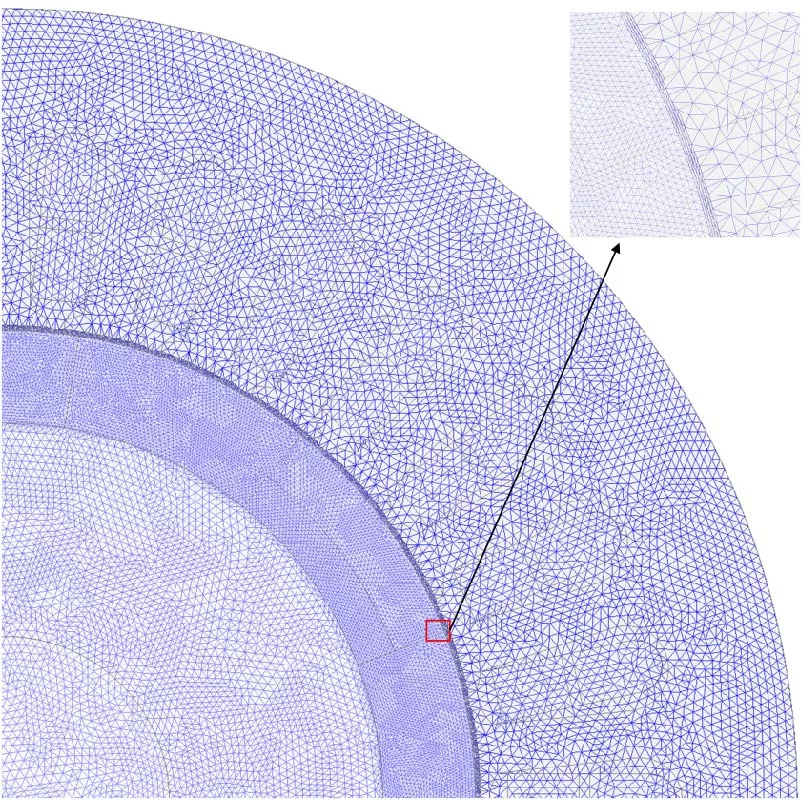
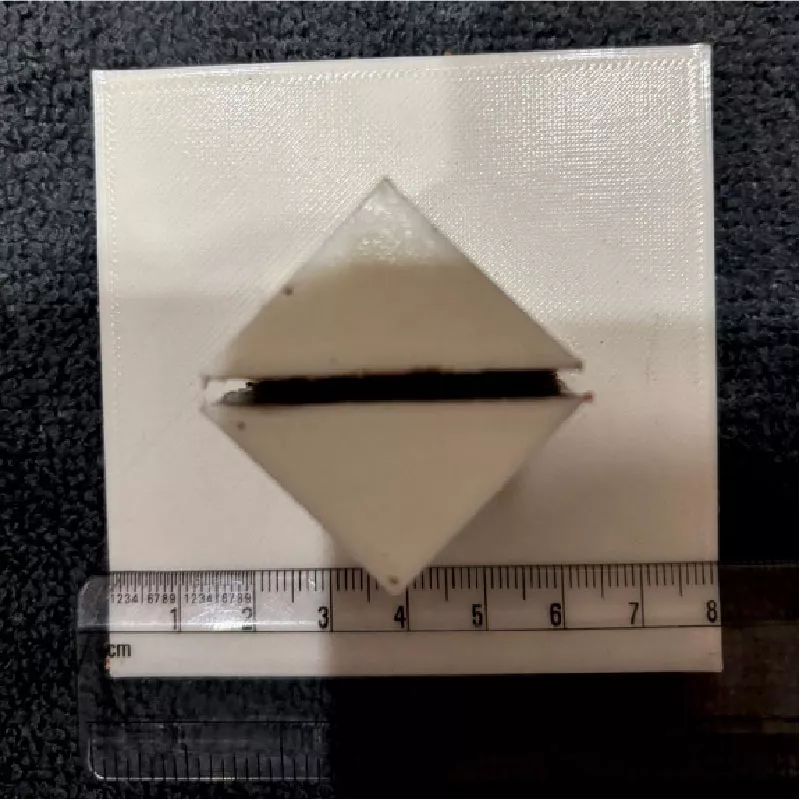
DBIM is a deterministic iterative method which exhibits second-order convergence indicating that the reconstruction error decreases quadratically with successive iterations. Existing regularization techniques when applied with DBIM often face challenges in determining the optimal regularization parameter (λ), leading to inconsistent convergence across various problems. To address this, a quantitative imaging algorithm is proposed in this paper by combining the Distorted Born Iterative Method (DBIM) and Hybrid LSQR method for solving Inverse Scattering Problems (ISP). This enhances the accuracy of the reconstructed object profiles and optimizes the regularization level to prevent both under- and over-regularization. For a fair comparison with the results in the literature, simulation studies are conducted using a breast profile that has two tumor inclusions, each with a radius of 6 mm, and two fibro-glandular tissue inclusions, each with a radius of 10 mm. The proposed method achieves a Root Mean Square Error (RMSE) of 0.75, indicating a better level of accuracy. The experimental validation is performed using a phantom made of Delrin material. The Delrin phantom, with a diameter of 10 cm, contains three inclusions made of PVC material with diameters of 10 mm, 6 mm and 3 mm. These inclusions have been successfully reconstructed with errors 0.085, 0.128 and 0.165 respectively. These results demonstrate the effectiveness of this algorithm in reconstructing both high and low-dielectric profiles, making it suitable for microwave imaging applications.
A Microwave Imaging Solution to Inverse Scattering Problem Using Distorted Born Iterative Method with Hybrid LSQR
2025-07-03
PIER C
Vol. 157, 101-107
Design and Performance Evaluation of a Single-Layer Planar UWB Antenna for Omnidirectional Coverage of 5G IoT Devices
Inaganti Rama Koteswara Rao , Ramavathu Sambasiva Nayak and Karumuri Rajasekhar
This paper presents the design and performance evaluation of a planar ultra-wideband (UWB) antenna employing an elliptical dipole structure, targeting comprehensive omnidirectional coverage within the 1-10 GHz frequency band for 5G Internet of Things (IoT) applications. The antenna, constructed on a cost-effective FR4 substrate, exhibits an impressive impedance bandwidth of 10:1 (S11 ≤ -10 dB) and frequency-dependent gain ranging from 3 to 8 dBi. Its design features ensure minimal side lobe levels below -20 dB, contributing to enhanced signal integrity and reduced interference. Notably, the azimuthal plane radiation pattern maintains a remarkable 1 dB out-of-roundness, facilitating robust communication in diverse IoT environments. Extensive 3D radiation pattern measurements affirm the antenna's effectiveness in optimizing signal propagation and reliability across varying deployment scenarios. This study underscores the significance of the elliptical dipole configuration in advancing UWB technology, highlighting its potential for seamless integration into future 5G IoT networks.
Design and Performance Evaluation of a Single-layer Planar UWB Antenna for Omnidirectional Coverage of 5G IoT Devices
2025-07-02
PIER B
Vol. 112, 89-103
Intelligent MPPT Framework with Reinforcement Learning and Dynamic Search Region Optimization for Photovoltaic Systems Under Variable Environmental Conditions
Xiaoping Lei
This paper introduces an intelligent Maximum Power Point Tracking (MPPT) framework for photovoltaic systems that achieves significant performance gains through two primary innovations: a dynamic search space optimization that intelligently constrains the search region to approximately 2% of the conventional area, and a sophisticated Q-learning algorithm operating within this optimized region. The framework establishes a real-time relationship between environmental conditions and maximum power point parameters for this aggressive search space reduction. For complex partial shading conditions, an adaptive switching mechanism dynamically activates an enhanced meta-heuristic optimization component with improved convergence properties, ensuring appropriate algorithm selection based on detected operating conditions. Experimental results demonstrate that under uniform irradiance, the framework achieves 99.12% tracking efficiency (a 3.34% improvement over P&O). Under rapidly changing conditions, it maintains 97.83% efficiency (compared to P&O's 90.12%), and under partial shading, it achieves 95.89% global MPPT efficiency (versus 76.25% for P&O). The proposed method significantly reduces steady-state oscillations to 0.41% (from 1.87% for P&O) and offers 42.3% faster convergence. While requiring moderately higher computational resources, the approach is implementable on medium-range microcontrollers, balancing performance with practical deployment.
Intelligent MPPT Framework with Reinforcement Learning and Dynamic Search Region Optimization for Photovoltaic Systems under Variable Environmental Conditions
2025-07-01
PIER C
Vol. 157, 95-100
Performance Analysis of Electrical Impedance and Acoustic Tomography for Early Breast Cancer Detection
Annapoorani Ganesan , Vani Rajamanickam and Vaishali Durgamahant
Breast cancer is considered one of the major cancers among women. Early identification of breast cancer is essential for improving treatment outcomes, necessitating the application of accurate, non-invasive imaging methods. This paper presents a comparative evaluation of Electrical Impedance Tomography (EIT) and Ultrasound Tomography (UST) for breast tumour diagnosis, employing a simulated multilayer breast model. The forward problem, which entails the determination of electrical conductivity and acoustic pressure distribution, was addressed through finite element analysis utilizing COMSOL Multiphysics software. The inverse problem of EIT was solved using Total Variation regularization with Primal-Dual Interior Point Method (TV-PDIPM) and that of ultrasound by employing attenuation-weighted bilinear interpolation to effectively resolve propagation losses through tissue layers, subsequently leading to segmentation. The images reconstructed and segmented from both modalities were subjected to quantitative evaluation employing metrics such as accuracy, Dice coefficient, sensitivity, specificity, and correlation coefficient (CC). The findings indicate that both approaches offers complimentary information regarding tumor, with each approach presenting distinct advantages based on tissue characteristics and image clarity.
Performance Analysis of Electrical Impedance and Acoustic Tomography for Early Breast Cancer Detection
2025-07-01
PIER C
Vol. 157, 85-93
Research on Coherent Integration for Maneuvering Target Detection Based on KT-ITDCI
Aihua Li , Wei Liu , Yuhang Wang , Wenwen Xu , Jianyin Cao and Hao Wang
In order to enhance the detection capability of small targets, long-term coherent integration (LTCI) is commonly employed. The core idea of LTCI is to accumulate target energy over an extended observation period, thereby enhancing the signal-to-noise ratio (SNR) of the target signal. However, for maneuvering targets, defocusing may occur due to range migration (RM) and Doppler frequency migration (DFM). In this study, a novel method based on the keystone transform and improved 3-D coherent integration (KT-ITDCI) for maneuvering target detection is proposed. KT-ITDCI not only eliminates the RM induced by unambiguous velocity through KT, but also compensates for residual RM and DFM in the KT-processed echoes via ITDCI, ultimately achieving coherent integration. Simulation results show that, compared with the TDCI method, KT-ITDCI significantly reduces computational complexity while maintaining comparable noise resistance. Furthermore, the effectiveness of the proposed method is further validated through processing and analyzing real measured radar data.
Research on Coherent Integration for Maneuvering Target Detection Based on KT-ITDCI
2025-06-30
PIER C
Vol. 157, 75-83
Low-Loss Microstrip Tri-Band Differential Bandpass Filters Using a Non-Edge-Coupled Structure
Chuan Shao , Yang Li , Liang Wang , Rong Cai and Kai Xu
In this paper, a novel differential tri-band bandpass filter with a low-loss characteristic and high selectivity is proposed. The low-loss feature is attributed to the non-coupled structure, which circumvents the additional radiation losses from coupling slots. Furthermore, the excellent isolation and significantly enhanced selectivity between passbands are achieved via the inherent transmission zeros among them. Three desirable differential operating passbands can be conveniently allocated by adjusting the impedance ratios of the tri-section stepped impedance resonators. Consequently, the proposed filter design demonstrates a straightforward and efficient design methodology. To validate the feasibility of this approach, a differential tri-band bandpass with passbands at 1.35 GHz, 4.5 GHz, and 7.6 GHz was constructed and experimentally verified. The measured minimum insertion losses were 0.15 dB, 0.5 dB, and 1.2 dB respectively, indicating high performance. Specifically, the roll-off rates of the lower and upper edges of the three passbands are as follows: for the first passband, 30 dB/GHz and 23 dB/GHz; for the second passband, 27 dB/GHz and 25 dB/GHz; and for the third passband, 24 dB/GHz and 29 dB/GHz. The achieved concordance between simulated and measured results confirms the practicality and viability of this design for advanced communication systems.
2025-06-29
PIER C
Vol. 157, 65-73
Design and Integration of a Flexible RFID UHF Antenna with a 3D Printed Fluid Channel for Liquids Sensing Applications
Mohammed Ali Ennasar , Mohamed El Khamlichi , Youness Akazzim , Abdelmounaim Tachrifat , Mariem Aznabet , Otman El Mrabet and Mohsine Khalladi
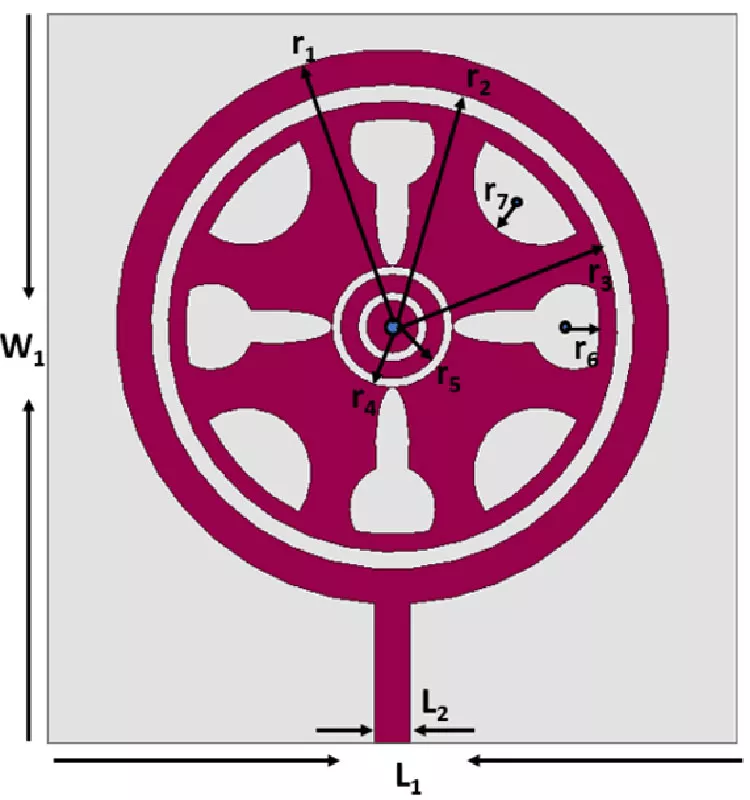
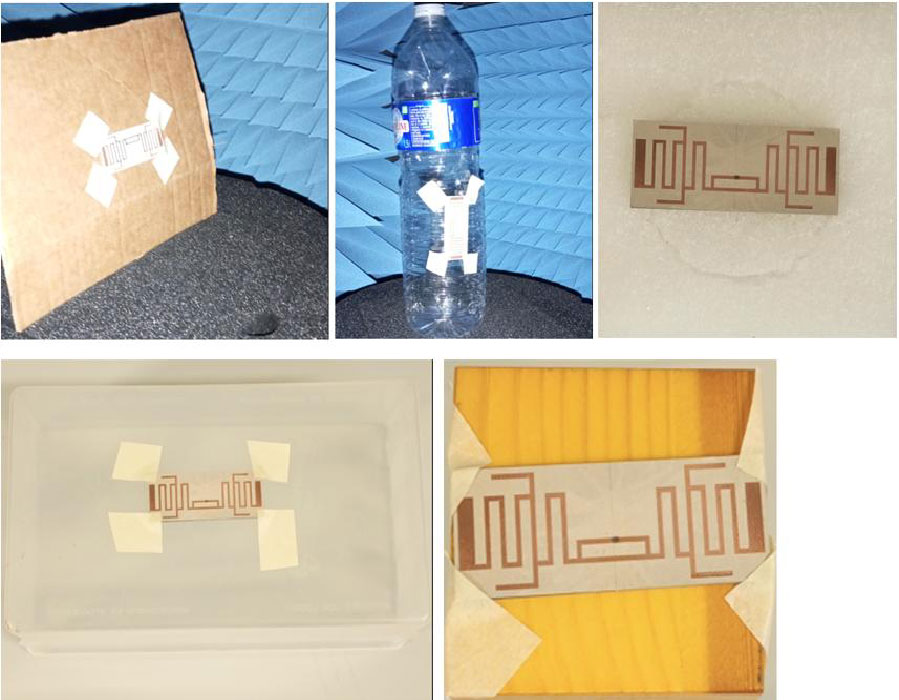
This article presents an innovative UHF RFID tag sensor featuring a flexible ring resonator dipole integrated with a fluidic channel. Leveraging the unique characteristics of the resonator dipole, the sensor demonstrates high sensitivity in detecting the dielectric properties of various liquids. The RFID integration facilitates wireless communication and remote monitoring, enabling real-time, continuous measurement of sensor data. The sensor's flexible design allows for easy attachment on the PLA fluid channel, enhancing its practical utility. Experimental results show a strong correlation with reference measurements obtained using traditional laboratory methods using VNA. The sensor achieves effective impedance matching up to 1 GHz, even without the presence of a liquid in the channel. Moreover, confining liquids with high dielectric constants within the channel broadens the operational range across the UHF RFID band, spanning 865 MHz to 928 MHz, and the wireless RFID tag sensor is well suited for applications requiring real-time analysis and continuous monitoring. The proposed flexible ring resonator dipole UHF RFID tag sensor, coupled with fluidic channel-based tuning, offers significant potential for applications such as chemical analysis of liquids. Its unique blend of flexibility, wireless data communication, and accurate dielectric characterization opens new avenues for noninvasive and remote sensing in liquid-based system.
Design and Integration of a Flexible RFID UHF Antenna with a 3D Printed Fluid Channel for Liquids Sensing Applications
2025-06-29
PIER C
Vol. 157, 57-63
High-Performance Compact Antenna for Sub-6 GHz 5G MIMO Applications
Rajendran Dhananjeyan , Mohit Pant , Kumarasamy Vishalatchi , Subramaniyan Janarthanan , Ponnusamy Sukumar , Dhanushkodi Siva Sundhara Raja and Rajeshkumar Dhandapani
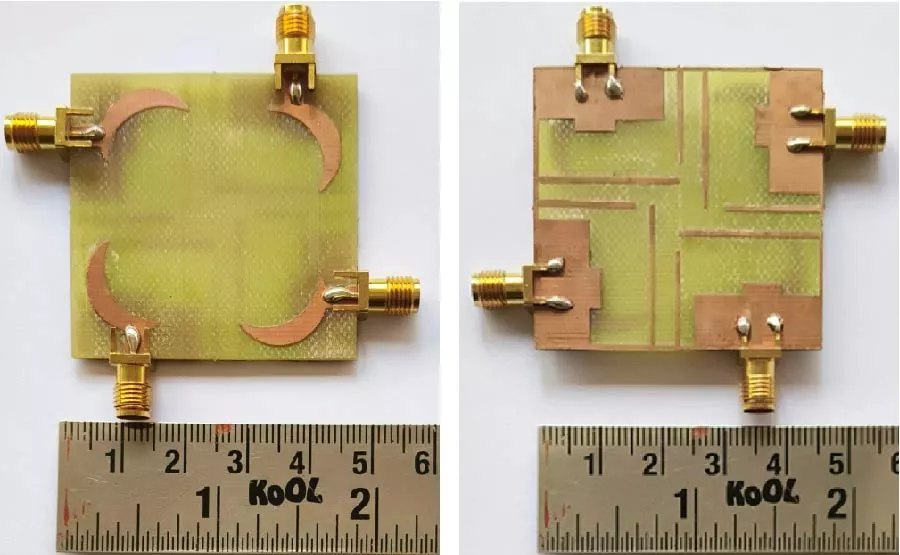
This study presents a compact four-port antenna optimized for sub-6 GHz 5G MIMO systems. The design incorporates a crescent-shaped radiating element paired with a defected ground structure (DGS) to improve both bandwidth and port-to-port isolation. Operating within the 3.2-3.8 GHz frequency band, the antenna maintains a VSWR below 2. The orthogonal arrangement of the radiators effectively suppresses mutual coupling, ensuring that isolation levels exceed -15 dB. Simulated and measured results validate the design, demonstrating a maximum gain of 5 dBi and radiation efficiency reaching up to 80%. Key MIMO performance indicators - such as envelope correlation coefficient (ECC), total active reflection coefficient (TARC), channel capacity loss (CCL), and diversity gain (DG) - confirm the antenna's suitability for robust 5G communication.
High-performance Compact Antenna for Sub-6 GHz 5G MIMO Applications
2025-06-29
PIER C
Vol. 157, 49-56
Analysis of a Novel Hybrid-Excitation External-Rotor Switched Reluctance Motor
Liyun Feng and Kaikai Diao
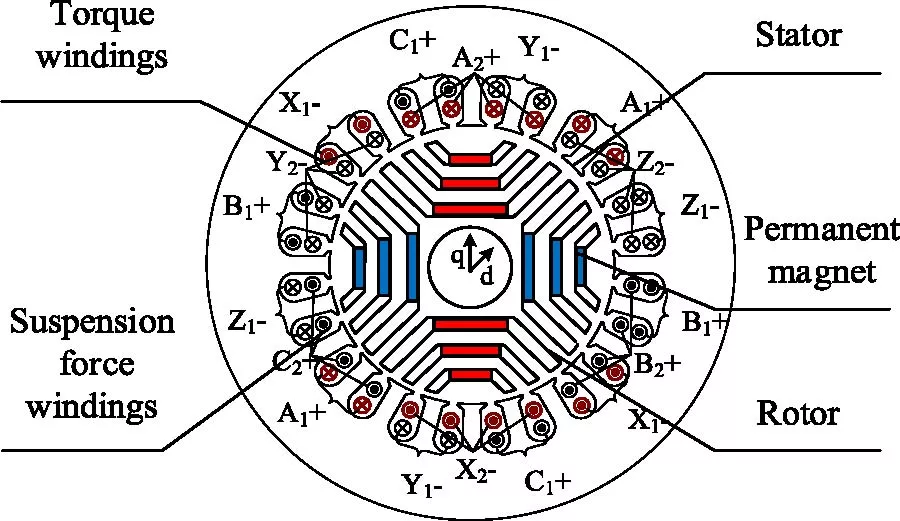
In this paper, a novel hybrid-excitation external-rotor switched reluctance motor is presented to solve the problem of low output torque of traditional switched reluctance motors (SRMs). The hybrid-excitation SRM, serving as an effective alternative to electric excitation SRMs, achieves comparable torque output with reduced excitation currents and lower power consumption within a certain range. First, the structural configuration and operational principles of the proposed SRM are presented and investigated. Then, key electromagnetic properties based on three-dimensional finite element analysis are analyzed in detail, such as the distribution of magnetic density, torque, and flux linkage. Furthermore, the validation is subsequently conducted through simulation data and performance comparisons with conventional outer-rotor 6/4 SRMs, conclusively confirming the theoretical framework's practical feasibility. Finally, the direct torque control with variable flux linkage based on the HESRM is executed, and the good control performance is verified under different conditions.
Analysis of a Novel Hybrid-excitation External-rotor Switched Reluctance Motor
2025-06-29
PIER B
Vol. 112, 75-87
Quasi-Z-Source Composite Voltage Vectors Model Predictive Control with a Novel Sliding Mode Reaching Law for PMSM
Yang Zhang , Yang Gao , Kun Cao , Ping Yang , Gao Tang and Bing Luo
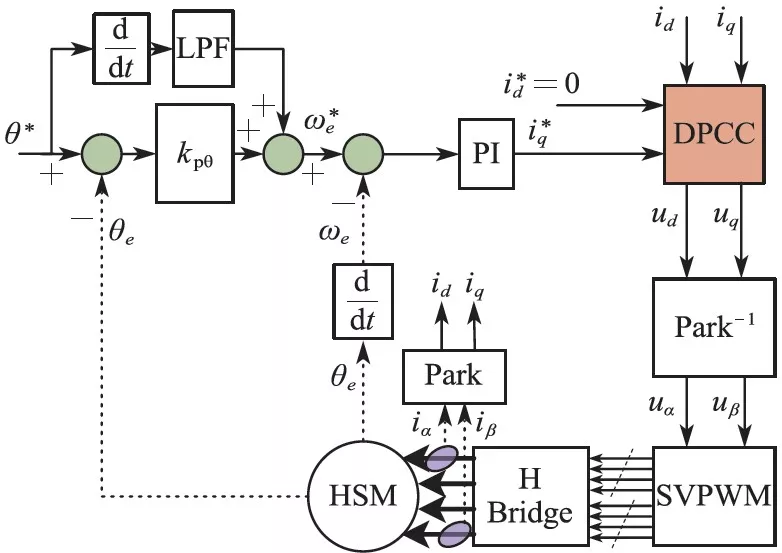
The model predictive control (MPC) for quasi-Z source inverter (QZSI)-based permanent magnet synchronous motor (PMSM) system suffers from the problems of inductor current ripple, large motor stator current pulsation and system susceptibility to load torque disturbance. A QZSI composite voltage vector model predictive current control strategy with a novel sliding mode reaching law (CVVs-NSMRL-MPCC) is proposed. Firstly, a composite voltage vector - including one shoot-through, one zero, and two active voltage vectors - is applied to the QZSI during each sampling period, which can effectively reduce the QZSI inductor current ripple and three-phase current pulsation. And the design work for weighting coefficients in the cost function is simplified by calculating the inductor current at ST duty cycle using dead beat control. Furthermore, a sliding mode controller with a novel reaching law is designed for the motor speed loop. Based on it, the external load disturbances are feed-forward compensated to the output port of the controller by the disturbance observer, which reduces the PMSM speed loop pulsation during load torque disturbances and improves the system transient control performance. Finally, the practicality of the strategy proposed in this paper is verified by experiments.
Quasi-Z-Source Composite Voltage Vectors Model Predictive Control with a Novel Sliding Mode Reaching Law for PMSM
2025-06-27
PIER C
Vol. 157, 37-47
Study on Deployment Scheme of 5G Communication Devices in Complex Electromagnetic Environment of Substations
Hanhan Hu , Jie-Qing Fan , Rui Zhu and Zhaomin Han
Addressing the deployment challenges of 5G communication equipment in the complex electromagnetic environment of substations, this paper takes an actual substation as the research object. Through a combined approach of physical modeling and field measurement validation, it systematically investigates the deployment issues of 5G devices in substations. Firstly, a power frequency electromagnetic field model of the substation is established, and its reliability is verified by comparative analysis between simulation results and on-site measured data. Secondly, by establishing a radiation model of 5G communication equipment, the mutual interference between 5G devices and secondary equipment within the substation is investigated. Finally, leveraging the distribution characteristics of the power frequency electromagnetic field in the substation, a tailored deployment scheme for 5G communication equipment is proposed. This study provides both a theoretical foundation and technical support for the practical deployment of 5G in smart substations, thereby advancing the deep integration of power systems and communication systems.
Study on Deployment Scheme of 5G Communication Devices in Complex Electromagnetic Environment of Substations
2025-06-27
PIER C
Vol. 157, 27-36
Modelling and Analysis of Magnetic Field Distribution Generated by a Magnetised Paraboloid
Van Tai Nguyen and Thi Phuoc Van Nguyen
Permanent magnets have a unique ability to generate a permanent magnetic field that has been found in various applications. In this study, to facilitate the design and optimization processes of magnetic devices, fast-computed expressions of the magnetic field created by a magnetised paraboloid are developed. It is demonstrated that the derived models are in good agreement with the conventional Finite Element Analysis (FEA). Moreover, these models are multiple magnitudes faster than the FEA in terms of computational time. Furthermore, analysing the magnetic field distribution generated by this magnet, it is shown that the field is concentrated around its revolute axis. In addition, the field is sharply concentrated and pointy, close to the apex of the paraboloid. The field expressions and their properties are expected to assist in the design and optimization processes of magnetic devices utilizing this magnet, such as in static magnetic field brain stimulation.
Modelling and Analysis of Magnetic Field Distribution Generated by a Magnetised Paraboloid
2025-06-25
PIER C
Vol. 157, 17-26
Constant Voltage Output Control of WPT System Based on Two-Parameter Real-Time Identification
Zhongjiu Zheng , Qiangqiang Zhao , Hanxi Xu , Zhengyu Xue and Yanpeng Ma
Offsets in the coupling mechanism and load fluctuations usually lead to instability in the output voltage of wireless power transfer (WPT) systems. Therefore, accurate and rapid identification of the mutual inductance and load parameters of the system is crucial for achieving stable output control for communication-free WPT systems. In this paper, a method based on the joint real-time identification of both mutual inductance and load parameters is proposed. By measuring the primary inverter current and the current on the shunt compensation capacitor, two current equations about the mutual inductance and load resistance are constructed, in which only the RMS values of the above two currents need to be determined. The traditional equations are too slow to be solved, and the amount of computation is too large; therefore, this paper combines this method with particle swarm algorithm, which transforms the problem of the system parameter identification into a function optimization problem. Through this method, the identification results of mutual inductance and load resistance can be obtained in real time, and then the conduction angle of the inverter can be calculated quickly to realize the constant voltage output control. Finally, a wireless power transmission experimental platform is built, and in the experiment, the recognition accuracy of mutual inductance and load reaches more than 96.7% and 96.4%, respectively, which verifies the feasibility and practicality of the design.
Constant Voltage Output Control of WPT System Based on Two-parameter Real-time Identification
2025-06-25
PIER C
Vol. 157, 7-16
Multi-Objective Optimization of Asymmetric Pole-Consequent Pole Permanent Magnet Motor
Jianwei Liang , Xinyu Zeng , Yuqian Zhao , Tian Song , Xiubin Zhu and Zhangsheng Liu
This paper addresses the problem of sizeable cogging torque and torque ripple of conventional consequent pole permanent magnet motor (CPPM) and proposes an asymmetric pole-consequent pole permanent magnet (AP-CPPM) motor as a solution. This paper proposes an asymmetric pole-consequent pole permanent magnet (AP-CPPM) motor. A combined strategy of response surface method and multi-objective genetic algorithm is adopted. Firstly, sensitivity analysis of design variables and stratification were carried out, and subsequently, the mathematical model between the design variables and the optimization objective is obtained by Response Surface Methodology (RSM). Then, the high-sensitivity parameters are optimized using a Multi-Objective Genetic Algorithm (MOGA) to get the optimal solution. Finally, the electromagnetic performances of the motor before and after optimization are compared using Finite Element Analysis (FEA) software. The results indicated that the optimized motor reduced the torque ripple by 39.9% and the peak-to-peak value of cogging torque by 62.41% with only a 3.1% reduction in the output torque, which ensured good output characteristics and verified the feasibility of the optimization scheme.
Multi-objective Optimization of Asymmetric Pole-consequent Pole Permanent Magnet Motor
2025-06-24
PIER C
Vol. 156, 273-283
DATDNet: A Deep Neural Network for Breast Tumor Microwave Detection Under Varying Breast Morphologies
Min Lu , Xia Xiao , Lei Yuan , Han Su , Xiaomin He and Yuan Yang
Object: The varying breast morphologies can lead to enormous differences in microwave backscatter signals, making it difficult to identify weak tumor responses, which adversely affects the performance of microwave detection. Existing deep learning methods for microwave tumor detection struggle to generalize across diverse breast morphologies. The purpose of this study is to develop a deep learning method to overcome the influence of breast morphology on microwave tumor detection. Methods: This paper proposes a domain-adversarial tumor detection network (DATDNet) to improve detection performance. The proposed method employs breast backscatter signals with known tumor information as source domain data for training a convolution neural network. Subsequently, deep adversarial training is conducted on the backscatter signals of breasts with unseen morphologies and unknown tumor information in the trained network, in order to mitigate the adverse effects of variations in breast morphology on detection. In the process of microwave breast image feature extraction, our method introduces channel and spatial attention mechanisms in the convolution modules to pay more attention to tumor information. Results: The feature distribution estimations demonstrate that the microwave data from different breast morphologies are effectively aligned. In two datasets with completely different breast morphologies, the detection accuracy reaches 76.64% and 83.15%, with an improvement of 5.36% and 7.79% compared with baseline CNN. The ablation studies demonstrate that the proposed method effectively enhances the generalization performance and accuracy of microwave breast cancer detection.
DATDNet: A Deep Neural Network for Breast Tumor Microwave Detection under Varying Breast Morphologies
2025-06-23
PIER C
Vol. 157, 1-6
Ground Manipulation Techniques for Densified Small Cell Base Stations
Alyaa Syaza Azini and Tim W. C. Brown
Shorter frequency reuse distance in a densified small cell network for fifth generation (5G) could cause more substantial inter-cell interference. Rather than relying on down tilt, it is more necessary to design the azimuth patterns of the antennas to substantially reduce the gain at the sector edges which can reduce the line of sight radiation towards a sector positioned over a reuse distance. The antenna employs a modified ground plane, which utilizes both reflection and diffraction to reduce the gain at the sector edge, and is designed and prototyped from 3.5-4.2 GHz.
Ground Manipulation Techniques for Densified Small Cell Base Stations
2025-06-23
PIER C
Vol. 156, 261-272
Optimization of Optical Fiber Coupling Efficiency Based on Deep Reinforcement Learning and Adaptive Optics Technology
Fang Bai and Rongfu Qiao
Fibre optic coupling is a critical component in optical communication systems, which involves efficiently transmitting optical signals from a light source to an optical fibre and efficiently receiving optical signals from the optical fibre to an optical detector. This process requires minimizing the loss of optical signals during the coupling process to maintain the performance and stability of the communication system. The complex environmental conditions and dynamic changes in optical systems that traditional optimization methods face often make it difficult to handle effectively. Therefore, this study uses deep reinforcement learning and adaptive optics technology to optimize fibre coupling efficiency. The optical fibre transmission performance is analyzed and optimized. Because the 2.6 Gb/s optical transmission system is a highspeed optical communication system capable of transmitting 260 million bits of data per second on a single optical fibre, this study selected the 2.6 Gb/s optical transmission system for single fibre three-way optical components. The optimization results show that the thickness of the isolator has been reduced by 2.356 mm, and the coupling efficiency has reached 79.95%. The optimized coupling steps can effectively optimize the coupling process, and the optimized optical components have high coupling efficiency, yield, and integration. The analysis of multiple sets of experimental data showed that the proposed method could improve the fibre coupling efficiency by an average of 15% to 20% under different environmental conditions. These data also show that the new framework performs well in optical path optimization and demonstrates excellent stability and real-time response capabilities in complex environments.
Optimization of Optical Fiber Coupling Efficiency Based on Deep Reinforcement Learning and Adaptive Optics Technology
2025-06-22
PIER C
Vol. 156, 253-260
Microwave Scattering from Sea Surfaces: CBFM Hybridized to Kirchhoff and Weak-Coupling Approximations and to Identical Block PBFs
Christophe Bourlier
In this paper, the characteristic basis function method (CBFM) is accelerated to calculate the monostatic and bistatic normalized radar cross sections from one-dimensional highly-conducting sea surfaces in the microwave bands (C and Ku). In the framework of the two-scale asymptotic model, the subsurface length of the block is judiciously derived to contain all the surface curvature components (small scale) and the associated PBFs, assumed to be identical for all blocks, are rapidly calculated from the Kirchhoff approximation. In addition, the reduced matrix calculation is accelerated by neglecting the interactions between far blocks and by introducing a roughness slight approximation (matrix-matrix products can be done from fast Fourier transforms), which also allows us to expedite the resolution of the linear system since the matrix is sparse. Numerical results show the efficiency of CBFM-KA.
Microwave Scattering from Sea Surfaces: CBFM Hybridized to Kirchhoff and Weak-coupling Approximations and to Identical Block PBFs
2025-06-22
PIER C
Vol. 156, 243-252
A MIMO Antenna for 5G Wireless Applications, Designed with Hybrid Fractal Geometry and Incorporating CSRR Loading
Amandeep Kaur and Jagtar Singh Sivia
This paper demonstrates a Hybrid Fractal MIMO Antenna (HFMA) integrated with a Complementary Split Ring Resonator (CSRR) for fifth-generation wireless applications. Two radiating elements based on Meander and Minkowski Hybrid fractal geometry are included in the proposed design. The defected ground plane, along with CSRR, has been employed to enhance the isolation, bandwidth, gain, and other performance characteristics of the proposed HFMA. The proposed antenna was constructed using Rogers RT/duroid 5880 material. The designed model offers a maximum isolation of -55.86 dB and a wide bandwidth of 28.72 GHz, spanning the frequency range from 1.28 GHz to 30 GHz. All the diversity parameters of the designed antenna are found within operating limits. The proposed antenna is capable of covering multiple 5G spectrum bands, including LTE band 46 (5.15-5.925 GHz), 5G New Radio and 3.5 GHz frequency bands (3.3-5.0 GHz), the 26 GHz 5G spectrum, the European Union 5G spectrum (5.9-6.4 GHz), and is highly suitable for a range of other advanced applications, including Internet of Things (IoT), satellite communications, and vehicular networks in the frequency range of 1-30 GHz band.
A MIMO Antenna for 5G Wireless Applications, Designed with Hybrid Fractal Geometry and Incorporating CSRR Loading
2025-06-21
PIER C
Vol. 156, 233-241
Hybrid Multi-Scale Simulation Workflow for Installation and Isolation of Flush-Mounted Antennas on Rockets
Akshaj Arora , Sahitya Singh , Irina Gordion and Shawn Carpenter
We present a full-physics simulation workflow for modelling the installation and isolation of flush-mounted antenna arrays on rockets, which employs a combination of finite array domain decomposition method (FADDM) and shooting and bouncing rays (SBR) solver. An advanced domain decomposition method is first demonstrated, incorporating `non-identical' unit cells to efficiently solve a 4×4 antenna array residing in a metal cavity and operating in the X-band at 8.5 GHz. The proposed workflow eliminates the need for any computer-aided design (CAD) modifications for constructing conformal geometries of antennas and recesses in the fuselage, enabling seamless flush mounting of the array into an accurate model of a SpaceX Dragon capsule. The SBR simulation in the workflow is enabled with essential methodologies such as automati current conformance, creeping-wave physics, physical theory of diffraction, uniform theory of diffraction and current source reduction technique to obtain a high-fidelity yet computationally economical solution that determines radiation characteristics of installed antenna array and isolation between two flush-mounted antenna arrays.
Hybrid Multi-scale Simulation Workflow for Installation and Isolation of Flush-mounted Antennas on Rockets