Search Results(13784)

2025-07-15
PIER M
Vol. 134, 47-57
The Finite Element Method for the Spatially-Variant Lattice Algorithm for Volumes and Doubly-Curved Surfaces
Edgar Bustamante and Raymond C. Rumpf
A 2D flat, 2D curved, and 3D finite element method (FEM) implementation of the spatially-variant lattice (SVL) algorithm is presented. This powerful algorithm is used in electromagnetics to preserve the electromagnetic properties and geometry of periodic structures that are bent, twisted, conformed, or otherwise spatially varied. Applications of the SVL algorithm include photonic crystals, metamaterials, conformal frequency selective surfaces, cloaking devices, and volumetric circuits over complex geometries. The present work shows examples of SVLs over a planar surface lattice, a doubly-curved surface lattice, and a volumetric lattice.
The Finite Element Method for the Spatially-variant Lattice Algorithm for Volumes and Doubly-curved Surfaces
2025-07-15
PIER B
Vol. 113, 37-50
Designing MIMO Antenna with High Isolation Decoupling Structure
Jyoti C. Kolte , Ashwini Kumar and Payal Bansal
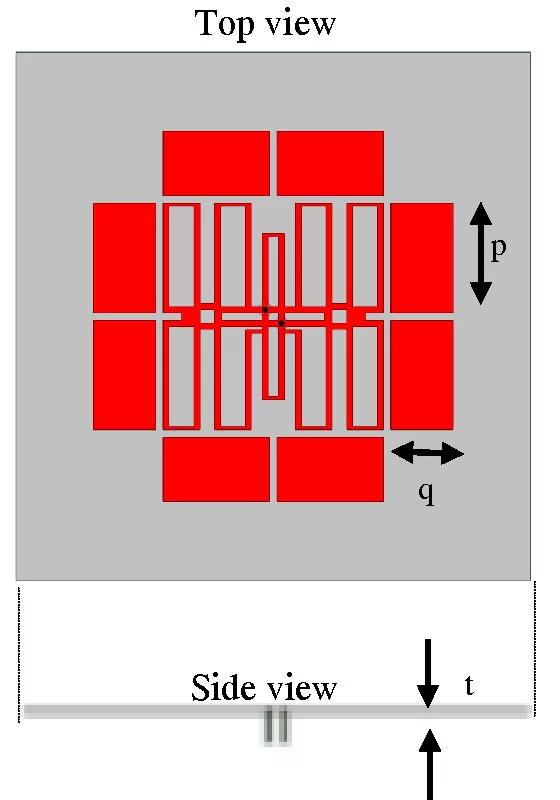
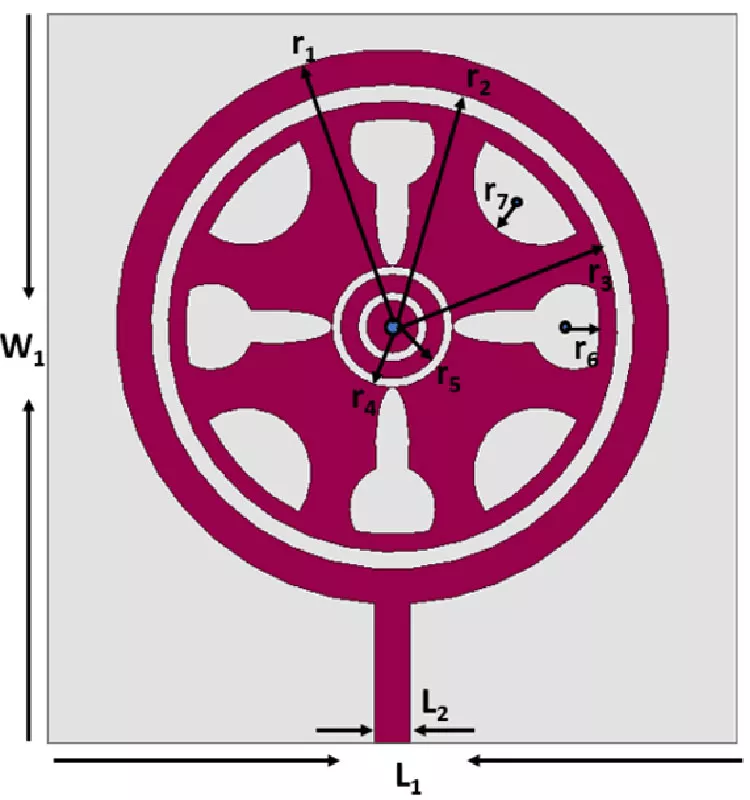
This paper presents the design and development of a miniaturized Multiple-Input Multiple-Output (MIMO) antenna for sub-6 GHz 5G applications, featuring reduced cross polarization and enhanced isolation between antenna elements. Utilizing characteristics mode analysis, slots are introduced in the patch to achieve orthogonal mode separation, effectively minimizing cross polarization. Further bandwidth enhancement is achieved by incorporating slot loading in the ground plane. To improve isolation between antenna elements, spiral decoupling (SD) and aperture spiral decoupling (ASD) structures are employed. The proposed MIMO antenna, with dimensions 0.32λo*0.32λo*0.01λo where λo is the wavelength at the lower band frequency of 3.5 GHz, was fabricated and experimentally tested to validate its performance. Measurement results indicate significant compactness, low envelope correlation coefficient (ECC), high gain, minimal channel capacity loss, and very low mutual coupling between elements. The measured results are in good agreement with simulated results, confirming that the proposed antenna is a promising candidate for advanced MIMO applications in next-generation wireless communication systems.
Designing MIMO Antenna with High Isolation Decoupling Structure
2025-07-15
PIER B
Vol. 113, 23-36
A Composite Sliding Mode Control for PMSM Drives Based on an Adaptive Reaching Law with Disturbance Compensation
Pengpeng Liu , Zhonggen Wang and Wenyan Nie
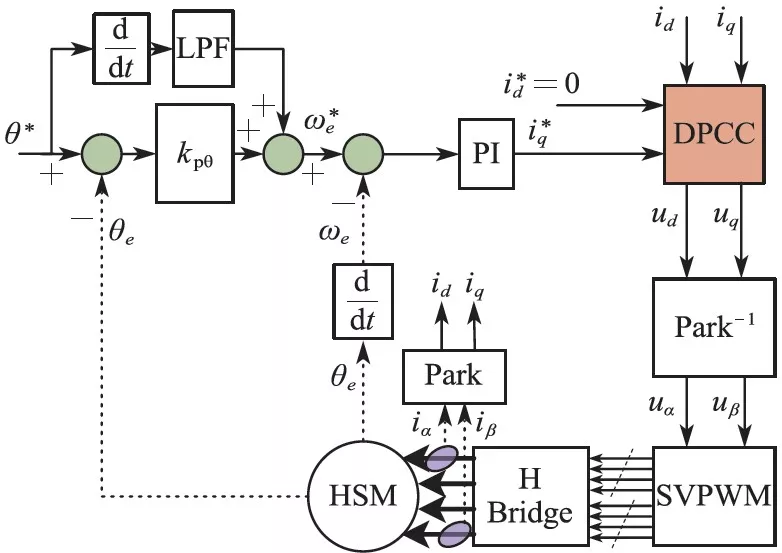
To address internal parameter ingress and external load perturbations in the speed loop of a permanent magnet synchronous motor (PMSM) and enhance the dynamic performance and robustness of its speed control system, this study proposes a novel adaptive sliding mode reaching law-based controller integrated with a global non-singular fast terminal sliding mode observer (GNFTSMO). The proposed reaching law incorporates system state variables as power functions, thereby minimizing steady-state errors and resolving the inherent trade-off between chatter suppression and rapid response. To further enhance the dynamic and steady-state performance of the PMSM control system, a GNFTSMO is designed. This observer reduces the switching gain of the convergence law while incorporating feed-forward compensation for perturbations, thereby improving the system's anti-disturbance capability. The feasibility and effectiveness of the proposed sliding mode control method are empirically validated through both simulation and experimental studies.
A Composite Sliding Mode Control for PMSM Drives Based on an Adaptive Reaching Law with Disturbance Compensation
2025-07-13
PIER C
Vol. 157, 183-192
New Approach to Extract the Complex Relative Permittivity from Two Circular Coaxial Transmission Lines
Ghislain Fraidy Bouesse , Amour Elang Ghordanne Langa-Etotsou and Franck Moukanda Mbango
This paper investigates a new, simple, fast, and broadband procedure to extract the material intrinsic parameters through new mathematical modeling. It only uses the transmission coefficient of two identical lines. The method is based on the mathematical reformulation of the two transmission lines, taking into account the effects of discontinuities at the interface connecting the trapper and the connector, as well as the included S-parameters. These test cells have different lengths, so the sample under test (SUT) complex relative permittivity is determined after fixing the vacuum structure's electric length. At the same time, the mathematical formulation of the telecommunications equation, which links transmission and reflection coefficients, was used to determine the loss tangent parameter by combining the attenuation and phase coefficients. The correction of the electric length difference of the transmission coefficients resulting from the measurement of the vacuum-filled test cells is done using an affine function. The frequency is the variable parameter, and the slope (rate of variation) and the initial value (ordered at the origin) are computed according to the test cell used. On the one hand, the suggested principle has the advantage of extracting the relative permittivity of the sample under test beyond the limit set by the appearance of higher-order modes (propagated by considering the test fixture's transverse dimensions). On the other hand, the use of the reflection coefficient, although it improves the attenuation coefficient extraction, limits the characterization band of the loss tangent. A circular coaxial test fixture has been used in the 1-20 GHz frequency range to validate the proposed method with samples of various materials, including semolina, polenta, Q-Cell 5020 (ceramic powder), aquarium stone, distilled water, and phantom gel. The results are compared with those from the two transmission lines technique, as defined in its popular form.
New Approach to Extract the Complex Relative Permittivity from Two Circular Coaxial Transmission Lines
2025-07-11
PIER C
Vol. 157, 173-181
The Plasma Nature of Lightning Channel by Correlating the EM Fields Generated by Lightning and Its Optical Spectrum
Chandima Gomes
The lightning channel is a rapidly evolving transient plasma that radiates intense electromagnetic (EM) fields and emits broadband optical radiation. This paper presents a theoretical and experimental investigation into the correlation between electromagnetic fields generated during lightning events and the corresponding optical spectra observed during various phases of the discharge. Using advanced EM field modelling and high-speed optical spectroscopy, we demonstrate that key plasma parameters such as temperature, electron density, and ionization state can be inferred from combined electromagnetic-optical datasets. This multidisciplinary analysis not only reveals the underlying physical characteristics of the lightning channel but also provides insights for future atmospheric diagnostics, lightning modelling, and protective technologies.
2025-07-11
PIER C
Vol. 157, 159-171
A Compact Wideband MIMO Antenna Design for 5G
Tianchu Yang , Shanhua Yao and Xiaorong Qiu
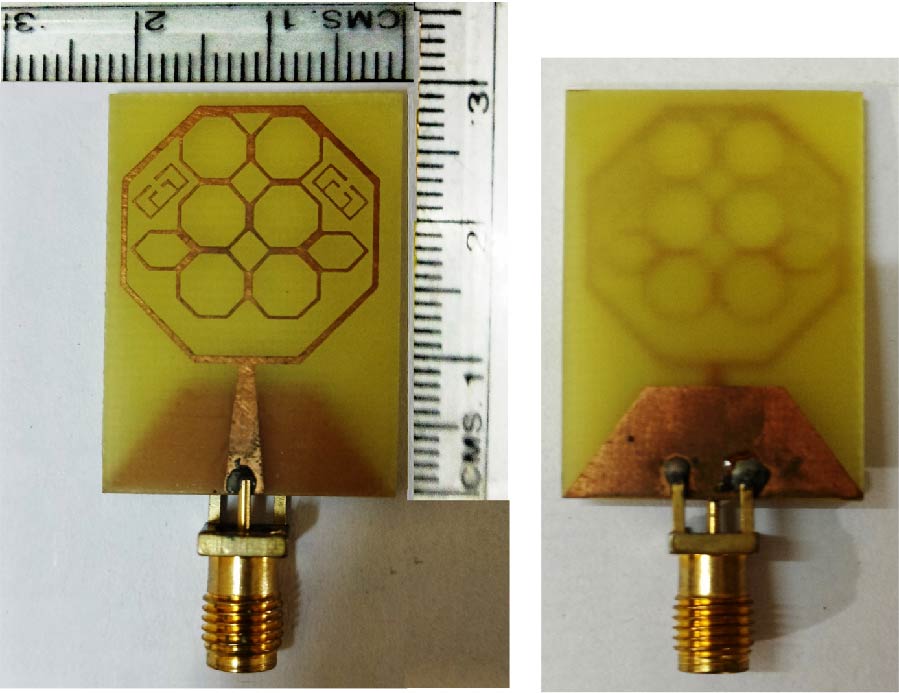
In this paper, a novel multiple-input multiple-output (MIMO) antenna for 5G applications in n77, n78, n79 and 6 GHz bands is proposed. The antenna structure is compact, measuring 30×50×1.5 mm3. The antenna is composed of two microstrip antenna units, which are formed of two hexagonal rings with lotus and small human, with the floor partially removed. The antenna functions in a frequency range of 3.3 to 9 GHz. The flow of coupling currents is impeded, and the isolation of the antenna is improved by the use of stepped rectangular slots and the floor of the projecting T-shaped structure, resulting in the antenna having an isolation of less than -20 dB over the entire operating bandwidth. Furthermore, the envelope correlation coefficient (ECC) is less than 0.008, the diversity gain (DG) greater than 9.95, the total active reflectance coefficient (TARC) less than -30 dB, and the channel capacity loss (CCL) less than 0.32 bit/s/Hz. The simulations and measurements of the antenna demonstrate its reliability and stability, thus indicating its potential for significant applications in 5G wireless communications.
A Compact Wideband MIMO Antenna Design for 5G
2025-07-11
PIER C
Vol. 157, 147-158
A Fabric-Based Double Rectangular Complementary Split Ring Resonator for Wideband Applications
Intan Shafinaz Abd. Razak , Zahriladha Zakaria , Ahmed Jamal Abdullah Al-Gburi , Maizatul Alice Meor Said , Ariffuddin Joret , Syah Alam and Merih Palandoken
This paper introduces a novel wideband antenna composed of fabric materials, suitable for wearable and flexible applications and a straightforward single-unit Metamaterial (MTM). The antenna design employs ShieldIT Super as the conductive fabric and Felt as the dielectric substrate, creating a lightweight and adaptable solution with dimensions of 58 mm × 34 mm × 2 mm. Operating over a frequency range of 1.88 to 6.88 GHz, the proposed antenna achieves a peak gain of 4.72 dBi and a radiation efficiency of 94%. The antenna has wide measured bandwidth from 1.2 to 3.5 GHz (97%) and 4.0 to 5.9 GHz (38%) with average measured gain of 3 dBi in the lower band and 4.6 dBi in the upper band. The MTM-inspired design features a double rectangular complementary split-ring resonator at the center of the radiating patch, which enhances bandwidth. The MTM structure exhibits epsilon-near-zero (ENZ) and Mu-negative (MNG) properties were proposed. This novel design illustrates significant advancements in wideband antenna performance and is suitable for fabric-based S band, C band, 5G, Wireless Body Area Network (WBAN), and microwave imaging applications.
A Fabric-based Double Rectangular Complementary Split Ring Resonator for Wideband Applications
2025-07-11
PIER C
Vol. 157, 139-146
The Impact of the Late Stage of High-Altitude Nuclear Explosion Electromagnetic Pulse on 110 kV Transformer
Zhaomin Han , Jie-Qing Fan , Hanhan Hu and Rui Zhu
The late-phase electromagnetic pulse (E3) of high-altitude nuclear explosions induces DC bias currents in power transformers via geomagnetically induced currents (GICs), threatening grid stability. Existing studies lack consensus on failure thresholds under HEMP E3 conditions. This paper addresses this gap by developing a multiphysics model of an SSZ10-40000/110 transformer exposed to simulated HEMP E3 environments. Our results demonstrate that DC currents exceeding 16.5A cause tank wall displacement (100 μm limit) and noise levels (>90 dB), with insulation breakdown occurring at 19A DC. These thresholds provide critical benchmarks for transformer protection strategies.
The Impact of the Late Stage of High-altitude Nuclear Explosion Electromagnetic Pulse on 110 KV Transformer
2025-07-11
PIER M
Vol. 134, 41-45
Low-Pass and Bandpass Dual-Band Filter Based on Surface Mounted Technology Using Lumped Parameter Components
Jie Xu , Yongle Wu , Qinghua Yang and Weimin Wang
This paper proposes a lumped parameter microwave dual frequency filter implemented using surface mount technology (SMT), which has low-pass and band-pass characteristics. We implement a dual-band response by integrating a matching network and harnessing the inherent parasitic inductance of SMT capacitors. This strategy generates transmission zeros (TZs) in the high-frequency band, significantly enhancing frequency selectivity. The performance of the filter was verified through odd-even mode analysis and validated through experimental measurement. The experiment measured that the low pass cut-off frequency of the filter is 360 MHz, and the second channel exhibits good band-pass characteristics at 800 MHz, with an insertion loss of -2.191 dB.
Low-pass and Bandpass Dual-band Filter Based on Surface Mounted Technology Using Lumped Parameter Components
2025-07-11
PIER B
Vol. 113, 13-22
A Compact Parasitic Mushroom Patch Loaded Antenna for 5G mm-Wave Applications (28 GHz/38 GHz)
Tarik El-Arrouch , Abdelaaziz El Ansari , Najiba El Amrani El Idrissi , Mahadu Trimukhe , Shobhit K. Khandare , Zahriladha Zakaria and Ahmed Jamal Abdullah Al-Gburi
This study introduces and evaluates a smaller rectangular antenna featuring parasitic mushroom patches to achieve enhanced gain and wide impedance bandwidth (WIBW) for 5G millimeter-wave (mm-wave) applications (28 GHz/38 GHz). The antenna structure consists of a simple rectangular patch fed by an inset feed microstrip line operating at 50 Ω. To improve the antenna gain and impedance bandwidth, a parasitic mushroom structure is introduced around the edges of the main patch. Additionally, to further enhance operating bandwidth and matching, two rectangular Defected Ground Structures (DGSs) are incorporated in the bottom side. The antenna is fabricated on a low-cost substrate specifically FR4 (εr = 4.4 , tangδ = 0.02), with dimensions of (12 × 13 × 0.8) mm3. The results demonstrate a wide impedance bandwidth of 14.2 GHz (50.71% FBW) covering frequencies of 25.98 GHz to 40.18 GHz, and the antenna achieves a maximum gain of 7.20 dB at 28 GHz and maintains an efficiency more than 80% across the entire bandwidth. These outcomes make the antenna a good choice for 5G applications at 28 GHz and 38 GHz.
A Compact Parasitic Mushroom Patch Loaded Antenna for 5G MM-Wave Applications (28 GHz/38 GHz)
2025-07-08
PIER C
Vol. 157, 129-138
High-Isolation Ultra-Wideband MIMO Antenna Based on Sunflower-Shaped Radiating Patch and Defected Ground Structure
Qingqing Zhou , Zhonggen Wang , Wenyan Nie , Chenlu Li , Yiwei Tao and Wanying Ren
This paper presents a compact four-port ultra-wideband (UWB) multiple-input multiple-output (MIMO) antenna with exceptional isolation characteristics, specifically designed for high-frequency band communications. The antenna features a sunflower-shaped radiating patch and an irregularly stepped rectangular ground structure, which are optimized to achieve broadband impedance matching and low coupling. With dimensions of 1.26λ0 × 1.26λ0 × 0.025λ0, the antenna operates across 5.4-20 GHz, covering C-band (4-8 GHz), X-band (8-12 GHz), and Ku-band (12-18 GHz), while supporting multi-band communication compatibility. Simulation and measurement results show a return loss (|S11|) below -10 dB over the entire frequency range, with a fractional bandwidth of 109.5%. The inter-port isolation (S12) exceeds -20 dB across the band and reaches -30 dB in the high-frequency range (10-20 GHz). The antenna exhibits a radiation efficiency exceeding 80%, a peak gain of 9.3 dBi, an envelope correlation coefficient (ECC) below 0.008, a total active reflection coefficient (TARC) below -30 dB, and a group delay less than 2.3 ns, thereby meeting the stringent requirements for MIMO systems. This design offers a high-performance solution for applications in 5G, satellite, and radar communications, which combines wide bandwidth, high isolation, and low coupling in a compact form factor. The 5.4-20 GHz antenna bandwidth supplements 5G/6G applications which caters to multi-scenarios of Wi-Fi and satellite communications and facilitates signal reception and preprocessing in LEO satellite systems.
High-isolation Ultra-wideband MIMO Antenna Based on Sunflower-shaped Radiating Patch and Defected Ground Structure
2025-07-08
PIER M
Vol. 134, 31-39
A Novel Strategy for Low Profile High-Impedance Ground Planes
Guoyan Wang , Hans Park and Sung Il Park
A high-impedance ground plane has been proposed that enables the reflection of magnetic fields within a frequency range of interest. When being combined with loop coil antennas or H-field-oriented structures, it can boost transmission efficiency by up to 3 dB. Although several approaches, such as mushroom-shaped protuberant surfaces paired with capacitive loading, have been described to suppress surface waves at certain frequency ranges, the shift to a desired frequency range (e.g., from 5 GHz to 1 GHz) is marginal, and their form factors make these methods less ideal for applications in power and data communication. Here, we describe new strategies for a low-profile high-impedance ground plane. The insertion of a metal ground plane between the top and bottom mushroom-shaped surfaces reinforces capacitive couplings between adjacent unit cells. When coupled with extended spiral paths, this configuration leads to an apparent change in the resonant frequency of the structure. Fabrication of the proposed structure demonstrates that the sandwiched metal ground plane, paired with extended spiral paths, leads to a noticeable shift in the resonant frequency toward lower sub-GHz ranges at given dimensions. Measurements are in good agreement with the results from the analytical model.
A Novel Strategy for Low Profile High-impedance Ground Planes
2025-07-08
PIER B
Vol. 113, 1-11
Multi-Objective Optimization of an Asymmetric Segmented Less-Rare-Earth Permanent Magnet Motor
Lu Zhang , Jinbin Xu and Chen Qi
In order to reduce the use of rare-earth materials and solve the problem of rising manufacturing costs of permanent magnet motors due to higher rare-earth prices, this paper proposes an asymmetric segmented less-rare-earth permanent magnet motor (ASLREPMM), which combines NdFeB permanent magnets with ferrite permanent magnets to form a common excitation source. In order to efficiently design the parameters of this motor, an optimization strategy of sensitivity stratification and multi-objective optimization is proposed, with output torque, torque pulsation, cogging torque and peak air-gap magnet density as the optimization objectives, and multi-objective optimization is carried out on the optimization variables with high sensitivity. Compared with the V-type permanent magnet motor (V-type PMM), the cogging torque of the optimized ASLREPMM is decreased by 49.67%, torque pulsation decreased by 10.77%, peak air-gap magnetic density increased by 0.051 T, and the total amount of NdFeB material decreased by 2184 mm3. The reasonableness of the structural design and the effectiveness of the optimization of the ASLREPMM are verified through experiments.
Multi-objective Optimization of an Asymmetric Segmented Less-Rare-Earth Permanent Magnet Motor
2025-07-07
PIER C
Vol. 157, 119-128
Integrated High-Isolation Dual-Band Power Amplifier with Ring-Coupled Bandstop Filter
Jingchang Nan , Hai Jiang and Wenjin Liu
This paper addresses the challenge of inter-band interference suppression in Dual-Band Power Amplifier (DBPA) by proposing a high-isolation dual-band power amplifier design integrated with a Ring-Coupled Bandstop Filter (RCBSF). Through a ring-coupled structure of main transmission lines and coupled branches, combined with the collaborative tuning of λ/4 open stubs and coupling capacitor, the design achieves low-loss transmission in the dual-frequency passbands of 1.5 GHz and 2.1 GHz, forms a suppression band of ≥ 20 dB in the 1.6-2.0 GHz range, and realizes deep suppression of > 40 dB for second/third harmonics. The RCBSF is embedded into the output matching network of the power amplifier to form a dual-band power amplifier. Measured results show that the power-added efficiencies (PAEs) of the amplifier at 1.5 GHz and 2.1 GHz are 58% and 60%, respectively, with output powers of 38 dBm and 37 dBm, and gains of 15 dB and 14 dB, respectively. In non-target frequency bands, the PAE approaches 0%, and a suppression greater than 40 dB is achieved, verifying that the filter's high selectivity and compact layout enhance the performance of the dual-band power amplifier. This design achieves efficient power transmission and strong interference isolation, providing a cost-effective solution for multi-band communication systems.
Integrated High-isolation Dual-band Power Amplifier with Ring-coupled Bandstop Filter
2025-07-07
PIER Letters
Vol. 127, 9-14
Switchable Tunable Absorber Based on Graphene and Vanadium Dioxide
Baojun Chen , Tianyu Jiao , Mengqiu Qian , Yanjie Ju and Yanbing Xue
This article addresses the challenges associated with poor tunability and the single absorption function in absorbers. To address these challenges, we designed a dual-band switchable tunable absorber utilizing graphene and vanadium dioxide.The proposed absorber exploits the phase transition characteristics of vanadium dioxide to achieve absorption in the low-frequency band when it is in the dielectric state and absorption switching in the high-frequency band after phase transition. Furthermore, the Fermi level is altered by applying a bias voltage to the graphene, resulting in reduced square resistance. This mechanism allows tuning of the absorption frequency when the vanadium dioxide is in the dielectric state and adjustment of the absorption bandwidth when it is in the metallic state. Simulation results reveal that when the vanadium dioxide is in the dielectric state, the absorption rate exceeds 90% within the 20.0-27.7 GHz range. At this time, increasing the Fermi level of the graphene alters the absorption frequencies to 11 GHz and 42 GHz, respectively. Conversely, when the vanadium dioxide is in the metallic state, the absorption rate exceeds 90% within the 31.1-48.7 GHz range. Thus, elevating the Fermi level of the graphene leads to absorption band tuning at higher frequencies. This absorber demonstrates strong tunability and multifunctional absorption capabilities, offering outstanding practical application value.
Switchable Tunable Absorber Based on Graphene and Vanadium Dioxide
2025-07-06
PIER M
Vol. 133, 91-102
Tuned Y-Shaped Electromagnetic Switch for Directional Signal Control in Photonic Circuits
Imane Chaker , Ilham El-Atmani , Fatima-Zahra Berahioui , Younes Errouas , Amina Ghadban , Farid Falyouni , Khalid Laabidi , Driss Bria and Yan Pennec
In this study, we present a Y-shaped electromagnetic waveguide switch with integrated resonators designed to control wave propagation within a specific frequency range. The switch comprises two input lines and one output line, with each input line connected to a resonator of height d1 and d3 that can either allow or block transmission of the signal. Using the Transfer Matrix Method (TMM), we determined transmission and reflection properties to analyze the device's performance in ON (transmission) and OFF (blocking) states. Our results indicate that, depending on the choice of geometric and structural parameters, the resonators enable a transmission of more than 99% (T13) from the first input line to the output line in the ON state, while reducing the transmission from the second input line to less than 1% (T23) in the OFF state .These findings show the importance of resonator tuning for achieving precise electromagnetic wave control, offering a practical approach for enhancing signal management in advanced optical communication systems.
Tuned Y-shaped Electromagnetic Switch for Directional Signal Control in Photonic Circuits
2025-07-06
PIER Letters
Vol. 127, 1-7
Generation of Dual-Polarized Vortex Beams in the X-Band Using Reflective Metasurface
Shuman Li , Leyuan Li , Ying Sun , Zhuopeng Wang and Lin Shao
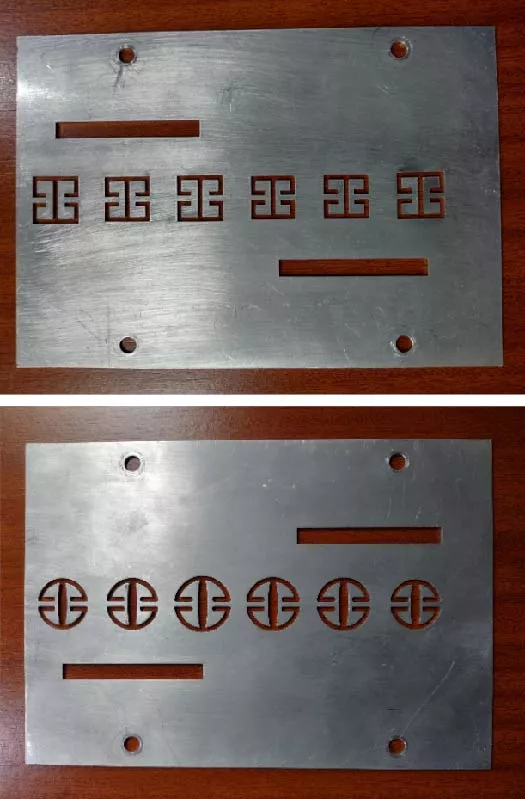
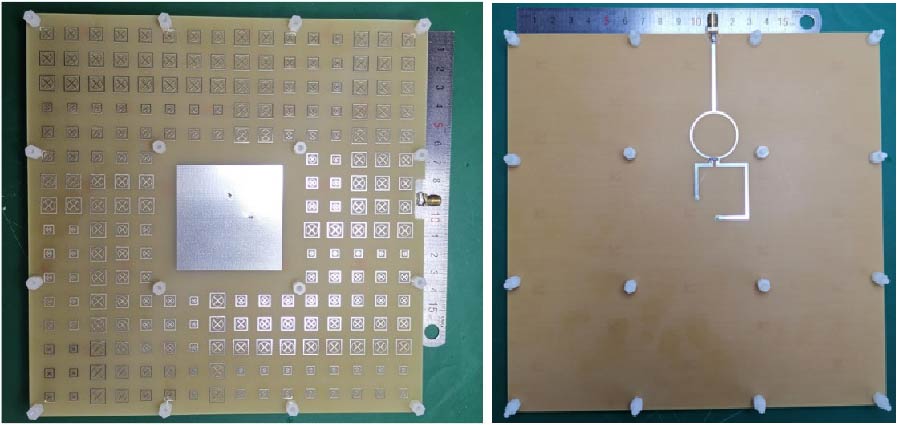
This paper presents a single-layer reflective metasurface for generating dual-linearly polarized orbital angular momentum (OAM) beams with mode number l=-1 at X-band. Phase modulation is achieved by adjusting the unit cell dimensions, which efficiently converts linearly polarized waves into vortex waves with the desired OAM mode. The proposed unit cell integrates a compact `米'-shaped inner patch with a square frame, with a compact size of 0.4λ0 × 0.4λ0, enabling independent control of both x-polarized and y-polarized waves. By varying the unit size,a broad phase shift range of 374° is achieved at 8-12 GHz. Based on phase compensation principles, the designed metasurface array is successfully generates dual-polarized vortex waves at X-band. The proposed metasurface exhibits high gain, narrow divergence angle, bandwidth, and dual-polarization capability, demonstrating significant potential for OAM wave multiplexing in wireless communication systems.
Generation of Dual-polarized Vortex Beams in the X-band Using Reflective Metasurface
2025-07-05
PIER C
Vol. 157, 109-117
Broadband Circularly Polarized Implantable Antenna Loaded with Open Slots for Biomedical Applications
Leyuan Li , Guolong Wang , Ying Sun , Zhuopeng Wang and Lin Shao
This paper presents a broadband circularly polarized (CP) implantable antenna for biomedical applications operating in the 2.45 GHz Industrial, Scientific, and Medical (ISM) band. Its key innovation is an annular ground plane structure with a square open slot, which simultaneously broadens both impedance and axial ratio (AR) bandwidths. This achieves a wide effective bandwidth of 30.8% (2.17-2.96 GHz), demonstrating superior bandwidth compared to existing implantable CP antennas. The antenna employs an inverted S-shaped radiating patch, and by adjusting the position of the radiating branches, it can switch between left-hand circular polarization (LHCP) and right-hand circular polarization (RHCP). The simulated and measured results of the antenna show good agreement, and the SAR meets IEEE standards.
Broadband Circularly Polarized Implantable Antenna Loaded with Open Slots for Biomedical Applications
2025-07-05
PIER B
Vol. 112, 121-133
A Four-Element Conformal MIMO Antenna with Time-Domain Analysis for UWB Applications
Sandeep Kiran Vattiprolu and Pullagura Rajesh Kumar
This paper presents the design of a four-element conformal Multi-Input Multi-Output (MIMO) antenna system for Ultra-Wideband (UWB) applications. It is implemented on a flexible RT Duroid 5880 substrate with a relative permittivity of 2.2, a loss tangent of 0.0009, and a thickness of 0.25 mm. It employs a stepped microstrip line-fed guitar-shaped antenna as a single antenna element. The single antenna element is then arranged orthogonally around the four edges of a 63 × 63 mm2 substrate to create a 4-element MIMO system. The four antennas, designated as Ant-1 to Ant-4, have their ground planes connected through L-shaped stubs. The prototypes of single antenna element and 4-element MIMO are built to compare the simulation and measurement findings. The single antenna element is tested under flat, X-bend, and Y-bend cases. It achieves -10 dB impedance bandwidth from 3.14 GHz to over 10.6 GHz, a maximum group delay deviation of 2 ns, and a system fidelity factor greater than 80% in all cases. The 4-element MIMO system was also tested in flat and conformal configurations. It covers a minimum -10 dB impedance bandwidth from 3.5 to 10.8 GHz and exhibits mutual coupling below -18 dB. Its equivalent circuit model is also realized. Its diversity analysis shows an envelope correlation coefficient (ECC) below 0.01, diversity gain (DG) near 10 dB, channel capacity loss (CCL) under 0.4 bits/s/Hz, total active reflection coefficient (TARC) below -10 dB, and mean effective gain (MEG) between -3 dB and -12 dB across the operating band.
A Four-element Conformal MIMO Antenna with Time-domain Analysis for UWB Applications
2025-07-05
PIER B
Vol. 112, 113-120
Integration of Adaptive Cross Approximation and Generalized Orthogonal Matching Pursuit for Monostatic Electromagnetic Scattering Analysis
Chenggang Wu , Zhonggen Wang , Wenyan Nie , Dai Dong and Yang Liu
A novel dual compressive sensing (DCS) method is presented to resolve the limitations in computational accuracy and efficiency encountered by conventional DCS approaches during monostatic electromagnetic scattering analysis. Based on the connection between adaptive cross approximation (ACA) and generalized orthogonal matching pursuit (gOMP) in DCS, the integration of ACA and gOMP into the DCS framework is implemented. Specifically, ACA is employed to construct a deterministic measurement matrix by extracting row indexes containing critical information from the impedance matrix. This method reduces column correlation in the measurement matrix, enabling fewer rows to achieve comparable accuracy. Furthermore, the gOMP algorithm is adopted for signal recovery, leveraging its multi-column selection mechanism to better utilize the optimized information from ACA, thereby enhancing reconstruction accuracy and efficiency. Numerical analysis demonstrates that the proposed method achieves a significant enhancement in both accuracy and efficiency.
Integration of Adaptive Cross Approximation and Generalized Orthogonal Matching Pursuit for Monostatic Electromagnetic Scattering Analysis