Search Results(13784)

2025-07-24
PIER M
Vol. 134, 59-67
Characterization of Inhomogeneous FDM Manufactured Materials: Comparison of Free-Space and Mixing Laws
Chloé Scotti , Stefan Enoch , Max Groisil and Nicolas Malléjac
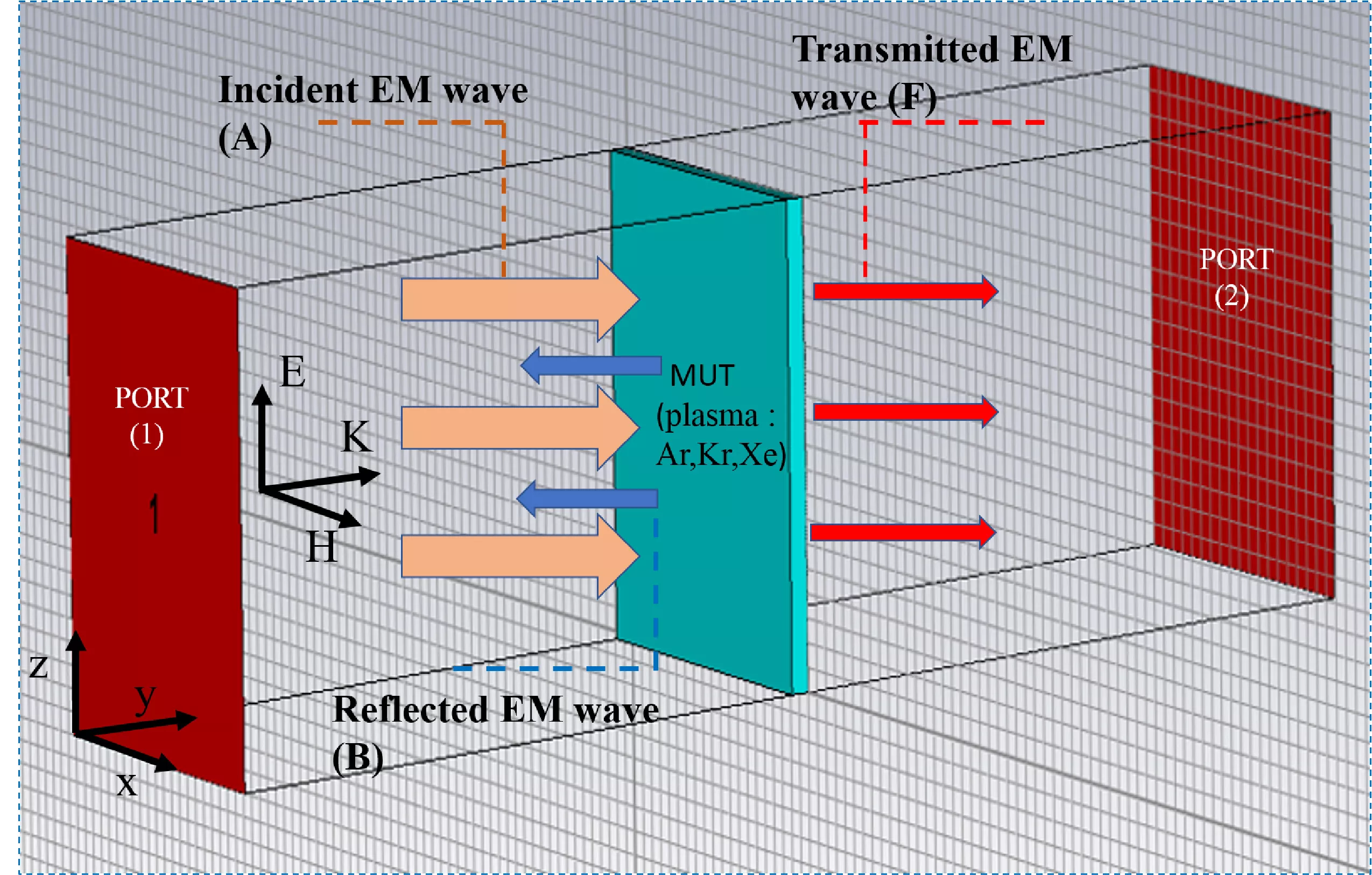
The use of additive manufacturing for the manufacturing of complex materials requires suitable characterization methods. A free-space measurement method is used for the real permittivity characterization. Depending on the considered printing pattern, the experimental result shows good agreement with theoretical values calculated using mixing laws. The setup gives promising results with characterizations of the permittivity, and it highlights the importance of taking into account the printing pattern used according to the desired effective permittivity.
Characterization of Inhomogeneous FDM Manufactured Materials: Comparison of Free-space and Mixing Laws
2025-07-24
PIER B
Vol. 114, 1-12
PSF-Based Antenna Array Optimization Method for Synthetic Aperture Interferometric Radiometer
Xinqian Chen , Yujie Ruan and Jianfei Chen
The antenna array structure represents a pivotal technology for synthetic aperture interferometric radiometers (SAIRs). However, current array optimization metrics often have conflicting relationships among themselves, posing a significant challenge to achieving a harmonious balance. To tackle this issue, this paper introduces the point spread function (PSF) into the array optimization process and proposes a PSF-based antenna array optimization method. As a crucial characterization of the SAIR system, PSF can effectively evaluate the SAIR's comprehensive imaging performance. The mainlobe-sidelobe comprehensive quality (MSCQ) is innovatively proposed is proposed as a system-level metric to evaluate PSF quality and guide array optimization. The MSCQ consists of two parts: the main lobe width and the side lobe energy ratio. The main lobe width can evaluate the spatial resolution of SAIR, and the side lobe energy ratio can evaluate the noise performance. In addition, in order to overcome the defect that the traditional optimization algorithm is prone to fall into the local optimum, this paper adopts the improved velocity-paused particle swarm algorithm (VPPSO) for high-precision optimization. The experimental results show that the PSF-based optimized array can effectively enhance SAIR's comprehensive performance and achieve high-performance imaging.
PSF-based Antenna Array Optimization Method for Synthetic Aperture Interferometric Radiometer
2025-07-23
PIER C
Vol. 158, 1-8
Wideband Antenna Design with Notched Flower Shaped Patch for Wireless Applications
Bharat D. Prajapati , Bhavesh Jaiswal and Pravin J. Dalvadi
A notched flower-shaped patch wideband MPA antenna is designed with defected ground (DGS) to realize magnified performance for the various wireless application. The several modes effectively excited in antenna and also higher order modes merging efficiently to enable wider impedance bandwidth. The current distribution is improved with notched flower-shaped patch and efficient stimulation of multiple modes, while the enhanced impedance matching and extension of bandwidth are contributed with defective ground. The antenna has overall size measuring length of 1.14λ, width of 1.14λ and height of 0.04λ. The result exhibits a return loss lower than -10 dB across 5.12 GHz to 8.58 GHz, with 5.58 dB peak gain. This range supports wide range of wireless application, such as Wi-Fi 6/6E, Sub-6 GHz 5G NR, short range automative radar and C-band satellite communication. The compact size makes it appropriate for integration on space constrained device.
Wideband Antenna Design with Notched Flower Shaped Patch for Wireless Applications
2025-07-23
PIER C
Vol. 157, 279-289
Analysis and Optimization of the Electromagnetic Characteristics of a Built-in Combined Pole Permanent Magnet Generator for Range-Extended Electric Vehicle
Jiachen An , Huihui Geng , Xia Zhang , Deming Kong , Xianshun Wang , Jianbo Zhao and Zhiang Liang
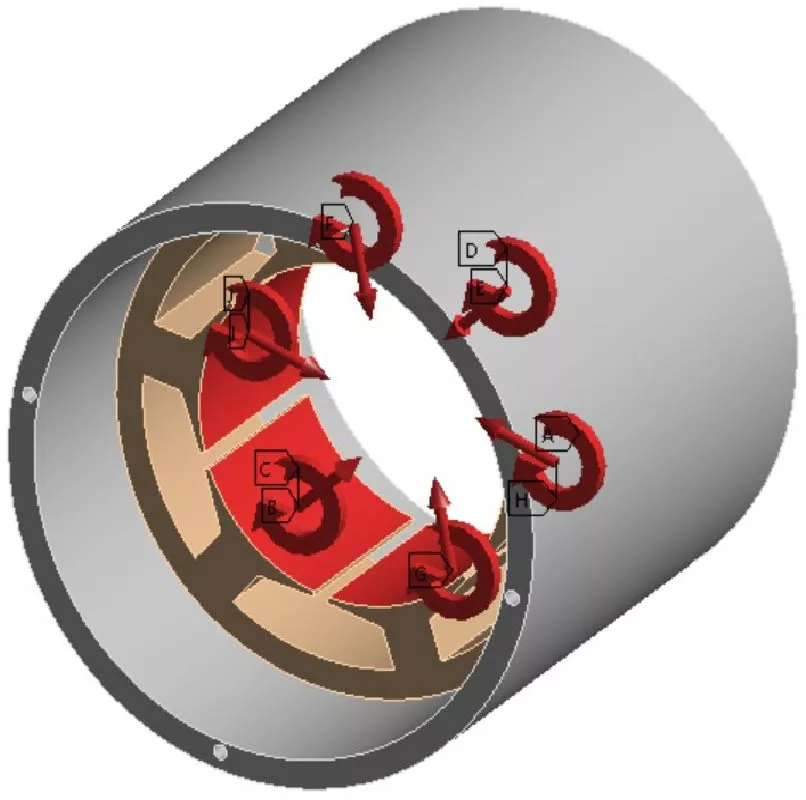
The interior permanent magnet synchronous generators (IPMSGs) for range-extended electric vehicles (REEVs) have a complex magnetic circuit distribution, which makes it difficult to analyze their electromagnetic characteristics. This paper investigates the electromagnetic characteristics of a combined pole IPMSG topology. An accurate equivalent magnetic circuit model of the generator, taking into account the influence of leakage flux, is established. The magnetic flux equations and precise calculation methods for the main magnetic circuits and leakage magnetic circuits are provided. The accuracy of the equivalent magnetic circuit model is verified using the finite element method. Based on the analysis results, the permanent magnet end of the generator is designed with magnetization isolation. The multi-parameter multi-objective optimization is performed using the particle swarm method to improve the output performance of the generator. A prototype is manufactured and tested. The generator exhibits excellent no-load and load performance, fulfilling the practical requirements and laying a solid foundation for further optimization of the REEV's power system and further improvement of system-level performance.
Analysis and Optimization of the Electromagnetic Characteristics of a Built-in Combined Pole Permanent Magnet Generator for Range-extended Electric Vehicle
2025-07-23
PIER Letters
Vol. 127, 15-21
Wideband Metasurface Antenna with Polarization Reconfigurable Controlled by Resistors
Guanghuan Geng and Zhendong Ding
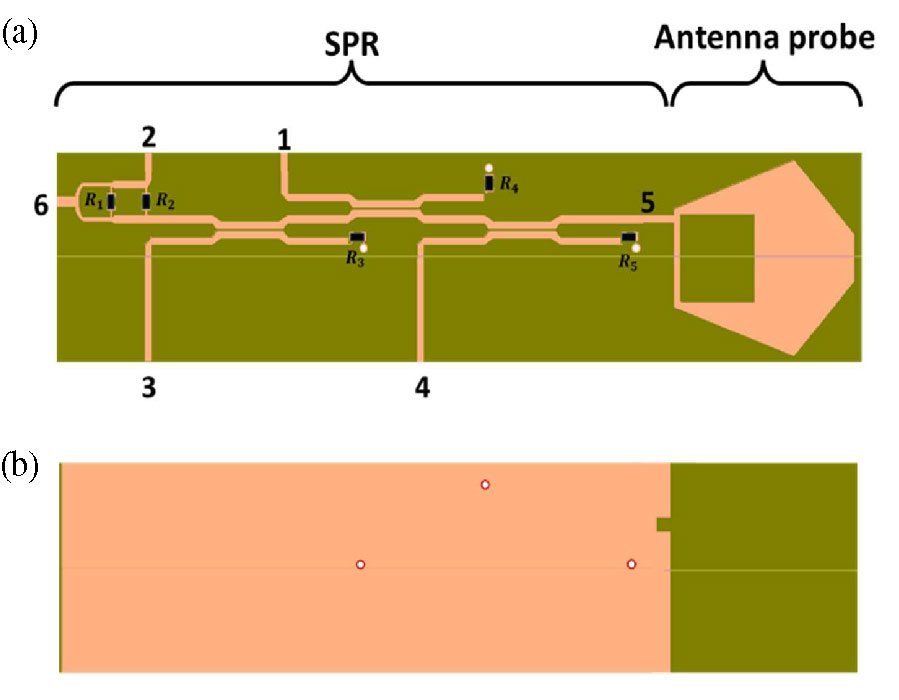
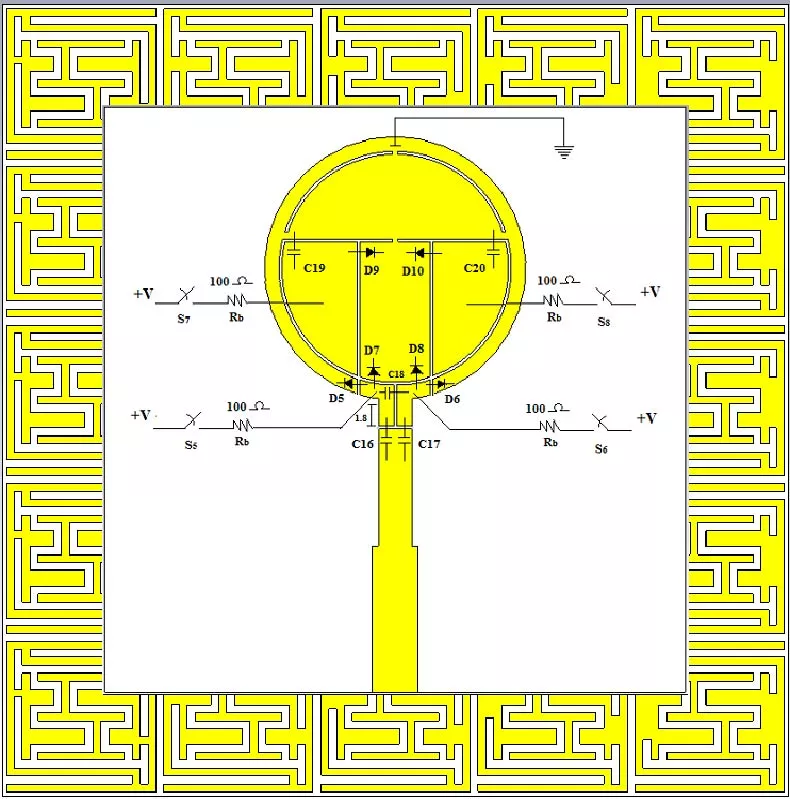
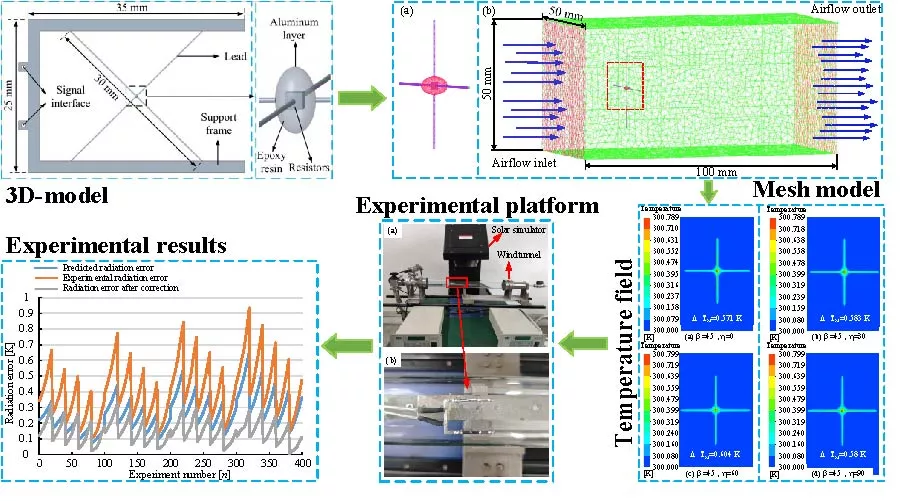
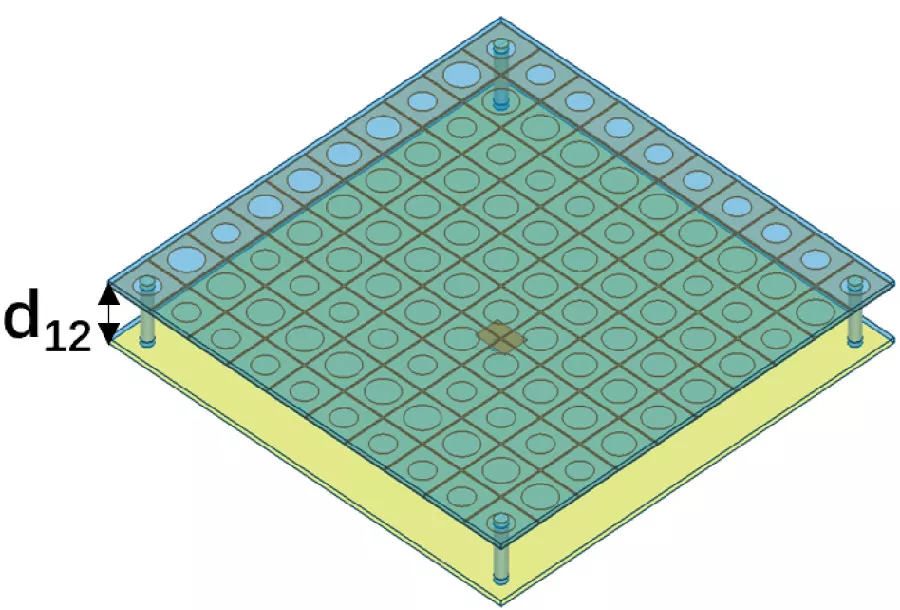
A polarization reconfigurable metasurface broadband antenna has been proposed. A 2×2 metasurface was used to achieve circular polarization (CP) characteristics, and four resistors were embedded to achieve linear polarization (LP). Among them, characteristic mode analysis (CMA) was used to discover the CP characteristics of the metasurface. Adding resistors changed the direction of the mode current, which causes CP to switch to LP state. The design results were validated through fabrication and measurement. The measured results show that the impedance bandwidth (IBW) is 21.1%, the axial ratio bandwidth (ARBW) 12.9%, the peak gain (PG) 7.7 dBic at 6.8 GHz in the CP state, its IBW 21.0%, the PG 4.7 dBi at 7.0 GHz in the LP state. The proposed antenna has the characteristics of broadband, polarization reconfigurability, easy processing, and low cost, and its operating frequency can be used in the C-band of wireless communication.
Wideband Metasurface Antenna with Polarization Reconfigurable Controlled by Resistors
2025-07-22
PIER C
Vol. 157, 269-277
SIW Cavity Assisted Improved Gain Four Port MIMO Antenna with Meta Absorber for 5G mmWave Applications
Premalatha Govindarajan and Sivagnanam Sivaramalingam
The Substrate Integrated Waveguide (SIW) cavity is one of the cavity-supported slot antennas that use substrate SIW technology and 5G application. The proposed model antenna operates at 26 GHz-46 GHz frequency range. The proposed model resonates at 33.84 GHz and 40.28 GHz frequency range. The use of substrate-integrated waveguide (SIW) cavity offers low cost, easy implementation, high gain, and self-consistent electrical shielding. Existing dipole and monopole antennas have some limitations, such as lack of potential ability, low capability and high mutual coupling. The modified semicircle-shaped rectangular patch is intended on a Rogers RT6002 substrate with the dimension of 26 mm × 26 mm × 0.762 mm and dielectric constant of 2.94. To increase the gain of the antenna, a SIW cavity is placed on top of the patch. A Meta Absorber is added on the left and right sides of the patch to reduce electromagnetic interference, provide excellent absorptivity, and improve antenna performance. A coplanar waveguide (CPW) feed line is added to the bottom of the patch. A coplanar waveguide (CPW) feed line offers high-speed data rates and low latency in a 5G mm wave application. The suggested model obtains enhanced simulated and fabricated performances related to traditional antenna models. The suggested model antenna obtains enhanced simulated and fabricated performance compared to traditional antenna models. The fractional bandwidth of the proposed antenna achieves a fractional bandwidth of 59%.
SIW Cavity Assisted Improved Gain Four Port MIMO Antenna with Meta Absorber for 5G mmWave Applications
2025-07-22
PIER C
Vol. 157, 259-267
Robust Phase Optimization for RIS-Assisted SWIPT in 6G Networks: A Semidefinite Relaxation and Singular Value Decomposition-Based Approach
Nguyen Van Cuong
Reconfigurable Intelligent Surfaces (RISs) have emerged as a transformative solution for enabling energy-efficient and interference-aware wireless communication in Sixth-Generation (6G) networks. This work investigates a novel RIS-assisted Simultaneous Wireless Information and Power Transfer (SWIPT) system where separated Power and Information Transmitters (PTx and ITx) independently serve a Power User (PU) and an Information User (IU). A low-complexity deterministic RIS phase optimization strategy is introduced, combining Semidefinite Relaxation (SDR) and Singular Value Decomposition (SVD), to maximize received power at the PU while minimizing interference at the IU. Extensive simulations under both ideal and practical constraints, including 1-bit phase quantization and 3GPP TR 38.901 Urban Micro (UMi) fading, confirm the method's robustness. Results indicate that the proposed design achieves 57.06 dB average received power at the PU and 13.78 dB signal-to-interference ratio (SIR) at the IU in realistic channels, substantially outperforming Accelerated Particle Swarm Optimization (APSO) and fixed-phase baselines. Moreover, Spectral Efficiency (SE) remains above 4.30 bps/Hz at 60 km/h user mobility, showcasing resilience to Doppler-induced channel variation. The proposed approach requires only 52 ms on MATLAB Online using cloud-based Intel Xeon Platinum hardware, confirming its suitability for near real-time applications. Despite these advantages, the design assumes static RIS configuration and perfect channel knowledge. Future work may extend toward real-time RIS reconfiguration and learning-based control under partial channel state information. These findings highlight the feasibility and adaptability of the proposed RIS-SWIPT approach for next-generation wireless systems.
Robust Phase Optimization for RIS-assisted SWIPT in 6G Networks: A Semidefinite Relaxation and Singular Value Decomposition-based Approach
2025-07-22
PIER B
Vol. 113, 117-128
Hyperspectral Image Denoising Based on Multiscale Spatial-Spectral Feature Fusion in Frequency Domain
Xiao-Zhen Ren , Jing Cui , Yi Hu , Xiaotian Zhang and Yingying Niu
Hyperspectral images often suffer from various types of noise pollution during acquisition and processing, which can significantly affect their application. However, existing denoising methods have limitation in fully utilizing the spatial and spectral correlation of hyperspectral image. In order to take full advantage of the multiscale spatial features and global spectral correlation of hyperspectral image, a hyperspectral image denoising method based on multiscale spatial-spectral feature fusion in frequency domain is proposed in this paper. The proposed method utilizes the structural decomposition of multiscale wavelet transform to transfer the denoising of hyperspectral image to the frequency domain, not only minimizing information loss, but also decomposing noise into small scales, making it easier to remove in the frequency domain. Moreover, a cross-multiscale fusion attention is designed to improve the model performance by considering multiscale information and cross-space learning. A spectral position-aware self-attention module is proposed to more fully exploit the spectral correlation in hyperspectral image. And a multiscale fusion of spatial-spectral feature module is introduced to merge the different spatial and spectral features, thereby enhancing the denoising performance of the model. The experimental results demonstrate that the proposed method outperforms mainstream denoising methods in terms of performance. In addition, it exhibits better visual quality in texture details and edge protection.
Hyperspectral Image Denoising Based on Multiscale Spatial-spectral Feature Fusion in Frequency Domain
2025-07-22
PIER B
Vol. 113, 101-116
The Electromagnetic Distribution and Intelligent Signal Extraction of ELF-EM in Hole-Ground Communication
Fukai Li , Yue Zhao , Wei Guo , Jian Wu , Zan Yin , Huaiyun Peng and Kai Liu
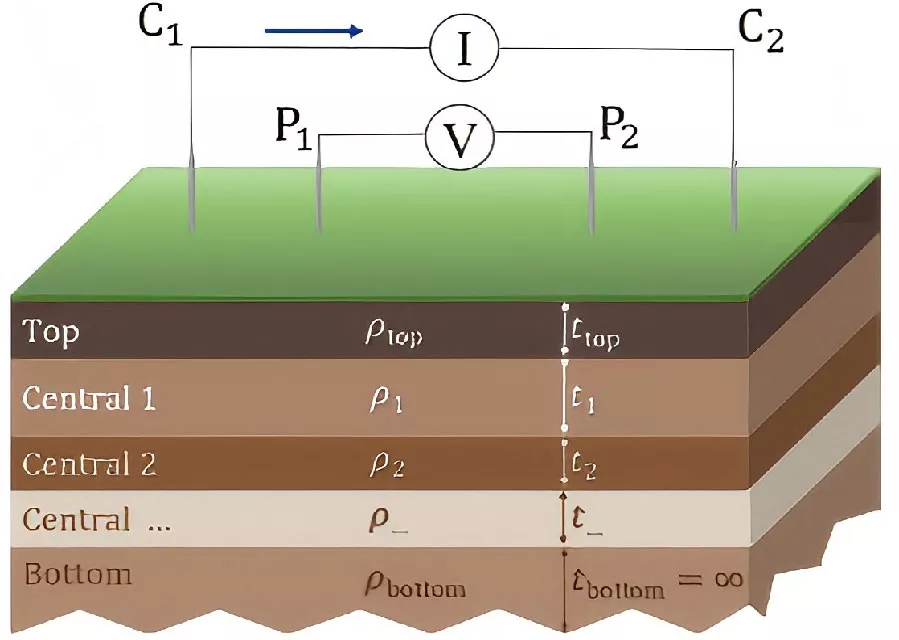
In the field of drilling engineering, innovations in drilling communication(also known as hole-ground communication while drilling) technology are crucial for enhancing exploration efficiency, ensuring operational safety, and optimizing data collection. Extremely Low Frequency electromagnetic (ELF-EM) wave communication transmission technology, with its exceptional penetration capability in formations and low attenuation characteristics, is emerging as a key technology in drilling communications. However, this technology faces challenges such as complex transmission model calculations and difficulty in extracting weak signals from the ground, which hinder its further development. Addressing issues like the inability of conventional models to accurately describe non-uniform media, low frequencies, and near-field open-space conditions in ELF-EM transmission under drilling conditions, as well as numerical dispersion, this paper innovatively conducts a comprehensive and systematic analysis of electromagnetic distribution in extended-reach horizontal wells using the finite element modeling and analysis method. Through software simulations and field tests, the following conclusions are drawn: The induced current on the drill pipe plays a major role in the ground field distribution and the signal received by the system terminal; the horizontal drill pipe in a horizontal well has a certain impact on the ground-received signal, mainly manifesting in that the orientation of the ground-receiving electrode should align with the direction of the horizontal well, and the larger the azimuth difference is from the drilling direction, the smaller the signal reception is; at the surface of the drilling platform, not only can multiple electrodes be used to receive signals, but magnetic sensors can also be employed to receive magnetic component signals. Addressing the issue of extracting communication signals in complex electromagnetic environments during electromagnetic measurement-while-drilling (EM-MWD) operations, a multi-channel intelligent signal extraction method has been designed. This method can improve the in-band signal-to-noise ratio (SNR) by more than 3 to 5 dB and further extend the communication transmission distance compared to single-channel models.
The Electromagnetic Distribution and Intelligent Signal Extraction of ELF-EM in Hole-ground Communication
2025-07-21
PIER C
Vol. 157, 247-257
Highly Sensitive Microstrip Patch Sensor for Water Salinity Monitoring
Hussein Jasim , Amer Abbood Al-Behadili and Sadiq Ahmed
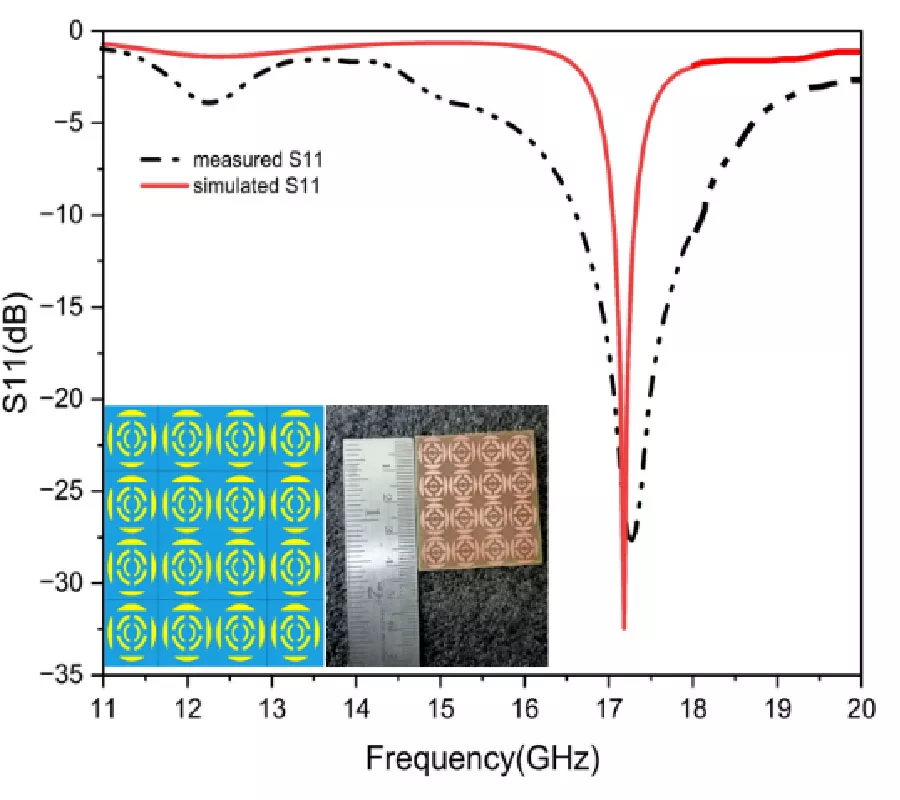
This paper presents the design and implementation of a microstrip patch sensor based on a single complementary split ring resonator (SC−SRR), operating at a resonant frequency of 2.44 GHz for salinity detection. The sensor evaluates liquid under test (LUT) by monitoring variations in resonant frequency, reflection coefficient, and quality factor to extract the complex permittivity. The proposed design was simulated using High Frequency Structure Simulator (HFSS) and fabricated on an FR−4 substrate, incorporating a Teflon container to prevent direct contact with the sensing surface. Simulated and measured results exhibit a significant agreement, validating the sensor's performance. A frequency shift of 104.4 MHz was observed as the salinity concentration varied from 0 to 100 parts per thousand, attributed to dielectric perturbation effects. The proposed sensor demonstrates several advantages, including non-contact and non-destructive measurement, reusability, cost-effectiveness, high sensitivity, minimal fluid volume requirement, and reliable accuracy. These features highlight its potential for applications requiring precise and efficient.
Highly Sensitive Microstrip Patch Sensor for Water Salinity Monitoring
2025-07-19
PIER B
Vol. 113, 87-99
Dipole Antenna with U and L-Shaped Stubs on Multiple I-Shaped EBG for Digital Television Applications
Natchayathorn Wattikornsirikul , Suwat Sakulchat , Watcharaphon Naktong and Sommart Promput
This article presents a dipole antenna with added U- and L-shaped stubs designed with copper plates to support frequencies according to the Digital Video Broadcasting (DVB) standard in the 510-790 MHz range. The dipole antenna was placed on a polyester mylar film substrate with a thickness of 0.3 mm and a dielectric constant of 3.2. The CST program was used for simulating the optimization parameters with a size of 270 × 15.5 × 0.59 mm for the use with a flat-screen television. This research uses the technique of reducing signal wave reflection with a 1 × 41 units I-shaped electromagnetic band gap (EBG) strip, which is made from copper plates, placed beneath the antenna with foam sheets as an intermediary. The distance between the EBG plate and the antenna is appropriately 2 mm, with an impedance bandwidth of 46.01% (502-802 MHz) and a unidirectional pattern, resulting in an average gain of 3.62 dBi. For applications with television structures, installing the antenna and EBG plate at the top position can cover the most suitable frequency range, which is 44.32% (504-791 MHz).
Dipole Antenna with U and L-shaped Stubs on Multiple I-shaped EBG for Digital Television Applications
2025-07-19
PIER B
Vol. 113, 77-86
Vibration Suppression Control of PMa-BSynRM Based on Variable Step Size and Variable Angle Search Algorithm
Jing Lu , Tengfei Zhao and Huangqiu Zhu
The unbalanced rotor mass of permanent magnet assisted bearingless synchronous reluctance motor (PMa-BSynRM) will cause rotor vibration at the same frequency, which has a great influence on its operating performance at high speed. To solve this problem, a control method of unbalance vibration suppression based on variable step size and variable angle search algorithm is proposed in this paper. Firstly, the causes of rotor vibration are analyzed, and the equations of motion of the rotor in the vibratory state are derived. Secondly, the improved Sigmoid function is used to change the step size and angle of the search algorithm, and a fuzzy inference machine is used to adjust the Sigmoid function weights. The vibration suppression control system is constructed, and vibration suppression simulation is performed. The vibration suppression control of the PMa-BSynRM is realized. Finally, the PMa-BSynRM experimental platform is established, and vibration suppression experiments are carried out under the conditions of equal speed and external interference. Experimental results show that the control algorithm can effectively suppress rotor vibration. The unbalanced vibration suppression control proposed in this paper can achieve stable levitation operation of the PMa-BSynRM.
Vibration Suppression Control of PMa-BSynRM Based on Variable Step Size and Variable Angle Search Algorithm
2025-07-19
PIER B
Vol. 113, 63-76
No Weighting Factor PMSM Model Predictive Torque Control Based on Composite Sliding Mode Disturbance Observer
Yang Zhang , Chenhui Liu , Sicheng Li , Kun Cao , Yiping Yang and Zhun Cheng
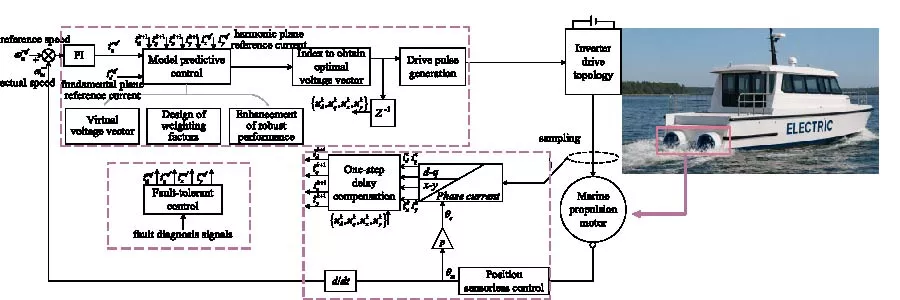
To address the problems of difficulty in adjusting weight coefficients in model predictive torque control of permanent magnet synchronous motors and the large influence of parameters on the motor control performance, a no weighing factor model predictive torque control based on a composite sliding mode disturbance observer is proposed. Firstly, the parallel structure of torque and magnetic chain is designed. The weighting factors are eliminated by choosing a common optimal voltage vector. Secondly, a composite sliding mode perturbation observer is designed to reduce the dependence on an accurate model of the motor. An improved variable gain approximation rate is introduced to eliminate observer jitter. A power exponential term is added to improve the exponential approximation term and to increase the convergence speed of the system state. Finally, the experimental results show that the proposed strategy not only eliminates the cumbersome tuning work of the weight coefficients but also improves the control performance of the motor under parameter mismatch.
No Weighting Factor PMSM Model Predictive Torque Control Based on Composite Sliding Mode Disturbance Observer
2025-07-18
PIER C
Vol. 157, 239-246
Compact Stepped-Impedance Low-Pass Filter Using Coplanar Open-Circuited Stubs
Yi-Ruo Chen , Kuan-Wei Chen and Chun-Long Wang
This paper proposes a compact stepped-impedance low-pass filter using coplanar open-circuited stubs. The coplanar open-circuited stubs, which are used to compensate for the capacitive effect of the stepped-impedance low-pass filter, are implemented underneath the stepped-impedance low-pass filter. Consequently, the size of the stepped-impedance low-pass filter can be significantly reduced from 11.1 mm × 23.4 mm to 5.6 mm × 9.4 mm without altering its performance, amounting to a reduction rate of 79.83%. In addition, The transmission coefficient is attenuated below -30 dB, which is less than -20 dB attenuation of the conventional stepped-impedance low-pass filter. To verify the simulation result, the conventional stepped-impedance low-pass filter and the compact stepped-impedance low-pass filter using coplanar open-circuited stubs are fabricated and measured where the measurement results agree well with the simulation ones.
Compact Stepped-impedance Low-pass Filter Using Coplanar Open-circuited Stubs
2025-07-18
PIER C
Vol. 157, 227-237
Integrated Adaptive Control of 2.45g Microwave Transceiver with Multi-Band Operation in Electrical Parameter Fluctuations Estimation
Ke Wang , Xiao Ning Li , Jing Peng , Chao Zou , Long Feng Tian and Zhuohao Li
Adaptive control techniques are crucial in optimizing the performance of 2.45 GHz microwave transceivers amidst varying electrical parameters. These transceivers, integral to modern wireless communication systems, often encounter fluctuations in operating conditions that can impact signal quality and reliability. Adaptive control mechanisms enable real-time adjustment of transceiver parameters, ensuring consistent and efficient operation across diverse environments. This study addresses the adaptive control of a 2.45 GHz microwave transceiver in the presence of electrical parameter fluctuations, complemented by a multi-band antenna design aimed at minimizing losses. Electrical parameter fluctuations in transceivers can significantly affect performance and reliability, particularly in dynamic environments. The proposed approach integrates adaptive control algorithms to dynamically adjust transceiver parameters in response to fluctuations, ensuring optimal operational conditions. The integrated approach for adaptive control of a 2.45 GHz microwave transceiver, coupled with a multi-band antenna system optimized to reduce total harmonic distortion (THD). The study addresses the challenges posed by electrical parameter fluctuations in transceiver performance by employing adaptive control algorithms that dynamically adjust operational parameters. The multi-band antenna design, optimized through advanced modeling techniques, achieves a THD reduction of up to 20% across different frequency bands. Experimental validation demonstrates significant improvements in signal purity and transmission efficiency, showcasing the efficacy of this integrated approach in enhancing the reliability and performance of microwave communication systems in dynamic environments.
Integrated Adaptive Control of 2.45G Microwave Transceiver with Multi-band Operation in Electrical Parameter Fluctuations Estimation
2025-07-18
PIER C
Vol. 157, 215-225
Development of a Compact Planar Antenna with Multi-Resonant Geometry for Broadband CubeSat Applications
Swati Varun Yadav , Manish Varun Yadav and Dinesh Yadav
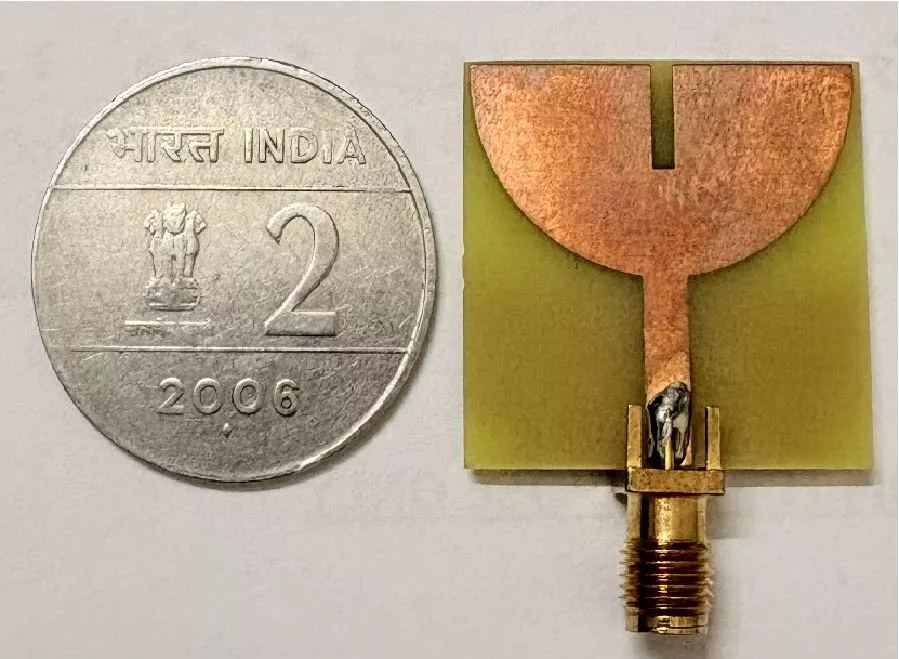
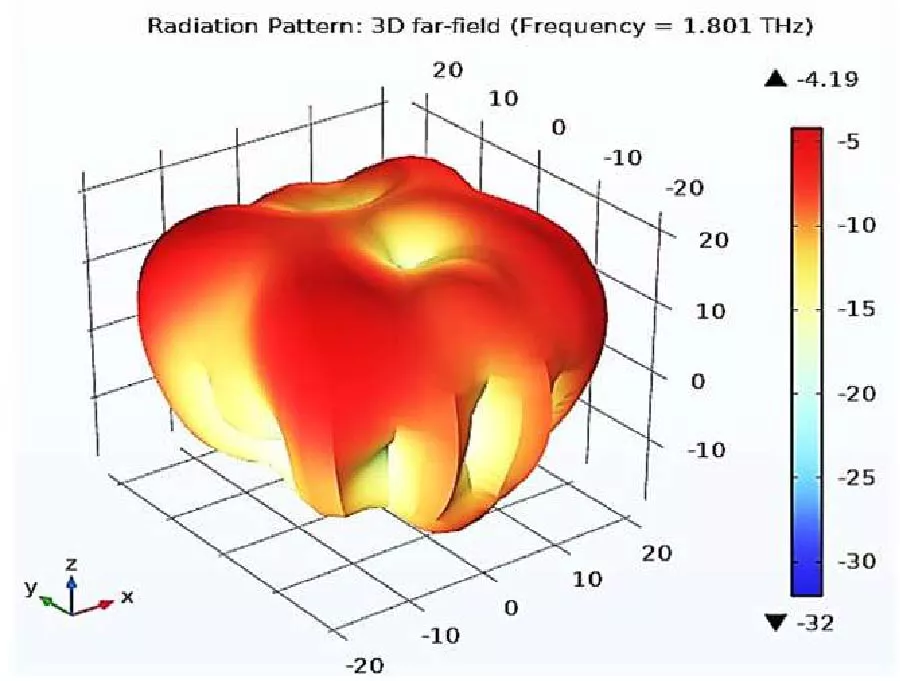
This article presents the design and analysis of a Compact Planar Antenna with Multi-Resonant Geometry for Broadband CubeSat Applications. The antenna features a dual-layer architecture comprising a front semi-circular radiator with strategically positioned circular and rectangular slots, and a complex ground plane etched with complementary geometries to enhance performance. The optimized geometry, with key dimensions such as an overall size of 15 mm × 15 mm × 1.5 mm, enables a wide impedance bandwidth ranging from 2.9 GHz to 11.6 GHz. The impedance bandwidth of the radiator is 120%, with an electrical size of 0.14λ × 0.14λ × 0.014λ. Confirmed through both simulation and measurement using a VNA in an anechoic chamber, the gain performance increases steadily with frequency, reaching a peak of 4.2 dBi at 9.2 GHz, while maintaining a stable gain above 3 dBi between 3.8 GHz and 10.1 GHz. Radiation efficiency peaks at 87% around 5.6 GHz and remains above 75% within the mid-band range (4-8 GHz), indicating highly effective power radiation and minimal losses. Surface current and 3D radiation pattern analysis show efficient and focused radiation behavior at 6 and 9 GHz, supporting its suitability for wideband radar and secure communication applications.
Development of a Compact Planar Antenna with Multi-resonant Geometry for Broadband CubeSat Applications
2025-07-18
PIER B
Vol. 113, 51-62
A Low-Profile Implantable Antenna with Enhanced Performance for 2.45 GHz NFC-Based Healthcare Systems
Emtiaz Ahmed Mainul and Md. Faruque Hossain
This work presents a compact single-band patch antenna designed for Near-Field Communication (NFC) based skin implant applications. The antenna features an inset-fed patch structure on FR-4 substrate and resonates at 2450 MHz. Three techniques are employed to miniaturize the antenna: a shorting pin between the patch and ground, defected ground structure (DGS), and utilization of tissue electrical properties. A polyamide insulator is used to cover the antenna for biocompatibility. Thus, the optimized antenna volume is found to be 6 × 6 × 0.46 mm3, with near-perfect impedance matching of 51.14 + j4.6 Ω. The antenna also offers enhanced impedance bandwidths of 52.24%. Compared to state-of-the-art designs, the proposed antenna exhibits significantly reduced specific absorption rate (SAR) values of 1.32 W/kg and 0.152 W/kg averaged over 1 g and 10 g of tissue, respectively, in compliance with international safety guidelines. The proposed antenna is effectively free from gain limitations due to the inherently short communication range of NFC technology. Finally, the antenna is measured for its return loss ex vivo, and it is found to be in close agreement with the simulation results. Thus, the balanced performance among the compact size, large bandwidth, and very low SAR makes the antenna a strong candidate for NFC based healthcare systems.
A Low-profile Implantable Antenna with Enhanced Performance for 2.45 GHz NFC-based Healthcare Systems
2025-07-17
PIER C
Vol. 157, 207-213
Research on Random Phase Feeding Optimization and Sidelobe Suppression in Phased Arrays Based on Dynamic SFLA
Li Wang and Qiusheng Li
To address the challenge of balancing sidelobe suppression and computational efficiency in phased array random phase feeding optimization, this paper proposes a multi-objective collaborative optimization scheme based on the Dynamic Shuffled Frog Leaping Algorithm (DSFLA). By establishing a hardware-compatible binary encoding model for phase quantization errors and introducing sidelobe variance constraints, the method achieves joint optimization of peak sidelobe level (PSLL) and beam pattern flatness. Simulation results demonstrate: For 32-element Taylor-weighted arrays, optimized PSLL reaches -28.6 dB (8.8 dB improvement vs. initial) with sidelobe variance reduced from 3.5 dB² to 1.2 dB²; For Chebyshev-weighted arrays, PSLL achieves -31.2 dB. The algorithm maintains robust performance under practical imperfections including element spacing perturbations (0.02λ RMS error) where PSLL stabilizes at -27.3 dB (σ=0.9 dB), and phase quantization errors (5° RMS) yielding -27.9 dB PSLL. DSFLA significantly outperforms conventional methods - reducing convergence generations from 276 to 28 and computation time by 29.2% (85 s) versus ant colony optimization while demonstrating O(N1.5) scalability to 128-element arrays (PSLL=-32.1 dB in 218 sec). Real-time operation is feasible with PSLL=-27 dB achievable in ≤40 ms, meeting 50 ms radar beam-switching deadlines. This approach provides a practical solution for real-time beam control in high-precision phased array radar systems.
Research on Random Phase Feeding Optimization and Sidelobe Suppression in Phased Arrays Based on Dynamic SFLA
2025-07-16
PIER C
Vol. 157, 201-206
Miniaturized Broadband Dielectric Waveguide Resonator Bandpass Filter with Wide Stopband Using CPW Resonator
Chuanyun Wang , Hao Huang and Pin Wen
In this paper, a novel miniaturized broadband dielectric waveguide (DW) bandpass filter (BPF) with wide stopband response is proposed. The proposed BPF is composed of two square DW resonators operating in TM101 mode. By etching a coplanar waveguide (CPW) resonator on a silver-plated metal surface in the middle of the two DW resonators, an additional resonant mode is introduced, thereby broadening the bandwidth of the filter while retaining the inherent advantages of the DW structure. Simultaneously, the CPW resonator creates a new coupling path that enables cross-coupling and introduces a controlled transmission zero (TZ). The position of the TZ can be adjusted to suppress the second harmonic of the filter, ensuring effective stopband performance. For verification, a DW BPF with center frequency of 5 GHz and a fractional bandwidth of 11.4% was designed, fabricated, and measured. The measured results are in excellent agreement with the simulated ones. Specifically, the upper stopband of the filter extends to twice of the center frequency (10 GHz), demonstrating the wide stopband characteristics of the filter.
Miniaturized Broadband Dielectric Waveguide Resonator Bandpass Filter with Wide Stopband Using CPW Resonator
2025-07-15
PIER C
Vol. 157, 193-199
Crosstalk Cancellation Between Multiple Transmission Lines Based on the Inverse Matrix of Transfer Function Matrix
Yafei Wang , Xiaozhe Wang and Xuehua Li
Aiming at the crosstalk problem between multiple coupled transmission lines in high-speed interconnection, a crosstalk cancellation method based on the inverse matrix of the Coupled Transmission Lines-Transfer Function Matrix (CTL-TFM) is proposed. The method first constructs the transfer function matrix of multiple coupled microstrip lines, and then designs the corresponding circuit for the inverse matrix of the transfer function matrix at the output ports. This ensures that the transfer function matrix of the entire system is reduced to a unit matrix, effectively reducing the crosstalk between transmission lines. Simulation results show that the quality of the signal eye diagrams at the outputs of all three coupled microstrip lines is significantly improved after using this method, and the crosstalk amplitude and jitter are substantially reduced.
Crosstalk Cancellation between Multiple Transmission Lines Based on the Inverse Matrix of Transfer Function Matrix