Vol. 164
Latest Volume
All Volumes
PIERC 164 [2026] PIERC 163 [2026] PIERC 162 [2025] PIERC 161 [2025] PIERC 160 [2025] PIERC 159 [2025] PIERC 158 [2025] PIERC 157 [2025] PIERC 156 [2025] PIERC 155 [2025] PIERC 154 [2025] PIERC 153 [2025] PIERC 152 [2025] PIERC 151 [2025] PIERC 150 [2024] PIERC 149 [2024] PIERC 148 [2024] PIERC 147 [2024] PIERC 146 [2024] PIERC 145 [2024] PIERC 144 [2024] PIERC 143 [2024] PIERC 142 [2024] PIERC 141 [2024] PIERC 140 [2024] PIERC 139 [2024] PIERC 138 [2023] PIERC 137 [2023] PIERC 136 [2023] PIERC 135 [2023] PIERC 134 [2023] PIERC 133 [2023] PIERC 132 [2023] PIERC 131 [2023] PIERC 130 [2023] PIERC 129 [2023] PIERC 128 [2023] PIERC 127 [2022] PIERC 126 [2022] PIERC 125 [2022] PIERC 124 [2022] PIERC 123 [2022] PIERC 122 [2022] PIERC 121 [2022] PIERC 120 [2022] PIERC 119 [2022] PIERC 118 [2022] PIERC 117 [2021] PIERC 116 [2021] PIERC 115 [2021] PIERC 114 [2021] PIERC 113 [2021] PIERC 112 [2021] PIERC 111 [2021] PIERC 110 [2021] PIERC 109 [2021] PIERC 108 [2021] PIERC 107 [2021] PIERC 106 [2020] PIERC 105 [2020] PIERC 104 [2020] PIERC 103 [2020] PIERC 102 [2020] PIERC 101 [2020] PIERC 100 [2020] PIERC 99 [2020] PIERC 98 [2020] PIERC 97 [2019] PIERC 96 [2019] PIERC 95 [2019] PIERC 94 [2019] PIERC 93 [2019] PIERC 92 [2019] PIERC 91 [2019] PIERC 90 [2019] PIERC 89 [2019] PIERC 88 [2018] PIERC 87 [2018] PIERC 86 [2018] PIERC 85 [2018] PIERC 84 [2018] PIERC 83 [2018] PIERC 82 [2018] PIERC 81 [2018] PIERC 80 [2018] PIERC 79 [2017] PIERC 78 [2017] PIERC 77 [2017] PIERC 76 [2017] PIERC 75 [2017] PIERC 74 [2017] PIERC 73 [2017] PIERC 72 [2017] PIERC 71 [2017] PIERC 70 [2016] PIERC 69 [2016] PIERC 68 [2016] PIERC 67 [2016] PIERC 66 [2016] PIERC 65 [2016] PIERC 64 [2016] PIERC 63 [2016] PIERC 62 [2016] PIERC 61 [2016] PIERC 60 [2015] PIERC 59 [2015] PIERC 58 [2015] PIERC 57 [2015] PIERC 56 [2015] PIERC 55 [2014] PIERC 54 [2014] PIERC 53 [2014] PIERC 52 [2014] PIERC 51 [2014] PIERC 50 [2014] PIERC 49 [2014] PIERC 48 [2014] PIERC 47 [2014] PIERC 46 [2014] PIERC 45 [2013] PIERC 44 [2013] PIERC 43 [2013] PIERC 42 [2013] PIERC 41 [2013] PIERC 40 [2013] PIERC 39 [2013] PIERC 38 [2013] PIERC 37 [2013] PIERC 36 [2013] PIERC 35 [2013] PIERC 34 [2013] PIERC 33 [2012] PIERC 32 [2012] PIERC 31 [2012] PIERC 30 [2012] PIERC 29 [2012] PIERC 28 [2012] PIERC 27 [2012] PIERC 26 [2012] PIERC 25 [2012] PIERC 24 [2011] PIERC 23 [2011] PIERC 22 [2011] PIERC 21 [2011] PIERC 20 [2011] PIERC 19 [2011] PIERC 18 [2011] PIERC 17 [2010] PIERC 16 [2010] PIERC 15 [2010] PIERC 14 [2010] PIERC 13 [2010] PIERC 12 [2010] PIERC 11 [2009] PIERC 10 [2009] PIERC 9 [2009] PIERC 8 [2009] PIERC 7 [2009] PIERC 6 [2009] PIERC 5 [2008] PIERC 4 [2008] PIERC 3 [2008] PIERC 2 [2008] PIERC 1 [2008]
2026-01-03 Latest Published
By Ivan Eduardo Diaz Pardo Carlos Arturo Suarez Fajardo Juan Domingo Baena Doello Hector Guarnizo
Progress In Electromagnetics Research C, Vol. 164, 105-116, 2026
Abstract
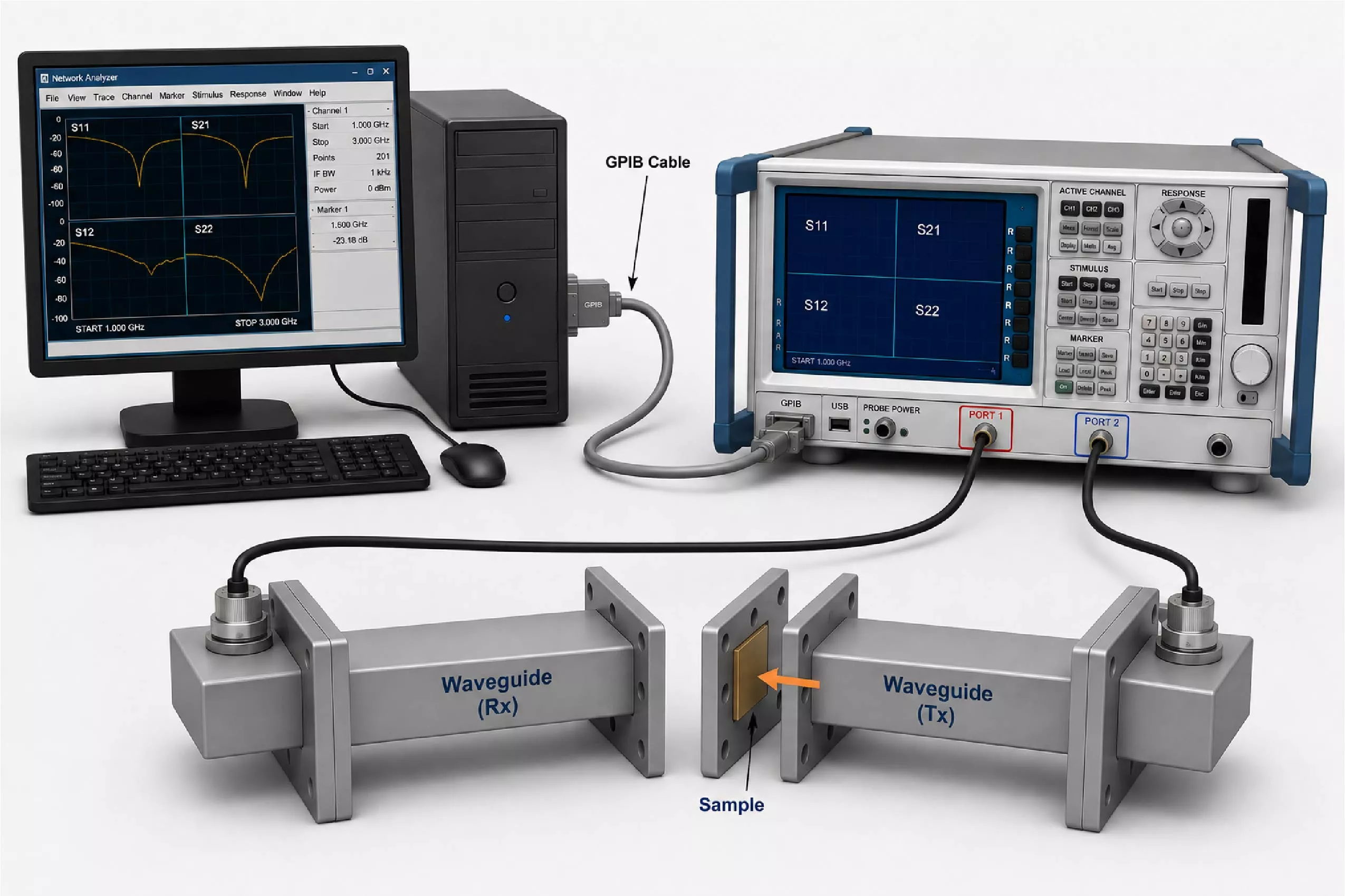
This work presents the design, characterization, and experimental validation of waveguide-fed metasurface antennas based on complementary electric-LC (CELC) resonators. The magnetic polarizability of individual unit cells was extracted using the Incremental Difference Method, enabling physically grounded complex weighting of each metasurface element without the need for external feeding networks. Two CELC geometries (square and circular) were investigated under identical WR340 waveguide excitation. The circular CELC exhibited a smoother current distribution and a more uniform polarizability profile, as observed in the polarizability-mapping results, whereas the square CELC provided a slightly higher gain owing to its sharper magnetic resonance. Lateral-slot perturbations were introduced as a simple geometric modification to overcome the intrinsic narrowband nature of Lorentz-type resonators. The simulated and measured results confirm a significant improvement in impedance bandwidth, reaching 194 MHz (simulated) and 189 MHz (measured) for the square slot geometry, and 222 MHz (simulated) and 209 MHz (measured) for the circular slot geometry. Radiation-pattern measurements in an indoor antenna chamber showed good agreement with full-wave simulations, validating the polarizability-based weighting mechanism and the overall metasurface antenna model. The results demonstrate that magnetic-polarizability mapping combined with geometry-tailored perturbations provides an effective and experimentally verified approach for compact and bandwidth-enhanced metasurface antenna design.
2026-01-03
PIER C
Vol. 164, 105-116, 2026
download: 19
Bandwidth-Enhanced Waveguide-Fed Metasurface Antennas Based on CELC Polarizability Mapping
Ivan Eduardo Diaz Pardo, Carlos Arturo Suarez Fajardo, Juan Domingo Baena Doello and Hector Guarnizo
This work presents the design, characterization, and experimental validation of waveguide-fed metasurface antennas based on complementary electric-LC (CELC) resonators. The magnetic polarizability of individual unit cells was extracted using the Incremental Difference Method, enabling physically grounded complex weighting of each metasurface element without the need for external feeding networks. Two CELC geometries (square and circular) were investigated under identical WR340 waveguide excitation. The circular CELC exhibited a smoother current distribution and a more uniform polarizability profile, as observed in the polarizability-mapping results, whereas the square CELC provided a slightly higher gain owing to its sharper magnetic resonance. Lateral-slot perturbations were introduced as a simple geometric modification to overcome the intrinsic narrowband nature of Lorentz-type resonators. The simulated and measured results confirm a significant improvement in impedance bandwidth, reaching 194 MHz (simulated) and 189 MHz (measured) for the square slot geometry, and 222 MHz (simulated) and 209 MHz (measured) for the circular slot geometry. Radiation-pattern measurements in an indoor antenna chamber showed good agreement with full-wave simulations, validating the polarizability-based weighting mechanism and the overall metasurface antenna model. The results demonstrate that magnetic-polarizability mapping combined with geometry-tailored perturbations provides an effective and experimentally verified approach for compact and bandwidth-enhanced metasurface antenna design.
Bandwidth-Enhanced Waveguide-Fed Metasurface Antennas Based on CELC Polarizability Mapping
2026-01-02
PIER C
Vol. 164, 96-104, 2026
download: 35
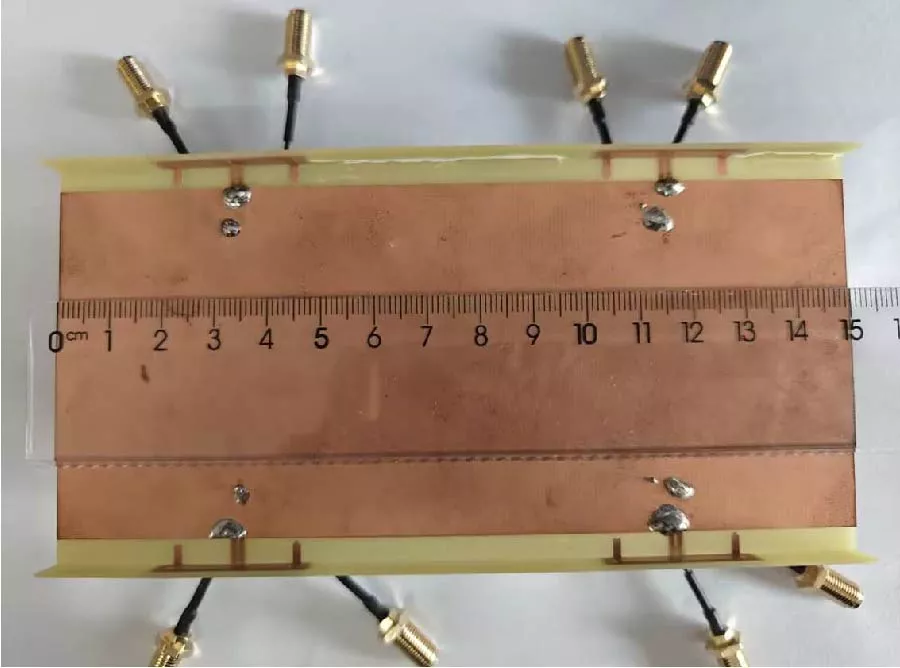
Enhanced Impedance Matching in Microstrip Grid Array Antenna Using Differential-Shifted Feeding and Parasitic Patches
Rajamohan Varun Prakash, Jeyagobi Logeswaran, Atham Mohamed Mahin Ayas and Pandurangan Sridhar
This paper aims to design and analyze a tri-band Differential Shifted-Feed Microstrip Grid Array Antenna (DSF-MGAA) with eight parasitic elements to achieve better return loss and isolation characteristics and improved antenna gain at various frequency ranges in the Golden band, X-band and Ku band. The non-uniform grid element is excited through two 180-degree out-of-phase signal-carrying feed lines with the LC matching network to provide better impedance matching. The antenna provides a minimum peak return loss of -17.88 dB, -27.13 dB and -26.7 dB at 7 GHz, 9 GHz and 12.2 GHz. Measured results show a good agreement with the simulated results. Parasitic elements incorporated provide a maximum gain of 17.2 dBi. The results confirm that the proposed antenna suits for high-frequency applications such as 6G communication, Space and Defense application and VSAT (Very Small Aperture Terminal) networks.
Enhanced Impedance Matching in Microstrip Grid Array Antenna Using Differential-Shifted Feeding and Parasitic Patches
2026-01-01
PIER C
Vol. 164, 89-95, 2026
download: 44
Research on Microstrip Array Antennas for Microwave DE-Icing of Wind Turbine Blades
Yuchen Xia, Ning Liu, Zhengqing Yang, Yunhong Liu, Xian-Jun Sheng, Dongdong Zhang, Guangwen Jiang and Xin Li
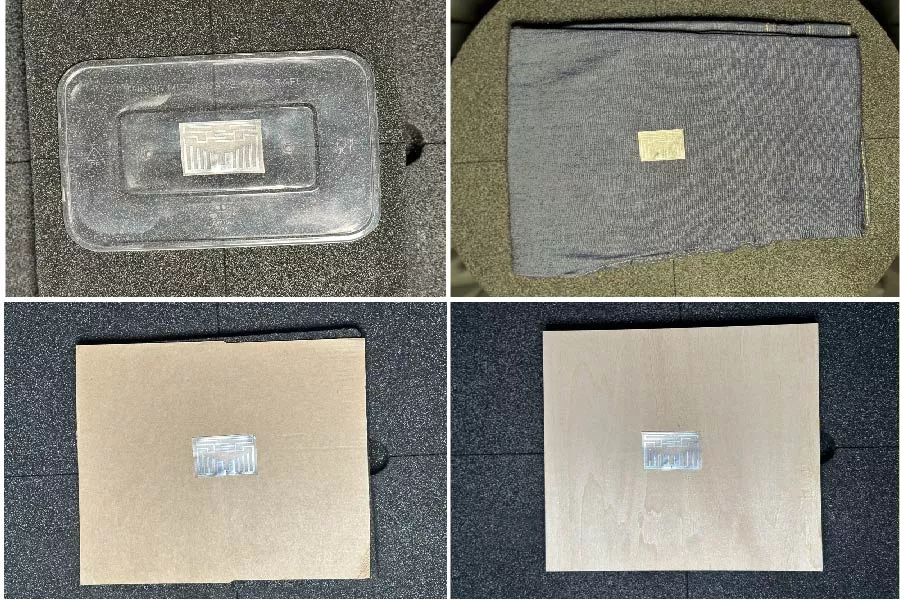
Wind turbine blades are prone to icing in low-temperature environments, which affects the efficiency and safety of wind power generation. Microwave de-icing technology, with its high efficiency, non-contact, and rapid response characteristics, has become an important method for addressing the issue of blade icing. This paper focuses on the antenna design for a microwave de-icing system for wind turbine blades. Based on microstrip patch antennas, a low-side lobe, a high-gain array antenna was designed, operating at a frequency of 2.45 GHz with a maximum gain of 13.9 dB, with side lobe levels of -22.3 dB. An experimental system was established, and an infrared thermal imager was used to measure heating results, verifying temperature increases under different absorptive materials, heating times, heating powers, and radiation distances, laying the foundation for de-icing applications.
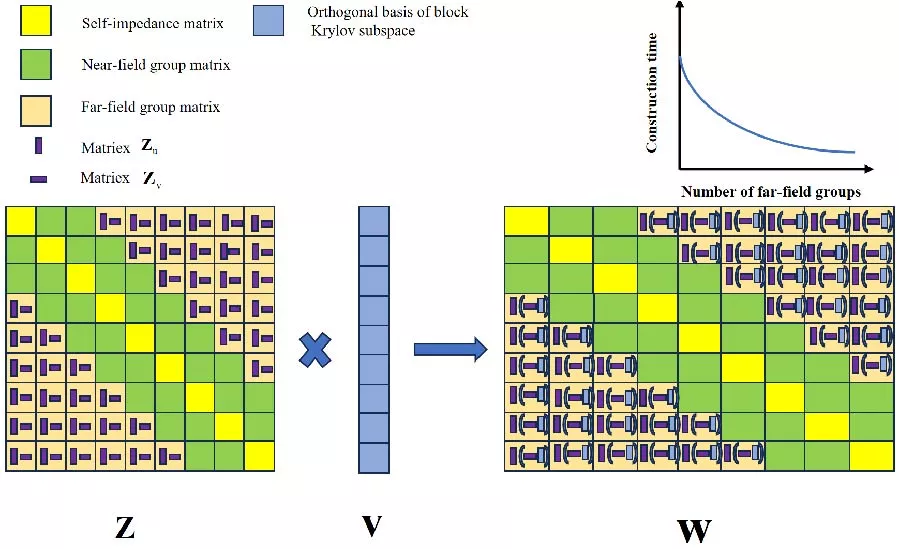
Research on Microstrip Array Antennas for Microwave De-icing of Wind Turbine Blades
2025-12-30
PIER C
Vol. 164, 78-88, 2026
download: 59
Synthesis of Planar Antenna Arrays Based on Subarray Division Using the ICOK-Hybrid Algorithm
Chenxin Ren, Hua Guo, Yang Xiao, Peng Song and Lijian Zhang
In modern wireless systems, such as radar, satellite communication and 5G communication, planar antenna arrays can achieve high-performance radiation characteristics. The synthesis of these arrays that can produce patterns with low peak sidelobe levels (PSLL) is critical for improving the performance of the antenna system. However, the synthesis of large-scale planar arrays presents a complex nonlinear optimization challenge because of the vast number of variables which leads to high design complexity. To address these issues, an improved hybrid optimization method which is called ICOK-Hybrid Algorithm is proposed. The hybrid algorithm integrates Invasive Weed Optimization (IWO), Convex Optimization (CO) and K-means clustering. The convex optimization is used to efficiently optimize the excitation amplitudes and phases while the IWO algorithm is used to refine the positions of the array elements. Furthermore, an innovative subarray partitioning strategy based on an improved K-means algorithm was introduced to group elements with similar excitations which significantly reduces the design complexity and hardware costs. Numerical results demonstrate that the proposed algorithm achieves a significantly lower PSLL compared with the results obtained by other methods. The practical feasibility and reliability of the proposed approach are further verified by full-wave electromagnetic simulation software CST.
Synthesis of Planar Antenna Arrays Based on Subarray Division Using the ICOK-Hybrid Algorithm
2025-12-29
PIER C
Vol. 164, 69-77, 2026
download: 69
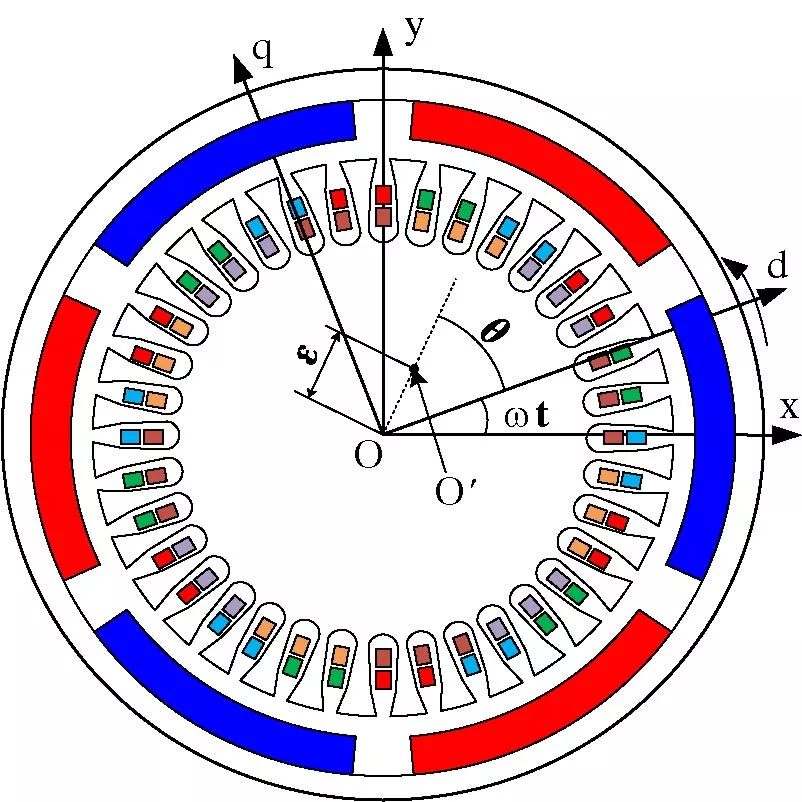
A Model-Free Adaptive Control for PMSM Using Multi-Innovation Improved EKF
Kaihui Zhao, Youzhuo Duan, Jie Xiong, Lingxuan Tu and Yishan Huang
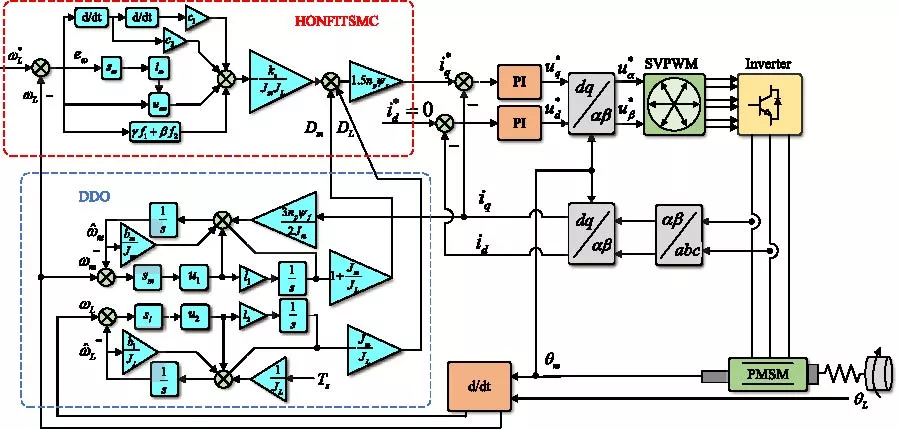
Permanent magnet synchronous motor (PMSM) used in high-end applications has stringent control performance requirements. However, harsh environments, complex operating conditions, and nonlinear parameter variations can compromise model adaptability, which undermines system reliability and precision. This paper proposes a model-free adaptive control (MFAC) method that utilizes a Multi-Innovation Improved Extended Kalman Filter (MIIEKF) algorithm for prediction and update to enhance system reliability and accuracy. First, the proposed method transforms the PMSM model into a compact-form dynamic linearization (CFDL) data model, which mitigates the need for precise mathematical modeling. Next, an improved Extended Kalman Filter (IEKF) algorithm is used to predict and update the pseudo partial derivative (PPD) in real-time. This resolves its estimation dependency and compensates for data model inaccuracies. Then, the IEKF algorithm is optimized by using Multi-Innovation identification theory to ensure rapid state convergence. Finally, experimental validation confirms that the proposed method significantly improves the convergence rate, reduces chattering, and achieves efficient data-driven control compared to PI control and conventional model-free adaptive control.
A Model-Free Adaptive Control for PMSM Using Multi-Innovation Improved EKF
2025-12-28
PIER C
Vol. 164, 58-68, 2026
download: 78
Short-Term Photovoltaic Power Prediction Based on SCC-CEEMDAN-HO-BiLSTM
Jianwei Liang, Jie Yue, Yanli Xin, Shuxin Pan, Jiaming Tian and Jingxuan Sun
To address the challenge of high prediction difficulty caused by the random volatility of photovoltaic (PV) power output, this paper proposes a hybrid forecasting model that deeply integrates multi-scale feature analysis with an intelligent optimization algorithm. First, the spearman correlation coefficient (SCC) is used to select influencing factors as model inputs, and the complete ensemble empirical mode decomposition with adaptive noise (CEEMDAN) is applied to extract multi-scale features from the power data across four seasons. Second, the hippopotamus optimization (HO) algorithm is introduced in order to overcome the randomness and inefficiency of manual hyperparameter tuning and to optimize the hyperparameters of the bidirectional long short-term memory (BiLSTM) network. Through multi-seasonal case studies, the pro-posed SCC-CEEMDAN-HO-BiLSTM model outperforms conventional models. Specifically, it shows significant improvements in both prediction accuracy and robustness compared to benchmark methods such as the standalone BiLSTM model and the unoptimized CEEMDAN-BiLSTM model. The model effectively handles the multi-scale fluctuations in PV power sequences and meets the requirements for short-term photovoltaic power forecasting.
Short-Term Photovoltaic Power Prediction Based on SCC-CEEMDAN-HO-BiLSTM
2025-12-27
PIER C
Vol. 164, 51-57, 2026
download: 63
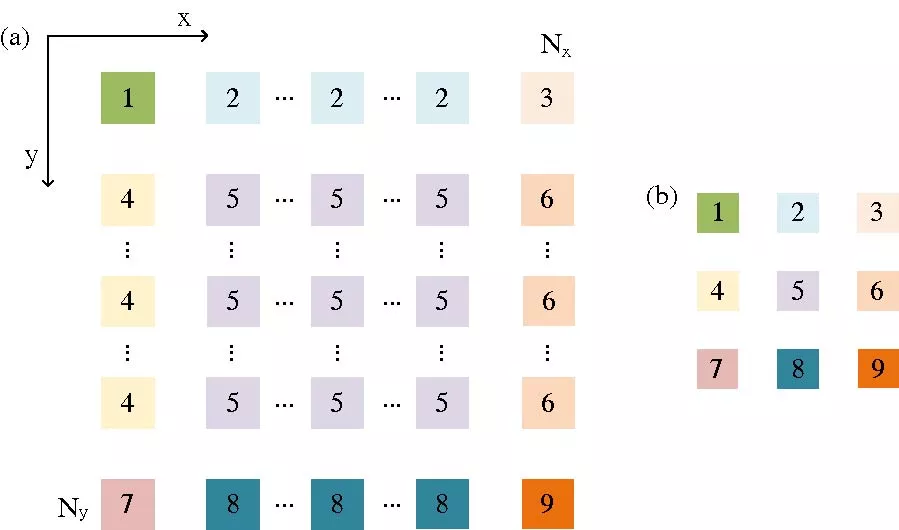
Compact and Broadband CPW-to-RWG Transition Using 180° Phase Shifter
Yueh-Hsien Cheng and Chun-Long Wang
In this paper, a compact and broadband 50-Ω coplanar waveguide-to-rectangular waveguide (CPW-to-RWG) transition using a 180° phase shifter and a meandered dipole is proposed. The frequency range, for which the reflection coefficient is smaller than -15 dB, covers the whole X-band (8.2~12.4 GHz). In addition to the broadband performance, the transition occupies a small length of 7.37 mm. Furthermore, the characteristic impedance of the coplanar waveguide is 50 Ω, which conforms to the commonly used 50 Ω impedance of radio frequency systems. To further reduce the circuit size, a compact and broadband 50-Ω CPW-to-RWG transition using an inductance-compensated 180° phase shifter and a meandered dipole is proposed. The frequency range, for which the reflection coefficient is smaller than -15 dB, also covers the whole X-band (8.2~12.4 GHz). Besides, the transition size is reduced from 7.37 mm to 6.55 mm, which is smaller than a quarter-wavelength. Furthermore, the characteristic impedance of the coplanar waveguide is of the nominal value of 50 Ω.
Compact and Broadband CPW-to-RWG Transition Using 180° Phase Shifter
2025-12-27
PIER C
Vol. 164, 41-50, 2026
download: 71
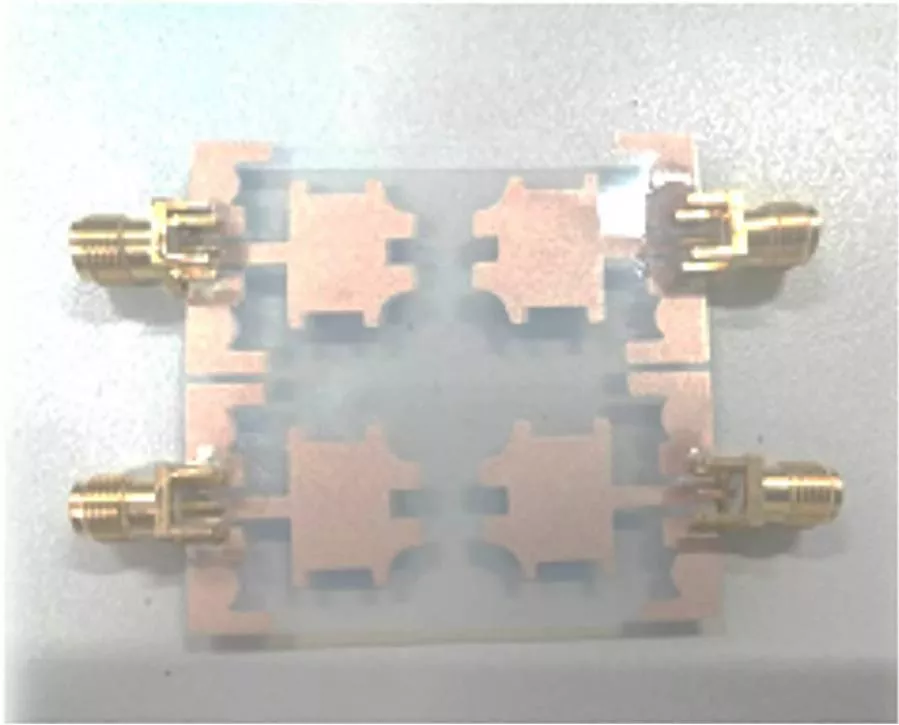
Compact Dual-Band SIW Bandpass Filter Featuring Reconfigurability for Multi-Application Scenarios
Amjad A. Al-Rahmah and Bashar J. Hamza
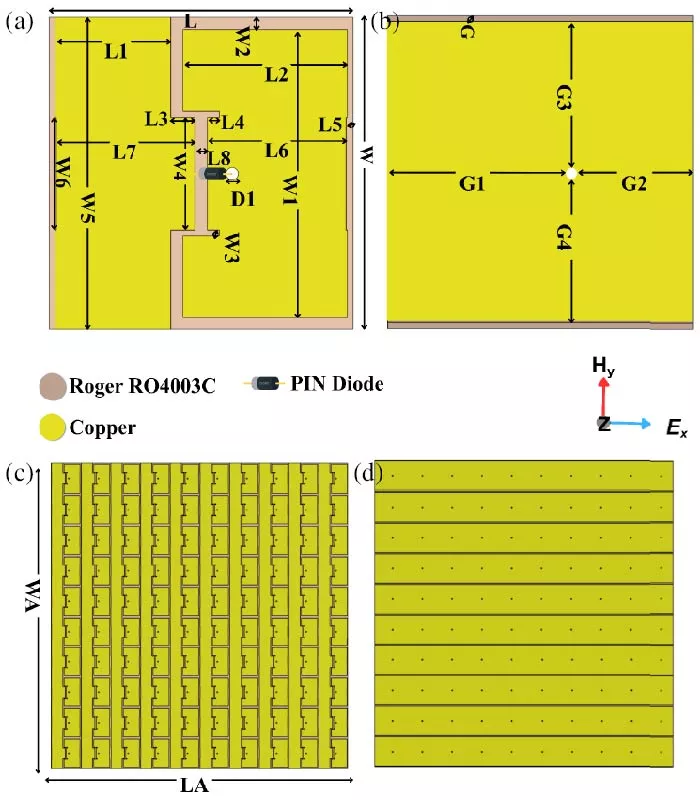
The proposed compact dual-band SIW BPF features reconfigurable center frequency and bandwidth, providing two passbands around 2.7 GHz and 4.7 GHz. The lower band targets S-band weather and air-traffic-control radar systems, whereas the upper band covers the 5G NR n79 band, enabling multi-application use in radar and sub-6 GHz 5G wireless communication, utilizing independent reconfigurable methods facilitated by PIN diodes. The suggested design exhibits compact dimensions of 0.21λg × 0.48λg, a minimal insertion loss of 1.5 dB, and a substantial return loss of 14 dB. Advanced design methodologies, including eigenmode analysis, were utilized to attain precise selectivity and computing of coupling matrix. The engineered filter demonstrates superior performance, with outcomes closely aligning with models, and guarantees little interference with suppression up to 8 GHz. The tuning mechanism provides versatility by independently modifying the operating frequencies of the first and second band, rendering the design very flexible for dynamic wireless communication settings. This study emphasizes a robust and effective answer for contemporary mobile communication systems.
Compact Dual-Band SIW Bandpass Filter Featuring Reconfigurability for Multi-Application Scenarios
2025-12-26
PIER C
Vol. 164, 35-40, 2026
download: 98
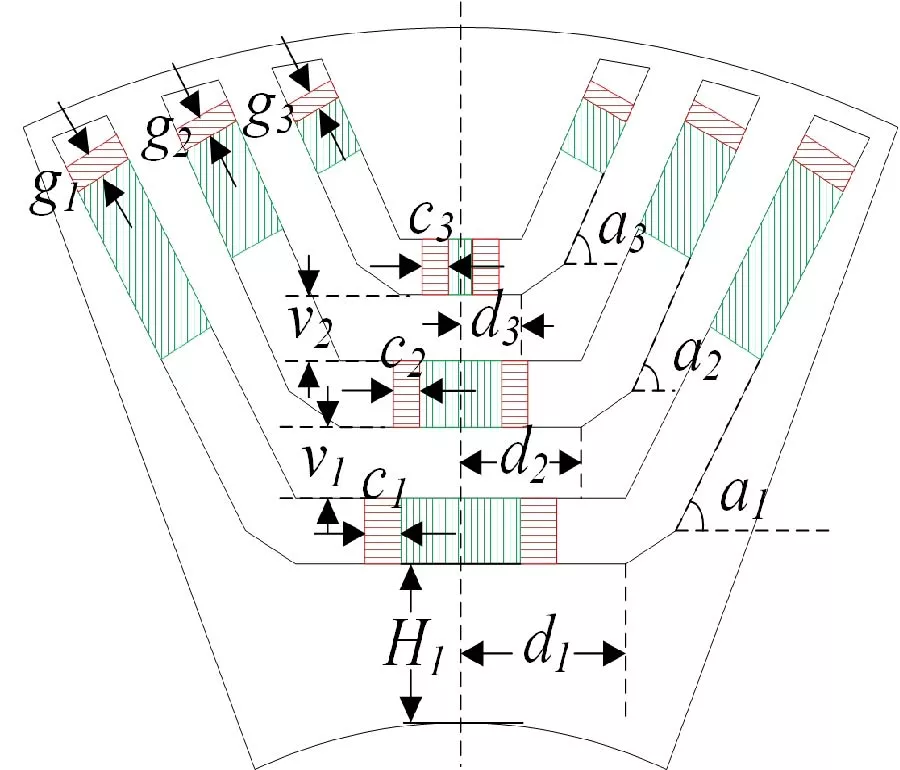
Design and Analysis of Interior Permanent-Magnet Machine for Improving Reluctance Torque and Heat Dissipation
Yujie Tang, Jingfeng Mao and Junqiang Zheng
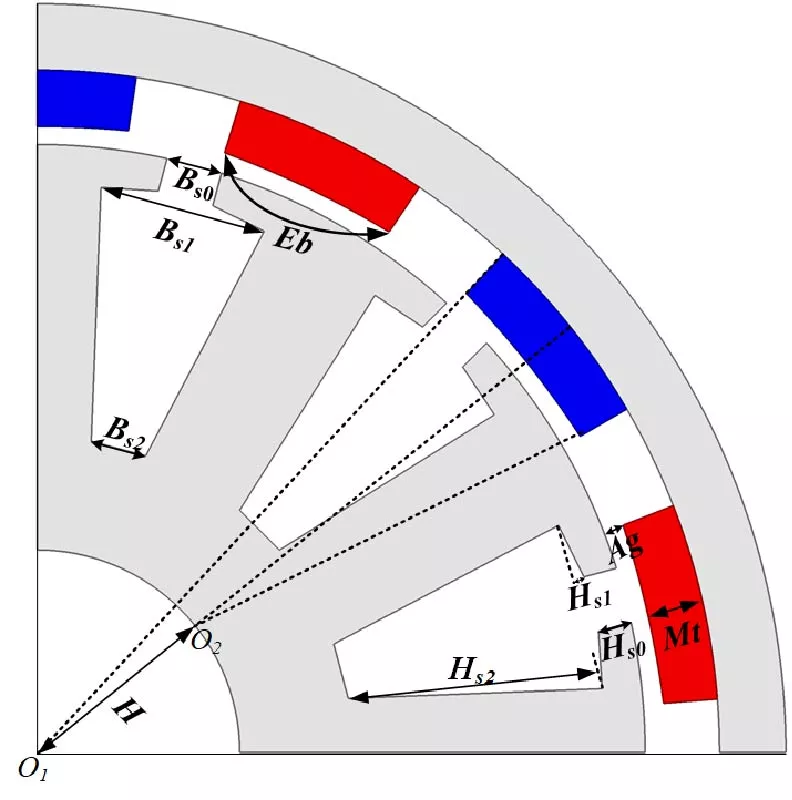
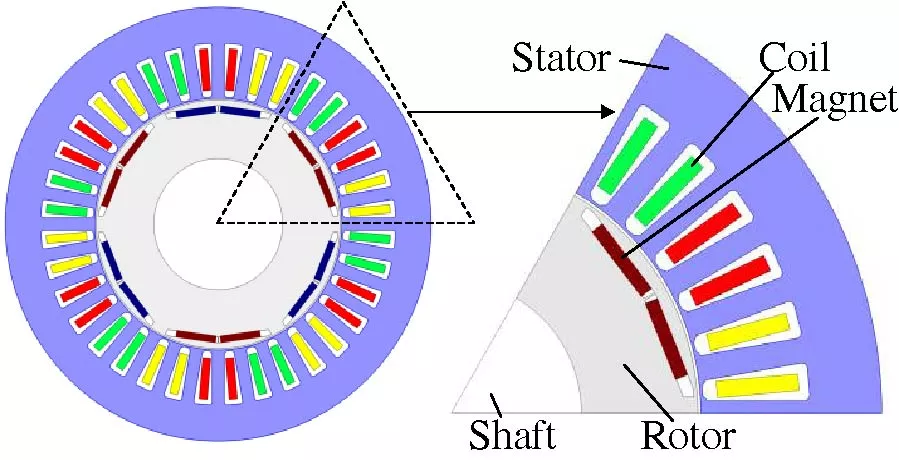
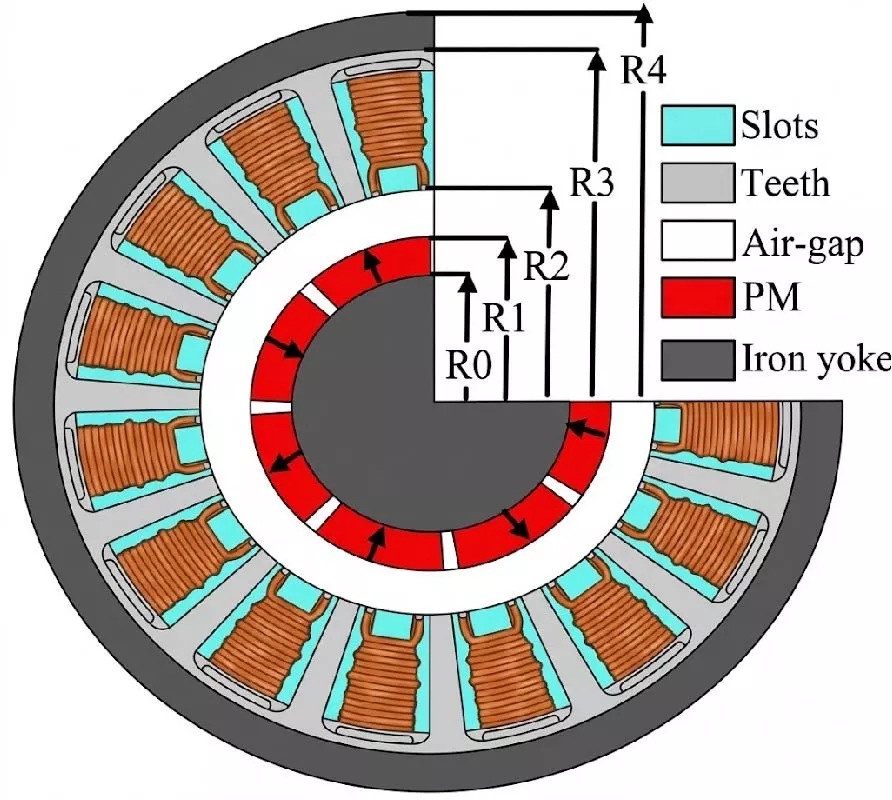
This paper proposes an Interior Permanent Magnet (IPM) machine for electric vehicles, which features excellent heat dissipation performance and maximizes the utilization of reluctance torque. The inverted triangular structure design, combined with multi-layer flux barriers and ventilation auxiliary slots, effectively increases the saliency ratio and enhances the reluctance torque. The rotor self-ventilation slots significantly expand the heat dissipation area, improve the heat dissipation performance under steady-state operation, and extend the service life of the rotor. In addition, performance evaluation of the IPM machine is conducted, covering back-EMF, torque performance, dq-axis inductances, rotor stress and deformation, as well as thermal performance. This work provides guidance and reference for machine design.
Design and Analysis of Interior Permanent-Magnet Machine for Improving Reluctance Torque and Heat Dissipation
2025-12-26
PIER C
Vol. 164, 27-34, 2026
download: 52
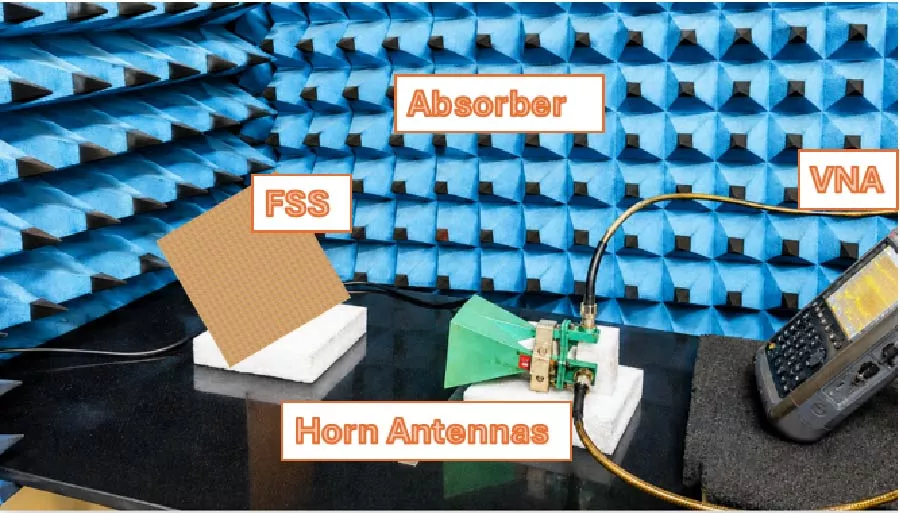
RCS Reduction Technology for Circularly Polarized Satellite Navigation Antenna Based on Phase Gradient Surface
Lei Gan, Kun Wei, Jing-Xian Chen and Qing-Chao Guo
With the advancement of radar detection technology, stealth technology has become increasingly critical in modern warfare. Antennas, as essential components of airborne platforms, are significant scattering sources on stealth aircraft. This paper proposes a method to reduce the Radar Cross Section (RCS) of B3-band satellite navigation antennas using a broadband phase gradient surface. The phase gradient surface is designed to deflect scattered energy into non-threatening angular domains, thereby achieving RCS reduction. The proposed design is validated through simulation software, demonstrating its effectiveness in reducing RCS while maintaining the radiation performance of the antenna. The results show that the phase gradient surface can achieve more than 4 dB and 6 dB of RCS reduction under phi- and theta-polarized plane wave incidence, respectively, in the frequency range of 5.5 GHz to 15 GHz.
RCS Reduction Technology for Circularly Polarized Satellite Navigation Antenna Based on Phase Gradient Surface
2025-12-24
PIER C
Vol. 164, 15-26, 2026
download: 120
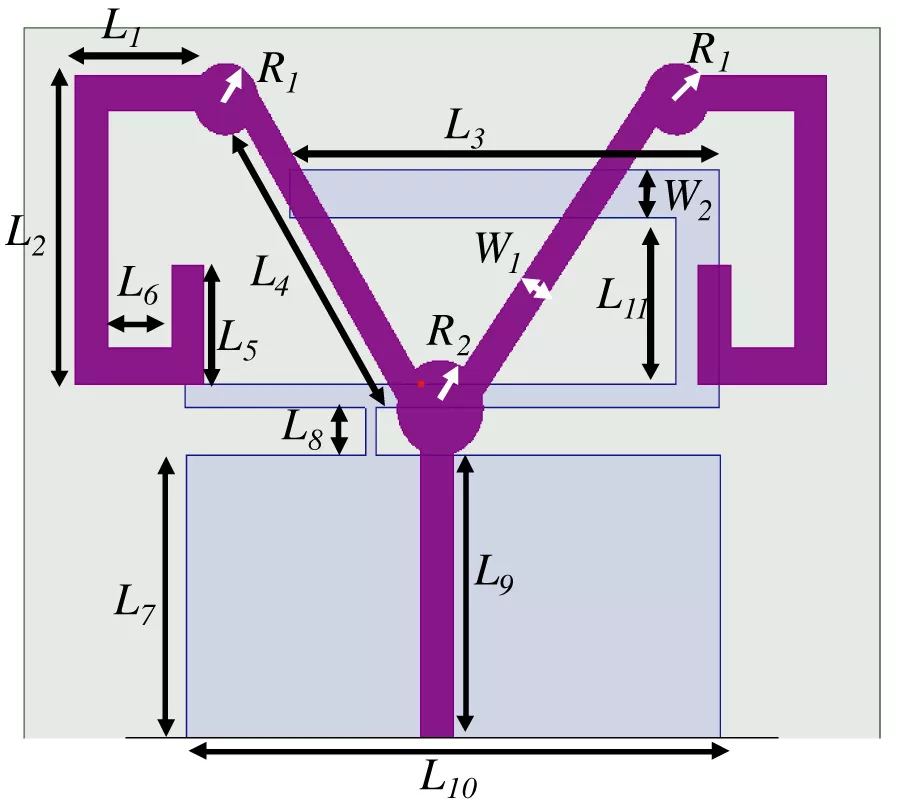
A Compact CPW-Fed Super-Wideband Antenna on FR4 for 5G, 6G, and Wireless Applications
Manish Kumar, Sandeep Kumar Singh, Madhukar Deshmukh and Siti Nor Farhana Yusuf
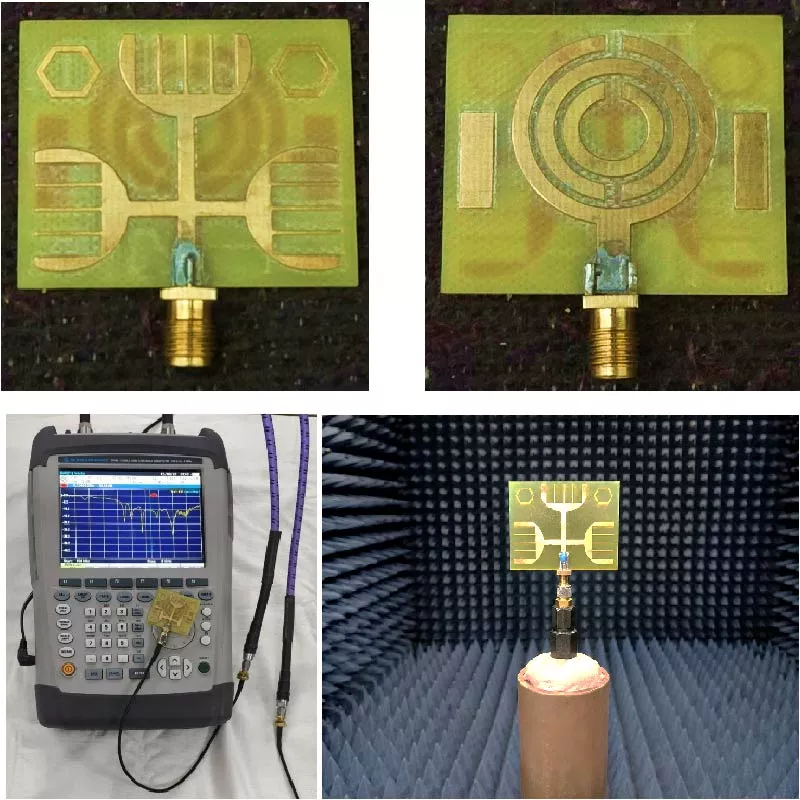
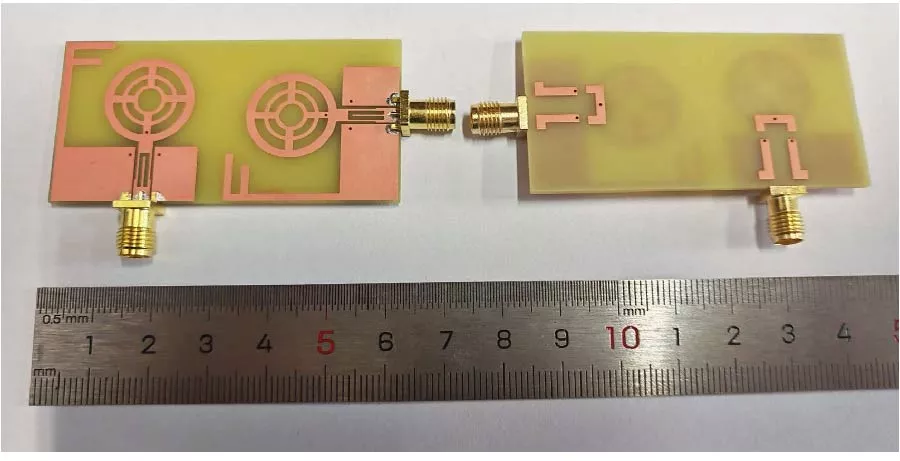
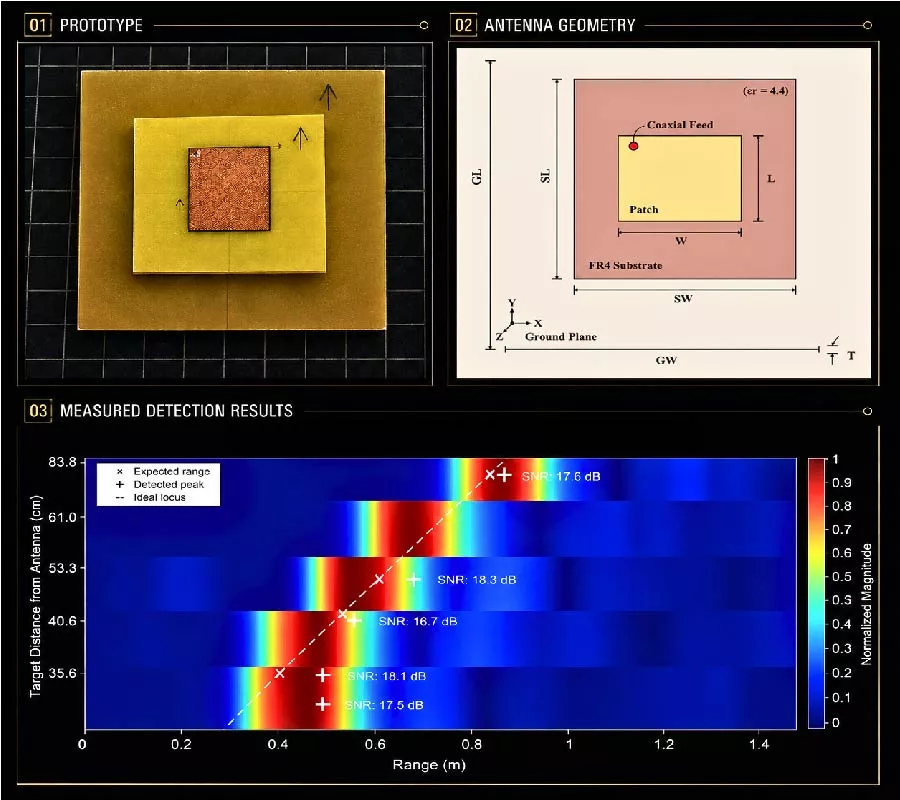
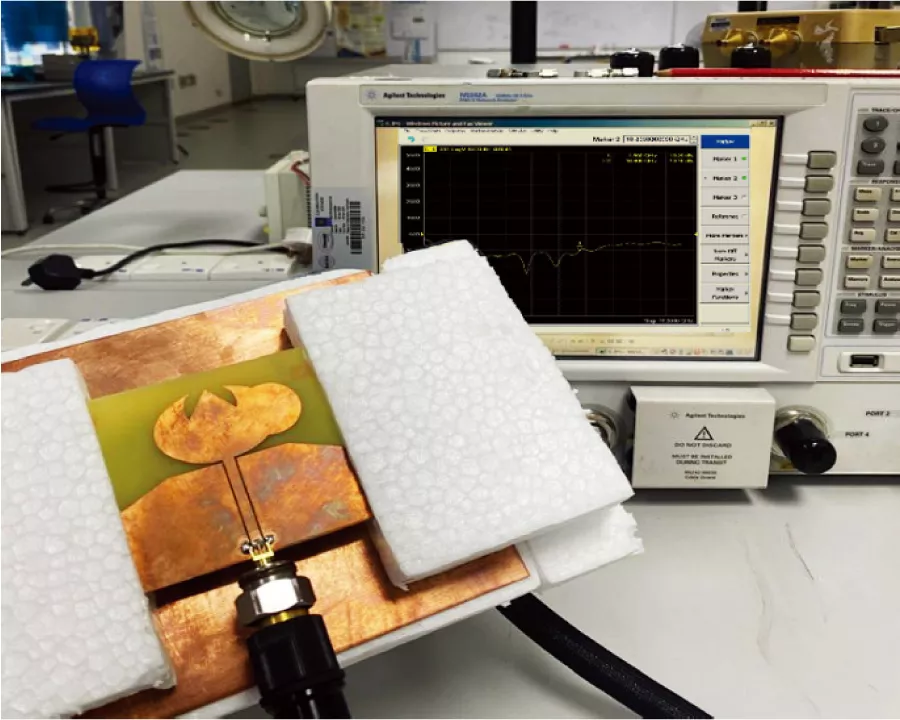
This work presents a compact coplanar waveguide (CPW) fed super wideband (SWB) antenna realized on a low-cost FR4 substrate (εr = 4.4, thickness = 1.6 mm). The 20 × 20 mm2 radiator integrates a multi-slotted patch within a hexagonal ground plane aperture and a carefully optimized tuning stub that excites and merges multiple resonances into a continuous broadband response. The antenna achieves a measured |S11| ≤ -10 dB impedance bandwidth from 2 to 34 GHz (177.7%), encompassing sub-6 GHz 5G, WLAN/WiMAX, and millimeter wave (Ku/Ka) allocations. Radiation measurements reveal quasi-omnidirectional patterns with a peak gain of 6.60 dB and maximum radiation efficiency of 82.68%. Time-domain analysis demonstrates an almost constant group delay (approximately 0.1 to 0.5 ns, mean 0.19 ns) with a single localized deviation near 24.4 GHz, confirming low dispersion and excellent phase linearity, which are desirable for IR-UWB and high data rate communication systems. Parametric optimization and equivalent RLC circuit modeling validate the broadband mechanism, while simulation studies performed using CST Microwave Studio exhibit excellent agreement with experimental results. The proposed design therefore offers a cost-effective, compact, and high-performance antenna solution suitable for 5G/6G front ends, radar imaging, and broadband sensing applications.
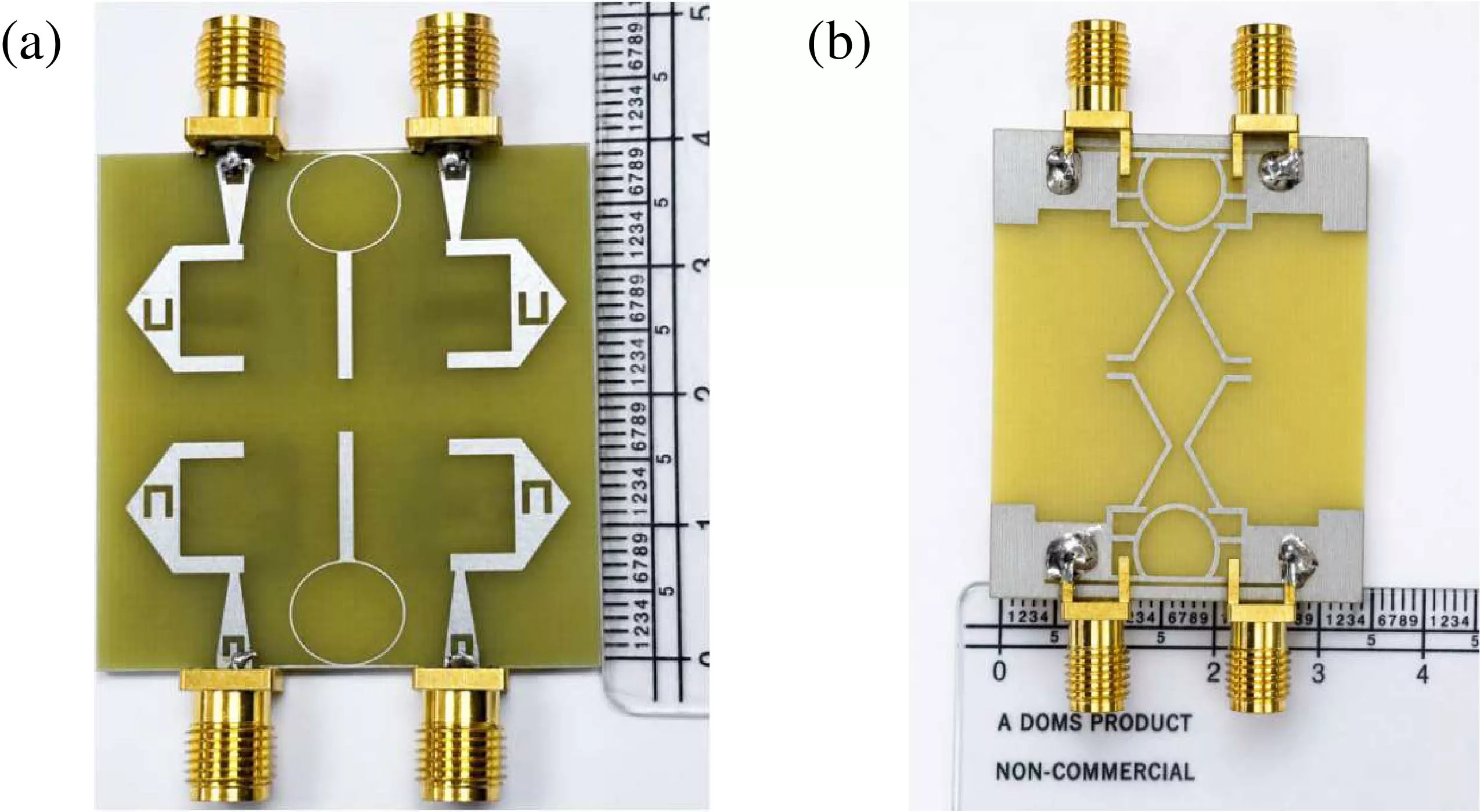
A Compact CPW-Fed Super-Wideband Antenna on FR4 for 5G, 6G, and Wireless Applications
2025-12-24
PIER C
Vol. 164, 8-14, 2026
download: 46
Experimental Investigations of Pure Carbon Dioxide Splitting Using a Rod-Electrode-Type Microwave Plasma Source at Atmospheric Pressure
Hidenori Sekiguchi
The purpose of this study is to experimentally investigate the applicability of a rod-electrode-type microwave plasma source (MPS) for pure carbon dioxide (CO2) splitting at atmospheric pressure. This paper demonstrates that the rod-electrode-type MPS can convert pure CO2 gas into plasma. The CO2 splitting by the CO2 plasma is investigated in terms of the pure CO2 flow rate into the rod-electrode-type MPS and the average transmission power to the rod-electrode-type MPS. In the investigations, the emission spectrum of the CO2 plasma is measured using a spectrometer to observe the dissociation reaction of the CO2 gas, and the exhaust gas after the CO2 plasma generation is analyzed using a mass spectrometer to evaluate the CO2 conversion. As a result, the CO2 conversion decreases with an increase in either the average transmission power to the rod-electrode-type MPS or the CO2 flow rate into the rod-electrode-type MPS. Under the experimental conditions, the highest CO2 conversion and energy efficiency are 6.3% and 3.7% at a specific energy input of 4.9 eV/molecule (equivalent to approximately 19.6 kJ/L), respectively.
Experimental Investigations of Pure Carbon Dioxide Splitting Using a Rod-Electrode-Type Microwave Plasma Source at Atmospheric Pressure
2025-12-24
PIER C
Vol. 164, 1-7, 2026
download: 67
Design of a High-Selectivity C-Band Tunable Filter by Dielectric Movable Elements for SATCOM Applications
Davide Guarnera, Santi Concetto Pavone, Tommaso Isernia and Gino Sorbello
In this paper, the design of a mechanically tunable band-pass filter in waveguide technology operating in the C-band tunability range [4.4-5] GHz, for satellite communications (SATCOM), is presented. The resonance frequency tunability has been obtained by mechanically inserting movable dielectric cylinders within the waveguide filter. The impedance matching has been achieved by using two movable dielectric ridges, working as quarter-wave transformers. They have been placed at input and output filter ports and can move jointly with the dielectric tuning elements. Filter design has been carried out by adopting a suitable theoretical model, whereas the optimization has been achieved by numerical simulations. The proposed design approach provides key advantages in terms of simplicity, design effectiveness and reproducibility, rendering it particularly suitable for industrial applications. A prototype of high-selectivity tunable filter has been fabricated and characterized within the whole tunability range. The measurements show excellent agreement with simulated results.
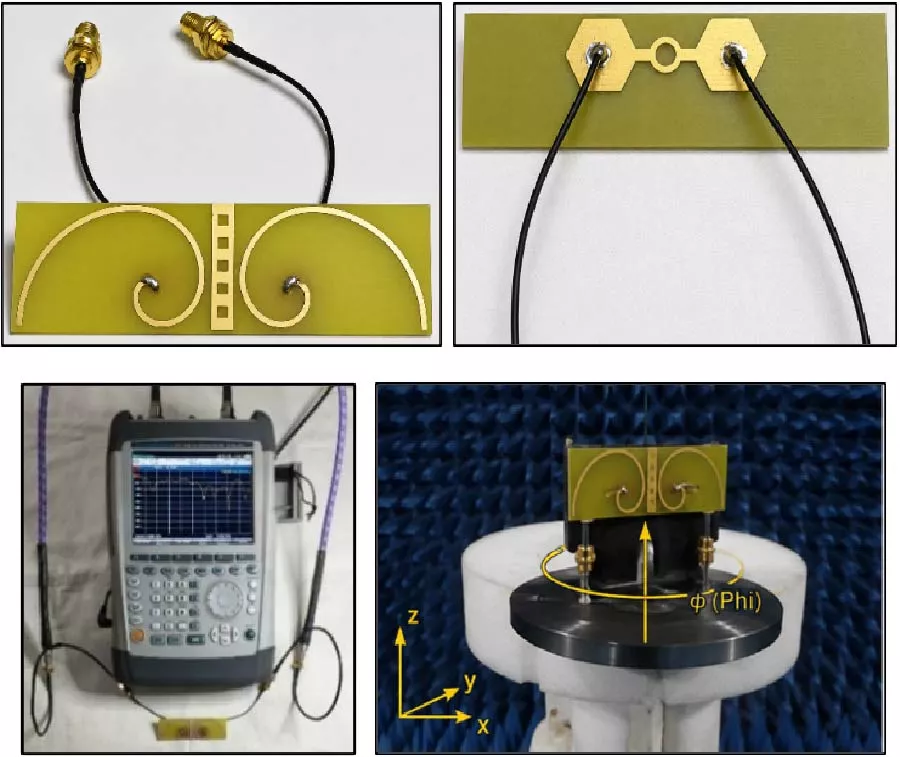
Design of a High-selectivity C-band Tunable Filter by Dielectric Movable Elements for SATCOM Applications