Search Results(13787)

2023-03-15
PIER C
Vol. 131, 35-48
A Compact 3D Printed Mirror Folded Lens Antenna for 5G Applications
Bin Xu and Bing Zhang
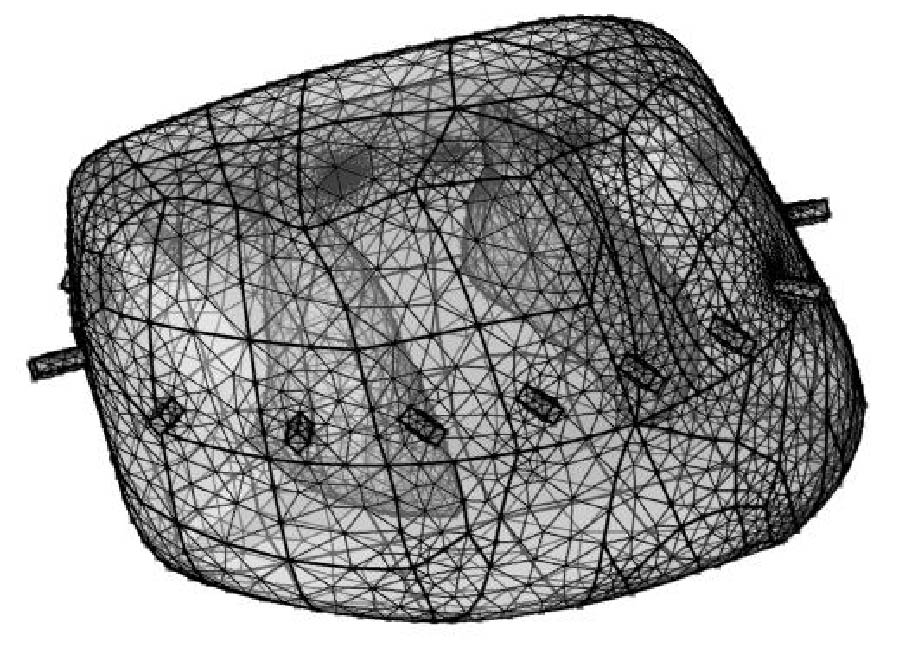
A concept to minimize the volume of the classic bifocal elliptical lens antenna is proposed. By applying the image theory, a reflective ground plane is placed along the short axis of a bifocal elliptical lens. An antenna-on-chip (AoC), as the lens's feed source, is placed at the upper focus and packaged by the lens body. The AoC radiates toward the ground plane instead of the free space. The geometric optics (GO) ray tracing analysis shows that the optical path of the miniaturized monofocal integrated lens antenna (ILA) is equal to that of the classic bifocal ILAs, so the gain is almost unaffected on the basis of the lens' volume reduction. For the quantitative evaluation of the gain loss caused by feed occlusion, a set of analytical equations is given. To verify the design concept, a 26 GHz miniaturized self-packaged monofocal elliptical ILA is designed and fabricated by 3D printing technology. The ILA achieves a 26.5 dBi gain and a size reduction rate of 38% compared with the classic bifocal elliptical lens. Moreover, the ILA also functions as the package for the AoC's die. The proposed design concept can not only reduce the volume of the classic bifocal elliptical lens dramatically but can also save the effort and cost to package the AoC's die in a highly integrated system, which is believed to have great potential to create large profit margins for the fifth-generation (5G) mobile network applications.
A Compact 3D Printed Mirror Folded Lens Antenna for 5G Applications
2023-03-14
PIER B
Vol. 99, 41-62
Design of Waveguide Applicators Using a Quarter-Wave Transformer Prototype
Mykola Zhuk and Jonathan Paradis
In this paper, we propose a design methodology for waveguide applicators to maximize microwave power deposition into human tissues. The optimized applicators can be used in the experimental studies of the biological effects of exposure to electromagnetic radiation in the frequency range from 6 GHz to 100 GHz. The design methodology relies on the provision of reflectionless matching of a dissipative waveguide load, achieved by employing a matching network based on a quarter-wave transformer prototype. The prototype is synthesized by knowledge of the voltage standing wave ratio (VSWR) evaluated in the unmatched loaded waveguide. A key difference from the conventional synthesis procedure is that in our design approach, the characteristic impedance of the first transformer section is given, and we have to not only determine the characteristic impedances of the remaining sections, but also establish the output load. A solution of this synthesis problem and the process of converting the transformer prototype into a waveguide structure are described. The physical structure can be implemented according to provided sample models of waveguide WR137 applicators employing symmetric inductive or capacitive posts. The matched waveguide applicators are easy to manufacture, and according to the results from computational simulations, they demonstrate superior performance compared to the unmatched waveguides. Limitations of our designs (narrow bandwidth, dependence on the type of tissues encountered, limited potential for miniaturization) are discussed.
Design of Waveguide Applicators Using a Quarter-wave Transformer Prototype
2023-03-14
PIER C
Vol. 131, 25-33
A Wideband Circularly Polarized CPW-Fed Diamond Shape Microstrip Antenna for WLAN/WiMAX Applications
Sonu Rana , Jyoti Verma and Anil Kumar Gautam
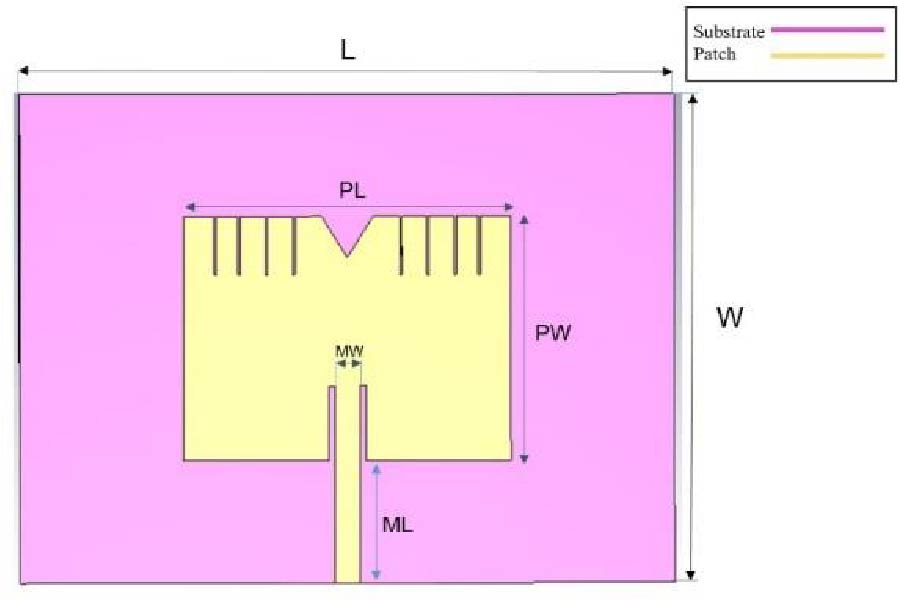
This paper presents the design and fabrication of a wideband circularly polarized CPW-fed compact diamond-shaped antenna. To enhance the wideband response and axial ratio in the desired frequency band, the geometry of the proposed antenna is modified. The modified antenna consists of one radiating element that includes two slits and one horizontal rectangular stub and an improved ground plane. The suggested wide-band antenna has overall measurements of 25 mm x 28 mm x 1.6 mm. The V-shaped slit generates two orthogonal modes in the proposed antenna to excite circular polarization. The rectangular stub improves the wideband response in 2.35-4.62 GHz. The fabricated prototype antenna demonstrates good consistency between simulation and measured results. The suggested antenna resonates over a 2700 MHz transmission bandwidth between 2.35 and 4.62 GHz, making it a good choice for WLAN and WiMAX applications. The average gain in the wideband is 3.1 dBi. It is shown that our suggested approach is a great choice for developing any wideband microstrip antenna for usage in a variety of wireless communication systems.
A Wideband Circularly Polarized CPW-fed Diamond Shape Microstrip Antenna for WLAN/WiMAX Applications
2023-03-11
PIER C
Vol. 131, 13-24
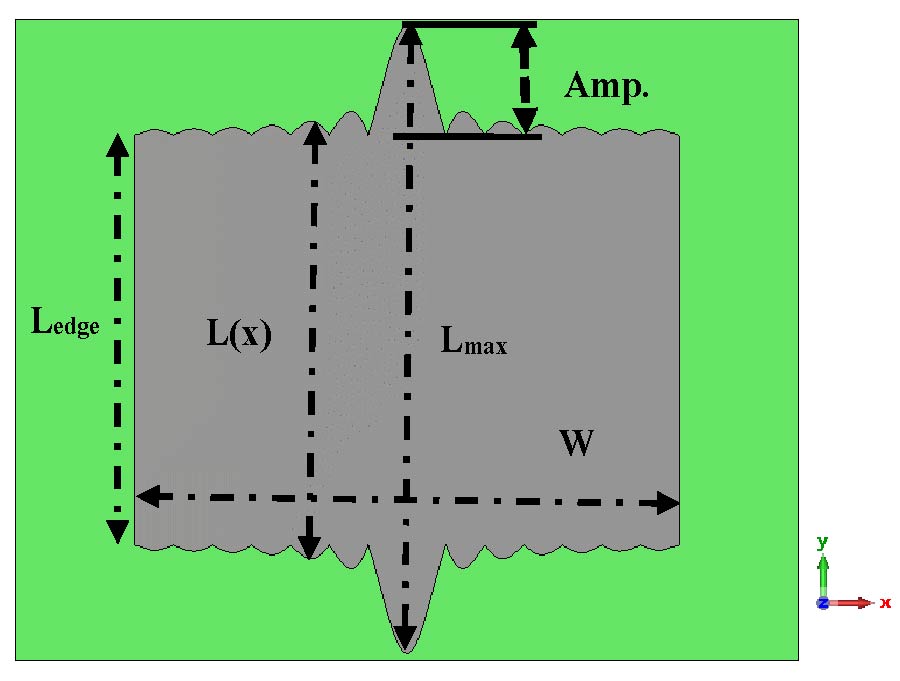
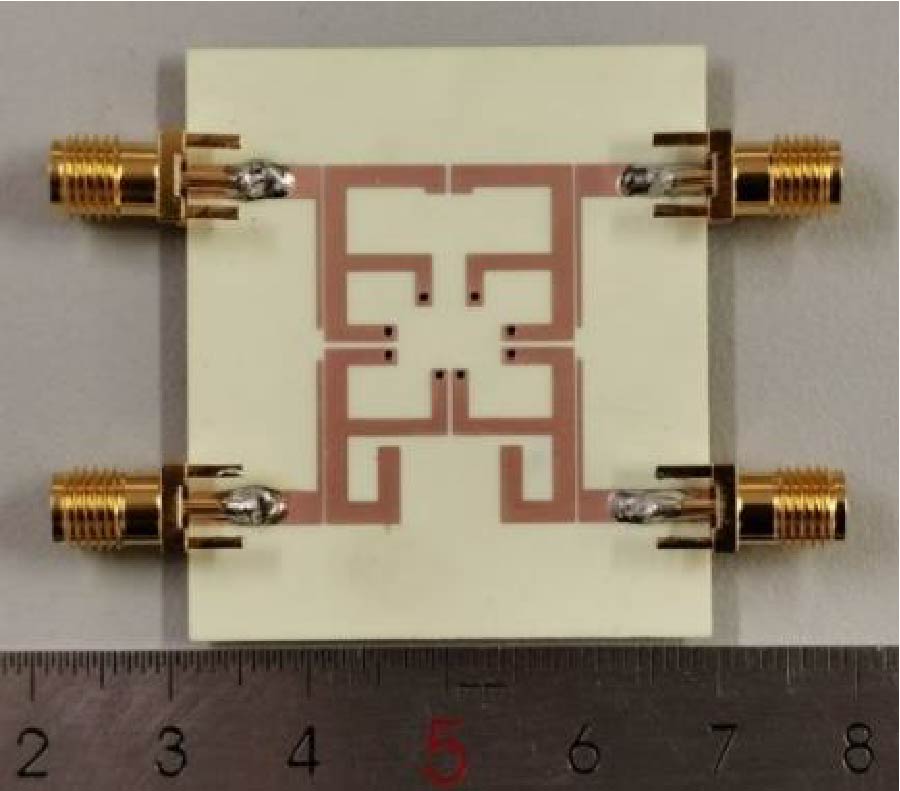
Compact 4-Port Vivaldi MIMO Antenna for 5G Wireless Devices
Golla Ramyasree and Nelaturi Suman
In this paper, a novel compact 4-port Vivaldi Multiple Input Multiple Output (MIMO) antenna is proposed for 5G wireless devices. The presented antenna has dimensions 40x40x1.6 mm3. The suggested antenna is fabricated on RT/Duroid dielectric material with dielectric constant of 2.2. The orthogonal arrangement of antenna elements and embedding slits between them result in enhanced isolation. The gain observed for the proposed antenna is 2.405 dB. The diversity performance of MIMO structure in terms of Envelop Correlation Coefficient (ECC < 0.02), Total Active Reflection Coefficient (TARC < -10 dB), Diversity Gain (DG > 9.998), Channel capacity Loss (CCL < 0.4) and Mean Effective Gain (MEG < 1 dB) is studied and analyzed. The simulated and measured results are in good agreement.
Compact 4-port Vivaldi MIMO Antenna for 5G Wireless Devices
2023-03-11
PIER M
Vol. 116, 1-10
A Polarization Reconfigurable Rectangular Dielectric Resonator Antenna Using PIN Diode for X-Band Applications
Akrem Amar Soltan , Salam Khamas and Salman Majid Salman
A polarization reconfigurable dielectric resonator Antenna (DRA) is proposed for X-band applications. The antenna provides circularly polarized (CP) or linearly polarized (LP) radiations at the same frequency band. Altering the states of two PIN diode switches offers a choice of one of three polarization options: (i) LP radiation; (ii) left-hand CP (LHCP) radiation; (iii) right-hand CP (RHCP) radiation. The simulations and measurements are in close agreement, indicating that the LHCP and RHCP radiations have reconfigurable polarization traits with a 21.3% impedance bandwidth ranging from 9.6 to 11.9 GHz and a 3.4% for the LP radiation that extends from 10.2 to 10.5 GHz. There is simultaneously a maximum gain of 6.9 dBic with a circa 4% axial ratio (AR) bandwidth for the LHCP and RHCP radiations.
A Polarization Reconfigurable Rectangular Dielectric Resonator Antenna Using PIN Diode for X-band Applications
2023-03-10
PIER B
Vol. 99, 23-39
Self-Inductance Computation of the Thin Conical Sheet Inductor
Slobodan Babic
In this paper, a new formula for calculating the self-inductance of a thin conical sheet inductor is given. The presented work is derived in a semi-analytical form based on the complete elliptic integrals of the first, second, and third kind plus a term to be solved numerically. The analytical formula is obtained in the special case when the thin conical sheet inductor is degenerated into a thin wall cylinder. The validation of the presented formulas is done by triple, double, single integration and by the semi-analytical formula. These self-inductance calculations of the thin conical sheet inductors can be especially useful in broadband RF applications and wireless power transfer systems where conical inductors have been used.
SELF-INDUCTANCE COMPUTATION OF THE THIN CONICAL SHEET INDUCTOR
2023-03-10
PIER M
Vol. 115, 151-162
An Optimal Sparse Reconstruction Algorithm in Synthetic Aperture Interferometric Radiometer (SAIR)
Zilong Zhao , Zhongjian Fu , Jinguo Wang , Zhaozhao Gao , Jie Gu , Shiwen Li , Bo Qi and Fan Jiang
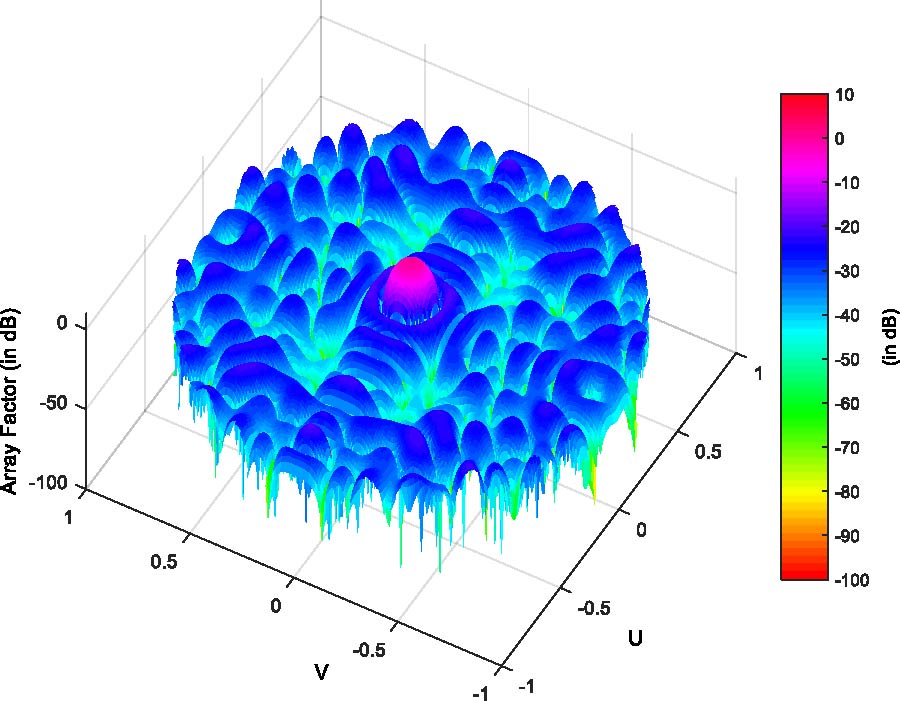
Synthetic aperture interferometric radiometer (SAIR) requires lots of antennas, receivers, and correlators to accurately reconstruct the brightness temperature (BT) distribution of the scene. Aiming to reduce the complexity of the hardware requirements in SAIR system while maintaining the image quality, a new optimal sparse reconstruction method is developed in this paper. Different from the existing imaging methods, the proposed method constructs the optimal receiving array with a few elements by evaluating the mutual coherence and the array factor of the sensing matrix in SAIR system, so as to achieve high-quality reconstruction of the BT image. Numerical simulations and experiments demonstrate that the proposed method can reconstruct the BT image by solely using a few receivers with higher image fidelity than the competing methods.
An Optimal Sparse Reconstruction Algorithm in Synthetic Aperture Interferometric Radiometer (SAIR)
2023-03-08
PIER Letters
Vol. 109, 93-101
Design of a W-Band Dual-Circular-Polarization Monopulse Cassegrain Antenna for Polarization Detection of Radar Target
Xin Li , Kun Gao , Ying-Chao Zhao , Jian Yuan , Jie Cheng and Yuan-Yuan Wang
A W-band dual-circular-polarization (dual-CP) monopulse Cassegrain antenna for polarization detection of radar target is presented in this letter. The proposed antenna consists of a main reflector, a sub reflector, a dual-CP feed source based on the septum polarizer, and a comparator. Two orthogonal circular-polarized signals [left-hand circular polarization (LHCP) and right-hand circular polarization (RHCP)] electromagnetic wave can be transmitted and received simultaneously by this antenna. The principle of the antenna is introduced and analyzed, and then a prototype of the antenna is simulated, fabricated, and measured. Measured results are in good agreement with the simulated ones. At 94 GHz, the gains of the LHCP and the RHCP sum beam (SUM beam) are 38.6 dBi and 38.8 dBi counting the insertion loss of the comparator, which indicates that the radiation efficiency is better than 44.2%. The 3-dB beamwidth is about 1.5° with a sidelobe level (SLL) of -16.6 dB, and the axial ratio is lower than 1.43. A null depth of -26 dB for the difference beam (DIFF beam) is observed, and the gain ratio between the LHCP monopulse beams is 5.9 dB. Measured results demonstrate that the proposed antenna is very applicable in the polarization detection of radar target at W-band.
Design of A W-band Dual-circular-polarization Monopulse Cassegrain Antenna for Polarization Detection of Radar Target
2023-03-07
PIER C
Vol. 130, 255-267
CSRR Based Metamaterial Inspired Sensor for Liquid Concentration Detection Using Machine Learning
Divya Prakash and Nisha Gupta
A sensor to accurately predict chemical concentrations has been proposed in this research work. Inspired by Metamaterials, the sensor is composed of Complementary Split-Ring Resonators (CSRRs) and utilizes the Machine Learning technique to accurately predict the concentrations. The sensor is designed to maximize the interaction of the Material Under Test (MUT) with the sensitive regions of the CSRRs. The usage of costly and complex fluidic channels and sample containers is avoided by using filter paper for the liquid MUT placement in between the resonators. The proposed sensor is small (2.3 cm × 2.3 cm), simple, employs a low-cost fabrication technique and offers an alternate sensing mechanism that requires a minimal amount of the MUT. The multiple resonances exhibited by the proposed sensor add to the reliability and accuracy of the sensor.
CSRR Based Metamaterial Inspired Sensor for Liquid Concentration Detection using Machine Learning
2023-03-07
PIER Letters
Vol. 109, 85-92
A Novel Planar Broadband End-Fire Antenna with High Front-to-Back Ratio
Yonghao Zhu , Hua Chen , Lan Li , Jifang Zhang , Yan Yan , Mankang Xue , Quan Wang and Qing Fang
In this paper, a high front-to-back ratio (FTBR), broad bandwidth planar printing structure, and electromagnetic dipole complementary antenna that generates end-fire radiation pattern is investigated. The antenna consists of a segmented loop, planar electric dipole, and microstrip coupling feed structure, which are printed on the top and bottom surfaces of a dielectric substrate. The segmented loop is equivalent to a magnetic dipole. A high front-to-back ratio is achieved by combining the electric dipole and equivalent magnetic dipole with the same radiation intensity and antiphase. The proposed antenna is fabricated and measured. The measured results show that the proposed antenna achieves an impedance bandwidth of 48.05% (1.66 GHz-2.71 GHz). The largest gain can get to 3.89 dBi, and the maximum front-to-back ratio is 25.4 dB in the frequency band. The measured results are well consistent with simulated ones.
A Novel Planar Broadband End-fire Antenna with High Front-to-back Ratio
2023-03-06
PIER B
Vol. 99, 1-21
Simulation of Rapid Voltage Edge Related Voltage Surges in Highly Inductive Windings with Frequency Dependent Parameters
Roberto Felicetti , Jesus Jose Perez-Loya and Claes Urban Lundin
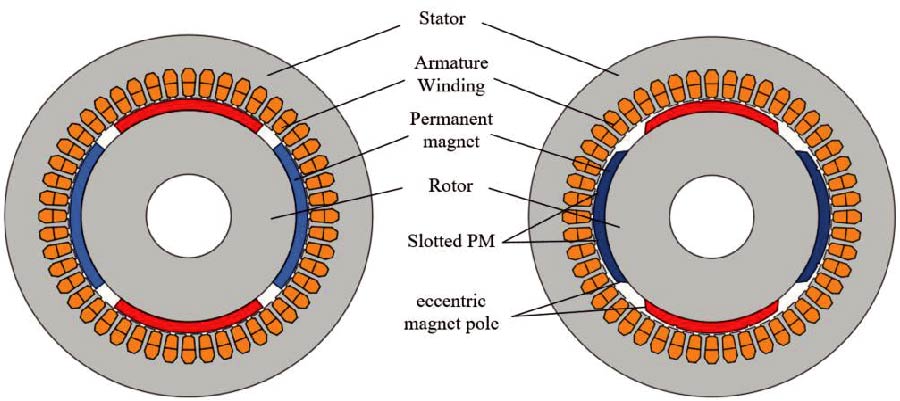
Many static and rotating electric energy converters make use of inductive coils as filters, reactive loads or exciters, where a sudden variation of the magnetizing current can produce severe overvoltage with potential subsequent insulation damage. In some applications the overvoltage is the result of a superposition of travelling voltage waves in a supplying line. Traditional tools for studying such phenomena are based on ordinary differential equations that can heavily handle variable parameters, especially if they change according to the rapidity of the observed overvoltage. In this paper the transient voltage distribution in the excitation winding of a salient pole synchronous generator is simulated by solving the problem entirely in the frequency domain, i.e., without any use of the traditional ordinary differential equations solvers. Thismakesit possible to tune the parameters of a simplified electric model to the frequency response of the studied winding. It is shown that for highly inductive windings a single transmission line model with frequency dependent parameters can reproduce voltage transients very accurately, in a broad interval of frequency, relevant for power electronics and electromagnetic compatibility applications. Furthermore, the paper presents the experimental setup which has been needed for generating the fast varying voltage edges.
Simulation of Rapid Voltage Edge Related Voltage Surges in Highly Inductive Windings with Frequency Dependent Parameters
2023-03-06
PIER C
Vol. 131, 1-12
Investigation on a Small 4T4R MIMO Microstrip Antenna for Sub-6 GHz New Radio Wireless Network
Satya Singh and Milind Thomas Themalil
The next generation 4T4R Multiple Input Multiple Output (MIMO) antenna solution is gradually accepted by operators in many countries as a mainstream expansion to long term evolution (LTE) networks. Using limited spectrum and high capacity, operators have successfully adopted multi-sector 4T4R MIMO deployment and achieved a 70% increase in capacity without increasing spectrum, thus paving way for state of art next generation wireless networking environment requiring antennae that are robust, small size, lighter, preferably with circular polarization. MIMO antennae provide optimality by arresting multipath fade effect and ensuring data link that is reliable. MIMO realizes efficiency in mobility with increase in capacity of links and several sub-bandwidths using polarization diversity providing better cybersecurity. This work therefore is an investigation on a small size 4T4R MIMO antenna for the use in a sub-6 GHz new radio (NR) band in a fading environment with good inter element as well as radiation isolation compared with earlier research. A rectangular patch with loaded slots is designed to obtain small size. Stubs and parasitic elements are introduced between the elements for better mutual coupling performance. Performance of the antenna is stable, with the test results agreeing. The parametrics follow the coefficient of transmission isolation technique to obtain an optimal envelope correlation coefficient.
Investigation on a Small 4T4R MIMO Microstrip Antenna for Sub-6 GHz New Radio Wireless Network
2023-03-06
PIER M
Vol. 115, 141-149
Performance Evaluation of Biophotonic Cholesterol Sensor Using 1D Photonic Crystal Cavity Structure
Diptimayee Dash and Jasmine Saini
An efficient biochemical sensor for the detection of cholesterol concentration using 1-dimensional photonic crystal (1D-PhC) based cavity structure has been proposed in this paper. The structure comprises a 1-dimensional alternating dielectric photonic crystal designed as (A/B)2/Dd/(A/B)2 for measuring cholesterol concentration in blood, where `A' and `B' represent high and low refractive index materials, respectively. A cavity containing the cholesterol is inserted in the middle of the structure to assess its concentration. The transfer matrix method is used to analyze the reflection characteristics of the proposed multilayer structure. Sensitivity is analyzed by taking the difference in shifted resonant wavelength by infiltrating varying cholesterol concentrations ranging from 200 to 300 mg/dl. After rigorous optimization, it has been observed that the maximum sensitivity of 2.9 nm/(mg/dl) or 325 nm/RIU can be achieved.
Performance Evaluation of Biophotonic Cholesterol Sensor Using 1D Photonic Crystal Cavity Structure
2023-03-06
PIER M
Vol. 115, 129-140
Polarization Conversion and OAM Generation with a Single Transmitting Metasurface
Zhong Yu , Li Shi and Zhenghui Xin
We propose a transmission metasurface (TMS) with ultra-high polarization conversion properties and carrying orbital angular momentum (OAM) vortex waves based on Ku-band's unique periodic unit cell structure in Ku-band. The TMS periodic unit cell structure consists of four cascaded metal layers with parallel-stripe double-arrow and three dielectric layers. We theoretically explain the ultra-high polarization conversion properties of the periodic unit cell by introducing the Jones matrix. Meanwhile, the transmission loss of the periodic unit cell is less than 2.92 dB, and a phase shift of 2π is obtained in 17-19 GHz. We design OAM modes of ±1, ±2, and ±3 for 2π full-phase controlled TMSs by combining the multilayer cascade structure with the Pancharatnam-Berry (P-B) phase principle. The processed TMS produced a vortex wave with an OAM mode of +2 and achieved a polarization conversion rate (PCR) of 83.3% under left-hand circular polarization (LHCP) to right-hand circular polarization (RHCP) in agreement with the simulated and measured data. The results show that vortex waves also have the advantages of high efficiency, broadband, and high mode purity. The generated vortex waves are available for fast beam alignment, which is significant for unmanned aerial vehicles (UAVs) and satellite communications in the Ku band.
Polarization Conversion and OAM Generation with a Single Transmitting Metasurface
2023-03-05
PIER B
Vol. 98, 165-187
Fast and Efficient Clutter Cancellation Approach for DVB-T Based Passive Radars
Mohamed Elamine Nouar , Osama Mahfoudia , Azzedine Bouaraba and Xavier Neyt
In passive radar systems, target echoes are submerged in the sidelobes of the static clutter, which includes multiple reflection echoes from the objects located in the operating environment of the considered system. This undesired part of the collected signals degrades the detector performances. Consequently, the reduction of the static clutter contribution is essential to ensuring an efficient operation of passive radars. In the literature, many algorithms and methods have been proposed for clutter suppression, where a good quality of the received signals is required to ensure an efficient clutter suppression. These methods require a considerable amount of data to operate which increases the complexity and the calculation load of the algorithms. In this paper, an important contribution is brought by simultaneously improving the signals quality and reducing the calculation load in the static clutter suppression process. Since the static clutter can be considered as time-invariant, the proposed approach exploits the specific architecture of the DVB-T signals to provide a noise reduction in the receiving channels by averaging the received signals after being split into symbols. Three different methods are proposed to examine the efficiency of the proposed approach. The performances of the proposed approach are validated through a set of simulations and verified using real data.
Fast and Efficient Clutter Cancellation Approach for DVB-T Based Passive Radars
2023-03-03
PIER B
Vol. 98, 147-164
Comparative Analysis of Smart Beam-Steering Antennas for mm-Wave Communication Systems & 5G
Shafaq Kausar , Ahmed Kausar , Hani Mehrpouyan , Muhammad Usman Hadi and Salahuddin Tariq
The aim of the next-generation 5G wireless network is to provide high data rates, low latency, increased network capacity and improved quality of surface (QoS) for wireless communication and internet of things (IoT). The millimetric wave communication is a promising technique with the capability of providing multi-gigabit transmission rate, network flexibility and cost-effectiveness for 5G backhauling. Smart antennas are a critical requirement for the success of millimetric wave communication system, and these antennas have the capability to form a high gain beam in desired direction and a null towards interfering signal. Directional beam-forming mitigates the high path loss associated with millimetric communication & improve signal to interference noise ratio. This article presents comparative analysis, effectiveness, and current limitations of various beam steering techniques for 5G networks based on some figures of merit with the aim of highlighting areas of improvements for each beam steering technique.
COMPARATIVE ANALYSIS OF SMART BEAM-STEERING ANTENNAS FOR MM-WAVE COMMUNICATION SYSTEMS & 5G
2023-03-02
PIER C
Vol. 130, 241-254
Angle Independent Metamaterial Absorber for S and C Band Application
Goriparthi Rajyalakshmi , Yada Ravi Kumar , Dasari Ramakrishna and Kumbha Sambasiva Rao
In this paper, the development and design of angle independent Metamaterial Microwave Absorbers (MMAs) are presented. The unit cell consists of four trapezoids that are linked by consolidated resistors with the coextensive squares. The absorber is built on a dielectric substrate (FR4) with a thickness of 0.256 mm (λ/144) and a dielectric constant of 4.3. The wideband absorption is acquired in the range of 2.21 to 6.61 GHz with a wide band of 4.40 GHz with absorptivity above 90%. In the area of interest, a flat band is obtained, and to examine the current distribution and electric field in the respective region two peaks are considered at a frequency of 2.49 and 5.68 GHz, with maximum absorptivity of 92.50% and 92.14% respectively. The presented absorber is examined under different angles for phi and theta variation. From the phi variation, it is observed that for all the angles absorptivity does not vary which confirms that the absorber acts as an angle independent. The fabricated sheet consists of an array of a unit cell, which is examined inside an anechoic chamber with the help of two horn antennas and VNA. The tested and simulated results are compared, and it was observed that they are in close agreement. At last, the presented and already reported MMAs are compared, and it is observed that the presented one operates for the low frequency with higher bandwidth. The presented absorber can be practically used for defense applications for Radar Cross Sections (RCS) reduction.
Angle Independent Metamaterial Absorber for S and C Band Application
2023-03-02
PIER C
Vol. 130, 227-240
High Gain Compact Dual Band Reconfigurable Antenna Using Multilayer FSS for WLAN and Radar Applications
Rashmi Abhay Pandhare , Mahesh Pandurang Abegaonkar and Chandresh Dhote
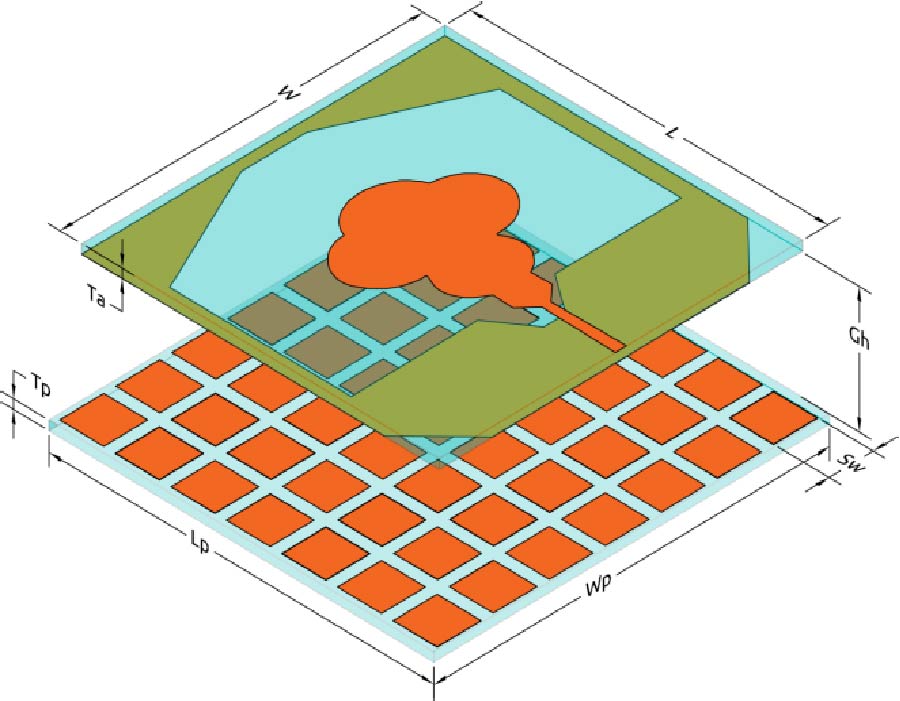
This paper presents the design of a frequency reconfigurable monopole microstrip patch antenna for wireless communication applications. The proposed antenna functions in one single-band mode and one dual-band mode, depending on the diode switching configuration. When the diode is in the OFF state, the proposed antenna operates at single band 5.8 GHz (WLAN), and in the ON state, the antenna operates at dual bands 1.8 GHz (GPS/RADAR) and 5.2 GHz (WLAN). To enhance the gain of the proposed reconfigurable antenna, a multilayer frequency selective surface (FSS) reflector is presented. A significant enhancement in gain has been achieved in a low-profile design. The average peak gain of the antenna has been increased from 4 dBi to 6 dBi as a consequence of the use of the FSS reflector. The simulation of the proposed design is carried out using CST (Computer Simulation Technology) based on the FIT (Finite Integration Technique) numerical method. To validate the simulated results, a prototype of the antenna was fabricated and measured using PIN diodes. The simulated and measured results of the proposed antenna exhibit a reasonable agreement.
2023-03-02
PIER Letters
Vol. 109, 75-83
Design and Fabrication of a Compact UWB BPF with Notch-Band and Wide Stopband Using Dual MMRs and DGS
Hassiba Louazene , Mouloud Challal and M'hamed Boulakroune
This paper presents a new design of a compact microstrip ultra-wideband (UWB) single notch-band bandpass filter (BPF) along with its equivalent circuit model. The basic structure of the proposed filter consists of dual symmetrical multiple-mode resonator (MMR), four stub-loaded stepped impedance resonators (SLSIRs), two defected ground structure (DGS) units and a coupled folded arm resonator (CFAR) with feeding line. The presented filter is tested using R&S® ZNB20 vector network analyzer (VNA) to validate the simulated results. A good agreement between the measured and simulated (EM and circuit model) results is achieved.
Design and Fabrication of a Compact UWB BPF with Notch-band and Wide Stopband Using Dual MMRs and DGS
2023-03-01
PIER
Vol. 176, 129-141
Designing Highly Sensitive Microwave Antenna Sensor with Novel Model for Noninvasive Glucose Measurements
Abhishek Kandwal , Louis W. Y. Liu , Jingzhen Li , Yuhang Liu , Huajie Tang , Ziheng Ju , Tobore Igbe , Rohit Jasrotia and Zedong Nie
The concentration induced permittivity change involves a dispersion which occurs at the resonant frequency, and is often not predictable by simulation using the traditional Cole-Cole model. To overcome this problem, a new Lorentz's model is proposed as a substitute for the Cole-Cole model. Under this new model, the glucose concentration is expected to be measured at the contact interface in the form of a resonant frequency shift. With the help of the model, a contact-based meander-line antenna sensor (CMS) is realized with a high ``sensitivity of 1.3158 dB/(mmol/L) in terms of d |S11|/dC, or of 17~18 MHz/(mmol/L) in terms of'' dω/dC. The model has been experimentally validated with in-vitro measurements and for proof-of-concept with in-vivo clinical investigations in the microwave frequency. Consistent with the predictions of model, a linear ``correlation is observed not only between the resonant frequency shift and the glucose concentration, but also between the S-parameters magnitude and glucose'' concentration.
Designing Highly Sensitive Microwave Antenna Sensor with Novel Model for Noninvasive Glucose Measurements