Search Results(13787)

2023-03-27
PIER M
Vol. 116, 11-21
High-Sensitivity Temperature Sensor Based on Surface Plasmon Resonance Photonic Crystal Fiber
Hai Ping Li , Juan Ruan , Xin Li , Guangyong Wei and Tao He
A high-sensitivity photonic crystal fiber (PCF) Temperature sensor based on surface plasmon resonance (SPR) with a high figure of merit (FOM) is proposed. Compared with most optical fiber inner air holes coated with metal or placed with metal nanowires, owing to the plasma material directly contacting the analyte, the annular channel outside the cladding is convenient for analyte detection, and the sensor is easier to manufacture. The temperature-sensitive liquid is a mixed solution of ethanol and chloroform with a volume ratio of 1:1. The results indicate that the highest sensitivity of this sensor can reach 15.4 nm/˚C, and the maximum FOM is 0.2829/˚C between -10˚C and 60˚C. Furthermore, the influence of photonic crystal fiber air hole size, gold film thickness, and other parameters on the performance of the sensor is analyzed.
High-sensitivity Temperature Sensor Based on Surface Plasmon Resonance Photonic Crystal Fiber
2023-03-27
PIER Letters
Vol. 109, 119-125
SAR Analysis of Hexagonal-Shaped Slot Loaded Patch Antenna for Hyperthermia Application at 434 MHz
Azharuddin Khan and Amit Kumar Singh
In this article, a low-profile microstrip patch antenna using an FR-4 substrate with relative permittivity of 4.4 and thickness of 1.6 mm is designed. On the top of a substrate, it consists of one metallic hexagonal patch and a metallic-fed hexagonal ringtone, and the ground part of the structure is covered with orthogonal rectangular slots. The designed structure operates in the ISM band of 434 MHz, and the overall size of the antenna is 124x124x1.6 mm3. The antenna provides a valid SAR input profile.
SAR Analysis of Hexagonal-shaped Slot Loaded Patch Antenna for Hyperthermia Application at 434 MHz
2023-03-25
PIER C
Vol. 131, 159-169
An Enhanced Active Disturbance Rejection Control of BPMSM Based on Neural Network Parameters Dynamic Adjustment Method
Xin Wang and Huangqiu Zhu
An enhanced linear active disturbance rejection control (E-LADRC) method with dynamically adjust is proposed to improve the observer gain and observation effect in the convenient linear active disturbance rejection control (C-LADRC), reduce the sensitivity of the observer to interference, and find the appropriate observer gain coefficient. Firstly, the mathematical model of bearingless permanent magnet synchronous motor (BPMSM) and the C-LADRC algorithm are described and analyzed. Secondly, the E-LADRC algorithm is designed to overcome the shortcomings of the C-LADRC. Thirdly, the back propagation neural network (BPNN) algorithm with strong self-learning and adaptive ability is used to dynamically adjust the parameters of the E-LADRC, so as to improve the performance of the control system. Finally, the whole control system is analyzed, and the effectiveness of the proposed algorithm is verified on the experimental platform. The experimental results show that the proposed control algorithm can effectively reduce the jitter amplitude of speed and displacement.
An Enhanced Active Disturbance Rejection Control of BPMSM Based on Neural Network Parameters Dynamic Adjustment Method
2023-03-25
PIER Letters
Vol. 110, 1-10
Performance Optimization of Optical Access Networks Using Two Optical Amplifiers EYDWA and SOA in Cascade
Belabbes Berrahal , Amina Bendaoudi and Zoubir Mahdjoub
This work aims to evaluate the contribution of cascaded optical amplifiers in improving the performance of optical communication systems in optical access networks. This study is thus carried out by a system simulation software which presents results concerning the characteristic parameters of two optical amplifiers, EYDWA (Erbium Ytterbium Doped Waveguide Amplifier) and SOA (Semiconductor Optical Amplifier) used in cascade, namely their gains, the length of the guide and the concentration of ions.
Performance Optimization of Optical Access Networks Using Two Optical Amplifiers EYDWA and SOA in Cascade
2023-03-24
PIER B
Vol. 99, 121-138
Terahertz Sub-Wavelength Focusing and Negative Refraction Assisted Beam Transferring Based on 3-D Metamaterial Flat Lens Configurations
Marishwari Muthusamy , Venkatachalam Subramanian , Zhengbiao Ouyang and Natesan Yogesh
A flat lens made of a negative index (NI) metamaterial (MTM) focuses the diverging light waves with sub-wavelength resolution. However, to achieve tight 3-D focusing, one needs to realize a 3-D MTM with azimuthal and elevation focusing. In this work, a polarization-insensitive, wide-incident angle 3-D MTM showing an NI band of 0.34 THz (37%) centered at 0.92 THz is realized. A flat lens designed out of the proposed 3-D NI MTM shows sub-wavelength spot sizes of 0.48λ1 and 0.39λ2 for cylindrical electromagnetic (EM) waves emanating out of an electric dipole source, at 0.9 THz and 0.95 THz respectively. Also, the sub-wavelength focusing features of the NI flat slab are verified along non-symmetric planes by tilting the dipole source for different angles. It is also found that the finite flat slab configurations efficiently transfer EM beams for long conveyance lengths at NI frequencies. Thus, the realized flat slab configurations are useful for 3-D focusing requirements in optical trapping and imaging, and they are also useful for reducing the transmission losses associated with beam divergences.
Terahertz Sub-wavelength Focusing and Negative Refraction Assisted Beam Transferring Based on 3-D Metamaterial Flat Lens Configurations
2023-03-24
PIER C
Vol. 131, 145-158
A Novel Diagonally Symmetric Fractal Antenna with Wideband Characteristics for Internet of Things Applications
Geeta B. Kalkhambkar , Rajashri Khanai and Pradeep Chindhi
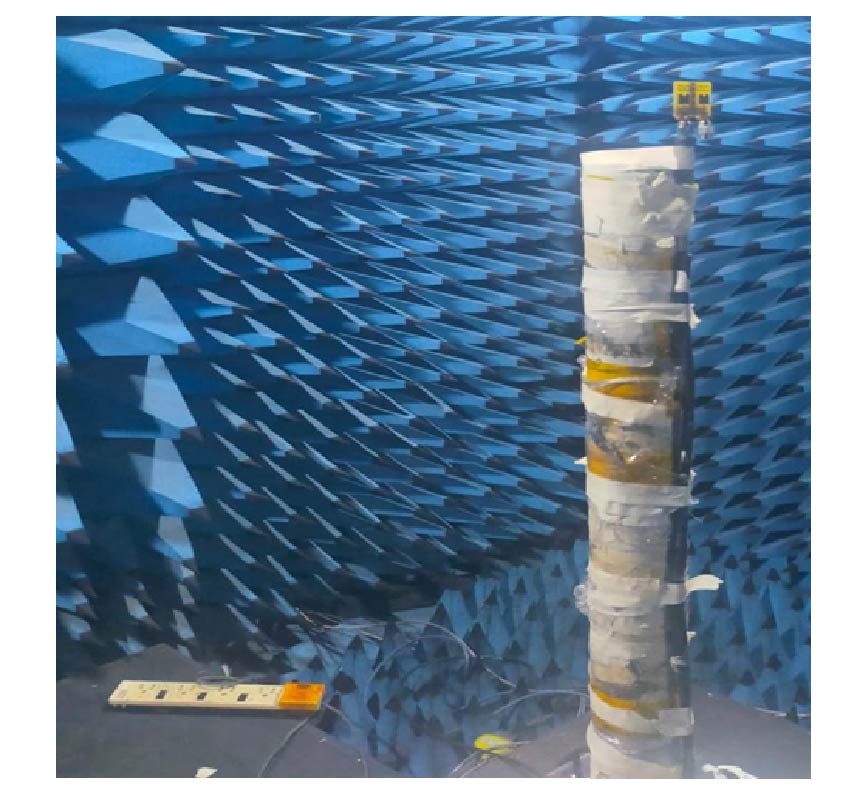
The Internet of Things (IoT) has become a vital part of life, with an increasing number of connected devices; its small size, and high rate of data transmission have attracted the attention of many researchers. Antenna plays a major role in providing wireless signal connectivity. With the intention to provide wider bandwidth to improve the rate of data transmission with the smaller size of the antenna, in this work, a third-level iterated diagonally symmetric fractal antenna has been proposed. A partial ground plane with a notch has been experimented to adjust the antenna impedance over a wider bandwidth parametrically. The antenna has been optimized to eliminate the stopband based on surface current distribution. Following optimization, a modal shift separated two overlapping modes and produced a new resonance close to the stopband. The proposed antenna covers all IoT applications between 2 GHz and 7 GHz. The design has been simulated in mentor graphics and CST studio, and it is verified on a vector network analyser and in an anechoic chamber. The measured S11 and gain are in good agreement with the simulated results. The overall antenna size is 40 mm in length, 40 mm in width, and 1.6 mm in height, and it is fabricated on an FR-4 substrate with a dielectric constant of 4.4.
A Novel Diagonally Symmetric Fractal Antenna with Wideband Characteristics for Internet of Things Applications
2023-03-23
PIER
Vol. 177, 21-32
Highly Sensitive Temperature Sensing via Photonic Spin Hall Effect
Shuaijie Yuan , Jin Yang , Yong Wang , Yu Chen and Xinxing Zhou
In this work, we propose a highly sensitive temperature sensor based on photonic spin Hall effect (PSHE). We find that, by involving the liquid crystal (LC) material, the spin spatial and angular shifts in PSHE are very sensitive to the tiny perturbation of temperature when the incident angle of light beam is near the Brewster and critical angles. Importantly, the phase transition from liquid crystal state to liquid state across the clearing point (CP) will lead to the transition of strong spin-orbit interaction to the weak one. During this process, we reveal that the sensitivity of our designed temperature sensor can reach a giant value with 8.27 cm/K which is one order of magnitude improvement compared with the previous Goos-Hänchen effect-based temperature sensor. This work provides an effective method for precisely determining the position of CP and actively manipulating the spin-orbit interaction.
Highly Sensitive Temperature Sensing via Photonic Spin Hall Effect
2023-03-23
PIER C
Vol. 131, 135-143
Scattering of Electromagnetic Waves by a Multi-Element System of Pass-through Resonators in a Rectangular Waveguide
Mikhail Nesterenko , Viktor A. Katrich , Svetlana V. Pshenichnaya and Victor I. Kijko
The problem of electromagnetic waves diffraction by a system of pass-through resonators in a rectangular waveguide coupling by diaphragms with resonant slots was solved by the generalized method of induced magnetomotive forces (MMFs). A distinctive feature of the solution is characterized by using approximating functions defining magnetic currents in the slots obtained from solutions of current integral equations by the asymptotic averaging method. Multi-parameter studies of electrodynamic characteristics of such structures have been carried out. The comparison of numerical results with experimental data is presented.
Scattering of Electromagnetic Waves by a Multi-element System of Pass-through Resonators in a Rectangular Waveguide
2023-03-23
PIER C
Vol. 131, 119-133
Theoretical and Numerical Study of Wave Port Boundary Conditions for Lorenz Gauge Potential-Based Finite Element Methods
Thomas E. Roth and Colin A. Braun
The development of computational electromagnetics methods using potential-based formulations in the Lorenz gauge have been gaining interest as a way to overcome the persistent challenge of low-frequency breakdowns in traditional field-based formulations. Lorenz gauge potential-based finite element methods (FEM) have begun to be explored, but to date have only considered very simple excitations and boundary conditions. In this work, we present a theoretical and numerical study of how the widely used wave port boundary condition can be incorporated into these Lorenz gauge potential-based FEM solvers. In the course of this, we propose a new potential-based FEM approach for analyzing inhomogeneous waveguides that is in the same gauge as the 3D potential-based methods of interest to aid in verifying theoretical claims. We find that this approach has certain null spaces that are unique to the 2D setting it is formulated within that prevent it from overcoming low-frequency breakdown effects in practical applications. However, this method still is valuable for presenting numerical validation of other theoretical predictions made in this work; particularly, that any wave port boundary condition previously developed for field-based methods can be utilized within a 3D Lorenz gauge potential-based FEM solver.
Theoretical and Numerical Study of Wave Port Boundary Conditions for Lorenz Gauge Potential-based Finite Element Methods
2023-03-22
PIER Letters
Vol. 109, 111-117
A Miniaturized Band-Stop FSS Based on Pixelated Unitcell
Abedin Karimi and Morteza Nadi
As wireless devices become increasingly compact, portable, and accessible anywhere, there is a need to increase isolation between them and reduce frequency interference. The purpose of this paper is to suppress interference by using pixelated patterns on a single layer in a miniaturized unit cell. To miniaturize of unitcell, the surface was pixelated into 50 × 50 pixels with a resolution of 0.2 mm × 0.2 mm. The proposed unitcell occupies a small area of 0.06λ0 × 0.06λ0 at GSM frequency (f = 1.8 GHz). The pixelation of the surface allows the surface current to follow a long path. Therefore, unlike the previous works, the miniaturized structure is obtained using a 1D layer without any vias and lumped elements. A signi ficant advantage of this structure is that it is signi ficantly more miniaturized than the current state-of-the-art unitcells and allows for a wider range of applications. Full-wave simulation and measurement results are in good agreement with each other and show stopband at operation frequency. As a result, both simulation and measurement results show that the proposed structure has a dual-polarized characteristic with good angular stability under a variety of incidence angles.
A Miniaturized Band-stop FSS Based on Pixelated Unitcell
2023-03-21
PIER B
Vol. 99, 103-119
A Novel Circularly Polarized Annular Slotted Multiband Rectenna for Low Power Sensor Applications
Neeru Kashyap , Geetanjali and Dhawan Singh
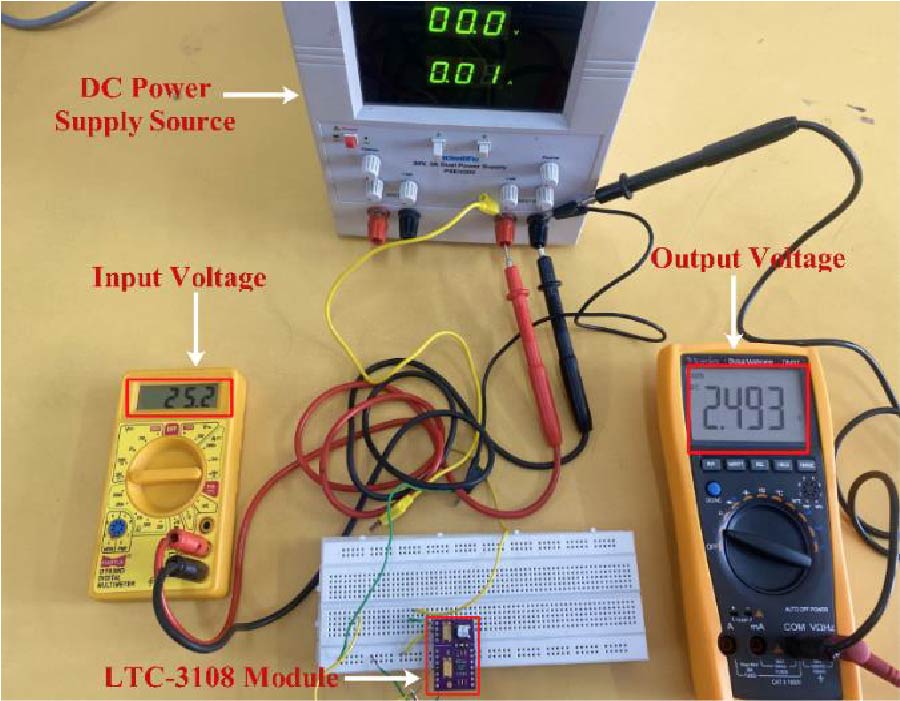
To overcome electronic device dependence on energy storage medium, current research proposes a novel multiband circularly polarized (CP), microstrip patch antenna with a voltage multiplier rectifier circuit for wireless energy harvesting. The proposed antenna is designed with a dimension of 50 mm × 50 mm × 0.16 mm (0.80λ × 0.80λ × 0.028λ). Its annular slot and slits on a circular patch along with a defective ground plane result in a miniaturized, circularly polarized, and multiband response with resonance peaks at 6.3 GHz, 7.4 GHz, and 9.1 GHz, respectively. The voltage multiplier rectifier circuit is designed, optimized, and integrated with the antenna for RF signals to DC power conversion in order to energize low-power sensors-based application modules. The simulated multiband antenna resonates at three frequencies of 6.3 GHz, 7.4 GHz and 9.1 GHz with obtained -10 dB impedance bandwidths of 282 MHz (6.276 GHz-6.549 GHz), 178 MHz (7.348 GHz-7.526 GHz), and 81 MHz (9.136 GHz-9.217 GHz), gain of 6.3 dBi, 10.28 dBi, and 7.9 dBi and axial ratio bandwidth of (6.297 GHz-6.302 GHz), (7.783 GHz-7.411 GHz) and (9.256 GHz-9.473 GHz), respectively. The prototype is fabricated, and its resonance peaks are observed at 6.2 GHz, 7.8 GHz and 9.3 GHz with impedance bandwidth of 195 MHz, 206 MHz and 230 MHz and gain of 6.3 dBi, 9.6 dBi, and 7.4 dBi, respectively. The rectifier circuit is analyzed over the power range -20 dBm to 20 dBm and exhibits an increase in the DC output power significantly with a maximum measured efficiency of 53.34% at a frequency of 7.4 GHz with an associated load resistance of 1 kΩ.
A Novel Circularly Polarized Annular Slotted Multiband Rectenna for Low Power Sensor Applications
2023-03-21
PIER B
Vol. 99, 83-102
Improving the Efficiency of Solar Systems by Tracking the MPP Under Different Test Conditions
Alaa Shakir Mahmood and Mustafa Teke
The great technological development, the increase in the number of factories, and the large population growth led to an increase in the demand for the consumption of electric energy that we get from traditional methods (fossil fuels). Moreover, the global shortage in fossil fuel sources and their high costs, the global financial and economic crisis, and the harmful emissions it causes for the environment have made researchers look for electrical energy from alternative and environmentally friendly sources. As a renewable energy, solar energy is considered one of the most important sources of electrical energy today because it is easy to obtain at a low cost. However, this type of energy suffers from low efficiency and is greatly affected by changing weather conditions. To address this problem, several techniques have been proposed by research groups, and MPPT is one of those techniques that has been frequently used in recent years to extract maximum power from solar panels despite the instability in weather conditions. This technique can also generate pulses to control the DC-DC boost converter to provide a certain level of voltage. In this paper, three algorithms, namely Perturbation and Observation (P&O), Fuzzy Logic Controller (FLC), and Particle Swarm Optimization (PSO) are modified and applied in the MPPT technology to control the duty cycle of a DC-DC converter. The photovoltaic system consisting of MPPT technology, solar panels, and a DC-DC boost converter was simulated using MATLAB/Simulink. The performances of the three algorithms were compared to determine the best one that guarantees the highest efficiency under multiple test conditions. The simulation results show that PSO was a better performer than others with (99.32%, 97.02%, and 98.33%, respectively).
Improving the Efficiency of Solar Systems by Tracking the MPP under Different Test Conditions
2023-03-20
PIER B
Vol. 99, 63-81
An Analytical Approach for Pulse Compression Favorable Digitized Frequency Modulated Thermal Wave Imaging Technique for the Quantitative Estimation of Breast Cancer
Anshul Sharma , Vanita Arora and Ravibabu Mulaveesala
Among several noninvasive diagnostic modalities used for identifying and assessing breast cancer, a recently proposed digitized frequency-modulated thermal wave imaging (DFMTWI) has emerged as a widely applied active thermographic technique. DFMTWI has demonstrated its capabilities for early diagnosis and quantitative evaluation of breast cancer by exhibiting better pulse compression properties. This approach delivers better depth resolution and sensitivity than standard thermographic techniques. The current research illustrates the novel analytical model for the pulse compression favorable DFMTWI technique for the quantitative estimation of breast cancer. Using Green's function approach, an analytical model has been solved by considering the multilayer Pennes bioheat transfer equation with adiabatic boundary conditions and a constant initial condition. The conventional thermographic techniques (such as Lock-in Thermography (LT) and Pulse Thermography (PT)) are also solved with a similar approach as followed for DFMTWI. The results obtained for the proposed DFMTWI and the conventional LT and PT thermographic techniques are then compared and validated with the numerical results obtained from the numerical simulation considering the correlation coefficient as a figure of merit for early-stage breast cancer diagnosis.
An Analytical Approach for Pulse Compression Favorable Digitized Frequency Modulated Thermal Wave Imaging Technique for the Quantitative Estimation of Breast Cancer
2023-03-20
PIER C
Vol. 131, 103-117
Analyses of Absorbing Boundary Conditions in 2D FDTD Simulations for Electromagnetic Wave Propagation in Anisotropic Ionosphere
Md Yusoff Siti Harwani and Tiem Leong Yoon
Implementing appropriate absorbing boundary conditions (ABCs) in finite-difference time-domain (FDTD) simulations is essential. Optimal ABCs can help minimize or even eliminate spurious reflections in simulations involving waves impinging on the edges of simulation grid boundaries. In this work, 2D FDTD code facilitating ABCs were implemented and incorporated under plug-and-play conditions. Using this FDTD code, two different types of ABCs were evaluated: a differential ABC and a perfectly matched layer (PML) for the anisotropic medium of the ionosphere. Furthermore, numerical experiments were conducted to examine the efficiencies of both these ABCs; a total of n = 2000 iterations were adopted, under grid conditions of 120 in the y-direction, 600 in the x-direction of spatial step, and Δx = 1000 km. Additionally, n was set as a time-equivalent variable in these simulations. For the interval Δx=1 km between any two adjacent grid points, active conditions for the grid simulation were determined within 120 km in the y-direction (vertical) and 600 km in the x-direction (horizontal). Furthermore, numerical experiments revealed that the PML platform yielded excellent efficiency, as compared with the differential ABC.
ANALYSES OF ABSORBING BOUNDARY CONDITIONS IN 2D FDTD SIMULATIONS FOR ELECTROMAGNETIC WAVE PROPAGATION IN ANISOTROPIC IONOSPHERE
2023-03-20
PIER C
Vol. 131, 89-101
Yttria-Stabilized Zirconia Based Patch Antenna for Harsh Environment Applications
Aleks Mertvyy , Md. Samiul Islam Sagar , Noah Renk , Praveen Kumar Sekhar and Tutku Karacolak
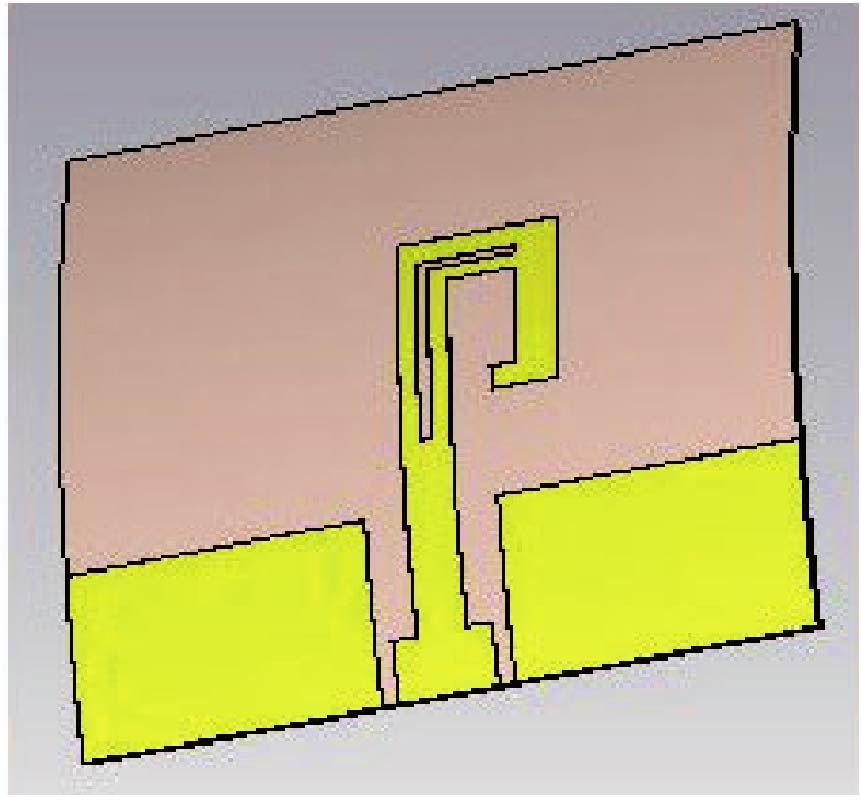
Wireless devices that can operate under harsh environments are of great interest for military, space, and commercial applications such as antennas and radomes for fighter jets, wireless sensor networks for oil drilling and aircraft propulsion, and safety devices for first responders. Since antennas are key components of Radio Frequency (RF) Systems, it is crucial to have the antenna be able to withstand the same environmental hardships for a reliable and efficient communication. Various substrates have been utilized to implement antennas to withstand harsh environments and particularly high temperatures. Existing solutions such as silicon carbide (SiC), alumina, and polymer derived ceramics require complex deposition and patterning techniques, which make them unsuitable for low-cost RF and microwave applications. The main objective of this study is to explore microstrip patch antenna fabrication technology utilizing Zirconia Ribbon Ceramic (ZRC) materials and assess ZRC as a potential dielectric substrate for harsh environment applications. To do so, first, a wideband coplanar waveguide (CPW) fed monopole antenna is presented on ZRC substrate operating within the S band. The proposed design has been manufactured using two separate methods including a clean room sputtering process and inkjet printing. A good agreement has been obtained between the measured results of the inkjet-printed prototype and simulations. Impedance matching and radiation patterns are investigated. The inkjet printing process has been shown to be a viable and cost-effective solution for fabricating ZRC-based patch antennas.
Yttria-stabilized Zirconia Based Patch Antenna for Harsh Environment Applications
2023-03-18
PIER C
Vol. 131, 73-87
Four Element UWB MIMO Antenna with Improved Isolation Using Resistance Loaded Stub for S, C and X Band Applications
Sumit Kumar Gupta , Robert Mark , Kaushik Mandal and Soma Das
This article proposes a four-port multiple input multiple output (MIMO) ultra-wideband (UWB) antenna that operates across 3 to 13 GHz. Four identical fractal patches are placed orthogonally to each other. The uniqueness of the proposed design is that it does not need to incorporate any dedicated/specific design/component to realize notches within the UWB range. The elimination of notches, enhancement of bandwidth, and improvement of isolation have been achieved by integrating a resistance-loaded stub with the ground plane. The isolation between the elements was measured to be below -20 dB across the entire operating band. The fabricated prototype exhibits better diversity parameters like envelop correlation coefficient (ECC) < 0.003, diversity gain (DG) > 9.99, channel capacity loss (CCL) < 0.4 bps/Hz, and mean effective gain (MEG) < 2 dB. The proposed MIMO antenna shows omnidirectional radiation patterns with a peak gain of 5.4 dBi and radiation efficiency > 66% with required compactness having interelement (edge to edge) distance of 5.4 mm. After application of decoupling method radiation efficiency varies from 66% to 82% with gain ranging between 1.8 and 5.54 dBi. The diverse performance of the fabricated MIMO proves it to be a good candidate for UBW imaging, LTE applications, and S, C, and X band applications.
Four Element UWB MIMO Antenna with Improved Isolation Using Resistance Loaded Stub for S, C and X Band Applications
2023-03-18
PIER Letters
Vol. 109, 103-110
High Selectivity SIW Cavity Bandpass Filter Loaded CSRR with Perturbing Vias for Sub-6 GHz Applications
Namanathan Praveena and Nagarajan Gunavathi
A narrowband, high selectivity Substrate Integrated Waveguide (SIW) bandpass filter with perturbing vias and CSRR is proposed for Sub-6 GHz applications. Firstly, the perturbing vias are positioned at the symmetrical axis of the SIW cavity which produces distinct electric field distribution for the first two modes. Next, the ground plane is engraved with the CSRR placed at an offset distance on either side of the perturbing vias, forming the coupling arrangement that combines mixed and magnetic, electric coupling. The presence of CSRRs resulted in a narrowband filter. The filter's center frequency is 4.947 GHz with a fractional bandwidth of 1.16%. By comparing the fabricated filter to an existing SIW conventional multi-cavity or cascaded resonator, a size reduction of 117% is achieved. The simulated and measured results agree with each other.
High Selectivity SIW Cavity Bandpass Filter Loaded CSRR with Perturbing Vias for Sub-6 GHz Applications
2023-03-17
PIER C
Vol. 131, 59-72
Affordable Satellite on the Move Antenna Based on Delay-Line-PLL Phase Shifting
Ali Mohammadian Kalkhoran and Seyed Hassan Sedighy
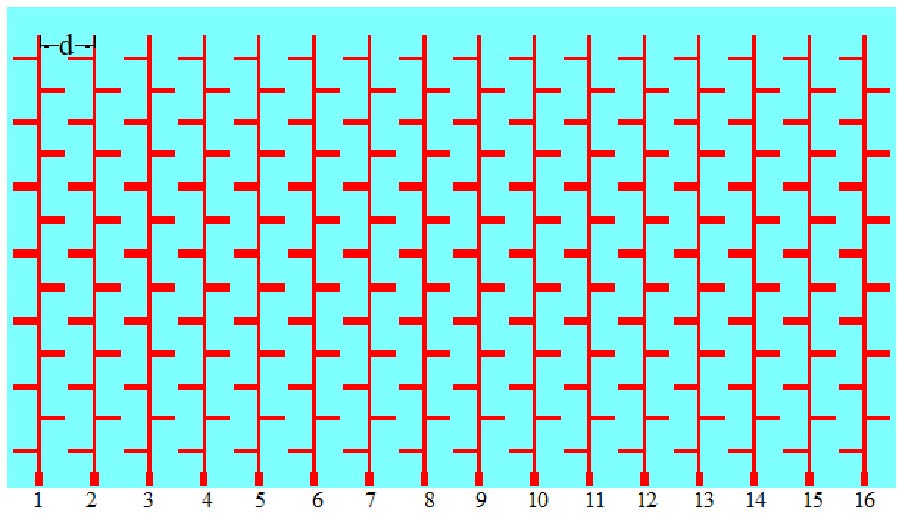
This paper presents the design methodology, simulation, and affordable implementation of a mobile digital satellite broadcasting receiver with 64 elements. The speed and range of electronic beamforming are also obtained. The proposed methodology including techniques and architecture are defined by concerning cost, commercial off-the-shelf and components, and avoidance of high-frequency circuit designs by Delay-line-PLL for phase shifting, instead of expensive RF phase shifters with complicated control buses. Choosing this architecture results in using available elements and home receivers for antenna implementation. The design results in 6-bit resolution phase shifters and ±16 degrees 2D half power electronic beam scanning range. For practical implementation feasibility, a prototype of the array is fabricated and tested, successfully. Obtaining the phase shifters' resolution and sampling of the array output power are also described. A simple and effective algorithm is proposed for grating lobes elimination, and SNR maximizing which performs the tracking task under the platform movement conditions.
Affordable Satellite on the Move Antenna Based on Delay-Line-PLL Phase Shifting
2023-03-16
PIER M
Vol. 115, 163-173
Angular Localization of Radio-Frequency Sources Using a Compact Metamaterial Receive Antenna
Abdelwaheb Ourir , Arnaud Tourin , Mathias Fink , Mohamed Kamoun and Julien de Rosny
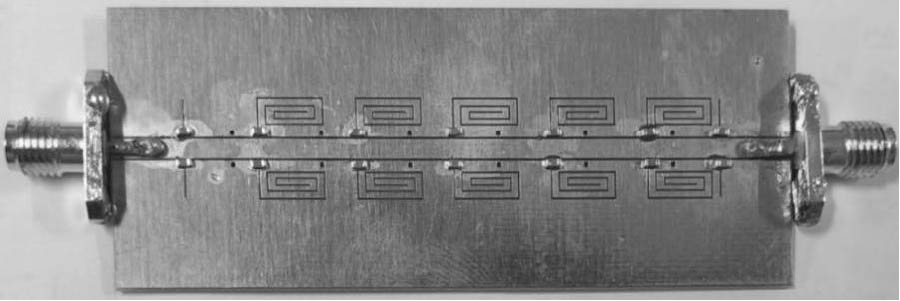
Radio-frequency source localization becomes a major challenge for many applications such as beam-steering or MIMO communication. This task is commonly carried out by taking advantage of the adjustable radiation patterns of phased arrays to scan an area. Nevertheless, it can be difficult and expensive to implement in some frequency bands of the last generation of communication systems. Here, we propose an alternative based on a single port compact metamaterial antenna. We use a finite periodic array of sub-wavelength (λ/6) resonators for the design of this antenna. A microstrip line is added to excite the resonator array etched on a grounded low-loss substrate and to use it as a planar antenna. In such antenna system, the coupling between sub-wavelength resonators is able to induce a strong dispersion and leads to several complex radiation patterns over a specific narrow frequency band. We implement numerical methods to estimate the direction of a target antenna by taking benefits of the complex frequency signatures. We experimentally demonstrate that a single port sub-wavelength antenna made of a finite array of metamaterial resonators is able to retrieve the direction of a narrow band (3.6% relative bandwidth) emitting target around 5.5 GHz with a maximum precision of 3˚. Such a compact planar system (λ/3, λ/2 and 2λ/3) can be used to substitute the phased array localization technique in order to provide the necessary angular information in many applications such as mm-Wave communication and can be extended to high frequency regimes by using the corresponding resonators.
Angular Localization of Radio-frequency Sources Using a Compact Metamaterial Receive Antenna
2023-03-15
PIER C
Vol. 131, 49-58
Design and Optimization of Substrate Integrated Waveguide Bandpass Filter with T-Shape Slots Using Artificial Neural Networks
Ranjit Kumar Rayala , Ramasamy Pandeeswari and Singaravelu Raghavan
The present paper describes a substrate integrated waveguide (SIW) band pass filter with a T-shape slot on the upper layer, which exhibits a wide-band frequency response. The parameters of the filter are optimized by using Multi-Layer Perceptron artificial neural network (MLP-ANN) that uses Levenberg-Marquardt (LM) algorithm. A comparison is made between ANN optimized results and simulated results, and they result in minimum mean square error (MSE). A physical prototype is fabricated using printed circuit board (PCB) process, and measurements are conducted using the network analyzer. The measured results obtained agree well with the estimated ones. The filter shows a wide-band response with a transmission bandwidth of 8.96 GHz, ranging from 6.10 to 15.06 GHz with a fractional bandwidth of 81.4%. Furthermore, the insertion loss of the filter in the entire passband is varied from -0.4 dB to -0.2 dB, and the return loss is more than -10 dB.
Design and Optimization of Substrate Integrated Waveguide Bandpass Filter with T-shape Slots Using Artificial Neural Networks