Search Results(13788)

2022-09-22
PIER C
Vol. 124, 167-177
Sensitivity Estimation of a Planar Optical Waveguide Using Broadband Difference Interferometeric Principle for Detection of Hemoglobin Concentration in Blood
Abhishek Upadhyay , Chandan Singh Yadav , Gulab Chand Yadav , Shishu Pal Singh and Vivek Singh
Broadband differences interferometeric analysis of a three-layer planar polymer optical waveguide is proposed and optimized to detect the concentration of hemoglobin in blood. The dispersion characteristic and cutoff film thickness of proposed waveguide are obtained by matching the field at various boundaries. The obtained cutoff film thickness for TE0 and TM0 modes is 0.09 µm, 0.1 µm at operating wavelength 400 nm, and 0.19 µm and 0.23 µm at operating wavelength 800 nm, respectively. The effective refractive indices of TE0 and TM0 modes are obtained at two considered wavelength i.e. 400 nm and 800 nm, and hence the difference of their propagation constant is calculated. It is observed that the propagation constant of these modes decreases with the increase of wavelength. Also, the difference of propagation constant attains its maximum value at certain wavelength and decreases either side of this wavelength. The interference maxima signals at output are considered as sensing signal. The maxima of interference signals, close to the maximum value of propagation constant, are shifted sufficiently with the change in cover refractive index. The maximum sensitivity 3.8 nm/RIU is obtained in the proposed broadband differences interferometeric analysis of waveguide at film thickness 300 nm. Hence, at this film thickness the sensing signal changes by 0.68 nm/g/L of hemoglobin concentration in blood.
Sensitivity Estimation of a Planar Optical Waveguide Using Broadband Difference Interferometeric Principle for Detection of Hemoglobin Concentration in Blood
2022-09-22
PIER C
Vol. 124, 155-165
Dual Lens Focusing System with in-Lens Polarizer for Automotive Radar Sensors
Neşem Keskin and Nurhan Türker Tokan
This article presents a circularly polarized (CP) dual lens (DL) antenna with high gain and wide axial ratio (AR) bandwidth for automotive radar applications. Proposed antenna system provides low AR and scan loss over a wide angular range. It consists of a linearly polarized (LP), wide band, aperture coupled planar feed antenna, an extended hemispherical lens and a planoconvex lens with thin parallel plates and air slabs. In-lens polarizer mounted to the flat surface of the planoconvex lens converts LP wave to CP state. Fundamental design rules to obtain CP is defined. A CP DL design in low dielectric permittivity material (εr=3) is introduced. It achieves simulated efficiency that varies between 75 and 82% within the 77-81 GHz automotive radar band. AR is below 2.2 dB for all scan angles up to 25˚. Realized gain at boresight radiation is 25.6 dBic at the center frequency. 0.85 dB scan loss is observed at ±30˚ scan angle. A frequency-scaled prototype has been fabricated by additive manufacturing process with fused deposition modeling, and the concept is proved by the experimental results in 22-28 GHz band.
DUAL LENS FOCUSING SYSTEM WITH IN-LENS POLARIZER FOR AUTOMOTIVE RADAR SENSORS
2022-09-22
PIER M
Vol. 113, 199-211
Compact Embedded Dual Band EBG Structure with Low SAR for Wearable Antenna Application
Vidya R. Keshwani , Pramod P. Bhavarthe and Surendra Singh Rathod
In this paper, a rectangular embedded dual band Electromagnetic Band Gap (EBG) structure at frequencies 2.45/5.8 GHz useful in industrial, scientific, and medical (ISM) band for various wearable applications is proposed. The main intent of this work is to design a dual band EBG to reduce specific absorption rate (SAR). The unit cell which is a part of the EBG structure is formed using a rectangular patch. It has a U shaped rectangular slot and a stretched strip with a rectangular patch at end. EBG unit cell simulation is accomplished by solving eigen mode problem in High Frequency Structure Simulator (HFSS). EBG structure has to be suitably designed and fine tuned for specified band stop property to reduce surface waves. It must improve front to back ratio (FBR). With placing antenna on human body, frequency detuning occurs which is undesirable thus emphasizing the need of improvement in impedance bandwidth. This improvement can be achieved by a suitable design of EBG structure. In this work, the proposed EBG structure is integrated with a dual-band monopole antenna at frequencies 2.45/5.8 GHz for wearable application. The evaluation of antenna performance on a four layer body model is carried out. Simulations are used to demonstrate EBG array structure effectiveness for the reduction of Specific Absorption Rate (SAR) on the four layer body model. Computed SAR values for tissue in 1 g and 10 g are within standard prescribed limits. It is concluded that the proposed dual band antenna is appropriate for wearable applications. Proposed EBG array is fabricated and integrated with a twin E-shaped monopole antenna. The measurement of reflection coefficient, radiation pattern, and transmission coefficient of fabricated EBG array is carried out. The measured and simulated results show good agreement. Antenna performance in the event of bending condition and on-body condition is assessed.
Compact Embedded Dual Band EBG Structure with Low SAR for Wearable Antenna Application
2022-09-22
PIER M
Vol. 113, 187-198
Terahertz Channel Measurements for Different Angles and Different Obstacles
Junsong Jia , Weimin Wang , Yongle Wu , Yuan'an Liu , Yuqin Yang , Hui Li and Hua Xu
With the development of communication technology, people's requirements for information transmission rate are getting higher and higher. Compared with the previous sub 6G frequency band, terahertz communication has a larger bandwidth and a higher rate. This paper studies the influence of azimuth angle of arrival (AoA) and azimuth angle of departure (AoD) on the received signal strength in the 220 GHz-320 GHz frequency band, as well as the influence of the signal passing through different obstacles, different dry humidity and material thickness on the signal power.
TERAHERTZ CHANNEL MEASUREMENTS FOR DIFFERENT ANGLES AND DIFFERENT OBSTACLES
2022-09-21
PIER C
Vol. 124, 135-153
Isolation Analysis of Miniaturized Metamaterial-Based MIMO Antenna for X-Band Radar Applications Using Machine Learning Model
Jyothsna Undrakonda and Ratna Kumari Upadhyayula
A novel metamaterial-based circular patch multi-input multi-output (MIMO) antenna is designed with a `C'-shaped defected ground structure for high isolation. A 4 × 4 mm2 unit cell for a ring resonator has been designed and exhibited double negative material (DNG) properties from 1.0 to 2.92 GHz and 13.68 to 17.67 GHz and Mu negative material (MNG) from 4.70 to 13.67 GHz. The proposed antenna structure is designed by embedding the ring resonator-based meta-structure to a circular patch antenna and fabricated with dimensions 0.245λ0×0.409λ0 (15×25 mm2). The proposed antenna operating at 8.50 to 14.23 GHz for X and lower Ku bands is used in the Unmanned Arial Vehicle (UAV's) applications. The spacing between elements is 0.088λ0 (5.4 mm) on an FR4 epoxy substrate, and the `C'-shaped structure on the back of the antenna improves the isolation of more than 24 dB in the operating band. Distance between the antenna elements plays a crucial role, and parameters affected by this are optimized by introducing machine learning. For future predictions, a linear regression model was created to optimize the parameters' linear dependencies like isolation and return loss on the distance between the antenna elements. The radiation efficiency and gain of the antenna are enhanced by 92% and 6.02 dB at 13.22 GHz, respectively. The MIMO antenna's simulated results of diversity and other parameters are in the acceptable range with the measured results used for X-band radar applications. The proposed decoupling technique is simple to understand and implement.
Isolation Analysis of Miniaturized Metamaterial-based MIMO Antenna for X-band Radar Applications Using Machine Learning Model
2022-09-21
PIER C
Vol. 124, 125-134
Adaptive Beamforming Algorithm Based on MVDR for Smart Linear Dipole Array with Known Mutual Coupling
Noureddine Boughaba , Chouaib Chettah and Ouarda Barkat
In this paper, minimum variance distortionless response (MVDR) algorithm for adaptive Beamforming is applied to a linear array under known mutual coupling among half wavelength dipole (HWD) antennas. This algorithm will minimize the signals from all interference directions while keeping the desired signal undistorted. The problem of calculating mutual coupling coefficient of the array HWD antennas formed into a matrix has been considered. The obtained results show the effectiveness of the proposed method, in which the optimum weighting of adaptive antenna arrays is accomplished by computing the weight vector that achieves maximum towards the desired signal and nulls towards interferers. Also, performance evaluation of this algorithm in terms of complexity, convergence speed, and amplitude response will be present. It is shown from the simulation results that the performance of the beamforming algorithm considering the mutual coupling effect can be improved by the proposed compensation method. We also simulate the signal-to-interference-plus-noise ratio (SINR) with different input signal-to-interference ratio (SIR). The different results obtained are in good agreement with those of the literature.
Adaptive Beamforming Algorithm Based on MVDR for Smart Linear Dipole Array with Known Mutual Coupling
2022-09-21
PIER M
Vol. 113, 173-185
A Novel Two Ports MIMO Antenna Having Dual Stopped-Band Functionality and Enhanced Isolation
Muhammad Kabir Khan and Quanyuan Feng
This article introduces a unique dual-band notched Ultra Wide Band (UWB) Multiple Input Multiple Output (MIMO) antenna. The planned MIMO antenna has two identical Mushroom-shaped radiators with a combined dimension of 18×34×1.6 mm3. Inverted L-structured stubs are joined to the antenna's ground to provide enhanced port isolation. The proposed antenna achieves improved isolation of -23 dB over 3.08-12.8 GHz bandwidth. Two novel strips are extruded in the antenna's ground and mushroom-shaped radiator to introduce a notched WiMAX band (3.37-4.30) and WLAN (5.08-5.80) GHz band. The presented antenna's peak gain is achieved from 2 to 4.8 dBi, and the antenna's radiation efficiency is attained between 78 and 90% except for (3.37-4.30) GHz and (5.08-5.80) GHz stopped bands.
A Novel Two Ports MIMO Antenna Having Dual Stopped-band Functionality and Enhanced Isolation
2022-09-21
PIER Letters
Vol. 106, 145-150
A Robust Wearable Antenna for in-Body Communications
Shuai-Chao Yang , Lin Li and Xiao-Wei Gu
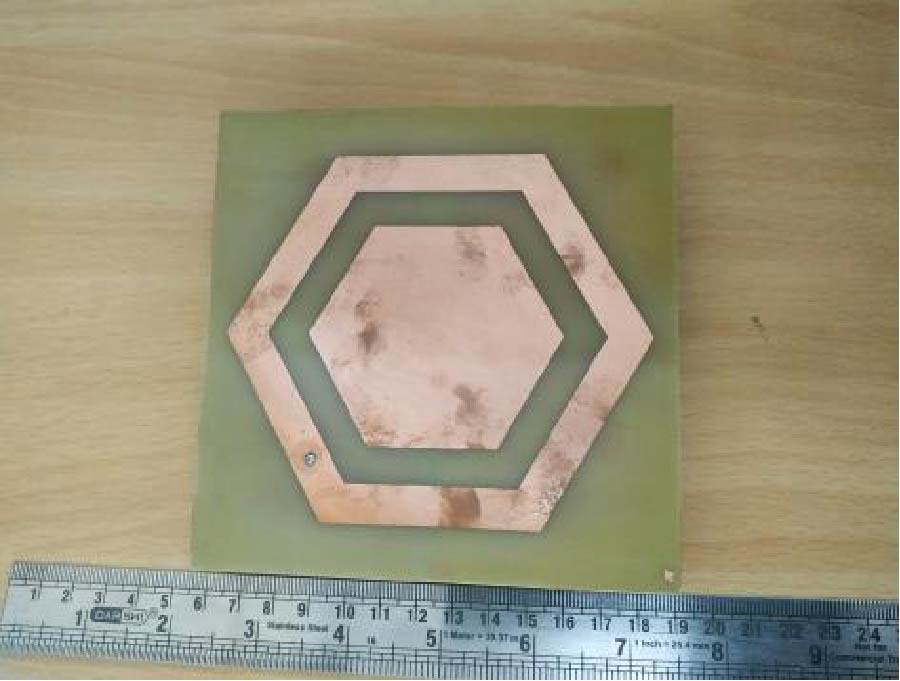
A flexible antenna with high robustness is presented for wireless body area networks (WBANs) in-body communications. The coplanar waveguide (CPW) fed hexagon slot structure is employed to obtain a wide bandwidth of 34.4%. A parasitic patch is used to enhance in-body gain to -3.36 dBi. With these advantages, the proposed antenna is insensitive to frequency shift and gain reduction caused by environmental changes. Besides, the proposed low-profile antenna on a flexible substrate is well fit for wearable applications.
A Robust Wearable Antenna For In-body Communications
2022-09-20
PIER C
Vol. 124, 111-124
Ringing Phenomenon-Based Circularly Polarized MIMO Antenna for Ku/k Band Communication
Aditya Kumar Singh , Amrees Pandey , Sweta Singh , Vandana Yadav and Ram Suchit Yadav
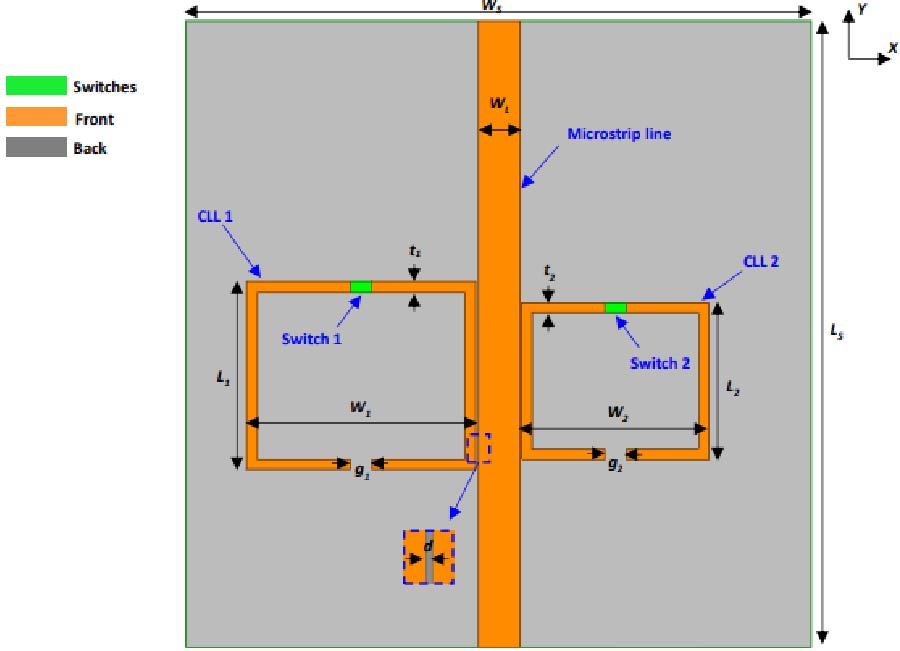
A compact size UWB circularly polarized (CP) dual-port MIMO antenna is designed for Ku/K band applications. The proposed antenna contains a revised circle-shaped slot from the radiation patch on the front-side and a stepped-feed line on the back-side of the substrate. The orthogonal position of the antenna ports allows us to produce isolation of more than 30dB and has a (-10 dB) impedance bandwidth of 68% (14.3-29.3 GHz) at two resonant frequencies 15.6 GHz and 24.7 GHz respectively. 3 dB ARBW in the operating bands is 14.6% and 6.7%, respectively. The total size of the MIMO antenna is is 0.1λ × 0.05λ × 0.003λ mm3 at a lower frequency. Diversity characteristics like ECC, DG, TARC & CCL are determined to confirm the MIMO antenna's work qualities. Ringing resonating frequencies are observed at lower operating bands and are responsible for gain degradation. The proposed antenna has excellent characteristics for satellite and NASA's Tracking Data Relay Satellite application.
Ringing Phenomenon-based Circularly Polarized MIMO Antenna for Ku/K Band Communication
2022-09-20
PIER M
Vol. 113, 163-172
Design and Analysis of a Wireless Power Transmitting System for Capsule Robot Using Two-Dimensional Combined Solenoid Coils
Chen Gao , Jinyang Gao , Changshun Yuan , Jinshan Zhou , Siyu Tian and Peng Huang
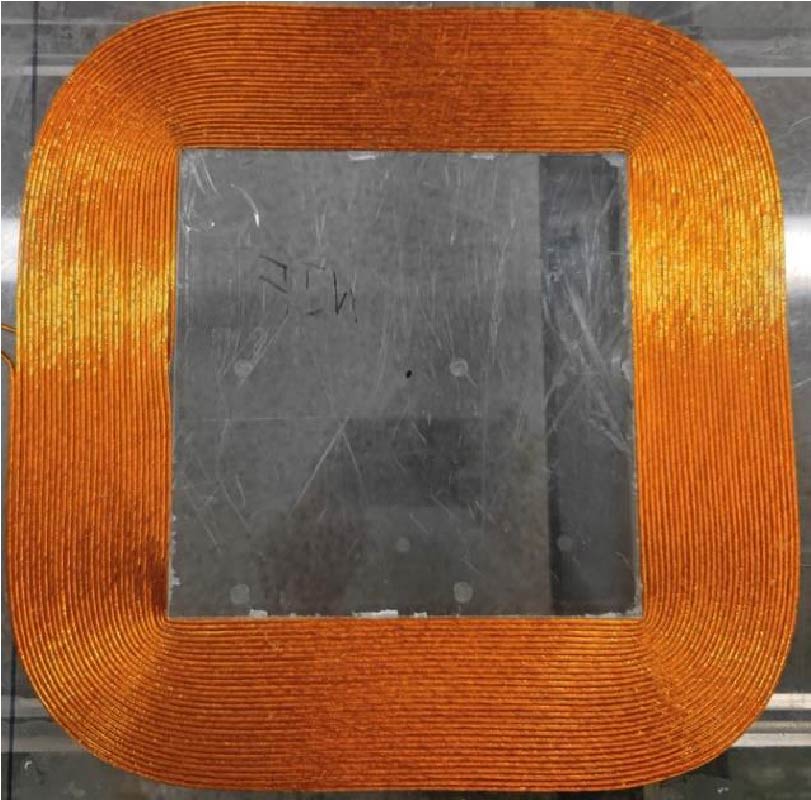
Wireless power transmission system (WPTS) based on electromagnetic induction is a promising way to power a gastrointestinal capsule robot (CR) for wireless diagnosis, which typically consists of a one-dimensional (1-D) power transmitting coil (PTC) to excite an alternating magnetic field and a three-dimensional (3-D) power receiving coil (PRC) to induce signal. However, it is difficult to apply a 3-D PRC to practical medical applications since the oversize bodily form of the mounting receiver brings the extra challenge of design for microCR. This paper proposes a novel WPTS with space-saving architecture by combining a two-dimensional (2-D) power transmitting coil (PTC) outside the human and 1-D PRC onboard the CR, which can permit CR to accomplish the mission of exploring the intestinal space with wireless energy supplying owing to small size related to 1-D PTC. The analytical expressions of the magnetic flux density, magnetic field orientation, and uniform magnetic field excited by the designed PTC are derived. Simulated and experimental outcomes are implemented to achieve the desired magnetic field strength and direction by changing the transmission current of PTC, which verifies the feasibility and effectiveness of developed methods. And the magnetic field uniformity is greater than 44%. It can basically cover the 20 cm×20 cm area of the human abdomen at all times, which can permit the operational requirements of the CR in the practical case.
DESIGN AND ANALYSIS OF A WIRELESS POWER TRANSMITTING SYSTEM FOR CAPSULE ROBOT USING TWO-DIMENSIONAL COMBINED SOLENOID COILS
2022-09-19
PIER M
Vol. 113, 151-161
Dual-Band Nanostructured Polarizer
Ragib Shakil Rafi and Alessandro Salandrino
We propose the design of a dual-band nano-structured polarizer that allows the transmission of two different linear polarizations within different frequency bands. A broad-band transmission window in the visible range exists for the x-polarization, whereas the y-polarization transmits efficiently in the near-infrared range. The transmittance exceeds 80% for the target polarization in both cases under normal incidence. This operation is achieved by an orthogonally patterned metallic surface having a long metal wire along the x-axis with four other small metal wires along the y-axis and allowing for a strong localized slit resonance to operate in the desired passband. The appropriate metal length and air gap choice lead to intense slit resonances in the spectral region of choice. The proposed design can be optimized for either ultrawide single band operation or dual-band perpendicular polarization operation.
Dual-band Nanostructured Polarizer
2022-09-19
PIER M
Vol. 113, 139-149
A Compact Dual-Band Circularly Polarized Antenna with Low Profile for BDS Applications
Gengliang Chen , Jingchun Zhai , Wen Wang and Zhuopeng Wang
In this paper, a novel dual-frequency circularly polarized (CP) antenna applied to BDS system is presented. CP radiation is achieved by etching slotted circular patches of complementary open-loop resonators, which are excited by a feeding network consisting of a double-layer power divider. The circular patch is miniaturized by a complementary split-ring resonator (CSRR) etched on the patch. The overall dimension of the antenna is only 0.32λ0×0.32λ0×0.0104λ0, where λ0 is the corresponding free space wavelength at 1.268 GHz. The proposed antenna has 50 MHz (1.25-1.30 GHz) and 60 MHz (1.53-1.59 GHz) impedance bandwidth and 20 MHz (1.25-1.27 GHz) and 20 MHz (1.55-1.57 GHz) axial ratio bandwidth, respectively. The antenna profile is low, which is easy to install. Because of these performance indexes, the antenna has superior practicability in BDS system.
A Compact Dual-band Circularly Polarized Antenna with Low Profile for BDS Applications
2022-09-19
PIER Letters
Vol. 106, 135-143
Research on Identifying Life States by Analyzing Physiological Raw of Rabbits Under Typical Post-Disaster Rescues
Zhao Li , Yangyang Ma , Fu Gui Qi , Fulai Liang , Xiao Yu , Yang Zhang , Jianqi Wang and Guohua Lu
Contactless identifying different life states can result in improved rescue strategies in post-disaster rescues (such as earthquake and mine accident). If the buried targets are identified extremely endangered with very poor life states, the rescuing principles should be time first. Conversely, if the life states of the buried targets are relatively good, more reliable and safer methods should be given priority although they may cost a little more time. Unfortunately, there are few corresponding reports in life states identification, and current researches mainly focus on detecting or locating under penetration condition. This paper conducts a research on the change laws of physiological parameters of six New Zealand white rabbits, 3 females and 3 males. Experimental condition is under water and food deprivation to simulate one of the typical trapped situations of buried targets in post-disaster rescuing missions. Respiration is synchronously detected by an ultra-wideband (UWB) system in non-contact and an RM6240E system in contact. Heart rate, weight, and anal temperature are measured in contact measurement meanwhile. Over the time under water and food deprivation condition, there are typical and regular varieties in the respiration waveforms and heart rate values, which provide the possibility to identify different life states. Particularly, the respiration waveform changes in UWB radar signals are envisioned to be applied in practical post-disaster rescue where only UWB radar can penetrate ruins through penetrating measurement method.
Research on Identifying Life States by Analyzing Physiological Raw of Rabbits under Typical Post-disaster Rescues
2022-09-17
PIER C
Vol. 124, 97-109
Sub-6 GHz Adjustable Broadband Radiation Pattern Microstrip Antenna for Wireless Communication System
Faouzi Rahmani , Naima Amar Touhami , Abdelmounaim Belbachir Kchairi , Mohammed Lamsalli , Nihade Taher and Mohammed Ali Ennasar
The present work demonstrates the design of a wideband 2×1 reconfigurable beam steering array for wireless communication systems. The designed antenna is powered by a microstrip line, and consisting of a two rectangular-shaped radiating elements and a rectangular planar ground. Its dimensions are the following: 0.67λ0 x 0.53λ0 x 0.03λ0. It executes three reconfigurable operating states by turning on and off two PIN diodes to change the direction of the main beam, as well as a beam tilt ranging from (±30°) to (±38°). A progressive analysis in order to enhance the the antenna characteristic performances is furnished. The proposed reconfigurable antenna bandwidth is 18.18% (simulated), 18.84% (theoretical) and 19.42% (measured). The presented antenna has a maximum gain of 8.62 dB (simulated) and 8.45 dB (measured), and a higher efficiency ratio of 80% to 86% over the operating band (5 GHz-6 GHz). The designed antenna is fabricated using a low loss Rogers RT5880 substrate of 2.2 relative permittivity. The simulated, theoretical and measured results are presented and exhibit good accord, including the S11 parameter and radiation patterns. In addition to the pattern reconfiguration, the obtained results are useful in order to improve the overall gain, antenna bandwidth and efficiency.
Sub-6 GHz Adjustable Broadband Radiation Pattern Microstrip Antenna for Wireless Communication System
2022-09-17
PIER M
Vol. 113, 129-138
A Series-Series Compensated Contactless Power Transfer Based on the Rotary Transformer for the Drilling System
Ruiwen Kong and Liuge Du
The electrical representation of the contactless power transfer (CPT) system with a coaxial transformer for the power traction in the rotary drilling system is presented. The air gap in the rotary transformer can lead to a lot of leakage inductance, so that the series-series (SS) compensation capacitors are used to increase the efficiency and the capability of the system. Moreover, the frequency response of the SS compensated CPT system is analyzed, and the transfer characteristics of the CPT system are revealed at different resonant frequencies. It is shown that the phase angle of the input impedance at resonant frequency determines the operation mode of the CPT system. At resonant frequency ω0, the system can operate in constant-current (CC) mode, whereas at resonant frequency ωH, it can work in constant-voltage (CV) mode. In the application of the drilling system, the CV mode owning good load regulation is more preferred than the CC mode for a wide range of load variation. At last, the analysis result is verified by experiment. The experimental results indicate that the CPT system in the CV mode can produce a 30~35 V voltage output and can transfer maximum power 180 W with an efficiency of 78.5%. The proposed CPT system can well meet the requirement of power supply in the drilling system.
A SERIES-SERIES COMPENSATED CONTACTLESS POWER TRANSFER BASED ON THE ROTARY TRANSFORMER FOR THE DRILLING SYSTEM
2022-09-16
PIER
Vol. 175, 91-104
Low-Profile High-Gain Wideband Multi-Resonance Microstrip-Fed Slot Antenna with Anisotropic Metasurface
Enyu Zhou , Yongzhi Cheng , Fu Chen , Hui Luo and Xiangcheng Li
In this work, a high-gain and wideband microstrip-fed slot antenna is proposed and investigated, which is composed of an anisotropic metasurface (AMS) and an aperture coupled structure. The proposed microstrip antenna with four resonances can be obtained by merging the AMS with an anomalous inverted π-slot feed structure in a low profile (1.07λ0×1.07λ0×0.06λ0). The simulated results indicate that the proposed microstrip antenna can achieve a wide impedance bandwidth of 56.1% from 3.32 to 5.91 GHz, which is verified by experiment. In addition, the measured results show that the peak gain of the proposed microstrip-fed slot antenna is 10.7 dBi at 5.3 GHz, and the relative bandwidth of 3-dBi gain is 42.2% from 3.85 to 5.91 GHz. Compared with previous works, the proposed design has a lower profile while achieving a much wider operating bandwidth, where the four controllable resonance modes offer more possibilities for band expansion. This work shows potential application in integration with high data rate systems.
LOW-PROFILE HIGH-GAIN WIDEBAND MULTI-RESONANCE MICROSTRIP-FED SLOT ANTENNA WITH ANISOTROPIC METASURFACE
2022-09-16
PIER C
Vol. 124, 81-96
Development of an IR-UWB Radar System for High-Resolution through-Wall Imaging
Mohamed Saad , Abdelmadjid Maali , Mohamed Salah Azzaz , Azzedine Bouaraba and Mustapha Benssalah
Through-Wall-Imaging (TWI) radar offers considerable advantages for applications that require safety and security, such as disaster survivor rescue and tracking terrorist activities. In such situations, the use of an impulse UWB radar system is constantly increasing due to its ability to provide precise images of hidden targets in a short period of time. This paper presents a new radar system for through-wall imaging using an impulse-radio ultra-wideband (IR-UWB) signal. The radar system is built using a field-programmable gate array (FPGA) board, an oscilloscope, and Vivaldi antennas. The radar system transmits impulse signals, which have a monocycle shape with a 400-picosecond duration and a 4.6 GHz bandwidth. The FPGA board is used to produce impulse signals that have a short time duration in the sub-nanosecond range in order to expand the bandwidth of the generated signal and make the developed radar capable of providing high-resolution images. The FPGA-based implementation of the IR-UWB generator offers the flexibility to modify the spectrum characteristics of the generated signal. The receiver side of the radar system collects the echoes using the principle of synthetic aperture radar (SAR), and then the time-domain back-projection algorithm is applied to the radar echo to form 2D images. An indoor imaging experiment was carried out with two human targets to investigate the imaging capability of the designed IR-UWB radar. The obtained experimental results demonstrate that this radar has the potential to deliver high-resolution images of multiple human targets and identify their locations.
DEVELOPMENT OF AN IR-UWB RADAR SYSTEM FOR HIGH-RESOLUTION THROUGH-WALL IMAGING
2022-09-16
PIER C
Vol. 124, 69-79
A Comparative Investigation on Effect of Coupling in Aperture Coupled Microstrip Antennas
Mahendra Prasad Yadav , Rajesh Kumar Singh and Kamla Prasan Ray
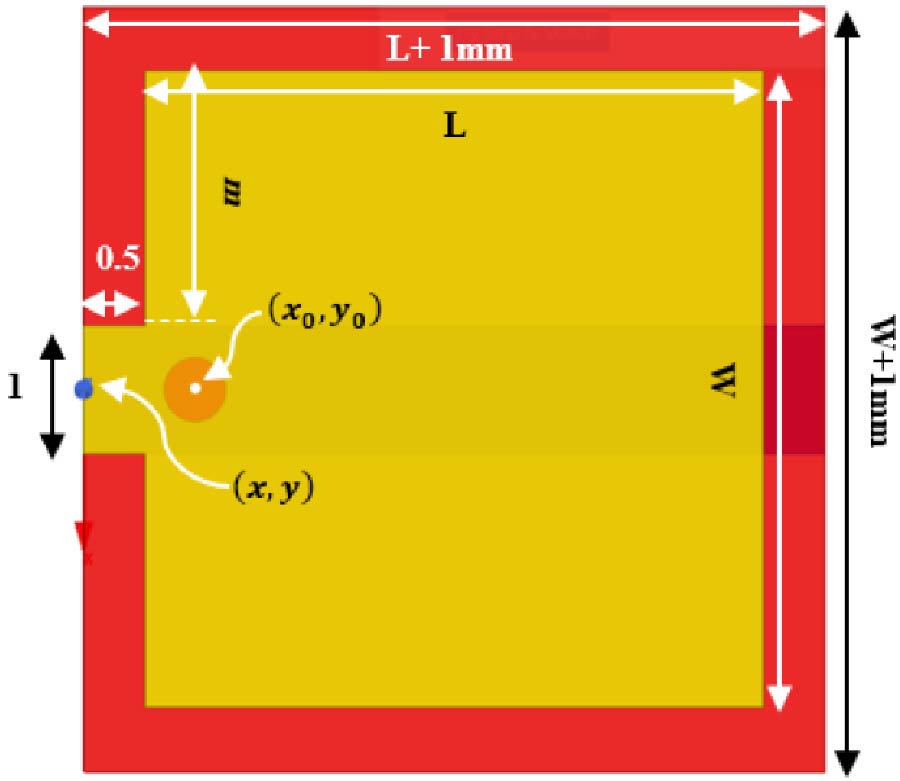
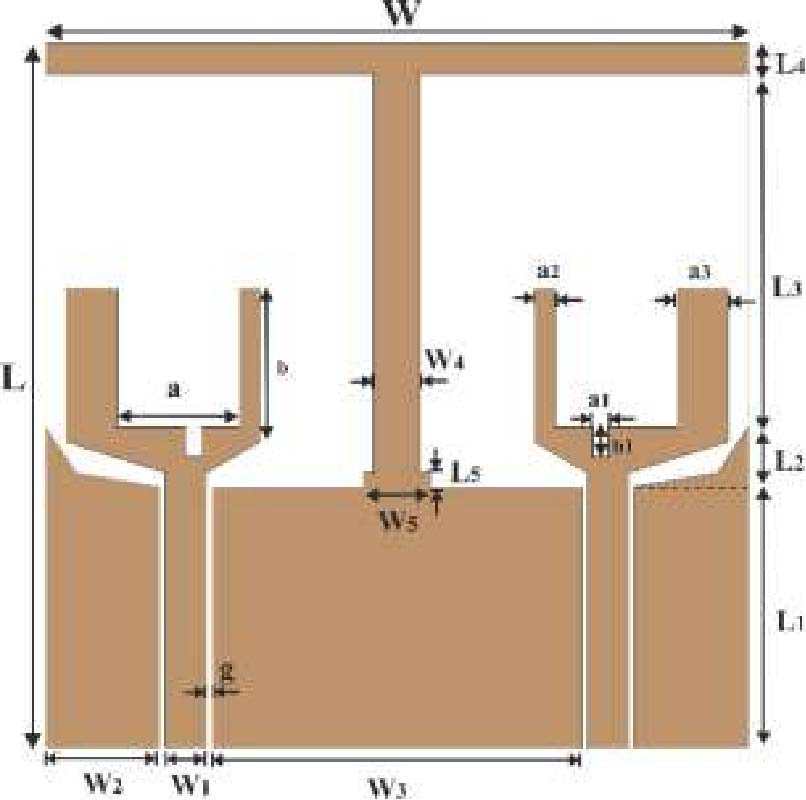
This paper investigates the electromagnetic coupling from various aperture shapes in aperture coupled suspended rectangular microstrip antennas. The proposed study involves various shapes of coupling aperture such as ``rectangle'', ``H'', ``bowtie'', and ``hourglass'' with a single-layer aperture coupled suspended rectangular microstrip antenna. Among the various shapes, ``hourglass'' shaped aperture yields maximum coupling leading to maximum bandwidth. For the validation aperture coupled suspended rectangular microstrip antenna with ``hourglass-shaped'' aperture is fabricated, and measurements were carried out. The measured fractional impedance bandwidth (FBW) with ``hourglass'' aperture is more than 30% at 1.06 GHz. Measured peak gain and front-to-back (F/B) ratio of aperture coupled suspended microstrip antenna with ``hourglass'' at 1.06 GHz are 8.5 dBi and greater than 11.2 dB, respectively. The influence on the antenna's performance parameters such as realized gain, impedance bandwidth, and F/B ratio due to metallic mounting surface is also investigated. The simulated and measured performances of the antenna are in agreement. The proposed investigation is very useful for various applications, when broadband antenna is mounted on a metallic body.
A COMPARATIVE INVESTIGATION ON EFFECT OF COUPLING IN APERTURE COUPLED MICROSTRIP ANTENNAS
2022-09-16
PIER M
Vol. 113, 115-128
A Tri-Band Miniaturized Antenna Using Fractal Defected Ground Structure for C/X and Ku-Band Applications
Kakani Suvarna , Nallagarla Ramamurthy and Dupakuntla Vishnu Vardhan
In this article, a miniaturized antenna with a Koch fractal defected ground structure (KFDGS) is proposed for C/X and Ku-band applications. The performance of an inset-fed lambda/2 patch antenna is examined using an iterated KFDGS etched on the ground plane. A conventional antenna operated at 16 GHz with a return loss of -34.31 dB is constructed, followed by a tri-band miniaturized antenna operating at 6.35, 9, and 13.05 GHz with a return loss of -22.41, -25.05, and -28.54 dB in order to achieve miniaturization of 60.31%, 43.75%, and 18.43% respectively. An antenna is designed on a Roger RT Duroid substrate, fabricated, and tested with dimensions of 12×14×0.8 mm3, and its impact on reduction in size performance has been evaluated with measured peak directivity and gain of 3.07 and 2.80 dBi at 6.35 GHz, 4.78 and 4.65 dBi at 9 GHz, and 7.73 and 7.76 dBi at 13.05 GHz, respectively. A good agreement is found between the measurements and simulations.
A TRI-BAND MINIATURIZED ANTENNA USING FRACTAL DEFECTED GROUND STRUCTURE FOR C/X AND KU-BAND APPLICATIONS
2022-09-16
PIER Letters
Vol. 106, 129-134
Design of Cylindrical Holographic Impedance Metasurface for Near-Field Focusing
Heng Wang , Shixing Yu and Na Kou
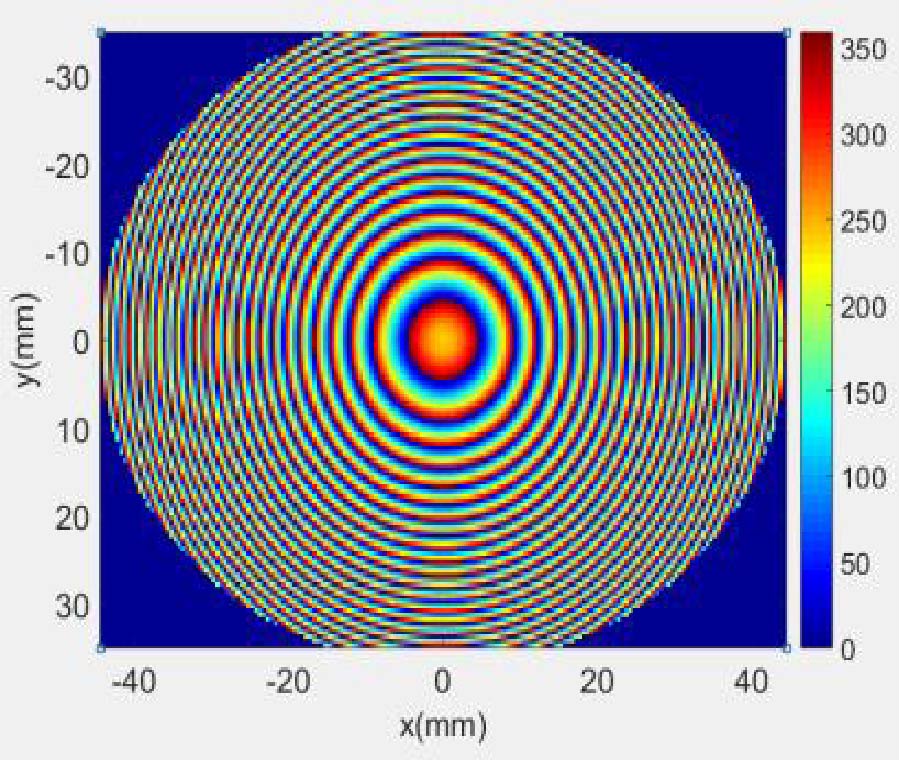
In this paper, a design method for near-field focusing cylindrical holographic impedance metasurfaces is proposed. Firstly, based on the design theory of planar holographic impedance metasurface, we deduce the design formula for cylindrical holographic impedance metasurface by using the method of major axis matching. Then the feasibility of theoretical analysis is verified by simulation and measurement. The results show that the design method can effectively realize the near-field focusing, which can provide a reference for the application of conformal devices for microwave hyperthermia and energy harvesting.
DESIGN OF CYLINDRICAL HOLOGRAPHIC IMPEDANCE METASURFACE FOR NEAR-FIELD FOCUSING