Search Results(13789)

2022-03-04
PIER M
Vol. 109, 1-12
Towards Localization and Classification of Birds and Bats in Windparks Using Multiple FMCW-Radars at Ka-Band
Ashkan Taremi Zadeh , Murat Diyap , Jochen Moll and Viktor Krozer
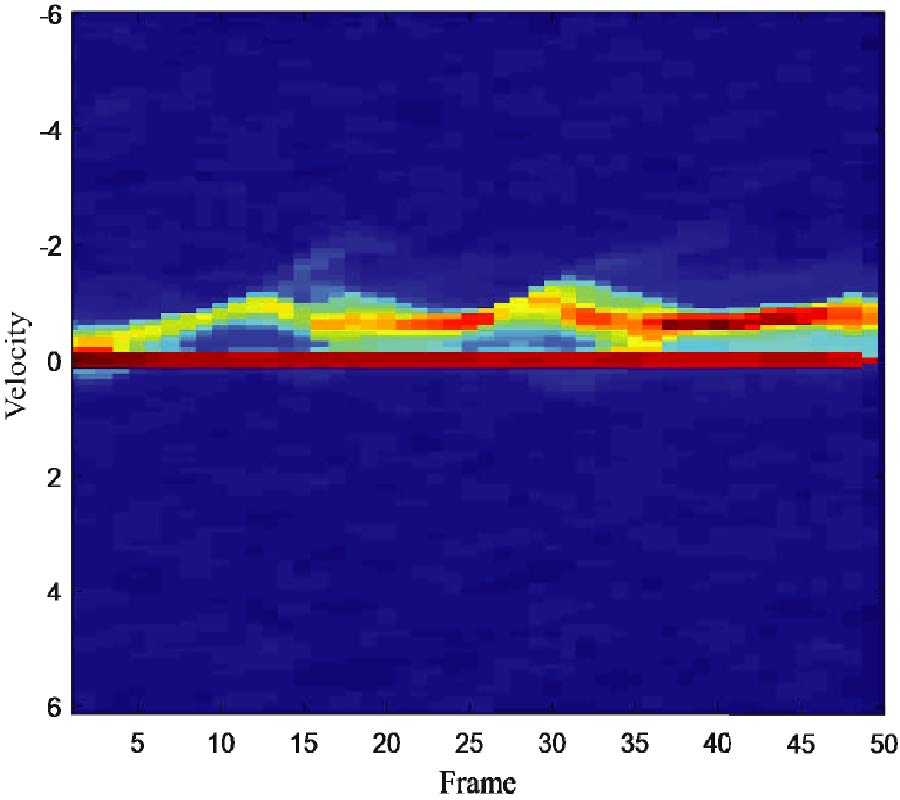
Birds and bats are at risk when they are flying near wind turbines (WT). Hence, a protection of bats and birds is postulated to reduce their mortality e.g. due to collisions with the rotor-blades. The use of radar technology for monitoring wind energy installations is becoming increasingly attractive for WT operators, as it offers many advantages over other sensor systems. Timely localization and classification of the approaching animal species is very crucial about the reaction measures for collision avoidance. In this work, a localization, classification and flight path prediction technique has been developed and tested based on simulated radar signals. This allowed us to classify three different birds and one bat species with an accuracy of 90.18%. For accurate localization and target tracking, five frequency modulated continuous wave (FMCW) radars operating in Ka-Band were placed on the tower of the WT for 360˚ monitoring of the WT.
TOWARDS LOCALIZATION AND CLASSIFICATION OF BIRDS AND BATS IN WINDPARKS USING MULTIPLE FMCW-RADARS AT KA-BAND
2022-03-03
PIER C
Vol. 118, 263-275
Miniaturized Quad-Port UWB-MIMO Antenna with Band-Notched Characteristics at 5 GHz
Qasim Hadi Kareem and Malik Jassim Farhan
Small footprint of the multi-input-multi-output (MIMO) antenna is extremely desirable for space-constrained ultra-wideband (UWB) communication systems. Compact MIMO antennas with improved isolation and wide operating bandwidth are the significant subject of the work. Therefore, this paper presents a miniaturized four-port polarization diversity UWB-MIMO antenna operating in the frequency range of 3.1-12 GHz with band-notched characteristics. Four octagon-shaped radiating elements with a common ground are placed orthogonal to each other for good isolation. Band rejection features between 4.5 and 5.5 GHz were achieved by including an open-ended slot at the upper edge of the octagon-shaped antenna. The MIMO antenna was etched on a low-cost 32.3 x 32.3 x 0.8 mm3 FR-4 dielectric substrate. The antenna radiates in a quasi-omnidirectional pattern on the H-plane throughout the operational bandwidth, with higher than 15 dB isolation, low envelope correlation, and high antenna gain. As a result, this antenna is well suited for diverse applications and portable devices.
2022-03-03
PIER C
Vol. 118, 247-262
Compact MIMO Antenna Designs Based on Hybrid Fractal Geometry for 5G Smartphone Applications
Muhannad Y. Muhsin , Ali Jabbar Salim and Jawad K. Ali
Compact low-profile four and eight elements Multi-Input Multi-Output (MIMO) antenna arrays are presented for 5G smartphone devices. The proposed antenna systems can operate at two dual-wideband with triple resonance frequencies that cover the extended Personal Communication Purposes (PCS) n25 band and other related applications, the mobile china's band, and the LTE Band-46. The proposed antenna element is designed based on modified Minkowski and Peanocurves fractal geometries. Desirable antenna miniaturization with multi-band capability is obtained by utilizing the space-filling and self-similarity properties of the proposed hybrid fractal geometries where the overall antenna size is (11.47 mm × 7.19 mm). All antennas are printed on the surface layer of the main mobile board. Based on the self-isolated property, good isolation is attained without employing additional decoupling structures and/or isolation techniques, increasing system complexity and reducing antenna efficiency. For evaluating the performance of the proposed antenna systems, the scattering parameters, antenna efficiencies, antenna gains, antenna radiation characteristics, envelope correlation coefficients (ECCs) and mean effective gains (MEGs) are investigated. The performances are evaluated to confirm the suitability of the proposed MIMO antenna systems for 5G mobile terminals. The proposed eight elements MIMO system has been fabricated and tested. The measured and simulated results are in good agreement.
2022-03-02
PIER C
Vol. 118, 231-245
Wide-Band Directional Cavity Antenna with Low Scanning Loss for WLAN
Somanatha Pai Swapna , Gulur Sadananda Karthikeya , Shiban Kishen Koul and Ananjan Basu
In this paper, a wide-band cavity antenna with low scanning loss for 20% antenna bandwidth as well as having a wide 20% 1-dB gain bandwidth over the antenna beam scanning angle is proposed. The antenna operates in the 5 GHz band of IEEE 802.11 ac wireless local area network (WLAN) applications. A beam scanning of 20˚ is demonstrated by varying the height of a slider within the antenna cavity. The broadside peak gain of 9.6 dBi is maintained for 20% of the antenna bandwidth with a gain reduction of only 0.3 dB throughout its operating frequency range. Besides, the scanning loss suffered by the antenna when scanning from the broadside to the maximum scanned angle is only 0.8 dB. The proposed scan performance is verified for a single element antenna and a two-element antenna array.
WIDE-BAND DIRECTIONAL CAVITY ANTENNA WITH LOW SCANNING LOSS FOR WLAN
2022-03-02
PIER M
Vol. 108, 213-222
A Dual-Wideband Polarization-Insensitive Linear Polarization Converter Based on Metasurface
Jinrong Su , Yanliang Guo , Xinwei Chen and Wenmei Zhang
A linear-to-linear cross-polarization converter (CPC) based on metasurface (MS) is proposed. The converter is polarization insensitive and has two wide bands. The MS is composed of periodical unit cells printed on a substrate. The top and bottom MS unit cells are formed with four groups of right-angle triangle pairs whose vertices are connected. Thus, there are eight pairs of triangles on the top and bottom surfaces of the substrate, and these pairs of triangles are arranged alternately in overlapping and orthogonal ways. Simulated and measured results indicate that the polarization conversion ratio (PCR) of the CPC is higher than 95% in the bands of 9.4 to 13.1 GHz (32.9%) and 13.4 to 17.2 GHz (24.8%). Additionally, the PCR remains the same when the electromagnetic (EM) wave is incident at arbitrary azimuth. Furthermore, the polarization rotation angle and elliptic angle are calculated to verify the conversion effect. Finally, the conversion mechanism of the proposed converter is explored by analyzing the surface current distribution and magnetic field. The proposed converter can be applied to the field of satellite communication in Ku-band.
A DUAL-WIDEBAND POLARIZATION-INSENSITIVE LINEAR POLARIZATION CONVERTER BASED ON METASURFACE
2022-02-28
PIER
Vol. 173, 9-23
Recent Progress on Achromatic Metalenses (Invited Review)
Qikai Chen , Yitian Liu , Yaoyuan Lei , Sijie Pian , Zhuning Wang and Yaoguang Ma
As a potential alternative to conventional lenses, metalenses have the advantage of ultrathin volume and light weight. Such miniaturization is expected to apply to compact, nanoscale optical devices such as micro-cameras and high-resolution display. However, chromatic aberration is an important problem in the application of metalenses, which will damage the imaging resolution and color reality for multi-wavelength incident light. Here, we briefly discuss recent development of design methods for achromatic metalenses, containing one or more pieces, and experimental evaluation of their performances.
RECENT PROGRESS ON ACHROMATIC METALENSES (INVITED REVIEW)
2022-02-28
PIER C
Vol. 119, 1-16
Redefining of the Radar Cross Section and the Antenna Gain to Make Them Suitable for Surface Wave Propagation
Quentin Herbette , Muriel Darces , Nicolas Bourey , Stéphane Saillant , Florent Jangal and Marc Hélier
This paper deals with a new definition of the Radar Cross Section (RCS) suitable for surface wave propagation in the HF band. Indeed, it can be shown that the classical definition of the RCS is dependent on distance for this kind of propagation. Also, in simulation, with the classical definition, the power estimated on the receivers using the radar equation is inaccurate. This is an issue for the performance assessment of High Frequency Surface Wave Radars. Thanks to the analysis of different wave propagation models, the differences between the space wave propagation and surface wave propagation have been highlighted. The required modifications of the RCS can then be performed. The proposed new definition is explained and justified in the paper and has been successfully applied to the computation of the RCS of naval targets. In addition, the implementation of this normalization term into the radar equation, and conversely the gain, is discussed. It can be observed that the received power, determined with the definitions adjusted to the surface wave propagation, is accurate. The different obtained results are illustrated and commented.
REDEFINING OF THE RADAR CROSS SECTION AND THE ANTENNA GAIN TO MAKE THEM SUITABLE FOR SURFACE WAVE PROPAGATION
2022-02-27
PIER C
Vol. 118, 213-229
Frequency Tunable Filtenna Using Defected Ground Structure Filter in the Sub-6 GHz for Cognitive Radio Applications
Aicha Bembarka , Larbi Setti , Abdelwahed Tribak , Hamza Nachouane and Hafid Tizyi
In this paper, a new frequency tunable filtering-antenna (so-called filtenna) is inspired by a Defected Ground Structure (DGS) band-pass filter for the fifth generation picocell base stations. It is intended for use in Cognitive Radio (CR) communications within the European Union Sub-6 GHz spectrum, which ranges between 3.4 and 3.8 GHz. Firstly, a Wideband (WB) monopole antenna is proposed where the operational frequencies cover 3.15-4.19 GHz, taking the 10-dB return loss level as a threshold. A band-pass filter of a Semi-Square Semi-Circle shape is integrated into the WB antenna ground to obtain the communicating filtenna. The narrowband frequency tunability is achieved by changing two varactor diode capacitances located on the filter slots. The antenna is prototyped occupying a total space of 60 x 80 x 0.77 mm3, then tested to verify the simulated results. Three operating frequencies 3.4, 3.6 and 3.8 GHz of the filtenna are studied in terms of return loss, realized gain and radiation patterns which verify that the frequency shift has almost no effect on the antenna performance. The filtenna has a maximum gain of 4.5 dBi in measurements and 3.47 dBi in simulations. The obtained results have proved their efficiency for CR communications.
FREQUENCY TUNABLE FILTENNA USING DEFECTED GROUND STRUCTURE FILTER IN THE SUB-6 GHZ FOR COGNITIVE RADIO APPLICATIONS
2022-02-26
PIER M
Vol. 108, 201-211
Left-Handed Material Inspired Multi-Layer Planar Antenna Design for Satellite Communication Applications
Trushit K. Upadhyaya , Rajat Pandey , Upeshkumar Patel , Killol Pandya , Arpan Desai , Riki Patel and Yogesh Kosta
Investigations on radiation characteristics of multilayer antenna having embedment of left-handed material are presented. The proposed engineered comb-shaped structure exhibits both negative permittivity and permeability. The inset-fed patch antenna matched at 50 Ω incorporates a homogeneous array of multilayer comb-shaped resonators. The array demonstrates a major impact on antenna parameters such as resonance, gain, radiation pattern, voltage standing wave ratio, and bandwidth. The novelty in the presented design is that by merely modifying the physical parameters of the negative refractive index resonator, the antenna radiation property can be altered. An artificially realized left-handed stacked material possesses strong inductive and capacitive mutual-coupling. The variations in stacked conductive inclusion illustrate the considerable change in antenna resonance. The antenna resonates at 1.57 GHz, 2.48 GHz, and 3.4 GHz with a bandwidth of around 20.64%, 7.35%, and 4.40% respectively. The proposed antenna electrical size is 0.48λ x 0.56λ at a lower frequency. The antenna exhibits the gain of 3.8 dBi, 6.15 dBi, 4.54 dBi at 1.57 GHz, 2.48 GHz, and 3.4 GHz respectively. The proposed planar stacked negative refractive index-inspired patch antenna model can be utilized for L1 and S-band satellite and maritime operations.
LEFT-HANDED MATERIAL INSPIRED MULTI-LAYER PLANAR ANTENNA DESIGN FOR SATELLITE COMMUNICATION APPLICATIONS
2022-02-25
PIER C
Vol. 118, 199-212
A New Broadband Antenna of High Gain: the Double-Cornu Spiral Antenna
Paul Tcheg , Matthias Möck and David Pouhè
A new planar compact antenna composed of two crossed Cornu spirals is presented. Each Cornu spiral is fed from the center of the linearly part of the curvature between the two spirals, which builds the clothoid. Sequential rotation is applied using a sequential phase network to obtain circular polarization and increase the effective bandwidth. Signal integrity issues have been addressed and designed to ensure high quality of signal propagation. As a result, the antenna shows good radiation characteristics in the bandwidth of interest. Compared to antennas of the same size in the literature, it is broadband and of high gain. Although the proposed antenna has been designed for K- and Ka-band operations, it can also be developed for lower and upper frequencies because of the linearity of the Maxwell equations.
A NEW BROADBAND ANTENNA OF HIGH GAIN: THE DOUBLE-CORNU SPIRAL ANTENNA
2022-02-24
PIER Letters
Vol. 103, 57-63
A Novel Switchable Dielectric Bandpass Filter with Reconfigurable Transmission Zeros
Liangzu Cao , Di Deng , Shuai Wu , Jun-Mei Yan and Lixia Yin
This paper proposes a new method to produce and reconfigure transmission zero(s) (TZ(s)). The TZs are constructed by using lumped elements in series with dielectric resonators, which is different from conventional methods such as introducing a cross coupling between nonadjacent resonators and mixed coupling between adjacent resonators. The proposed filter consists of two dielectric resonators, a capacitor, an inductor, two PIN diodes, etc. Two PIN diodes are used as switches to realize reconfigurable TZ(s). The mechanism is analyzed theoretically. An equivalent schematic diagram is simulated by using ADS software. The simulated results show that the structure can realize four response states, i.e., no TZ in the stopband, one TZ in the lower stopband, one TZ in the upper stopband, and two TZs in both sides of the stopband of the filter, respectively. The dielectric resonators (DRs) were made of dielectric ceramics with high dielectric constant of about 92. The filter was fabricated on a dielectric substrate and measured by using a vector network analyzer and double regulated DC power supply.
A NOVEL SWITCHABLE DIELECTRIC BANDPASS FILTER WITH RECONFIGURABLE TRANSMISSION ZEROS
2022-02-23
PIER C
Vol. 118, 187-198
Design of Hemispherical Patch Antenna with Conformally Spaced Log-Periodic Elements for Multi-Directional and Multi-Band Operation
Venkatesh Nuthan Prasad , Eshwar Dhanush Gowda , Krishnappa Indira , Ananya Kodukula and Diksha Arora
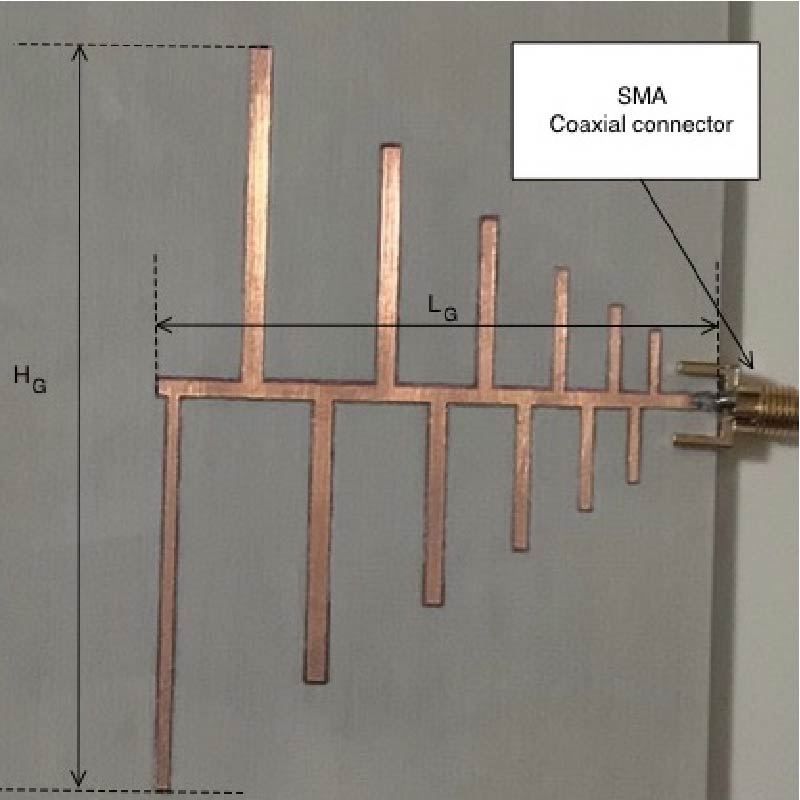
In this paper, the design of an Ultra Wide Band (UWB) hemispherical antenna with Log-Periodic Elements (LPEs) capable of operating at multiple resonating frequencies lying in L, S, C, X, and Ku frequency bands is presented. The design consists of a complex structure of silver hemisphere with LPE mounted on an FR-4 substrate fed by a 50 Ω microstrip line. The dependency of the inclination of log-periodic elements mounted on the hemisphere is analyzed with parametric study. The proposed miniaturized antenna uses LPEs to obtain an impedance bandwidth of above 100% and a multi-directional radiation pattern. The measured results show that a wide operating band of 12.63 GHz (1.68 GHz-14.31 GHz) (8.52:1) has been achieved with a multi-directional radiation pattern with a peak realized gain of 8.12 dBi.
DESIGN OF HEMISPHERICAL PATCH ANTENNA WITH CONFORMALLY SPACED LOG-PERIODIC ELEMENTS FOR MULTI-DIRECTIONAL AND MULTI-BAND OPERATION
2022-02-23
PIER M
Vol. 108, 187-200
A Novel Receiving Antenna Array Layout Method for Microwave Power Transmission
Jianxiong Li and Yuan Tan
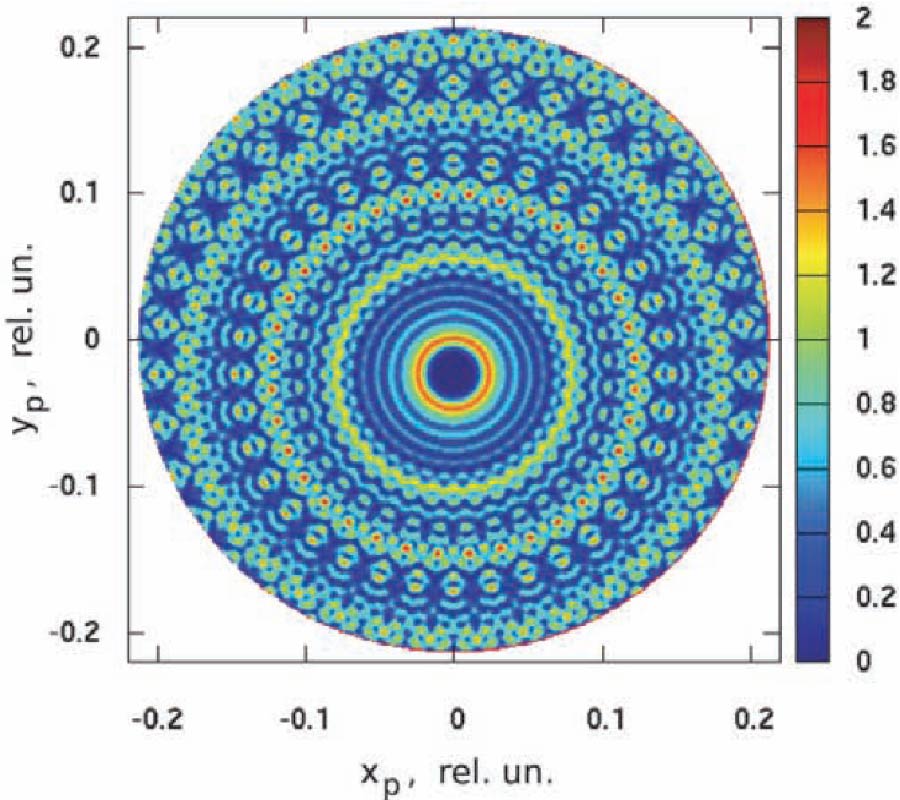
A novel layout method of receiving antenna array, which is a sparse random circular aperture array (SRCAA), to raise the power transmission efficiency (PTE) for microwave power transmission (MPT) is proposed in this paper. Different from the conventional antenna array layout, the array element positions of the SRCAA are randomly and uniformly distributed in the circular region. At present, the receiving array mostly adopts the form of uniform full array in the MPT system, and most researches focus on the antenna unit itself to raise the PTE rather than the array layout. In this paper, the initial array is obtained by randomly scattering points in the fixed area, and then the array element position is optimized by the algorithm to maximize the PTE between the transmitter (Tx) and receiver (Rx) of the MPT system. At the same time, the random array element position also plays a significant role in the uniformity of the received power of the receiving array. Therefore, this paper proposes a new index to measure the performance of the receiving array. In order to verify the effective performance of the SRCAA, we carried out a series of numerical simulations. Numerical simulation results show that the SRCAA, as a high-performance and low-cost receiving array, is more suitable for the receiving array of the MPT system than the traditional uniform array.
A NOVEL RECEIVING ANTENNA ARRAY LAYOUT METHOD FOR MICROWAVE POWER TRANSMISSION
2022-02-22
PIER M
Vol. 108, 175-186
A High Gain Multi Slotted and Compact Planar Microstrip Millimeter Wave Antenna for 5G Networks
Shazia Ashraf , Javaid Ahmad Sheikh and Zahid Ahmad Bhat
The present scenario that demands a high data rate by the consumers in wireless communication has imposed a challenge in the present market. Therefore, millimetre wave technology is attracting the interest of researchers and industries. This paper proposes a rectangular planar microstrip antenna with slots in radiating elements as well as in the ground plane. The proposed structure has been designed, simulated and fabricated at a centre frequency of 28 GHz using 5880 RT duroid as a substrate, which has a relative permittivity of 2.2, loss-tangent of 9x10⁻⁴, and thickness of 1.6 mm. By performing the simulation using HFSS Ansys Software and also fabrication and testing, the proposed design attains a maximum gain of 8.735 dBi and a frequency band-width of around 2.815 GHz. The impedance bandwidth response ranges from 26.75-29.565 (10.1%) below the -10 dB line of the S11 plot. The proposed antenna is compact with dimensions of 2.19 x 3.95 mm and has wide bandwidth along with high gain, hence is a good candidate for mm-wave applications besides several innovative antenna-based gadgets. Measured S11 and VSWR results are in consistent with the simulated ones.
A HIGH GAIN MULTI SLOTTED AND COMPACT PLANAR MICROSTRIP MILLIMETER WAVE ANTENNA FOR 5G NETWORKS
2022-02-22
PIER Letters
Vol. 103, 49-56
Compact Broadband 3 × 3 Nolen Matrix with Flat Output Ports Phase Differences
Hongmei Liu , Hongxiao Zhang , Da Yu , Shao-Jun Fang and Zhongbao Wang
In the paper, a compact broadband 3×3 Nolen matrix with flatten output ports phase differences is presented. By using two types of three-branch quadrature couplers, wideband impedance matching and flatten output ports amplitudes are obtained. Besides, imbalanced output ports phase differences are compensated by inserting two differential phase shifters between the couplers. Design equations for the proposed structure are derived, and influences of the two differential phase shifters on the phase differences of the Nolen matrix are investigated. To verify the effectiveness of the structure, a prototype operating at 5.8 GHz is fabricated and measured. Measurement results agree well with the simulated ones. Fractional bandwidths (FBWs) of 31.21% and 45.17% are obtained for 15-dB return loss and 15-dB isolation. Moreover, under the criterions of amplitude imbalance < 1 dB and phase difference < 5°, the measured FBWs are more than 23.20% and 23.96%, respectively.
COMPACT BROADBAND 3 × 3 NOLEN MATRIX WITH FLAT OUTPUT PORTS PHASE DIFFERENCES
2022-02-21
PIER C
Vol. 118, 177-186
A Circular Sector with an Inverted L Shaped Monopole Antenna for Tri-Band Applications
Alka Khade , Mahadu Trimukhe , Shishir Jagtap and Rajiv Kumar Gupta
In this paper, a quarter circular sector with an inverted L shaped monopole antenna for tri-band applications is proposed. The antenna is designed from a U shaped ultra-wideband (UWB) antenna. The number of higher-order modes, each with wide bandwidth, gets excited in a monopole, which electromagnetically couple to provide UWB. In the proposed tri-band antenna the electromagnetic coupling between higher-order modes is reduced by selectively removing the symmetrical portion and decreasing the thickness of the UWB radiator. An inverted L strip is added to a quarter circular sector, and a similarly shaped parasitic element is placed close to the radiator to achieve the desired tri-band. The antenna provides S11 ≤ -10 dB over 2.1-2.5 GHz, 5.0-5.6 GHz and 8.4-9.0 GHz which covers 3G, Wi-Fi, LTE, Bluetooth, WLAN and X- band applications. The antenna offers nearly omnidirectional radiation pattern in the lower band and directional radiation pattern in the other two bands, The prototype antenna is fabricated on a 0.147λ0×0.22λ0 FR4 substrate, where λ0 is the free-space wavelength corresponding to 2.1 GHz. The measured results agree with simulation ones.
A CIRCULAR SECTOR WITH AN INVERTED L SHAPED MONOPOLE ANTENNA FOR TRI-BAND APPLICATIONS
2022-02-21
PIER C
Vol. 118, 159-175
Design and Analysis of a Versatile Undesired Radiation Suppression Scheme in the Domain of Collaborative Beamforming
Robert Macharia , Phillip Kibet Langat and Peter Kamita Kihato
A typical outcome of Collaborative Beamforming (CB) in Wireless Sensor Networks (WSNs) is the presence of relatively high radiation in undesired directions, an aspect attributed to the usual random arrangement of collaborating sensor nodes. High radiation in undesired directions and prominent sidelobes are bound to result in interference in adjacent co-channel networks. Research towards suppression of radiation in undesired directions in CB is active with a number of proposals already in place. Most of the proposals are in the domain/perspective of 2-dimension WSN configuration with a focus on suppressing the highest-leveled (peak) sidelobe only. Commonly, peak sidelobe suppression is achieved through nodes' transmission amplitude perturbation after a conventional phase steering based beamsteering procedure. In this paper, concurrent amplitude and phase perturbation at collaborating nodes has been utilized towards achieving concurrent beamsteering and suppression of radiation in an elaborate set of undesired directions. A variant of the Particle Swarm Optimization (PSO) algorithm has been applied in the node transmit amplitude and phase perturbation process. Selection of radiation suppression directions is done uniformly from the set of all possible undesired radiation directions. A WSN featuring planar node arrangement with the sink at an elevated plane has been used as the analysis platform. The proposed scheme outperforms the peak sidelobe suppression approach in terms of observed radiation in undesired directions and average sidelobe levels. It has also been established that increasing the number of collaborating nodes and/or the number of selected undesired radiation directions in the proposed CB scheme leads to undesired radiation performance improvement although at an exponentially decaying rate.
DESIGN AND ANALYSIS OF A VERSATILE UNDESIRED RADIATION SUPPRESSION SCHEME IN THE DOMAIN OF COLLABORATIVE BEAMFORMING
2022-02-21
PIER Letters
Vol. 103, 39-48
A New Structure for the Coaxial Magnetic Gear with HTS Bulks for Fitness Car
Yan Wang and Libing Jing
This paper proposes a novel coaxial magnetic gear (CMG) with eccentric permanent magnet structure and unequal Halbach arrays for achieving sinusoidal air-gap flux density and high output torque. The proposed model has a high temperature superconducting (HTS) bulks to replace the epoxy resin in the conventional stationary ring. According to the Meissner effect and one-sided field, the HTS bulks could enhance the modulation effect. The permanent magnets (PMs) on the inner and outer rotors are distributed in Halbach array, in which the PMs are arranged regularly on the outer rotor, and the inner rotor is an eccentric structure. So the inner nonuniform air gap can be obtained. The proposed model with the pole pairs of 4 and 17 for the inner and outer rotors is established, and using finite element analysis (FEA) a calculated torque is up to 350.8 N.m. It is 2.16 times of the torque of conventional CMG.
A NEW STRUCTURE FOR THE COAXIAL MAGNETIC GEAR WITH HTS BULKS FOR FITNESS CAR
2022-02-21
PIER Letters
Vol. 103, 31-38
Design of a 120-220 GHz Fourth-Harmonic Mixer
Xu Wang , Fushun Nian , Mo Wang and Ding-Hong Jia
In this letter, a 120-220 GHz fourth-harmonic mixer based on Schottky diodes is presented. To broaden the bandwidth, a novel diplexer is proposed, which consists of two low-pass filters (LPFs) and a beam lead capacitor. Thanks to the high-pass characteristic of capacitor, the 30-55 GHz local oscillator (LO) signal is efficiently pumped to the diodes. Moreover, a two-level hammer-head configuration is adopted at the LO LPF to block the 120-220 GHz radio frequency (RF) signal. Finally, a 120-220 GHz fourth-harmonic mixer is fabricated and measured. The measurement results show that the conversion loss ranges from 12 to 18 dB within a wide RF relative bandwidth of 58.8%.
DESIGN OF A 120-220 GHZ FOURTH-HARMONIC MIXER
2022-02-20
PIER M
Vol. 108, 163-173
On-Demand Frequency Switchable Antenna Array Operating at 24.8 and 28 GHz for 5G High-Gain Sensors Applications
Wahaj Abbas Awan , Mohammad Soruri , Mohammad Alibakhshikenari and Ernesto Limiti
A miniaturized in size linear multiple-input multiple-output (MIMO) antenna array operating on demand at 28 GHz and 24.8 GHz for 5G applications is presented and investigated in this research work. The antenna array has the capability to switch and operate efficiently from 28 GHz to 24.8 GHz with more than 15 dB gain at each frequency, having 2.1 GHz and 1.9 GHz bandwidth, respectively. The unit cell of the proposed antenna array consists of a transmission line (TL) fed circular patch connected with horizontal and vertical stubs. The vertical stubs are used to switch the operating frequency and mitigate the unwanted interaction between the adjacent elements of the antenna array to miniaturize the overall dimension of the array. The proposed antenna array is compared with the recent works published in the literature for 5G applications to demonstrate the features of miniaturization and high gain. The proposed array is a potential candidate for 5G sensors applications like cellular devices, drones, biotelemetry sensors, etc.
ON-DEMAND FREQUENCY SWITCHABLE ANTENNA ARRAY OPERATING AT 24.8 AND 28 GHZ FOR 5G HIGH-GAIN SENSORS APPLICATIONS