Search Results(13783)

2025-09-22
PIER C
Vol. 160, 65-71
Research on Electromagnetic Scattering Characteristics of Complex Bodies Loaded with Metasurfaces
Linghui Qi , Fan Ding , Xiaofeng Zhou , Cicheng Wang , Yang Fu , Ruonan Zhao , Junyu Liang and Helin Yang
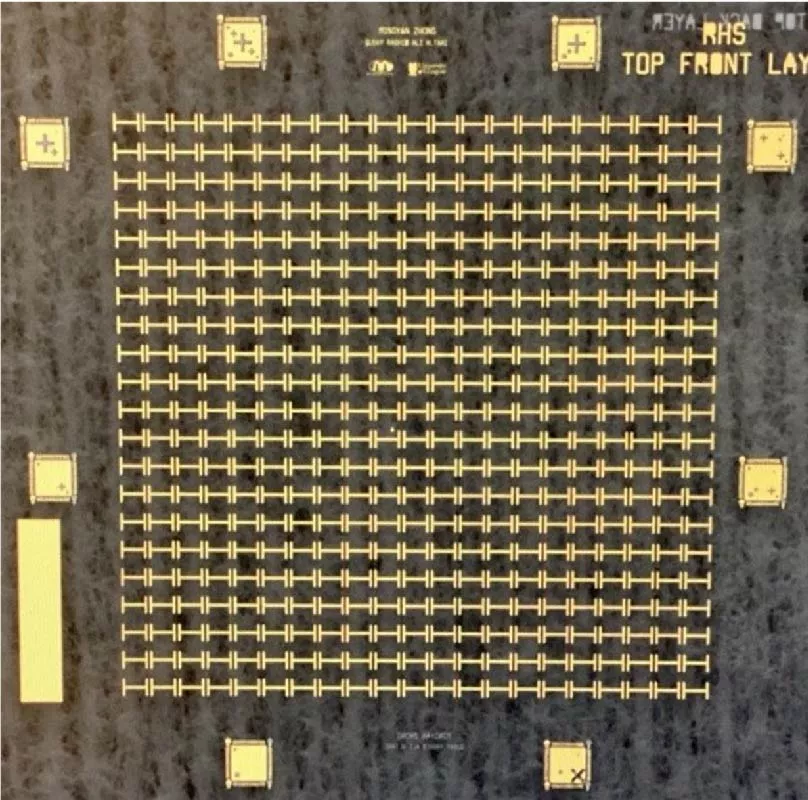
This paper presents the design of an absorptive metasurface suitable for complex-shaped targets, achieving precise control over electromagnetic waves, which has been experimentally validated. The metasurface, with a design thickness of only 0.27 mm, maintains sufficient absorption properties under appropriate curvature conditions to ensure the stealth characteristics of the coated target. Through simulation and experimental validation, this study demonstrates the metasurface's strong resonance characteristics near 11.26 GHz and a reduction of approximately 3 dB in far-field radar cross section (RCS) simulation. The experimental test results are almost consistent with the simulation results, confirming the metasurface's effectiveness in reducing the RCS of actual complex models. The research findings provide strong technical support for the radar stealth research of targets.
Research on Electromagnetic Scattering Characteristics of Complex Bodies Loaded with Metasurfaces
2025-09-22
PIER C
Vol. 160, 56-64
Novel Designs of Quadrature 3-DB Impedance-Transforming Transdirectional Couplers Based on Double-Shielded Coupled Lines
Aleksandr N. Sychev , Sergey A. Artishchev , Natalia S. Trufanova and Nickolay Y. Rudyi
Quadrature 3-dB impedance-transforming transdirectional (TRD) couplers based on double-shielded coupled lines are analyzed and synthesized; design relationships are also presented. To verify proposed concept two couplers implemented with high-permittivity (higher than 10) dielectrics are designed, fabricated, and measured. The first TRD coupler features a suspended ceramic bar, and the second one features a meandering layout of the upper line on a high-permittivity dielectric overlay. Comparison of the proposed solutions with known ones shows that novel coupler designs have advantages in small dimensions and an extended bandwidth of operating frequency (about 1.5-2 times). The simulated results are in good agreement with the measurement data.
Novel Designs of Quadrature 3-dB Impedance-transforming Transdirectional Couplers Based on Double-shielded Coupled Lines
2025-09-22
PIER M
Vol. 135, 34-44
Spin Spherical Harmonics for the Analysis of Antenna Electromagnetic Fields
Alice Quennelle , Alexandre Chabory and Romain Contreres
Spherical harmonics are classical analysis tools in many science and engineering domains. For analyzing the electromagnetic fields of antennas in the frequency domain, the mostly used formulation is the one proposed by Hansen. This article proposes an alternative solution, relying on spin spherical harmonics. On a sphere, the tangential components of the electric and magnetic fields are represented by means of harmonics of spin ±1. Then new closed-form relations are established between the spin spherical harmonics and the ones formulated by Hansen. A sampling theorem and fast transforms that are consistent with spin spherical harmonics are used. The radiations of spin spherical harmonics of order 1 are related to elementary dipoles and Huygens sources in circular polarization. Finally, numerical experiments are performed with a horn antenna and a GNSS antenna installed on an aircraft. They show that a very large radiating system with a band-limit of 2048 can be efficiently analyzed by means of fast spin spherical harmonic transforms, with a computation time of 2 minutes, approximately.
Spin Spherical Harmonics for the Analysis of Antenna Electromagnetic Fields
2025-09-21
PIER C
Vol. 160, 48-55
Improving the Performance of a Wireless Power Transfer with Misalignment Using Magnetic Resonators Coil and Metamaterial Slabs
Noor Fadhel Habib , Mohammad Sajjad Bayati and Nasr Alkhafaji
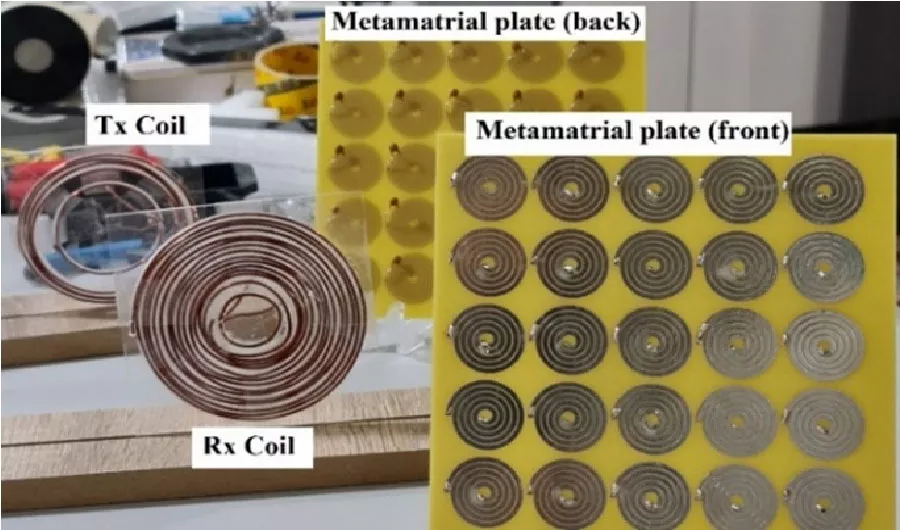
The misalignment between the transmitter and receiver coils in the wireless power transfer WPT systems causes a reduction in the power transfer efficiency (PTE). This manuscript presents a numerical and experimental study of a WPT with different sequences that compensate for the misalignment effects of WPT systems. Circular loops were used for the transmitter's source coil and the receiver's load coil. Then, a magnetic resonator coil has been added to the transmitter and receiver circular loops. The transmitter coil (Tx) has 4 turns and is connected to a 67 pF capacitor, and the receiver coil (Rx) has 14 turns and is connected to a 9 pF capacitor, which resonates at 13 MHz. The planner 5 × 5 spiral rings array of the metamaterial (MTM) was designed. The MTM unit cell has 5 turns and is loaded with an external 100 pF capacitor. Four scenarios are studied. The first one is the Tx and Rx coils in misalignment without MTMs, and the second one is by inserting the MTM plate in the middle space. Then, double plates are used in the middle, and finally, MTM plates are located behind the coils directly. The transmission coefficient S21 is enhanced by -7 dB when the MTM plate is placed in the middle space between coils. Adding another layer of MTM results in an increase in coupling between coils and enhances the S21 by -1 dB from the previous value. The PTE is improved from 32% to 63% in the instance of misalignment when MTM plates are behind coils. Finally, measurements are achieved and show acceptable agreement with the simulated results. This work could be helpful in biomedical implants where the locations of Tx and Rx coils are frequently changed.
Improving the Performance of a Wireless Power Transfer with Misalignment Using Magnetic Resonators Coil and Metamaterial Slabs
2025-09-21
PIER C
Vol. 160, 39-47
Robust and Flexible Synthesis of Equi-Ripple Multiband Filtering Functions in the Pole-Zero Form
Sai Peng , Jiyuan Fan , Ping Zhao , Nan Shen , Jinzhu Zhou and Qingqiang Wu
This paper presents a numerical iterative approach to synthesizing multiband filtering functions that can realize equi-ripple in-band responses and enforce the same return loss (RL) level across all passbands. By iteratively updating the reflection zeros (RZs) and some additional transmission zeros (TZs), the multiband filtering function can be constructed to give an equi-ripple characteristic and ensure the same RL levels in all passbands. The advantages of the proposed method include that equal RL level in all passbands can be enforced, and the numerical stability is improved over existing methods. The proposed method can be used to synthesize symmetric or asymmetric multiband filter (MBF) responses with an arbitrary number of passbands. Two synthesis examples are provided. The first example is a tri-band filter (TBF) with an RL level of 23 dB. Its passband frequency ranges are (-1, -0.7), (-0.15, 0.15), (0.7, 1) rad/s, in the normalized frequency domain, and the numbers of poles in the three passbands are 5, 4, and 5, respectively. In the second example, a dual-band waveguide filter (DBF) with four poles in each passband is synthesized and designed. The frequency ranges of the two passbands are (11.8, 11.95), (12.085, 12.2) GHz. Both simulated and measured RL levels of the filter are 22 dB. The measured insertion loss 0.73 dB in the lower passband and 0.75 dB in the upper passband. The simulated and measured results are in excellent agreement with the theoretical response, thus verifying the proposed synthesis method.
Robust and Flexible Synthesis of Equi-ripple Multiband Filtering Functions in the Pole-zero Form
2025-09-20
PIER C
Vol. 160, 29-38
Active Sampling Strategies for Non-Embedded EMC Uncertainty Simulation
Jinjun Bai , Jiasheng Wang , Xiangrui Ji , Yujia Song and Haichuan Cao
Non-embedded uncertainty analysis methods are widely used in the field of electromagnetic compatibility (EMC). Their essence is to construct a surrogate model to simulate the actual electromagnetic simulation process and obtain the desired uncertainty simulation results through exhaustive sampling. However, when performing complex electromagnetic compatibility simulations, non-embedded uncertainty analysis methods face an inherent problem. This problem arises from the excessive number of deterministic simulations, which leads to computational inefficiency. In this paper, an active sampling strategy based on Bayesian optimization is proposed. By selecting the locations of deterministic simulation sampling points in a more reasonable manner, the overall number of sampling points required for the uncertainty simulation can be minimized, thereby improving the computational efficiency. Finally, the effectiveness of the sampling strategy proposed in this paper was verified using a typical parallel cable crosstalk example and a lightning electromagnetic pulse electromagnetic interference simulation example.
Active Sampling Strategies for Non-embedded EMC Uncertainty Simulation
2025-09-18
PIER M
Vol. 135, 22-33
Structure-Preserving Discretization of the Magnetic Diffusion Equation Using DEC and FEEC
Lukas Schöppner and Matthias Friedrich
This paper presents a numerical approach for solving the magnetic diffusion equation using structure-preserving discretization methods, like Discrete Exterior Calculus (DEC) and Finite Element Exterior Calculus (FEEC). A detailed derivation of the DEC operators is provided, also their geometric foundation and relevance for discretizing differential forms on meshes. Furthermore, the paper includes an explicit introduction to the finite element exterior calculus framework, with a concise overview of the underlying functional spaces. The proposed formulations aim to preserve the topological and metric structure inherent in Maxwell's equation system. Numerical examples illustrate the stability and convergence of both methods, while also comparing their treatment of boundary conditions and discrete Hodge star construction which makes DEC and FEEC solvers spurious free and efficient useful for complex geometries.
Structure-preserving Discretization of the Magnetic Diffusion Equation Using DEC and FEEC
2025-09-17
PIER C
Vol. 160, 20-28
Compact Self-Quadplexing EMSIW Antenna with Small Frequency Ratio for C-Band Applications
Shaik Mahaboob Subani , Satya Nagakishore Bhavanam , Vasujadevi Midasala and Mallarapu Gopi Krishna
In this paper, a highly compact half mode substrate integrated waveguide (HMSIW)-based self-quadplexing antenna is proposed, employing four quarter-mode SIW (QMSIW) radiating elements integrated with longitudinal slots. The antenna operates at four closely spaced resonant frequencies 3.68 GHz, 3.83 GHz, 4.04 GHz, and 4.17 GHz achieved by precisely tuning the slot dimensions. A minimum port isolation of 26 dB is maintained between any two ports, ensuring minimal mutual coupling. The proposed design exhibits a compact footprint of only 0.05λ02, where λ0 is the free-space wavelength at the lowest resonant frequency. The simulated and measured gains exceed 5.5 dBi across all four bands, with a radiation efficiency of approximately 85%. Owing to its compact size, high isolation, and efficient radiation performance, the proposed antenna is well-suited for the upper S-band (3.1-3.9 GHz) and lower C-band (4.0-4.2 GHz) which are widely allocated for fixed-satellite service (FSS) communications applications.
Compact Self-quadplexing EMSIW Antenna with Small Frequency Ratio for C-band Applications
2025-09-15
PIER C
Vol. 160, 9-19
A Compact 4-Ports UWB MIMO Antenna with WiMAX and WLAN Band Rejection Characteristics
Maher M. El Tayeb , Deena Abd El Hamid Salem , Ali Raafat Mahmoud , Imran Mohd Ibrahim , Ahmed Jamal Abdullah Al-Gburi and Mohamed Hassan M. Mahmoud
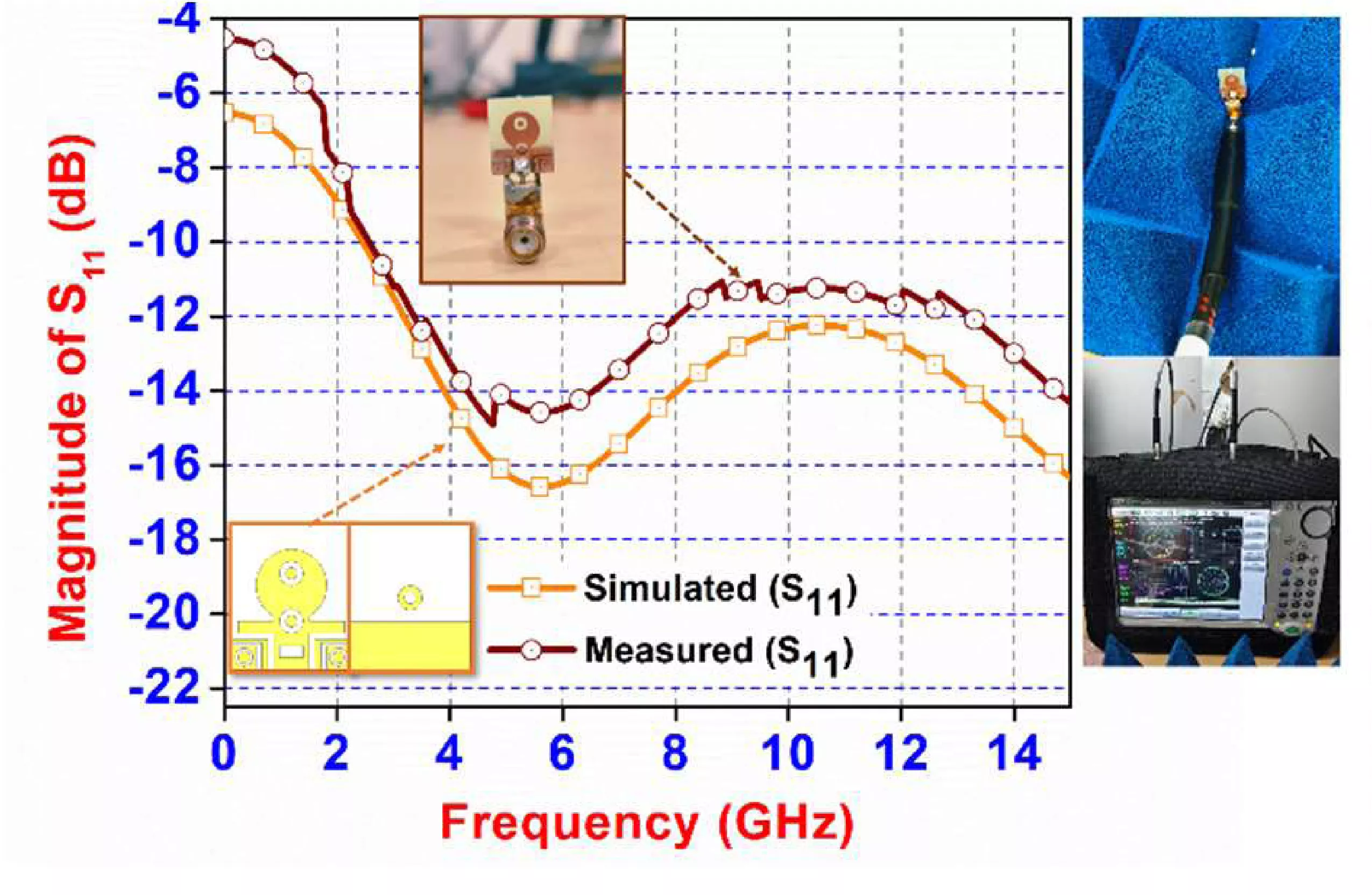
This study introduces a compact four-port UWB MIMO antenna featuring dual-band rejection capabilities aimed at suppressing interference from coexisting wireless services, specifically WiMAX at 3.5 GHz and WLAN at 5.5 GHz. The antenna employs an inverted C-slot etched into the radiator to achieve the WiMAX notch, while EBG structures are integrated to enable suppression of the WLAN band at 5.5 GHz. Fabricated on a low-cost FR4 substrate with dimensions 52 × 52 × 1.5 mm3r = 4.5), the proposed design achieves high port isolation exceeding 15 dB across the 3.1-10.6 GHz UWB range. Simulated results show an operational bandwidth from 3 to 11 GHz, extending beyond 12 GHz in measurements, without the need for additional filters or decoupling structures. The antenna exhibits quasi-omnidirectional radiation patterns with a peak gain of 7.2 dBi and significant gain suppression at the notch frequencies (-1.5 dBi at 3.5 GHz and -1.2 dBi at 5.5 GHz). It maintains a VSWR below 2 across the UWB and achieves radiation efficiency above 90% outside the notched bands. The envelope correlation coefficient remains below 0.005, enabling a high diversity gain approaching 10 dB. The EBG structures effectively reduce mutual coupling, allowing a compact element spacing of just 2 mm (approximately λ/12.5 at 12 GHz). Both simulation and measurement results validate the proposed design's suitability for mitigating co-channel interference in UWB-MIMO applications, including satellite communications in the S/C/X bands and high-speed wireless systems.
A Compact 4-ports UWB MIMO Antenna with WiMAX and WLAN Band Rejection Characteristics
2025-09-15
PIER C
Vol. 160, 1-8
Compact High-Isolation Four-Port MIMO Antenna for 5G Sub-6 GHz Applications
Aziz Dkiouak , Alia Zakriti , Mostafa Hefnawi , Saad Chakkor and Khalid El Khadiri
This paper presents the design and implementation of a compact 4-port antenna element with high isolation for 5G sub-6 GHz applications. Four V-shaped patch elements are arranged orthogonally on a 1.58 mm thick FR4 substrate to mitigate mutual coupling in the proposed structure. A defected ground plane method is utilized to further enhance and optimize the characteristics of the antenna at the operating frequency. The antenna operates in the 3.15-4.1 GHz frequency range, providing a 950 MHz impedance bandwidth at -10 dB, making it suitable for mobile terminals within the 5G sub-6 GHz band. The orthogonal polarization results in isolation levels below -18.1 dB, making the antenna ideal for 5G handset communications. This high isolation is reflected in an envelope correlation coefficient (ECC) of less than 0.04, while the diversity performance is verified by a total active reflection coefficient (TARC) of less than -10 dB. The channel capacity loss (CCL) of the four-port antenna element is calculated to be below 0.1 bps/Hz at 3.5 GHz. The MIMO antenna was fabricated, and its measured performance closely matches the simulated results, confirming that the proposed MIMO antenna is well-suited for future sub-6 GHz cellular communications.
Compact High-isolation Four-port MIMO Antenna for 5G Sub-6 GHz Applications
2025-09-15
PIER C
Vol. 159, 273-280
Deep-Learning-Driven Ultra-Broadband X-Band Reflectarray Antenna via Physics-Guided Synthesis
Mohammadjavad Zakeri and Sajjad Sadeghi
We present an eight-page in-depth study of a single-layer broadband reflectarray antenna operating over the 8 GHz to 12 GHz X-band. The array employs a dual-ring hex-slit unit cell and a physics-informed deep-learning (DL) surrogate model that reduces geometry optimisation time by ×120 compared with brute-force sweeps. The 30 cm × 30 cm prototype comprises 273 passive elements, delivers a 530° reflection-phase span, 27 dB peak gain, 56% aperture efficiency and 34.6 dB cross-polar discrimination. A residual network trained on 5000 HFSS datapoints predicts reflection phase with 0.9° MAE, whereas its inverse sibling outputs element radii in 10 ms. CST full-wave simulations and a preliminary S-parameter measurement corroborate the synthesis accuracy to within 0.25 dB. Comprehensive parametric, angular-stability and computational analyses provide guidance for extending DL-assisted reflectarrays to higher frequencies and reconfigurable architectures.
Deep-learning-driven Ultra-broadband X-band Reflectarray Antenna via Physics-guided Synthesis
2025-09-14
PIER M
Vol. 135, 11-21
Raman and FTIR Fingerprint Spectra of Blood and Bronchoalveolar Lavage Fluid for AI-Based Classification of Severe Pneumonia
Sailing He , Jialun Li , Anqi Yang , Chenhui Wang , Chuan Zhang , Xinyue Li , Ke Cui , Youzu Xu , Julian Evans and Yinghe Xu
Severe pneumonia poses a significant threat to public health. Delayed diagnosis is a core challenge in treatment. This study uses two rapid, low-cost spectroscopic fingerprinting techniques - Raman spectroscopy and attenuated total reflectance Fourier transform infrared (ATR-FTIR) absorption spectroscopy - to analyze biofluids such as blood and bronchoalveolar lavage fluid (BALF). In contrast to our earlier work which combined infrared spectra with clinical biochemical test results, this paper focuses solely on the spectral data to validate a fast and label-free diagnostic method. We used a spectral transformer network (STNetwork) to perform AI-based classification of severe pneumonia from the spectral fingerprints of blood and BALF. While both modalities are effective, FTIR spectroscopy exhibits superior diagnostic precision (97.78% test accuracy) and stability (SD < 0.0139) for blood samples. BALF offers a unique window into the local lung microenvironment, and both metabolomic analysis and spectral fingerprint classification were performed. The classification results for BALF Raman spectra (enhanced with surface-enhanced Raman spectroscopy) gave a training accuracy of 96.71%±1.86% and a testing accuracy of 90.62%±3.95%, better than the classification results for BALF FTIR spectra. The present study provides a reliable technical foundation for developing rapid and high-accuracy screening solutions for severe pneumonia.
Raman and FTIR Fingerprint Spectra of Blood and Bronchoalveolar Lavage Fluid for AI-based Classification of Severe Pneumonia
2025-09-13
PIER C
Vol. 159, 261-272
Deep Learning Assisted Microwave Sensor for Dielectric Material Classification
Sherine Ismail Abd El‑Rahman , Hany Mahmoud Zamel and Shimaa Ahmed Megahed Soliman
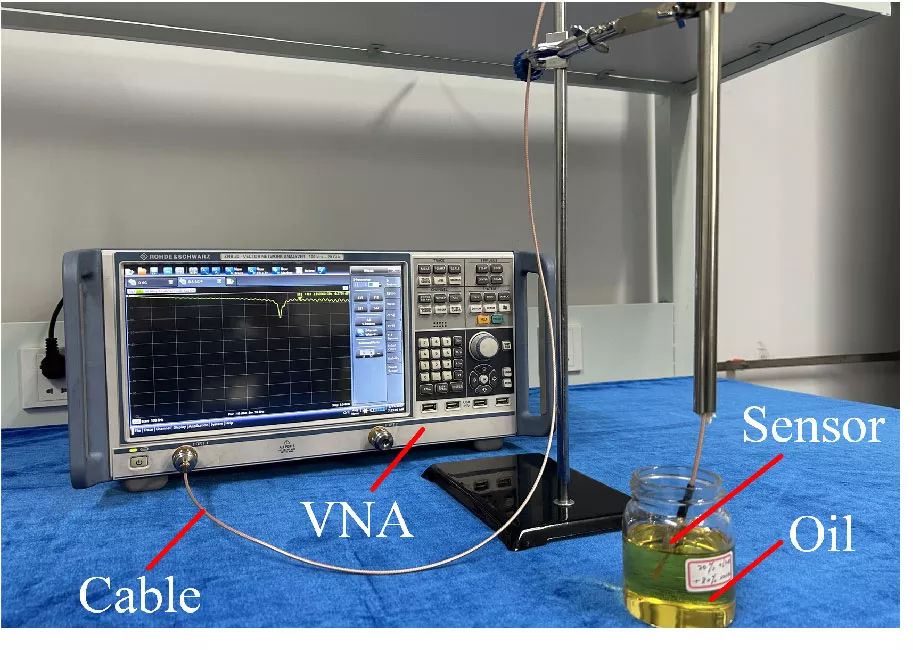
This paper introduces a deep learning assisted sensor for material classification based on two adjacent split-ring resonators unit cell sensor. This sensor operates in the frequency range from 7 GHz to 8 GHz. The sensor is designed to differentiate between different dielectric materials based on their reflection and transmission properties. A dielectric container is used to hold different samples. Reflection and transmission coefficients for different materials are used for classification between different dielectric materials. These materials are also characterized by using Dielectric Assessment Kite (DAK) for verification with the proposed method. The Dual Split Ring Resonator (DSRR) unit cell enhanced resonance characteristics facilitate the classification process for distinguishing different dielectric materials. The measured results of the proposed sensor exhibit a broad detection range, accurately identifying various samples based on their unique resonant frequency responses. The proposed sensor finds utility in industrial applications, identifying and categorizing various different dielectric materials. In addition, the proposed design is used to measure a mixture of two different materials with different volume mixing ratios. The measured samples are used to train a convolution neural network to predict the mixing ratio from the measured S-parameters. The combination of this sensor and the trained model is found to be an efficient tool that determines the mixing ratios of different samples in a fast way. This concept can also be useful to be applied on other types of sensors and other sensing parameters.
Deep Learning Assisted Microwave Sensor for Dielectric Material Classification
2025-09-12
PIER C
Vol. 159, 251-260
A Novel Conformal Fork-Shaped Antenna for X-Band Wireless Communications
Chilakampalli Anjani , Usha Devi Yalavarthi and Boddapati Taraka Phani Madhav
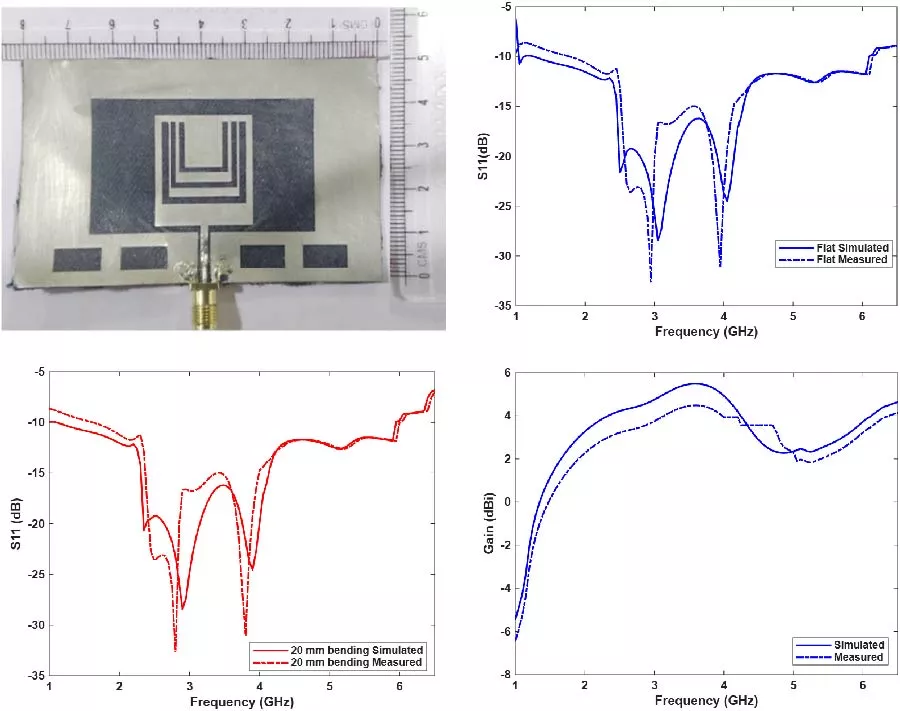
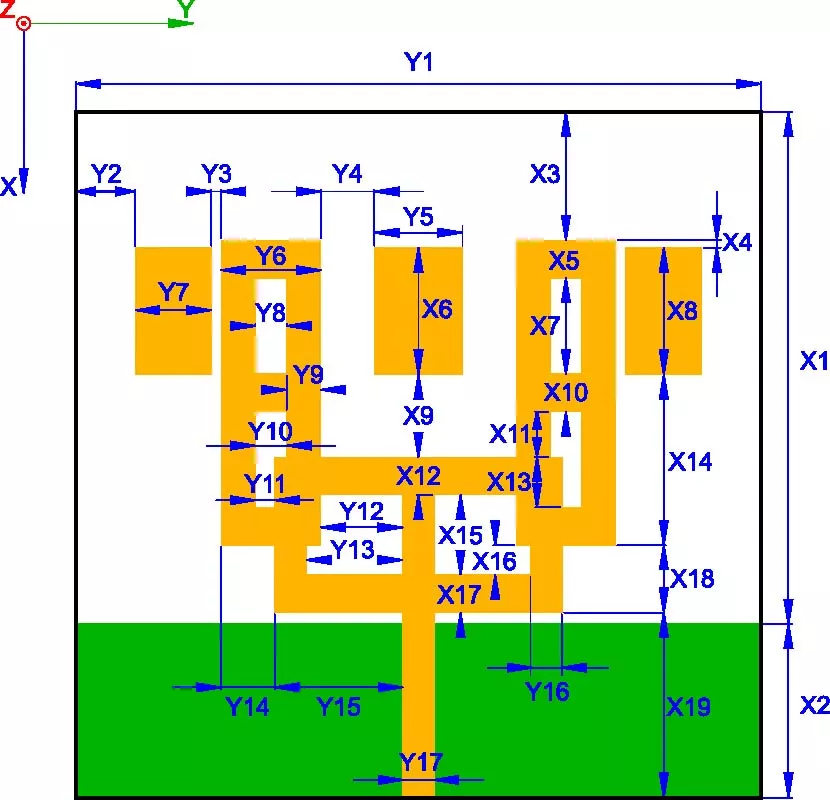
This paper proposes a novel and compact conformal fork-shaped microstrip patch antenna operating at 10.2 GHz for X-band wireless communications. It features a fork shaped unique radiating structure optimized for impedance matching, bandwidth enhancement, and compactness. Parametric studies confirmed optimal performance at feed width 3.5 mm and thickness 0.4 mm. An operating band from 9.31 to 11.88 GHz for S11 <= -10 dB with a bandwidth of 2.57 GHz is attained. It exhibits a peak gain of 5.6 dB at 10.2 GHz with radiation efficiency 88.29%. To validate its suitability for flexible and modern wireless applications, conformal models are developed, and their performance is analyzed for metrics like operating band, radiation patterns, peak gain, and radiation efficiency. It is prototyped on a Rogers RT Duroid 5880 substrate, and experimental validation demonstrates strong correlation between simulated and measured characteristics.
A Novel Conformal Fork-shaped Antenna for X-band Wireless Communications
2025-09-11
PIER C
Vol. 159, 243-250
An Efficient Center-Fed Dynamic Seawater Antenna
Xin Zhang , Lihua Li and Mingxuan Hu
In this paper, a high-efficiency, center-fed dynamic seawater monopole antenna is proposed. The antenna's radiation efficiency increases by raising the feed point position, adding a metal tube above the feed point, and reducing the inner diameter of the water pipe below the feed point. Concurrently, the effects of the feeding position, the length of the metal pipe and the inner diameter of the water supply pipe on the current distribution are analyzed by theoretical modeling. FEKO electromagnetic simulation software is applied to simulate and analyze metal tubes with different lengths and water supply side pipes with different inner diameters. The simulation results indicate that the antenna attains optimal performance when being configured with a water supply pipe of 1 cm inner diameter and a 30 cm metal tube, achieving a maximum gain of 0.93 dBi and a peak radiation efficiency of 52%. Based on the simulation data, a simplified center-fed dynamic seawater antenna prototype is designed and fabricated. Experimental validation confirms that the seawater serves as the primary radiating element. The measured radiation characteristic curves exhibit consistent trends with the simulated results.
An Efficient Center-fed Dynamic Seawater Antenna
2025-09-11
PIER M
Vol. 135, 1-10
Design of a Miniaturized Dual Notched UWB Bandpass Filter Using Meander Resonator with C-Band Interference Suppression Capability
Piali Chakraborty , Jyoti Ranjan Panda , Arindam Deb and Jibendu Sekhar Roy
This article proposes a miniaturized dual notched ultrawide bandpass filter (BPF) for ultra-wideband (UWB) indoor applications. The initial operational spectrum recognition is realized through the resonances of multiple mode resonator (MMR). Then both the passband and stopband characteristics are improved substantially by mounting distinctly shaped meander resonators cascaded with open loop ring resonator on the MMR. Further, the interdigital coupled lines are also meandered to contribute in filter size reduction along with tightening the coupling between the effective filter structure and input/output ports. The elimination of interfering signals within the passband caused by C-band satellite downlink and fixed satellite service uplink is facilitated by two sharp notches at 3.76 GHz and 6.82 GHz frequencies. Concurrently, this miniaturized filter is also characterized by its wide passband of 6.42 GHz with fractional bandwidth (FBW) 110.88%, good selectivity of 0.85, minimal insertion loss differing between 0.44 dB and 0.85 dB, wide upper stopband of 5.11 GHz, etc. ensuring its suitability as a practical UWB filter. The design is fabricated and measured to compare with the simulated outcomes and validated by the obtained resemblance between the measured and simulated filter outputs.
Design of a Miniaturized Dual Notched UWB Bandpass Filter Using Meander Resonator with C-band Interference Suppression Capability
2025-09-10
PIER C
Vol. 159, 235-242
Broadband Efficient Reflective Linear Polarization Converter
Bianmei Zhang and Xiaoming Liu
A broadband efficient reflective linear polarization converter has been developed using a metasurface. The converter consists of a U-shaped array integrated with cross dipoles. The U-shaped unit facilitates cross-polarization conversion, while the cross dipole serves to broaden the operational bandwidth. It has been demonstrated that the proposed converter can transform an incident linearly polarized wave into its orthogonally polarized reflected wave across a broadband frequency range of 18.94-51.03 GHz with a conversion efficiency exceeding 90%. The efficiency remains above 90% even as the incident angle increases to 45°, within the frequency ranges of 19.18-20.19 GHz, 26.01-30.93 GHz, and 48.8-49.77 GHz. The strong electric and magnetic responses at multi-resonances reveal the broadband polarization conversion mechanism. A prototype was fabricated to verify the performance. Measured results exhibit good consistency with the simulated ones.
Broadband Efficient Reflective Linear Polarization Converter
2025-09-09
PIER C
Vol. 159, 227-234
Compact CPW Fed Semi-Hexagonal Broadband CP Antenna for IoT Applications
Sasmita Kumari Nayak and Sanjeev Kumar Mishra
In this paper, a novel, compact, broadband circularly polarized (CP) semi-hexagonal monopole antenna is proposed. The antenna integrates a rectangular open loop and nonuniform asymmetric ground planes. The proposed design is fabricated on a 1.6 mm thick FR4 substrate with overall dimensions of 0.83λc × 0.70λc × 0.021λc at the center frequency fc = 3.935 GHz. It achieves an impedance bandwidth of 4.51 GHz (1.68-6.19 GHz, 114.63%) and an axial ratio bandwidth of 2.6 GHz (2.3-4.9 GHz, 72.3%). The antenna offers realized gains of 1.4 dBi and 0.5 dBi, with corresponding efficiencies of 64% and 51% at 2.4 GHz and 3.5 GHz, respectively. It exhibits right-handed circular polarization (RHCP) across the ISM and WiMAX frequency bands. Furthermore, the antenna's performance is validated in a realistic environment using an Arduino-based wireless voltage monitoring system, demonstrating reliable data transmission with minimal loss. These results confirm the antenna's suitability for IoT applications requiring stable and efficient wireless communication.
Compact CPW Fed Semi-hexagonal Broadband CP Antenna for IoT Applications
2025-09-09
PIER Letters
Vol. 127, 45-49
Single-Cavity Triple-Mode Bandpass Filter Based on a Novel Combined-Type Rectangular Patch Resonator
Yaoran Yue and Yang Liu
A novel single-cavity triple-mode combined-type rectangular patch resonator (CRPR) is proposed in this paper, which is realized by integrating the rectangular patch structure with the rectangular substrate integrated waveguide (RSIW) structure. By cleverly designing the length-to-width ratios of both the RSIW structure and the patch structure, as well as the size ratio between them, the three higher-order modes of the CRPR can be resonance. Then, a highly selective bandpass filter (BPF) is realized through a special feeding structure. To demonstrate the method, an instance of a BPF is designed, synthesized, fabricated, and measured. The consistency of all results validates the effectiveness of the proposed design method. The proposed filter offers advantages such as relatively compact size, easy integration, and high selectivity.
Single-cavity Triple-mode Bandpass Filter Based on a Novel Combined-type Rectangular Patch Resonator
2025-09-09
PIER B
Vol. 115, 110-119
Improved Low Sidelobe Pattern Synthesis of Planar Arrays Having a Distorted Triangular or Rectangular Lattice Due to Row Displacements
Will P. M. N. Keizer
This paper describes how the low sidelobe pattern synthesis of planar arrays with a distorted triangular or rectangular lattice, caused by row displacements, can be improved using the iterative Fourier transform (IFT) method. Array antennas with a rectangular, or triangular lattice combined with row displacements have an array factor that lacks periodicity in cosine u-v space for the u-direction. This means that for the u-direction, the pattern synthesis using the IFT method is limited to far-field directions that belong to the rectangular sector of the array factor computed by the inverse 2D FFT. Missing far-field directions in the pattern synthesis occur when the width of the computed array factor (AF) in u-v space is <2. In this case, not all far-field directions in visible u-v space are engaged in the pattern synthesis. The solution to this problem is to reduce the inter-element spacing along the rows with a factor two by including dummy elements with zero excitation between the active elements in each row. In this way, the width of AF, computed by the inverse 2D FFT, is doubled in u-v space. This doubling will result in twice as many far-field directions in the u-direction being involved in the pattern synthesis. After successful synthesis, all dummy excitations are removed from the synthesized set of excitations. The element excitations thus obtained, without the dummy ones, still perform the same as the original excitation obtained from the pattern synthesis. Three examples will demonstrate the validity of this solution.
Improved Low Sidelobe Pattern Synthesis of Planar Arrays Having a Distorted Triangular or Rectangular Lattice due to Row Displacements