Search Results(13887)

2022-08-23
PIER M
Vol. 112, 231-241
A Miniaturized Dual-Polarized Band Notched Absorber with Low Insertion Loss
Saurabh Sambhav and Jayanta Ghosh
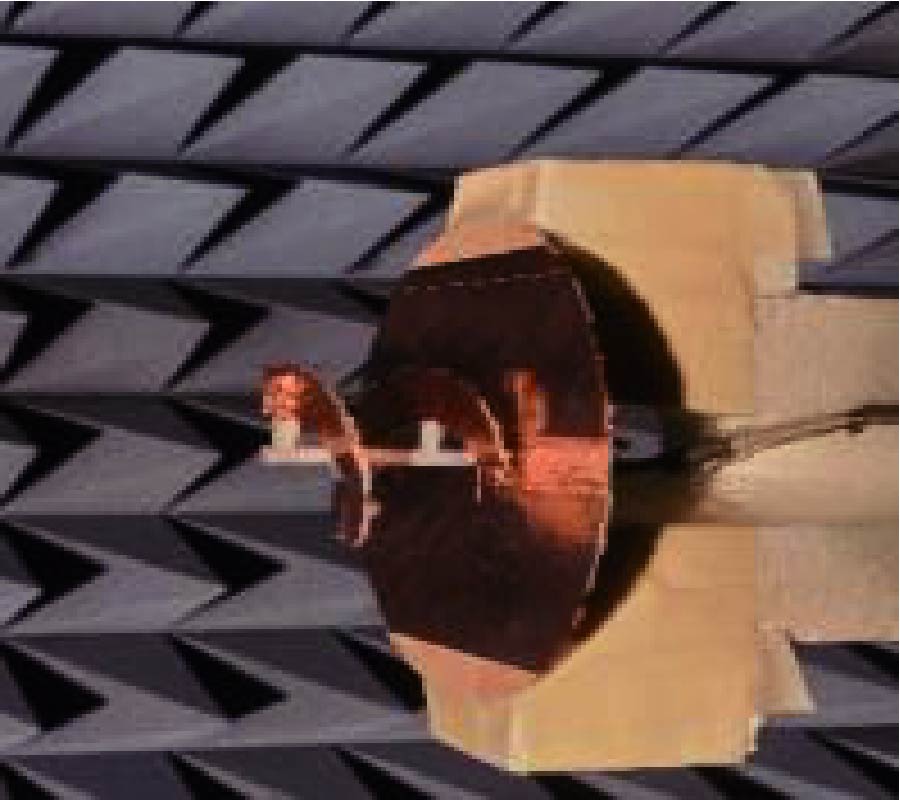
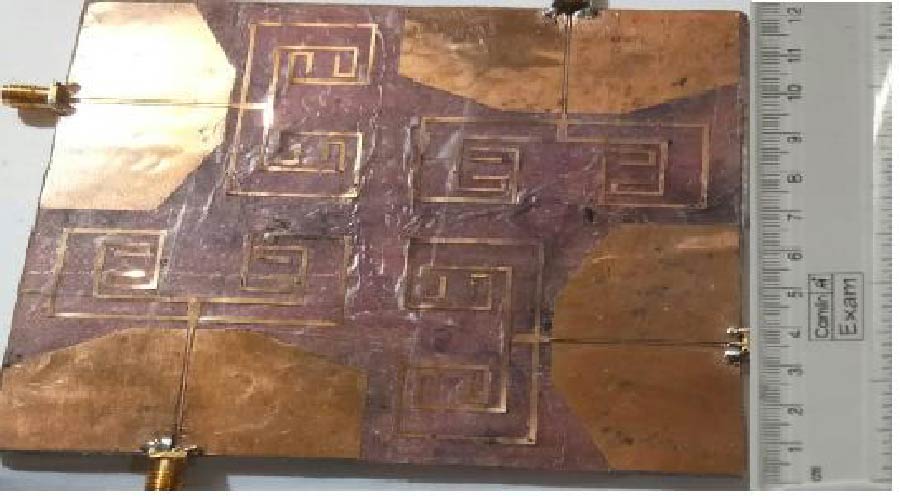
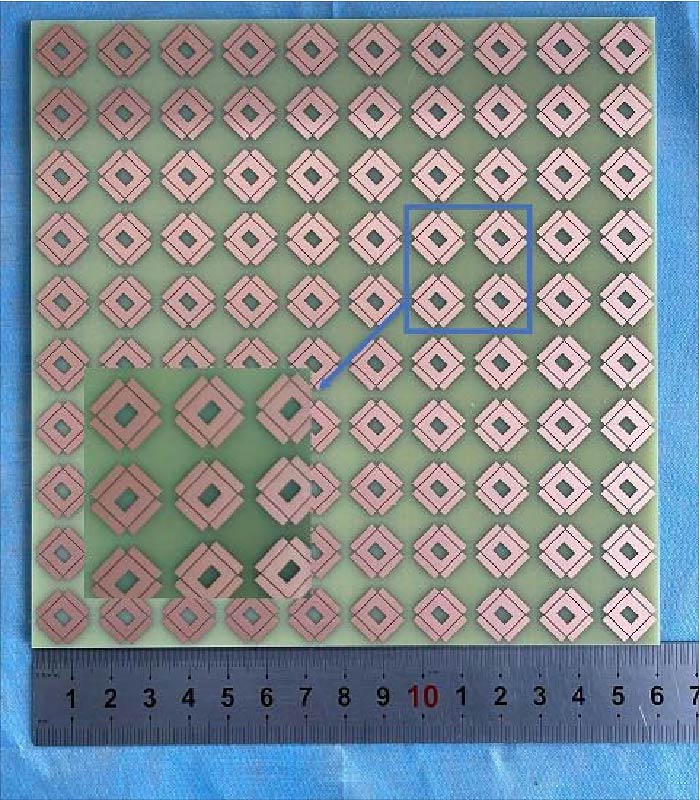
In this study, a novel, low-profile, polarization-insensitive, and compact band-notched absorber is presented. The objective of the proposed work is to design a miniaturized FSS-based band-notch absorber with high angular stability exhibiting strong operational bandwidth of 130.5% (1.7 GHz to 8.09 GHz). The absorber consists of a reflecting band sandwiched between two absorption bands. The absorption bands lie in between 1.7 GHz to 3.75 GHz and 5.65 GHz to 8.09 GHz respectively. The strong reflection band with 1 dB insertion loss lies in the frequency range from 4.25 GHz to 5.12 GHz. The proposed absorber structure comprises multiple layers with a metal sheet at the bottom. Total thickness of the band notch absorber is only 0.064λL (where λL is the wavelength corresponding to the lowest frequency of operation). The top layer comprises a modified swastika frame metallic structure loaded with lumped resistors placed on a dielectric substrate. Two air layers, one below the top layer and the other above the bottom metal, are inserted. In between two air layers a dielectric layer with a metallic rectangular ring pattern is positioned. The four-fold symmetrical structure results in polarization insensitive response. The equivalent circuit of the proposed structure is developed for understanding the underlying working principle of band notch absorbers. The surface current distribution has also been studied. The designed absorber is fabricated, and measurements are done in an anechoic chamber. The measured results show good agreement with the simulated ones.
A Miniaturized Dual-polarized Band Notched Absorber with Low Insertion Loss
2022-08-22
PIER
Vol. 175, 81-89
Deep Learning Approach Based Optical Edge Detection Using ENZ Layers (Invited)
Yifan Shou , Yiming Feng , Yiyun Zhang , Hongsheng Chen and Haoliang Qian
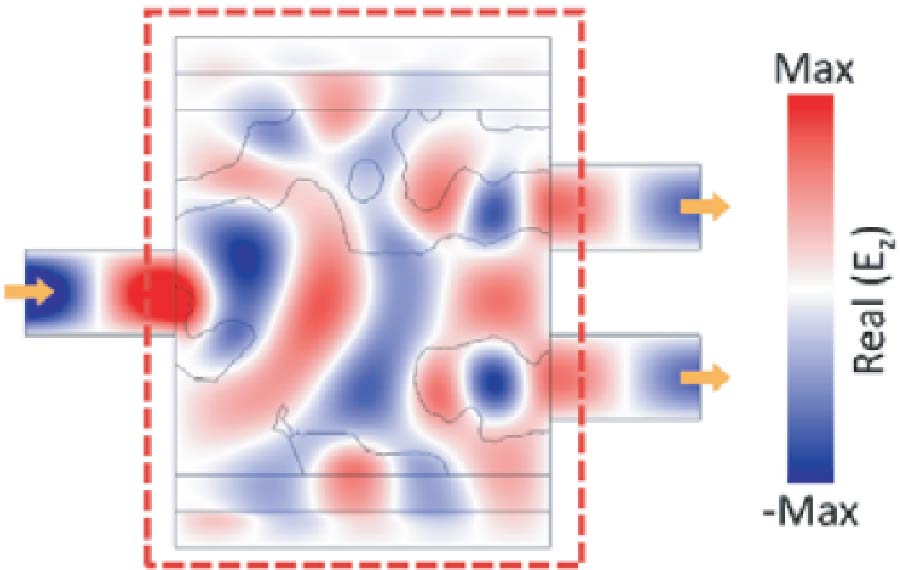
Metamaterials offer a chance to design films that could achieve optical differentiation due to their special properties. Layered film would be the simplest case considering the easy-fabrication and compactness. Instead of performing the optical differentiation at the Fourier plane, Green-function based multi-layers are used to achieve optical differentiation. In this work, epsilon-near-zero (ENZ) material is utilized to realize the optical differentiation owning to the special optical properties that the reflection increases with the increase of incident angle, which fits the characteristics of optical differentiation. In addition, deep learning is also used in this work to simplify the design of ENZ layers to achieve the optical differentiation, and further realize the optical edge detection. Simulations based on the Fresnel diffraction are carried out to verify that our films designed by this method could realize the optical detection under different cases.
DEEP LEARNING APPROACH BASED OPTICAL EDGE DETECTION USING ENZ LAYERS (INVITED)
2022-08-22
PIER C
Vol. 123, 61-73
Mutual Impedance Computation of a Waveguide Slot-Fed Arbitrary Patch Using Combined Conventional Moment Method and Equivalent Electric and Magnetic Dipole Method
Mehri Hosseini , Keyvan Forooraghi and Ali Abdolali
This paper proposes computing the mutual impedance of a multi-layer patch fed by a slotted waveguide using the combined equivalent electric and magnetic dipole-moment method and conventional moment method (EDM-MOM) as an efficient technique. The slot, PEC, and dielectric regions are substituted with equivalent currents. The unknown currents are expanded using the Rao-Wilton-Glisson and Schaubert-Wilton-Glisson basis functions. The matrix equations are then extracted from the boundary conditions. Using the EDM, each RWG or SWG of the PEC and dielectric is equivalent to an infinitesimal electric dipole, and that of the slot is equivalent to a magnetic dipole. The element matrix related to the waveguide excitation is calculated using the conventional moment method due to simple integration and accuracy. Further, the superposition of the mutual coupling between each equivalent electric or magnetic dipole in the first element and each dipole in the second element is used to obtain the mutual impedance of the two elements of the waveguide slot-fed patch array. The proposed method shows good agreement with CST software simulation results.
Mutual Impedance Computation of a Waveguide Slot-fed Arbitrary Patch Using Combined Conventional Moment Method and Equivalent Electric and Magnetic Dipole Method
2022-08-22
PIER Letters
Vol. 106, 31-39
UWB Antenna as a Sensor for the Analysis of Dissolved Particles and Water Quality
Jeyagobi Logeswaran and Rajasekar Boopathi Rani
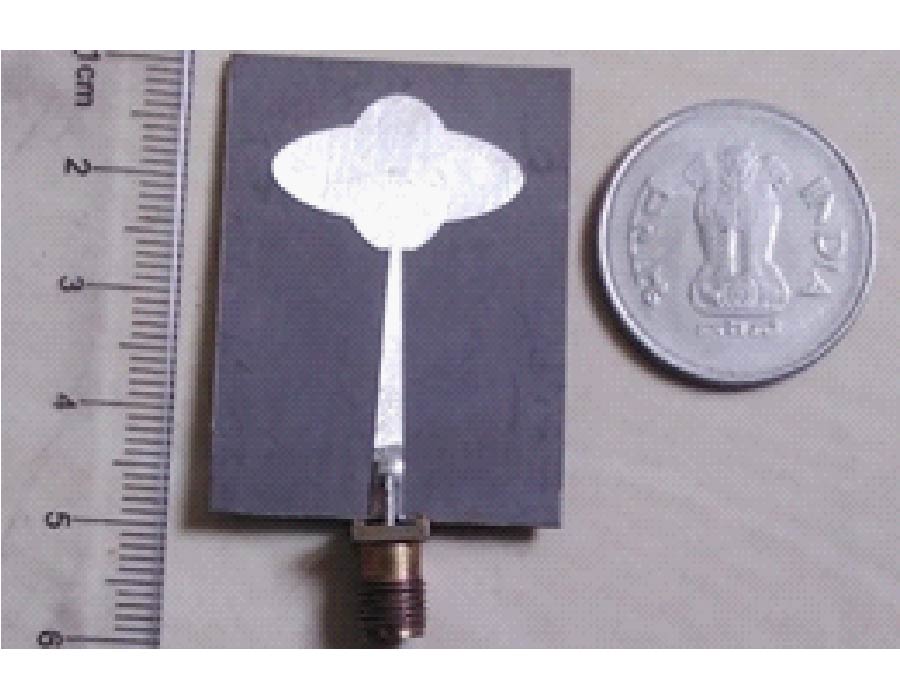
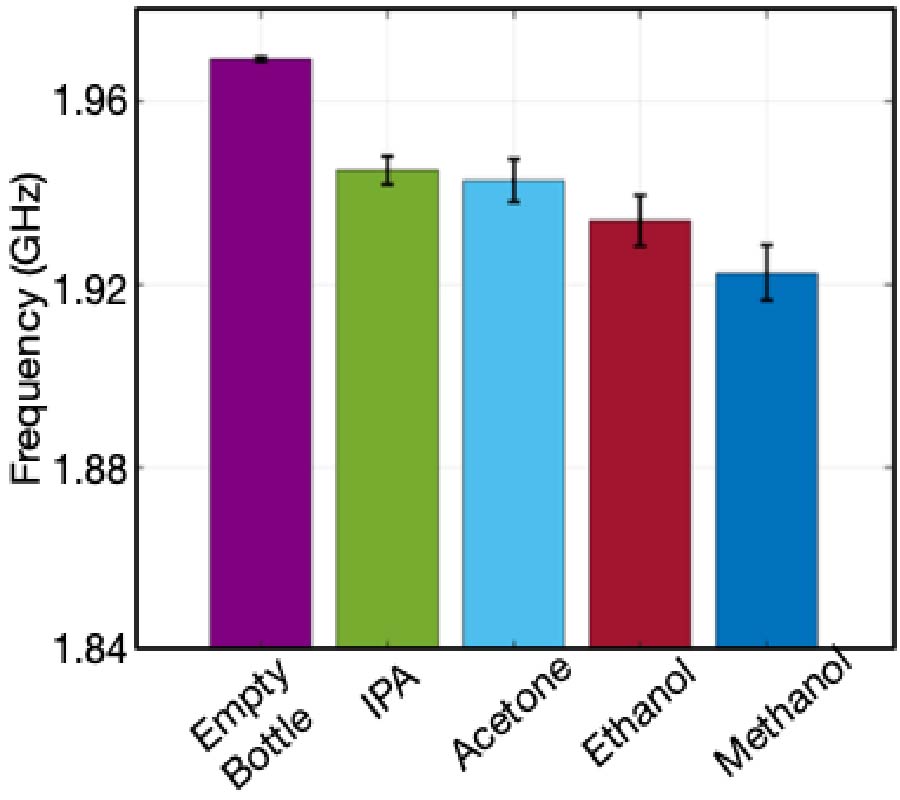
This paper aims to test the concentration of dissolved particles such as salt and sugar in a water sample and also test the quality of water. Ultra-Wide Band (UWB) antenna has been designed and used to test the water sample. The proposed UWB antenna has been resonated from 3.2 GHz to 10.6 GHz. The fractional bandwidth of the UWB antenna is 1.15. The measured antenna's characteristics were in good agreement with the simulated results. Then, the designed UWB antenna was used as a sensor on the water samples such as distilled water, rainwater, pond water, seawater, and Reverse Osmosis (RO) water. Hence, this paper explains the concentration of dissolved particles and testing of the quality of the water sample by using the return loss characteristics of the antenna when it is immersed in the water sample. This technique can be further extended for testing the quality of any other liquids.
UWB ANTENNA AS A SENSOR FOR THE ANALYSIS OF DISSOLVED PARTICLES AND WATER QUALITY
2022-08-20
PIER C
Vol. 123, 45-59
Comprehensive Assessment of Power Transfer Capability of Electromagnetically Coupled Wireless Power Transfer Systems
Suraj Kumar Panigrahi , Sivnarayan Bhuyan , Sushree Sangita Biswal , Durga Prasanna Kar , Renu Sharma and Satyanarayan Bhuyan
Magnetic coupling based Wireless Power Transfer (WPT) systems for charging no doubt have emerged as an eye catching alternative charging methodology in recent years. However, a rigorous assessment between magnetic coupling based traditional WPT system and magnetic resonant coupling based WPT system is essential in order to characterize and decide the best suited technology corresponding to their applicability. The effectiveness of both the technologies and their power transfer characteristics have been demonstrated in perception of consumed input power, delivered load power for different coupling coefficient over varying operating frequency and electric load condition. The theoretical and analytical study supported with the simulation and bench set up experiments have been carried out in order to disclose the viability of both the technologies in the device charging. In addition, an inclusive correlation between the performance parameters of the WPT systems is established through the analysis, and justification regarding the RIC-WPT system as an alternative viable solution in the charging field has been outlined.
COMPREHENSIVE ASSESSMENT OF POWER TRANSFER CAPABILITY OF ELECTROMAGNETICALLY COUPLED WIRELESS POWER TRANSFER SYSTEMS
2022-08-19
PIER C
Vol. 123, 27-43
Third Order U-Shaped Quasi-Reflectionless Bandpass Filter
Bahaa Hamzah Alkhuwaildi and Nasr Alkhafaji
A filter with good impedance matching for both in-band and a wide range of out-of-band is reported in this paper. Thus, the proposed filter offers low reflection for a wide range of frequencies, and it can be called as quasi-reflectionless filter. Also, the proposed filter improves the passband flatness significantly. The quasi-reflectionless filter consists of n-pole conventional U-shaped bandpass filters with absorptive stubs (ABSs) placed at the input and output ports. Each part in the whole filter is individually investigated. The U-shaped resonator is studied first, and then the ABSs are analyzed mathematically and simulated to optimize the attenuation rejection. Several parameters that have an influence on the overall performance are investigated. Different n-pole filters are simulated to simply enhance the out-of-band rejection without affecting the passband response. The filter response is furthermore improved by introducing two transmission zeros using the cross-coupling between the two ABSs. To validate the proposed idea, the 3-pole U-shaped quasi-reflectionless BPF is fabricated on an FR4 substrate at the operating frequency of 3.5 GHz. The filter has measured responses very close to the simulated ones.
Third Order U-Shaped Quasi-Reflectionless Bandpass Filter
2022-08-19
PIER C
Vol. 123, 17-26
Array Pattern Restoration Under Defective Elements
Jafar Ramadhan Mohammed and Ahmed Jameel Abdulqader
The defective array elements which are unavoidable due to the long full-time antenna system operation directly affect its radiation pattern, sidelobe level (SLL), directivity, and the system performance. Therefore, reducing these undesirable effects is a main interest in designing such arrays in practice. In this paper, a partially compensating method based on the genetic optimization algorithm (GA) is proposed to mainly reduce those undesirable effects of the defected elements. Unlike the existing fully compensating methods where all of their active elements were optimized to compensate for the effects of the defected elements, the proposed method optimizes the excitation weights of some optimally selected active-elements. Thus, the whole array elements do not need to be redesigned again as in the case of the fully compensating methods. This greatly simplifies the design implementation of these arrays. Moreover, a very large defective percentage ranging from 5% up to 50% has been considered to demonstrate the effectiveness of the proposed method. Furthermore, the drawback effects of the randomly failing elements at the array center have been highlighted, and some suggestions have been provided.
ARRAY PATTERN RESTORATION UNDER DEFECTIVE ELEMENTS
2022-08-18
PIER Letters
Vol. 106, 21-29
Compact and Broadband Dual-Mode Dipole Antenna
Rajbala Solanki
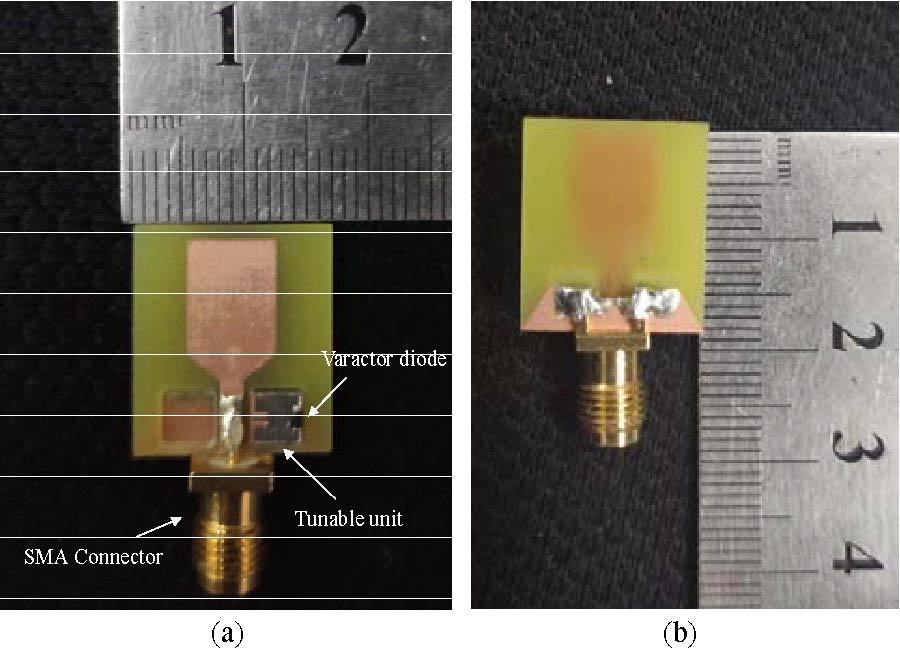
A compact and broadband stub-loaded dual-mode dipole antenna is proposed. In this paper, the first- and third-order modes are combined to achieve broadband frequency response. To do so, the third-order mode is compressed close to the first-order mode by loading two pairs of identical stubs at an optimal distance from the dipole-centre. Stubs are symmetrically loaded to both the arms of the dipole. Stub parameters such as length, width, and location play a critical role in decreasing the third-order mode frequency. Therefore, a parametric analysis is also carried out to see the effects of variation in the stub parameters. The proposed antenna is fabricated, and measurements are performed to verify the simulation results. A good agreement between the simulated and measured results is obtained.
COMPACT AND BROADBAND DUAL-MODE DIPOLE ANTENNA
2022-08-17
PIER C
Vol. 122, 267-277
A Slotted Compact Four-Port Truncated Ground Structured MIMO Antenna for Sub-6 3.4 GHz 5G Application
Rayirathil Kadavath Athira Mohan and Kanagasabapathi Girirajan Padmasine
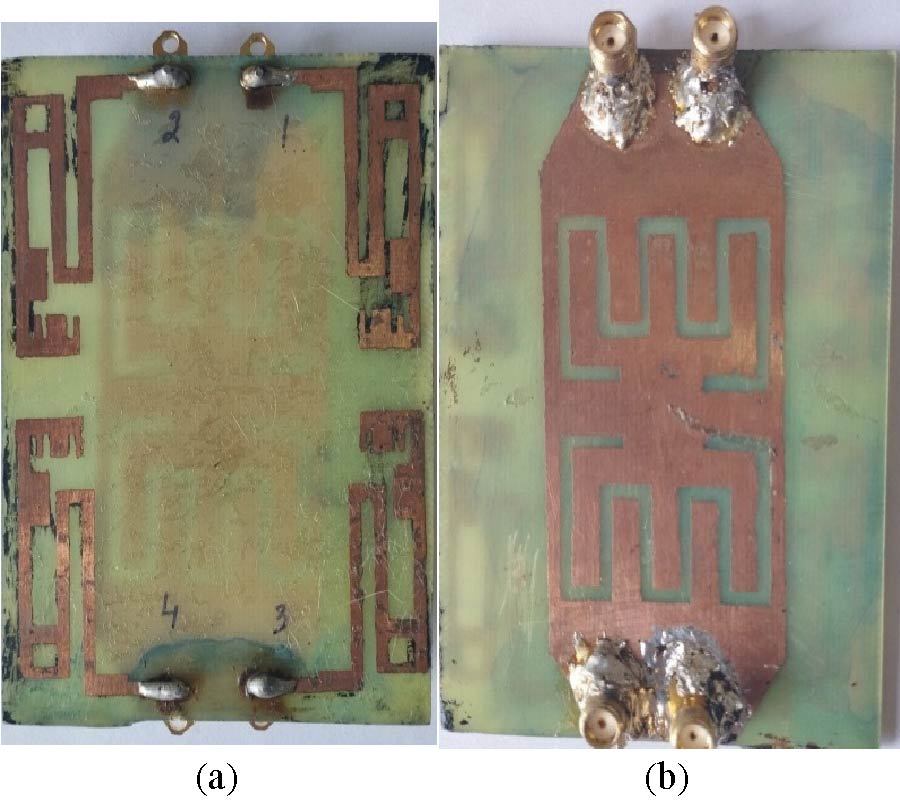
A novel high performance four-port multiple input multiple output antenna is suggested for 5G application functioning at 3.4 GHz band. The antenna design measures an inclusive volume of 32 mm x 32 mm x 0.8 mm3. The broad frequency bandwidth, excellent gain, decreased interelement gap, and effective isolation within the MIMO components of the proposed system are clearly novel. Each antenna in the four-element MIMO system has been situated orthogonally to the others while maintaining a small size and good result. The antenna has exceptional average total efficiency in the 5G Sub-6 GHz spectrum and is in good agreement with the measured results. It also offers a high realized gain compared to prior MIMO antennas. The antenna has a high impedance matching whose isolation is about -28 dB, computed envelope correlation coefficient smaller than 0.10, channel capacity loss average value less than 0.2\,bits per second per hertz, and the diversity gain about 10 dB. The typical peak realized antenna gain of the offered MIMO antenna is also delivered with a high radiation efficiency at the frequency of 3.4 GHz. The reflection coefficient, mutual coupling, radiation pattern, current distribution, and gain of antennas are all measured and explained. The design has a compact high volume and adequate bandwidth with good accomplished gain making the antenna very strong for 5G application.
A Slotted Compact Four-port Truncated Ground Structured MIMO antenna for Sub-6 3.4 GHz 5G Application
2022-08-17
PIER C
Vol. 122, 253-266
Design of Filter Integrated SPDT Switch Using Capacitor Loaded Ring Resonator with High Isolation
Zayed Abdo Abdullah Nasser , Noor Azwan Shairi , Zahriladha Zakaria , Siti Normi Zabri , Abdullah Mohammed Zobilah and Husam Alwareth
A reconfigurable filter integrated single-pole double-throw (SPDT) switch (FIS) based on capacitor loaded ring resonators is presented in this paper. The design incorporates two PIN diodes between two symmetric square ring resonators. The ring resonators can be switched between allstop and bandpass responses, by adjusting the state of the PIN diodes, allowing the corresponding signal path to be in OFF-state with high isolation or ON-state with bandpass filter response. For demonstration, filtering switch is fabricated and measured for 2.4 GHz applications. The measurement results feature an ON-state low insertion loss of -2.1 dB and port-to-port isolation of -50 dB at the band of interest, and good consistency is achieved between simulated and measured results.
Design of Filter Integrated SPDT Switch Using Capacitor Loaded Ring Resonator with High Isolation
2022-08-17
PIER M
Vol. 112, 217-230
Demonstration and Performance Appraisal of Calibration Network for Multi-Element Calibration in Active Phased Array
Virendra Kumar , Chakkandan Arjunan Sreejith , Shreeshail , Upendra Shankar Pandey , Karukunnel Beenamole and Ravi Kumar Gangwar
In active phased arrays, T/R module performance drifts due to active components' aging and thermal effect. Hence periodic online field calibration is required during the deployment of a radar system. This paper presents an innovative design of a precise and consistent calibration network consisting of a buried leaky coaxial cable (LCX) and a calibration switch network (CSN) for fast periodic field calibration of an active phased array. In the antenna plate, leaky coaxial cables are buried within the wall of the cavity-backed antenna to realize calibration lines. A 1:30 way Wilkinson power divider/combiner is realized as a calibration switching network for simultaneous excitation of multiple calibration lines to characterize multiple radiating elements in the active array. An S-Band (3.3 GHz ± 200 MHz) experimental active array with 64T/R modules is configured and tested in the near-field test range (NFTR) to demonstrate the performance of the proposed calibration network. Simultaneous excitation of multiple radiating elements significantly reduces array calibration time and provides more flexibility to other multifunction radar functions. The availability of multiple receivers and non-overlapping RF beam forming networks in the radar system limits the improvement factor in array calibration time mentioned in this paper.
DEMONSTRATION AND PERFORMANCE APPRAISAL OF CALIBRATION NETWORK FOR MULTI-ELEMENT CALIBRATION IN ACTIVE PHASED ARRAY
2022-08-17
PIER Letters
Vol. 106, 15-20
Metamaterial Perfect Absorber Using Vanadium Oxide Hexagonal Ring Structure
Mekala Ananda Reddy , Namanathan Praveena , Nagarajan Gunavathi and Ramasamy Pandeeswari
A Metamaterial Terahertz perfect absorber is proposed in this letter. The structure comprises Vanadium oxide (VO2) resonator hexagonal rings placed on top of a silicon dioxide (SiO2) substrate in a concentric pattern on a metal ground layer, with 1 THz and 6 THz operating frequency. Numerical studies are done by an electromagnetic solver. The results show almost perfect absorption, with 112% average absorption at different incident polarization angles, in the range of 1.64 to 6.1 THz. The optimization is carried out on physical dimensions for maximum absorption results. The proposed design can be used as a highly efficient absorber in applications like solar energy harvesting, cloaking, sensing, imaging technology, and EMC projects.
METAMATERIAL PERFECT ABSORBER USING VANADIUM OXIDE HEXAGONAL RING STRUCTURE
2022-08-17
PIER Letters
Vol. 105, 155-161
Compact Permittivity Tuning Using Reconfigurable Substrate Block for Microwave Tuning Design
Peng Zhang , Xiong Chen and Ming Yu
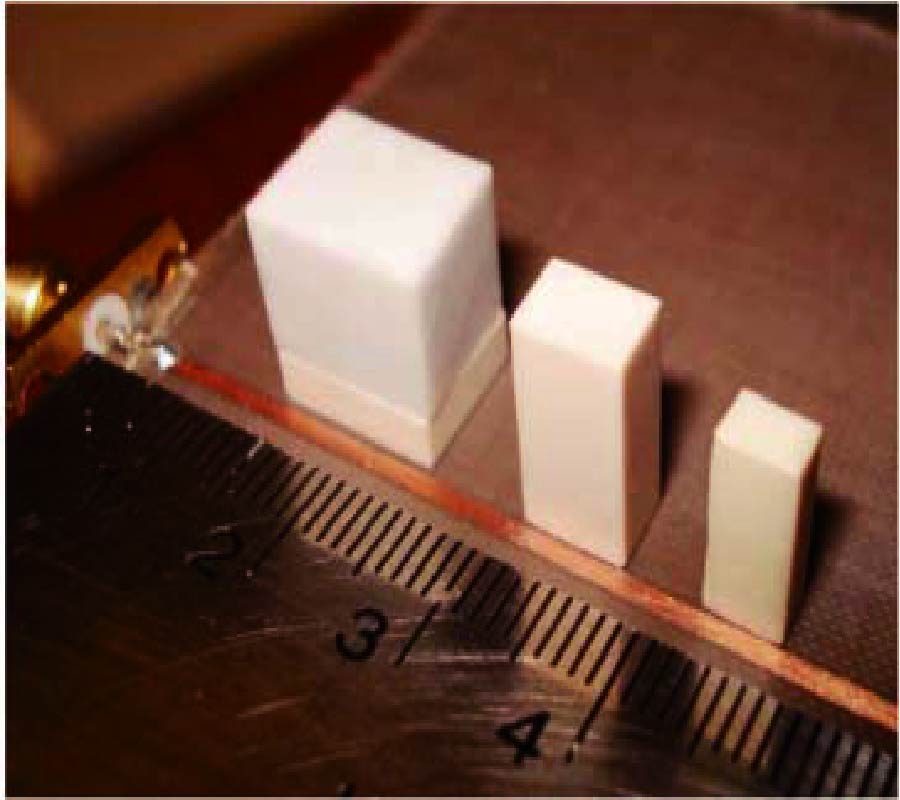
In this work, a permittivity tuning method using a reconfigurable substrate block is presented. The ratio of two substrate blocks with different permittivities is proved to construct a new permittivity level. This method is validated on a microstrip line, where the theory and simulation show a good agreement with a maximal permittivity calculation difference of less than 5%. In the implementation, only two pieces of substrate blocks with high and low permittivity levels respectively are needed, and it can be utilized for future flexible microwave tuning design.
COMPACT PERMITTIVITY TUNING USING RECONFIGURABLE SUBSTRATE BLOCK FOR MICROWAVE TUNING DESIGN
2022-08-14
PIER C
Vol. 123, 1-16
A Normal-Vector-Field-Based Preconditioner for a Spatial Spectral Domain-Integral Equation Method for Multi-Layered Electromagnetic Scattering Problems
Ligang Sun , Roeland Johannes Dilz and Martijn Constant van Beurden
A normal-vector-field-based block diagonal-preconditioner for the spatial spectral integral method is proposed for an electromagnetic scattering problem with multi-layered medium. This preconditioner has a block-diagonal matrix structure for both 2D TM polarization and 3D cases. Spectral analysis shows that the preconditioned system has a more clustered eigenvalue distribution, compared to the unpreconditioned system. For the cases with high contrast or negative permittivity, numerical experiments illustrate that the preconditioned system requires fewer iterations than the unpreconditioned system. The total computation time is reduced accordingly while the accuracy based on the normal-vector field formulation of the solution is preserved.
A Normal-vector-field-based Preconditioner for a Spatial Spectral Domain-integral Equation Method for Multi-Layered Electromagnetic Scattering Problems
2022-08-13
PIER C
Vol. 122, 243-252
Fast Computing Method and Response Characteristic Analysis for Array Dielectric Logging
Lianyun Cai and Shaogui Deng
Dielectric logging is a valuable tool for locating and developing tight reservoirs, low contrast reservoirs, shale oil and gas reservoirs, and other unconventional oil and gas reservoirs. The processing of multi-frequency and multi-spacing dielectric logging measurements is based on a stable and efficient response computation algorithm. An equivalent computation model for the push-against-hole array dielectric logging tool is established in this paper, and an improved forward method based on the semi-analytical algorithm for dielectric logging response is devised. Thus the calculation speed of each measurement point's dielectric logging response is increased by more than 8 times. Dielectric logging response charts are also constructed, showing amplitude attenuation and phase shift as functions of formation resistivity and relative permittivity at various operating frequencies. The effects of mud cake, invasion, and anisotropy on the response signal are then simulated and evaluated. The findings reveal that: (1) as the high-frequency response changes significantly when the mud cake is thick, to correct the mud cake's influence, the mud cake parameters can be extracted using the high-frequency detection mode. (2) Invasion has a complicated effect on the high-frequency response, and higher resistivity or relative permittivity in the invasion zone can readily lead to an oscillatory nonlinear shift in the response as a function of invasion depth. This means that for high-resistivity and high-permittivity formations, the high-frequency response has a larger sensitivity and a deeper depth of investigation. (3) When the anisotropy coefficient is small, the high-frequency response is preferable for extracting anisotropy; however, as anisotropy increases, the low-frequency response becomes more sensitive to anisotropy than the high-frequency response.
2022-08-12
PIER B
Vol. 95, 185-205
Fiber Optics and Broadband Over Power Lines in Smart Grid: A Communications System Architecture for Overhead High-Voltage, Medium-Voltage and Low-Voltage Power Grids
Athanasios G. Lazaropoulos and Helen C. Leligou
This paper proposes a network system architecture that integrates the operation of two communications technologies of the smart grid, i.e., fiber optics and broadband over power lines, across the same overhead transmission and distribution power grid. This integration brings benefits for the power utilities, telecommunications providers and customers alike. The proposed system architecture is expandable by allowing more communications technologies of the smart grid, such as DSL, fiber, WPAN, WiFi, WiMAX, GSM (4G, 5G) and satellite, to connect. Issues concerning wireless sensor networks, tower-sharing and terabit-class backbone networks are discussed.
FIBER OPTICS AND BROADBAND OVER POWER LINES IN SMART GRID: A COMMUNICATIONS SYSTEM ARCHITECTURE FOR OVERHEAD HIGH-VOLTAGE, MEDIUM-VOLTAGE AND LOW-VOLTAGE POWER GRIDS
2022-08-12
PIER C
Vol. 122, 229-241
Numerical Analysis of Resonant Characteristics of Graphene Rectangular Microstrip Patch Antenna with Roof Top Functions
Chouaib Chettah and Ouarda Barkat
In this paper, an analytical model is presented to investigate the resonant characteristics of a graphene rectangular microstrip patch antenna. To take into account the graphene film patch in the full-wave spectral domain technique, surface complex impedance is considered. This impedance is determined by using Kubo formula. A set of roof top sub-domain basis functions are employed to model the current density distribution on the graphene rectangular microstrip patch. The simulation results demonstrate that the designed structure can provide excellent tunable properties in Terahertz frequency region by varying different chemical potentials and relaxation times of graphene film. Variations of dimension of rectangular patch on the resonant frequency and bandwidth of a graphene rectangular microstrip antenna are presented. Finally, numerical results for the dielectric substrates effects on the operating frequencies are also presented. The analysis is validated by comparing the results with a specific example in the literature.
NUMERICAL ANALYSIS OF RESONANT CHARACTERISTICS OF GRAPHENE RECTANGULAR MICROSTRIP PATCH ANTENNA WITH ROOF TOP FUNCTIONS
2022-08-12
PIER C
Vol. 122, 215-228
Design of High-Selectivity Compact Quad-Band BPF Using Multi-Coupled Line and Short Stub-SIR Resonators
Halah I. Khani , Ahmed S. Ezzulddin and Hussam Al-Saedi
This study presents a quad-band bandpass filter with high selectivity, compact size, and highly independent bands using a folded C-shape resonator, short stub-SIR resonator, and two folded L-shape resonators. The suggested structure consists of two separate filters. The upper filter is made up of a short stub-SIR resonator loaded on a C-shape resonator resonating at 2.59 GHz and 3.5 GHz, respectively. The lower filter is made up of two folded L-shape resonators resonating at 4.89 GHz and 6.15 GHz, respectively. The frequencies at which the filter resonates are designed and arranged with high independence. The proposed filter achieves insertion loss of -2.7 dB, -0.7 dB, 2.3 dB, and -0.4 dB, and return loss of -13.32 dB, -11.03 dB, -9.17 dB, and -17.89 dB, respectively. In addition, eight transmission zeros appeared. The proposed design has a compact size of 0.19λg×0.15λg and is built on an RO4350B substrate with a dielectric constant of 3.66, loss tangent of 0.0037, and thickness of 0.508 mm. Finally, the suggested filter is intended to be used in 5G mobile communications and international mobile telecommunications services.
DESIGN OF HIGH-SELECTIVITY COMPACT QUAD-BAND BPF USING MULTI-COUPLED LINE AND SHORT STUB-SIR RESONATORS
2022-08-12
PIER C
Vol. 122, 199-213
Tracking Model of Joint Electromagnetic Signals of Naval Targets Based on Small-Scale Platform
Qi Liu , Zhaolong Sun , Run Xiang Jiang , Jiawei Zhang and Kui Zhu
For the tracking problem of moving targets by small-scale platforms, this paper firstly proposed a ship target tracking model with joint electromagnetic signals based on point charge theory and point magnetic charge theory. Then, the target tracking was simulated and verified with the progressive update extended Kalman filter algorithm as the filtering unit and the small-scale platform as the sensor-carrying platform. Finally, the laboratory model validation was carried out, and the simulated source experiment and ship model experiment were conducted respectively. The simulation results show that the tracking method with the joint electromagnetic signal can achieve the tracking error less than 5 m in the range of 6 times the ship length. The results of the model experiments further verify the simulation results. When the signal-to-noise ratio is only 5, it can also achieve at least 2 times the ship's length of tracking, which can effectively solve the problem of poor tracking caused by the small size of the sensor carrying platform and the small number of sensors.
TRACKING MODEL OF JOINT ELECTROMAGNETIC SIGNALS OF NAVAL TARGETS BASED ON SMALL-SCALE PLATFORM
2022-08-12
PIER C
Vol. 122, 57-66
Dual-Band MIMO Antenna with Defected Ground Structure for Sub-6 GHz 5G Applications
Ahmed M. A. Sabaawi , Karrar Shakir Muttair , Oras Ahmed Shareef and Qusai Hadi Sultan
In this work, a dual-band compact MIMO antenna for sub-6 GHz 5G applications has been designed, simulated and implemented. Firstly, a single patch antenna was designed and simulated, and its dimensions were adjusted to exhibit a dual band performance at 3.6 GHz and 5.9 GHz. A two-element MIMO structure was then designed with a defected ground structure, and the S-parameters were recorded. The results showed that the designed MIMO antenna exhibited multiband performance at the sub-6G frequency band with almost omnidirectional radiation pattern and acceptable gain. The achieved results are promising, making the proposed antenna a good candidate for 5G applications. The proposed antennas were fabricated, and their basic parameters such as return loss and radiation pattern were tested experimentally and compared with simulation results. An acceptable agreement was achieved between measurement and simulation results.
DUAL-BAND MIMO ANTENNA WITH DEFECTED GROUND STRUCTURE FOR SUB-6 GHZ 5G APPLICATIONS