Search Results(13787)

2023-05-31
PIER B
Vol. 100, 109-131
Variational Bayesian Learning for the Modelling of Indoor Broadband Powerline Communication Impulsive Noise
Florence Chelangat and Thomas Joachim Odhiambo Afullo
Powerline communication (PLC) noise is the main cause of reduced performance and reliability of the communication channel. The major source of these noise bursts, which distort and degrade the communication signal, is the arbitrary plugging in and unplugging of electric devices from the electrical network. It is therefore important to perform statistical modelling of the PLC noise characteristics to enable the development and optimisation of reliable PLC systems. This paper presents the Variational Bayesian (VB) Gaussian Mixture (GM) modelling of the amplitude distribution of the indoor broadband PLC noise. In the proposed model, a fully Bayesian treatment is employed where the parameters of the GM model are assumed to be random variables. Consequently, prior distributions over the parameters are introduced. The VB criterion is used to determine the optimal number of components where the Bayesian information criterion emerges as a limiting case. To find the parameters of the GM components, the variational-expectation maximisation algorithm is employed. Measurements from different indoor PLC environments are then used to validate the model. Thereafter, performance analysis is carried out, and the VB framework is compared to the Maximum Likelihood (ML) estimate method. It is observed that while the ML model performs better when the amplitude distribution contains multiple peaks, the VB framework offers high accuracy and good generalization to the measured data and is thus effective in modelling the amplitude distribution of the PLC noise.
Variational Bayesian Learning for the Modelling of Indoor Broadband Powerline Communication Impulsive Noise
2023-05-30
PIER C
Vol. 133, 121-134
A Compact Dual-Band Octal Patch Loaded with Bow-Tie Parasitic MIMO Antenna Design for 5G mm-Wave Wireless Communication
Idrish Shaik and Sahukara Krishna Veni
In the present era of wireless communication networks, the key area of concern is always the need for faster data rates to meet the growing requirements. The 5G standards have the fortitude to bring about rapid data transfer speeds, instantaneous connectivity, large data capacities, and minimal latency. In this paper, a novel octal patch integrated with a bow-tie parasitic antenna element with full ground plane that incorporates a microstrip dual band antenna was proposed for 5G n257/n261/n259 and n260 band applications. This bow-tie parasitic antenna element integrated octal patch single and MIMO antenna structure was mounted on an RT Duriod 5880 (εr = 2.2, loss tangent = 0.0009) with dimensions of 7.5 x 9.9 x 0.9 mm3 and 7.5 x 19.8 x 0.9 mm3 (0.67λ x 1.75λ x 0.07λ, where λ is considered at the lowest operating tuned frequency). A decoupling element was precisely placed in the core of a two-element MIMO antenna to reduce the mutual coupling. This embedded antenna radiating structure resonated in dual bands ranging 26.69-29.55 GHz and 38.24-42.53 GHz with a center frequency of 28 GHz and 40.2 GHz, respectively. This achieves a bandwidth of 2.85 GHz (10.3%) and 4.29 GHz (10.75%) at the dual bands. The maximum gains were 7.9 dBi and 6.97 dBi, and greater than 92% efficiency was obtained over the dual-band. From the results extracted from the proposed antenna, it was found that the antenna is capable of covering the 5G NR n257/n261/n259 and n260 bands with significant bandwidth, gain, isolation, ECC, DG, TARC, Multiplexing Efficiency, CCL MEG, and radiation efficiency. Thus, the antenna can be considered a potential contender for 5G millimeter wave wireless communication systems.
A Compact Dual-band Octal Patch Loaded with Bow-tie Parasitic MIMO Antenna Design for 5G mm-Wave Wireless Communication
2023-05-30
PIER M
Vol. 117, 59-69
Evaluation of a New Process for the Additive Manufacturing of Metal Antennas
Germán Augusto Ramírez Arroyave , David Leonardo Galindo Huertas , Daniel Felipe Garzón Cuervo , Manuel Ricardo Pérez Cerquera , Liz Karen Herrera Quintero and Javier Leonardo Araque Quijano
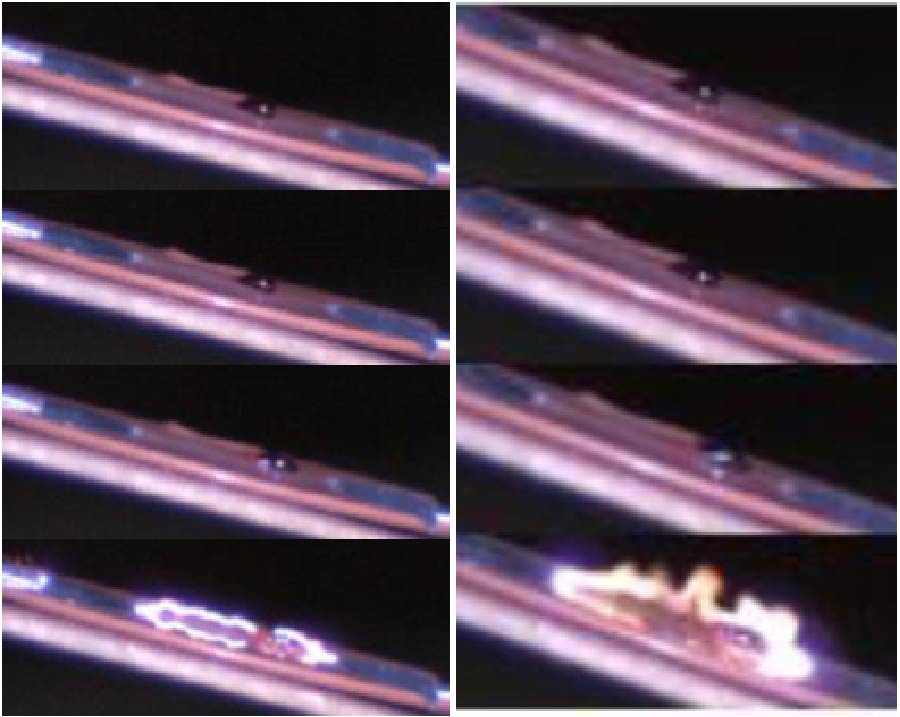
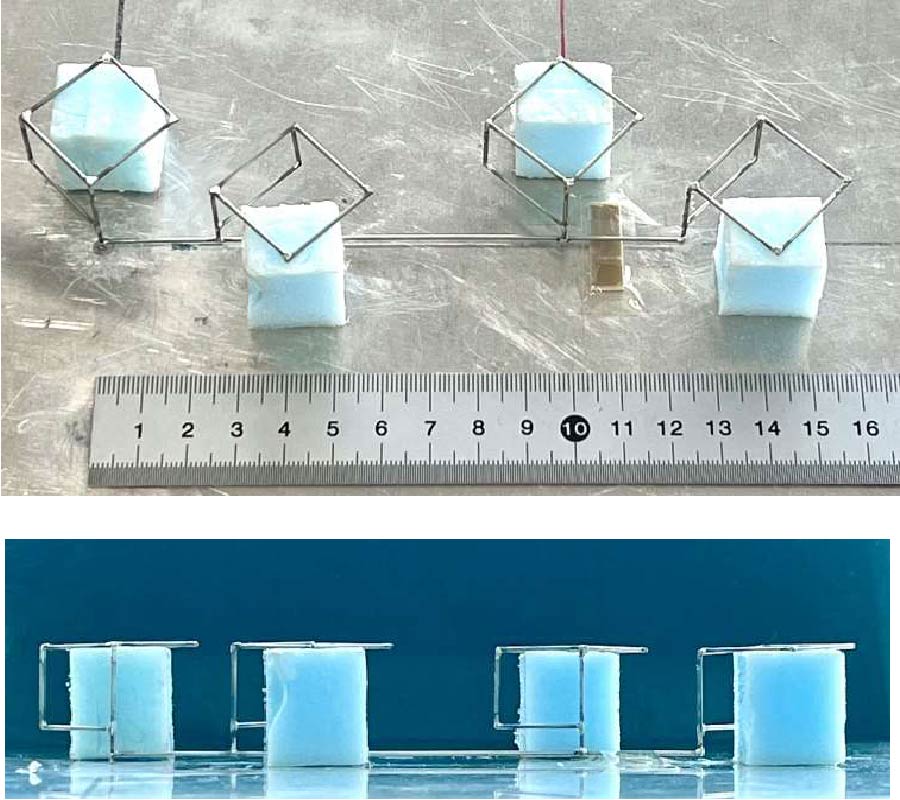
This paper presents a new process for additive manufacturing of purely metallic antennas based on Fused Deposition Modeling (FDM), with a filament composed by a mix between rounded shape copper powders with particle size in the range from 20 to 80 μm embedded in a polymeric matrix, to accomplish the desired antenna shape, followed by a post-processing involving de-binding to remove the base polymer and a further sintering process for obtaining a purely metallic component. This new process is validated by means of a prototype antenna consisting on a modified tri-band cactus monopole that is manufactured and measured demonstrating results in accordance with standard and alternative additive manufacturing techniques reported in literature.
Evaluation of a New Process for the Additive Manufacturing of Metal Antennas
2023-05-28
PIER C
Vol. 133, 109-120
A Novel Quadrangular Slotted DGS with a Wideband Monopole Radiator for Fifth-Generation Sub-6 GHz Mid-Band Applications
Idrish Shaik and Sahukara Krishna Veni
The demand for high data rate, good channel capacity, and reliability is always the primary area of concern in the modern era of wireless communication systems. The 5G standards have the fortitude to bring about rapid data transfer speeds, instantaneous connectivity, large data capacities, and minimal latency. In this paper, a novel quadrangular slotted defected ground structure (QSDGS) that incorporates a microstrip wide band antenna (WMA) was proposed for 5G n46/n47/n79 and n102 band applications. The DGS was represented on the ground plane by four rectangular looped slots. An inset feeding technique was employed on this slotted patch antenna. This DGS loaded patch antenna structure was mounted on an RT Duriod 5880 (εr = 2.2, loss tangent = 0.0009) with dimensions of 33 x 29 x 1.5 mm3 (0.44λ x 0.38λ x 0.02λ, where `λ' is calculated at lowest operating wavelength). This embedded antenna radiating structure resonated in a wide band ranging from 4.03 GHz to 6.32 GHz giving an impedance bandwidth of 2.3 GHz (50%), with a centre frequency of 4.44 GHz. The maximum gain was 4.7 dBi, and greater than 75% efficiency was obtained over the wide band. From the results extracted from the proposed antenna, it was found that the antenna was capable of covering the 5G NR n46/n47/n79 and n102 bands with significant bandwidth, gain, and efficiency. Thus, the antenna can be considered a potential contender for 5G mid-band wireless communication systems.
A Novel Quadrangular Slotted DGS with a Wideband Monopole Radiator for Fifth-generation Sub-6 GHz Mid-band Applications
2023-05-27
PIER C
Vol. 133, 97-107
Adaptive Anisotropy Optimization Method for the Radial Point Interpolation Method in Lossy Media
Hichem Naamen , Ajmi Ben Hadj Hamouda and Taoufik Aguili
In this paper, we present a new numerical anisotropy optimization method for the three-dimensional (3D) radial point interpolation method (RPIM) in lossy media. Instead of evaluating the parameters of the artificial anisotropy or the scaling factors along the selected axes, as it is usually done in classical optimization algorithms, once the analytical expressions of these parameters have been determined, they are assigned at each node through their shape functions. By adaptive factor, we mean that its value varies in such a way to cancel the discrepancy between numerical and exact wavenumbers at each node. Doing such optimization at each node is indeed being possible during the calculation of these parameters by the RPIM dispersion relation. Therefore the numerical anisotropy is no longer optimized by averaging over the entire Cartesian grid but in each node direction. The RPIM numerical anisotropy adaptive optimization method (AOM) in lossy media is presented, and the theoretical adaptive factors are given as functions of nodes positions. Our results show that the numerical errors of the dispersion and the anisotropy are considerably reduced, after being optimized with the AOM. The proposed AOM scheme is applied for a 3D rectangular cavity in order to test its validity and evaluate the accuracy of the numerical results of our approach.
Adaptive Anisotropy Optimization Method for the Radial Point Interpolation Method in Lossy Media
2023-05-27
PIER C
Vol. 133, 81-95
Improving Mutual Coupling in MIMO Antennas Using Different Techniques
Mostafa A. Nassar , Heba Y. M. Soliman , Rania Mohamed Abdallah and Esmat A. F. Abdallah
Two different MIMO antennas configurations are proposed in this paper for operation around 30 GHz with a bandwidth of 0.8 GHz. The proposed configurations are applicable in 5G, 6G and radar systems in Ka-band systems. Each of the proposed configurations consists of four identical rectangular elements where each element is connected to an impedance transformer for impedance mismatch improvement. Due to the close existence of antenna elements, mutual coupling can seriously degrade the gain, signal to noise ratio, matching characteristics, and efficiency of the MIMO antenna systems. To overcome performance degradation, several techniques such as Curved Edges (CE), Defected Ground Structure (DGS), and Band Gap Structure (BGS) are implemented. Simulation was carried out using the commercial Computer Simulation Technology (CST) and High Frequency Structure Simulation Software (HFSS). Prototypes are fabricated and measured. The experimental results show good agreement with the simulated ones. Improvement in the mutual coupling value from -21.4 dB to -27.2 dB also proves the practicality of this design.
Improving Mutual Coupling in MIMO Antennas Using Different Techniques
2023-05-25
PIER
Vol. 177, 43-51
Broad-Tuning, Dichroic Metagrating Fabry-Perot Filter Based on Liquid Crystal for Spectral Imaging
Tingbiao Guo , Zijian Lin , Xinan Xu , Zhi Zhang , Xiao Chen , Nan He , Guoqing Wang , Yi Jin , Julian Evans and Sailing He
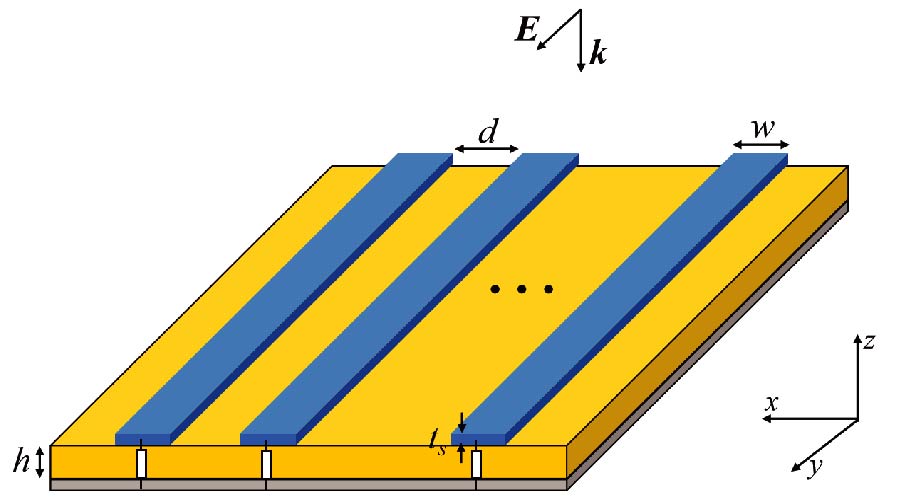
Dynamic structural color can empower devices with additional functions like spectrum and polarization detection beyond display or imaging. However, present methods suffer from narrow tuning ranges, low throughput, or bulky volumes. In this work, a tunable filter composed of a dichroic metagrating Fabry-Perot cavity and liquid crystal (LC) material is proposed and investigated. By modulating the polarization of the incident light with the LC, the color response can change from blue to green and deep red due to the `mode jumping' effect, with a tuning range of around 300 nm. Besides, we experimentally demonstrate the use of this device as a spectral imager in the visible range. Experimental results show that spectral resolvability can be around 10 nm, with the largest peak wavelength in accuracy of ~5 nm. This approach shows superior performance over traditional liquid crystal tunable filters in low light conditions and indicates the potential of dynamic structural color for miniaturized spectroscopic applications.
Broad-tuning, Dichroic Metagrating Fabry-Perot Filter Based on Liquid Crystal for Spectral Imaging
2023-05-25
PIER Letters
Vol. 110, 109-116
Frequency Diverse Arc Array Beampattern Synthesis Analysis with Nonlinear Frequency Offset
Zhuo Deng , Wei Xu , Pingping Huang , Weixian Tan and Yaolong Qi
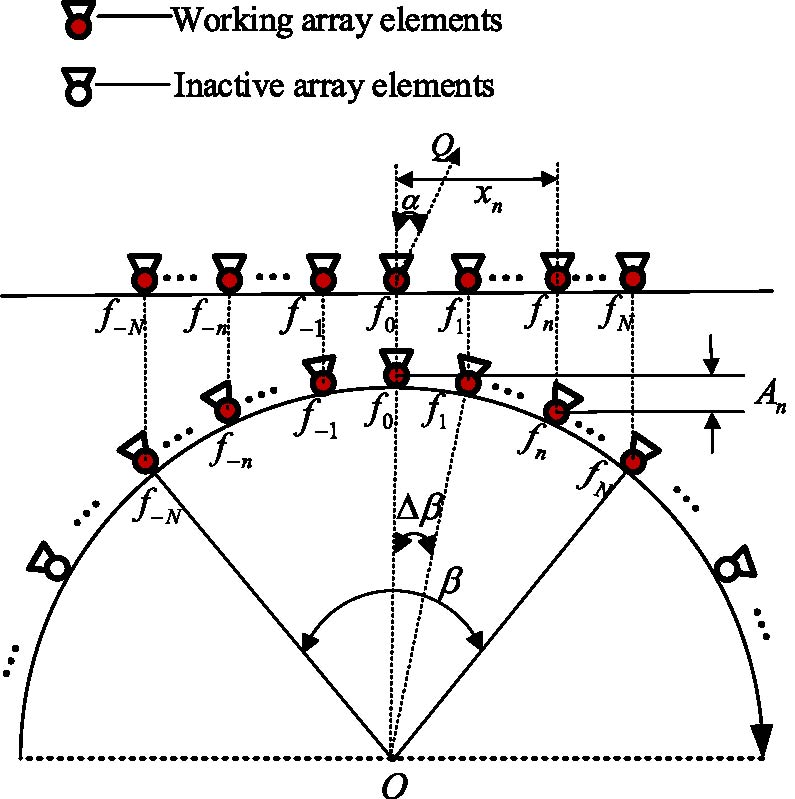
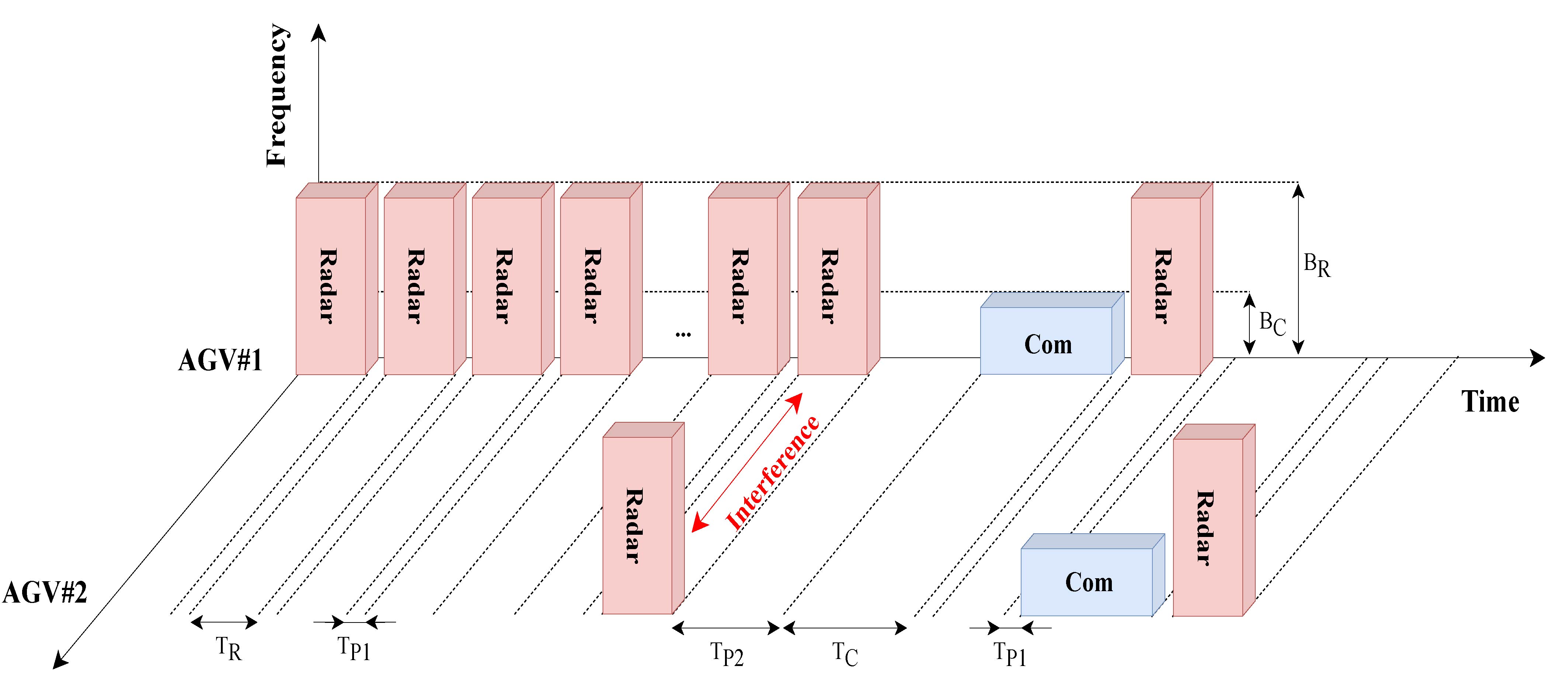
Frequency diversity array (FDA) can generate distance and angle dependent ``S'' beam patterns, but there is a problem of distance and angle coupling, which can be well solved by using nonlinear frequency offset in recent years' research. The rotational symmetry of the arc-shaped structure brings the beam scanning capability of the array antenna within a range of 360°, which can realize the all-round monitoring of the target position, and provides a more flexible method for radar communication. In this paper, a nonlinear frequency offset based frequency diversity arc array (FDAA) beam scanning method is proposed, which activates the selection matrix according to the target direction. In order to form equal phase plane beam scanning, phase compensation between array elements is carried out, and three kinds of nonlinear frequency bias are introduced to simulate beampattern synthesis. Compared with the traditional linear frequency offset FDAA, the numerical simulation results verify the feasibility and effectiveness of the scheme.
Frequency Diverse Arc Array Beampattern Synthesis Analysis with Nonlinear Frequency Offset
2023-05-24
PIER C
Vol. 133, 65-79
Deep Learning Assisted Distorted Born Iterative Method for Solving Electromagnetic Inverse Scattering Problems
Harisha Shimoga Beerappa , Mallikarjun Erramshetty and Amit Magdum
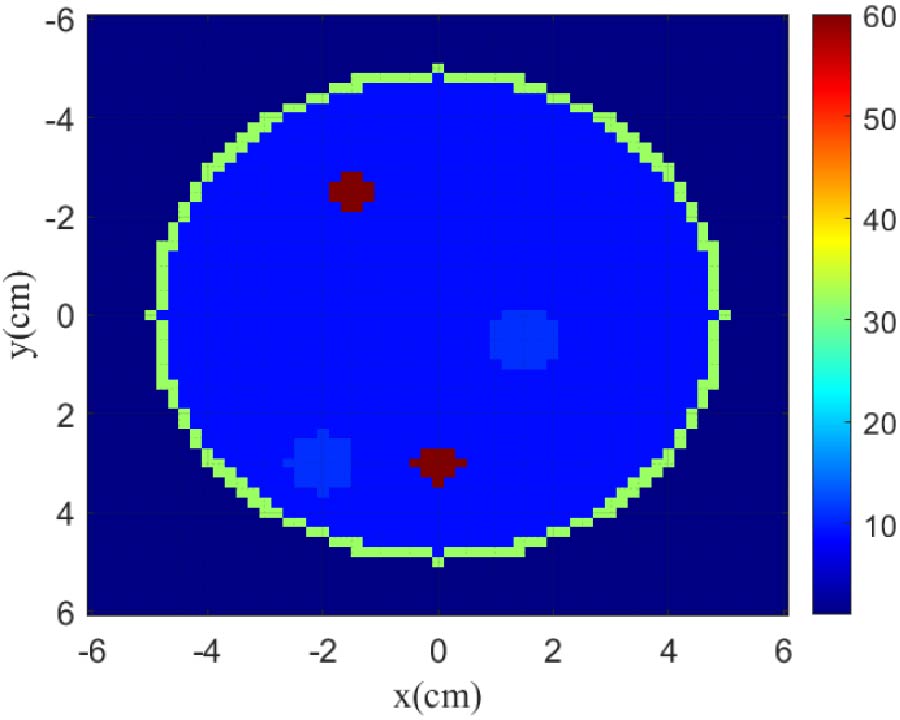
This paper presents the deep learning assisted distorted Born iterative method (DBIM) for permittivity reconstruction of dielectric objects. The inefficiency of DBIM to reconstruct strong scatterers can be overcome if it is supported with Convolutional Neural Network (CNN). A novel approach, cascaded CNN is used to obtain a fine resolution estimate of the permittivity distribution. The CNN is trained using images consisting of MNIST digits, letters, and circular objects. The proposed model is tested on synthetic data with a different signal-to-noise ratio (SNR) and various contrast profiles. Thereafter, it is verified by means of experimental data provided by the Institute of Fresnel, France. Reconstruction results show that the proposed inversion method outperforms the conventional DBIM method in terms of accuracy as well as convergence rate.
Deep Learning Assisted Distorted Born Iterative Method for Solving Electromagnetic Inverse Scattering Problems
2023-05-24
PIER B
Vol. 100, 91-107
General Electromagnetic Simulation of Radar Signals Backscattered from Metallic Wind Turbines
Victoria Sgardoni and Nikolaos Uzunoglu
The backscattering of electromagnetic waves incident on a rotating metallic wind turbine (WT) is analyzed by using the Physical Optics method. The model developed is general and allows the computation of the spectral Doppler shift of the backscattered waves. All the parameters involved are taken into account, relative to incident wave direction, wind horizontal direction, WT geometric and electromagnetic properties. Numerical computations are carried out for various cases and presented relative to a search radar.
General Electromagnetic Simulation of Radar Signals Backscattered from Metallic Wind Turbines
2023-05-23
PIER C
Vol. 133, 51-63
A Novel Wideband Beamforming Antenna for 5G Applications by Eliminating the Phase Shifters and Crossovers from the Butler Matrix
Aicha Bembarka , Larbi Setti , Abdelwahed Tribak , Hafid Tizyi and Mohssine El Ouahabi
In this study, a novel Switched Beam Antenna (SBA) system is proposed and experimentally validated for C-Band applications. The system is made up of a 4 × 4 Butler matrix, whose outputs are connected to four square-looped radiator antenna elements. The originality of the proposed work depends on the construction of a miniaturized beamforming network with minimal complexity, low loss, and low expense. Moreover, designing a system with a broad frequency range enables its use in a variety of applications. Miniaturization is achieved by eliminating the crossover and integrating the 45˚ shifter into the 90˚ hybrid coupler, as well as tilting the antenna array (i.e., making the Butler matrix output and the feed line of the antenna element orthogonal). The simulated results of the phase difference between the suggested Butler matrix outputs closely match the -45˚-135˚ theoretical calculations. The SBA measured results show a wide bandwidth and low insertion loss of 63.64% (4.21-8.14 GHz) and -4.89 dB, respectively. Four orthogonal beams are produced by the proposed structure's input ports 1-4 when they are excited. These beams are aligned at angles of -10˚, 60˚, -60˚, and 10˚ at 5.7 GHz.
A Novel Wideband Beamforming Antenna for 5G Applications by Eliminating the Phase Shifters and Crossovers from the Butler Matrix
2023-05-22
PIER C
Vol. 133, 39-49
Study on Electromagnetic Exposure of High-Speed Rail-Way Platform Staff Workers Induced by Contact Wires
Changqiong Yang and Mai Lu
The bodies of platform staff workers in high-speed railway stations absorb induction electric field when exposed to the electric field environment of contact wires with 25 kV high-voltages. To analyze the safety of electromagnetic exposure of the station platform staff workers with different numbers of tracks, this paper establishes a model with 6 tracks, 2 platforms, and 4 staff workers on the platform simulating the actual situation. It then analyzes the distribution of induction electric field present in their human body tissues, which in the electric field environment is generated by the high voltages of the contact wires of 1 track, 3 tracks, 6 tracks, respectively. Calculation results show that the maximum induction electric field of staff worker on the platform with different track numbers appears at the scalp, and the electric field intensity levels in the skull and brain are relatively small. For example, on the two platforms with 6 tracks, the maximum induction electric field of the staff worker is found in the scalp, and the values are 58.86 times and 1688.52 times of those of the skull and brain, respectively. For the staff worker at the safety white line, the maximum induction electric field in a human central nervous system is 0.61 mV/m, which is far less than the basic limit of 100 mV/m occupational exposure in the International Commission on Non-Ionizing Radiation Protection (ICNIRP) guidelines. With the increase in the number of tracks, the maximum induction electric field of the staff also increases correspondingly at the same position. Research results can provide data reference for the formulation of electromagnetic protection and standards for high-speed railway platform staff workers.
Study on Electromagnetic Exposure of High-speed Rail-way Platform Staff Workers Induced by Contact Wires
2023-05-22
PIER M
Vol. 117, 47-57
Low-Frequency Magnetic Shielding of Double-Layer Conducting Plates with Periodic Apertures: Experimental Observation of Great Improvement of Shielding Effectiveness by Slightly Separating the Two Plates
Feiyan Zhou , Yan Wu , Lingyun Gu , Xuefeng Bai , Yan Wu , Yang Wang , Dingyu Qin and Chongqing Jiao
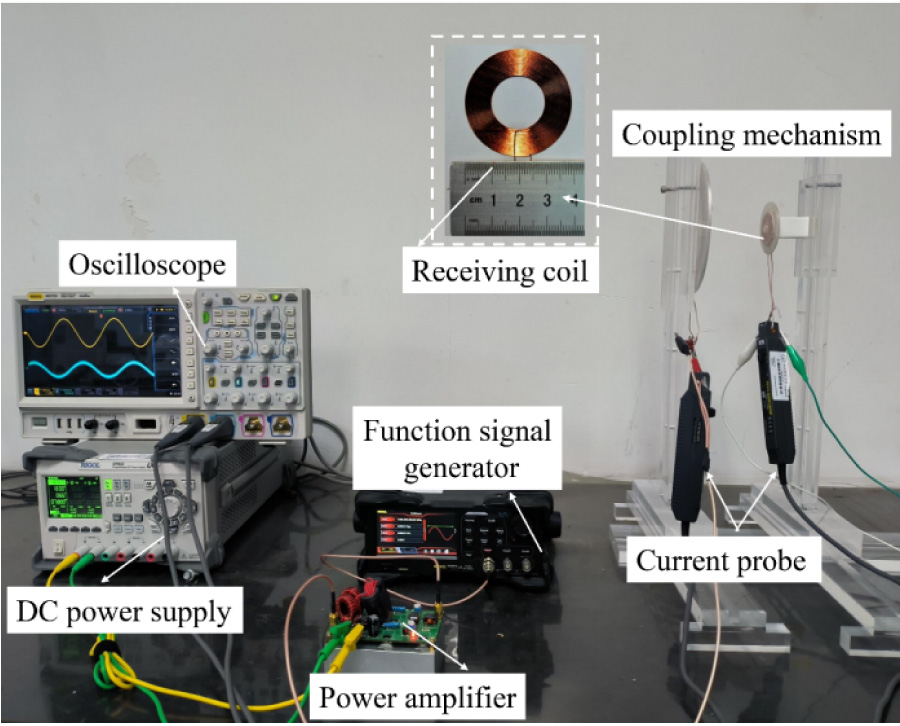
This article focuses on the low-frequency magnetic shielding of double-layer conducting plates with periodic circular apertures. The shielding effectiveness (SE) is measured as the insertion loss of the plates when they are placed between a pair of coaxial loops, one for magnetic field emission and the other for receiving. Our experimental results show that the SE sharply increases with the layer-to-layer spacing increasing from zero to the aperture diameter. For aluminum plates with 1 mm thickness, 20 mm unit cell and 10 mm aperture diameter, the enhancement is approximately 10 dB and 20 dB for 3 mm and 9 mm spacing, respectively. In addition, the effect of the lateral deviation on the SE is evident only if the spacing is smaller than the aperture diameter.
Low-frequency Magnetic Shielding of Double-layer Conducting Plates with Periodic Apertures: Experimental Observation of Great Improvement of Shielding Effectiveness by Slightly Separating the Two Plates
2023-05-20
PIER B
Vol. 100, 73-89
Estimation of Thickness and Dielectric Characteristics of Sea Ice from Near-Field EM Measurements Using Deep Learning for Large Scale Polar Ice Probing
Mohammad Shifatul Islam , Sadman Shafi and Mohammad Ariful Haque
The near and far field EM responses over layered media have long been exploited in diversified applications such as remote sensing, monitoring and communication. In this work, we utilize the near field dependence of the EM fields of a three layered structure resembling air-sea ice-sea water to estimate the thickness and dispersion characteristics of sea ice using deep learning technique. We explore two key methods of field measurement termed as the fixed and scaled sweep methods. In the fixed radial sweep method, the receiver distance and height from the source are kept constant, and in the scaled sweep method both the receiver distance and height are set as a scaled function of the operating wavelength. A synthetic training dataset has been generated (using analytical computation and FEM simulation) in the low MHz band, which is used to train a deep learning model. The model is tested on different test datasets with frequencies inside, below and above the training limits. Even though the fixed sweep method is simpler to implement, the scaled sweep appears to perform better across the wide range of test frequency, both in and outside the training range. When the test frequency is inside the training range, the percentage errors for thickness, dielectric constant, and loss tangent were found to be <2%, <10%, and <5%, respectively, for the fixed radial sweep, whereas for the scaled sweep the percentage error is < 1% for all three measurement parameters. When the test frequency deviates further from the training range, the percentage error gradually increases. Later, we investigate the problem of determining sea ice thickness assuming a priori knowledge of sea ice dielectric parameters, and results show that the model estimates the thickness of the sea ice bulk with error as low as 0.1%.
Estimation of Thickness and Dielectric Characteristics of Sea Ice from Near-field EM Measurements Using Deep Learning for Large Scale Polar Ice Probing
2023-05-19
PIER M
Vol. 117, 37-46
A New Compressive Sensing Method for Speckle Reducing in Complex-Valued SAR Data
Nabil Gherbi , Azzedine Bouaraba , Mustapha Benssalah and Aichouche Belhadj Aissa
High resolution Synthetic Aperture Radar (SAR) images are affected by speckle noise, which considerably reduces their visibility and complicates the target identification. In this paper, a new Compressive Sensing (CS) method is proposed to reduce the speckle noise effects of complex valued SAR images. The sparsity of the SAR images allows solving the CS problem using Multiple Measurements Vector (MMV) configuration. Therefore, a special weighted norm is constructed to solve the optimization problem, so that the Variance-Based Joint Sparsity (VBJS) model is used to calculate the weights. An efficient Alternating Direction Method of Multipliers (ADMM) is developed to solve the optimization problem. The obtained results using raw complex-valued measurements with ground truth demonstrate the effectiveness of the proposed despeckling method in terms of both image quality and computational cost.
A New Compressive Sensing Method for Speckle Reducing in Complex-valued SAR Data
2023-05-18
PIER M
Vol. 117, 25-35
Comparative Analysis of NavIC Multipath Observables for Soil Moisture Over Different Field Conditions
Sushant Shekhar , Rishi Prakash , Dharmendra Kumar Pandey , Anurag Vidyarthi , Deepak Putrevu and Nilesh M. Desai
Studies of soil moisture with Global Navigation Satellite System (GNSS) have gained the attention of several researchers. Multipath amplitude, multipath phase, and multipath frequency are multipath observables that are utilized in the study of soil moisture. However, an inter-comparison of the performance of these parameters for soil moisture under different roughness and vegetation conditions is very much required to have a better insight so that more robust inversion algorithm for soil moisture retrieval with multipath observables can be designed. Therefore, this paper analyses the performance of these multipath observables for soil moisture over bare smooth soil, rough surface, and vegetated soil. Two different fields have been investigated to include the location variability. Navigation with Indian constellation (NavIC) multipath signal has been used in this study. Statistical parameters such as correlation coefficient (R), Root Mean Square Error (RMSE), and sensitivity have been determined to study the performance of multipath observable for soil moisture under different surface roughness and vegetation conditions.
Comparative Analysis of NavIC Multipath Observables for Soil Moisture over Different Field Conditions
2023-05-17
PIER C
Vol. 133, 27-38
A Low-Profile Electrically Small Antenna with a Circular Slot for Global Positioning System Applications
Katireddy Harshitha Reddy , Madhavareddy Venkata Narayana , Govardhani Immadi , Penke Satyanarayana , Kolasani Rajkamal and Ambati Navya
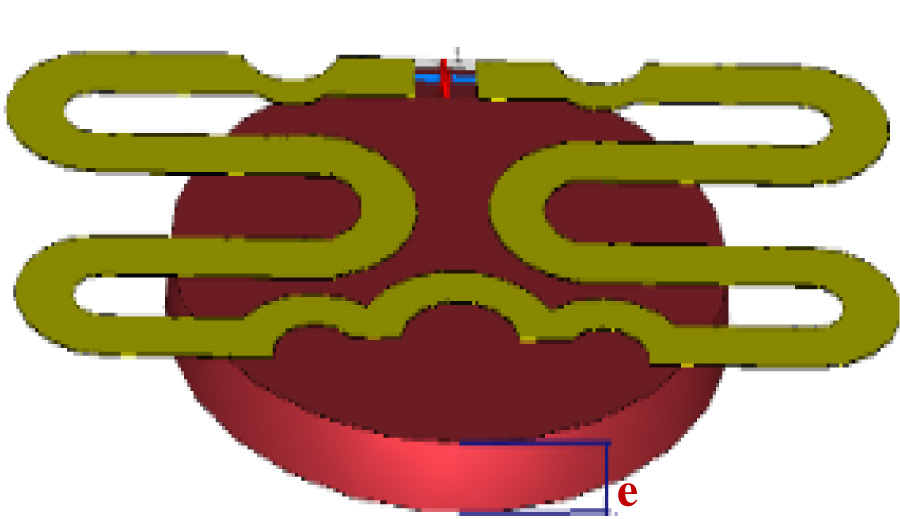
A flexible, planar electrically small antenna (ESA) with omni directional radiation pattern is designed and fabricated for GPS and WLAN applications resonating at 1.5 GHz and 3.7 GHz. The design consists of a circular loop attached with 3 rectangular bars, and it is fed by a 50 Ω feed line. The circular loop in the antenna provides impedance matching. Generally, these electrically small antennas have narrow bandwidth. Here the antenna is fabricated on a polyimide substrate having a thickness of 0.1 mm, εr of 3.4 mm, and it occupies a size of 38 mm x 34 mm. Electrically small antenna is designed at 1.5 GHz, 3.7 GHz, and the parameters that are measured are S11, VSWR, ka values, quality factor, and radiation patterns.
A Low-profile Electrically Small Antenna with a Circular Slot for Global Positioning System Applications
2023-05-16
PIER C
Vol. 133, 15-25
5G Indoor Base Station Application: Low Profile Broadband Horizontally Polarized Omnidirectional Antenna
Shihao Wu and Feng Shang
In this paper, a low profile horizontally polarized wideband omnidirectional antenna is presented, which consists of a simple single-layer dielectric substrate planar printing structure. The bottom of the substrate is loaded with six Vivaldi slits to achieve omnidirectional radiation. An equal-amplitude 1:6 power-division network is printed on the top of the substrate to provide a uniform feed. In addition, rectangular slots etched on each radiation element conduce to the enhancement of high-frequency gain and improvement of impedance matching. The antenna has 58.8% impedance bandwidth (2.8-5.13 GHz, VSWR<2) and low profile height of 0.009λmin, and it is convenient to fix under the ceiling of buildings and could radiate well in indoor place. The radiation mode in the whole operating frequency band is stable, and the cross-polarization is less than -20 dB, which completely covers the 5G NR-n77/78/79 band.
5G Indoor Base Station Application: Low Profile Broadband Horizontally Polarized Omnidirectional Antenna
2023-05-16
PIER M
Vol. 117, 13-23
Phase Gradient Metasurface Assisted Wideband Circularly Polarized Monopole Antenna
Puneeth Kumar Tharehalli Rajanna , Krishnamoorthy Kandasamy and Pratik Mevada
An asymmetric coplanar waveguide (CPW) fed wideband circularly polarized monopole antenna with a slot structure is proposed in this article. Phase gradient metasurface (PGM) is placed beneath the monopole to improve the gain. Circular polarization (CP) is achieved over wide bandwidth by combining the monopole and slot modes. The asymmetric CPW-fed monopole antenna provides CP at lower frequencies, and slot mode provides CP at higher frequencies. The asymmetric ground plane in the monopole and asymmetric strips in the slot are combined to produce wide axial ratio bandwidth. The proposed design's detailed construction and operation are discussed with experimental validation. The proposed wideband CP antenna provides an impedance bandwidth of 95.46% and axial ratio bandwidth of 67.61%. The peak gain of 5.2 dBic is obtained at 2.35 GHz with 2 dB variation over operating bandwidth. The obtained radiation patterns provide good broadside radiation with better cross-polarization levels than co-polarization.
Phase Gradient Metasurface Assisted Wideband Circularly Polarized Monopole Antenna
2023-05-15
PIER M
Vol. 116, 177-191
EMT Image Reconstruction Based on Composite Sensitivity Matrix and Its Application in Defect Detection of Carbon Fiber Wound Hydrogen Tank
Ming Ma , Qiong Zhang , Ronghua Zhang , Shiyu Liu , Yi Wu and Bailiang Chen
Carbon fiber wound hydrogen tanks are widely used in the field of new energy, but their complex multilayer structure makes it difficult to conduct nondestructive testing/structural health monitoring (NDT/SHM). In this paper, electromagnetic tomography (EMT) is used for noncontact in situ defect detection on a carbon fiber wound hydrogen tank. According to its structural characteristics, an open U-shaped sensor array that fits the curvature of the tank body is designed. To improve the quality of reconstructed images, an iterative image reconstruction algorithm based on a composite sensitivity matrix (CSM) is proposed. To verify the performance of the method, the method in this paper is compared with linear back projection (LBP), the Landweber iterative algorithm and the Tikhonov regularization algorithm, and the image quality is evaluated by comparing the image relative error and correlation coefficient. Both simulated and experimental results show that the method proposed in this paper is more accurate in defect localization and higher in quality than traditional image reconstruction algorithms.
EMT Image Reconstruction Based on Composite Sensitivity Matrix and Its Application in Defect Detection of Carbon Fiber Wound Hydrogen Tank