Search Results(13875)

2026-01-03
PIER B
Vol. 116, 107-124
Design and Implementation of Metamaterial Inspired Reconfigurable Multiband Antenna for 5G/Sub 6 GHz NR and Wireless Applications
Hareetaa Mallani , Archana Agrawal and Ritesh Kumar Saraswat
In this article, the authors propose the design and implementation of a frequency reconfigurable metamaterial-inspired octagon-shaped antenna for multiple wireless standards. The multiband functionality is achieved by incorporating a slotted self-similar octagonal radiating part with two SRR cells. The antenna design incorporates PIN diode switching elements on the slotted radiating patch, along with metamaterial-based SRR cell loading and a modified trapezoid-shaped partial ground plane, enabling its use across multiple wireless standards. The proposed design is resonating across five microwave frequency bands, including S-band WiMAX (3.5 GHz - IEEE 802.16e), 5G NR bands (n48: 3.55-3.70 GHz, n46: 5.15-5.925 GHz, n47: 5.855-5.925 GHz, n77: 3.3-4.2 GHz, n78: 3.3-3.8 GHz, n79: 4.4-5.0 GHz), C-band WLAN (5.0/5.8 GHz - IEEE 802.11a/ac), X-band (satellite communication, radar, terrestrial broadband, space communication), lower Ku-band for radar communication (13.43-14.55 GHz), upper Ku-band for molecular rotational spectroscopy (17.25-18.32 GHz), and lower K-band for astronomical observation services (18.81-19.96 GHz). The multiband antenna is then fabricated and tested, with measured and simulated results for return loss, gain, radiation efficiency, E-plane, and Hplane showing good agreement. The antenna's penta-band operation, compact size, stable radiation characteristics, and good impedance across the entire resonating band make it well-suited for various wireless applications.
Design and Implementation of Metamaterial Inspired Reconfigurable Multiband Antenna for 5G/Sub 6 GHz NR and Wireless Applications
2026-01-02
PIER C
Vol. 164, 96-104
Enhanced Impedance Matching in Microstrip Grid Array Antenna Using Differential-Shifted Feeding and Parasitic Patches
Rajamohan Varun Prakash , Jeyagobi Logeswaran , Atham Mohamed Mahin Ayas and Pandurangan Sridhar
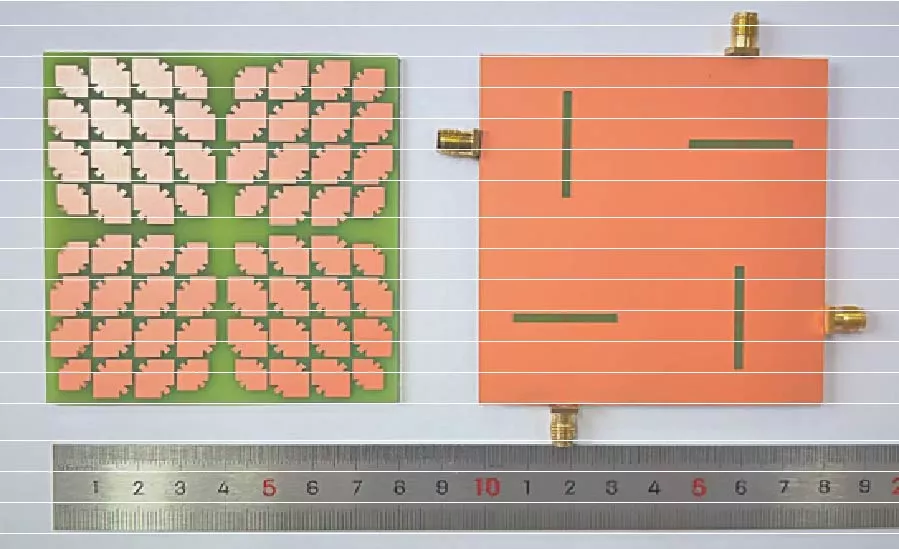
This paper aims to design and analyze a tri-band Differential Shifted-Feed Microstrip Grid Array Antenna (DSF-MGAA) with eight parasitic elements to achieve better return loss and isolation characteristics and improved antenna gain at various frequency ranges in the Golden band, X-band and Ku band. The non-uniform grid element is excited through two 180-degree out-of-phase signal-carrying feed lines with the LC matching network to provide better impedance matching. The antenna provides a minimum peak return loss of -17.88 dB, -27.13 dB and -26.7 dB at 7 GHz, 9 GHz and 12.2 GHz. Measured results show a good agreement with the simulated results. Parasitic elements incorporated provide a maximum gain of 17.2 dBi. The results confirm that the proposed antenna suits for high-frequency applications such as 6G communication, Space and Defense application and VSAT (Very Small Aperture Terminal) networks.
Enhanced Impedance Matching in Microstrip Grid Array Antenna Using Differential-Shifted Feeding and Parasitic Patches
2026-01-01
PIER C
Vol. 164, 89-95
Research on Microstrip Array Antennas for Microwave DE-Icing of Wind Turbine Blades
Yuchen Xia , Ning Liu , Zhengqing Yang , Yunhong Liu , Xian-Jun Sheng , Dongdong Zhang , Guangwen Jiang and Xin Li
Wind turbine blades are prone to icing in low-temperature environments, which affects the efficiency and safety of wind power generation. Microwave de-icing technology, with its high efficiency, non-contact, and rapid response characteristics, has become an important method for addressing the issue of blade icing. This paper focuses on the antenna design for a microwave de-icing system for wind turbine blades. Based on microstrip patch antennas, a low-side lobe, a high-gain array antenna was designed, operating at a frequency of 2.45 GHz with a maximum gain of 13.9 dB, with side lobe levels of -22.3 dB. An experimental system was established, and an infrared thermal imager was used to measure heating results, verifying temperature increases under different absorptive materials, heating times, heating powers, and radiation distances, laying the foundation for de-icing applications.
Research on Microstrip Array Antennas for Microwave De-icing of Wind Turbine Blades
2026-01-01
PIER B
Vol. 116, 94-106
Microstrip Array Antenna Design for a 24 GHz Radar-Based Vital Signs Monitoring System
Murtini Murtini , Nurhayati Nurhayati , Usman Rizqi Iman , Fitri Yuli Zulkifli , Dewiani Dewiani and Lilik Anifah
Non-contact vital signs monitoring using radar technology has become increasingly important in modern healthcare, as it enables continuous physiological measurement without direct skin contact, minimizing patient discomfort and the risk of infection. To address these needs, this study presents the design and analysis of a 24 GHz microstrip array antenna developed for a radar-based vital signs monitoring system. Array configurations consisting of one to five circular patch elements were analyzed to optimize reflection coefficient, gain, and radiation characteristics, aiming to achieve high sensitivity, compactness, and safety for biomedical radar applications. Simulation results indicate that the four-element array achieves optimal performance, with a reflection coefficient of -39.27 dB, gain of 5.29 dBi, and bandwidth of 1.35 GHz at 24 GHz. To evaluate electromagnetic safety, Specific Absorption Rate (SAR) analysis using a three-layer human tissue model (skin, fat, and muscle) yielded values of 0.637 W/kg (1 g) and 0.205 W/kg (10 g) at a 50 mm separation distance, both within ICNIRP and FCC limits. Furthermore, bending simulations with curvature radii of 5 mm, 15 mm, and 50 mm confirmed stable impedance matching and minimal frequency variation, demonstrating strong mechanical flexibility. Overall, the proposed antenna exhibits high gain, reliable performance, and safety compliance, making it suitable for integration into portable radar-based medical devices for continuous and contactless monitoring of heart rate and respiration.
Microstrip Array Antenna Design for a 24 GHz Radar-Based Vital Signs Monitoring System
2025-12-30
PIER C
Vol. 164, 78-88
Synthesis of Planar Antenna Arrays Based on Subarray Division Using the ICOK-Hybrid Algorithm
Chenxin Ren , Hua Guo , Yang Xiao , Peng Song and Lijian Zhang
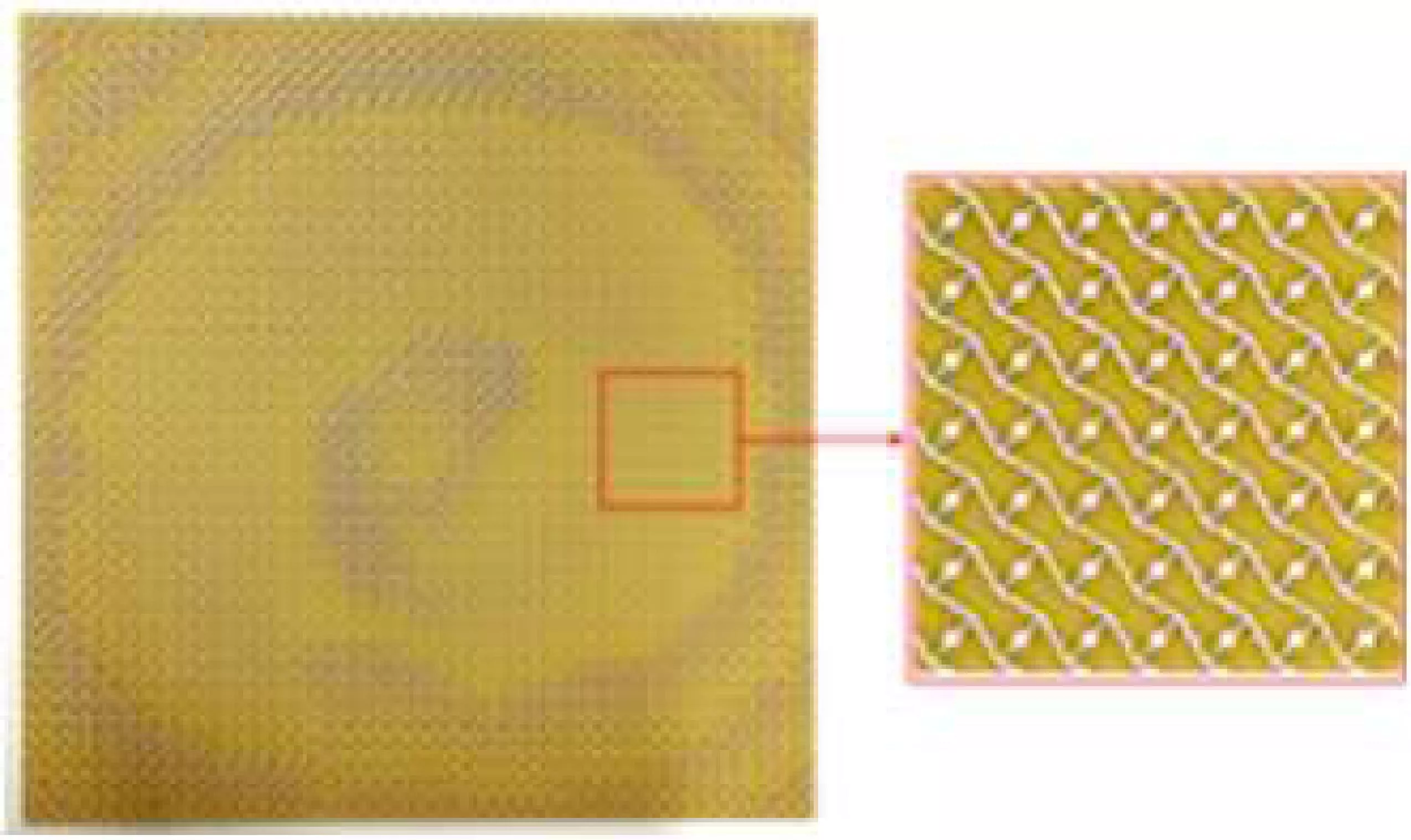
In modern wireless systems, such as radar, satellite communication and 5G communication, planar antenna arrays can achieve high-performance radiation characteristics. The synthesis of these arrays that can produce patterns with low peak sidelobe levels (PSLL) is critical for improving the performance of the antenna system. However, the synthesis of large-scale planar arrays presents a complex nonlinear optimization challenge because of the vast number of variables which leads to high design complexity. To address these issues, an improved hybrid optimization method which is called ICOK-Hybrid Algorithm is proposed. The hybrid algorithm integrates Invasive Weed Optimization (IWO), Convex Optimization (CO) and K-means clustering. The convex optimization is used to efficiently optimize the excitation amplitudes and phases while the IWO algorithm is used to refine the positions of the array elements. Furthermore, an innovative subarray partitioning strategy based on an improved K-means algorithm was introduced to group elements with similar excitations which significantly reduces the design complexity and hardware costs. Numerical results demonstrate that the proposed algorithm achieves a significantly lower PSLL compared with the results obtained by other methods. The practical feasibility and reliability of the proposed approach are further verified by full-wave electromagnetic simulation software CST.
Synthesis of Planar Antenna Arrays Based on Subarray Division Using the ICOK-Hybrid Algorithm
2025-12-29
PIER C
Vol. 164, 69-77
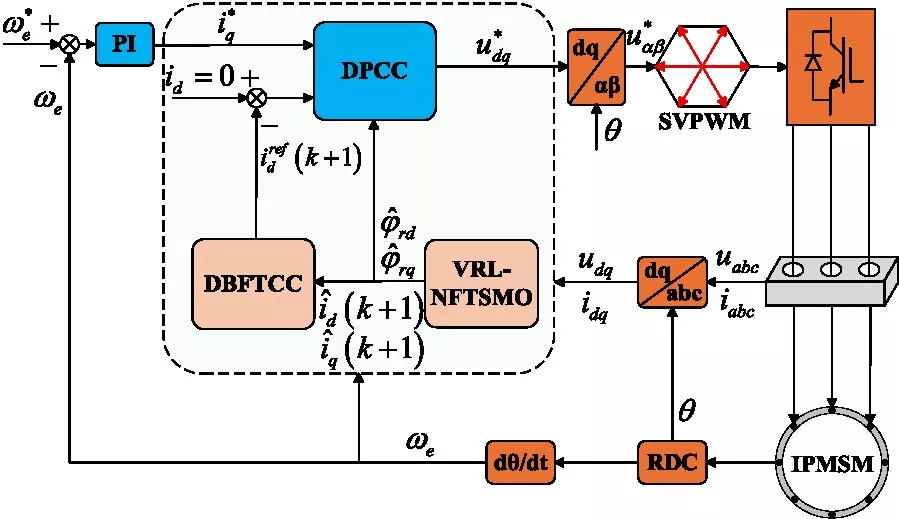
A Model-Free Adaptive Control for PMSM Using Multi-Innovation Improved EKF
Kaihui Zhao , Youzhuo Duan , Jie Xiong , Lingxuan Tu and Yishan Huang
Permanent magnet synchronous motor (PMSM) used in high-end applications has stringent control performance requirements. However, harsh environments, complex operating conditions, and nonlinear parameter variations can compromise model adaptability, which undermines system reliability and precision. This paper proposes a model-free adaptive control (MFAC) method that utilizes a Multi-Innovation Improved Extended Kalman Filter (MIIEKF) algorithm for prediction and update to enhance system reliability and accuracy. First, the proposed method transforms the PMSM model into a compact-form dynamic linearization (CFDL) data model, which mitigates the need for precise mathematical modeling. Next, an improved Extended Kalman Filter (IEKF) algorithm is used to predict and update the pseudo partial derivative (PPD) in real-time. This resolves its estimation dependency and compensates for data model inaccuracies. Then, the IEKF algorithm is optimized by using Multi-Innovation identification theory to ensure rapid state convergence. Finally, experimental validation confirms that the proposed method significantly improves the convergence rate, reduces chattering, and achieves efficient data-driven control compared to PI control and conventional model-free adaptive control.
A Model-Free Adaptive Control for PMSM Using Multi-Innovation Improved EKF
2025-12-28
PIER C
Vol. 164, 58-68
Short-Term Photovoltaic Power Prediction Based on SCC-CEEMDAN-HO-BiLSTM
Jianwei Liang , Jie Yue , Yanli Xin , Shuxin Pan , Jiaming Tian and Jingxuan Sun
To address the challenge of high prediction difficulty caused by the random volatility of photovoltaic (PV) power output, this paper proposes a hybrid forecasting model that deeply integrates multi-scale feature analysis with an intelligent optimization algorithm. First, the spearman correlation coefficient (SCC) is used to select influencing factors as model inputs, and the complete ensemble empirical mode decomposition with adaptive noise (CEEMDAN) is applied to extract multi-scale features from the power data across four seasons. Second, the hippopotamus optimization (HO) algorithm is introduced in order to overcome the randomness and inefficiency of manual hyperparameter tuning and to optimize the hyperparameters of the bidirectional long short-term memory (BiLSTM) network. Through multi-seasonal case studies, the pro-posed SCC-CEEMDAN-HO-BiLSTM model outperforms conventional models. Specifically, it shows significant improvements in both prediction accuracy and robustness compared to benchmark methods such as the standalone BiLSTM model and the unoptimized CEEMDAN-BiLSTM model. The model effectively handles the multi-scale fluctuations in PV power sequences and meets the requirements for short-term photovoltaic power forecasting.
Short-Term Photovoltaic Power Prediction Based on SCC-CEEMDAN-HO-BiLSTM
2025-12-27
PIER C
Vol. 164, 51-57
Compact and Broadband CPW-to-RWG Transition Using 180° Phase Shifter
Yueh-Hsien Cheng and Chun-Long Wang
In this paper, a compact and broadband 50-Ω coplanar waveguide-to-rectangular waveguide (CPW-to-RWG) transition using a 180° phase shifter and a meandered dipole is proposed. The frequency range, for which the reflection coefficient is smaller than -15 dB, covers the whole X-band (8.2~12.4 GHz). In addition to the broadband performance, the transition occupies a small length of 7.37 mm. Furthermore, the characteristic impedance of the coplanar waveguide is 50 Ω, which conforms to the commonly used 50 Ω impedance of radio frequency systems. To further reduce the circuit size, a compact and broadband 50-Ω CPW-to-RWG transition using an inductance-compensated 180° phase shifter and a meandered dipole is proposed. The frequency range, for which the reflection coefficient is smaller than -15 dB, also covers the whole X-band (8.2~12.4 GHz). Besides, the transition size is reduced from 7.37 mm to 6.55 mm, which is smaller than a quarter-wavelength. Furthermore, the characteristic impedance of the coplanar waveguide is of the nominal value of 50 Ω.
Compact and Broadband CPW-to-RWG Transition Using 180° Phase Shifter
2025-12-27
PIER C
Vol. 164, 41-50
Compact Dual-Band SIW Bandpass Filter Featuring Reconfigurability for Multi-Application Scenarios
Amjad A. Al-Rahmah and Bashar J. Hamza
The proposed compact dual-band SIW BPF features reconfigurable center frequency and bandwidth, providing two passbands around 2.7 GHz and 4.7 GHz. The lower band targets S-band weather and air-traffic-control radar systems, whereas the upper band covers the 5G NR n79 band, enabling multi-application use in radar and sub-6 GHz 5G wireless communication, utilizing independent reconfigurable methods facilitated by PIN diodes. The suggested design exhibits compact dimensions of 0.21λg × 0.48λg, a minimal insertion loss of 1.5 dB, and a substantial return loss of 14 dB. Advanced design methodologies, including eigenmode analysis, were utilized to attain precise selectivity and computing of coupling matrix. The engineered filter demonstrates superior performance, with outcomes closely aligning with models, and guarantees little interference with suppression up to 8 GHz. The tuning mechanism provides versatility by independently modifying the operating frequencies of the first and second band, rendering the design very flexible for dynamic wireless communication settings. This study emphasizes a robust and effective answer for contemporary mobile communication systems.
Compact Dual-Band SIW Bandpass Filter Featuring Reconfigurability for Multi-Application Scenarios
2025-12-26
PIER C
Vol. 164, 35-40
Design and Analysis of Interior Permanent-Magnet Machine for Improving Reluctance Torque and Heat Dissipation
Yujie Tang , Jingfeng Mao and Junqiang Zheng
This paper proposes an Interior Permanent Magnet (IPM) machine for electric vehicles, which features excellent heat dissipation performance and maximizes the utilization of reluctance torque. The inverted triangular structure design, combined with multi-layer flux barriers and ventilation auxiliary slots, effectively increases the saliency ratio and enhances the reluctance torque. The rotor self-ventilation slots significantly expand the heat dissipation area, improve the heat dissipation performance under steady-state operation, and extend the service life of the rotor. In addition, performance evaluation of the IPM machine is conducted, covering back-EMF, torque performance, dq-axis inductances, rotor stress and deformation, as well as thermal performance. This work provides guidance and reference for machine design.
Design and Analysis of Interior Permanent-Magnet Machine for Improving Reluctance Torque and Heat Dissipation
2025-12-26
PIER C
Vol. 164, 27-34
RCS Reduction Technology for Circularly Polarized Satellite Navigation Antenna Based on Phase Gradient Surface
Lei Gan , Kun Wei , Jing-Xian Chen and Qing-Chao Guo
With the advancement of radar detection technology, stealth technology has become increasingly critical in modern warfare. Antennas, as essential components of airborne platforms, are significant scattering sources on stealth aircraft. This paper proposes a method to reduce the Radar Cross Section (RCS) of B3-band satellite navigation antennas using a broadband phase gradient surface. The phase gradient surface is designed to deflect scattered energy into non-threatening angular domains, thereby achieving RCS reduction. The proposed design is validated through simulation software, demonstrating its effectiveness in reducing RCS while maintaining the radiation performance of the antenna. The results show that the phase gradient surface can achieve more than 4 dB and 6 dB of RCS reduction under phi- and theta-polarized plane wave incidence, respectively, in the frequency range of 5.5 GHz to 15 GHz.
RCS Reduction Technology for Circularly Polarized Satellite Navigation Antenna Based on Phase Gradient Surface
2025-12-25
PIER
Vol. 184, 98-108
Air-Processed Perovskite Solar Cells: Progress, Challenges, and Perspectives (Invited)
Zhicheng Guan , Binghan Li , Tingwei Ao , Zhifang Shi , Guang Yang and Gang Li
With increasing demand for renewable energy, perovskite solar cells (PSCs) have emerged as a promising alternative due to their high efficiency and solution-based manufacturing processes. However, the fabrication of PSCs in ambient conditions, as opposed to inert environments, remains challenging due to environmental factors such as moisture and oxygen that degrade perovskite materials. Developing air-processed PSCs is therefore critical for reducing fabrication cost, simplifying manufacturing infrastructure, and enabling scalable production compatible with industrial processes. Moreover, air processing represents a key step toward realistic deployment, bridging the gap between laboratory demonstrations and commercial applications. This perspective discusses the progress of air-processed PSCs, highlights the environmental challenges related to stability and performance, and outlines potential strategies for future research, including precursor chemistry, solvent and additive engineering, and interface optimization. In addition, emerging scalable deposition techniques, automated platforms, and machine learning-assisted control are expected to accelerate device optimization and reproducibility. Despite remaining challenges, commercializing air-processed PSCs is increasingly viable, promising a sustainable and efficient approach for solar energy technology.
Air-Processed Perovskite Solar Cells: Progress, Challenges, and Perspectives (Invited)
2025-12-24
PIER C
Vol. 164, 15-26
A Compact CPW-Fed Super-Wideband Antenna on FR4 for 5G, 6G, and Wireless Applications
Manish Kumar , Sandeep Kumar Singh , Madhukar Deshmukh and Siti Nor Farhana Yusuf
This work presents a compact coplanar waveguide (CPW) fed super wideband (SWB) antenna realized on a low-cost FR4 substrate (εr = 4.4, thickness = 1.6 mm). The 20 × 20 mm2 radiator integrates a multi-slotted patch within a hexagonal ground plane aperture and a carefully optimized tuning stub that excites and merges multiple resonances into a continuous broadband response. The antenna achieves a measured |S11| ≤ -10 dB impedance bandwidth from 2 to 34 GHz (177.7%), encompassing sub-6 GHz 5G, WLAN/WiMAX, and millimeter wave (Ku/Ka) allocations. Radiation measurements reveal quasi-omnidirectional patterns with a peak gain of 6.60 dB and maximum radiation efficiency of 82.68%. Time-domain analysis demonstrates an almost constant group delay (approximately 0.1 to 0.5 ns, mean 0.19 ns) with a single localized deviation near 24.4 GHz, confirming low dispersion and excellent phase linearity, which are desirable for IR-UWB and high data rate communication systems. Parametric optimization and equivalent RLC circuit modeling validate the broadband mechanism, while simulation studies performed using CST Microwave Studio exhibit excellent agreement with experimental results. The proposed design therefore offers a cost-effective, compact, and high-performance antenna solution suitable for 5G/6G front ends, radar imaging, and broadband sensing applications.
A Compact CPW-Fed Super-Wideband Antenna on FR4 for 5G, 6G, and Wireless Applications
2025-12-24
PIER C
Vol. 164, 8-14
Experimental Investigations of Pure Carbon Dioxide Splitting Using a Rod-Electrode-Type Microwave Plasma Source at Atmospheric Pressure
Hidenori Sekiguchi
The purpose of this study is to experimentally investigate the applicability of a rod-electrode-type microwave plasma source (MPS) for pure carbon dioxide (CO2) splitting at atmospheric pressure. This paper demonstrates that the rod-electrode-type MPS can convert pure CO2 gas into plasma. The CO2 splitting by the CO2 plasma is investigated in terms of the pure CO2 flow rate into the rod-electrode-type MPS and the average transmission power to the rod-electrode-type MPS. In the investigations, the emission spectrum of the CO2 plasma is measured using a spectrometer to observe the dissociation reaction of the CO2 gas, and the exhaust gas after the CO2 plasma generation is analyzed using a mass spectrometer to evaluate the CO2 conversion. As a result, the CO2 conversion decreases with an increase in either the average transmission power to the rod-electrode-type MPS or the CO2 flow rate into the rod-electrode-type MPS. Under the experimental conditions, the highest CO2 conversion and energy efficiency are 6.3% and 3.7% at a specific energy input of 4.9 eV/molecule (equivalent to approximately 19.6 kJ/L), respectively.
Experimental Investigations of Pure Carbon Dioxide Splitting Using a Rod-Electrode-Type Microwave Plasma Source at Atmospheric Pressure
2025-12-24
PIER C
Vol. 164, 1-7
Design of a High-Selectivity C-Band Tunable Filter by Dielectric Movable Elements for SATCOM Applications
Davide Guarnera , Santi Concetto Pavone , Tommaso Isernia and Gino Sorbello
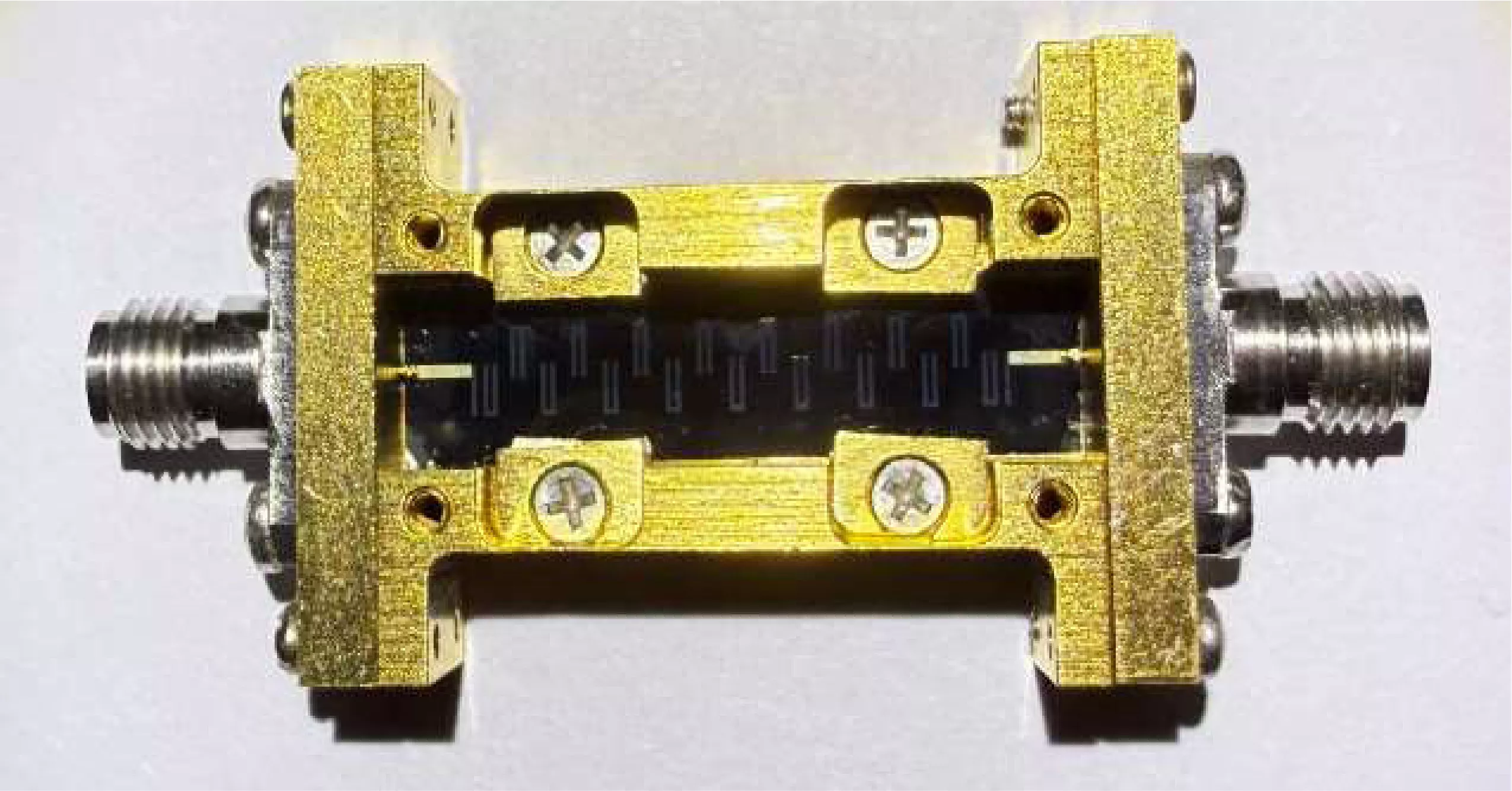
In this paper, the design of a mechanically tunable band-pass filter in waveguide technology operating in the C-band tunability range [4.4-5] GHz, for satellite communications (SATCOM), is presented. The resonance frequency tunability has been obtained by mechanically inserting movable dielectric cylinders within the waveguide filter. The impedance matching has been achieved by using two movable dielectric ridges, working as quarter-wave transformers. They have been placed at input and output filter ports and can move jointly with the dielectric tuning elements. Filter design has been carried out by adopting a suitable theoretical model, whereas the optimization has been achieved by numerical simulations. The proposed design approach provides key advantages in terms of simplicity, design effectiveness and reproducibility, rendering it particularly suitable for industrial applications. A prototype of high-selectivity tunable filter has been fabricated and characterized within the whole tunability range. The measurements show excellent agreement with simulated results.
Design of a High-selectivity C-band Tunable Filter by Dielectric Movable Elements for SATCOM Applications
2025-12-23
PIER
Vol. 184, 79-97
Decoupled-Mode Plasmonic Metamaterials for Ultra-High-Q Tailored Mid-Infrared Extraordinary Optical Transmission
Roy Avrahamy , Mark Auslender , Moshe Zohar , Amiel Avraham Ishaaya and Benjamin Milgrom
Plasmonic designs for mid-infrared extraordinary optical transmission (EOT), a direct route to tailored filtering with broadband out-of-band rejection, have long been constrained by a fundamental trade-off between high transmission efficiency and narrow linewidths, a challenge rooted in the material properties of noble metals. Here, we theoretically propose and numerically demonstrate a versatile design paradigm that resolves this challenge by functionally decoupling the tasks of light coupling and resonant filtering. Our approach uses a dual-stacked noble metal-dielectric grating architecture to surpass the intrinsic limitations of single-layer structures. This paradigm provides the flexibility to engineer devices for ultra-high spectral selectivity and transmission efficiency. We demonstrate this with distinct designs: one at 10 μm with a quality factor (Q-factor) >2000 and >91% transmission; a high-Q design at 4 μm and >80% transmission; and a high-efficiency design at 4 μm with >92% transmission over a uniquely broad spectral-angular range. These generic designs produce solitary, narrow EOT peaks originating from a ``triple-coupling'' mechanism that mitigates reflection and absorption losses, with symmetry-broken configurations capable of exceeding Q-factors of 16,000 while maintaining a peak transmission efficiency > 60%. Crucially, these compact two-layer designs exhibit exceptional robustness against fabrication variations, offering a broadly applicable route to ultra-compact, low-cost infrared components, enabling advanced architectures such as angular sensing, spectro-polarimetric imaging, and isotope-resolved gas diagnostics.
Decoupled-Mode Plasmonic Metamaterials for Ultra-High-Q Tailored Mid-Infrared Extraordinary Optical Transmission
2025-12-23
PIER C
Vol. 163, 285-292
Design of Wideband Cycle-Shaped Multi Resonant Antenna for Sub 6-GHz, WLAN, ISM, Applications
Chennoju Jaya Prakash , Vasudha Vijayasri Bolisetty , Bhupathi Ajay Kumar , Udara Yedukondalu and Bokkisam Venkata Sai Sailaja
This work introduces a small cycle-shaped antenna for multiband applications. The design combines three main ideas, concentric circular rings on the patch, spoke-like arms to excite higher frequencies, and a hexagonal slot in the ground to extend bandwidth. The antenna is built on a 40 × 42 × 1.6 mm3 FR-4 substrate and works across three frequency bands within 3.04-3.62 GHz and 5.07-8.08 GHz, suitable for sub-6 GHz, ISM, WLAN applications. The structure is easy to tune, and increasing rings and the length of the spokes shifts the resonance to lower frequencies. Smaller gaps between rings may increase coupling and bandwidth. A bigger hexagonal slot etched on the ground widens the range but may slightly shift the frequency. With these features, the antenna achieves strong resonances and good return loss at 3.31, 5.75, and 7.58 GHz, achieving S11 of -19.4 dB, -34.9 dB, -21.4 dB showing that it can support wireless applications.
Design of Wideband Cycle-Shaped Multi Resonant Antenna for Sub 6-GHz, WLAN, ISM, Applications
2025-12-23
PIER C
Vol. 163, 277-284
A Deadbeat Predictive Current Vector Control Algorithm for Improving Current Control Performance of Stepper Motors
Jianmin Ma and Kexin Ma
To address the issues of step loss, control lag, and low precision in open-loop hybrid stepper motors applied in economical CNC machine tools, a deadbeat predictive current field oriented control method (DPCFOC) is proposed. First, the research progress of hybrid stepper motor vector control is systematically reviewed, analyzing the advantages and limitations of existing schemes in error compensation, model construction, and algorithm implementation. Subsequently, the continuous mathematical model of the hybrid stepper motor in the rotating coordinate system is established, and the discrete deadbeat predictive model and current prediction equation are derived using the first-order forward Euler method. On this basis, a deadbeat vector control algorithm is proposed. Compared with the traditional dual-closed-loop vector control with PI regulators, the algorithm predicts the next-step current through the motor model and calculates the optimal reference voltage vector in advance to eliminate current error, thereby improving dynamic response speed. Stability analysis via Z-transformation reveals that the system remains stable when the model inductance parameter is within 0-2 times the actual inductance. For the two-phase hybrid stepper motor, a space vector pulse width modulation (SVPWM) strategy based on a dual H-bridge inverter is designed, using 4 non-zero vectors and 2 zero vectors to synthesize the desired voltage vector. Finally, an experimental platform is built with a TMS320F28335 controller and a 57CME22A closed-loop stepper motor to verify the algorithm. This study provides a feasible solution for improving the control precision and dynamic performance of hybrid stepper motors in economical CNC machine tools.
A Deadbeat Predictive Current Vector Control Algorithm for Improving Current Control Performance of Stepper Motors
2025-12-23
PIER C
Vol. 163, 263-276
Optimization and Cost Analysis of Fractional Slot Less Rare Earth Combined Magnetic Poles Permanent Magnet Synchronous Motor
Zongyao Li , Chunyan Li and Yue Wang
Rare-earth permanent magnet motors are widely used in industrial and civil applications due to their advantages of high efficiency, energy saving, simple structure, etc. However, its development is hindered by escalating raw material costs. The current research focuses on developing high-performance and cost-effective permanent magnet motors with less rare earth. To reduce the large cogging torque of the integer slot 4-pole 36-slot less rare earth combined magnetic poles permanent magnetic synchronous motor (LREH-PMSM), a fractional slot 4-pole 30-slot LREH-PMSM is proposed and optimized. The motor and its parameters are designed, simulated, and analyzed by the finite element method. The effects of these parameters are analyzed on motor torque, torque ripple, efficiency, and material cost. The fractional slot 4-pole 30-slot LREH-PMSM can effectively reduce the cogging torque compared with the integer slot 4-pole 36-slot LREH-PMSM, and its value decreased by 88.28%. Compared with traditional rare-earth permanent magnet synchronous motor (PMSM), it not only has small cogging torque, but also lowers the reliance on rare-earth permanent magnet materials, which in turn lowers the material cost of the motor.
Optimization and Cost Analysis of Fractional Slot Less Rare Earth Combined Magnetic Poles Permanent Magnet Synchronous Motor
2025-12-22
PIER C
Vol. 163, 252-262
Experimental Validation of the UHF RFID Dipole Tag Antenna Applied in the Supply Chain
Pape Waly Sarr , Aminata Diop , Arnaud Vena and Ibra Dioum
This paper presents a passive UHF RFID dipole antenna designed for object identification in supply chain applications. The antenna features a simple structure measuring 75 × 28 × 1.6 mm3 (2.17 × 0.81 × 0.046λ0), with a copper radiating element printed on Taconic RF-35A2 substrate. It is matched to a Monza R6 chip with an impedance of 13 - j125 Ω at 868 MHz through a T-matching circuit. The prototype was tested on various complex surfaces, including plastic bottles, foam, cardboard, plastic boxes, and wood. Its performance evaluation involved measuring the reading distances in these environments. Simulation and measurement results demonstrate effective impedance matching between the antenna and chip. The read distances vary with the surface type, with the maximum distance reaching up to 14 meters on a plastic bottle within the European UHF RFID band ((865.5-869.5) MHz) and the shortest distance around 6 meters on wood. Overall, the tag exhibits strong adaptability to different surfaces. Simulations were conducted using CST Studio microwave software.
Experimental Validation of the UHF RFID Dipole Tag Antenna Applied in the Supply Chain