Vol. 171
Latest Volume
All Volumes
PIERC 171 [2026] PIERC 170 [2026] PIERC 169 [2026] PIERC 168 [2026] PIERC 167 [2026] PIERC 166 [2026] PIERC 165 [2026] PIERC 164 [2026] PIERC 163 [2026] PIERC 162 [2025] PIERC 161 [2025] PIERC 160 [2025] PIERC 159 [2025] PIERC 158 [2025] PIERC 157 [2025] PIERC 156 [2025] PIERC 155 [2025] PIERC 154 [2025] PIERC 153 [2025] PIERC 152 [2025] PIERC 151 [2025] PIERC 150 [2024] PIERC 149 [2024] PIERC 148 [2024] PIERC 147 [2024] PIERC 146 [2024] PIERC 145 [2024] PIERC 144 [2024] PIERC 143 [2024] PIERC 142 [2024] PIERC 141 [2024] PIERC 140 [2024] PIERC 139 [2024] PIERC 138 [2023] PIERC 137 [2023] PIERC 136 [2023] PIERC 135 [2023] PIERC 134 [2023] PIERC 133 [2023] PIERC 132 [2023] PIERC 131 [2023] PIERC 130 [2023] PIERC 129 [2023] PIERC 128 [2023] PIERC 127 [2022] PIERC 126 [2022] PIERC 125 [2022] PIERC 124 [2022] PIERC 123 [2022] PIERC 122 [2022] PIERC 121 [2022] PIERC 120 [2022] PIERC 119 [2022] PIERC 118 [2022] PIERC 117 [2021] PIERC 116 [2021] PIERC 115 [2021] PIERC 114 [2021] PIERC 113 [2021] PIERC 112 [2021] PIERC 111 [2021] PIERC 110 [2021] PIERC 109 [2021] PIERC 108 [2021] PIERC 107 [2021] PIERC 106 [2020] PIERC 105 [2020] PIERC 104 [2020] PIERC 103 [2020] PIERC 102 [2020] PIERC 101 [2020] PIERC 100 [2020] PIERC 99 [2020] PIERC 98 [2020] PIERC 97 [2019] PIERC 96 [2019] PIERC 95 [2019] PIERC 94 [2019] PIERC 93 [2019] PIERC 92 [2019] PIERC 91 [2019] PIERC 90 [2019] PIERC 89 [2019] PIERC 88 [2018] PIERC 87 [2018] PIERC 86 [2018] PIERC 85 [2018] PIERC 84 [2018] PIERC 83 [2018] PIERC 82 [2018] PIERC 81 [2018] PIERC 80 [2018] PIERC 79 [2017] PIERC 78 [2017] PIERC 77 [2017] PIERC 76 [2017] PIERC 75 [2017] PIERC 74 [2017] PIERC 73 [2017] PIERC 72 [2017] PIERC 71 [2017] PIERC 70 [2016] PIERC 69 [2016] PIERC 68 [2016] PIERC 67 [2016] PIERC 66 [2016] PIERC 65 [2016] PIERC 64 [2016] PIERC 63 [2016] PIERC 62 [2016] PIERC 61 [2016] PIERC 60 [2015] PIERC 59 [2015] PIERC 58 [2015] PIERC 57 [2015] PIERC 56 [2015] PIERC 55 [2014] PIERC 54 [2014] PIERC 53 [2014] PIERC 52 [2014] PIERC 51 [2014] PIERC 50 [2014] PIERC 49 [2014] PIERC 48 [2014] PIERC 47 [2014] PIERC 46 [2014] PIERC 45 [2013] PIERC 44 [2013] PIERC 43 [2013] PIERC 42 [2013] PIERC 41 [2013] PIERC 40 [2013] PIERC 39 [2013] PIERC 38 [2013] PIERC 37 [2013] PIERC 36 [2013] PIERC 35 [2013] PIERC 34 [2013] PIERC 33 [2012] PIERC 32 [2012] PIERC 31 [2012] PIERC 30 [2012] PIERC 29 [2012] PIERC 28 [2012] PIERC 27 [2012] PIERC 26 [2012] PIERC 25 [2012] PIERC 24 [2011] PIERC 23 [2011] PIERC 22 [2011] PIERC 21 [2011] PIERC 20 [2011] PIERC 19 [2011] PIERC 18 [2011] PIERC 17 [2010] PIERC 16 [2010] PIERC 15 [2010] PIERC 14 [2010] PIERC 13 [2010] PIERC 12 [2010] PIERC 11 [2009] PIERC 10 [2009] PIERC 9 [2009] PIERC 8 [2009] PIERC 7 [2009] PIERC 6 [2009] PIERC 5 [2008] PIERC 4 [2008] PIERC 3 [2008] PIERC 2 [2008] PIERC 1 [2008]
2026-05-27 Latest Published
By Cheng Wen Zilei Duan Mingye Li Aosai Li
Progress In Electromagnetics Research C, Vol. 171, 25-33, 2026
Abstract
This study focuses on a Short-Primary Single-Sided Linear Induction Motor (SSLIM), which is widely used in the rail transit sector due to its low operating noise and small turning radius. Therefore, designing linear induction motors with better performance is of great significance. This study aims to enhance electromagnetic thrust and reduce fluctuations in electromagnetic force by optimizing the motor's structural design. First, a motor model is established based on its operating principles, and a brief analysis of its electromagnetic characteristics is conducted. Second, two design schemes were selected for both the primary and secondary components. For the primary components, one scheme employs a chamfered structure to suppress fluctuations in electromagnetic force, while the other modifies the tooth tip shape from rectangle to trapezoid to increase thrust. For the secondary components, one scheme involves incorporating a material with higher electrical conductivity into specific areas of the aluminum plate, and the other involves slotting to optimize the magnetic field distribution and increase thrust. Finally, the performance of the optimized model was compared with that of the initial model. The results showed that the average thrust increased by 5.3%, while the fluctuations in thrust and normal force decreased by 13.6% and 30%, respectively, validating the effectiveness of the optimization approach.
2026-05-27
PIER C
Vol. 171, 25-33, 2026
download: 2
Structural Optimization of Short Primary Single-Sided Linear Induction Motor
Cheng Wen, Zilei Duan, Mingye Li and Aosai Li
This study focuses on a Short-Primary Single-Sided Linear Induction Motor (SSLIM), which is widely used in the rail transit sector due to its low operating noise and small turning radius. Therefore, designing linear induction motors with better performance is of great significance. This study aims to enhance electromagnetic thrust and reduce fluctuations in electromagnetic force by optimizing the motor's structural design. First, a motor model is established based on its operating principles, and a brief analysis of its electromagnetic characteristics is conducted. Second, two design schemes were selected for both the primary and secondary components. For the primary components, one scheme employs a chamfered structure to suppress fluctuations in electromagnetic force, while the other modifies the tooth tip shape from rectangle to trapezoid to increase thrust. For the secondary components, one scheme involves incorporating a material with higher electrical conductivity into specific areas of the aluminum plate, and the other involves slotting to optimize the magnetic field distribution and increase thrust. Finally, the performance of the optimized model was compared with that of the initial model. The results showed that the average thrust increased by 5.3%, while the fluctuations in thrust and normal force decreased by 13.6% and 30%, respectively, validating the effectiveness of the optimization approach.
Structural Optimization of Short Primary Single-Sided Linear Induction Motor
2026-05-27
PIER C
Vol. 171, 14-24, 2026
download: 29
Design and Analysis of a Novel Miniaturized Multiband Flowerpot-Shaped Patch-Based Dielectric Resonator Antenna for 5GNSS, UMTS, PCS, Wi-Fi5, WiMAX, and NR Sub-6 GHz 5G Applications
Kaushal Patel and Falgun Thakkar
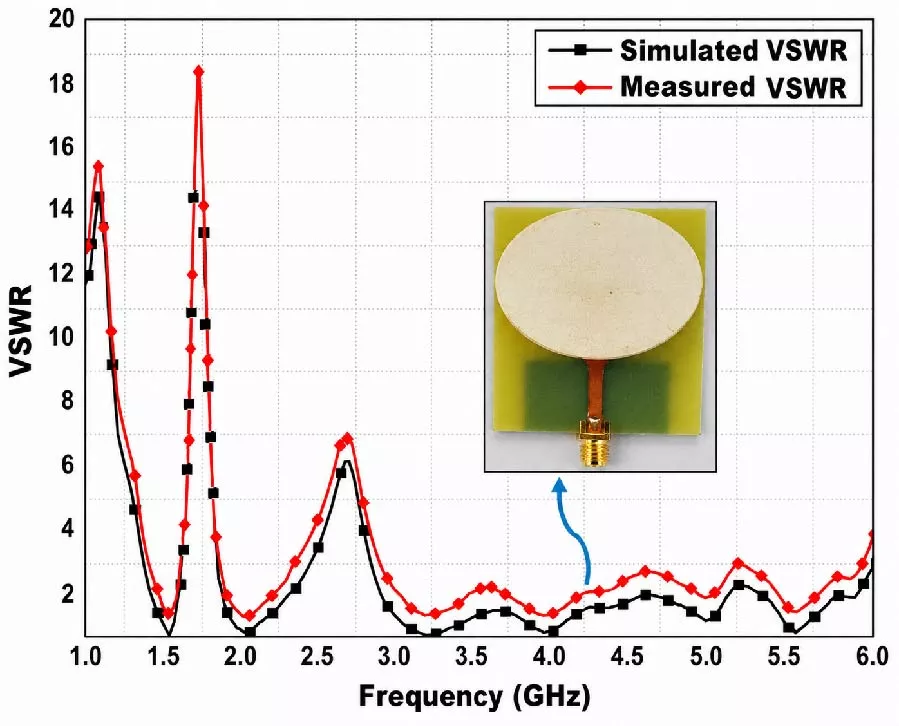
In this study, a novel miniaturized multiband flowerpot-shaped patch-based cylindrical dielectric resonator antenna (FPSDRA) is proposed for 5G-enabled GNSS (GPS), UMTS, PCS, Wi-Fi5, WiMAX, and NR 77/78 sub-6 GHz 5G applications. The proposed antenna prototype operates at 1.54 GHz, 2.01 GHz, 3.23 GHz, 3.95 GHz, and 5.54 GHz for the mentioned applications. It employs a novel low-cost flowerpot-shaped radiating patch underneath a cylindrical dielectric resonator (CDR) made of alumina ceramic (Al2O3, ∈DR = 9.8) material and is fed by a combined microstrip-line-tapered trapezoidal feedline. Later, a reduced ground plane is used as a reflector on the rear side of the substrate to reduce antenna size. It is made up of a low cost 1.6 mm FR4 laminate sheet (∈r = 4.4, tanδ = 0.02) and miniaturized to a physical size of 65 × 45 mm2. The parametric analysis was carried out for reflection coefficients (S11-dB) by changing the ground plane width, CDRA radius, and flower petal radius to achieve adequate results. Likewise, this prototype has measured reflection coefficient of < -20 dB for 1.54 GHz (L1-band), < -25 dB for 2.01/3.23 GHz (S-band), < -20 dB for 3.95 GHz (S-band), and 5.54 GHz (C-band), peak gains of 2.01 dBi, 2.05 dBi, 3.02 dBi, 4.85 dBi, and 2.24 dBi for the respective bands along with adequate -10 dB impedance matching bandwidths and stable radiation features in a convincing agreement compared to earlier designs. The proposed prototype is simulated in CST software, assembled, and tested by VNA and an anechoic chamber setup for L1/S/C band applications.

Design and Analysis of a Novel Miniaturized Multiband Flowerpot-Shaped Patch-Based Dielectric Resonator Antenna for 5GNSS, UMTS, PCS, Wi-Fi5, WiMAX, and NR Sub-6 GHz 5G Applications
2026-05-26
PIER C
Vol. 171, 1-13, 2026
download: 25
CMA-Based Flexible Four-Element SWB MIMO Antenna with Enhanced Isolation for Wearable Applications
Xiaoyan Wei, Zhonggen Wang, Wenyan Nie, Chenlu Li and Zhengting Zhang
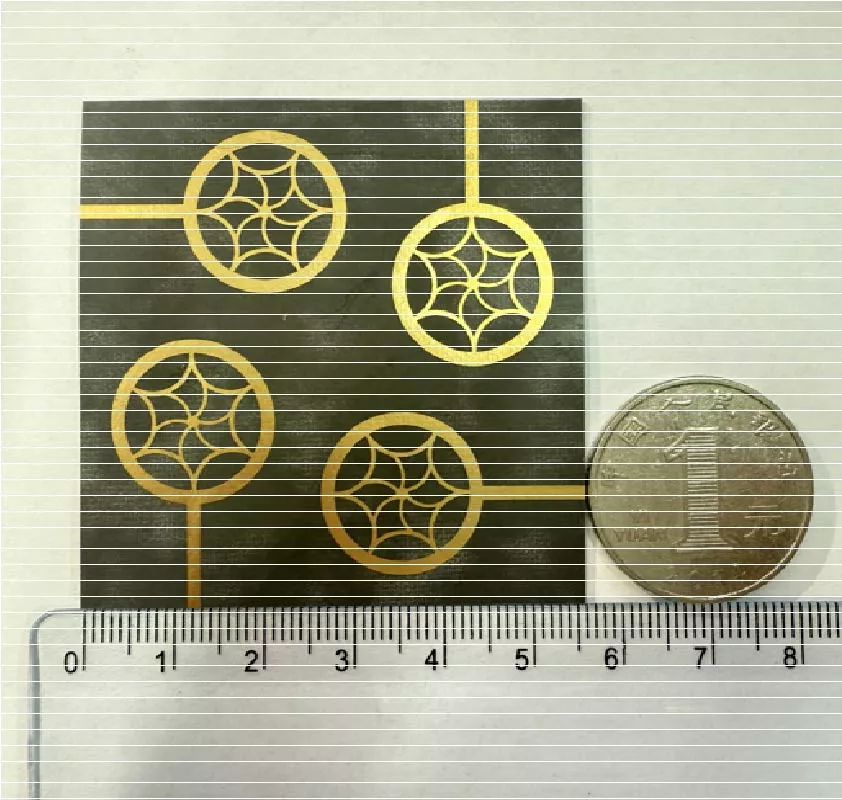
This paper proposes a flexible four-element super-wideband (SWB) multiple-input multiple-output (MIMO) antenna based on characteristic mode analysis (CMA) for wearable wireless communication, broadband sensing, and wireless body area network (WBAN) applications. The antenna employs a spiral mesh radiator combined with a defected ground plane incorporating triangular and T-shaped slots to form a multi-slot-coupled current path, enabling the cooperative excitation of multiple characteristic modes. The proposed antenna achieves an impedance bandwidth of 3.23-44.68 GHz, satisfying the SWB criterion. A four-port MIMO configuration is adopted to enhance diversity and isolation performance. Measured results agree well with simulations, with port isolation better than 20 dB across the operating band. In addition, the envelope correlation coefficient (ECC) is below 0.0015; the diversity gain (DG) is close to 10 dB; the total active reflection coefficient (TARC) is below -10 dB; and the channel capacity loss (CCL) is less than 0.12 bit/s/Hz. The antenna also maintains stable SWB impedance matching and radiation performance under bending conditions, making it suitable for flexible SWB wearable and WBAN systems.
CMA-Based Flexible Four-Element SWB MIMO Antenna with Enhanced Isolation for Wearable Applications