Vol. 169
Latest Volume
All Volumes
PIERC 169 [2026] PIERC 168 [2026] PIERC 167 [2026] PIERC 166 [2026] PIERC 165 [2026] PIERC 164 [2026] PIERC 163 [2026] PIERC 162 [2025] PIERC 161 [2025] PIERC 160 [2025] PIERC 159 [2025] PIERC 158 [2025] PIERC 157 [2025] PIERC 156 [2025] PIERC 155 [2025] PIERC 154 [2025] PIERC 153 [2025] PIERC 152 [2025] PIERC 151 [2025] PIERC 150 [2024] PIERC 149 [2024] PIERC 148 [2024] PIERC 147 [2024] PIERC 146 [2024] PIERC 145 [2024] PIERC 144 [2024] PIERC 143 [2024] PIERC 142 [2024] PIERC 141 [2024] PIERC 140 [2024] PIERC 139 [2024] PIERC 138 [2023] PIERC 137 [2023] PIERC 136 [2023] PIERC 135 [2023] PIERC 134 [2023] PIERC 133 [2023] PIERC 132 [2023] PIERC 131 [2023] PIERC 130 [2023] PIERC 129 [2023] PIERC 128 [2023] PIERC 127 [2022] PIERC 126 [2022] PIERC 125 [2022] PIERC 124 [2022] PIERC 123 [2022] PIERC 122 [2022] PIERC 121 [2022] PIERC 120 [2022] PIERC 119 [2022] PIERC 118 [2022] PIERC 117 [2021] PIERC 116 [2021] PIERC 115 [2021] PIERC 114 [2021] PIERC 113 [2021] PIERC 112 [2021] PIERC 111 [2021] PIERC 110 [2021] PIERC 109 [2021] PIERC 108 [2021] PIERC 107 [2021] PIERC 106 [2020] PIERC 105 [2020] PIERC 104 [2020] PIERC 103 [2020] PIERC 102 [2020] PIERC 101 [2020] PIERC 100 [2020] PIERC 99 [2020] PIERC 98 [2020] PIERC 97 [2019] PIERC 96 [2019] PIERC 95 [2019] PIERC 94 [2019] PIERC 93 [2019] PIERC 92 [2019] PIERC 91 [2019] PIERC 90 [2019] PIERC 89 [2019] PIERC 88 [2018] PIERC 87 [2018] PIERC 86 [2018] PIERC 85 [2018] PIERC 84 [2018] PIERC 83 [2018] PIERC 82 [2018] PIERC 81 [2018] PIERC 80 [2018] PIERC 79 [2017] PIERC 78 [2017] PIERC 77 [2017] PIERC 76 [2017] PIERC 75 [2017] PIERC 74 [2017] PIERC 73 [2017] PIERC 72 [2017] PIERC 71 [2017] PIERC 70 [2016] PIERC 69 [2016] PIERC 68 [2016] PIERC 67 [2016] PIERC 66 [2016] PIERC 65 [2016] PIERC 64 [2016] PIERC 63 [2016] PIERC 62 [2016] PIERC 61 [2016] PIERC 60 [2015] PIERC 59 [2015] PIERC 58 [2015] PIERC 57 [2015] PIERC 56 [2015] PIERC 55 [2014] PIERC 54 [2014] PIERC 53 [2014] PIERC 52 [2014] PIERC 51 [2014] PIERC 50 [2014] PIERC 49 [2014] PIERC 48 [2014] PIERC 47 [2014] PIERC 46 [2014] PIERC 45 [2013] PIERC 44 [2013] PIERC 43 [2013] PIERC 42 [2013] PIERC 41 [2013] PIERC 40 [2013] PIERC 39 [2013] PIERC 38 [2013] PIERC 37 [2013] PIERC 36 [2013] PIERC 35 [2013] PIERC 34 [2013] PIERC 33 [2012] PIERC 32 [2012] PIERC 31 [2012] PIERC 30 [2012] PIERC 29 [2012] PIERC 28 [2012] PIERC 27 [2012] PIERC 26 [2012] PIERC 25 [2012] PIERC 24 [2011] PIERC 23 [2011] PIERC 22 [2011] PIERC 21 [2011] PIERC 20 [2011] PIERC 19 [2011] PIERC 18 [2011] PIERC 17 [2010] PIERC 16 [2010] PIERC 15 [2010] PIERC 14 [2010] PIERC 13 [2010] PIERC 12 [2010] PIERC 11 [2009] PIERC 10 [2009] PIERC 9 [2009] PIERC 8 [2009] PIERC 7 [2009] PIERC 6 [2009] PIERC 5 [2008] PIERC 4 [2008] PIERC 3 [2008] PIERC 2 [2008] PIERC 1 [2008]
2026-05-02 Latest Published
By Zixiang Wang Zhonggen Wang Wenyan Nie Han Lin
Progress In Electromagnetics Research C, Vol. 169, 279-289, 2026
Abstract
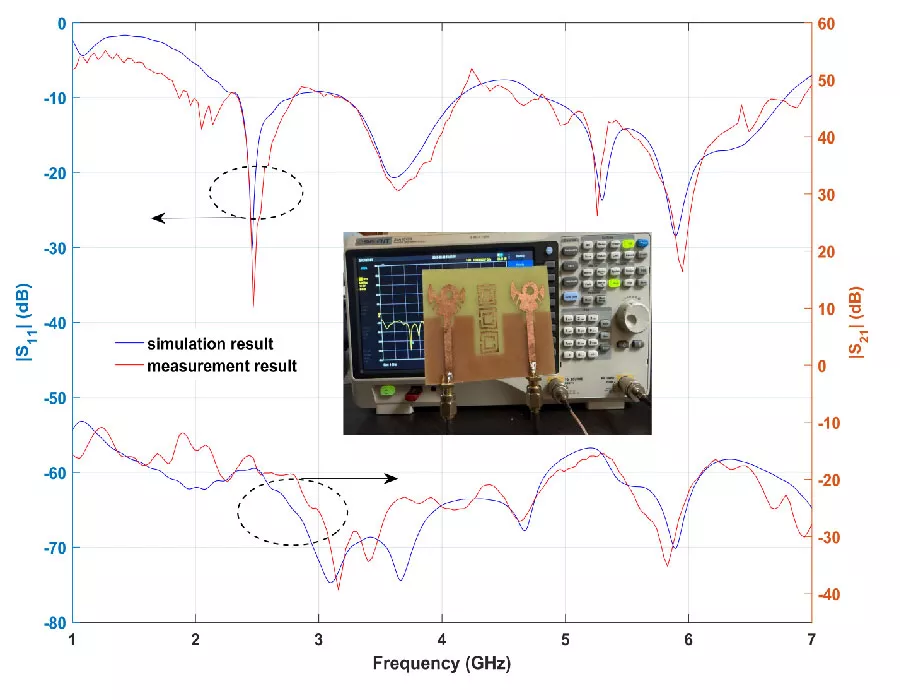
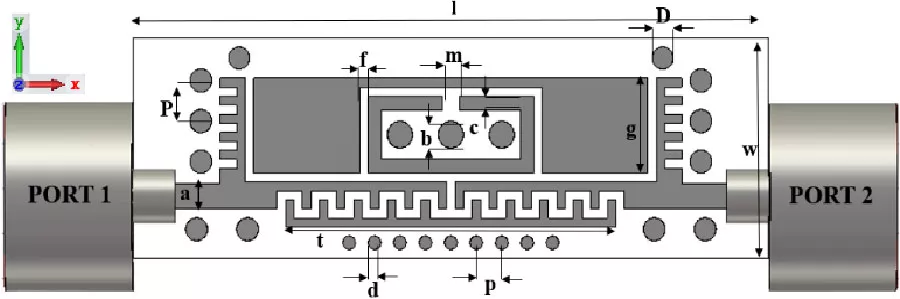
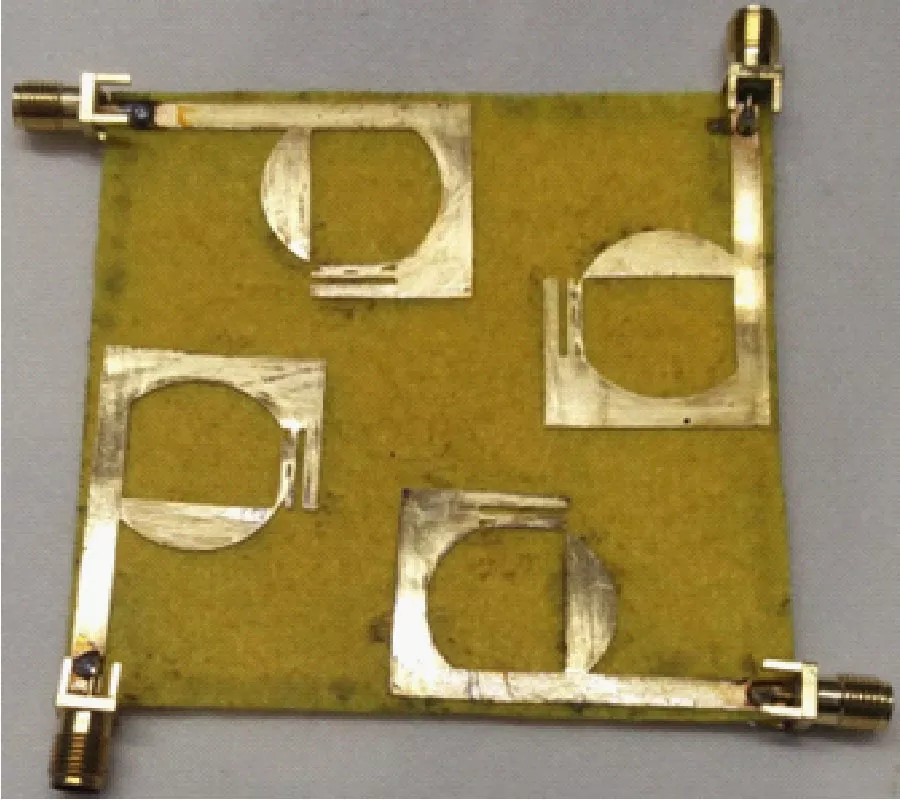
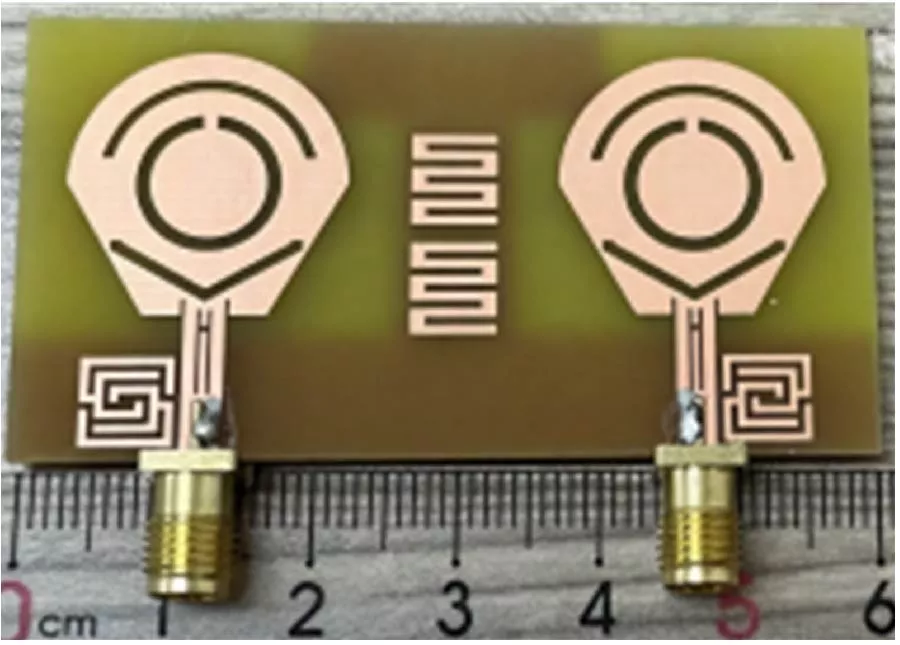
This paper presents a compact four-port ultra-wideband (UWB) MIMO antenna with triple-band-notched characteristics. By introducing two types of resonators with distinct structures on both sides of the feed lines of the radiating elements, the proposed antenna achieves triple-band-notched functionality, thereby suppressing potential interference from WiMAX, C-band, and X-band. Notably, the spiral-shaped resonator simultaneously generates notch bands for both WiMAX and X-band, enabling a single structure to achieve multi-band-notched functionality and thereby enhancing the compactness and notch efficiency of the antenna design. Good agreement is observed between the simulated and measured results, validating the effectiveness and reliability of the proposed design. Across the entire operating band from 2.57 to 11.81 GHz (excluding the notch bands), the antenna exhibits a return loss below -10 dB, inter-port isolation greater than 20 dB, an envelope correlation coefficient (ECC) of less than 0.0095, and a diversity gain (DG) exceeding 9.9995 dB, fully satisfying the requirements of high-performance MIMO systems in terms of channel independence and transmission efficiency. The synergistic integration of multi-notch characteristics and high-performance metrics provides a novel technical approach for UWB-MIMO system design in complex electromagnetic environments.
2026-05-02
PIER C
Vol. 169, 279-289, 2026
download: 20
A Compact Ultra-Wideband MIMO Antenna with Triple Band-Notched Characteristics
Zixiang Wang, Zhonggen Wang, Wenyan Nie and Han Lin
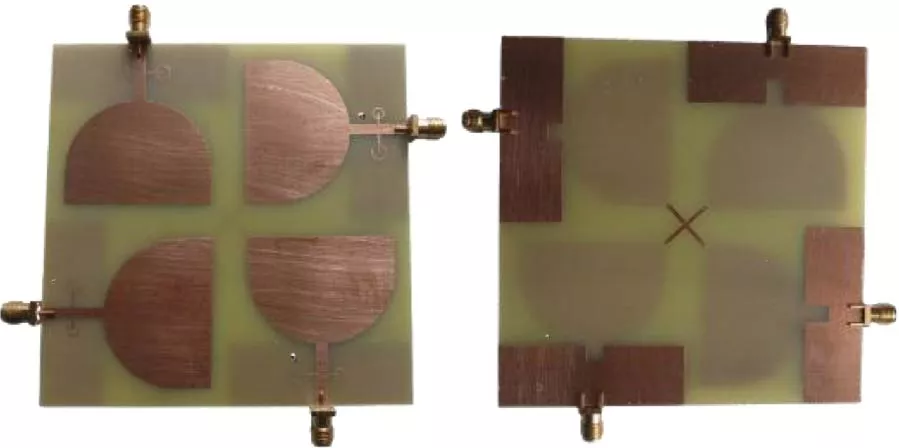
This paper presents a compact four-port ultra-wideband (UWB) MIMO antenna with triple-band-notched characteristics. By introducing two types of resonators with distinct structures on both sides of the feed lines of the radiating elements, the proposed antenna achieves triple-band-notched functionality, thereby suppressing potential interference from WiMAX, C-band, and X-band. Notably, the spiral-shaped resonator simultaneously generates notch bands for both WiMAX and X-band, enabling a single structure to achieve multi-band-notched functionality and thereby enhancing the compactness and notch efficiency of the antenna design. Good agreement is observed between the simulated and measured results, validating the effectiveness and reliability of the proposed design. Across the entire operating band from 2.57 to 11.81 GHz (excluding the notch bands), the antenna exhibits a return loss below -10 dB, inter-port isolation greater than 20 dB, an envelope correlation coefficient (ECC) of less than 0.0095, and a diversity gain (DG) exceeding 9.9995 dB, fully satisfying the requirements of high-performance MIMO systems in terms of channel independence and transmission efficiency. The synergistic integration of multi-notch characteristics and high-performance metrics provides a novel technical approach for UWB-MIMO system design in complex electromagnetic environments.
A Compact Ultra-Wideband MIMO Antenna with Triple Band-Notched Characteristics
2026-05-02
PIER C
Vol. 169, 267-278, 2026
download: 48
Dual-Band Crescent-Shaped Microstrip Antenna Using Peripheral Slits and Mutual Coupling Enhancement for Wi-Fi and Agriculture Applications
Lina Andriani, Nurhayati Nurhayati, Akbar Izulhaq, Usman Rizqi Iman, Wa'il A. Godaymi Al-Tumah, Atul Varshney, Mahmud Ja'afar, Sayyidul A. Alamsyah and Fannush S. Akbar
This study presents the design and analysis of a compact dual-band crescent-shaped microstrip antenna that utilizes edge slots and mutual coupling enhancement techniques for Wi-Fi 2.4/5.8 GHz and agricultural communication technologies. A mutual coupling enhancement structure was added to stabilize the impedance and strengthen the dual-band performance. The antenna wass implemented on an FR-4 substrate with a thickness of 1.6 mm and a dielectric constant of 4.3. We compared four antenna elements i.e., circular patch with circular hole (CwCh), circular crescent patch (CC), circular crescent peripheral slit patch (CCPS) and circular crescent peripheral slit with ring patch (CCPSR). The simulation results show that the CwCh antenna element produced the most number of resonance frequencies, and the CCPSR antenna element produces the best minimum S11 of -40.49 dB at 3.56 GHz. We compared six types of MIMO 2×1 CCPSR antenna. CCPSR-5 produced minimum S11 of -30.36 dB (at 2.45 GHz) and -28.08 dB (at 5.8 dB). By adding a rectangular slot between the two antenna elements on the ground and adding three rectangular split ring resonators between the two antenna elements, the CCPSR improved the mutual coupling performance by 15.32 dB. The combination of peripheral slots and mutual coupling enhancement effectively improved the resonance frequency, resulting multiband frequency, and mutual coupling performance. Both the modeling and measurement data indicated that the antenna performed similarly. The antenna's performance was assessed for soil pH and moisture data transmission, ensuring reliable device enrollment within the smart agricultural infrastructure. These results demonstrate that the proposed crescent-shaped antenna provides an efficient and versatile solution for compact Wi-Fi infrastructure, effectively fostering innovation in next-generation communication systems.
Dual-Band Crescent-Shaped Microstrip Antenna Using Peripheral Slits and Mutual Coupling Enhancement for Wi-Fi and Agriculture Applications
2026-05-01
PIER C
Vol. 169, 252-266, 2026
download: 32
Ultra-Wideband Printed Antenna with an Energy Harvesting Rectifier Circuit Design for 2.45 GHz (ISM) Applications
Hesham Abd El-Hakim, Mohamed Morgan, Hesham Abd Elhady Mohamed and Mohamed Hussien Moharam
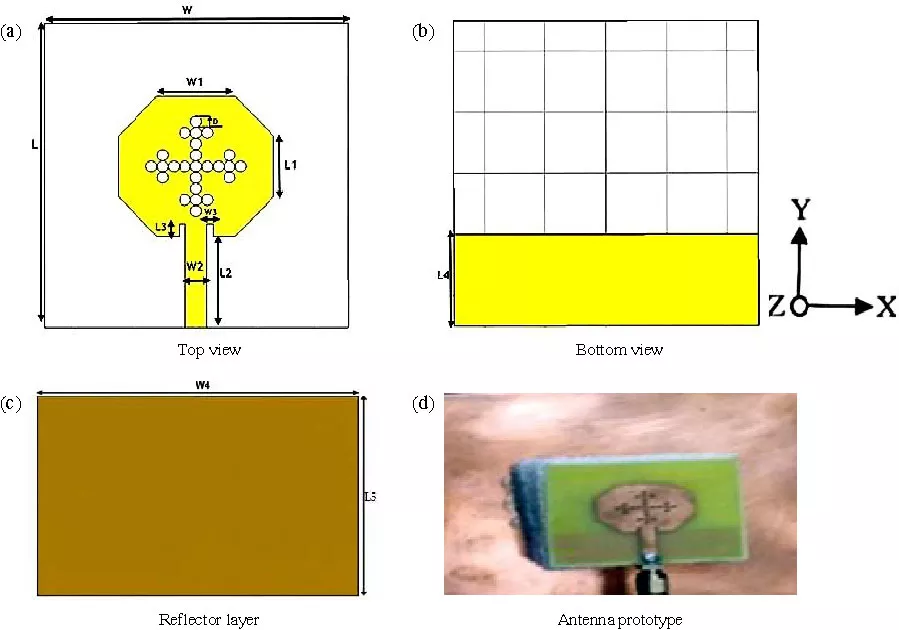
Nowadays, a planar antenna for engineering and scientific fields is necessary for state-of-the-art energy harvesting applications. In this study, we present an ultra-wideband (UWB) microstrip antenna for different radio frequency (RF) applications, besides an energy harvesting rectifier section to charge operational low-power devices at 2.45 GHz. This antenna is used as a broadband antenna starting from 2.1 up to 7 GHz for worldwide interoperability of microwave access (WiMAX), wireless local area networks (WLAN), and ISM applications. It also covers frequency bands of 3.3-3.8 and 4.8-5 GHz for 5G mobile systems' upper and lower frequency bands, respectively. The engineered antenna comprises an octagon-shaped radiator patch, circular slots backed with a defected ground structure (DGS), and finally, a copper-reflected layer at a distance of 26 mm from the radiator patch. It is fabricated on an FR4 dielectric substrate with overall dimensions of 47 × 47 × 1.6 mm3. The antenna is engineered using the Microwave Studio Computer Simulation Technology (CST) electromagnetic (EM) simulator. It was tested using the ZVA 67 Rohde & Schwarz vector network analyzer (VNA). The measurement results demonstrate that the designed antenna fulfills a broad bandwidth with input reflection coefficient values (S11) ≤ -10 dB from 2.1 to 7 GHz, besides three frequency resonances at 2.45, 3.8, and 5.88 GHz, respectively. A rectifier circuit modeling for the proposed design has been executed using the Advanced System (ADS) toolbox to implement an equivalent circuit for the manufactured antenna at the ISM band (2.45 GHz). The peak conversion efficiency for the designed rectenna is 98.5% at -10 dBm and 95.8% at 0 dBm under the load resistance of 50 kΩ. The fabricated prototype achieves omnidirectional and/or bidirectional measured radiation patterns in both E and H planes with stable high peak gain values of nearly 8 dB within the entire bandwidth. A comparison between the proposed antenna's prototype and the other presented in recent literature is reported to validate the design consistency.
Ultra-Wideband Printed Antenna with an Energy Harvesting Rectifier Circuit Design for 2.45 GHz (ISM) Applications
2026-05-01
PIER C
Vol. 169, 242-251, 2026
download: 21
A Hybrid Strategy for EMI Suppression in IPMSM Drives: Integrating Active Common-Filter with Harmonic Suppression Reaching Law
Han Lin, Weiran Zheng, Zhonggen Wang and Wenyan Nie
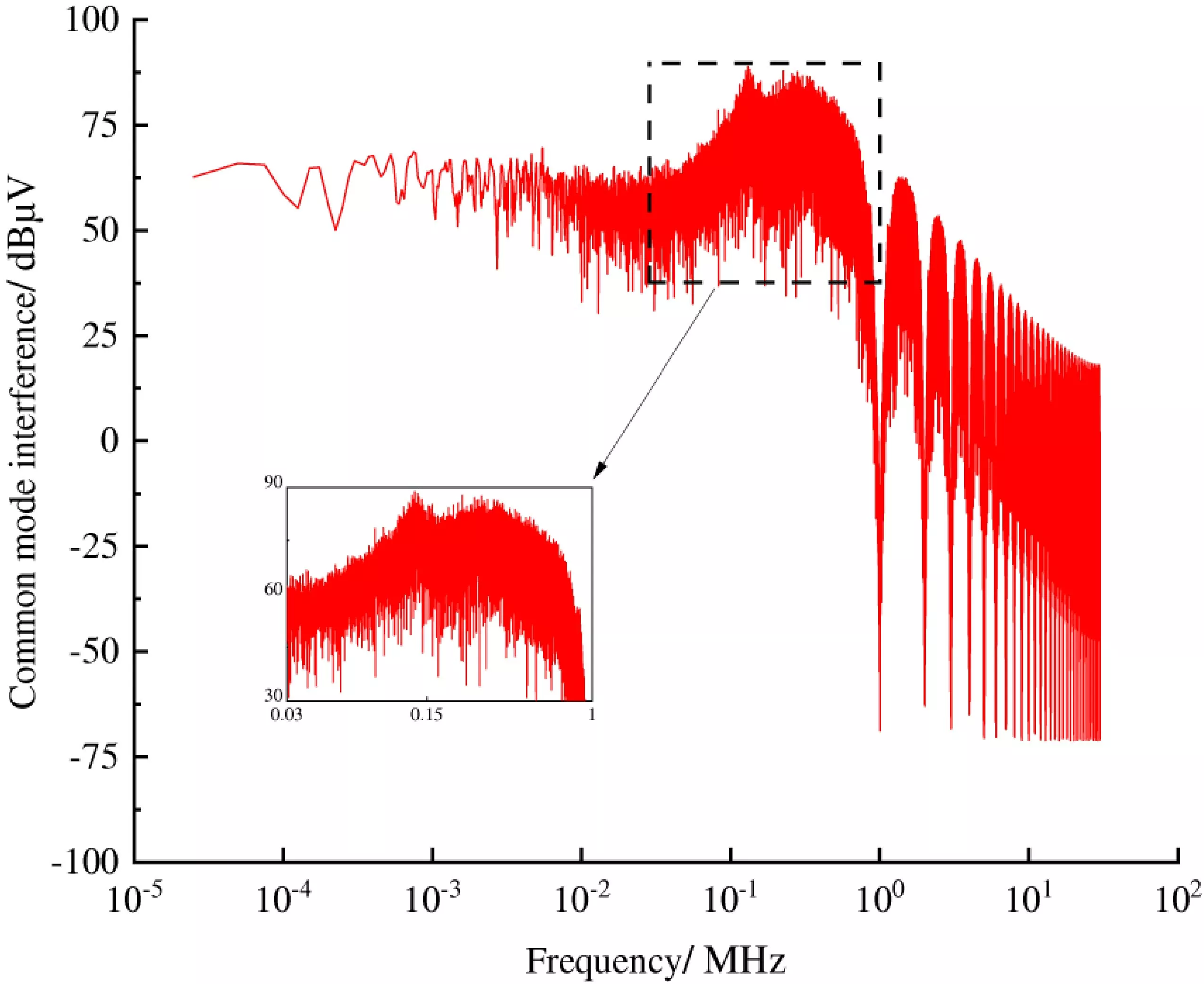
Addressing the challenge of suppressing common-mode (CM) and differential-mode (DM) electromagnetic interference (EMI) in interior permanent magnet synchronous motor (IPMSM) drive systems, as well as the shortcomings of traditional methods in dynamic response and harmonic suppression, this paper proposes a comprehensive suppression strategy that integrates an active common-mode filter (ACF) with a modified harmonic suppression reaching law (M-RL). By establishing the CM/DM equivalent circuits of the inverter-motor system, the mechanism through which high-frequency parasitic parameters affect interference propagation is elucidated. Based on this, an ACF structure with adaptive impedance matching capability is designed, effectively suppressing the peak common-mode voltage and broadening the filtering bandwidth. Furthermore, the M-RL algorithm, which incorporates a saturation function and harmonic weighting factors, is proposed. This algorithm significantly suppresses differential-mode voltage harmonics by dynamically adjusting the sliding mode convergence speed and harmonic gain. Simulated and experimental results demonstrate that, compared to traditional passive filters and fixed-gain sliding mode control, the proposed strategy reduces the peak common-mode voltage spectrum by 25.74 dBμV and the peak differential-mode voltage spectrum by 30.39 dBμV. The proposed M-RL itself reduces the current total harmonic distortion (THD) by 55.79% and shortens the system dynamic response time to 0.01 seconds. This research provides effective theoretical and technical support for the electromagnetic compatibility (EMC) design of high-performance motor drive systems.
A Hybrid Strategy for EMI Suppression in IPMSM Drives: Integrating Active Common-Filter with Harmonic Suppression Reaching Law
2026-04-30
PIER C
Vol. 169, 230-241, 2026
download: 47
A Proximity-Activated UHF RFID Tag with a Detachable Coupling Loop for Enhanced Physical Layer Security
Hamza Othmani, Mohamed Karim Azizi and Luca Catarinucci
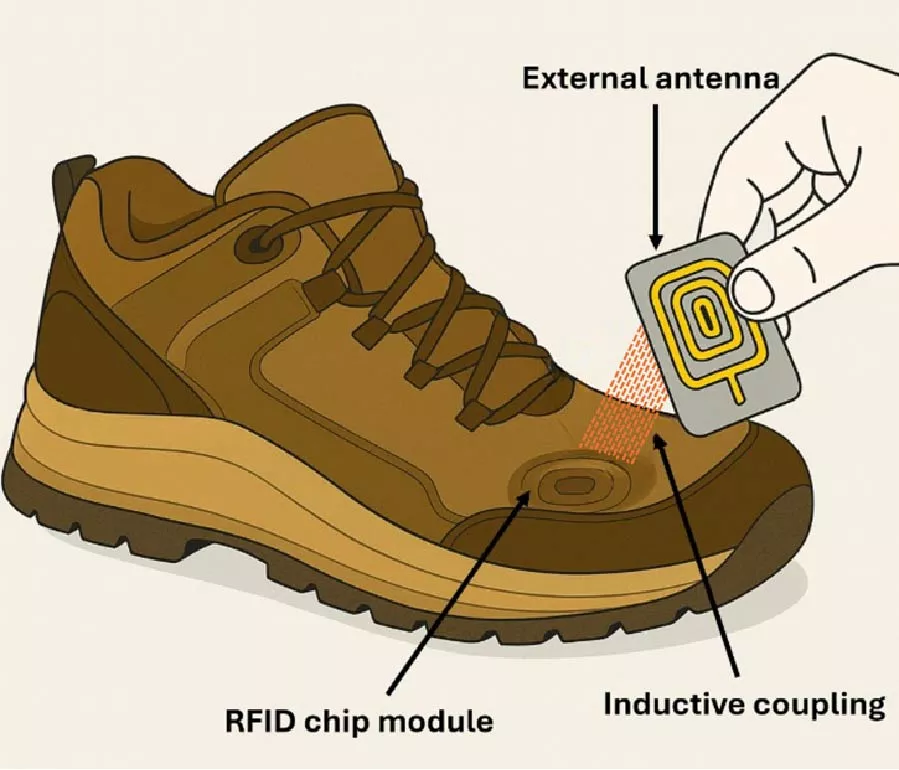
This paper presents a proximity-activated UHF RFID tag based on a discrete-component architecture aimed at enhancing user privacy at the physical layer. The RFID chip is physically separated from the main meandered dipole antenna and mounted on a detachable coupling loop. Tag activation occurs only when the loop is positioned at approximately 1 mm from the antenna, enabling near-field inductive coupling and conjugate impedance matching. In the default configuration, the chip remains effectively unreadable, while selective activation is achieved by applying the external coupling loop when tag interrogation is required. Two coupling-loop geometries are investigated: a simple rectangular loop and a multi-turn spiral loop, both integrated with capacitively loaded dipole antennas optimized for the European UHF RFID band at 866 MHz. Full-wave simulations confirm the intended on/off behavior, with minimum reflection coefficients of -34.8 dB at 866.7 MHz and -31.1 dB at 867 MHz, respectively. When the loop is removed, both designs exhibit severe impedance mismatch across the operating band. Experimental results validate the proposed concept. The rectangular loop achieves a peak read range of 6.0 m, while the spiral loop reaches 0.7 m. Misalignment tests indicate that both configurations maintain functionality under practical lateral and vertical offsets. Overall, the rectangular loop provides a wider and more robust activation region, making it suitable for applications requiring controlled, on-demand RFID readability for product authentication and quality verification without continuous exposure to RFID tracking.
A Proximity-Activated UHF RFID Tag with a Detachable Coupling Loop for Enhanced Physical Layer Security
2026-04-30
PIER C
Vol. 169, 225-229, 2026
download: 33
Band-Pass Filter with Coupled Corrugations and Plated through Holes for C and X Band Applications
Yogalakshmi Gopalakrishnan, Ramprabhu Sivasamy, Annadurai Chinnamuthu and Vasim Babu Mohamadu
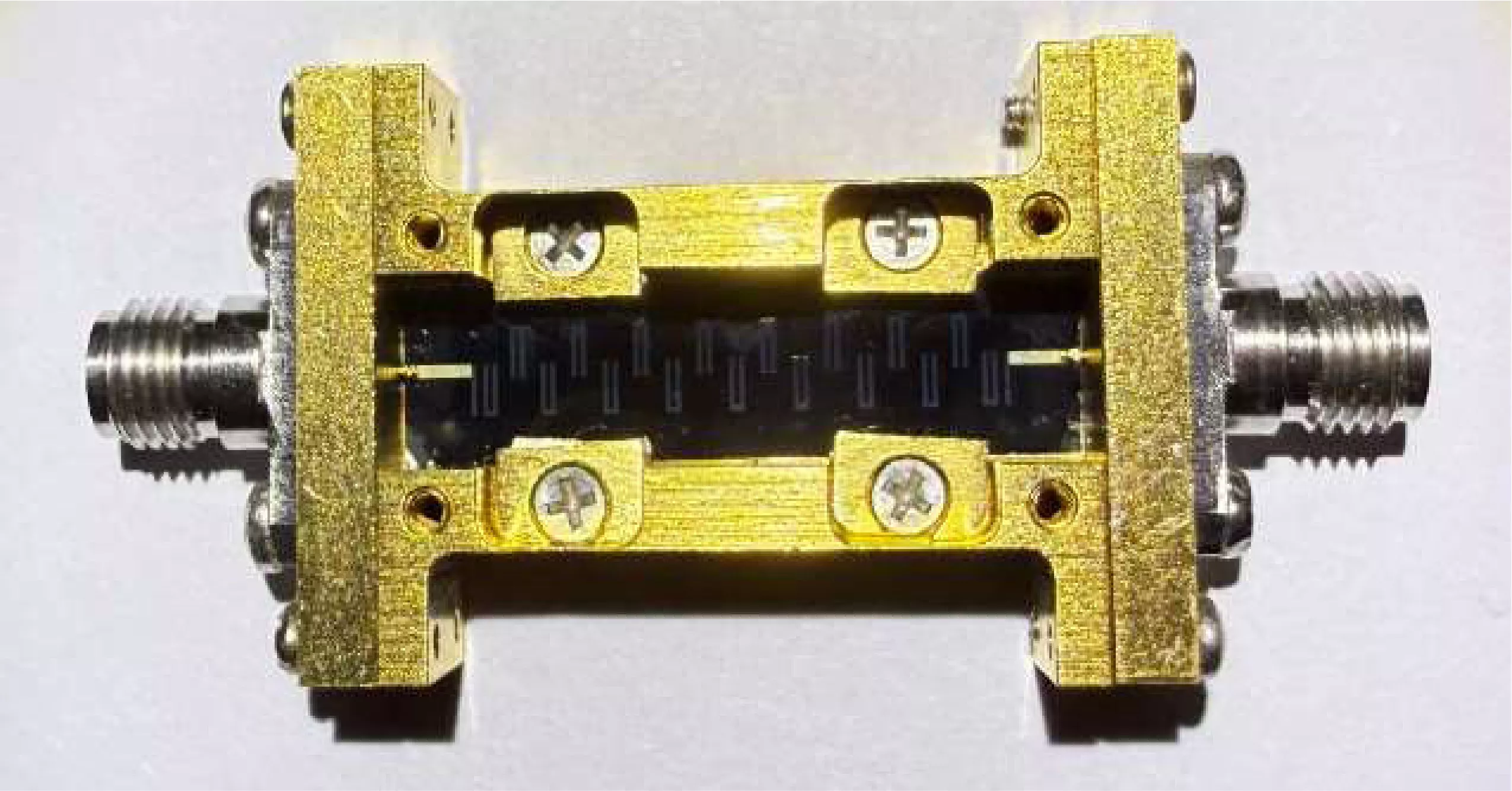
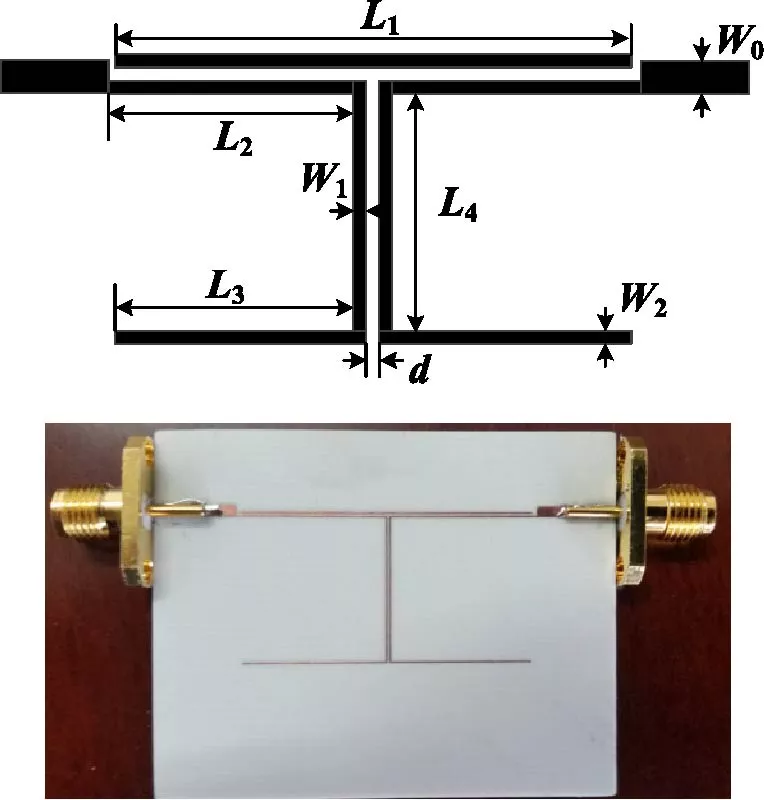
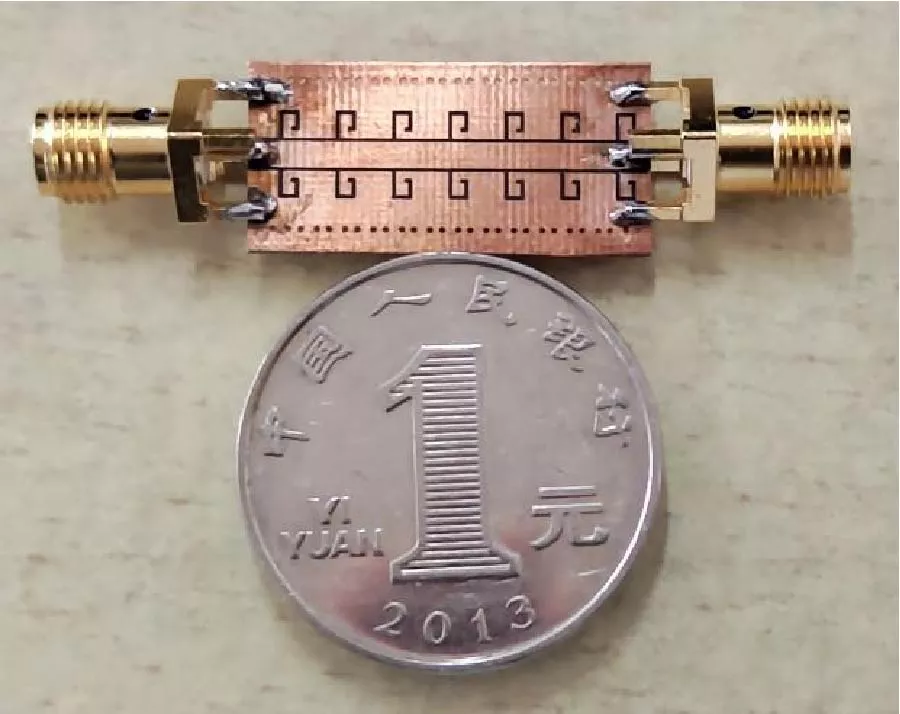
A miniaturized microstrip band-pass filter (BPF) with coupled corrugations and plated through holes (PTHs) in the source-load coupling path is designed and fabricated. The proposed filter provides a wide passband at 8.2 GHz. The surface current distributions of the proposed filter are depicted to verify its performance. The proposed filter indicates that the insertion loss is 1.1 dB, and the peak return loss is 36.27 dB at 10 GHz. The proposed filter operates in the wide range of 6.5-10 GHz, which covers both C and X band applications, such as satellite communications, military, and radar systems. The compact size, wide passband, low insertion loss, and high attenuation levels in the stopbands are some of the features of the proposed filter. In addition, the simulated results are validated using measurements.
Band-Pass Filter with Coupled Corrugations and Plated through Holes for C and X Band Applications
2026-04-29
PIER C
Vol. 169, 216-224, 2026
download: 65
Optimal Control of Electromagnetic Performance for PMSM Dual-Loop System Based on Improved Fuzzy NLADRC
Dehai Chen, Haifeng Zhang, Ruilong Liu and Lingfeng Cai
To enhance the electromagnetic transient performance and torque dynamic response quality of permanent magnet synchronous motor (PMSM) vector control systems, an improved fuzzy nonlinear active disturbance rejection control (IFNLADRC)-based dual-loop sensorless electromagnetic control method is proposed. Firstly, the nonlinear function falnew is optimized to resolve the zero-point discontinuity and high-frequency chattering issues of traditional functions. A fuzzy logic controller is employed to optimize the parameters of the nonlinear state error feedback (NLSEF) control law, improving control stability. An improved extended state observer (IESO) is designed to accurately estimate total system disturbances and achieve modular decoupling, which reduces the difficulty of parameter tuning. The controller adopts dual-loop control for comprehensive and efficient system regulation, and it integrates a linear extended state observer (LESO) with a normalized phase-locked loop (PLL) to realize high-precision sensorless estimation. Simulation results show that the proposed method outperforms traditional controllers in speed response performance, and it significantly suppresses speed fluctuations and current chattering under load disturbances. Under test conditions of speed steps (1000 r/min → 1300 r/min → 1000 r/min) and load torque steps (±10 N), the steady-state speed error after each speed transition in sensorless control is only ±0.06 r/min with accurate rotor position estimation, effectively improving the dynamic response, anti-disturbance performance, and control precision of the PMSM control system.
Optimal Control of Electromagnetic Performance for PMSM Dual-Loop System Based on Improved Fuzzy NLADRC
2026-04-29
PIER C
Vol. 169, 205-215, 2026
download: 43
Variable Reaching Law Nonsingular Fast Terminal Sliding Mode Observer-Based Deadbeat Fault-Tolerant Compensation Control for IPMSM's Demagnetization Fault
Dingdou Wen, Dengliang Xia, Xiaorui Wei, Wenjie Wu and Yuanyuan Xiao
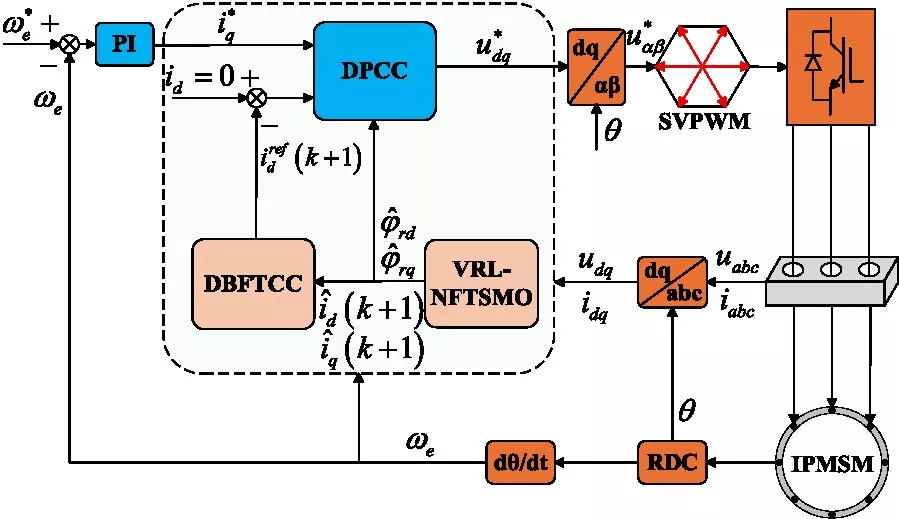
To address the issues of electromagnetic torque attenuation and insufficient robustness caused by demagnetization faults in interior permanent magnet synchronous motors (IPMSMs), a deadbeat fault-tolerant compensation control (DBFTCC) strategy based on a variable reaching law nonsingular fast terminal sliding mode observer (VRL-NFTSMO) is proposed. First, the VRL-NFTSMO is designed to achieve a precise observation of the flux linkage and next current value. Second, DBFTCC is constructed based on flux linkage and current information, which can effectively suppress electromagnetic torque attenuation caused by demagnetization faults, improve system robustness, and achieve reliable fault-tolerant control under demagnetization faults. Finally, the experimental results indicate that the proposed compensation strategy has stronger fault tolerance and robustness than traditional methods when the IPMSMs suffer from both demagnetization fault and large load variation.
Variable Reaching Law Nonsingular Fast Terminal Sliding Mode Observer-Based Deadbeat Fault-Tolerant Compensation Control for IPMSM's Demagnetization Fault
2026-04-28
PIER C
Vol. 169, 197-204, 2026
download: 60
Design of a Ku-Band HTS Narrowband Hairpin Filter Based on Quarter-Wavelength Microstrip Line
Panpan Zhang, Chenhao Xu, Yiqiuzi Shen, Chenchen Wang and Li Ding
Microstrip-line filters face two major challenges in high-frequency applications. On the one hand, as the operating frequency increases, the resonator length becomes significantly shorter, and when its dimensions become comparable to the line width, the fabrication tolerances deteriorate markedly. However, especially for narrowband filters, the insertion loss becomes more pronounced. To meet the performance requirements of high-frequency narrowband filters in the Ku band, this paper presents the design and implementation of a seventeenth-order hairpin-line bandpass filter utilizing high-temperature superconducting (HTS) materials. The proposed filter operated at a center frequency of 15 GHz with a fractional bandwidth of 2%. By employing a high-permittivity substrate and YBa2Cu3O7 superconducting thin-film technology, a compact structure with dimensions of 27.68 mm × 3.62 mm × 0.5 mm is achieved. The experimental results demonstrate that at 77 K, the filter exhibits an in-band insertion loss below 0.35 dB, a return loss better than 19.5 dB, and stopband suppression exceeding 40 dB, indicating excellent frequency selectivity and out-of-band rejection performance. This work verifies the application potential of HTS materials in high-frequency planar narrowband filters and provides an effective solution for the design of high-performance RF front-ends in the Ku band.
Design of a Ku-Band HTS Narrowband Hairpin Filter Based on Quarter-Wavelength Microstrip Line
2026-04-28
PIER C
Vol. 169, 185-196, 2026
download: 40
Quad-Mode CMA-Driven Circularly Polarized Metasurface MIMO Antenna
Yuhao Wei, Zhonggen Wang, Wenyan Nie and Han Lin
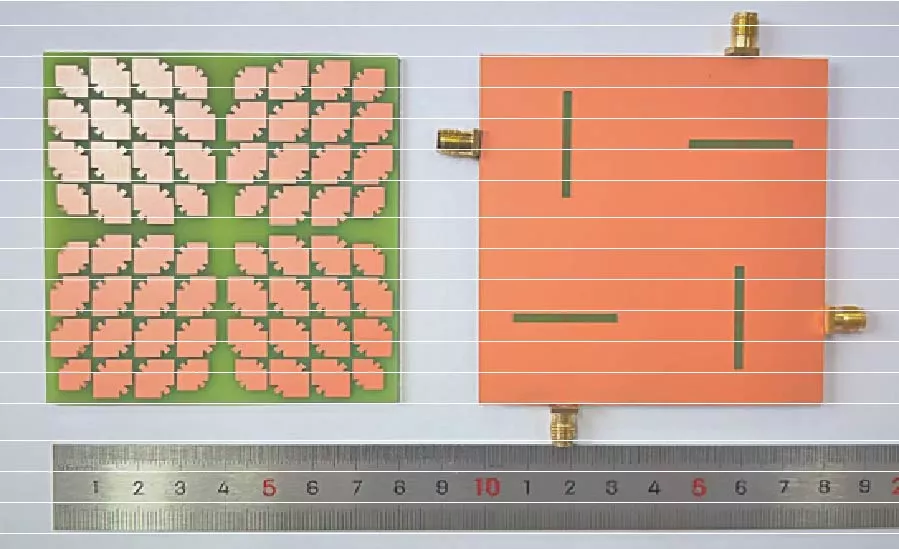
This paper proposes a four-mode circularly polarized metasurface multiple-input multiple-output (MIMO) antenna based on characteristic mode analysis (CMA), which can be applied to Sub-6GHz communications, unmanned aerial vehicle communications, wireless local area network, and other scenarios. Its core geometric novelty is a gradient-scaled 4×4 metasurface radiating layer: central units with corner truncation and 45° rotated rectangular stubs, and four corner units scaled down to 0.75 times the central size. This structure generates the 90° phase difference for CP radiation, synchronously exciting two orthogonal characteristic mode pairs to realize broadband CP radiation, and endows the metasurface with inherent self-decoupling capability. In addition, a 2×2 MIMO array is constructed by combining four monopole antenna elements, and the mutual coupling is suppressed by the metasurface itself, achieving a port isolation greater than 25 dB. Simulation and measurement results show that the impedance bandwidth is 41.93% (5.07-7.76 GHz), the axial ratio (AR) bandwidth is 17.5% (5.37-6.40 GHz), the peak gain is 6.77 dBi, the array envelope correlation coefficient is as low as 0.0002, and the diversity gain reaches 9.999 dB. The antenna achieves an excellent balance among broadband performance, high isolation, and structural simplicity, outperforming existing similar designs.
Quad-Mode CMA-Driven Circularly Polarized Metasurface MIMO Antenna
2026-04-28
PIER C
Vol. 169, 179-184, 2026
download: 65
Diplexing Filtering Power Divider with a Lowpass and Dual-Band Bandpass Response
Al Amin, Osman Bakacak, Seher Dilsiz, Alper Turkeli, Burak Mahmut Yanar and Ali Kursad Gorur
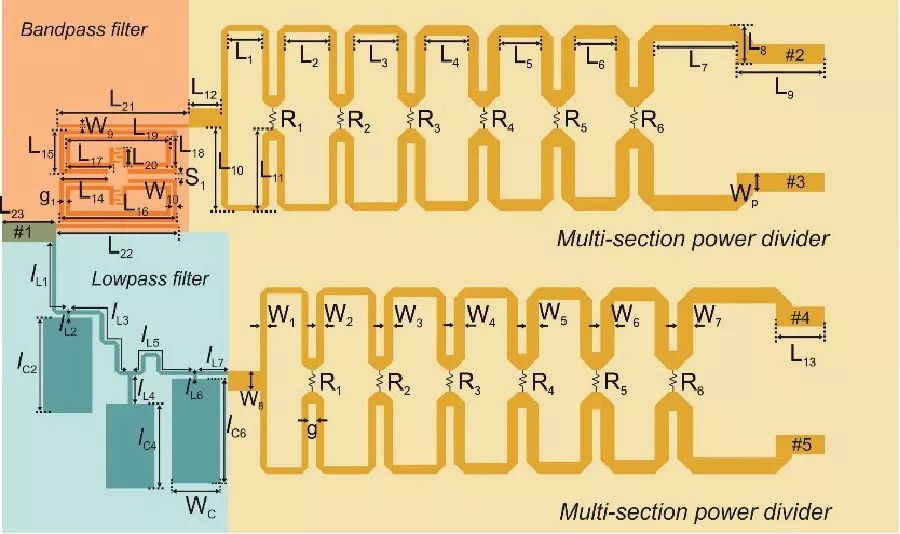
In this paper, a novel diplexing power divider with a lowpass and two bandpass channels is presented. The lowpass channel is constructed by using a 7th-order quasi-elliptical transfer function, while the dual-band bandpass response is obtained by using co-directional split ring resonators. A lowpass-bandpass diplexer is first designed by integrating the lowpass and bandpass filters directly. In order to achieve the power division within the entire frequency range, a multi-section power divider is located at the end of both filter structures. The proposed lowpass-bandpass diplexing power divider is fabricated and measured in very good agreement with the predicted results. The measured frequency range of the lowpass channel is between 100 MHz and 2 GHz. The measured center frequencies of the bandpass channels are at 3.4 and 3.9 GHz with the 3-dB fractional bandwidths of 7 and 6.6%, respectively.
Diplexing Filtering Power Divider with a Lowpass and Dual-Band Bandpass Response
2026-04-27
PIER C
Vol. 169, 170-178, 2026
download: 80
Design and Analysis of a Tri-Split-Ring Resonator Integrated Rectangular DRA with E-Shaped Feed for Enhanced C-Band Performance
Syamala Misala, Dwarapu Lakshmi Narayana and Kanthamma Bokka
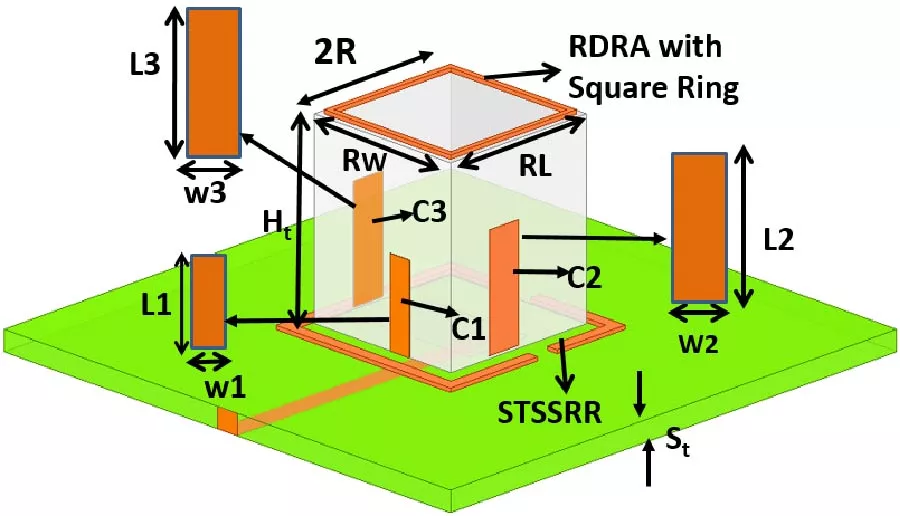
This paper presents a tri-split ring resonator (TSRR) integrated with a rectangular dielectric resonator antenna (RDRA) using an E-shaped microstrip feed line. The RDRA, measuring 15×14×14 mm3 and constructed on an FR4 substrate of 46×46×1.6 mm3, features a gain of 10.9 dBi and a fractional bandwidth of 22.05% (5.85 GHz-7.3 GHz) with radiation efficiency over 82%. It supports fundamental modes TE111 at 6.12 GHz, along with lower- and higher-order modes TE1δ2 at 6.13 GHz, TE3δ3 at 6.14 GHz, and TE333 at 6.2 GHz. Simulated and measured results show close agreement across the operating band. The proposed antenna has several applications, including point-to-point microwave links (5.925 GHz-7.125 GHz), satellite communication in the C-band, and defense and military communication.
Design and Analysis of a Tri-Split-Ring Resonator Integrated Rectangular DRA with E-Shaped Feed for Enhanced C-Band Performance
2026-04-26
PIER C
Vol. 169, 155-169, 2026
download: 74
Design and Performance Evaluation of a Flexible Four-Element MIMO Antenna for Biomedical Applications
Immanuel Prabaharan Soundararajan, Subramoniam Muthurajan, Arul Kulandaivel and Rajeshkumar Dhandapani
A compact, low-profile, and highly isolated four-element flexible MIMO antenna for biomedical body-centric wireless applications is proposed and experimentally validated. The antenna is realized on a 75 × 75 × 1 mm3 ultra-low permittivity felt substrate (εr = 1.2, tanδ = 0.0013) and incorporates a perturbed circular slot with rectangular defected ground stubs to simultaneously enhance impedance bandwidth and inter-element isolation. The proposed design achieves a measured -10 dB impedance bandwidth of 320 MHz (2.20-2.52 GHz), corresponding to a fractional bandwidth of 13.3% centered at 2.4 GHz ISM band. The four-element MIMO configuration exhibits isolation better than 25 dB despite an edge-to-edge spacing of only 1 mm, demonstrating strong mutual coupling suppression without additional decoupling structures. The antenna provides a peak gain of 2.8 dBi and achieves a peak radiation efficiency of 95%, with an efficiency of 92.5% under flat conditions (R = 0 mm). Envelope correlation coefficient (ECC) remains below 0.01, ensuring excellent diversity performance. Under conformal bending conditions (R = 10-60 mm), the antenna maintains stable resonance with only 1.6% frequency deviation, while gain and efficiency remain above 2.21 dBi and 84.58%, respectively, demonstrating robust mechanical resilience. On-body evaluations over arm, leg, and chest phantoms indicate stable operation within 2.35-2.49 GHz, with gain varying between 1.87-2.01 dBi and efficiency above 87.15%. The maximum measured SAR is 5.98 W/kg (1 g tissue), confirming acceptable safety compliance for wearable biomedical applications. Measured S-parameters and radiation patterns show strong agreement with simulations, validating the proposed slot-ground co-engineering methodology. Compared to existing wearable ISM antennas, the proposed design offers isolation >25 dB, high efficiency (95%), mechanical flexibility, and compact form factor without requiring complex EBG or AMC structures. The antenna is therefore a strong candidate for next-generation flexible biomedical MIMO systems.
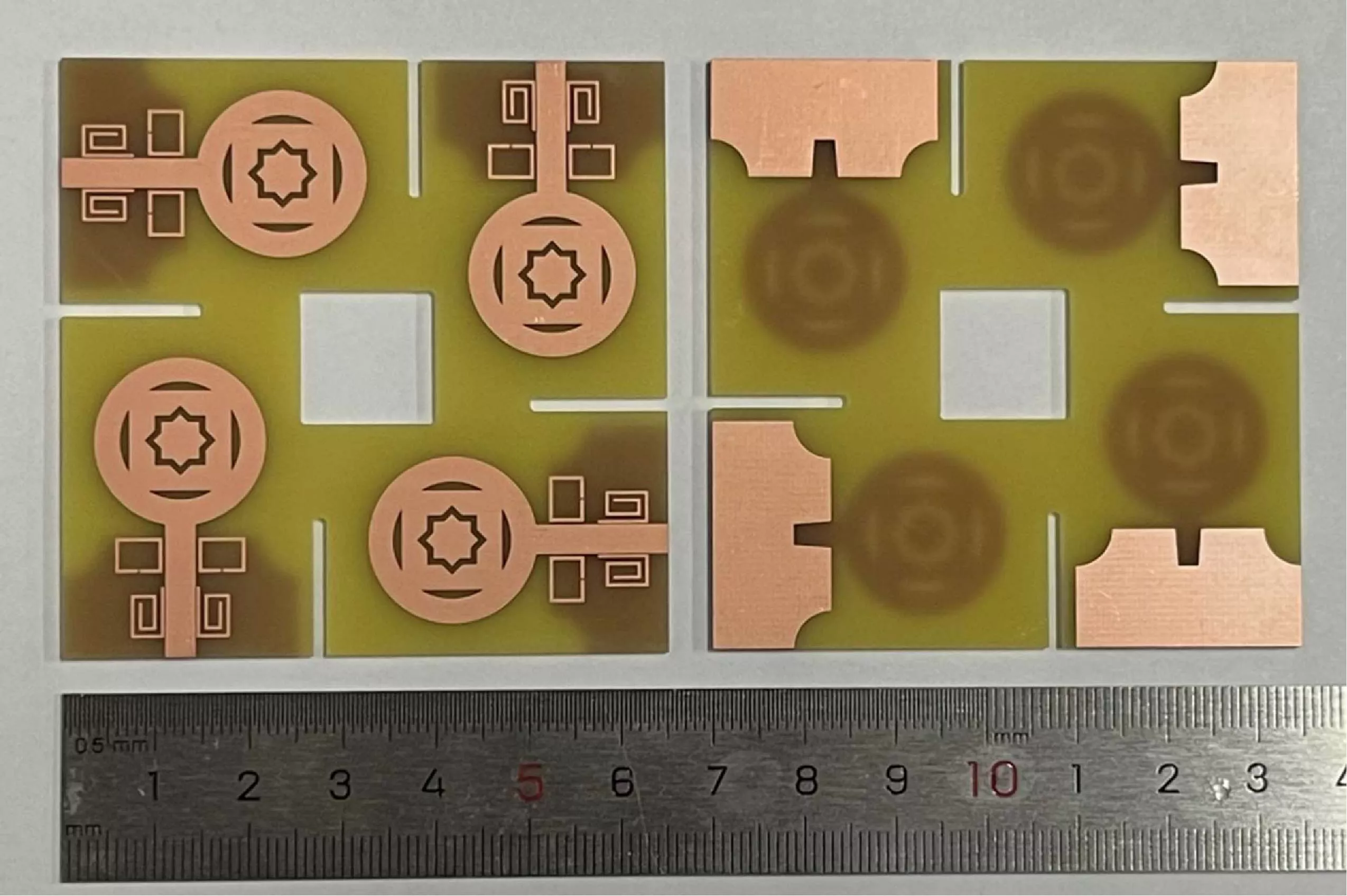
Design and Performance Evaluation of a Flexible Four-element MIMO Antenna for Biomedical Applications
2026-04-26
PIER C
Vol. 169, 149-154, 2026
download: 62
Design and Analysis of High-Selectivity Microstrip Bandpass Filters with Controllable Transmission Zeros
Chuan Shao, Xin Gao, Rong Cai, Ke Wang, Xinnai Zhang and Kai Xu
In this letter, a series of high-selectivity bandpass filters based on parallel-coupled microstrip lines are proposed. The developed filters are derived from conventional parallel-coupled microstrip line filter, with an additional pair of parallel-coupled microstrip lines being incorporated into the two open ends, one end of which is short-circuited. Accordingly, a pair of transmission zeros is introduced into the transmission coefficient of the traditional parallel-coupled microstrip line filter by this modification, thereby enhancing its selectivity. Additionally, to further enhance the selectivity of the developed filter, a pair of quarter-wavelength transmission lines are connected to each of the short-circuited ends. This additional structure introduces another pair of transmission zeros, thereby further improving the selectivity of the developed filter. For demonstration, two bandpass filters have been designed and fabricated. Specifically, measured attenuation slopes for the modified structure were 213 dB/GHz and 106 dB/GHz at the lower ND upper band edges, respectively.
Design and Analysis of High-Selectivity Microstrip Bandpass Filters with Controllable Transmission Zeros
2026-04-26
PIER C
Vol. 169, 138-148, 2026
download: 84
Design of a Three-Layer SIW Broadband 1×4 Dipole Patch Array Antenna Driven by Slot Feeding
Mingming Gao, Ruize Huang, Xuan Du and Bowen Tao
To address the demand for broadband, high-gain antennas in millimeter-wave communications, this paper proposes a stacked dipole patch array antenna based on substrate integrated waveguide (SIW) technology. The design employs a three-layer structure with slot-coupled feeding to enhance radiation performance. First, an SIW feeding structure is integrated into the bottom layer to ensure efficient signal coupling. Second, the middle layer features an innovatively designed ``wrench-shaped'' patch with metal vias, which not only effectively broadens the bandwidth but also enhances gain in conjunction with the rectangular patches on both sides. Finally, rectangular dipole patches are introduced in the top layer as parasitic elements to further optimize high-frequency performance. Through a 1-to-4 corporate-feed power divider network, the antenna achieves a measured impedance bandwidth of 24.42% (24.12 GHz-30.83 GHz) and a center frequency gain of 11.02 dBi. While achieving miniaturization, this antenna combines high bandwidth with high gain, demonstrating its application potential in next-generation millimeter-wave wireless communication.
Design of a Three-layer SIW Broadband 1×4 Dipole Patch Array Antenna Driven by Slot Feeding
2026-04-26
PIER C
Vol. 169, 132-137, 2026
download: 50
Miniaturization and Transition Sharpening of Plasmonic Filters via Interdigital Capacitors
Yang-Qing Xu, Qing-Cheng Zhang, Ruijie Guo, Yuyu Fan, Yan He and Lin Li
This paper proposes a spoof surface plasmon polariton (SSPP) based on a coplanar waveguide (CPW) with an interdigital structure, aiming to realize a plasmonic filter with both miniaturization and sharp transition characteristics. Dispersion and transition analyses demonstrate that the proposed unit exhibits flexibly controllable dispersion and transition features by tuning the geometrical parameters of the interdigital unit. Based on this, a compact filter with the proposed structure was designed, simulated, and experimentally validated. The introduction of the interdigital slot structure provides an additional degree of freedom for tuning, enabling the filter to achieve a steep transition from the passband to the stopband (with a roll-off rate of up to 181.31 dB/GHz) while maintaining a compact size. The measured results are in good agreement with the simulated ones, which verifies the effectiveness of the proposed design. In addition, the bandpass response introduced by higher-order modes offers a feasible route toward the multimode and multifunction integration of filters.
Miniaturization and Transition Sharpening of Plasmonic Filters via Interdigital Capacitors
2026-04-25
PIER C
Vol. 169, 122-131, 2026
download: 55
Edge-Fusion-Based Graph Attention Network for Microwave Breast Tumor Localization
Hongchao Xie, Xia Xiao, Yu Liu and Min Lu
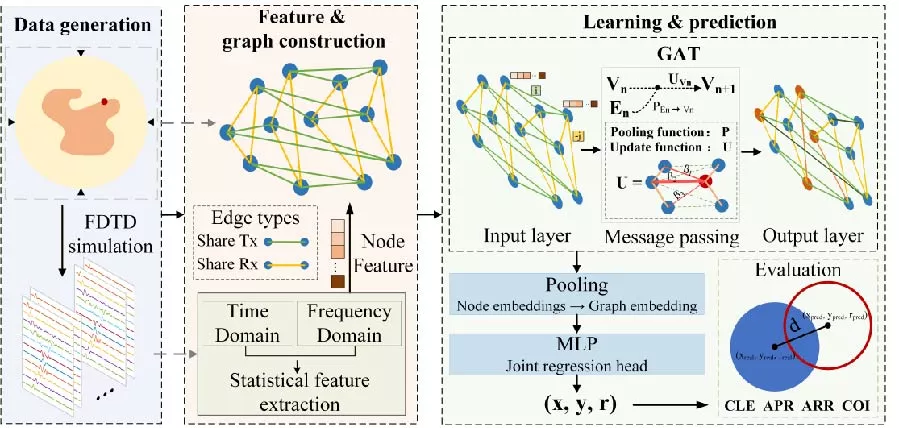
Objective: To enable direct joint prediction of tumor center coordinates and radius in non-imaging ultra-wideband (UWB) breast sensing, we propose an edge-fusion-based graph attention framework for learning from multi-channel backscattered signals without the need for image reconstruction. Methods: Breast models were generated using finite-difference time-domain (FDTD) simulations. Backscattered signals were preprocessed using the dual-tree complex wavelet transform (DTCWT). UWB measurement channels were reformulated as a graph, where each transmitter-receiver channel was treated as a node, and edges were defined by shared antennas. Edge features were fused into graph attention message passing to emphasize more tumor-relevant channels, followed by a multi-task regression head to predict tumor center coordinates and radius. Results: Across four breast density categories, mean center localization error (CLE) remained below 2.5 mm, and the mean of comprehensive overlap index (COI), area recall ratio (ARR), and area precision ratio (APR) exceeded 0.50 in all models. These results indicate effective joint localization and size estimation across heterogeneous breast models.
Edge-Fusion-Based Graph Attention Network for Microwave Breast Tumor Localization
2026-04-24
PIER C
Vol. 169, 115-121, 2026
download: 56
High-Performance Double-Sided Axe-Shaped Antenna Based on DGS with Multi-Band for WiMAX/WLAN/X-Band Applications
Yousif Mohsin Hasan and Hassan Hamed Naji
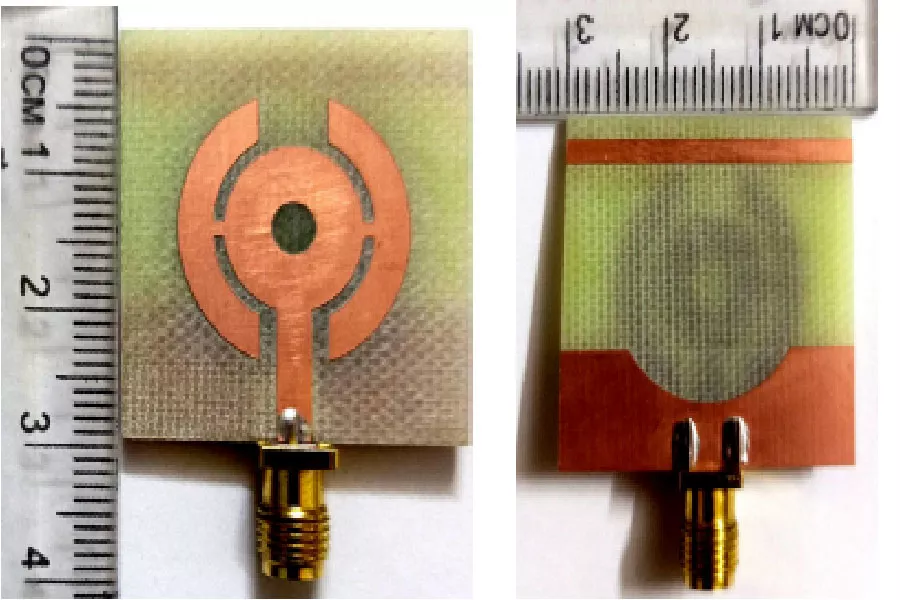
This study presents a novel double-sided axe-shaped antenna with a triple band for multibandcst applications. The presented antenna features a circular ring and two ring sectors as a double-sided axe-shaped patch antenna to generate three resonant frequencies, WiMAX 3.55 GHz (3.5-3.62 GHz), WLAN 5.12 GHz (5-5.28 GHz), and X-band 7.67 GHz (7.18-8.17 GHz), with reflection coefficients of -14.86 dB, -19.36 dB, and -36.96 dB, respectively. The proposed antenna is fabricated on an FR4 (εr = 4.3) substrate with dimensions of 30 × 30 × 1.6 mm3 and uses DGS ground to improve the current distribution and impedance bandwidth. The proposed antenna is successfully simulated and measured. The performance evaluation of the multi-band antenna demonstrated satisfactory agreement between simulations and measurements. The proposed multi-band antenna combines enhanced performance with a compact size.
High-Performance Double-Sided Axe-Shaped Antenna Based on DGS with Multi-Band for WiMAX/WLAN/X-Band Applications
2026-04-24
PIER C
Vol. 169, 106-114, 2026
download: 86
A 3D Vertically-Integrated Wideband Filter Antenna for X-Band Applications
Tao Fang, Tao Tang, Xiangyan Zhao and Wei Hu
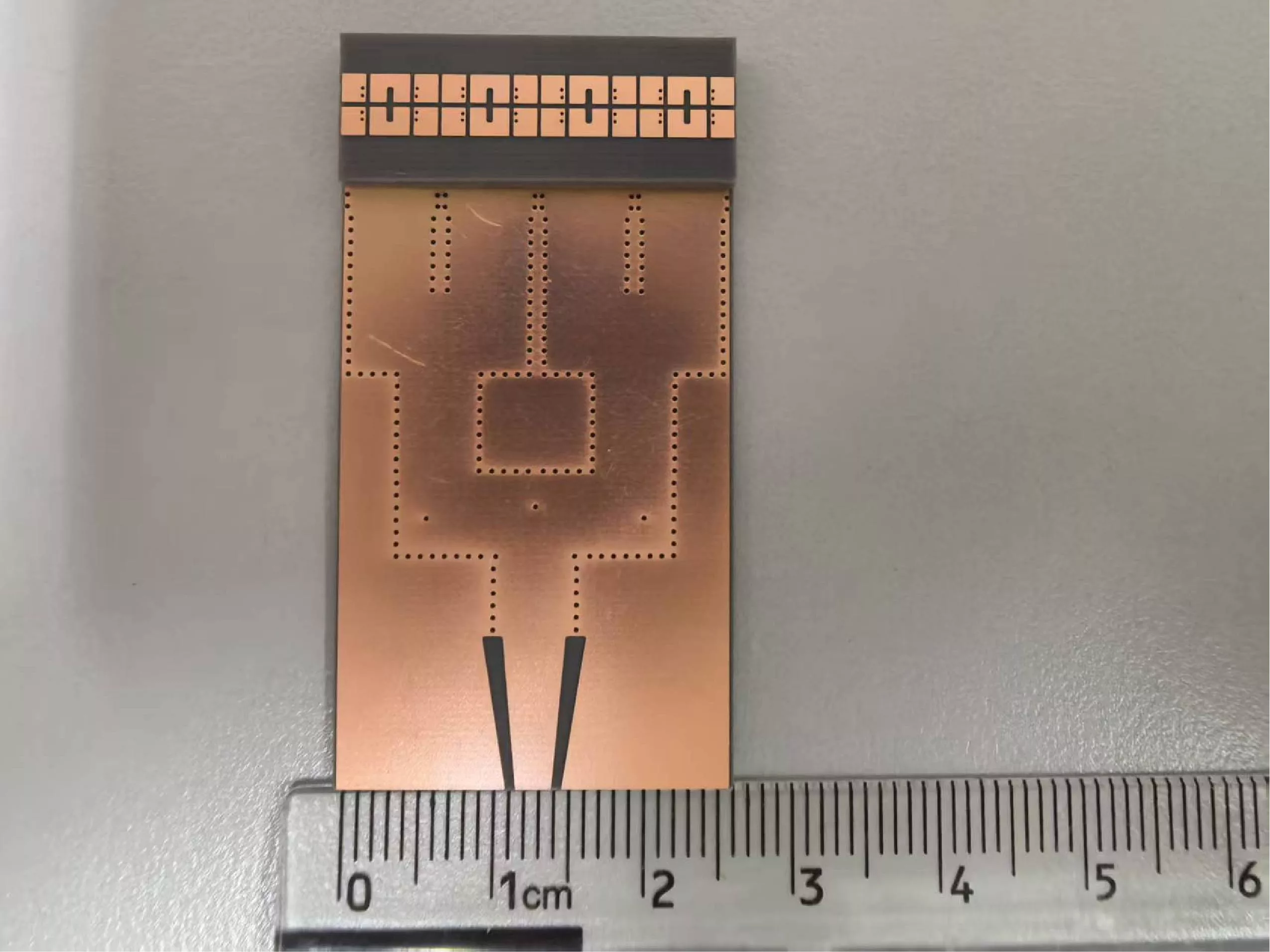
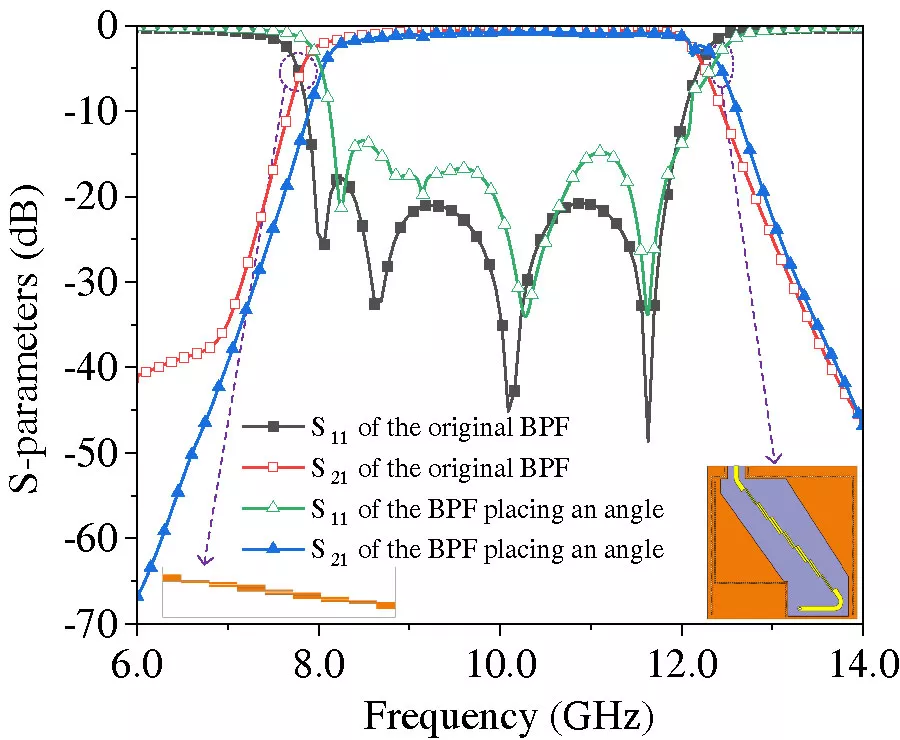
This paper presents a compact wideband integrated filtering antenna for X-band applications enabled by a three-dimensional (3D) vertical-interconnect architecture. A self-packaged electromagnetic platform is constructed on a multilayer substrate with a central air cavity, realizing high-density monolithic integration of a slotted patch radiator and a seventh-order microstrip bandpass filter (BPF). Distinct from conventional planar cascaded filtering antennas, the proposed 3D collaborative electromagnetic structure - formed by the air cavity, a perimeter vertical interconnect access (VIA) array, and multilayer ground planes - provides low-loss signal transmission and effectively suppresses parasitic coupling within a compact volume. To enhance radiation performance, the patch is co-optimized via slot loading, chamfering, and asymmetric feeding to extend the surface-current path, lower the resonant frequency, and broaden the impedance bandwidth, achieving a 45.27% reduction in patch area relative to the initial design. To accommodate the BPF within the packaging boundary, spatial adaptation and impedance matching are achieved through a tilted layout, arc-shaped port extension, and vertical feed VIAs while maintaining essentially unchanged electrical performance. Measured results demonstrate a 40.3% fractional bandwidth from 7.99 to 12.02 GHz, a peak gain of 6.85 dBi, good out-of-band/harmonic suppression, and stable radiation patterns. The overall size is 1.17λ0 × 1.17λ0 × 0.12λ0. The proposed 3D vertical-interconnect and multifunctional self-packaged co-design methodology offers an effective solution for broadband, miniaturized, high-isolation filtering antennas and system-on-package (SoP) RF front ends.
A 3D Vertically-Integrated Wideband Filter Antenna for X-Band Applications
2026-04-23
PIER C
Vol. 169, 95-105, 2026
download: 59
Different Polygonal Clustered Subarray Partitioning Structures Synthesis with High Performance Beam Pattern
Randa Yahya Hussein and Ahmed Jameel Abdulqader
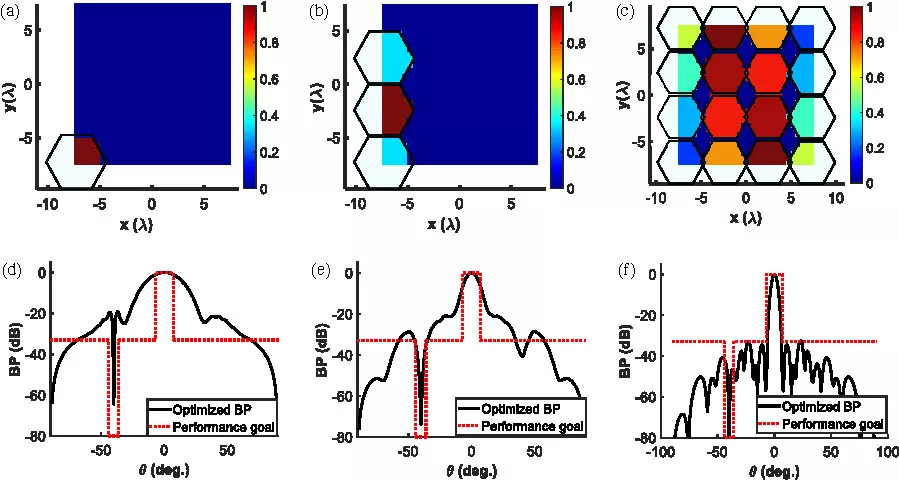
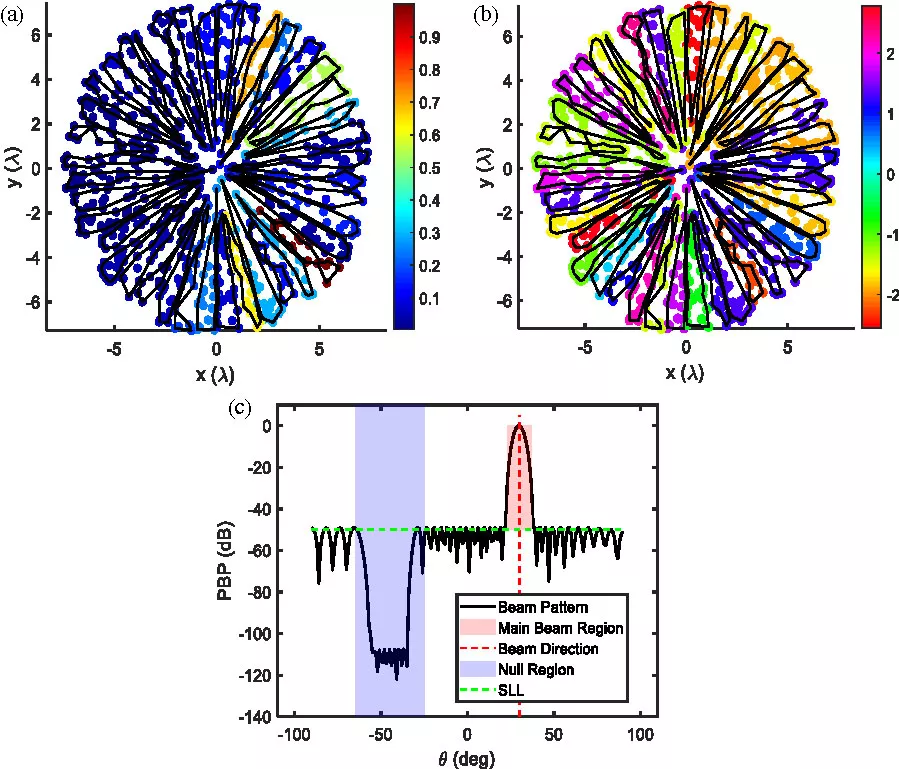
Synthesizing large arrays composed of irregular clustered subarrays is a research approach of increasing attention from researchers. In this article, an irregular clustered subarray tiling strategy based on different polygonal shapes as a mask partitioning with a convex optimization algorithm (COA) is proposed. A set of polygon partitioning was proposed by formulating a problem of tiling an array of irregular subarrays to make it suitable for any aperture grid. To further reduce the complexity of the systems and accelerate the execution time of the responsible algorithm, amplitude-only feeding was considered. In all proposed partitioning scenarios, only 16 polygonal clusters (i.e., complexity of 1.7%) were synthesized, achieving high-constrained radiation performance targets of reducing sidelobe level (SLL) to -45 dB and generating a 6-degree wide and -180 dB deep null steering with the ability to orient the main beam as required. Polygonal clusters of varying sizes, shapes, and side counts were synthesized, ranging from a 3-sided polygon (i.e., a triangle) to a 10-sided polygon (i.e., a decagon). Based on this, six polygonal segmentation configurations were proposed, resulting in a high-performance electromagnetic beam pattern (BP). Computer simulation results demonstrated the robustness and effectiveness of the proposed scenarios in meeting the performance constraints imposed on the optimization algorithm. The good performance and potential inherent in the methods presented in this paper were verified by comparing them extensively with current methods in various numerical examples.
Different Polygonal Clustered Subarray Partitioning Structures Synthesis with High Performance Beam Pattern
2026-04-22
PIER C
Vol. 169, 84-94, 2026
download: 89
Design of Multi Band Filtering Antenna with Low Mutual Coupling Using Decoupling Network
Deepika Verma, Kiran Kumar Verma and Chandan
This paper presents the design of compact multi-band filtered MIMO antenna whereby the UWB antenna is converted into tri-band antenna by adding two stubs-loaded band-notch filters (SLBNFs). The notch structures tactfully quiet undesired frequency bands and permit three clean operating bands likely to be utilized in S-band and C-band wireless systems. A 2 × 2 MIMO system is proposed using a centrally located decoupling network to regulate the distribution of surface currents, which achieves over 25 dB of isolation in all operating bands. The fractional bandwidth of the antenna in the first band (2.0-2.6 GHz), second band (3.48-3.82 GHz), and third band (5.68-6.42 GHz) are 16%, 9.3%, and 12.23%, respectively. The peak gains in the corresponding operating bands are 2.8 dB, 4.1 dB, and 5 dB, respectively. The proposed design is suitable for the present-day S- and C-band communication systems and multi-standard wireless devices due to its selective multi-band response, better isolation, and compact structure.

Design of Multi Band Filtering Antenna with Low Mutual Coupling Using Decoupling Network
2026-04-21
PIER C
Vol. 169, 74-83, 2026
download: 108
Design and Implementation of a High Gain Compact IoT Wearable Antenna for Vital Signs Data Transmission Using ESP8266
Rama Krishna Merugumalli and Subba Rao Chalasani
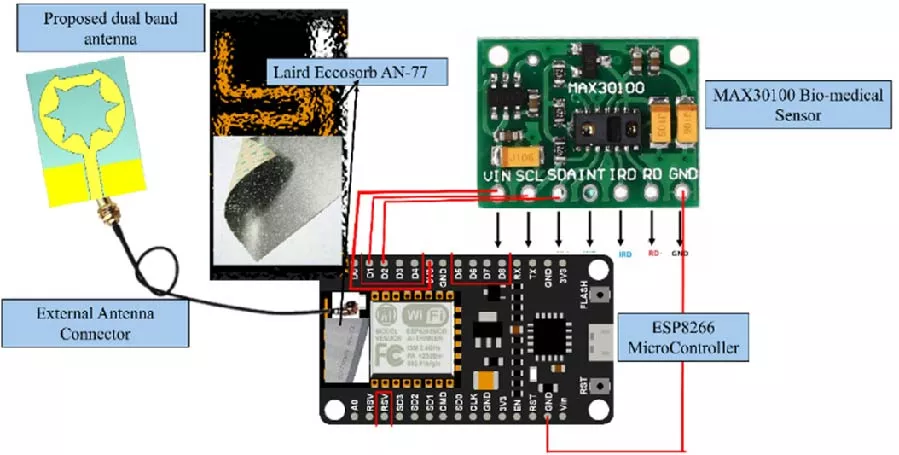
This study presents a compact patch antenna in the form of a circle, suitable for use in medical and wearable Internet of Things (IoT) devices. The recommended antenna has been proposed to operate on a polyamide material with a dielectric constant of 3.5 and loss tangent of 0.008, at 2.4 GHz and 5.8 GHz bands. The IoT wearable antenna has a specific absorption rate (SAR) obtained at 2.4 GHz that is 0.6 W/kg, while at 5.8 GHz it is 0.8 W/kg for 1 g of body tissue. Both values are significantly below the Federal Communications Commission (FCC) exposure limit, confirming the safe operation of the compact IoT-enabled wearable antenna. The antenna achieves simulated gains of 7.54 dBi and 7.96 dBi with radiation efficiencies of 85.45% and 87.55% at 2.4 GHz and 5.8 GHz, respectively. The proposed system integrates the proposed antenna with an ESP8266 microcontroller, which enables the transmission of vital signs data over an IoT platform. A Modbus protocol and Node-RED platform are utilized for data acquisition, processing, and visualization. This makes it a small, cheap, and reliable solution for IoT-enabled healthcare systems.
Design and Implementation of a High Gain Compact IoT Wearable Antenna for Vital Signs Data Transmission Using ESP8266
2026-04-21
PIER C
Vol. 169, 66-73, 2026
download: 70
A Low Mutual Coupling Dual-Band MIMO Antenna Based on Symmetrical Complementary Double-Split-Ring Resonators
Xuemei Zheng, Jiafu Xing and Tongchao Zhang
In this study, a novel symmetrical complementary double-split-ring resonator structure is proposed, operating in the frequency bands of 2.39-2.44 GHz (covering the core 2.4 GHz WLAN band) and 3.45-3.60 GHz (covering a key sub-band of n78 for 5G communications), to reduce the coupling of multiple-input multiple-output (MIMO) antennas within these two frequency bands. To align with the trend of antenna miniaturization, the inter-element spacing is only 0.08λ0. The measured results show that after loading the metamaterial, the antenna coupling in the operating bands is reduced by 0-10 dB and 8-23 dB, respectively, and the coupling in the two bands is below -17 dB and -27 dB, respectively. The peak gains achieved are 3.12 dBi and 4.51 dBi in the two bands. The ECC is less than 0.02, indicating excellent gain performance and effective decoupling capability of the MIMO antenna.
A Low Mutual Coupling Dual-Band MIMO Antenna Based on Symmetrical Complementary Double-Split-Ring Resonators
2026-04-21
PIER C
Vol. 169, 55-65, 2026
download: 98
High Isolation UWB MIMO Notch Antenna Based on Metamaterials
Xuemei Zheng, Yunan Zhang and Linfei Yue
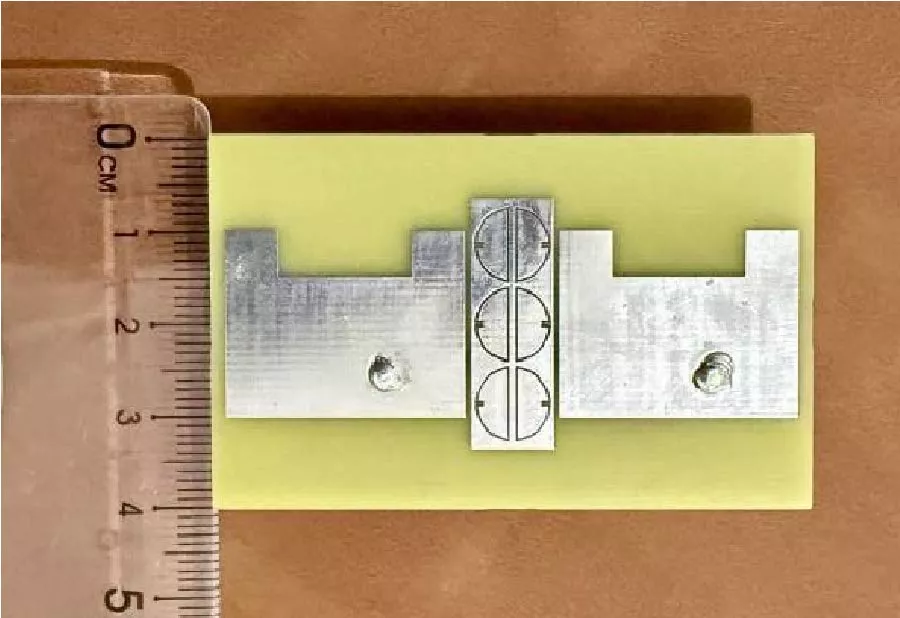
This paper proposes a compact UWB MIMO antenna with band-notched characteristics and high isolation. With a miniaturized footprint of 60 × 32 mm, the antenna covers the full UWB spectrum of 3.1-13 GHz. A core structural innovation lies in the design of a novel SRR metamaterial unit, which exhibits superior high-frequency decoupling capability by regulating electromagnetic wave propagation; combined with the synergistic decoupling mechanism of a meandered-line radiating patch and an I-shaped DGS for low-frequency isolation enhancement, the antenna achieves an excellent measured isolation (S21) of better than -21 dB across the entire operating band. Additionally, four precise notched bands (3.3-3.4 GHz WiMAX, 4.4-5.0 GHz n79, 5.15-5.825 GHz WLAN, 7.9-8.4 GHz) are realized via strategically etched slots on radiating elements to suppress interference. Verified by measurements, the measured ECC is as low as below 0.018, and the diversity gain maintains stability near the ideal 10 dBi. The antenna exhibits stable radiation patterns throughout the impedance bandwidth, accompanied by outstanding diversity performance.
High Isolation UWB MIMO Notch Antenna Based on Metamaterials
2026-04-20
PIER C
Vol. 169, 48-54, 2026
download: 61
Wide Stopband Filtering Power Divider Based on Stepped-Impedance Stub and Three-Line Coupled Structures
Chuanyun Wang, Qian Cao and Pin Wen
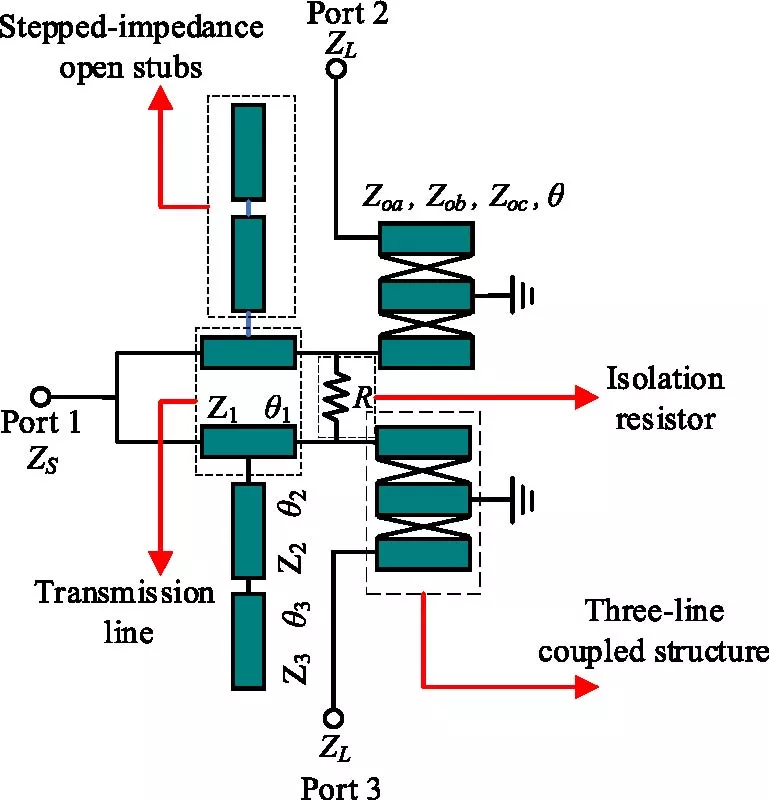
A novel wide-stopband filtering power divider (FPD) is proposed in this paper. The proposed wide stopband FPD integrates a pair of three-line coupled structures (TLCSs)-based bandpass filters (BPFs) and stepped-impedance open stubs. This topology achieves a wide stopband through harmonic suppression and enhanced filtering simultaneously. Specifically, the stepped-impedance open stubs effectively suppress harmonics to extend the stopband while also improving in-band impedance matching. Concurrently, the TLCS-based BPFs generate multiple transmission zeros (TZs) on both sides of the passband, improving frequency selectivity. A prototype wide stopband FPD operating at 3.5 GHz is fabricated and measured. There is a favorable agreement between the measured and simulated results, displaying a stopband up to 15 GHz (4.3f0), which features a rejection level of -15.8 dB and -10 dB fractional bandwidths of 44.8%.
Wide Stopband Filtering Power Divider Based on Stepped-Impedance Stub and Three-Line Coupled Structures
2026-04-20
PIER C
Vol. 169, 39-47, 2026
download: 83
Nested-Level Optimization of a Permanent Magnet Synchronous Motor Embedded in Energy Management for Hybrid Electric Vehicles
Zhijia Jin, Cong Liang, Xin Lu and Jian Chen
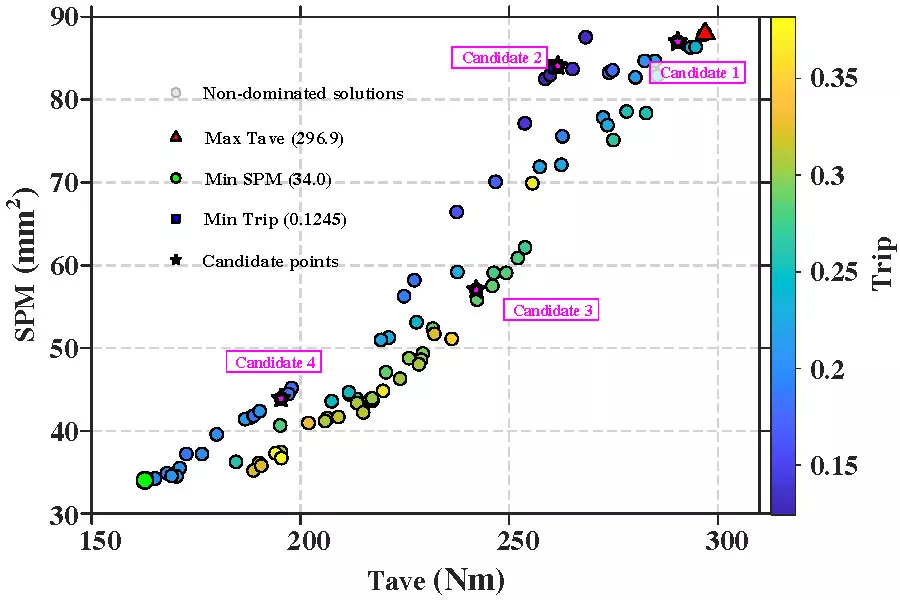
In addition to considering the electromagnetic performance of the motor itself, the optimal design of an onboard permanent magnet synchronous motor (PMSM) must also account for its compatibility with a vehicle and the impact of driving cycles. To address this problem, in this study, we propose a nested optimization design approach for PMSMs to achieve an optimal rotor design for vehicular applications. First, Morris sensitivity analysis is employed to classify the parameters to be optimized into highly and generally sensitive parameters. Subsequently, the Kriging model and NSGA-III algorithm are successively applied to perform hierarchical optimization for the highly sensitive parameters, followed by the generally sensitive parameters. To select the motor structure that best adapts to the vehicle and driving cycle, the efficiency maps of candidate solutions are solved and nested into the vehicle energy management model for optimization. The results demonstrate that the proposed method enables the identification of PMSM structures on the Pareto front that better match the vehicle and driving cycle. Compared with other high-performance solutions, the final optimal point achieves fuel consumption savings of up to 19.1%.
Nested-Level Optimization of a Permanent Magnet Synchronous Motor Embedded in Energy Management for Hybrid Electric Vehicles
2026-04-20
PIER C
Vol. 169, 31-38, 2026
download: 69
Design of a 200-W High-Efficiency Cascaded LDMOS Microwave Source with Digital Power Control
Zhiqi Li, Dan Zhang and Yan Sun
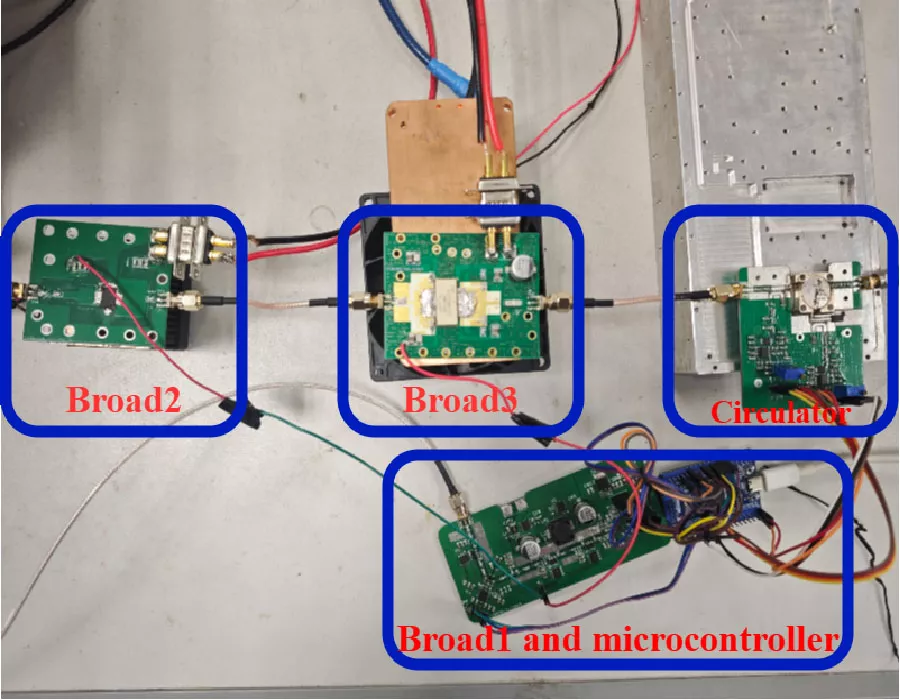
This study designs and experimentally validates a digitally controlled 2.45 GHz solid-state microwave power source for industrial continuous-wave operation. The source employs a cascaded laterally diffused metal oxide semiconductor (LDMOS) architecture integrating a phase-locked loop frequency synthesizer, a multi-stage driver chain, and a closed-loop digital power-control network with 0.5-dB resolution. The final-stage power amplifier (PA) is biased in deep class-AB, and a lumped-element matching network is synthesized - guided by load-pull and harmonic-impedance analysis - to realize a near-short termination at the second harmonic and reduce voltage-current overlap energy. Nonlinear device modelling and system-level analysis are used to predict efficiency and stability. Measurements show a saturated output power of 54.09 dBm, gain of 18.14 dB, and peak power-added efficiency of 61.89% under a 28-V supply. The source achieves accurate continuous-wave (CW) power regulation from 35 to 53 dBm with good thermal stability. These results indicate that combining deep class-AB biasing with second-harmonic near-short termination enables high-efficiency operation in L/S-band industrial microwave sources, and the cascaded digitally controlled architecture provides robust power management for microwave heating and plasma excitation systems.
Design of a 200-W High-Efficiency Cascaded LDMOS Microwave Source with Digital Power Control
2026-04-20
PIER C
Vol. 169, 21-30, 2026
download: 74
Design of a Compact Wave-Absorbing Plate for Suppressing Ground Reflection in MWPT Field Experiments
Hehui Zhang, Xiaoqin Zhu, Dapeng Guo and Enze Zhang
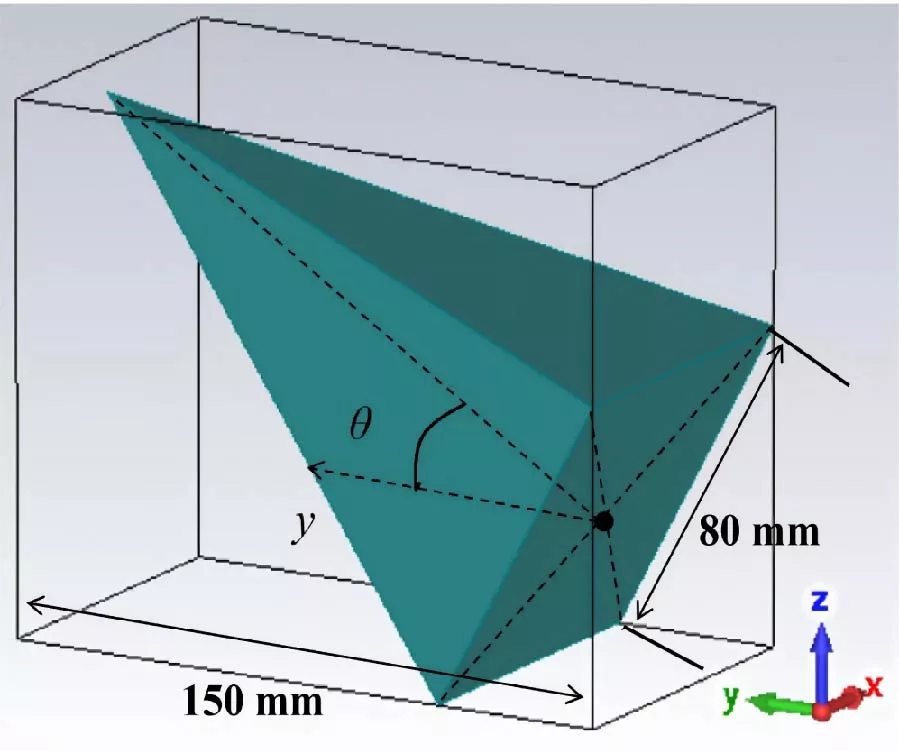
Microwave wireless power transfer (MWPT) offers significant advantages for charging unmanned vehicles over distances on the order of 100 m in atmospheric environments. To accurately measure the beam efficiency in field experiments, it is critical to suppress the impact of ground reflection on the field distribution generated by the beam. This paper presents the design of a compact wave-absorbing plate. The plate is composed of two dielectric waveguides arranged in an alternating side-by-side configuration. One waveguide is periodically loaded with metal patches along the propagation direction to absorb horizontally polarized incident waves, while the other is designed to absorb vertically polarized waves. Slots on the top surface are employed to couple the incident wave energy into the waveguides. Simulation results indicate that at 10 GHz, the reflection coefficients for both horizontal and vertical polarizations remain below -20 dB for incident angles ranging from 60° to 75°. In terms of volume, the proposed absorber achieves an 85% reduction in absorbing material consumption compared with conventional structures. It can be obliquely deployed on the ground as an array along the propagation path of the microwave beam to effectively attenuate ground reflection.
Design of a Compact Wave-Absorbing Plate for Suppressing Ground Reflection in MWPT Field Experiments
2020-04-19
PIER C
Vol. 169, 11-20, 2026
download: 63
Cluster Driven Subarray Setup for Reinforcing Phased Beam Pattern: A Comparative Analysis for Four Array Grids
Randa Yahya Hussein and Ahmed Jameel Abdulqader
This paper aims to propose efficient scenarios for constructing subarray structures based on innovative cluster configurations for high-performance beamforming. Two efficient methods, spatial assembly clustered subarray (SACS) and radial section clustered subarray (RSCS), are proposed for constructing multiple planar antenna arrays. Several array grid shapes were selected, including the rectangular array (RA), uniformly circular area randomly filling (UCARF), polycycle concentric array (PCA), and circular rectangle lattice array (CRLA). Synthesizing large arrays requires a high-performance algorithm to ensure error-free tuning. Therefore, the optimization process was assigned to the convex optimization (CO) algorithm. A set of radiation constraints was incorporated to generate a strong phased beam pattern (PBP) based on the innovative cluster structures, including steering and null steering, and a significant reduction in the sidelobe levels (SLLs). Complex excitation optimization of the subarray elements was used to meet the requirements of electromagnetic radiation. Simulation results show that the four topologies using the RSCS method offer better control than the SACS method in terms of reducing the SLL. The CRLA-RSCS method achieved -82.6 dB, the CRLA-SACS of -60 dB, the UCARF-RSCS of -45 dB, the PCA-RSCS of -39 dB, and the RA-RSCS method of -35 dB, with the other subarrayed array methods achieving -30 dB. Regarding the null steering characteristic, the CRLA-SACS method achieved a better depth, reaching -150 dB, than the other clustered array tiling methods. In all the sternification configurations, the main beam was steered at a 30-degree angle and could be reconfigured as required. Therefore, the design of such antenna arrays makes them suitable for modern and future communication applications.
Cluster Driven Subarray Setup for Reinforcing Phased Beam Pattern: A Comparative Analysis for Four Array Grids
2026-04-19
PIER C
Vol. 169, 1-10, 2026
download: 70
Small-Scale Fading Analysis Under Human-Induced Blockage in Indoor Millimeter Wave Channels
Miguel Riobó Prieto, Manuel García Sánchez and Inigo Cuinas
Millimeter-wave (mmWave) radio communication systems, essential to the advancement of future networks, are highly susceptible to link degradation caused by human body obstruction. This paper presents a comprehensive experimental study of fast fading phenomena induced by pedestrians crossing indoor mmWave links, specifically at 40 GHz and 60 GHz. The measurement campaign was conducted in a realistic access point to user equipment configuration, involving over 150 participants and yielding 604 fading events, of which 431 involved full line-of-sight (LOS) blockage. The analysis focuses on the statistical characterization of the deep-fade regions within these events. Results are compared with simulations based on the Knife-Edge Diffraction (KED) model to evaluate its accuracy under dynamic blockage conditions. The statistical analysis reveals that the Weibull distribution most effectively models the fast fading observed during human-induced blockage, outperforming Rician, Rayleigh, Nakagami-m, and Normal distributions - particularly at 60 GHz, where 89% of fades aligned with the Weibull model. Simulated fades using the KED model, however, did not show a strong fit with a single distribution yielding similar results to the Rician, Weibull, and Nakagami-m. These findings underscore the influence of diffracted multipath components in determining the statistical behavior of fast fading. The study confirms the limitations of existing diffraction models in capturing the full complexity of dynamic human blockage and highlights the need for refined modeling approaches. This work contributes critical insights toward the robust design and performance prediction of future indoor mmWave communication systems.
Small-Scale Fading Analysis under Human-Induced Blockage in Indoor Millimeter Wave Channels